16 photos of inventors behind common household gadgets
We often overlook the everyday items in our homes that make life easier and more convenient. Behind each of these innovations is an inventor whose clever ideas have quietly revolutionized our daily routines.
In this article, we’ll explore the minds behind some of the most ingenious household inventions, celebrating their contributions and the impact they have on our lives. From the ballpoint pen to the adjustable bed, these inventors deserve a round of applause for their creativity and ingenuity.
The Brilliant Mind Behind the Ballpoint Pen
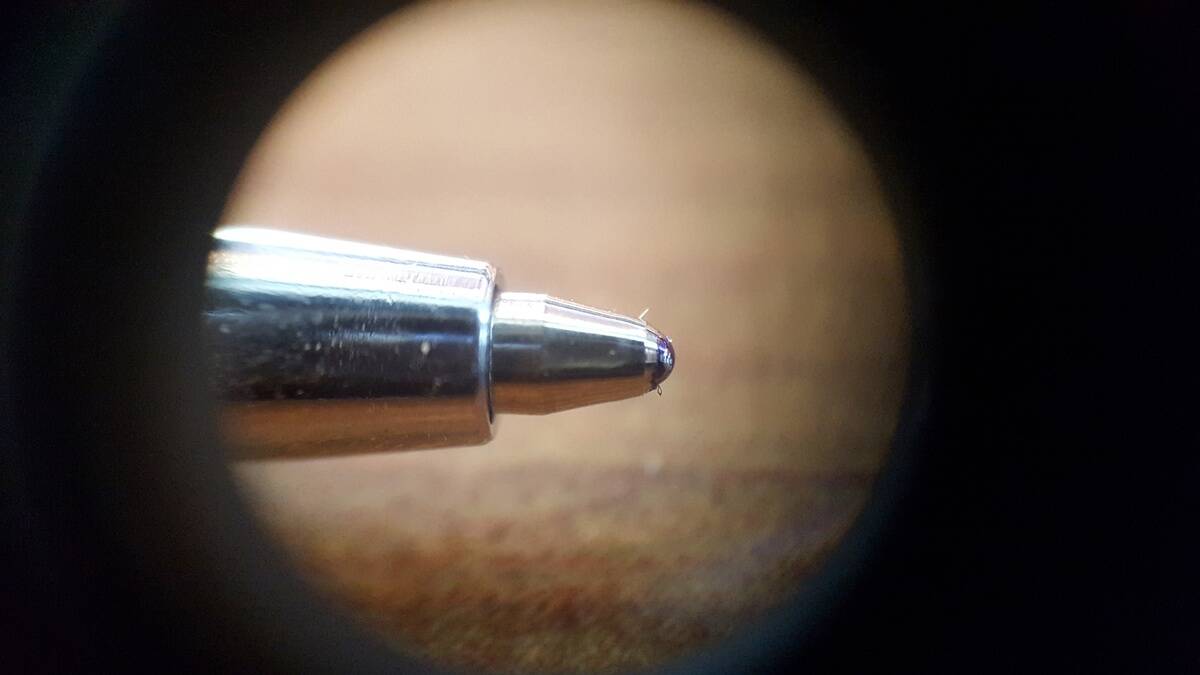
László Bíró, a Hungarian journalist, invented the ballpoint pen in 1938. Tired of fountain pens that smudged and required constant refilling, Bíró sought a better solution. He noticed how quickly newspaper ink dried and, with the help of his brother György, devised a ball-and-socket mechanism to ensure smooth ink flow.
Today, the ballpoint pen is a staple in offices and homes worldwide, thanks to Bíró’s innovative thinking and determination to solve a common problem.
From Idea to Icon: The Inventor of the Zipper
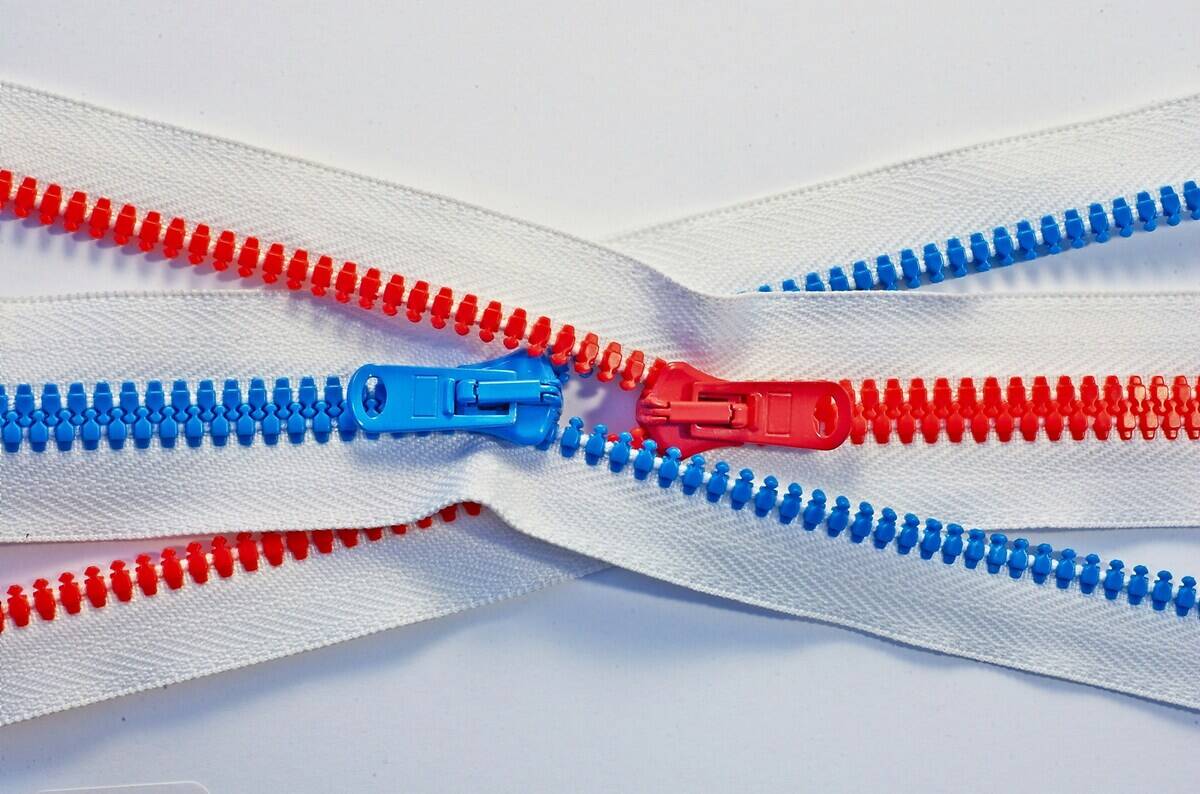
Whitcomb L. Judson, an American inventor, patented the zipper in 1893. Initially called a “clasp locker,” Judson’s invention aimed to replace traditional buttons on shoes. The early design was cumbersome, but a Swedish-American engineer named Gideon Sundback later refined it, leading to the zipper we know today.
Now, zippers are ubiquitous in fashion and beyond, proving Judson’s idea was ahead of its time and a testament to the power of iterative design.
The Dishwasher Innovator Who Changed Kitchen Chores Forever
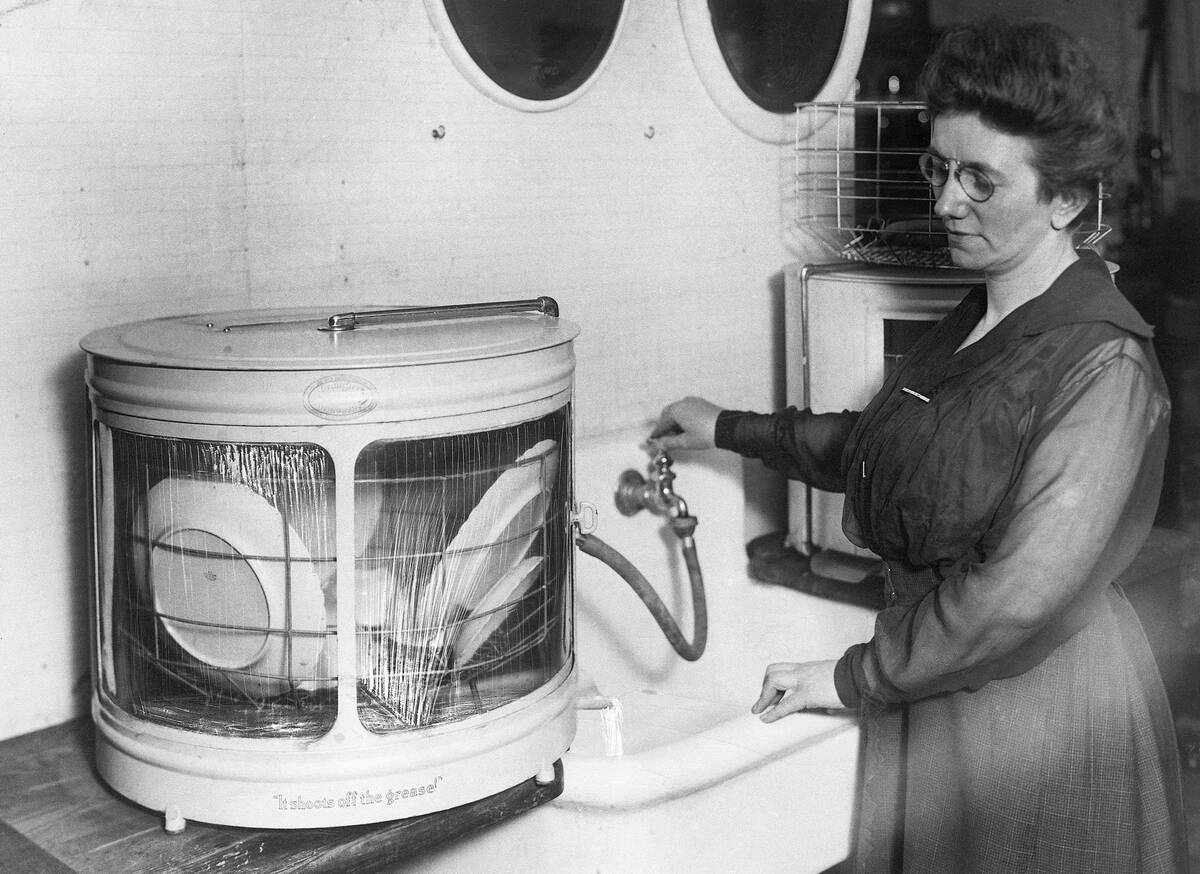
Josephine Cochrane invented the first practical dishwasher in 1886. Frustrated with her fine china being chipped by careless handwashing, Cochrane designed a machine that would clean dishes more efficiently.
Using water pressure, her invention was initially popular in hotels and restaurants before becoming a household appliance. Cochrane’s dishwasher transformed kitchen chores, saving countless hours and making her a pioneer of modern convenience in the home.
Meet the Genius Who Revolutionized the World with Velcro
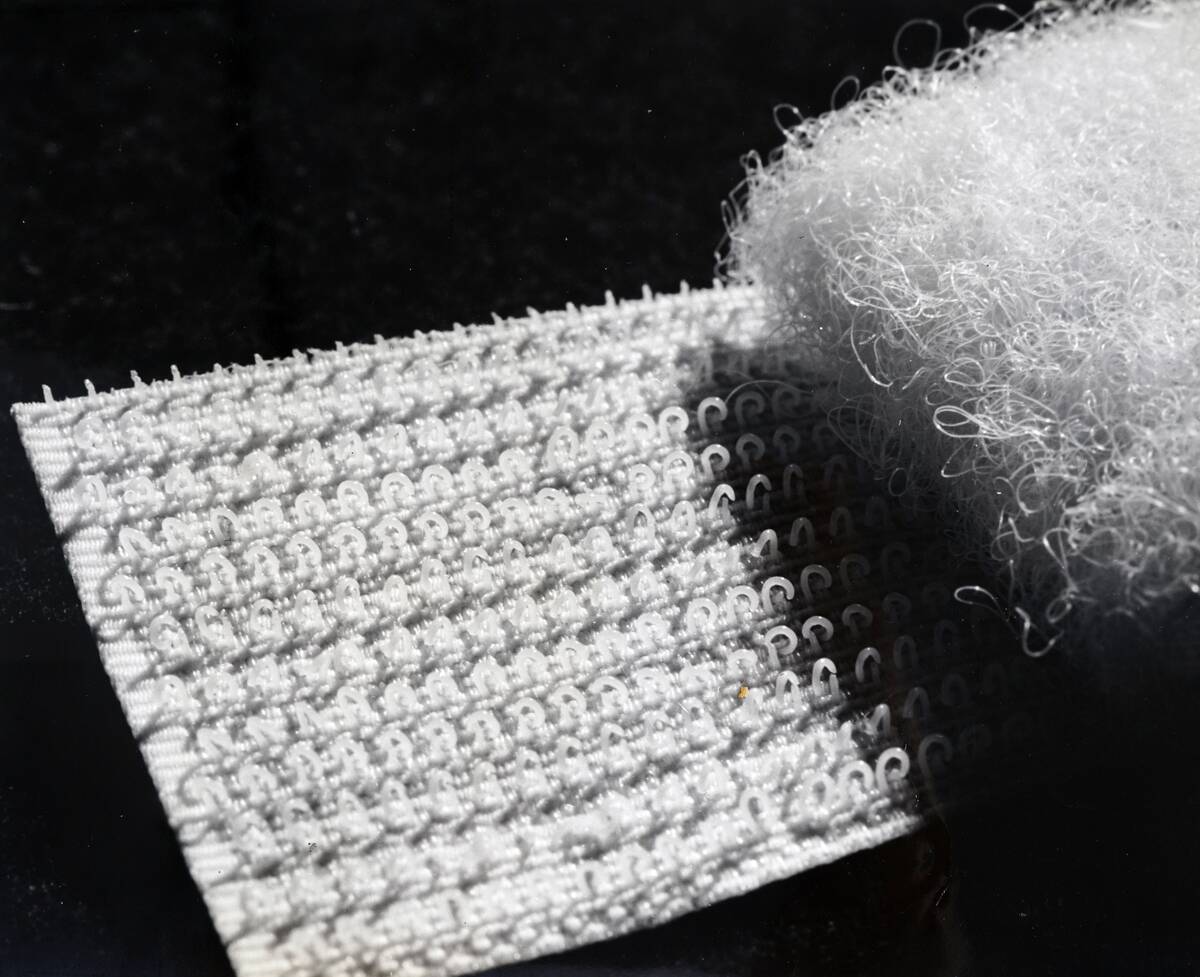
Swiss engineer George de Mestral invented Velcro in 1941 after a hike with his dog. Noticing how burrs clung to his clothing, de Mestral examined them under a microscope and discovered their natural hook-like structures.
This observation inspired him to create a fastening system that mimicked the burrs’ grip. Velcro has since become a versatile tool used in everything from fashion to aerospace, showcasing de Mestral’s ability to turn a simple observation into a groundbreaking invention.
The Ingenious Creator of the Coffee Maker
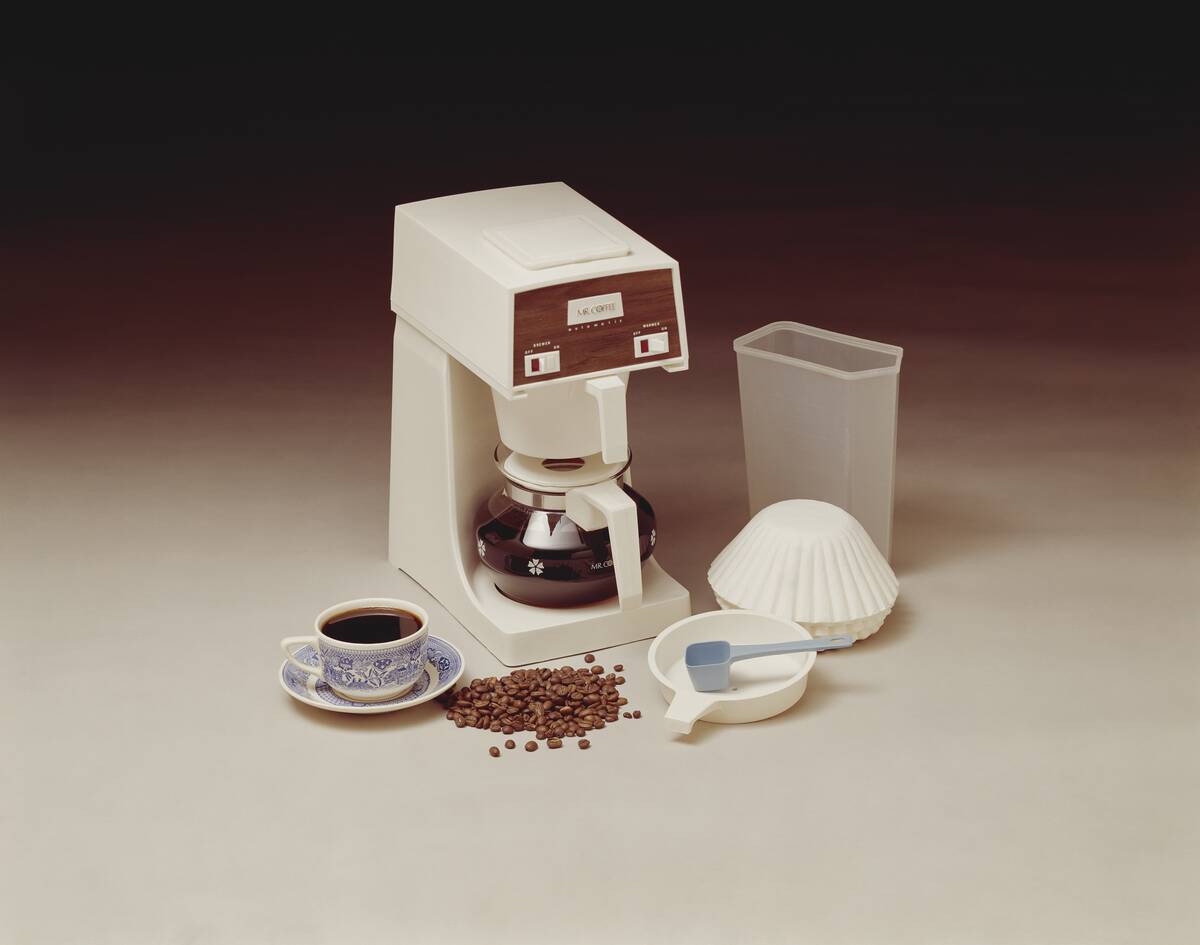
Melitta Bentz, a German housewife, revolutionized coffee brewing in 1908 with her invention of the drip coffee maker. Tired of bitter coffee and grounds in her cup, Bentz experimented with blotting paper to filter the brew.
Her simple yet effective solution led to the creation of the Melitta company, which still produces coffee filters today. Bentz’s innovation transformed coffee preparation, paving the way for the vast array of coffee makers we enjoy now.
The Visionary Behind the Handheld Vacuum Cleaner
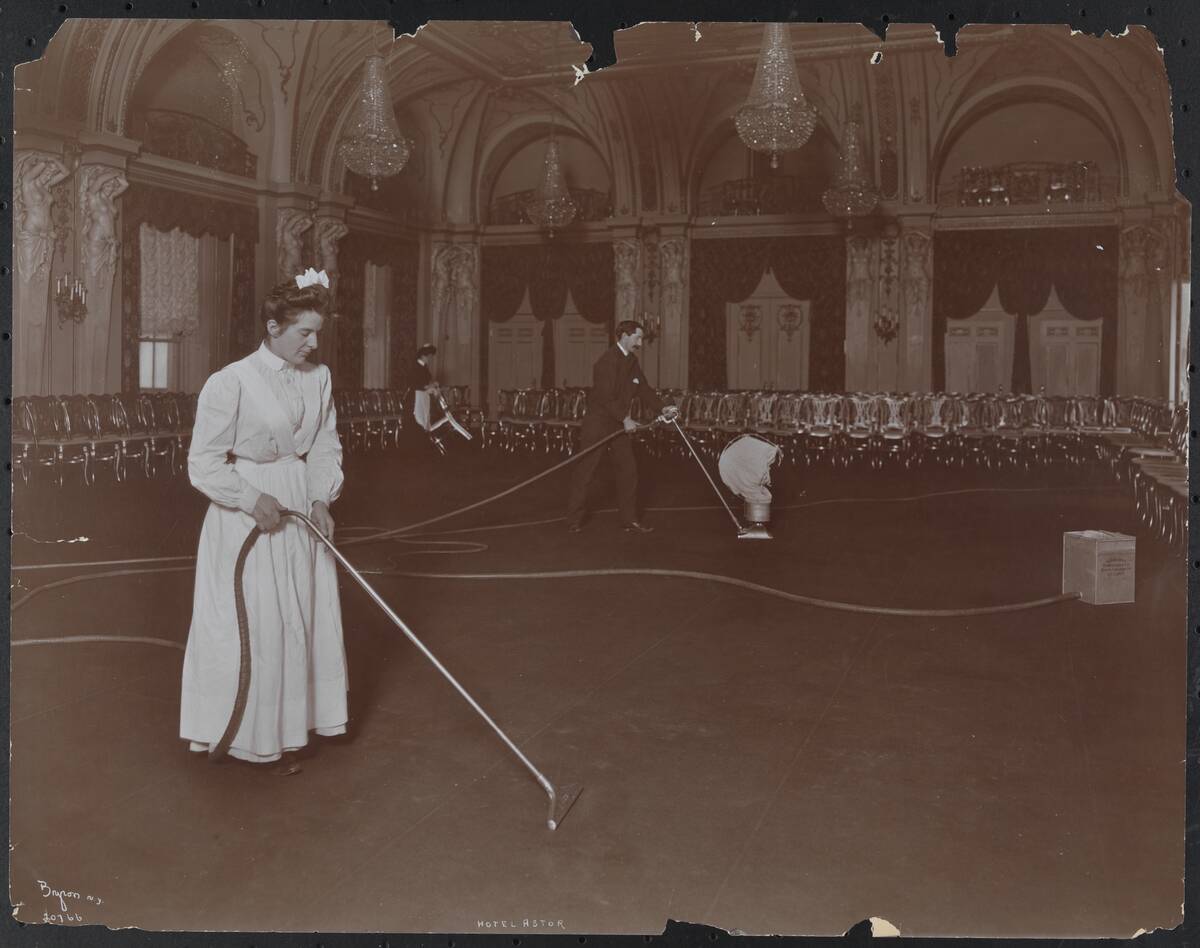
James Dyson, a British inventor, revolutionized the vacuum cleaner industry with his bagless design. Inspired by industrial cyclonic separation technology, Dyson developed the first prototype in 1978.
After years of refinement and rejection from manufacturers, he launched the Dyson DC01 in 1993. The vacuum featured powerful suction without losing efficiency over time, changing cleaning habits worldwide. Dyson’s perseverance and innovation have made handheld vacuum cleaners a must-have in modern households.
Turning Up the Heat: The Inventor of the Microwave Oven
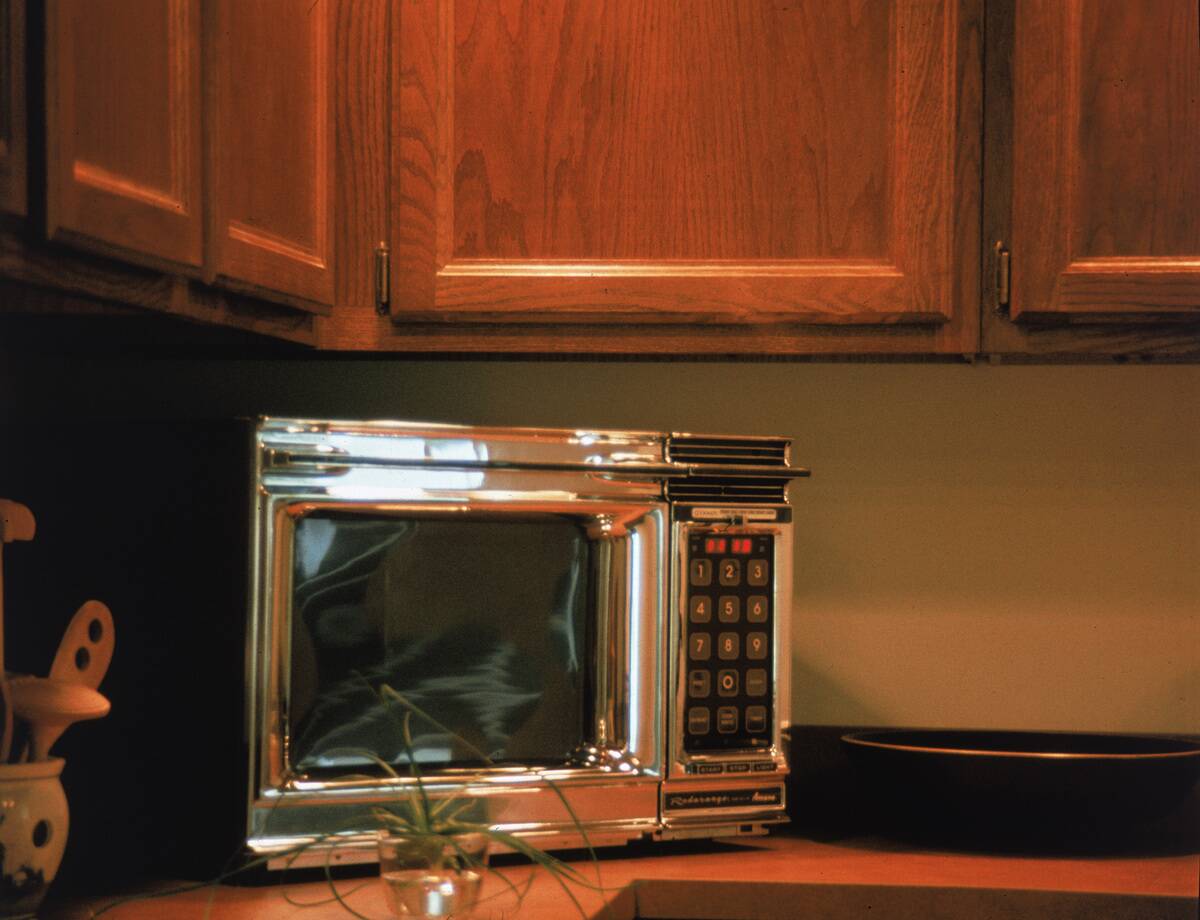
Percy Spencer, an American engineer, accidentally discovered microwave cooking in 1945 while working with radar technology. Noticing a candy bar melted in his pocket, Spencer experimented with microwaves and found they could cook food quickly.
This led to the development of the first commercial microwave oven, the "Radarange," in 1947. Although initially used in commercial settings, microwave ovens became a household staple, revolutionizing cooking with speed and convenience thanks to Spencer’s serendipitous discovery.
The Silent Pioneer of the Electric Toothbrush
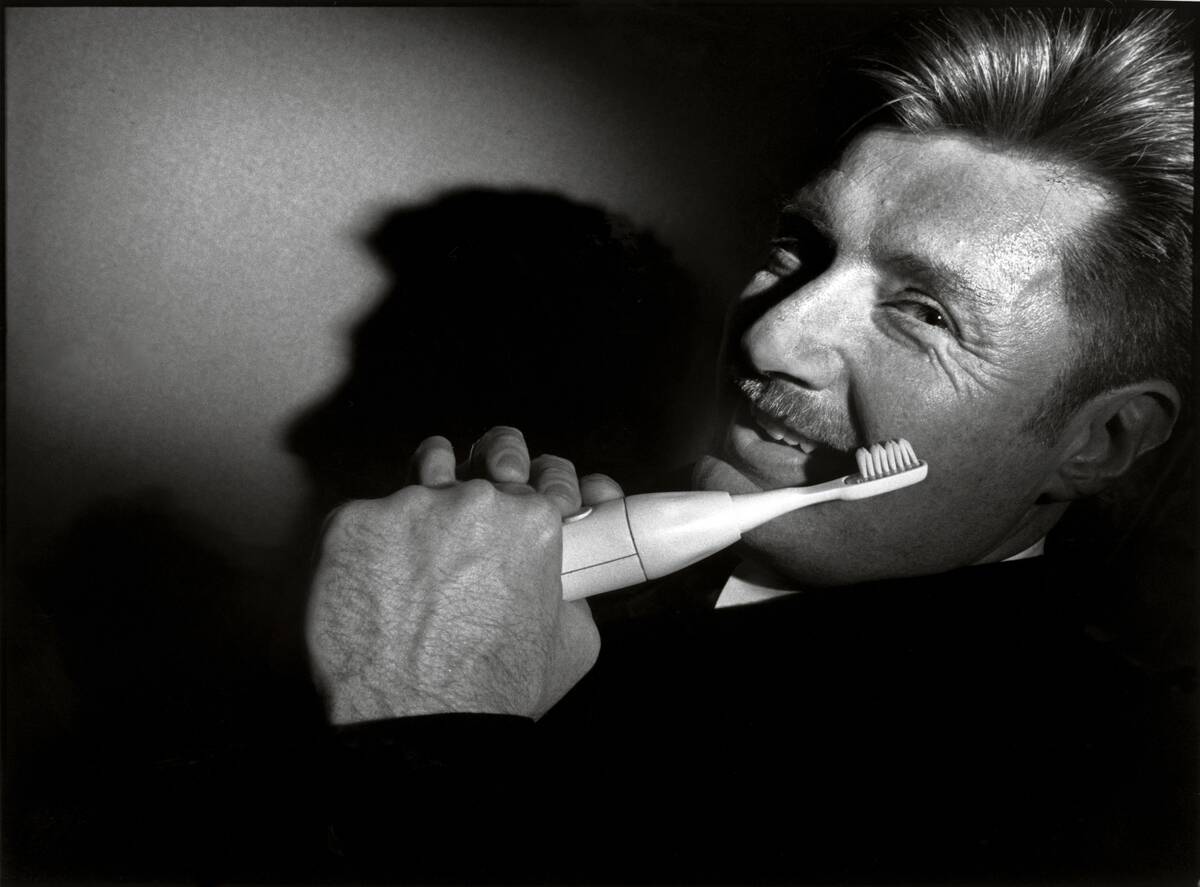
The electric toothbrush was invented in 1954 by Dr. Philippe-Guy Woog, a Swiss dentist. Designed to help patients with limited motor skills, Woog’s invention used a motor to automate brushing.
The first electric toothbrush, the Broxodent, was introduced in the U.S. in 1959. Since then, electric toothbrushes have evolved significantly, becoming a popular tool for maintaining oral hygiene. Woog’s innovation has made dental care more accessible and effective for people of all ages.
Bright Ideas: The Unsung Hero of the LED Light Bulb
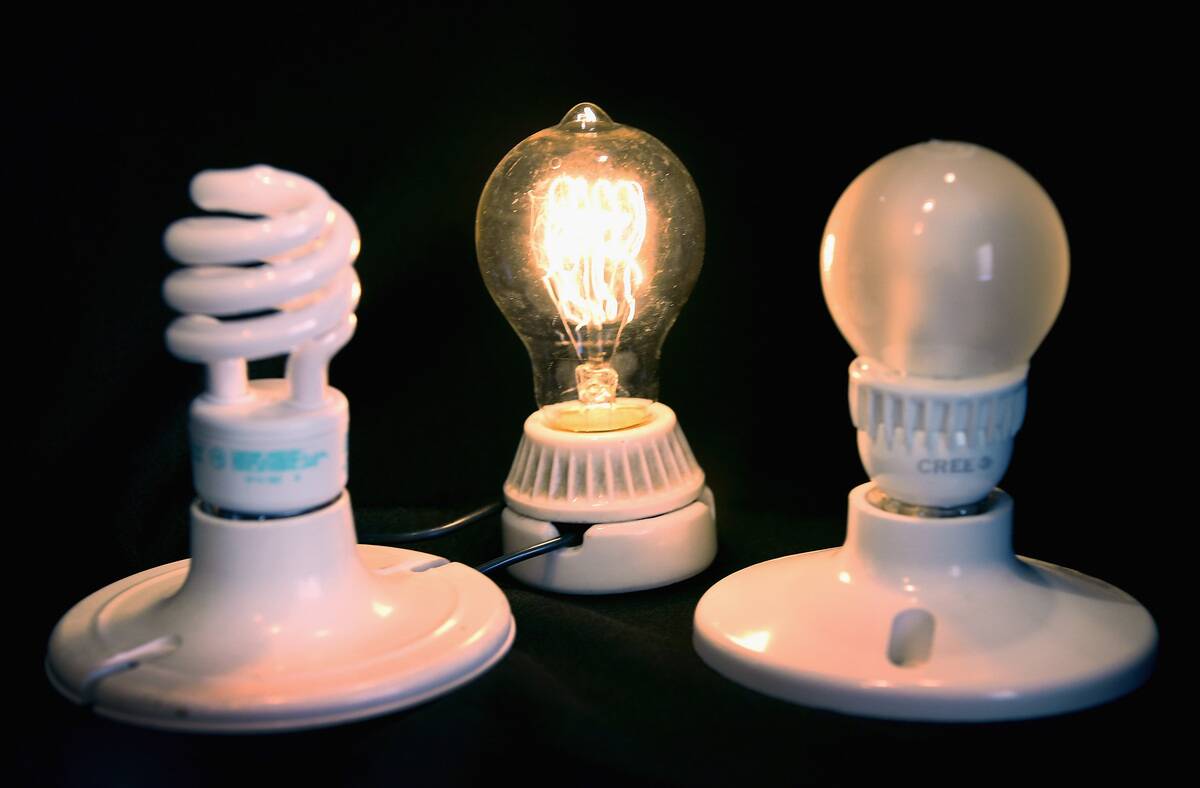
Nick Holonyak Jr., an American engineer, invented the first visible-spectrum LED in 1962. Working at General Electric, Holonyak’s discovery paved the way for energy-efficient lighting solutions. Although initially limited to indicator lights, LEDs have since become the standard for various applications, including home lighting and electronic displays.
Holonyak’s work on LEDs has significantly impacted energy consumption and sustainability, earning him the nickname "Father of the Light-Emitting Diode."
The Clever Designer of the Modern Can Opener
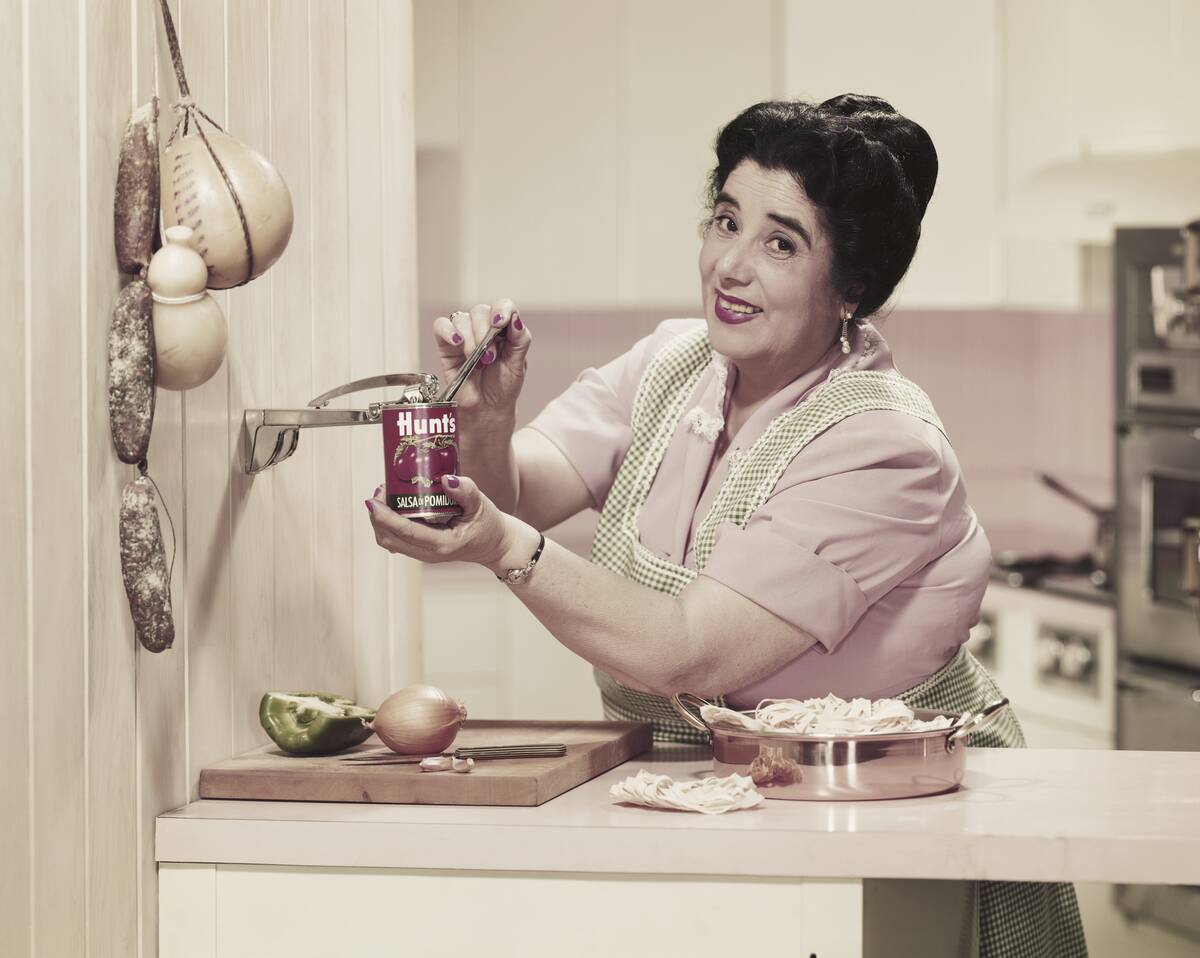
Ezra Warner patented the first practical can opener in 1858, revolutionizing the way people accessed canned goods. Before Warner’s invention, opening cans required a hammer and chisel, making the process cumbersome and hazardous.
His invention featured a lever-operated, blade-style mechanism improving safety and efficiency. The modern can opener’s design has been refined over the years, but Warner’s original concept laid the foundation for this essential kitchen tool.
Unraveling the Story of the Sewing Machine Innovator
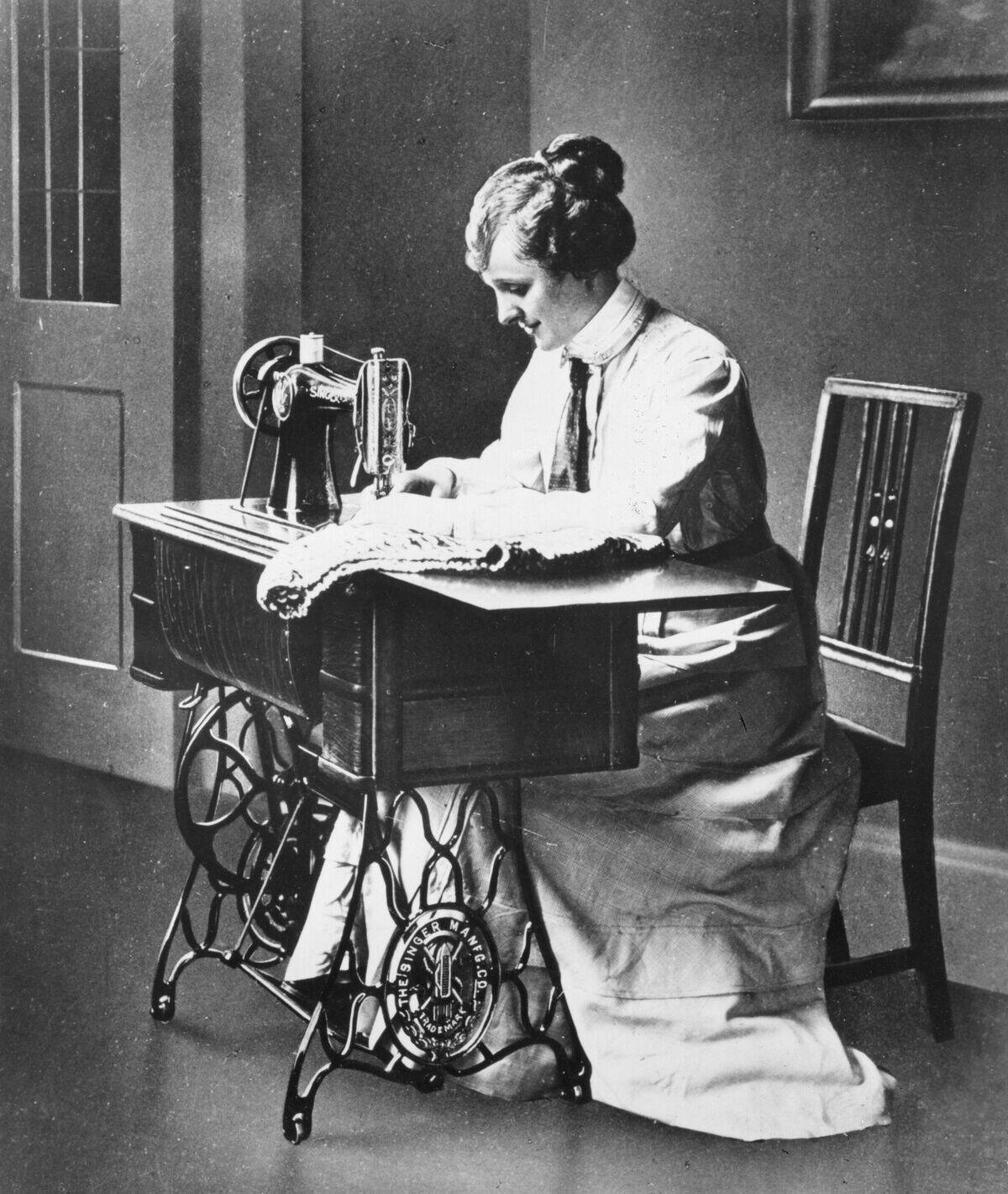
The sewing machine, a transformative invention, was developed by several inventors over time. However, Elias Howe is credited with creating the first practical machine in 1846. His design featured a lockstitch mechanism, which was a significant improvement over previous attempts.
Howe’s invention revolutionized the textile industry, making clothing production faster and more efficient. The sewing machine remains a vital tool in fashion and home sewing, thanks to Howe’s groundbreaking work.
The Mind Behind the Magic of Non-Stick Cookware

Non-stick cookware owes its existence to Dr. Roy Plunkett, an American chemist who discovered polytetrafluoroethylene (PTFE) in 1938. Accidentally stumbled upon while working for DuPont, PTFE is the non-reactive, slippery substance that makes non-stick pans so convenient.
In 1954, French engineer Marc Grégoire applied PTFE to cookware, creating the first non-stick pans. This discovery transformed cooking and cleanup, making it easier for home cooks to prepare meals without food sticking to their pots and pans.
Everyday Convenience: The Inventor of the Shopping Cart

Sylvan Goldman, an Oklahoma grocery store owner, invented the shopping cart in 1937. Observing customers struggling with heavy baskets, Goldman designed a foldable metal frame with wheels to ease their shopping experience.
Initially met with skepticism, the shopping cart eventually gained popularity and is now a staple in supermarkets worldwide. Goldman’s invention revolutionized the way people shop, making it more convenient and efficient to purchase groceries and other goods.
The Architect of Comfort: The Inventor of the Adjustable Bed
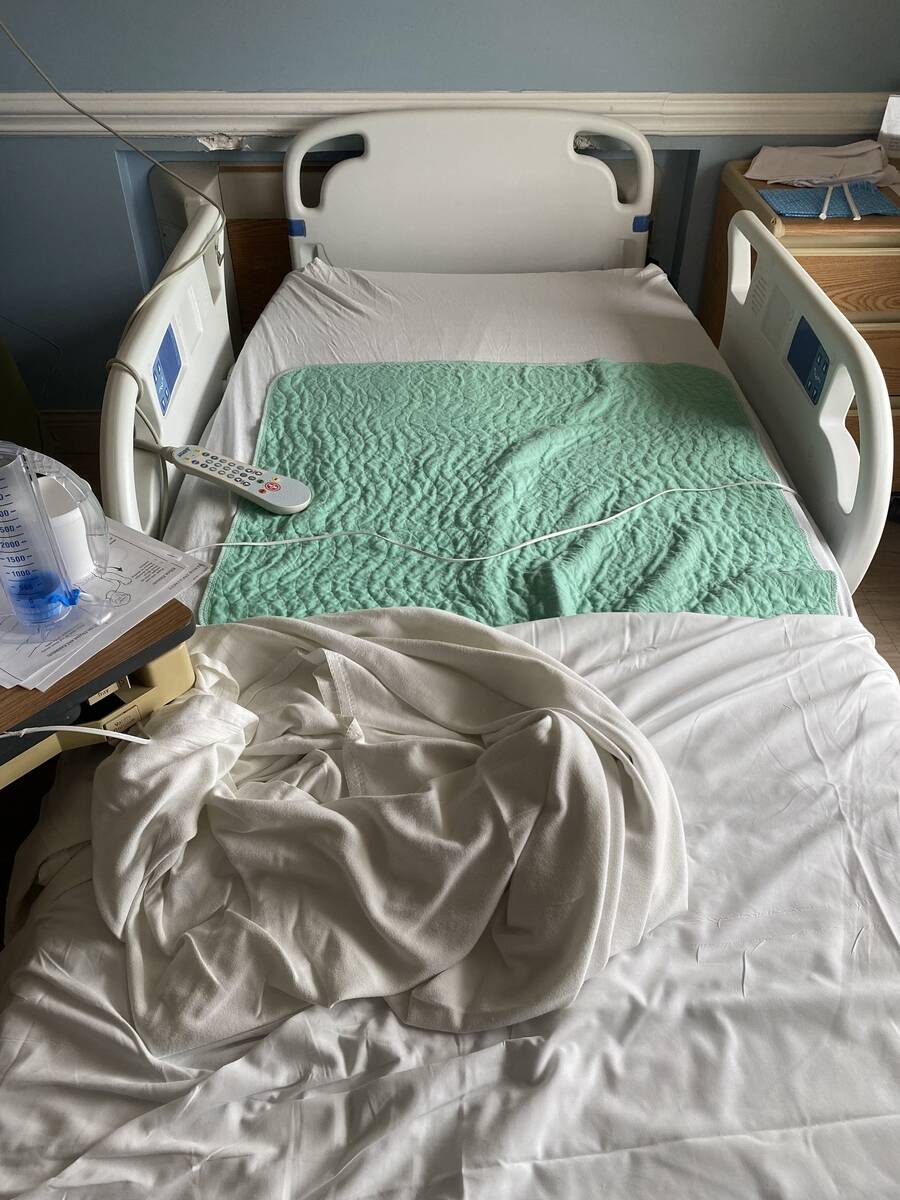
Dr. Willis Dew Gatch, an American surgeon, invented the adjustable hospital bed in the early 20th century. Designed to aid patient recovery, Gatch’s bed featured sections that could be raised or lowered independently.
This innovation improved patient comfort and care, paving the way for modern adjustable beds found in homes today. Gatch’s invention has made a lasting impact on healthcare and inspired the development of adjustable beds for everyday use, enhancing sleep quality and comfort.
Pioneering the Path to Clean Clothes: The Washing Machine Inventor
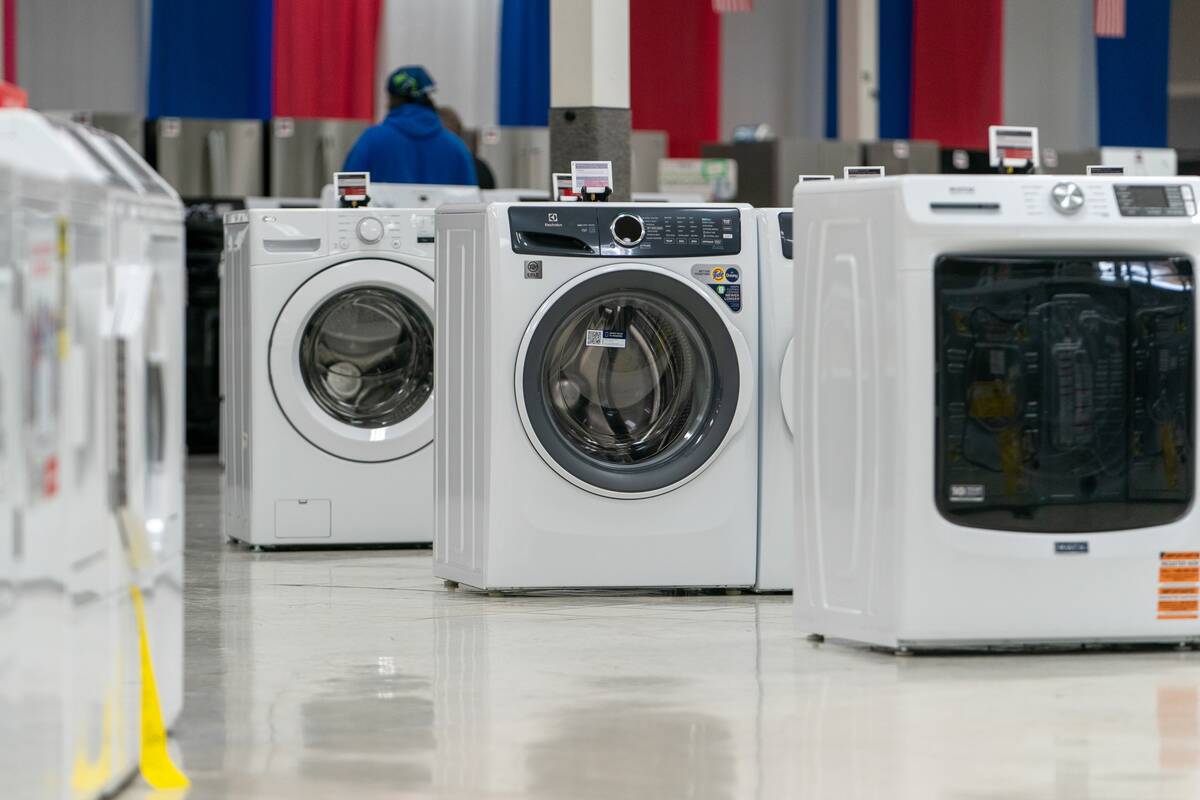
The washing machine, a household staple, evolved over time with contributions from multiple inventors. Jacob Christian Schäffer, a German theologian, is often credited with creating an early version in 1767. However, it was an American, Alva J. Fisher, who patented the first electric washing machine in 1908.
Fisher’s invention, the “Thor,” revolutionized laundry by automating the washing process. Today, washing machines save time and energy, highlighting the significance of these inventors’ efforts in household innovation.
The Genius Who Made the Thermostat a Household Staple
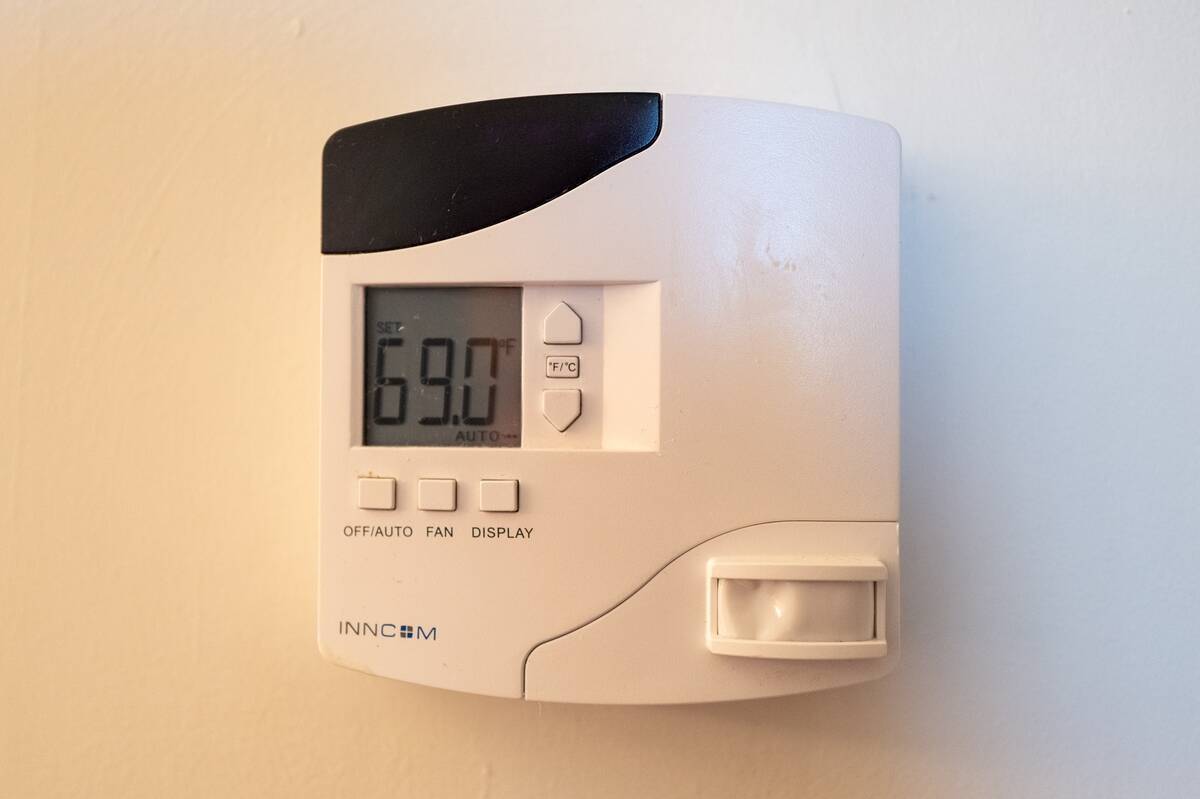
The modern thermostat owes its existence to Warren S. Johnson, an American professor, who invented the first electric room thermostat in 1883. Johnson’s invention allowed users to regulate indoor temperature automatically, improving comfort and energy efficiency.
Later innovations, like the programmable thermostat, built on Johnson’s work, making temperature control even more precise. Today, thermostats are integral to home heating and cooling systems, illustrating Johnson’s lasting impact on household technology.




