18 photos revealing bizarre medical cures from the past
Welcome to a journey through the annals of medical history, where the bizarre often masqueraded as the miraculous. From ancient practices to medieval concoctions, humans have always sought remedies, sometimes in the most peculiar ways.
While many of these treatments seem outlandish today, they were once considered cutting-edge. This exploration will dive into some of these strange and fascinating cures, shedding light on the evolution of medical knowledge over the centuries.
Bloodletting: The Ancient Art of Balancing Humors
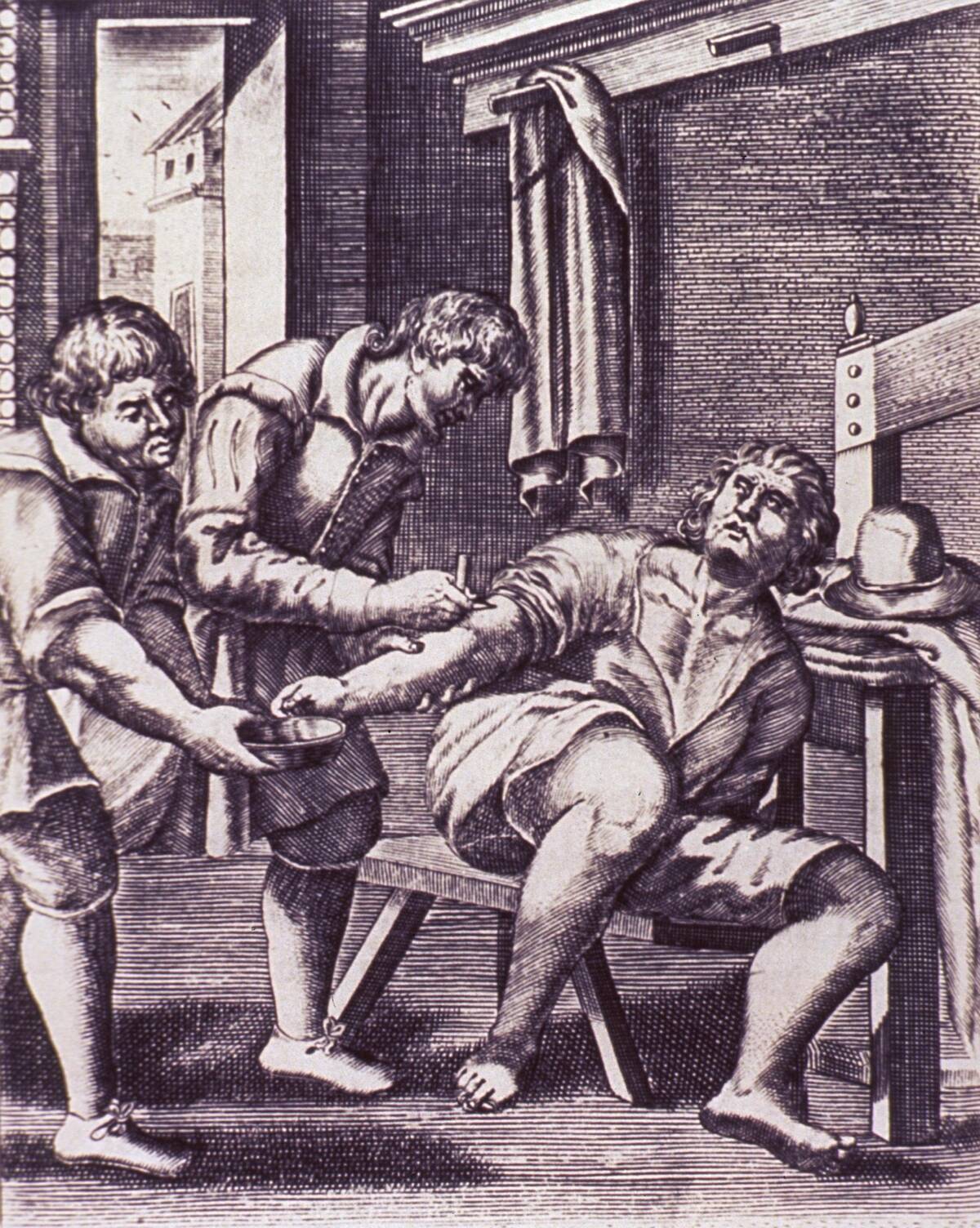
Bloodletting was a common practice based on the belief that illnesses were caused by an imbalance of bodily humors. Physicians used leeches or lancets to draw blood, aiming to restore balance and health.
This practice dates back to ancient Egypt and persisted into the 19th century. Despite its long history, modern medicine recognizes the dangers associated with unnecessary blood loss. It’s fascinating to see how this method was once a cornerstone of healthcare, reflecting the medical understanding of its time.
Trepanation: Drilling Holes for Health
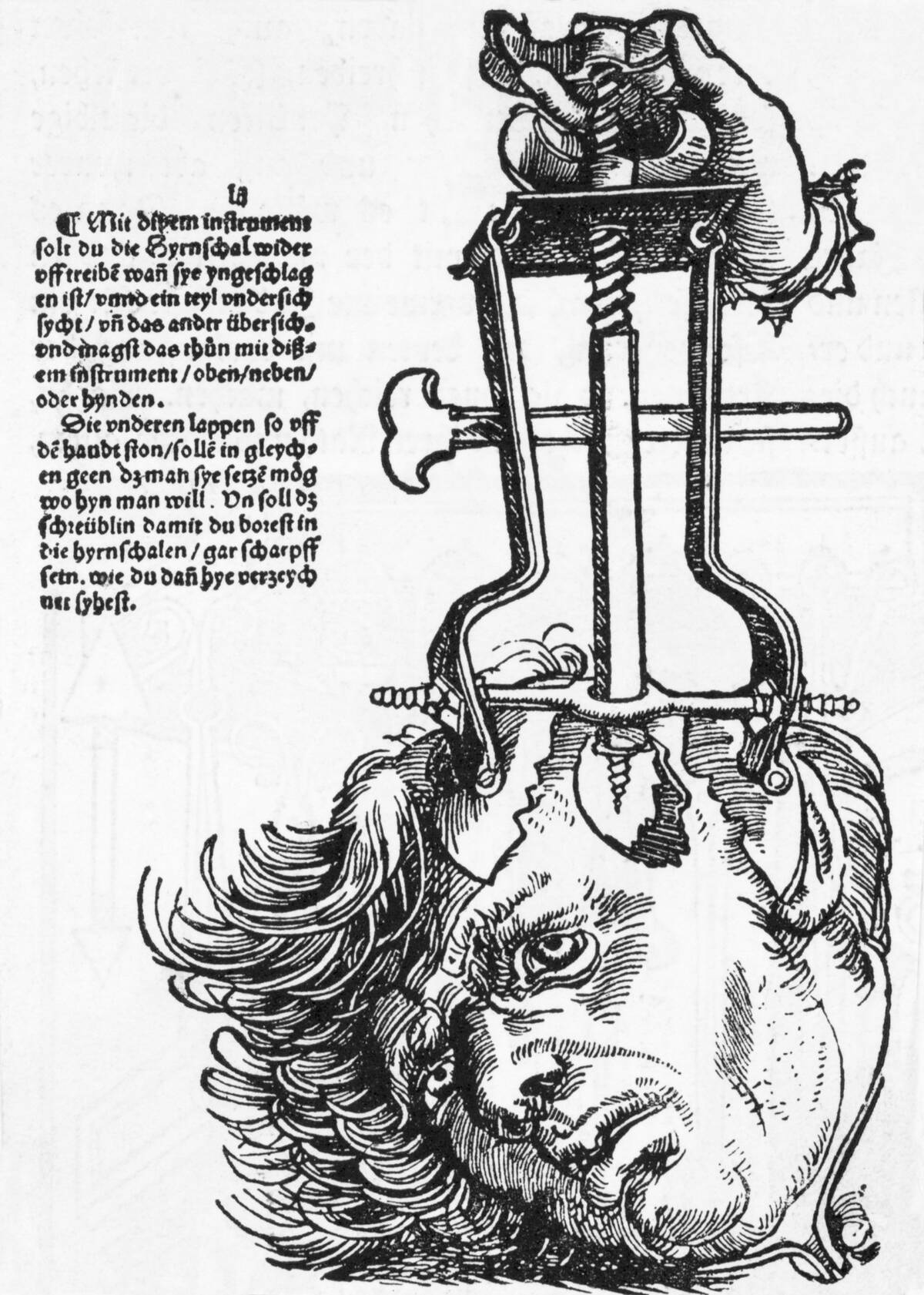
Trepanation, the practice of drilling holes into the skull, has been used since prehistoric times. It was believed to treat conditions like headaches, epilepsy, and mental disorders by releasing evil spirits.
Archaeological evidence shows that some patients survived the procedure, as indicated by bone regrowth. While it sounds terrifying today, trepanation highlights early attempts to address neurological issues. Thankfully, modern neurology has developed far less invasive methods to tackle such ailments.
Snake Oil Salesmen and Their Miraculous Elixirs
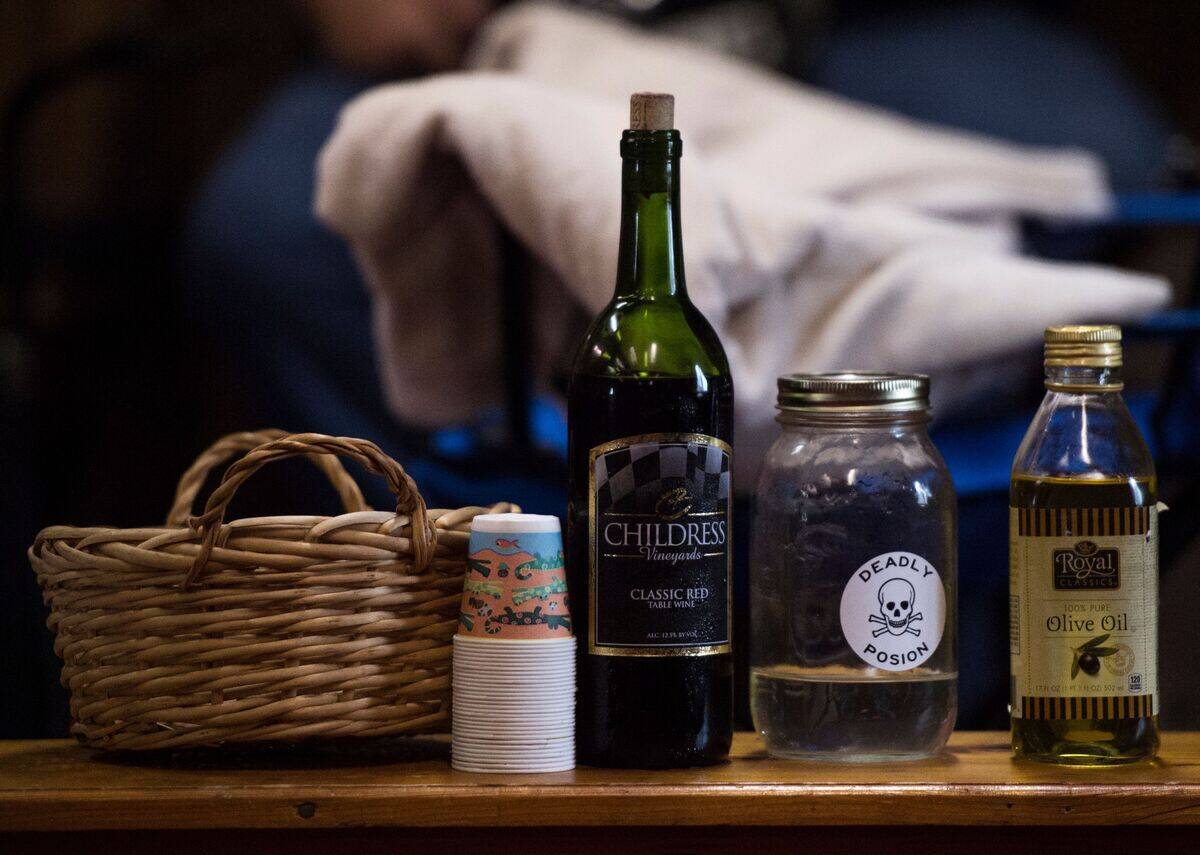
The term “snake oil salesman” originates from the fraudulent peddlers of miraculous cures in the 19th century. These purveyors claimed their potions could cure a range of ailments, from arthritis to baldness, often with no scientific basis.
Real snake oil, derived from Chinese water snakes, actually contains beneficial omega-3 acids, but the products sold in the West rarely contained such ingredients. This era underscores the importance of regulation and evidence-based medicine in ensuring public safety.
The Healing Power of Leeches
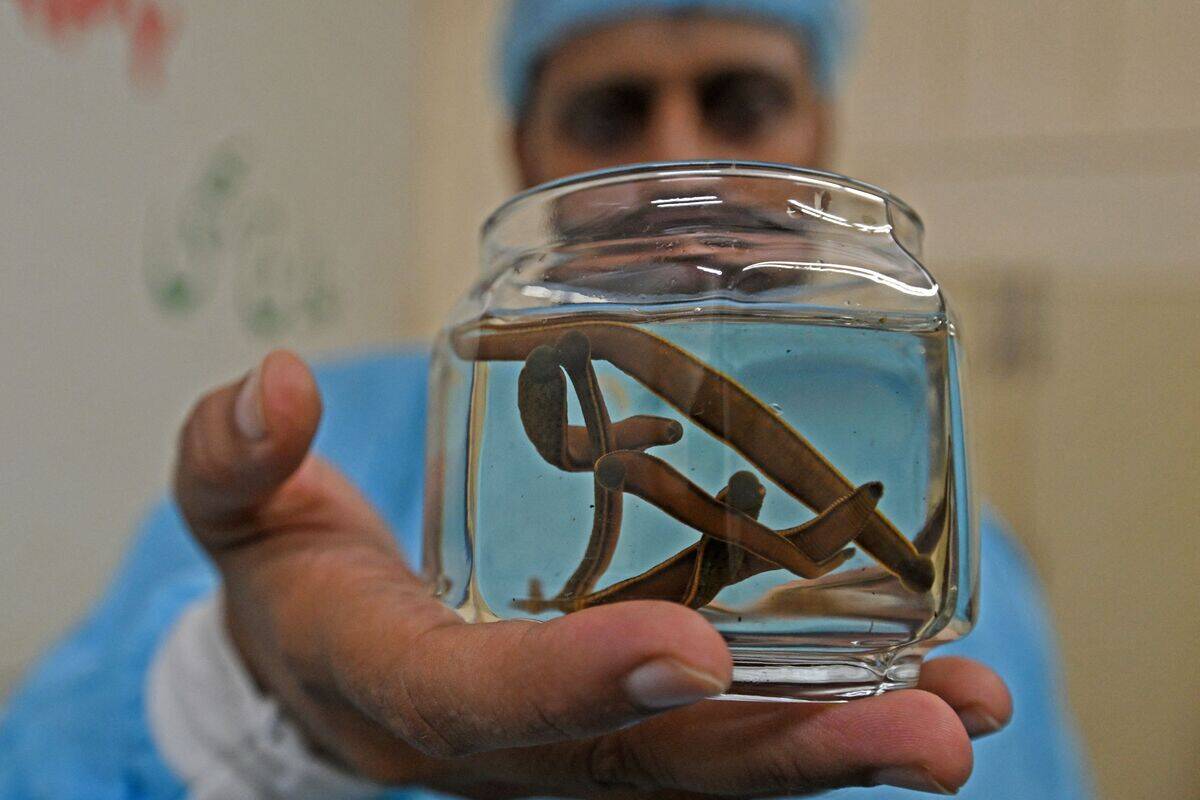
Leeches have been used in medicine for over 2,500 years, primarily for bloodletting purposes. Interestingly, they’ve made a modern comeback in reconstructive surgery to improve blood circulation in tissue grafts.
Leeches produce a natural anticoagulant called hirudin, which prevents blood clots. While their use might seem archaic, leeches demonstrate how ancient practices can find new relevance with scientific understanding. It’s a reminder of the cyclical nature of medical innovation.
Mummy Powder: Ancient Egypt’s Contribution to Medicine
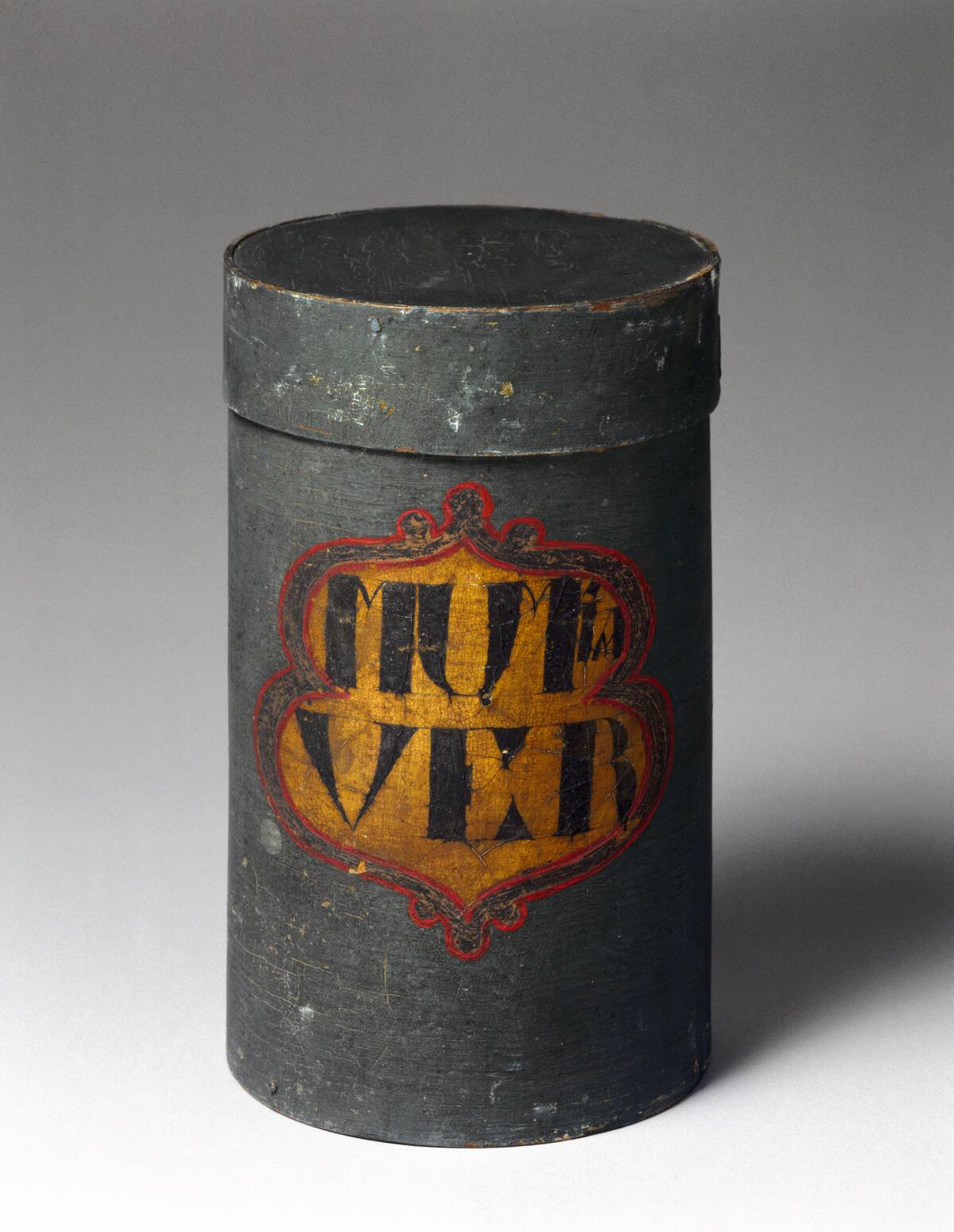
Mummy powder, also known as mumia, was believed to have curative properties during the Middle Ages and Renaissance. This bizarre remedy involved grinding up mummies, imported from Egypt, and using the resulting powder in various treatments.
Europeans believed it could cure ailments like epilepsy and internal bleeding. While the practice now seems macabre, it highlights the historical fascination with ancient Egyptian culture and the lengths people would go to for perceived health benefits.
The Use of Mercury for Treating Syphilis
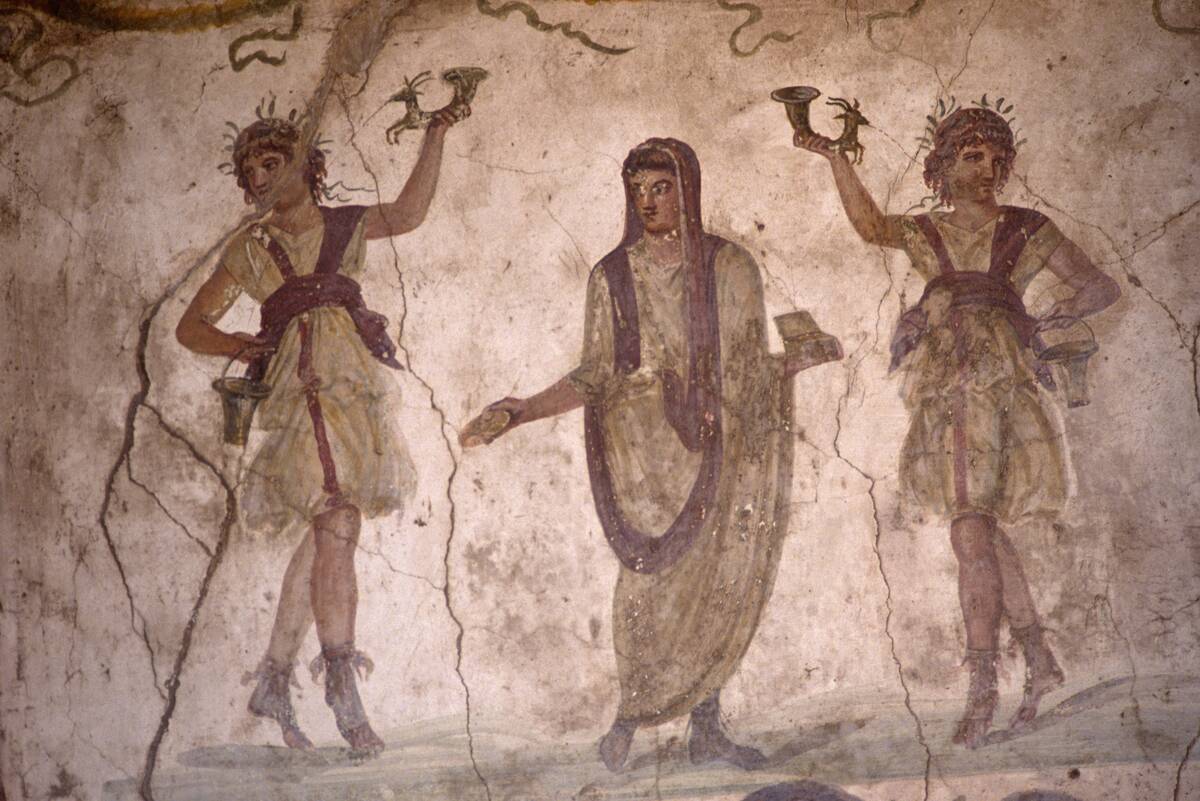
In the 15th century, mercury was a common treatment for syphilis, despite being highly toxic. Known as “the great pox,” syphilis was a significant health crisis, and mercury ointments or vapor baths were thought to purge the body of the disease.
This treatment often led to mercury poisoning, causing more harm than good. The use of mercury for syphilis is a stark example of how desperation for a cure can lead to dangerous practices, paving the way for safer treatments.
Dead Mouse Paste: An Unusual Toothache Remedy

In ancient Egypt, a peculiar remedy for toothaches involved using a paste made from dead mice. The belief was that the paste could alleviate dental pain when applied directly to the gums. While this method might raise eyebrows today, dental care was a significant challenge in ancient times.
This unusual remedy underscores the lengths to which societies have gone to find relief from pain, often relying on superstition and trial-and-error methods in the absence of modern dental science.
The Role of Urine Therapy in Historical Healthcare
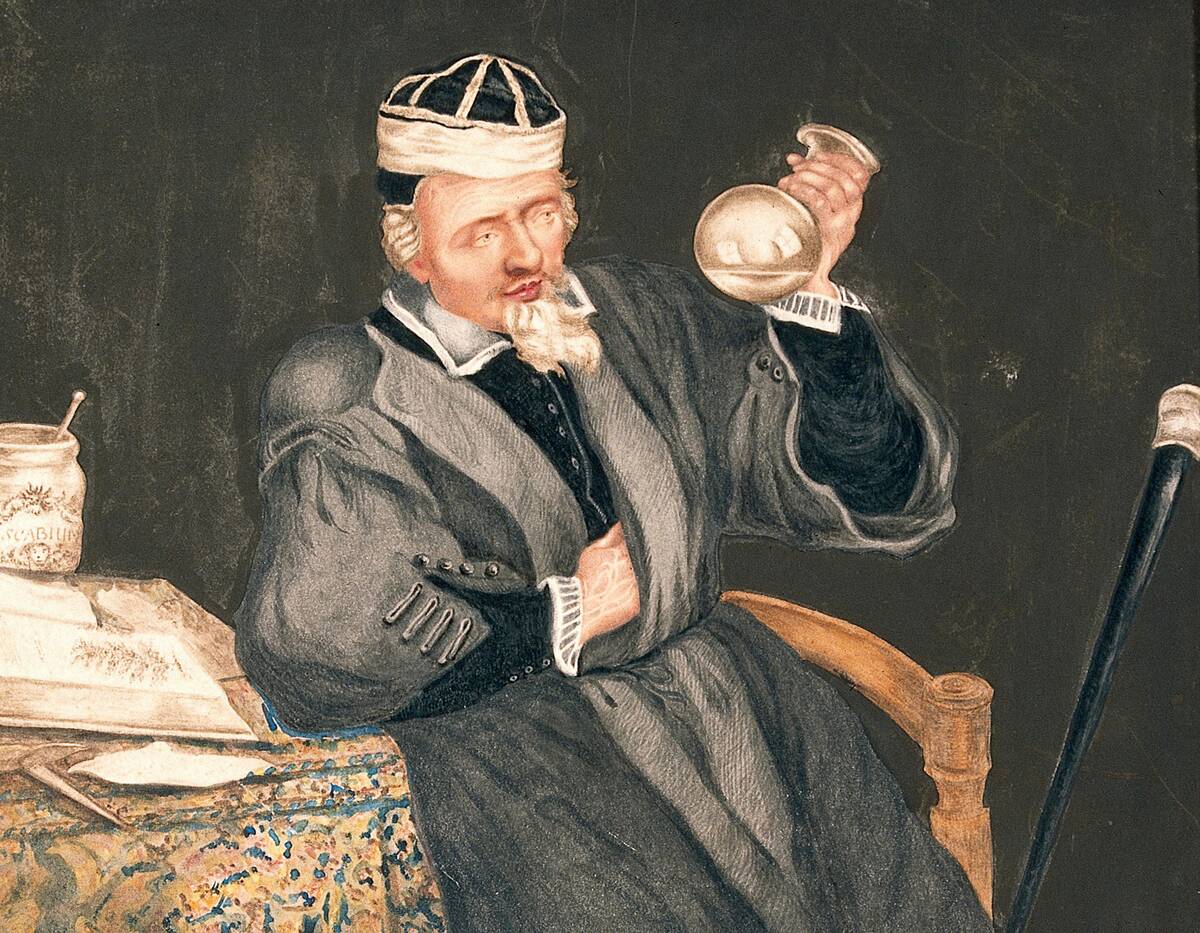
Urine therapy, or urotherapy, has been used across various cultures for its supposed healing properties. Ancient Roman texts mention it as a remedy for healing wounds and whitening teeth.
Even in the Middle Ages, urine was used as a diagnostic tool and a treatment. While the thought might be off-putting, urine is sterile and contains urea, which can have beneficial properties. This practice reflects the resourceful, albeit unconventional, approaches to medicine before the advent of modern pharmaceuticals.
Tobacco Smoke Enemas: Blowing Smoke for Resuscitation

Tobacco smoke enemas were once considered a resuscitative technique for drowning victims in the 18th century. The belief was that the smoke would stimulate the body’s systems and revive the individual.
Kits were even installed along the River Thames for emergency use. Although the practice eventually fell out of favor, it’s a fascinating example of how medical theories evolve. Today, we recognize the dangers of tobacco, which makes this historical practice all the more astonishing.
The Eel Treatment for Persistent Headaches
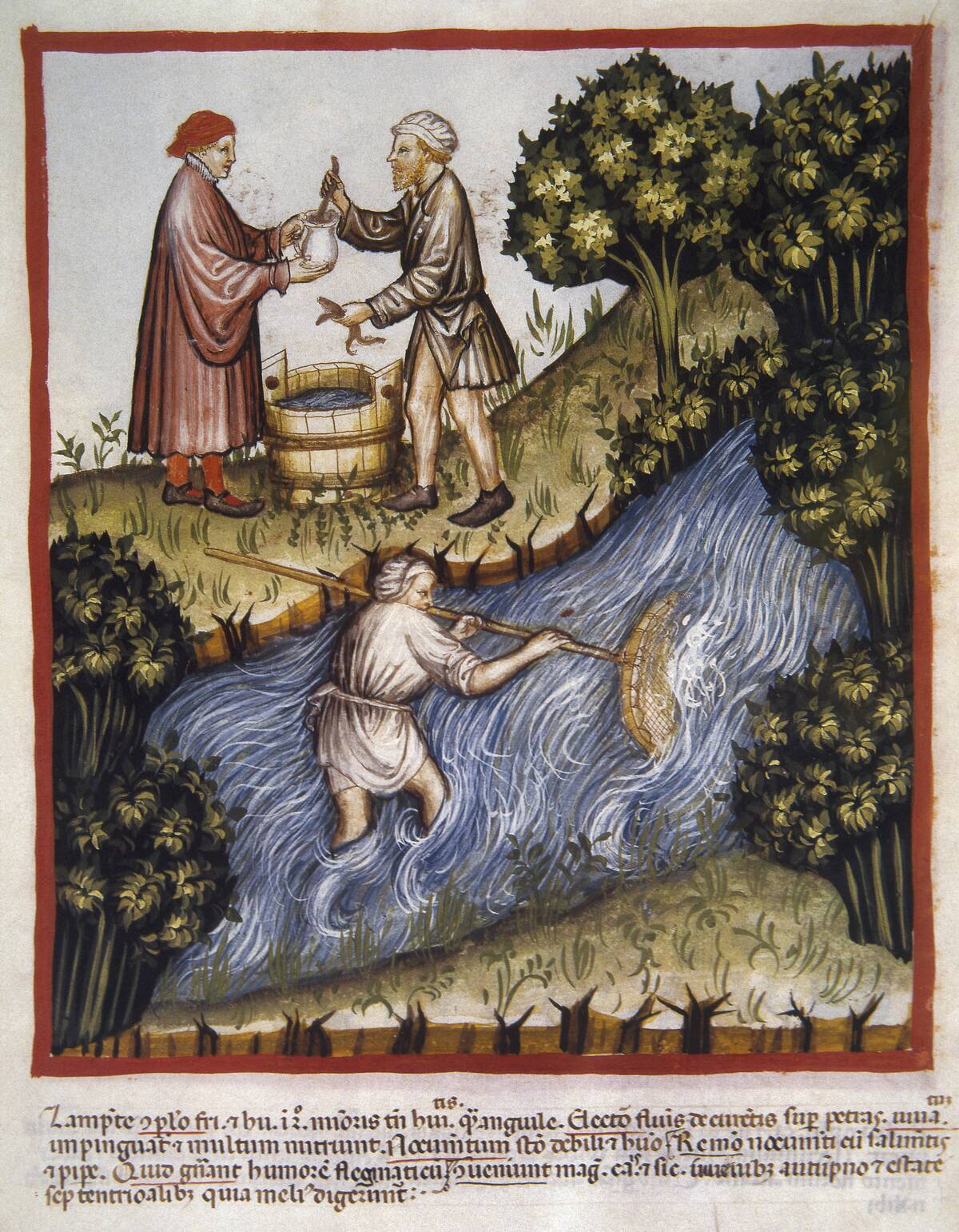
Using eels to treat headaches might sound like a fish tale, but it was indeed a remedy used in ancient Rome. Placing a live eel on the head was believed to draw out the pain. While this method lacks scientific backing, it demonstrates the creativity and desperation in early medical practices.
Modern medicine offers more effective solutions for headaches, yet it’s interesting to reflect on how far we have come in understanding and treating such common ailments.
The Curious Case of Cannibalistic Cures
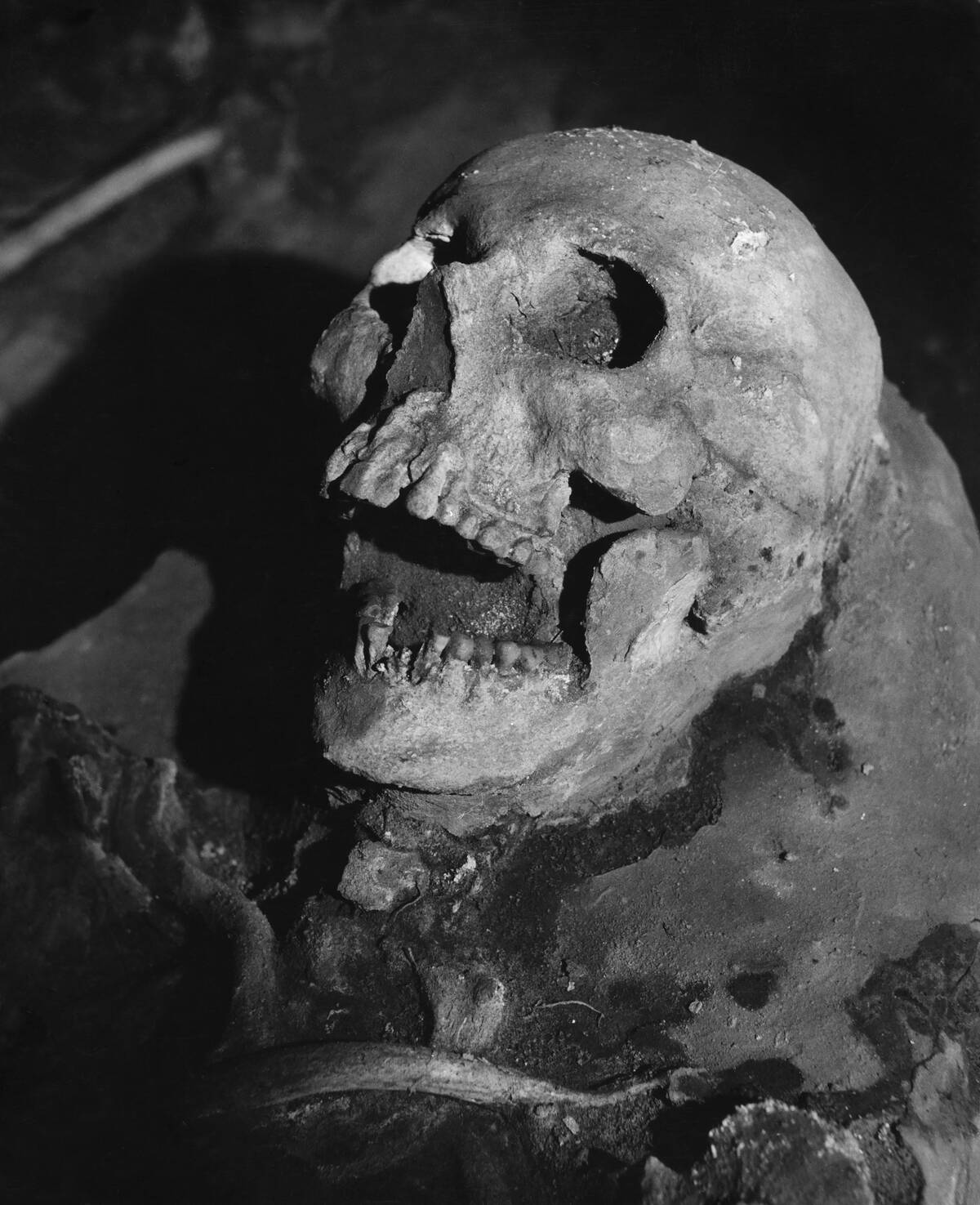
Cannibalistic cures involved using human body parts for medicinal purposes, a practice that persisted into the 18th century. Remedies included powdered skulls for headaches and human fat for gout.
These practices were grounded in the belief that the human body contained life force that could be transferred. While the idea of consuming human remains is unsettling today, it highlights the extremes of historical medical practices and the importance of ethical considerations in modern medicine.
Animal Dung Ointments: From Crocodile to Cow

Animal dung has been used in various cultures as a medicinal ointment. Ancient Egyptians utilized crocodile dung as a contraceptive, while cow dung was applied to wounds in other cultures due to its supposed healing properties.
Although the antibacterial nature of certain animal feces might offer some benefits, the risks of infection far outweigh them. These treatments remind us of the experimental nature of early medicine and the trial-and-error process that eventually led to safer practices.
The Medieval Use of Live Spiders for Fever

In medieval times, placing a live spider in a nutshell and wearing it around the neck was thought to cure fever. This curious remedy was based on the belief in sympathetic magic, where the ailment would transfer to the spider.
While it sounds more like a fairy tale than a medical treatment, it illustrates the mystical beliefs that influenced healthcare practices. It’s a testament to the imaginative, if not entirely effective, approaches to managing fever before the advent of modern medicine.
The Unorthodox Practice of Using Moldy Bread as Antibiotics
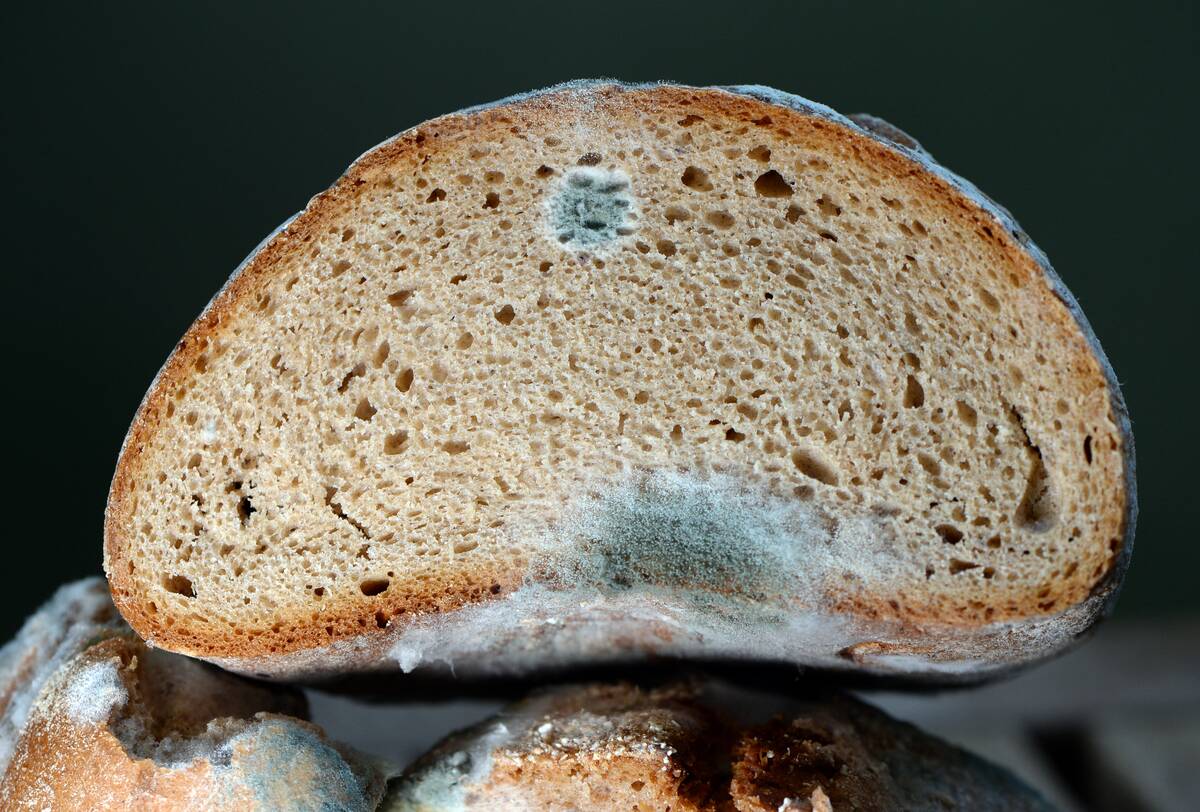
Long before the discovery of penicillin, ancient Egyptians and Greeks used moldy bread to treat infections. The mold produced natural antibiotics, a precursor to modern antibiotics.
This practice highlights an intuitive understanding of antibacterial properties, even if the scientific reasoning was not yet understood. It’s astonishing to consider that such a simple, unrefined method laid the groundwork for one of the most significant medical breakthroughs in history, showcasing the value of observation in early medicine.
The Fascination with Unicorn Horns in Medicine
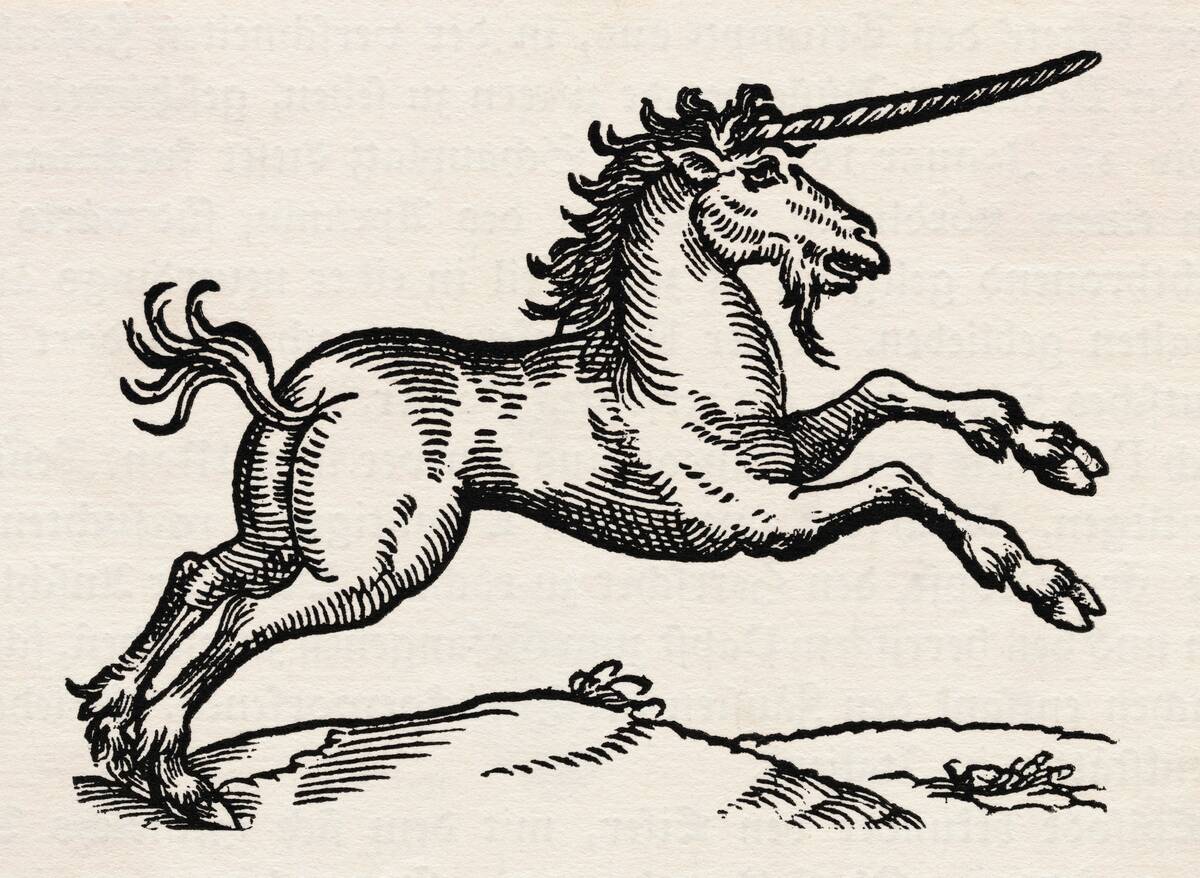
Unicorn horns, or “alicorns,” were once highly prized in medieval medicine for their supposed healing powers. Believed to cure poison and other ailments, these horns were often narwhal tusks, traded at high prices.
The myth of the unicorn added a mystical allure to the treatment, despite the lack of evidence for its efficacy. This fascination underscores the role of myth and legend in shaping medical practices, reminding us of the human tendency to seek enchantment in healing.
The Mystical Belief in Touching Kings for Scrofula
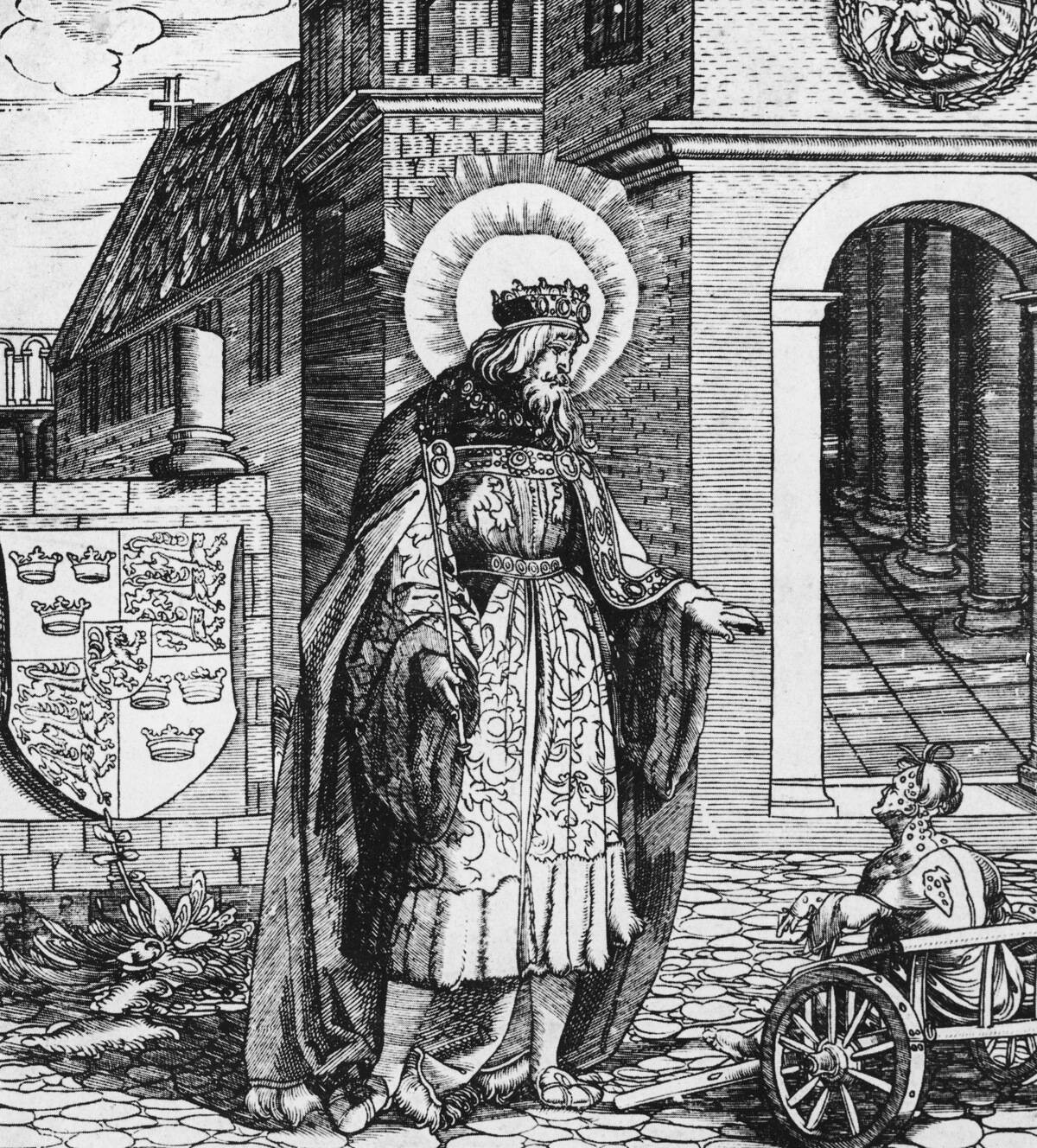
The “King’s Touch” was a medieval belief that the touch of a monarch could cure scrofula, a form of tuberculosis affecting the lymph nodes. This practice was rooted in the divine right of kings, suggesting that their touch held miraculous healing powers.
Ceremonies were held where afflicted individuals would be touched by the king in the hope of a cure. While this practice is no longer in use, it highlights the intersection of politics, religion, and medicine in historical healing practices.
Human Fat as a Balm for Healing
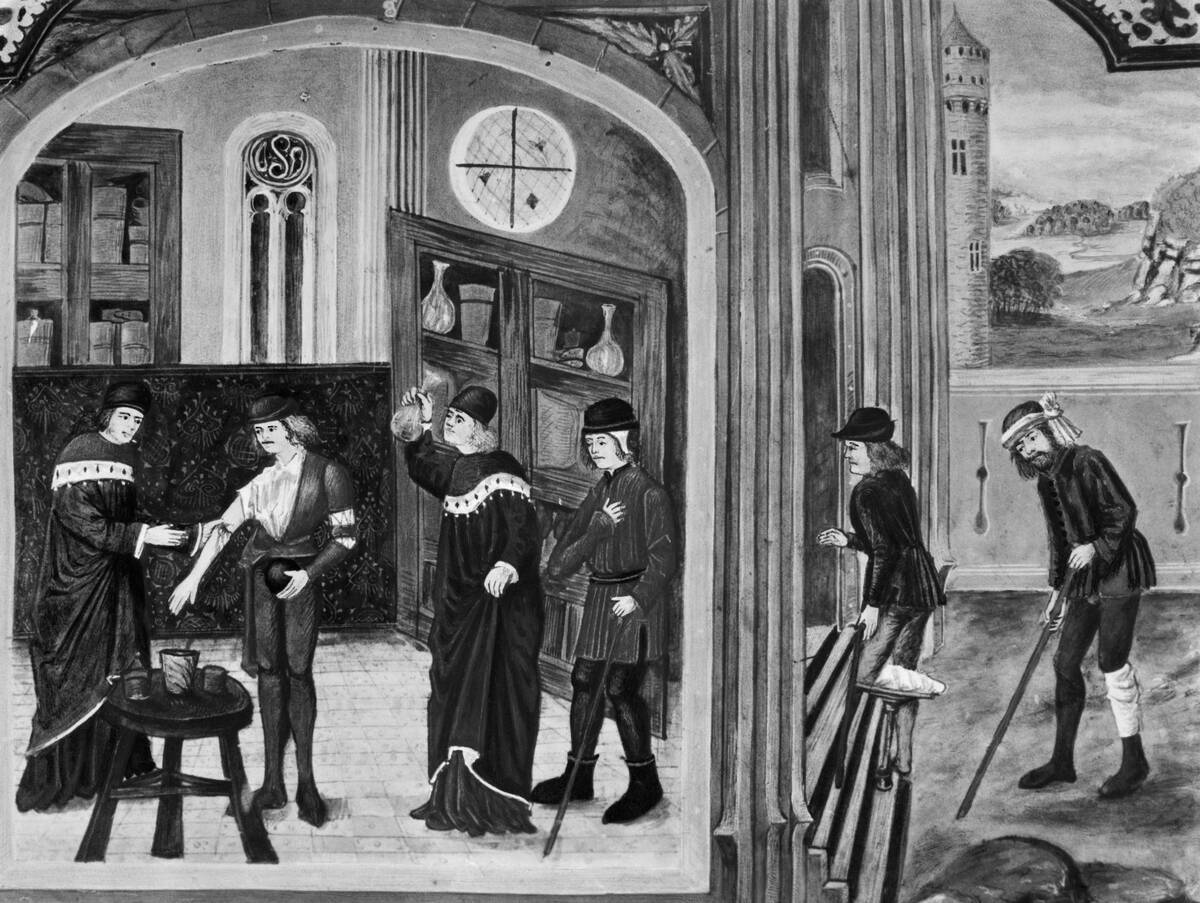
During the Renaissance, human fat was used in ointments for its supposed healing properties, particularly for wounds and arthritis. Known as “poor sinner’s fat,” it was believed to transfer the vitality of the deceased to the living.
While it might seem morbid, this practice reflects the resourcefulness and superstition that characterized early medicine. Modern dermatology now offers more effective and ethical treatments, demonstrating the significant advancements in understanding human health.
The Benefits of Placing a Frog on a Sore Throat

In folk medicine, placing a live frog on a sore throat was believed to draw out the illness. This practice was likely based on sympathetic magic, where the ailment would transfer to the frog.
While there’s no scientific support for this method, it’s a fascinating glimpse into the creative, though misguided, approaches to treatment. Today, we understand sore throats better and have effective remedies, but these historical practices reveal the imaginative attempts at healing in the past.




