15 Famous figures who were master spies
History is often seen through the lens of grand events and public figures, but behind the scenes, a web of espionage and intrigue has woven an equally fascinating tapestry.
Unbeknownst to many, some of the most celebrated historical figures led double lives as spies, influencing the course of events in ways that remain largely hidden from view. These secret lives add a thrilling dimension to their public personas, revealing a world where intelligence and deception go hand in hand.
Sir Francis Walsingham: The Spymaster of Elizabethan England
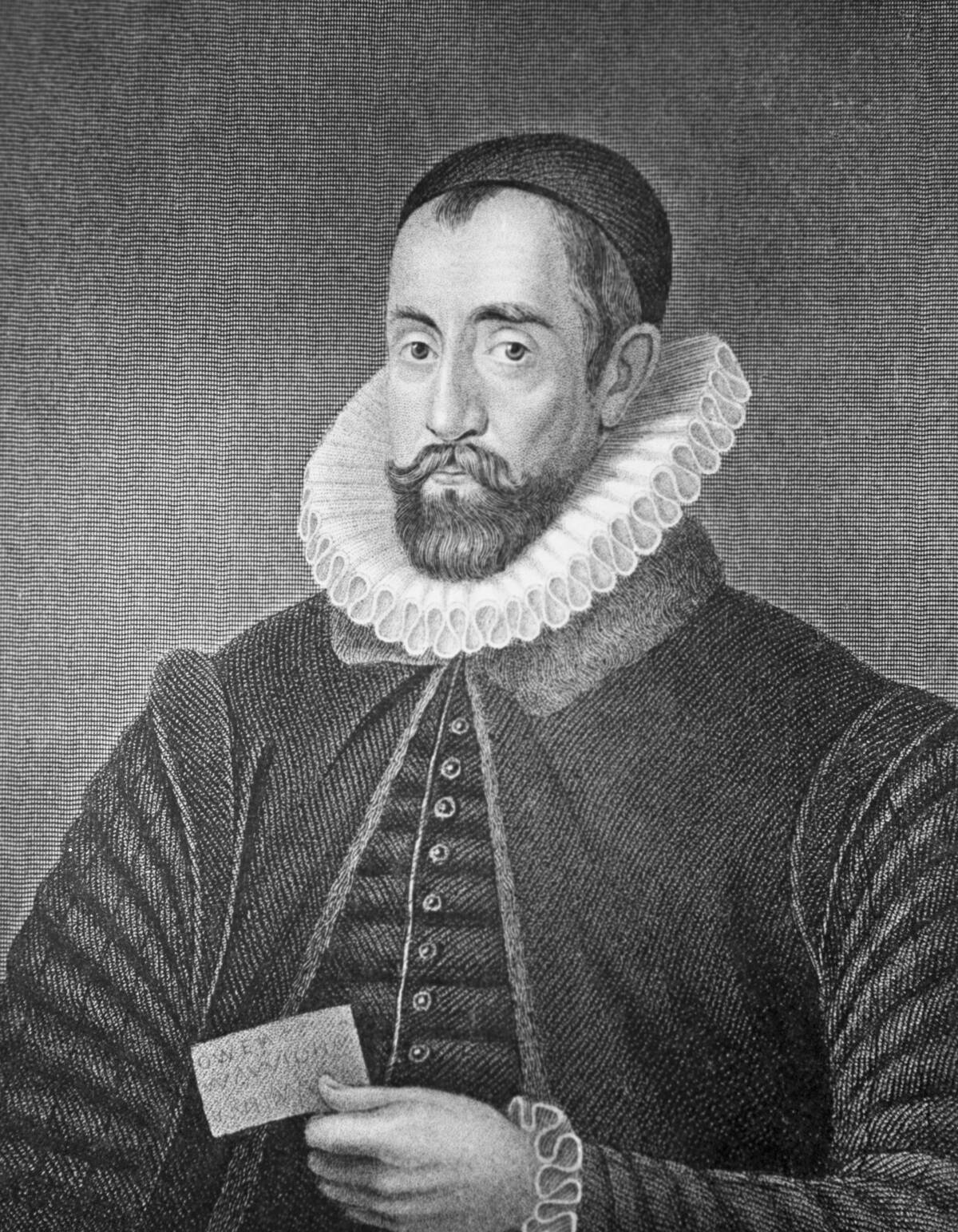
Sir Francis Walsingham, serving as Principal Secretary to Queen Elizabeth I, orchestrated an elaborate espionage network that was crucial to England’s security. Known as the ‘Spymaster’, Walsingham’s network intercepted and decrypted Catholic plots against the crown, including the infamous Babington Plot which aimed to assassinate the queen.
His efforts not only safeguarded the monarchy but also laid the groundwork for modern intelligence operations, demonstrating the power and necessity of information in statecraft.
Benjamin Franklin: Diplomat and Clandestine Operative
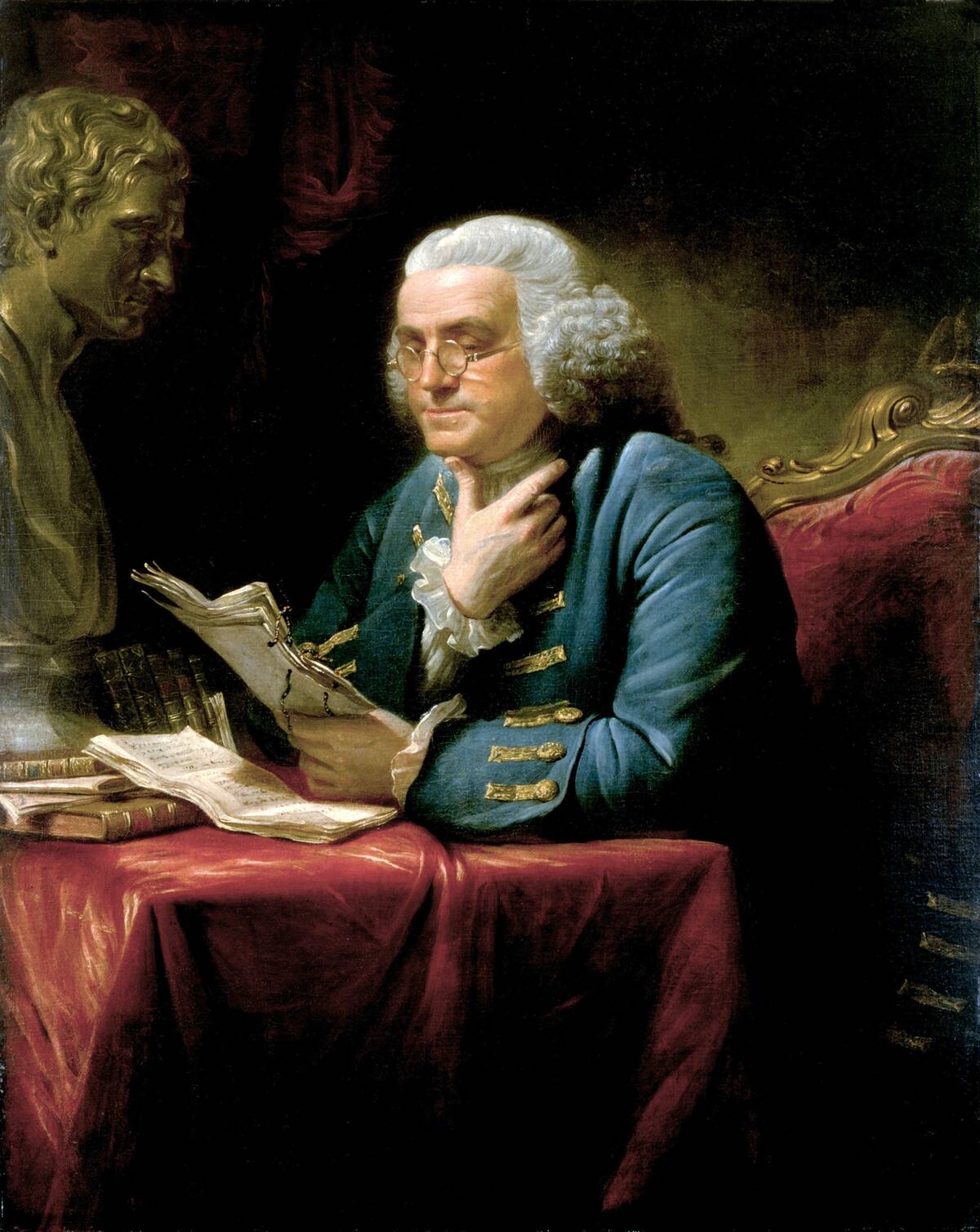
Benjamin Franklin is widely celebrated for his contributions to American independence, but few realize his role in covert operations. While serving as the American ambassador in France, Franklin engaged in espionage activities, gathering intelligence and cultivating alliances that were vital to the Revolutionary War effort.
His charm and wit were not just diplomatic tools but also a means to discreetly influence French policy in favor of the American cause, showcasing his adeptness at both diplomacy and espionage.
Mata Hari: The Enigmatic Dancer Turned Spy
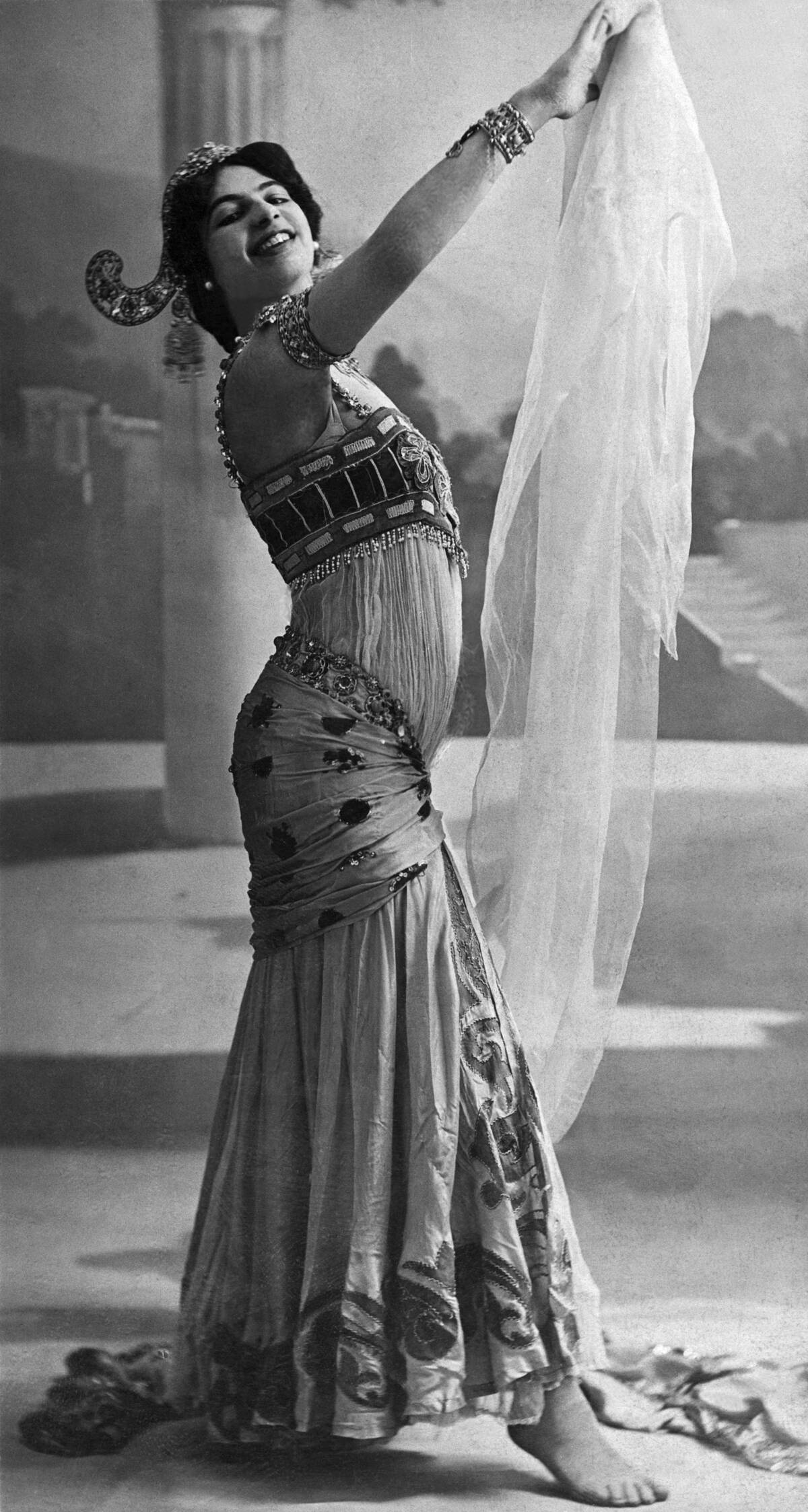
Mata Hari, born Margaretha Zelle, captivated audiences as an exotic dancer, but her allure extended into the world of espionage during World War I. Utilizing her charm and access to high-ranking military officers, she collected vital intelligence for Germany.
Eventually, her double-agent status led to her arrest and execution by the French, who accused her of causing the deaths of thousands of soldiers. Her life remains a symbol of the seductive yet dangerous dance between performance and espionage.
Nathan Hale: The American Revolutionary Spy
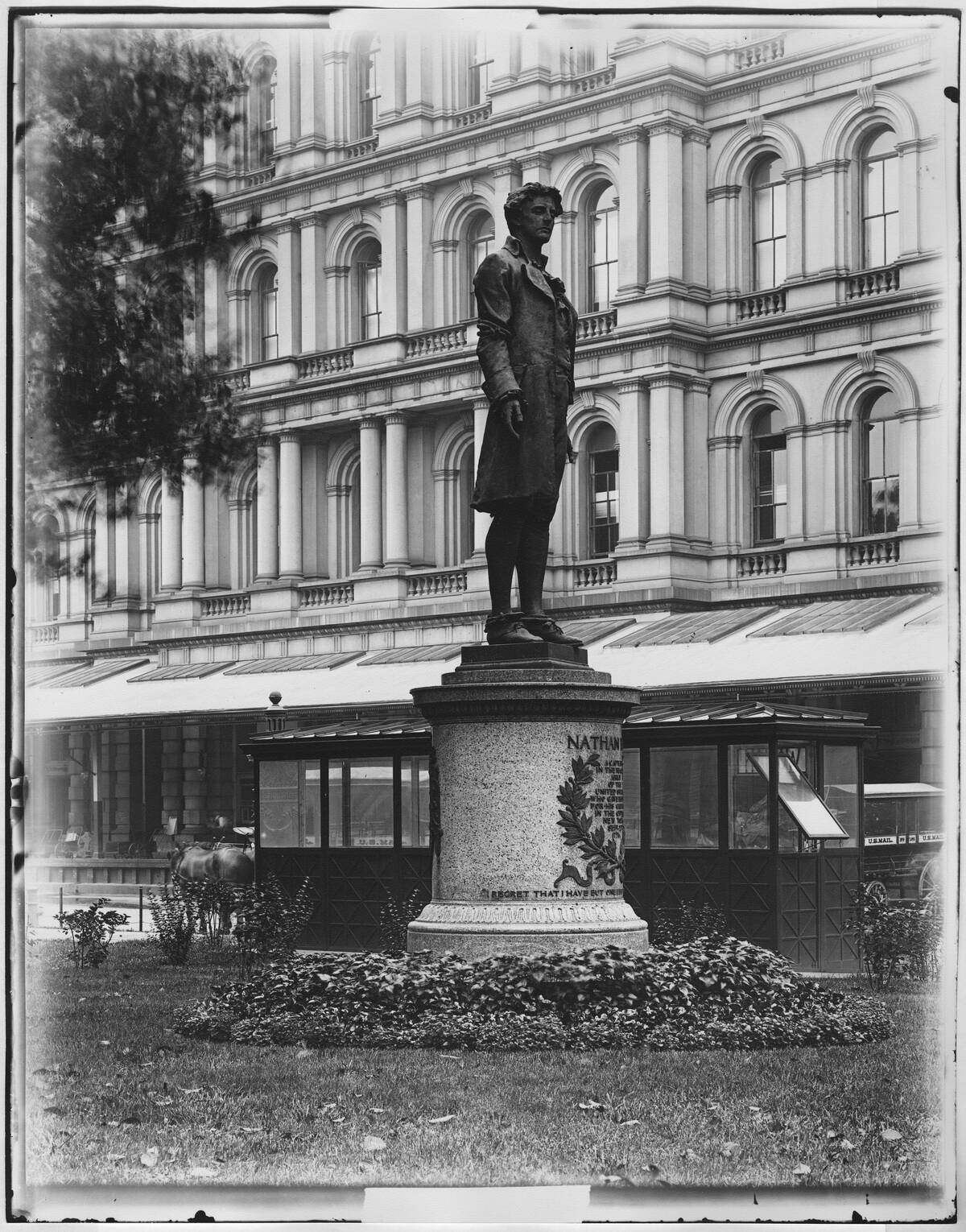
Nathan Hale, a young American patriot, is remembered for his poignant last words, “I only regret that I have but one life to lose for my country.” As a soldier in the Continental Army, Hale volunteered for an intelligence-gathering mission behind enemy lines during the Revolutionary War.
Captured by the British, his execution marked him as a martyr and symbol of American courage and dedication. Hale’s bravery and sacrifice continue to inspire the spirit of American espionage.
Josephine Baker: The Jazz Singer with a Secret Mission
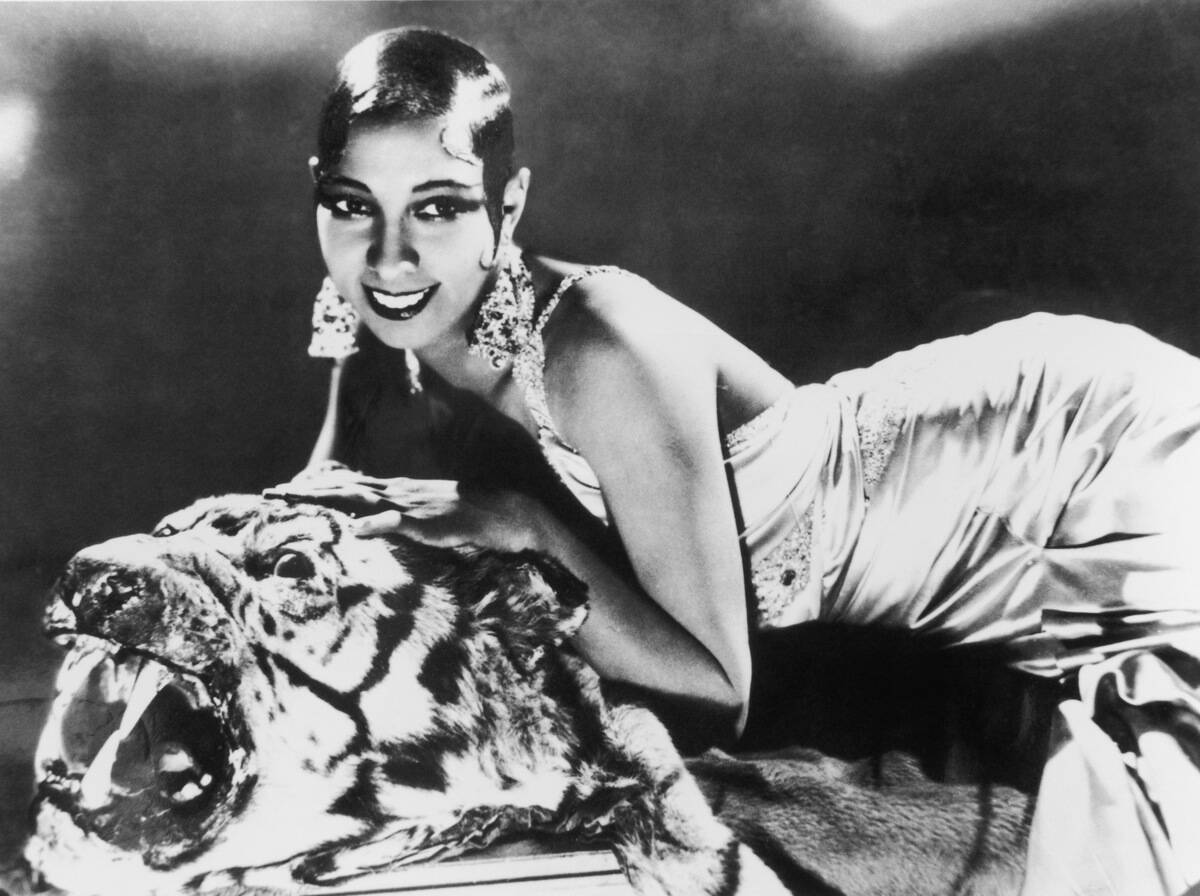
Renowned for her dazzling performances and iconic style, Josephine Baker also played a vital role in the French Resistance during World War II. Using her celebrity status as a cover, she smuggled intelligence across Europe, often hiding messages in her sheet music.
Baker’s bravery went beyond the stage, as she worked tirelessly to support the Allied cause. Her contributions to espionage were as remarkable as her performances, cementing her legacy as a true heroine of the war.
Richard Sorge: The Journalist Who Foiled Hitler’s Plans
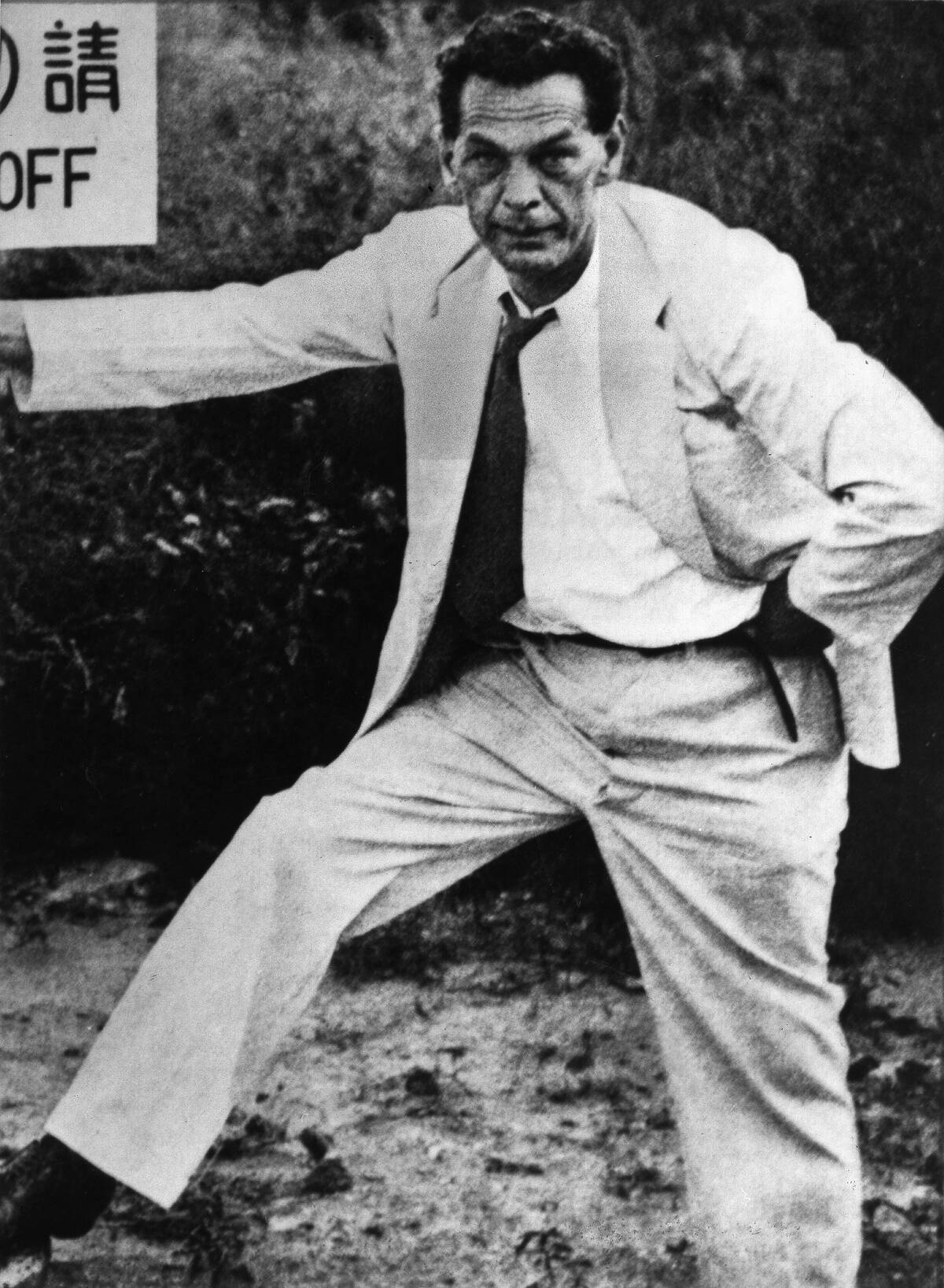
Richard Sorge, a German journalist, operated as a Soviet spy in Japan during World War II. His intelligence-gathering efforts were instrumental in informing the Soviet Union of Nazi Germany’s plans to invade, allowing the Soviet military to prepare and ultimately repel the invasion at the Battle of Moscow.
Sorge’s dual identity as a journalist and spy enabled him to collect critical information while maintaining his cover, illustrating the complex and dangerous nature of espionage during the war.
Noor Inayat Khan: The Indian Princess and Allied Spy
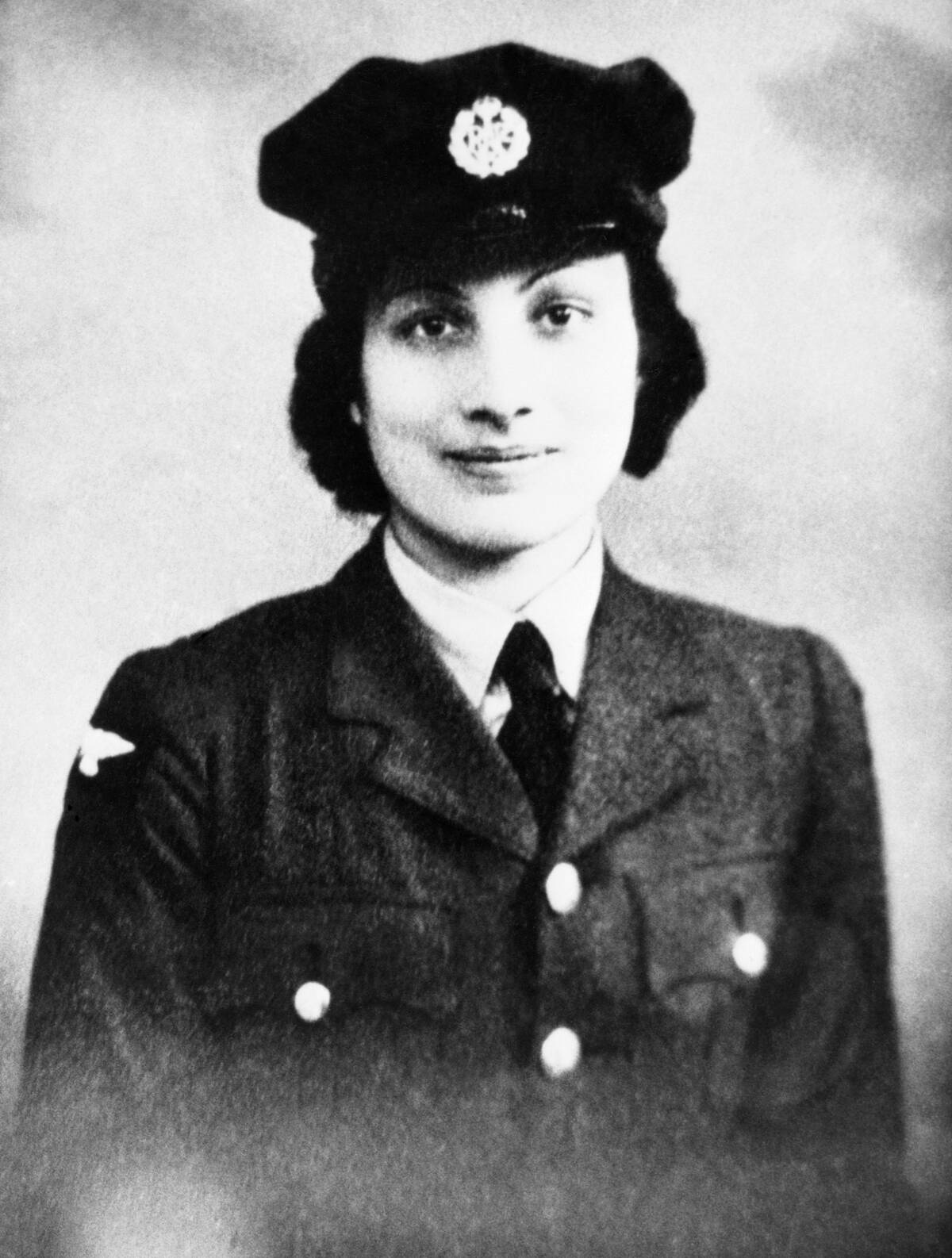
Noor Inayat Khan, a descendant of Indian royalty, served as a wireless operator for the British Special Operations Executive during World War II. Despite the dangers, she was parachuted into occupied France to aid the Resistance, transmitting crucial information back to London.
Her courage and determination in the face of capture and execution exemplified the bravery required of wartime spies. Khan’s legacy as a fearless operative continues to inspire new generations in the fight for freedom.
Juan Pujol García: The Double Agent Who Tricked the Nazis
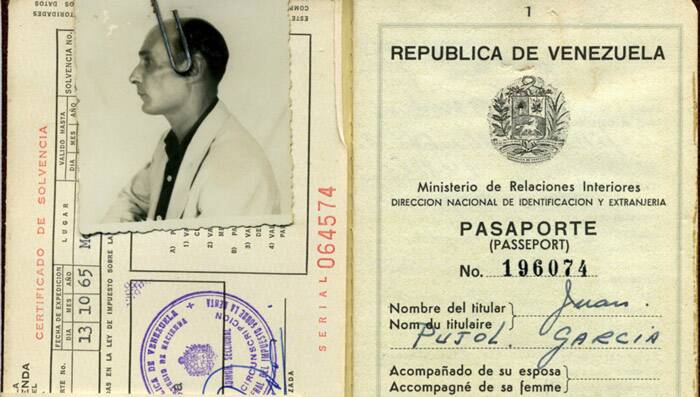
Juan Pujol García, known by his code name “Garbo,” was a masterful double agent during World War II. Initially working for the Germans, he was later recruited by the British MI5, where he played a pivotal role in Operation Fortitude.
His deceptive intelligence reports convinced the Nazis that the Allied invasion would occur at Pas de Calais, not Normandy, thus aiding the success of D-Day. Garbo’s intricate web of lies showcased the power of disinformation in warfare.
Virginia Hall: The “Limping Lady” of the OSS
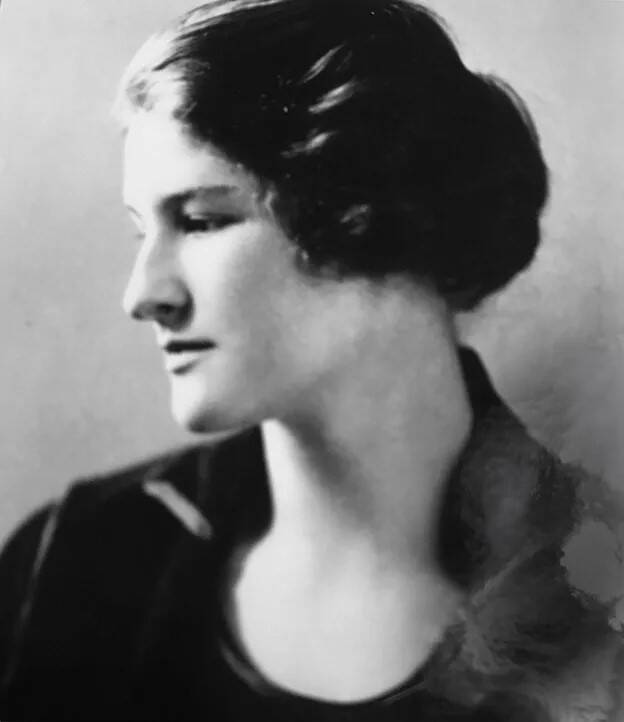
Virginia Hall, an American spy with the Office of Strategic Services, was one of the most successful Allied operatives in occupied France. Despite having a prosthetic leg, which earned her the nickname “Limping Lady,” Hall coordinated resistance activities and gathered intelligence vital to the Allied war effort.
Her ability to evade capture and maintain her cover made her a legend in espionage circles, demonstrating that determination and intelligence can overcome even the most daunting obstacles.
Sidney Reilly: The Real-Life “Ace of Spies”
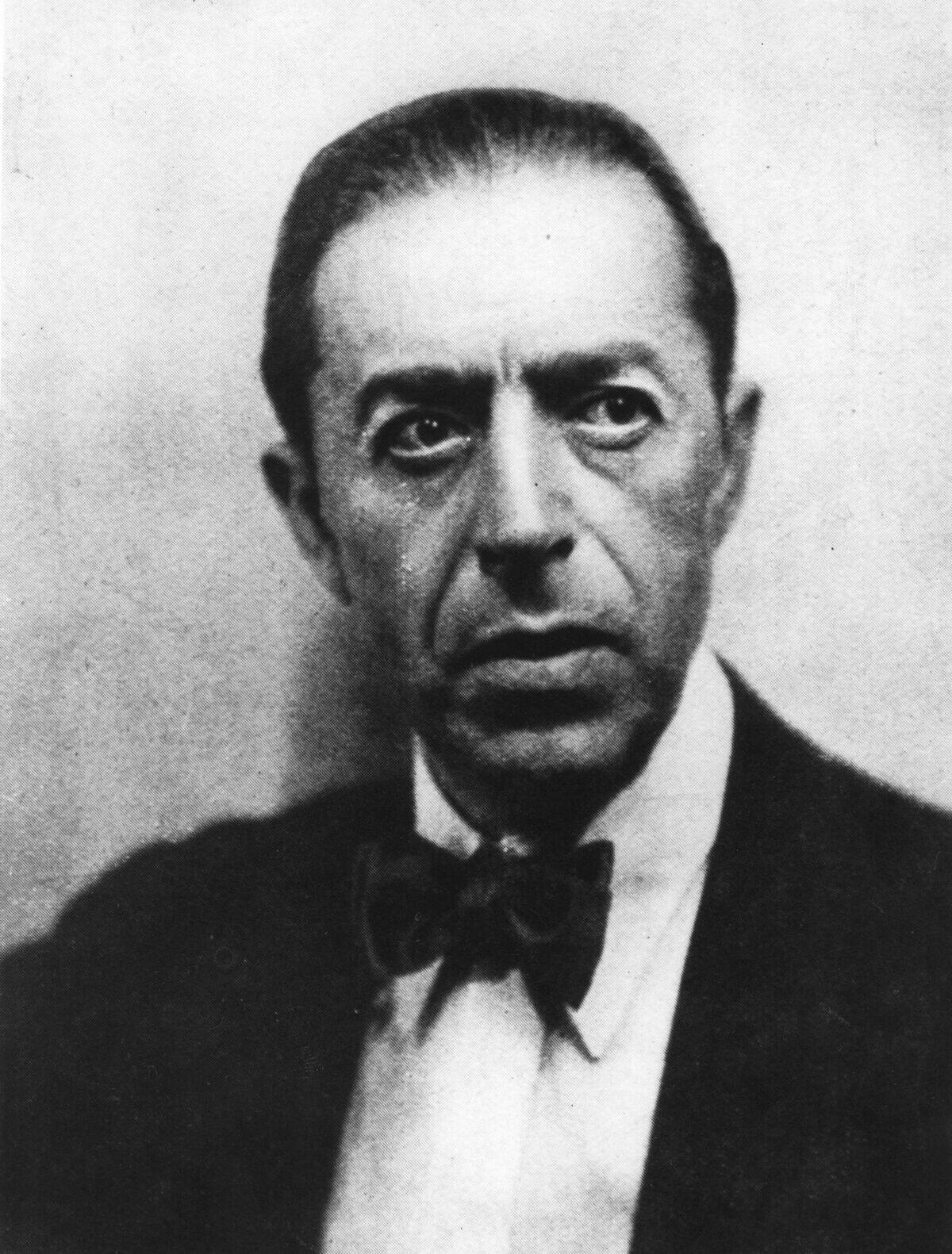
Sidney Reilly, often hailed as the “Ace of Spies,” was a Russian-born operative who worked for British intelligence in the early 20th century. His daring exploits included attempts to overthrow the Bolshevik regime and clandestine operations across Europe and Asia.
Reilly’s life inspired the fictionalized James Bond character, reflecting his reputation for charm, cunning, and audacity. His adventures in the shadowy world of espionage remain the stuff of legend, captivating the imagination of spy enthusiasts.
Elizabeth Van Lew: The Southern Spy for the Union
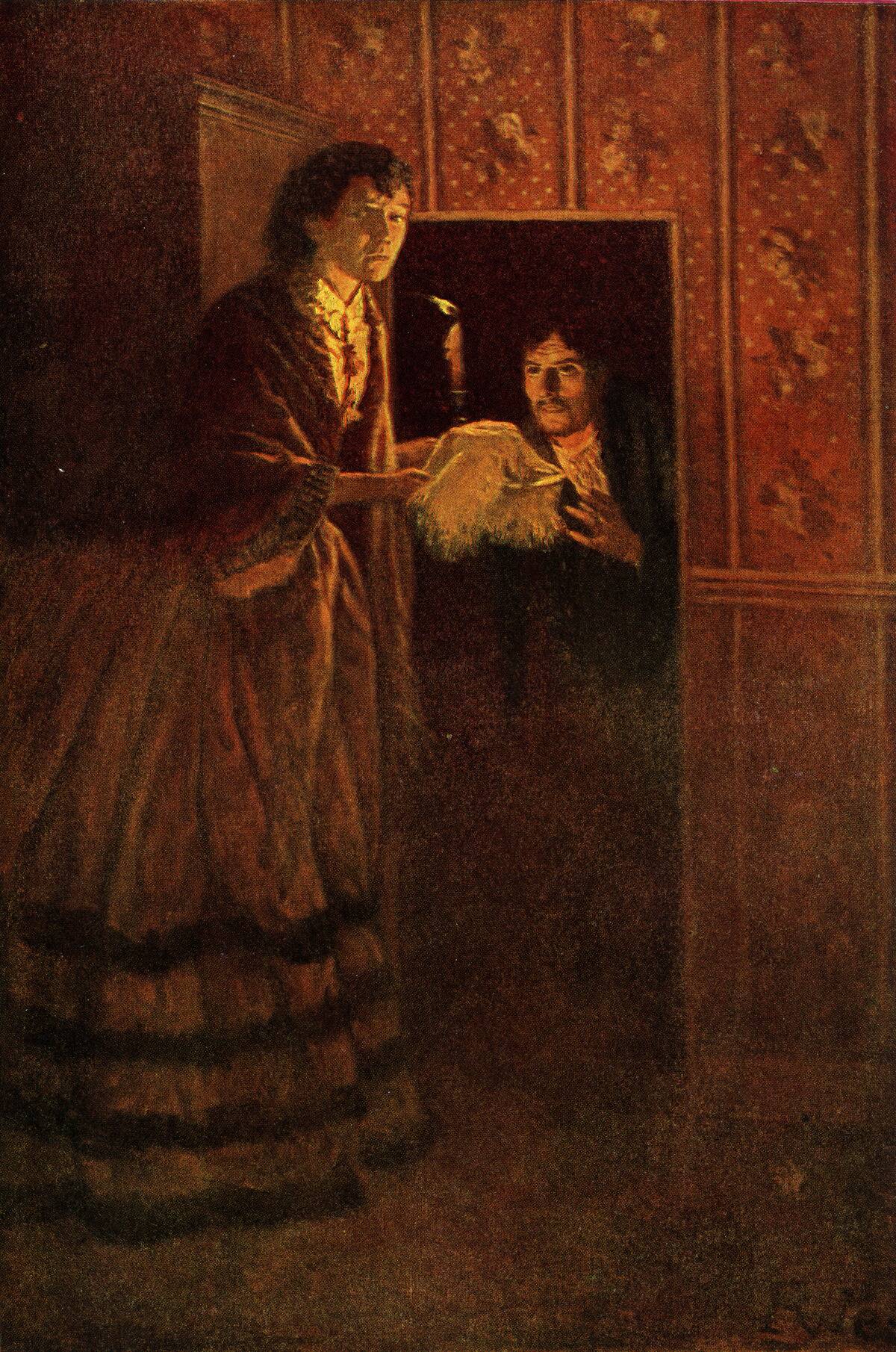
Elizabeth Van Lew, a staunch Unionist in Confederate Richmond, ran an extensive spy network during the American Civil War. Her intelligence-gathering efforts were crucial in providing the Union with detailed information about Confederate activities.
Van Lew’s ability to operate undetected in hostile territory showcased her ingenuity and bravery, making her one of the most effective spies of her time. Her contributions to the Union cause highlight the vital role of espionage in shaping the outcome of the war.
Julius and Ethel Rosenberg: Controversial Cold War Espionage
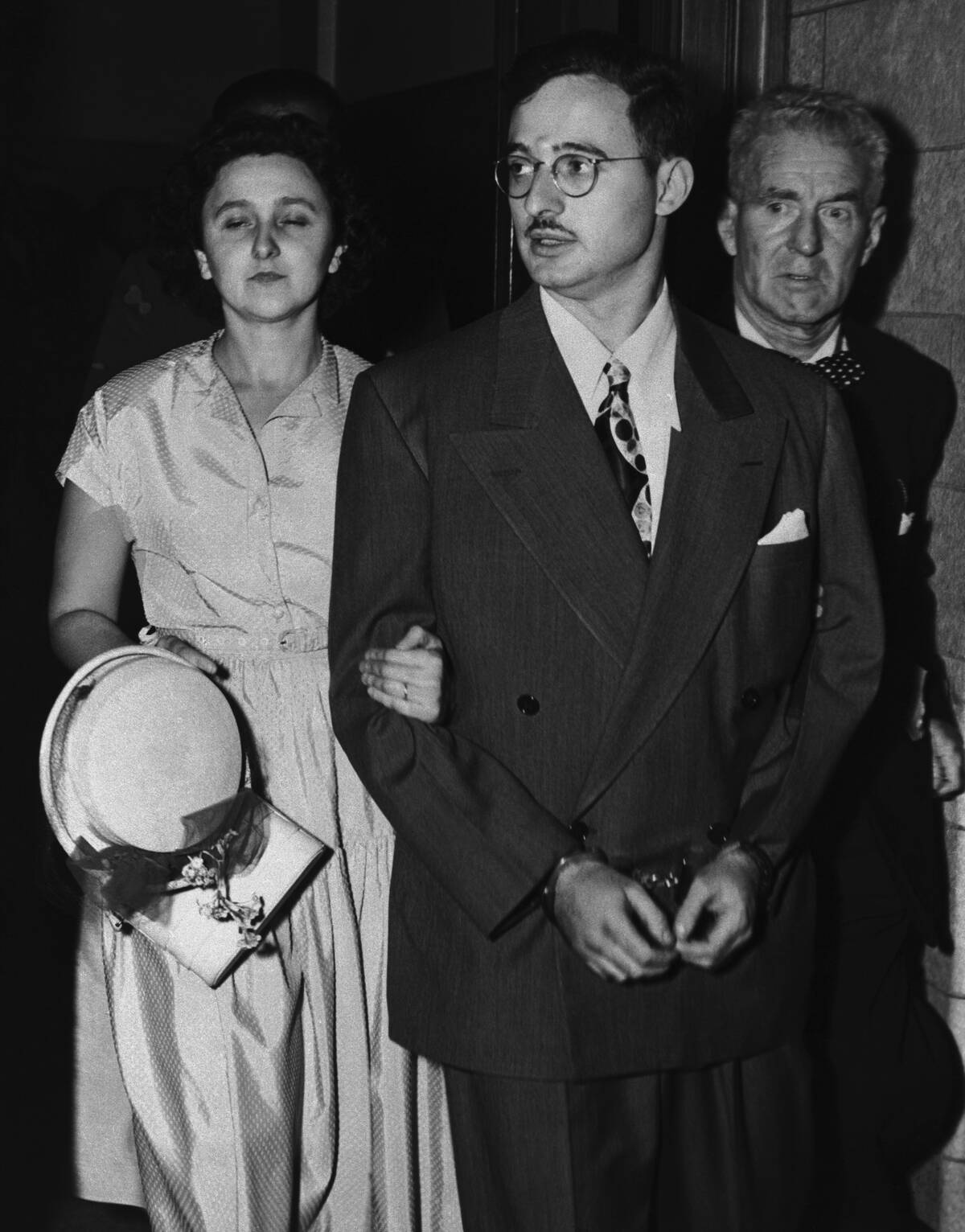
Julius and Ethel Rosenberg became infamous during the Cold War as the first American civilians executed for espionage. Convicted of passing atomic secrets to the Soviet Union, their trial and execution remain controversial, with debates over the fairness of their trial and the extent of their guilt.
The Rosenberg case is a stark reminder of the paranoia and fear during the Red Scare, and the complex moral and ethical issues surrounding espionage in times of political tension.
Fritz Duquesne: The Spy Who Hated Britain
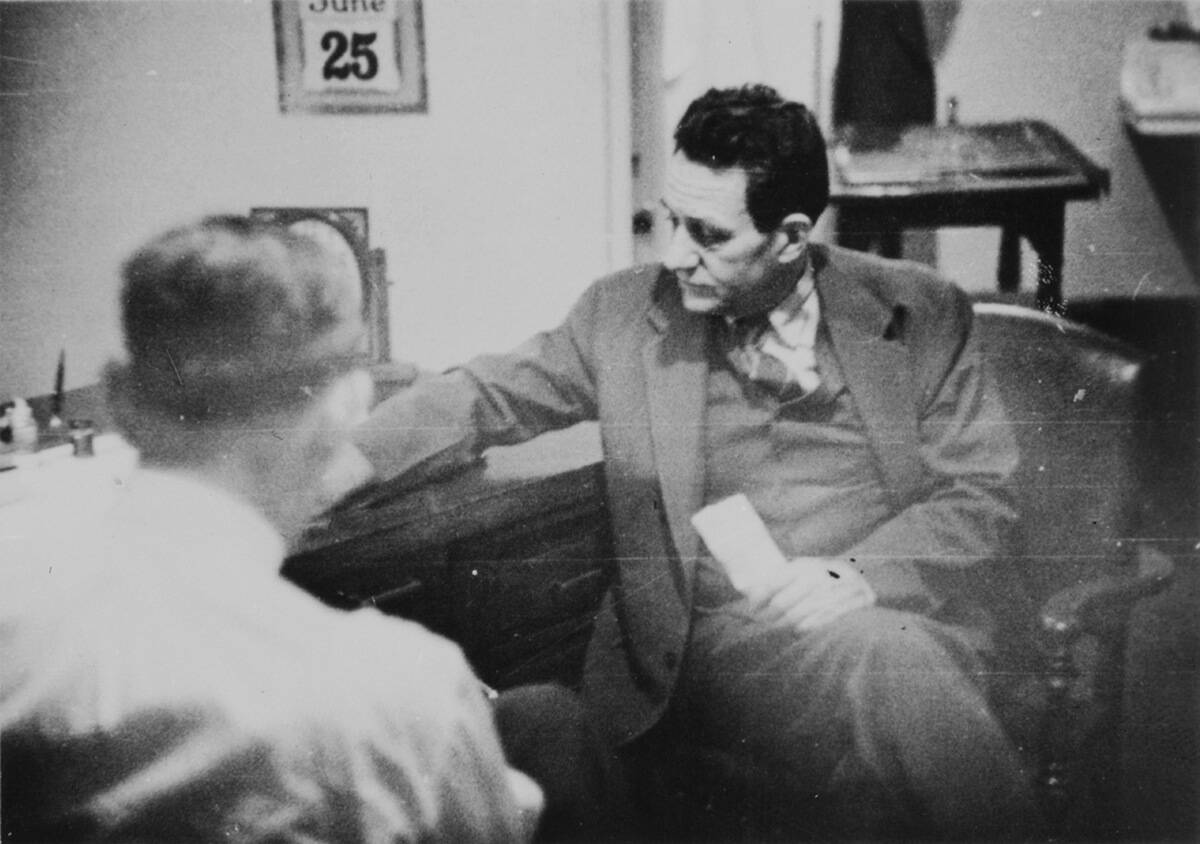
Fritz Duquesne, known as the “Man Who Killed Kitchener,” was a South African spy who operated against the British during both World Wars. Motivated by personal vendettas, Duquesne infiltrated British intelligence and orchestrated sabotage missions.
Captured multiple times, he managed to escape and continue his espionage activities, becoming a notorious figure in spy history. His life of adventure and betrayal underscores the deeply personal motivations that can drive individuals into the dangerous world of espionage.
George Washington: The Father of American Espionage
![[redacted], Portrait](https://media.tellmebest.com/wp-content/uploads/2020/10/507014168-89486.jpg)
George Washington, revered as the first President of the United States, also played a foundational role in the development of American espionage. During the Revolutionary War, Washington established networks of spies to gather intelligence on British troop movements.
His creation of the Culper Spy Ring was instrumental in securing American victories, highlighting his strategic foresight. Washington’s legacy as a leader in both battle and intelligence demonstrates the crucial link between espionage and military success.
Alan Turing: The Codebreaker Who Turned the Tide of WWII
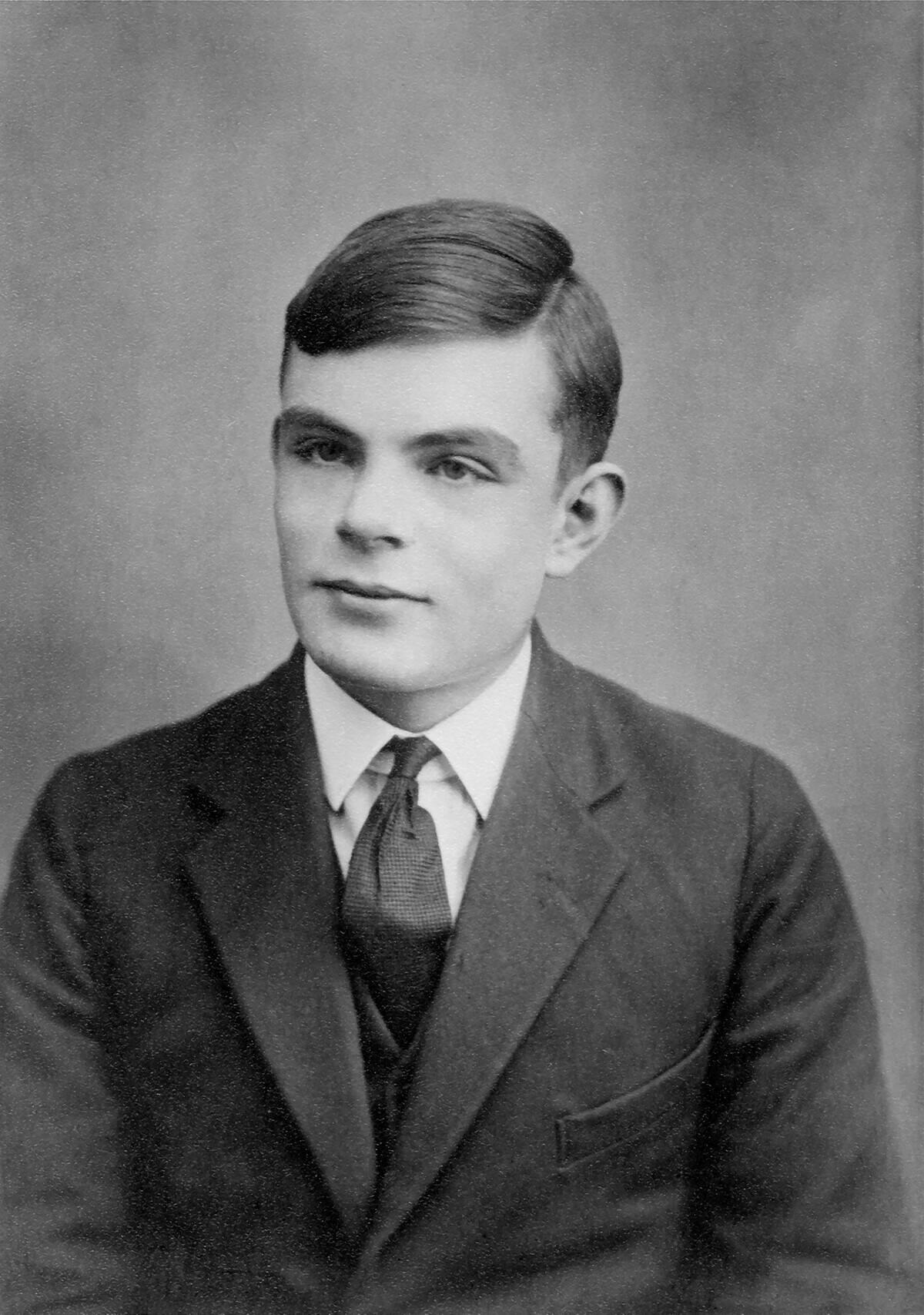
Alan Turing, a brilliant mathematician, was pivotal in breaking the Enigma code used by Nazi Germany during World War II. His work at Bletchley Park significantly shortened the war and saved countless lives.
Turing’s development of early computing machines laid the groundwork for modern computer science, making his contributions to both espionage and technology immeasurable. Despite his achievements, Turing’s life was marred by personal tragedy, reflecting the often-overlooked human cost of wartime intelligence work.