13 photos of historic recipes still enjoyed today
Diving into the world of ancient culinary delights is like opening a time capsule for your taste buds. These age-old recipes tell stories of bygone eras and the cultural exchanges that shaped our world.
While some dishes have evolved, many retain their core ingredients and methods. From the fertile crescent of Mesopotamia to the banks of the Nile, ancient cuisines offer a fascinating glimpse into the daily lives and rituals of our ancestors.
The Timeless Allure of Mesopotamian Stews
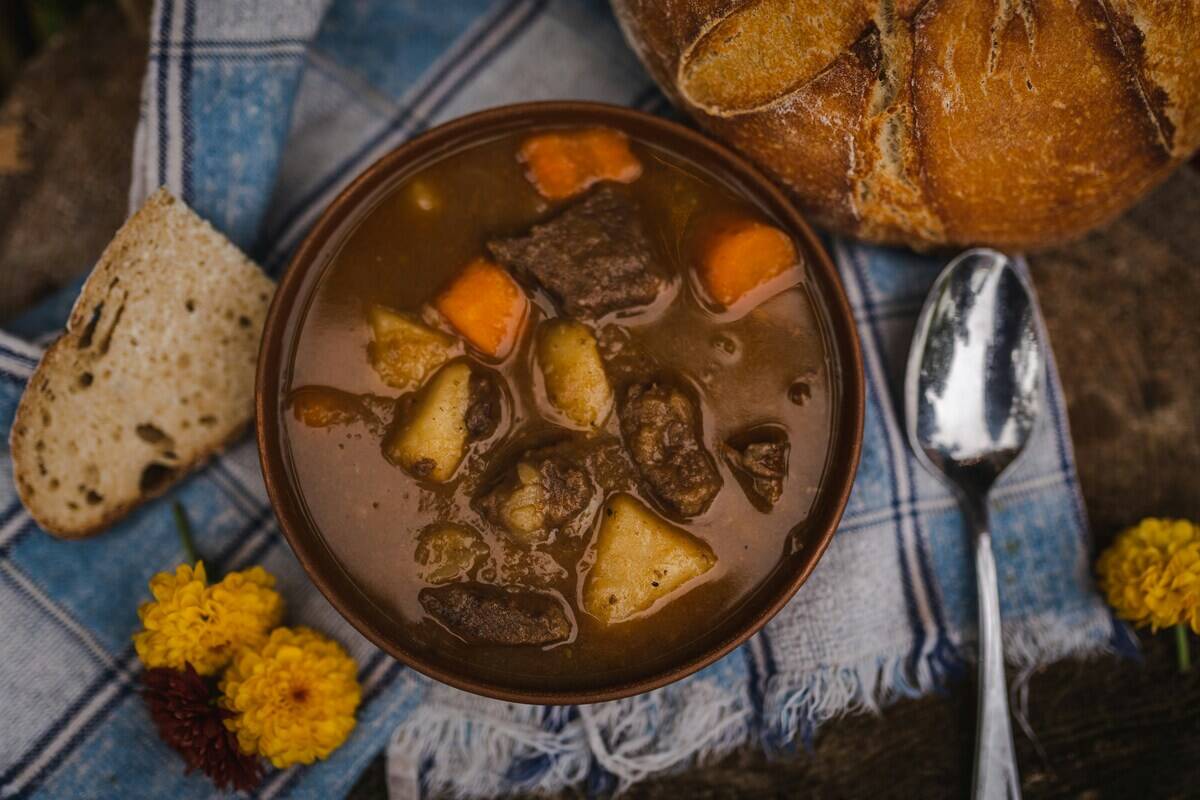
Long before the invention of the pressure cooker, Mesopotamians were mastering the art of the stew. These hearty dishes often featured lamb or goat, seasoned with an array of spices like cumin and coriander.
Archaeological digs have unveiled clay tablets inscribed with recipes, hinting at a sophisticated palate. Stews were not just meals but communal events, bringing people together to share in the bounty of the land.
Savoring the Legacy: Egyptian Bread and Beer

In ancient Egypt, bread and beer were more than just staples; they were symbols of life itself. Bread was often made from emmer wheat and baked in clay ovens, while beer was brewed from barley, providing essential nutrition.
These foods were so integral that they accompanied the dead into the afterlife. Hieroglyphs and tomb paintings frequently depict the process, showcasing their importance in both daily sustenance and spiritual rituals.
From the Pharaohs to Your Plate: The Story of Ful Medames
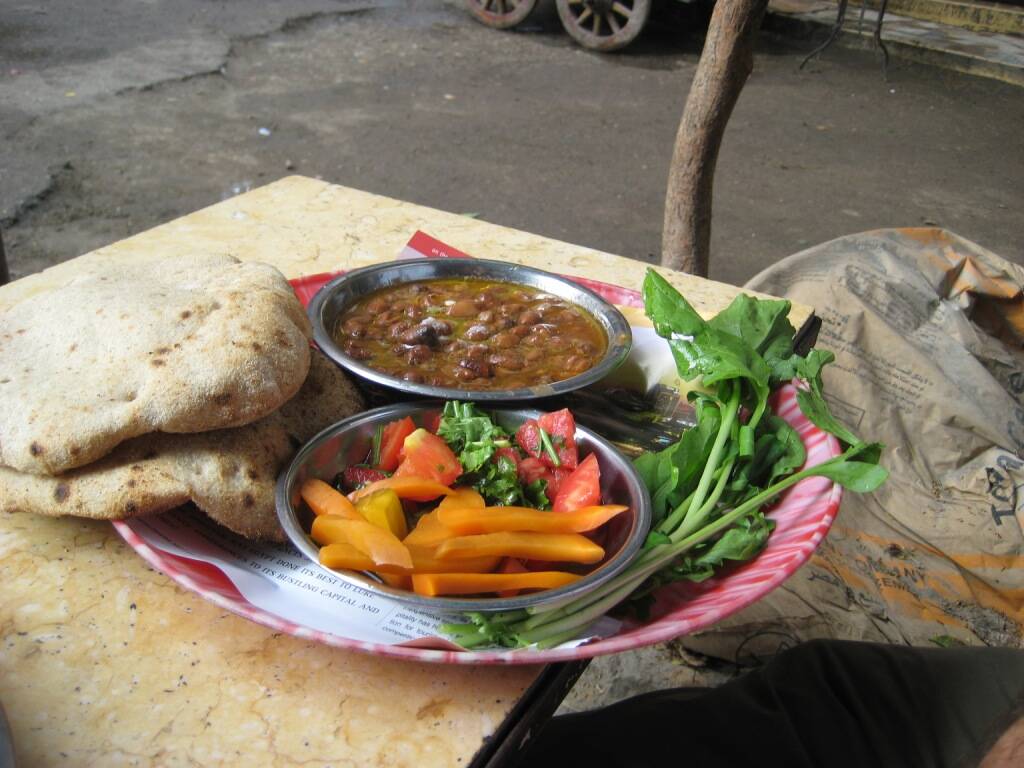
Ful Medames, a dish of stewed fava beans, traces its origins back to ancient Egypt, where it was a favorite among the pharaohs. This protein-rich meal was slow-cooked overnight and seasoned with garlic, lemon, and olive oil.
It remains a popular breakfast dish in Egypt today, enjoyed by people from all walks of life. Its longevity is a testament to its delicious simplicity and nutritional value, bridging the gap between ancient and modern palates.
Ancient Flavors of Persia: The Khoresht Legacy

Khoresht, a Persian stew, has been tantalizing taste buds for millennia. With its delicate balance of sweet and sour flavors, it often features ingredients like pomegranates, walnuts, and saffron.
Ancient texts reveal that Persian chefs were revered for their culinary artistry, blending spices to create complex flavor profiles. Today, khoresht remains a staple in Persian households, a flavorful reminder of Persia’s rich culinary heritage.
Greek Gastronomy: The Enduring Appeal of Lentil Soup
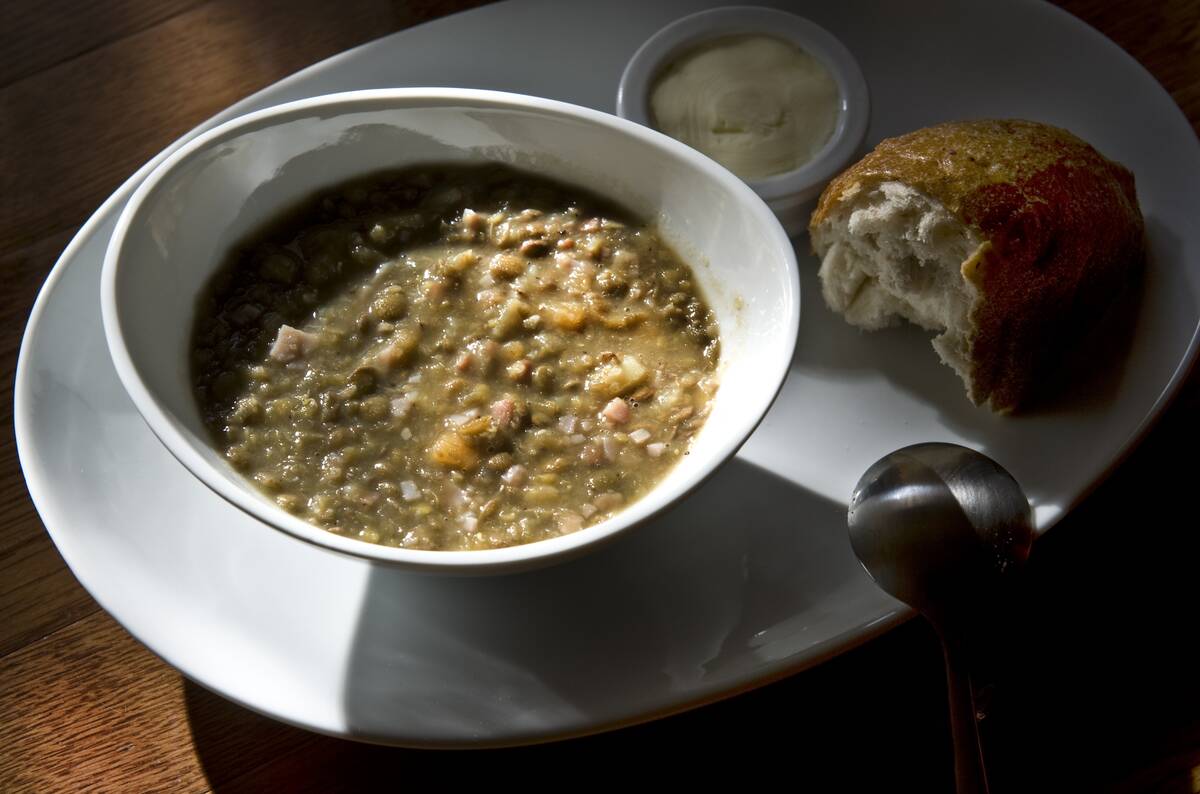
Lentil soup, or ‘faki soupa,’ has been a cornerstone of Greek cuisine since antiquity. The Greeks valued lentils for their nutritional benefits, often combining them with olive oil and herbs like oregano and thyme.
Ancient Greek literature, including works by Aristophanes, makes mention of this humble dish. Lentil soup continues to be cherished in Greece, offering a warm, comforting taste of history with every spoonful.
Unraveling the Secrets of Roman Garum
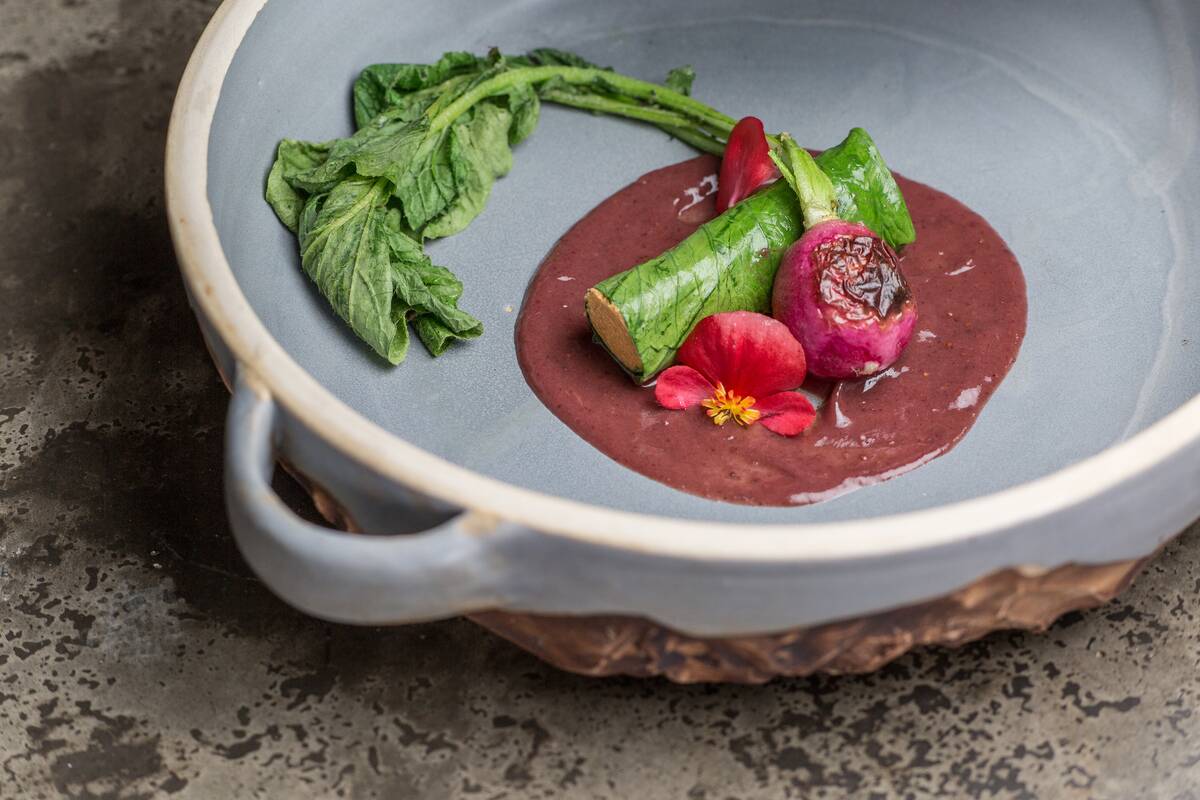
The Romans had a penchant for bold flavors, and garum was their secret weapon. This fermented fish sauce was a staple in Roman cooking, adding a savory umami kick to dishes. Made from fish intestines and salt, garum was aged in the sun for months.
Historical accounts suggest it was so prized that it became a valuable trade commodity. Though garum fell out of favor, its influence lingers in modern condiments like Worcestershire sauce.
The Art of Pasta: A Journey from Ancient China

While Italy is celebrated for its pasta, the journey of this beloved dish begins in ancient China. Archaeological finds have uncovered 4,000-year-old noodles made from millet, highlighting China’s contribution to pasta’s history.
These early noodles were hand-pulled, a technique still used today. The exchange of ideas along the Silk Road eventually brought pasta to Italy, where it was embraced and transformed into the myriad shapes and styles we enjoy today.
Timeless Traditions: Indian Lassi Through the Ages

Lassi, a refreshing yogurt-based drink, has been a staple in Indian culture for centuries. Its origins can be traced back to the Punjab region, where it was valued for its cooling properties in the hot climate.
Traditionally, lassi is flavored with spices like cardamom and saffron, or sweetened with fruits. This ancient beverage continues to be a favorite across India, celebrated for its ability to soothe the palate and aid digestion.
A Sip of History: The Origins of Chinese Tea

The story of tea begins in ancient China, where legend holds that Emperor Shen Nong discovered it around 2737 BCE. As the leaves from a nearby tree accidentally blew into his pot of boiling water, he found the resulting brew refreshing.
Tea quickly became an integral part of Chinese culture, celebrated for its medicinal properties. Today, China’s rich tea tradition continues to influence global tea culture, with countless varieties enjoyed worldwide.
The Spice of Life: Ethiopian Doro Wat’s Ancient Roots
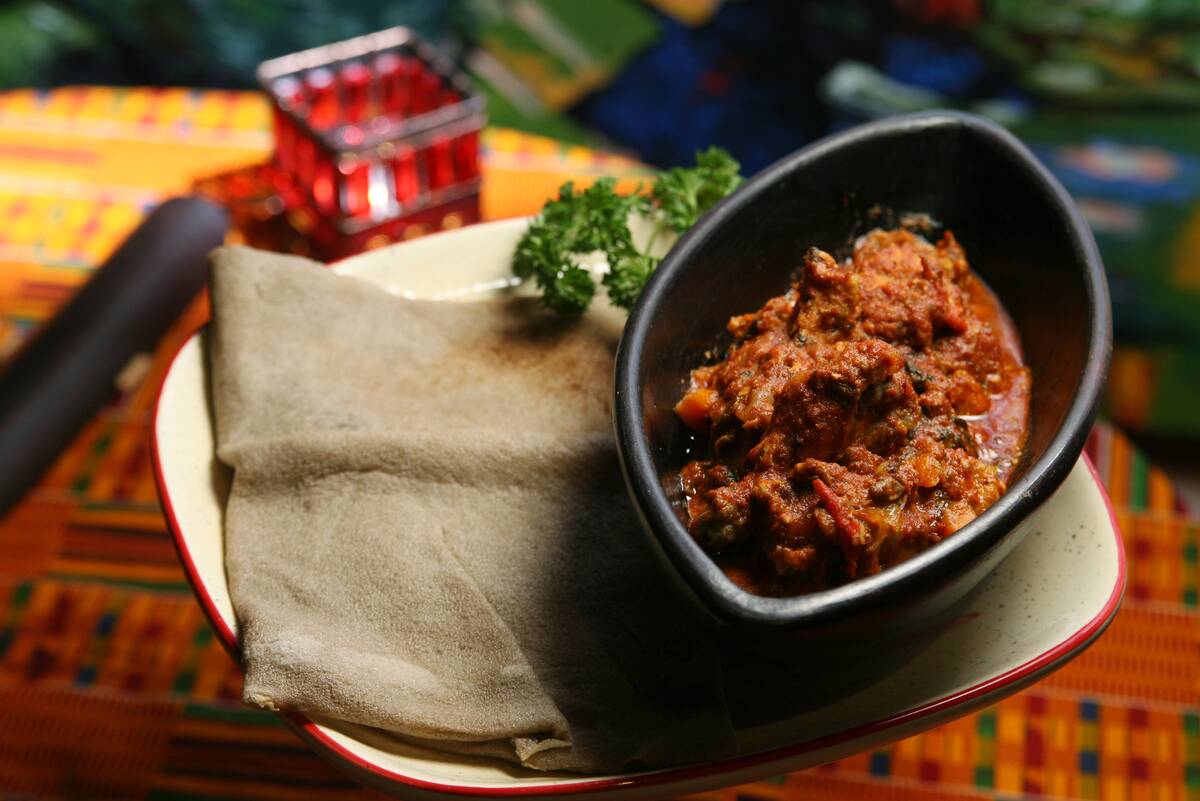
Doro Wat, a spicy chicken stew, is a cornerstone of Ethiopian cuisine with roots that stretch back to antiquity. It features a rich blend of spices, including the fiery berbere mix, and is traditionally served with injera, a sourdough flatbread.
Doro Wat is often prepared for special occasions, symbolizing hospitality and celebration. Its intense flavors and communal nature offer a window into Ethiopia’s culinary traditions and social customs.
Preserving the Past: Pickling Techniques Across Cultures
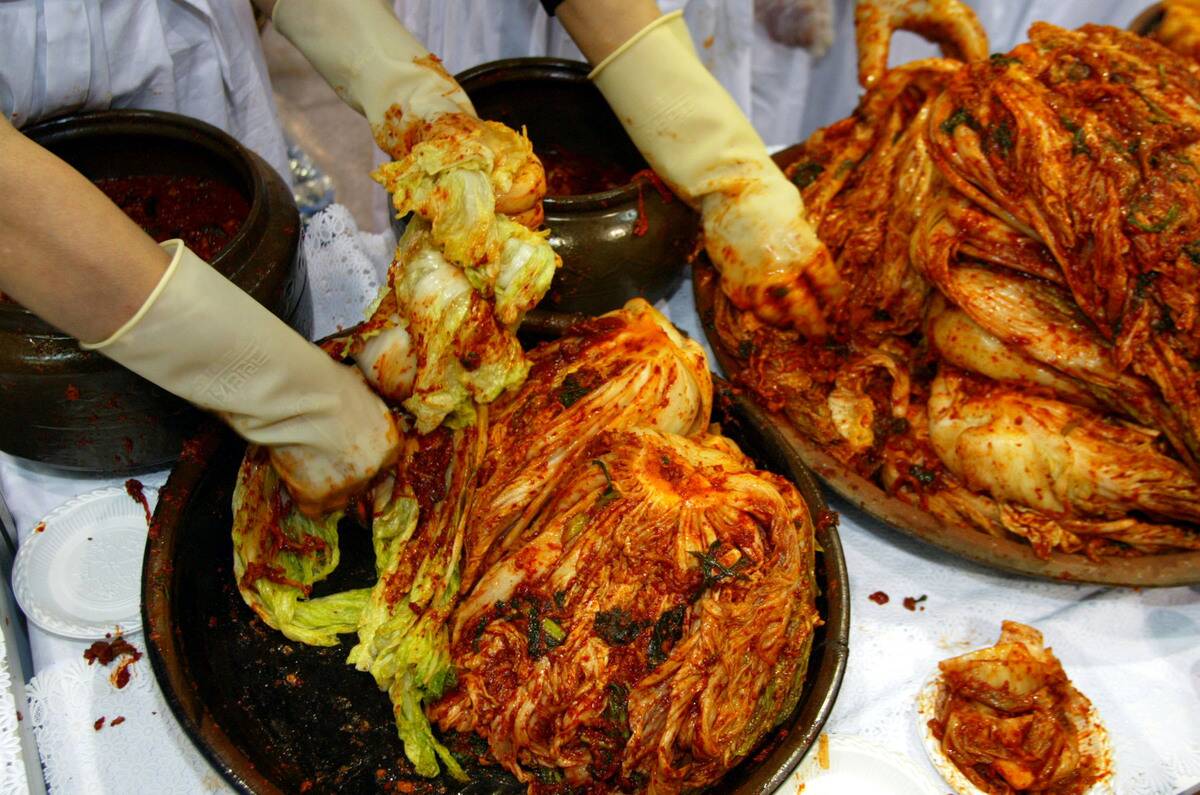
Pickling is an ancient preservation method that transcends cultures, ensuring a supply of nutritious food through lean seasons. From Korean kimchi to Indian achar, each culture has its unique take on this technique.
The process typically involves soaking vegetables or fruits in a brine or vinegar solution, allowing them to ferment over time. This not only extends shelf life but also enhances flavors, making pickles a beloved accompaniment to meals worldwide.
The Sweetness of Antiquity: Honey and its Eternal Charm

Honey, often referred to as ‘the nectar of the gods,’ has been cherished since ancient times. Used by Egyptians in embalming and Greeks in offerings to the gods, honey’s versatility was well recognized.
Its natural preservative qualities made it a valuable sweetener long before sugar became widespread. Today, honey remains a staple in kitchens across the globe, celebrated for its rich flavor and numerous health benefits.
The Original Comfort Food: Babylonian Barley Porridge

In ancient Babylon, barley porridge was the ultimate comfort food, nourishing both the body and soul. Made from barley, water, and sometimes honey or dates, this simple dish was a staple in the Babylonian diet.
It provided essential nutrients and was easy to prepare, making it accessible to people of all classes. While modern breakfast options abound, the humble porridge endures, a testament to its timeless appeal and nutritional value.