16 Pivotal decisions that redirected the course of nations
Decisions have a way of snowballing, especially when made by those at the helm of nations. From a single pen stroke to a handshake across a table, these choices can ripple through time, altering destinies along the way.
As we journey through history, the power of pivotal choices reveals itself in myriad ways, illustrating how the course of entire countries can pivot on seemingly small decisions.
The Butterfly Effect: Small Decisions with Monumental Outcomes
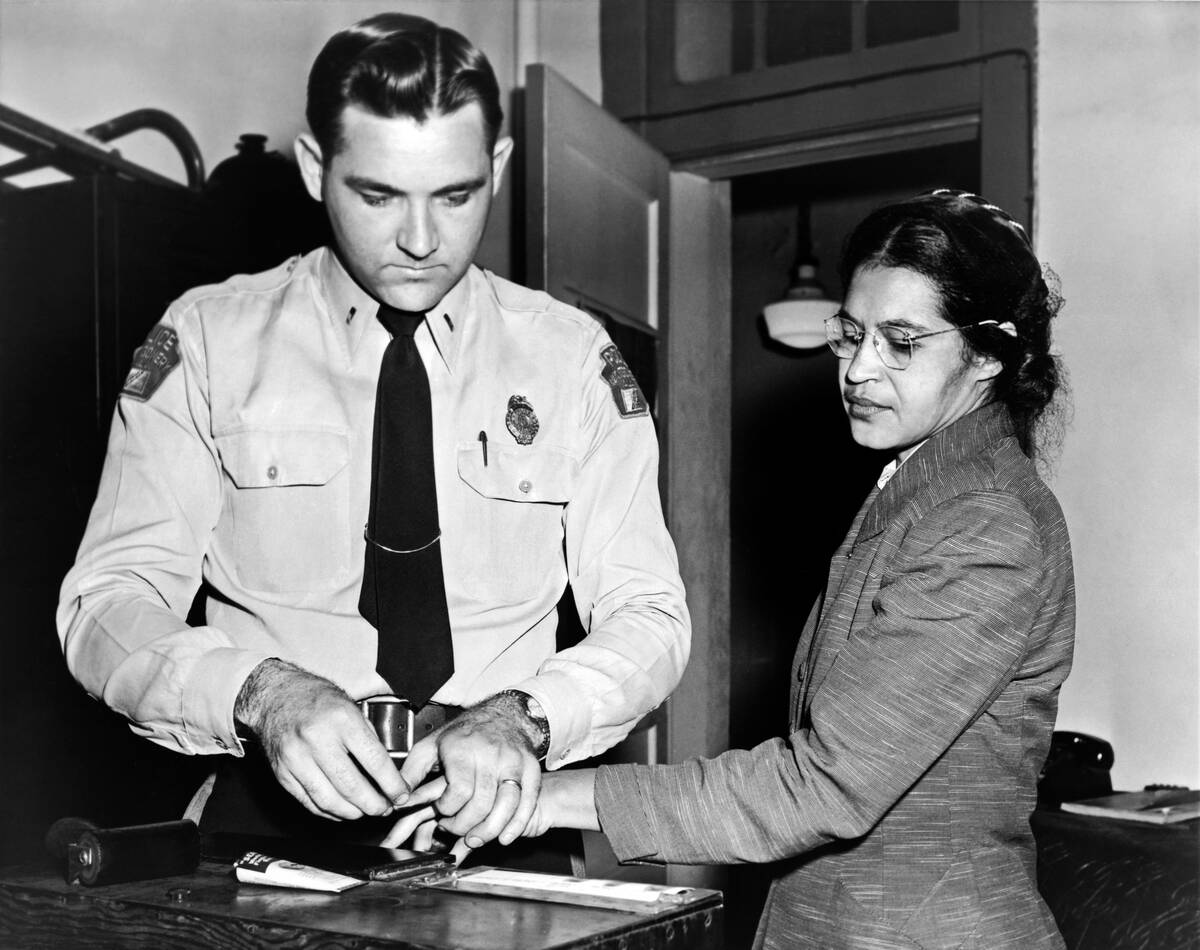
The Butterfly Effect posits that minor actions can lead to significant, unforeseen consequences. Take, for example, the assassination of Archduke Franz Ferdinand in 1914; a seemingly isolated event that triggered World War I.
Or consider Rosa Parks’ decision to remain seated on a Montgomery bus in 1955, sparking the civil rights movement. Such choices remind us that even the smallest decisions can have monumental impacts on history.
The Unlikely Alliance: How a Friendship Altered European Borders
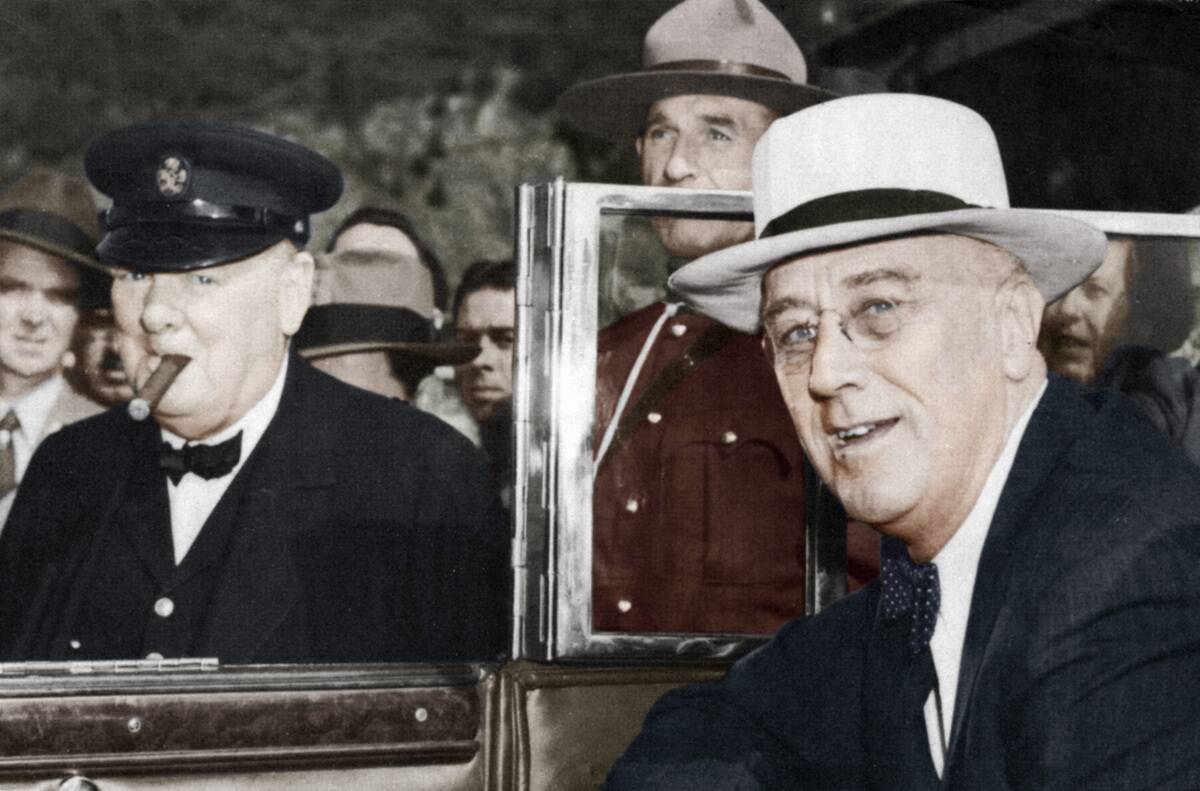
The friendship between Winston Churchill and Franklin D. Roosevelt during World War II exemplifies how personal alliances can shape geopolitical landscapes.
Their collaboration was instrumental in forming the Allied strategy, which ultimately led to the defeat of the Axis powers. This partnership not only altered the course of the war but also set the stage for the post-war reconstruction of Europe, dramatically redrawing its political map.
The Decision to Sail: Navigators Who Changed the World Map
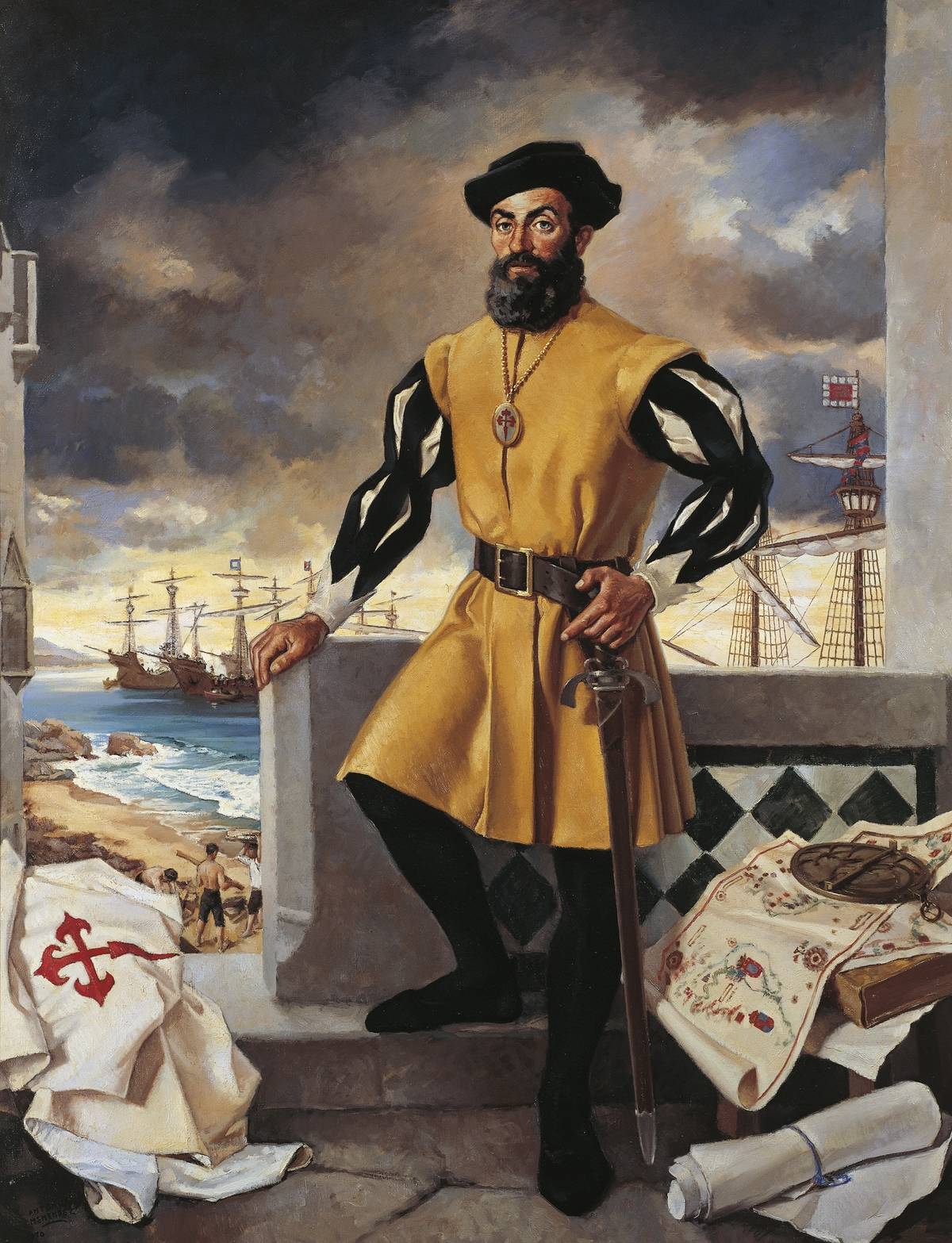
In 1492, Christopher Columbus set sail across the Atlantic, believing he could find a new route to Asia. Instead, he stumbled upon the Americas, reshaping the global map and initiating centuries of exploration and colonization.
Similarly, Ferdinand Magellan’s expedition, which first circumnavigated the globe, proved the world was round and interconnected, altering trade routes and global perceptions forever.
Declaring Independence: The Choice That Birthed New Nations
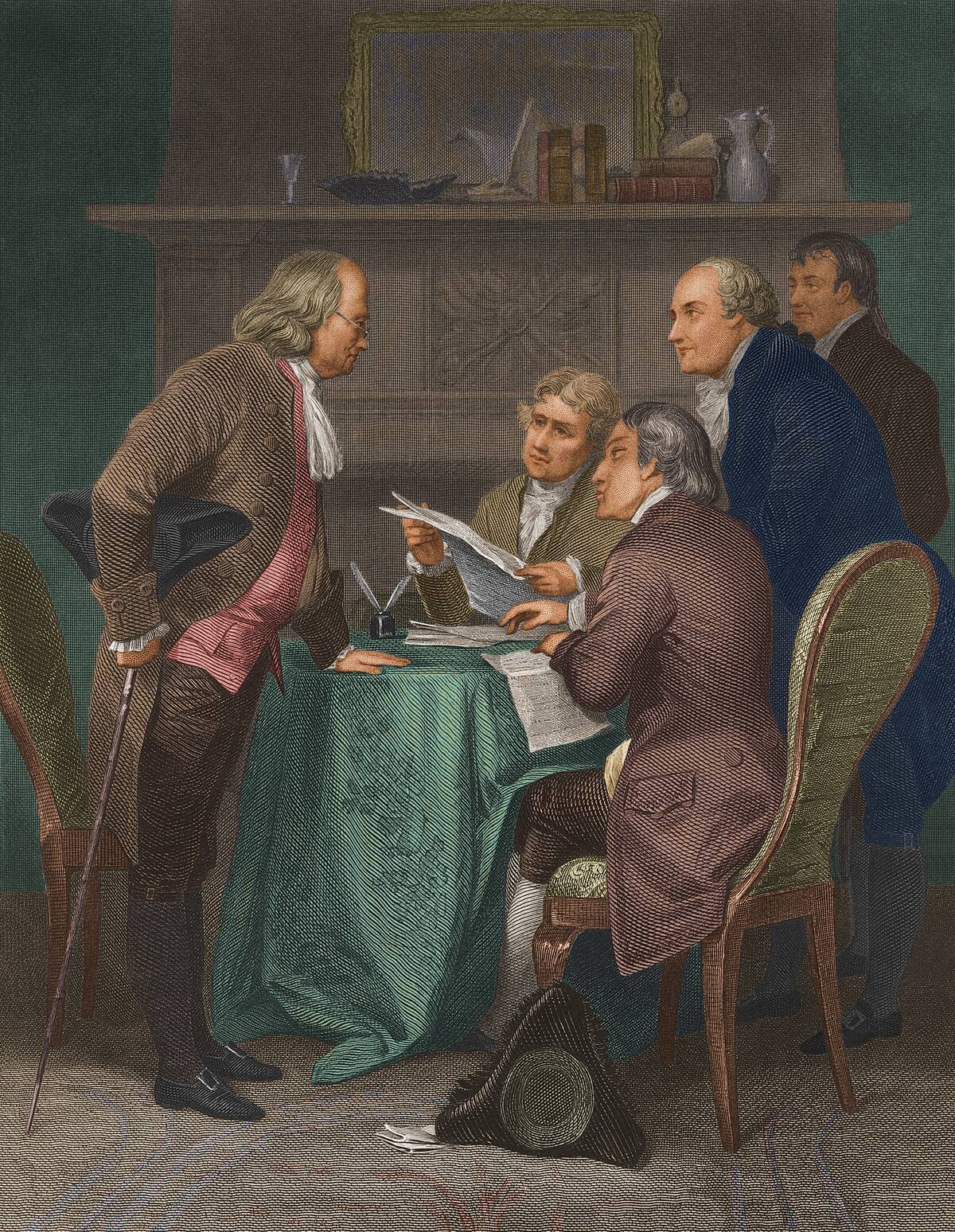
The Declaration of Independence in 1776 was a bold move by the American colonies, severing ties with Britain and birthing a new nation. This pivotal choice inspired countless others around the globe, from the French Revolution to India’s independence movement.
These declarations are testaments to the power of self-determination and the enduring impact of a nation’s choice to shape its future.
The Pen Over the Sword: Diplomacy’s Role in Redefining Territories
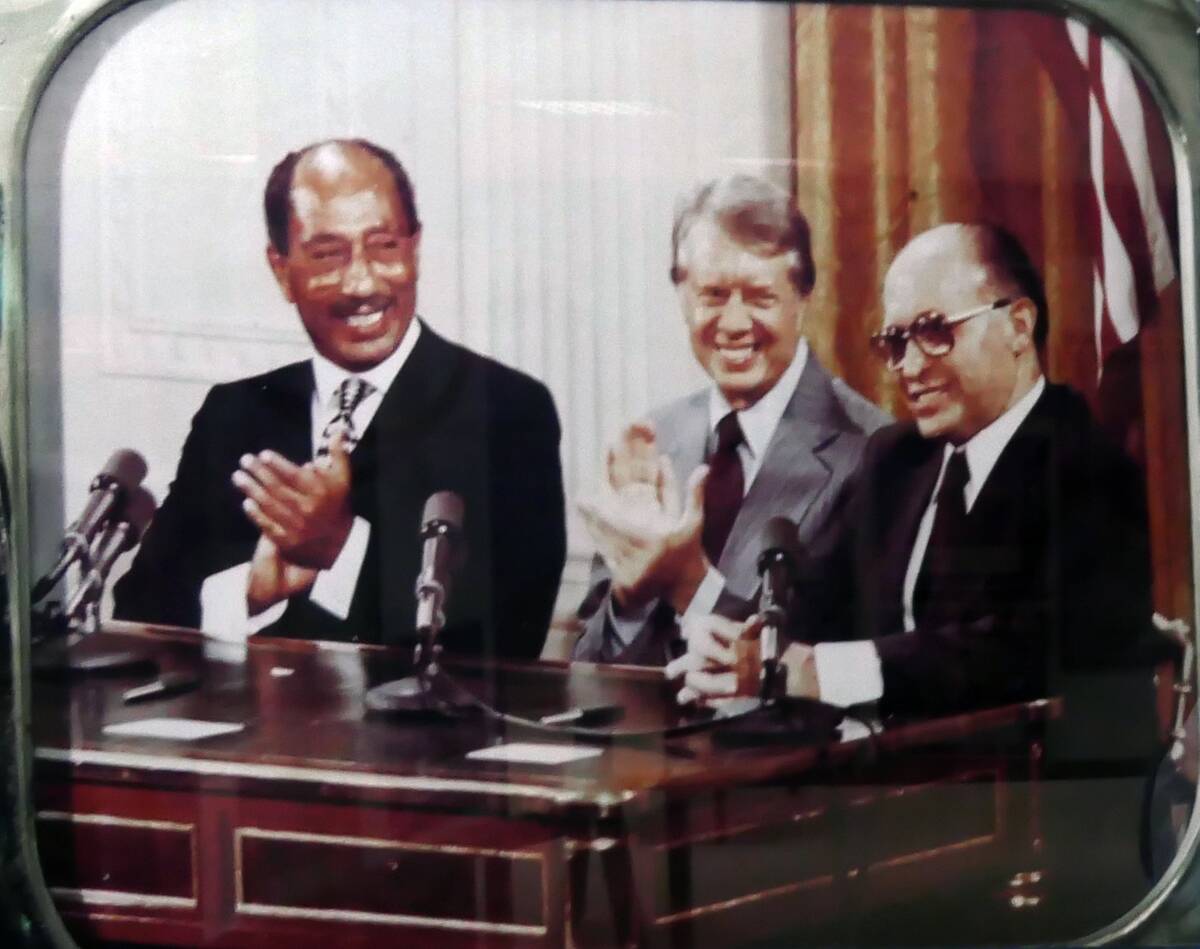
Diplomacy often triumphs where warfare fails, as seen in the Camp David Accords of 1978. This diplomatic achievement between Egypt and Israel, brokered by the United States, ended decades of conflict and set a precedent for peaceful negotiation in the Middle East.
Through diplomacy, nations can redefine borders and establish lasting peace without the devastation of war.
Votes that Made History: Elections That Redirected National Trajectories
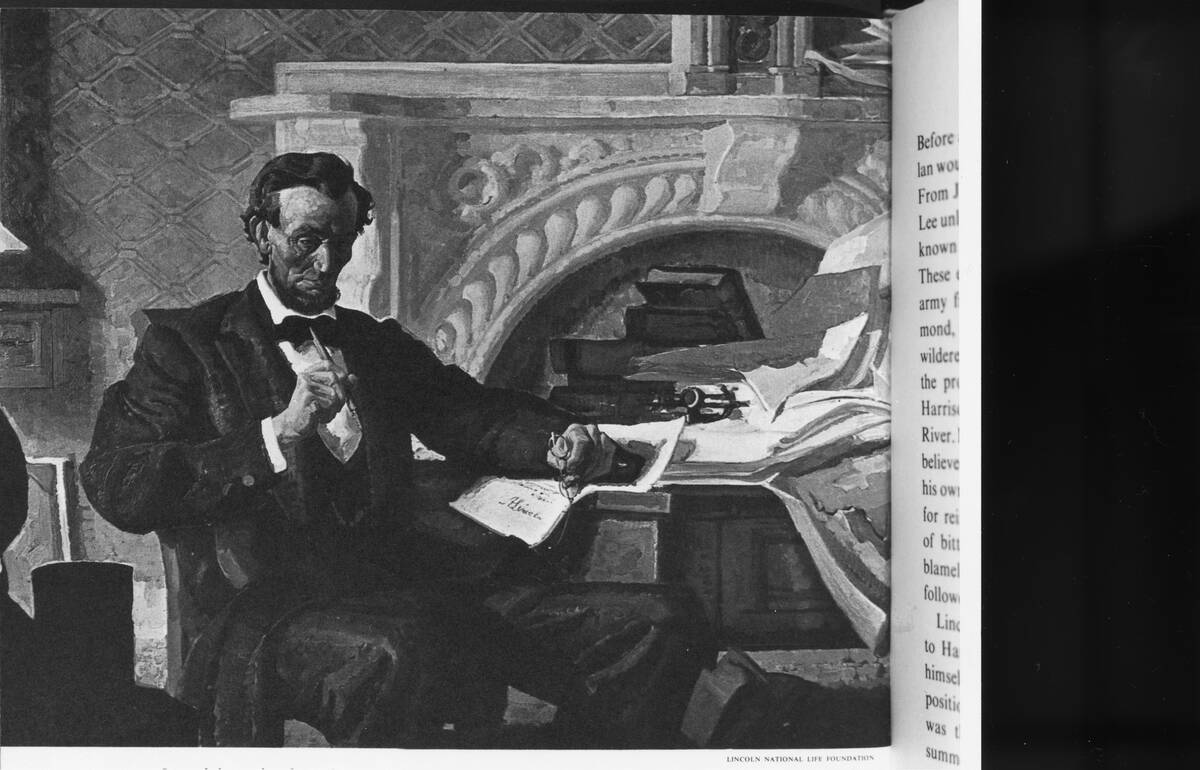
The 1860 election of Abraham Lincoln was a turning point for the United States, leading to the Civil War and the abolition of slavery.
Similarly, Nelson Mandela’s election as South Africa’s president in 1994 marked the end of apartheid and the beginning of a new era of equality. These elections highlight the power of the ballot box in redirecting the course of history and shaping the future of nations.
The Road Not Taken: Paths That Could Have Changed History
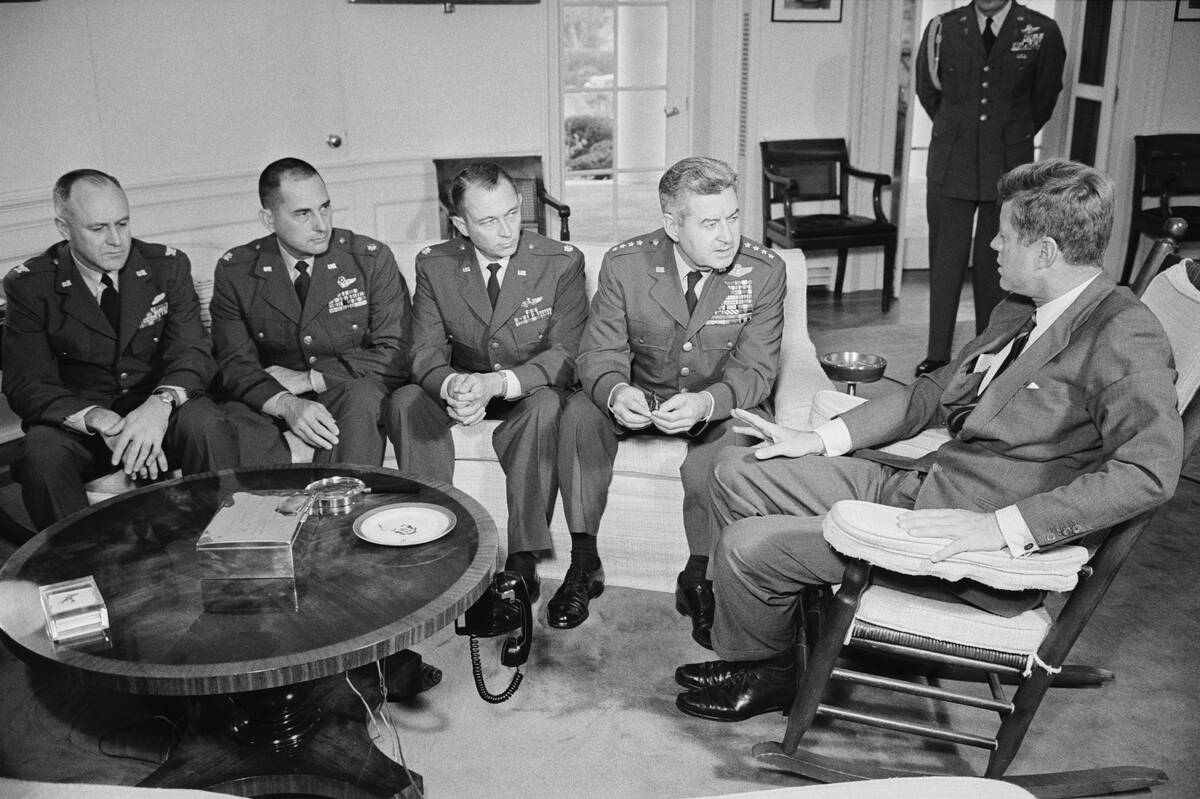
History is replete with moments where different choices could have led to vastly different outcomes. Imagine if the Cuban Missile Crisis had escalated into nuclear war, or if the United States had not entered World War II.
These “what ifs” remind us of the delicate balance of decision-making and the potential for alternate realities that could have reshaped our world.
Economic Gambles: Policies that Reshaped National Fortunes
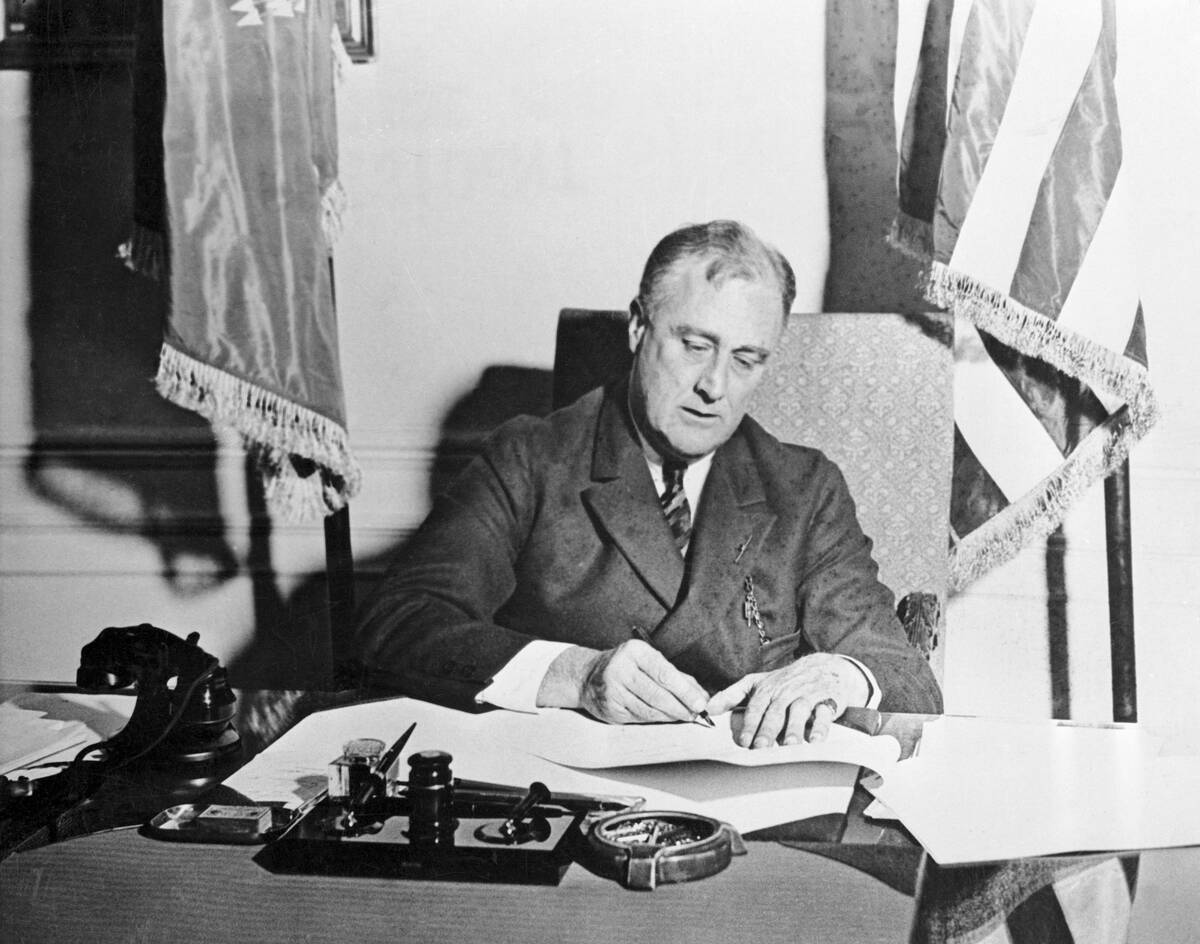
The New Deal, introduced by Franklin D. Roosevelt during the Great Depression, was a series of economic programs that reshaped the American economy and provided relief to millions.
On the other side of the globe, Deng Xiaoping’s economic reforms in China during the late 20th century transformed the nation into a global economic powerhouse. These policies demonstrate how bold economic choices can redefine national fortunes.
The Power of Words: Speeches That Redirected National Sentiments
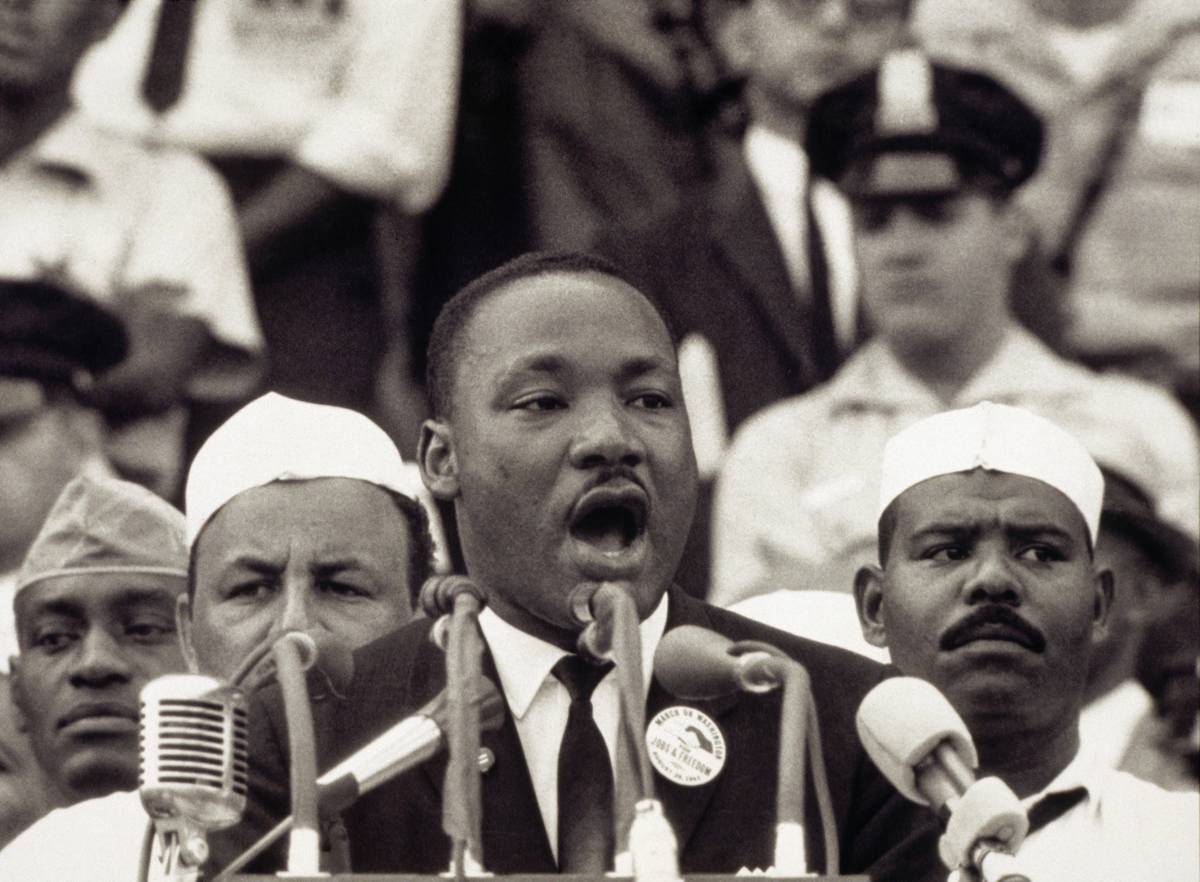
Words have the power to move nations, as seen in Martin Luther King Jr.’s “I Have a Dream” speech, which became a defining moment in the American civil rights movement. Similarly, Winston Churchill’s speeches during World War II rallied a nation under siege.
These eloquent expressions of hope and resilience redirected national sentiments and galvanized populations toward collective goals.
Technological Leaps: Innovations that Altered Global Power Dynamics
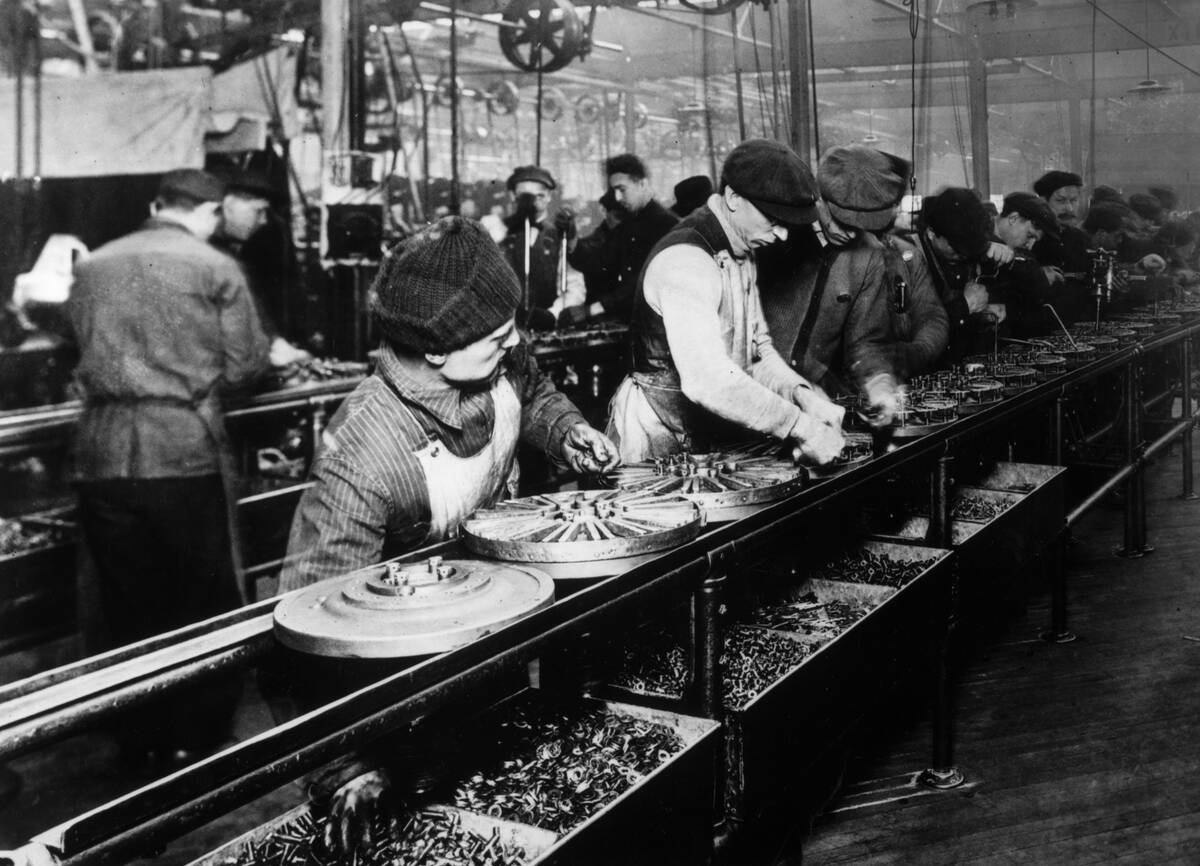
The invention of the internet has arguably been one of the most transformative technological leaps, reshaping communication, commerce, and geopolitics worldwide.
Earlier, the Industrial Revolution, with its steam engines and mechanization, dramatically shifted global power dynamics, propelling some nations to unprecedented levels of economic and military might. These innovations illustrate how technology can redefine the global stage.
The Unseen Hand: Secret Deals and Their National Impact
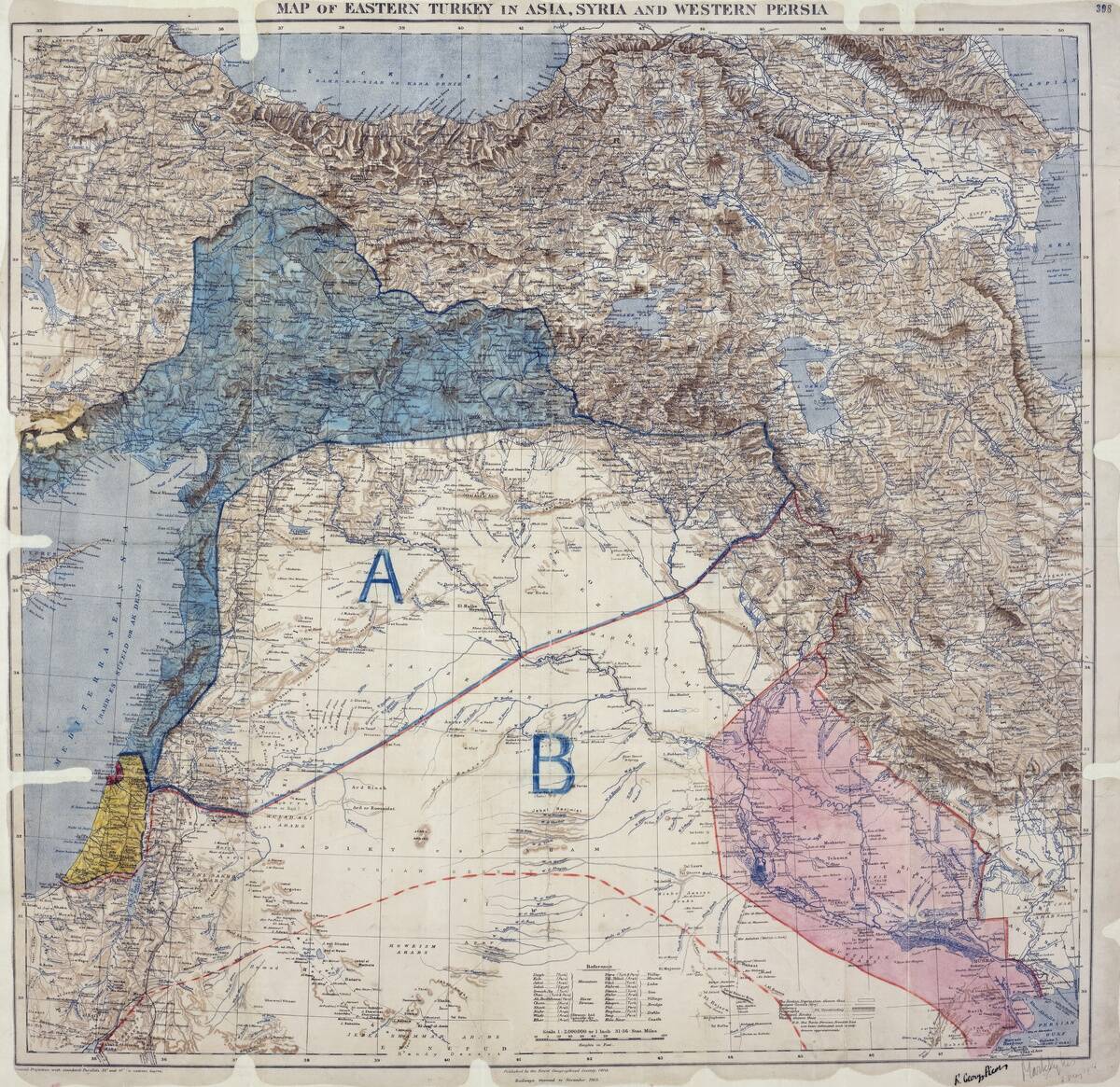
Behind closed doors, secret agreements can wield immense influence on international relations. The 1916 Sykes-Picot Agreement, for instance, secretly divided the Ottoman Empire’s territories between Britain and France, laying the groundwork for modern Middle Eastern conflicts.
Such clandestine deals underscore the impact of unseen hands in shaping the geopolitical landscape, often with lasting and unforeseen consequences.
Cultural Revolutions: Movements That Shifted National Identities
Cultural revolutions can redefine national identities, as seen in the 1960s counterculture movement in the United States, which challenged traditional norms and led to significant social change.
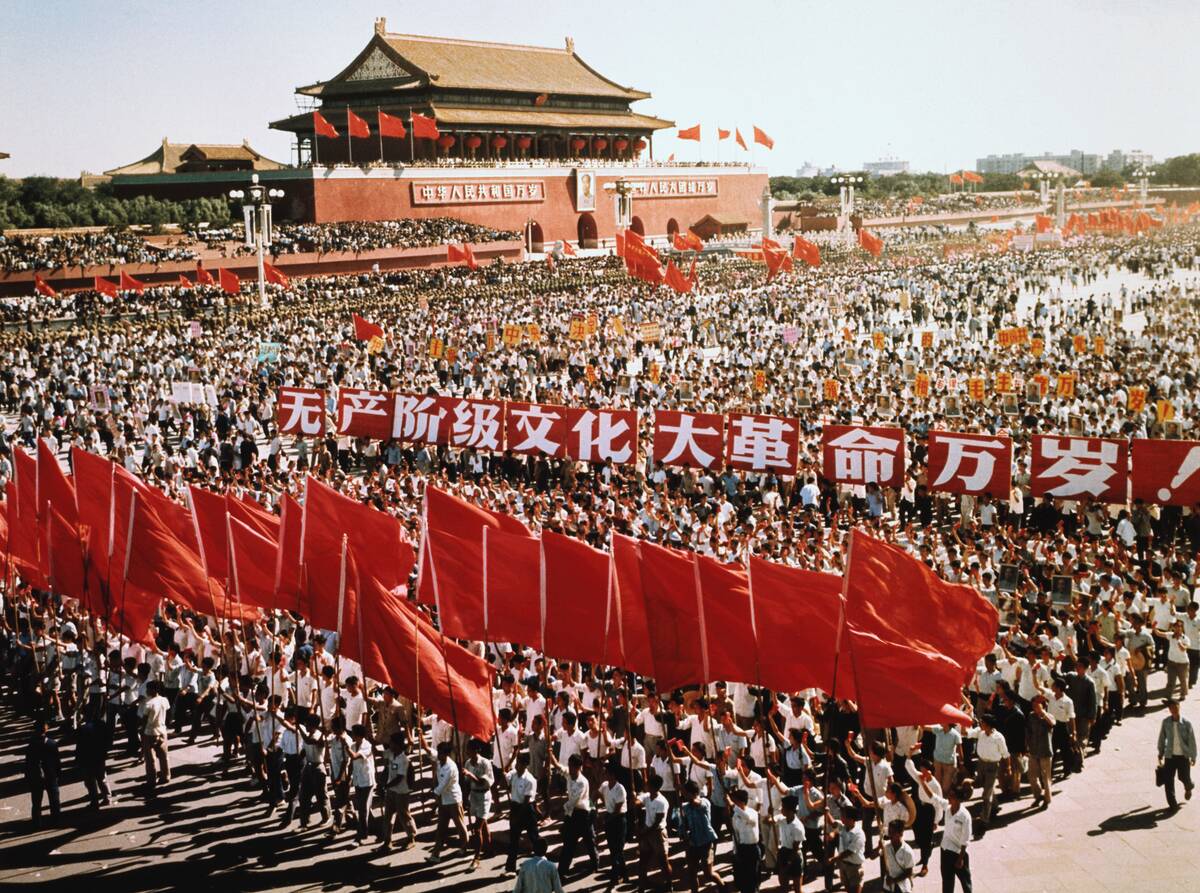
Meanwhile, China’s Cultural Revolution in the 1960s and 70s sought to reinforce communist ideology, dramatically altering Chinese society and its cultural fabric. These movements illustrate the power of cultural shifts in shaping national narratives.
Environmental Decisions: Choices That Preserved or Plundered Resources

Environmental decisions can have profound impacts, as seen in the establishment of national parks in the United States, which preserved vast tracts of wilderness for future generations.
Conversely, deforestation in the Amazon rainforest continues to threaten biodiversity and global climate stability. These choices highlight the critical role of environmental stewardship in shaping the future health and prosperity of our planet.
Leaders’ Decisions: Personal Choices with National Consequences
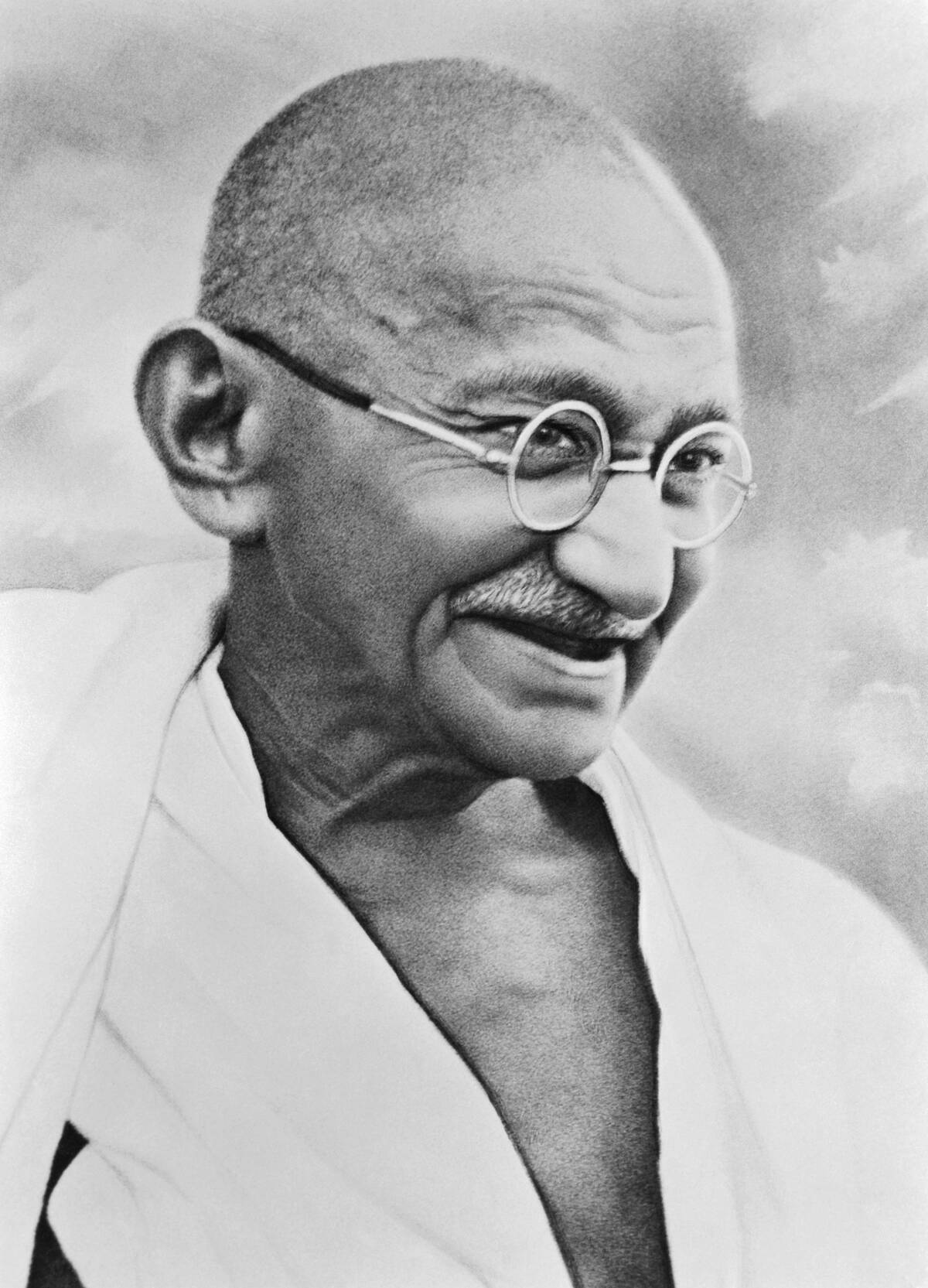
Leaders’ personal choices can have far-reaching national consequences. Richard Nixon’s decision to resign following the Watergate scandal altered the course of American politics.
On the other hand, Mahatma Gandhi’s commitment to non-violence and civil disobedience played a pivotal role in India’s independence movement. These examples underscore how individual decisions at the helm can steer the fate of nations.
Military Maneuvers: Strategies That Redefined Boundaries
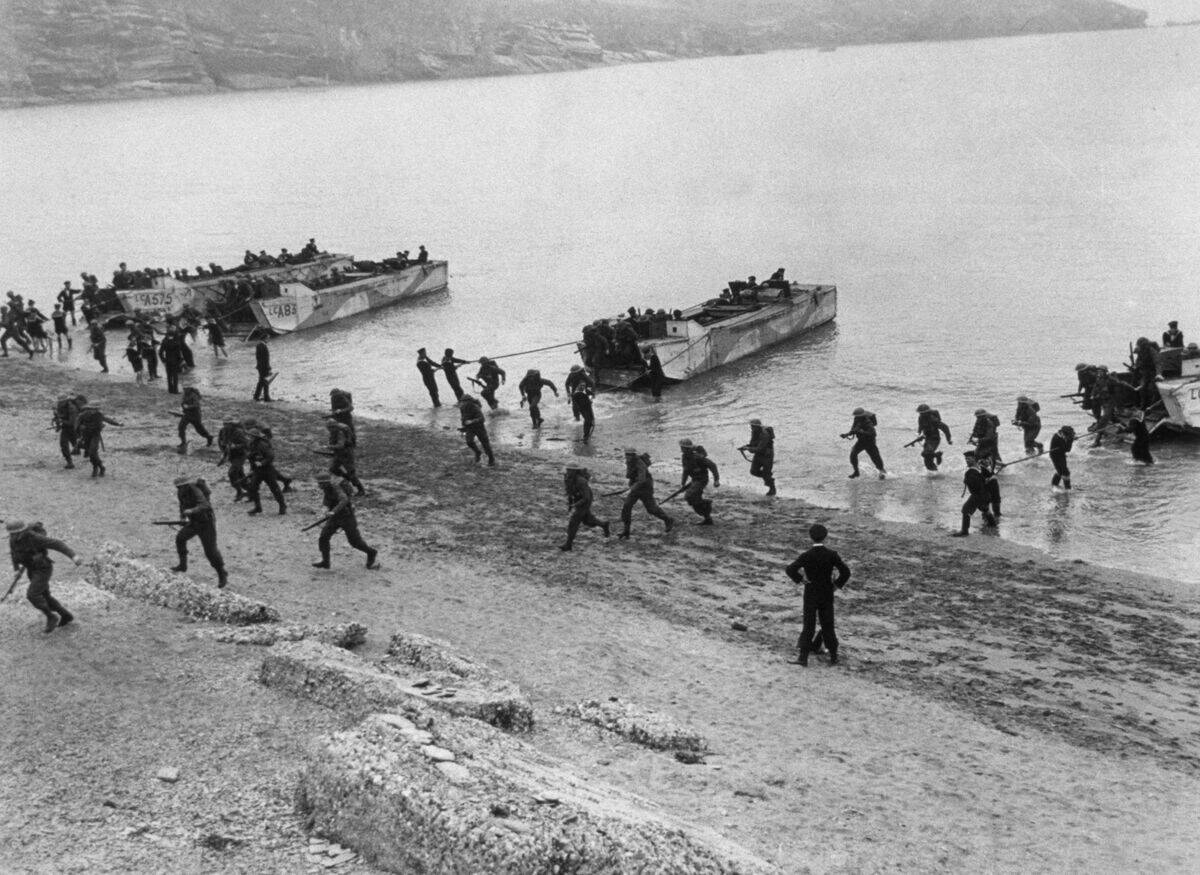
Military strategies have historically redefined national boundaries and global power structures. The D-Day invasion during World War II was a turning point that led to the liberation of Western Europe from Nazi occupation.
Similarly, the Six-Day War in 1967 dramatically altered the map of the Middle East, with lasting geopolitical repercussions. These maneuvers reflect the strategic decisions that can reshape borders and influence international relations.
Social Reforms: Policies That Redirected Societal Norms
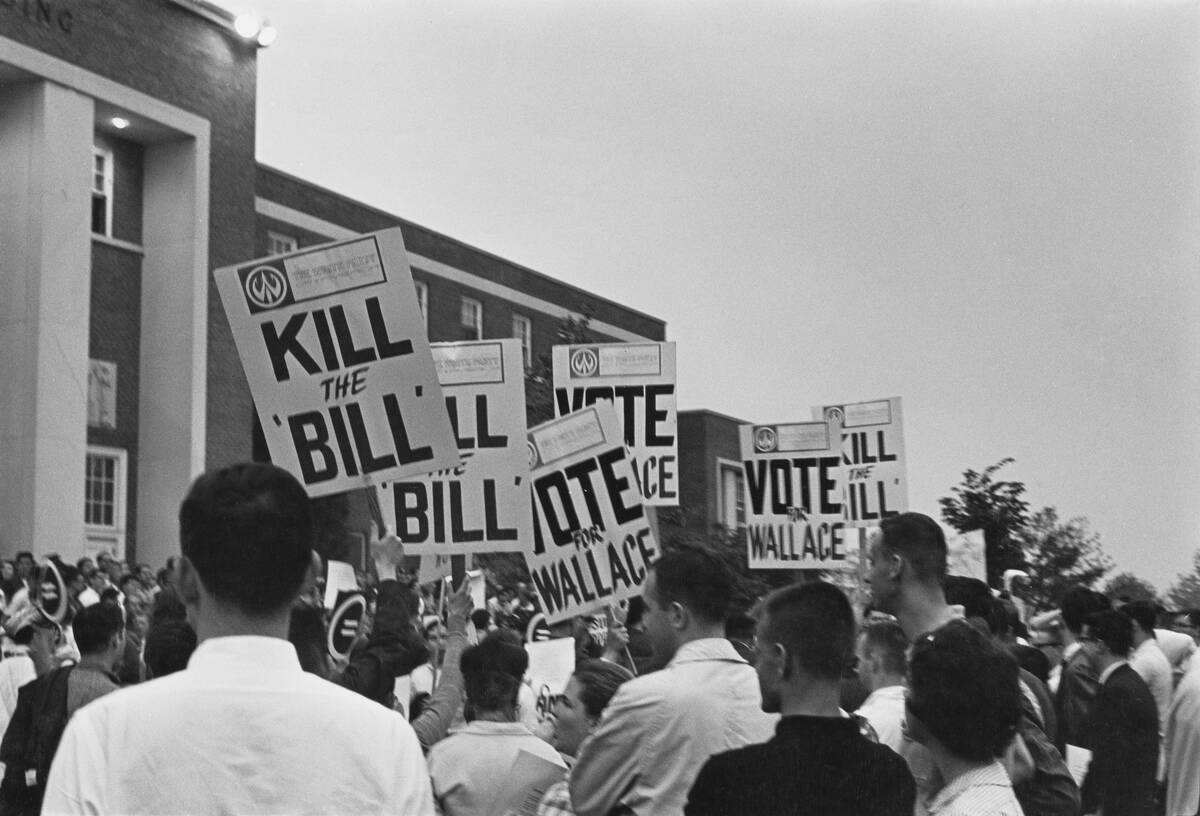
Social reforms can redirect societal norms and improve lives on a national scale. The introduction of the Welfare State in post-war Britain transformed social security and healthcare, promoting equality and reducing poverty.
Across the Atlantic, the Civil Rights Act of 1964 in the United States dismantled institutional racial segregation, paving the way for greater social justice. These reforms highlight the power of policy in reshaping societal landscapes.




