16 Photos of bizarre royal traditions still practiced today
The British royal family is known for its pageantry and tradition, but some customs are more peculiar than regal. From swans to jesters, these practices offer a glimpse into the eccentricities of royal life.
Join us as we explore the quirkiest royal traditions that have both baffled and amused the public for centuries. Whether it’s bees buzzing in royal gardens or footmen in extravagant uniforms, each tradition carries its own unique charm and history.
The Peculiar Practice of the Swan Upping Ceremony
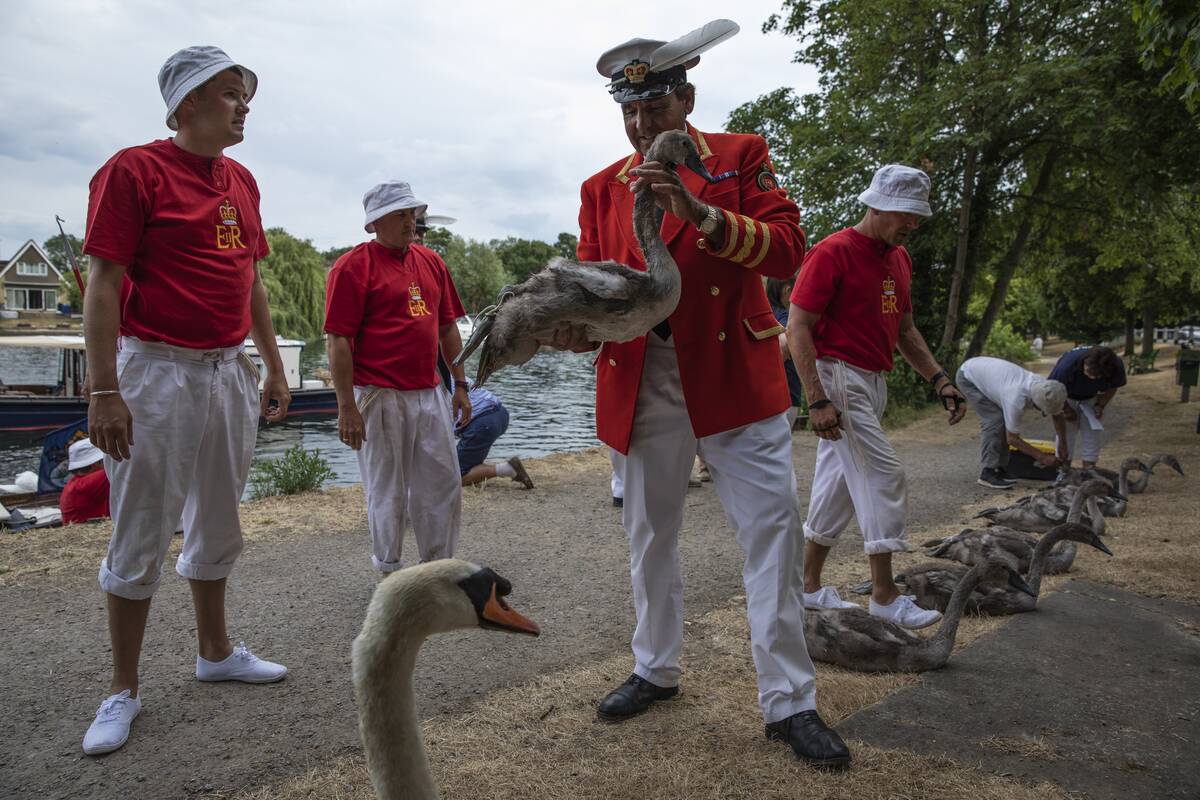
The annual Swan Upping ceremony is a week-long event that dates back to the 12th century. It involves counting and marking swans on the River Thames, an activity originally meant to ensure enough swans for royal feasts.
Today, it’s more about conservation and tradition than dining. Dressed in scarlet uniforms, the Swan Markers row along the river, their presence a vivid reminder of history’s hold on the present.
Why Does the Queen Celebrate Two Birthdays?
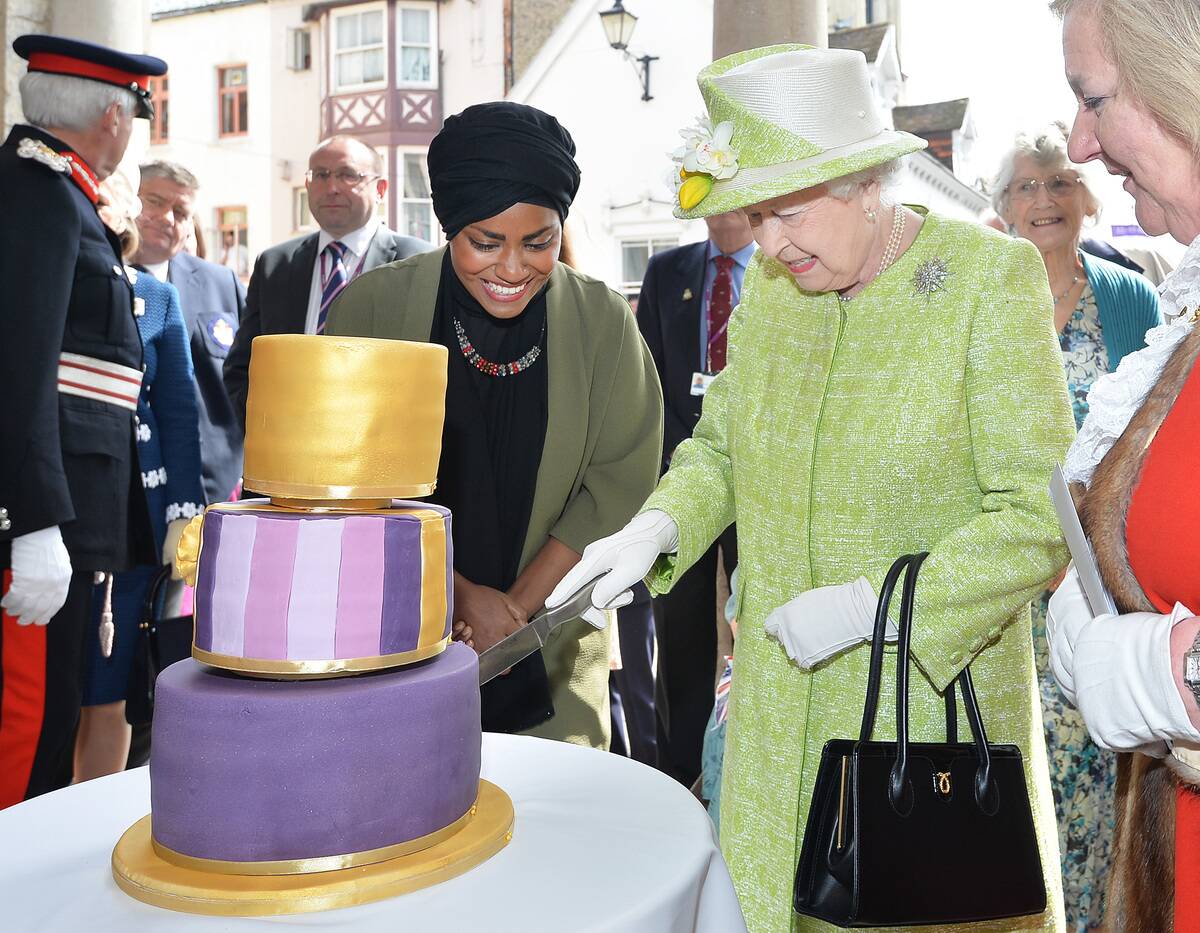
Queen Elizabeth II had two birthdays: her actual birth date on April 21 and an official birthday in June. This tradition stems from the unpredictable British weather, allowing a public celebration in more favorable conditions.
The official birthday is marked by the Trooping the Colour parade, a vibrant event showcasing military precision and royal splendor. It’s a tradition that offers twice the fun for royal enthusiasts and another chance to wave those Union Jacks.
The Enigma of the Knighthood Ceremony
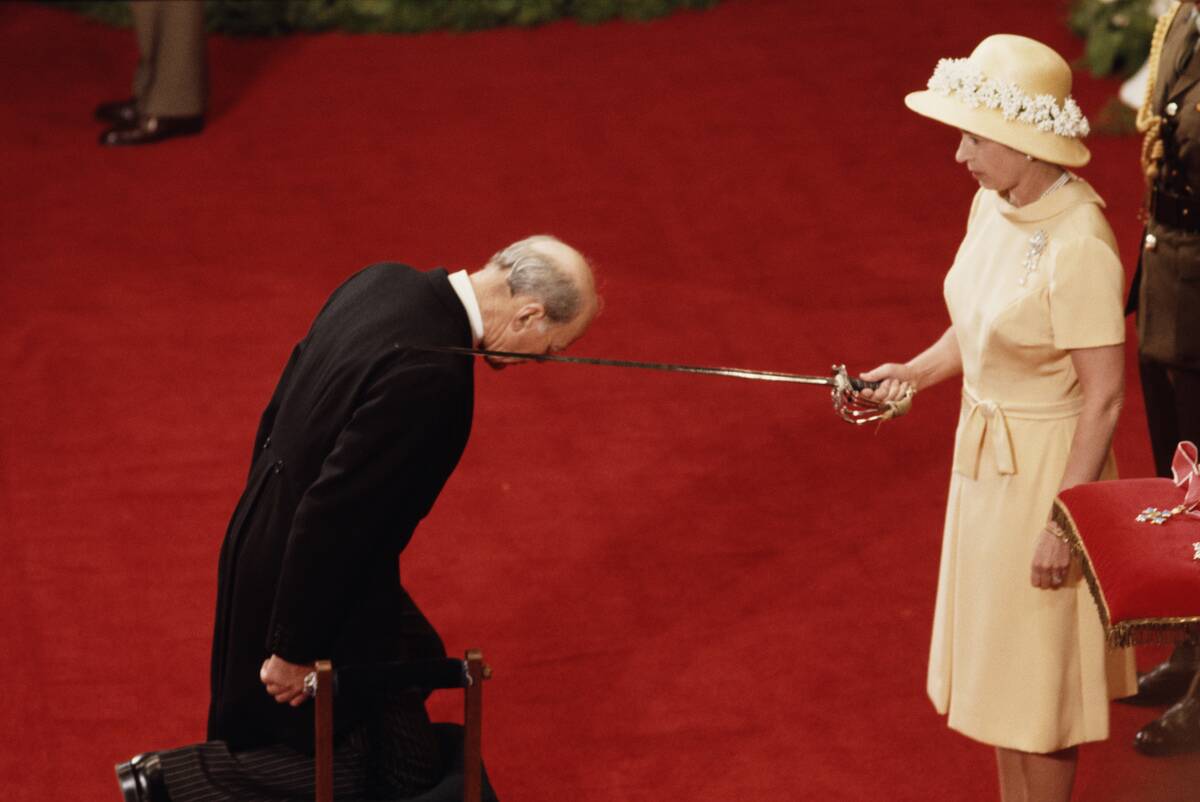
The knighthood ceremony is a solemn affair steeped in medieval lore. Recipients kneel before the monarch, who taps each shoulder with a sword. This time-honored tradition recognizes contributions to the nation, whether in arts, science, or public service.
It’s not just about the title; it symbolizes a bond between the honored and the crown. While the sword might not be Excalibur, the ceremony holds a certain mystique and grandeur nonetheless.
The Unexpected Role of the Royal Bee Whisperer
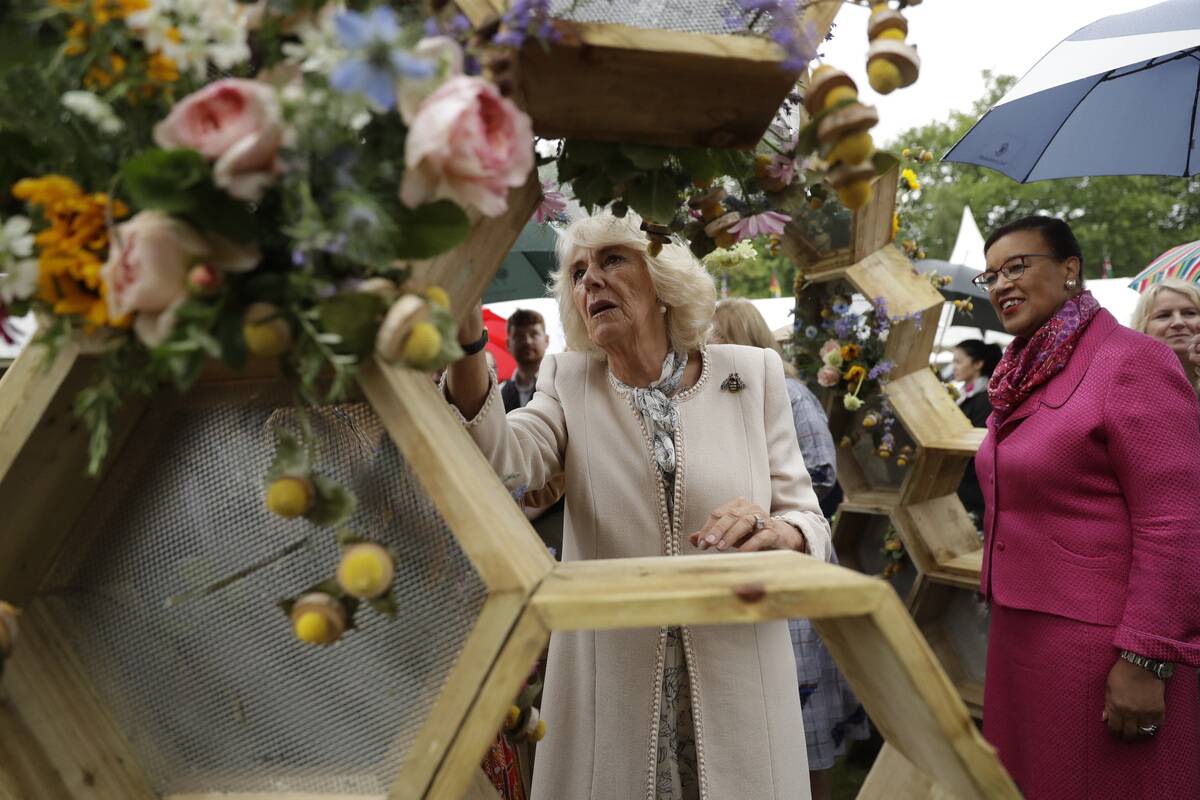
Yes, the royal family has a bee whisperer. The tradition involves informing the royal bees of significant events, like a death or birth in the family. This practice is believed to keep the bees content and productive.
It’s a quaint nod to ancient customs, where bees were thought to be messengers to the gods. The bee whisperer’s role, while unusual, underscores a respect for nature and its integral place in royal life.
The Ceremony of the Keys: Locking Down the Tower of London
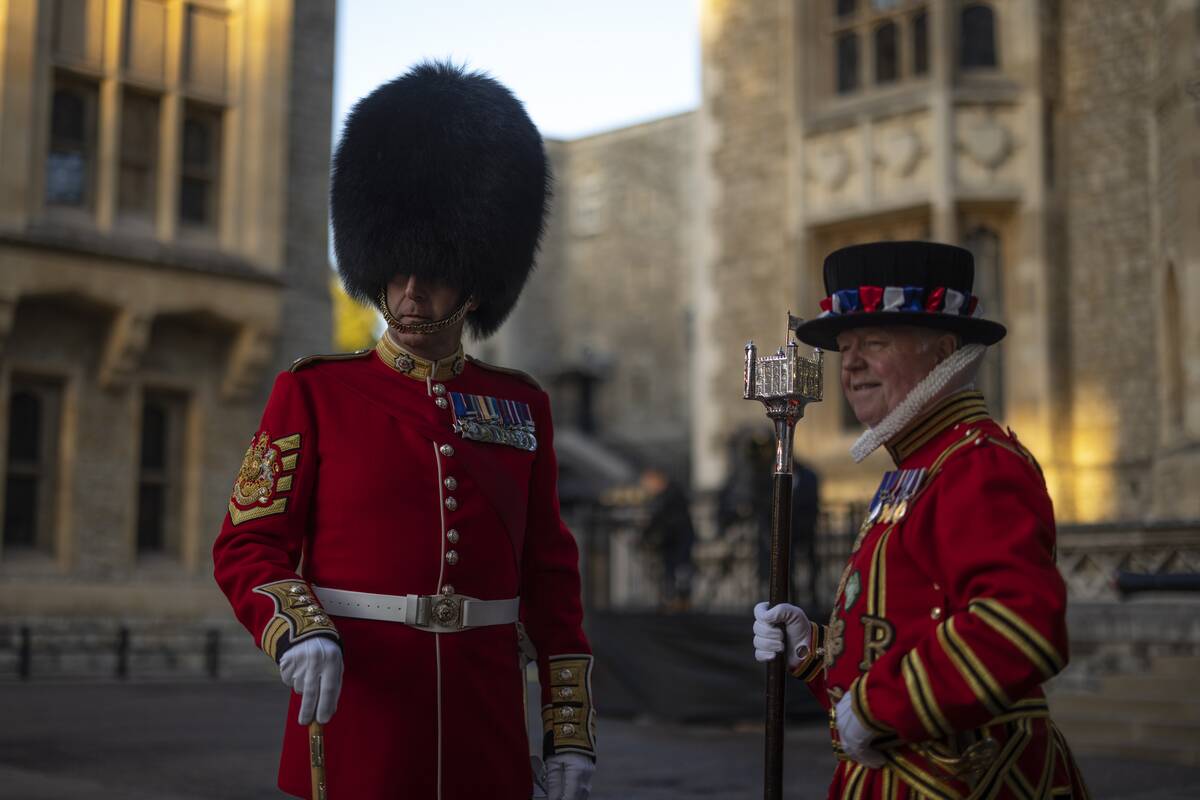
Every night for over 700 years, the Ceremony of the Keys has taken place at the Tower of London. It begins at exactly 9:53 PM when the Chief Yeoman Warder locks the gates. Despite the scripted precision, a recent addition of a backup plan was made after a small mishap.
Tourists can witness this event, which is steeped in tradition and offers a rare glimpse into the ceremonial duties that ensure the tower’s security.
The Curious Tradition of the Royal Maundy Money
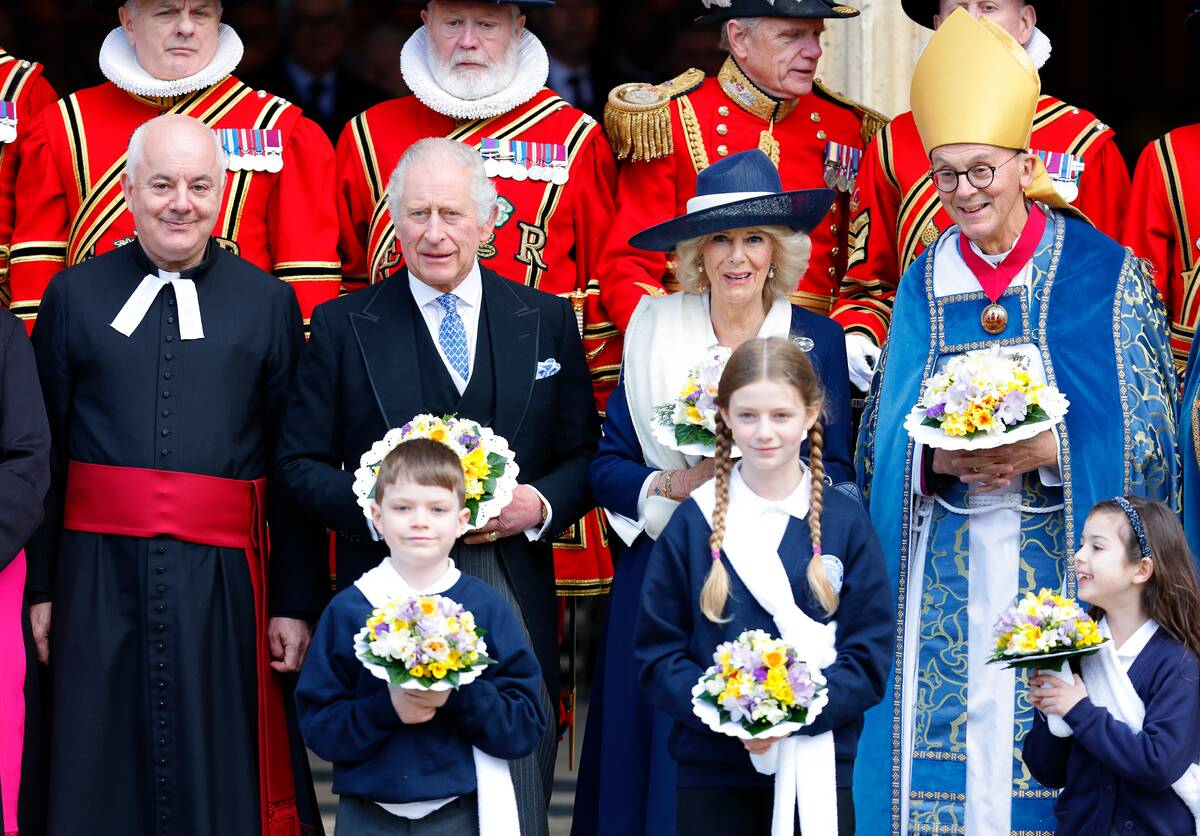
The Royal Maundy service is an ancient ceremony held on Maundy Thursday, where the monarch distributes specially minted coins to pensioners. This tradition dates back to the 13th century and symbolizes humility and service.
The number of recipients equals the monarch’s age, making each year unique. The coins, a rare collector’s item, are considered a mark of honor and a tangible link to a time-honored Christian practice.
The Royal Court Jester: A Tradition That’s No Laughing Matter
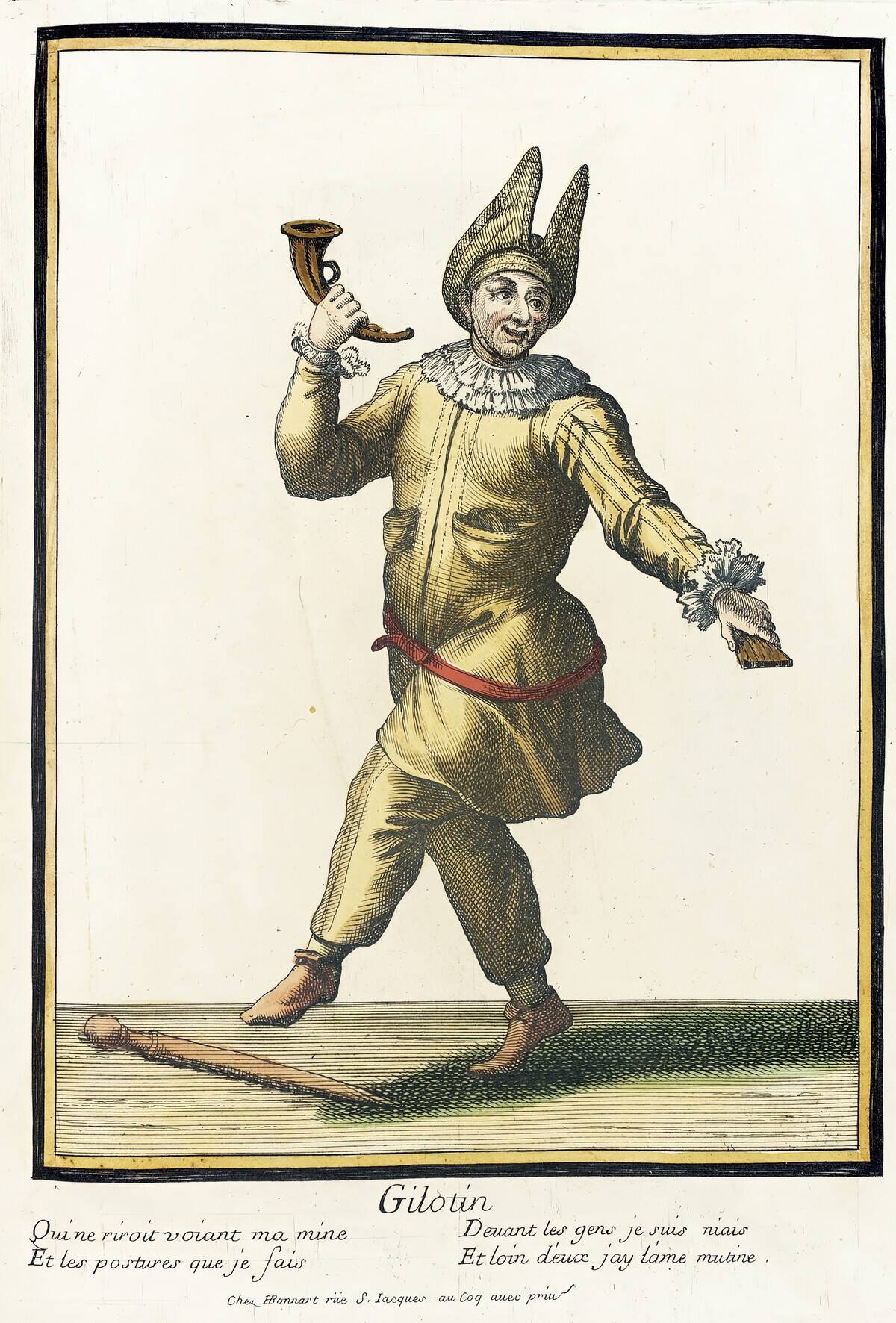
The court jester once played a pivotal role in royal entertainment, but don’t let the frivolity fool you. These jesters wielded significant influence, often acting as confidants and advisors. While the tradition has faded, its legacy remains in the form of royal household staff with unique, ceremonial roles.
The jester’s role highlights the blend of humor and wisdom valued by the court, a reminder of the human side of monarchy.
The Bizarre Act of Touching for the King’s Evil
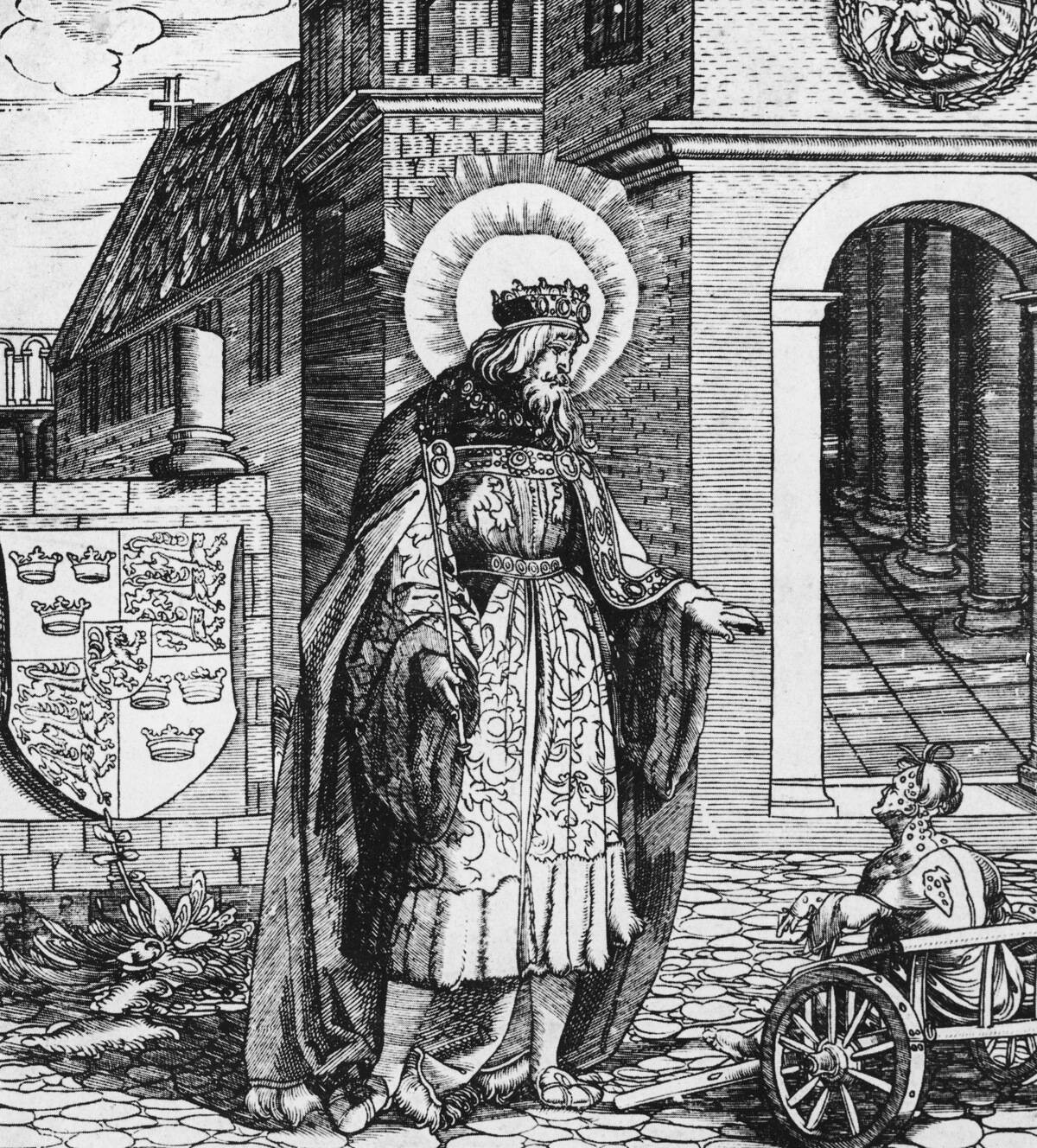
Once believed to cure scrofula, a form of tuberculosis, the ‘Touching for the King’s Evil’ was a medieval ritual where the monarch laid hands on the afflicted.
This practice, reflecting the divine right of kings, was discontinued in the 18th century. It served as a powerful symbol of the crown’s supposed healing powers. Though now obsolete, it offers a fascinating insight into the intersection of faith and monarchy.
The Royal Family’s Fascination with Teatime Etiquette
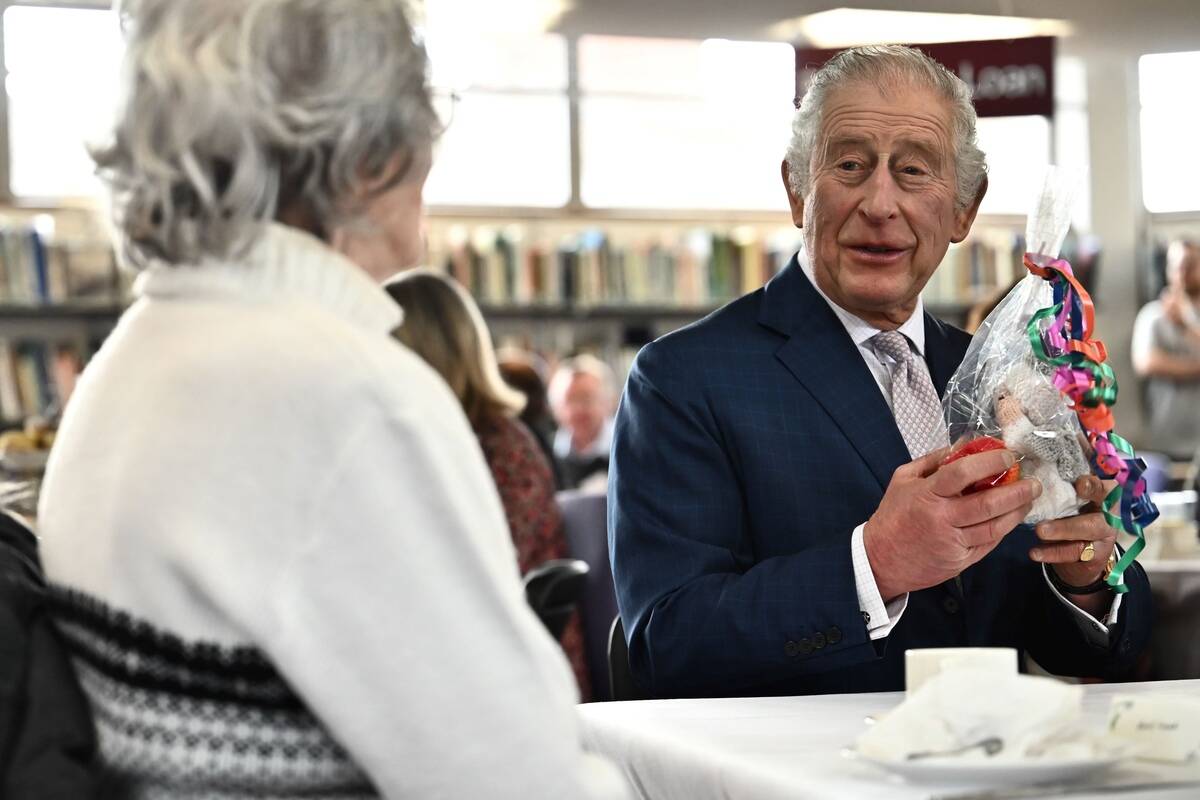
Tea time is more than just a snack; it’s a ritualized social event in royal circles. The rules are strict: milk before tea, no pinkies up, and always stirring without clinking the sides. This tradition reflects British culture’s emphasis on manners and civility.
A royal tea party is a study in elegance, with carefully curated settings and delicate porcelain, making it a quintessentially British experience that’s steeped in grace.
The Intriguing History of the Royal Footman’s Role
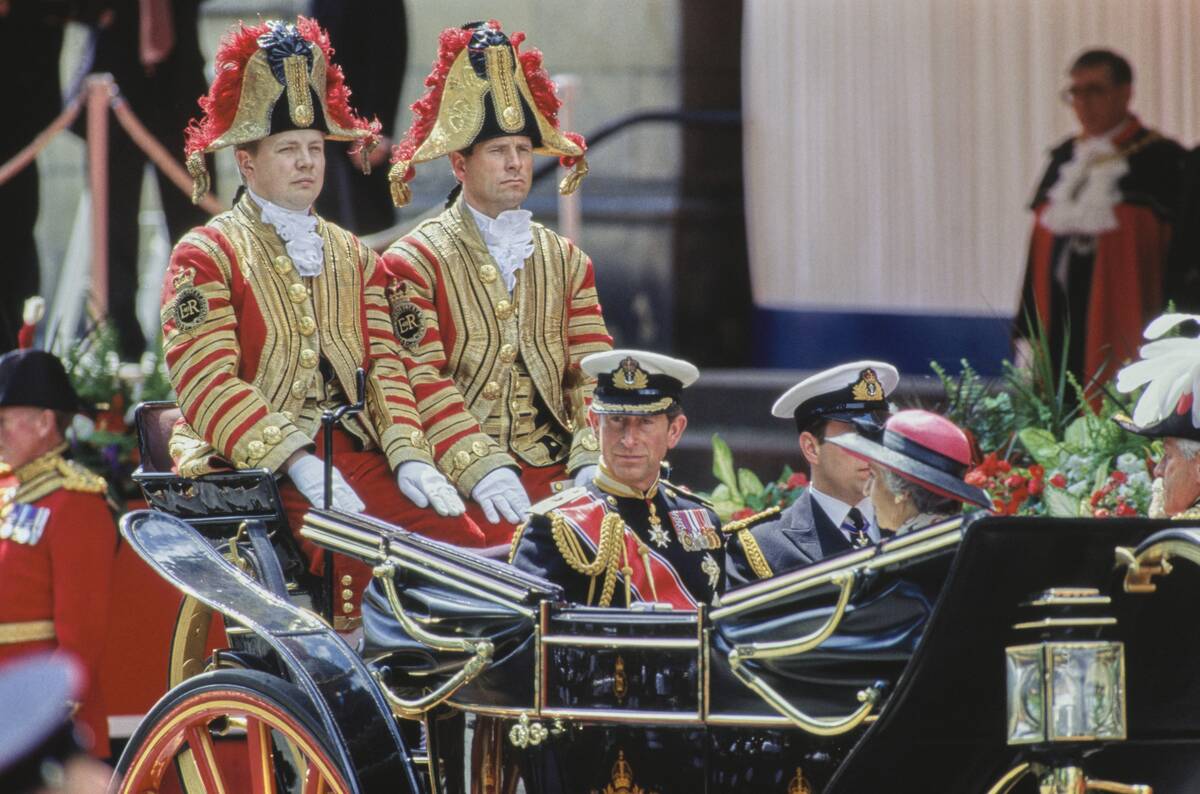
The royal footman serves as both a symbol of tradition and a practical aide. Historically, footmen ran ahead of carriages, clearing the way. Today, they assist with everything from state banquets to daily royal duties, dressed in uniforms that hark back to centuries past.
Their role, though more ceremonial now, is a testament to the enduring nature of royal service. It’s a job that requires both decorum and dedication.
The Queen’s Unusual Ritual of Weighing Guests

A curious tradition at Sandringham involves weighing guests before and after Christmas festivities. This custom, dating back to King Edward VII, ensures guests are well fed. While it might seem odd, it’s a lighthearted practice meant to underscore hospitality rather than scrutiny.
The Royal Family’s embrace of this peculiar custom reflects their fondness for tradition, with a touch of humor, during the holiday season.
The Odd Tradition of the Royal Christmas Message
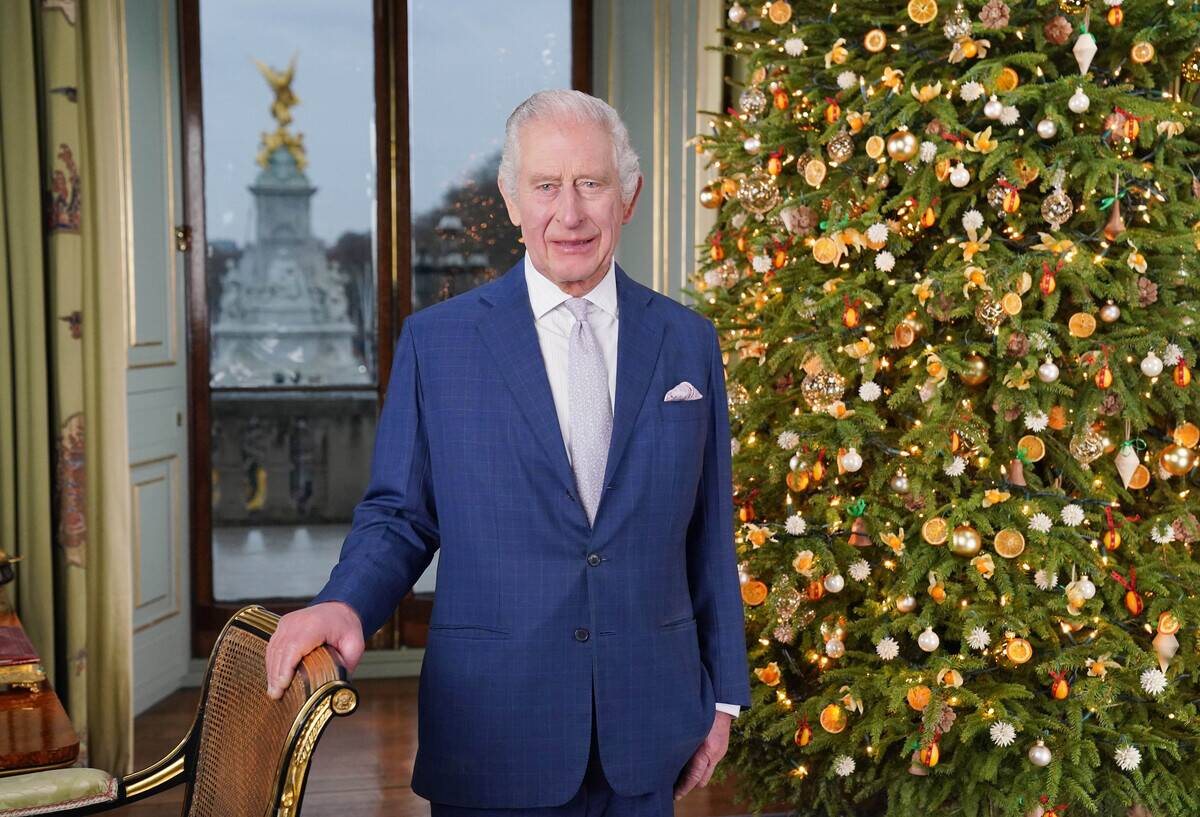
The Royal Christmas Message is a tradition that began with King George V in 1932. Broadcast to the Commonwealth, it’s an opportunity for the monarch to reflect on the year’s events.
Each message is crafted with care, balancing personal insight with public duty. The speech has evolved from radio to television, and now the internet, but its core remains the same: a unifying message from the crown to its people.
The Royal Protocol of Gift-Giving: More than a Simple Gesture
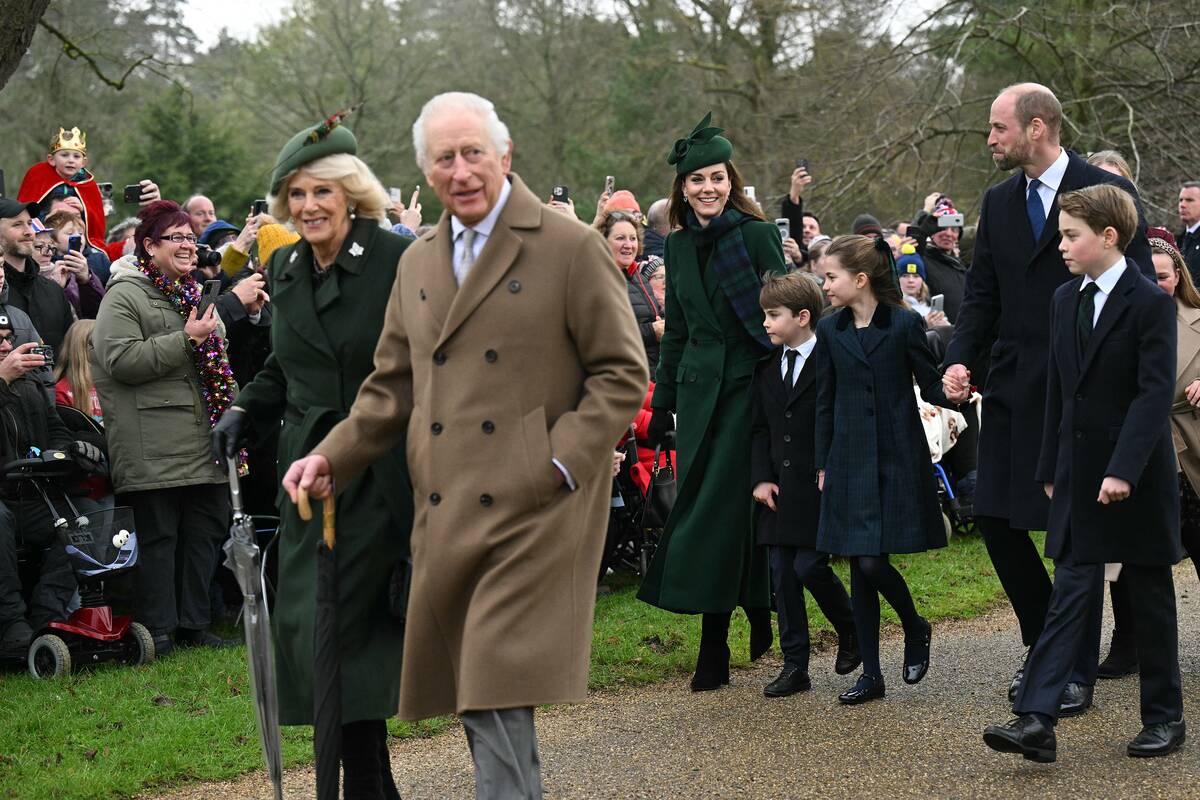
Gift-giving within the royal family follows strict protocols, often involving thoughtful, symbolic gifts. This tradition emphasizes diplomacy and respect, with handmade or personal items being highly valued.
Gifts are exchanged on Christmas Eve in the German tradition. It’s a practice that showcases the balance between formality and familial warmth, highlighting the importance of gestures that strengthen both personal and international bonds.
The Time-Honored Practice of the Royal Garden Party
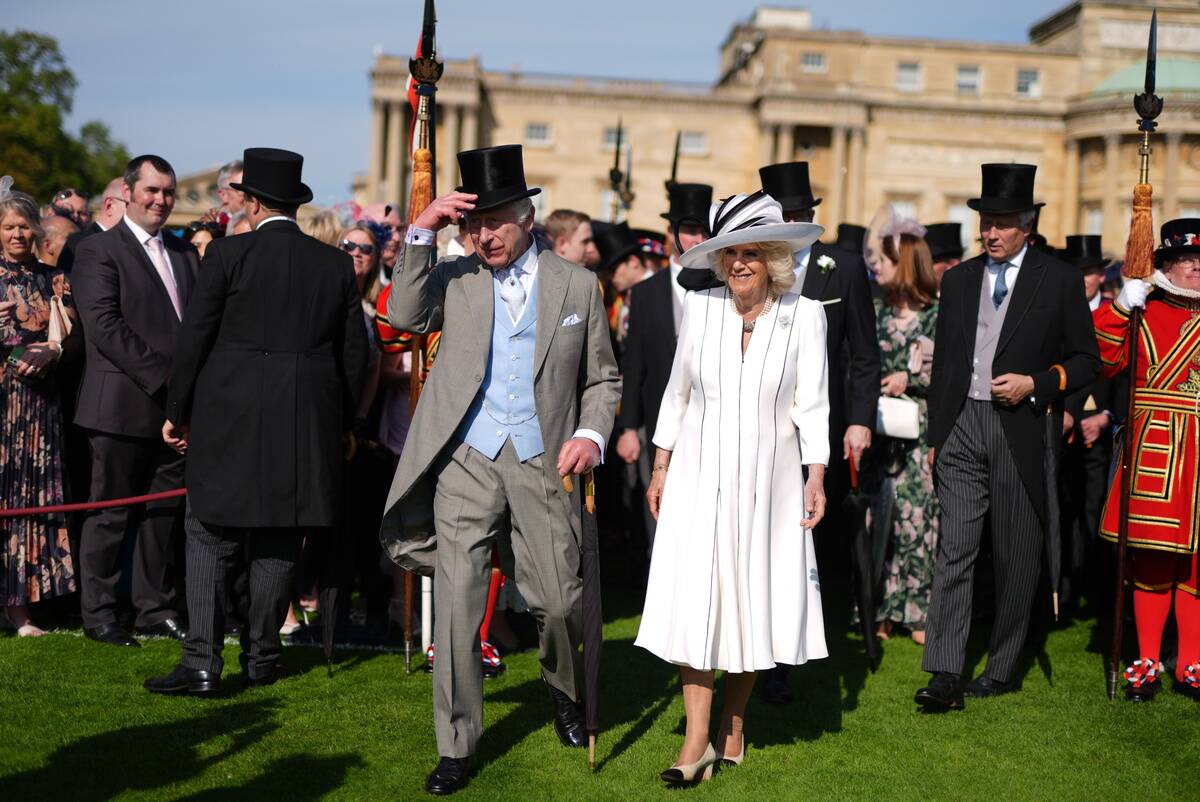
Royal garden parties are a staple of the social calendar, inviting thousands to the palace grounds each summer. These events serve to recognize public service and foster community ties.
Guests are treated to tea, sandwiches, and cakes, while mingling with royals in a relaxed setting. The tradition, initiated by Queen Victoria, continues to be a highlight for both attendees and hosts, blending royal formality with a leisurely afternoon.
The Mystical Ceremony of the Order of the Garter
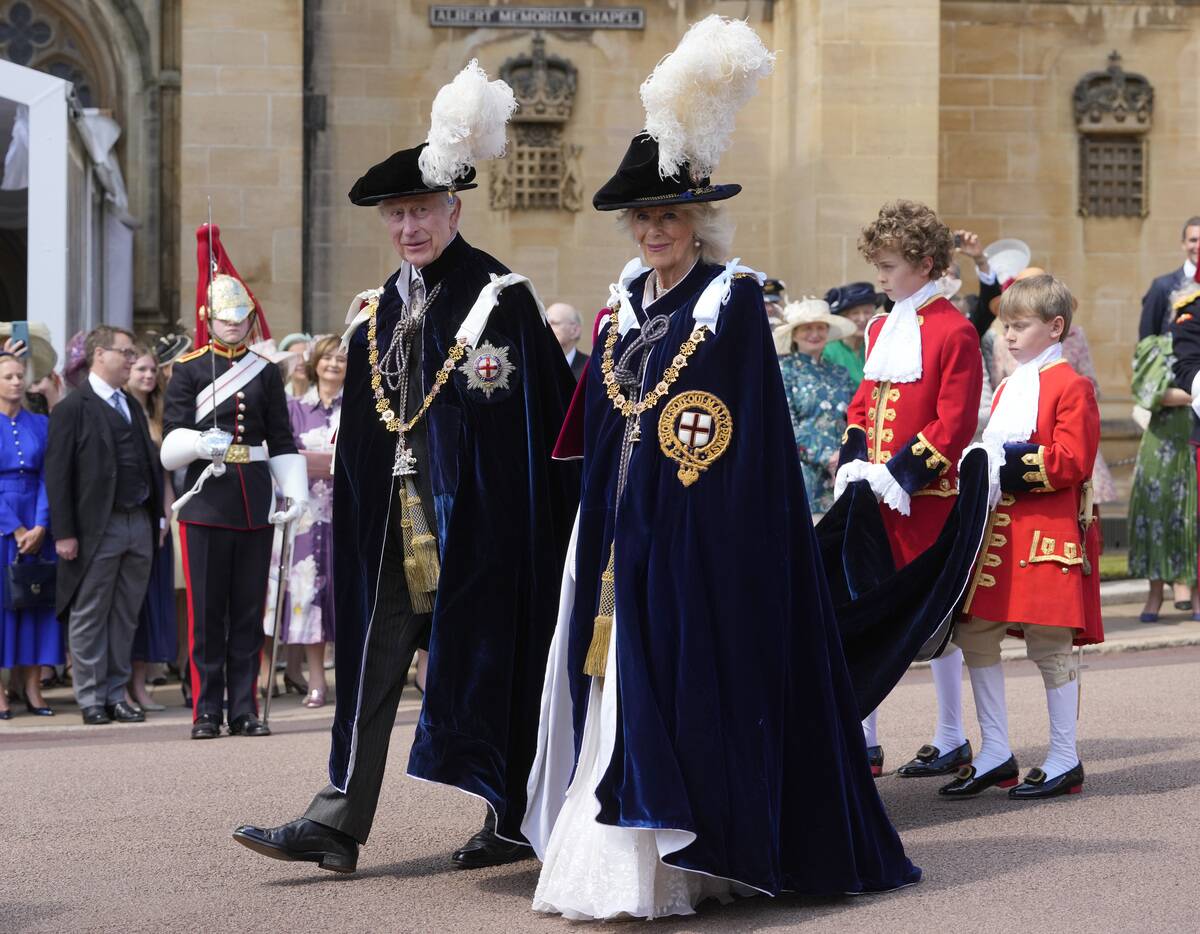
The Order of the Garter is Britain’s most senior order of knighthood, founded by King Edward III in 1348. The annual ceremony, held at Windsor Castle, is shrouded in intrigue.
Members, limited to 24, are chosen for their public service, with the monarch personally selecting them. The opulent robes and insignia worn during the ceremony speak to its historical significance and the enduring allure of chivalric tradition.
The Royal Procession: Pomp, Pageantry, and Peculiarity
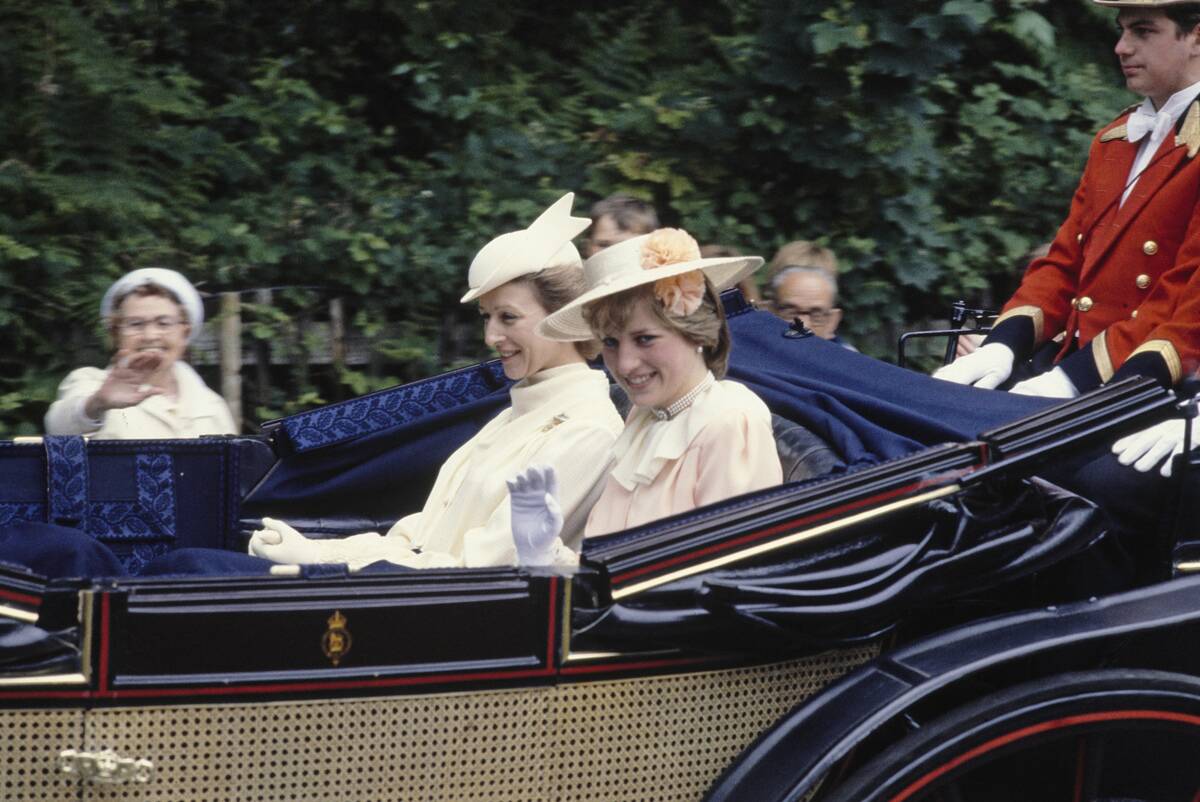
Royal processions are a spectacle of grandeur, blending tradition with theatricality. Whether opening Parliament or marking a state visit, these events showcase the monarchy’s enduring role in Britain’s national identity.
Horse-drawn carriages, military bands, and ceremonial uniforms create a vibrant tapestry that captivates onlookers. It’s a display of continuity and change, reminding the world of the monarchy’s historical roots and its evolving role in modern society.




