14 Photos of forgotten inventors who shaped everyday life
In the bustling world of inventions, it’s easy to overlook the everyday items that have become integral to our lives. These unsung innovators deserve a moment in the spotlight for their practical contributions.
From the paperclip to the safety razor, these seemingly simple inventions have made our daily routines more efficient and convenient. Let’s embark on a journey to uncover the stories of these remarkable minds.
The Visionary Behind the Windshield Wiper

Mary Anderson’s invention of the windshield wiper in 1903 was a game-changer for drivers everywhere. Before her patent, drivers had to stop frequently to clear their windshields, a cumbersome task in inclement weather.
Anderson’s manually operated device paved the way for automatic wipers, significantly improving road safety. Her innovative spirit serves as a reminder that sometimes the simplest ideas have the most profound impact.
The Mastermind Who Brought Us the Zipper

Whitcomb Judson, often dubbed the ‘Father of the Zipper,’ revolutionized the fashion industry with his invention in 1893. Originally designed as a ‘clasp locker,’ Judson’s creation was intended to simplify the process of fastening shoes and clothing.
Although it took a few decades for zippers to become mainstream, they are now a staple in wardrobes worldwide. Judson’s persistence in refining his invention highlights the importance of perseverance in innovation.
The Forgotten Genius of the Ballpoint Pen
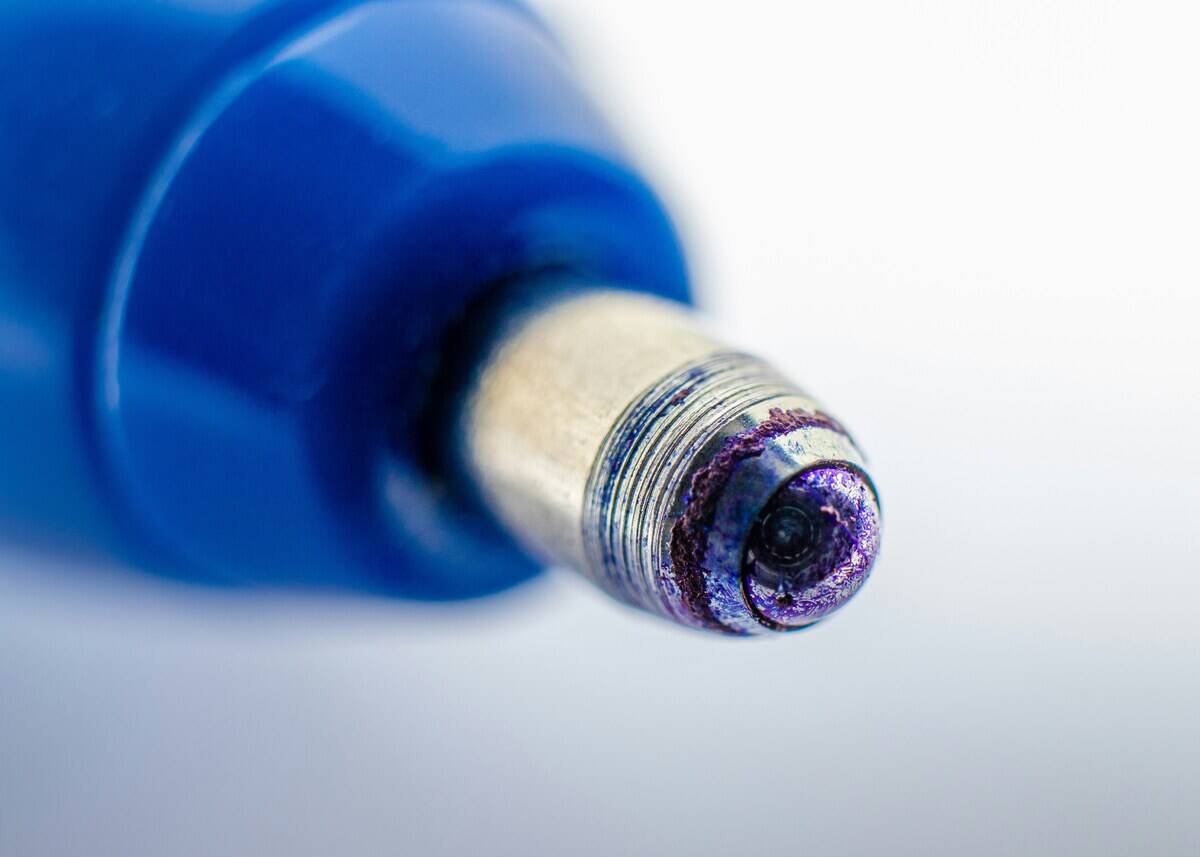
László Bíró, a Hungarian-Argentinian journalist, changed the way we write with his invention of the ballpoint pen in 1938. Frustrated with the smudging of fountain pens, Bíró developed a pen that used quick-drying ink and a tiny rotating ball to distribute it evenly.
This simple yet effective design quickly replaced traditional pens and remains a favorite for its reliability. Bíró’s creativity reminds us that necessity is often the mother of invention.
The Innovator Who Revolutionized Traffic Lights

Garrett Morgan, an African-American inventor, patented the three-position traffic signal in 1923, enhancing road safety worldwide. Before Morgan’s invention, traffic signals were rudimentary and often dangerous.
His design introduced a ‘warning’ position, allowing drivers to stop safely. Morgan’s contribution to traffic management is a testament to the power of innovative thinking in addressing everyday challenges.
The Pioneer Behind the Dishwasher
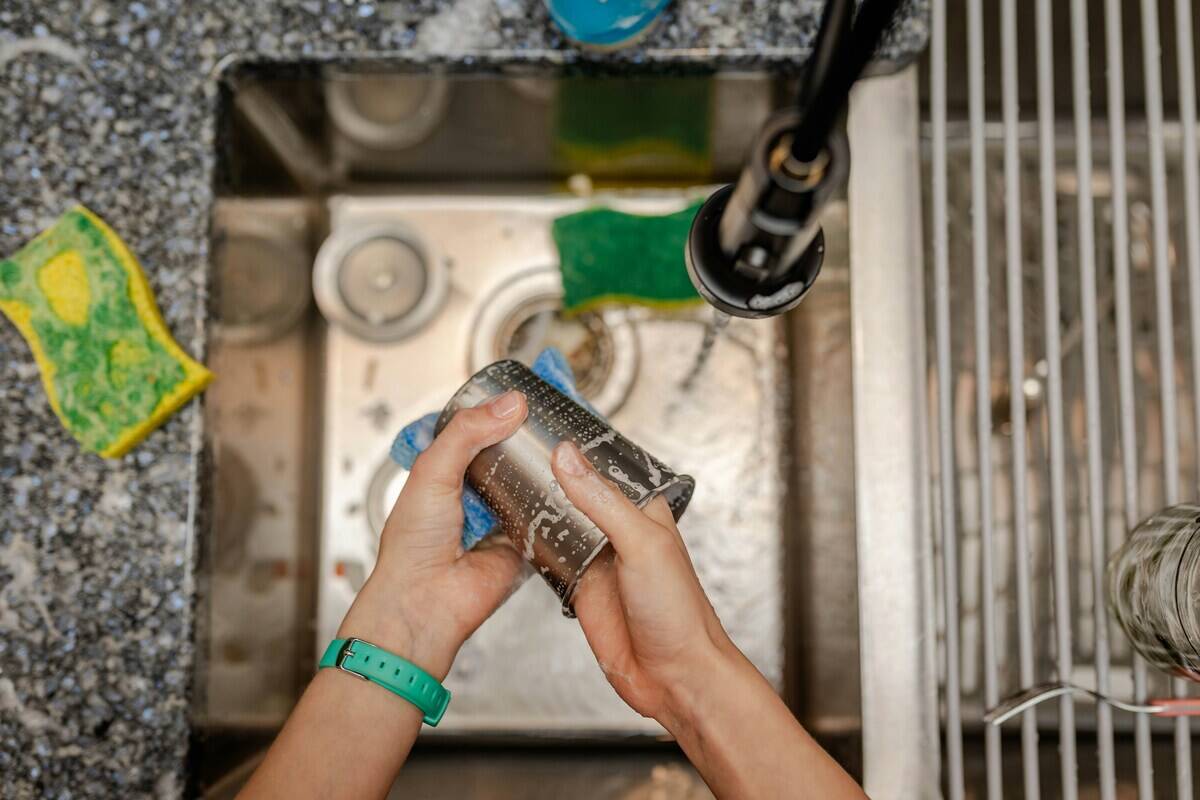
Josephine Cochrane, a socialite with a knack for problem-solving, invented the first practical dishwasher in 1886. Tired of her china being chipped by hand washing, Cochrane designed a machine that used water pressure to clean dishes.
Initially marketed to hotels and restaurants, her invention eventually found its way into homes, revolutionizing kitchen chores. Cochrane’s determination and ingenuity continue to inspire aspiring inventors.
The Inventor of the Everyday Paperclip

Johan Vaaler, a Norwegian inventor, is often credited with creating the paperclip in 1899, although a similar design was patented earlier in the U.S. Vaaler’s version gained popularity for its simplicity and efficiency in holding papers together.
Despite its humble appearance, the paperclip remains an essential office supply, highlighting how small inventions can have a big impact. Vaaler’s contribution exemplifies the beauty of uncomplicated design.
The Creator of the Modern Escalator

Jesse W. Reno’s invention of the escalator in 1891 transformed the way people navigate public spaces. Originally installed as an amusement ride, the escalator quickly became a practical solution for moving large crowds efficiently.
Reno’s moving staircase concept has since evolved into a staple of modern infrastructure. His foresight in designing for convenience and accessibility set the stage for future advancements in public transportation.
The Mind Behind the Electric Stand Mixer
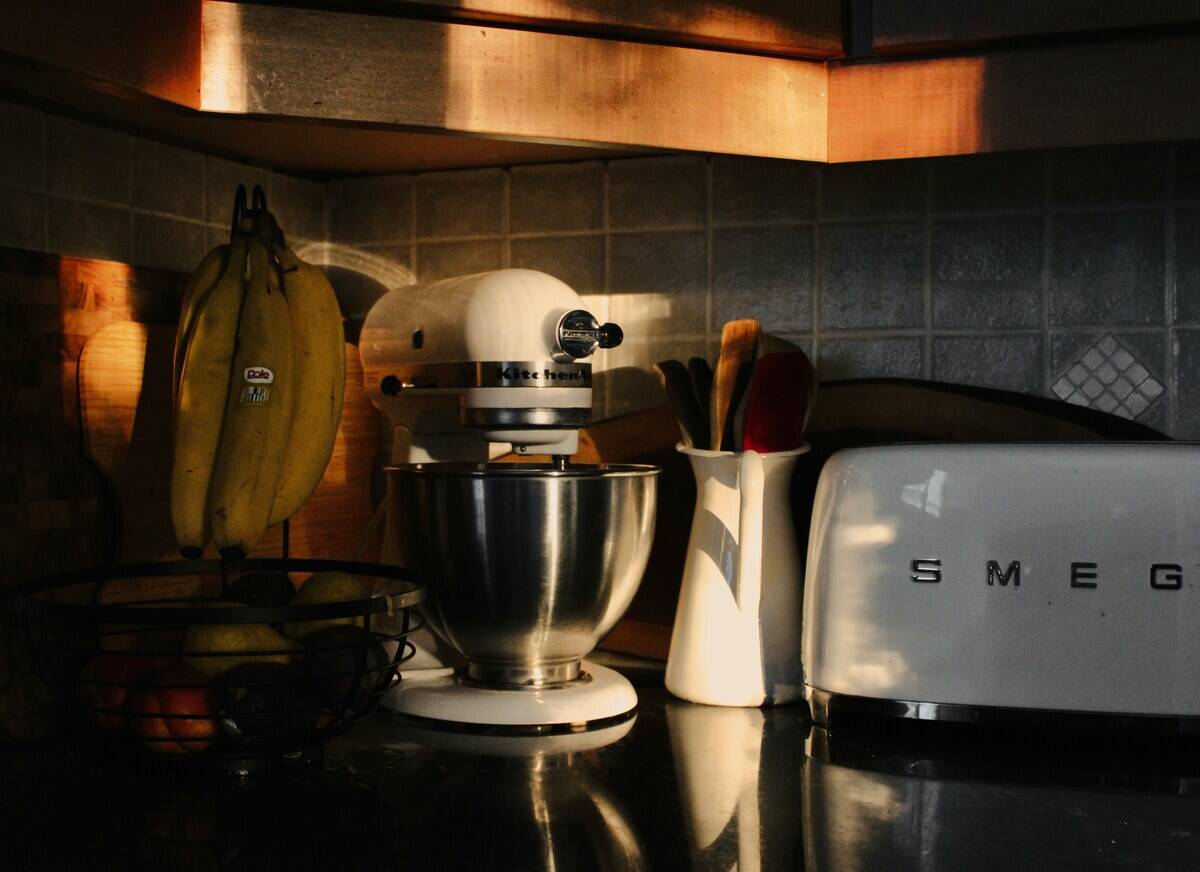
Invented by Herbert Johnson in 1908, the electric stand mixer was a boon to home bakers and chefs alike. Initially developed for commercial use, the mixer quickly became popular in domestic kitchens for its ability to streamline food preparation.
Johnson’s creation not only saved time but also enhanced the consistency of culinary creations. His innovation underscores the importance of adapting technology to meet everyday needs.
The Unsung Hero of the Safety Razor
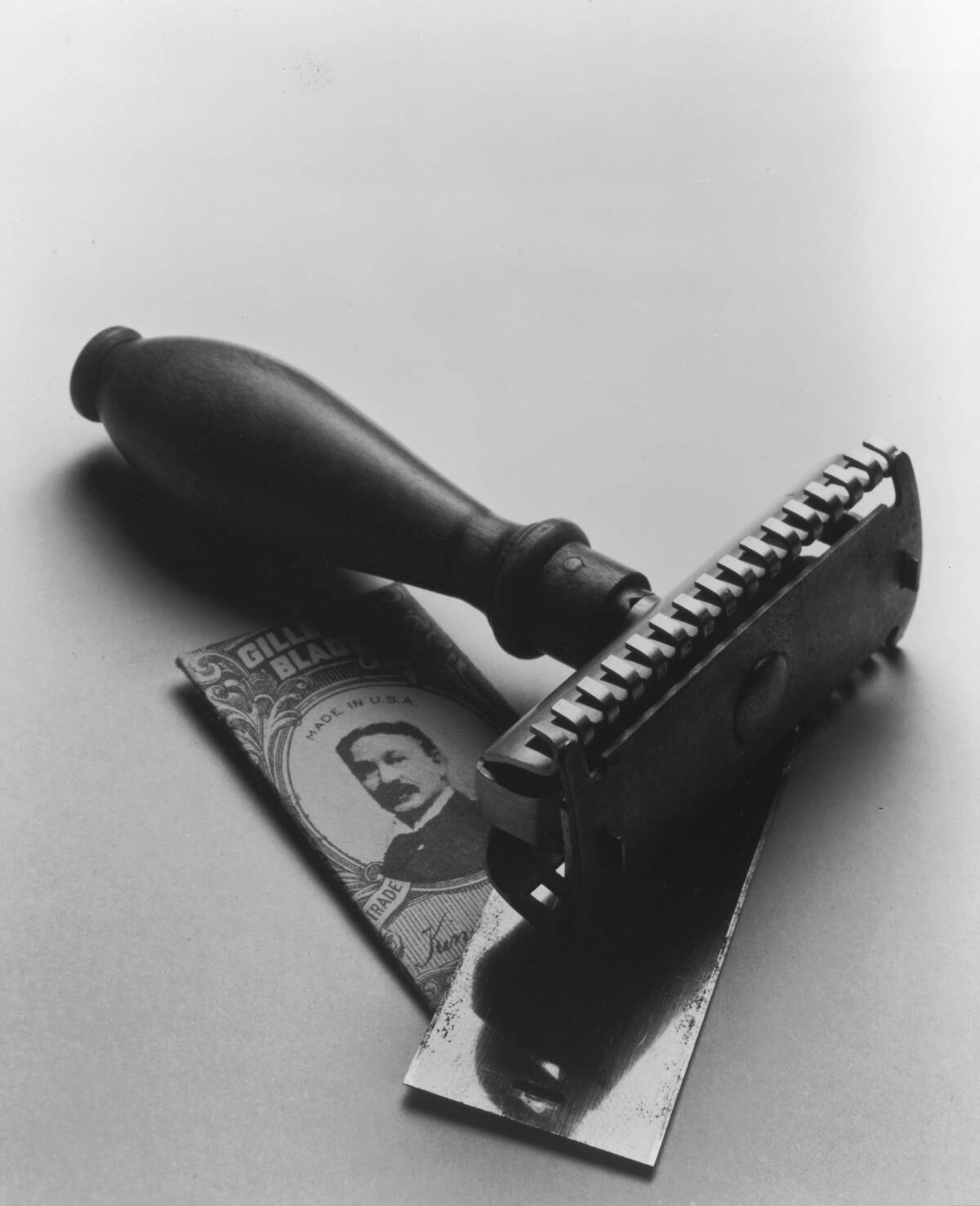
King C. Gillette’s invention of the safety razor in 1901 revolutionized personal grooming. Before the safety razor, shaving was a risky endeavor involving straight razors and steady hands.
Gillette’s design featured a protective guard, making it accessible to the masses. This democratization of shaving not only improved safety but also set the stage for the modern shaving industry. Gillette’s legacy endures in bathrooms around the world.
The Brain Behind the Shopping Cart

Sylvan Goldman, an Oklahoma-based grocery store owner, invented the shopping cart in 1937 to enhance customer convenience. Initially met with skepticism, the cart eventually became an indispensable tool for shoppers.
Goldman’s innovation allowed for larger purchases, transforming the retail experience. His ability to foresee consumer needs has left a lasting impact on the way we shop, proving that sometimes the simplest ideas create the biggest change.
The Architect of the Mechanical Refrigerator

Carl von Linde, a German engineer, played a pivotal role in the development of the mechanical refrigerator in the late 19th century. By perfecting the process of liquefying gases, von Linde’s work laid the foundation for modern refrigeration technology.
This innovation revolutionized food preservation and storage, drastically changing daily life and commerce. Von Linde’s contributions highlight the profound effects of scientific advancements on everyday living.
The Original Inventor of the Television Remote
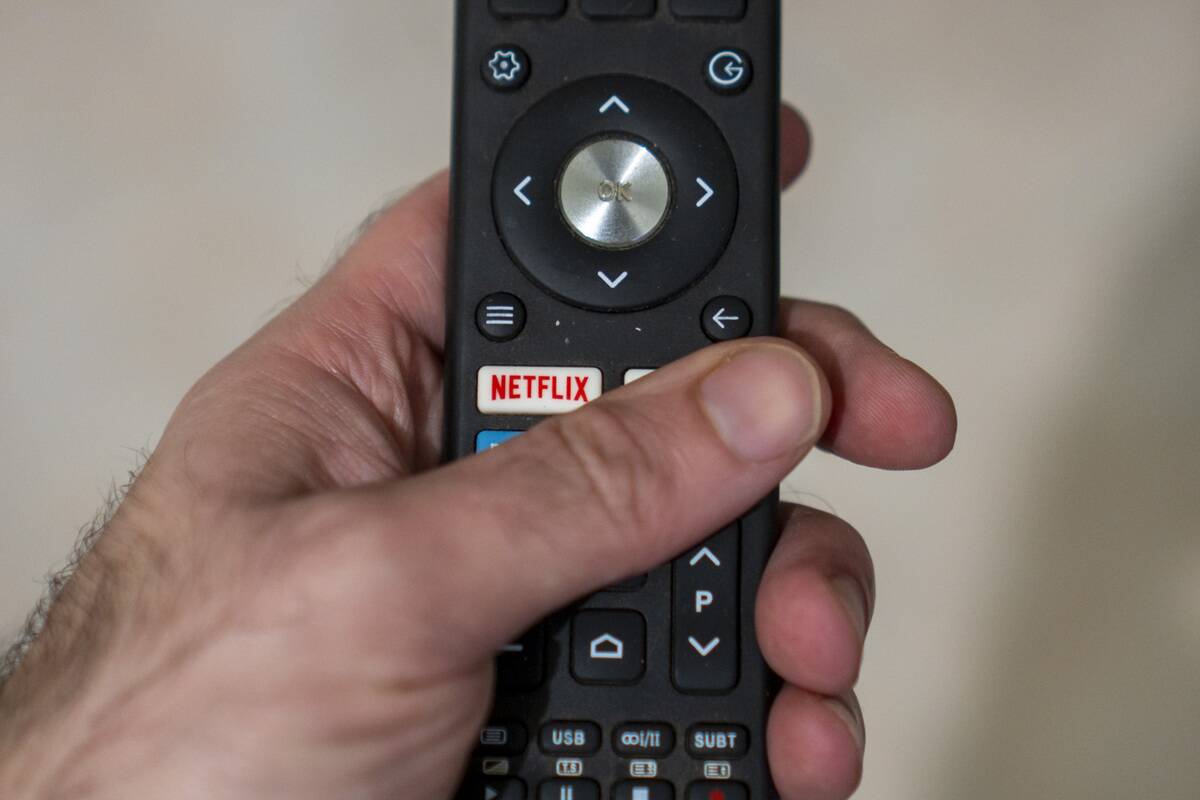
Robert Adler, working with Zenith Electronics, co-invented the first practical television remote control in 1956. Dubbed the “Zenith Space Command,” this device used ultrasonic frequencies to change channels, eliminating the need to manually operate the TV.
Adler’s invention ushered in a new era of convenience in home entertainment, allowing viewers to control their viewing experience from a distance. His work exemplifies the blend of technology and leisure.
The Innovator Responsible for the Roll-On Deodorant

Helen Barnett Diserens, inspired by the ballpoint pen, developed the first roll-on deodorant in 1952 for the company Ban. Her design offered a more efficient and mess-free application compared to previous deodorant methods.
This innovation quickly gained popularity, revolutionizing personal hygiene products. Diserens’ ability to adapt existing technology to new uses showcases the creative thinking that drives innovation.
The Creator of the Stapler That Holds It All Together

George McGill is often credited with patenting the first commercially successful stapler in 1866. His design allowed for the binding of multiple sheets of paper, a crucial advancement for office productivity.
McGill’s invention has evolved into the staple of offices worldwide, proving indispensable for organizing documents. His contribution underscores the importance of simple, effective solutions in streamlining daily tasks.




