14 Beatles hits that defined a whole generation
The Beatles, a band synonymous with the 1960s, continue to influence music and culture decades after their heyday. With each album, they redefined what pop music could be, from simple love songs to complex compositions.
Their ability to transcend musical genres helped them gain a global following that persists today. The Beatles were more than a band; they were a cultural phenomenon that shaped the world, much like how smartphones changed how we communicate.
The Birth of Beatlemania: “I Want to Hold Your Hand”
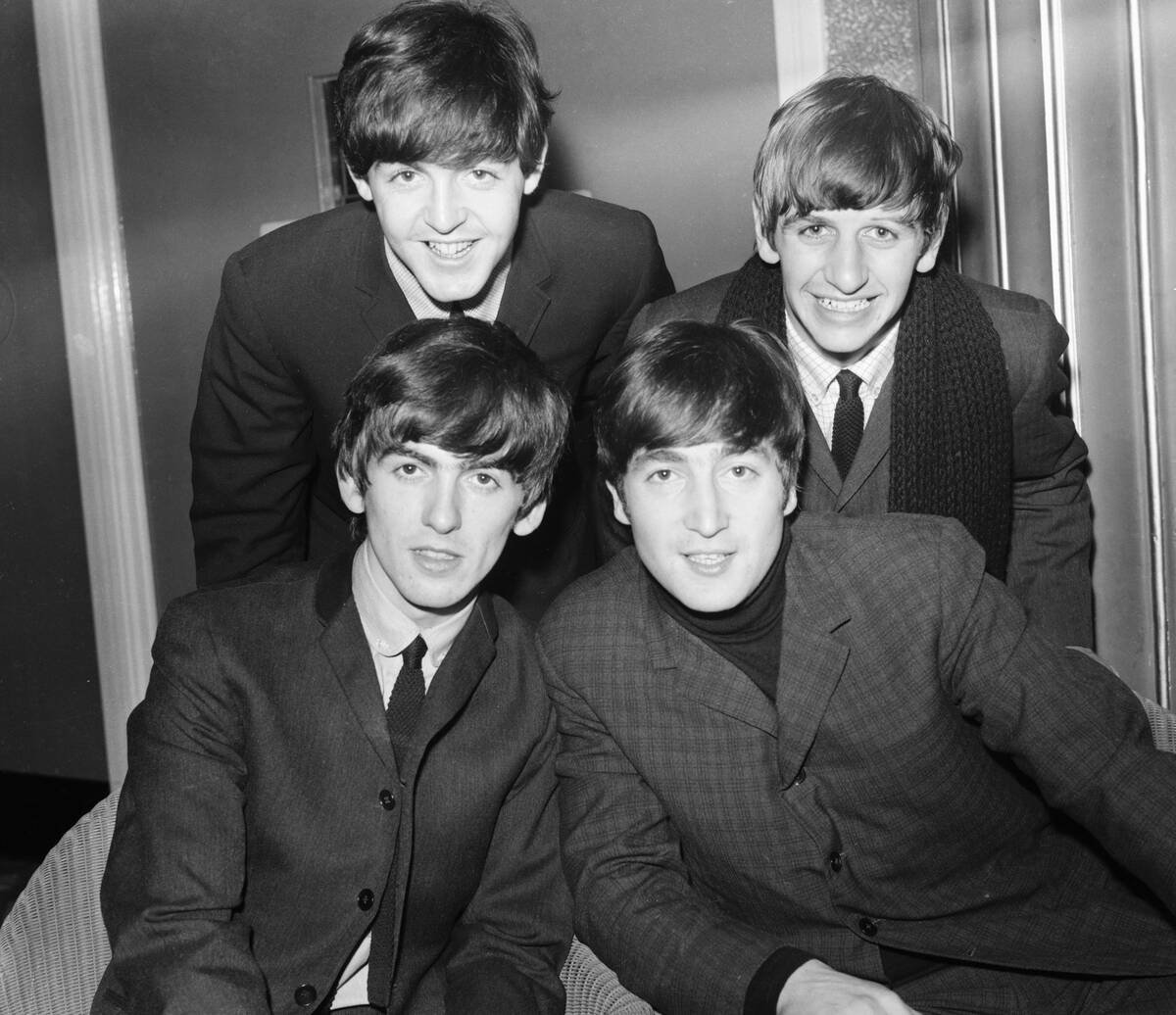
“I Want to Hold Your Hand” marked the beginning of Beatlemania in the United States. Released in 1963, the song quickly climbed to the top of the charts, thanks in part to its catchy melody and relatable lyrics.
It was the first Beatles track to be recorded using four-track technology, enhancing its sonic depth. The song’s success demonstrated the Beatles’ knack for creating infectious tunes that resonated with audiences worldwide, sparking a cultural revolution.
The Sound of Social Change: “Revolution”
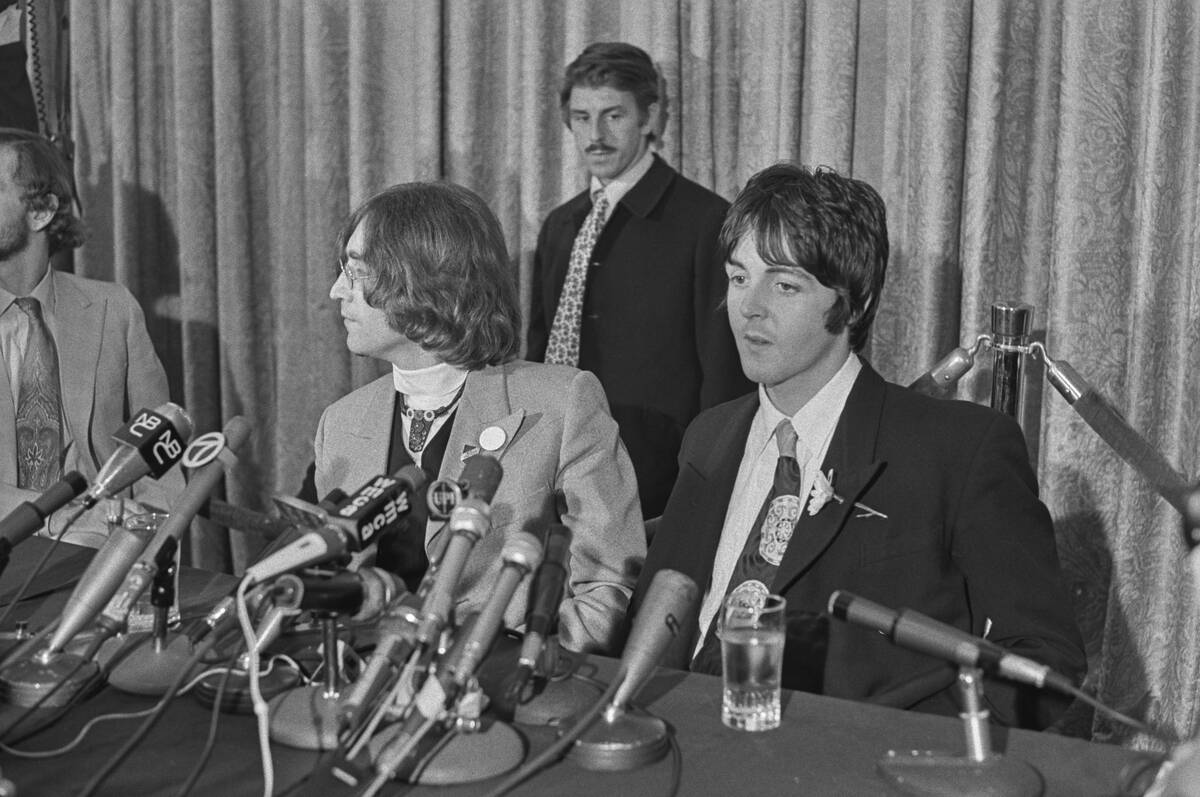
In 1968, amid political upheaval, the Beatles released “Revolution,” a song that captured the spirit of social change. John Lennon’s lyrics addressed the need for societal transformation with both urgency and caution.
The track’s raw guitar riffs and powerful vocals were emblematic of the band’s evolving sound. “Revolution” served as an anthem for those advocating for change, reflecting the turbulence and hope of the era, and it remains a testament to the power of music as a force for social commentary.
A Psychedelic Journey: “Lucy in the Sky with Diamonds”
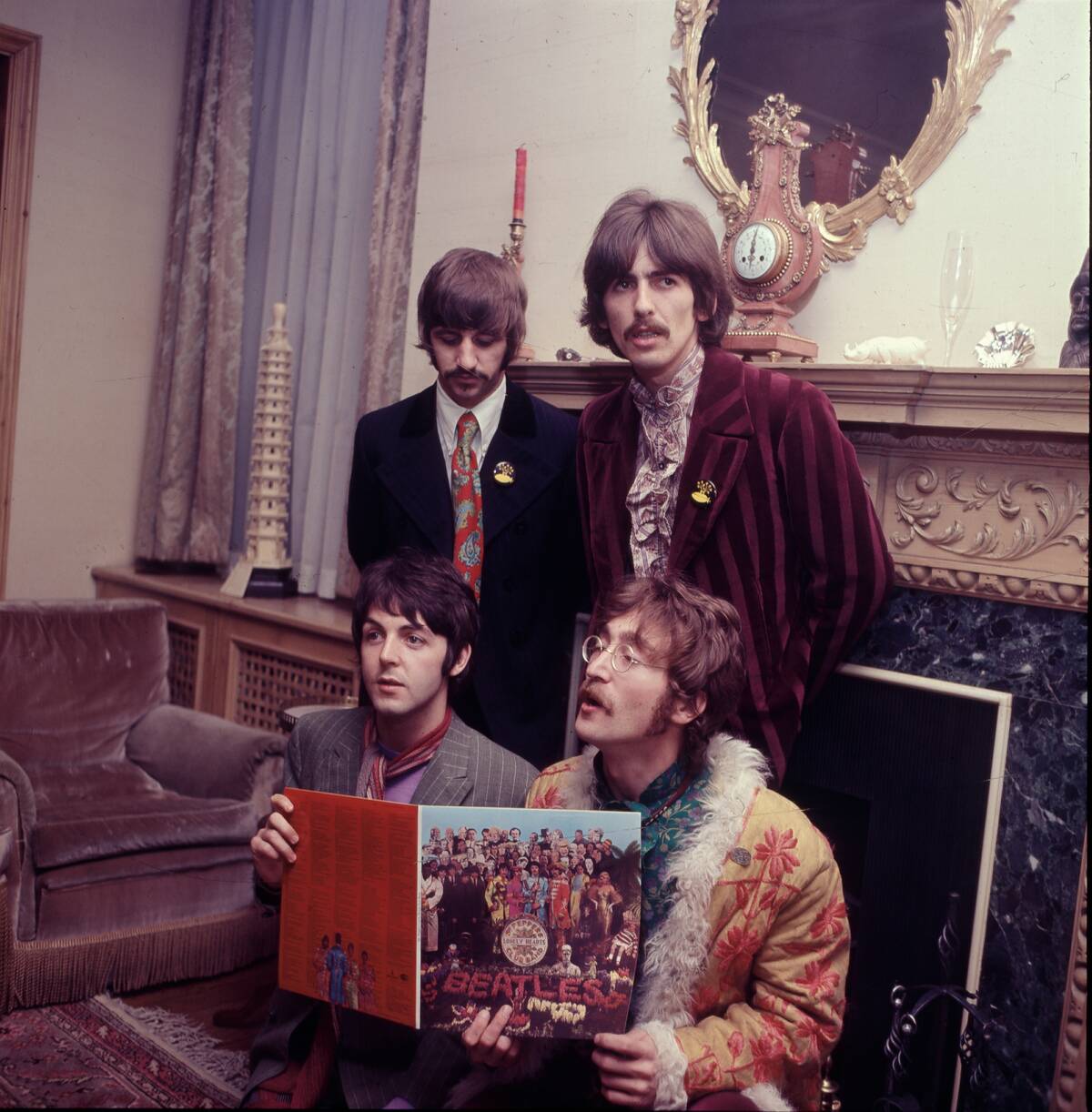
The Beatles’ “Lucy in the Sky with Diamonds” is a quintessential example of their psychedelic phase, released in 1967. With vivid imagery and surreal lyrics inspired by Lewis Carroll’s “Alice in Wonderland,” the song invites listeners on a fantastical journey.
Contrary to popular belief, the title’s initials were not a deliberate reference to LSD. Instead, it was inspired by a drawing by John Lennon’s son, Julian. The song’s dreamlike quality exemplifies the experimental sound that defined the late 60s.
An Anthem for Love: “All You Need Is Love”
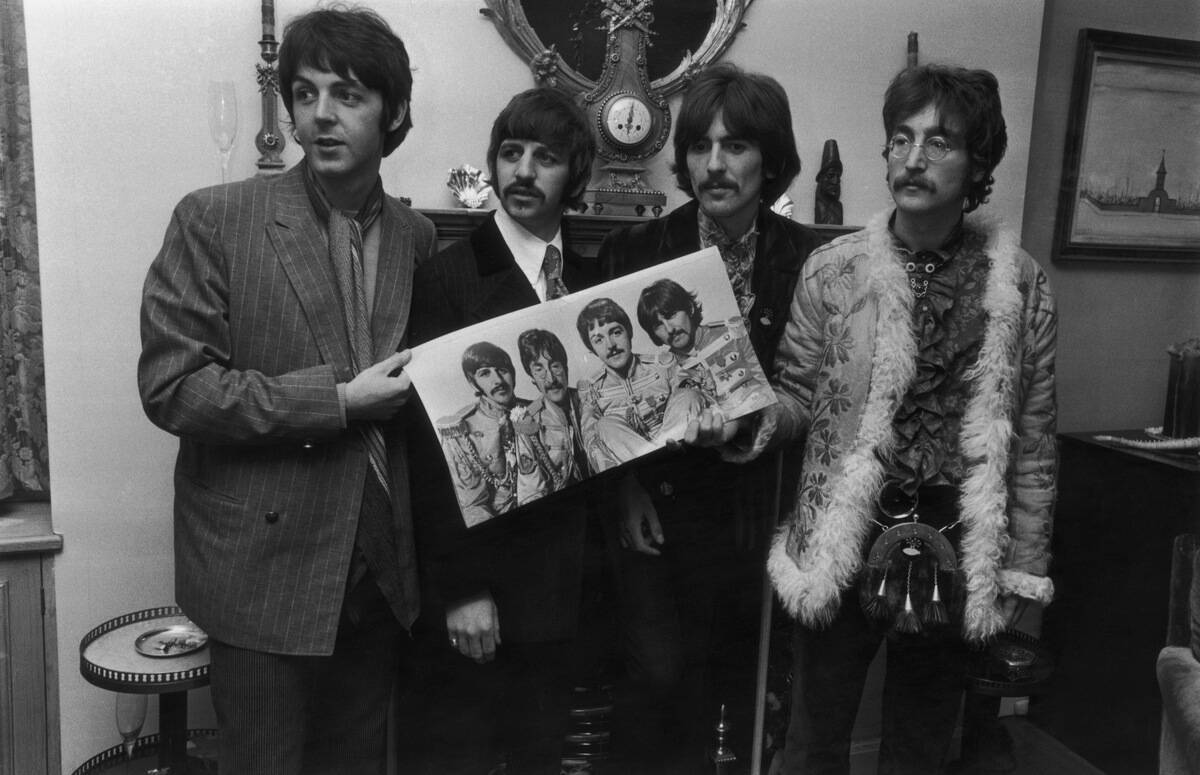
“All You Need Is Love” was released during the Summer of Love in 1967, a time characterized by peace and unity. Commissioned for a global satellite broadcast, the song’s simple message of love transcended cultural and linguistic barriers.
Its orchestral arrangement and sing-along chorus made it a perfect anthem for the era. The Beatles performed it live, showcasing their commitment to spreading a message of love and togetherness, a theme that remains relevant in today’s world.
Breaking Boundaries: “A Day in the Life”
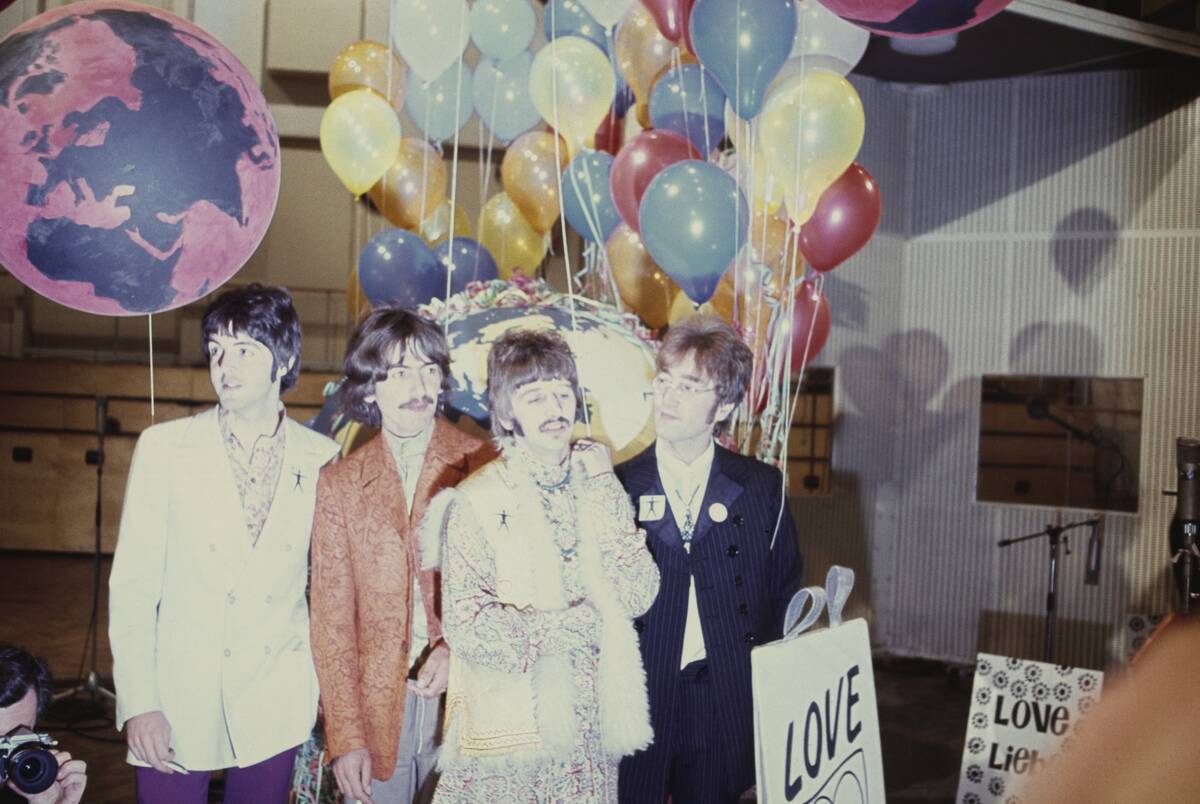
“A Day in the Life,” the final track on the “Sgt. Pepper’s Lonely Hearts Club Band” album, is often hailed as one of the Beatles’ masterpieces. Released in 1967, the song is a seamless blend of contrasting sections written by Lennon and McCartney.
Its orchestral crescendos and innovative production techniques pushed the boundaries of what pop music could achieve. The song’s introspective lyrics and ambitious structure reflect the band’s willingness to explore new artistic horizons, leaving a lasting legacy.
The Ballad of Universal Love: “Hey Jude”
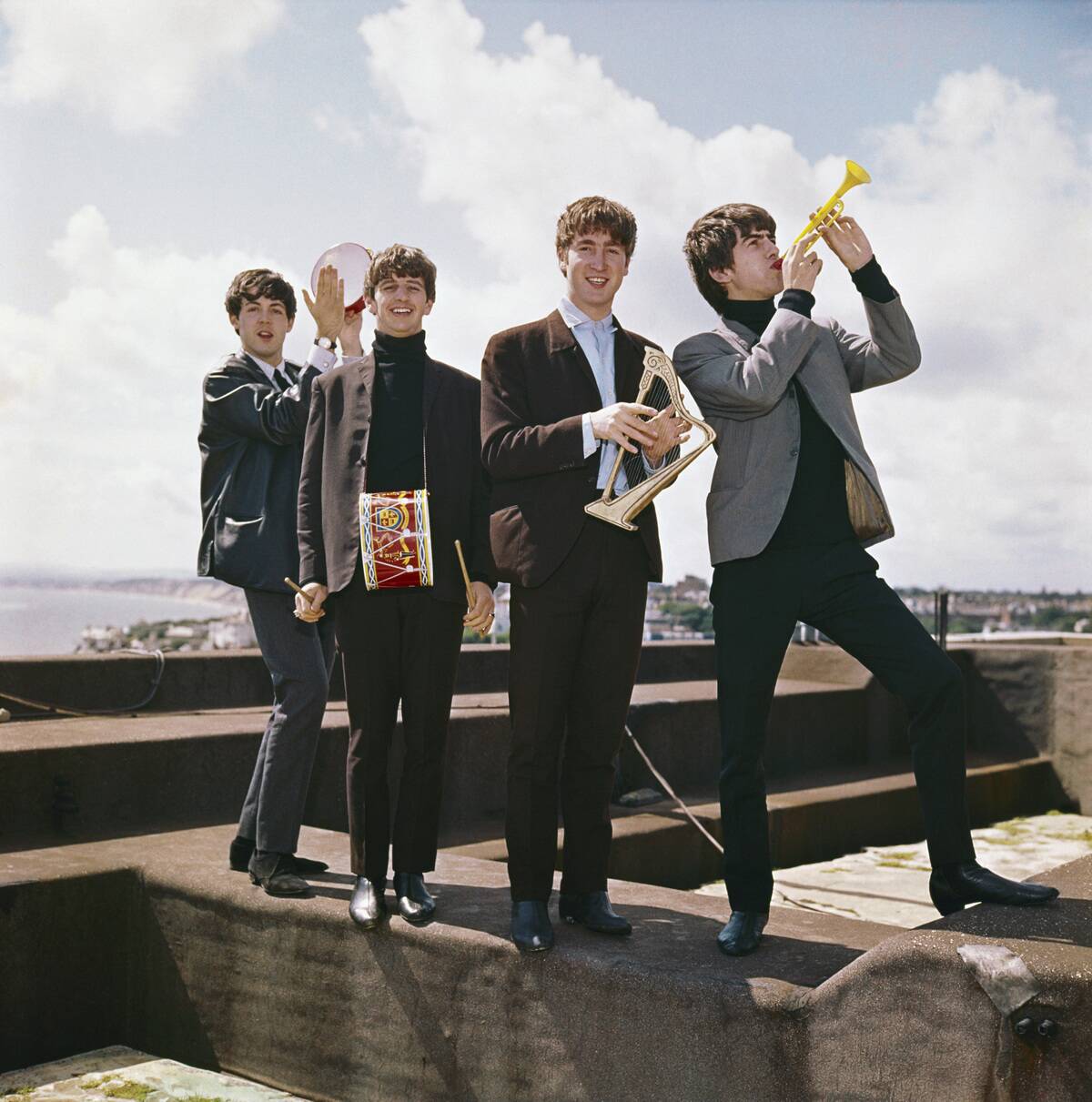
Released in 1968, “Hey Jude” is one of the Beatles’ most enduring songs. Written by Paul McCartney for John Lennon’s son Julian, the song offers comfort and encouragement. Its extended coda, which encourages communal singing, became a highlight of live performances.
At over seven minutes long, “Hey Jude” defied radio conventions of the time yet became one of the best-selling singles worldwide. It remains a powerful example of the Beatles’ ability to connect with audiences on an emotional level.
A Tribute to Peace: “Let It Be”
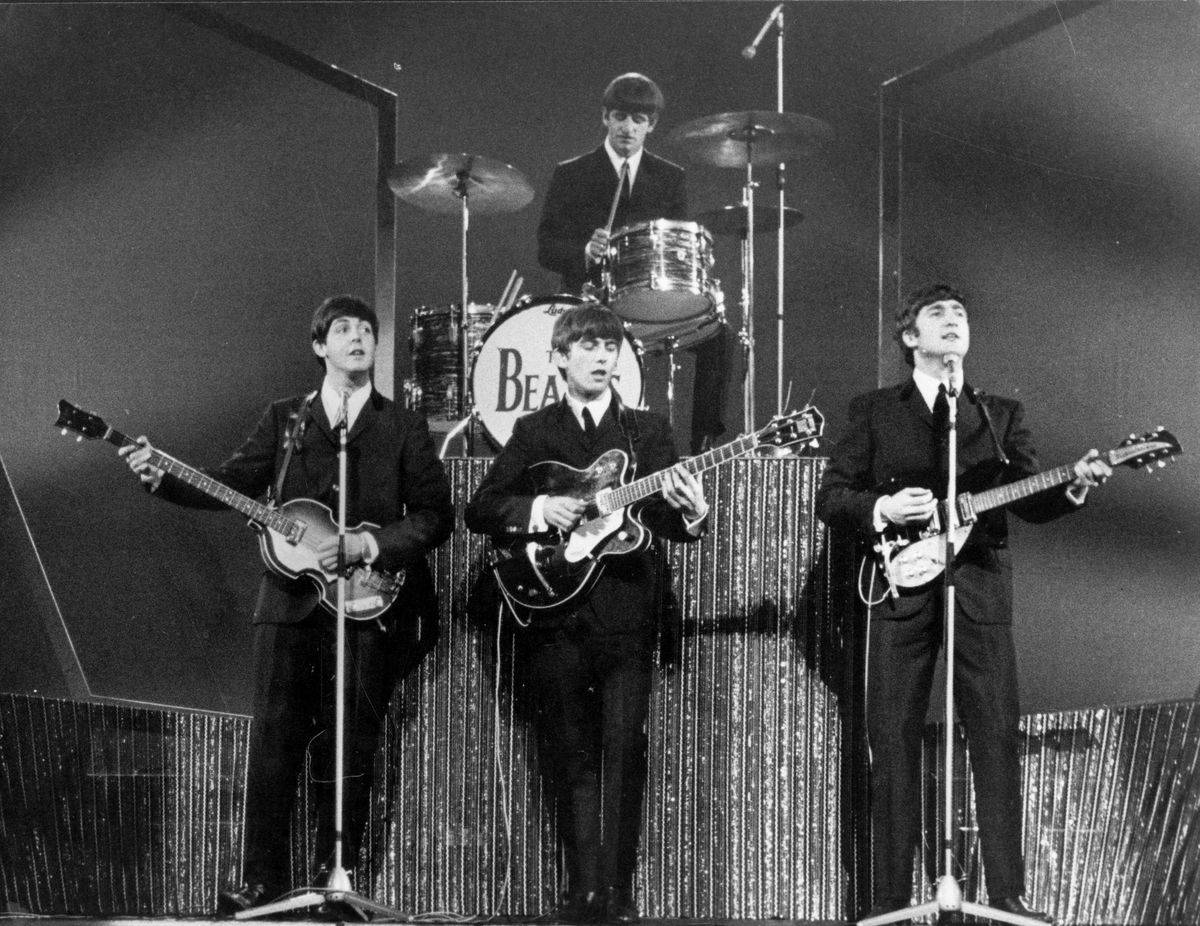
“Let It Be,” released in 1970, came during a tumultuous period for the Beatles. Inspired by a dream Paul McCartney had about his late mother, the song offers solace and wisdom in times of trouble.
Its gospel-influenced melody and reassuring lyrics provided a sense of peace amidst the band’s impending breakup. The track’s universal message and timeless appeal have made it a staple at events seeking comfort and hope, underscoring its enduring impact on popular culture.
The Spirit of the 60s: “Come Together”
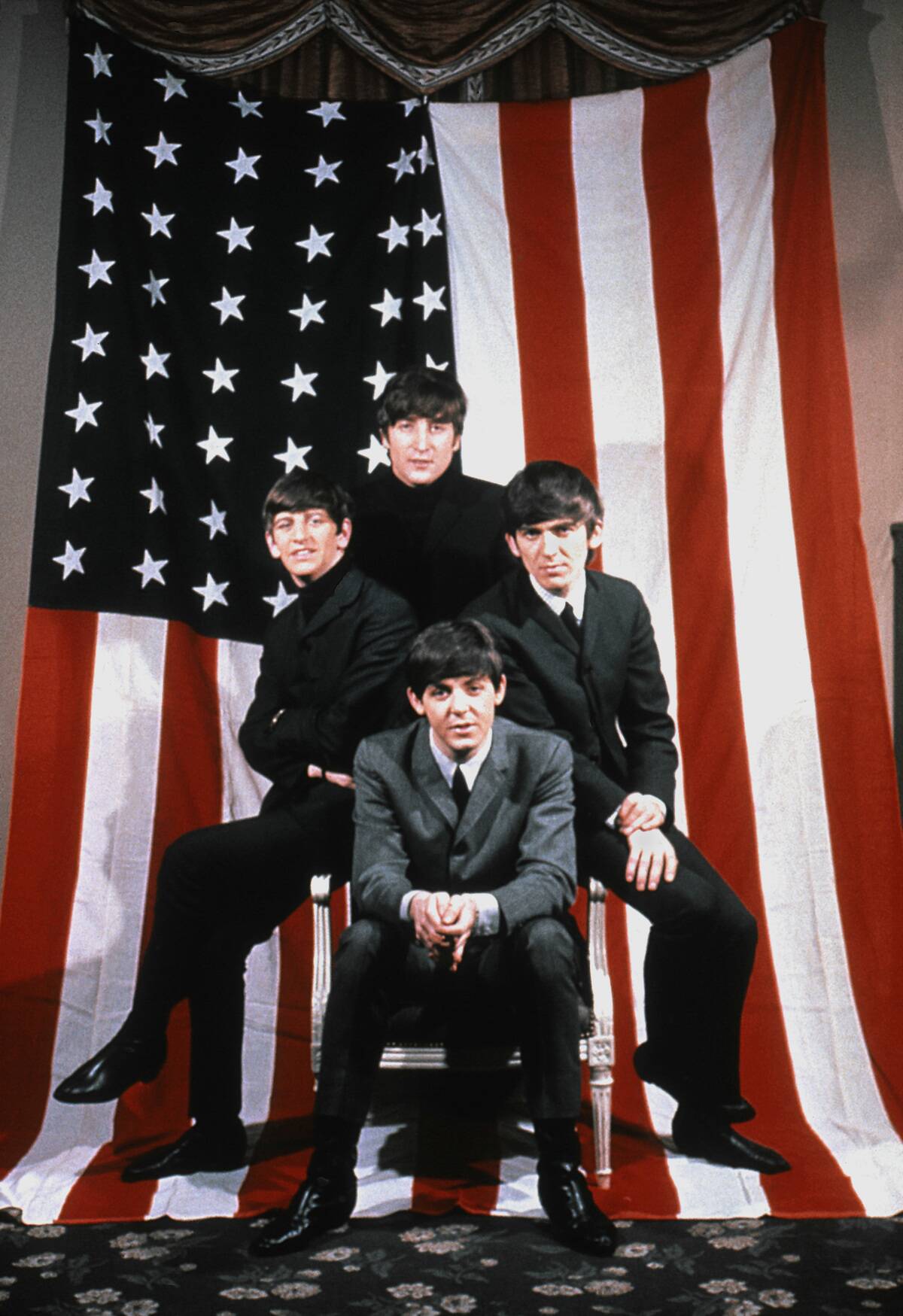
Written by John Lennon, “Come Together” is a track from the 1969 album “Abbey Road.” Originally conceived as a campaign song for Timothy Leary, it evolved into a groovy anthem that encapsulates the spirit of the late 60s.
Its enigmatic lyrics and bluesy, laid-back rhythm create a hypnotic vibe. The song showcases the Beatles’ ability to merge different musical styles, reflecting the eclectic and experimental nature of the era, and it remains a fan favorite for its distinctive sound.
A Song for the Dreamers: “Across the Universe”
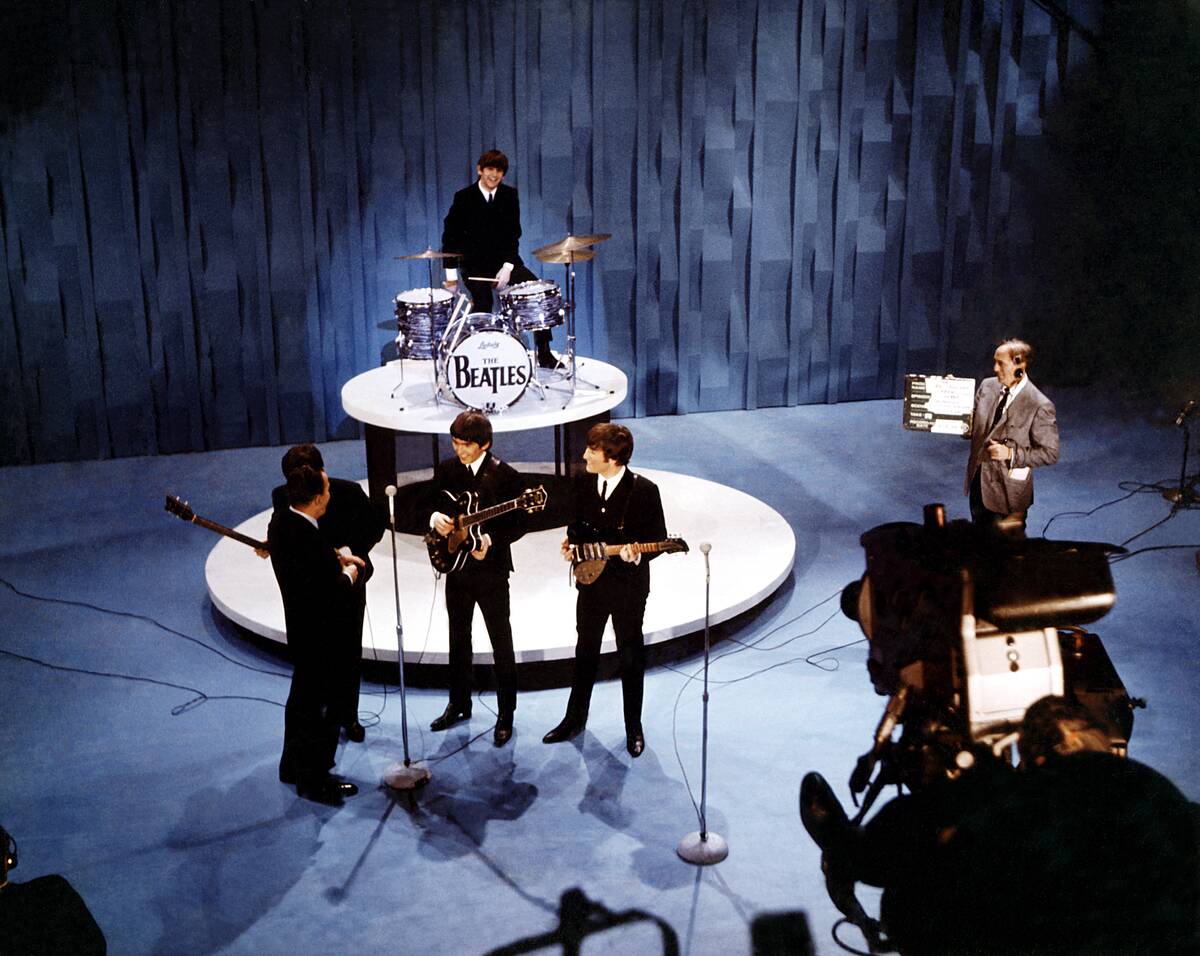
“Across the Universe” is a testament to John Lennon’s poetic lyricism and philosophical musings. Written in 1968 and later released on the “Let It Be” album, the song’s dreamy quality and serene melody invite listeners to reflect and dream.
The lyrics, “Words are flowing out like endless rain into a paper cup,” evoke a sense of boundless creativity. In 2008, NASA beamed the song into space, highlighting its timeless and universal appeal beyond earthly confines.
An Ode to Innocence: “Yellow Submarine”
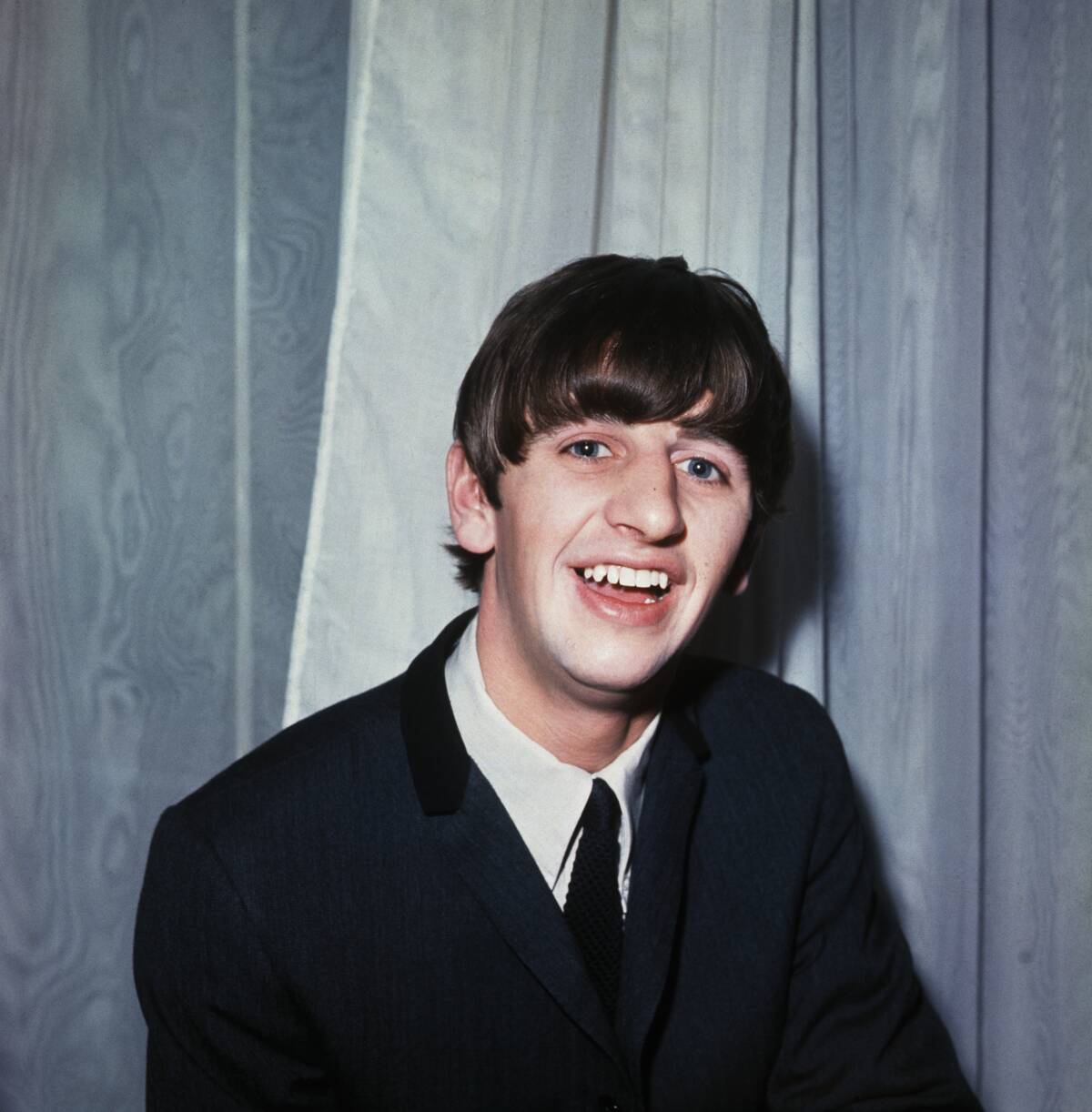
“Yellow Submarine,” sung by Ringo Starr and released in 1966, is a whimsical ode to childhood imagination. Its simple, catchy chorus and playful lyrics made it an instant hit with audiences of all ages.
The song’s vivid imagery and cheerful tone capture the essence of innocence and wonder. Despite its lighthearted nature, “Yellow Submarine” reflects the Beatles’ knack for crafting songs that resonate across generations, proving that music can be both fun and meaningful.
The Power of Storytelling: “Eleanor Rigby”
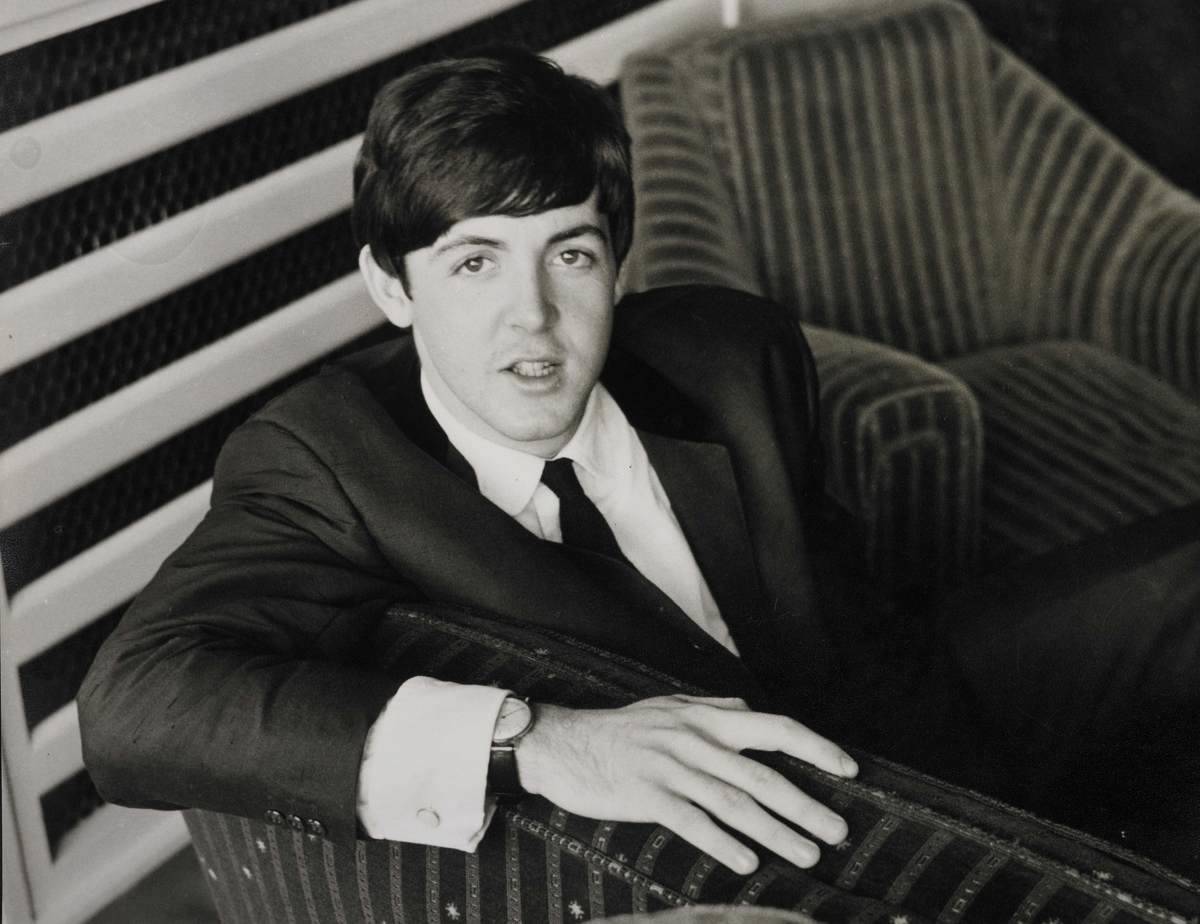
“Eleanor Rigby,” released in 1966, showcases the Beatles’ storytelling prowess through its poignant narrative and haunting melody. The song, driven by a string quartet, tells the tale of loneliness and unfulfilled lives.
It marked a departure from the band’s earlier style, highlighting their maturity and ability to tackle complex themes. Paul McCartney’s vivid characters and melancholy lyrics resonate with listeners, prompting reflection on the human condition and the often unnoticed lives around us.
An Insight into Inner Worlds: “Strawberry Fields Forever”
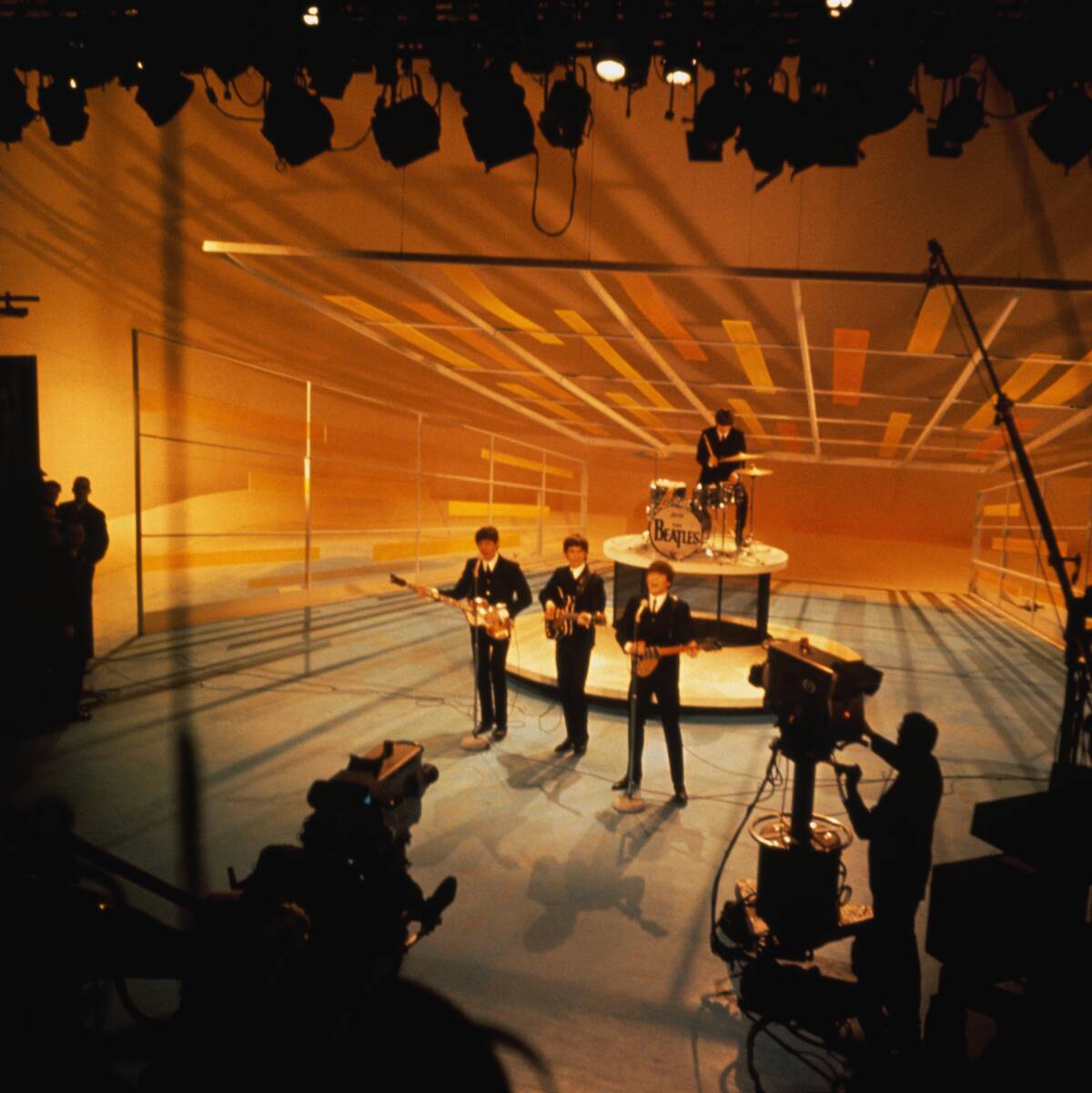
“Strawberry Fields Forever,” released in 1967, provides an introspective glimpse into John Lennon’s psyche. Inspired by a childhood memory of a Salvation Army garden, the song combines surreal lyrics with innovative production techniques.
Its dreamlike quality is enhanced by the use of reverse tapes and mellotron sounds. The track exemplifies the Beatles’ experimental spirit and willingness to push musical boundaries, offering listeners a journey into the depths of imagination and memory.
The Realities of Life: “Yesterday”
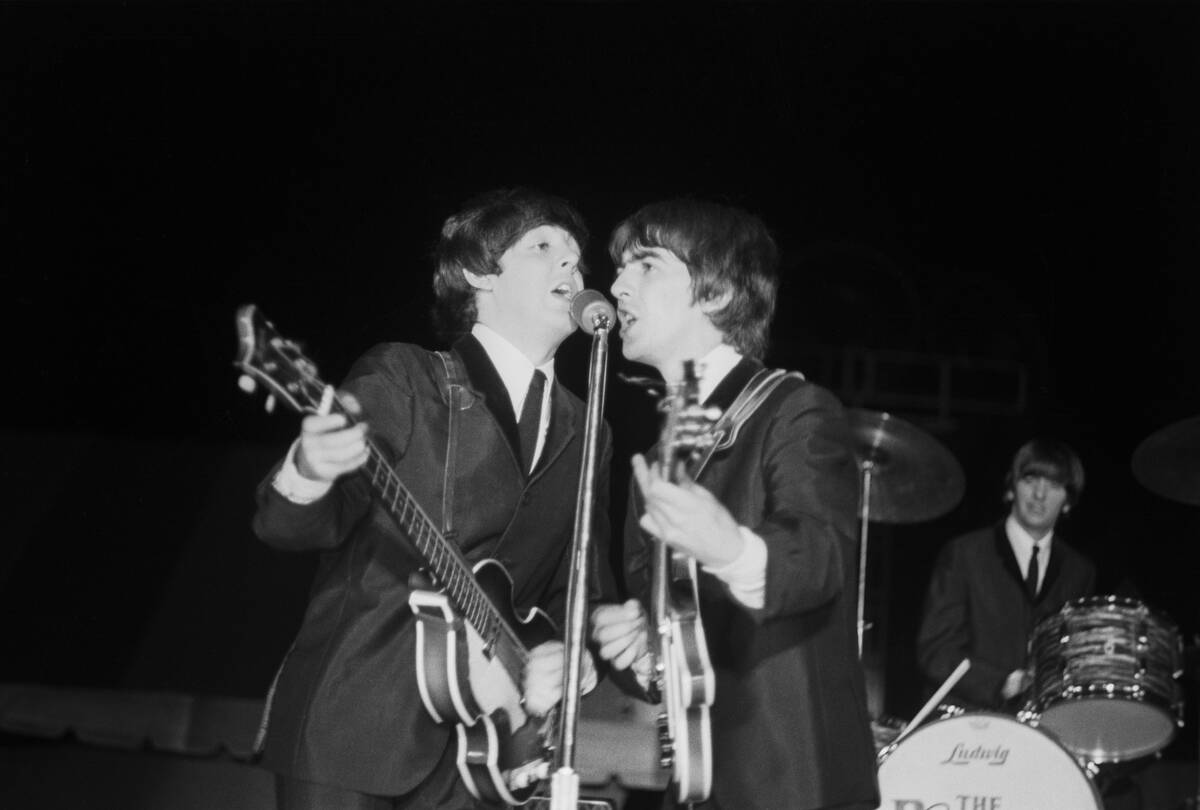
“Yesterday,” released in 1965, is one of the Beatles’ most covered songs, a testament to its universal resonance. Written by Paul McCartney, the song’s poignant lyrics and simple acoustic arrangement reflect themes of loss and nostalgia.
Its melody reportedly came to McCartney in a dream, and he initially worried it was an existing composition. “Yesterday” captures the bittersweet nature of memory and change, touching hearts with its timeless message of longing for the past.
A Farewell to Youth: “In My Life”
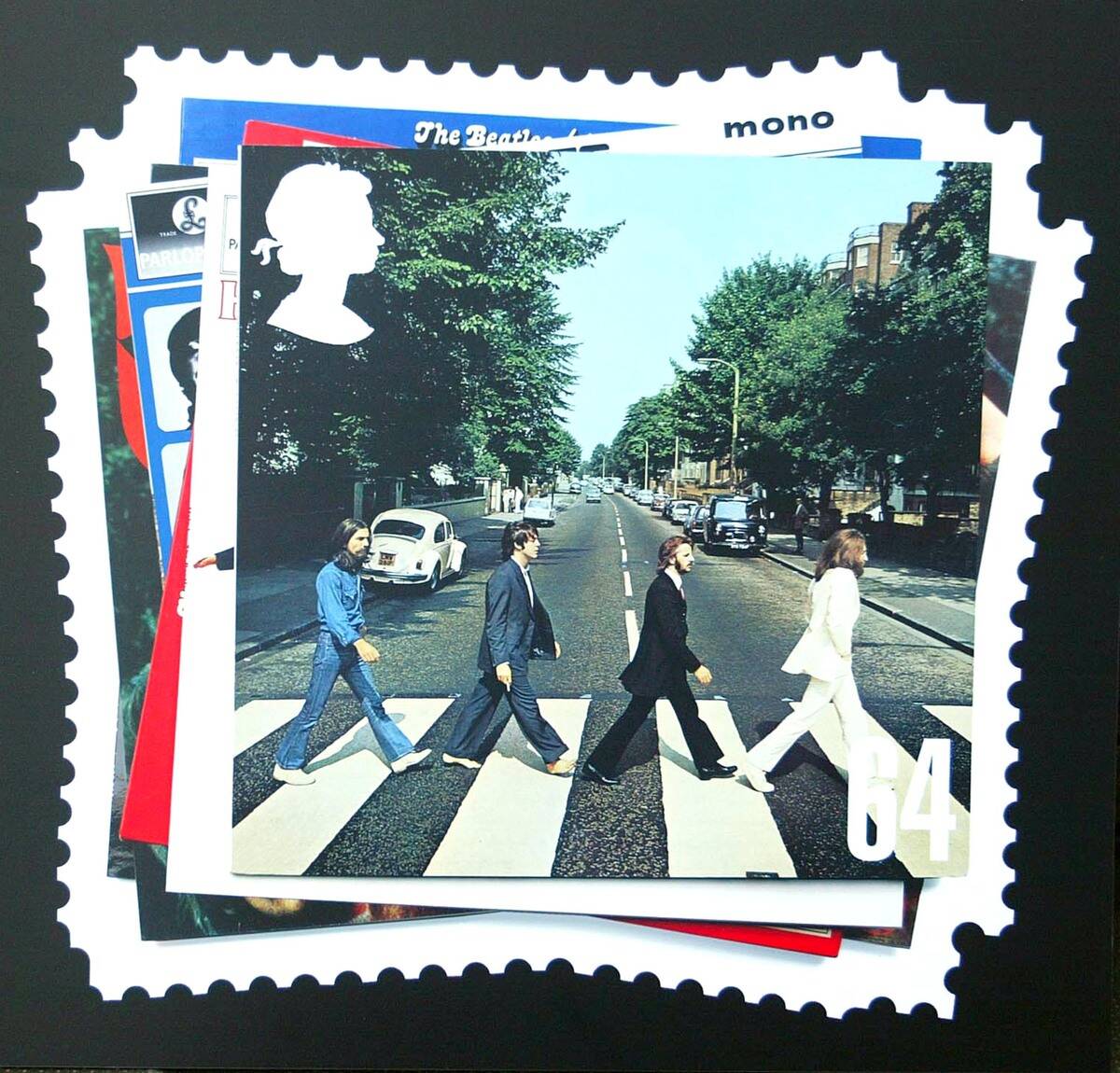
“In My Life,” from the 1965 album “Rubber Soul,” is often regarded as one of the Beatles’ most personal songs. John Lennon’s reflective lyrics consider the passage of time and the people who have shaped his life.
The song’s baroque-inspired keyboard solo adds a touch of elegance to its nostalgic theme. “In My Life” is a heartfelt farewell to youth, capturing the bittersweet essence of growing up and cherishing memories, resonating with listeners across generations.