17 Photos showing how popular sports evolved today
Sports have been a cornerstone of human culture for millennia, evolving dramatically from simple pastimes to complex global phenomena. From ancient competitions to modern spectacles, each era has contributed unique layers to the tapestry of sports.
This journey through time reveals how games have transcended mere entertainment, becoming intertwined with social, economic, and cultural dimensions. As we delve into this evolution, we uncover a rich history that highlights both the continuity and change in the world of sports.
Ancient Origins: The Birth of Competitive Games
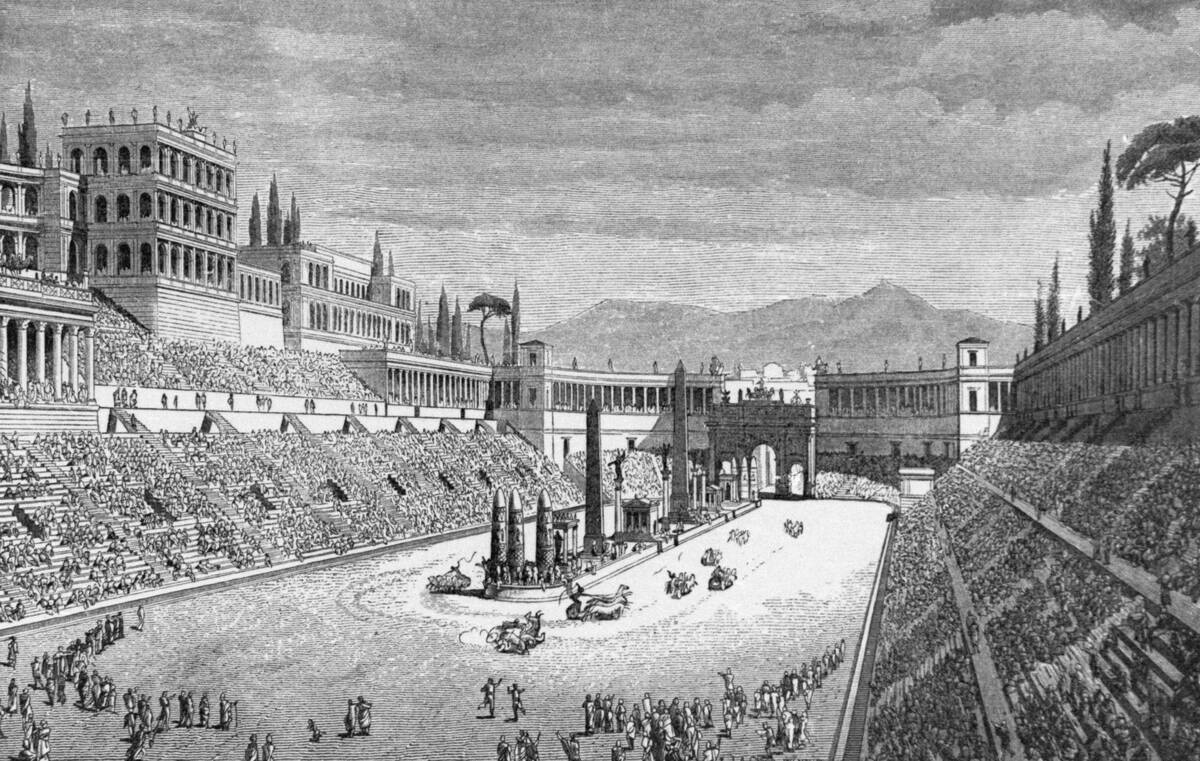
The roots of sports can be traced back to ancient civilizations, where games were often linked to religious festivals and military training. In Mesopotamia, the earliest records indicate that wrestling and boxing were popular activities.
Similarly, the Mesoamerican ballgame, an ancient sport played by the Maya and Aztecs, had religious significance, with games often culminating in human sacrifices. These early forms of competition laid the groundwork for the structured sports we know today.
The Impact of the Olympic Games on Global Sports
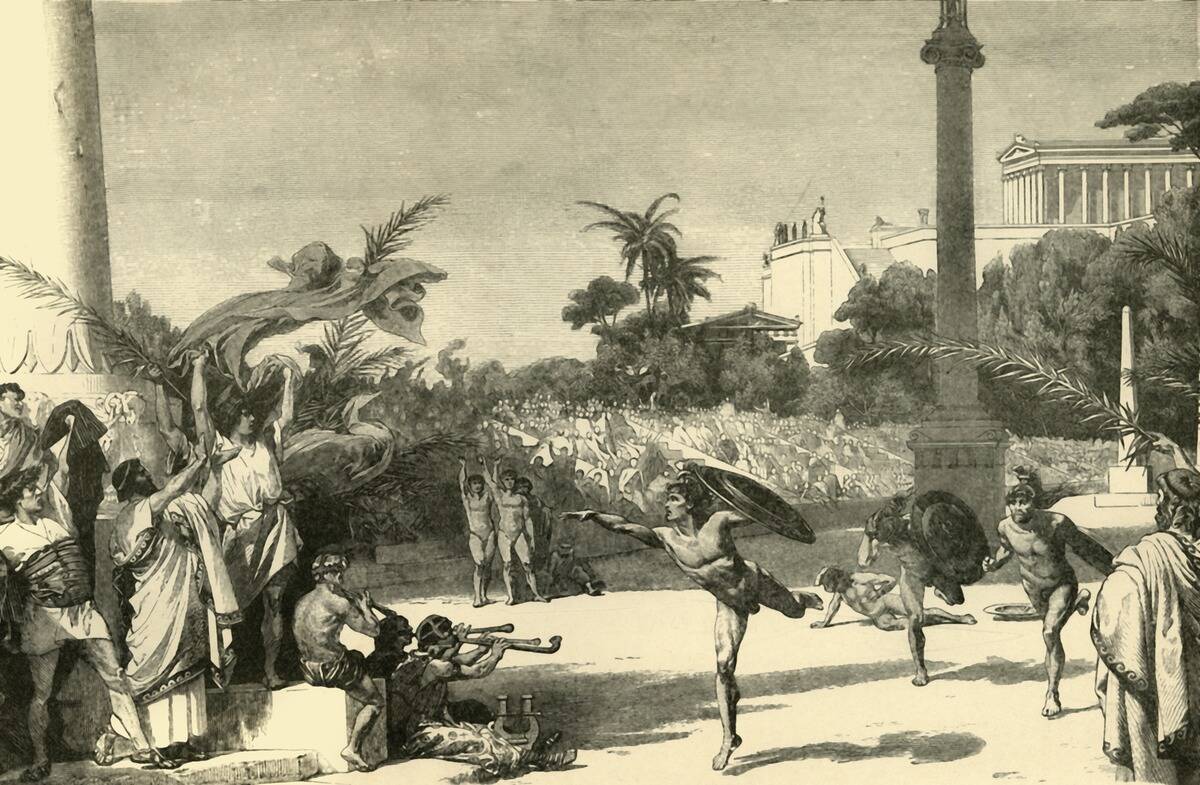
The Olympic Games, originating in ancient Greece, have had a profound impact on sports worldwide. Initially held every four years in Olympia to honor Zeus, these games fostered a spirit of unity and competition.
The modern revival of the Olympics in 1896 transformed them into a global event, promoting international camaraderie and showcasing diverse athletic talent. The Olympics remain a pinnacle of sporting achievement, uniting athletes from around the globe in the pursuit of excellence.
Medieval Times: Jousting, Archery, and the Birth of Team Sports
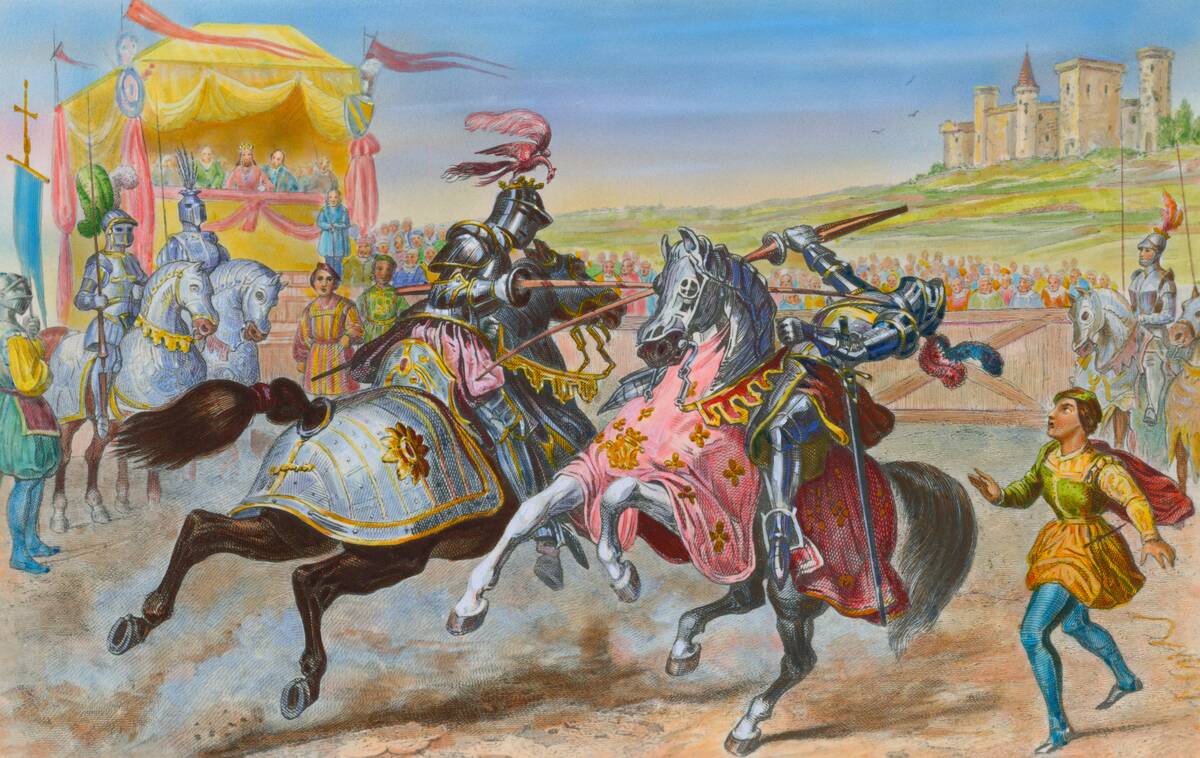
During medieval times, sports took on a more martial character, with jousting tournaments becoming widespread among the nobility. Archery was not only a sport but a necessary skill for survival in battle.
Meanwhile, team sports began to emerge, with games like mob football gaining popularity among the common folk. These boisterous matches, often lacking formal rules, were precursors to modern team sports, emphasizing the communal and competitive spirit that defines them today.
The Renaissance: Reviving Classic Games and Innovations
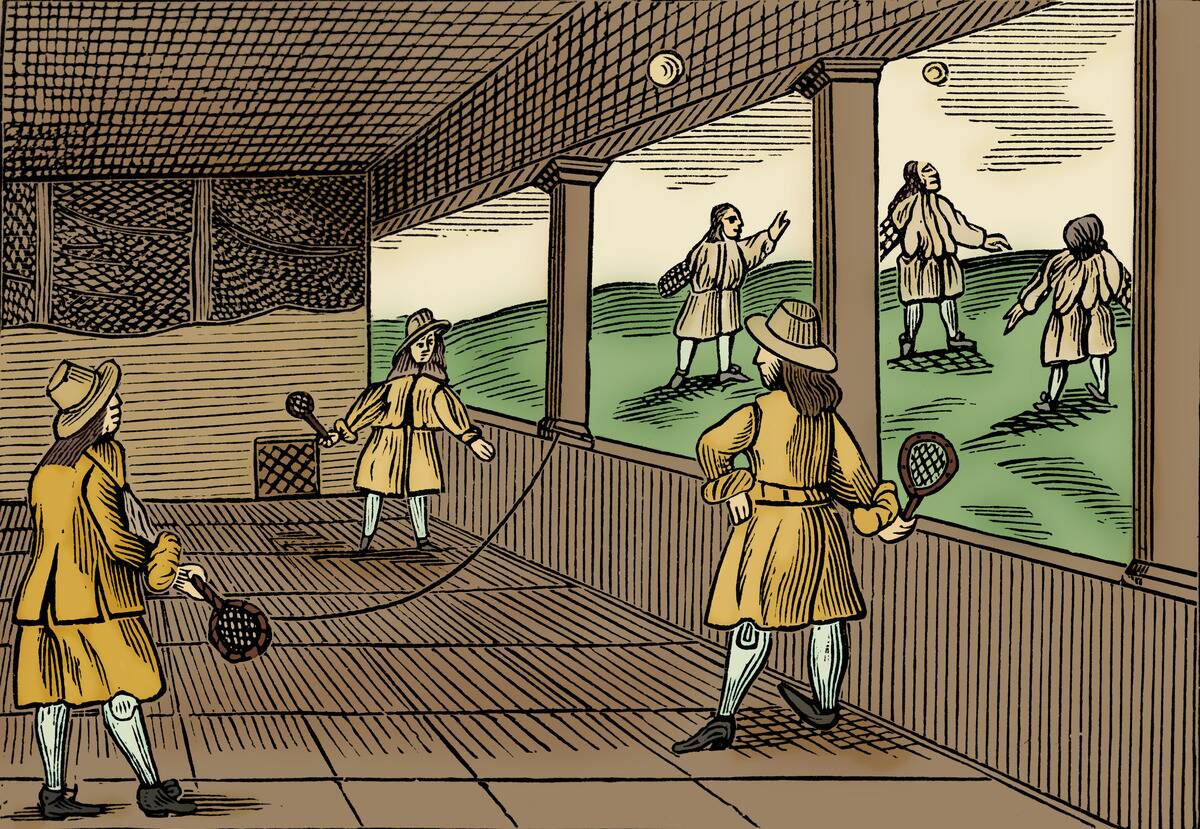
The Renaissance era witnessed a revival of classical ideals, including the appreciation of physical prowess and sportsmanship. This period saw the resurgence of ancient sports alongside innovations in games.
Tennis, for instance, evolved from a handball game played by monks in cloisters to a racquet sport enjoyed by the aristocracy. Additionally, fencing gained popularity as both a martial art and a competitive sport, reflecting the period’s blend of tradition and innovation.
The Rise of Modern Football: From Mob Games to the Premier League

Modern football, or soccer, owes its origins to the chaotic mob games of medieval England. These unruly matches evolved into a more structured sport with the establishment of rules by the Football Association in 1863.
As the sport grew in popularity, leagues were formed, leading to the creation of the English Premier League in 1992. Today, football is a global phenomenon, with millions of fans and players worldwide, reflecting its universal appeal and cultural significance.
Baseball: From Rounders to America’s Favorite Pastime
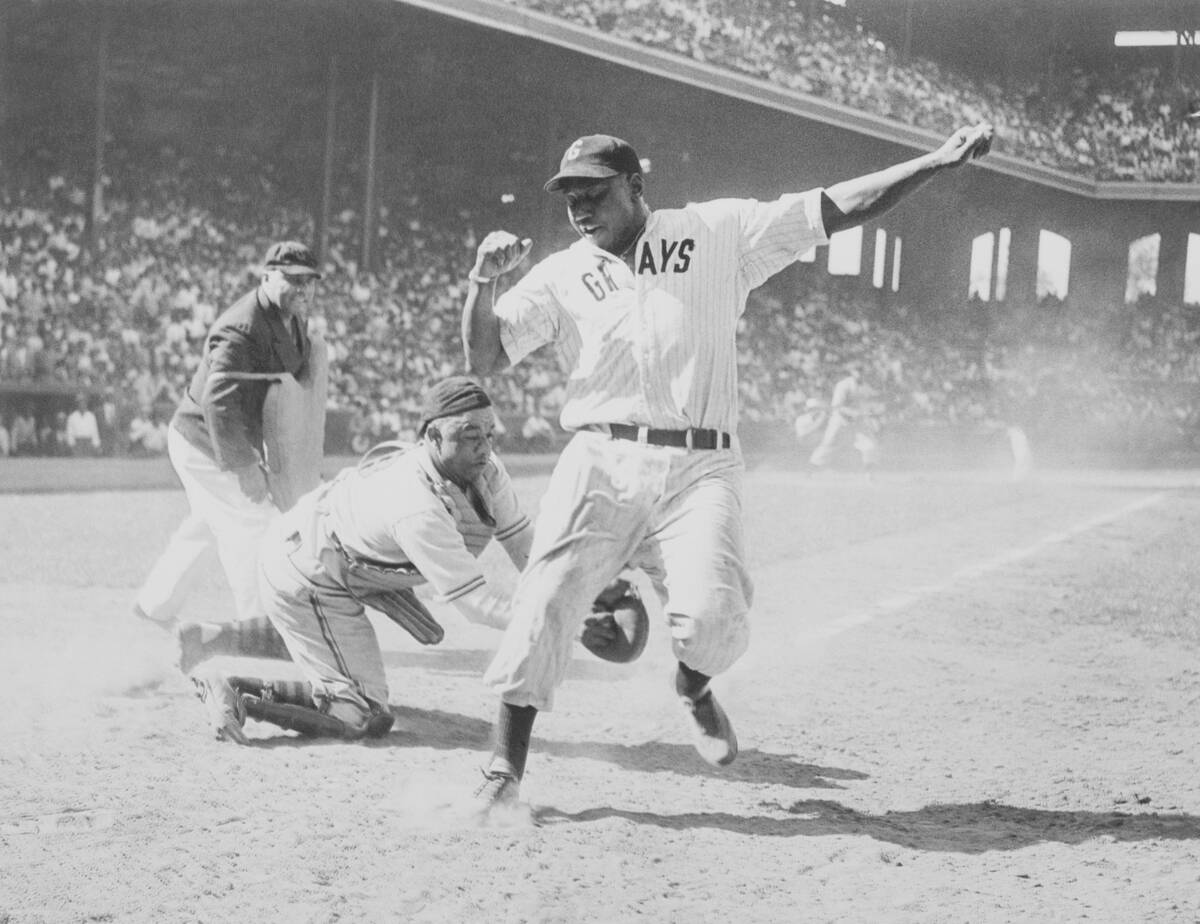
Baseball’s journey began with the British game of rounders, which was brought to North America by early settlers. By the mid-19th century, baseball had evolved into a distinct sport, with formalized rules and professional teams.
The establishment of the National League in 1876 marked the beginning of organized professional baseball. Known as America’s pastime, baseball’s influence extends beyond the field, symbolizing values such as teamwork and perseverance in American culture.
Basketball’s Journey: From a School Gym to Global Phenomenon
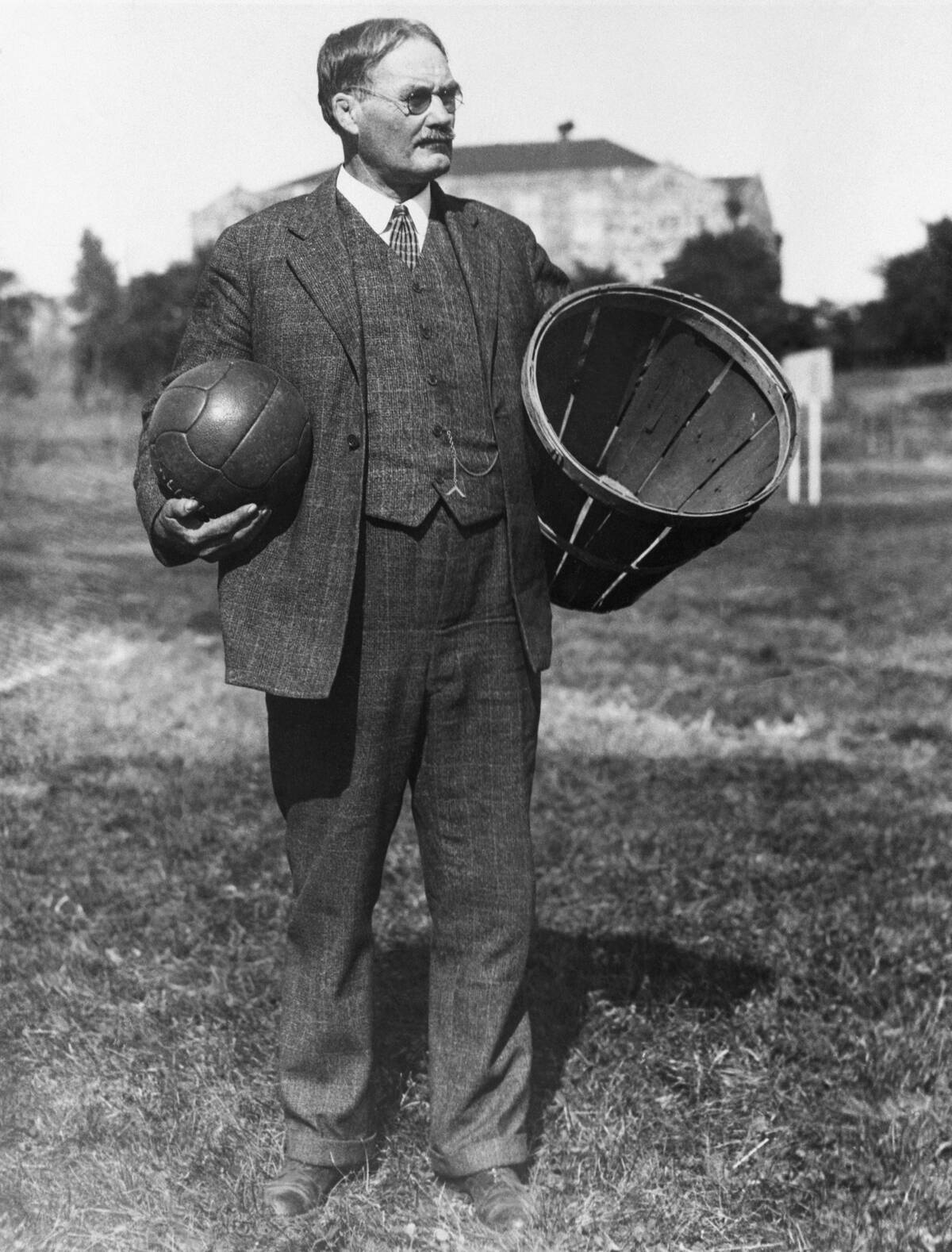
Basketball was invented in 1891 by Dr. James Naismith, a Canadian physical education instructor, who sought a suitable indoor activity for his students during winter. Initially played with a soccer ball and peach baskets, the game quickly gained popularity.
The formation of the NBA in 1946 propelled basketball to new heights, eventually becoming a global sport. Today, basketball is played and admired worldwide, with stars like Michael Jordan and LeBron James becoming household names.
The Transformation of Tennis: From Lawn Games to Grand Slams
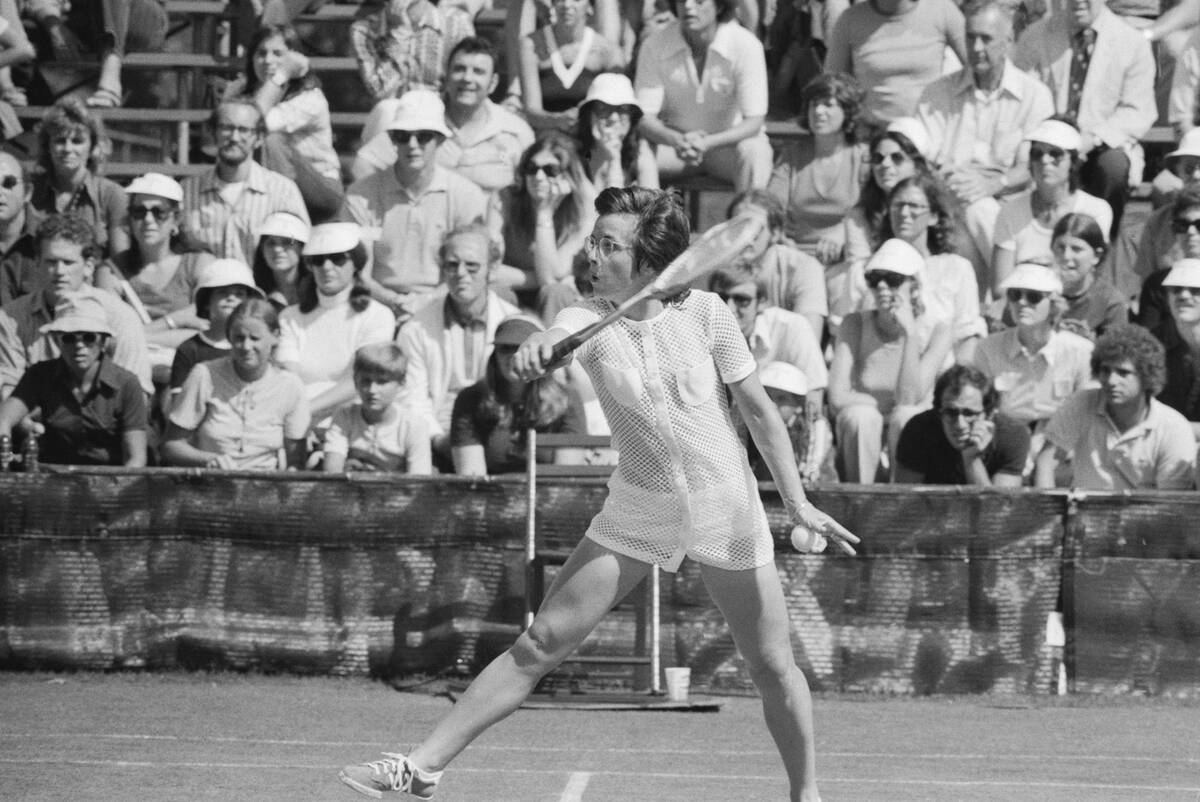
Tennis has undergone significant transformation since its origins on the lawns of Victorian England. Originally called “lawn tennis,” the game quickly spread across the globe. The establishment of the four Grand Slam tournaments—Wimbledon, the US Open, the French Open, and the Australian Open—cemented tennis as a major international sport.
These prestigious events draw players and fans from all over the world, showcasing the sport’s evolution from a leisurely pastime to a competitive spectacle.
Golf: From Ancient Scotland to the Master’s Green
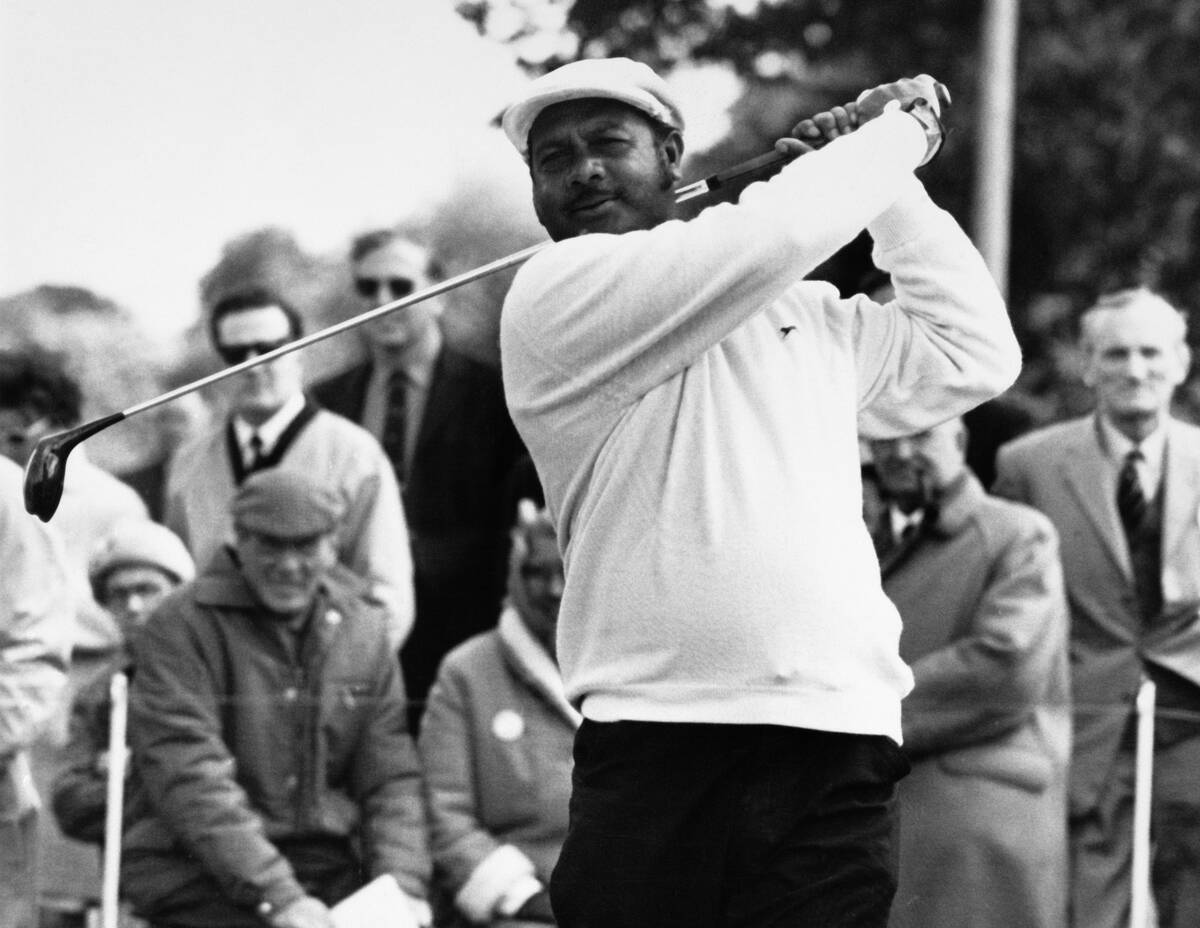
Golf’s origins can be traced to 15th-century Scotland, where it was played on the rugged coastal links. Initially a pastime for the Scottish elite, the game spread to England and later the world.
The establishment of The Open Championship in 1860 marked the beginning of professional golf competitions. Today, tournaments like The Masters and the Ryder Cup are celebrated globally, highlighting the sport’s enduring appeal and rich heritage that dates back centuries.
The Evolution of Rugby: From Schoolyard Scrums to World Cups
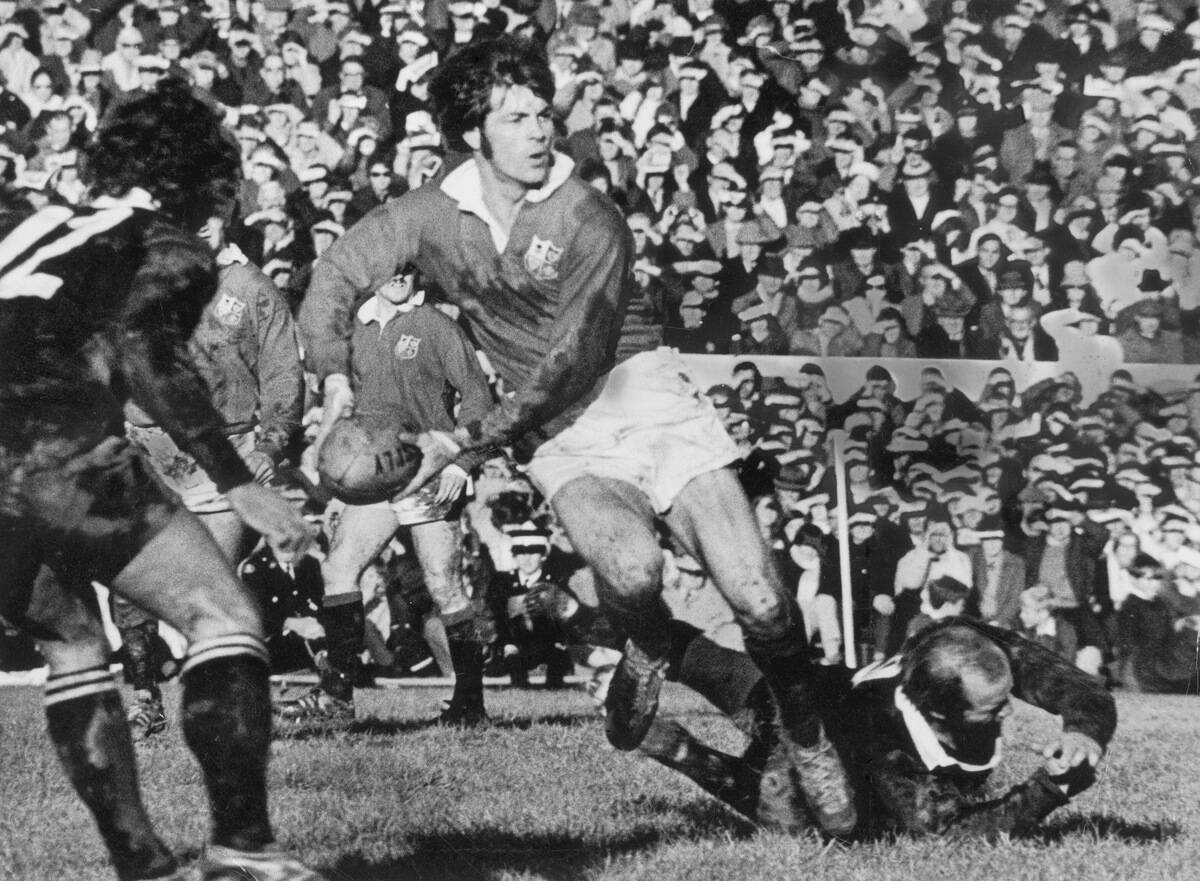
Rugby originated in the early 19th century at Rugby School in England, where legend has it that a student picked up the ball during a football match. This act of defiance laid the foundation for a new sport.
Rugby split into two codes—union and league—in 1895, each developing its own rules and competitions. The Rugby World Cup, first held in 1987, has become one of the sport’s premier events, showcasing the game’s physicality and global following.
The Advent of Motorsports: From Horseless Carriages to Formula 1
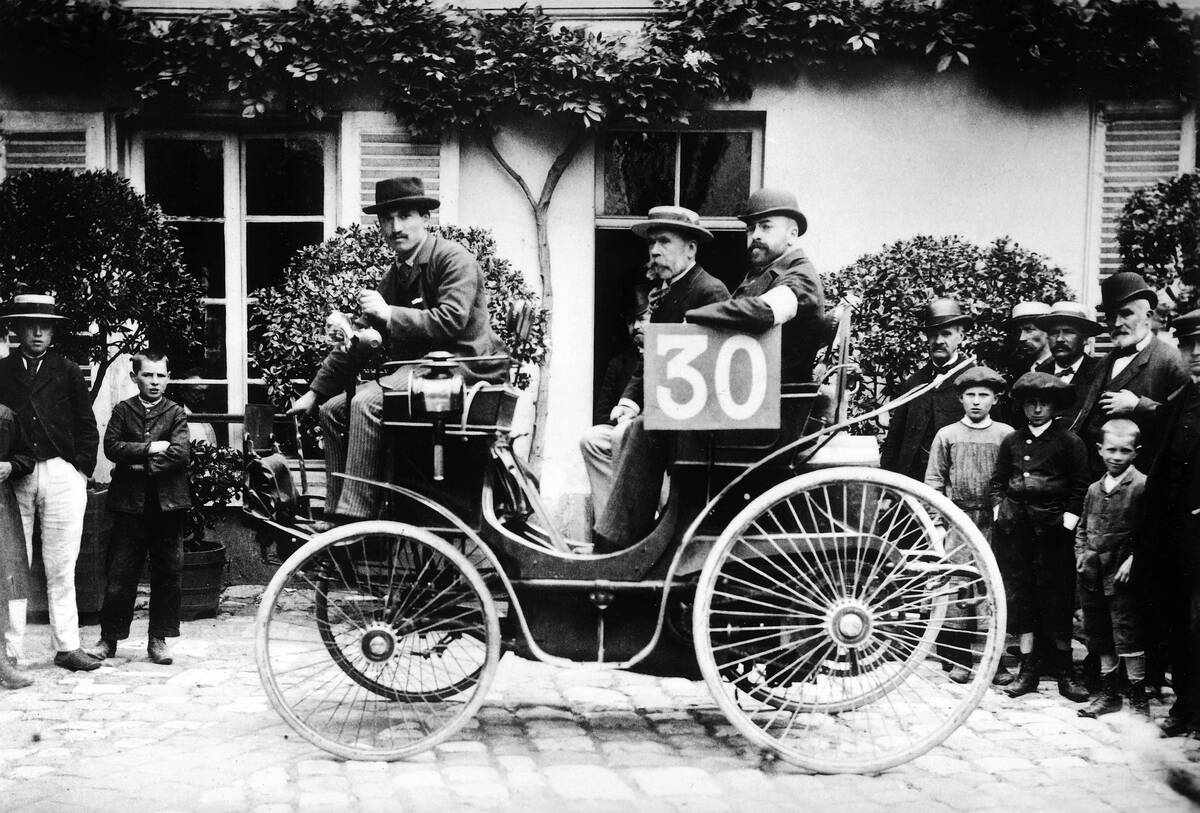
Motorsports began in the late 19th century as a demonstration of automobile technology. The first organized car race occurred in 1894, from Paris to Rouen. Over time, motorsports evolved into various forms, with Formula 1 emerging as the pinnacle of racing.
Established in 1950, the F1 World Championship showcases engineering excellence and driver skill. Events like the Monaco Grand Prix captivate millions, blending speed and strategy in a high-octane spectacle.
The Rise of Extreme Sports: Skateboarding, Snowboarding, and Beyond
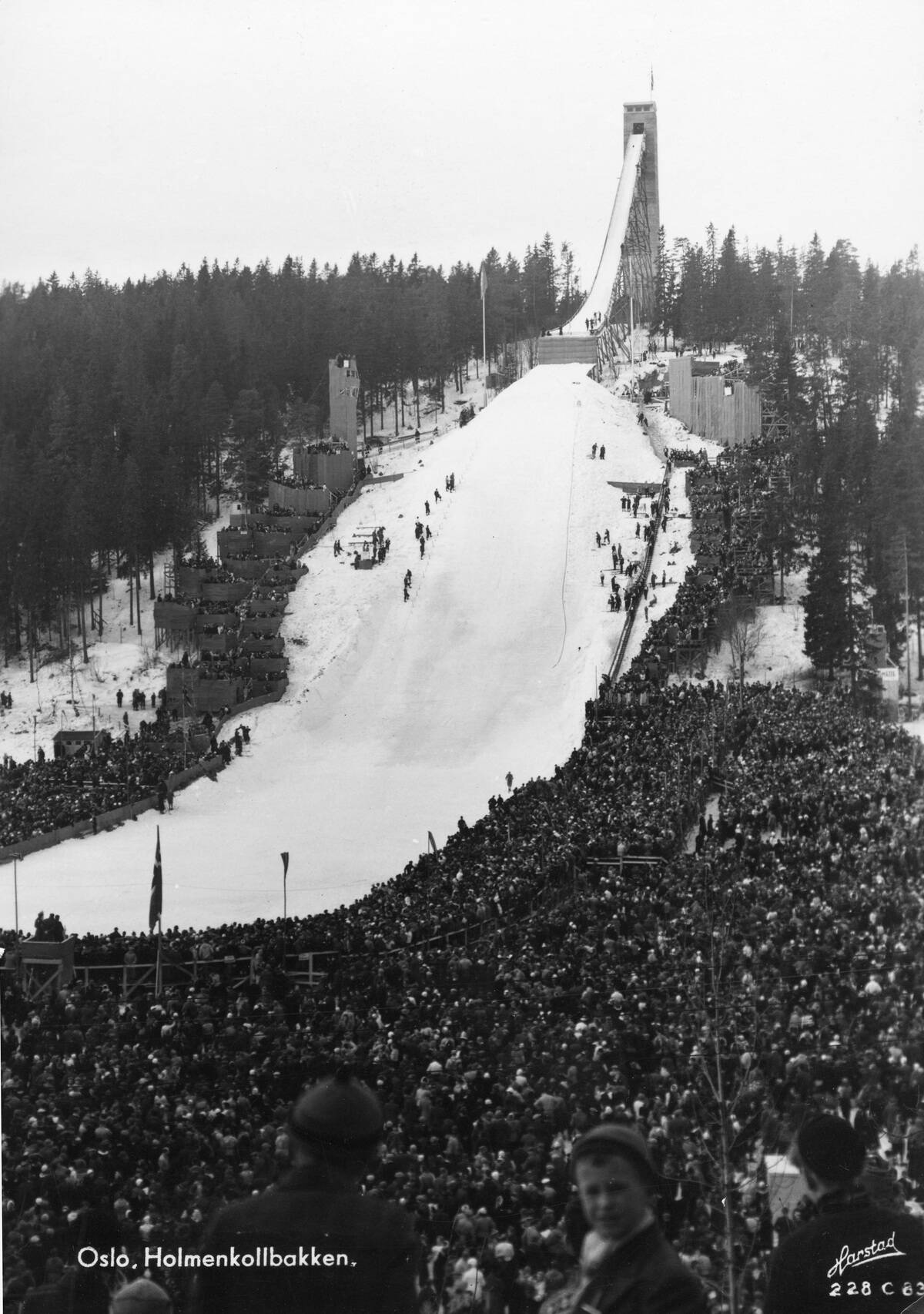
Extreme sports emerged in the late 20th century as a countercultural movement, appealing to thrill-seekers and nonconformists. Skateboarding and snowboarding, with their roots in surfing and skiing, epitomize this genre.
The X Games, launched in 1995, brought these sports into the mainstream, attracting a global audience. Today, extreme sports continue to push boundaries, with athletes performing gravity-defying stunts and redefining what is possible in the world of sports.
The Revolution of Broadcasting: How Television Changed Sports Viewing

Television revolutionized sports by bringing live events into homes, transforming how audiences engage with their favorite games. The first televised sports event was a college baseball game in 1939, paving the way for widespread sports broadcasting.
Major events like the Super Bowl and the Olympics became global spectacles, thanks to TV’s reach. The evolution of broadcasting technology, including high-definition and 3D, has further enhanced the viewing experience, making sports more accessible than ever.
The Digital Age: Streaming, eSports, and the New Age of Sports Consumption

The digital age has ushered in a new era of sports consumption, with streaming services providing on-demand access to live events. Platforms like YouTube and Twitch have popularized eSports, turning video gaming into a competitive spectacle.
The rise of social media has also transformed fan engagement, allowing for real-time interaction and community building. As technology continues to evolve, the way we experience sports will undoubtedly continue to transform, broadening its appeal and accessibility.
Women in Sports: Breaking Barriers and Setting New Standards
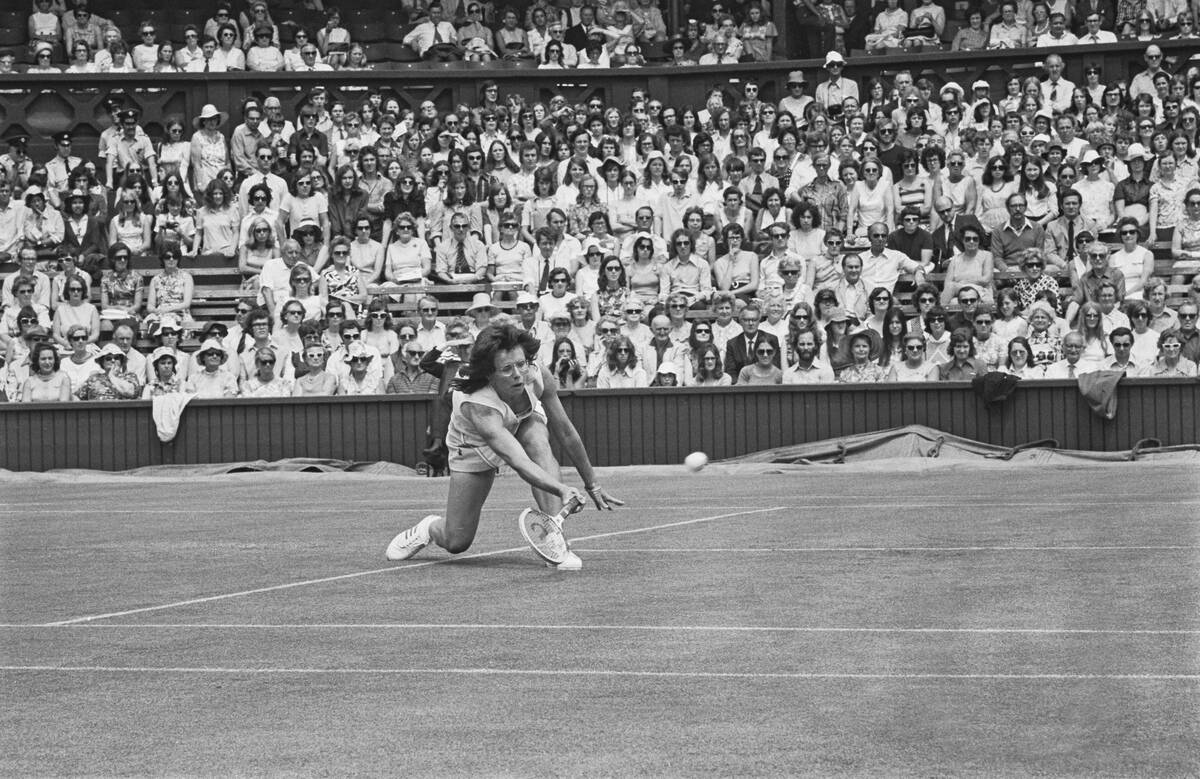
Women have been breaking barriers in sports for decades, challenging stereotypes and achieving remarkable success. The 20th century saw significant milestones, such as the establishment of the Women’s Tennis Association in 1973 and the inclusion of women’s events in the Olympics.
Female athletes like Serena Williams and Megan Rapinoe have become icons, advocating for gender equality and inspiring future generations. Despite ongoing challenges, women’s sports continue to grow, gaining recognition and respect worldwide.
The Role of Technology in Modern Sports: From VAR to Wearables

Technology has become an integral part of modern sports, enhancing both performance and fairness. Innovations like the Video Assistant Referee (VAR) in football ensure accurate officiating, reducing human error.
Wearable technology, including fitness trackers and smart clothing, allows athletes to monitor their performance and optimize training. These advancements not only improve the quality of play but also provide fans with deeper insights into their favorite sports, enriching the overall experience.
Globalization: How Sports Became a Worldwide Cultural Phenomenon
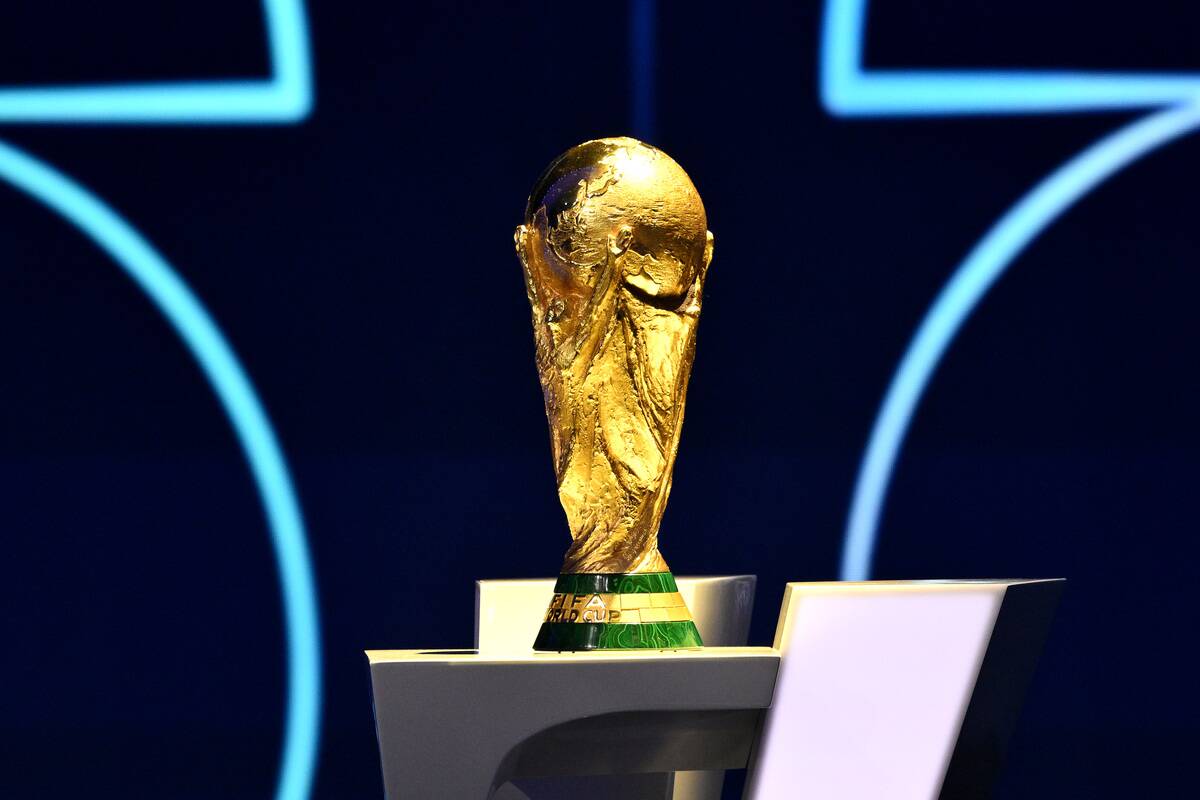
Globalization has transformed sports into a universal language, transcending borders and uniting people from diverse backgrounds. The expansion of international competitions, such as the FIFA World Cup and the Olympics, has facilitated cross-cultural exchange and understanding.
The global reach of sports brands and athletes has further solidified their influence, making sports a powerful force for social change and cultural diplomacy. This worldwide phenomenon continues to grow, fueled by technology and increasing connectivity.




