Governments that dissolved without a coup
Governments come and go, but some collapses are more fascinating than others. Whether due to economic turmoil, political gridlock, or social upheaval, each story of a collapsing government offers a unique glimpse into history.
From ancient republics to modern-day states, these tales illustrate the complex and often turbulent nature of governance. Let’s dive into some of the most intriguing examples of government collapses throughout history.
The Fall of the Roman Republic: More Than Just Julius Caesar
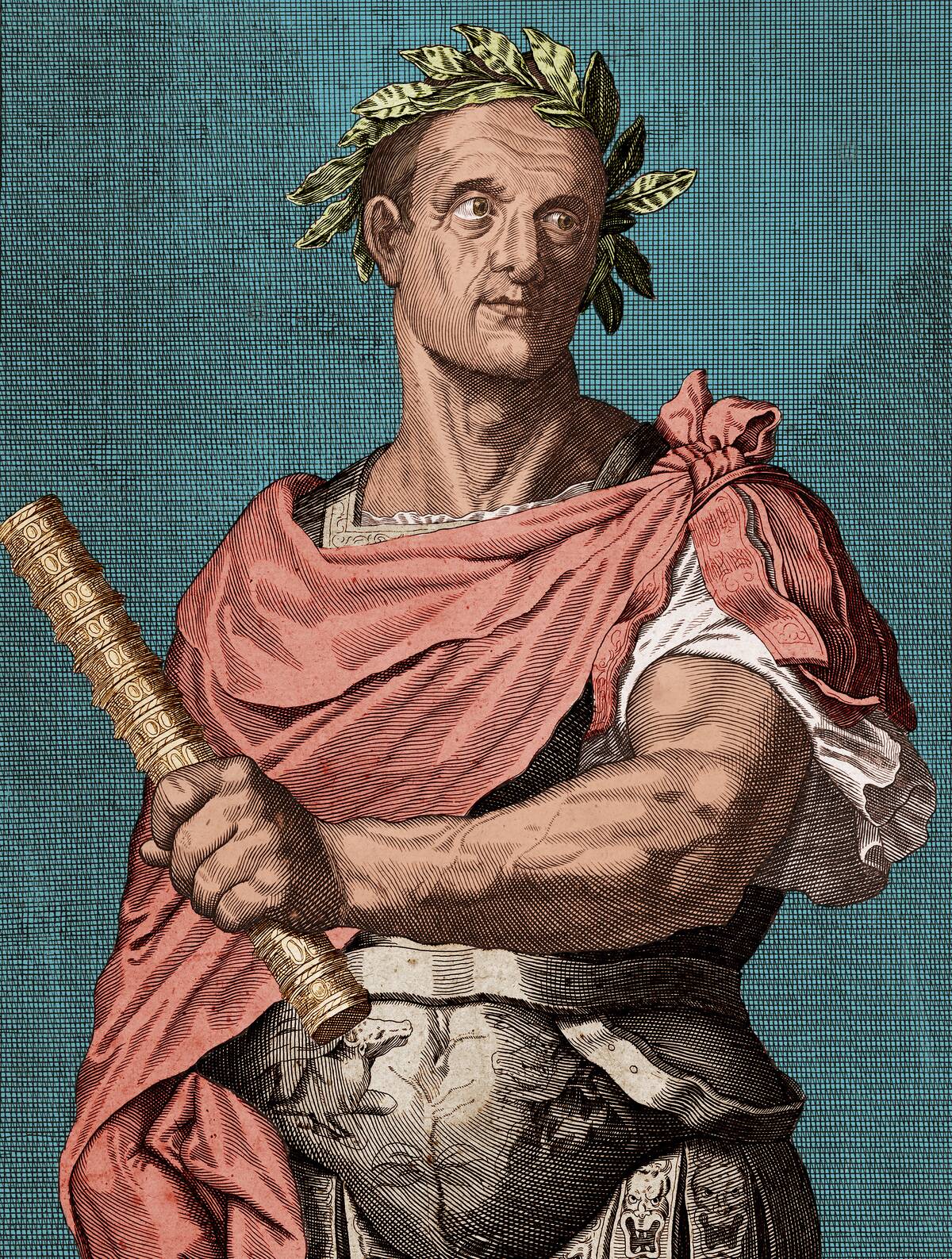
While Julius Caesar’s assassination is a famous marker of the Roman Republic’s collapse, the seeds were sown much earlier. Economic inequality, political corruption, and military upheavals all contributed to the Republic’s downfall.
The rise of powerful generals who commanded personal loyalty from troops undermined the Senate’s authority. As these tensions escalated, the Republic slowly crumbled, paving the way for the Roman Empire.
The Silent Dismantling of the Soviet Union
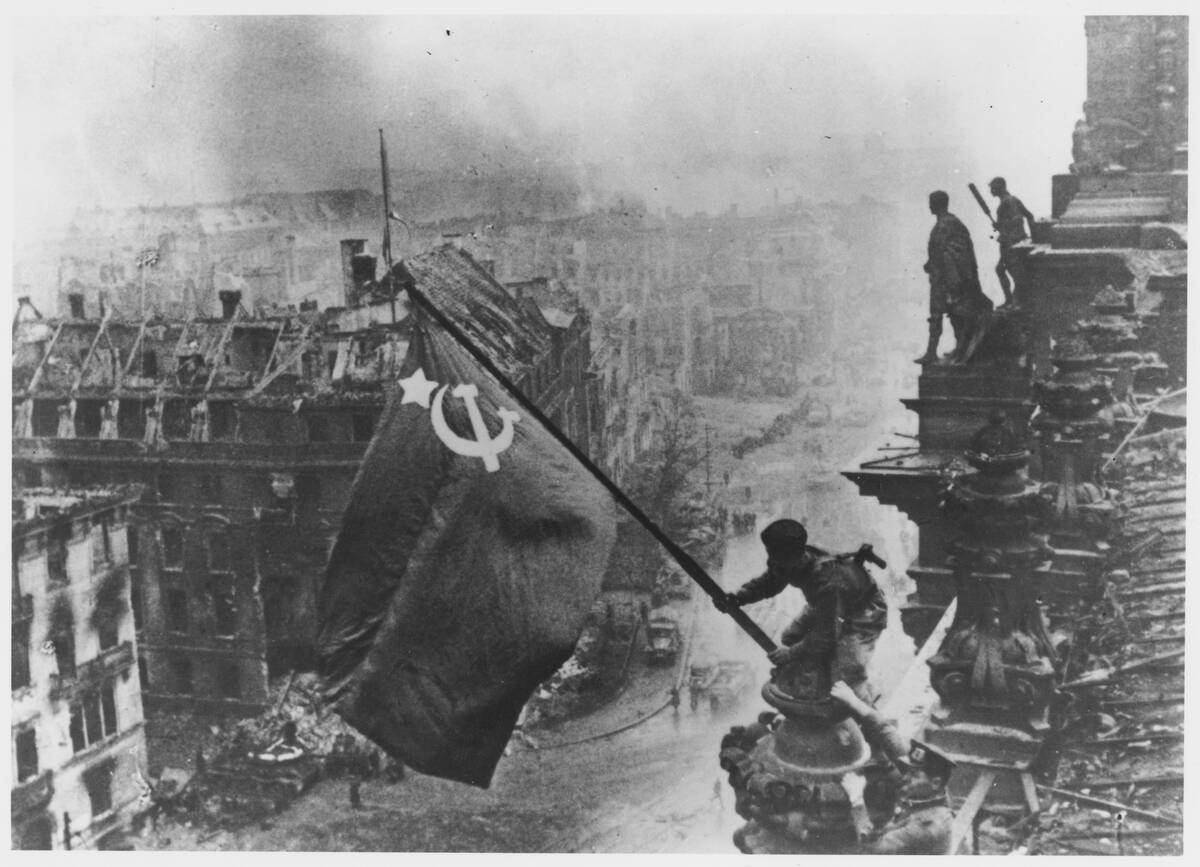
The Soviet Union’s collapse in 1991 seemed sudden but was the result of decades of systemic issues. Economic stagnation, a costly arms race, and the inefficiencies of central planning eroded public confidence.
Gorbachev’s reforms, intended to revitalize the system, inadvertently accelerated its demise. As republics declared independence, the Union fell apart, marking the end of an era in global politics.
Iceland’s Government Meltdown During the Financial Crisis
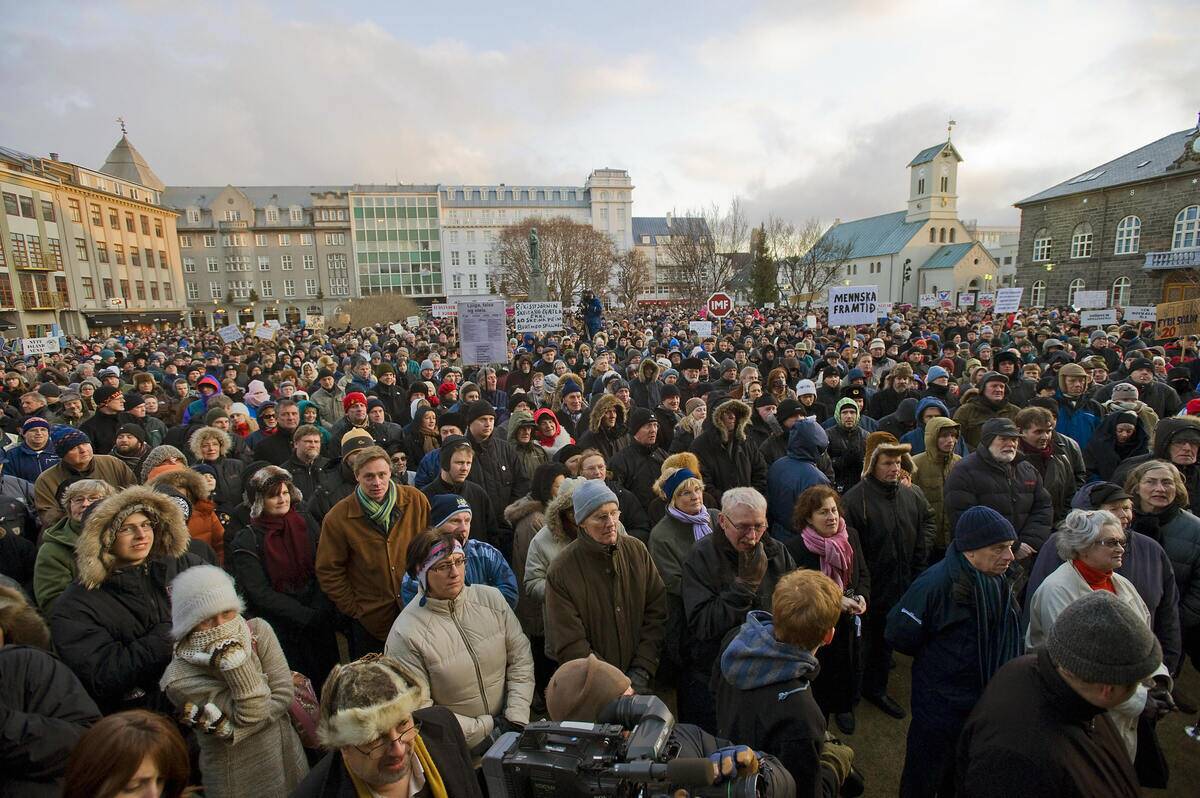
In 2008, Iceland faced a financial crisis that resulted in the collapse of its government. The banking system, heavily indebted and poorly regulated, imploded, leading to economic chaos.
Public outrage over the handling of the situation forced the Prime Minister to resign. This crisis highlighted the vulnerabilities of small economies in the global financial system and prompted widespread reforms.
Belgium: The Land Without a Government for 541 Days
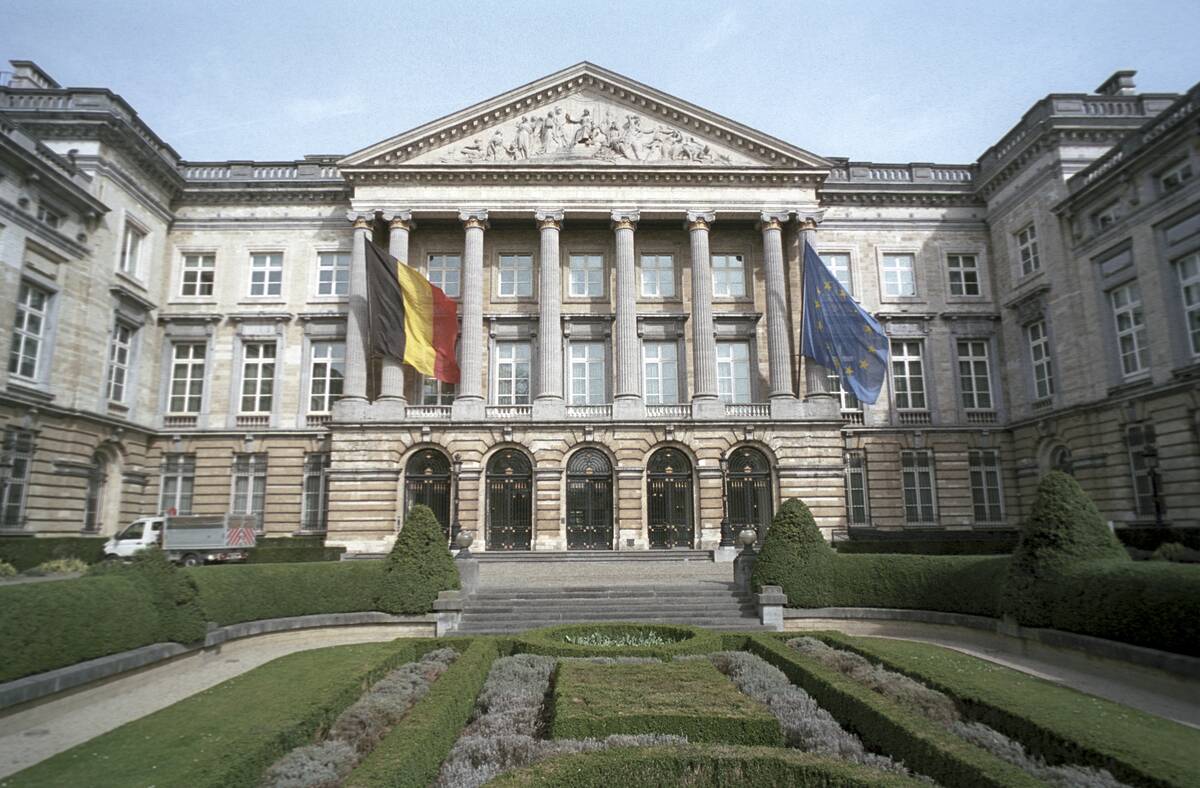
Belgium holds the record for the longest period without an official government, lasting 541 days from 2010 to 2011. Linguistic and cultural divisions between the Flemish and Walloon regions made coalition-building nearly impossible.
Despite the lack of a formal government, the country’s bureaucracy continued to function, showcasing the resilience of its institutions and the complex nature of Belgian politics.
The Czechoslovakia Split: A Velvet Divorce
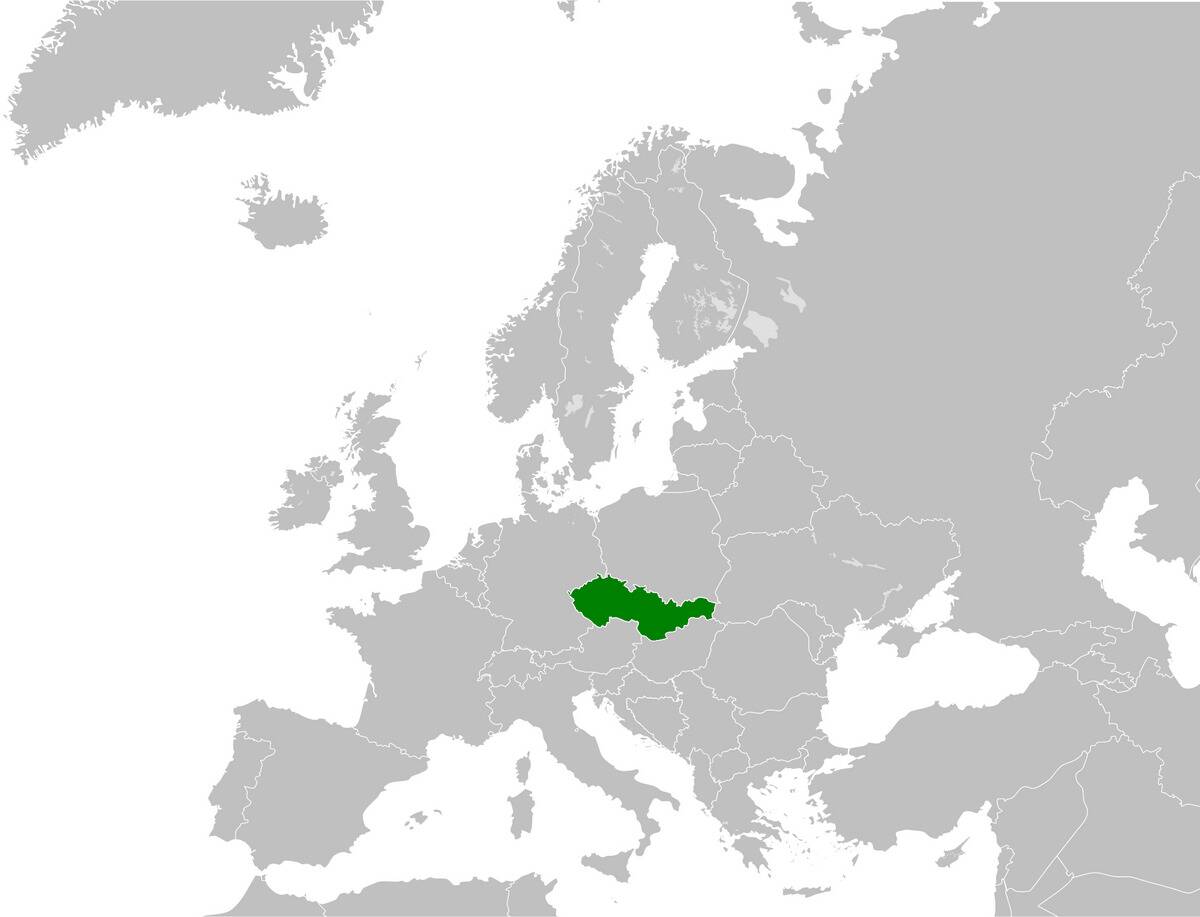
In 1993, Czechoslovakia peacefully dissolved into the Czech Republic and Slovakia in what is known as the Velvet Divorce. Economic disparities and differing political visions between the Czech and Slovak people led to the split.
Remarkably, this separation occurred without violence, setting a precedent for peaceful conflict resolution and highlighting the power of negotiation in geopolitics.
The Collapse of the Polish–Lithuanian Commonwealth
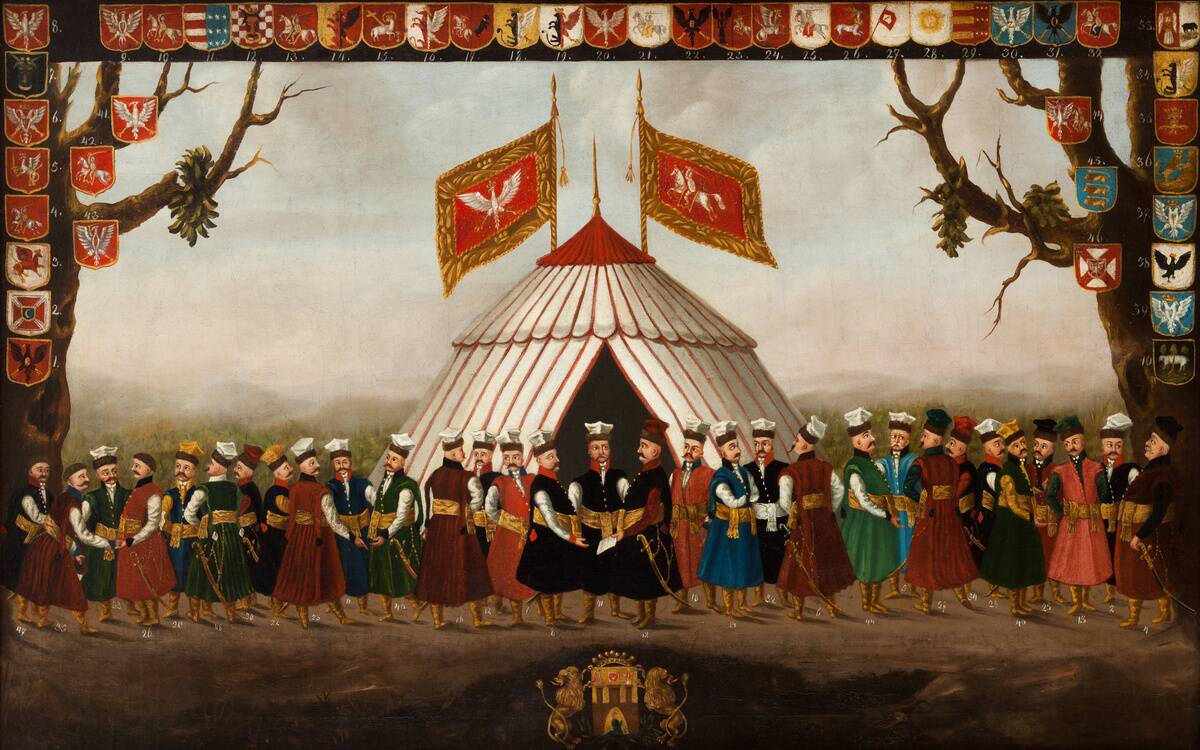
The Polish–Lithuanian Commonwealth was once a major European power, but by the late 18th century, it faced decline. Internal strife, ineffective governance, and foreign interventions weakened its structure.
The final blow came from the partitions by Russia, Prussia, and Austria, which erased the Commonwealth from the map. This collapse underscores how external pressures can exploit internal vulnerabilities.
The Rise and Fall of the Weimar Republic
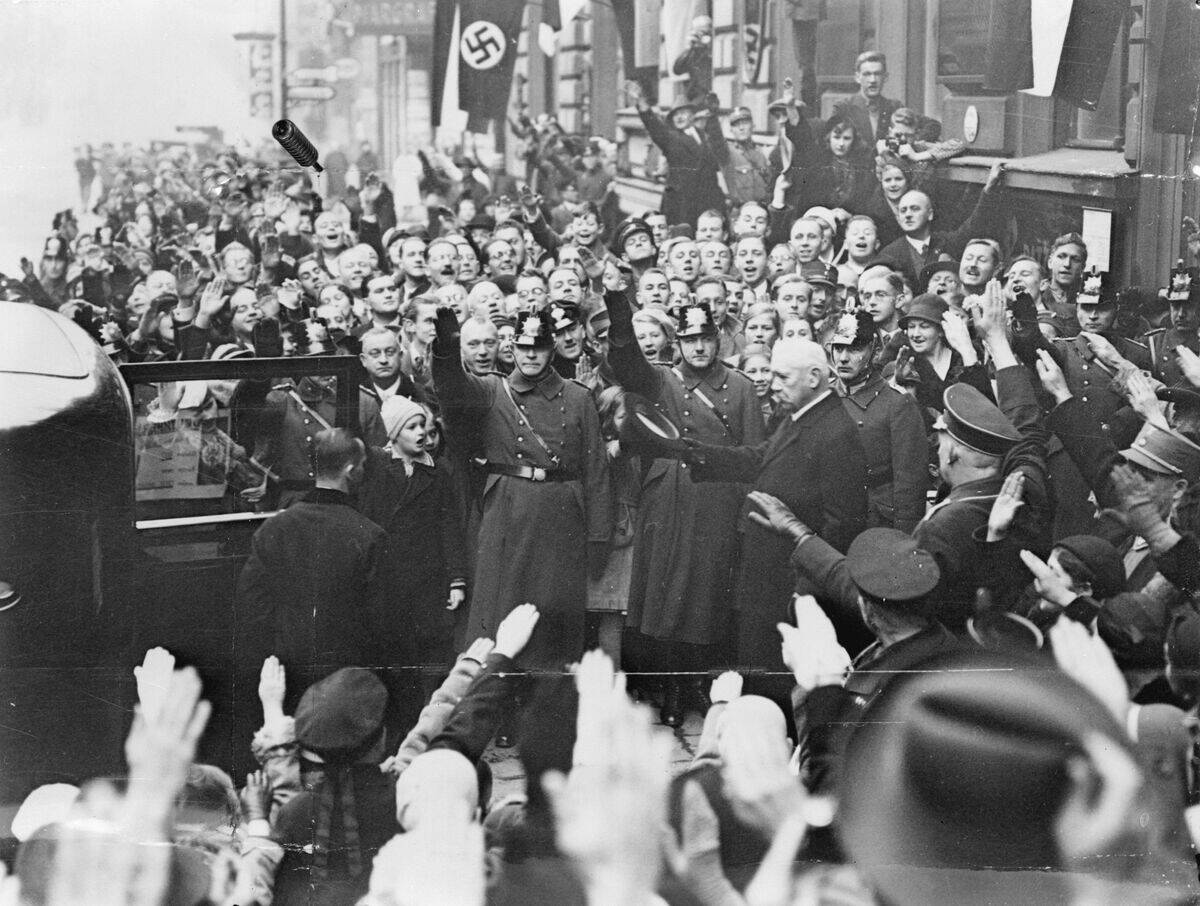
The Weimar Republic, established in Germany after World War I, was marked by political instability and economic hardship. Hyperinflation and the Great Depression eroded public trust, while extremist movements gained traction.
Despite its initial promise as a democratic state, these challenges led to its downfall, paving the way for the rise of Nazi Germany and highlighting the fragile nature of post-war democracies.
Lebanon’s Governmental Deadlock in Recent Times
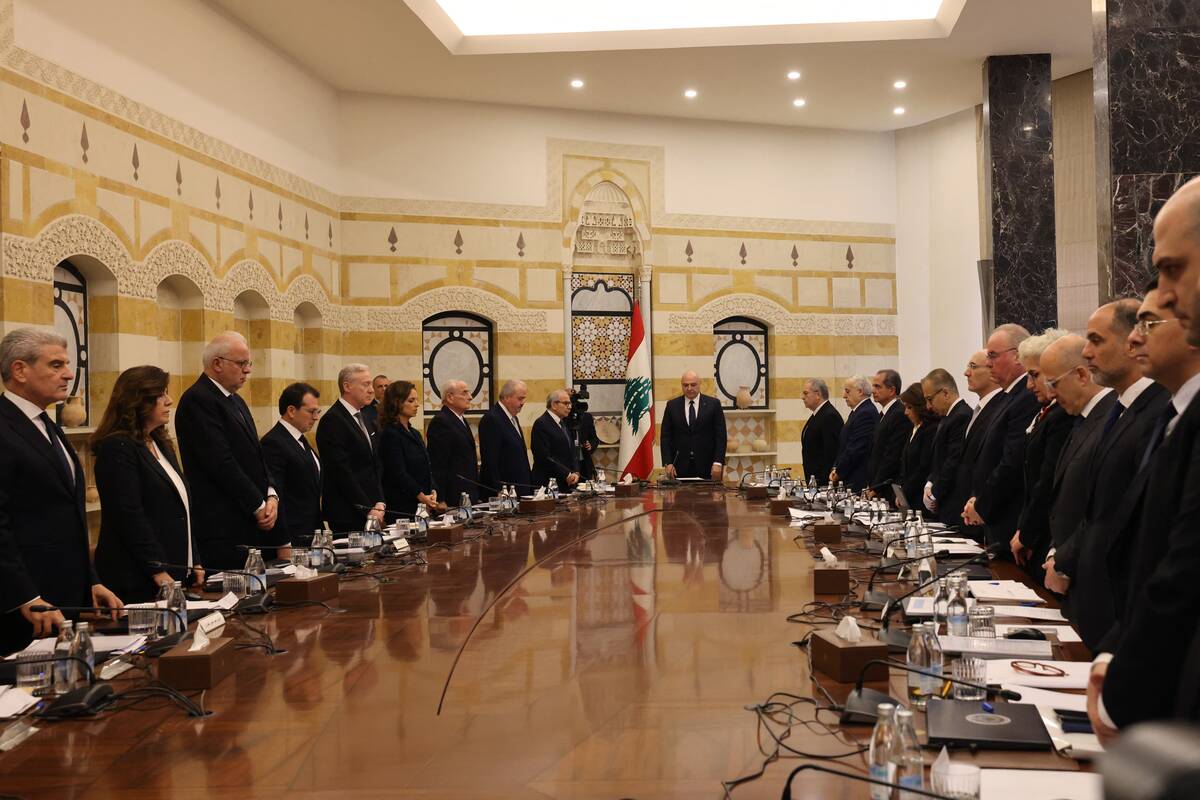
Lebanon has faced chronic political deadlock, exacerbated by sectarian divisions and regional conflicts. Power-sharing agreements intended to balance religious representation often lead to gridlock.
The 2019 protests against corruption and economic mismanagement further strained the government. This deadlock has had profound impacts on Lebanon’s stability, showcasing the complex interplay between domestic and external influences.
Nepal: From Monarchy to Democratic Chaos
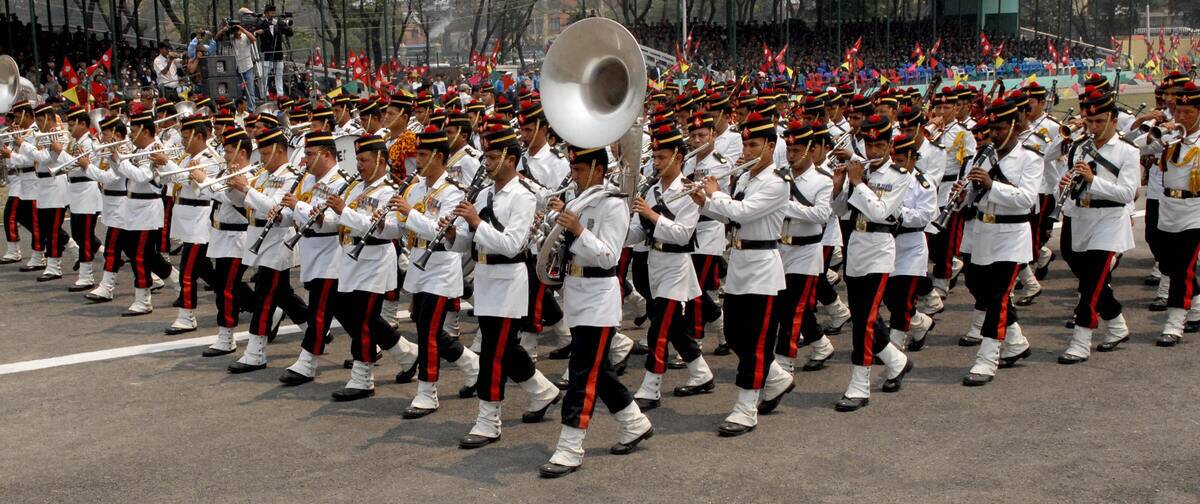
Nepal’s transition from monarchy to democracy has been fraught with challenges. Since the abolition of the monarchy in 2008, political infighting and frequent changes in leadership have plagued the nation.
The drafting of a new constitution took years, reflecting deep-seated ethnic and political divisions. Nepal’s experience highlights the difficulties of establishing a stable democracy in a diverse and complex society.
The Short-Lived Central African Empire: An Internal Implosion
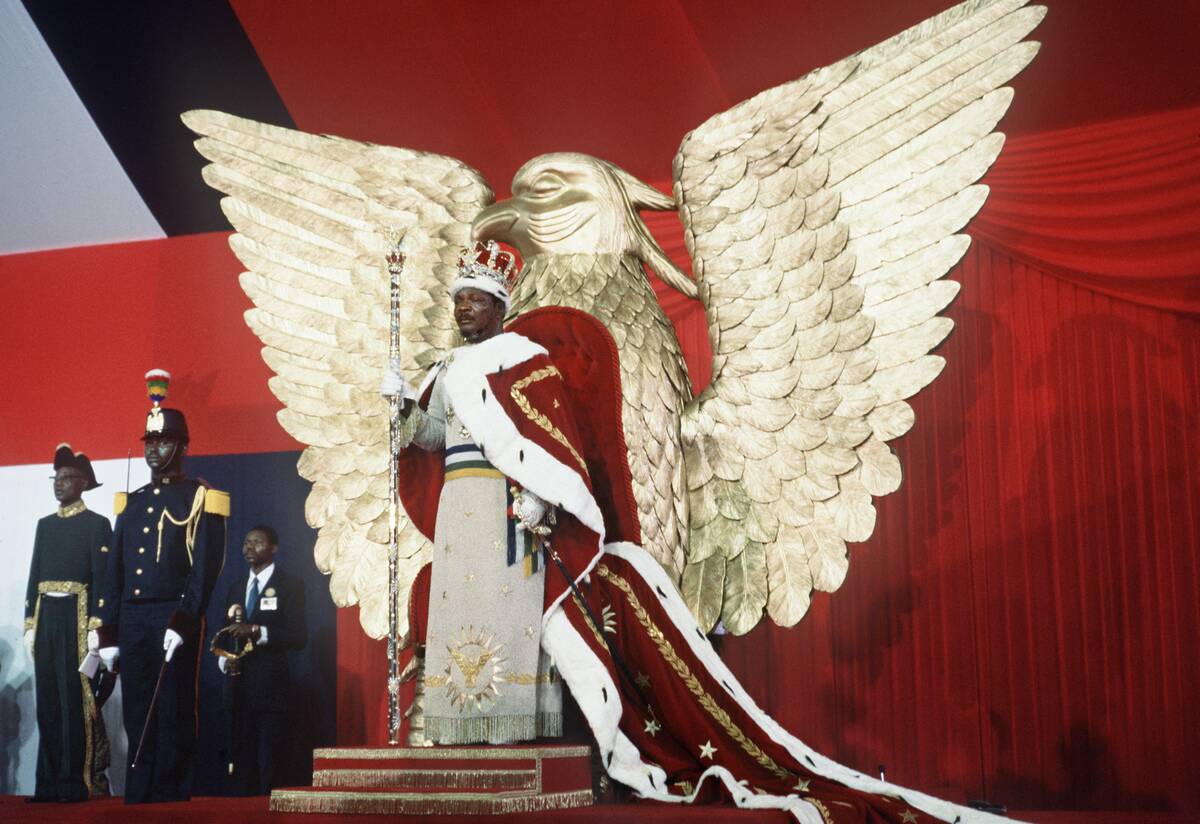
The Central African Empire, declared by Jean-Bédel Bokassa in 1976, was short-lived and marked by extravagance and brutality. Bokassa’s tyrannical rule and lavish spending on his coronation bankrupted the nation.
His regime collapsed in 1979, aided by a French-backed coup. This episode highlights the dangers of autocratic rule and the impact of external influences in post-colonial Africa.
The Demise of Yugoslavia: A Nation Divided
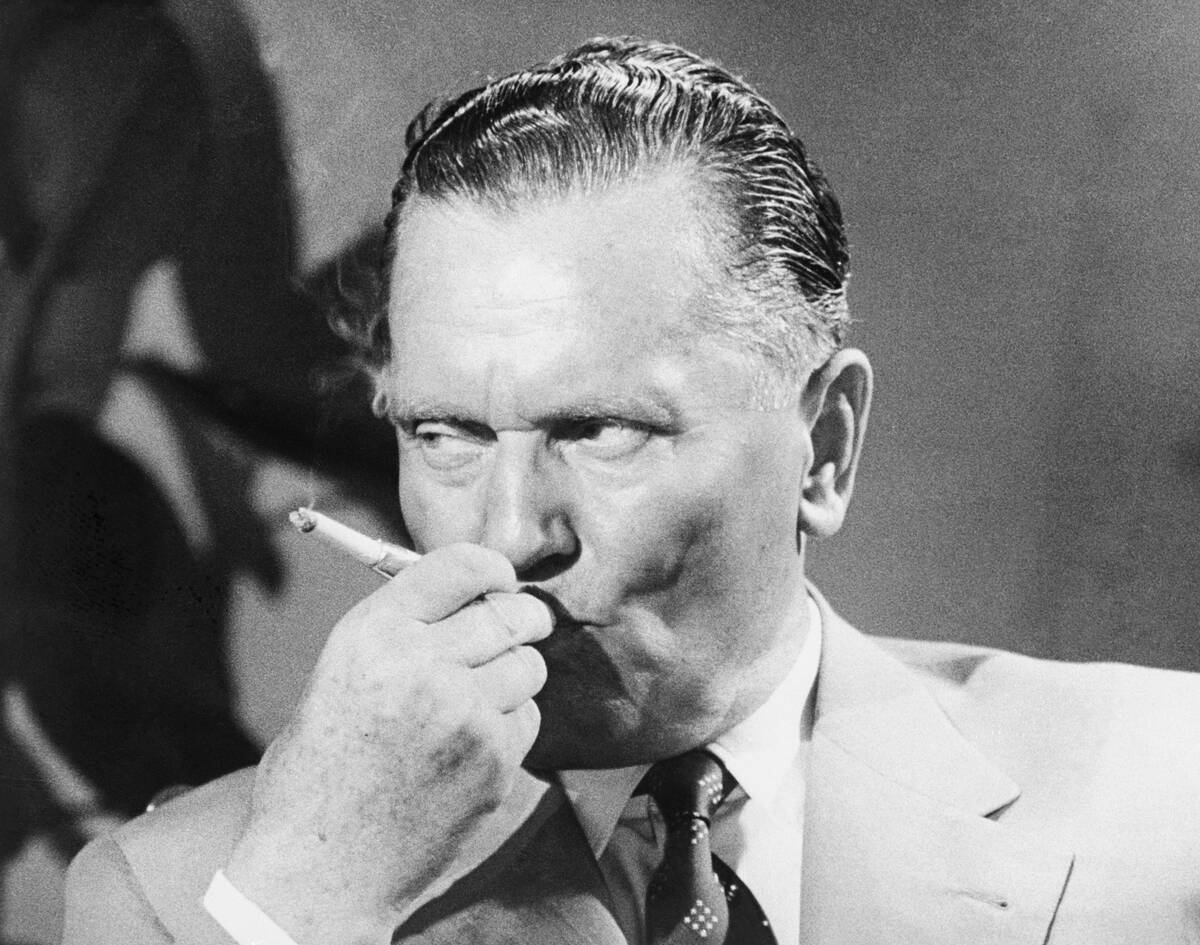
Yugoslavia’s disintegration in the 1990s was a result of ethnic tensions, economic decline, and political fragmentation. The death of Josip Broz Tito left a power vacuum that fueled nationalist movements.
Conflicts erupted as republics sought independence, leading to a series of brutal wars. The breakup of Yugoslavia reveals how deep-seated historical grievances can lead to violent national disintegration.
The Unraveling of the Austro-Hungarian Empire
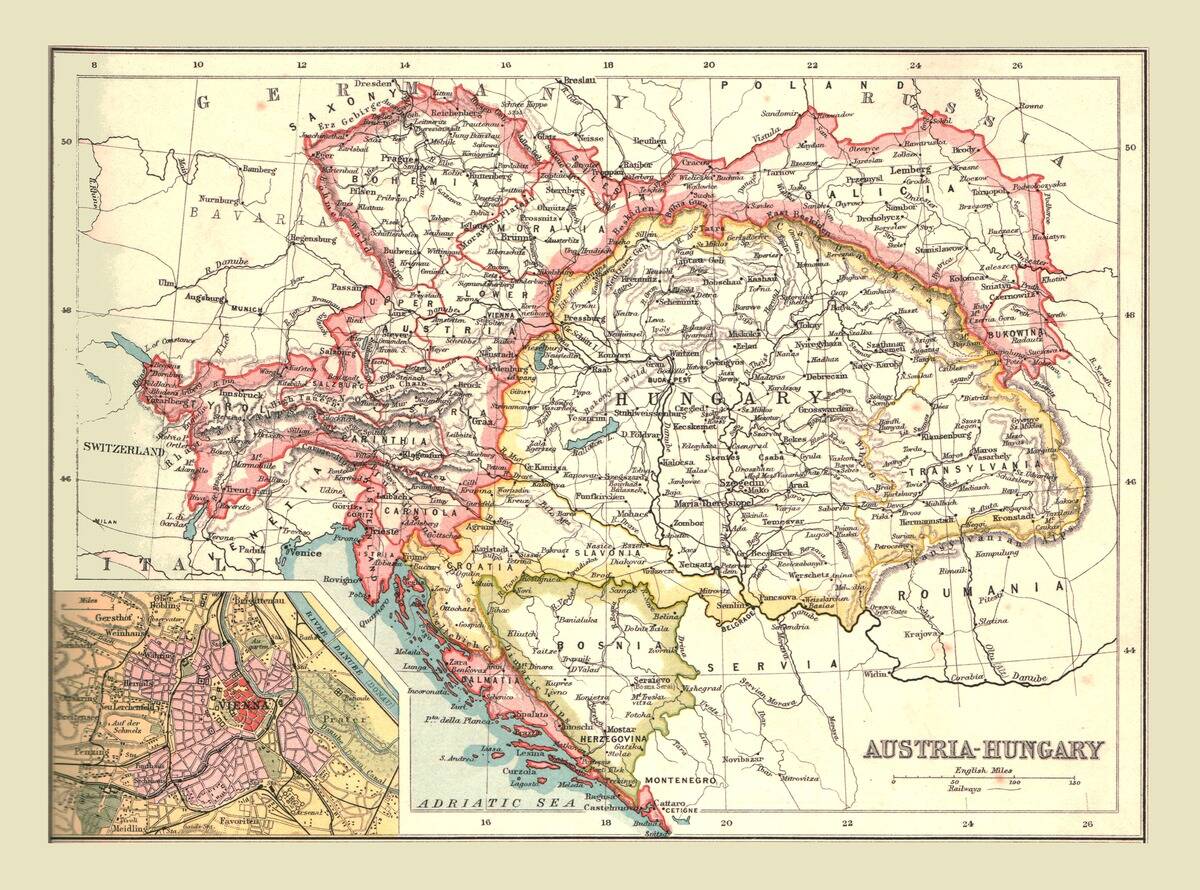
The Austro-Hungarian Empire’s collapse after World War I was driven by internal divisions and external pressures. Nationalist movements among its diverse ethnic groups strained the empire’s unity.
The war further weakened its economic and military capabilities. The Treaty of Saint-Germain and the Treaty of Trianon officially dissolved the empire, creating several independent nations and reshaping Central Europe.
Greece’s Governmental Woes During the Debt Crisis
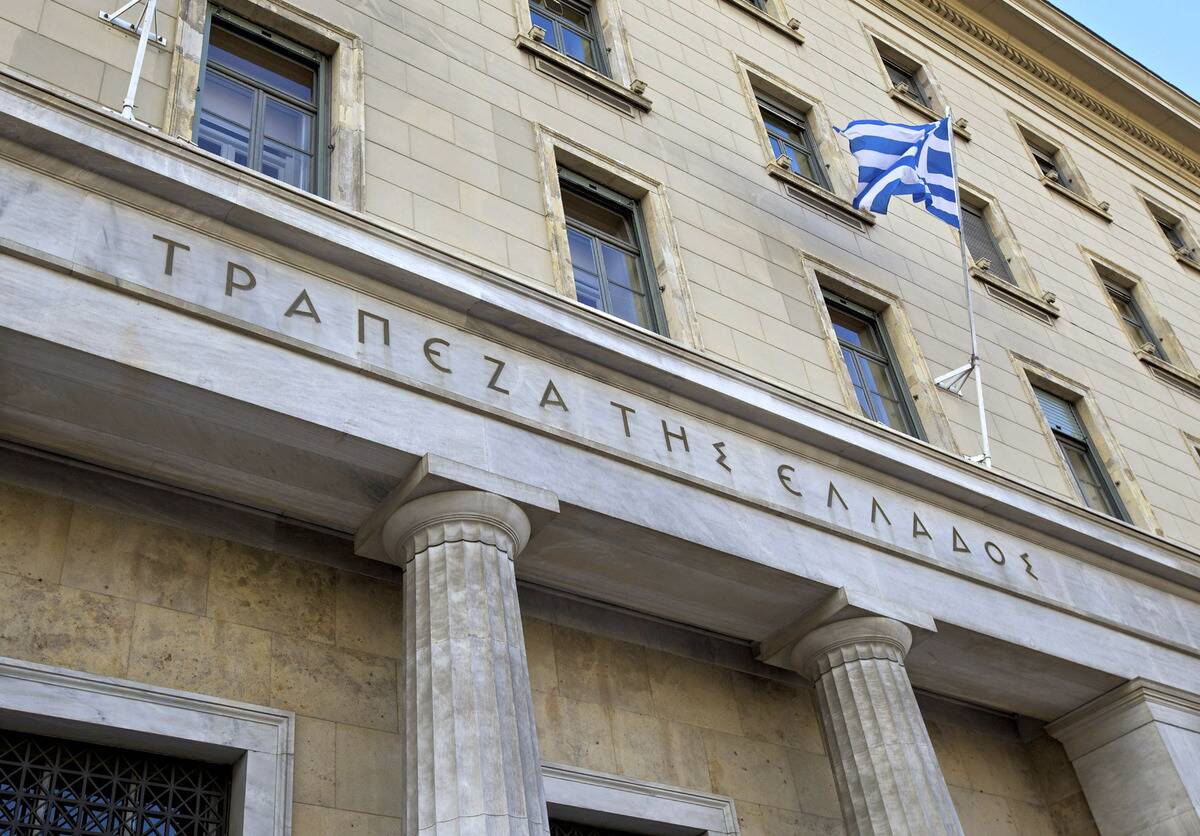
During the 2009 debt crisis, Greece faced severe economic difficulties that led to governmental instability. Austerity measures imposed by international creditors sparked widespread protests and political upheaval.
Governments struggled to implement reforms amidst public discontent. This crisis exposed the vulnerabilities of Greece’s economy and the challenges of balancing fiscal responsibility with social welfare.
The Unexpected Collapse of the Dutch Republic
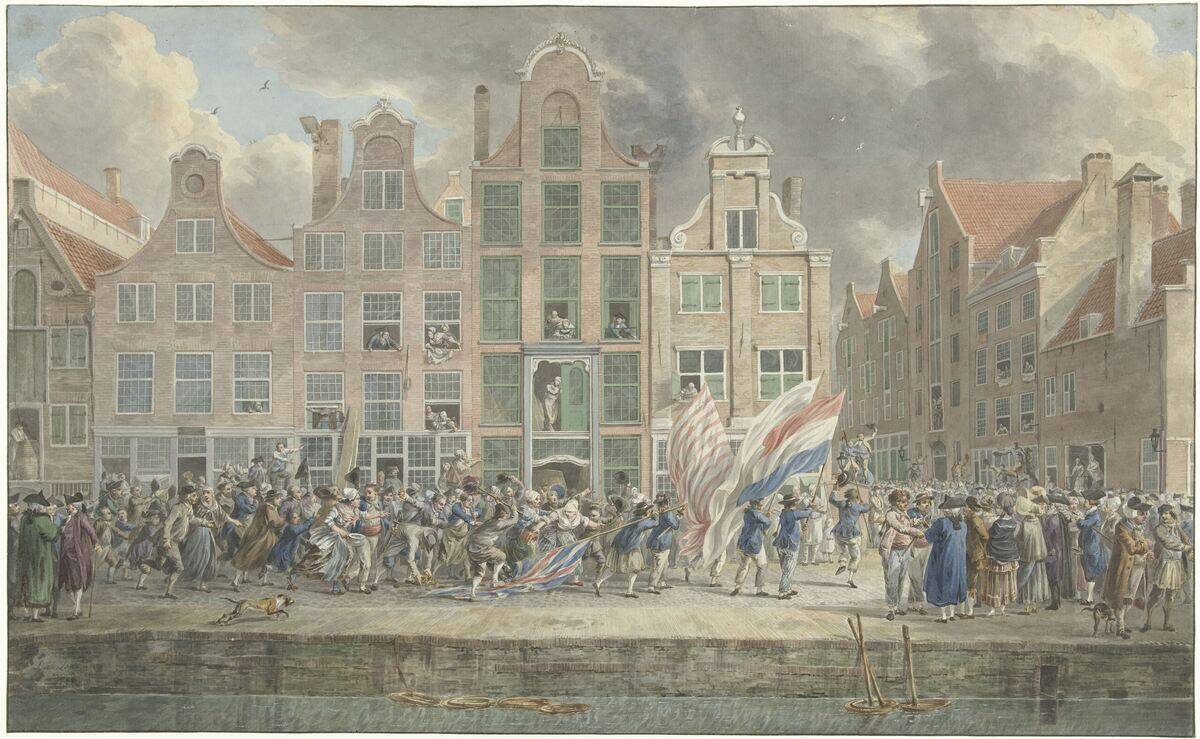
The Dutch Republic, once a dominant trading power in the 17th century, gradually weakened due to internal strife and external threats. Political fragmentation and financial difficulties eroded its power.
The Fourth Anglo-Dutch War and French invasion in 1795 led to its collapse, transforming the republic into the Batavian Republic under French influence. This collapse highlights the impact of geopolitical dynamics on national stability.
The Disintegration of the Gran Colombia
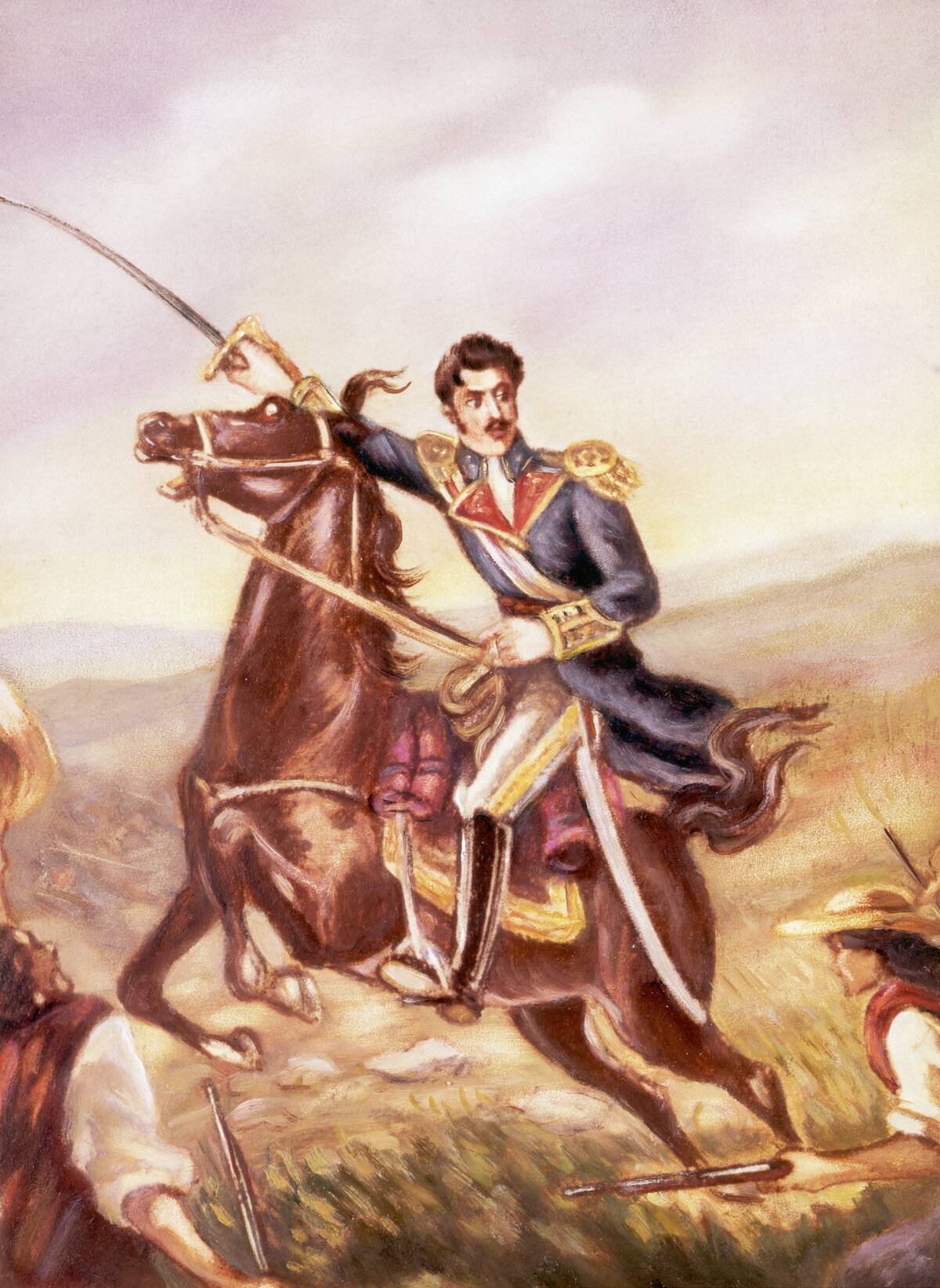
Gran Colombia, created by Simon Bolivar, encompassed modern-day Colombia, Venezuela, Ecuador, and Panama. Internal divisions and regional rivalries undermined its unity. By 1831, political disagreements and local interests led to its dissolution into separate nations.
The disintegration of Gran Colombia illustrates the challenges of maintaining a large, diverse federation amidst divergent regional aspirations.
The Mysterious End of the Khmer Republic
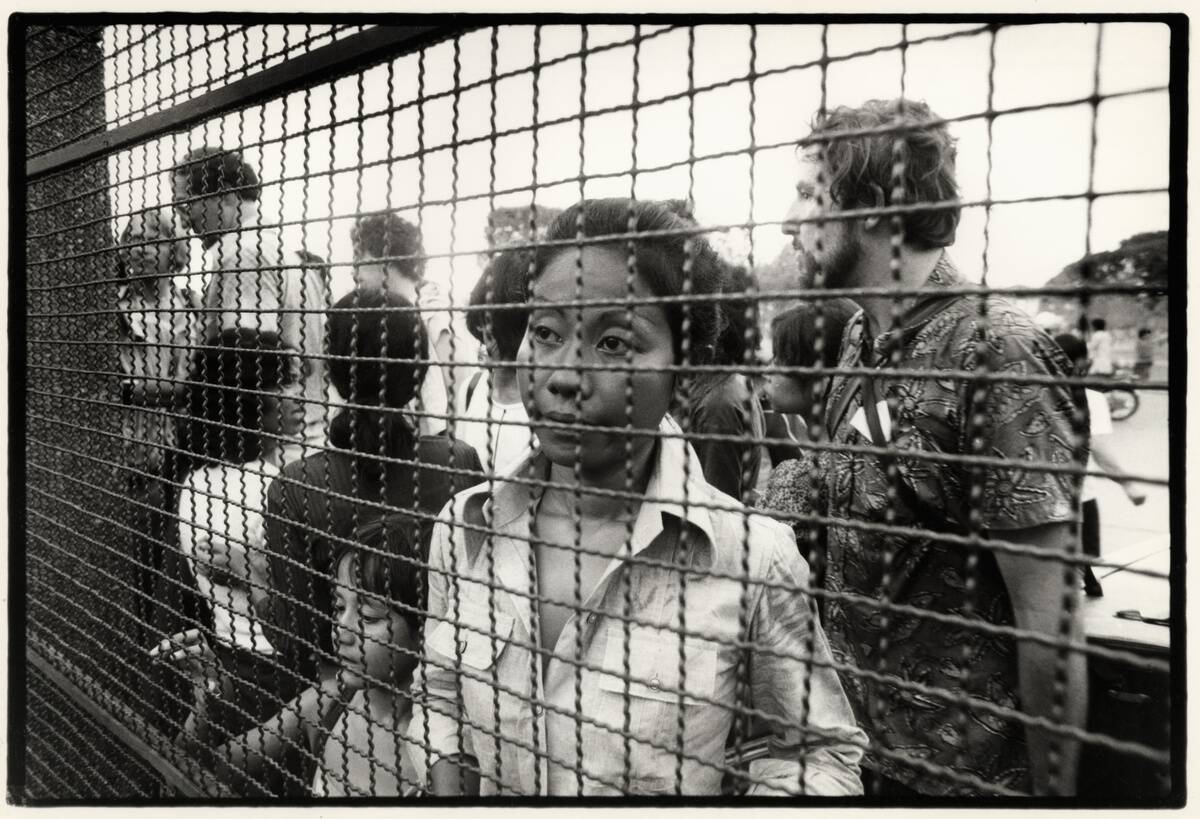
The Khmer Republic, established in Cambodia in 1970, faced a swift and violent end in 1975. Internal corruption, external pressures from the Vietnam War, and the rise of the Khmer Rouge contributed to its collapse.
The fall of the Khmer Republic led to one of the darkest periods in Cambodian history, marked by the Khmer Rouge’s brutal regime. This collapse highlights the fragility of governments in the face of internal and external conflicts.




