Everyday foods that have nearly disappeared
In the ever-evolving landscape of culinary trends, many foods that were once staples on our tables have now become culinary curiosities. These forgotten edibles often hold fascinating histories and unique flavors that deserve a revisit.
As we journey through this list, you might find yourself intrigued by the stories behind these foods that have quietly slipped away from mainstream menus.
The Mysterious Disappearance of Salsify
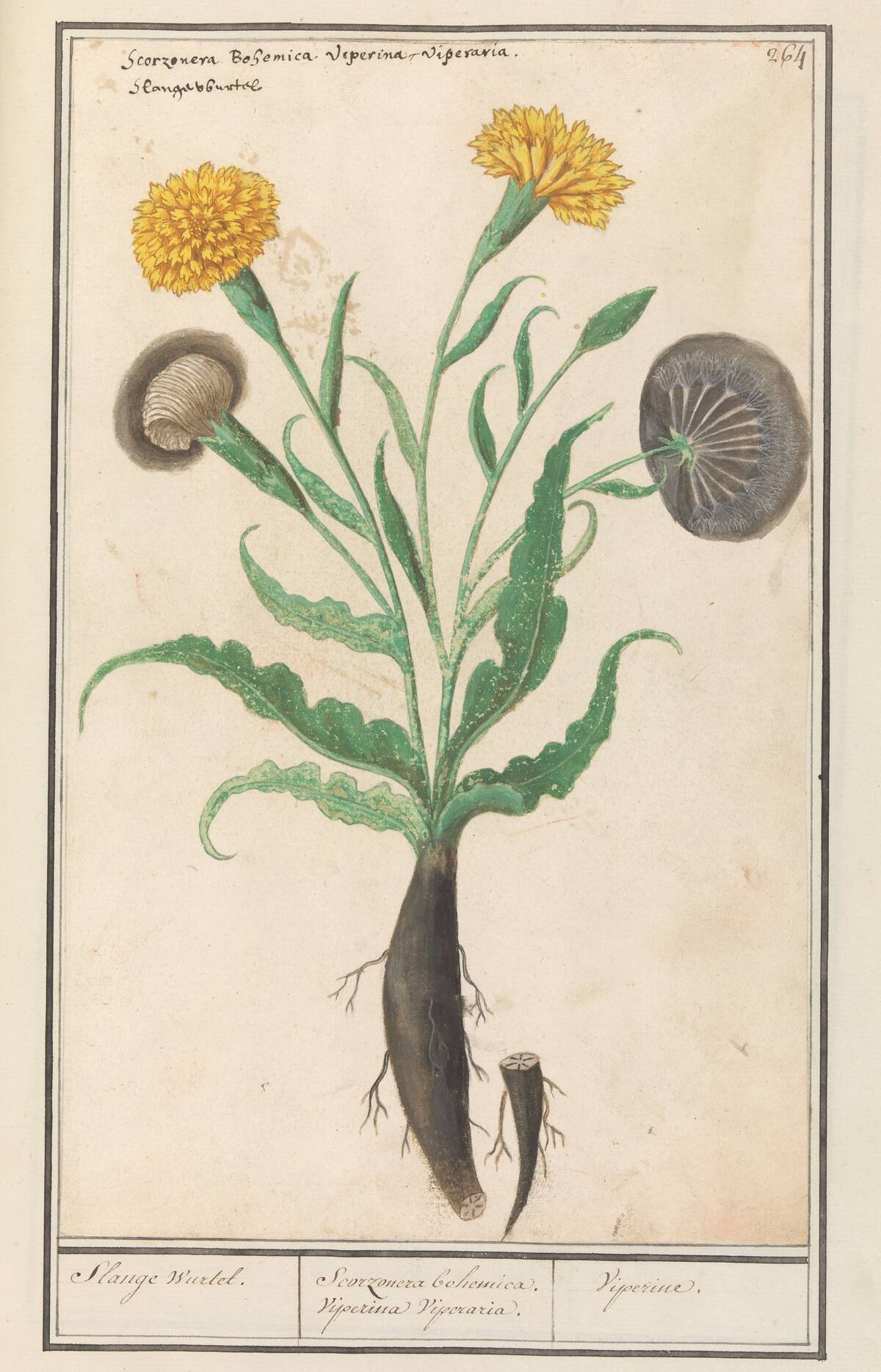
Salsify, often referred to as the “oyster plant” for its subtle shellfish flavor, was a cherished root vegetable in the 19th century. Known for its white flesh and earthy taste, it was commonly used in soups and stews.
However, as the 20th century rolled in, salsify slowly vanished from dinner tables, perhaps due to its labor-intensive cultivation and the advent of more convenient vegetables.
The Once-Popular Tripe: A Forgotten Delicacy

Tripe, the stomach lining of cows and other animals, was a delicacy enjoyed by many cultures. Its chewy texture and ability to absorb flavors made it a versatile ingredient in dishes like menudo and trippa alla romana.
Despite its nutritional benefits, including high protein and low fat, tripe fell out of favor as global tastes shifted and other protein sources became more accessible.
Rediscovering the Rare Delight of Sorrel

Sorrel, with its tart, lemony taste, was a favorite in European kitchens. This leafy green was used in soups and sauces, adding a refreshing zing to dishes.
However, as a result of its short growing season and the rise of spinach and kale, sorrel became a rare sight in grocery stores. Yet, for those who seek it out, sorrel offers a unique culinary experience that harks back to simpler times.
The Vanishing Act of the Rutabaga
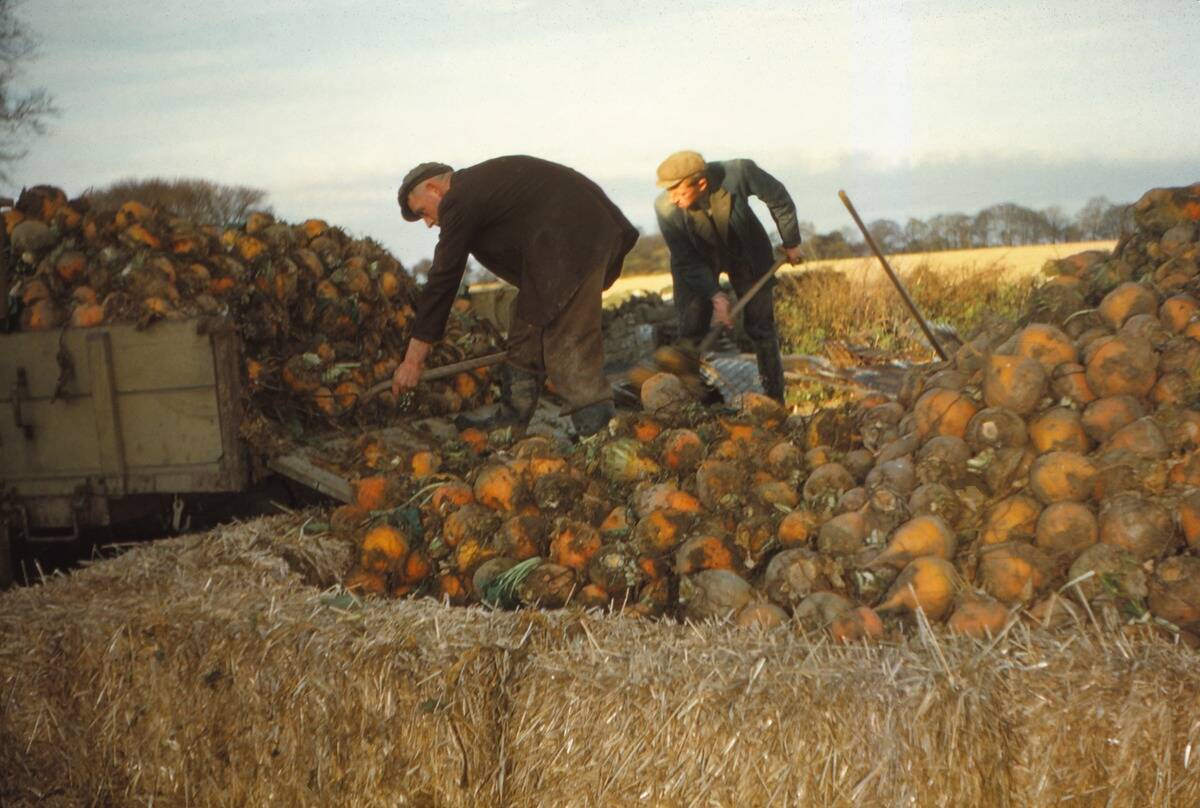
Rutabaga, a root vegetable similar to the turnip, was once a winter staple in many households. Its sweet and slightly bitter flavor made it a perfect addition to hearty stews and roasts.
Yet, as dietary preferences shifted towards more exotic produce, the humble rutabaga was left behind. Today, it is often overshadowed by its more popular cousins in the brassica family.
Gooseberries: A Sweet Treat Gone Scarce
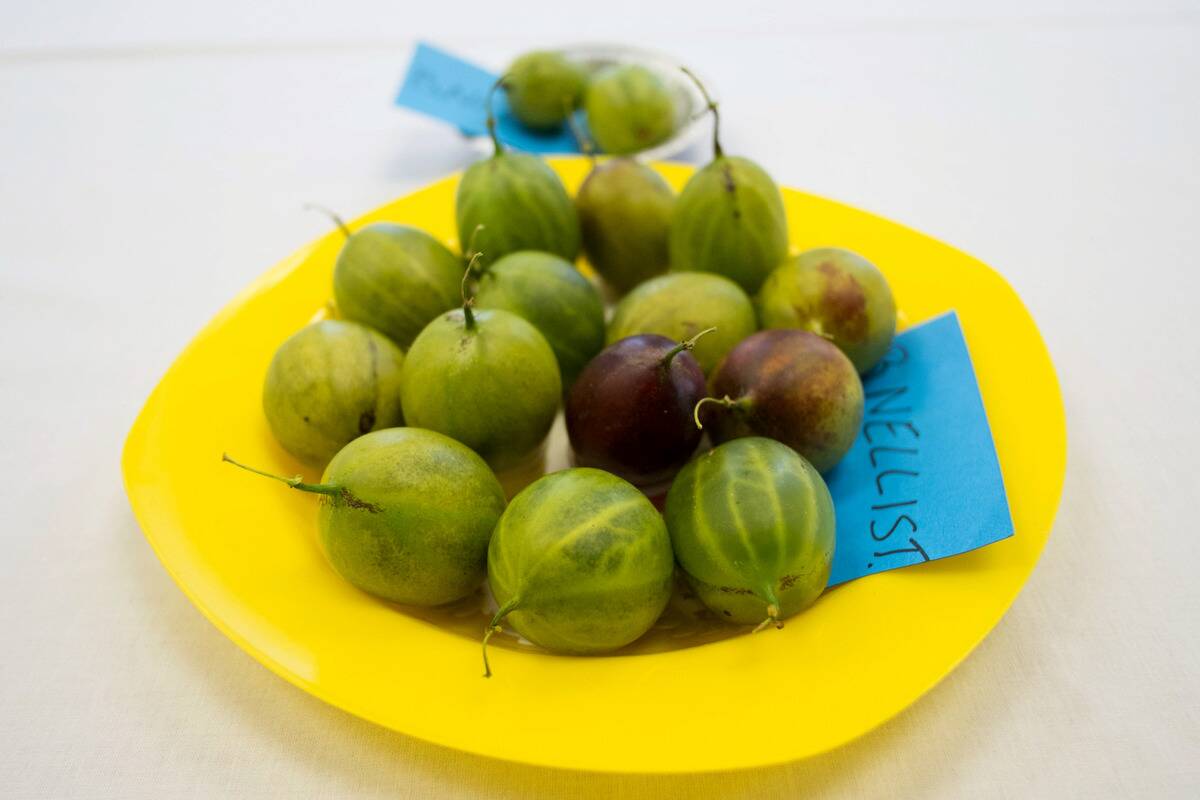
Gooseberries, with their tangy and sweet flavor, were a beloved fruit for pies and jams. In the 19th century, they were grown extensively in Europe and North America.
However, due to agricultural diseases and changes in farming practices, gooseberries became less common. Despite their scarcity, those who have tasted them know the joy of their unique flavor, which can still be found in specialty markets.
The Decline of the Nutritious Amaranth

Amaranth, a grain that dates back to Aztec civilization, was once revered for its rich nutritional profile, boasting high protein and essential amino acids.
Despite its ancient pedigree, amaranth fell out of favor as more mainstream grains like wheat and rice dominated the market. However, with the rise of gluten-free diets, amaranth is slowly making a comeback among health-conscious eaters.
From Common to Curiosity: The Case of Eel
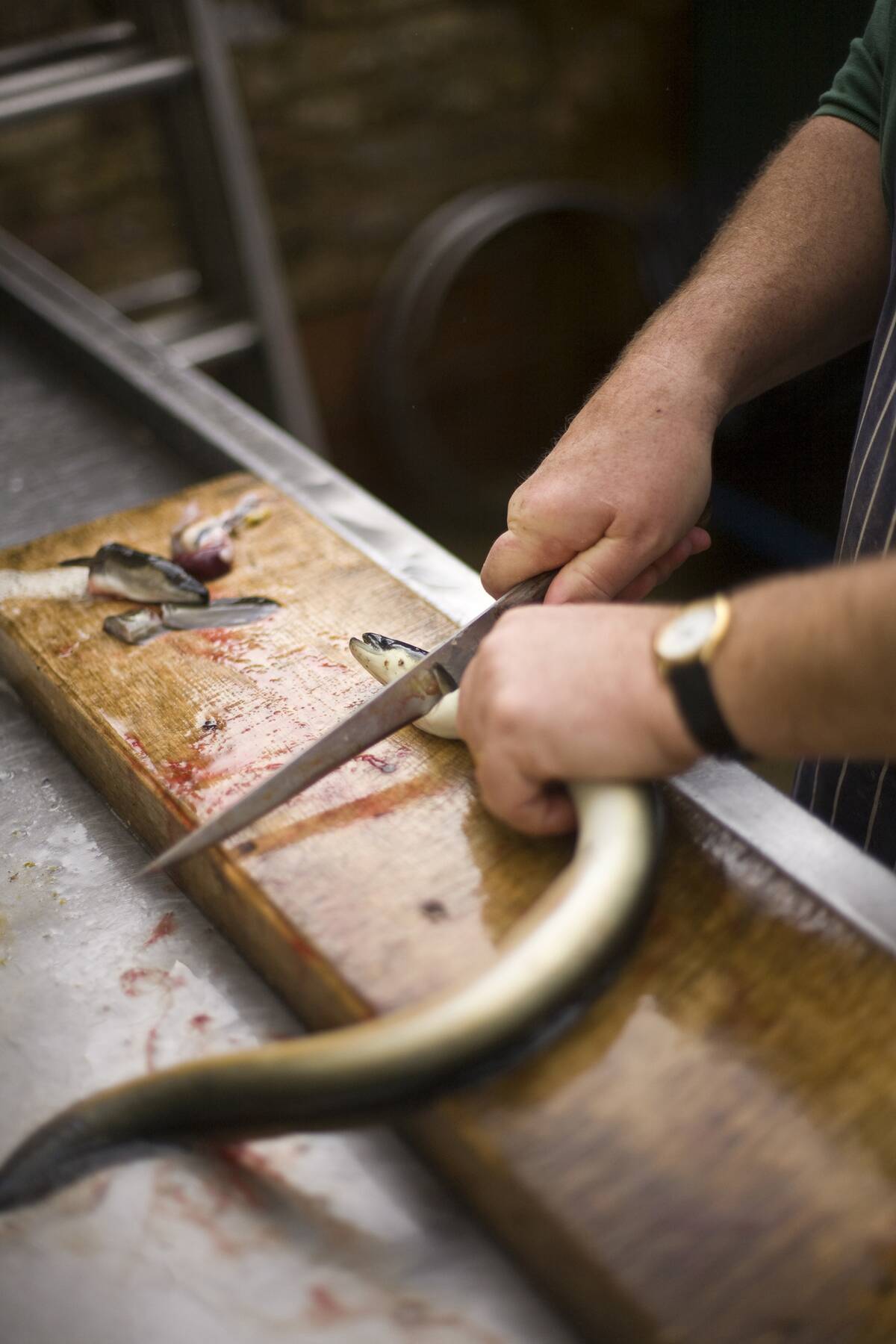
Eel was once a common sight on dinner plates, particularly in European countries like England and Italy, where dishes like jellied eel and eel stew were popular.
Overfishing and environmental changes have drastically reduced eel populations, making it a rare treat today. Despite its scarcity, eel remains a delicacy in Japanese cuisine, celebrated for its rich, oily texture and umami flavor.
The Rare Find of the Jerusalem Artichoke
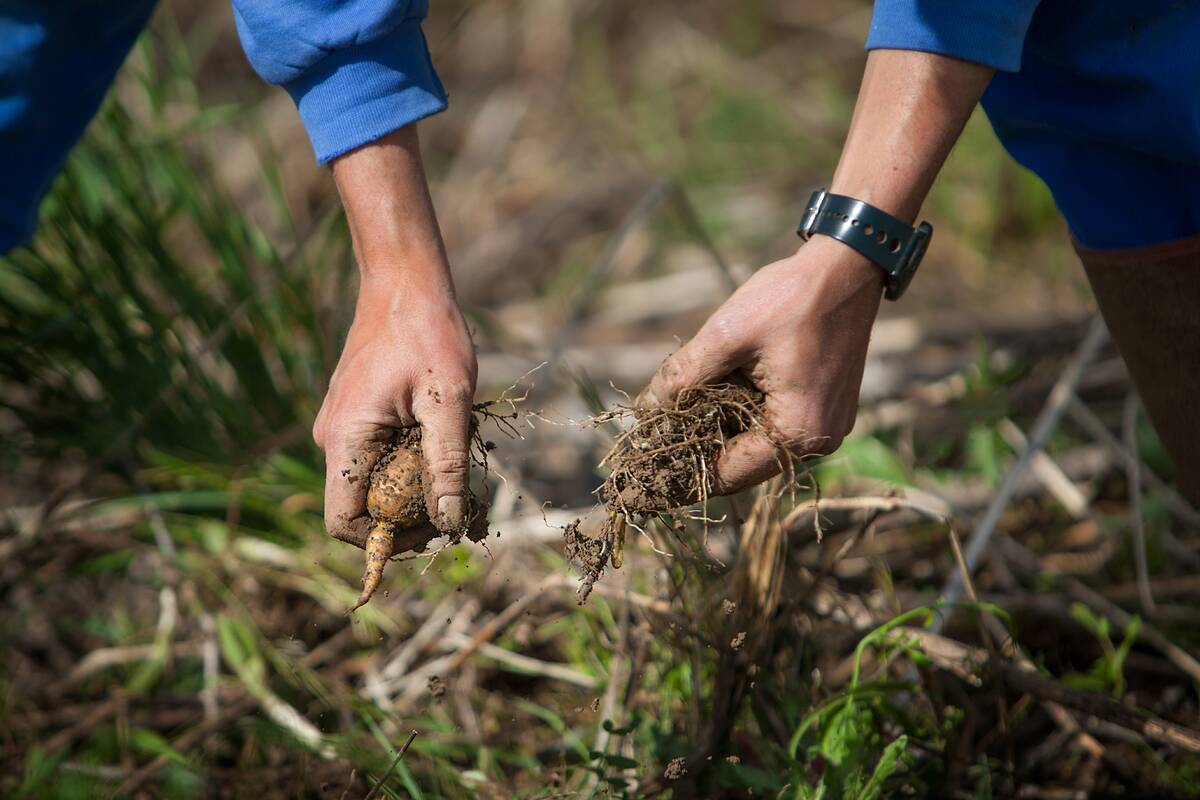
Jerusalem artichokes, or sunchokes, are tubers native to North America, known for their nutty flavor and versatility.
Once a staple for Native Americans, they fell out of favor due to their irregular shape and the fact they are not true artichokes despite the name. However, with the rise of farm-to-table dining, they’re enjoying a resurgence among chefs who value their unique taste and health benefits.
Pigeon Pie: A Forgotten Feast

Pigeon pie was a popular dish in medieval Europe, known for its rich flavor and nutritional value. The use of pigeons, which were abundant and easy to farm, made it a common meal at banquets.
However, as culinary tastes evolved and poultry farming advanced, pigeons were replaced by chickens and other birds, leaving pigeon pie a distant memory in the annals of European cuisine.
The Fading Flavor of Kohlrabi
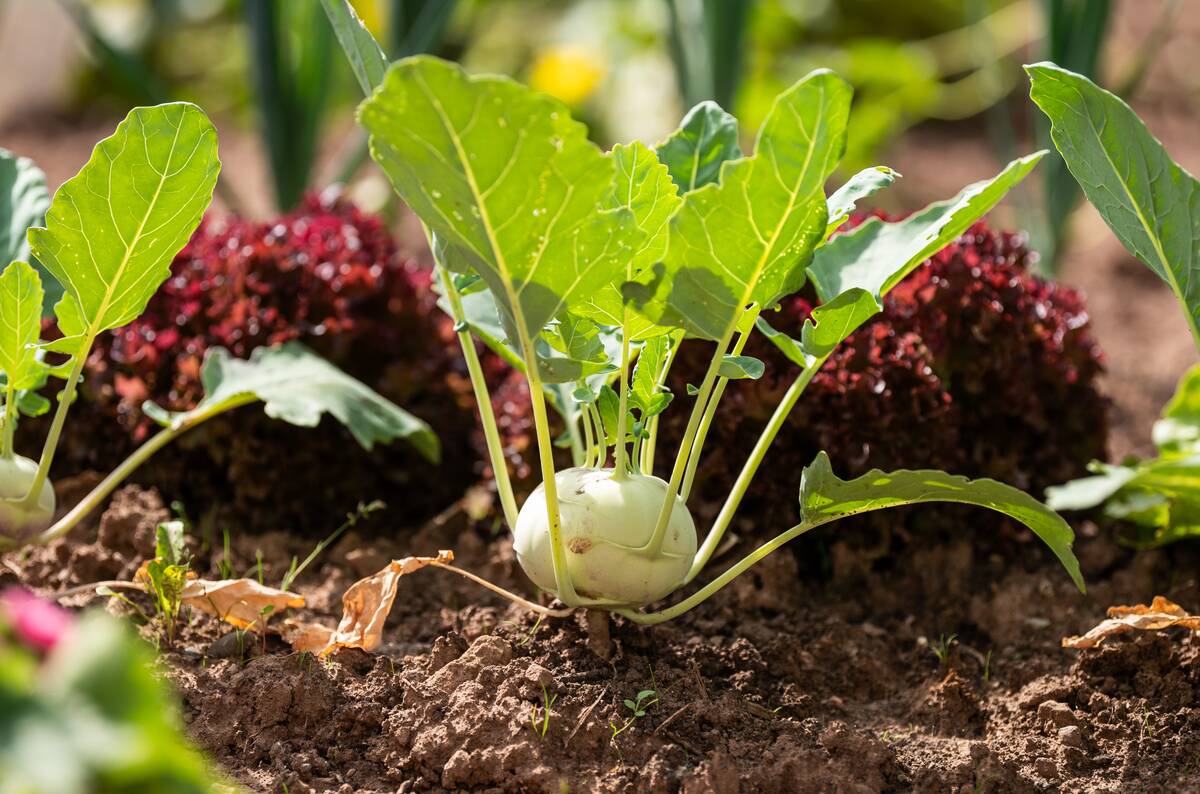
Kohlrabi, a bulbous vegetable related to cabbage, was once widely used in European cooking. With its crisp texture and mild flavor, it was a versatile ingredient in salads and stews.
Despite its adaptability, kohlrabi’s popularity waned as more colorful and exotic vegetables entered the culinary scene. Today, it is primarily enjoyed by those who appreciate its subtle taste and culinary versatility.
The Obscure Comeback of Quince

Quince, a fruit with a delightful floral aroma and astringent taste, was once a staple in preserves and desserts. Its tough flesh meant it required cooking, which led to its decline in favor of more convenient fruits.
Yet, quince is experiencing a revival among food enthusiasts who adore its unique flavor and the fragrant jams and jellies it produces, reminding us of a bygone era of cooking.
Skirret: The Forgotten Root Vegetable
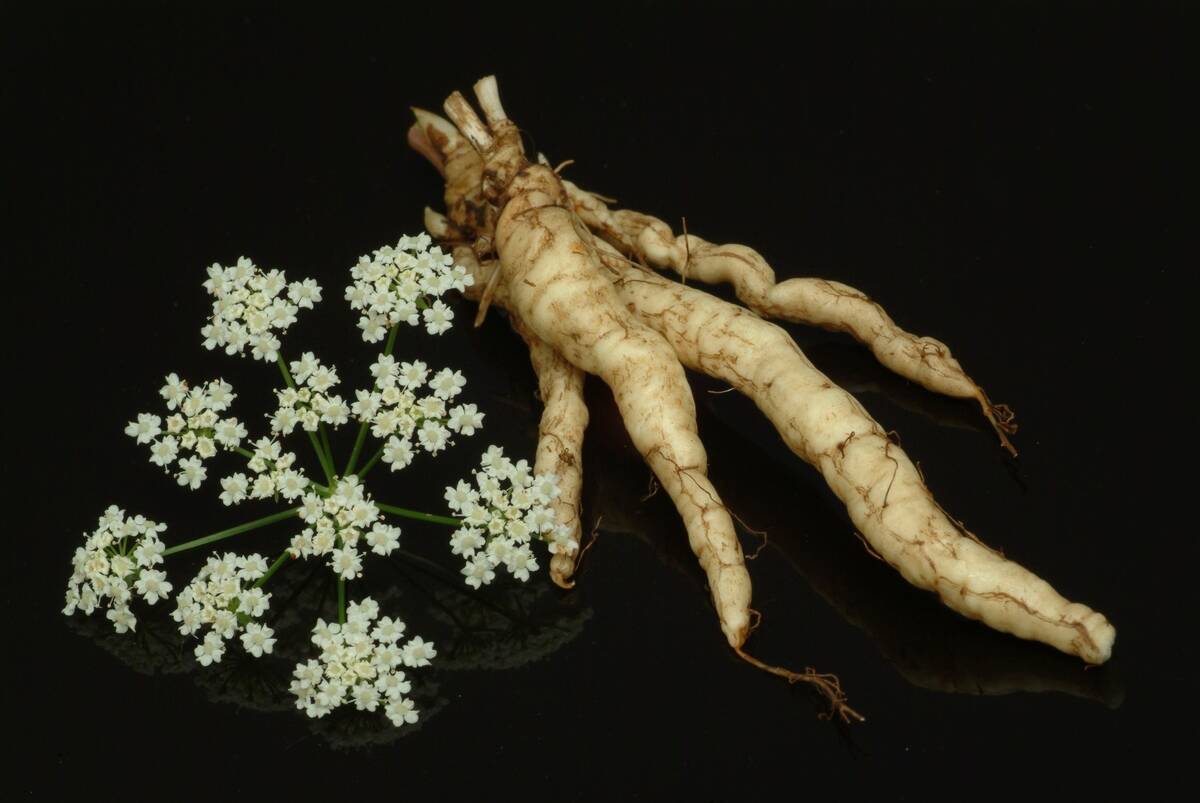
Skirret, a sweet root vegetable similar to parsnip, was once a staple in medieval European gardens. Its high sugar content made it a popular addition to both savory and sweet dishes. However, as potatoes and other root vegetables gained prominence, skirret was largely forgotten.
It is now making a slow comeback among heirloom gardeners and culinary historians who appreciate its unique taste.
The Fall of the Fabled Mock Turtle Soup

Mock turtle soup, a Victorian invention, was created as a substitute for green turtle soup, which was a luxury item at the time.
Made from calf’s head or pig’s head, it mimicked the gelatinous texture of turtle meat. As real turtle soup became less fashionable and animal welfare concerns grew, mock turtle soup declined in popularity, becoming a curious relic of culinary history.
Lovage: A Lesser-Known Herb of the Past
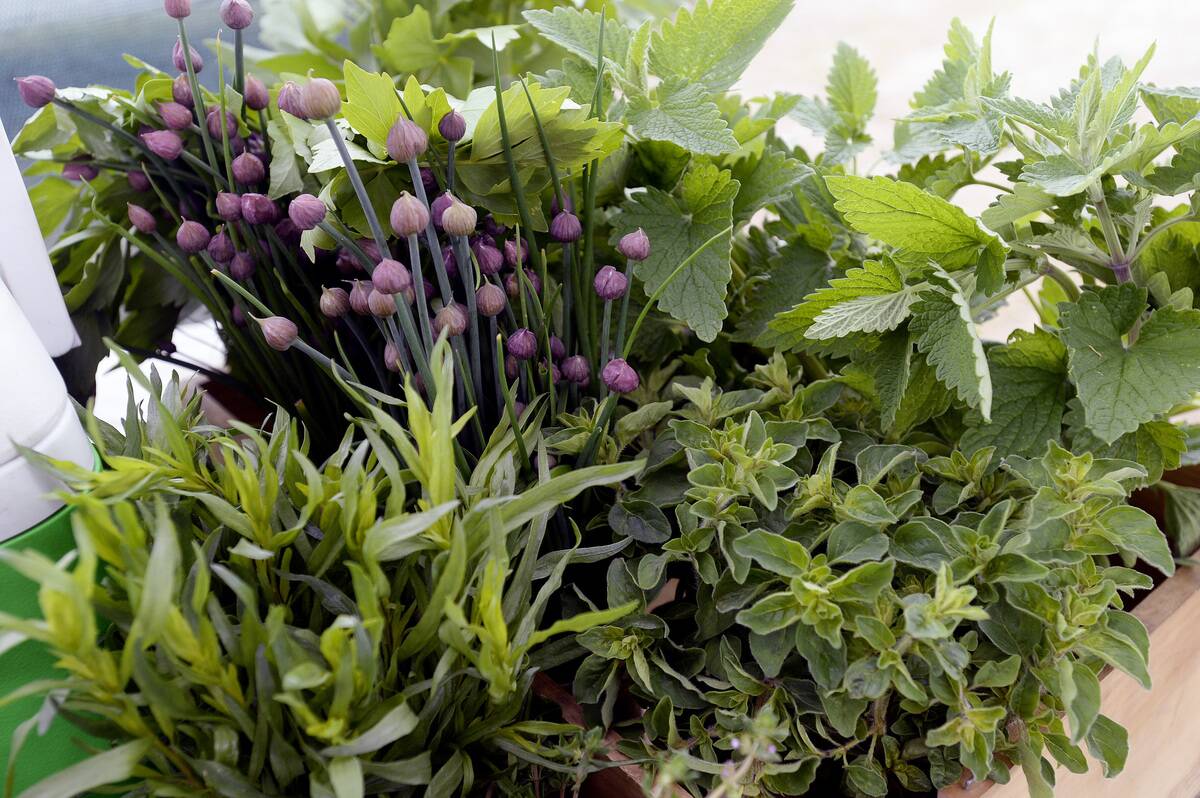
Lovage, with its celery-like flavor, was once a common herb in European and Mediterranean cooking. Its leaves, seeds, and roots were all used to flavor broths and stews.
As global cuisines and spices became more accessible, lovage fell out of favor, replaced by more exotic herbs. Today, it remains a rare but cherished ingredient for those who seek out its bold and distinctive taste.
The Curious Case of Elderflower Dishes
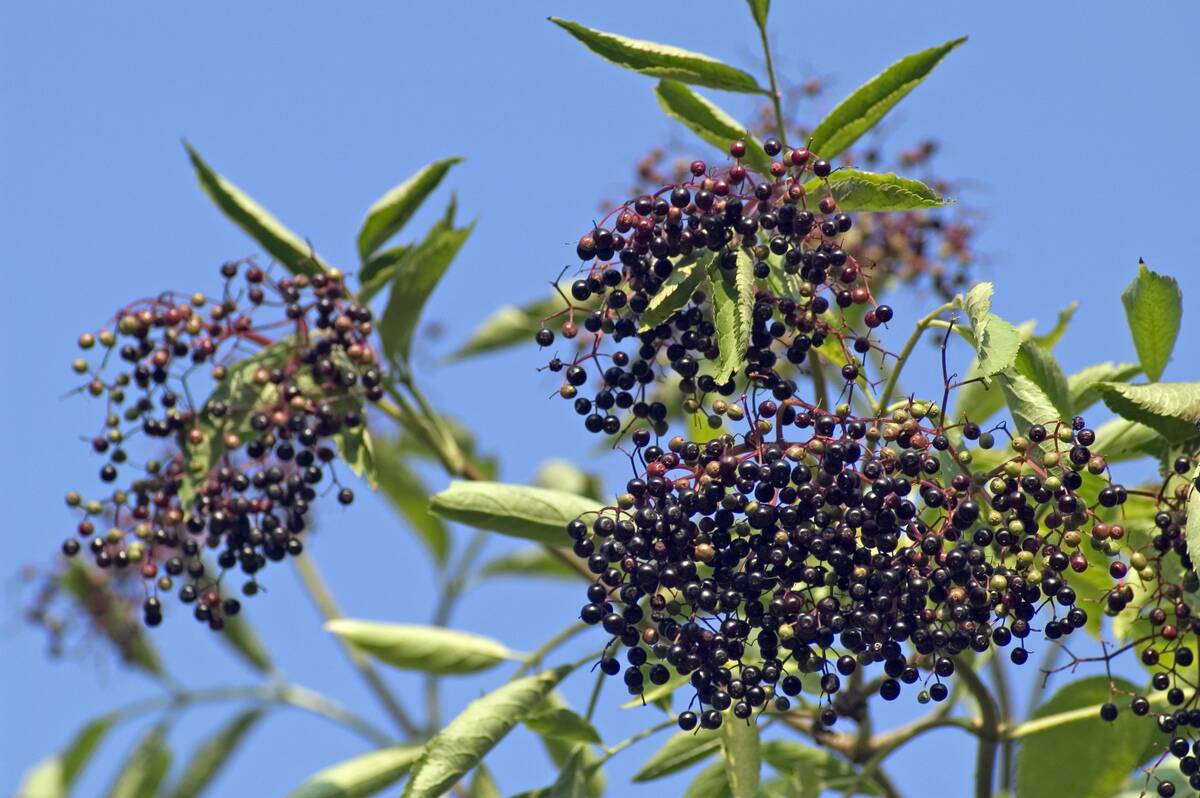
Elderflower, with its sweet and floral notes, was once widely used in beverages and desserts. Elderflower cordial and fritters were popular in European cuisines. However, as food production shifted towards mass-produced flavors, elderflower fell by the wayside.
Recently, it has seen a resurgence in artisanal and craft beverages, highlighting its delicate flavor and fragrant aroma.
The Once-Common, Now Rare Cardoon
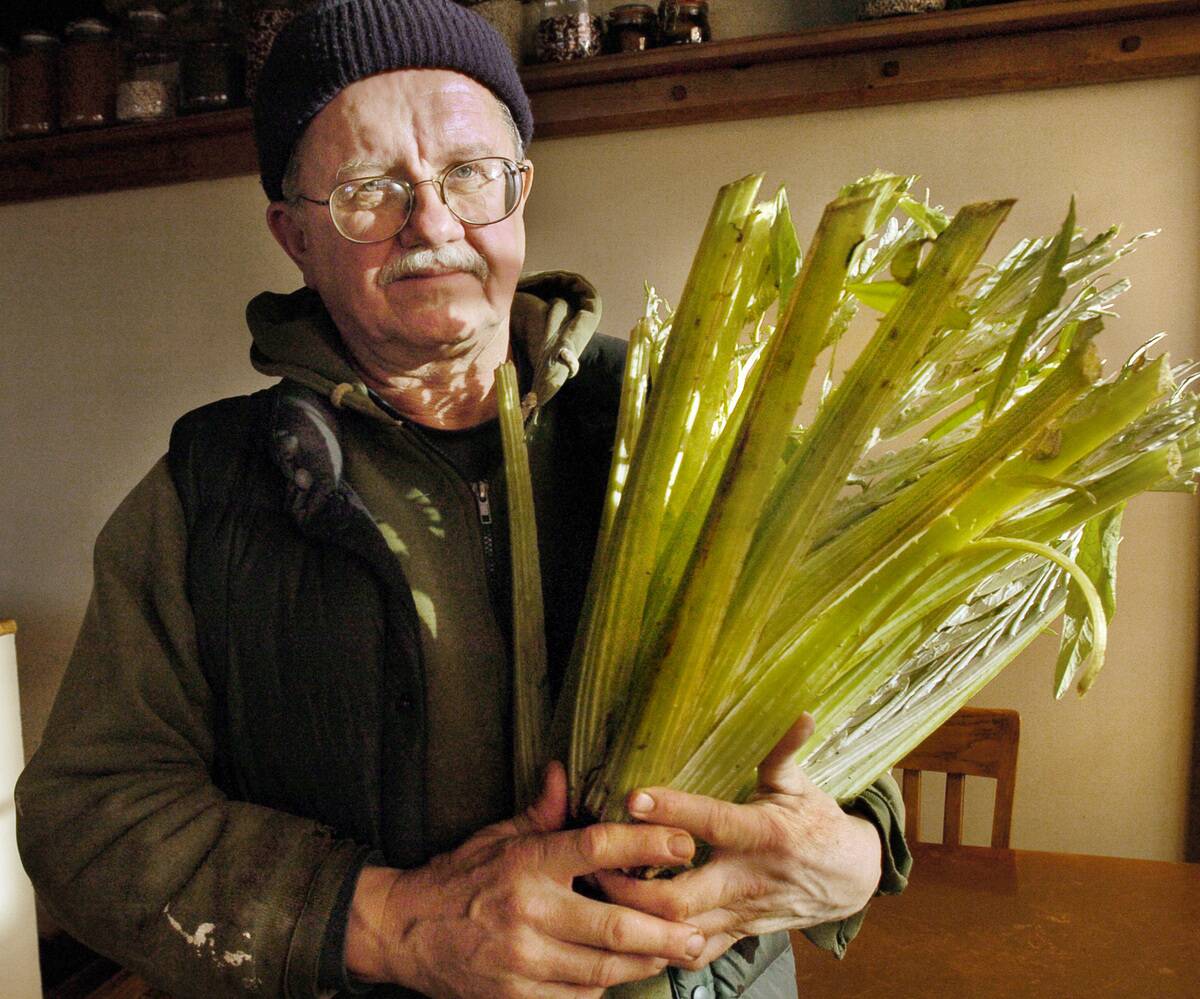
Cardoon, a thistle-like vegetable related to the artichoke, was once a staple in Mediterranean diets. Its stalks, when cooked, offer a unique taste reminiscent of artichokes. As agricultural practices modernized, cardoon became less common due to its labor-intensive harvesting process.
Despite its rarity, cardoon remains a prized ingredient for adventurous cooks seeking to recreate traditional dishes.
Rediscovering Medlar: The Forgotten Fruit
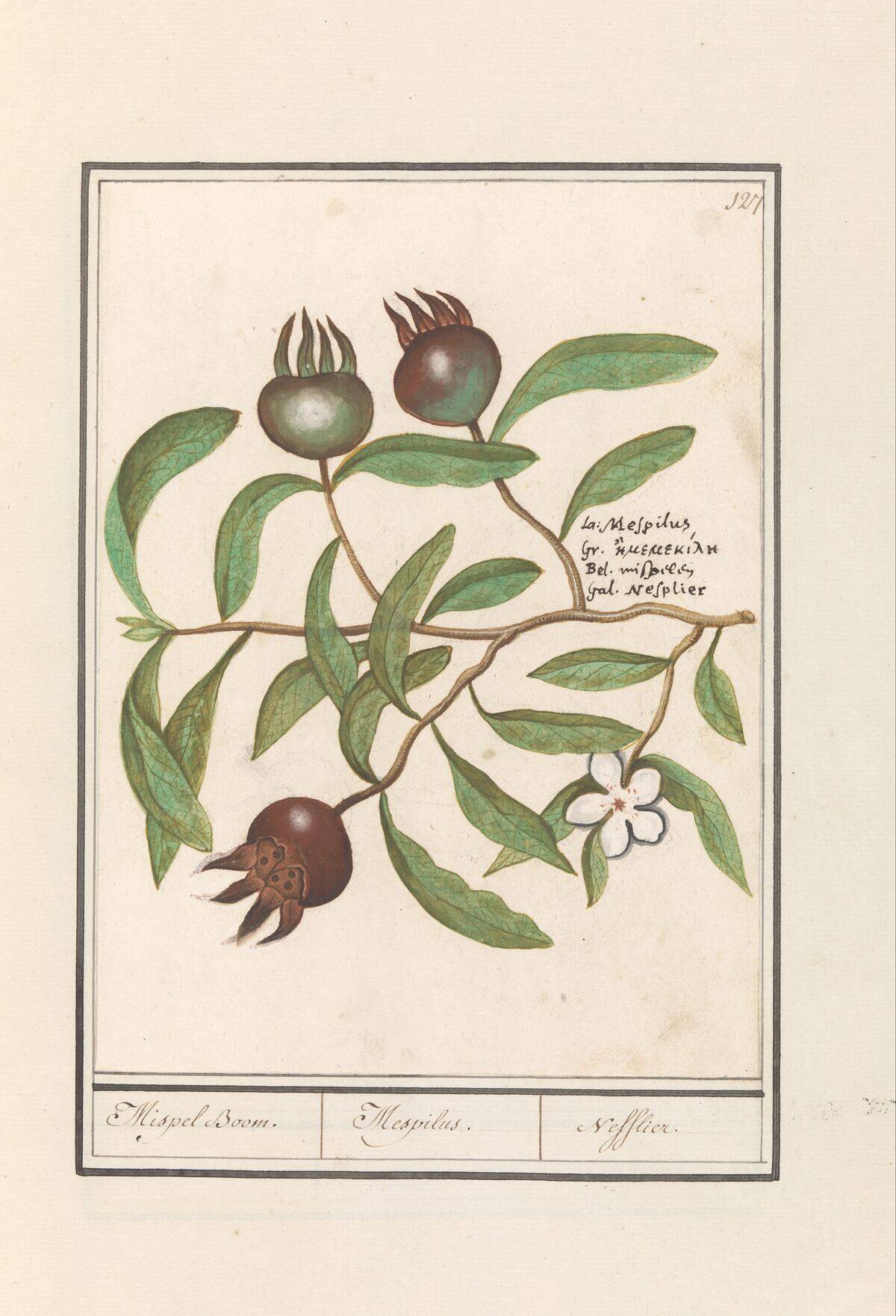
Medlar, an ancient fruit with a unique ripening process known as bletting, was once a favored delicacy in Europe. Its flavor, a blend of apples and dates, made it a popular choice for jellies and desserts.
However, as more convenient fruits became available, medlar’s popularity waned. Today, it is cherished by those who enjoy its historical significance and distinctive taste.
The Decline of Traditional Offal Dishes

Offal, the entrails and internal organs of animals, was once a common and economical food source. Dishes like liver and onions and kidney pie were staples in many cultures.
As dietary preferences shifted towards more processed meats, offal became less desirable. Despite this, a renewed interest in nose-to-tail eating and sustainable cooking has sparked a revival of these traditional dishes.




