Social experiments that changed how we understand behavior
Social experiments have long been a fascinating lens through which we can observe human behavior in controlled settings. These experiments, often designed to test theories of psychology and sociology, provide insights into how we think, act, and interact with others.
By examining the results of these experiments, researchers can better understand phenomena like conformity, obedience, and group dynamics, which in turn helps us comprehend our daily interactions and societal structures. Let’s explore some of these intriguing studies.
The Milgram Experiment: Unraveling Obedience and Authority

Conducted in the 1960s by psychologist Stanley Milgram, this experiment sought to understand how ordinary people could commit atrocities under authority. Participants were instructed to administer electric shocks to a ‘learner’ for incorrect answers.
Surprisingly, 65% of participants delivered the maximum shock despite moral reservations. This revealed the strong influence of authority on obedience, showing that people are often willing to override their ethical beliefs when instructed by an authoritative figure.
The Stanford Prison Experiment: Exploring the Psychology of Imprisonment

In 1971, Philip Zimbardo’s infamous Stanford Prison Experiment aimed to investigate the psychological effects of perceived power, focusing on the struggle between prisoners and prison guards. College students were assigned roles as guards or prisoners in a simulated prison environment.
The experiment spiraled out of control as guards became abusive, and prisoners showed signs of stress and depression, demonstrating how situational factors can significantly influence behavior. It was terminated after only six days due to ethical concerns.
The Bystander Effect: Insights from the Kitty Genovese Case

The bystander effect was famously highlighted following the 1964 murder of Kitty Genovese in New York. Reports claimed that numerous witnesses failed to intervene or call for help, sparking research by psychologists John Darley and Bibb Latané.
Their studies showed that individuals are less likely to help a victim when others are present, due to diffusion of responsibility. This phenomenon has been crucial in understanding how group dynamics can inhibit individual actions in emergency situations.
The Asch Conformity Experiments: The Power of Peer Pressure
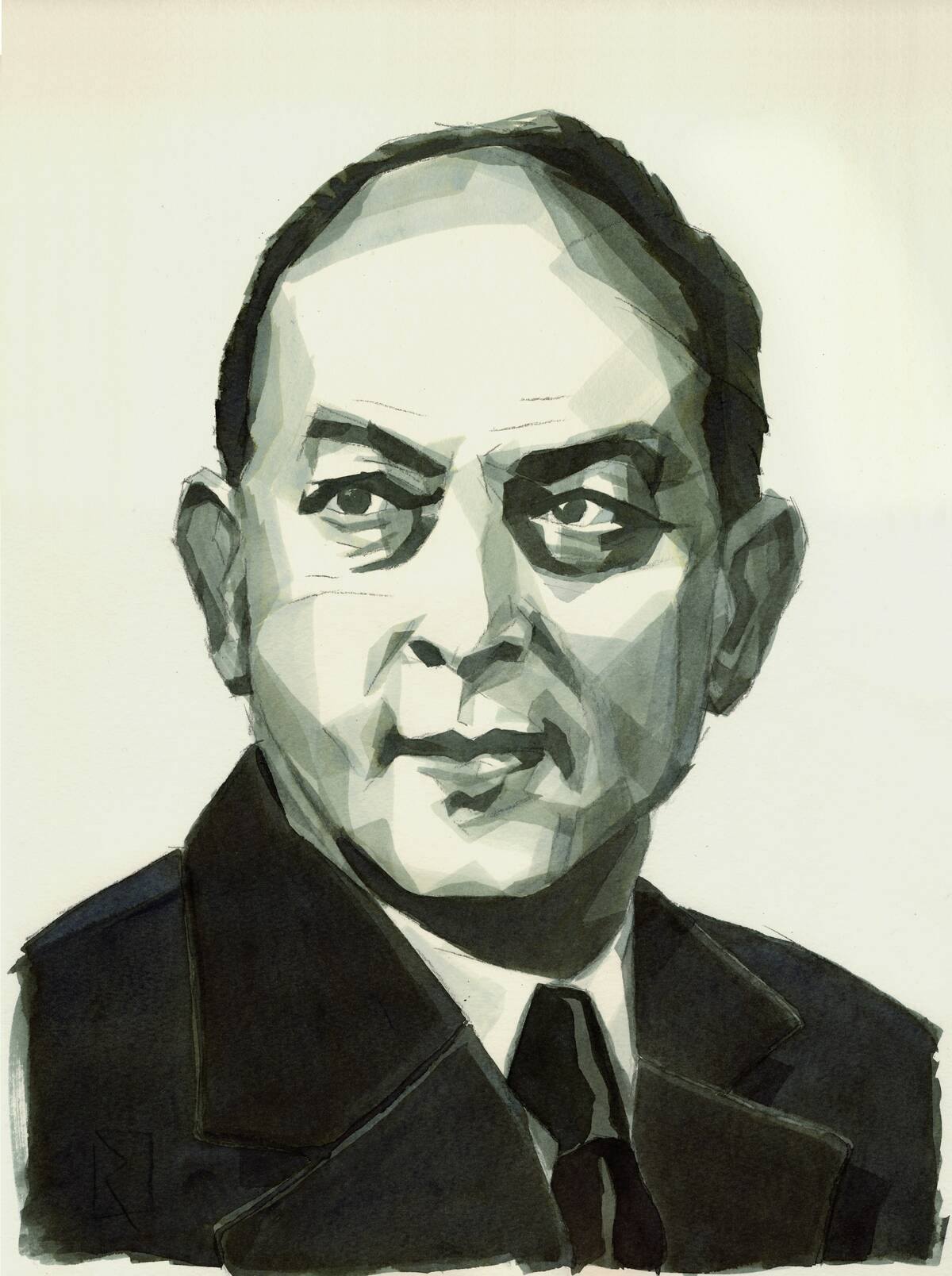
Solomon Asch’s conformity experiments in the 1950s revealed the profound impact of group pressure on individual judgment. Participants were asked to match line lengths, with confederates deliberately giving wrong answers.
Surprisingly, a significant number of participants conformed to the incorrect group consensus, highlighting the strong desire to fit in, even against one’s own perceptions. These findings emphasize the influence of social pressure on decision-making and the importance of independence in thought.
The Robbers Cave Experiment: Understanding Group Conflict and Cooperation
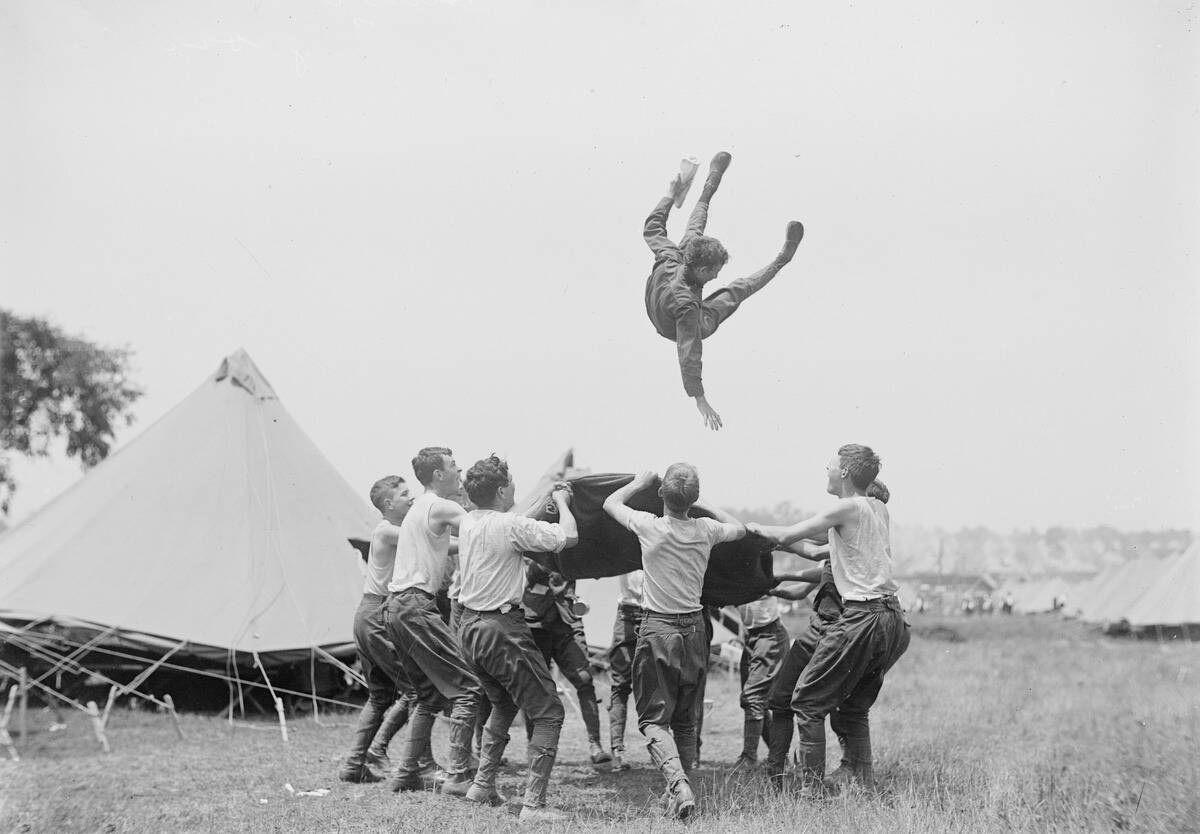
Muzafer Sherif’s Robbers Cave Experiment in 1954 explored intergroup conflict and cooperation. Boys at a summer camp were split into two groups, which fostered competition and hostility.
However, when faced with tasks requiring collaboration, such as fixing a water shortage, the groups cooperated effectively, reducing tension. This study illustrated how common goals can mitigate group conflict and the potential for cooperation to overcome prejudice, offering insights into resolving real-world group tensions.
Little Albert Experiment: Delving into Conditioned Emotional Responses
John B. Watson and Rosalie Rayner’s Little Albert experiment in 1920 sought to demonstrate classical conditioning in humans. An infant, Albert, was exposed to a white rat paired with loud noises, ultimately causing him to fear the rat and similar stimuli.
This experiment highlighted how emotional responses can be conditioned, influencing the field of behavioral psychology. Despite its ethical issues, it laid the groundwork for understanding how fears and phobias can develop through association.
The Marshmallow Test: Delay of Gratification and Its Long-term Effects

Walter Mischel’s Marshmallow Test in the 1960s tested children’s ability to delay gratification. Children were offered a marshmallow, with the option to receive a second one if they waited.
Longitudinal studies revealed that those who resisted had better life outcomes, such as higher academic achievement and healthier lifestyles. This experiment underscored the importance of self-control and its predictive power for future success, influencing educational strategies to foster delayed gratification skills in children.
The Halo Effect: How First Impressions Shape Our Perceptions

The Halo Effect, identified by psychologist Edward Thorndike in 1920, describes how our overall impression of a person influences our judgments about their character. For instance, physical attractiveness often leads us to attribute positive qualities to individuals.
This cognitive bias affects various domains, from job interviews to legal settings, highlighting the importance of awareness of biases when making evaluations. Understanding the Halo Effect can help us strive for more objective assessments of individuals.
The Hawthorne Effect: The Impact of Observation on Performance
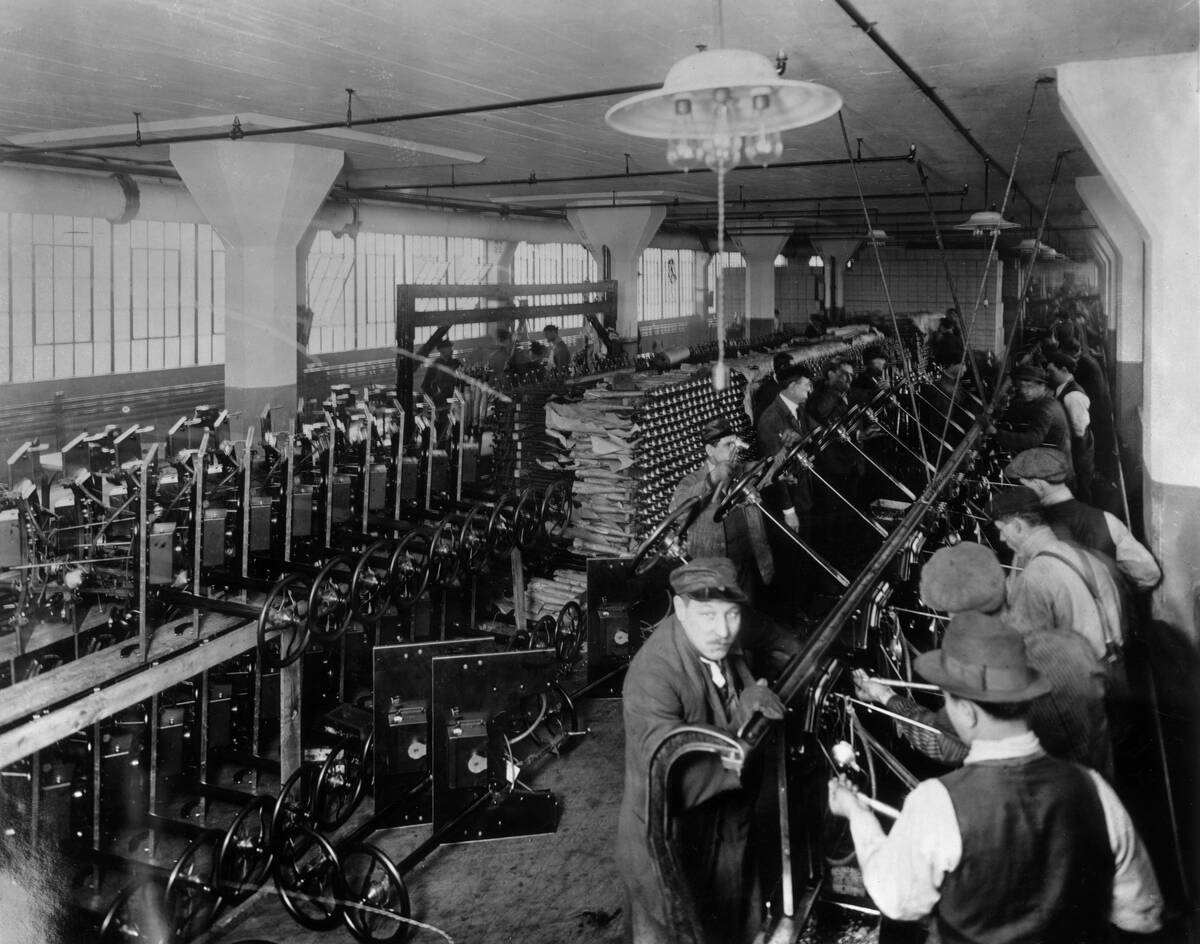
The Hawthorne Effect emerged from studies at the Hawthorne Works factory in the 1920s, where researchers found that workers’ productivity increased when they knew they were being observed. This phenomenon suggests that awareness of observation can alter behavior, often leading to improved performance.
The effect highlights the influence of psychological factors in the workplace and has implications for management practices, emphasizing the role of attention and feedback in enhancing employee motivation and efficiency.
The Third Wave Experiment: A Lesson in Fascism and Group Dynamics
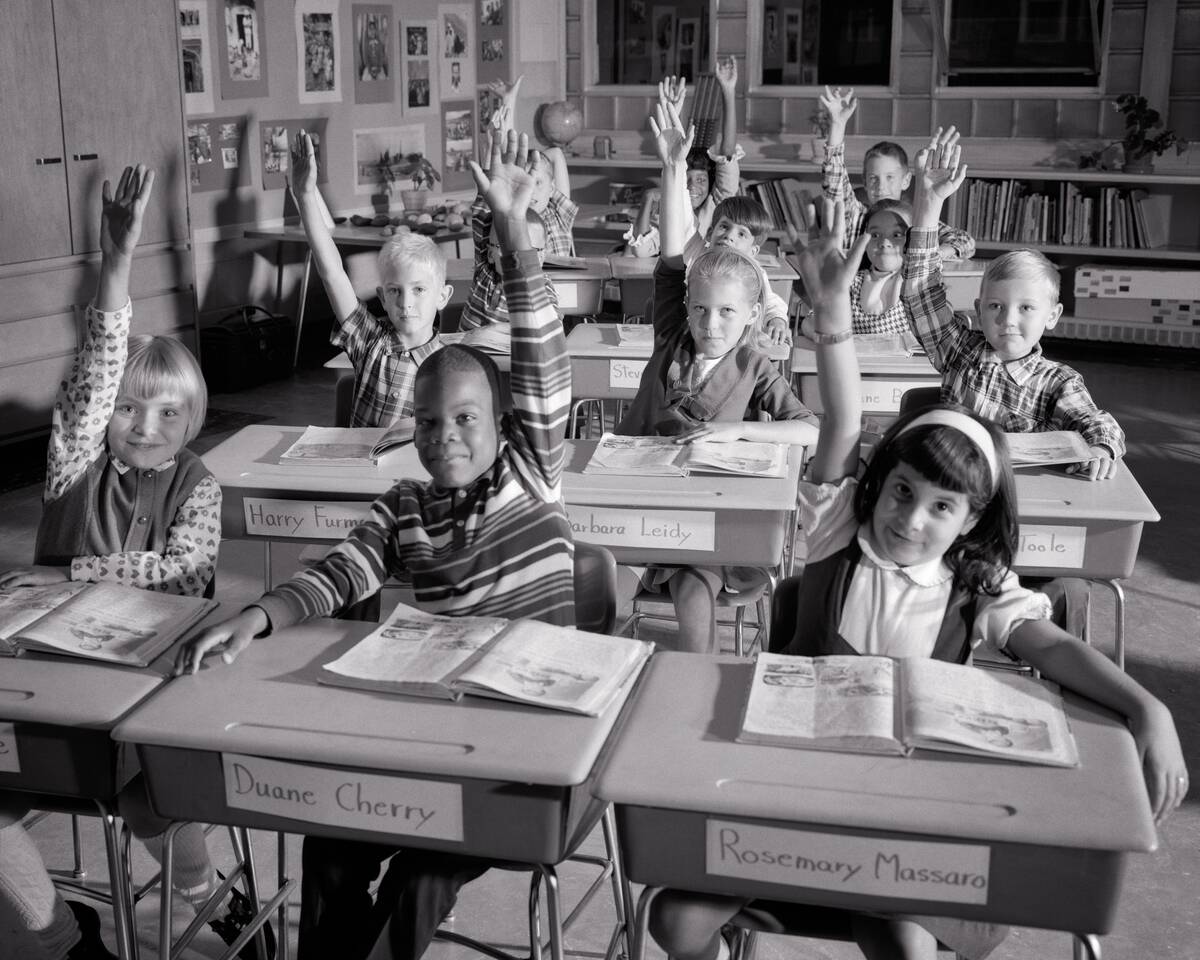
In 1967, high school teacher Ron Jones conducted the Third Wave experiment to demonstrate how easily people could be swayed by fascist ideologies. Through strict discipline and a sense of superiority, students quickly adopted authoritarian behaviors.
The experiment was terminated after only five days, as participants embraced the movement’s ideology too fervently. This chilling demonstration of susceptibility to authoritarianism serves as a cautionary tale about the dangers of uncritical conformity and group dynamics.
The Cognitive Dissonance Experiments: Reconciling Conflicting Beliefs
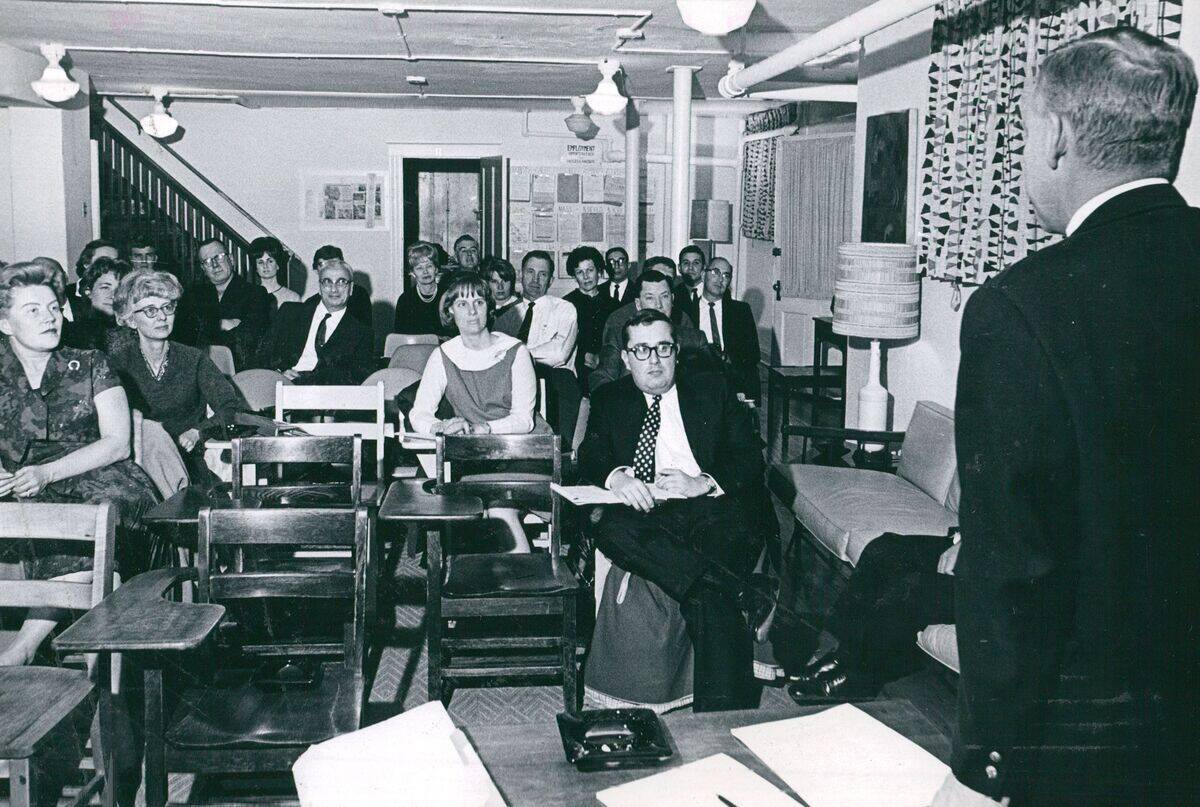
Leon Festinger’s cognitive dissonance theory was tested in experiments that revealed how people strive to reduce discomfort from conflicting beliefs. In a famous study, participants performed a dull task and were then paid to lie about its enjoyment.
Those paid less reported actually enjoying the task more, rationalizing their behavior to reduce dissonance. These findings illustrate the lengths to which individuals will go to align their attitudes with their actions, showcasing the power of cognitive dissonance in shaping behavior.
The Pygmalion Effect: Expectations and Their Influence on Performance

The Pygmalion Effect, identified by Robert Rosenthal and Lenore Jacobson, demonstrates how higher expectations lead to improved performance. In their study, teachers were told certain students were expected to excel, resulting in those students showing greater academic progress.
This phenomenon underscores the impact of expectations on motivation and achievement, revealing the importance of positive reinforcement and belief in potential. It highlights the role of educators and leaders in fostering environments that encourage growth and success.
The Blue Eyes/Brown Eyes Exercise: A Classroom Experiment on Discrimination
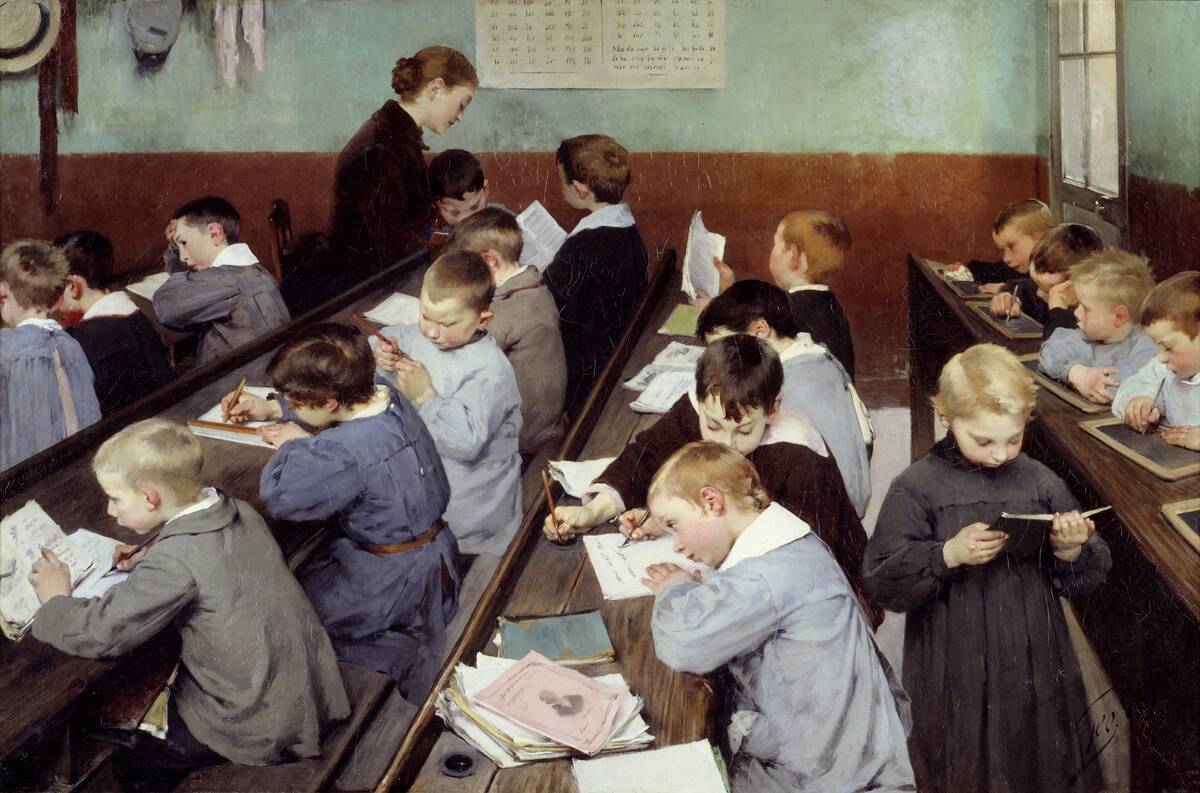
In 1968, teacher Jane Elliott conducted the Blue Eyes/Brown Eyes exercise to teach her third-grade students about discrimination. Students were divided based on eye color, with one group receiving preferential treatment.
The exercise quickly highlighted how arbitrary distinctions can lead to prejudice and discrimination, as children began to exhibit discriminatory behaviors. This powerful lesson in empathy and equality continues to be a relevant teaching tool, illustrating the impact of societal bias on behavior and attitudes.
The Invisible Gorilla Experiment: The Limits of Attention and Perception
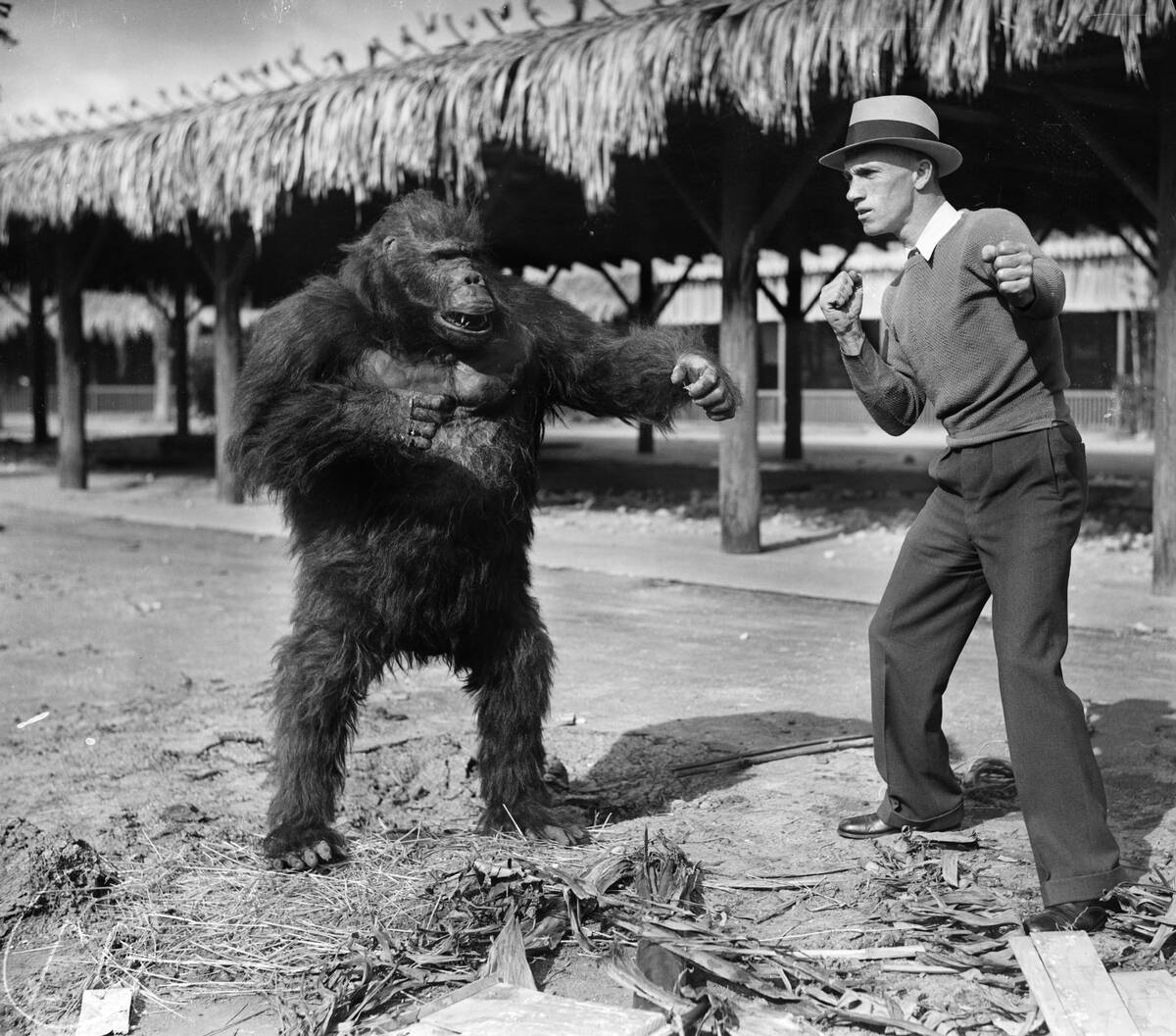
The Invisible Gorilla Experiment by Christopher Chabris and Daniel Simons in 1999 tested selective attention. Participants watched a video, counting basketball passes, while a person in a gorilla suit walked through the scene.
Astonishingly, many failed to notice the gorilla, highlighting how focused attention can blind us to obvious changes. This experiment illustrates the limitations of perception and attention, challenging our assumptions about awareness and emphasizing the importance of mindfulness in observing our surroundings.
The Broken Windows Theory: Environmental Impact on Crime and Behavior

The Broken Windows Theory, proposed by James Q. Wilson and George Kelling in 1982, suggests that visible signs of disorder, such as broken windows, encourage further crime and antisocial behavior.
This theory has influenced policing strategies, emphasizing the importance of maintaining urban environments to prevent crime escalation. Critics argue that it oversimplifies the root causes of crime, but its impact on urban policy is undeniable, demonstrating the influence of environmental factors on societal behavior and norms.
The Lost Letter Experiment: Altruism and Social Norms in Action

Stanley Milgram’s Lost Letter Experiment in the 1960s explored altruism and social norms by leaving stamped, addressed letters in public places. The return rate of these letters varied, providing insights into community engagement and trust.
Areas with higher return rates indicated stronger social cohesion and altruistic tendencies. This experiment underscored the role of social norms in guiding behavior, offering a unique perspective on how societal values influence individual actions and community dynamics.
The Door-in-the-Face Technique: A Study on Compliance and Persuasion

The Door-in-the-Face technique, examined by Robert Cialdini, is a compliance strategy where an initial large request is followed by a smaller, more reasonable one. Studies show that people are more likely to agree to the second request, feeling a sense of obligation after rejecting the first.
This technique highlights the nuances of persuasion and negotiation, demonstrating how strategic framing of requests can influence decision-making and enhance the likelihood of achieving desired outcomes.




