Small choices that cost rulers their power
In the intricate tapestry of history, small decisions by those in power have often led to monumental shifts. This phenomenon, likened to the ‘Butterfly Effect,’ shows how minor choices can lead to significant outcomes.
Leaders, sometimes unaware of the consequences, have made choices that seemed trivial at the time but eventually altered the course of nations. From bread prices to ill-conceived telegrams, let’s explore some of these pivotal moments in leadership history.
The Fall of Tsar Nicholas II: The Importance of Bread Prices
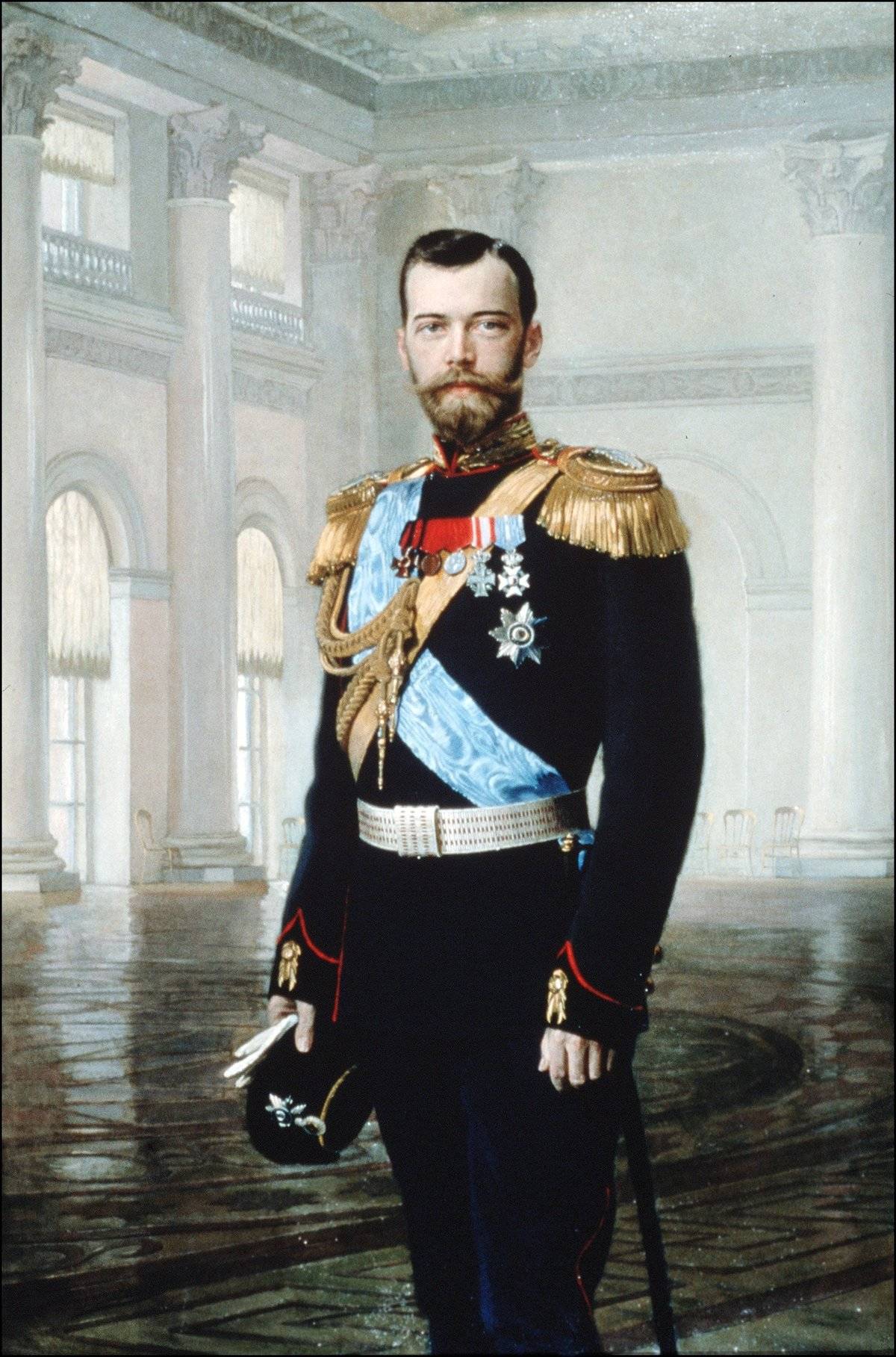
Tsar Nicholas II of Russia learned the hard way how vital bread can be. During World War I, Russia faced severe food shortages, and bread prices skyrocketed. The Tsar’s failure to address these issues fueled public discontent, sparking the 1917 Russian Revolution.
The bread riots in Petrograd were not just about food—they symbolized broader discontent with the Tsarist regime, ultimately leading to Nicholas’s abdication and the end of the Romanov dynasty.
King Edward VIII: Choosing Love Over a Crown
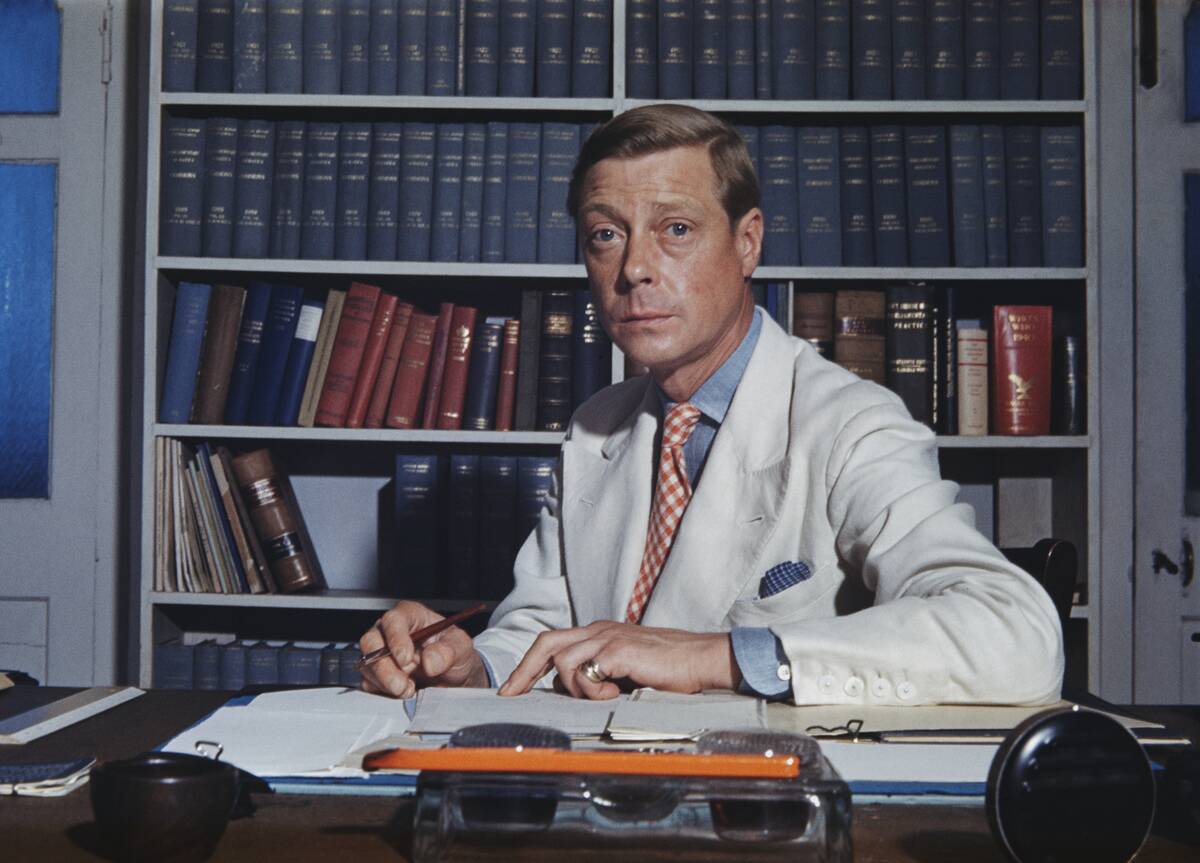
King Edward VIII’s reign was one of the shortest in British history, but it wasn’t because of political failure. His heart led him to abdicate the throne in 1936 to marry Wallis Simpson, an American divorcée.
This unprecedented decision sent shockwaves through the British monarchy and altered the line of succession. While many debated the propriety of his choice, Edward’s love story remains a romantic yet controversial chapter in royal history.
Queen Liliuokalani and the Sugar Tariff
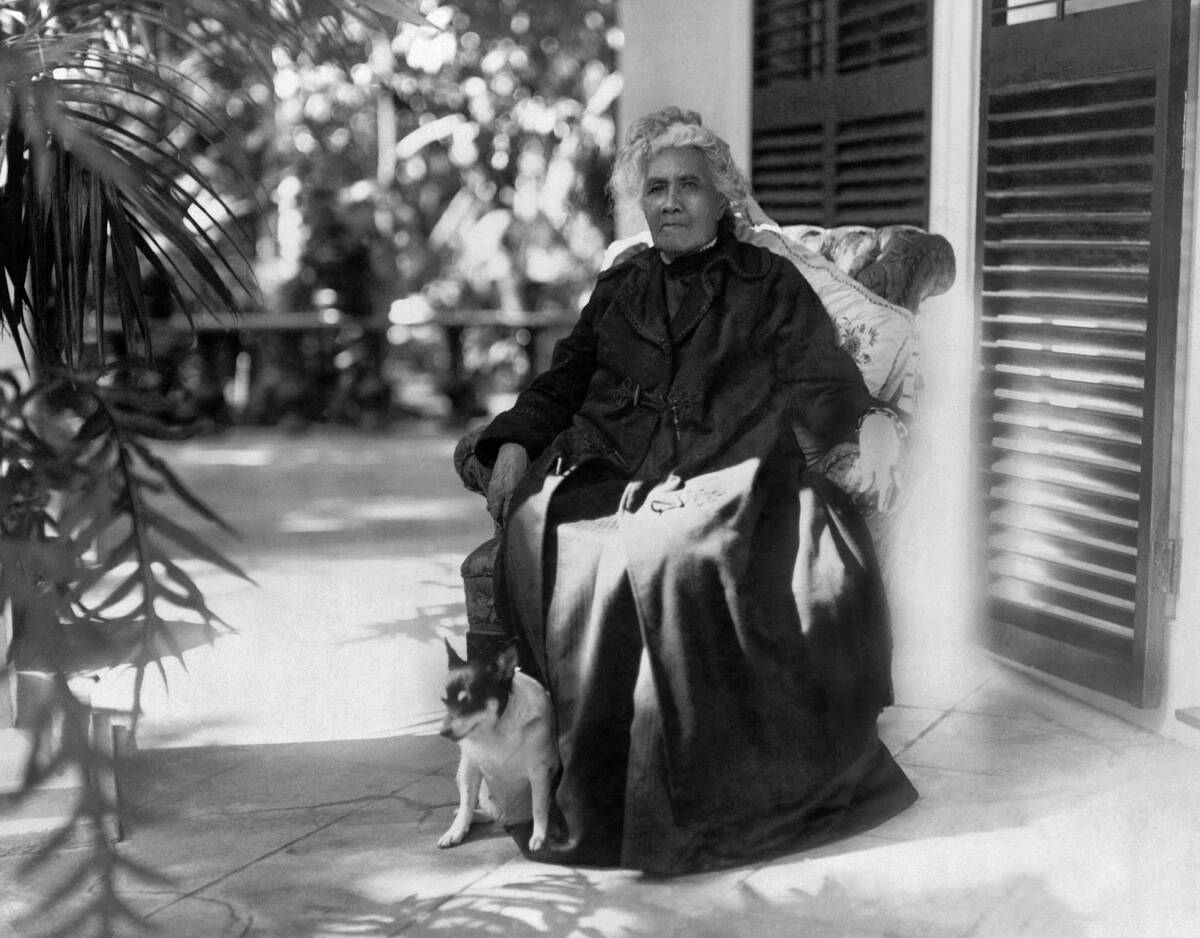
In Hawaii, Queen Liliuokalani faced a crisis when the U.S. enforced the McKinley Tariff, drastically affecting the islands’ sugar economy. As sugar plantations struggled, American businessmen saw an opportunity to push for annexation to sidestep the tariff.
The Queen’s efforts to preserve Hawaii’s independence were thwarted, leading to her eventual overthrow in 1893. This economic blow, coupled with political maneuvering, paved the way for Hawaii’s annexation by the United States.
Shah Mohammad Reza Pahlavi: Ignoring Religious Sentiments
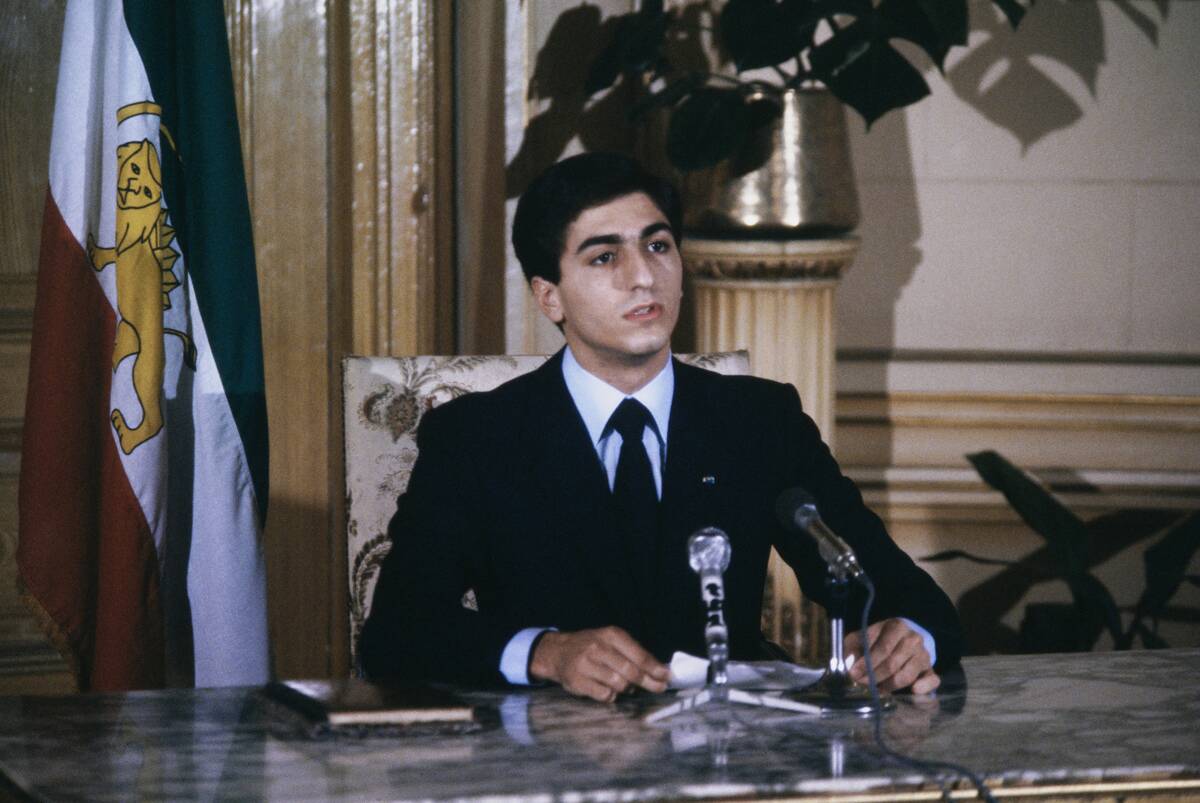
Shah Mohammad Reza Pahlavi of Iran faced massive opposition due to his neglect of religious sentiments. His Westernization policies and disregard for Islamic traditions alienated many Iranians.
The 1979 Iranian Revolution was a direct result of this disconnect, as the populace rallied under Ayatollah Khomeini’s leadership. The Shah’s oversight of religious fervor cost him his throne and led to the establishment of the Islamic Republic, dramatically shifting Iran’s political landscape.
Napoleon III: The Misjudged Mexican Adventure
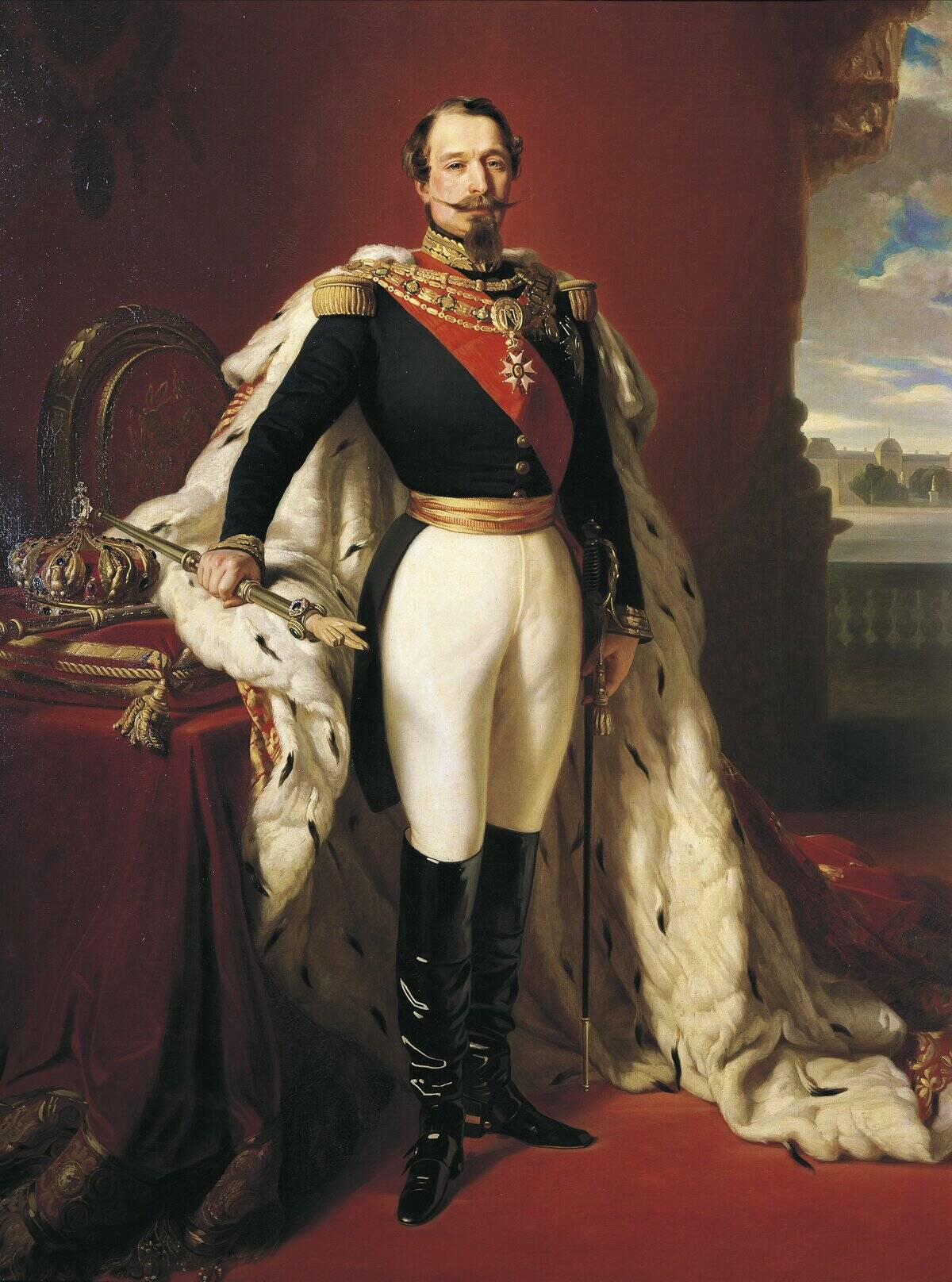
Napoleon III of France embarked on a doomed venture in Mexico, attempting to establish a French-backed monarchy. In 1864, he installed Archduke Maximilian of Austria as Emperor of Mexico. However, the endeavor faced fierce resistance from Mexican nationalists and lacked the support of the United States.
The costly intervention ended in 1867 with Maximilian’s execution, tarnishing Napoleon III’s reputation and weakening his regime, demonstrating the perils of imperial overreach.
King Louis XVI and the Estates-General Blunder
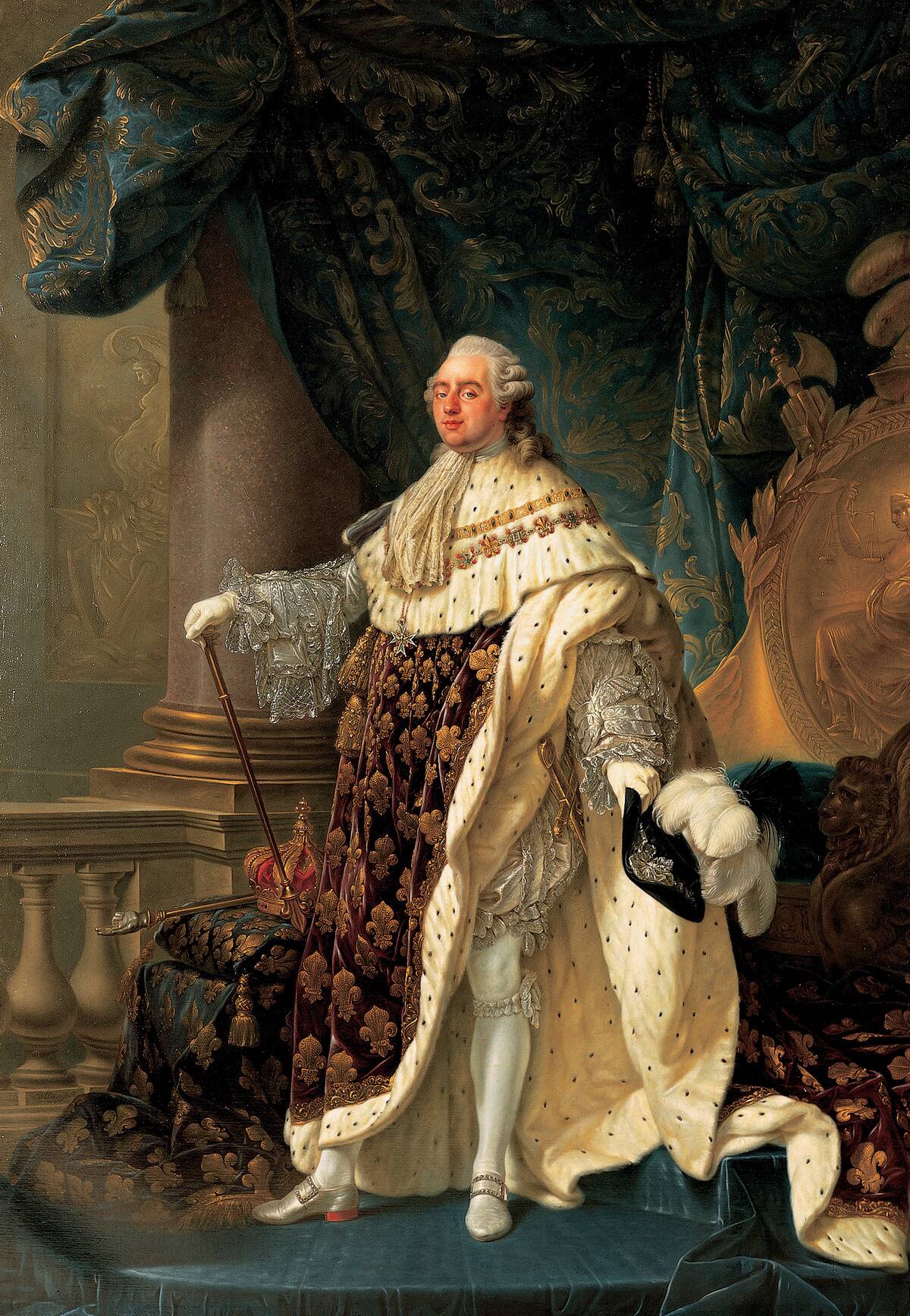
King Louis XVI’s decision to convene the Estates-General in 1789 was a pivotal error. Aimed at addressing France’s financial crisis, it instead exposed the deep-seated inequalities within the French society.
The Third Estate, representing commoners, broke away to form the National Assembly, igniting the French Revolution. Louis’s inability to manage this assembly and its demands led to his downfall and the eventual abolition of the French monarchy.
The Abdication of King Farouk: A Miscalculation of Support
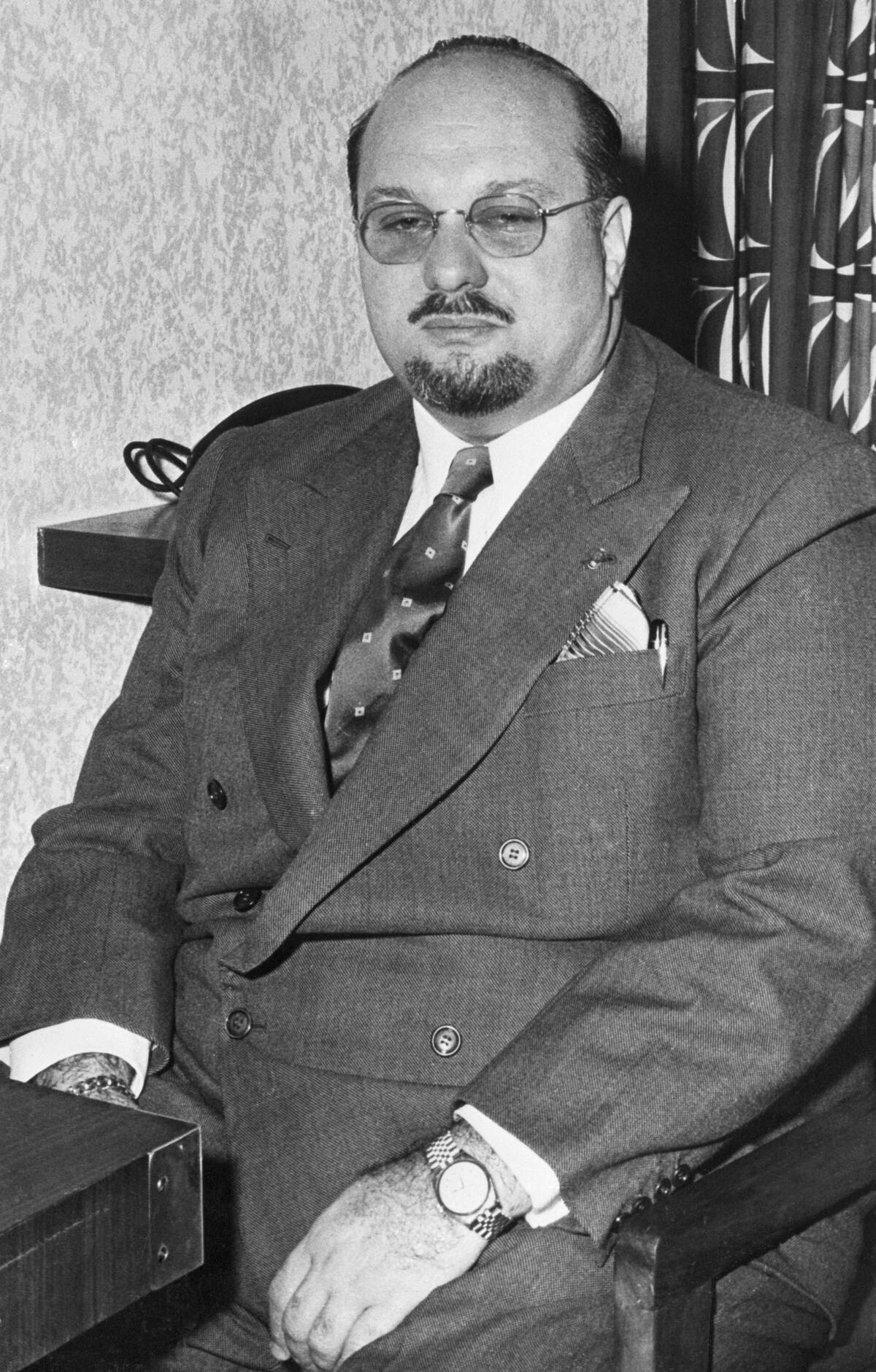
King Farouk of Egypt misjudged his popularity and the strength of the opposition. His lavish lifestyle and perceived incompetence during the 1948 Arab-Israeli War eroded public trust.
In 1952, a military coup led by the Free Officers Movement forced his abdication. Farouk’s misstep was failing to recognize the rising tide of nationalism and the demand for change, which ultimately led to the establishment of a republic in Egypt.
Emperor Haile Selassie: The Missed Opportunity for Reform
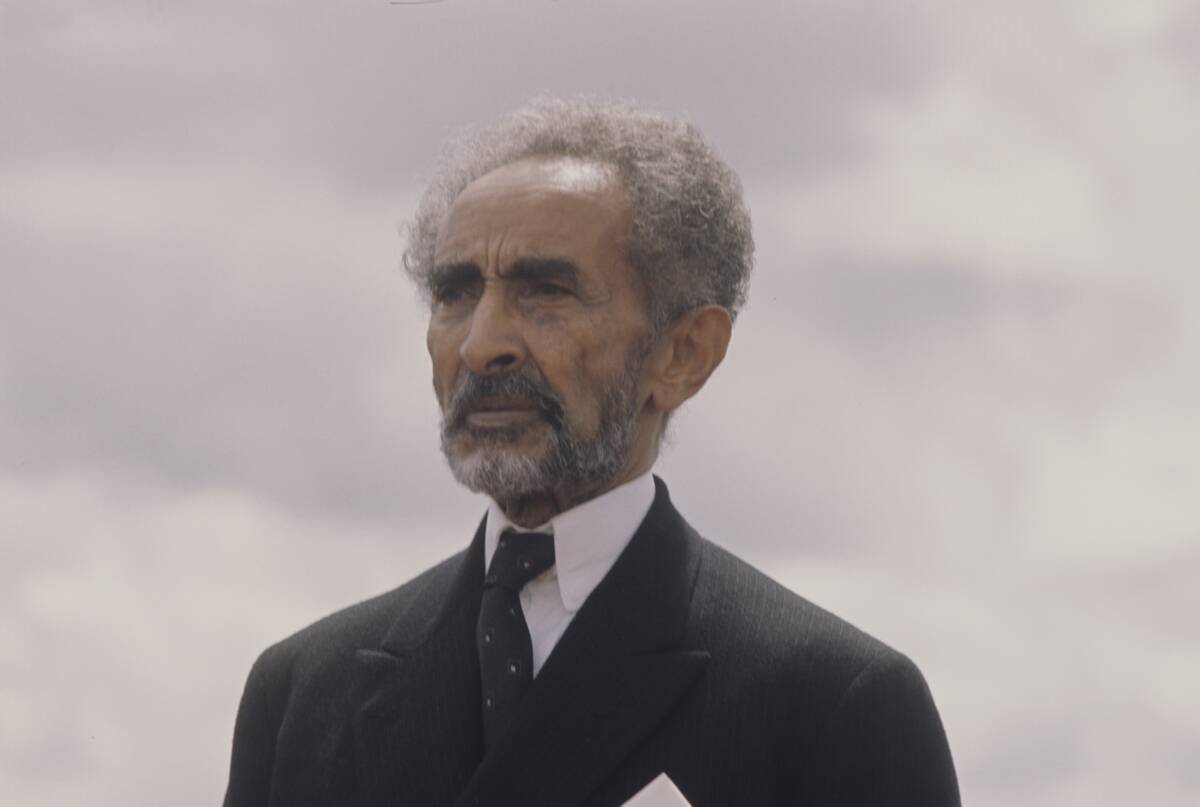
Emperor Haile Selassie of Ethiopia, revered as a modernizer, overlooked the need for deeper social reforms. His resistance to sharing power and addressing poverty created unrest. The 1974 revolution caught him off guard, resulting in his deposition.
Selassie’s limited reforms, resistance to power-sharing, and failure to address inequality and famine contributed to unrest that enabled the Derg to seize power after the 1974 revolution, marking a turbulent period in Ethiopia’s history and ending an era of imperial rule.
Kaiser Wilhelm II: A Telegram That Changed History
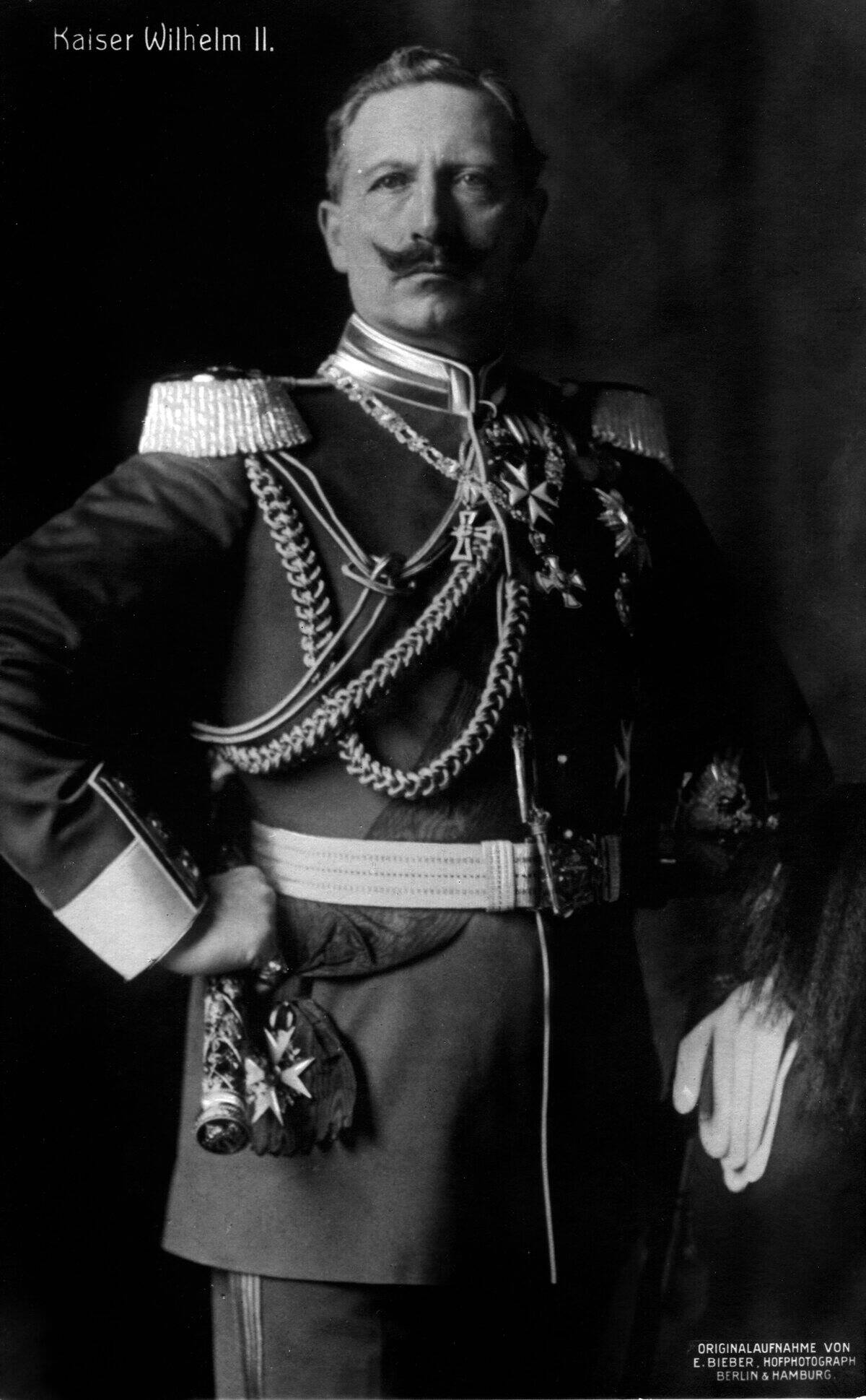
In 1900, Kaiser Wilhelm II’s infamous ‘Huns’ speech and the subsequent Zimmerman Telegram in 1917 had profound repercussions. The telegram, proposing a German-Mexican alliance against the U.S., was intercepted and publicized, inflaming American public opinion and hastening U.S. entry into World War I.
Wilhelm’s communication blunders highlighted the power of words in diplomacy and how missteps in correspondence can alter the course of history.
King Zog I of Albania: The Overlooked Coup
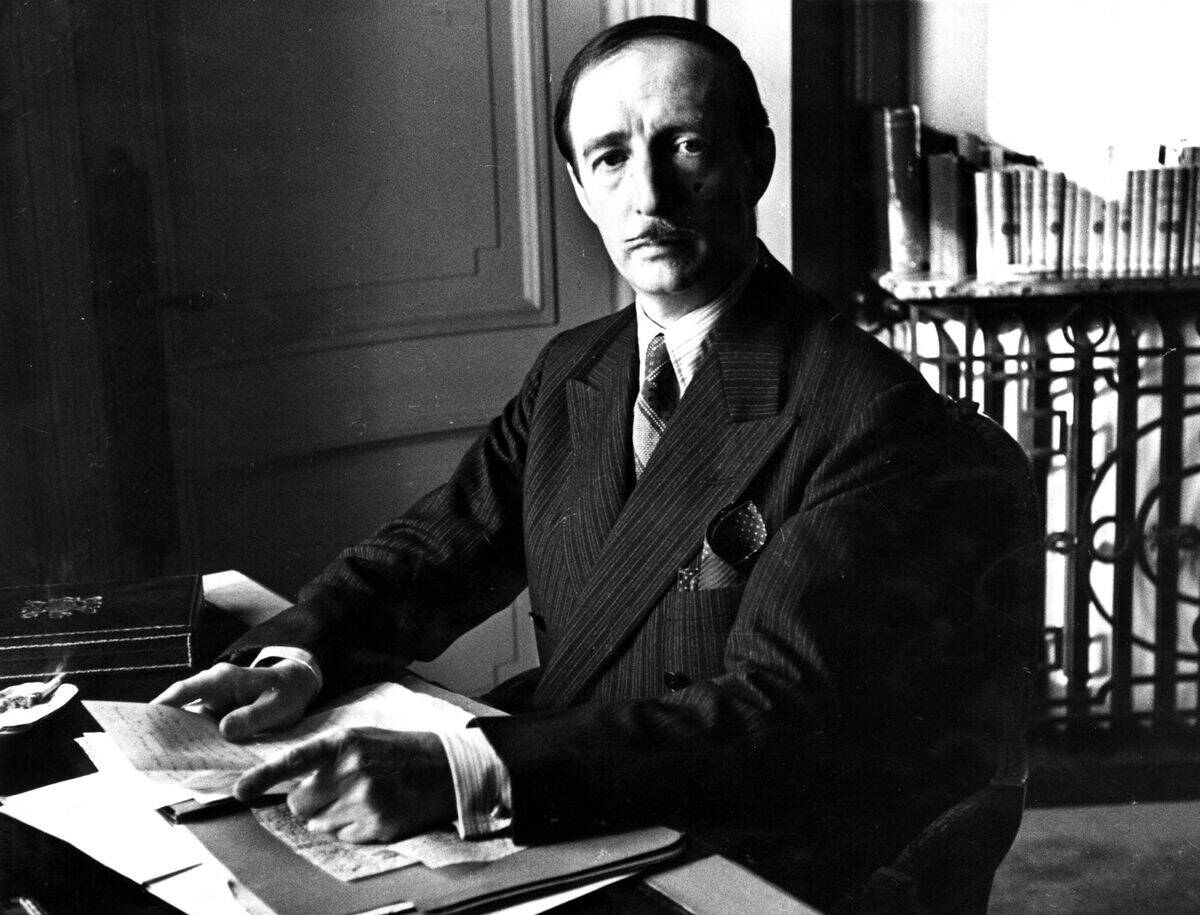
King Zog I of Albania faced numerous challenges during his reign, but his underestimation of internal and external threats proved costly. In 1939, as Italy’s influence grew, Italy invaded Albania, forcing King Zog I into exile.
Zog’s failure to secure alliances and strengthen his position left Albania vulnerable to foreign domination. His downfall illustrated the importance of political foresight and the dangers of ignoring geopolitical realities.
Czar Alexander II: A Relaxed Approach to Censorship
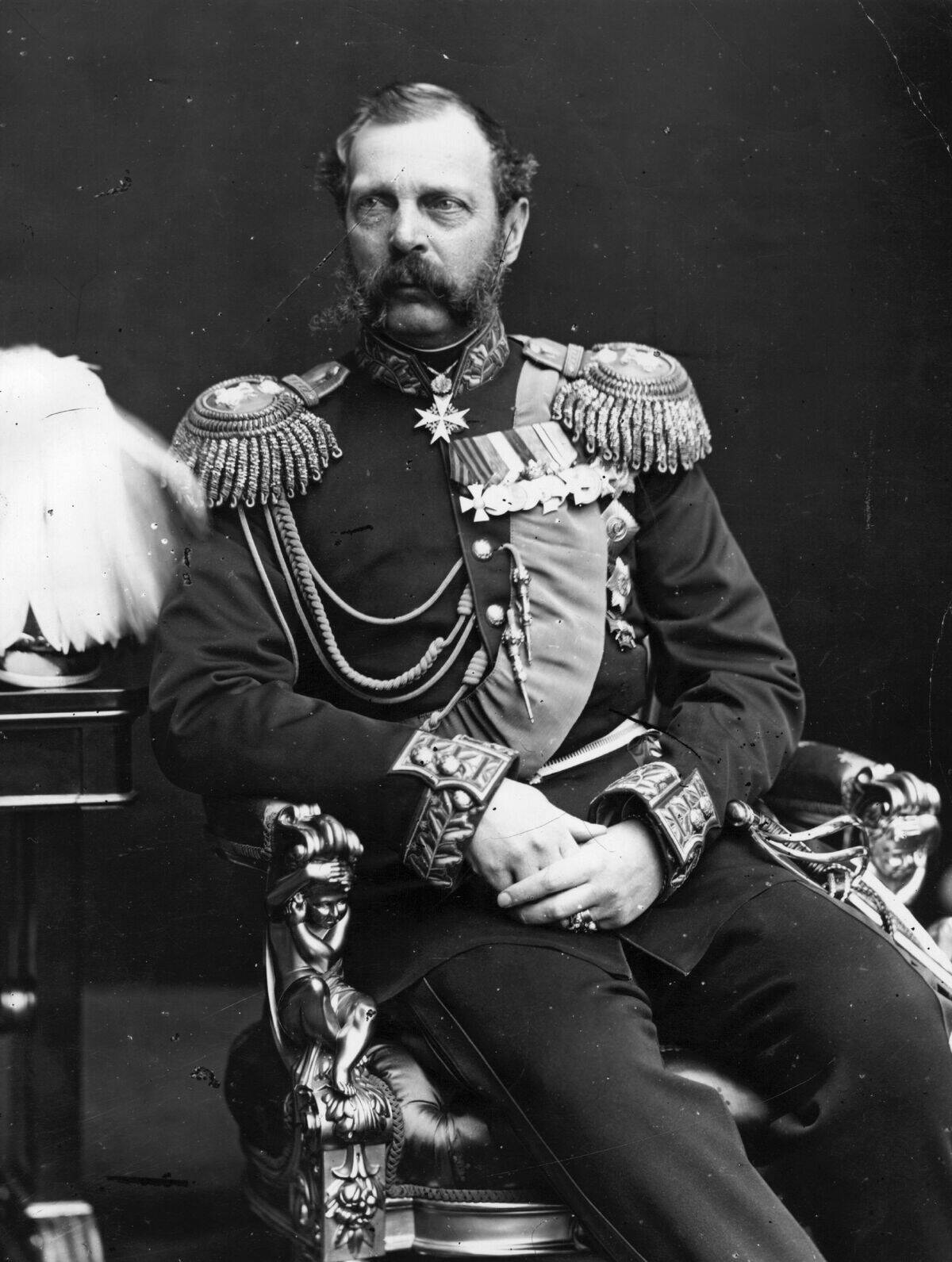
Czar Alexander II of Russia, known for his liberal reforms, relaxed censorship laws in the 1860s. This newfound freedom of expression encouraged the spread of revolutionary ideas.
While initially intended to modernize Russia, the move backfired as radical groups gained momentum. The assassination of Alexander II in 1881 by members of Narodnaya Volya underscored the unintended consequences of relaxed censorship, highlighting the delicate balance between reform and stability.
King Richard II: The Unpopular Tax Decision
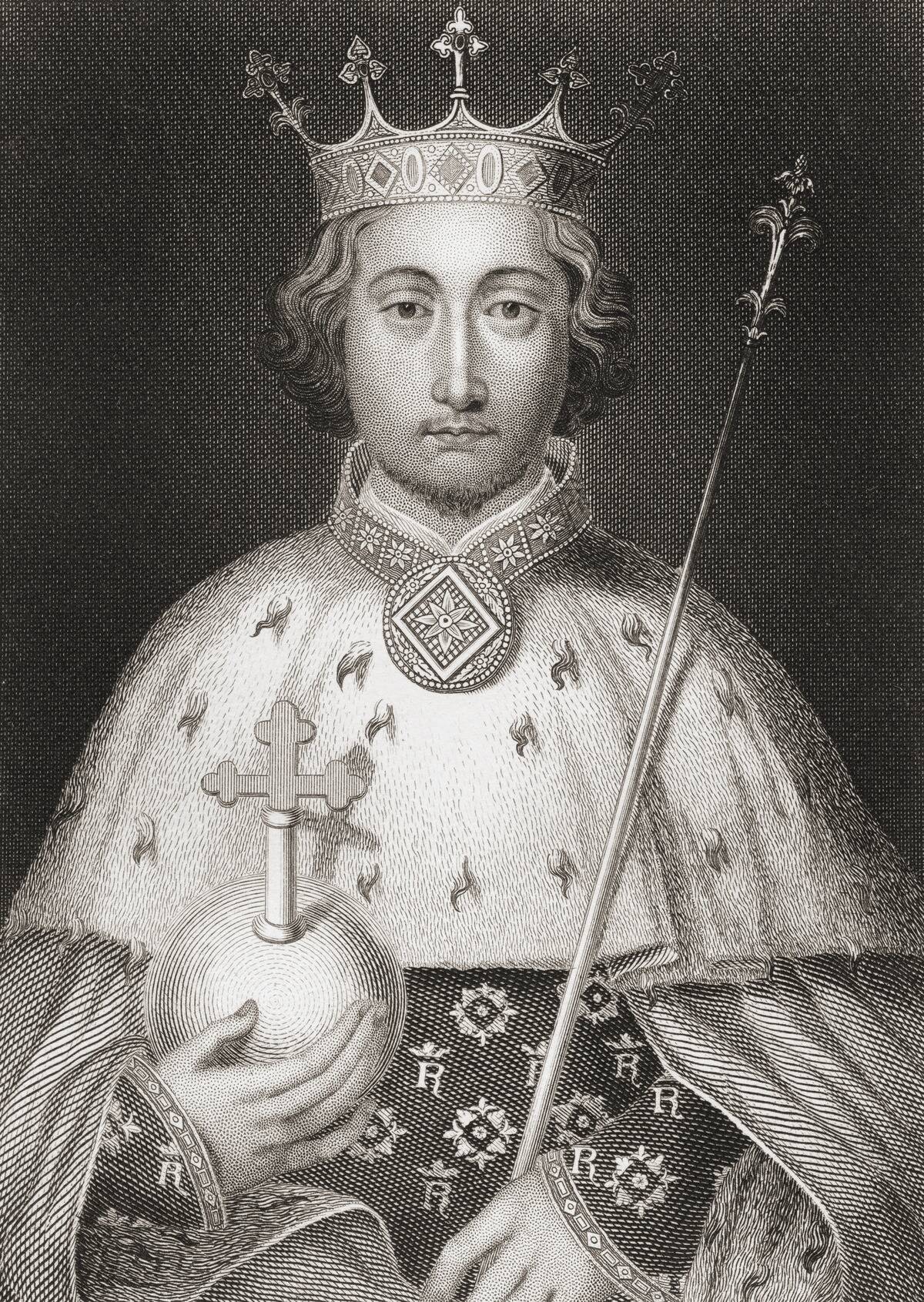
King Richard II of England faced a crisis after imposing a poll tax in 1381. The tax, levied on every adult, was deeply unpopular and sparked the Peasants’ Revolt. Led by Wat Tyler, the uprising challenged Richard’s authority and exposed the vulnerabilities of his reign.
Although the revolt was suppressed, it signaled the need for more equitable governance, and Richard’s inability to address these grievances contributed to his eventual downfall.
Emperor Puyi: A Puppet on the Wrong Strings
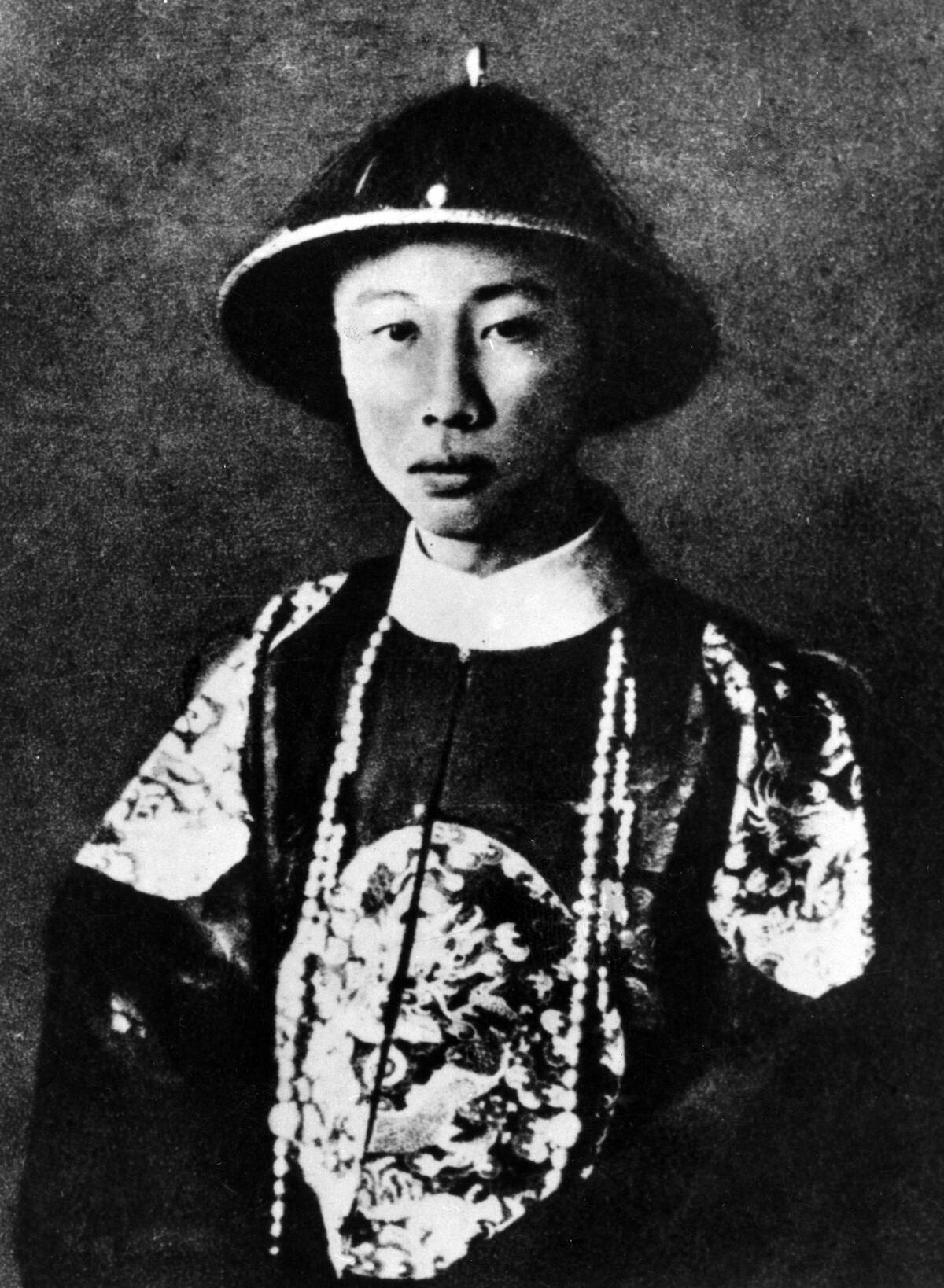
Emperor Puyi of China, the last Qing monarch, was a puppet ruler during tumultuous times. After being deposed in 1912, he was later installed as the head of the Japanese puppet state of Manchukuo in 1934.
Puyi’s lack of real power and dependency on Japanese interests highlighted the challenges of leadership without autonomy. His reign in Manchukuo ended with Japan’s defeat in World War II, illustrating the perils of being a figurehead in geopolitics.
Empress Dowager Cixi: The Fate-Sealing Boxer Rebellion
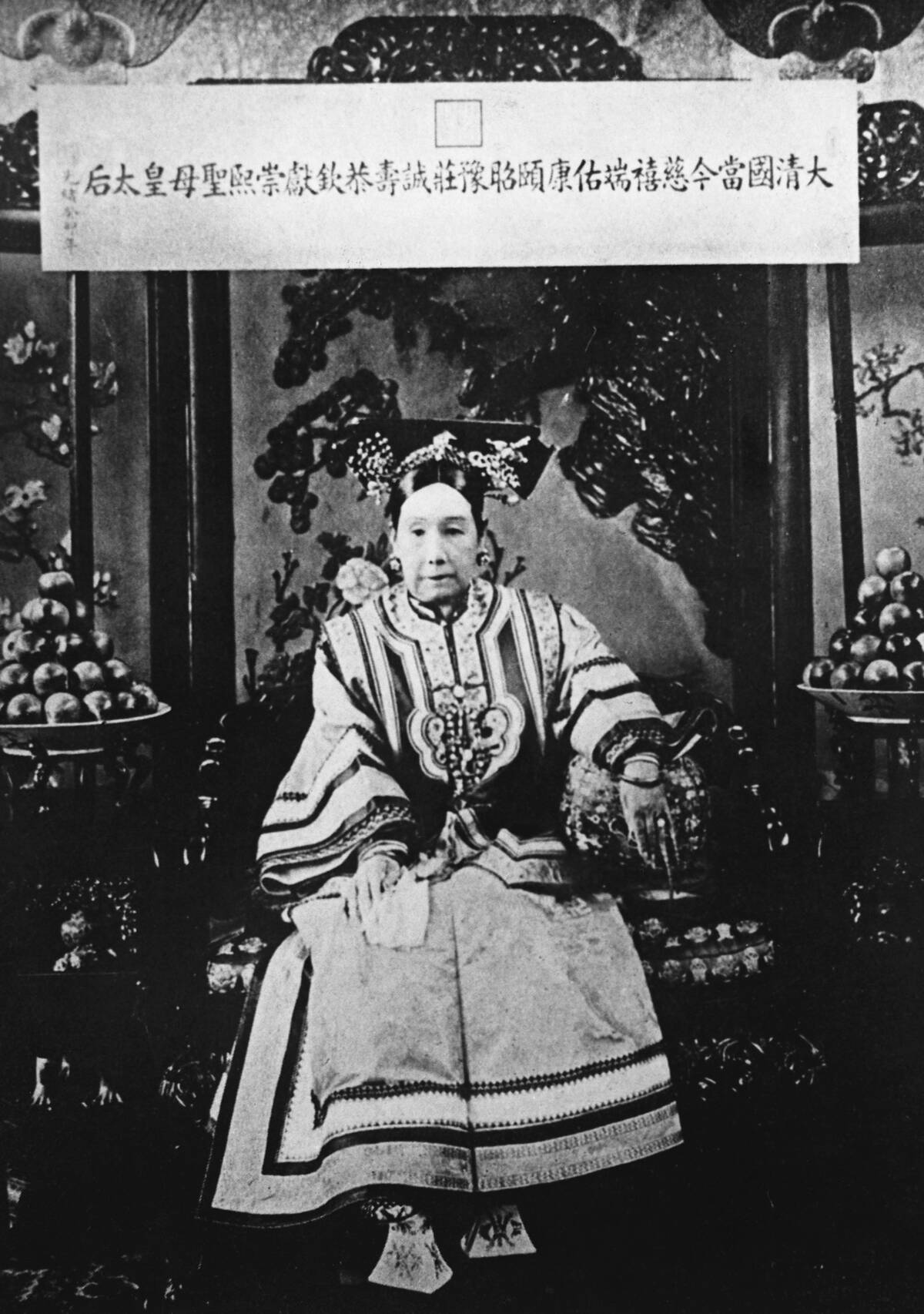
Empress Dowager Cixi’s support of the Boxer Rebellion in 1900 was a significant miscalculation. The anti-foreigner uprising, initially endorsed by Cixi, led to international intervention and the invasion of Beijing by eight allied powers.
The rebellion’s failure weakened the Qing Dynasty and accelerated its decline. Cixi’s backing of the Boxers demonstrated the risks of aligning with extreme movements, ultimately hastening the end of imperial China.
King Constantine II of Greece: The Referendum Misstep
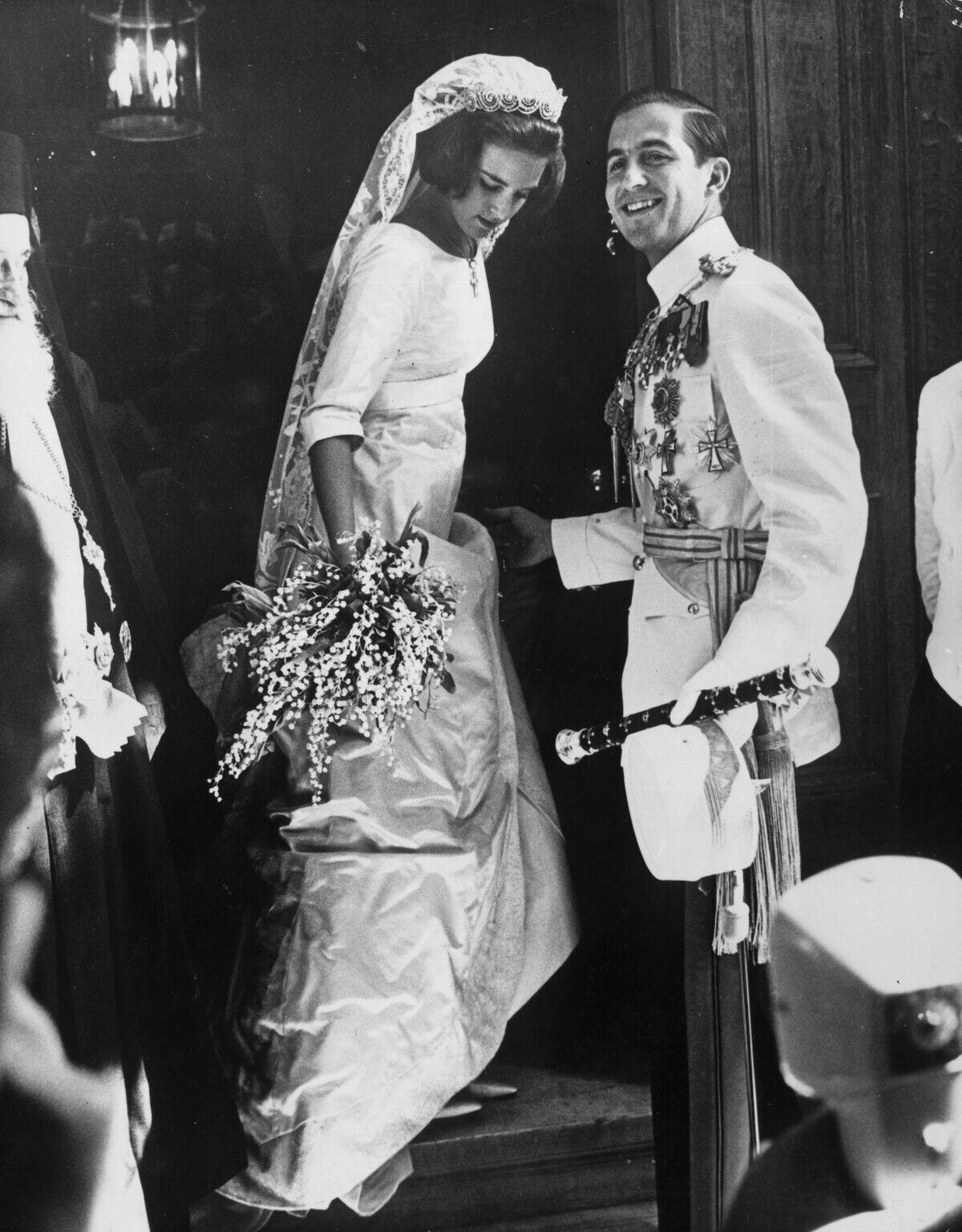
King Constantine II of Greece faced a significant challenge during the 1974 referendum on the monarchy. His absence from Greece and controversial political decisions had eroded public support.
The referendum resulted in the abolition of the monarchy, with a decisive vote against his return. Constantine’s failure to gauge the public’s sentiment and his misjudgment of political dynamics marked the end of the Greek monarchy, reflecting the importance of staying in touch with the populace.
King James II: A Religious Misjudgment That Led to Exile
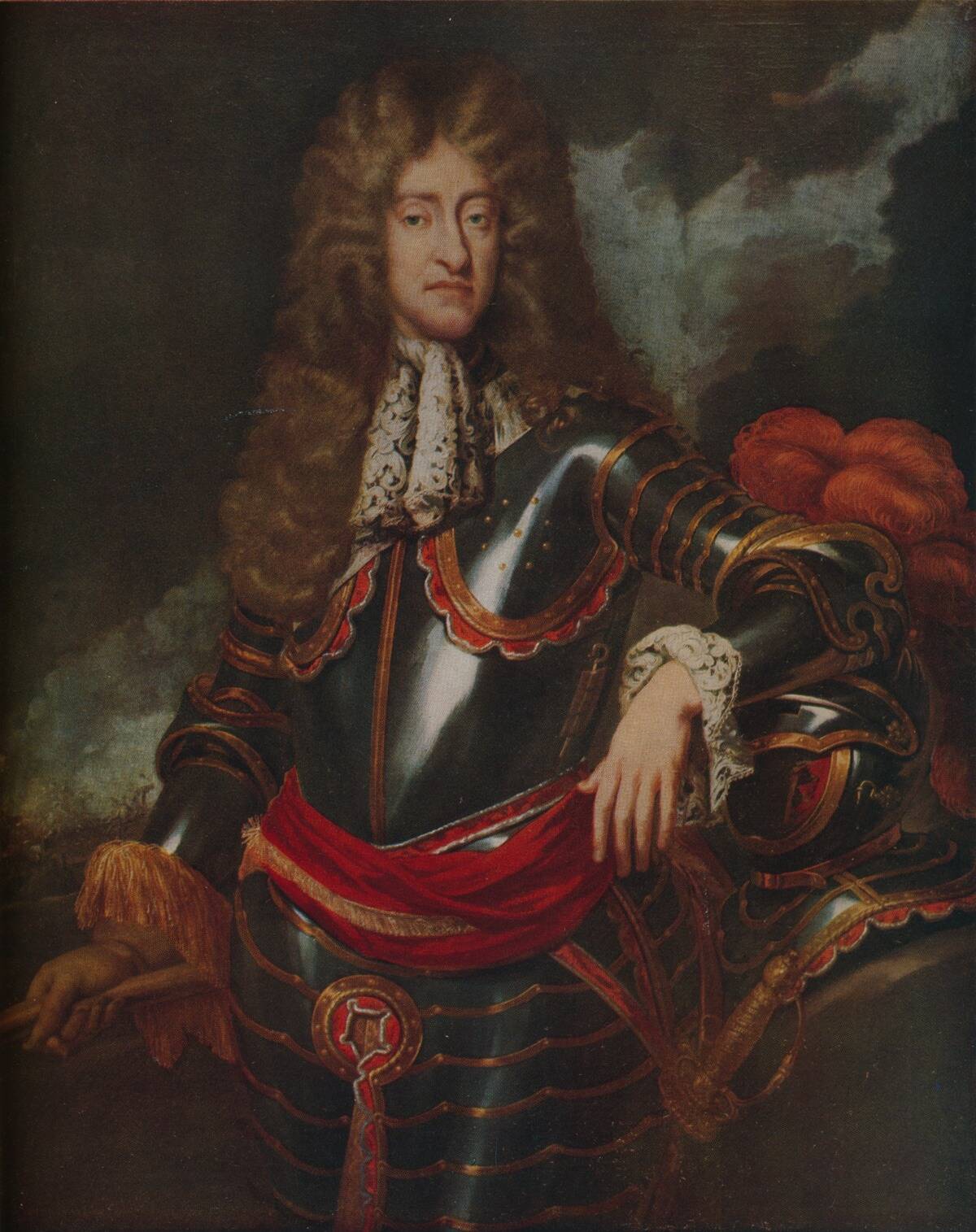
King James II of England faced opposition due to his Catholicism and attempts to grant religious freedom to Catholics. His policies alarmed Protestant subjects and led to the Glorious Revolution of 1688.
The invitation to William of Orange to assume the throne resulted in James’s exile to France. His inability to navigate religious tensions and secure Protestant trust led to a significant shift in British monarchy, underscoring the impact of religious policies on leadership.




