Etiquette rules from the past that seem shocking
Welcome to an intriguing journey through the bygone era of etiquette. Imagine a world where every gesture, from a simple nod to a delicate fan flutter, carried profound meaning.
Manners were the invisible threads weaving society together, dictating interactions with precision. These rules of conduct were not just about politeness but were integral to the social fabric, guiding people through the intricacies of daily life. Let’s explore these fascinating customs and discover their significance in shaping human connections.
The Art of the Curtsy and Bow: A Dance of Respect
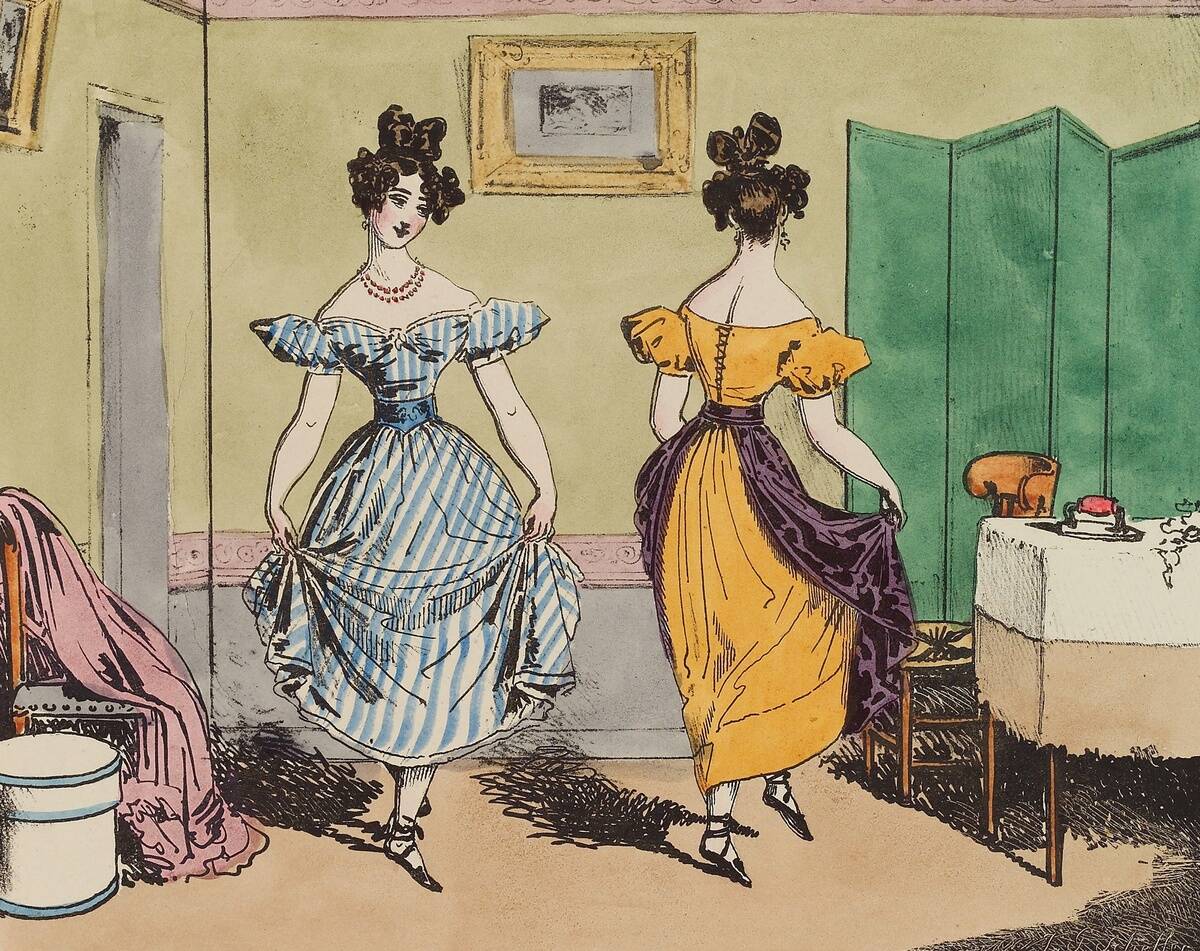
Curtsies and bows were more than mere movements; they were a language spoken by society’s elite. Dating back to the medieval period, these gestures symbolized respect and acknowledgment of social hierarchy.
A well-executed bow or curtsy could speak volumes about one’s upbringing and social standing. Interestingly, the depth of a bow or the angle of a curtsy was often adjusted according to the rank of the person being greeted. Such nuances made these gestures an art form in themselves.
Calling Cards: The Original Social Media

Long before Facebook and Instagram, calling cards were the social currency of the day. Introduced in the 18th century, these small, elegant cards were left at homes to signify a visit or to express condolences.
The design and quality of one’s card could reflect personal style and affluence. The exchange of calling cards was a ritualistic affair, requiring knowledge of the appropriate times and ways to deliver them. It was a clear precursor to today’s digital networking.
Gloves On, Gloves Off: The Fashion of Formality
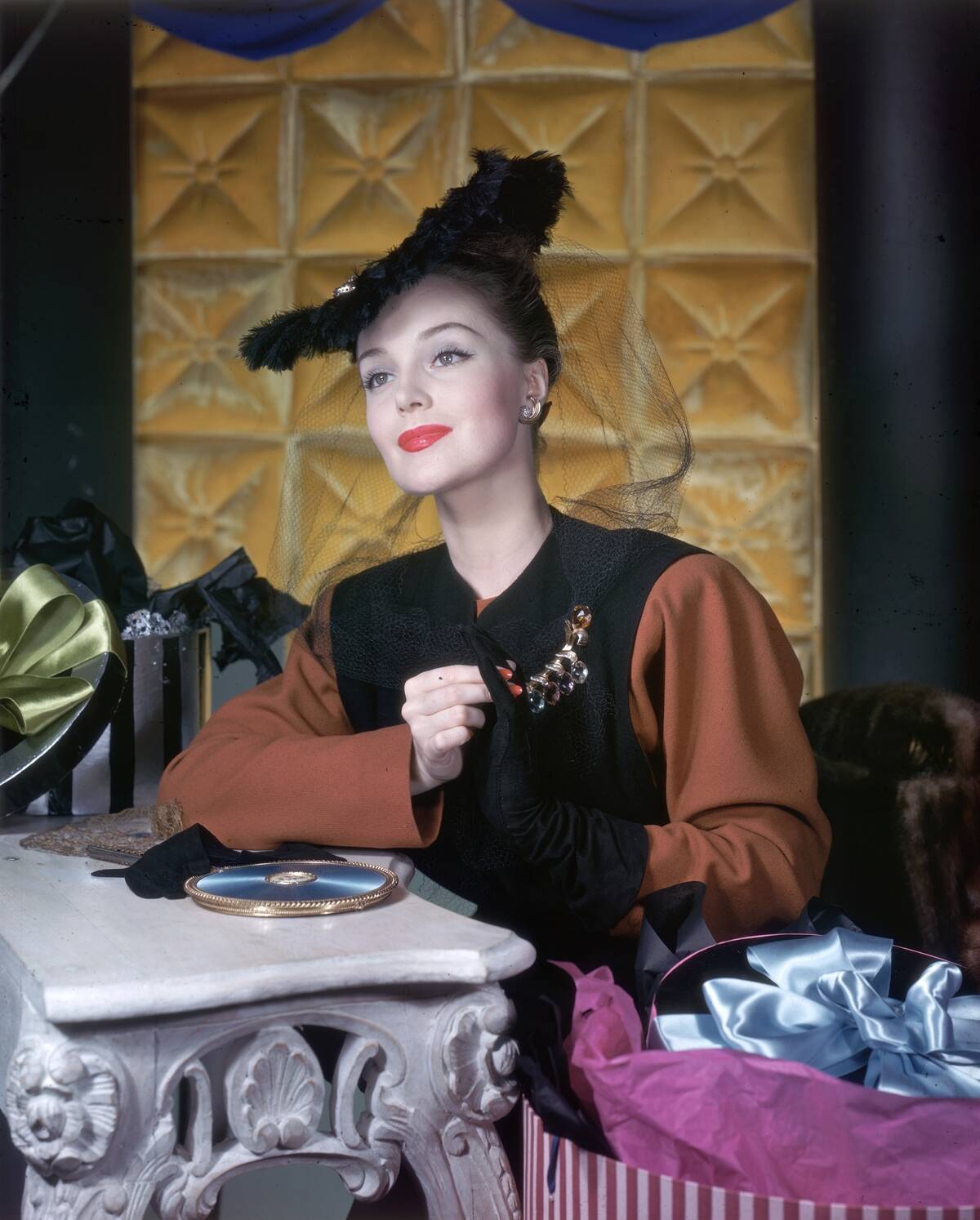
Gloves were not just a fashion statement; they were a symbol of decorum and etiquette. In the 19th century, gloves were worn in public to convey modesty and to protect one’s hands from the elements.
Removing gloves was a significant act, often reserved for intimate or formal settings. Gloves also played a role in the subtle courtship rituals of the time, with their removal signifying a level of trust and familiarity. The choice of fabric and color could also indicate social status.
Chaperones and Courtship: Love Under Supervision
In a time when propriety was paramount, courtship was often a well-supervised affair. Chaperones, typically a trusted family member or friend, ensured that young couples adhered to societal norms. Their presence was meant to prevent any impropriety or scandal.
This practice highlighted the importance placed on a woman’s reputation and the family’s honor. The role of a chaperone was both protective and restrictive, shaping the dynamics of romantic relationships in an era of strict social codes.
The Etiquette of Fan Language: Secret Signals in Society
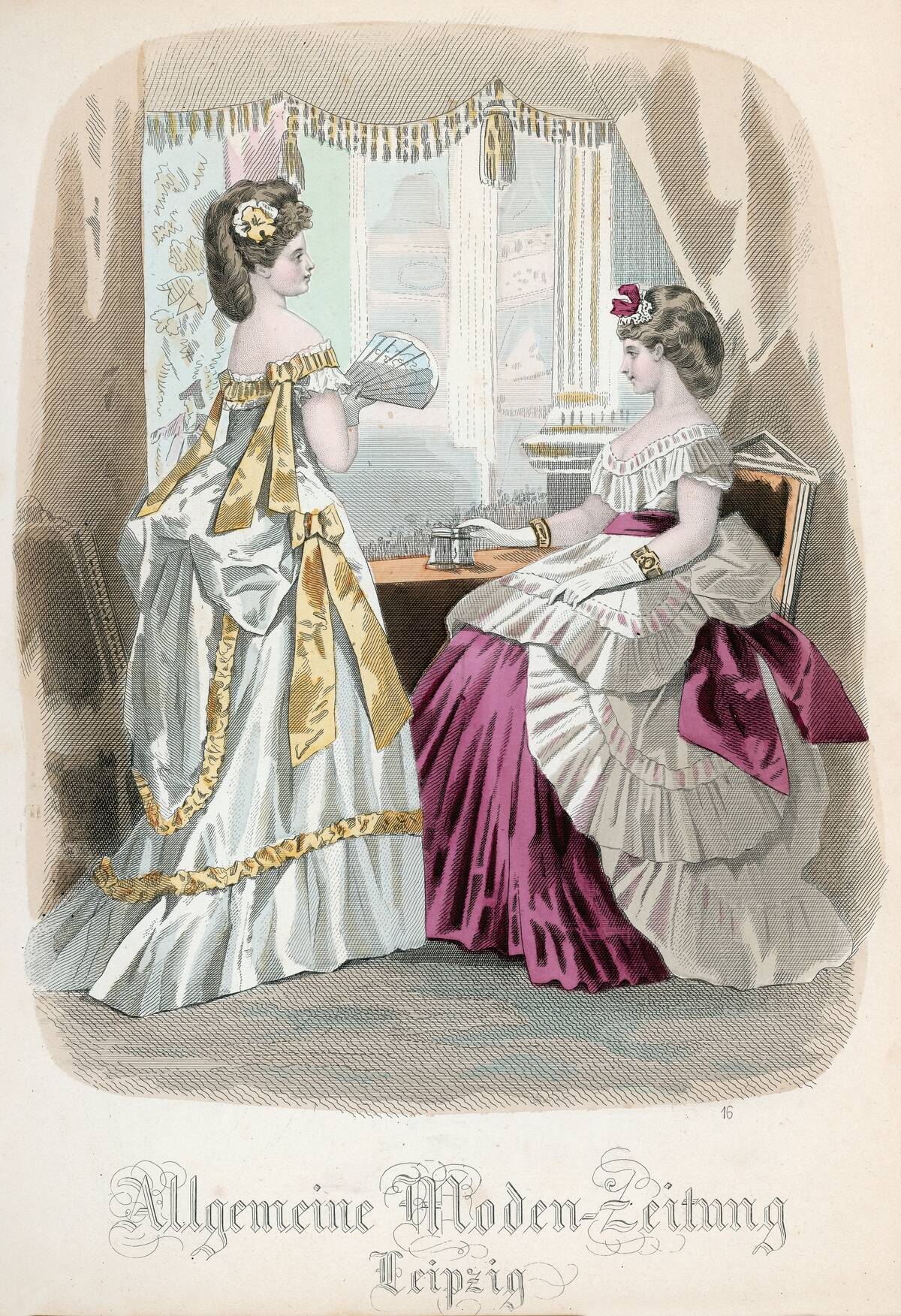
Fans were not merely tools for cooling down; they were instruments of communication. Fan language, or the art of signaling with a fan, was a sophisticated way to convey messages discreetly. Each movement had a specific meaning, from holding the fan open to tapping it on one’s cheek.
This silent form of communication allowed people, particularly women, to express emotions or intentions without uttering a word. Mastery of fan language was essential for navigating the social intricacies of the time.
Dining Decorum: Rules for the Perfect Dinner Guest
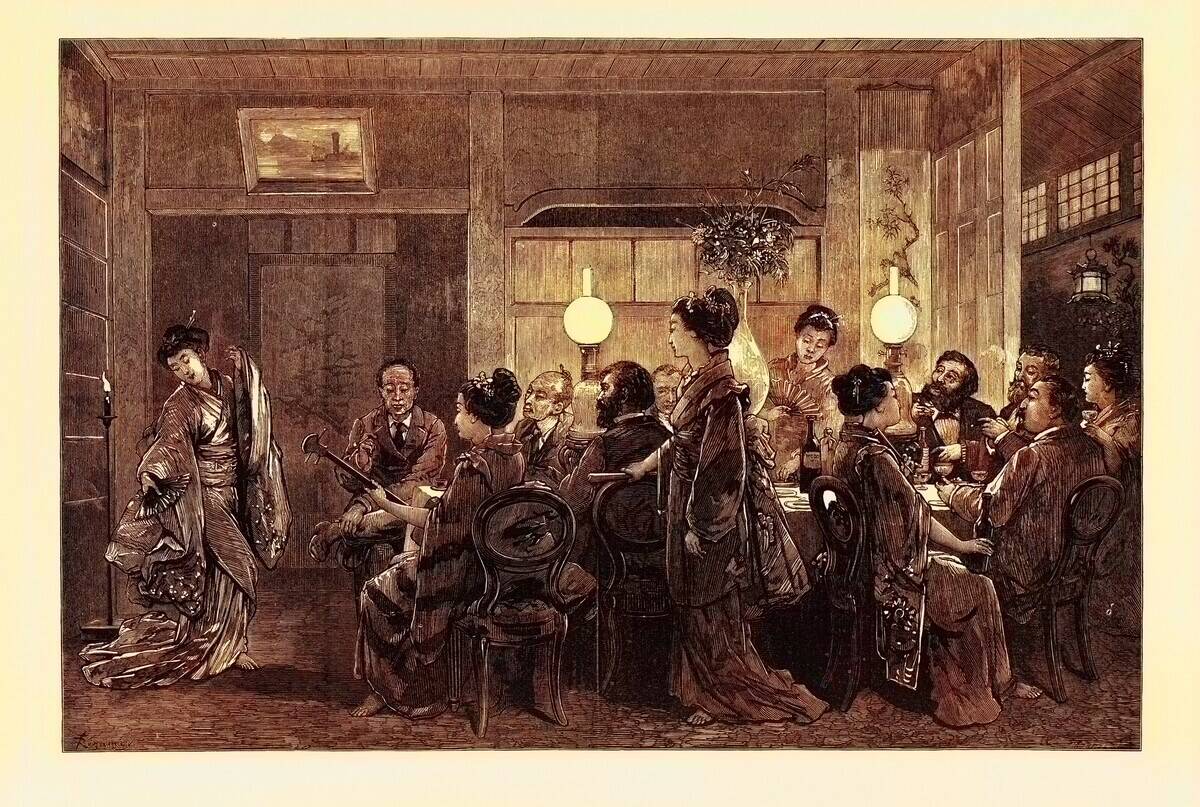
Dinner parties were not just about the food; they were a stage for showcasing one’s manners. Proper dining etiquette was a reflection of one’s social education. From the correct use of cutlery to the art of conversation, every detail mattered.
Guests were expected to follow a set sequence of actions, such as waiting for the host to begin eating. This structured approach to dining ensured that everyone knew their place, maintaining harmony and respect at the table. Such decorum was a testament to one’s upbringing.
Personal Space in the Past: An Intimate Affair
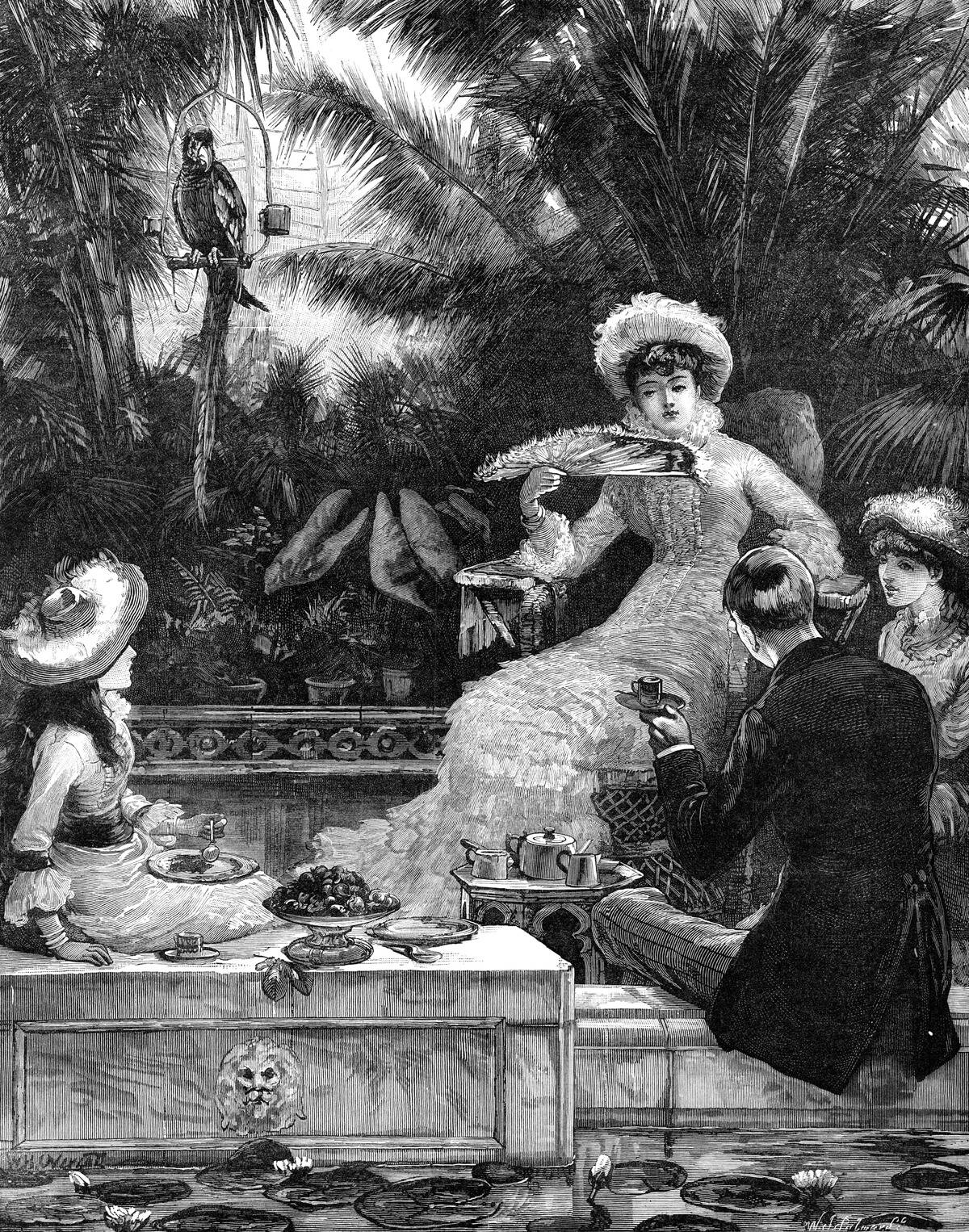
In an era where social interactions were carefully choreographed, personal space was a nuanced concept. Unlike today, where individual space is often emphasized, past societies operated on a more intimate level. Proximity in conversation could indicate trust or familiarity, while maintaining a respectful distance was a sign of formality.
The boundaries of personal space were largely dictated by social status and relationship, reflecting the complex dynamics of human connections. This delicate dance of distance and closeness was a key aspect of interpersonal etiquette.
Conversational Conundrums: Topics to Avoid at All Costs
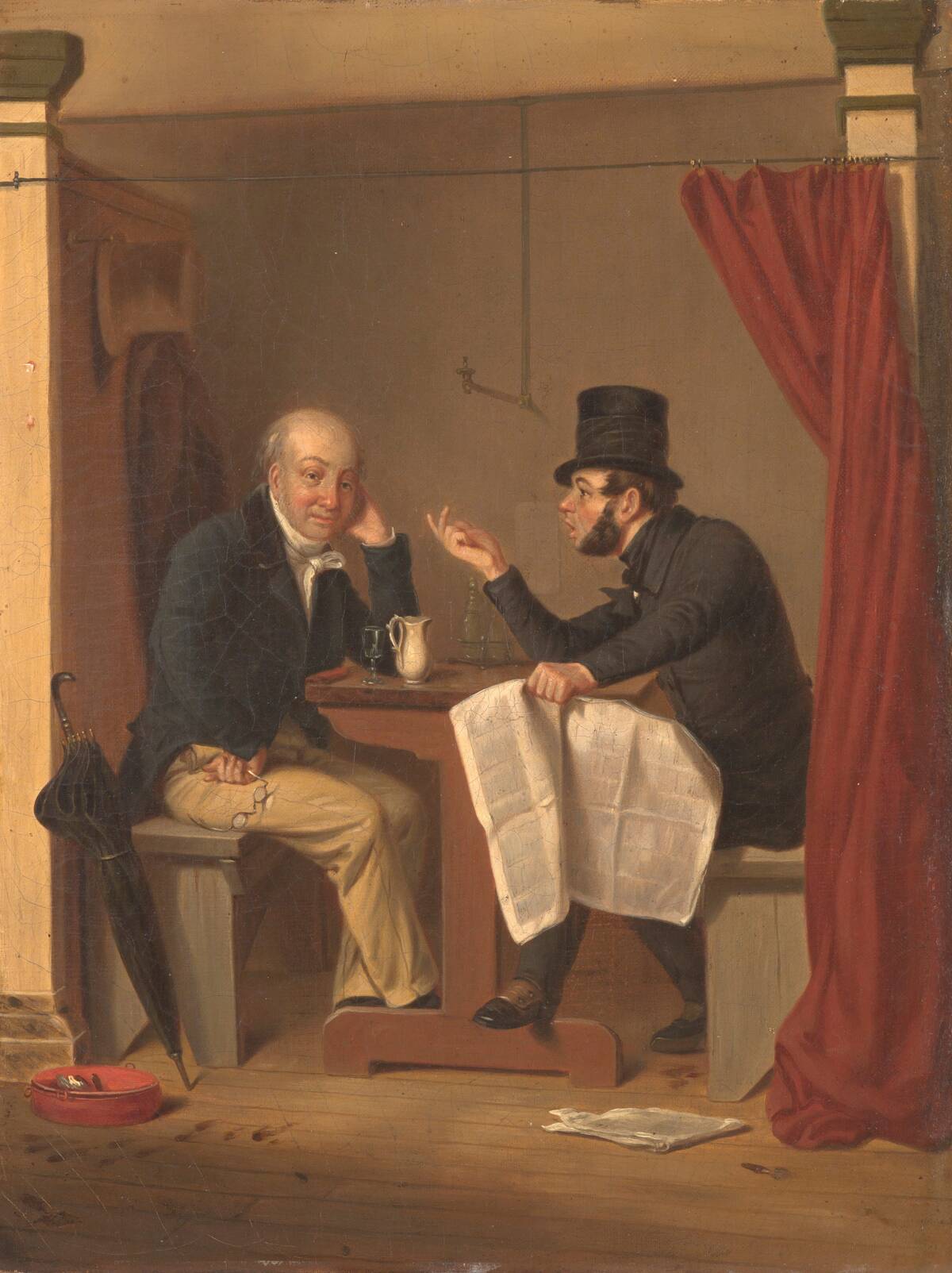
Navigating conversation in the past required a deft touch, with certain topics strictly off-limits. Politics, religion, and finances were often considered inappropriate for polite company. Instead, discussions centered around culture, the arts, and other socially ‘safe’ topics.
The avoidance of controversial subjects ensured that gatherings remained pleasant and free from discord. This conversational etiquette underscored the importance of harmony and respect in social interactions, promoting a culture where discretion was valued over self-expression.
The Etiquette of Mourning: Dressing for Grief
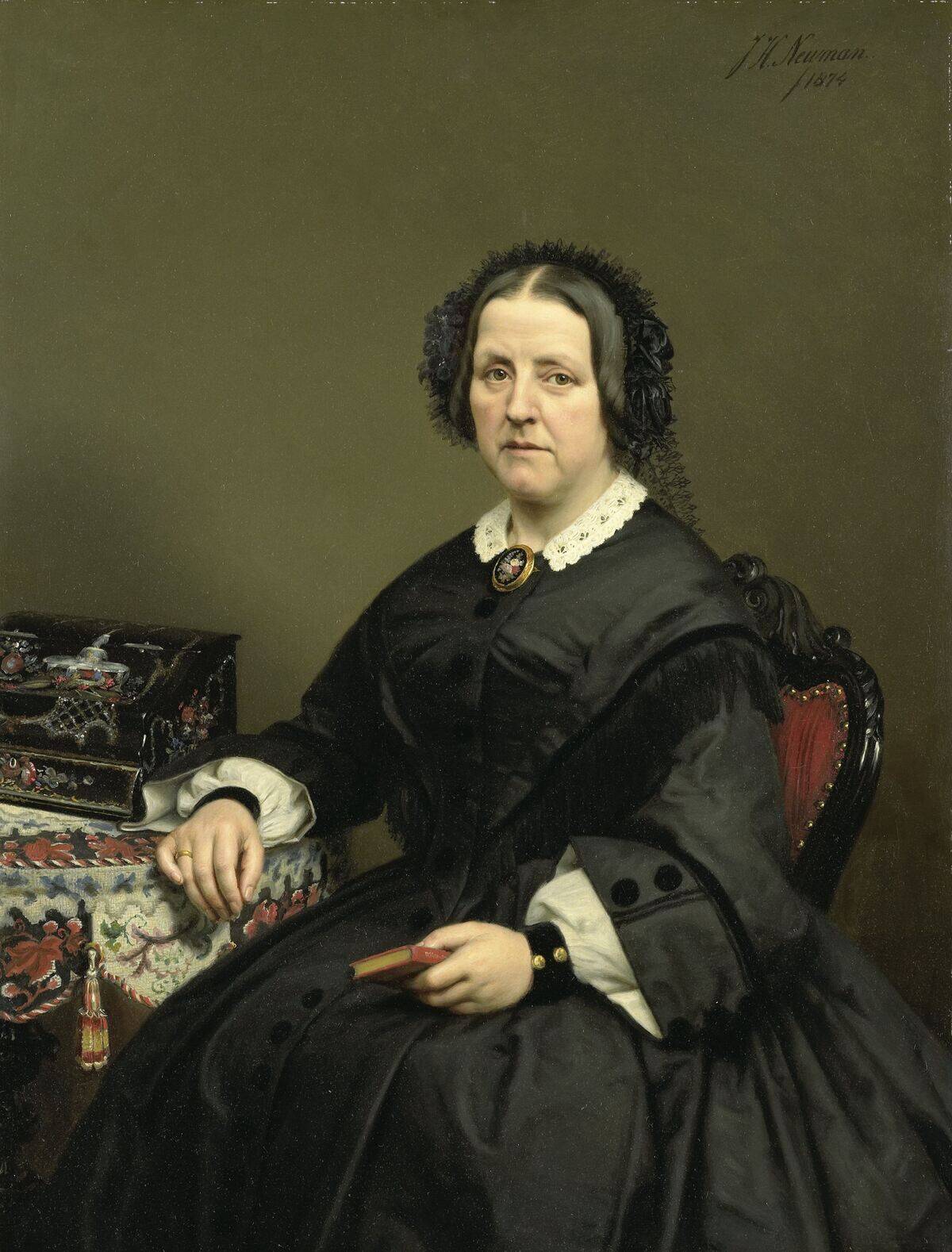
In times of mourning, etiquette extended to every aspect of life, including attire. The color black became synonymous with grief, with mourning clothes often worn for extended periods. These garments were not just about personal loss; they were a public declaration of respect for the deceased.
Mourning etiquette dictated the length and style of clothing, with widows sometimes wearing mourning dress for years. This practice reflected the deep cultural significance placed on the rituals of grief and remembrance.
The Proper Way to Sit: Posture and Poise
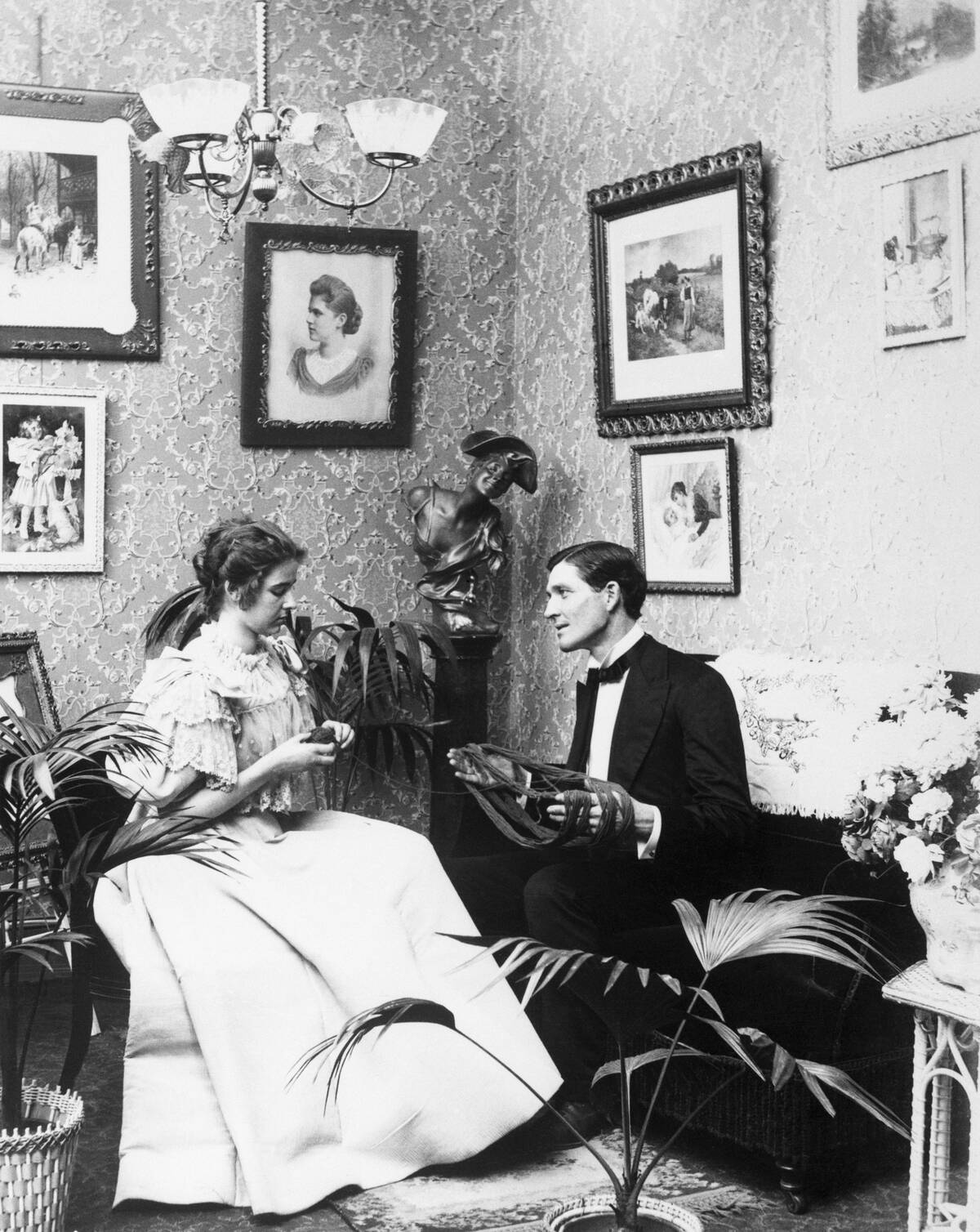
Sitting gracefully was an art form, with posture reflecting one’s breeding and education. Proper sitting etiquette involved keeping the back straight and feet placed together, a testament to discipline and self-control. Slouching or sprawling was frowned upon, as it suggested laziness or lack of refinement.
The way one sat was often scrutinized, especially in formal settings, where poise and elegance were expected. This focus on sitting etiquette highlighted the broader societal emphasis on physical comportment as a marker of character.
Gender-Specific Etiquette: Roles and Expectations
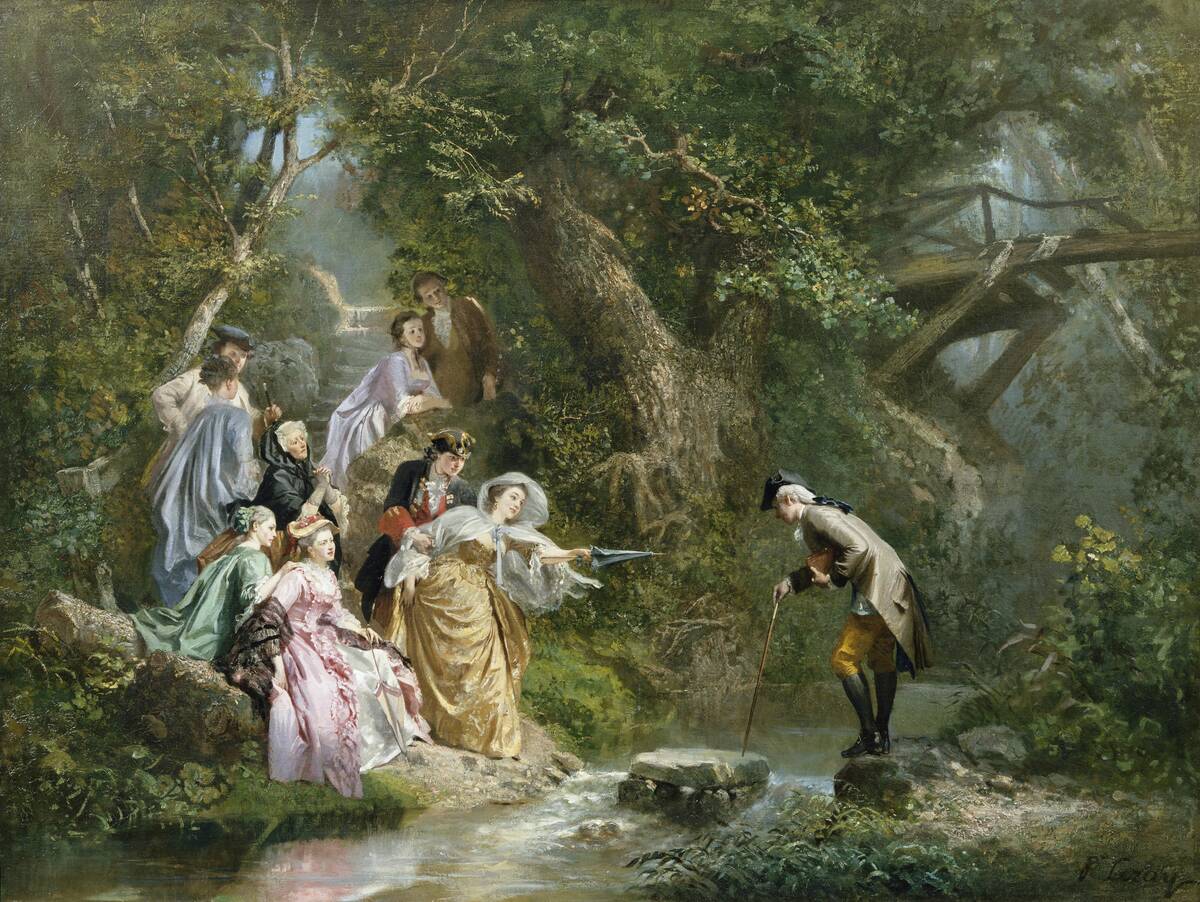
Etiquette often reinforced gender roles, with distinct expectations for men and women. Men were expected to be chivalrous, offering seats or opening doors, while women were to be demure and gracious. These roles were deeply ingrained, shaping interactions both in public and private spheres.
The adherence to gender-specific etiquette reflected broader social norms, where deviation was often met with disapproval. It was a system that reinforced the social order, dictating behavior and interactions in a way that maintained traditional power dynamics.
The Intricacies of a Handshake: More Than a Greeting
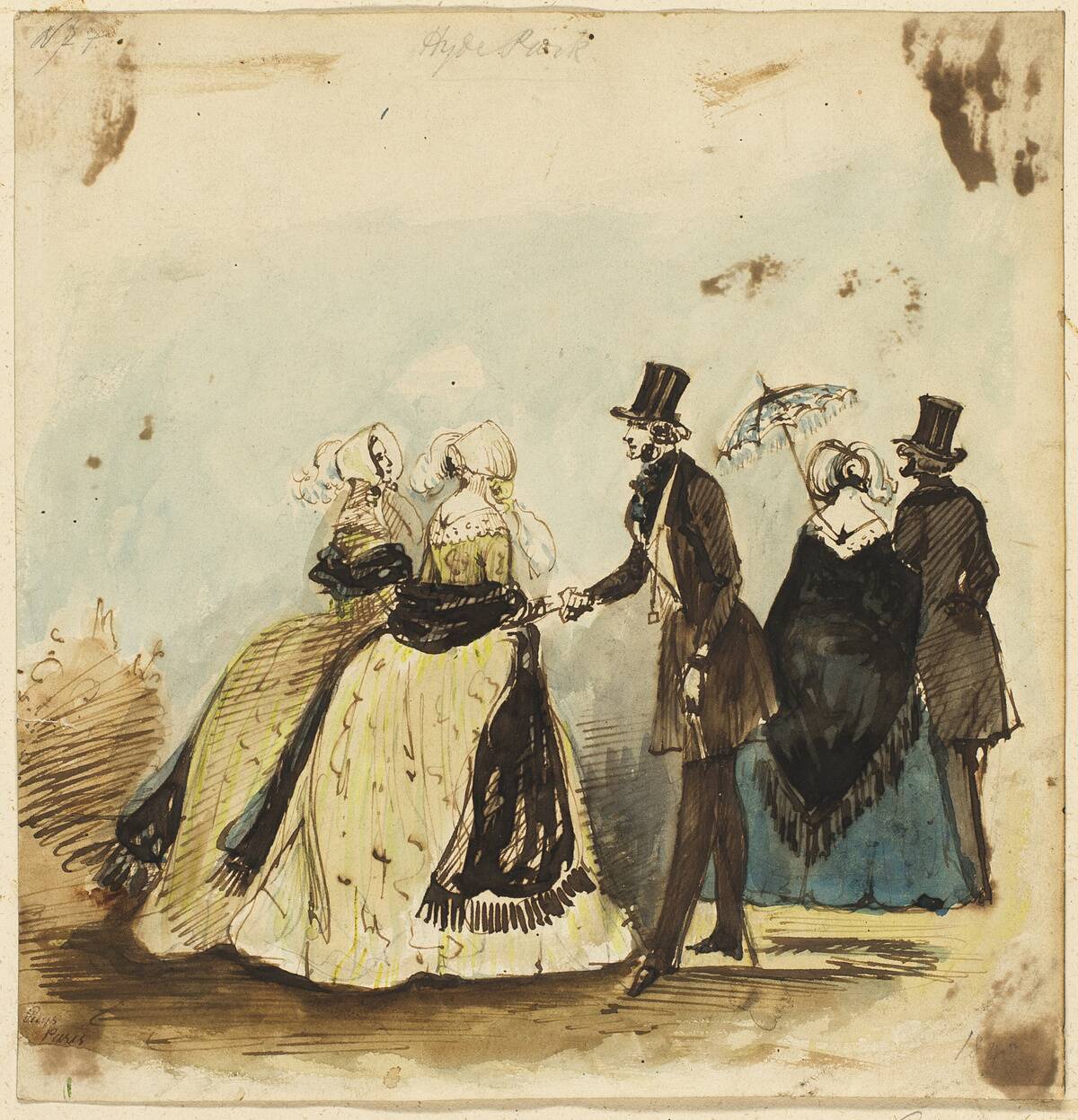
The handshake was more than a simple greeting; it was a complex social ritual. A firm handshake conveyed confidence and trustworthiness, while a limp one might suggest weakness. The duration and intensity of the handshake were also interpreted, with too long or too short being equally undesirable.
This gesture was a key component of first impressions, making it a crucial skill in social and business interactions. Understanding the subtleties of a handshake was essential for navigating the social landscape.
The Etiquette of Address: Titles and Terms of Respect
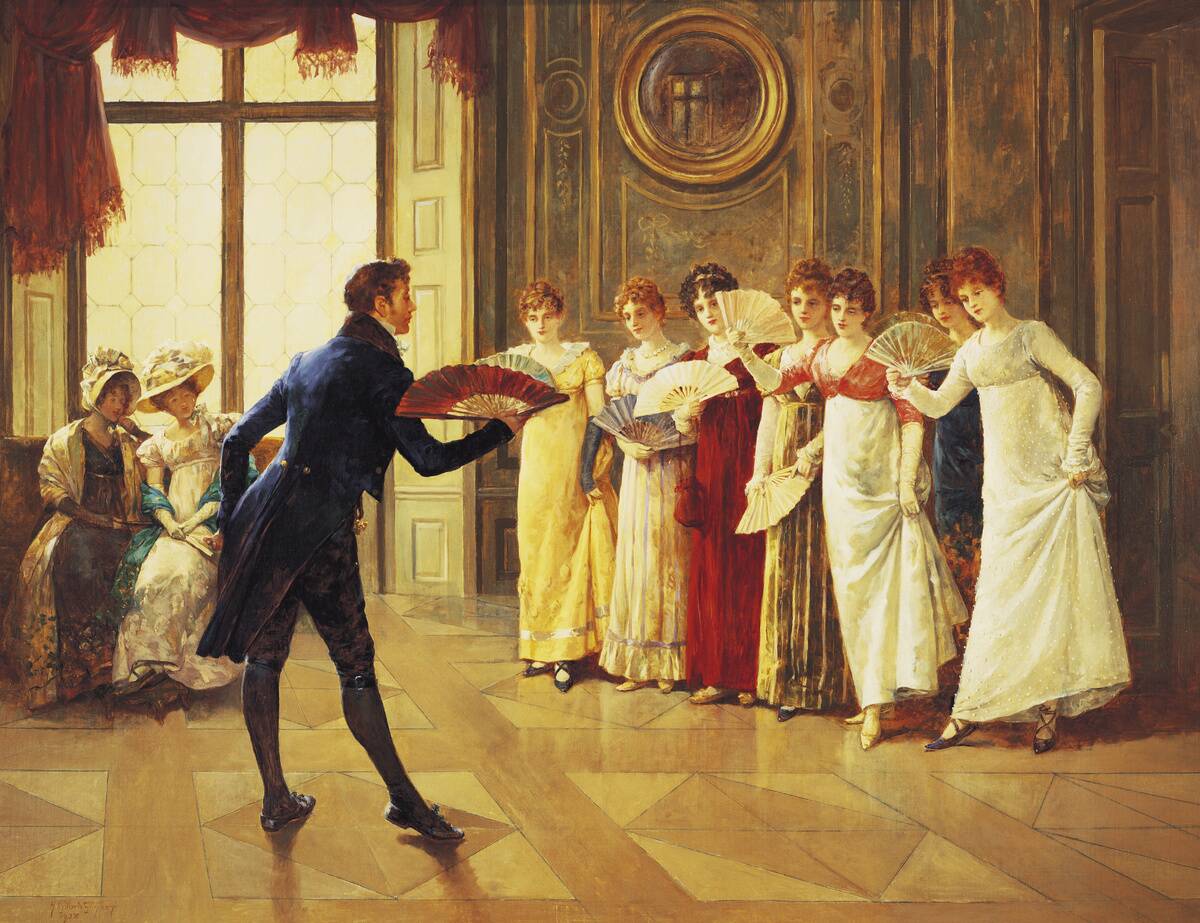
Addressing someone with the correct title was a mark of respect and social awareness. Titles such as ‘Mr.’, ‘Mrs.’, or ‘Sir’ were used to acknowledge a person’s status or position. Misusing titles could lead to social faux pas, highlighting the importance of understanding and adhering to these conventions.
The use of titles also extended to written correspondence, where the correct form of address was crucial. This emphasis on titles underscored the hierarchical nature of society, where respect was integral to interactions.
The Practice of Calling Hours: Timely Visits Only
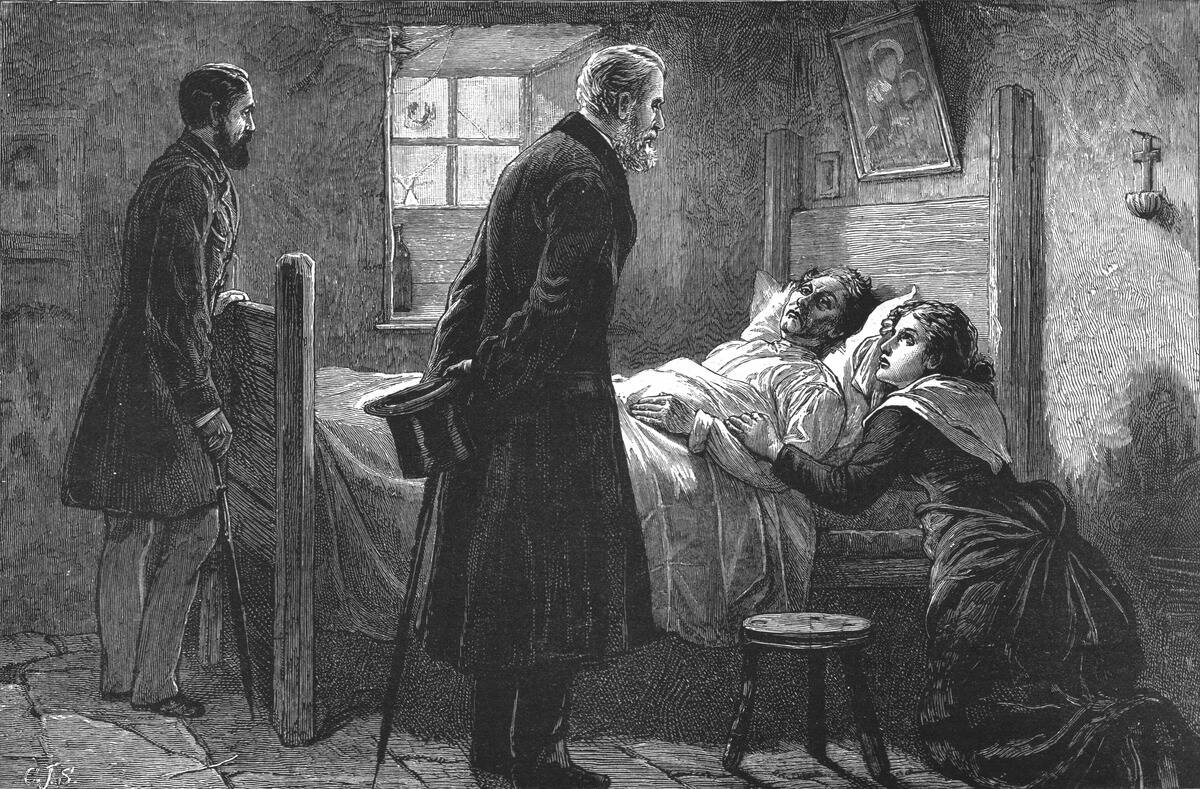
Social visits were governed by the practice of calling hours, a designated time for receiving guests. These hours were strictly adhered to, ensuring that visits were convenient and respectful of the host’s schedule. Arriving outside of calling hours was considered impolite and intrusive.
This practice reflected the structured nature of social interactions, where timing was an essential consideration. Calling hours provided a framework for socialization, balancing the desire for connection with the need for personal space and privacy.
Writing with Grace: The Art of the Thank-You Note
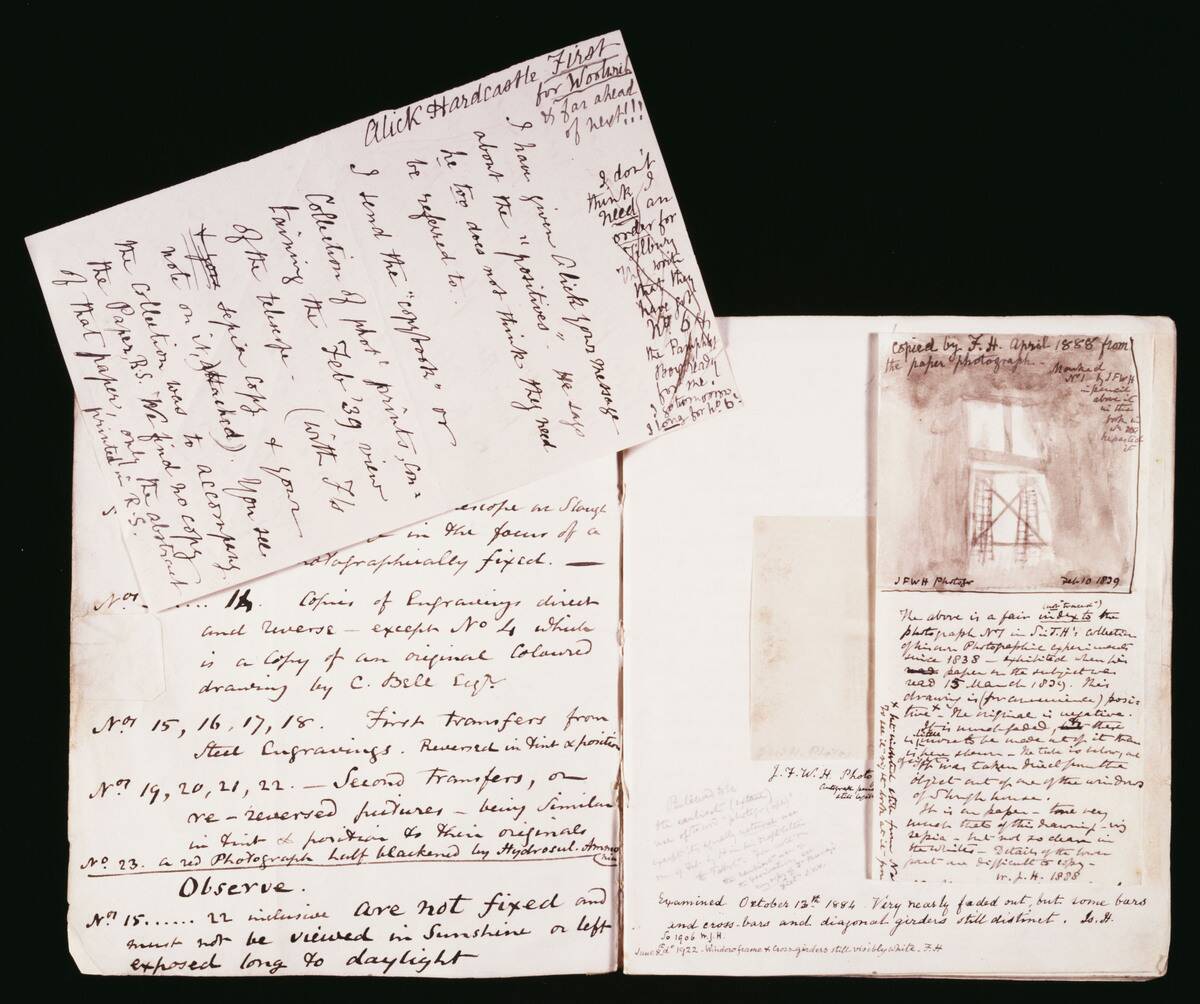
The thank-you note was an expression of gratitude and a testament to one’s manners. Writing a thank-you note involved more than just acknowledging a gift or gesture; it was about conveying appreciation with sincerity and grace.
The choice of words, paper, and pen all contributed to the note’s impact. This practice was a reflection of the value placed on personal relationships and the importance of expressing thanks. A well-crafted thank-you note was a hallmark of good breeding and social acumen.
The Hierarchy of Introduction: Who’s Who in Society
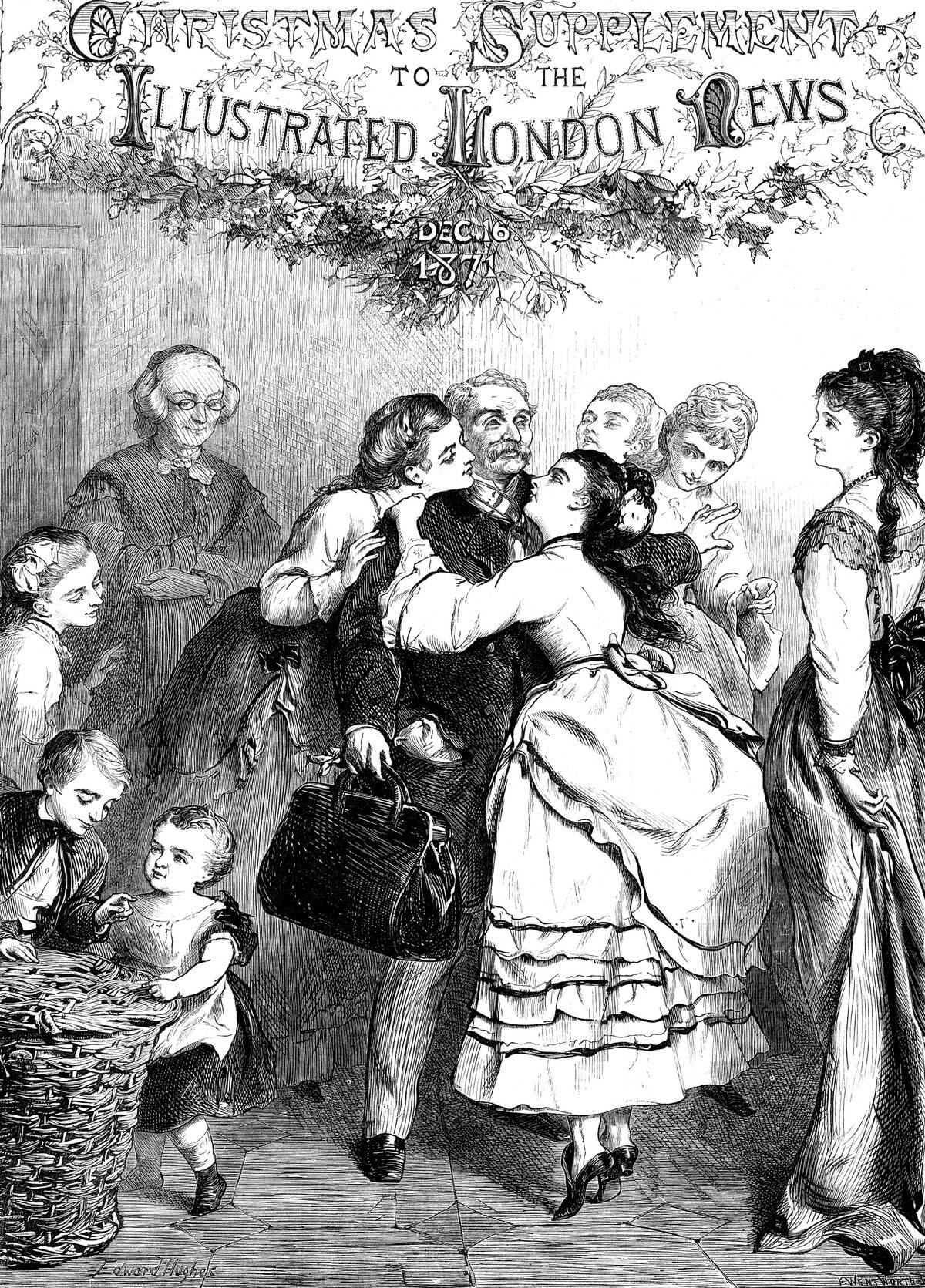
Introductions followed a strict hierarchy, reflecting the social standings of those involved. The order in which people were introduced was carefully considered, often prioritizing status over familiarity. Failing to adhere to this hierarchy could result in social embarrassment or offense.
The art of introduction was a delicate balance, requiring knowledge of social dynamics and the ability to navigate them gracefully. This practice underscored the importance of respect and recognition in maintaining social order and harmony.
The Peculiar Practice of Tipping Hats
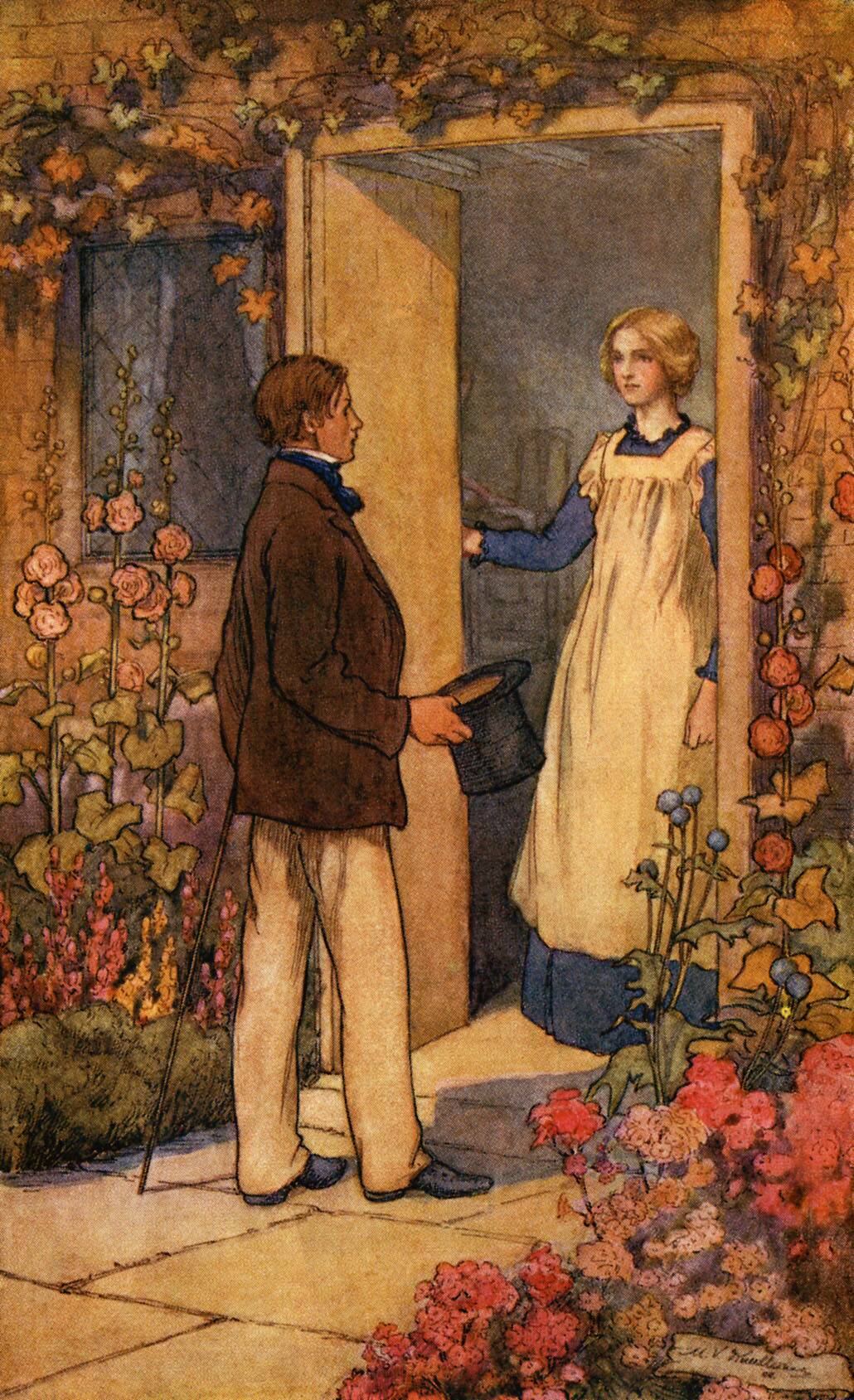
Tipping one’s hat was a gesture steeped in tradition and respect. This practice, often used by men, was a sign of acknowledgment or greeting. The manner of tipping, whether a slight lift or a full removal of the hat, conveyed different levels of respect or familiarity.
Tipping one’s hat to a lady was a mark of chivalry, while failing to do so could be seen as a breach of etiquette. This simple gesture was a reflection of the subtle codes governing social interactions.
The Social Significance of Tea Time: More Than Just a Break
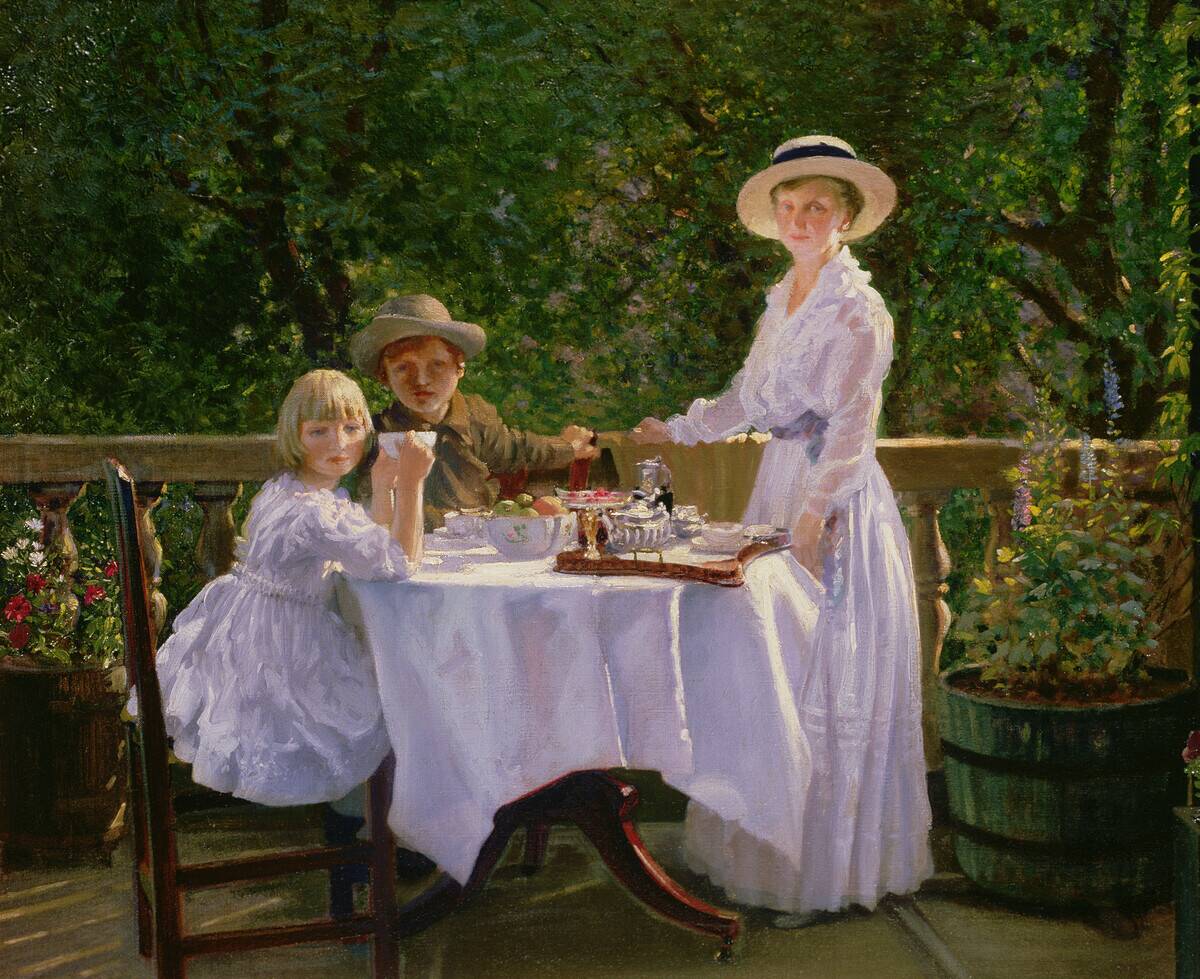
Tea time was a ritual that transcended mere refreshment, serving as a social institution. Originating in the 19th century, it provided an opportunity for conversation and connection. The etiquette surrounding tea time, from the choice of tea to the arrangement of the tea set, reflected one’s social standing and attention to detail.
This practice was not just about enjoying a beverage but about fostering relationships and demonstrating hospitality. Tea time was a testament to the cultural importance of social rituals.
Public Displays of Affection: A Tenuous Taboo
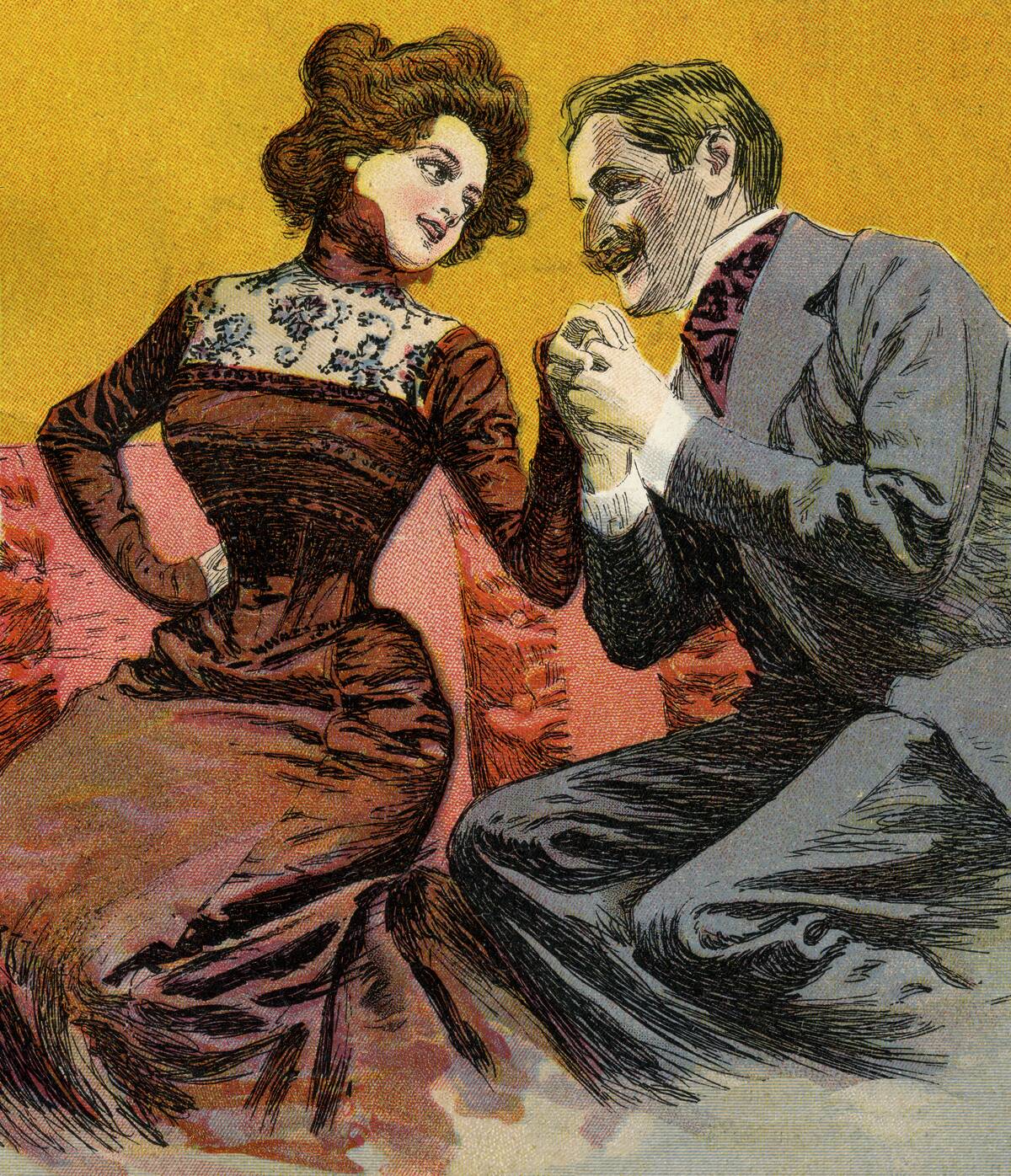
Public displays of affection were a delicate matter, often frowned upon in polite society. Expressions of affection were expected to be discreet, with overt displays considered inappropriate. This restraint was rooted in the values of modesty and decorum, where personal emotions were kept private.
The rules governing public affection highlighted the tension between personal desires and societal expectations. These conventions served to maintain a sense of propriety and respectability, ensuring that personal relationships did not disrupt the social order.