Infrastructure projects still operating centuries later
From ancient times to the modern era, human history has been marked by the creation of remarkable structures that continue to captivate us. These timeless wonders of infrastructure not only showcase the ingenuity and creativity of their builders but also provide invaluable insights into the societies that constructed them.
Today, we journey through some of the most iconic and enduring monuments that have withstood the test of time, offering a glimpse into the past and a testament to human achievement.
The Great Wall of China: An Enduring Symbol of Strength
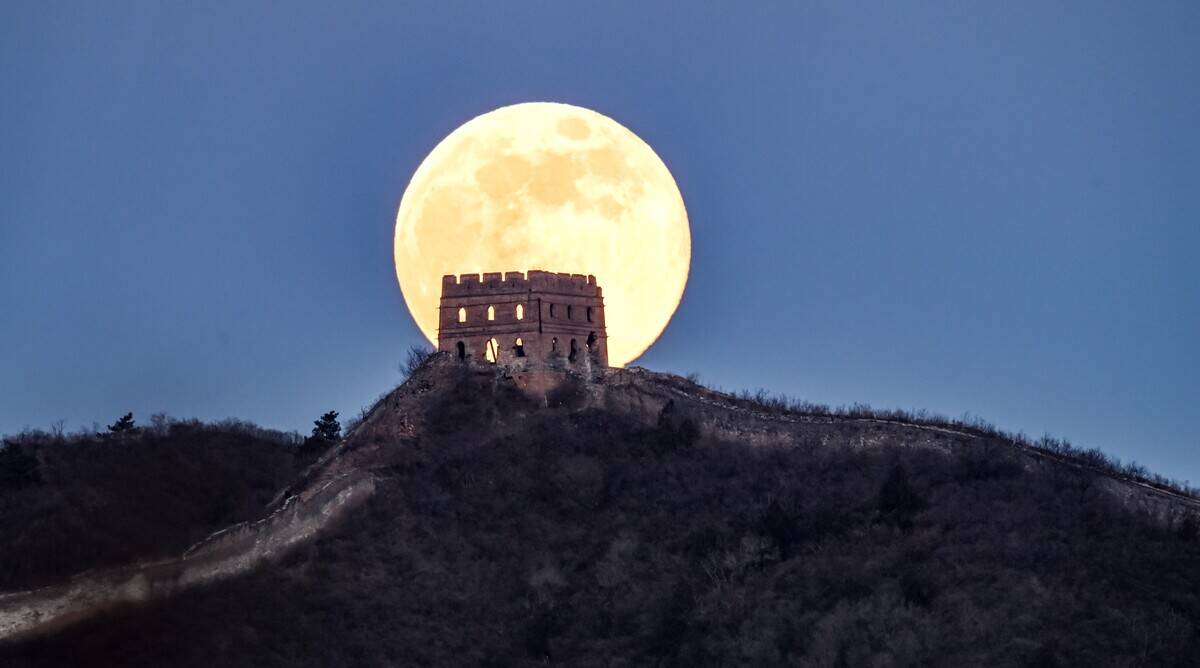
The Great Wall of China stretches over an astonishing 13,000 miles, a testament to the determination and resourcefulness of ancient Chinese civilizations. Originally constructed to protect against invasions, the wall is a patchwork of diverse materials, from tamped earth to stone and brick.
As you walk along its towering ramparts, it’s easy to imagine the thousands of workers who toiled there, creating a structure so vast and extensive that it stretches across northern China, symbolizing China’s enduring strength.
The Roman Aqueducts: Engineering Marvels That Still Stand
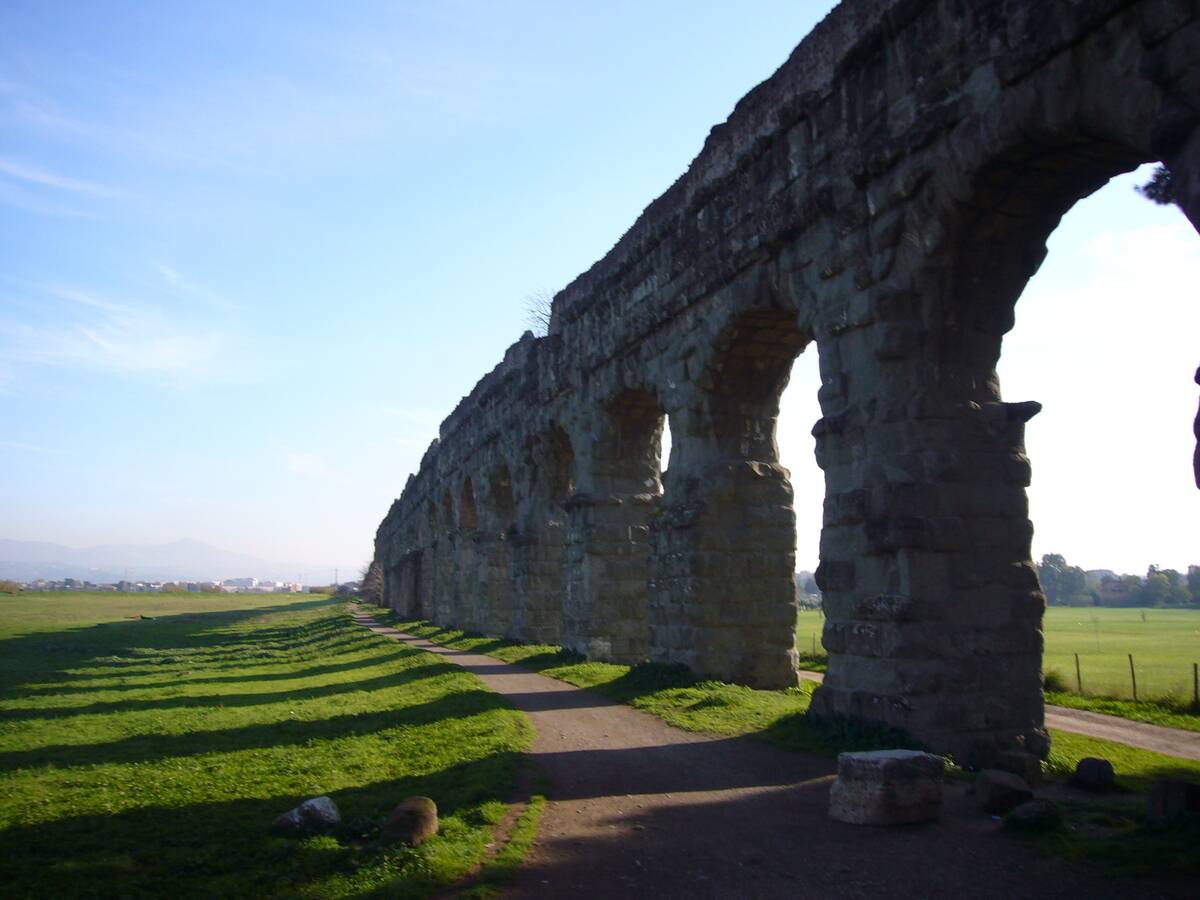
Roman aqueducts are a remarkable feat of ancient engineering, with some still standing today as a testament to their builders’ skill. The Aqua Appia, Rome’s first aqueduct constructed in 312 BC, was just the beginning of a network that revolutionized urban life by providing a steady water supply.
The Pont du Gard in France, a towering example of Roman craftsmanship, showcases the elegance and functionality of these structures, which have inspired countless modern waterworks projects.
Stonehenge: Ancient Monument with Modern Mystique
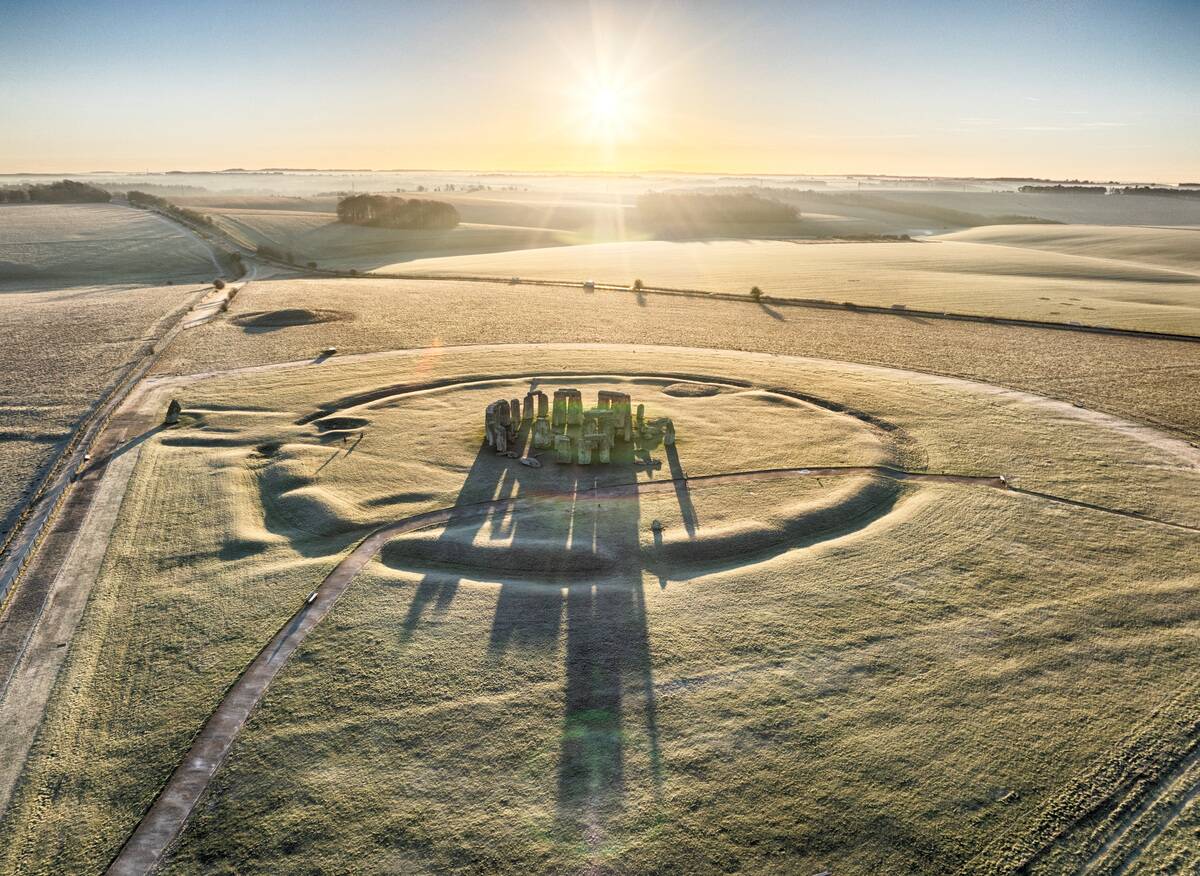
Stonehenge, with its massive stone circles, has long fascinated archaeologists and visitors alike. Located in Wiltshire, England, this prehistoric monument is estimated to have been constructed around 2500 BC.
Theories about its purpose range from an astronomical observatory to a ceremonial site. Despite extensive research, Stonehenge retains its air of mystery, drawing in those who are curious about the ancient rituals and societal structures of the people who erected these enigmatic stones.
The Pyramids of Giza: Architectural Wonders of the Ancient World
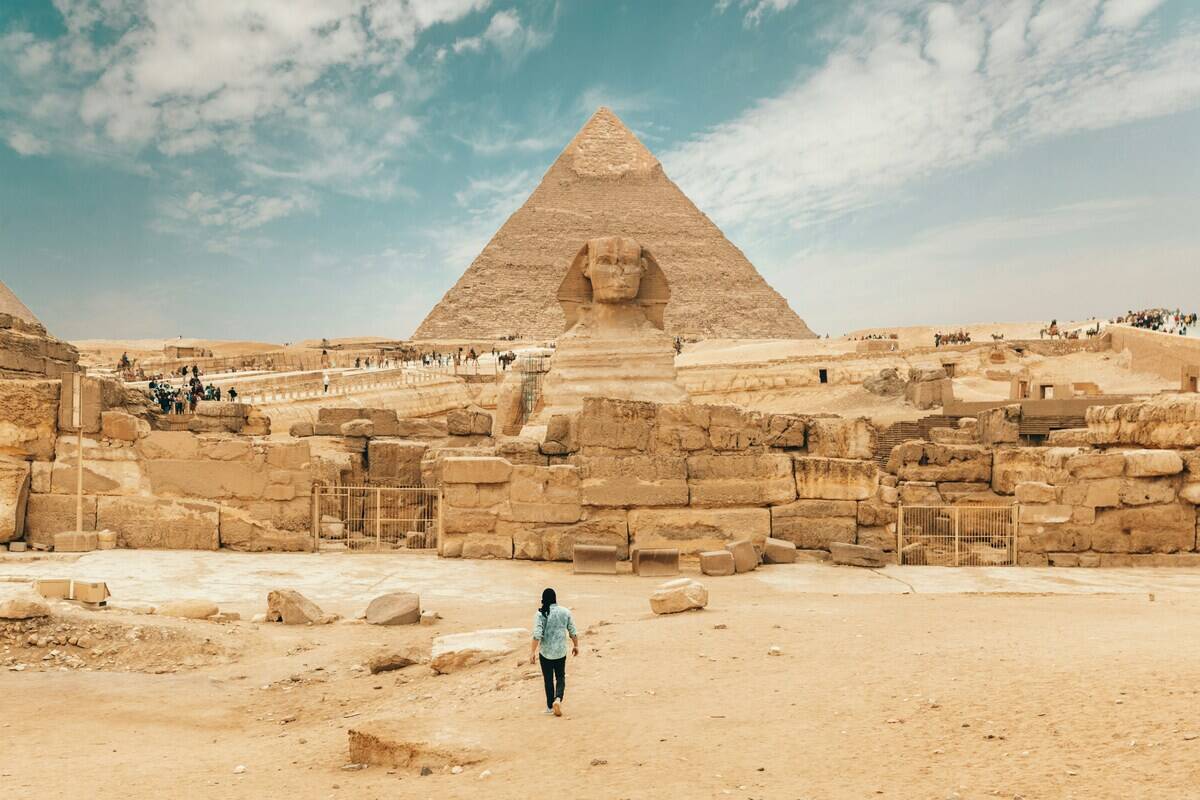
The Pyramids of Giza, with the Great Pyramid standing as the most famous, are a testament to the architectural prowess of ancient Egypt. Built as tombs for pharaohs, they have intrigued historians with their precise alignment and construction methods.
The Great Pyramid, originally 481 feet tall, was the tallest man-made structure for over 3,800 years. Theories about their construction, including the use of ramps and levers, highlight the sophistication of ancient Egyptian society.
The Colosseum: Rome’s Iconic Amphitheater
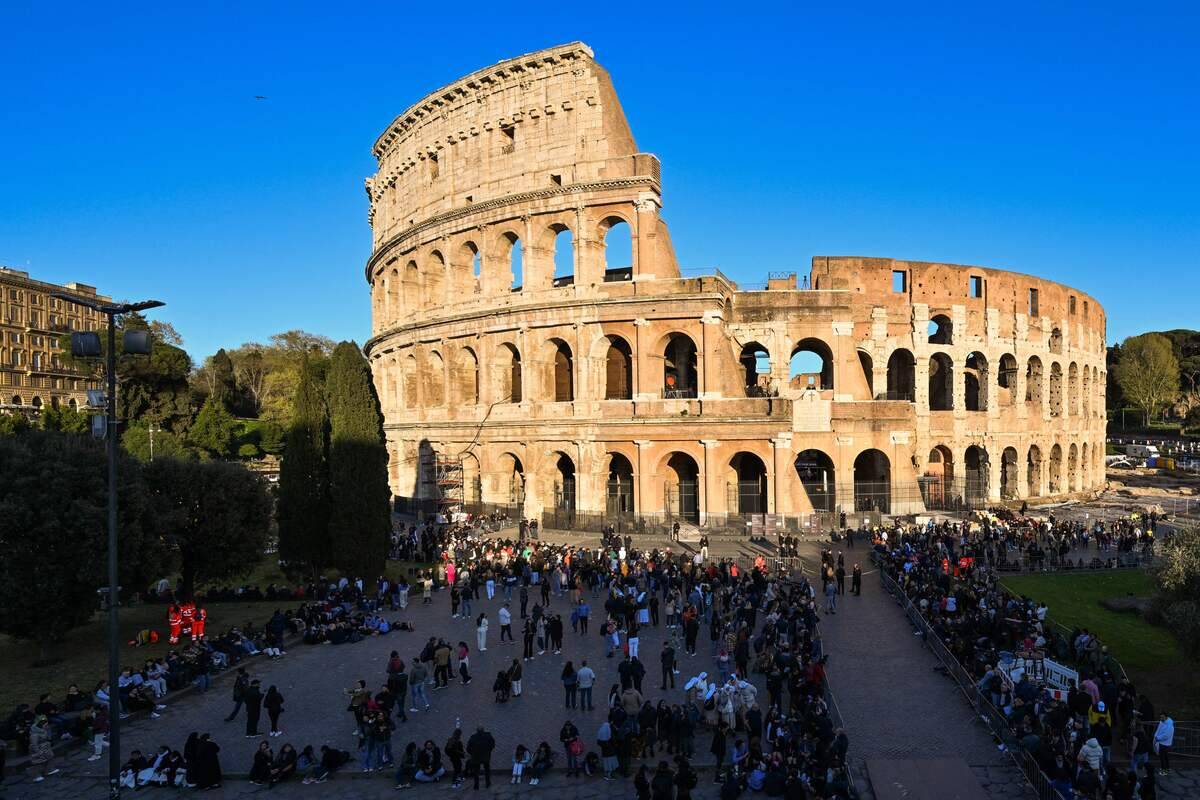
The Colosseum in Rome, completed in 80 AD, remains one of the most enduring symbols of the Roman Empire. This massive amphitheater could hold up to 80,000 spectators, who gathered to watch gladiatorial contests and public spectacles.
Built with concrete and stone, it showcases Roman engineering prowess, featuring a complex system of vaults and a retractable awning for shade. Despite earthquakes and stone robbers, the Colosseum stands as a testament to Rome’s architectural legacy.
Machu Picchu: The Lost City of the Incas
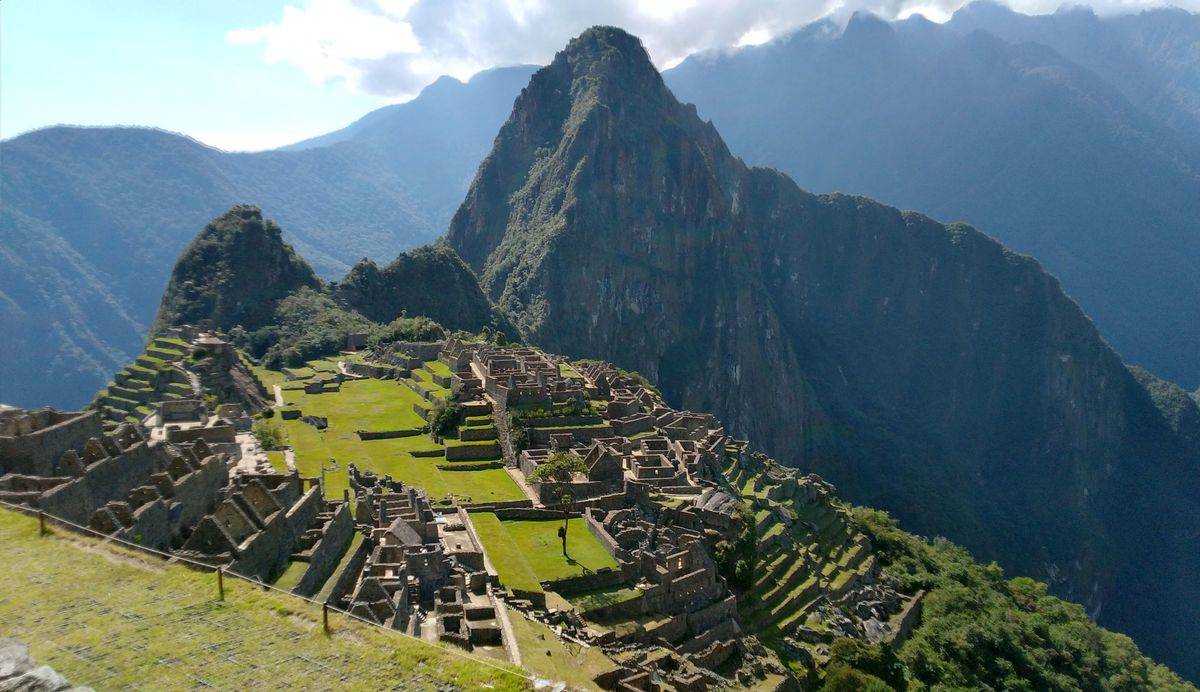
Perched high in the Andes Mountains, Machu Picchu is a stunning example of Inca engineering and architecture. Built in the 15th century and abandoned shortly thereafter, this ‘Lost City’ was rediscovered by Hiram Bingham in 1911.
Its precise stone construction and terraced fields reveal advanced knowledge of agriculture and astronomy. Today, Machu Picchu is a UNESCO World Heritage Site, drawing visitors who marvel at its breathtaking beauty and historical significance.
The Parthenon: Greece’s Timeless Temple
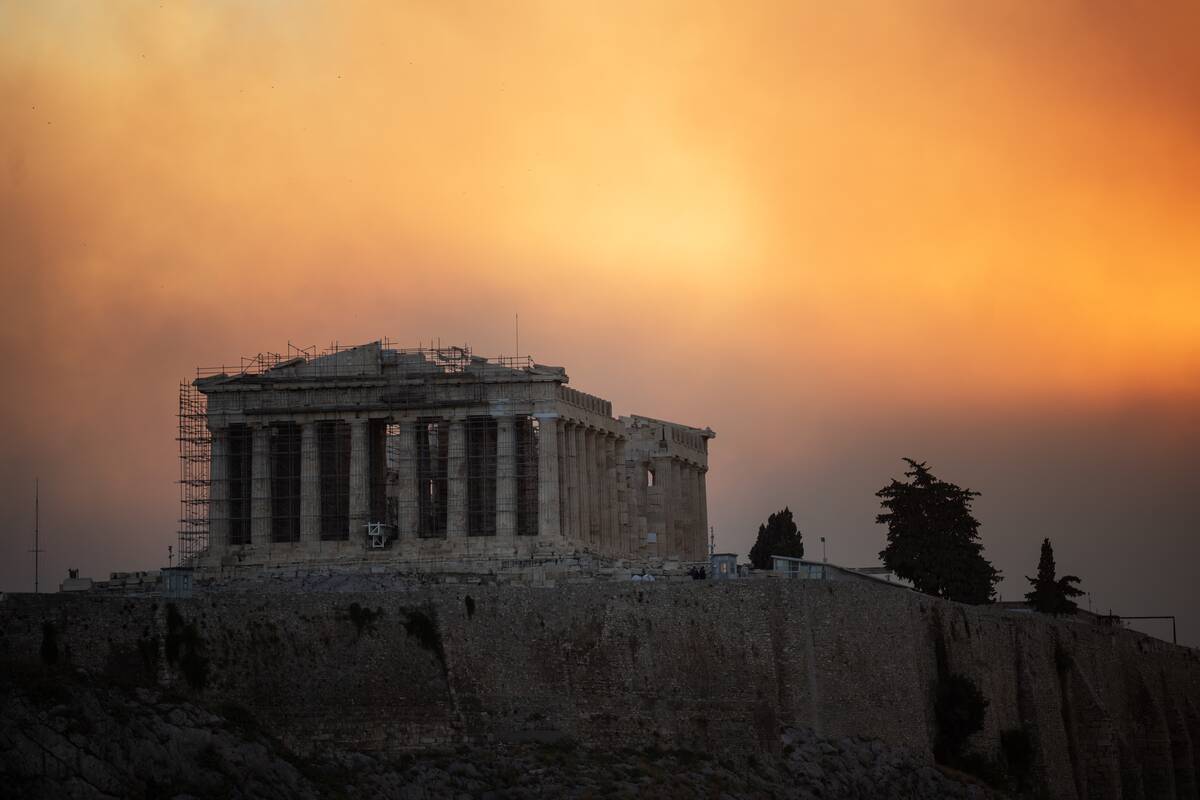
The Parthenon, an enduring symbol of ancient Greece, stands proudly atop the Acropolis of Athens. Dedicated to the goddess Athena, it was completed in 432 BC and is renowned for its Doric architecture and intricate sculptures.
The temple’s harmonious proportions and optical illusions, such as columns that appear straight but are slightly curved, demonstrate the Greeks’ advanced understanding of art and mathematics. Despite damage over the centuries, the Parthenon continues to inspire admiration and awe.
The Pont du Gard: A Testament to Roman Ingenuity
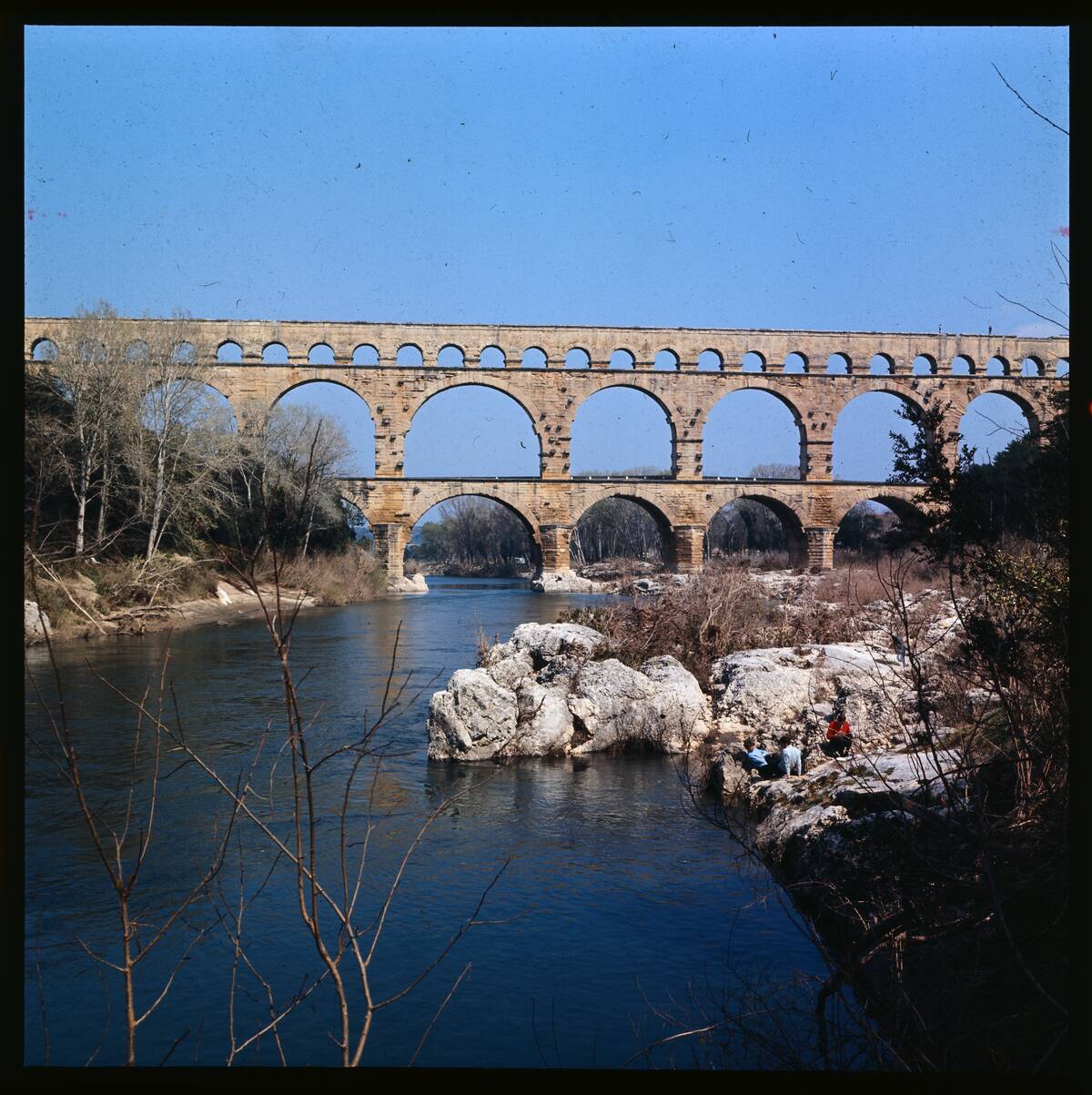
The Pont du Gard, a Roman aqueduct bridge in southern France, is an extraordinary example of Roman engineering. Built in the 1st century AD to supply water to the city of Nîmes, it stands at 160 feet high and features three tiers of arches.
This architectural marvel was constructed without mortar, relying on precisely cut stones and gravity to maintain its structure. Today, it remains a UNESCO World Heritage Site, admired for its beauty and historical importance.
The Hagia Sophia: A Byzantine Beauty Through the Ages
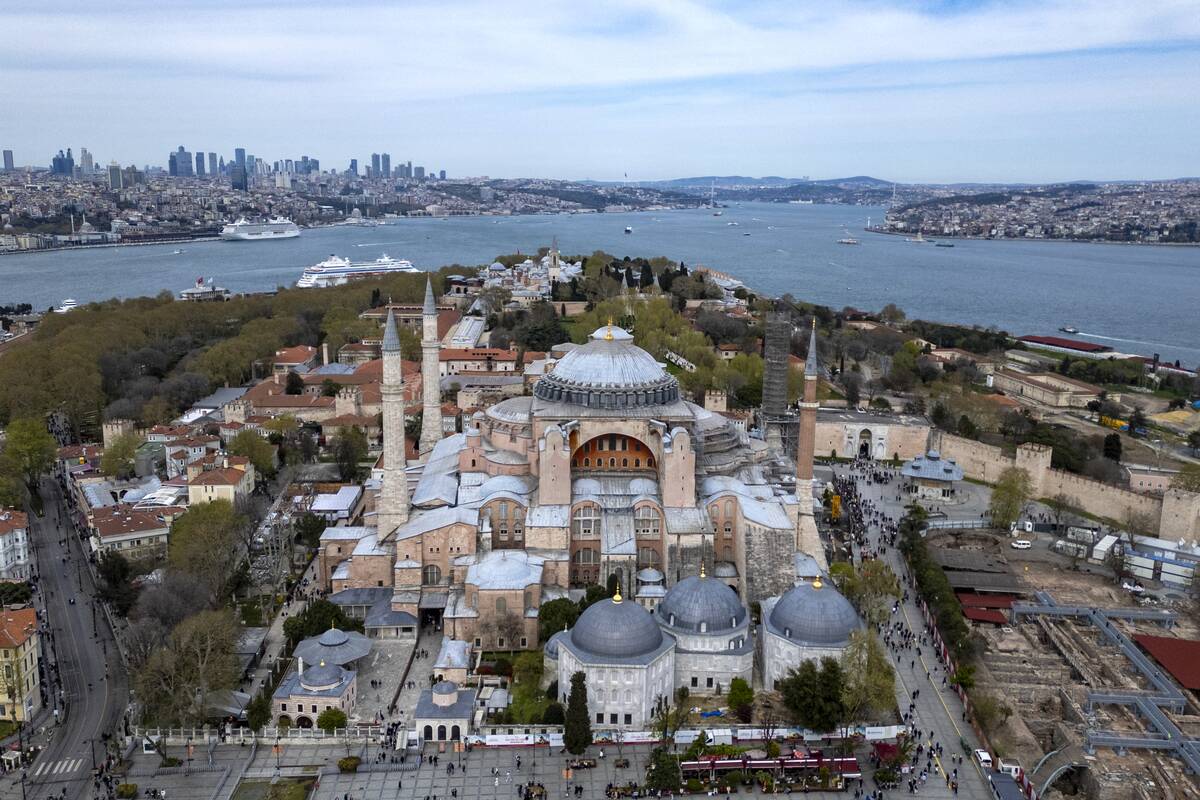
The Hagia Sophia in Istanbul, originally built as a cathedral in 537 AD, has undergone many transformations over the centuries. This architectural masterpiece, renowned for its massive dome and stunning mosaics, was converted into a mosque in 1453 and later became a museum.
In 2020, it was reconverted into a mosque, reflecting its rich and complex history. The Hagia Sophia’s architectural innovations have influenced religious buildings worldwide, making it a symbol of Byzantine ingenuity.
The Tower of London: A Fortress of History
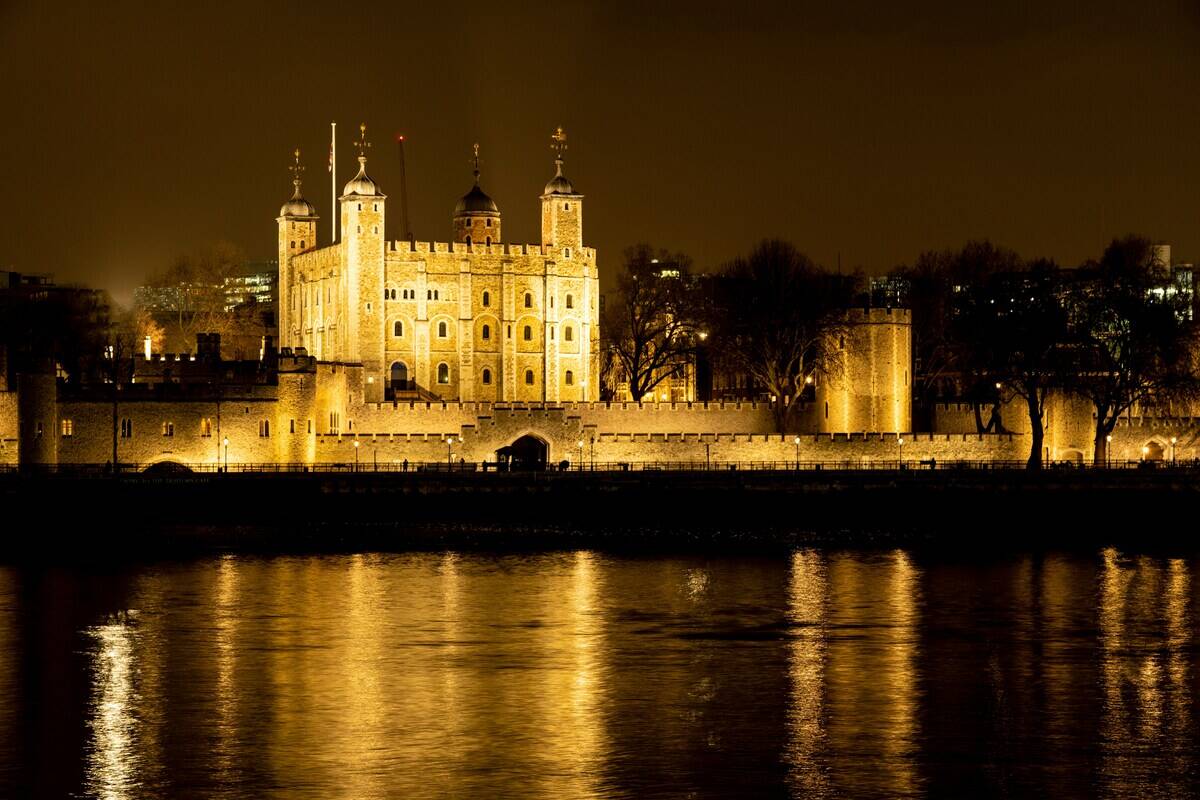
The Tower of London, a historic fortress on the banks of the River Thames, has a storied past that stretches back to 1066. Initially built by William the Conqueror, it served as a royal residence, treasury, and prison.
Its most famous prisoner, Anne Boleyn, met her fate within its walls. The White Tower, a symbol of Norman power, houses the Crown Jewels, attracting visitors eager to explore its rich history and legends of intrigue and mystery.
The Alhambra: A Moorish Masterpiece in Spain
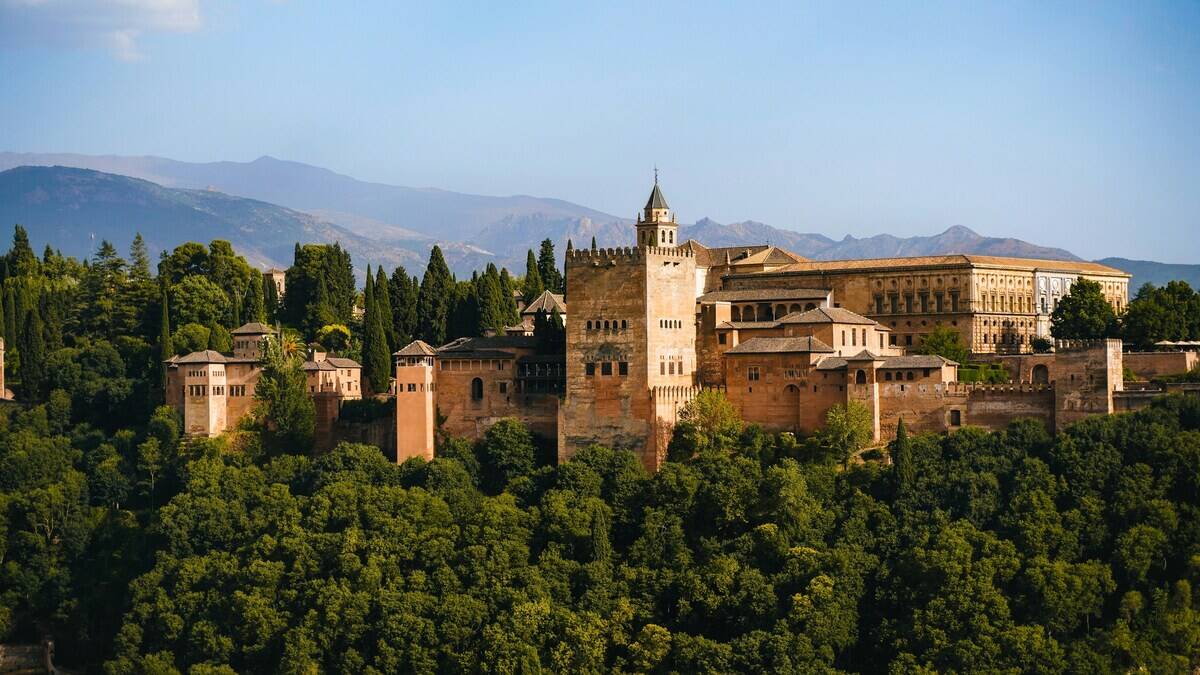
The Alhambra, a stunning palace and fortress complex in Granada, Spain, is a prime example of Moorish architecture. Constructed in the mid-13th century, its intricate tilework, lavish gardens, and ornate stucco decorations reflect the artistic achievements of the Nasrid dynasty.
The Alhambra’s blend of Islamic and Christian influences is a testament to Spain’s multicultural history. Today, it remains one of the country’s most visited monuments, enchanting tourists with its beauty and historical significance.
The Grand Canal of Venice: Waterways of a Floating City
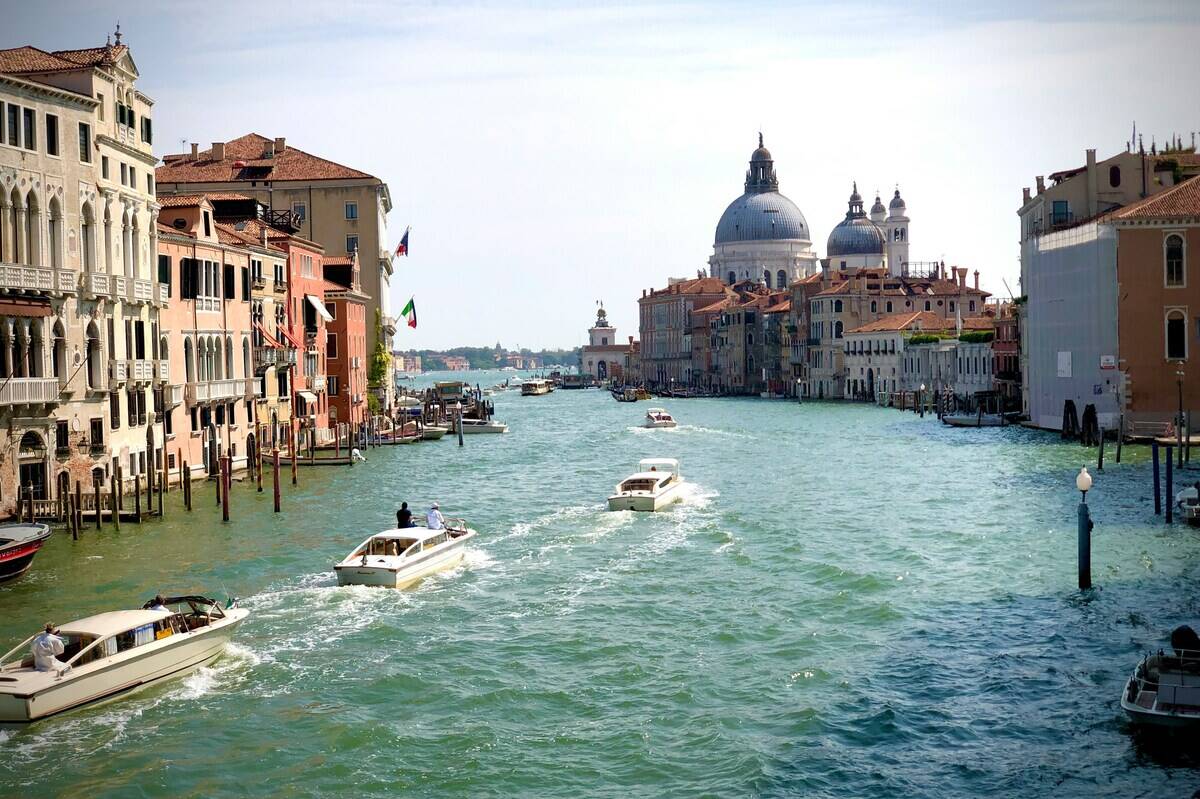
The Grand Canal, the main waterway of Venice, is a testament to the city’s unique relationship with water. This S-shaped canal stretches over two miles, lined with stunning palaces that showcase Venetian Gothic, Renaissance, and Baroque architecture.
The canal serves as a vital transportation route, with gondolas and vaporettos ferrying people and goods through the heart of the city. The Grand Canal’s beauty and functionality exemplify Venice’s enduring charm as a floating city.
The Great Mosque of Córdoba: A Blend of Cultures
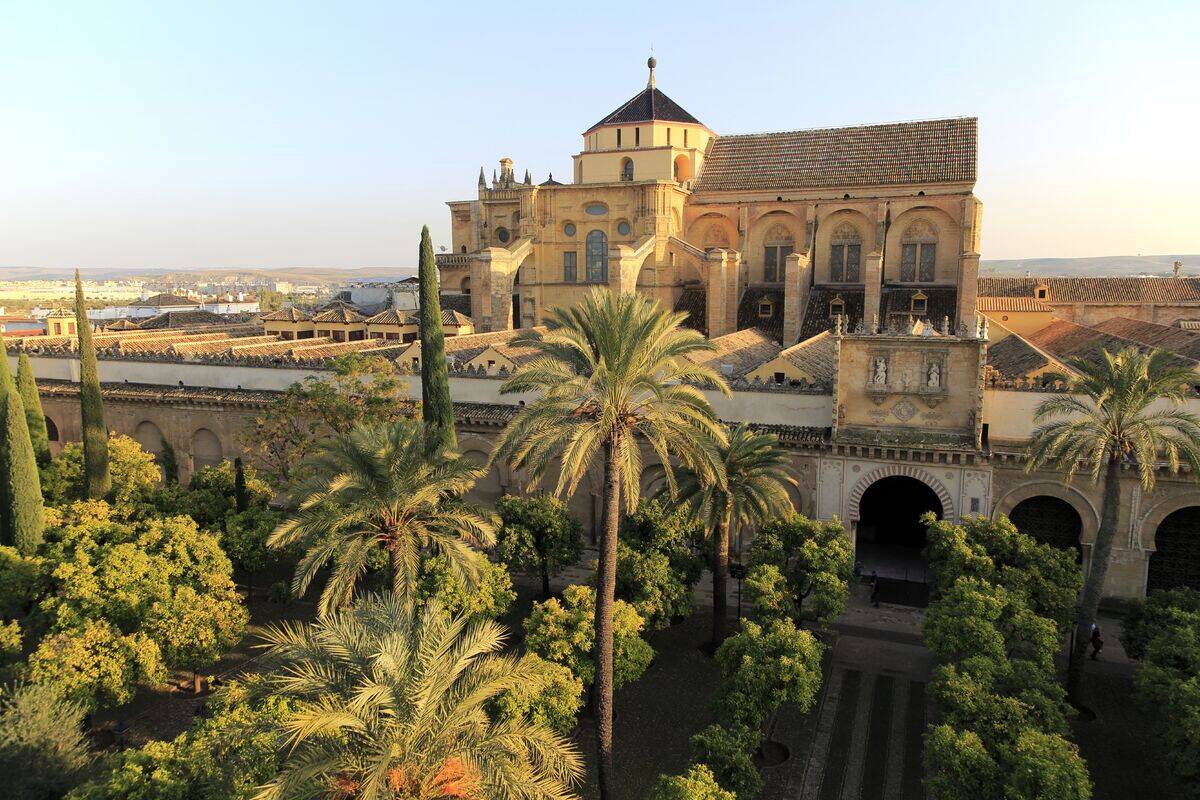
The Great Mosque of Córdoba, or Mezquita, is a stunning symbol of the cultural fusion that characterized medieval Spain. Initially constructed in 785 AD, it was expanded over two centuries, reflecting the influence of Roman, Gothic, and Islamic architectural styles.
After the Reconquista, it was converted into a Christian cathedral, yet its iconic horseshoe arches and ornate mihrab remain. This unique blend of cultures and faiths makes the Great Mosque a remarkable historical site.
The Kremlin: Russia’s Historical Heart
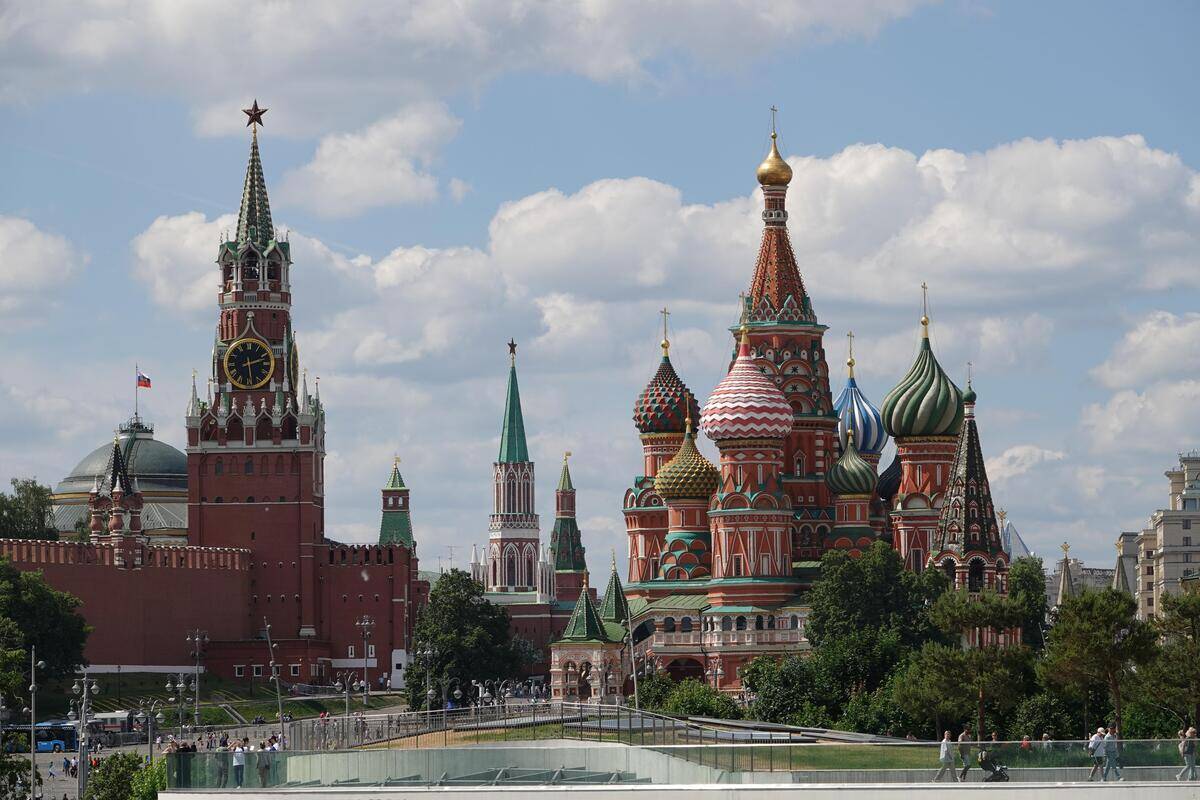
The Kremlin, a fortified complex in the heart of Moscow, is synonymous with Russian history and power. Its origins date back to the 12th century, with the current walls and towers constructed in the late 15th century.
The complex houses significant structures like the Grand Kremlin Palace and the iconic onion-domed cathedrals. As the official residence of the Russian president, the Kremlin remains a symbol of political authority, embodying Russia’s rich history and cultural heritage.




