Forgotten gods of ancient times
In the vast tapestry of human history, there exists a myriad of forgotten deities that once held sway over ancient civilizations. These gods and goddesses, though largely obscured by the passage of time, offer a fascinating glimpse into the diverse spiritual landscapes of our ancestors.
From the bustling cities of Mesopotamia to the serene valleys of the Indus, these divine figures played pivotal roles in shaping cultural beliefs and social structures.
Unveiling Obscure Gods: An Exploration into the Unknown
Embarking on a journey to uncover these obscure deities is like piecing together an ancient puzzle. With limited archaeological evidence and scant historical records, researchers rely on artifacts, inscriptions, and oral traditions to shed light on these enigmatic figures.
This exploration not only deepens our understanding of ancient societies but also highlights the rich tapestry of human belief systems that transcend geographical boundaries.
Lost in Time: Deities of the Indus Valley Civilization
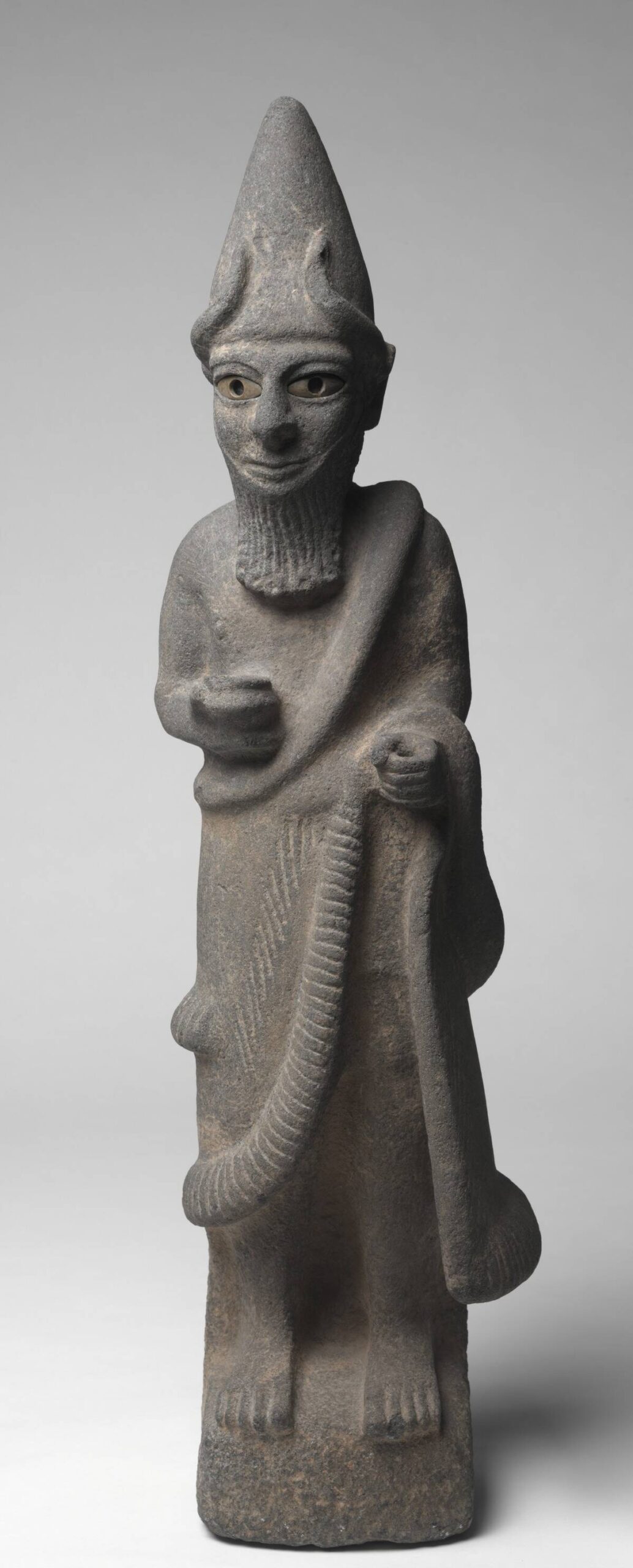
The Indus Valley Civilization, one of the world’s earliest urban cultures, boasted a complex religious framework. Although script decipherment remains elusive, artifacts like the “Priest-King” statue and the “Dancing Girl” suggest reverence for deities associated with governance and fertility.
Seals bearing animal motifs further imply a pantheon where creatures like bulls and elephants symbolized divine power, reflecting an intricate blend of spirituality and daily life.
The Mysterious Gods of the Etruscans
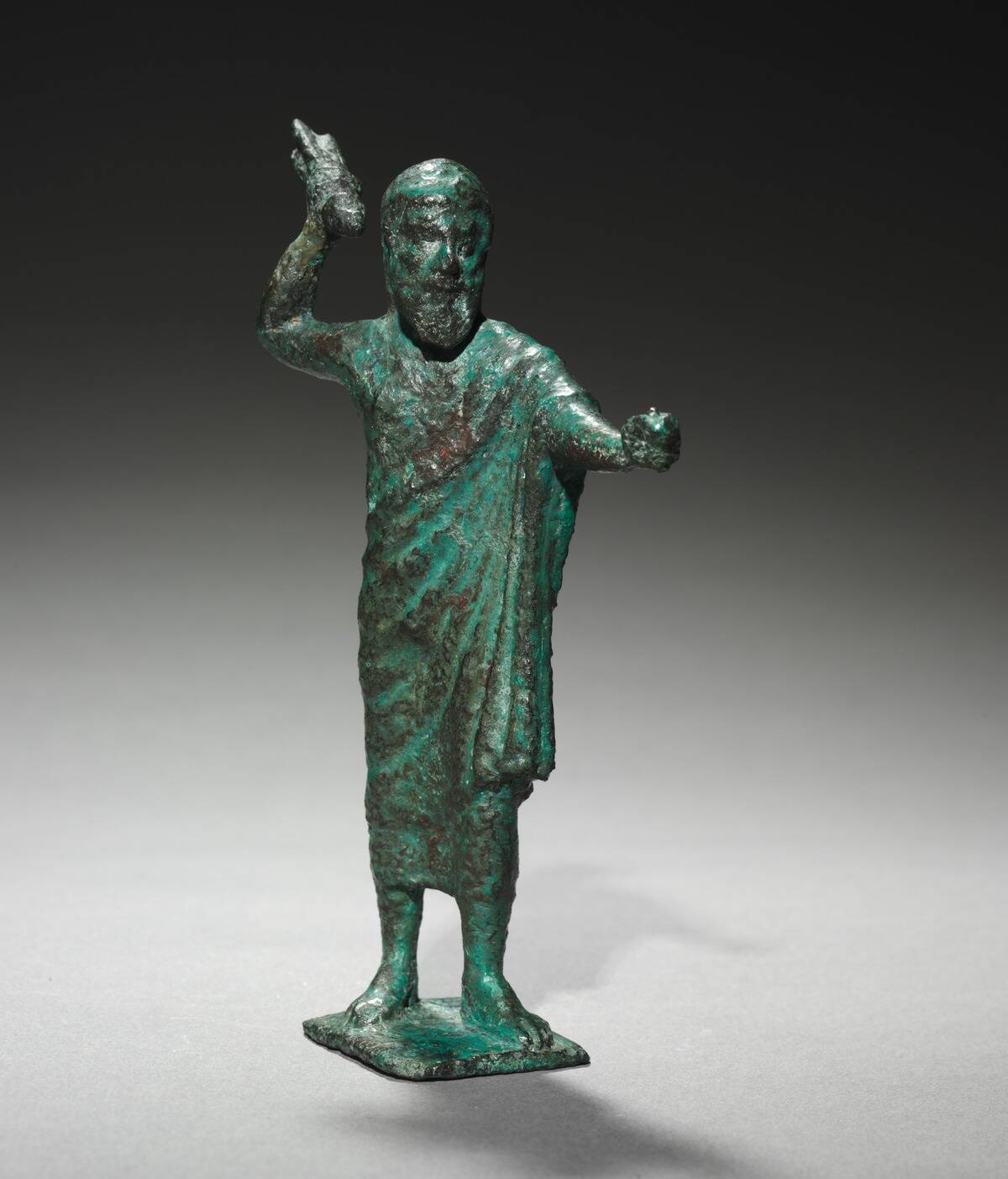
The Etruscans, a civilization that thrived in ancient Italy, worshipped a host of gods that influenced Roman mythology. Known for their rich funerary practices, the Etruscans believed in an afterlife governed by deities like Tinia, Uni, and Menrva.
These gods, akin to Zeus, Hera, and Athena of Greek lore, reveal how Etruscan beliefs intertwined with and enriched the religious tapestry of the Mediterranean world.
From the Shadows: The Lesser-Known Egyptian Deities
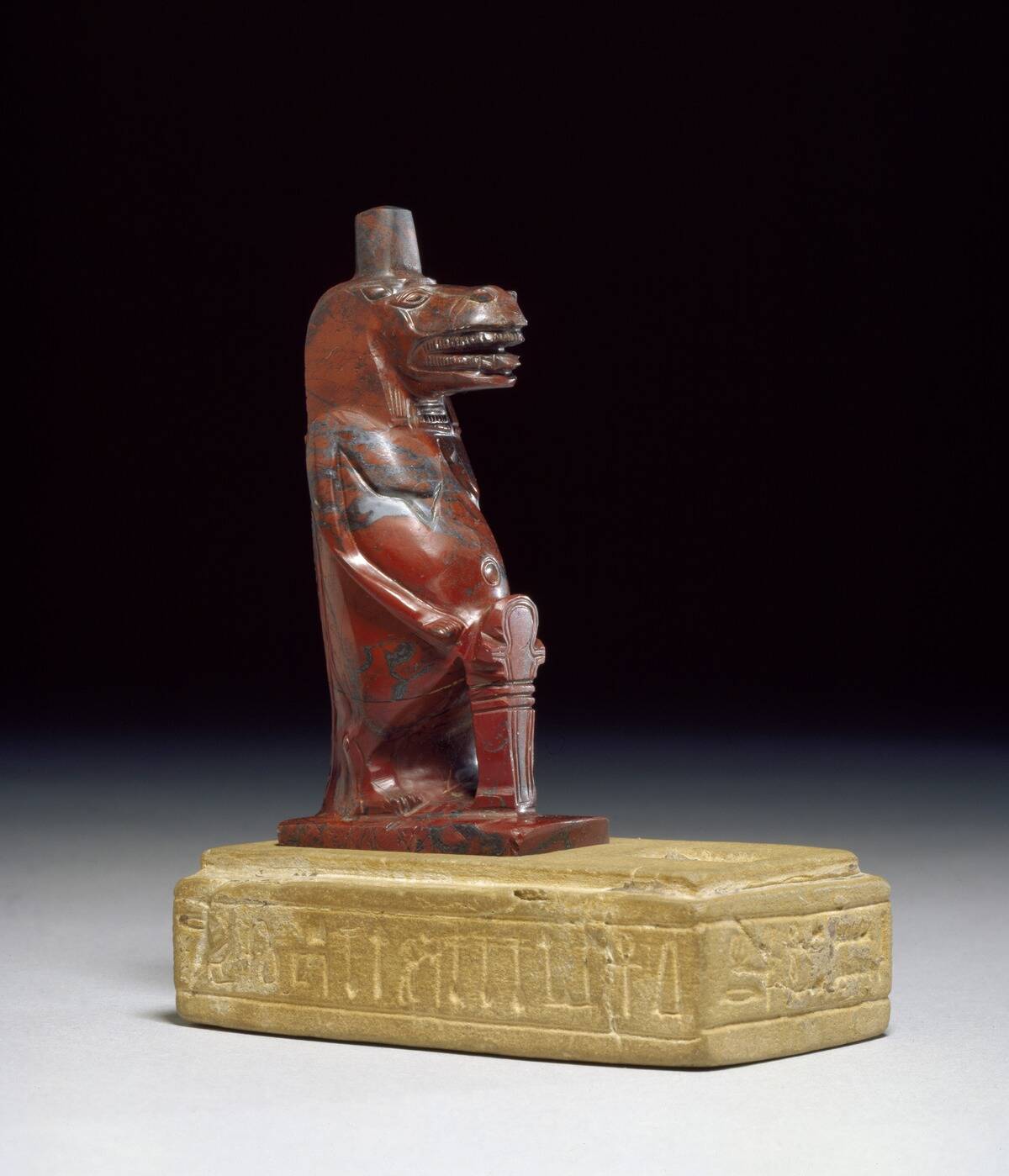
While Egyptian mythology is dominated by figures like Ra and Osiris, numerous lesser-known deities played crucial roles in daily life and cosmic order. Gods such as Bes, protector of households, and Taweret, guardian of childbirth, highlight the Egyptians’ emphasis on safeguarding familial and societal well-being.
These deities, often depicted in amulets and household items, underscore the profound spiritual connection Egyptians maintained with their environment.
Beyond Olympus: Unsung Heroes of Greek Mythology
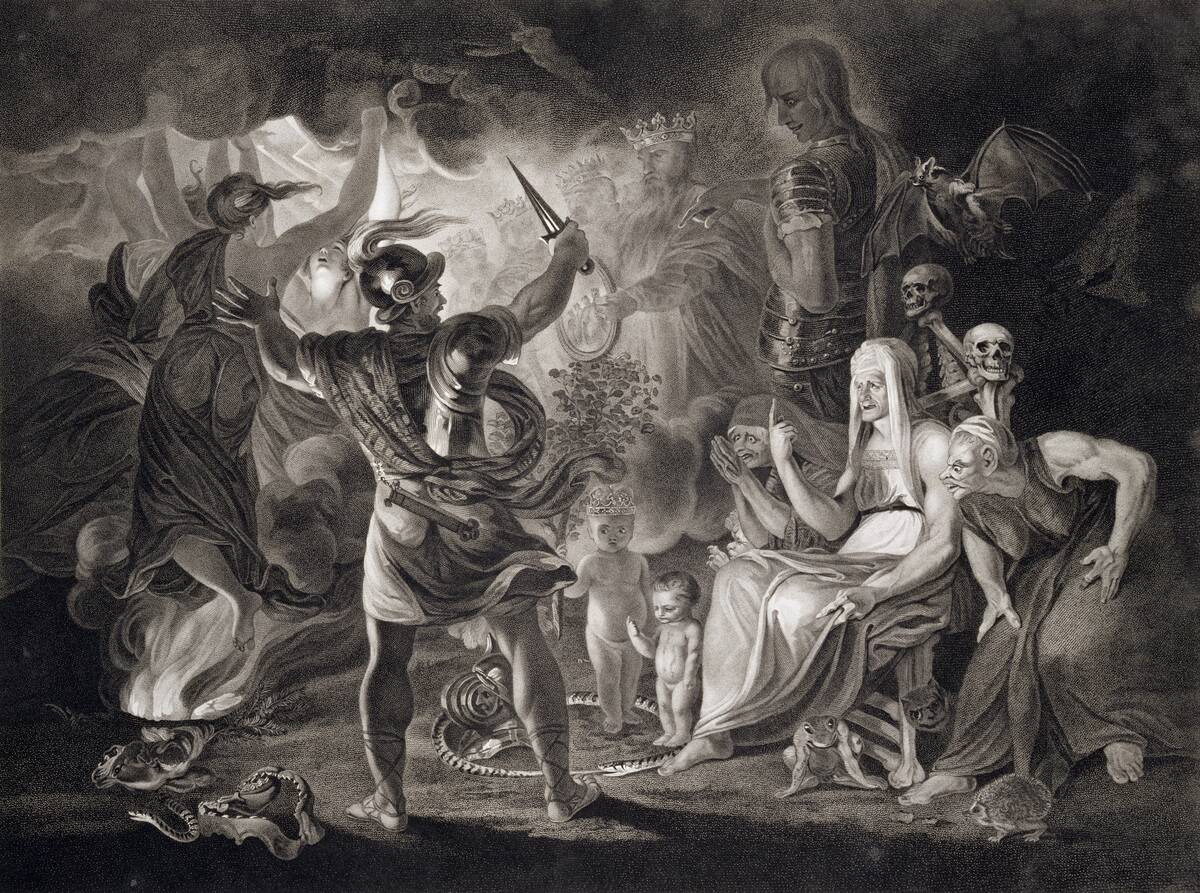
Greek mythology is replete with gods whose stories remain largely untold. Figures like Hecate, goddess of magic and crossroads, and Hypnos, personification of sleep, showcase the Greeks’ fascination with the supernatural and the everyday.
These deities, while not as prominent as Zeus or Athena, provided ancient Greeks with a nuanced understanding of the world, where even the smallest aspects of life were governed by divine influence.
Norse Myths Beyond Odin and Thor
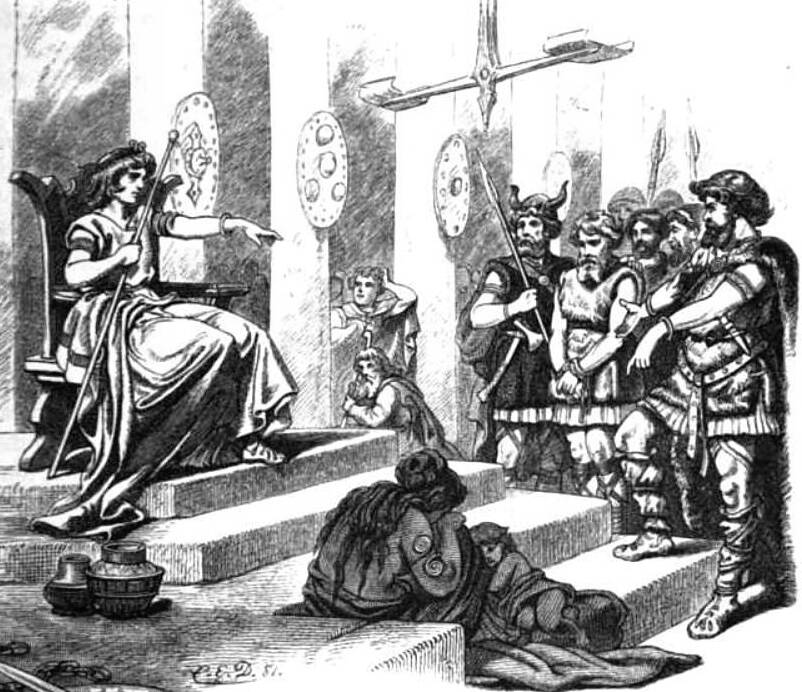
Norse mythology, celebrated for its epic tales of gods like Odin and Thor, also includes lesser-known figures who contributed to its rich narrative. Deities such as Forseti, god of justice, and Eir, goddess of healing, highlight the Norse people’s values and societal norms.
These gods, often overlooked in popular retellings, played vital roles in maintaining cosmic balance and offering guidance in times of need.
The Forgotten Spirits of Mesopotamia
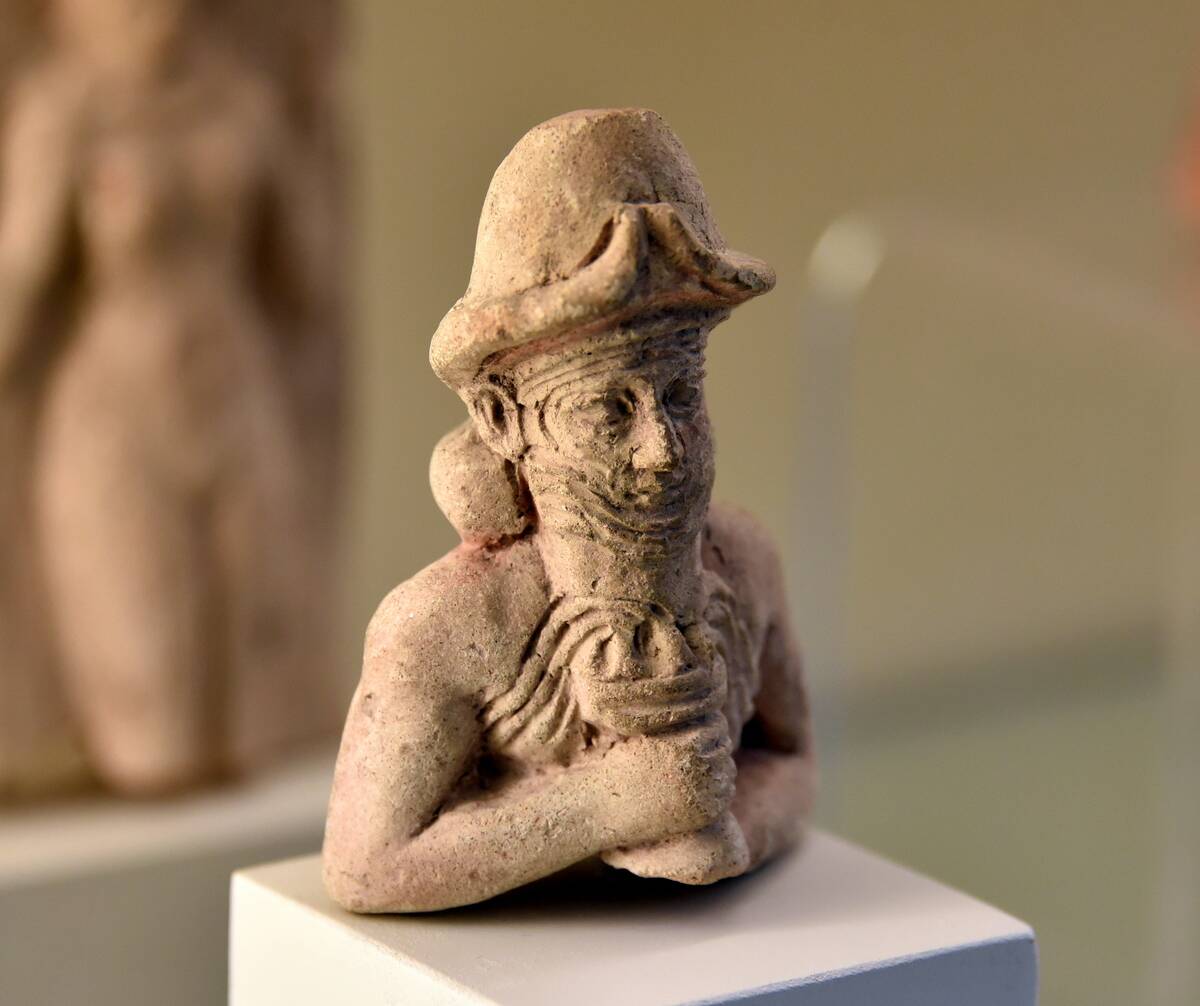
In the cradle of civilization, Mesopotamian societies revered a pantheon of gods that governed various aspects of life and nature. Deities like Enki, god of water and wisdom, and Ninhursag, goddess of fertility, were central to Sumerian and Akkadian beliefs.
These ancient spirits, depicted in cuneiform tablets and ziggurats, illustrate the Mesopotamians’ dependence on divine favor for prosperity and survival in an unpredictable world.
Deities of the Celtic Pantheon You’ve Never Heard Of
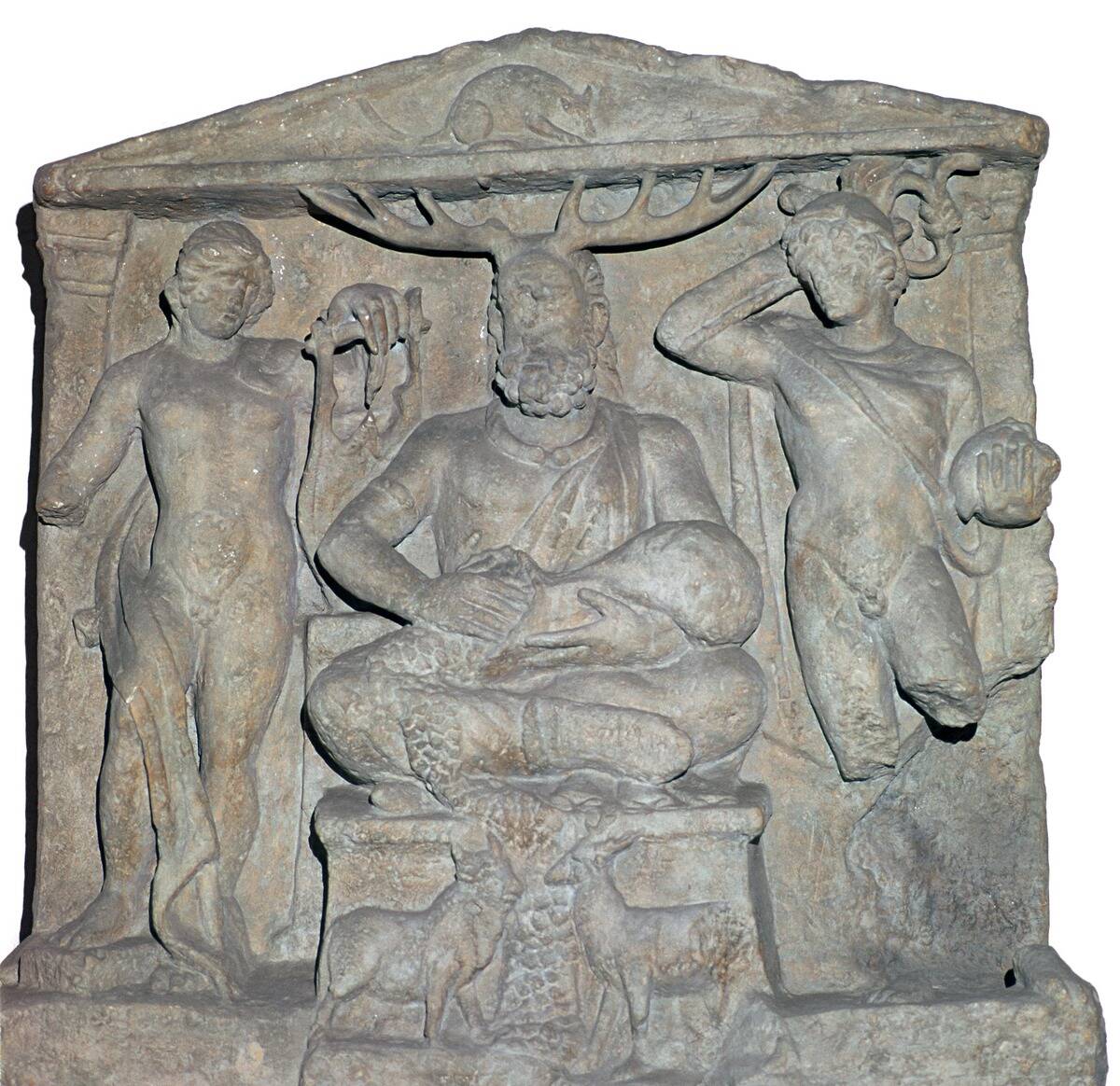
The Celts, known for their vibrant culture and warrior ethos, worshipped an array of gods that reflected their connection to nature and tribal identity. Deities such as Cernunnos, lord of wild things, and Brigid, goddess of healing and poetry, were integral to Celtic spirituality.
These figures, celebrated in myths and rituals, reveal a society deeply attuned to the cycles of the natural world and the power of transformation.
Unraveling the Mysteries of the Pre-Columbian Gods
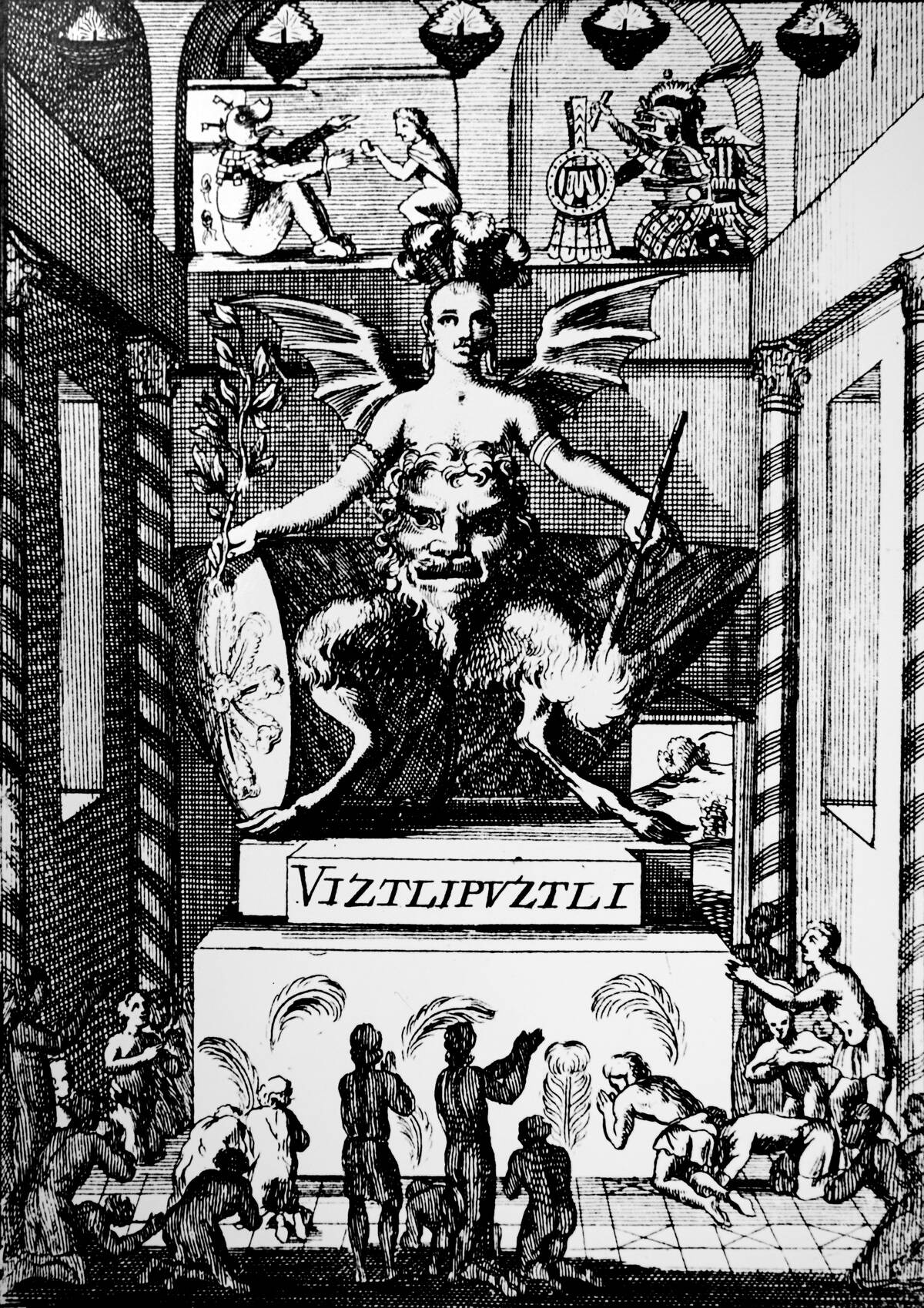
Across the Americas, pre-Columbian civilizations venerated gods whose stories are woven into the land itself. The Aztecs, for instance, worshipped Huitzilopochtli, the sun god, as a symbol of life and regeneration, while the Maya revered Itzamna, patron of culture and knowledge.
These deities, integral to the social and agricultural rhythms of their societies, highlight the profound relationship between the divine and the earthly in Mesoamerican belief systems.
Sub-Saharan Africa’s Overlooked Divine Figures
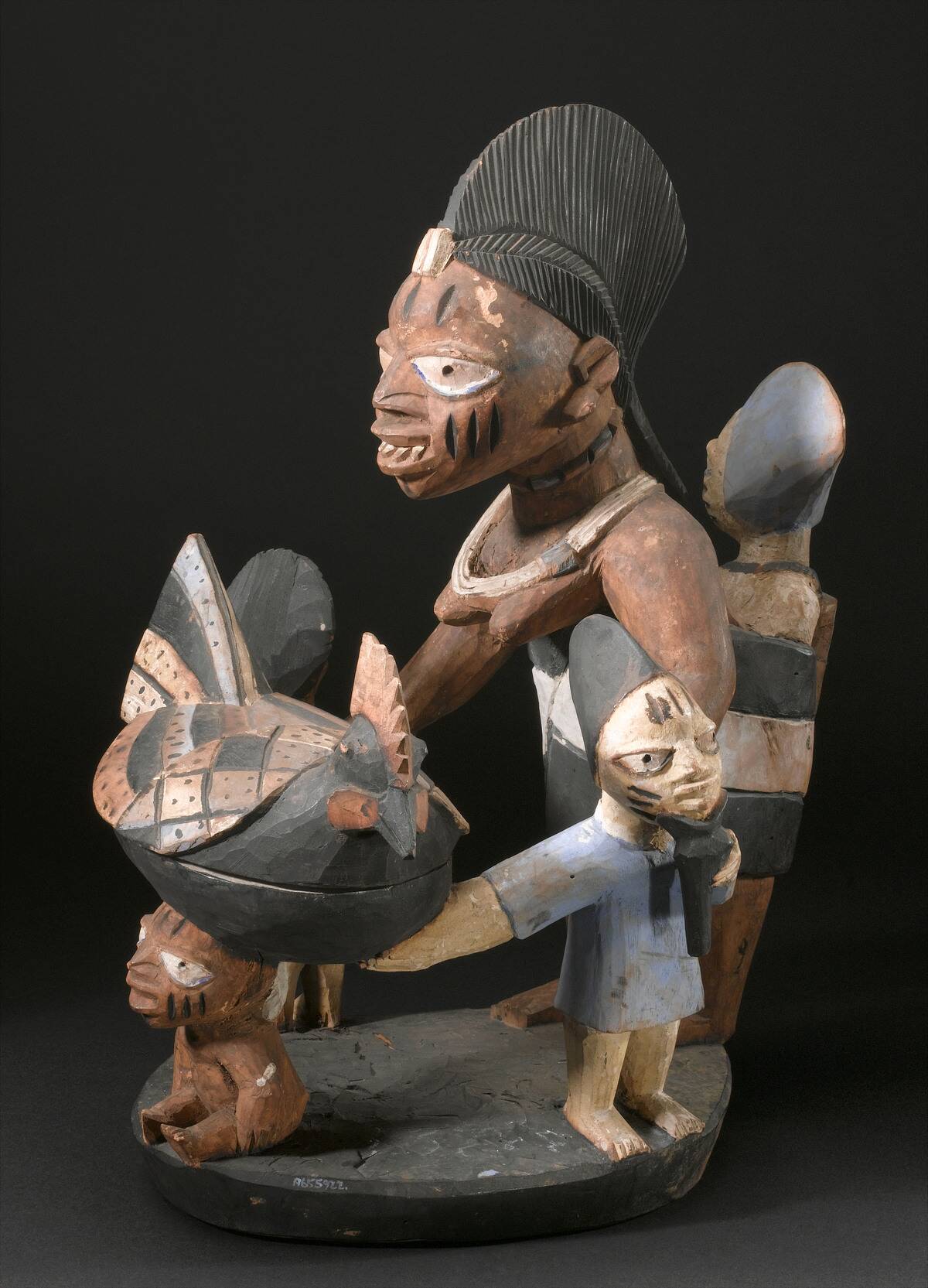
Sub-Saharan Africa, with its rich cultural tapestry, is home to a myriad of deities that reflect diverse traditions and beliefs. Gods like Ogun, the Yoruba deity of iron and war, and Nyame, the Ashanti sky god, underscore the spiritual depth of African societies.
Revered through oral histories and rituals, these figures embody the resilience and adaptability of cultures that have thrived in harmony with their environment.
The Unseen Gods of the Native American Tribes
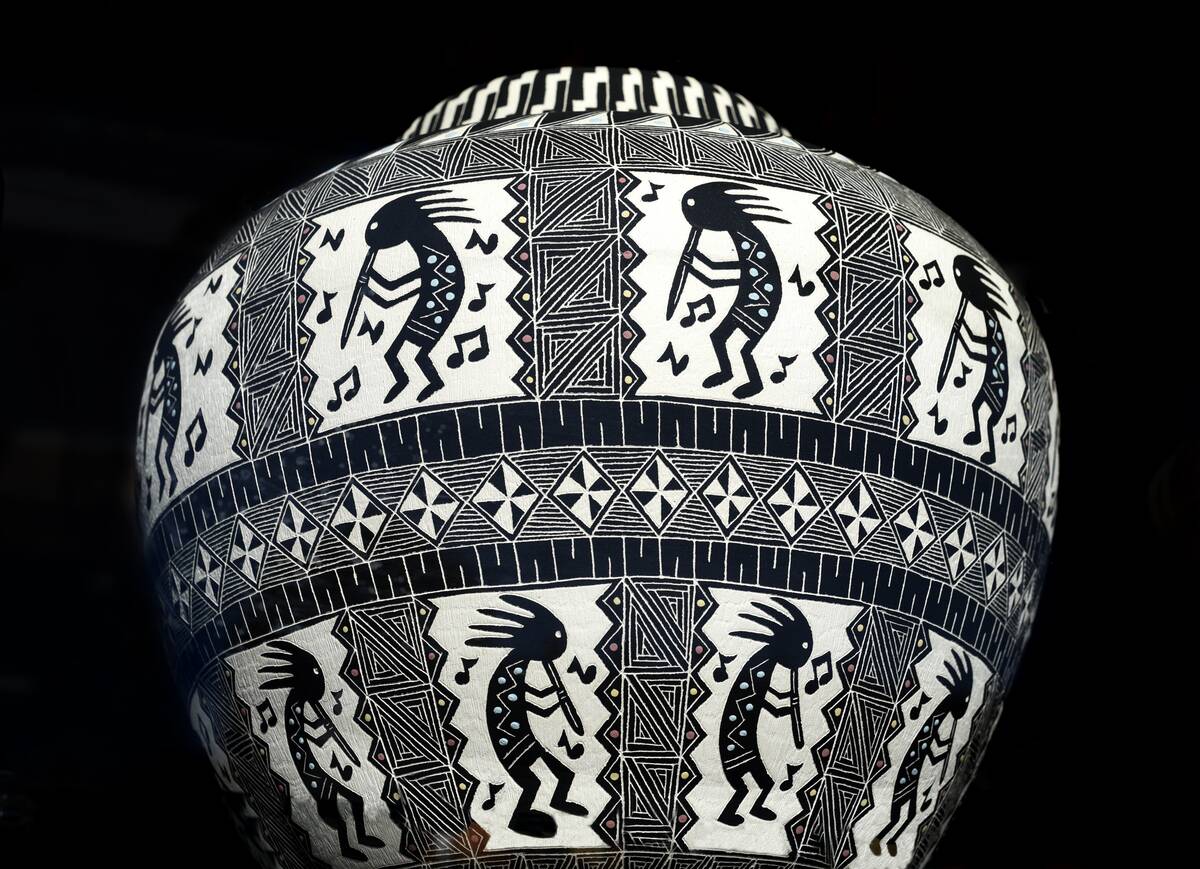
Native American tribes, each with unique traditions, worshipped a plethora of spirits that governed natural and human realms. The Lakota revered Wakan Tanka, the Great Spirit, as a source of life and unity, while the Hopi honored Kokopelli, a fertility deity, in their agricultural rituals.
These spiritual beliefs, passed down through generations, emphasize a deep reverence for nature and the interconnectedness of all living things.
Asia’s Hidden Pantheon: Gods Lost to Time
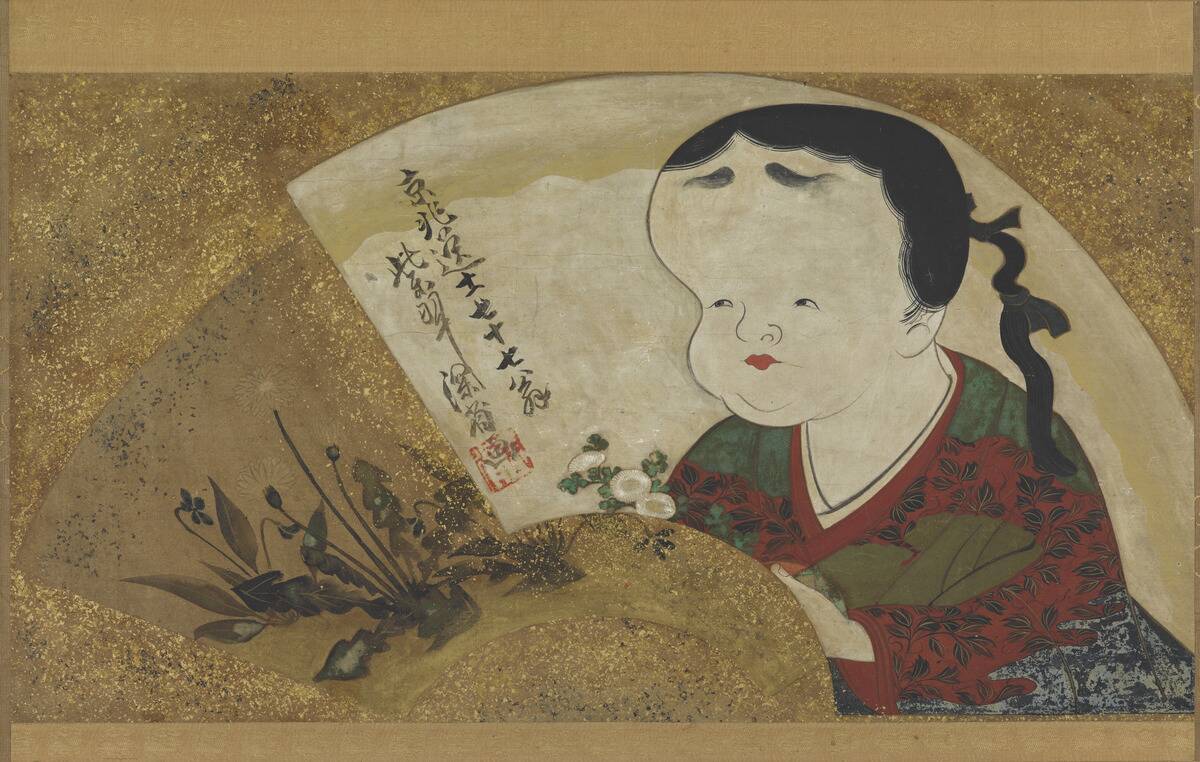
Asia’s vast landscape is dotted with ancient deities whose stories have faded from collective memory. In Japan, figures like Ame-no-Uzume, goddess of dawn and revelry, and Sarutahiko, guardian of crossroads, played roles in Shinto myths.
Similarly, China’s forgotten gods, such as Pangu, the creator, and Nuwa, the earth goddess, reflect a spiritual heritage that blends mythology with history, offering insights into the region’s cultural evolution.
Polynesian Deities: Beyond Maui and Hina
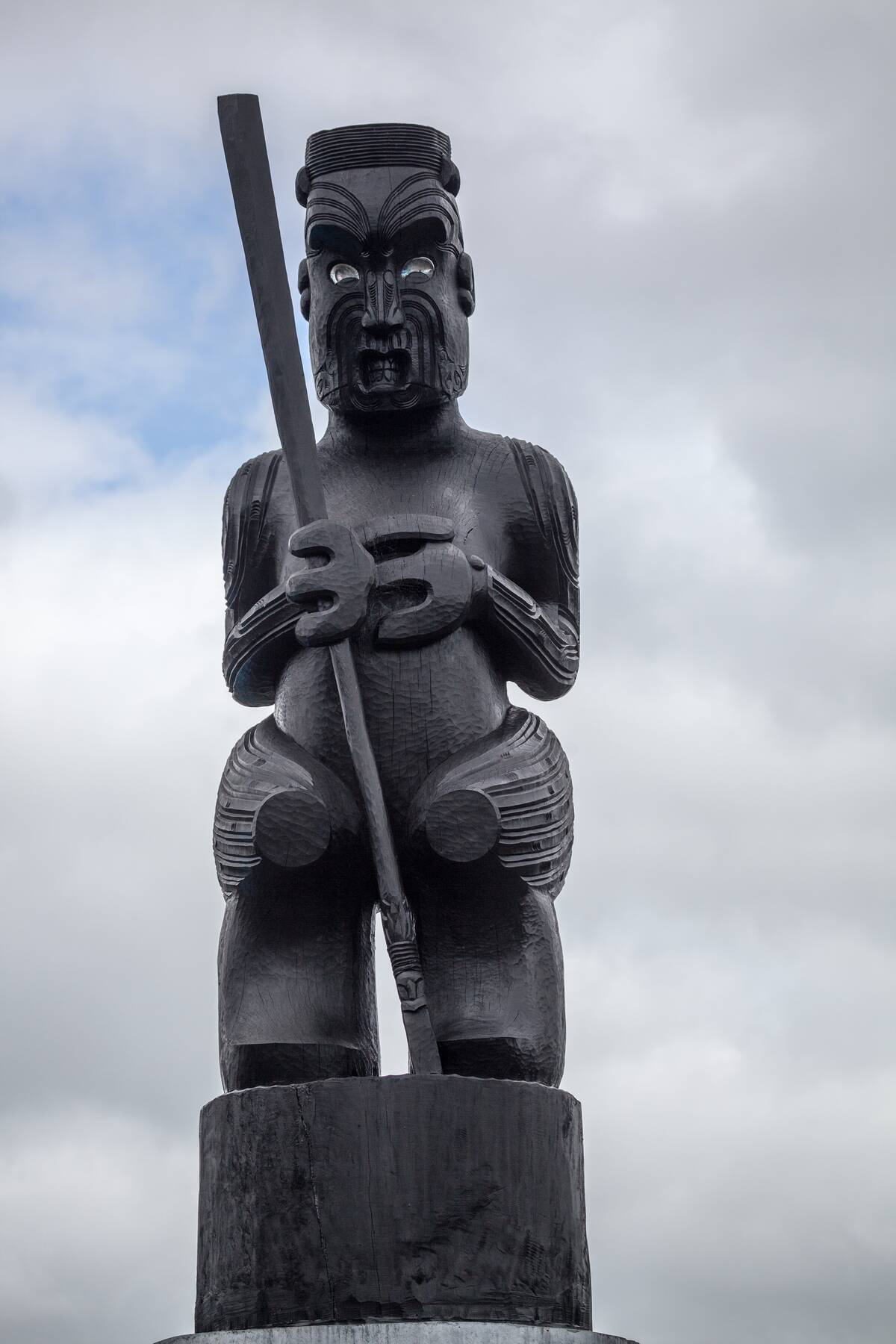
The rich oral traditions of Polynesia reveal a pantheon of gods and spirits that transcend popular tales of Maui and Hina. Tūmatauenga, god of war and hunting, and Rongo, deity of agriculture, are central to the Maori’s cosmological narratives.
These deities, celebrated in chants and carvings, embody the Polynesians’ deep respect for the sea, land, and ancestral lineage, underscoring the importance of balance and harmony in their worldview.
Ancient Deities of the Aboriginal Dreamtime
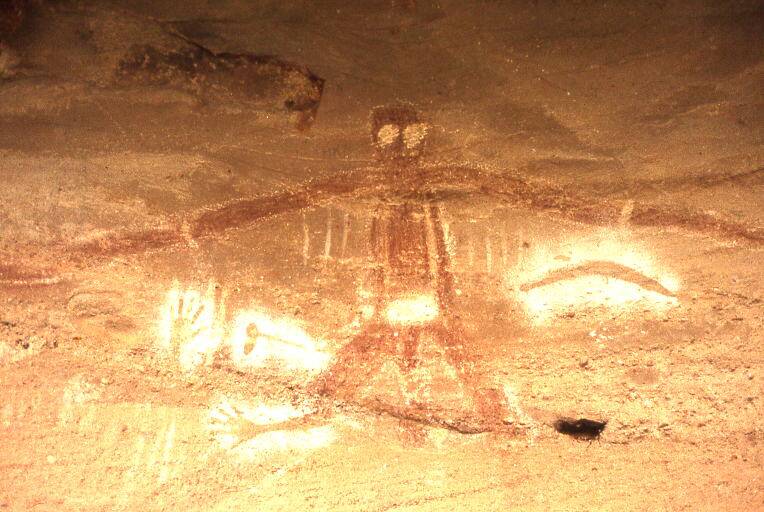
Australia’s Aboriginal cultures, with their rich oral histories, hold Dreamtime as a sacred era when ancestral beings shaped the land. Figures like Baiame, the creator god, and Yhi, the sun goddess, are revered in stories that teach moral lessons and explain natural phenomena.
These deities, depicted in rock art and storytelling, illustrate the profound connection between Aboriginal people and the land, emphasizing spirituality as a living tradition.
The Hidden Faces of Hindu Mythology
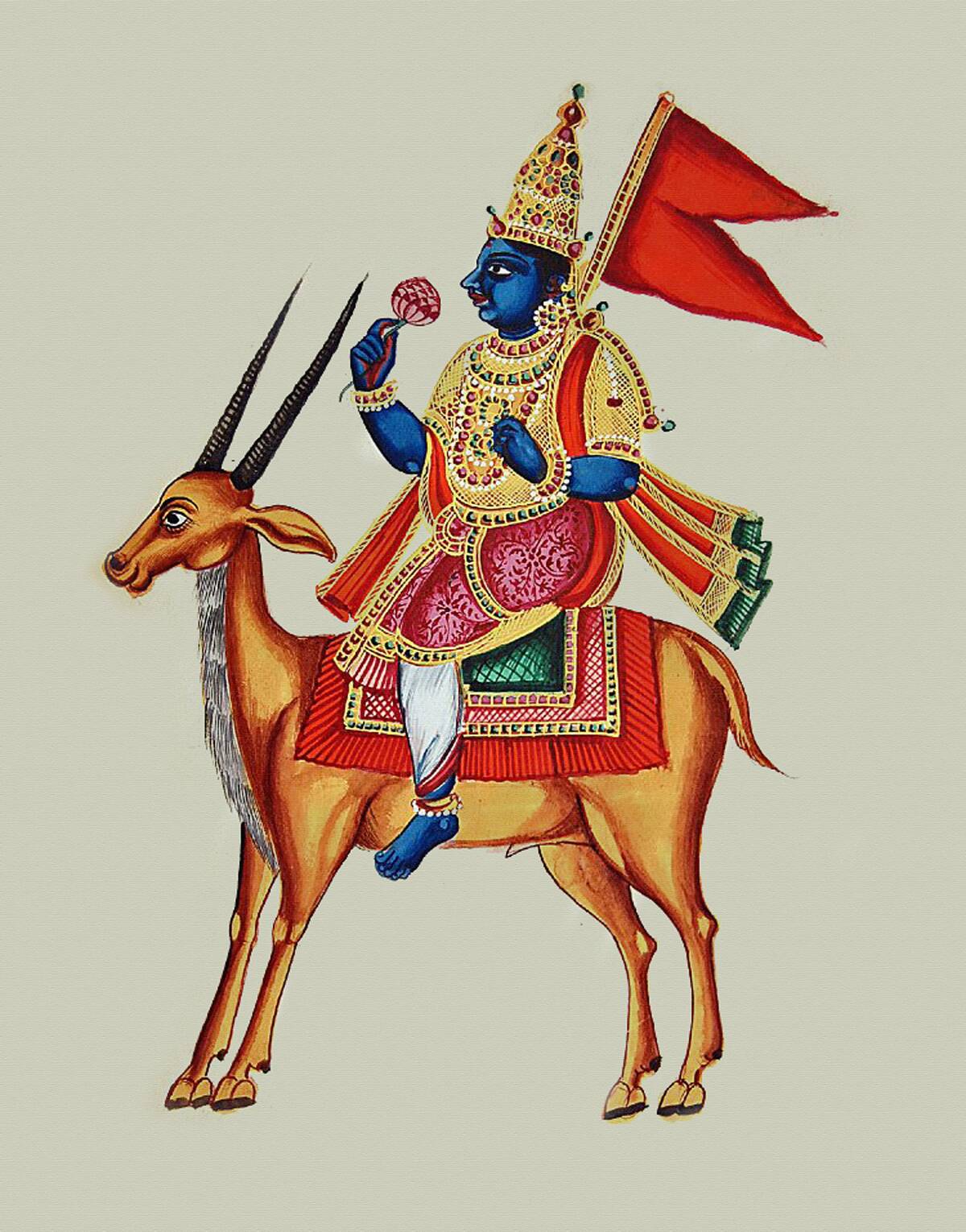
Hindu mythology, with its complex pantheon, includes numerous deities who remain lesser-known in the broader narrative. Figures like Vayu, the wind god, and Varuna, the deity of cosmic order, are celebrated in ancient texts like the Vedas and epics.
These gods, while not as prominent as Vishnu or Shiva, play vital roles in maintaining the balance of the universe, reflecting the intricate web of relationships that define Hindu cosmology.
Slavic Spirits and Lost Legends
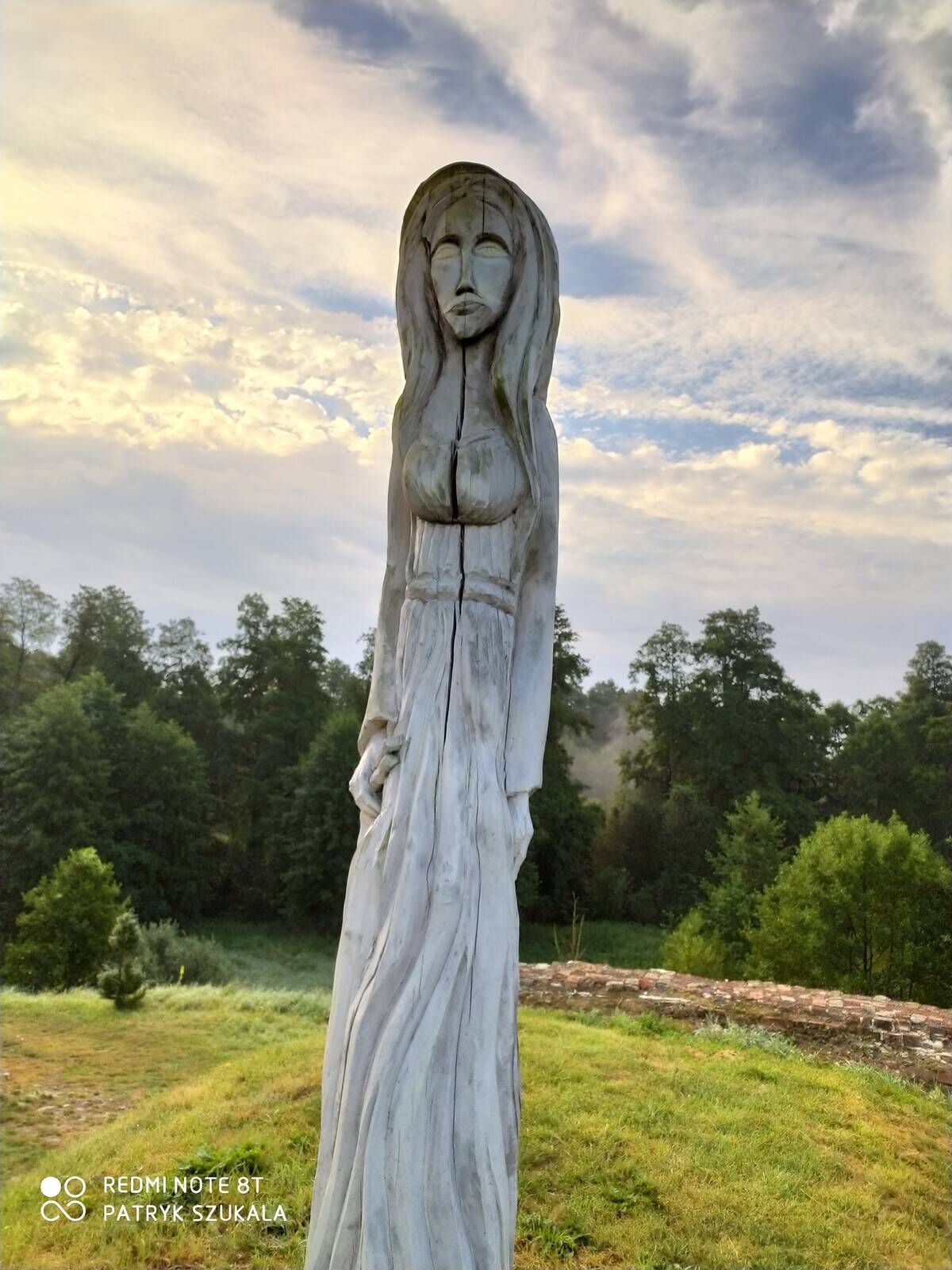
Slavic mythology, rich with folklore and tradition, features an array of spirits and deities that reflect the region’s cultural diversity. Gods like Perun, the thunder god, and Mokosh, the earth goddess, were central to Slavic pagan practices.
These figures, remembered through tales and rituals, highlight the Slavs’ deep connection to nature and the cyclical patterns of life, offering a window into the spiritual heart of Eastern Europe.
South American Spirits That Time Forgot
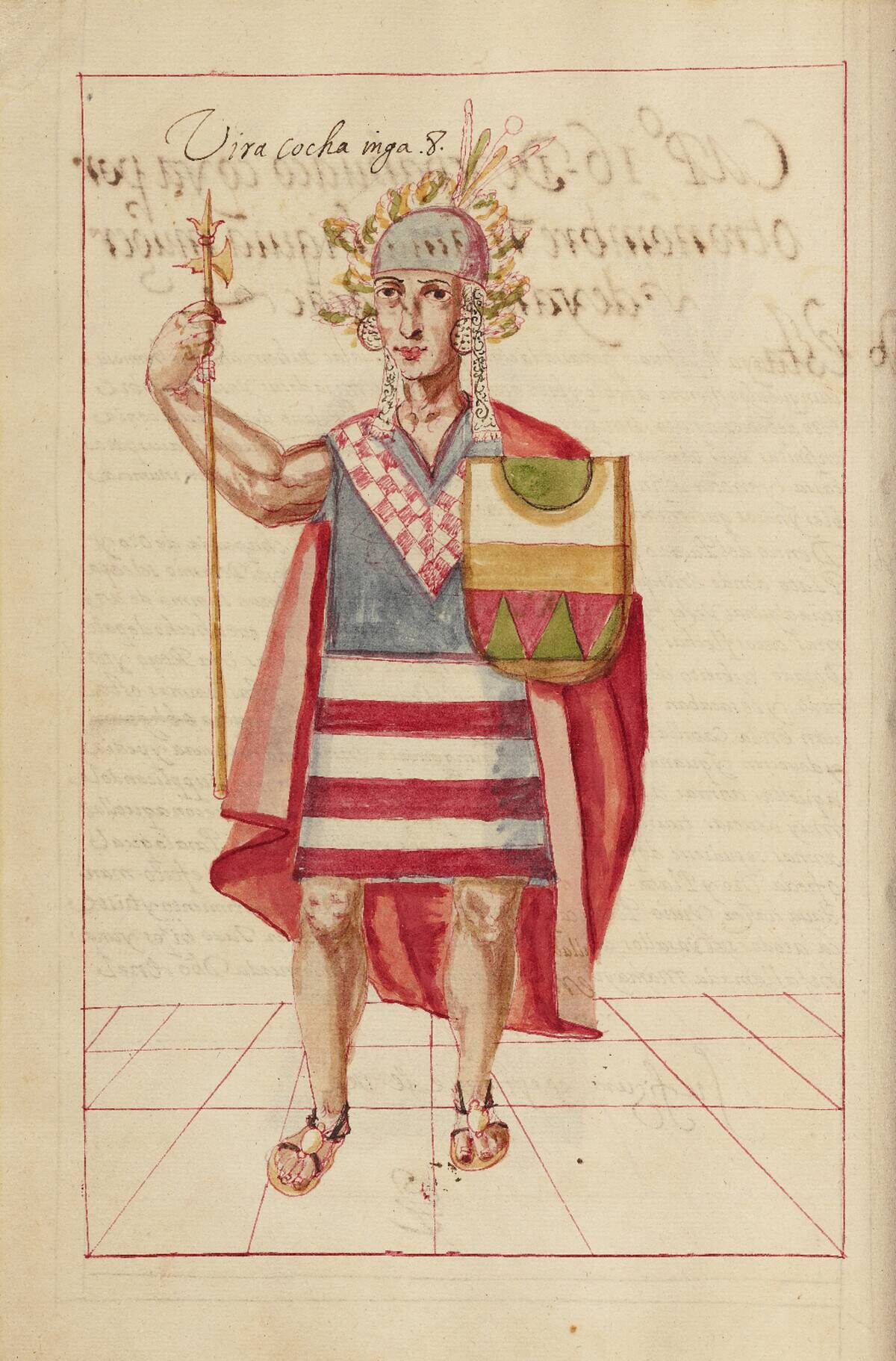
South America’s ancient cultures revered a pantheon of deities that have largely been overshadowed by more dominant myths. The Incan god Viracocha, creator and civilizer, and the Moche deity Ai Apaec, the decapitator, illustrate the diverse spiritual landscape of the Andes.
These gods, central to rituals and iconography, reflect the intricate relationship between the divine and the natural world, shaping the cultural narratives of pre-Columbian societies.




