Events recorded independently by multiple civilizations
Throughout human history, certain events have transcended borders and cultures, leaving an indelible mark on civilizations around the globe. These shared histories connect us to our past, offering insights into how our ancestors experienced and interpreted the world.
From cosmic phenomena to pivotal battles and monumental constructions, these events weave a tapestry of human experience that resonates even today. Let’s embark on a journey through time, exploring some of these remarkable happenings and their lasting legacies.
The Great Flood: A Deluge of Historical Accounts
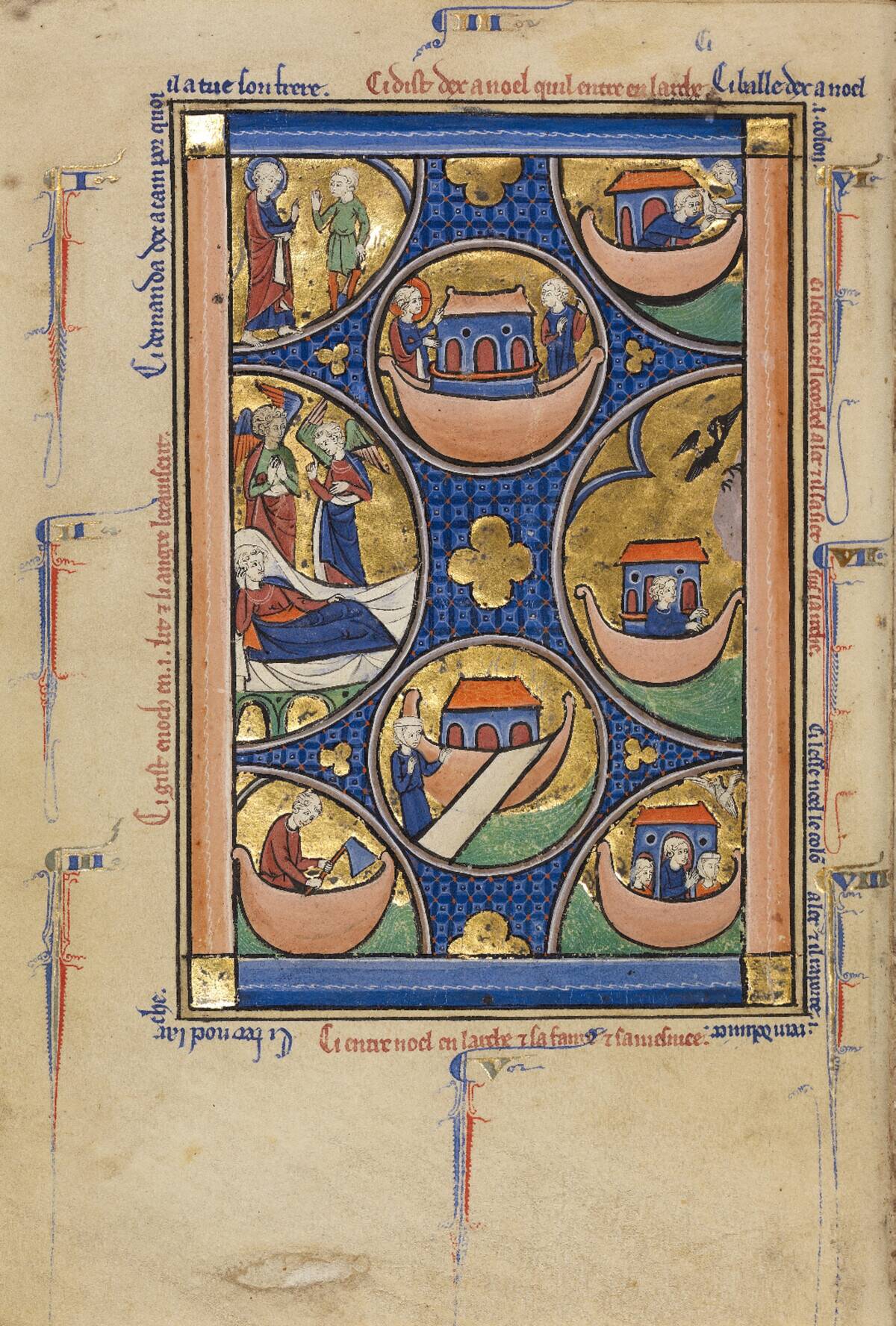
The Great Flood is a narrative that appears in various cultures, each with its own twist. The Biblical account in Genesis shares similarities with the Epic of Gilgamesh from Mesopotamia, suggesting a shared memory of a significant flood event.
In India, ancient texts like the Matsya Purana recount a great deluge, where Manu, the first man, is saved by a giant fish. These overlapping stories hint at a historical flood that impacted multiple civilizations, leaving behind a legacy in folklore and mythology.
The Solar Eclipse of 763 BC: A Universal Celestial Spectacle

On June 15, 763 BC, a solar eclipse swept across the Middle East, meticulously recorded by the Assyrians. This event is one of the earliest solar eclipses documented with such precision, noted in the Assyrian Eponym Canon. It was a period when celestial phenomena were often seen as divine interventions.
The eclipse’s shadow path was traced from the Mediterranean to the Persian Gulf, affecting various cultures along its trajectory and highlighting the shared human fascination with the cosmos.
Halley’s Comet: A Cosmic Visitor through the Ages

Halley’s Comet has been a recurring spectacle in the night sky for centuries, its appearances documented as far back as 240 BC by Chinese astronomers. The comet’s return every 76 years has made it a familiar visitor, influencing historical events and literature.
In 1066, it was famously depicted in the Bayeux Tapestry, heralding the Norman Conquest of England. Each visit of Halley’s Comet has sparked awe and curiosity across cultures, cementing its place in our shared astronomical history.
The Eruption of Thera: Echoes of Disaster Across the Ancient World
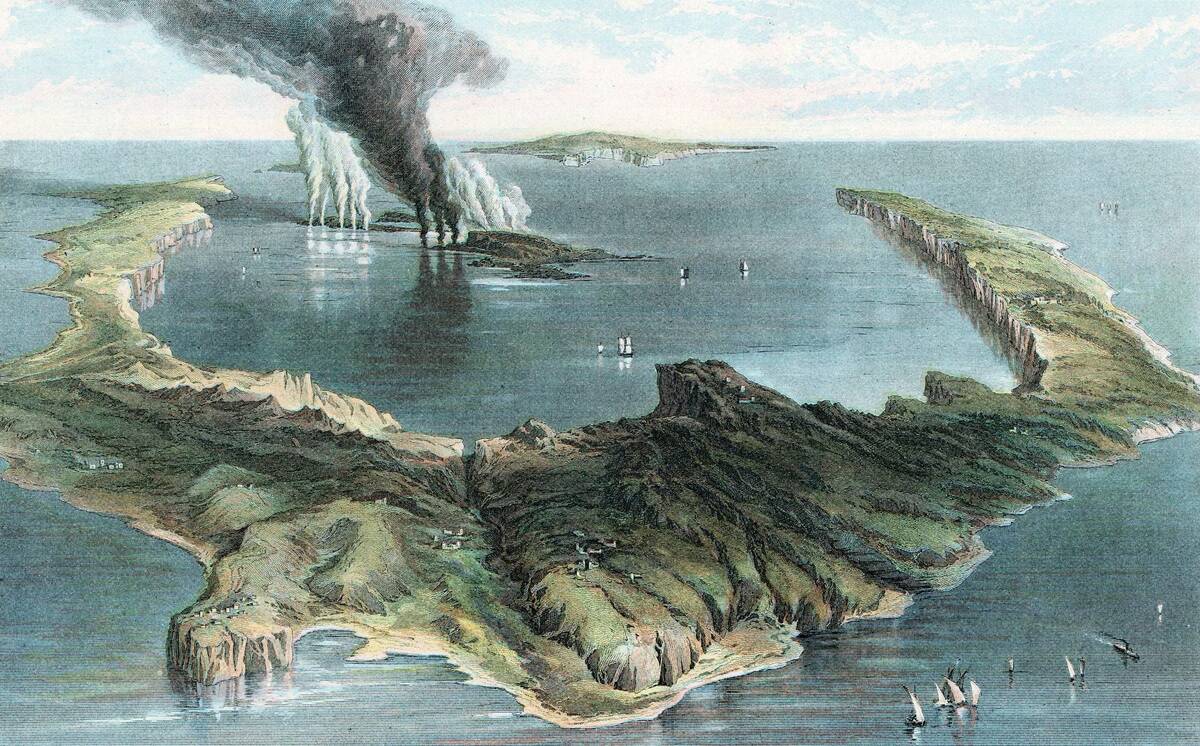
The eruption of the Thera volcano around 1600 BC was one of the most powerful in recorded history, with effects felt across the ancient world. Located on the island of Santorini, this cataclysmic event may have contributed to the decline of the Minoan civilization.
Some scholars suggest it influenced the legend of Atlantis, mentioned by Plato. The eruption’s far-reaching impact is evident in geological records and ancient texts, echoing tales of destruction and transformation.
The Battle of Kadesh: A Clash Remembered by Many
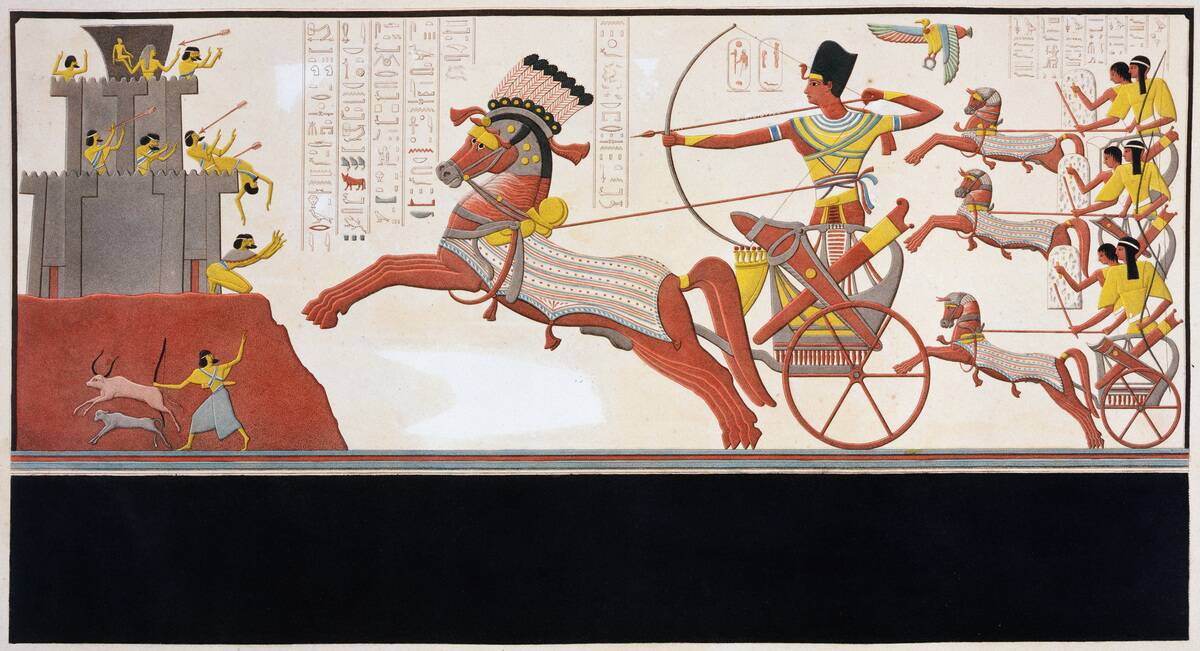
The Battle of Kadesh, fought around 1274 BC between the Egyptians and the Hittites, is one of the earliest battles recorded in detail. Pharaoh Ramses II’s accounts of the conflict are inscribed on temple walls, emphasizing his valor and strategic prowess.
Meanwhile, Hittite records offer a different perspective, highlighting the complex diplomacy that followed. This battle is notable not just for its military tactics but also for the peace treaty that ensued, one of the first known in history.
The Migration of the Polynesians: Navigators of the Open Seas
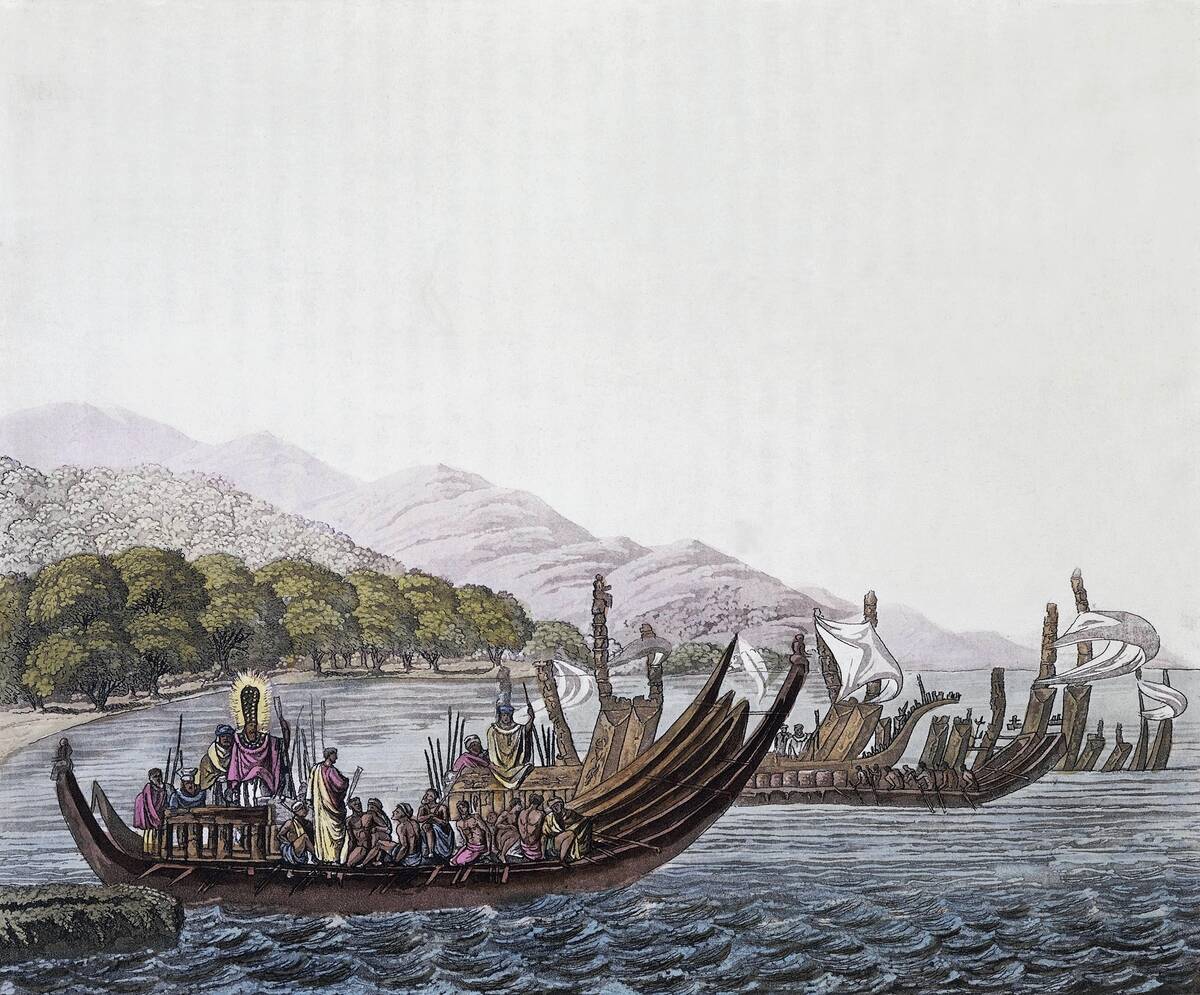
The Polynesian migration across the Pacific Ocean remains one of the most remarkable feats of navigation. Beginning around 3000 years ago, these intrepid seafarers used star paths and ocean currents to explore and settle islands over thousands of miles.
Their voyages led to the settlement of Hawaii, New Zealand, and Easter Island, among others. The Polynesians’ navigational skills and oral traditions continue to be celebrated, illustrating the enduring human spirit of exploration and discovery.
The Fall of Troy: Legends and Literary Echoes
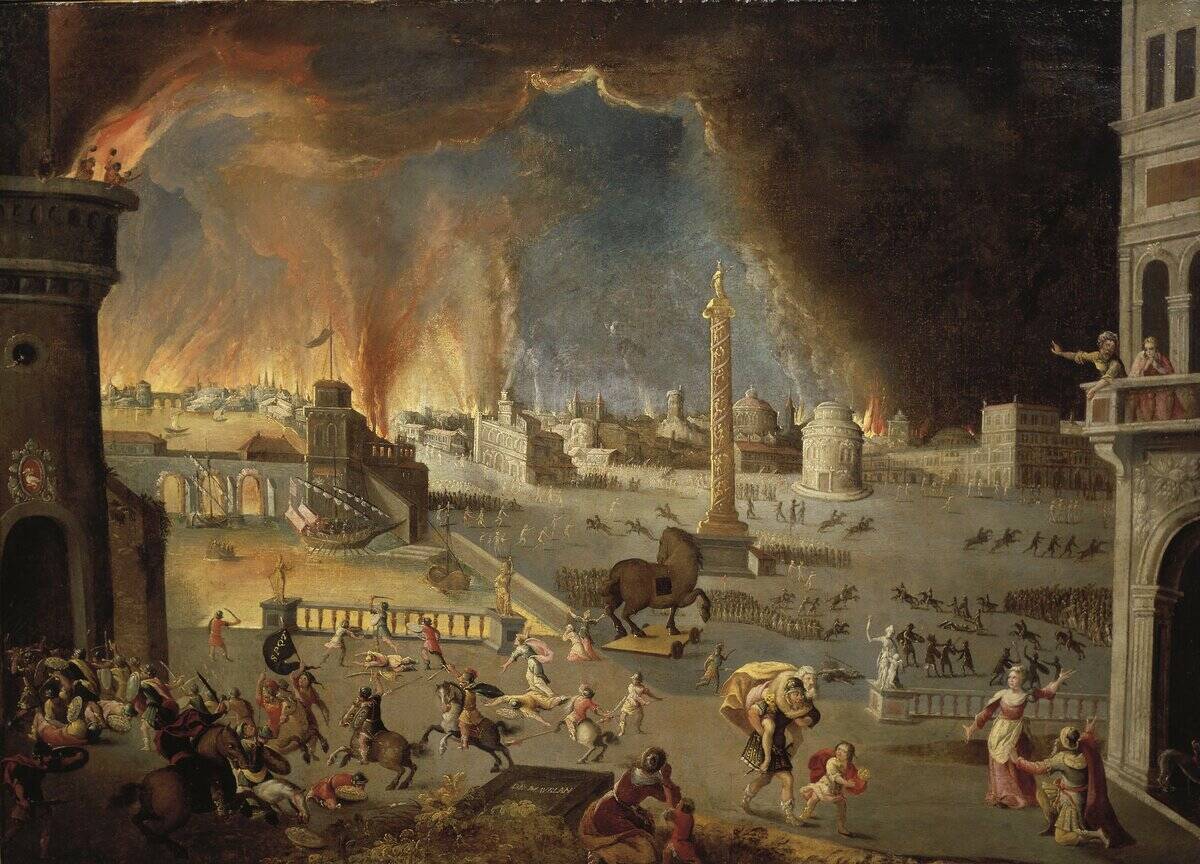
The story of Troy’s fall, immortalized by Homer’s “Iliad,” has captivated audiences for millennia. Archaeological evidence suggests a city existed on the site of ancient Troy, aligning with the legendary accounts.
While the exact details remain debated, the tale of the Trojan Horse and the fateful siege has become a powerful symbol of cunning and warfare. This mix of history and myth has inspired countless works of art and literature, echoing through the ages as a testament to human creativity.
The Construction of the Pyramids: Architectural Marvels Across Cultures
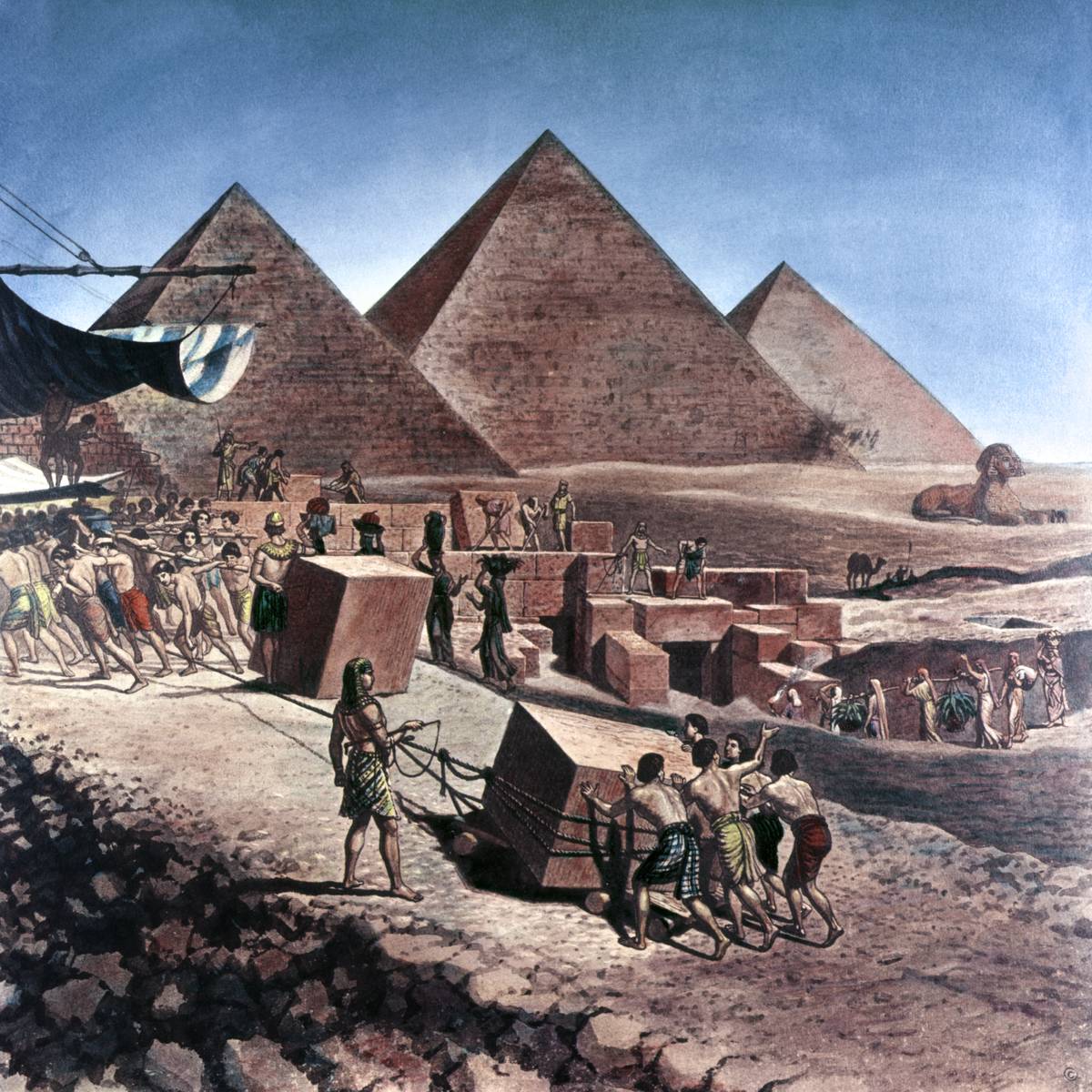
The pyramids of Egypt, particularly the Great Pyramid of Giza, have fascinated historians and engineers for centuries. Built during the Fourth Dynasty for Pharaoh Khufu, it stood as the tallest man-made structure for over 3,800 years.
Meanwhile, pyramid-like structures also appeared in ancient Mesopotamia and the Americas, such as the ziggurats of Ur and the pyramids of the Maya. These architectural feats showcase the ingenuity of ancient civilizations and their shared ambition to reach for the heavens.
The Life and Teachings of Buddha: A Spiritual Legacy
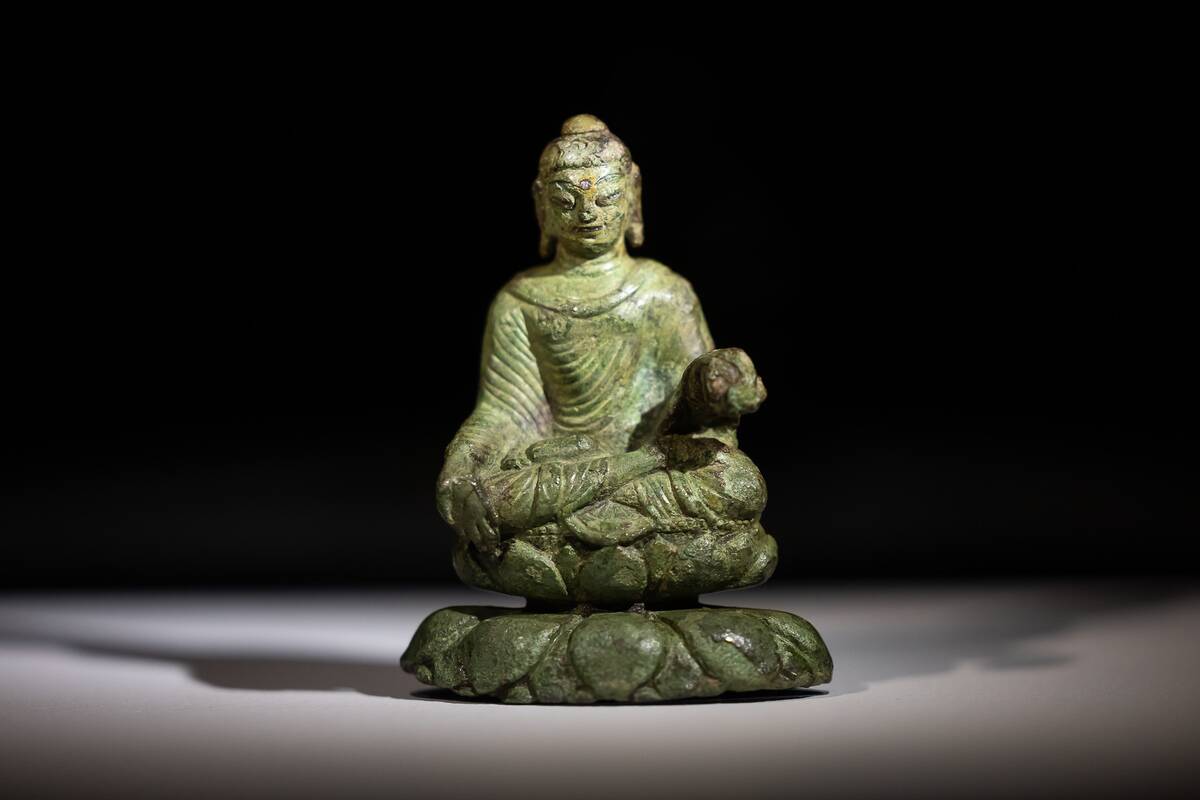
Siddhartha Gautama, known as Buddha, founded a spiritual path that has influenced millions. Born in the 5th century BC in present-day Nepal, his teachings emphasized the Four Noble Truths and the Eightfold Path as a means to achieve enlightenment.
Buddhism’s spread across Asia led to diverse interpretations and practices, from Theravada in Sri Lanka to Zen in Japan. The life and teachings of Buddha continue to inspire a quest for peace and understanding in a complex world.
The Roman Empire’s Expansion: A Global Historical Footprint
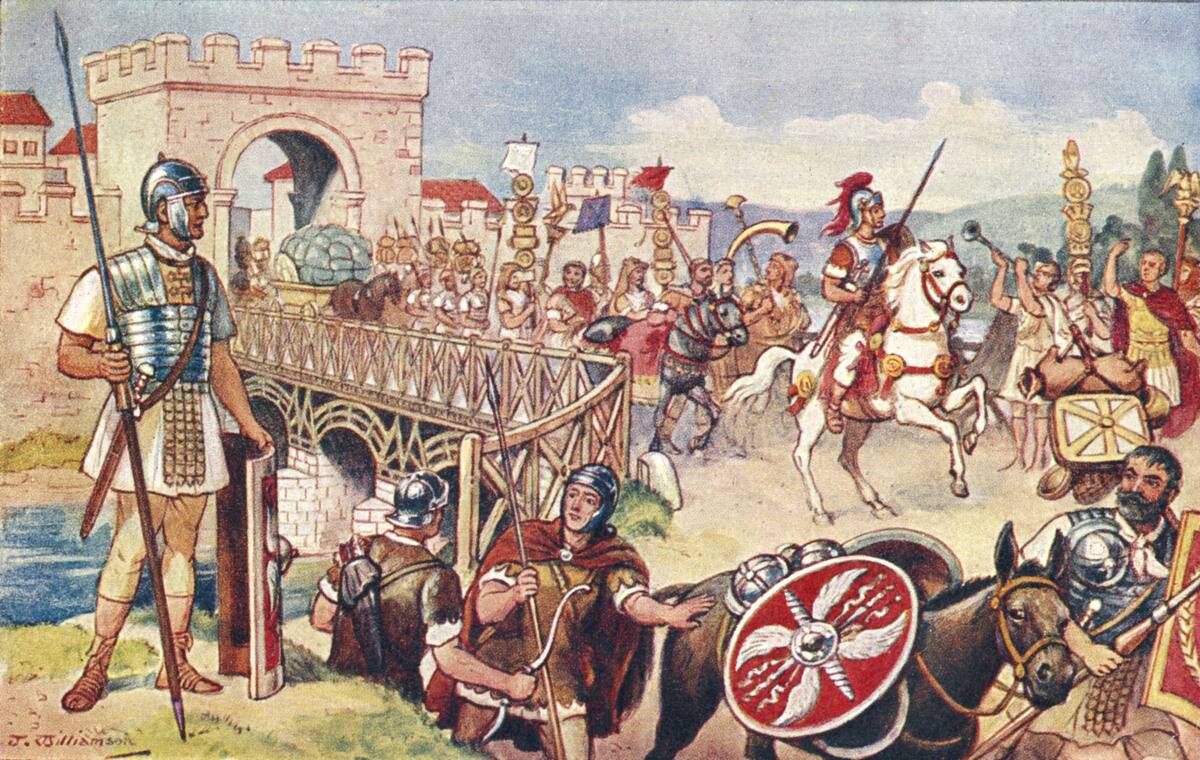
The Roman Empire’s expansion was a monumental force in shaping Western civilization. At its height in the 2nd century AD, the empire stretched from Britain to North Africa and the Middle East.
This vast network facilitated the spread of Roman law, culture, and infrastructure, leaving a lasting legacy on modern governance and urban planning. Roman roads, aqueducts, and architecture continue to influence contemporary society, reflecting the empire’s enduring impact on the global historical landscape.
The Birth of Jesus: A Story Told Across Continents

The birth of Jesus Christ, a pivotal event in Christian theology, is recounted in the Gospels of Matthew and Luke. Born in Bethlehem, Jesus’ life and teachings inspired the rise of Christianity, a faith that spread across continents.
Celebrated worldwide during Christmas, the Nativity story emphasizes themes of hope and redemption. The historical and spiritual impact of Jesus’ birth is profound, shaping cultural traditions and moral frameworks throughout history.
The Silk Road: A Network of Trade and Cultural Exchange
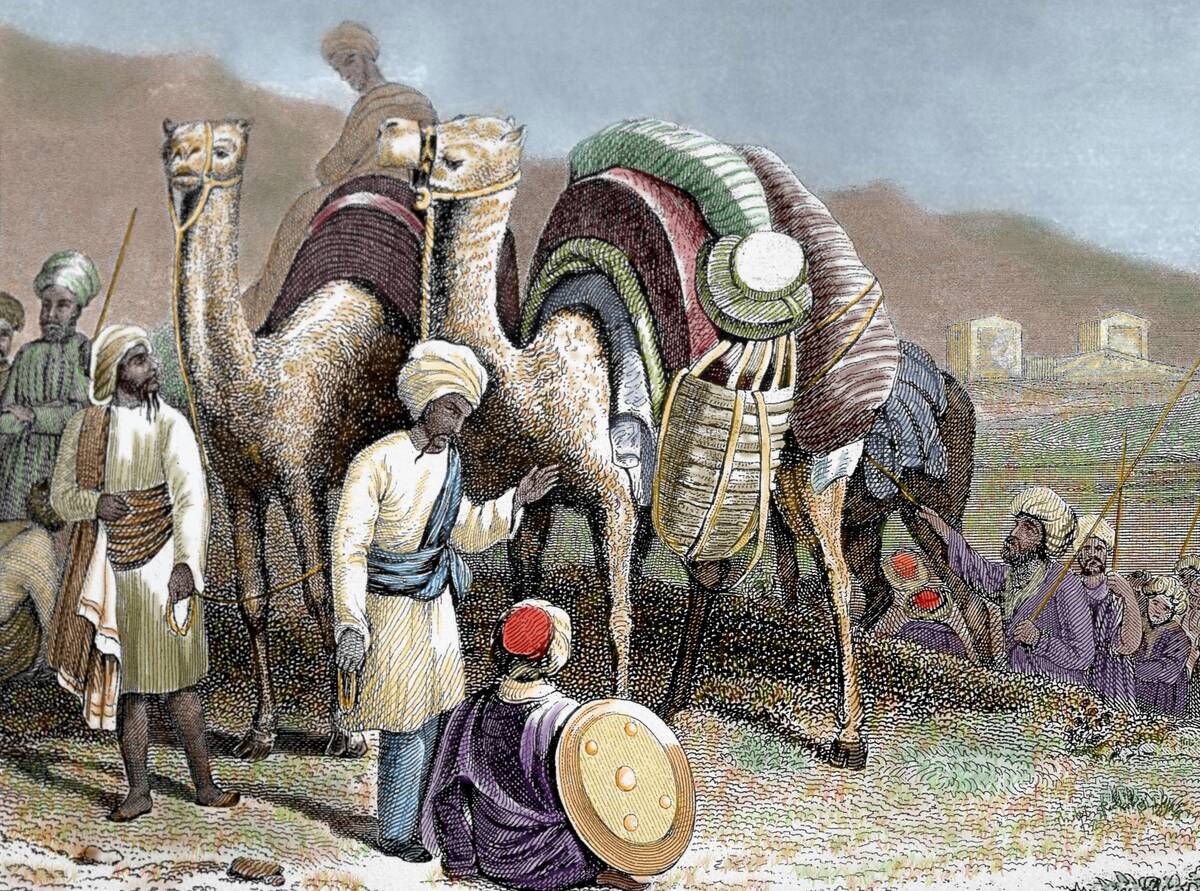
The Silk Road was more than just a trade route; it was a conduit for cultural and technological exchange. Spanning from China to the Mediterranean, it enabled the flow of goods like silk, spices, and precious metals.
Alongside these commodities traveled ideas, religions, and innovations, including Buddhism and papermaking. This ancient network fostered connections between diverse civilizations, facilitating a vibrant exchange that influenced art, science, and history across continents.
The Conquests of Alexander the Great: A World-Changing Journey
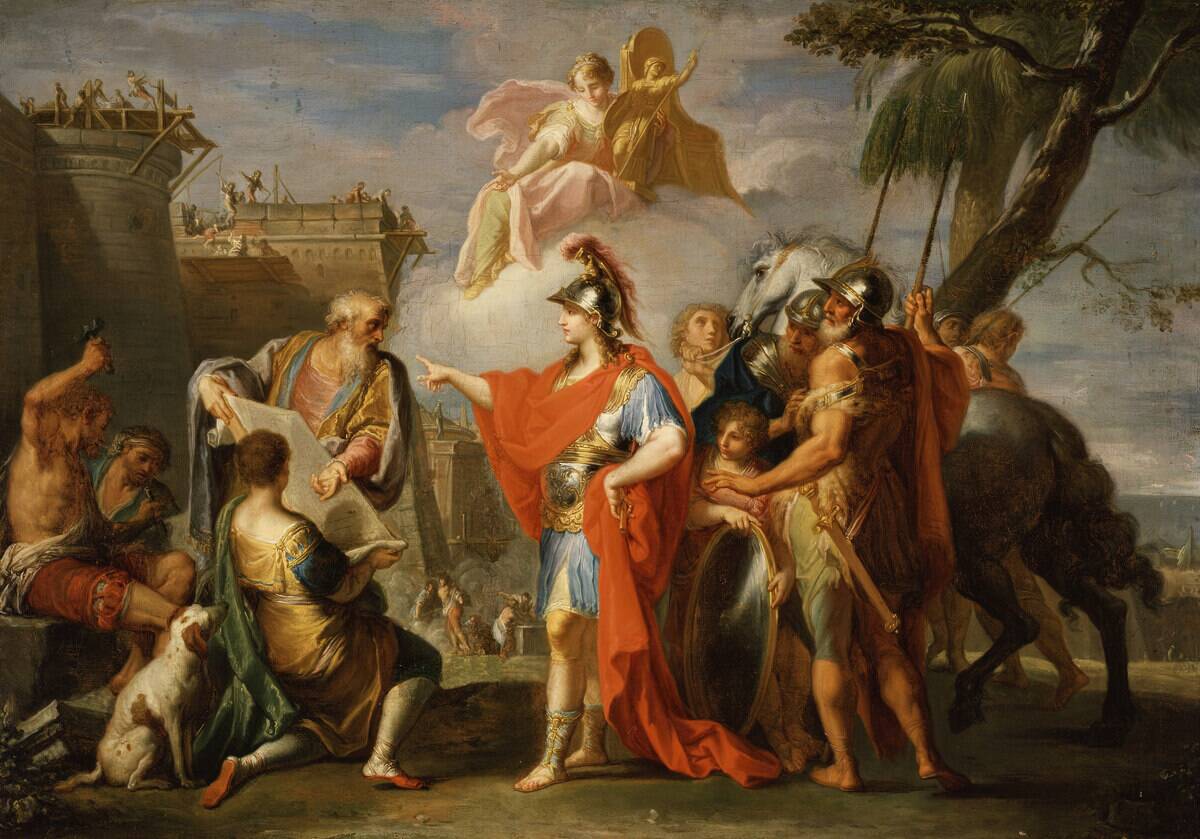
Alexander the Great’s conquests in the 4th century BC reshaped the ancient world, spreading Greek culture and influence from Greece to India. His military prowess and vision of a unified empire left a lasting legacy known as the Hellenistic Era.
Cities founded by Alexander, such as Alexandria in Egypt, became centers of learning and culture. His campaigns facilitated the blending of cultures, promoting the exchange of knowledge and ideas that continue to resonate in the modern world.
The Arrival of the Spanish in the Americas: A New World Encounter
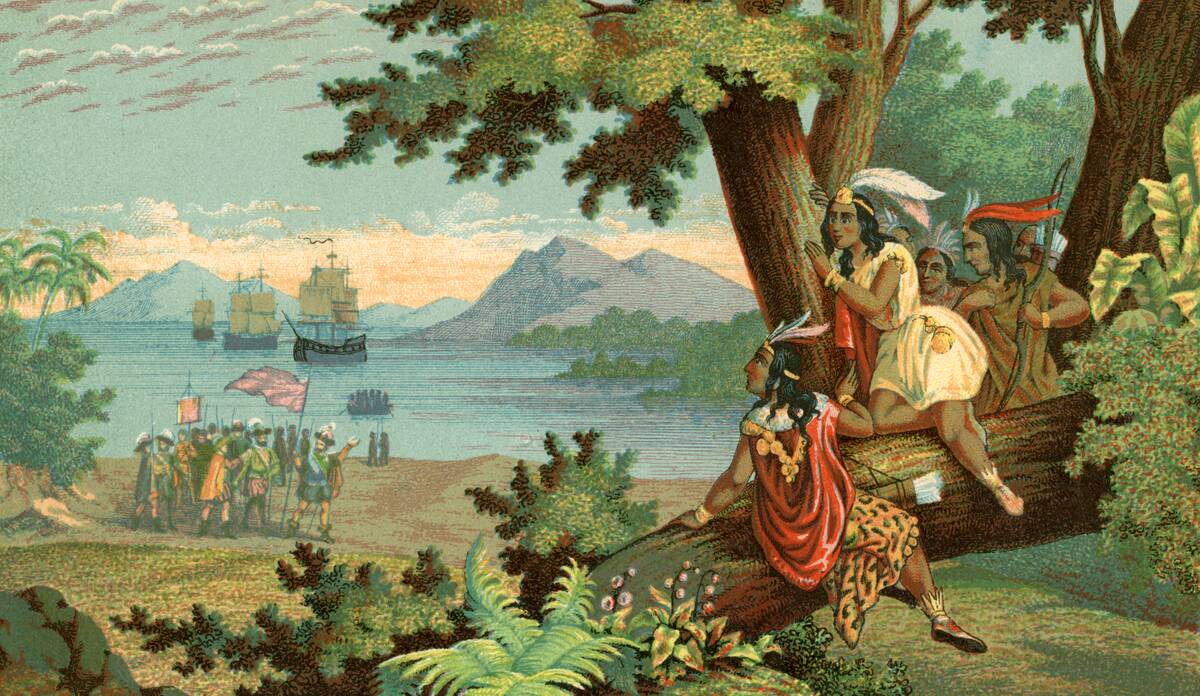
The arrival of the Spanish in the Americas in the late 15th century marked a profound encounter between worlds. Figures like Christopher Columbus and Hernán Cortés initiated an era of exploration and colonization that transformed the Americas.
This period saw the exchange of crops, animals, and technologies, but also led to the devastating impact on indigenous populations through disease and conquest. The encounter set the stage for a complex legacy of cultural fusion and historical reflection.
The Black Death: A Pandemic’s Path Across Civilizations

The Black Death swept through Europe, Asia, and North Africa in the 14th century, claiming millions of lives and altering the course of history. This pandemic, caused by the bacterium Yersinia pestis, traveled along trade routes, decimating populations and reshaping societies.
The social and economic upheaval it caused led to significant changes, including the weakening of the feudal system in Europe. The pandemic’s impact remains a poignant reminder of the vulnerability and resilience of human societies.
The Transit of Venus: A Celestial Event Shared Across Cultures

The transit of Venus is a rare astronomical event where Venus passes directly between the Earth and the Sun, visible as a small dot crossing the solar disk. This event occurs in pairs eight years apart, separated by over a century.
The 18th-century transits were crucial for astronomers like James Cook to measure the solar system’s scale. Observations were coordinated globally, marking an early example of international scientific collaboration, highlighting our shared quest to understand the universe.