Archaeological discoveries made entirely by accident
There’s something undeniably thrilling about stumbling upon a piece of history purely by chance. Archaeology often conjures images of deliberate digging, but some of the most significant discoveries have been made by accident.
From dog walkers to farmers, everyday people have uncovered treasures that have rewritten history books. These serendipitous finds remind us that history sometimes hides in plain sight, waiting for just the right moment to reveal itself.
The Rosetta Stone: A Linguistic Breakthrough Unearthed by Soldiers
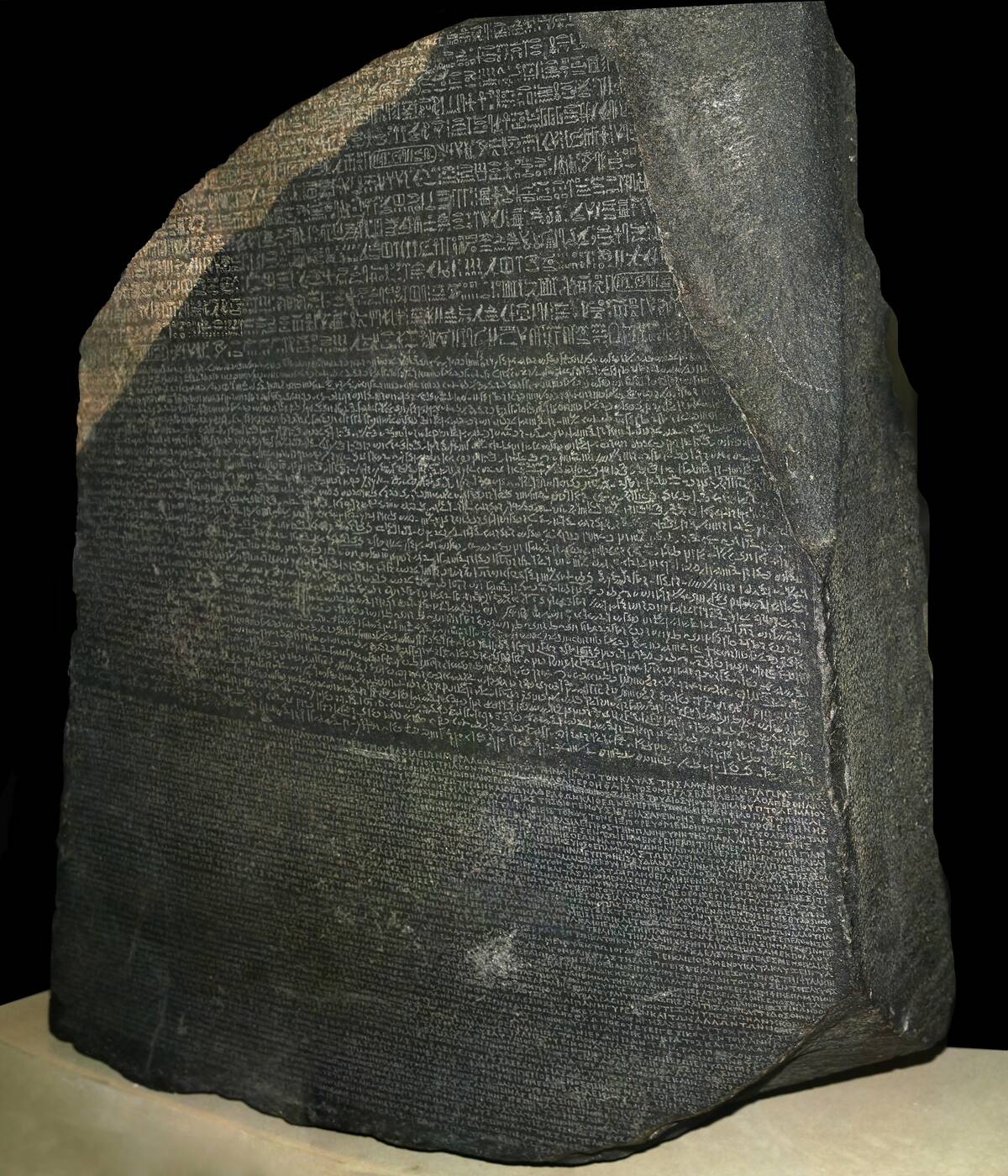
In 1799, French soldiers stationed in Egypt uncovered a slab of stone that would become pivotal in understanding ancient languages. The Rosetta Stone, inscribed with the same text in three scripts, allowed scholars to finally decipher Egyptian hieroglyphs.
This chance discovery occurred during Napoleon’s campaign, with the stone being repurposed as building material before its significance was realized. Today, it resides in the British Museum, a testament to its role in unlocking the mysteries of ancient Egypt.
The Terracotta Army: Farmers’ Surprise in China’s Soil
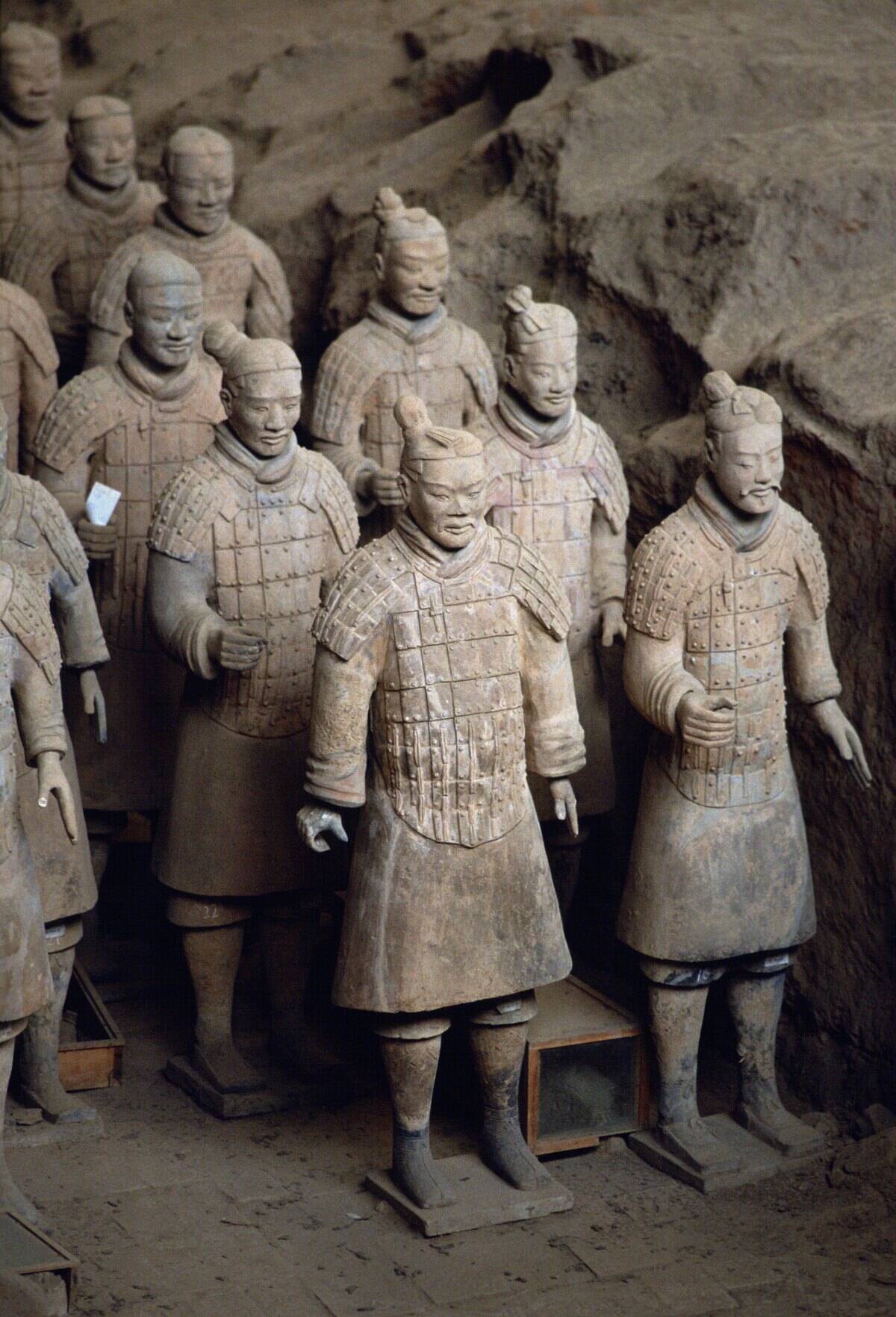
In 1974, while digging a well in Shaanxi province, Chinese farmers unearthed fragments of a life-sized terracotta warrior. Little did they know, they had discovered the outskirts of the burial complex of Qin Shi Huang, China’s first emperor.
The Terracotta Army, consisting of thousands of figures, was meant to protect the emperor in the afterlife. This accidental find has since become one of China’s greatest archaeological treasures, attracting millions of visitors from around the globe.
Lascaux Caves: Dogs Lead to Prehistoric Art
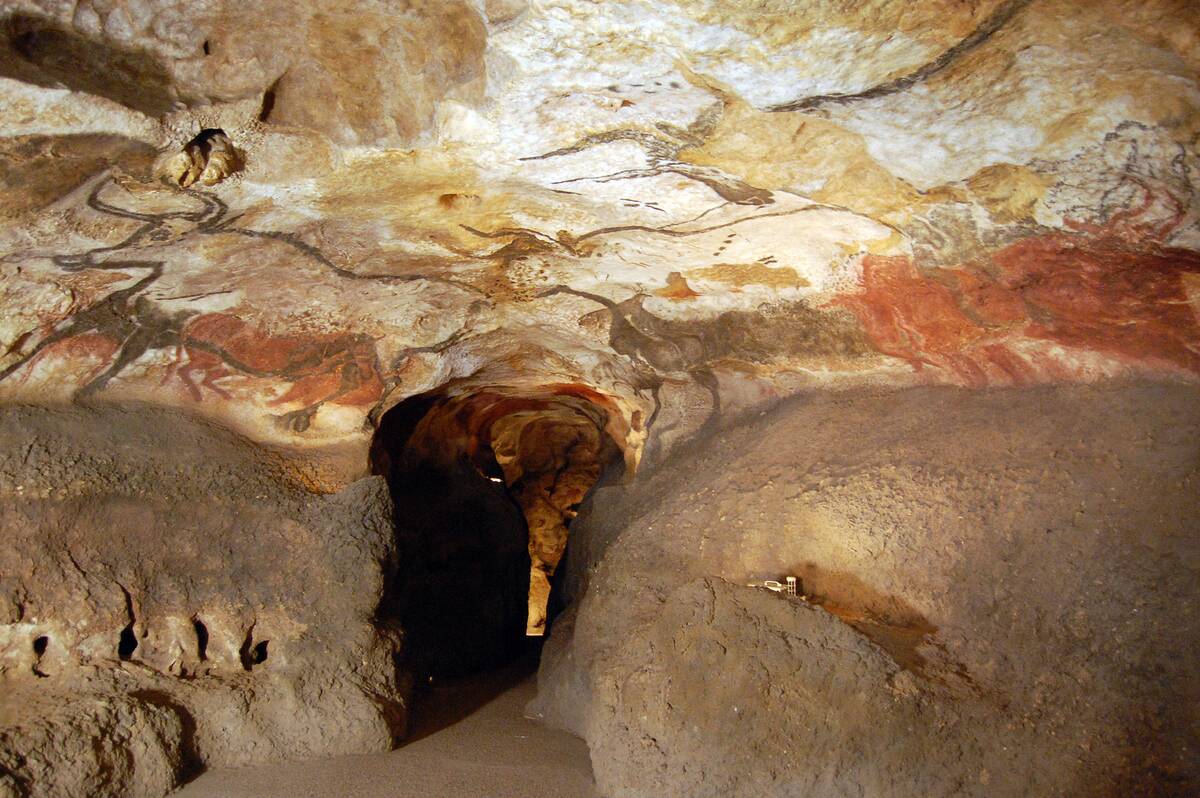
In 1940, a group of teenagers in France, prompted by their dog’s curiosity, stumbled upon a cave entrance near Lascaux. Inside, they found stunning prehistoric paintings depicting large animals and enigmatic symbols.
These artworks, estimated to be over 17,000 years old, offered a glimpse into the lives and beliefs of early humans. The Lascaux Caves have since been dubbed the “Sistine Chapel of Prehistory,” highlighting their artistic and historical significance.
The Dead Sea Scrolls: A Young Bedouin’s Discovery
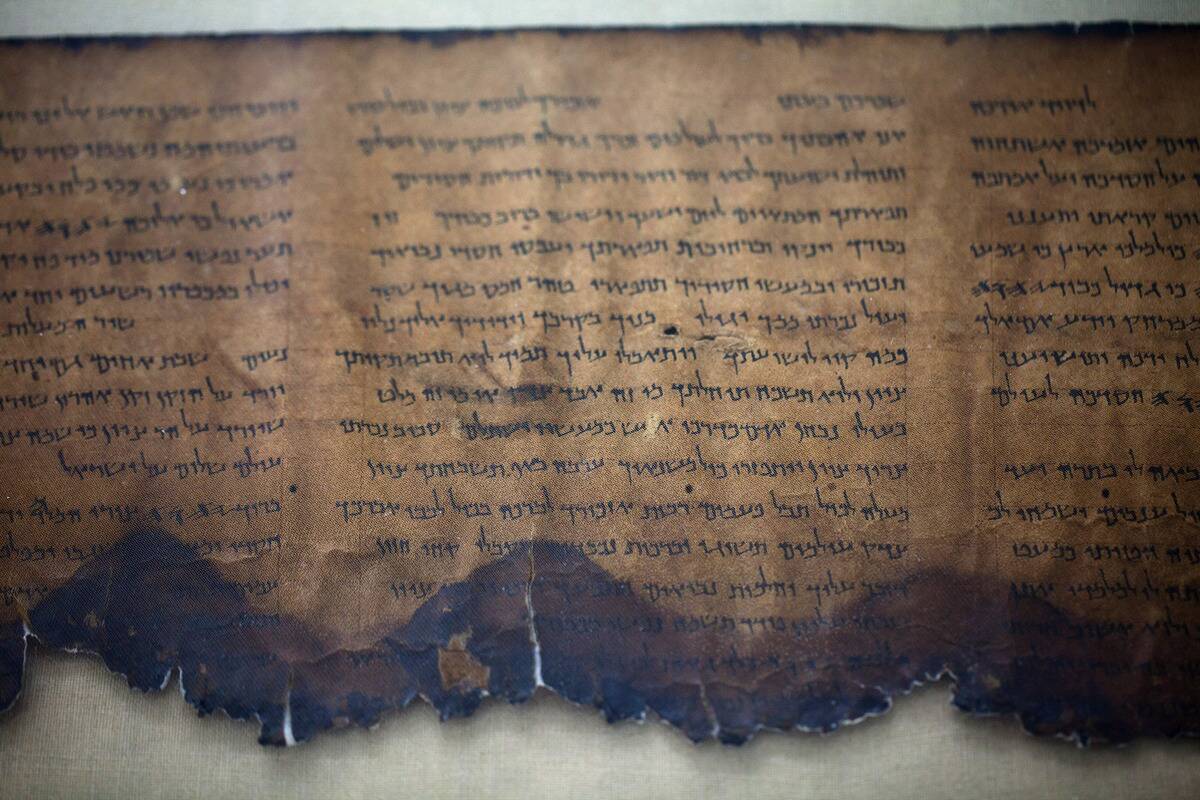
In 1947, a young Bedouin shepherd named Muhammed edh-Dhib, searching for a lost goat, tossed a stone into a cave near the Dead Sea and heard the sound of breaking pottery. This serendipitous act led to the discovery of the Dead Sea Scrolls, ancient Jewish texts that include some of the earliest known biblical manuscripts.
These scrolls have provided invaluable insights into Jewish history and the origins of Christianity, making them one of the most significant archaeological finds of the 20th century.
The City of Pompeii: A Forgotten City Beneath Ash
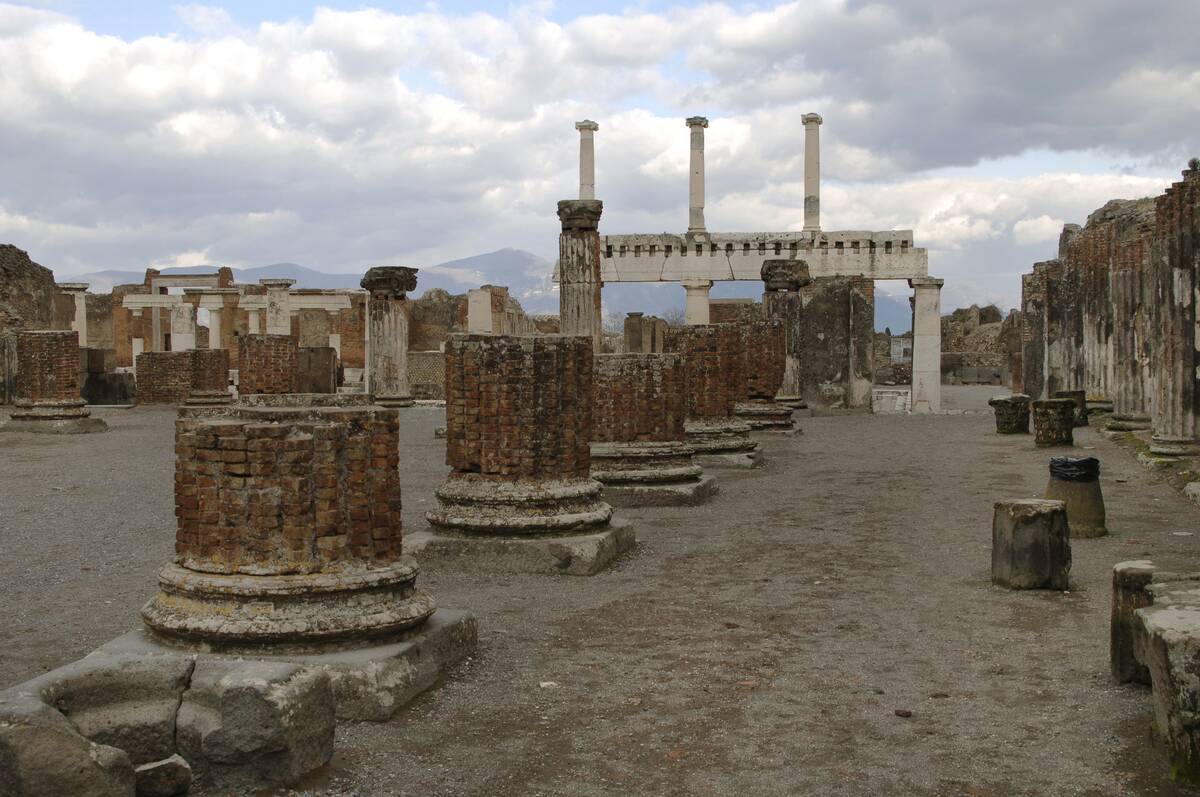
In 1748, workers digging a foundation near Naples uncovered the remains of a city frozen in time. Buried under volcanic ash since AD 79, Pompeii offered unparalleled insights into Roman life.
It was an accidental discovery that revealed well-preserved buildings, artifacts, and even the imprints of victims’ bodies. The city’s excavation has provided historians with a vivid picture of ancient Roman society, making it one of the most fascinating archaeological sites ever found.
The Altamira Cave: A Young Girl’s Discovery of Ancient Art
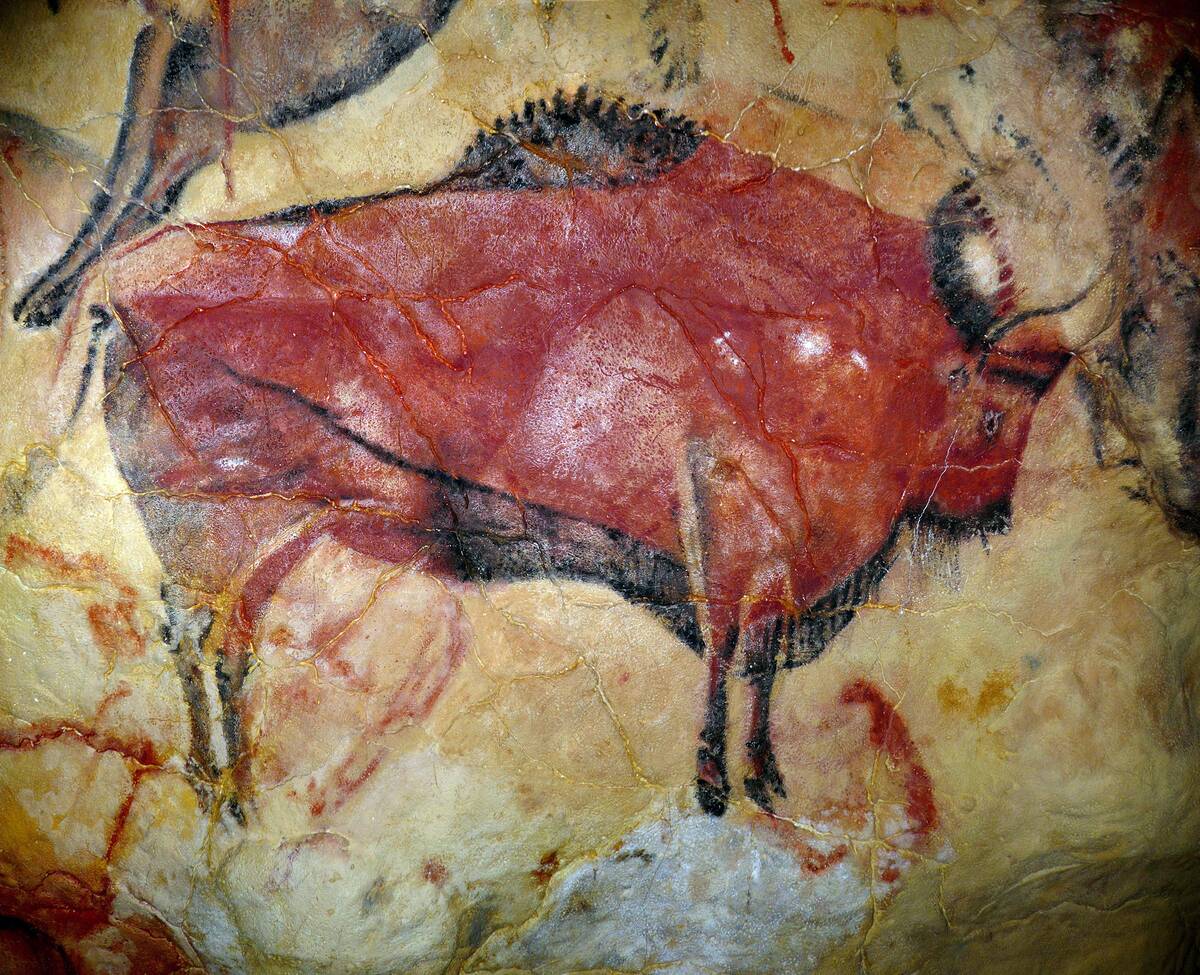
In 1879, a young girl named María de Sautuola, wandering with her father in a cave in northern Spain, pointed out spectacular paintings on the ceiling. These vibrant depictions of bison and other animals were created by Paleolithic artists over 36,000 years ago.
Initially met with skepticism, the Altamira Cave paintings have since been recognized as masterpieces of prehistoric art, showcasing the advanced artistic abilities of early humans.
The Venus de Milo: A Farmer’s Find on a Greek Island
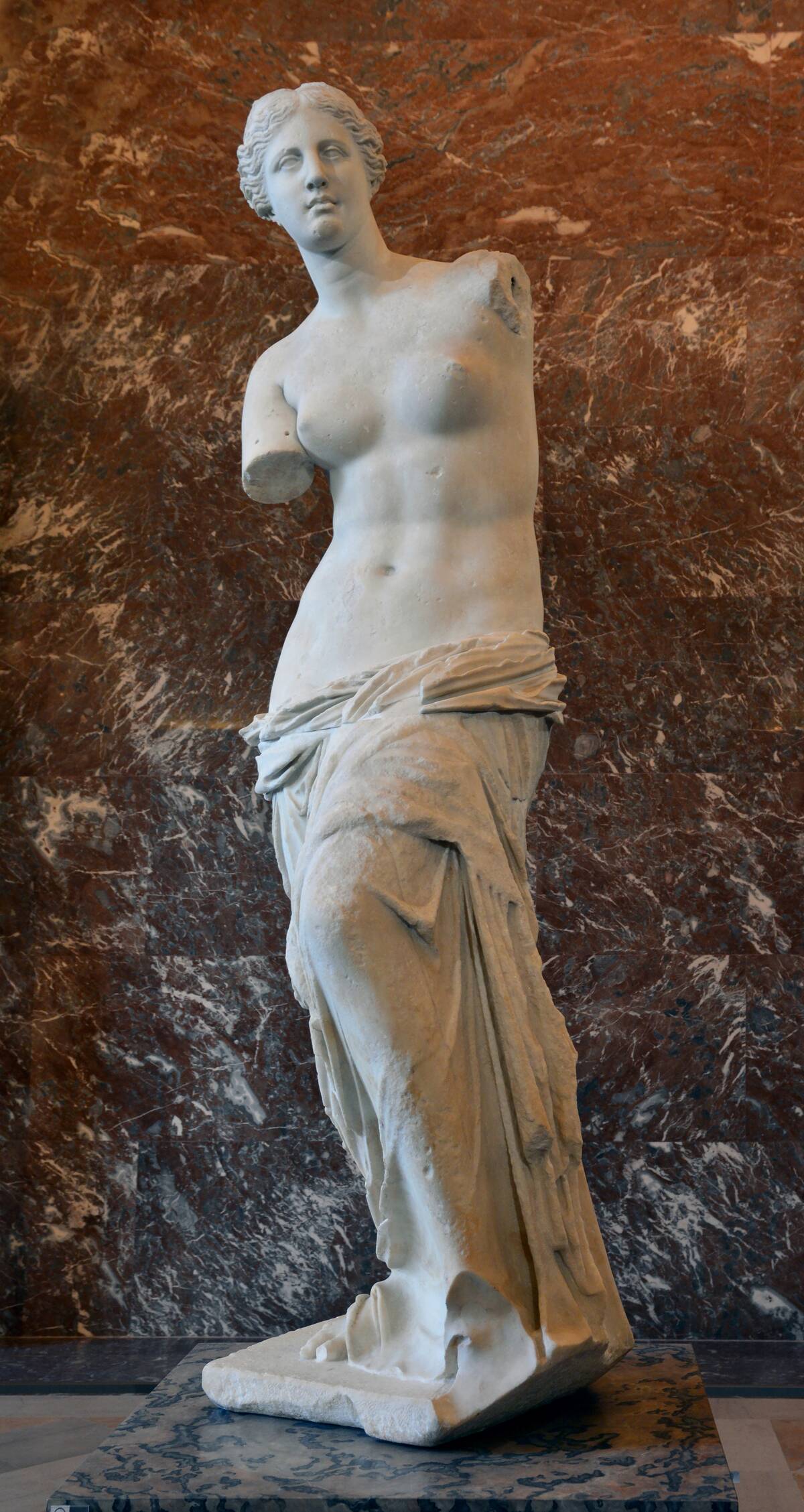
In 1820, a farmer on the Greek island of Milos uncovered what would become one of the most famous statues in the world. The Venus de Milo, a stunning representation of the goddess Aphrodite, was found in pieces within an ancient ruin.
Despite missing arms, the statue captivated audiences with its beauty and mystery. Now housed in the Louvre Museum in Paris, the Venus de Milo continues to enchant visitors, symbolizing the artistic prowess of ancient Greece.
The Copper Scroll: A Chance Find in a Cave
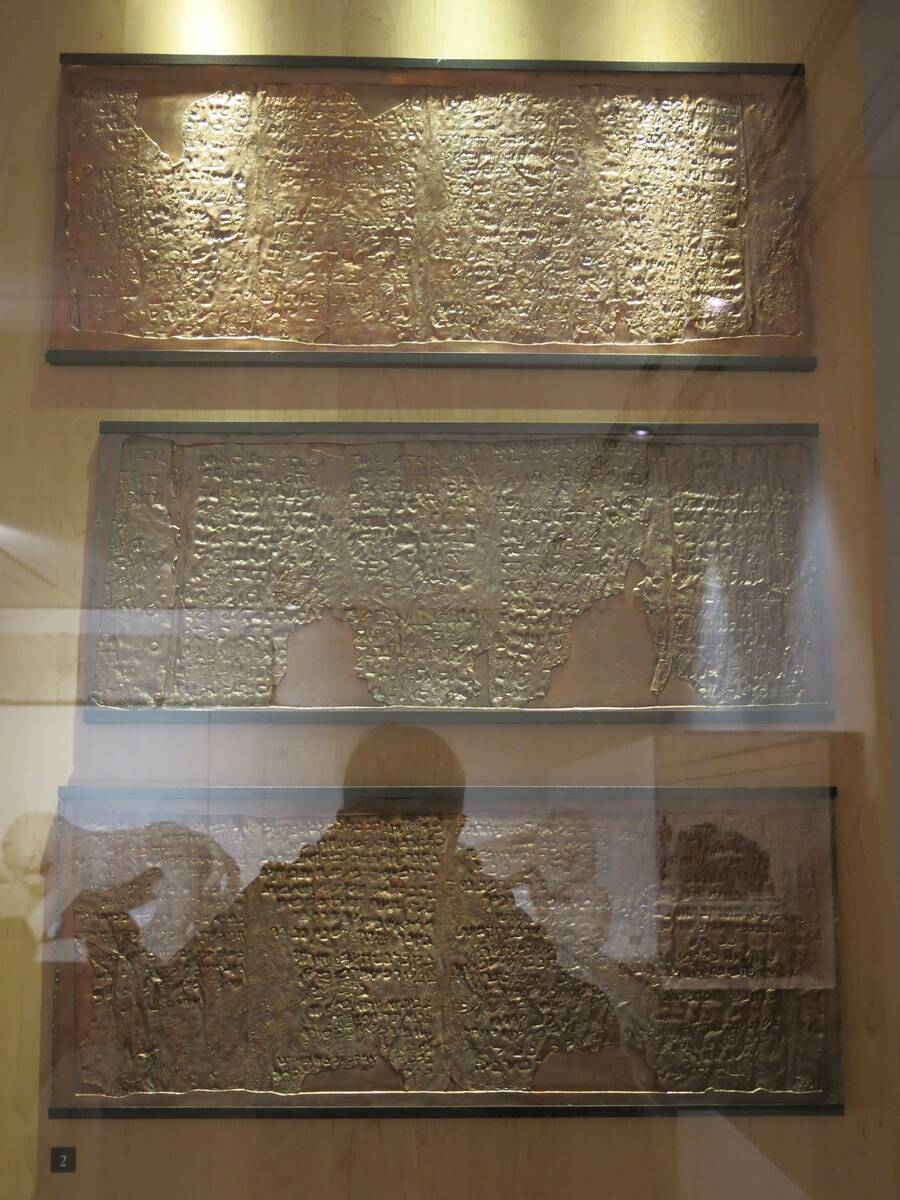
In 1952, archaeologists exploring the Qumran caves near the Dead Sea stumbled upon a unique artifact among other scrolls. The Copper Scroll, unlike its parchment cousins, was etched onto metal and contained a list of hidden treasures.
This mysterious inventory has intrigued scholars, as no significant cache has been found to match its descriptions. The Copper Scroll remains one of the most enigmatic elements of the Dead Sea Scrolls collection, sparking ongoing debates and treasure hunts.
The Uluburun Shipwreck: Found by a Sponge Diver
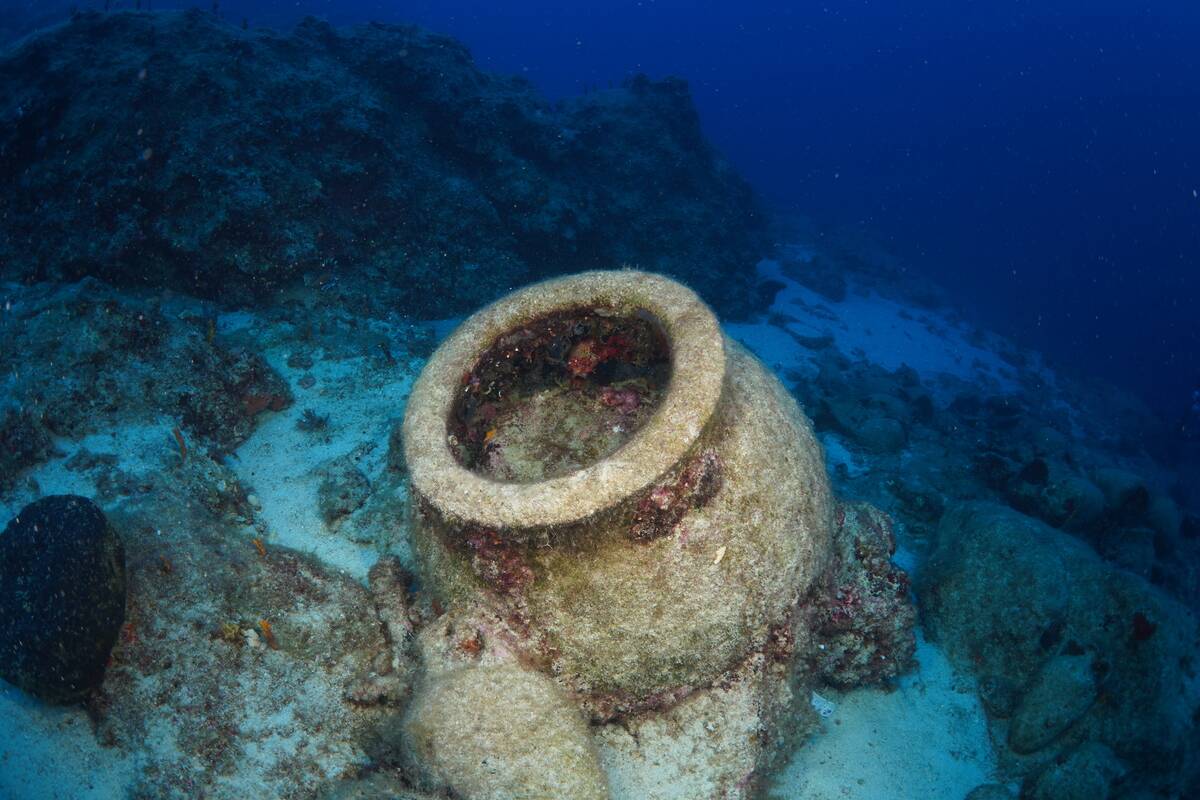
In 1982, a sponge diver off the coast of Turkey stumbled upon the remains of a shipwreck dating back to the late Bronze Age. The Uluburun shipwreck is considered one of the oldest and richest maritime archaeological finds.
It contained a wealth of artifacts, including copper ingots, jewelry, and ivory, revealing extensive trade networks in the ancient world. The site has provided invaluable information about the economic and cultural exchanges of Mediterranean civilizations.
The Iceman Ötzi: Hikers’ Icy Discovery in the Alps
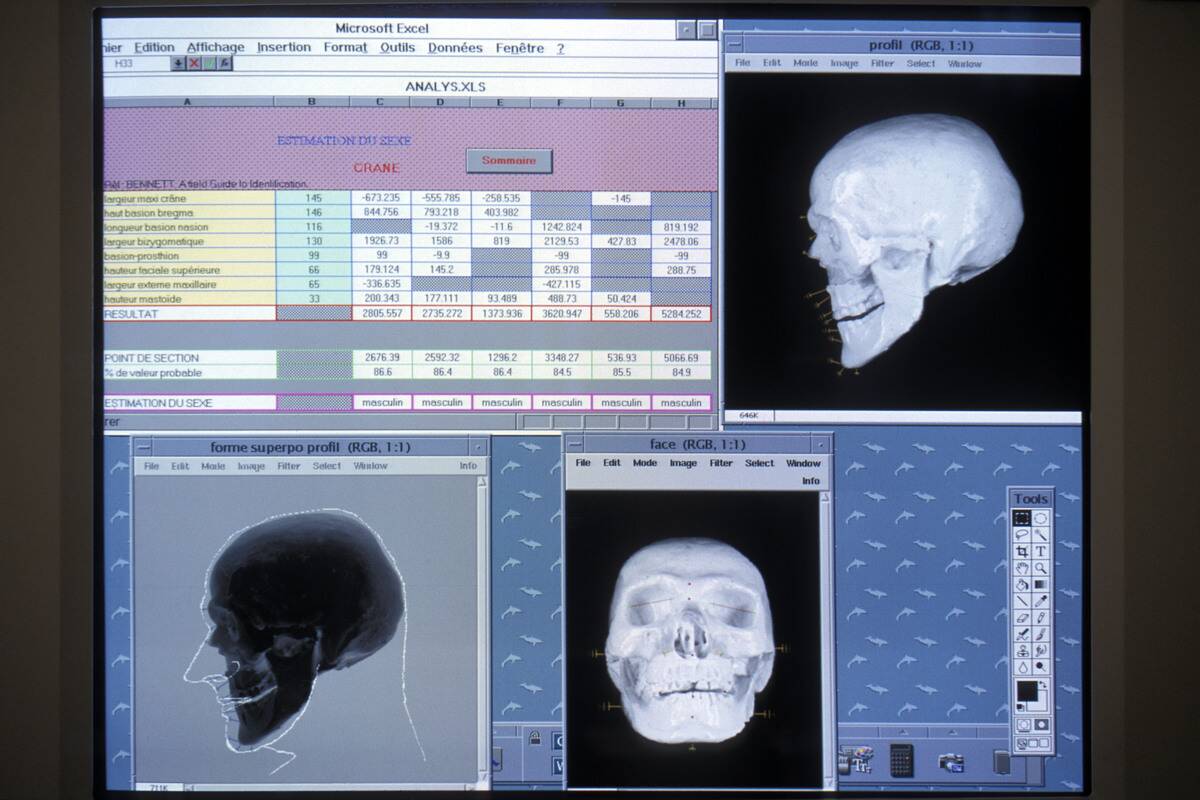
In 1991, two hikers traversing the Ötztal Alps on the Austria-Italy border stumbled upon a frozen body protruding from the ice. This was Ötzi, a Copper Age man who lived over 5,000 years ago.
His remarkably preserved remains, along with his clothing and tools, have provided a unique glimpse into prehistoric life. Ötzi’s discovery has fascinated scientists and the public alike, shedding light on the health, diet, and daily activities of ancient Europeans.
The Antikythera Mechanism: A Sponge Diver’s Underwater Wonder
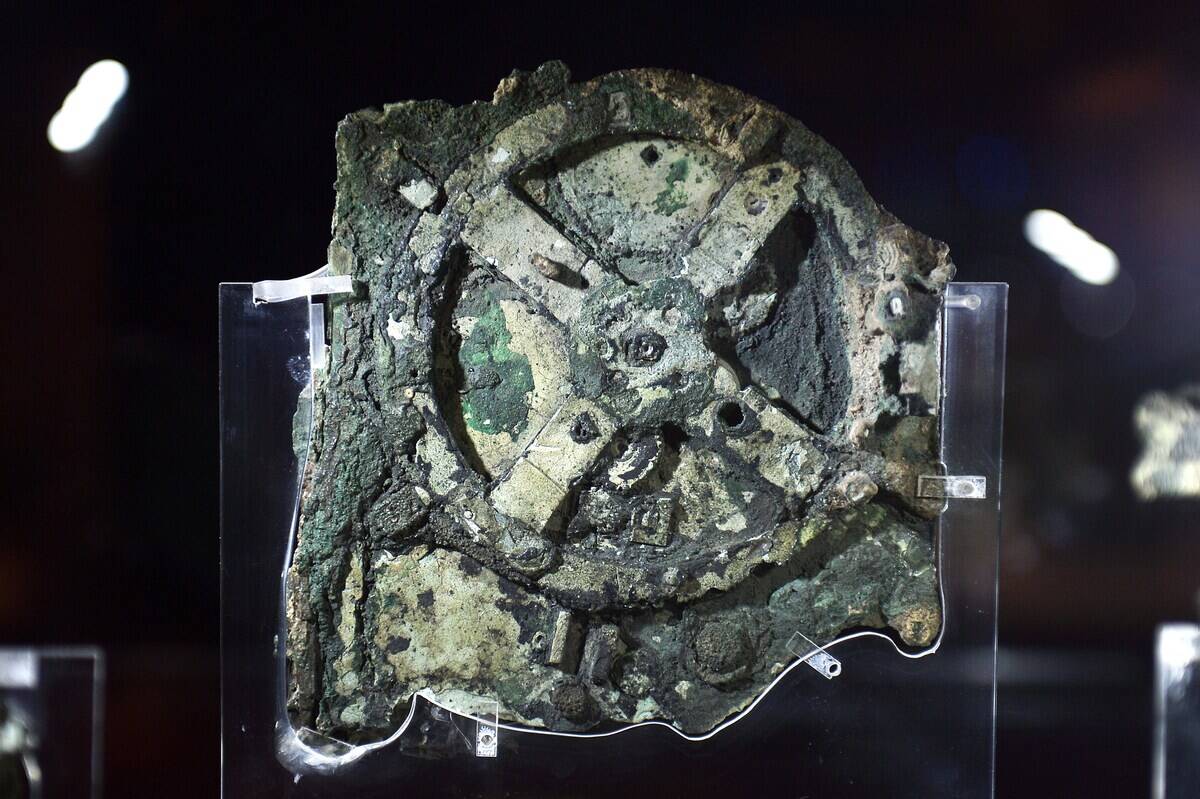
In 1900, sponge divers exploring the waters off the Greek island of Antikythera uncovered a shipwreck containing a mysterious bronze device. Known as the Antikythera Mechanism, this ancient Greek artifact is considered the world’s first analog computer, capable of predicting astronomical positions and eclipses.
Its complexity and precision have astounded historians and scientists, offering insights into the technological prowess of ancient civilizations. The mechanism remains a symbol of human ingenuity long before the modern era.
The Staffordshire Hoard: A Metal Detectorist’s Astonishing Find
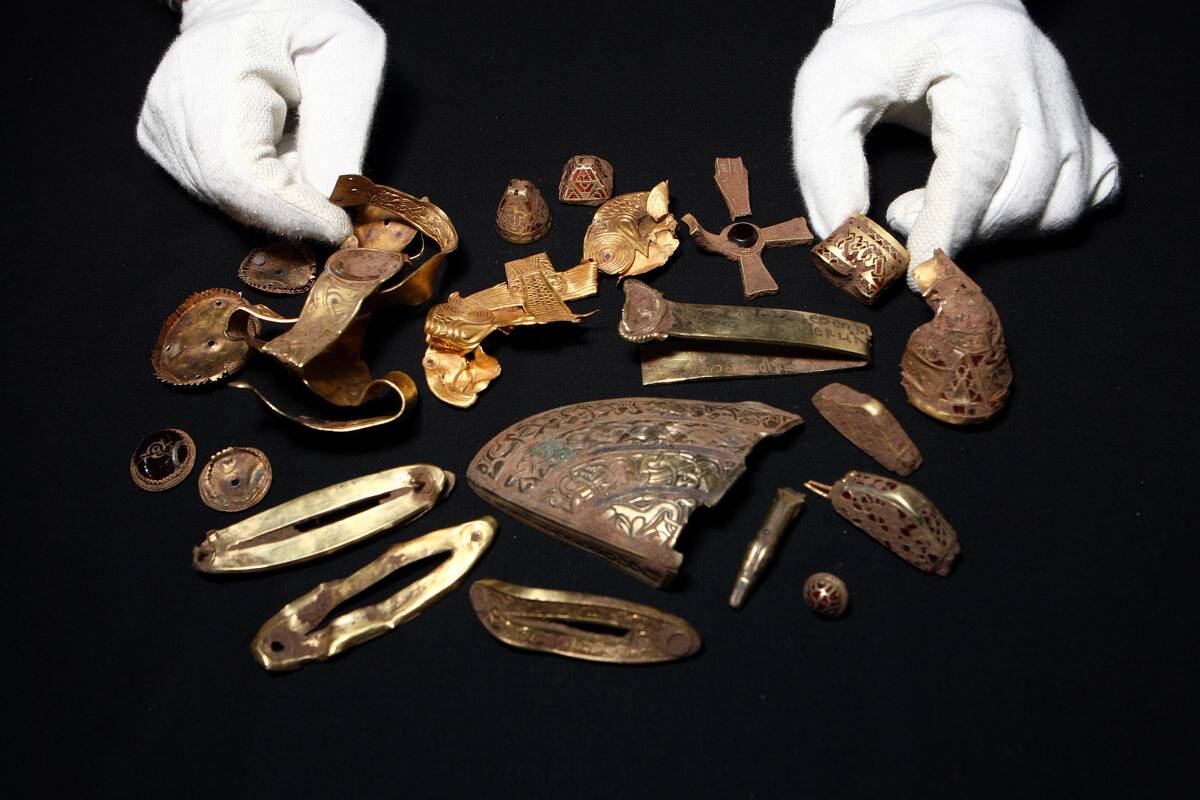
In 2009, a metal detectorist in Staffordshire, England, unearthed the largest hoard of Anglo-Saxon gold and silver ever found. The Staffordshire Hoard, consisting of over 3,500 items, includes intricately decorated sword fittings and religious artifacts.
This unexpected discovery has shed light on the craftsmanship and artistry of the period, as well as its political and cultural landscape. The hoard’s significance continues to be studied, offering new perspectives on Anglo-Saxon England.
The Riace Bronzes: Divers’ Spectacular Discovery in the Sea
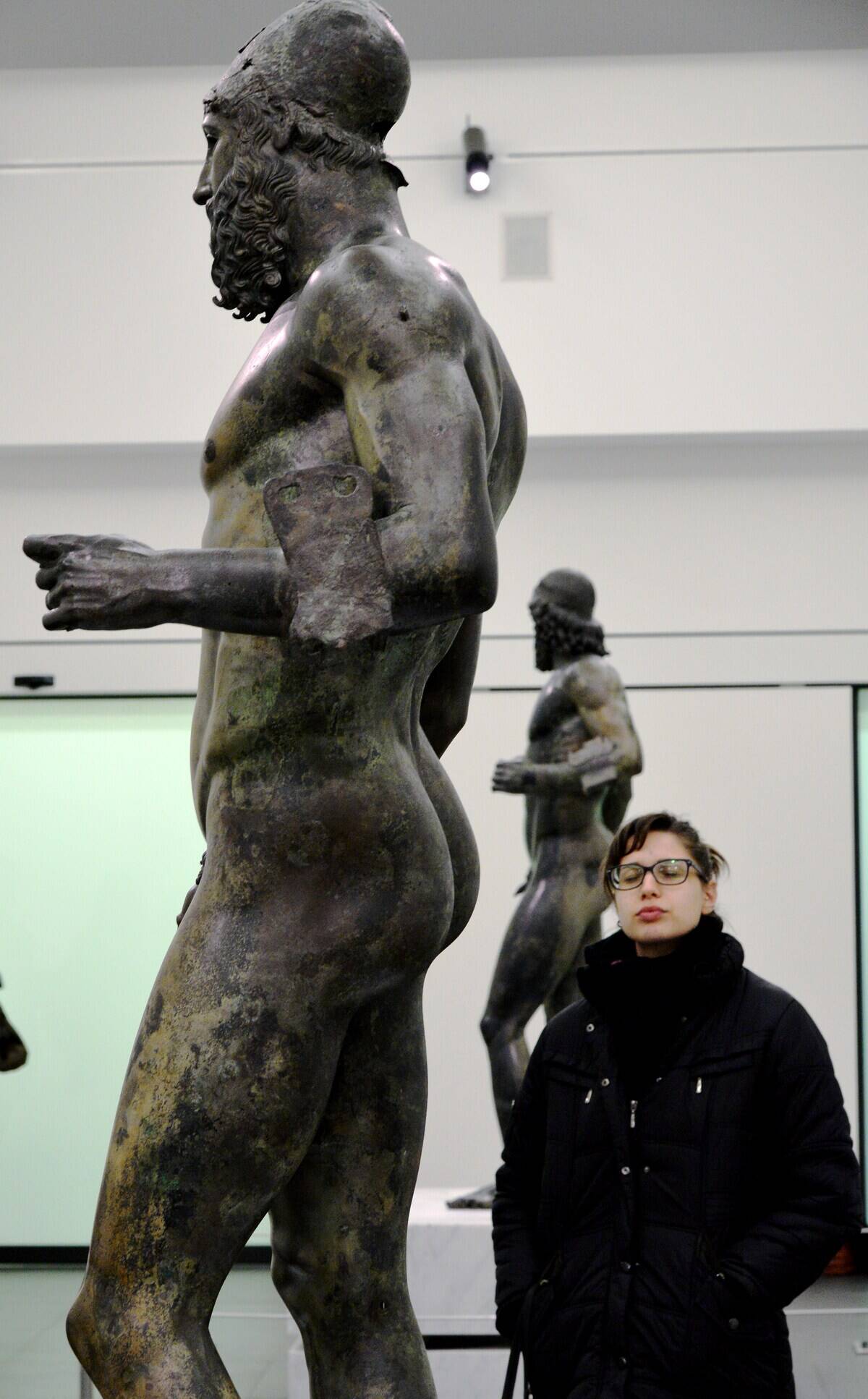
In 1972, divers off the coast of Riace, Italy, discovered two life-sized Greek bronze statues submerged in the sea. Known as the Riace Bronzes, these masterpieces from the 5th century BCE are celebrated for their exquisite detail and craftsmanship.
Their discovery has enriched our understanding of ancient Greek art, showcasing the skill and creativity of sculptors from that era. The bronzes are now displayed in a specially designed museum, captivating audiences with their beauty and historical significance.
The Serapeum of Saqqara: Rediscovered by a French Egyptologist
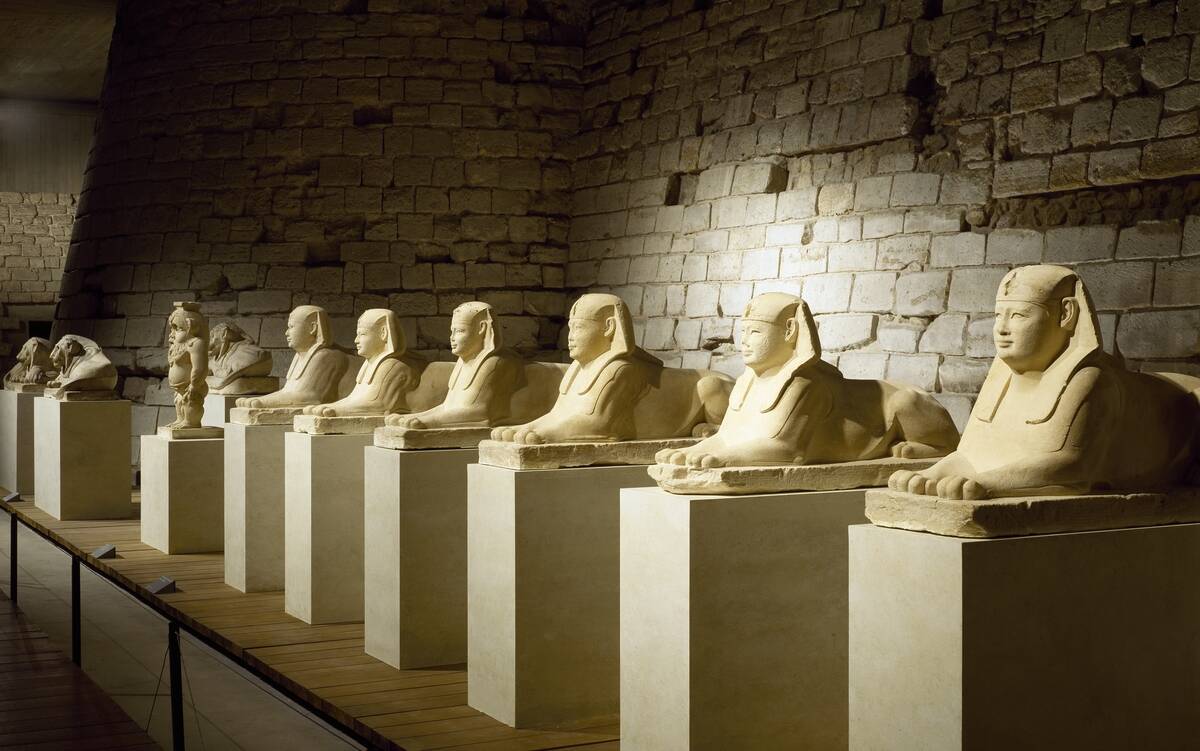
In 1850, French Egyptologist Auguste Mariette stumbled upon a series of hidden tunnels in Saqqara, Egypt. These passages led to the Serapeum, a burial site for the Apis bulls, sacred to the god Ptah.
The discovery included massive stone sarcophagi and numerous artifacts, highlighting the religious practices of ancient Egypt. Mariette’s find was pivotal in understanding the significance of animal worship in Egyptian culture, shedding light on a lesser-known aspect of this ancient civilization.




