History’s most remarkable tomb discoveries
For centuries, humanity has been fascinated by the stories of the past, often hidden beneath layers of time and earth. The discovery of ancient tombs provides a window into the lives and cultures of those who came before us.
From the deserts of Egypt to the lush landscapes of Central America, these burial sites reveal astonishing treasures and mysteries, inviting us to explore the rich tapestry of human history.
King Tutankhamun: The Boy King’s Burial Treasure
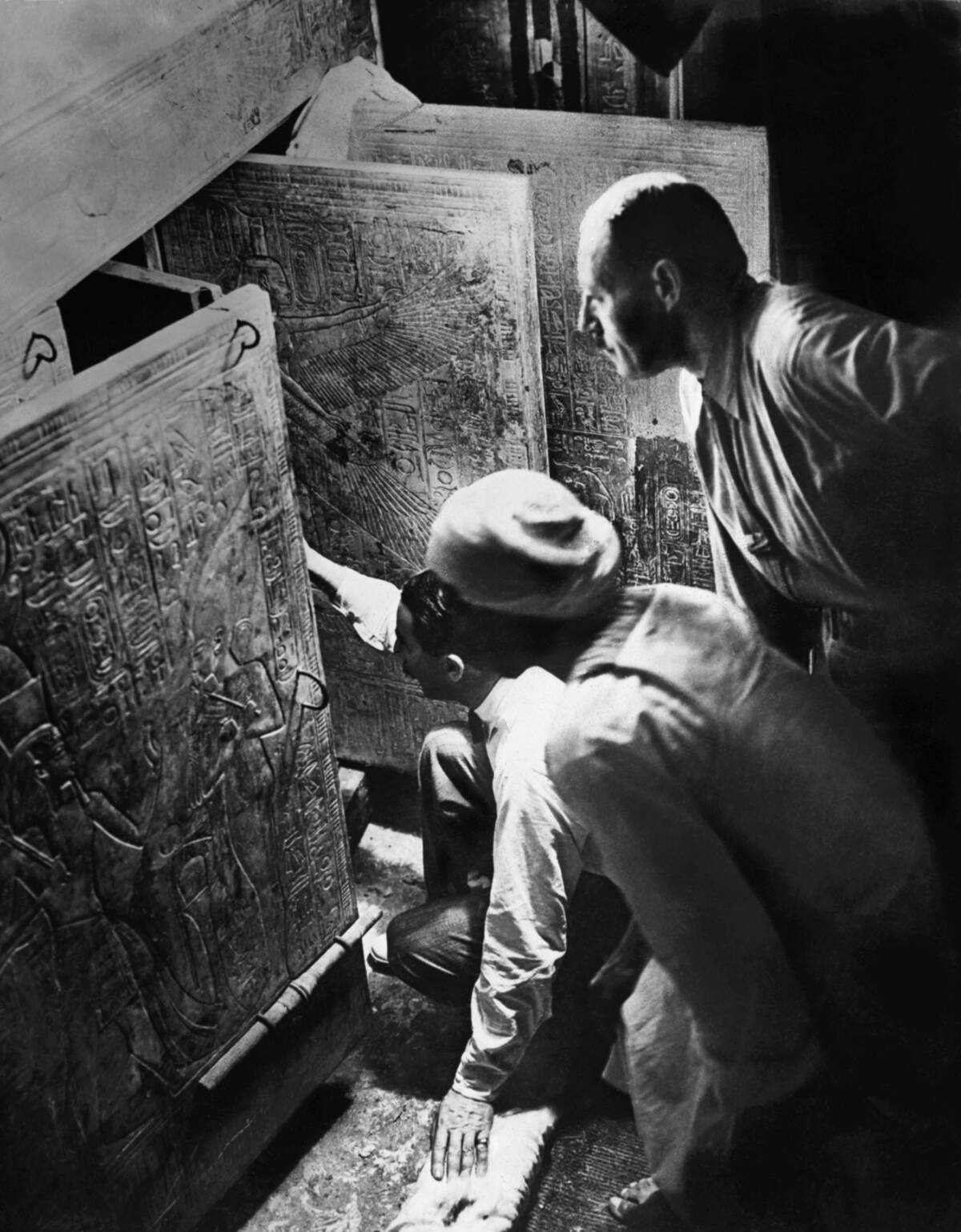
Discovered in 1922 by Howard Carter, the tomb of King Tutankhamun is perhaps the most famous archaeological find. Nestled in Egypt’s Valley of the Kings, it was packed with thousands of artifacts, including the iconic gold death mask.
Despite his brief reign, Tutankhamun’s tomb has provided invaluable insights into the 18th Dynasty and the opulence of Egyptian burial practices.
The Terracotta Army of the First Qin Emperor
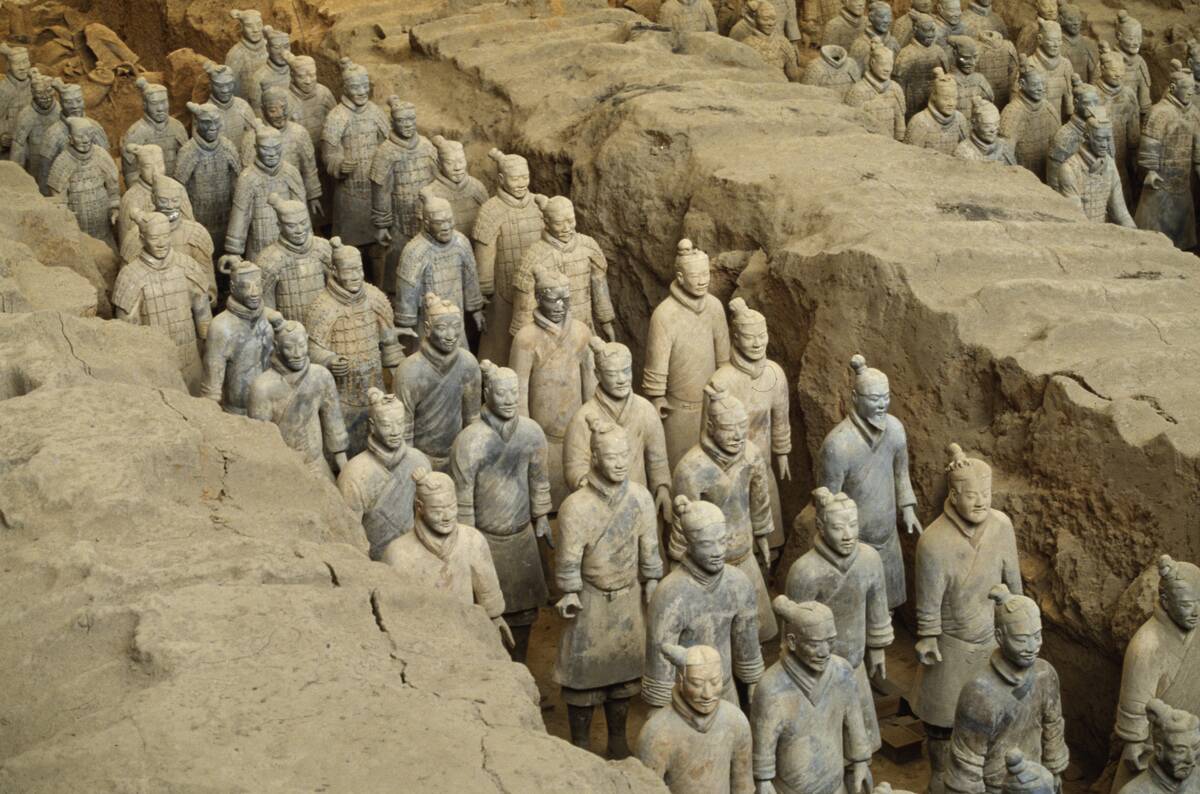
In 1974, farmers in China’s Shaanxi Province stumbled upon fragments of terracotta figures, leading to one of the world’s most significant archaeological discoveries.
The Terracotta Army, consisting of thousands of life-sized soldiers, horses, and chariots, was built to accompany Emperor Qin Shi Huang in the afterlife. This vast army reflects the emperor’s power and the sophistication of ancient Chinese craftsmanship.
The Tomb of Cyrus the Great: A Persian Legacy
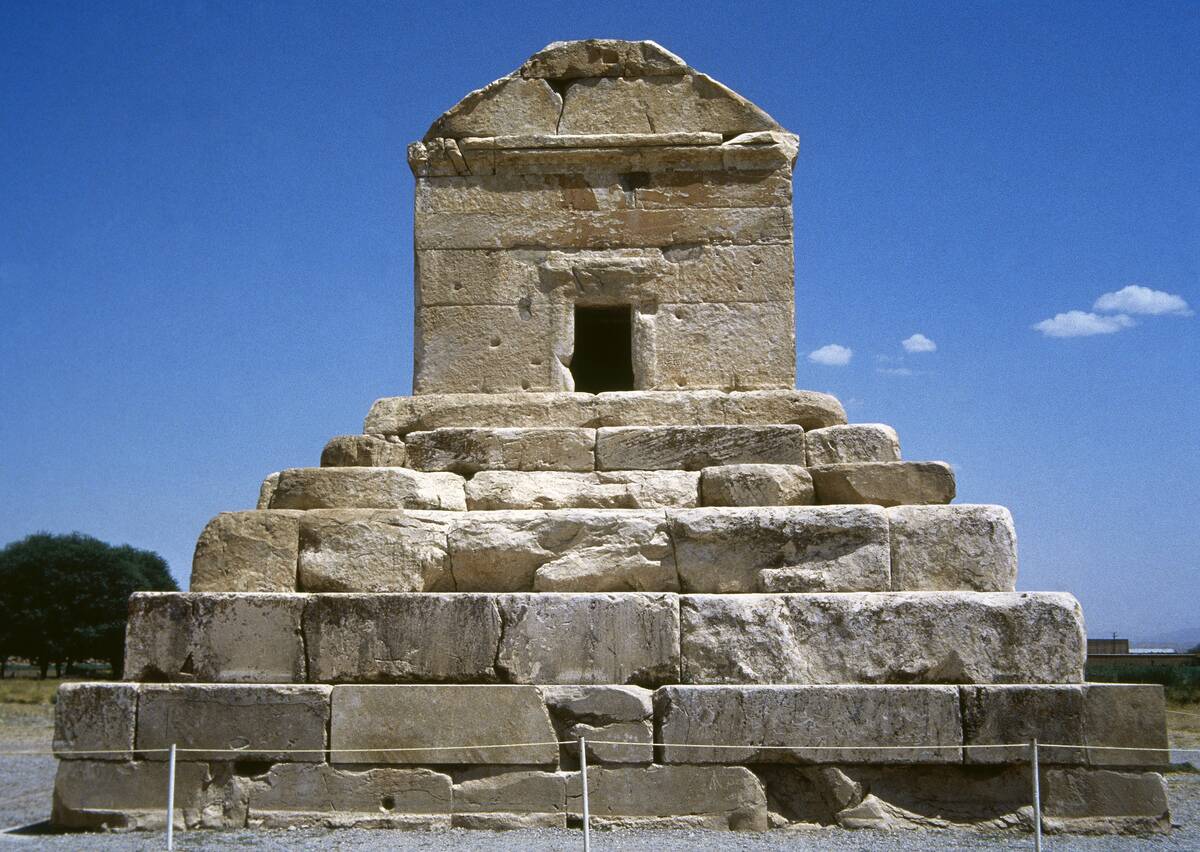
Cyrus the Great, the founder of the Achaemenid Empire, was laid to rest in a simple yet elegant tomb in Pasargadae, Iran.
This structure, built in the 6th century BCE, is a testament to Persian architectural ingenuity. Although the tomb’s contents have long since vanished, it remains a symbol of Cyrus’s enduring legacy and the empire’s cultural achievements.
The Royal Tombs of Ur: Mesopotamian Marvels
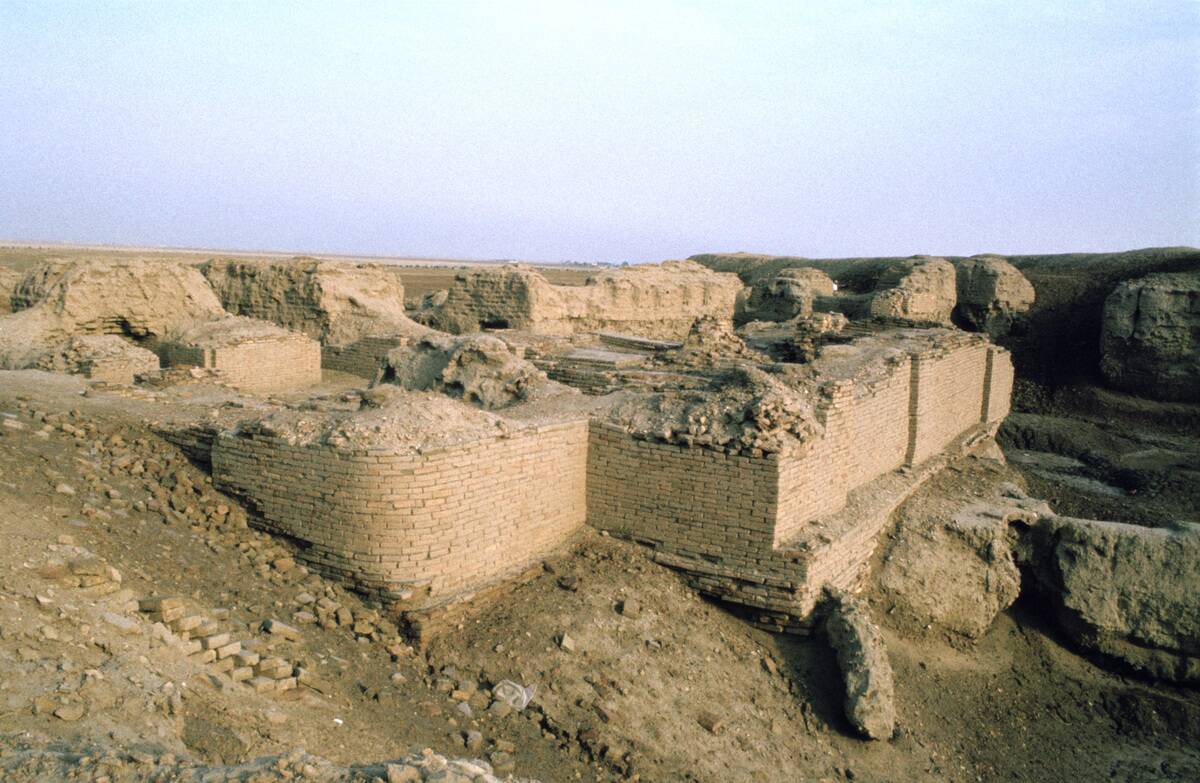
In the 1920s, Sir Leonard Woolley excavated the Royal Tombs of Ur in modern-day Iraq, unearthing a wealth of artifacts from the Sumerian civilization.
Among the findings were lavishly adorned burial goods, including jewelry and musical instruments. These discoveries shed light on the social hierarchy and religious practices of one of history’s earliest known cities.
The Tomb of Agamemnon: Mycenae’s Golden Chamber
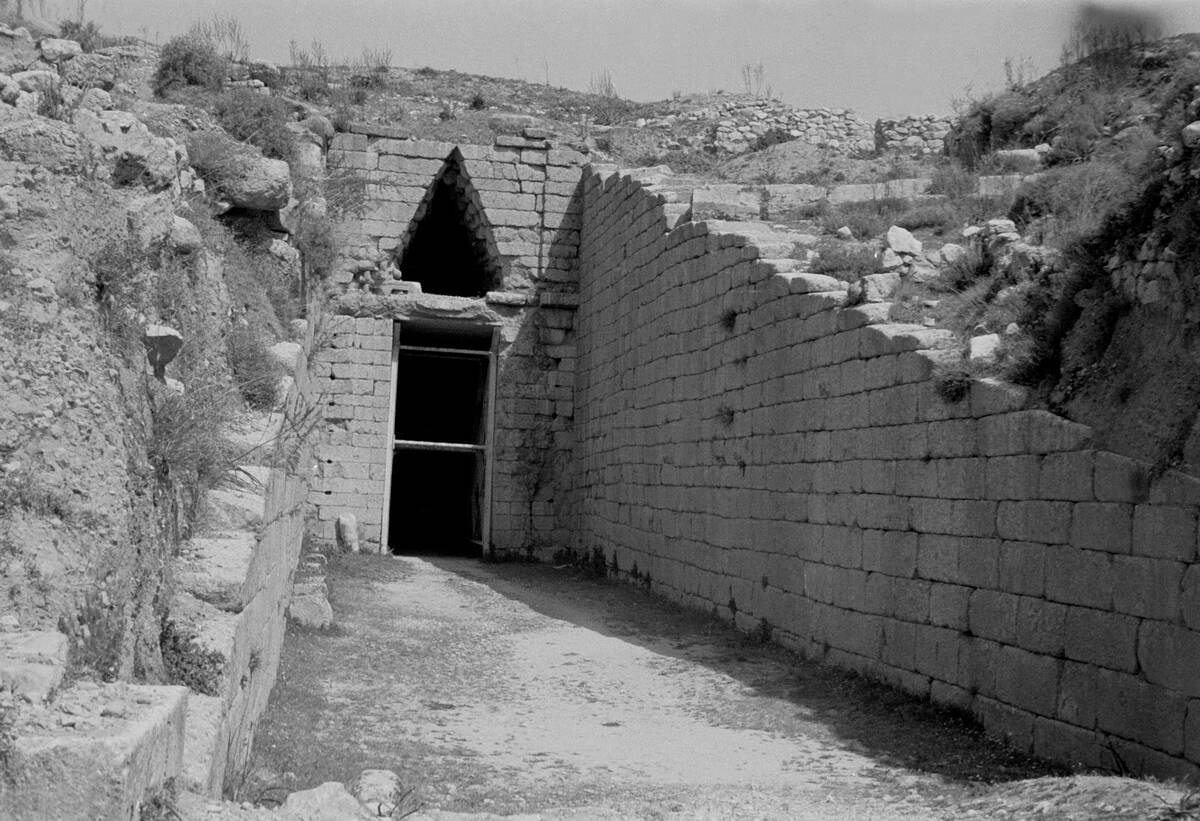
Often referred to as the ‘Treasury of Atreus,’ the Tomb of Agamemnon is a magnificent beehive-shaped structure dating back to the 13th century BCE.
Located in Mycenae, Greece, this tomb showcases the Mycenaean civilization’s architectural prowess. Although its connection to the legendary king remains unproven, the tomb’s design and treasures attest to a sophisticated society.
The Burial Site of the Red Queen: Mayan Mystique
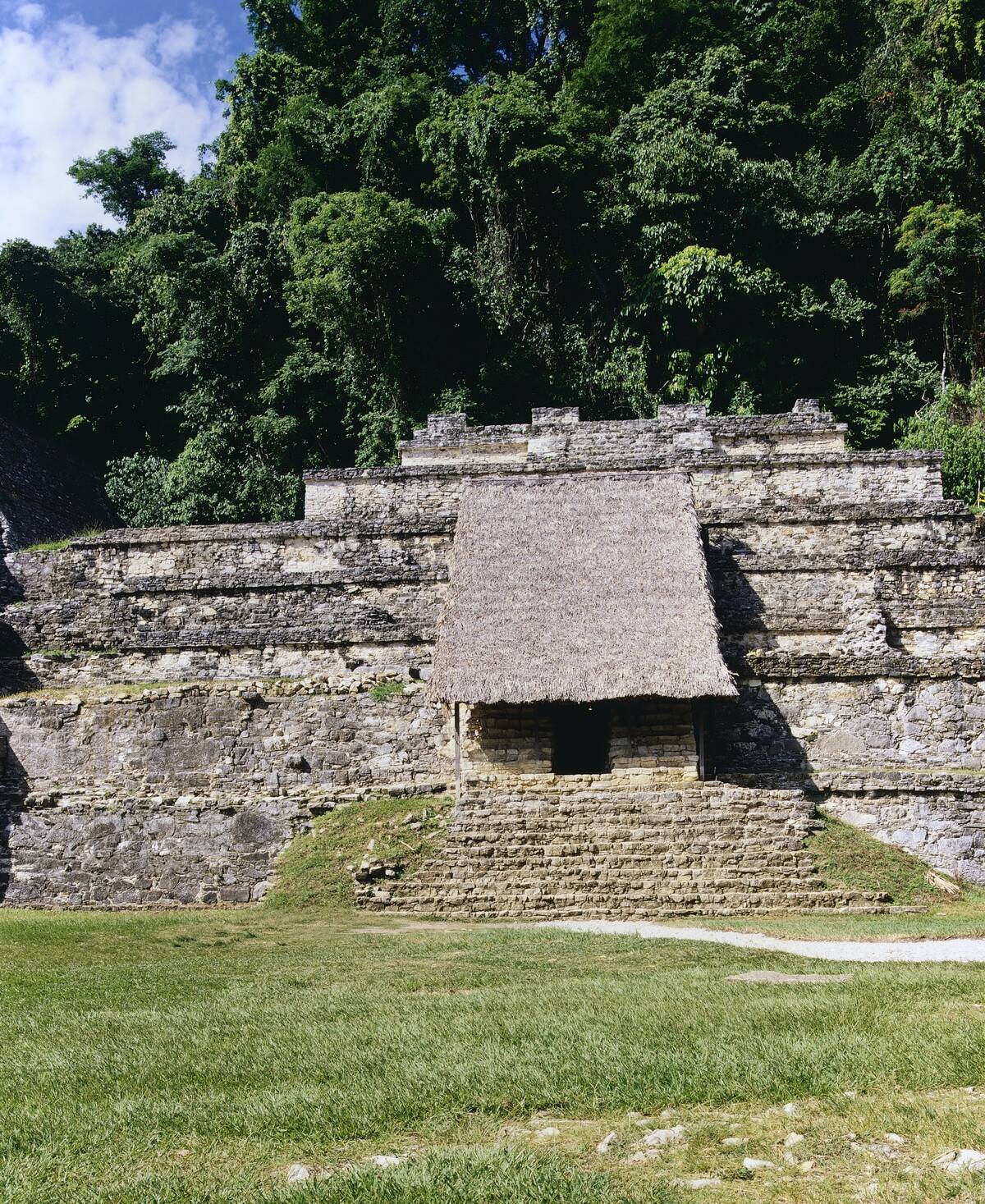
In 1994, archaeologists unearthed the remains of the Red Queen in the ancient city of Palenque, Mexico. Her burial chamber was richly adorned with cinnabar and jade, suggesting her high status in Mayan society.
The identity of the Red Queen remains a mystery, but her tomb provides a glimpse into the ceremonial practices and artistry of the Maya.
Pharaoh Ramses II: The Great Builder’s Resting Place
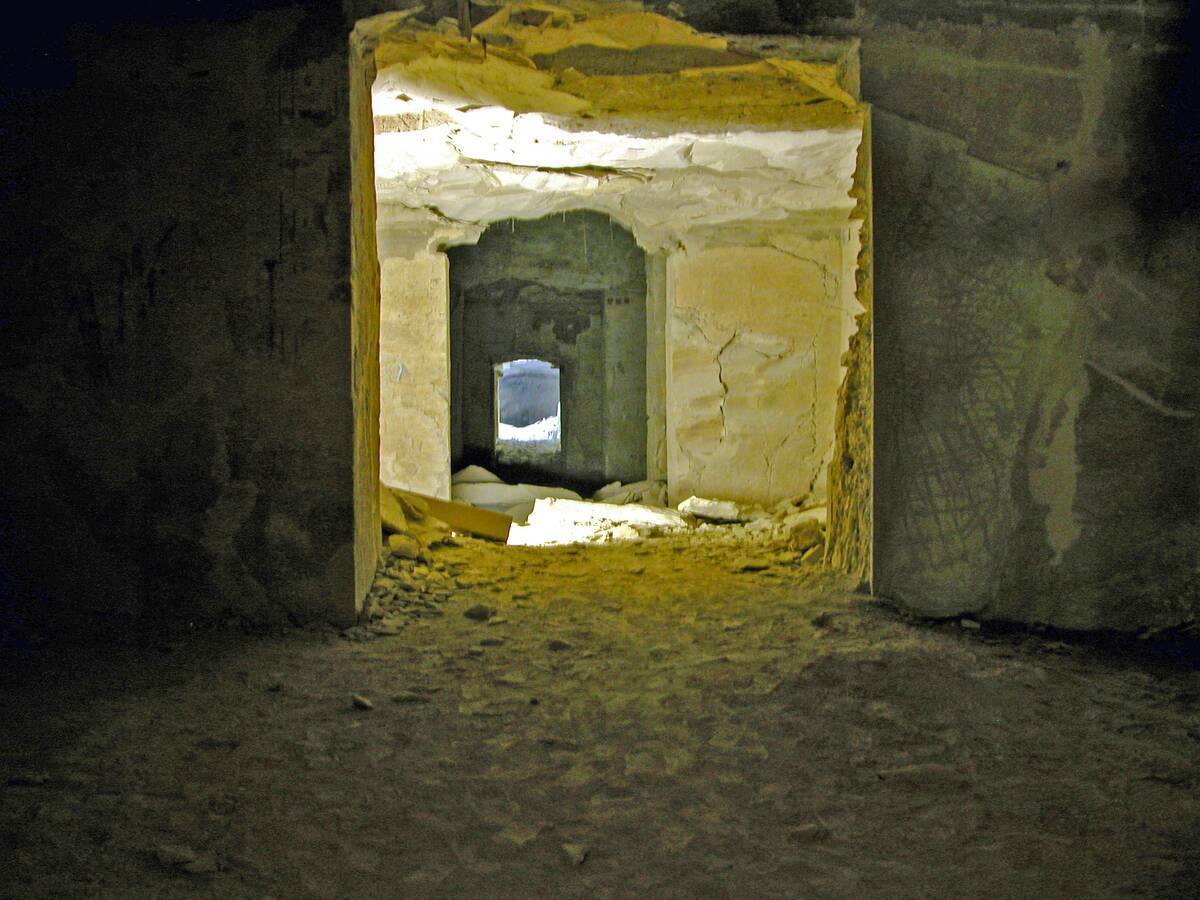
Ramses II, one of Egypt’s most powerful pharaohs, was originally entombed in the Valley of the Kings. His mummy was later moved to avoid looting and now resides in the Egyptian Museum in Cairo.
Known for his architectural achievements, Ramses II’s legacy endures through monuments like Abu Simbel, while his tomb offers insights into royal burial customs.
The Sutton Hoo Ship Burial: Anglo-Saxon Splendor
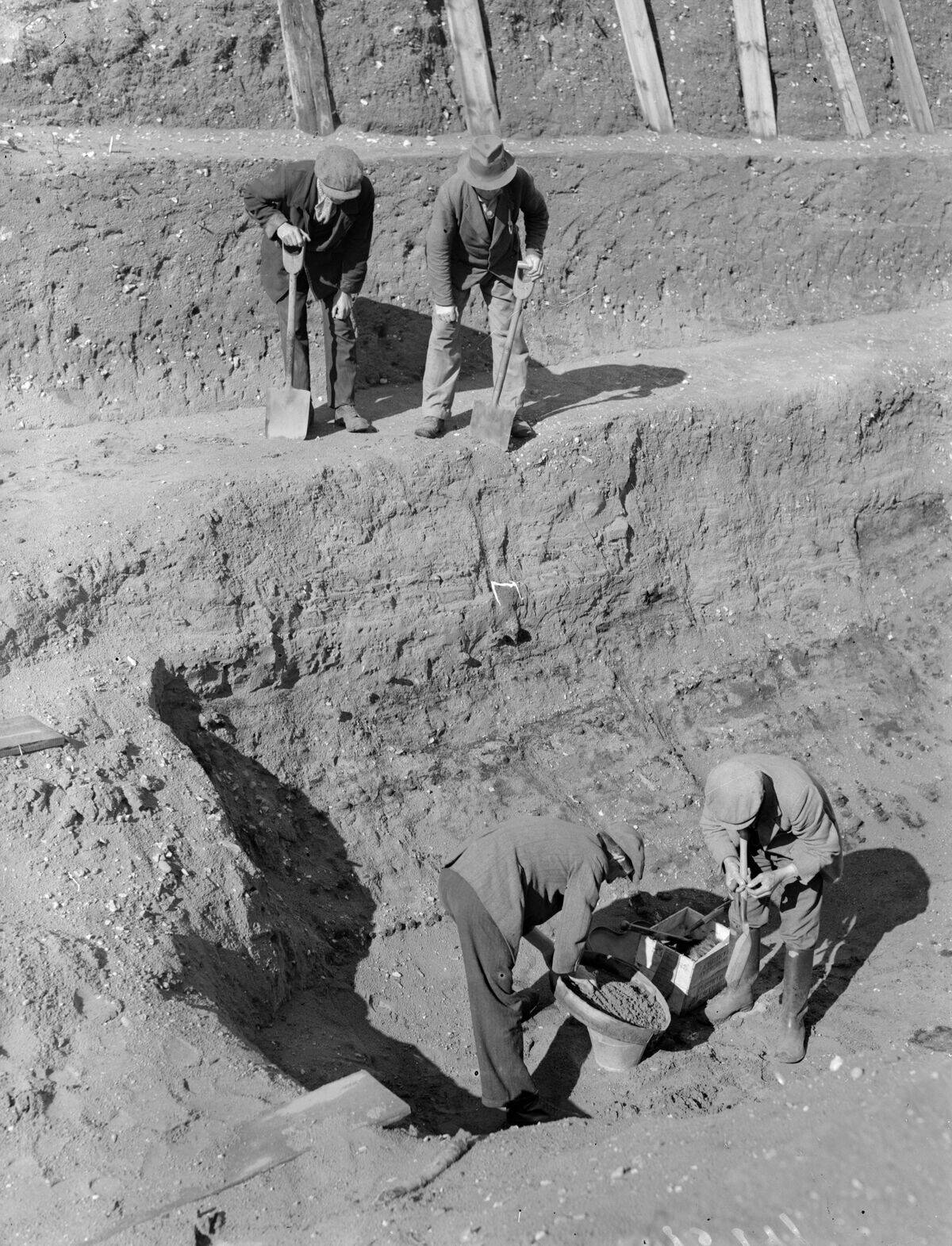
Discovered in 1938 in Suffolk, England, the Sutton Hoo ship burial is a marvel of early medieval archaeology.
This burial site, possibly belonging to an East Anglian king, contained a wealth of treasures, including a ceremonial helmet and exquisite jewelry. The discovery has transformed our understanding of Anglo-Saxon culture and its connections to the wider world.
The Tomb of Emperor Nintoku: Japan’s Keyhole Mystery
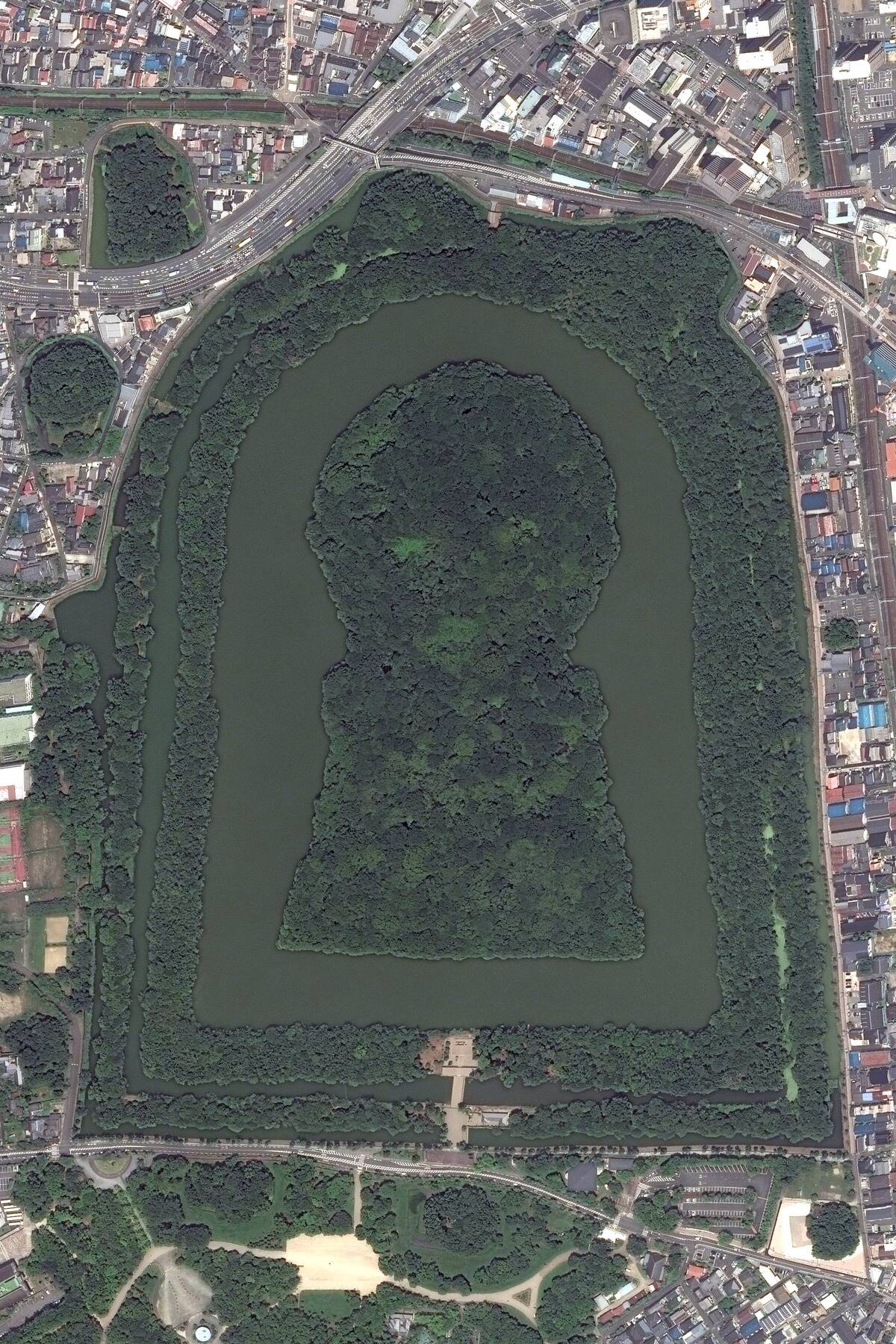
The tomb of Emperor Nintoku, located in Osaka, Japan, is one of the largest burial mounds in the world. Known as a kofun, its keyhole shape is characteristic of ancient Japanese tombs.
Though shrouded in mystery, this site reflects the early Japanese state’s power and the enduring legacy of its imperial lineage, attracting both scholars and tourists alike.
The Royal Tombs of Sipán: The Lords of Moche
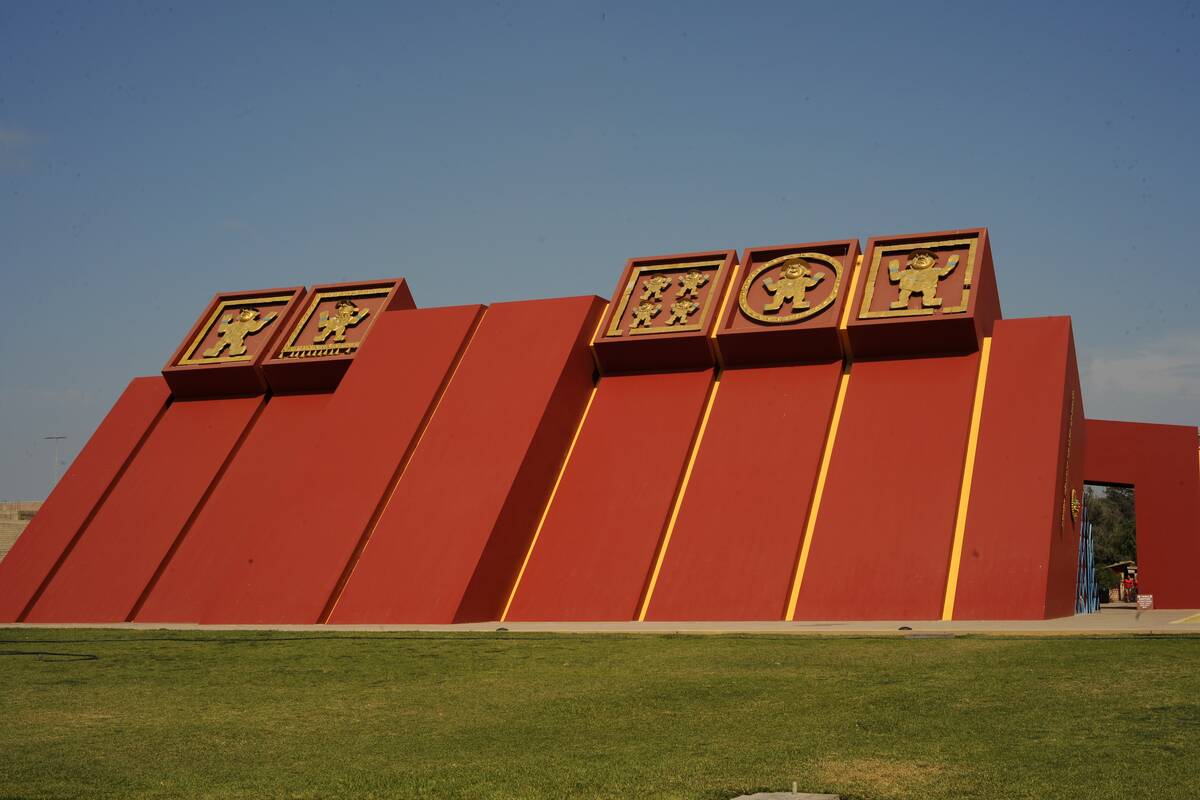
The Royal Tombs of Sipán, discovered in the 1980s in northern Peru, unveiled a treasure trove of Moche civilization artifacts. The tombs, filled with gold, ceramics, and intricately decorated metalwork, belonged to warrior priests and rulers.
These discoveries have provided critical insights into the social and religious structures of the Moche, one of ancient Peru’s most sophisticated cultures.
The Tomb of the Scythian Warriors: Nomadic Nobility
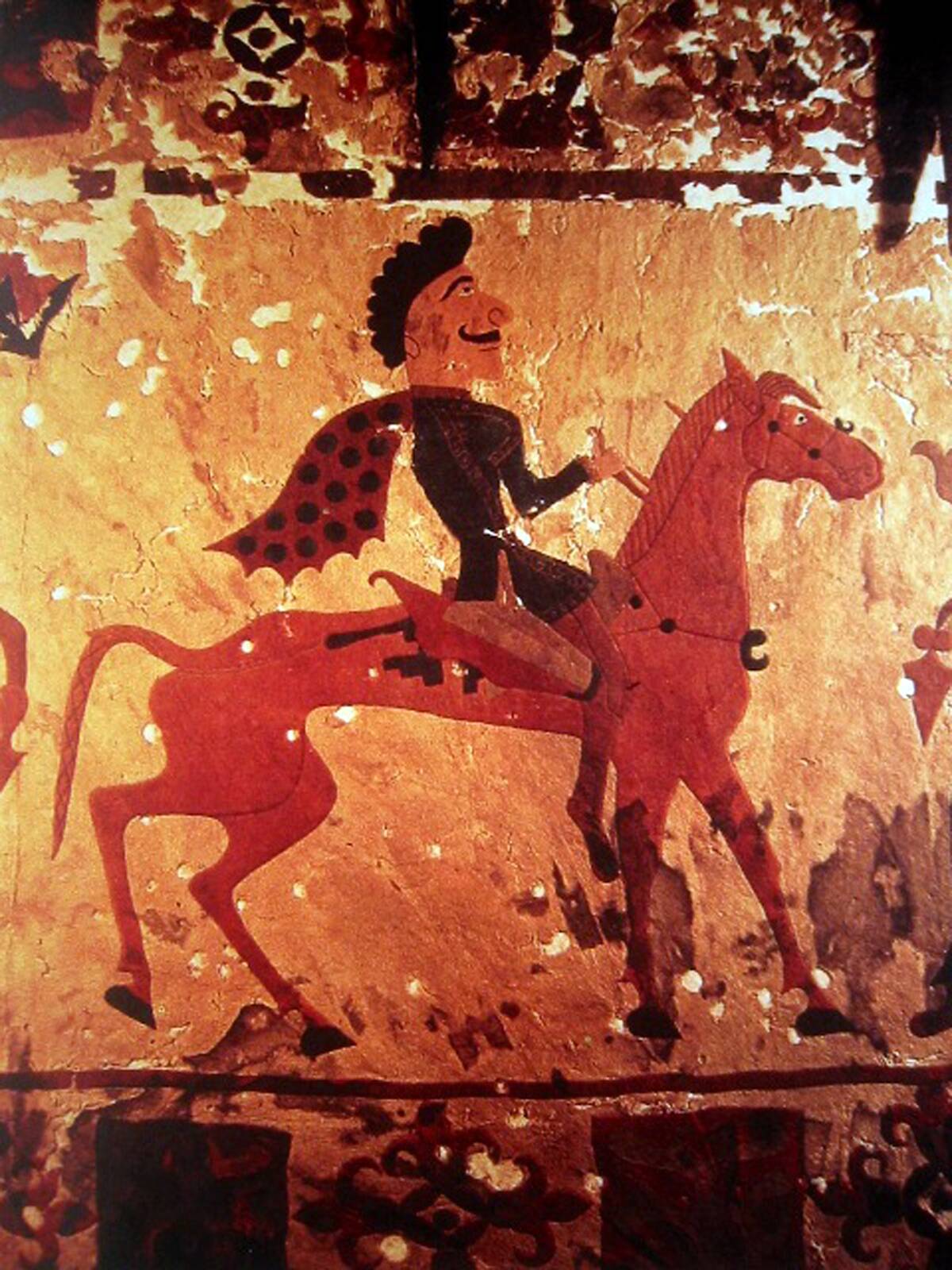
In the frozen steppes of Siberia, the tombs of Scythian warriors have been preserved in remarkable condition. These nomadic people, known for their horseback prowess, left behind artifacts that reveal their rich culture and warrior lifestyle.
Buried with horses and elaborate weaponry, the Scythian tombs offer a glimpse into the lives of these fierce and enigmatic people.
The Tomb of Philip II of Macedon: A Royal Discovery
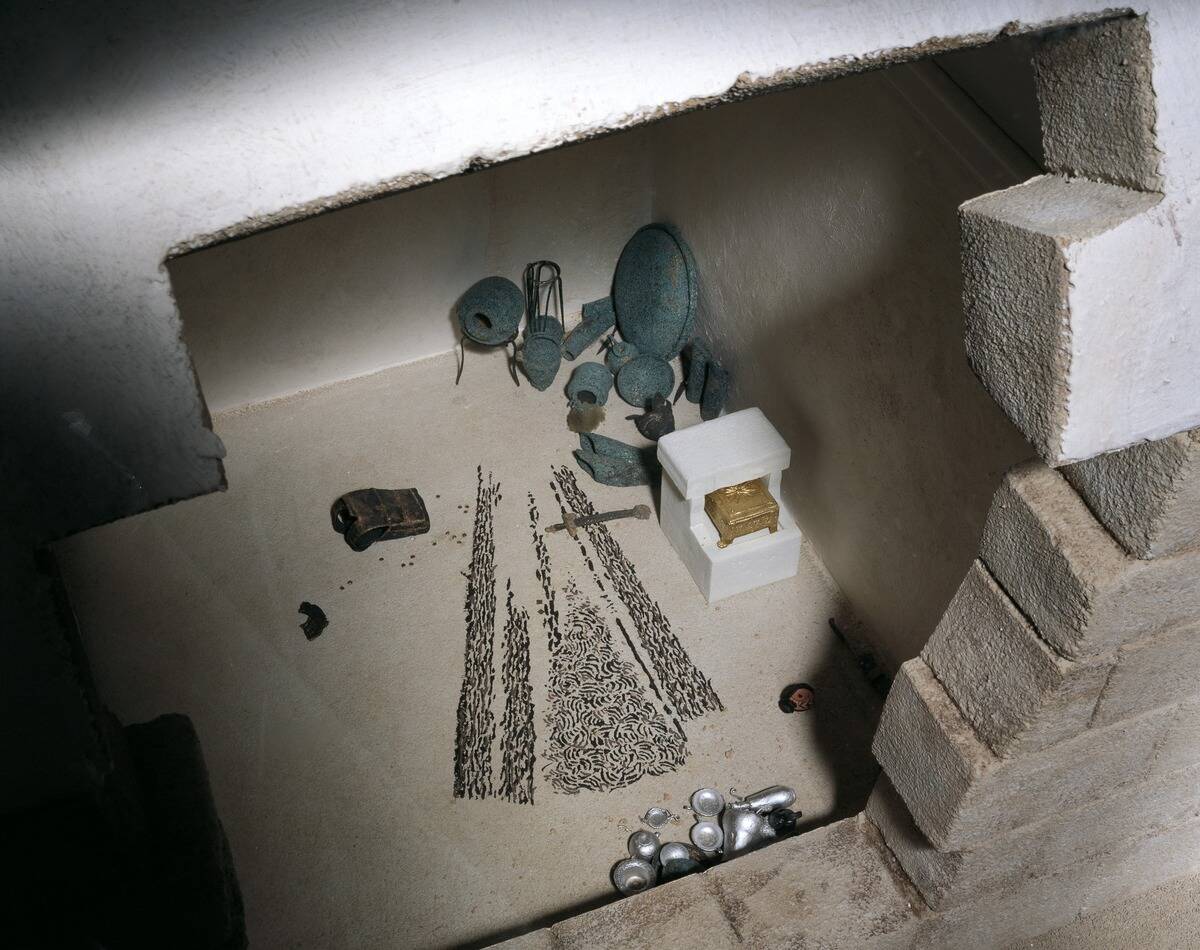
The tomb of Philip II, father of Alexander the Great, was discovered in 1977 in Vergina, Greece. This royal tomb contained an array of treasures, including a gold larnax and a ceremonial shield.
The discovery provided invaluable insights into Macedonian funerary customs and confirmed Philip’s status as a powerful and influential ruler of ancient Greece.