Real events that inspired famous legends
Legends have a way of captivating our imagination, weaving tales that blur the line between fact and fiction. From gallant knights to fearsome creatures, these stories have been passed down through generations.
But what if there’s more to these myths than meets the eye? By delving into their origins, we can uncover the fascinating truths that lie beneath the surface. Join us as we embark on a journey to explore the historical roots of some of the world’s most enduring legends.
Robin Hood: The Real Outlaws of Medieval England
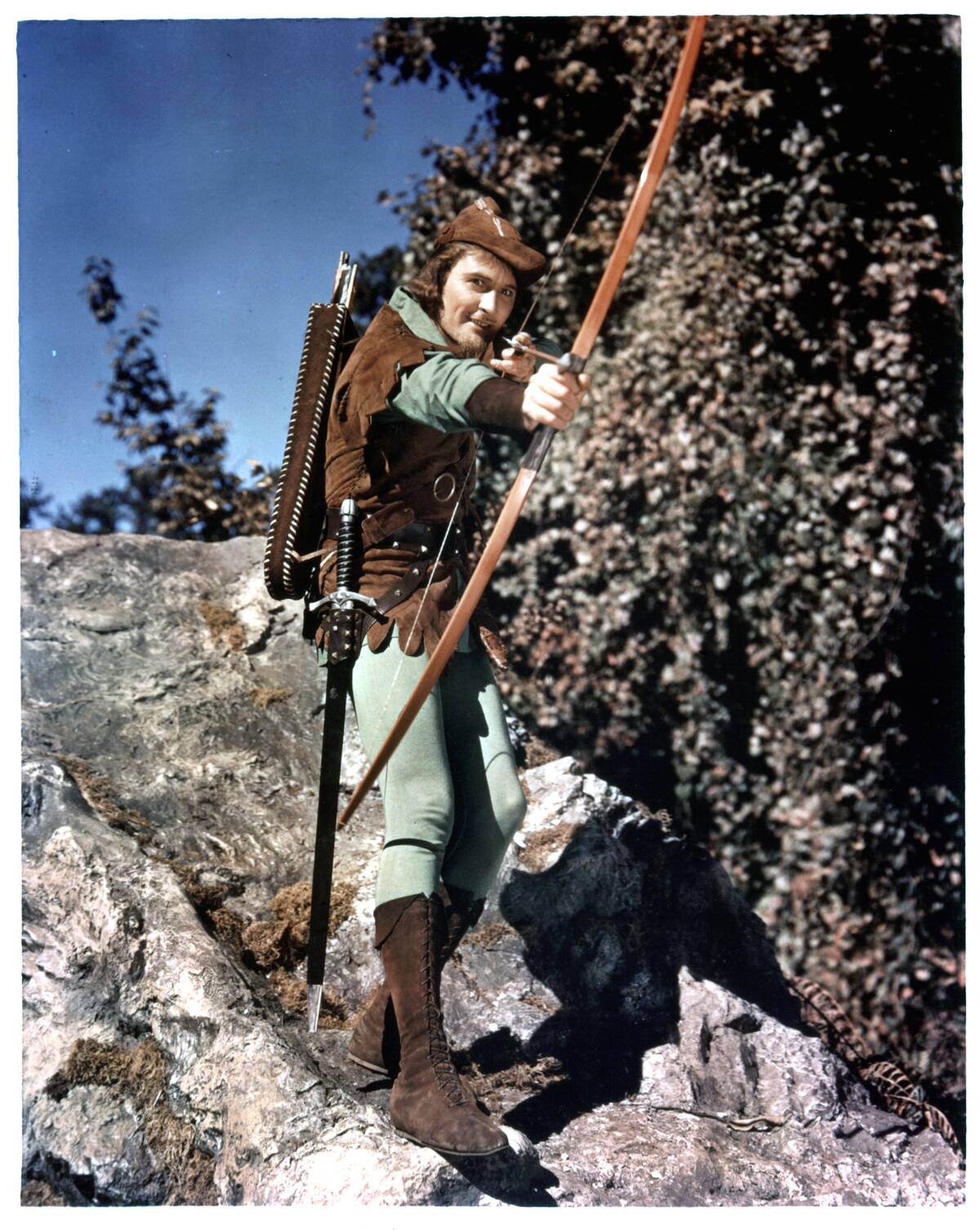
Robin Hood, the outlaw who stole from the rich to give to the poor, has long been a symbol of justice and rebellion. But was there ever a real Robin Hood? Some historians point to a 13th-century figure named Robert Hod, who might have inspired the tales.
Records from the time mention several outlaws with similar names, suggesting that the legend could be a composite of various real-life bandits who roamed Sherwood Forest and other parts of England.
The Inspiration Behind Dracula: Vlad the Impaler
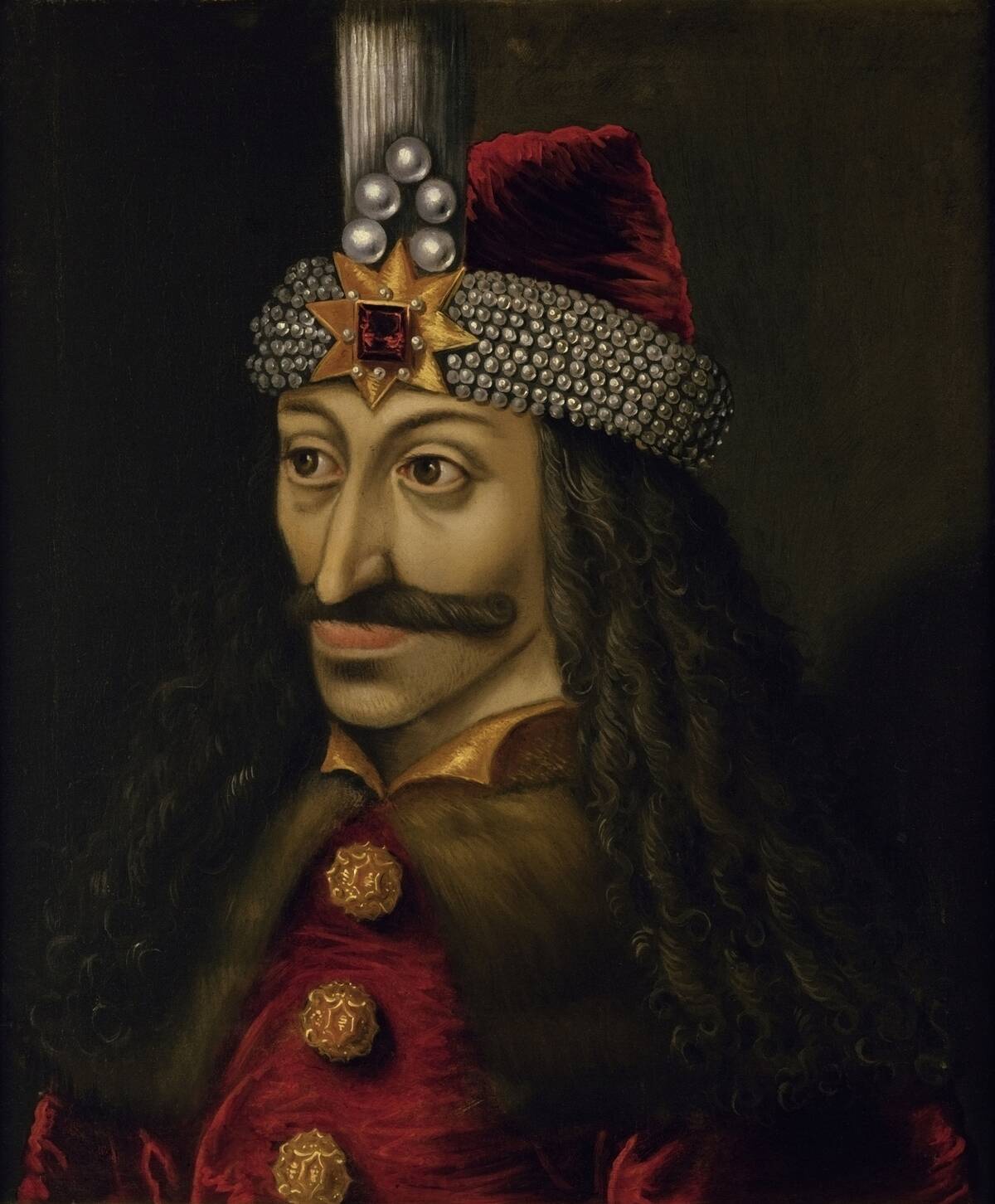
The bloodthirsty vampire Dracula, brought to life by Bram Stoker, was inspired by the 15th-century Romanian prince Vlad the Impaler. Known for his brutal methods of punishing enemies, Vlad earned his fearsome nickname by impaling his foes on stakes.
While he was a real historical figure, the connection to vampirism is purely fictional. Stoker’s novel blended Vlad’s dark reputation with European folklore about undead creatures, giving birth to one of literature’s most enduring monsters.
The True Story of the Pied Piper of Hamelin
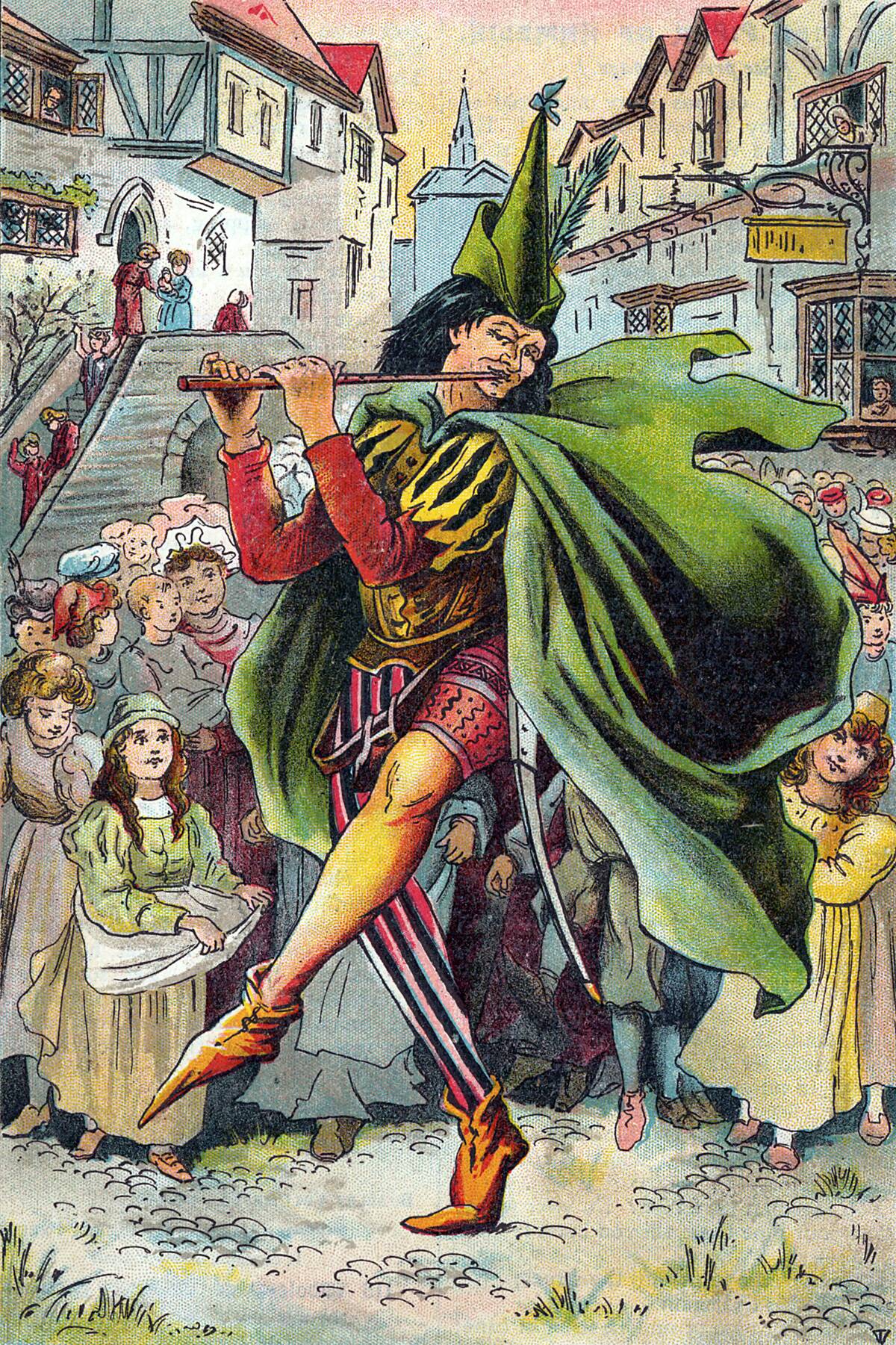
The tale of the Pied Piper, who led the children of Hamelin away with his magical music, is a chilling legend with a basis in historical events. In 1284, over a hundred children from the German town of Hamelin disappeared, and no one knows exactly why.
Some theories suggest they were victims of a plague or recruited for a children’s crusade. The vivid story of the Piper, however, has transformed this mysterious event into a cautionary tale about broken promises.
The Historical Basis for the Trojan War
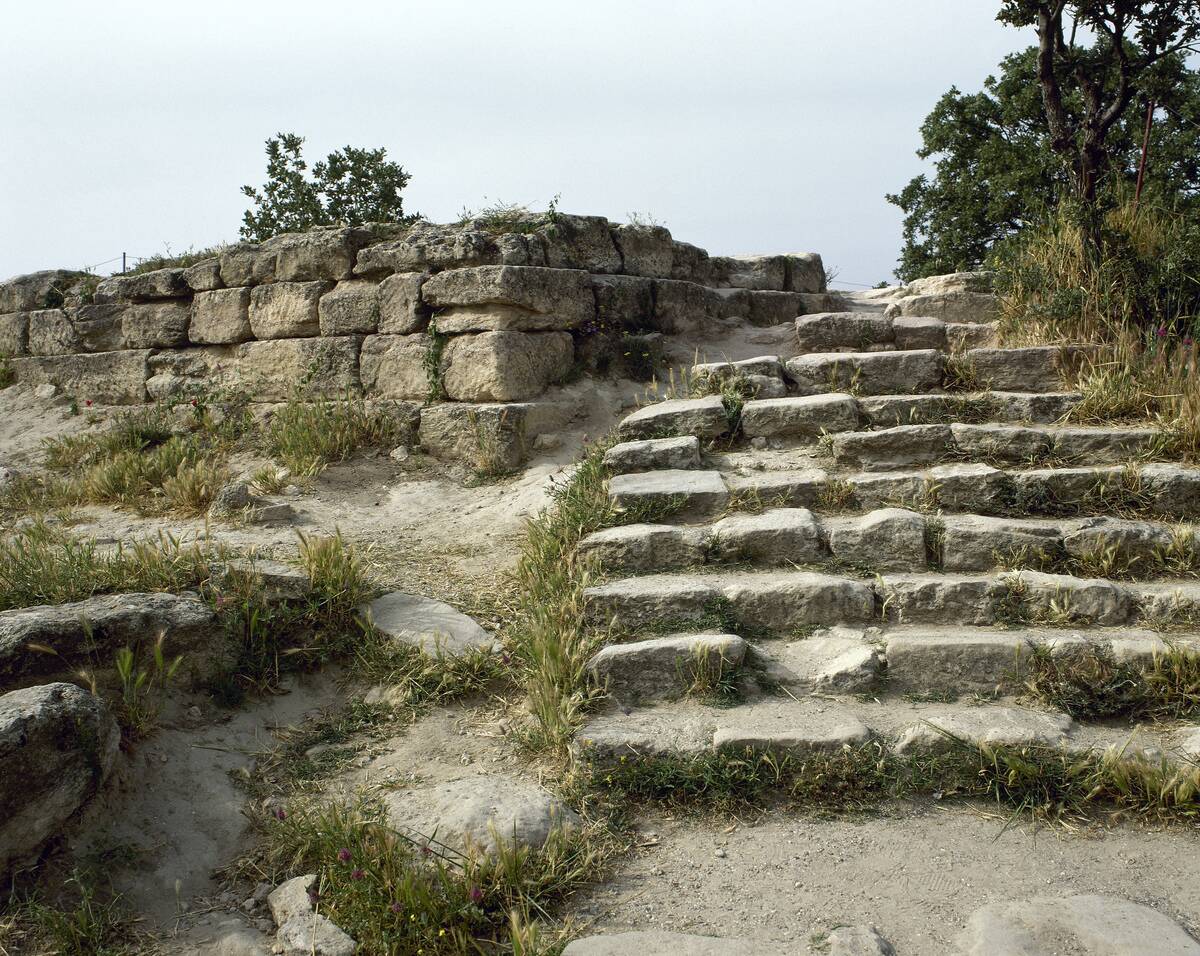
The epic tale of the Trojan War, immortalized by Homer’s “Iliad,” has long been regarded as a blend of myth and history. Archaeological evidence suggests that a city resembling Troy did exist in what is now Turkey, and it was conquered around 1200 BCE.
While the exact events remain uncertain, it’s believed that conflicts over trade routes may have inspired the legendary war. The story of Helen’s abduction and the great wooden horse, however, are likely embellishments.
The Reality Behind the Legend of El Dorado
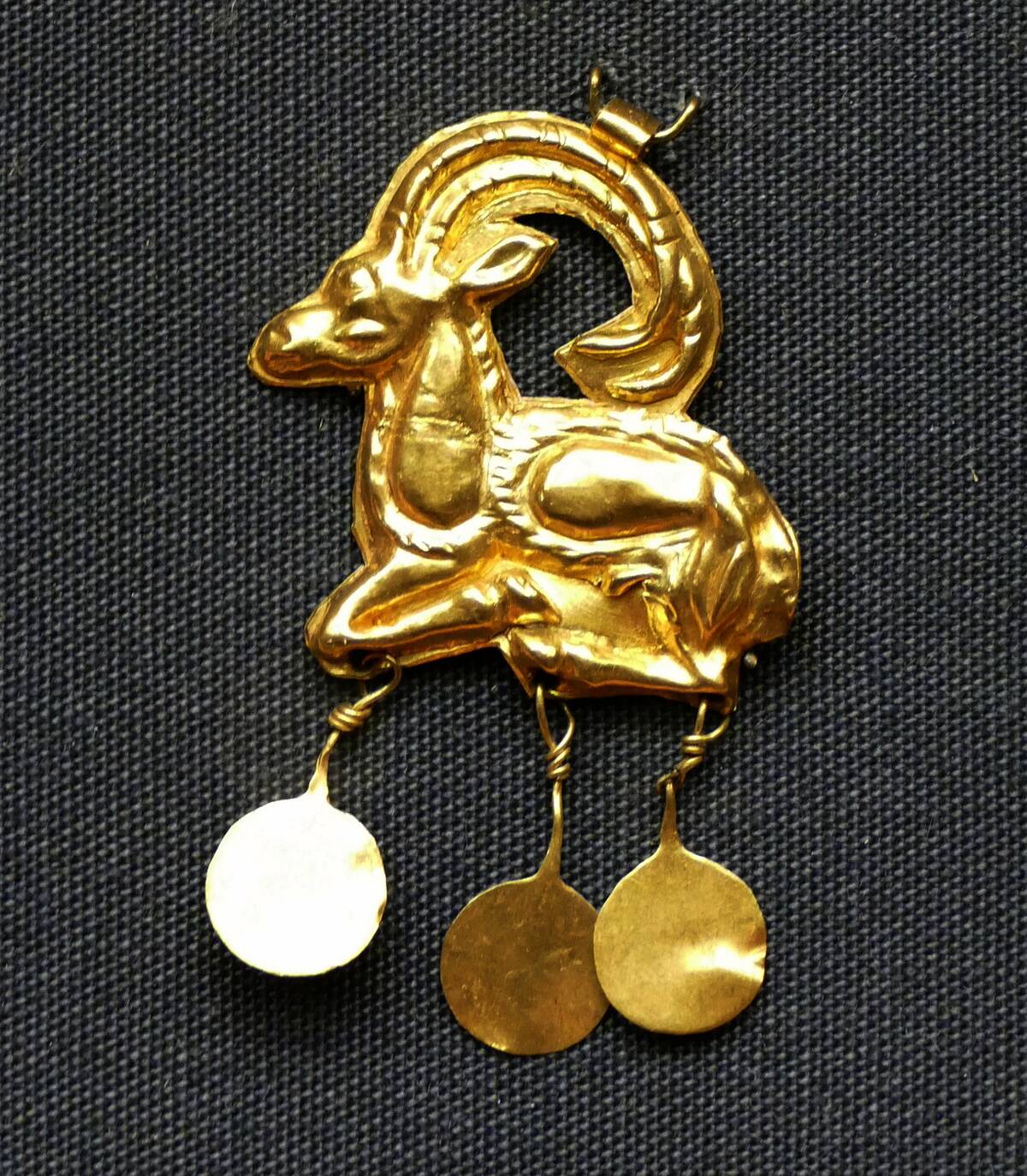
The legend of El Dorado, the city of gold, lured countless explorers into the heart of the Americas. Spanish conquistadors were captivated by tales of a golden city hidden in the jungle, but the reality was far more elusive.
The myth likely originated from the Muisca people of Colombia, who performed a ritual involving their leader being covered in gold dust. Despite extensive searches, no such city was ever found, leaving El Dorado as a testament to the power of myth.
The Epic of Gilgamesh: Ancient Heroes and Historical Kings
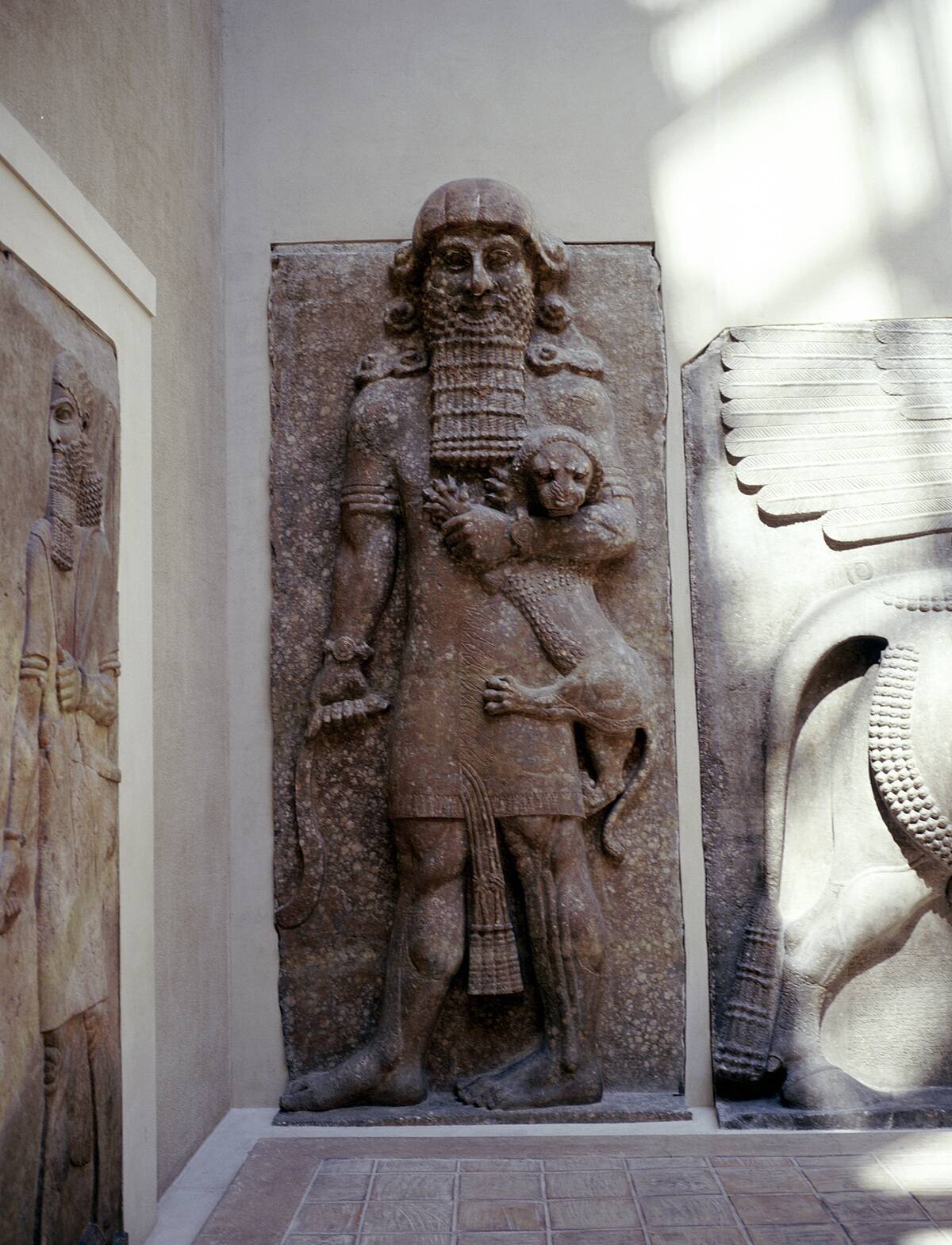
The “Epic of Gilgamesh,” one of the oldest known literary works, tells the story of a legendary king’s quest for immortality. While the epic is filled with fantastical elements, it is believed to be based on a real Sumerian king named Gilgamesh, who ruled the city of Uruk sometime between 2800 and 2500 BCE.
Archaeological findings have confirmed the existence of Uruk, lending credence to the idea that Gilgamesh was a historical figure whose adventures were immortalized in myth.
The Real-Life Pirates Who Inspired Treasure Island
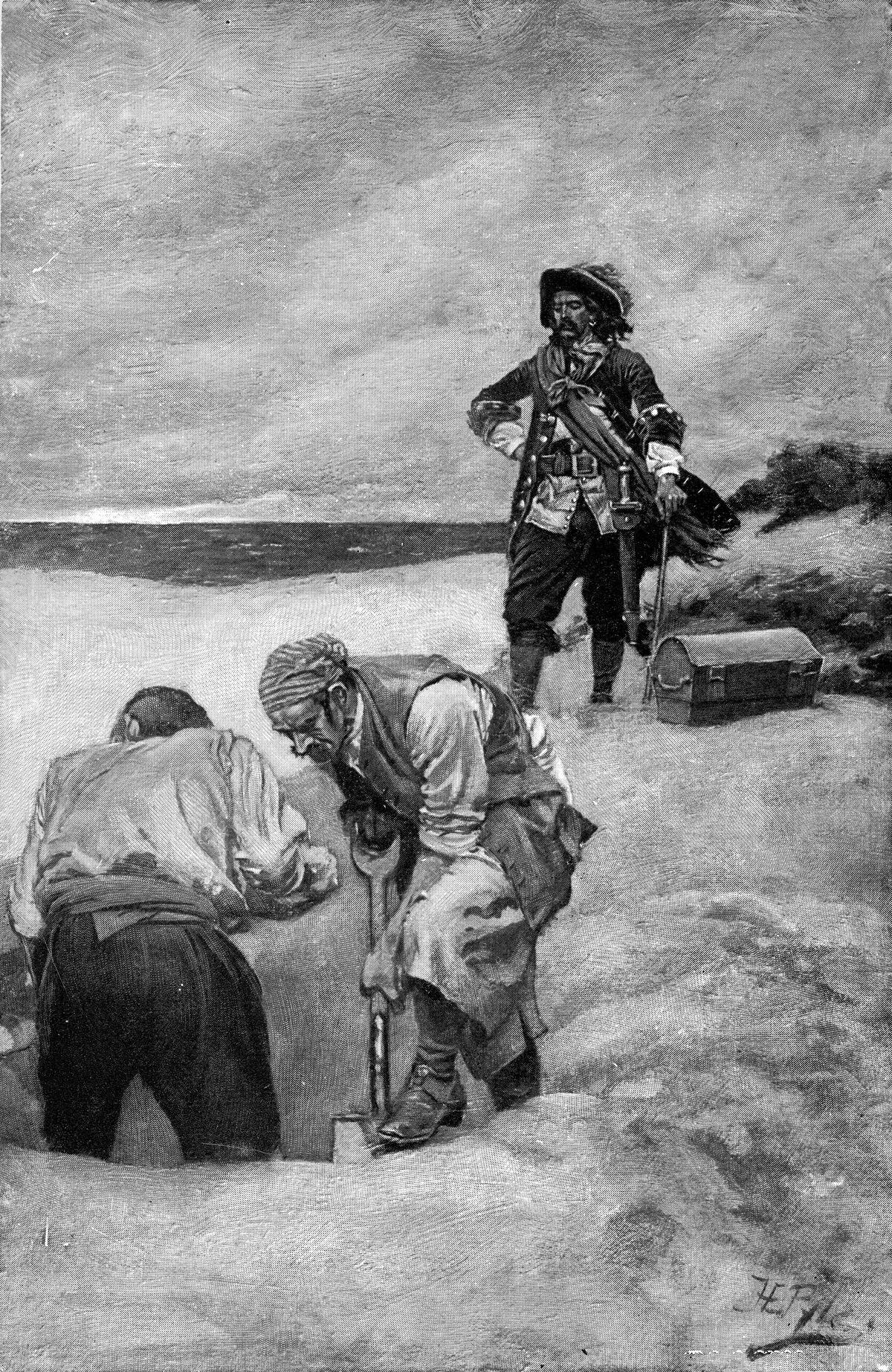
Robert Louis Stevenson’s Treasure Island introduced readers to the swashbuckling world of pirates, but these characters weren’t purely fictional. Many of the traits and adventures in the novel were inspired by actual pirates who roamed the seas in the 17th and 18th centuries.
Figures like Blackbeard and Captain Kidd, known for their daring exploits and fearsome reputations, served as templates for Stevenson’s Long John Silver and his crew. Their real-life escapades added authenticity to the fictional tale.
The Truth Behind the Legend of the Fountain of Youth
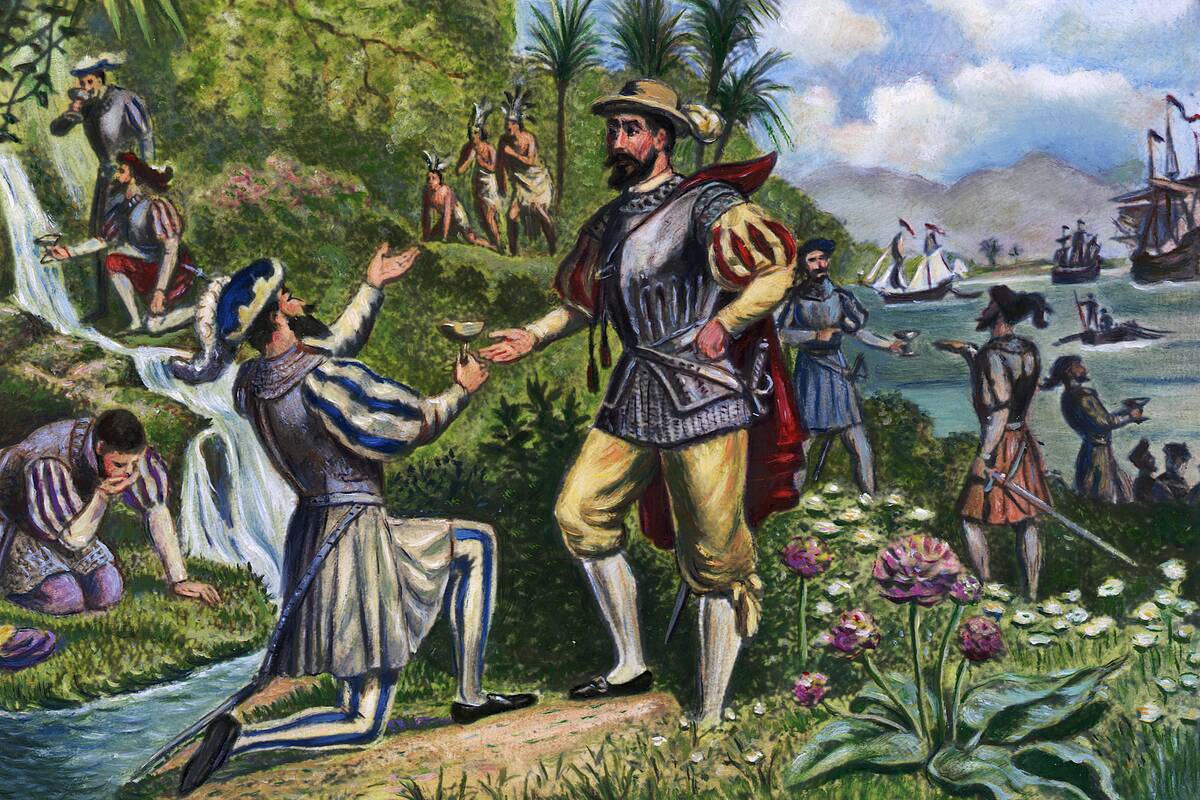
The quest for the Fountain of Youth, a legendary spring said to grant eternal life, has captured human imagination for centuries. The myth is often linked to Spanish explorer Juan Ponce de León, who supposedly sought it in the New World.
However, historical records suggest that de León’s actual mission was to explore and colonize what is now Florida. While the fountain remains a myth, its allure symbolizes humankind’s eternal desire to defy aging and mortality.
The Origins of the Kraken: Sea Monsters in Maritime Lore

The Kraken, a fearsome sea monster said to dwell off the coast of Norway, has been a staple of maritime legends for centuries. Descriptions of the creature resemble a giant octopus or squid, capable of dragging entire ships beneath the waves.
While the Kraken itself is mythological, its origins may lie in sailors’ encounters with real-life giant squids, which can grow up to 40 feet long. These sightings, combined with the mysteries of the deep sea, fueled the legend’s enduring allure.
The Real Macbeth: The Scottish King Behind Shakespeare’s Play
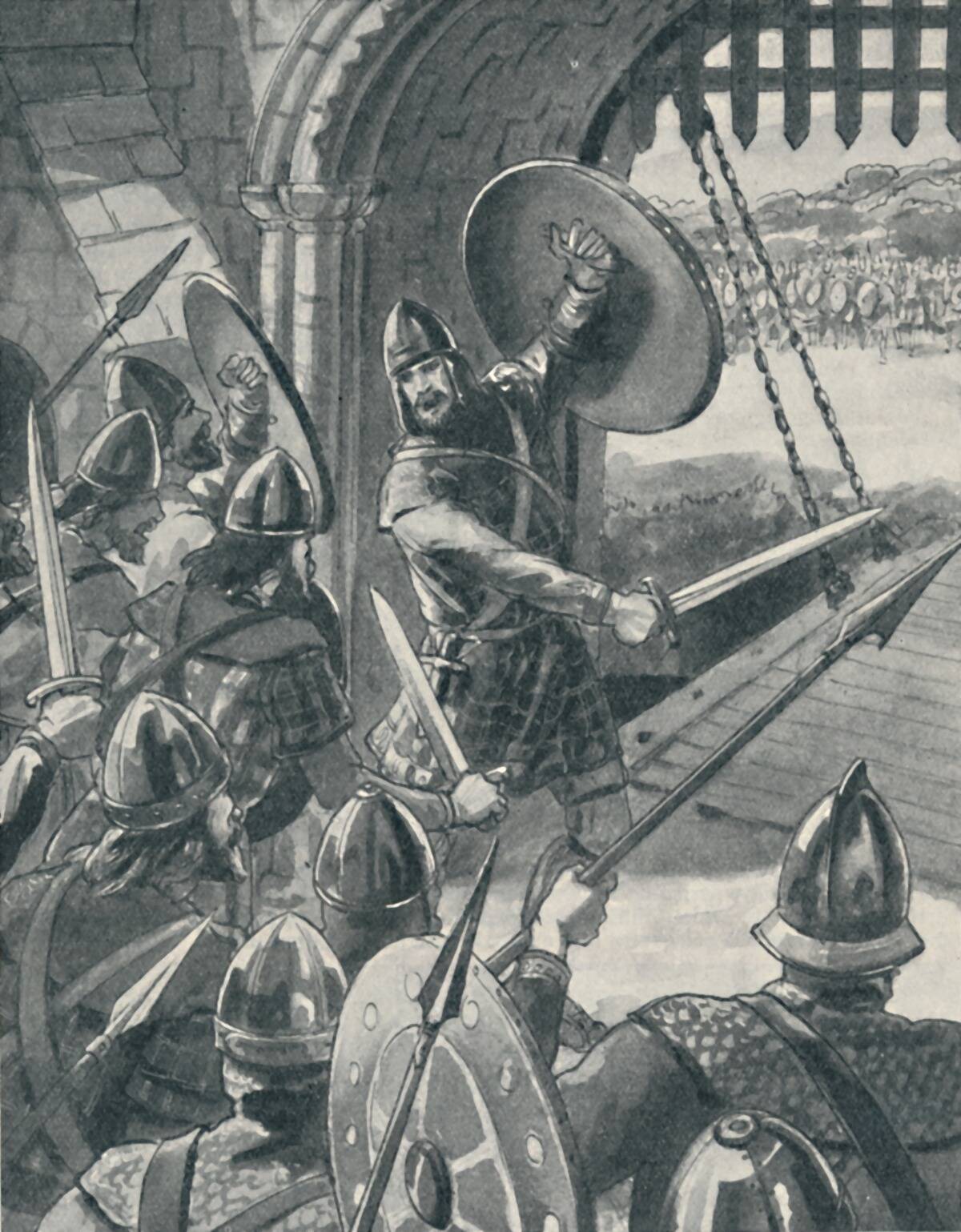
Shakespeare’s Macbeth portrays its titular character as an ambitious and treacherous figure, but the real Macbeth was a far more complex ruler. King of Scotland from 1040 to 1057, Macbeth was known for his effective governance and efforts to maintain peace.
Historical records suggest he came to power through a legitimate claim, not through murder. Shakespeare’s dramatization, likely influenced by political factors and the need for a compelling narrative, has overshadowed the historical Macbeth’s true legacy.
The Mythical Amazons: Warrior Women of Ancient Times
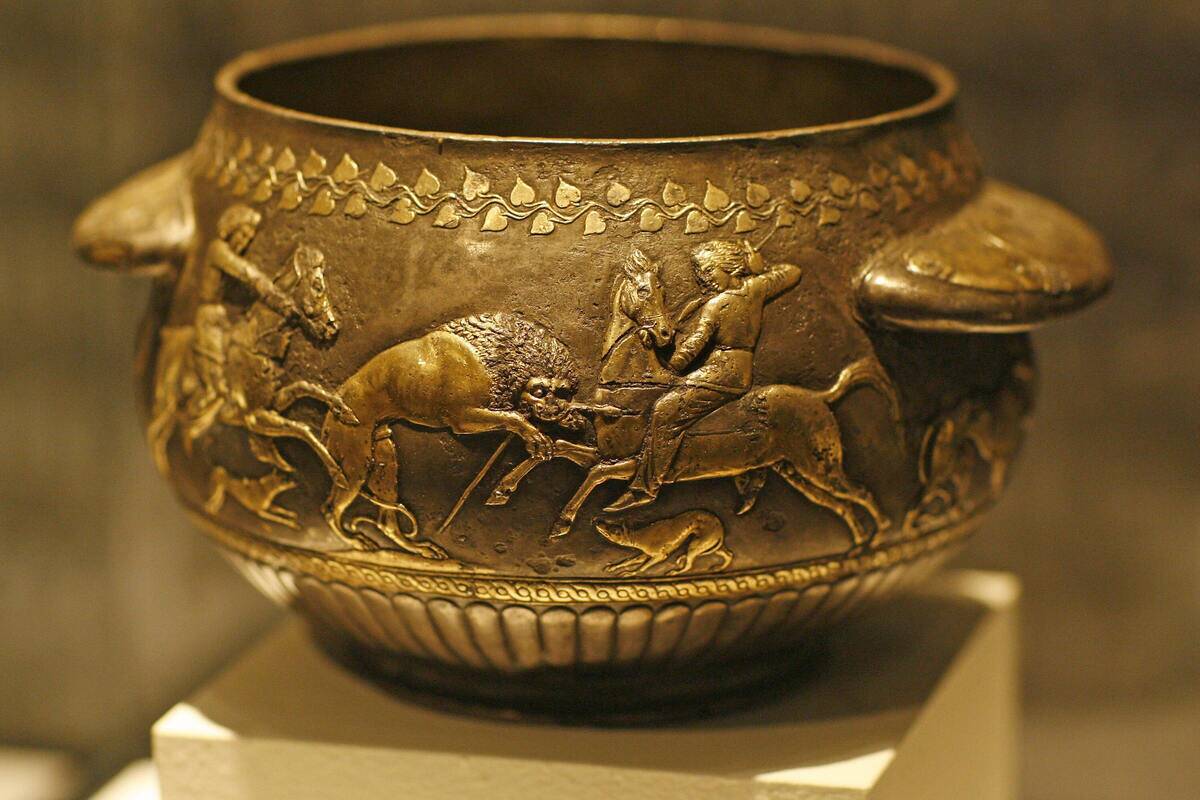
The Amazons, fierce warrior women from Greek mythology, have long captured the imagination with their tales of bravery and strength. While their existence as a matriarchal society is debated, some historians suggest they may have been inspired by real nomadic tribes like the Scythians, who lived in the region around the Black Sea.
These tribes included female warriors who fought alongside men, lending credence to the idea that the Amazon legends were based on historical realities.
Werewolves in History: The Origins of a Fearsome Myth

Werewolves, humans who transform into wolves, are a staple of folklore and horror stories. The myth has roots in European history, with early accounts dating back to ancient Greece and Rome.
Medieval Europe saw a surge in werewolf trials, fueled by fear and superstition. Some theories suggest the legends arose from misunderstandings of diseases like clinical lycanthropy or hypertrichosis (pictured). Despite their fearsome reputation, werewolves remain a fascinating example of how myths evolve from cultural anxieties and real-world phenomena.
Unmasking the Phantom: The Opera Ghost’s Possible Inspirations
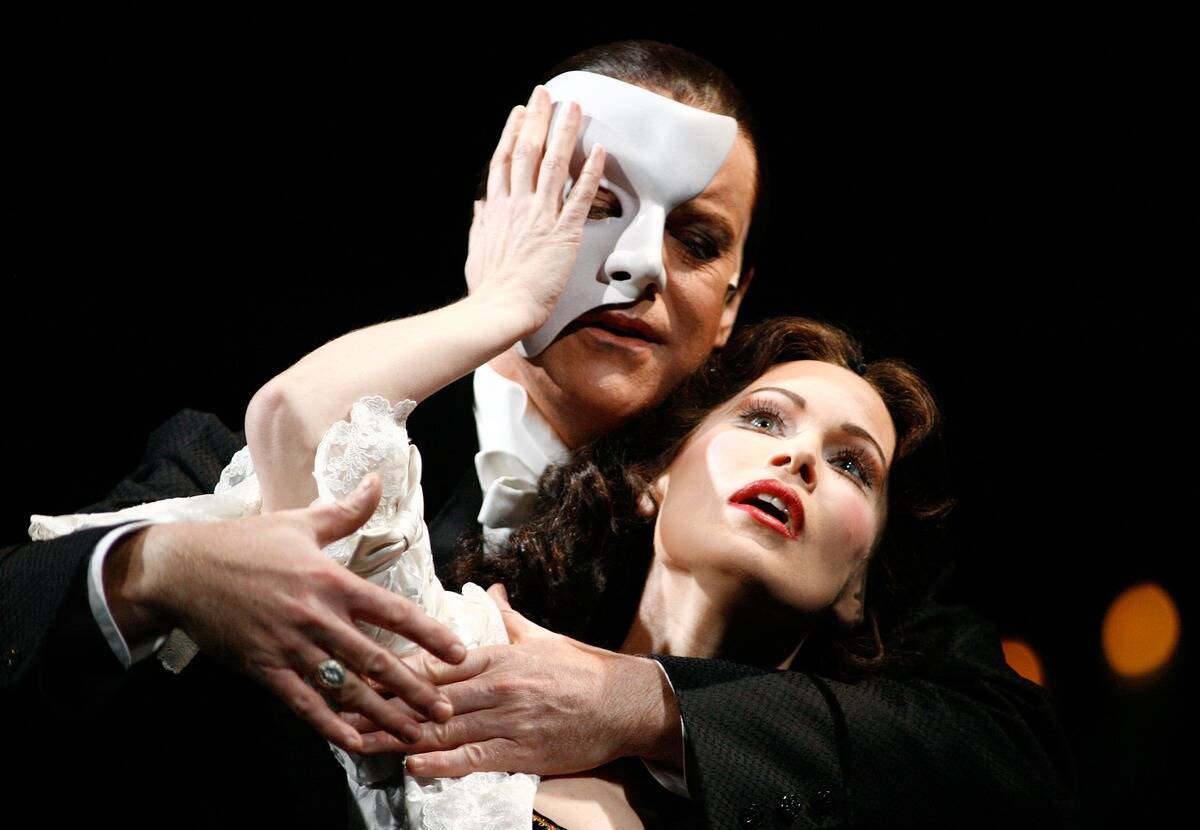
The Phantom of the Opera, a mysterious figure haunting Paris’s grand opera house, is a story rich with romance and intrigue. Gaston Leroux’s novel was inspired by real events, including the 1896 chandelier crash at the Palais Garnier.
The character of the Phantom may have been influenced by rumors of a ghostly presence and disfigured individuals who lived beneath the opera house. While the tale is fictional, its blend of historical elements with gothic fantasy has made it a timeless classic.




