Ancient cities that vanished without destruction
Ancient cities captivate our imagination with their tales of splendor and mystery. From the dense jungles of Central America to the rocky highlands of the Andes, these cities offer a glimpse into the world of our ancestors.
They remind us of the ingenuity and resilience of ancient civilizations, and the enduring mysteries that surround them continue to intrigue historians and travelers alike. As we explore these lost worlds, we uncover stories etched in stone, waiting to be told.
The Enigma of Machu Picchu: A City Lost and Found
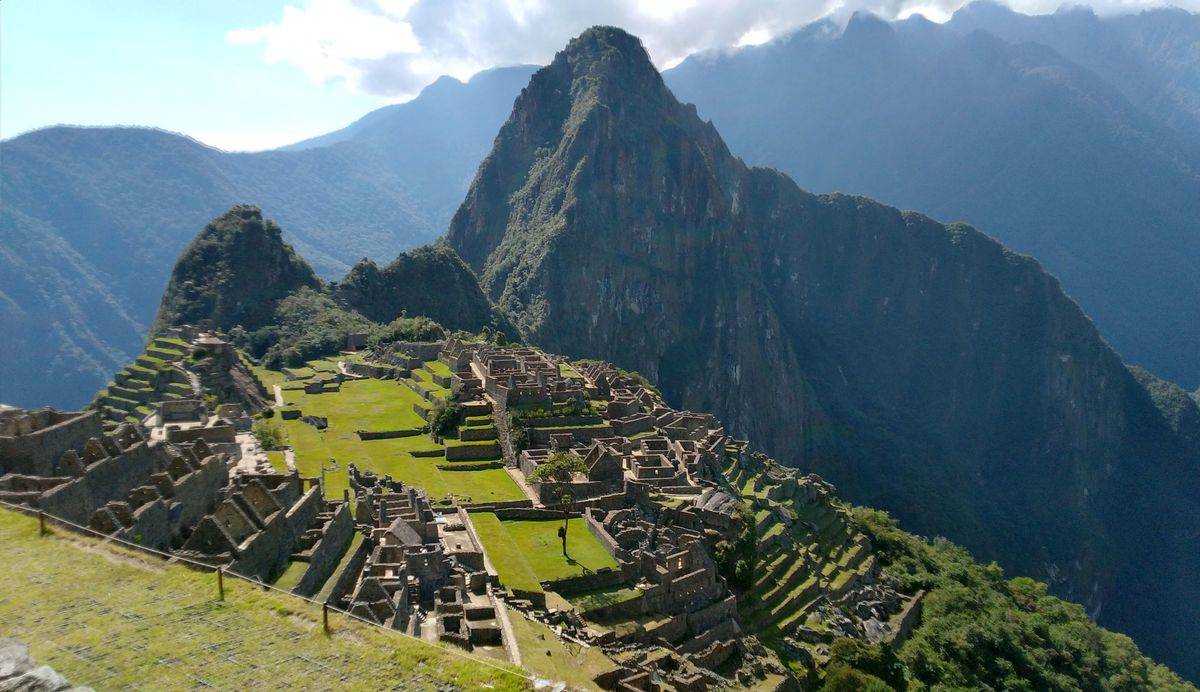
Perched high in the Andes Mountains of Peru, Machu Picchu remained hidden from the world until its rediscovery in 1911 by explorer Hiram Bingham. Thought to have been built in the 15th century, this Incan city was a marvel of engineering with its terraced fields and intricate stonework.
The true purpose of Machu Picchu remains a mystery, with theories ranging from a royal estate to a religious retreat. Today, it attracts millions of visitors, each eager to walk its ancient paths.
The Allure of Petra: Rediscovering the Rose City
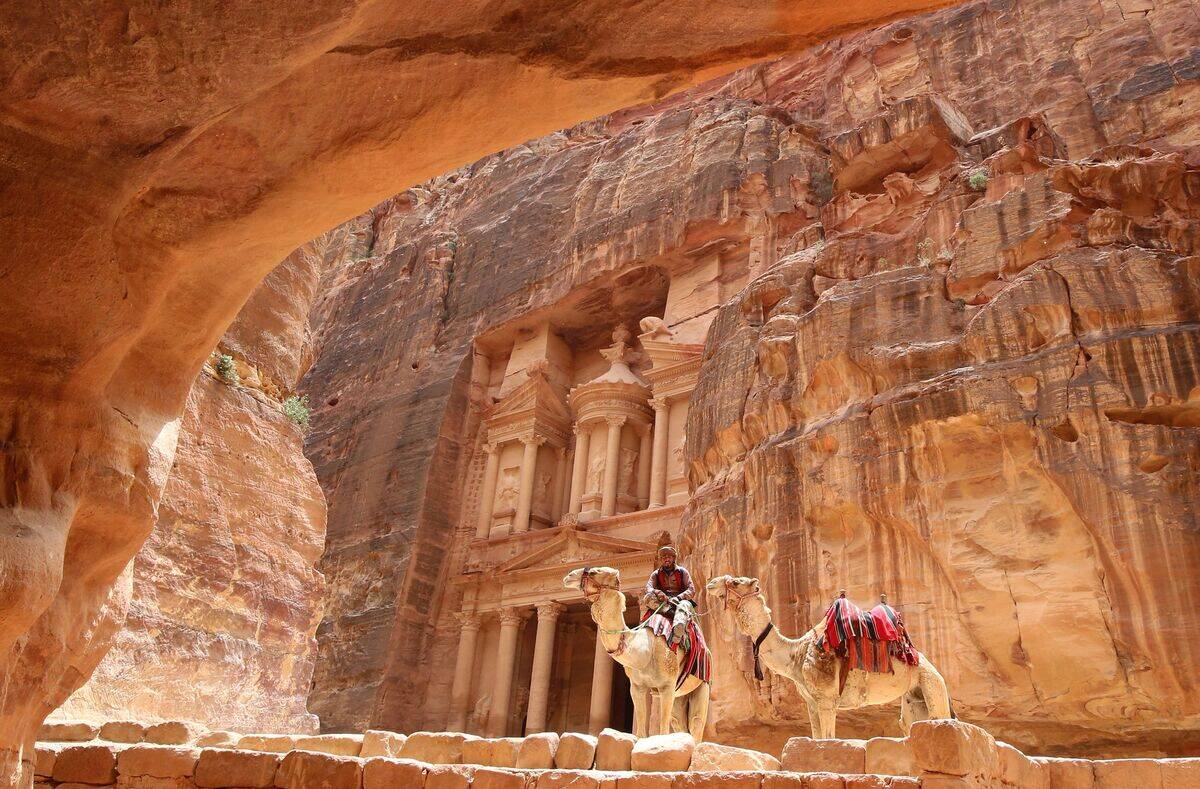
Carved into the rose-red cliffs of southern Jordan, Petra is a testament to the architectural prowess of the Nabataeans. This city, once a bustling trade hub, was forgotten by the Western world until it was reintroduced in the early 19th century by Swiss explorer Johann Ludwig Burckhardt.
Famous for its rock-cut architecture and water conduit system, Petra’s most iconic structure, Al-Khazneh, captures the imagination of all who behold it. Its rediscovery continues to fascinate archaeologists and travelers alike.
Cahokia: The Hidden City of the Mississippians
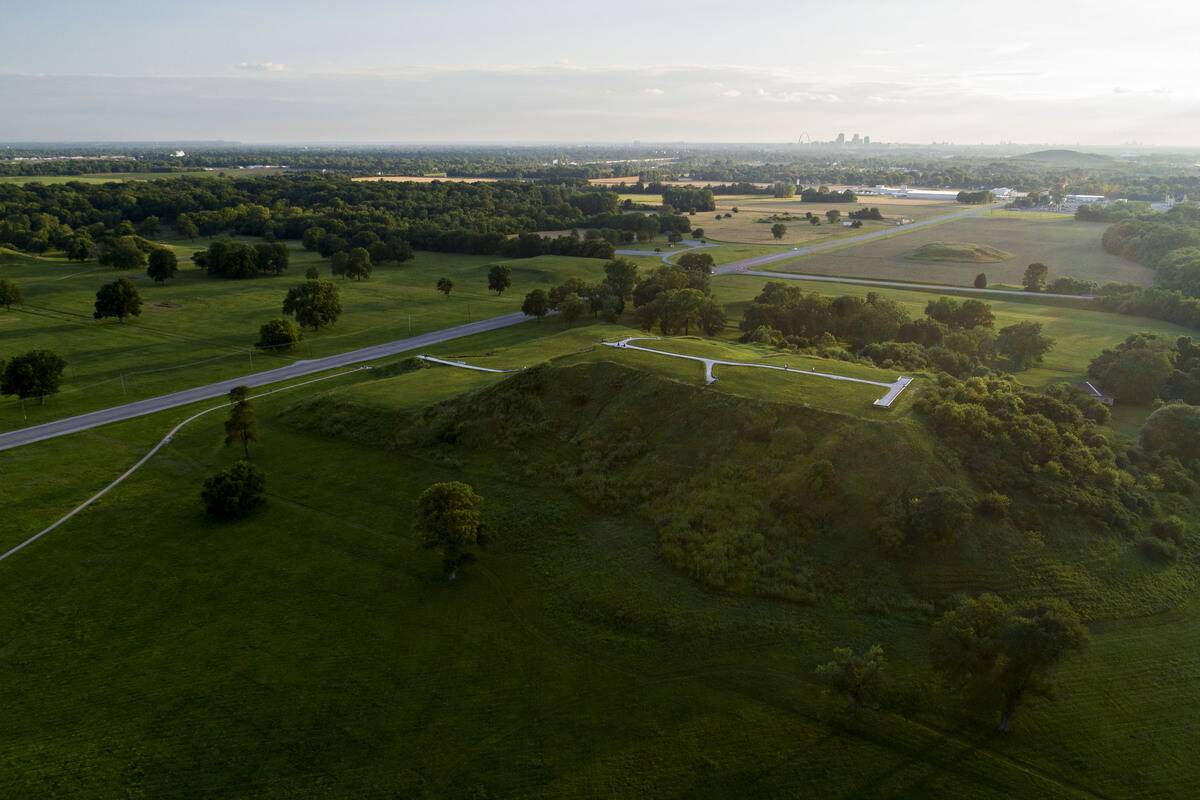
Cahokia was once the largest city north of Mexico, flourishing between 1050 and 1350 CE near modern-day St. Louis, Missouri. At its peak, it was a thriving cultural and trade center, home to tens of thousands of people.
The city is renowned for its massive earthen mounds, the largest being Monk’s Mound, which stands over 100 feet tall. Despite its significance, the reasons for Cahokia’s decline remain unclear, adding to the enigma of this pre-Columbian metropolis.
The Silence of Mohenjo-Daro: A Glimpse into the Indus Valley
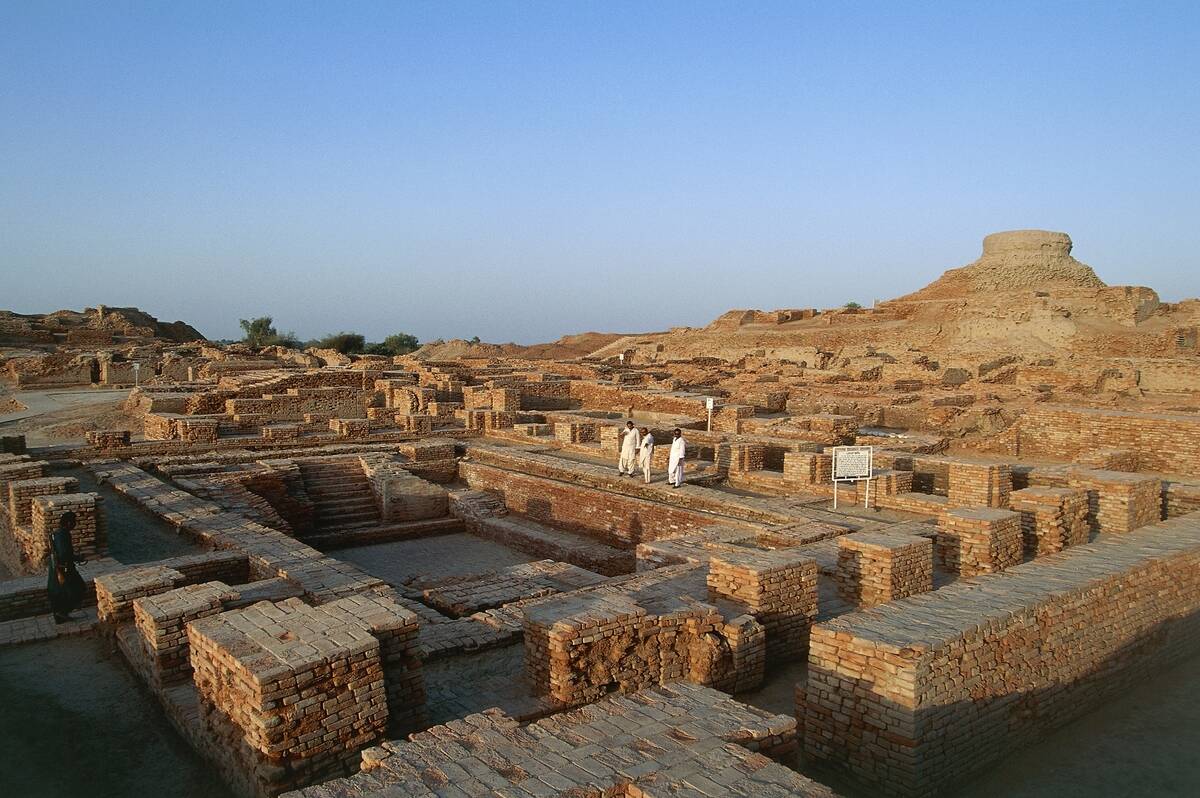
Mohenjo-Daro, located in present-day Pakistan, is one of the most significant archaeological sites of the Indus Valley Civilization. Discovered in the 1920s, the city’s advanced urban planning, with its grid-like streets and sophisticated drainage systems, astounded archaeologists.
Despite its achievements, the civilization’s script remains undeciphered, and the reasons for its sudden decline are unknown. This silence only adds to the intrigue, as researchers continue to piece together the story of this ancient society.
The Secrets of Mesa Verde: Cliff Dwellings of the Ancestral Puebloans
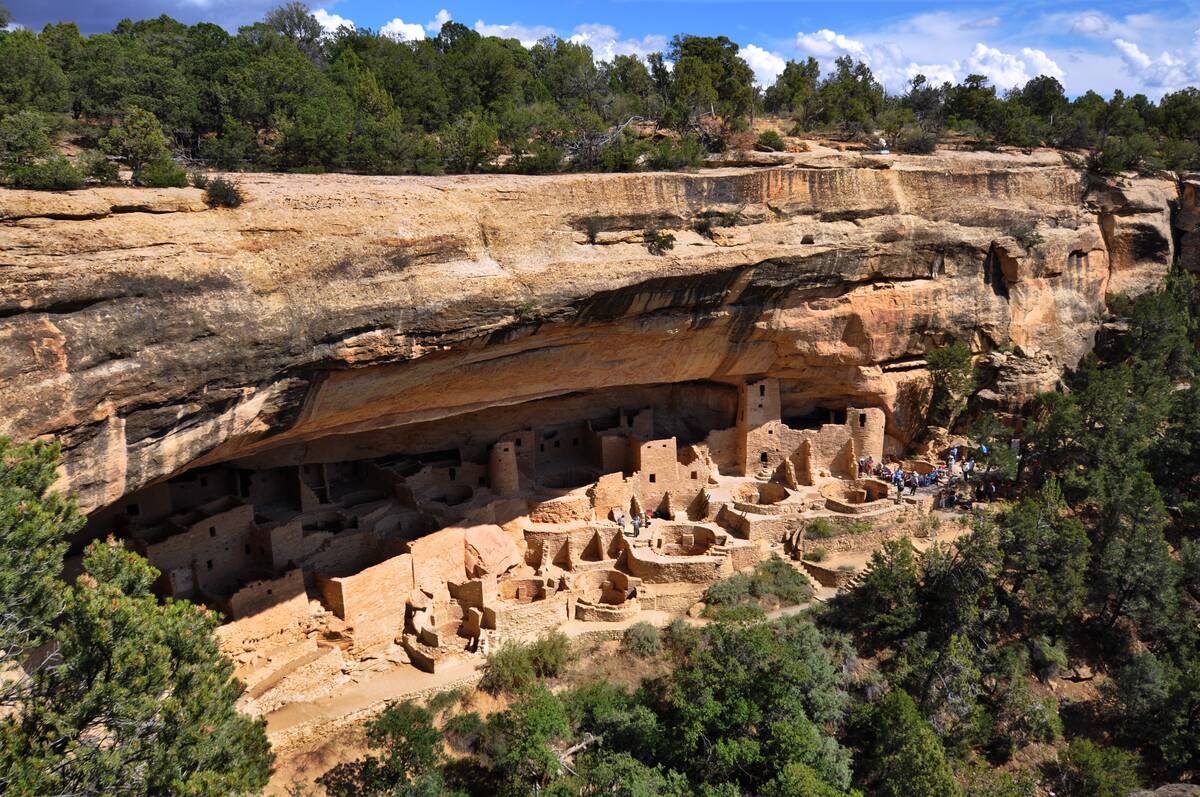
Nestled in the canyons of Colorado, the cliff dwellings of Mesa Verde offer a unique glimpse into the lives of the Ancestral Puebloans. These structures, built into the rocky overhangs, were occupied from the 12th to the 13th centuries.
The most famous of these is Cliff Palace, which housed over 100 people. The reasons behind the eventual abandonment of these dwellings remain a mystery, with theories suggesting climate change or resource depletion as possible causes.
Catalhoyuk: The Mysterious Neolithic Metropolis
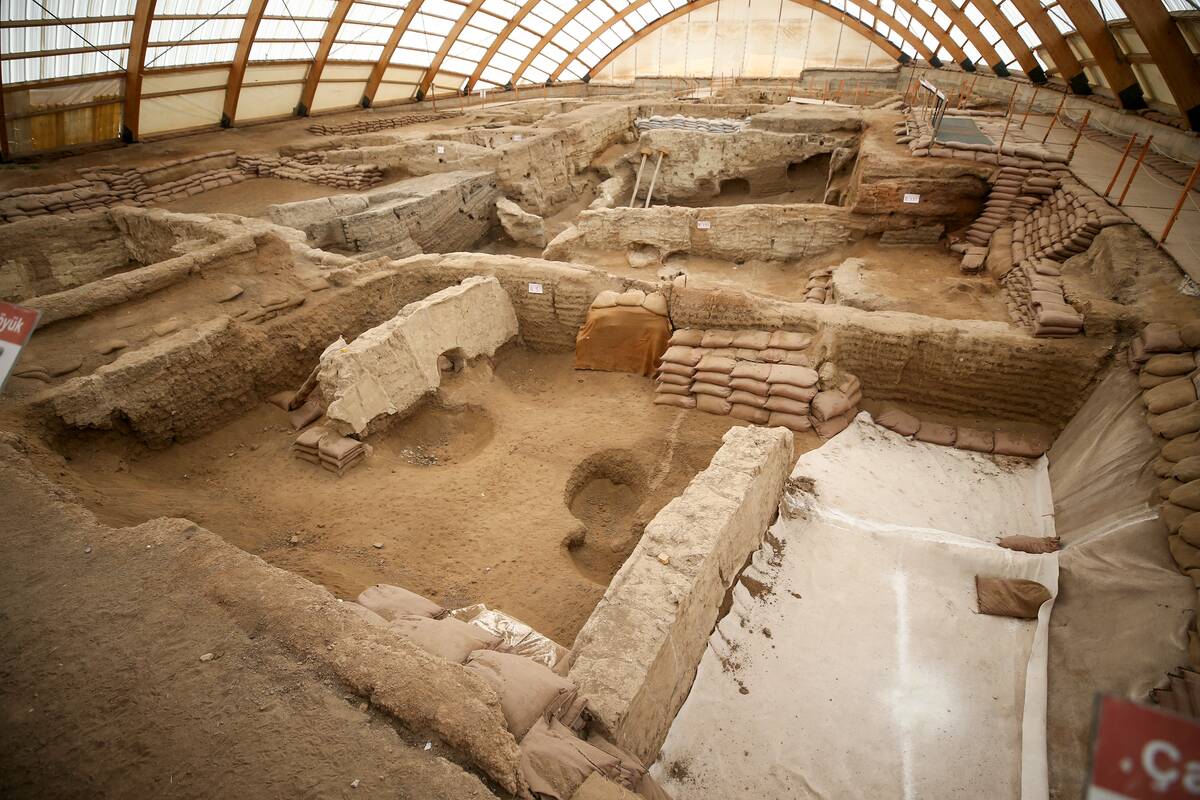
Catalhoyuk, located in present-day Turkey, is one of the oldest known cities, dating back to 7500 BCE. This Neolithic settlement is notable for its densely packed mudbrick houses, which were accessed through the roof.
The lack of streets and the intricate wall paintings found within its structures provide a unique insight into early urban life. Despite extensive excavations, questions about the social organization and religious practices of its inhabitants remain, keeping Catalhoyuk shrouded in mystery.
The Legend of Angkor: A Civilization Shrouded in Jungle
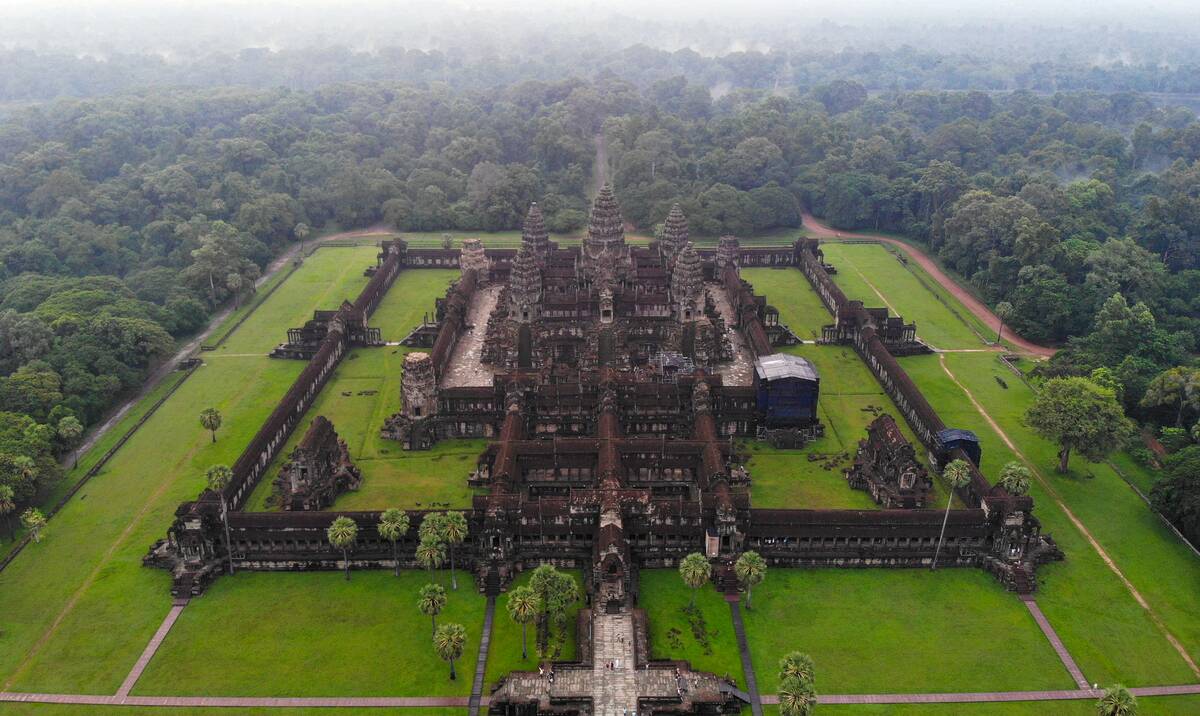
Angkor, the heart of the Khmer Empire, was once the largest pre-industrial city in the world, located in modern-day Cambodia. It thrived between the 9th and 15th centuries, with the iconic Angkor Wat temple as its centerpiece.
The city was eventually abandoned, likely due to environmental changes and social upheaval. Rediscovered by French explorers in the 19th century, Angkor’s sprawling ruins and intricate bas-reliefs continue to captivate visitors, offering a window into the grandeur of a lost civilization.
The Whisper of Teotihuacan: City of the Gods
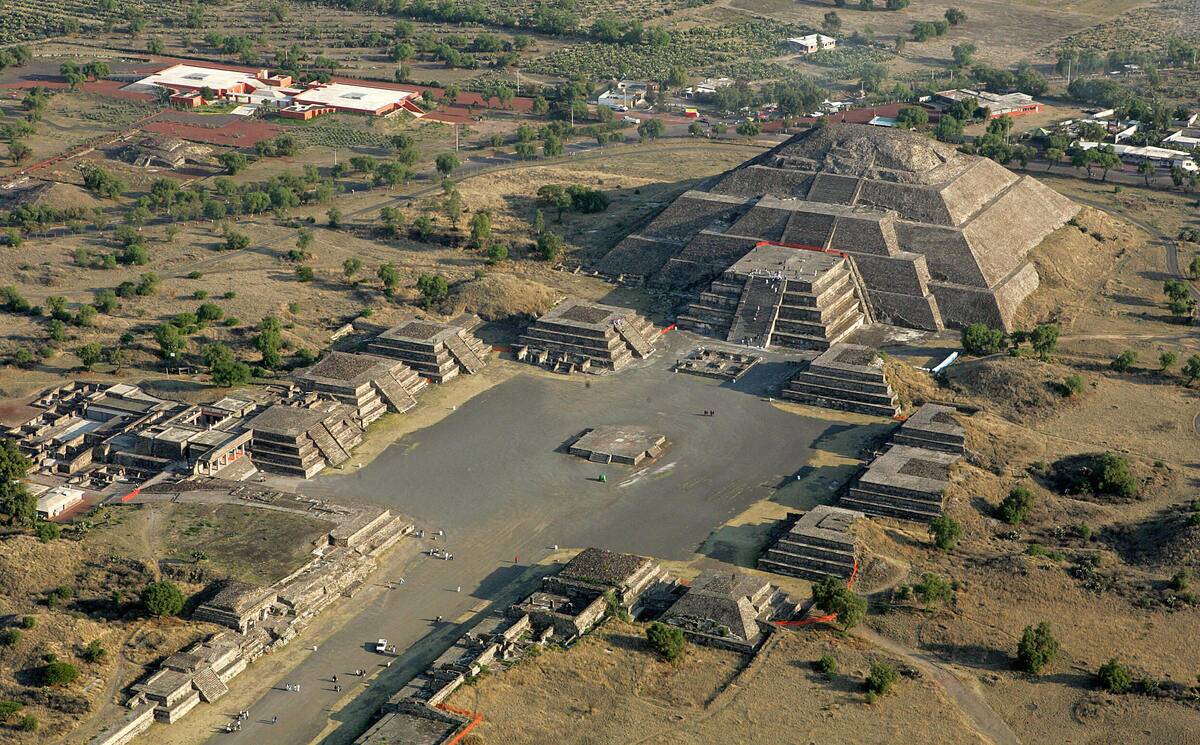
Teotihuacan, located near present-day Mexico City, was a powerful cultural and economic center in pre-Columbian Mesoamerica. At its height around 450 CE, it was home to over 100,000 people.
The city’s massive pyramids, including the Pyramid of the Sun and the Pyramid of the Moon, are architectural wonders that continue to draw visitors. Despite its size and influence, much about Teotihuacan’s culture and language remains unknown, leading to speculation and fascination among historians and archaeologists.
The Puzzle of Great Zimbabwe: An African Kingdom’s Legacy
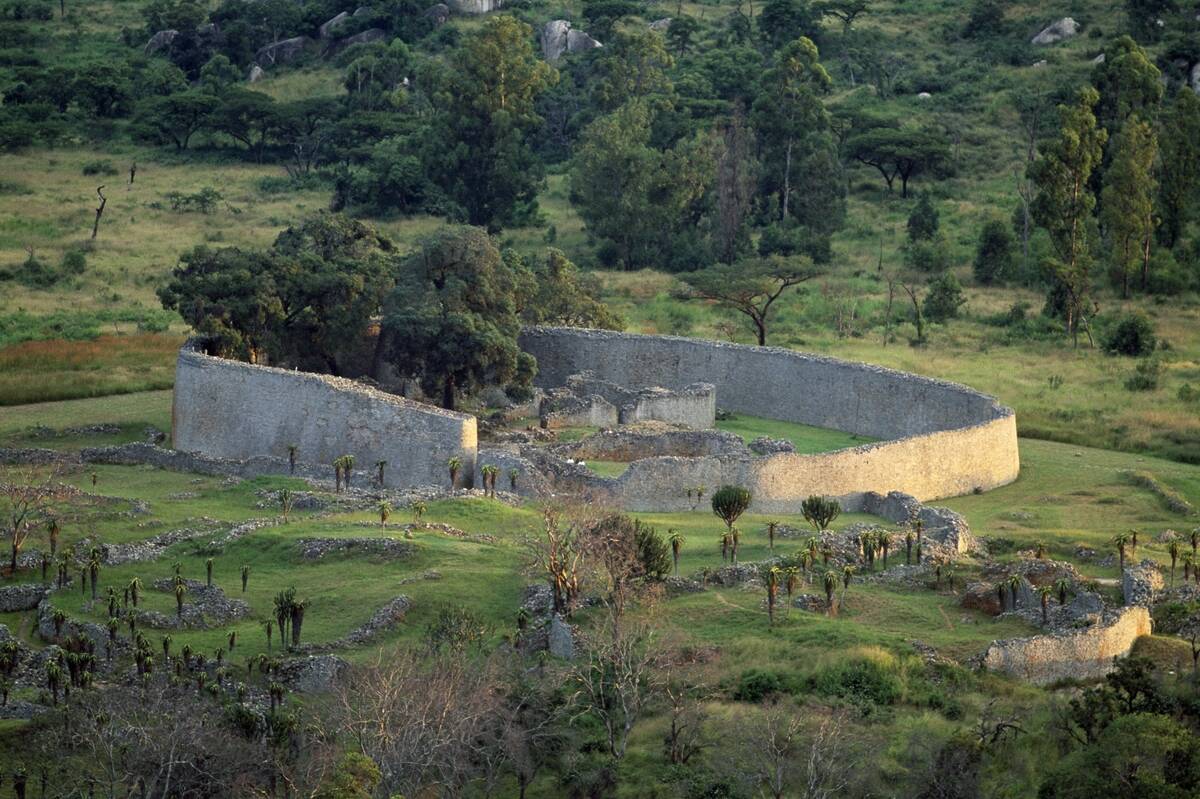
Great Zimbabwe, a complex of stone ruins in southeastern Africa, was the center of a powerful kingdom from the 11th to the 15th centuries. The city is renowned for its impressive stone walls, constructed without mortar, and its Great Enclosure, the largest ancient structure in sub-Saharan Africa.
The reasons for its decline are still debated, with theories ranging from resource depletion to political instability. Despite this, Great Zimbabwe remains a symbol of African heritage and ingenuity.
The Mysteries of Hattusa: Capital of the Hittites
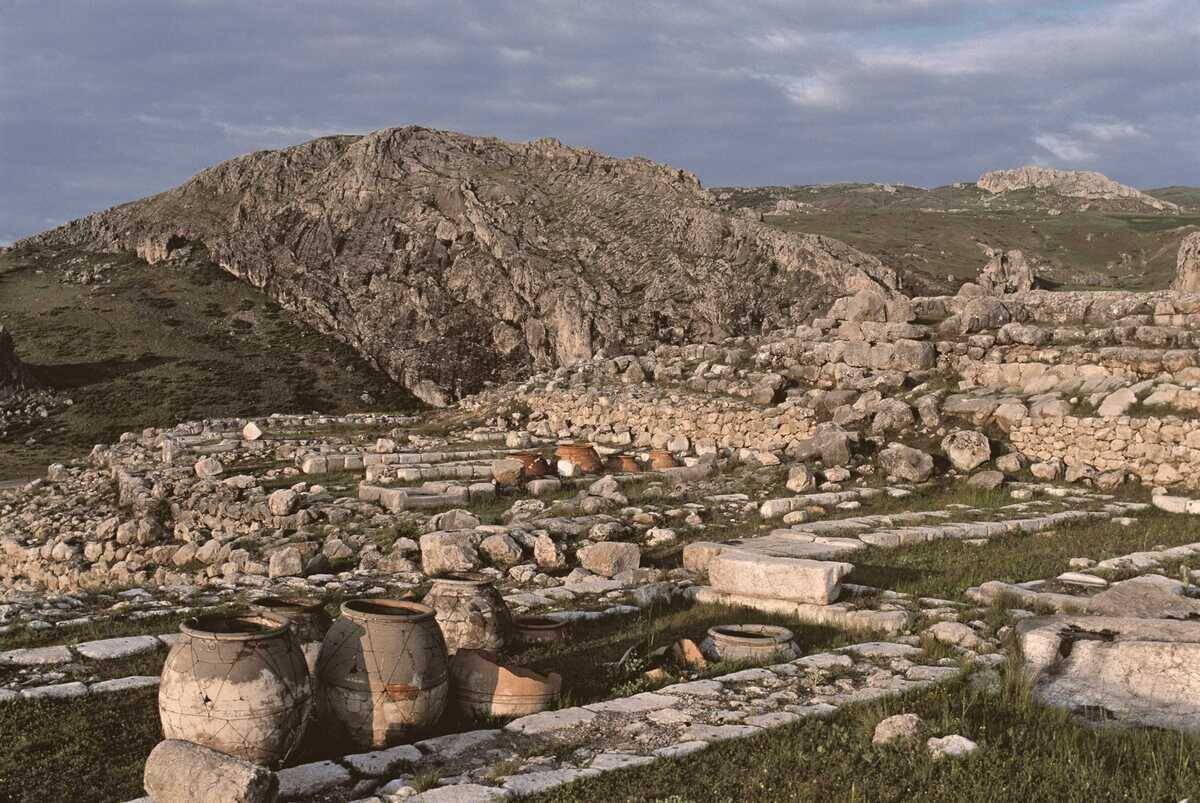
Hattusa, the capital of the Hittite Empire, was a bustling city in Anatolia during the 2nd millennium BCE. Known for its massive fortifications and intricately carved gates, Hattusa was a center of political and religious life.
The discovery of thousands of clay tablets in Hattusa’s royal archives provided valuable insights into Hittite society and diplomacy. Yet, the city’s sudden destruction and abandonment around 1200 BCE remains a mystery, leaving historians to ponder the fate of this ancient power.
Palenque: The Jungle City of the Maya
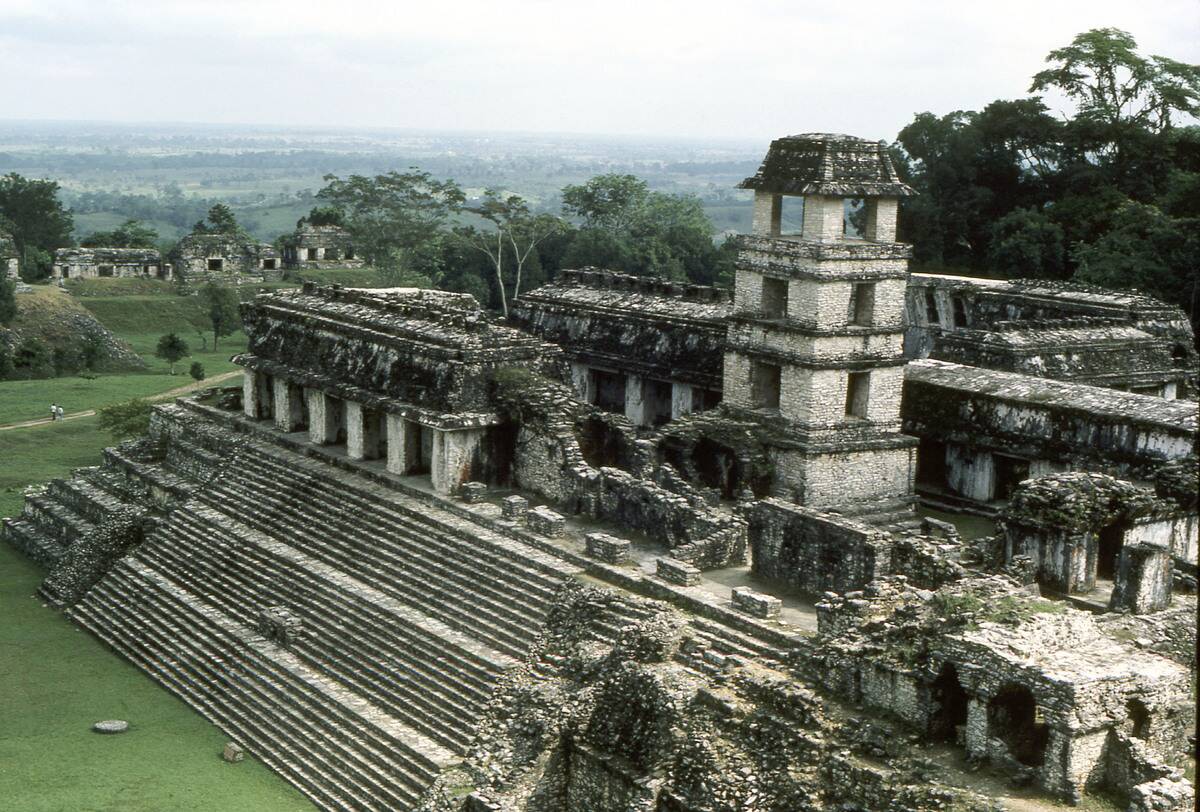
Palenque, nestled in the jungles of Chiapas, Mexico, is one of the most studied Mayan sites. Flourishing between the 7th and 9th centuries, it is known for its exquisite architecture and sculptural art.
The Temple of the Inscriptions, housing the tomb of the great ruler Pakal, is a highlight of the site. Despite extensive research, many aspects of Palenque’s history and its eventual decline remain elusive, continuing to intrigue archaeologists and visitors alike.
The Ghostly Ruins of Tikal: A Mayan Time Capsule
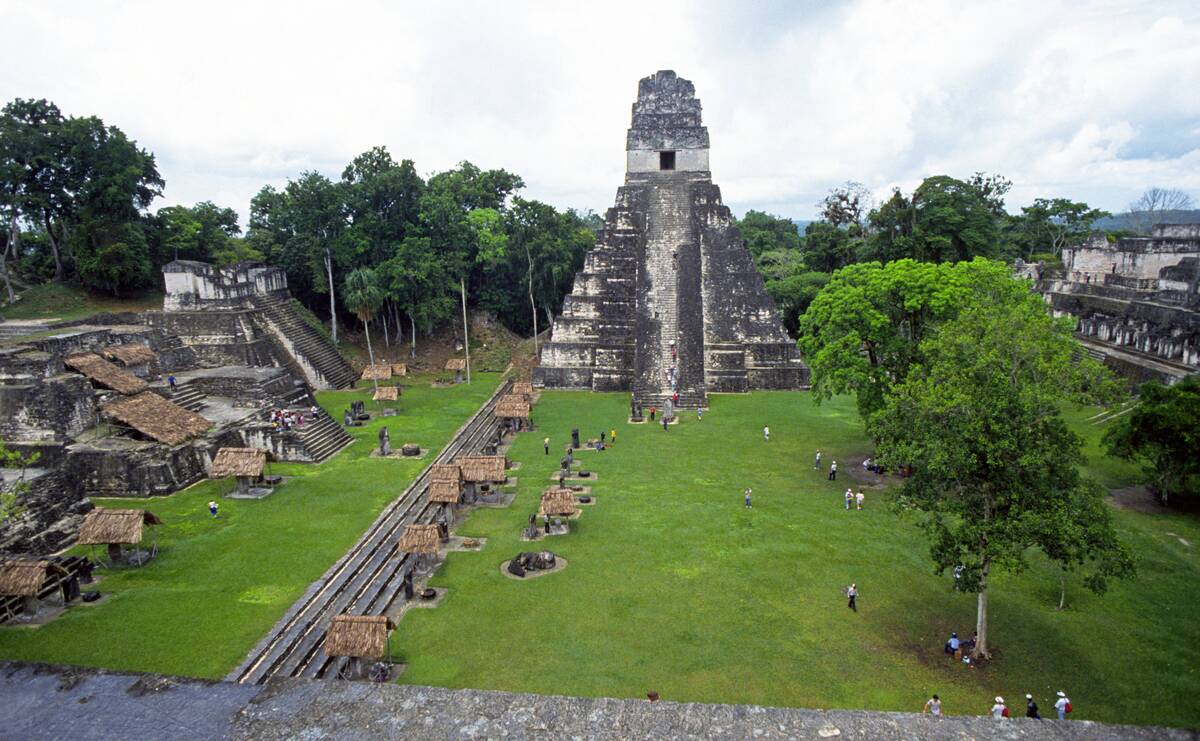
Deep in the rainforests of Guatemala lies Tikal, one of the largest and most powerful Mayan cities. At its peak, it was home to tens of thousands of people and played a central role in Mayan politics and culture.
The towering pyramids and expansive plazas of Tikal are a testament to its grandeur. However, like many other Mayan cities, Tikal was mysteriously abandoned around the 10th century, leaving behind a hauntingly beautiful time capsule for modern explorers.
The Intrigue of Nan Madol: A City Built on Coral Reefs
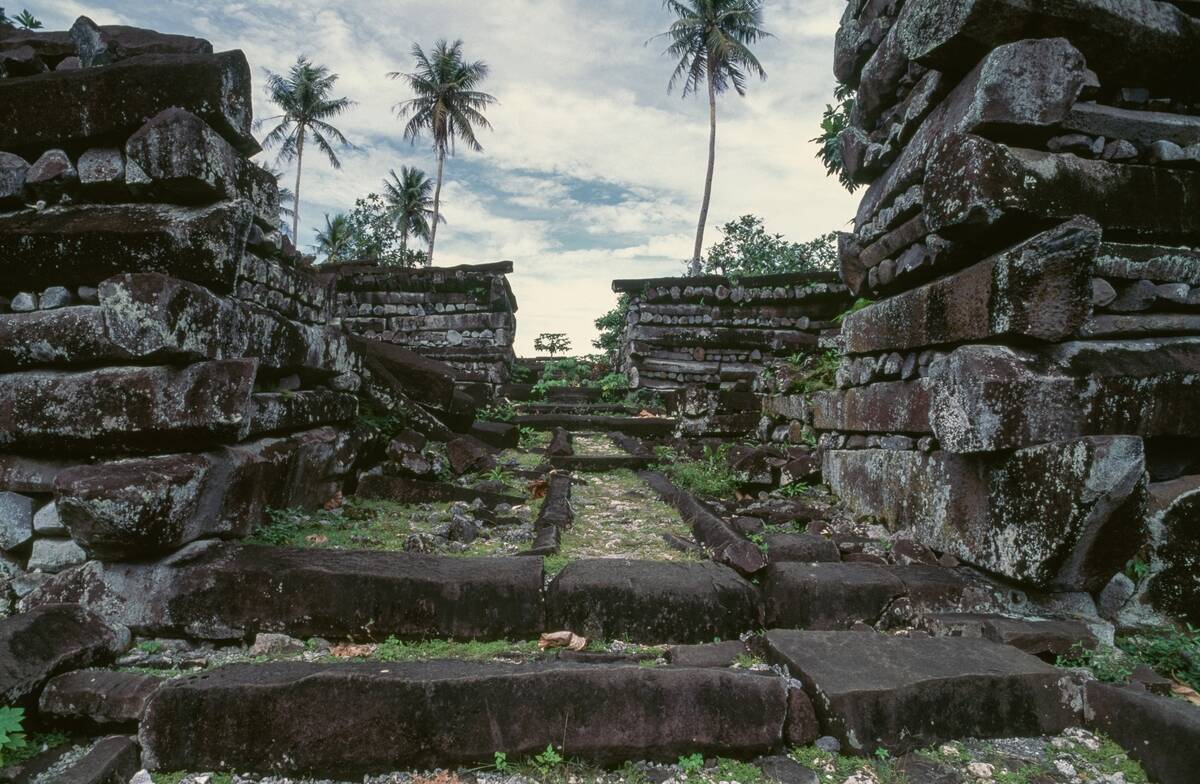
Nan Madol, located on the island of Pohnpei in Micronesia, is a unique archaeological site constructed atop a series of artificial islets. Built between the 8th and 17th centuries, it served as the ceremonial and political center of the Saudeleur Dynasty.
The city’s impressive basalt structures, rising from the water, continue to baffle researchers. The reasons for its construction on such a challenging site and its eventual abandonment remain subjects of speculation and intrigue.
The Enigmatic Fate of the Ancestral Puebloans: Chaco Canyon’s Legacy
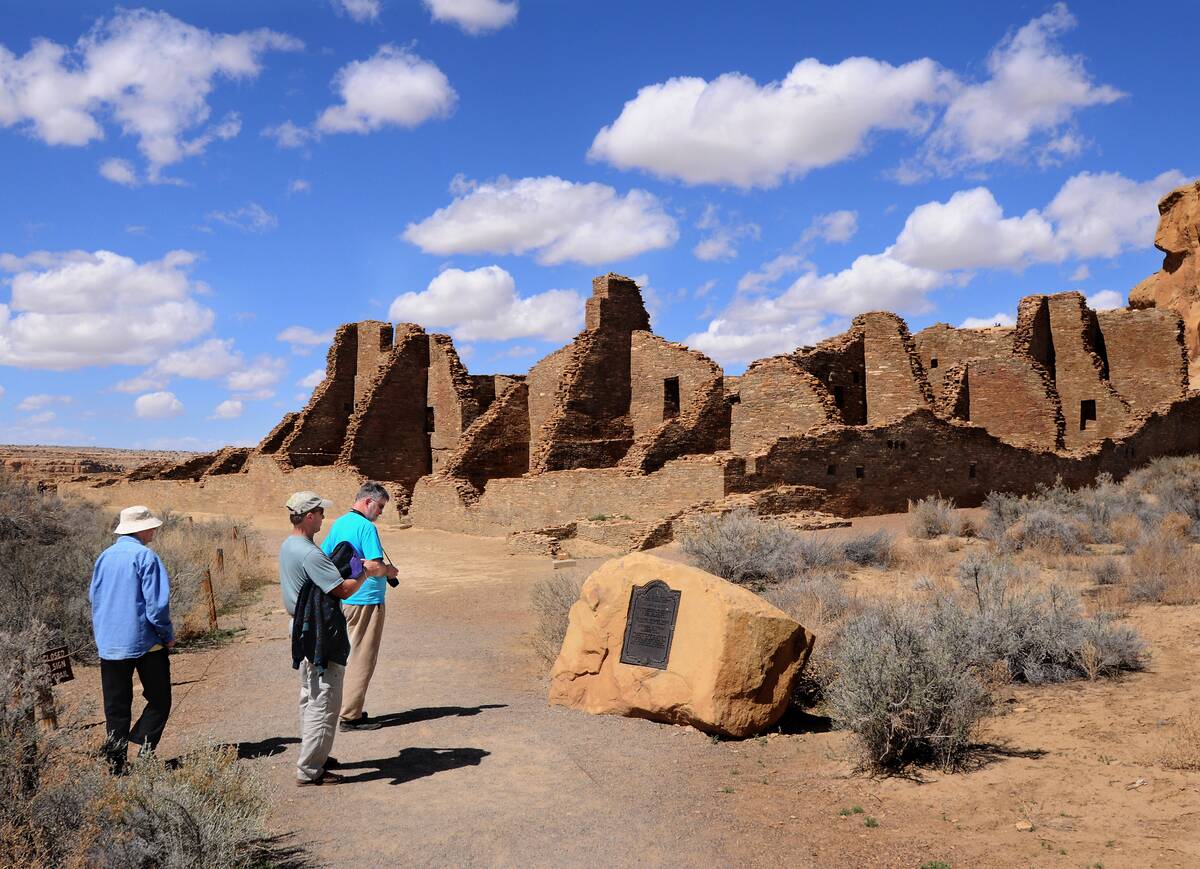
Chaco Canyon, located in present-day New Mexico, was a major cultural center for the Ancestral Puebloans between 900 and 1150 CE. The canyon is renowned for its monumental public and ceremonial buildings, known as great houses, which were aligned according to astronomical phenomena.
Despite its significance, Chaco Canyon was largely abandoned by the late 13th century. The reasons for this exodus, possibly due to climate change or resource scarcity, remain a topic of ongoing research and fascination.




