When handwritten letters were legally dangerous
In a world dominated by digital communication, handwritten letters possess a certain charm and nostalgia. These personal notes, often filled with emotion and penned with care, remind us of a time when messages traveled slowly, carrying with them a sense of anticipation.
Writing a letter by hand requires thought and effort, making the words more meaningful. The texture of the paper, the flow of ink, and the personal touch of one’s handwriting create an intimate connection between sender and recipient.
The Power of the Pen: Why Handwritten Letters Held Such Sway
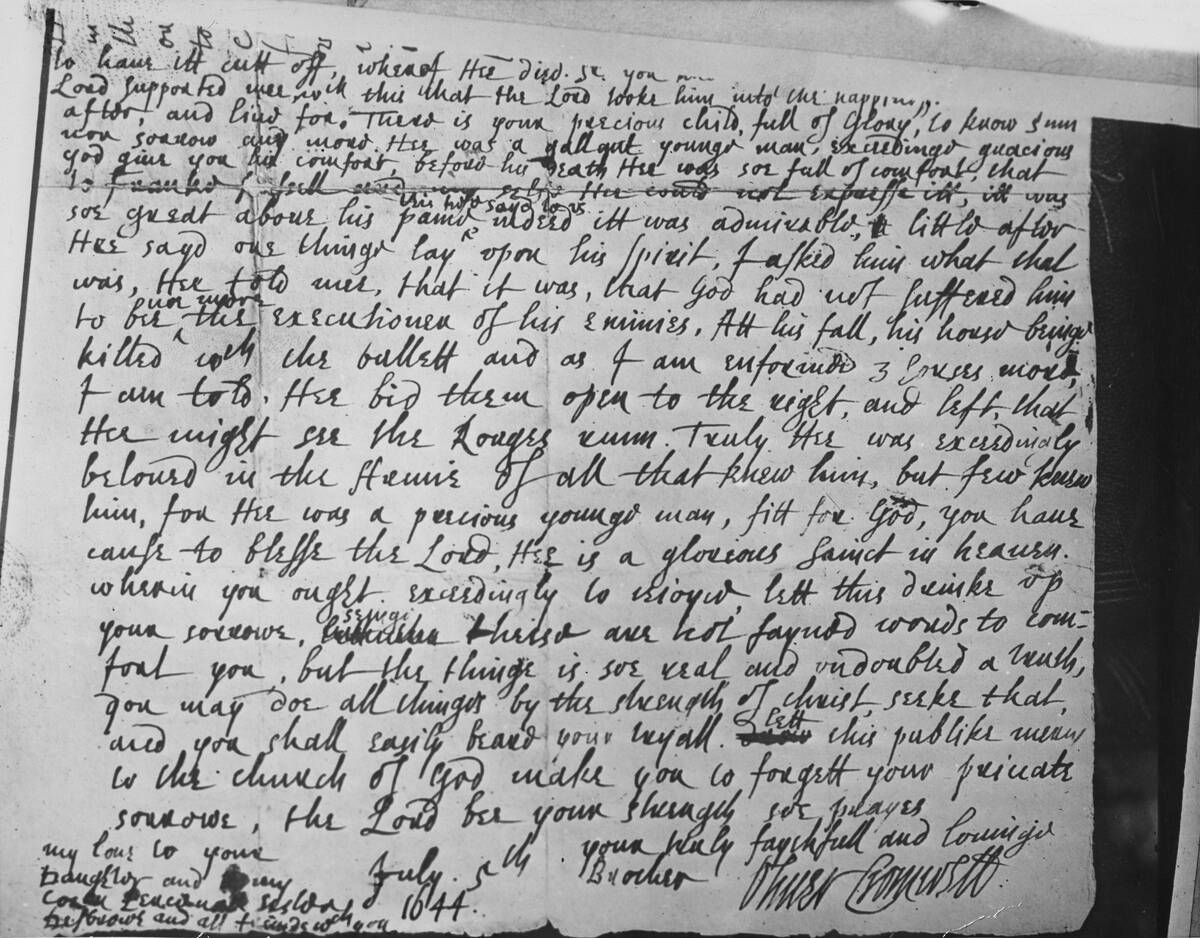
Handwritten letters once wielded immense power, serving as the primary means of communication over long distances. Each letter was a tangible manifestation of the writer’s thoughts, often sealed with wax to ensure privacy.
The personal nature of these messages added weight to their content, influencing decisions and emotions alike. People used letters to convey everything from declarations of love to declarations of war, making them crucial tools in the fabric of human relationships and political landscapes.
A Glimpse into a Bygone Era: Communication Before Technology
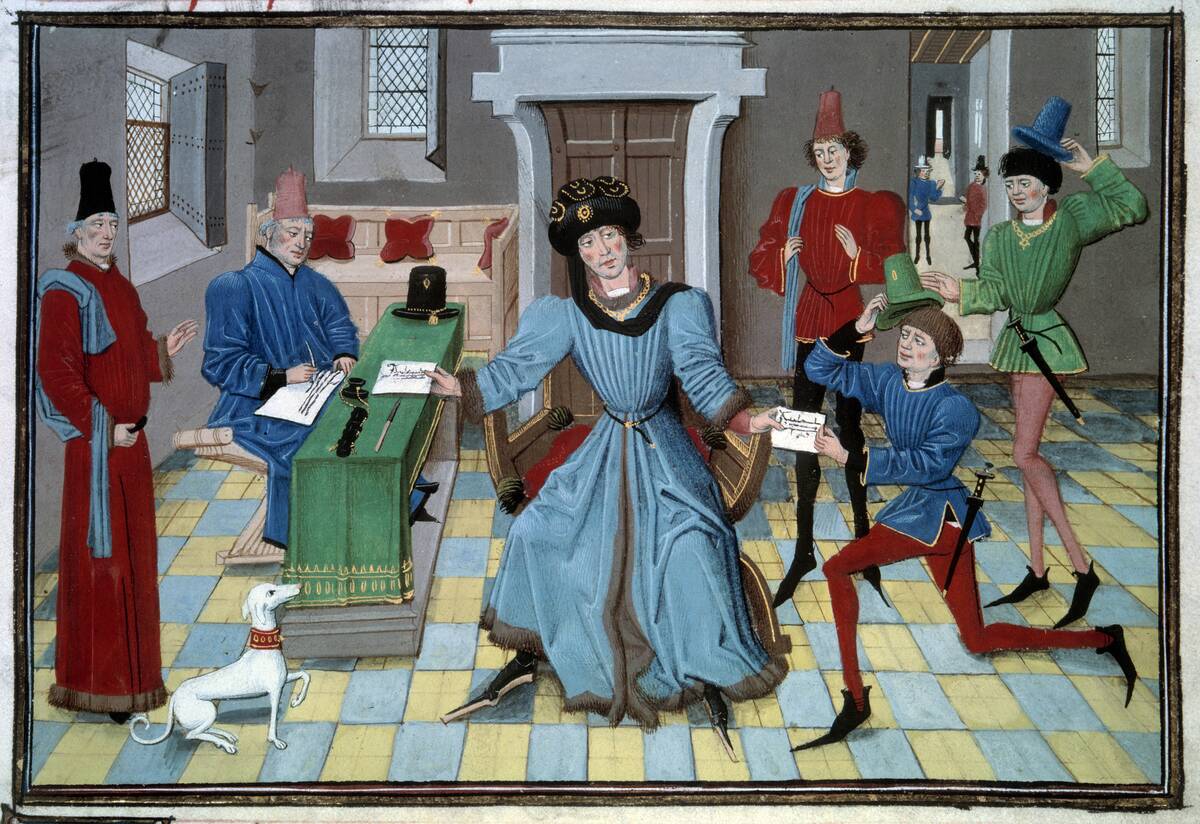
Before the advent of telephones and the internet, handwritten letters were the backbone of communication. Whether sent by courier, pigeon, or post, letters bridged gaps between towns, cities, and even continents.
This method of communication required patience; a letter could take weeks or even months to reach its destination. Yet, this slow pace was embraced as part of the process, allowing for thoughtful reflection and response. In those days, the arrival of a letter was an event, eagerly anticipated and cherished.
The Art of Letter Writing: A Skill Once Revered
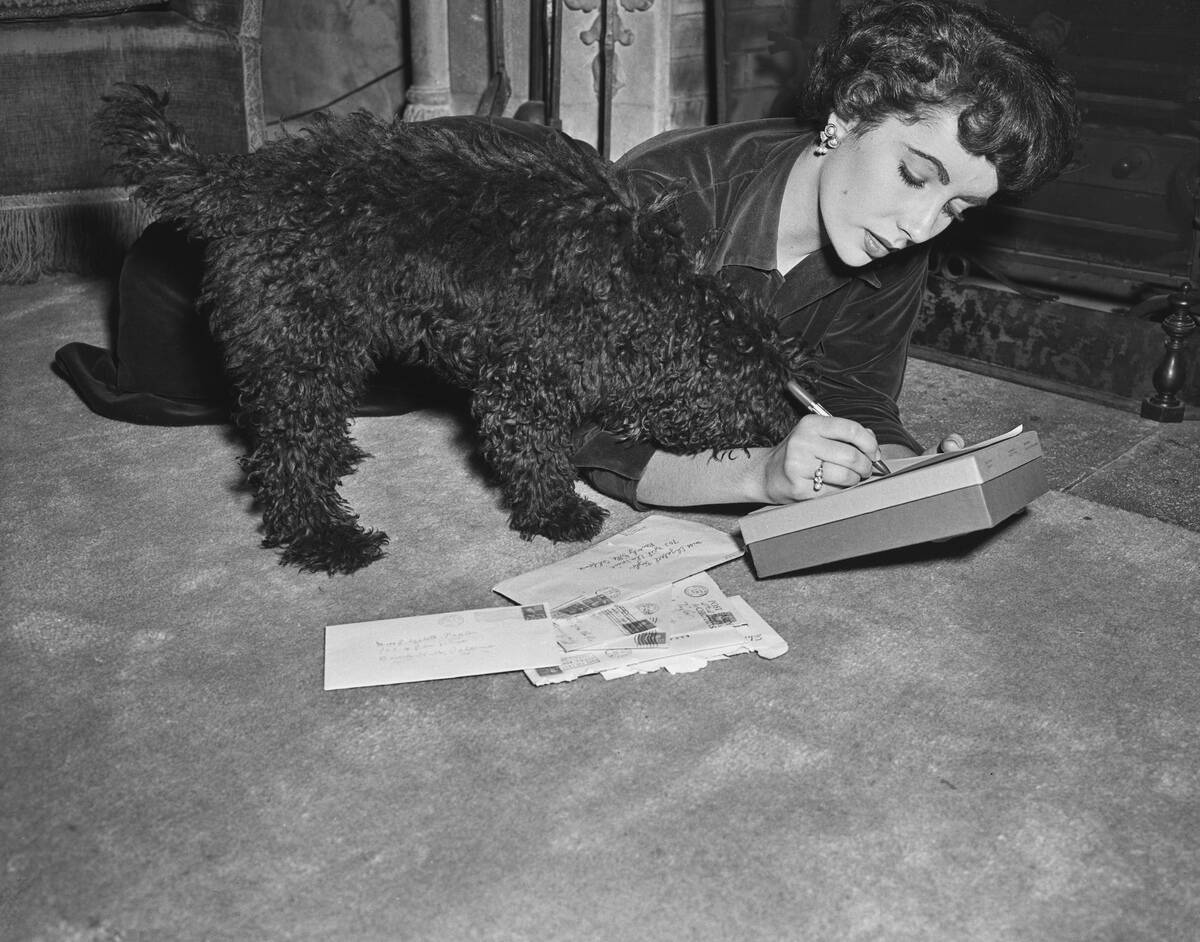
Letter writing was once considered an art form, a skill honed and cherished by many. From elegant penmanship to the careful selection of words, crafting a letter was an exercise in creativity and expression.
Stationery was chosen with care, as the quality of paper reflected the sender’s taste and status. Etiquette played a significant role, with various conventions dictating the appropriate forms of address and closing. Mastery of these nuances could convey respect, affection, or authority, making letter writing a valued social skill.
The Legal Landscape: How Letters Could Stir Up Trouble
Letters have not only been tools of communication but also sources of legal intrigue. Their contents, once private, could become public in courtrooms, revealing secrets and swaying judgments. The written word held legal weight, often serving as evidence in disputes.
A letter could incriminate or exonerate, depending on its content and context. Legal issues arose over authenticity, with handwriting experts sometimes called upon to verify authorship, making the humble letter a potential catalyst for legal confrontations.
Famous Cases Involving Handwritten Letters: A Historical Perspective
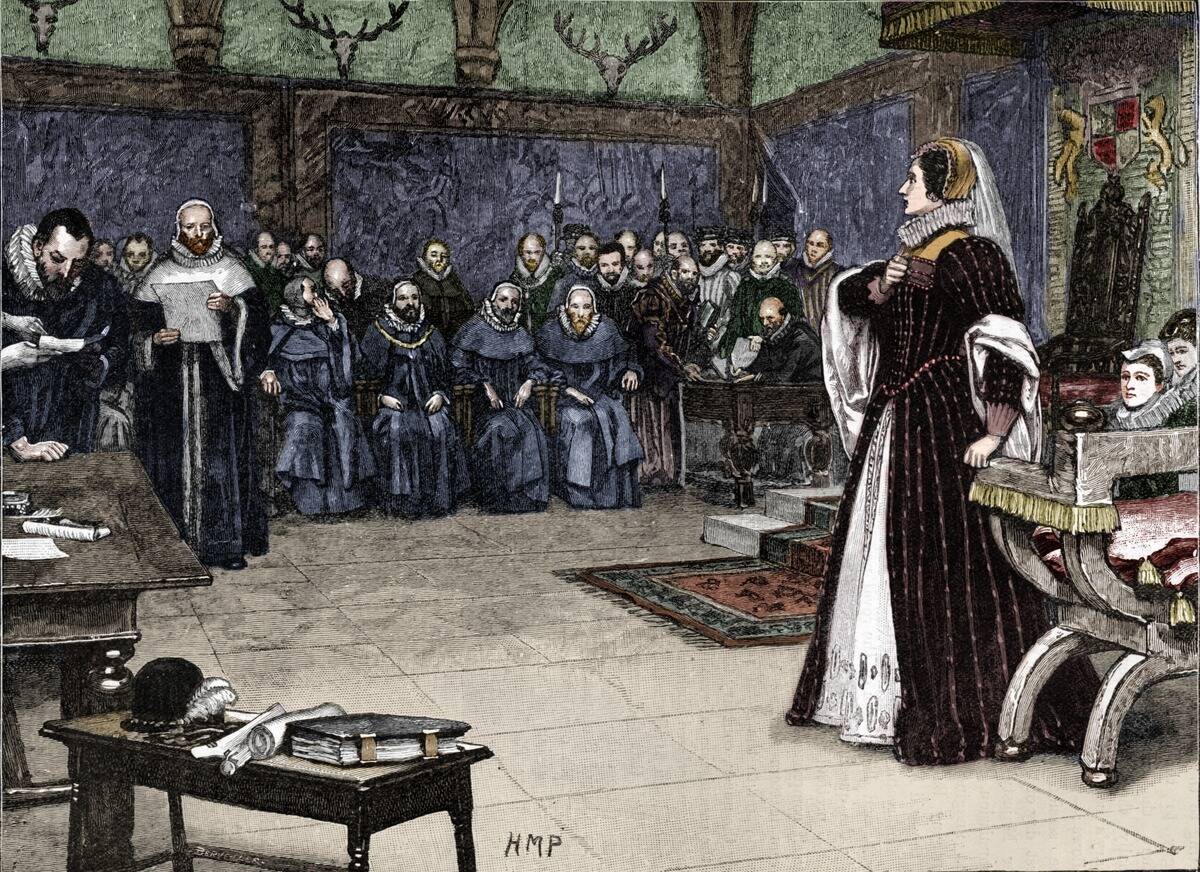
Throughout history, handwritten letters have played pivotal roles in famous legal cases. One notable example is the trial of Mary, Queen of Scots, whose letters were used as evidence of her involvement in a plot to assassinate Queen Elizabeth I.
These letters, allegedly written by Mary, were instrumental in her conviction and subsequent execution. Similarly, the infamous Dreyfus Affair in France hinged on a handwritten document that falsely incriminated Captain Alfred Dreyfus, showcasing the powerful influence letters could wield in historical events.
The Role of Handwritten Letters in Scandals and Espionage
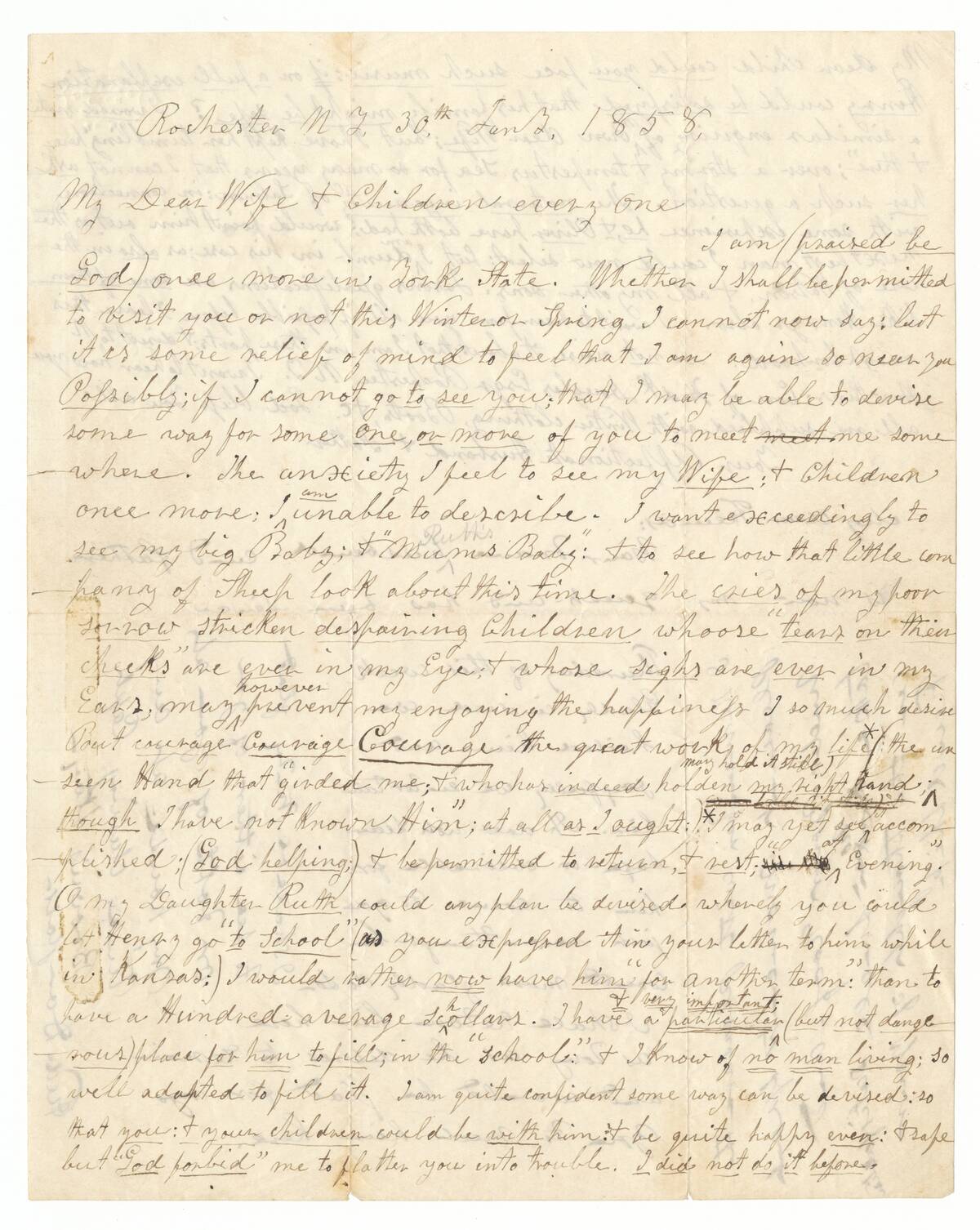
Handwritten letters have often been at the heart of scandals and espionage, serving as conduits for secret communications. During World War II, spies relied on coded messages hidden within innocuous-looking letters to convey crucial information.
In the realm of scandal, letters have exposed illicit affairs and political machinations, often to dramatic effect. The personal nature of handwritten correspondence has made it both a tool and a target for those seeking to uncover or conceal the truth, adding a layer of intrigue to their use.
The Forgery Fiasco: When Penmanship Led to Peril
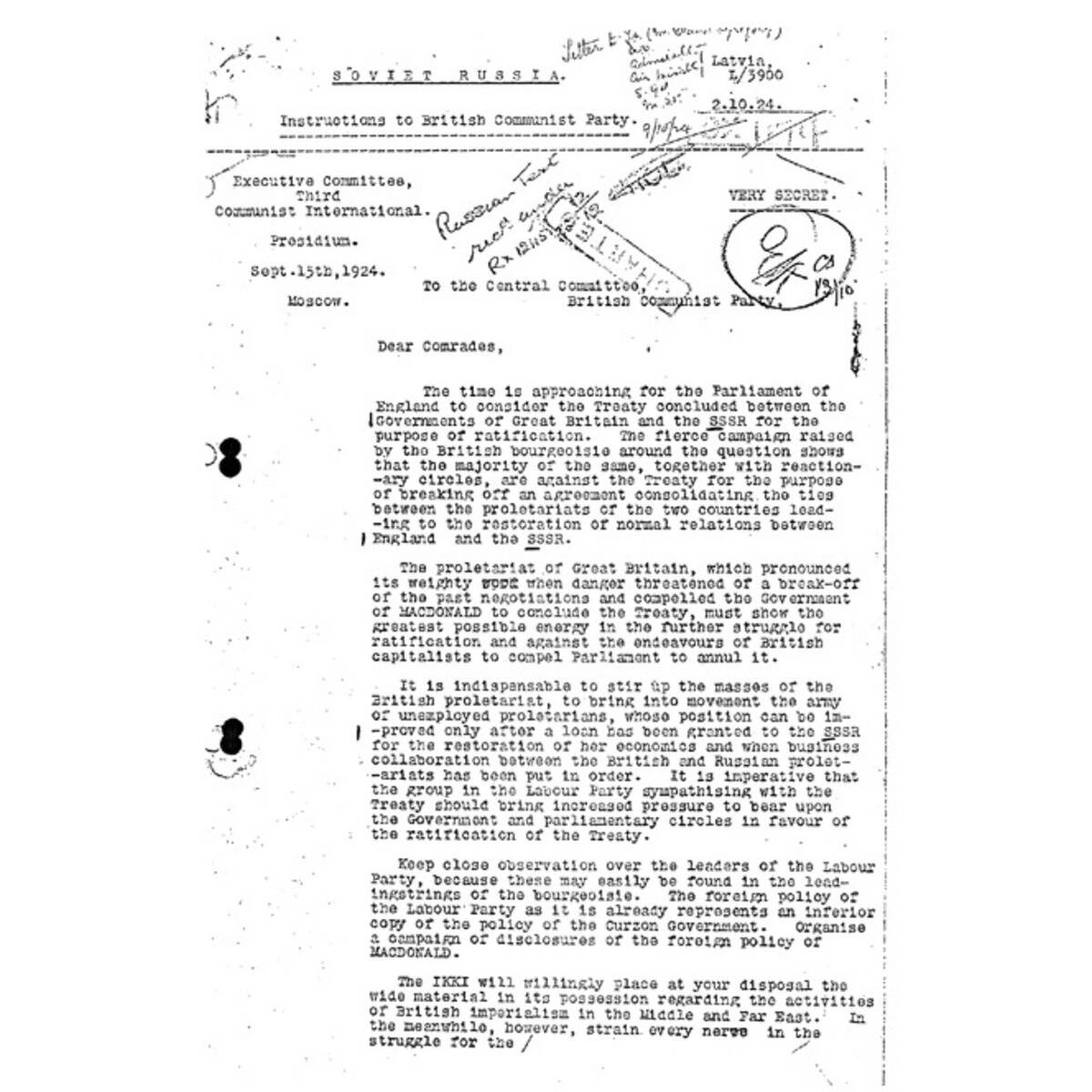
Forgery has long been a risk associated with handwritten letters, where the art of imitation could lead to perilous outcomes. The ability to replicate someone’s handwriting could allow a forger to create false documents, potentially altering the course of events.
One of the most famous cases is the “Zinoviev letter” in 1924, a forged document purportedly from the Communist International that influenced British politics. The ease with which handwriting could be copied made forgers both feared and sought after, as their skills could spell disaster or fortune.
Love Letters Gone Wrong: Romantic Missives That Caused a Stir
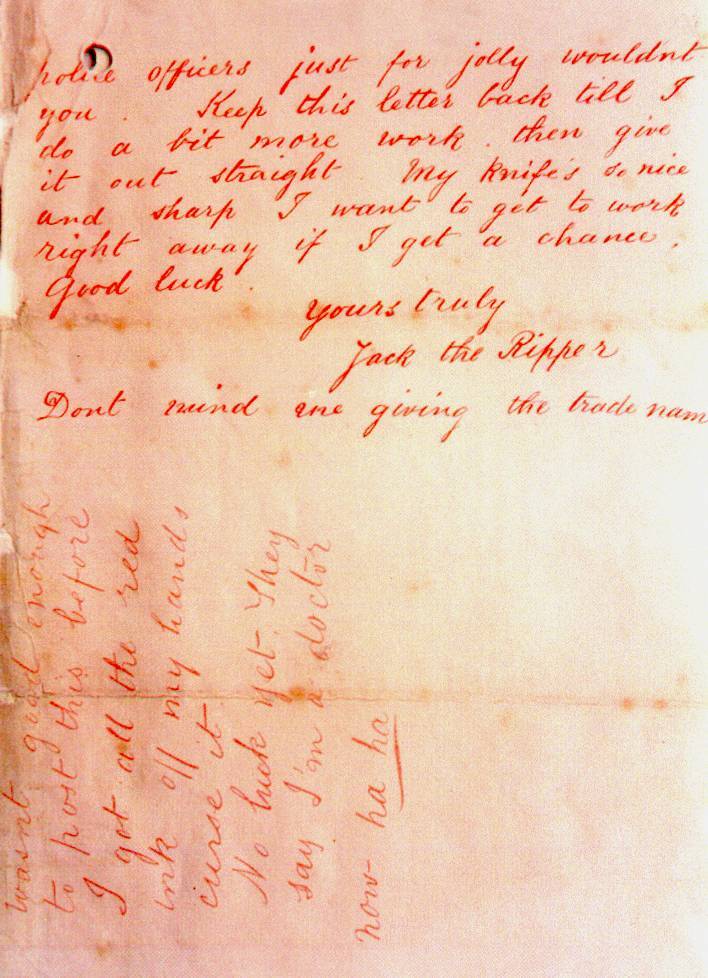
Love letters, while often heartfelt and sincere, have occasionally led to unintended consequences. The intimate nature of these missives means they can become public spectacles if discovered. Infamous love letters have emerged in court cases, political scandals, and celebrity gossip columns, sometimes tarnishing reputations and altering relationships.
In the 19th century, the “Dear Boss” letter, falsely attributed to Jack the Ripper, combined romantic intrigue with criminal infamy, showcasing how love letters could become entangled in broader narratives.
The Postal System: A Double-Edged Sword in Letter Distribution
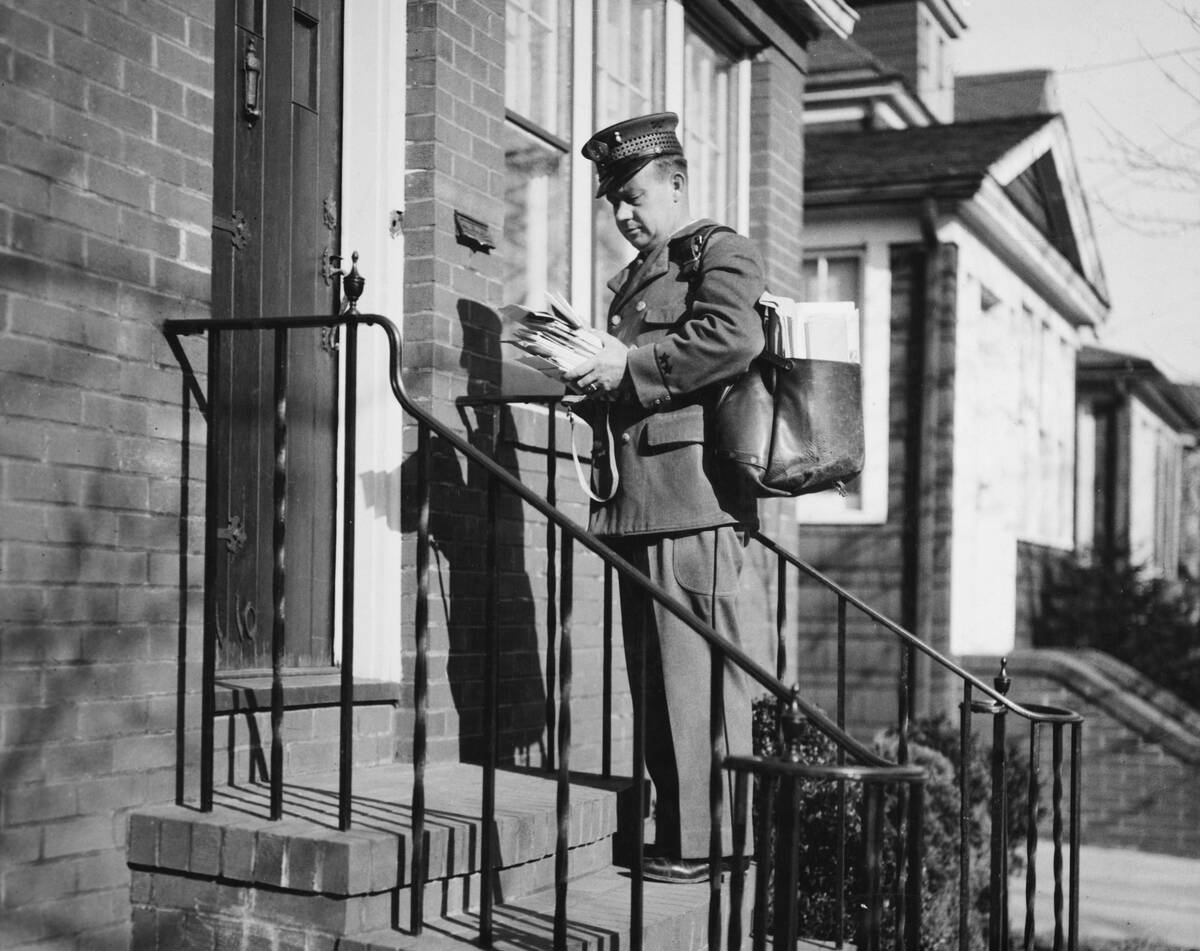
The postal system has been both a facilitator and a hindrance in the distribution of handwritten letters. It enabled communication across great distances, yet also introduced risks of interception and delay. Postal workers played pivotal roles, sometimes acting as unofficial censors or informants.
In wartime, the postal system’s vulnerabilities were exploited for espionage, with letters intercepted to gather intelligence. Despite these challenges, the postal service remained a lifeline for personal and official correspondence, underscoring its dual role in letter distribution.
The Influence of Letters on Politics and Power Plays
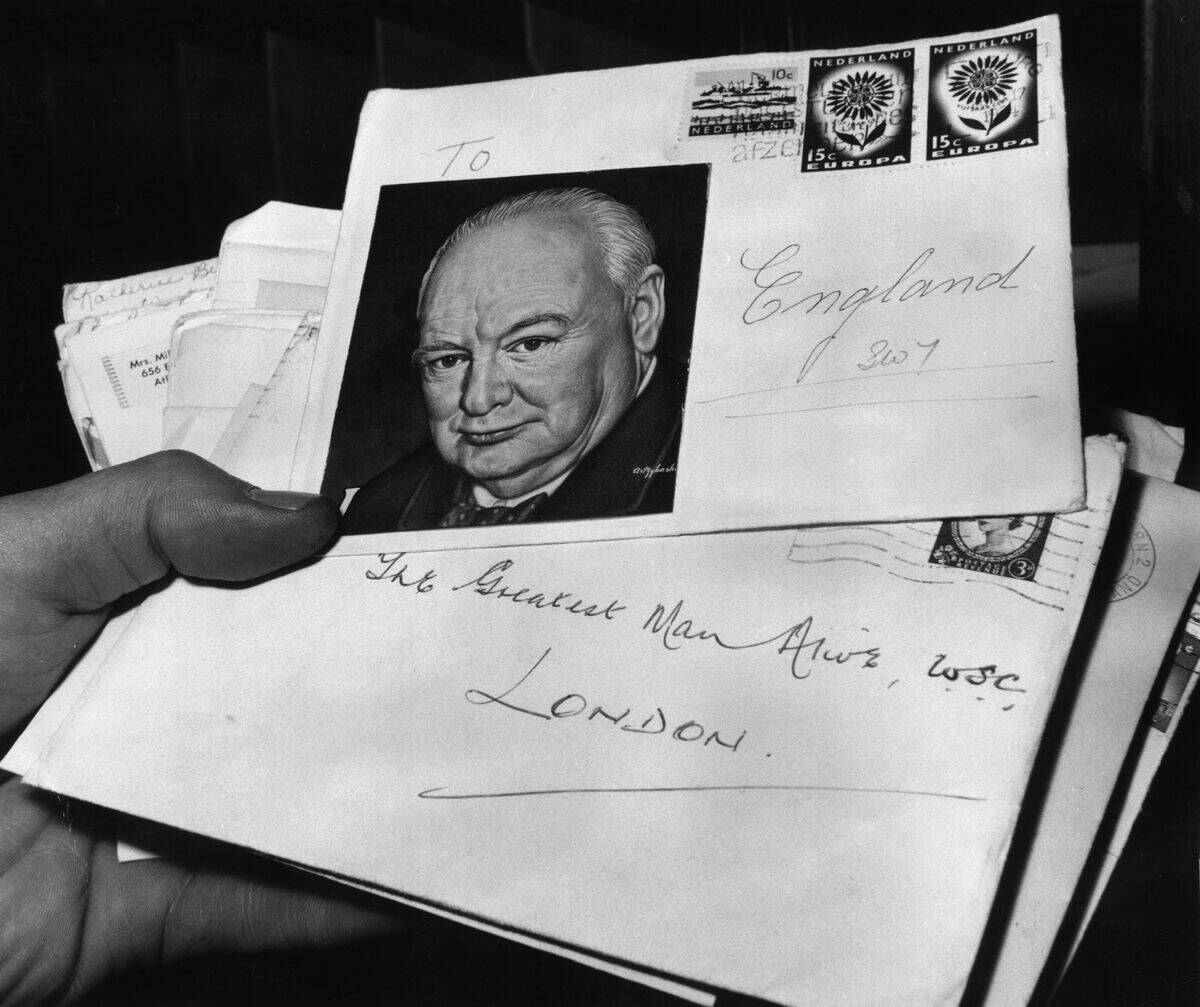
Handwritten letters have often been instrumental in political maneuverings and power plays. Leaders and diplomats have used letters to negotiate treaties, form alliances, and wage psychological warfare. The pen could sway opinions and forge connections, with the written word carrying significant diplomatic weight.
Historical figures such as Thomas Jefferson and Winston Churchill recognized the strategic value of letters, using them to articulate policies and rally support. The personal touch of a handwritten note could strengthen ties or sow discord, shaping political landscapes.
Nostalgia and Novelty: The Modern Resurgence of Handwritten Notes

Despite the digital dominance, there is a modern resurgence of interest in handwritten notes. People are rediscovering the joy of crafting a letter, reveling in the nostalgia and novelty it brings. This revival is fueled by a desire for authenticity and a break from the constant digital noise.
Handwritten notes are now seen as thoughtful gestures, whether in personal relationships or professional settings. They offer a tangible connection in an increasingly virtual world, reminding us of the enduring value of the written word.




