The forgotten science of why we sit the way we do
We all do it, but rarely do we think about the invisible hands that guide the way we sit. Sitting is a seemingly mundane activity, yet it’s influenced by a myriad of factors, from cultural norms to technological advances.
These forces quietly dictate whether we cross our legs, lean back, or perch on the edge of our seats. Let’s delve into the fascinating world of sitting and uncover the hidden influences shaping our habits.
The Evolutionary Backstory: From Squatting to Sitting

Our ancestors didn’t always sit as we do now. Early humans primarily squatted or sat on the ground, a practice still common in various cultures today. This evolutionary shift was driven by the need for comfort during extended tasks, gradually leading to the development of sitting furniture.
The transition from squatting to sitting chairs reflects our evolution from nomadic lifestyles to settled communities.
Cultural Influences on Sitting Postures Across the Globe

In Japan, kneeling on tatami mats is a traditional practice, while in the Western world, chairs are the norm. These cultural differences highlight how society and tradition shape our sitting habits.
In some cultures, sitting on the floor signifies humility, while in others, it might be seen as informal. These varied practices offer a window into the diverse ways people engage with the act of sitting globally.
The Role of Furniture Design in Our Sitting Choices
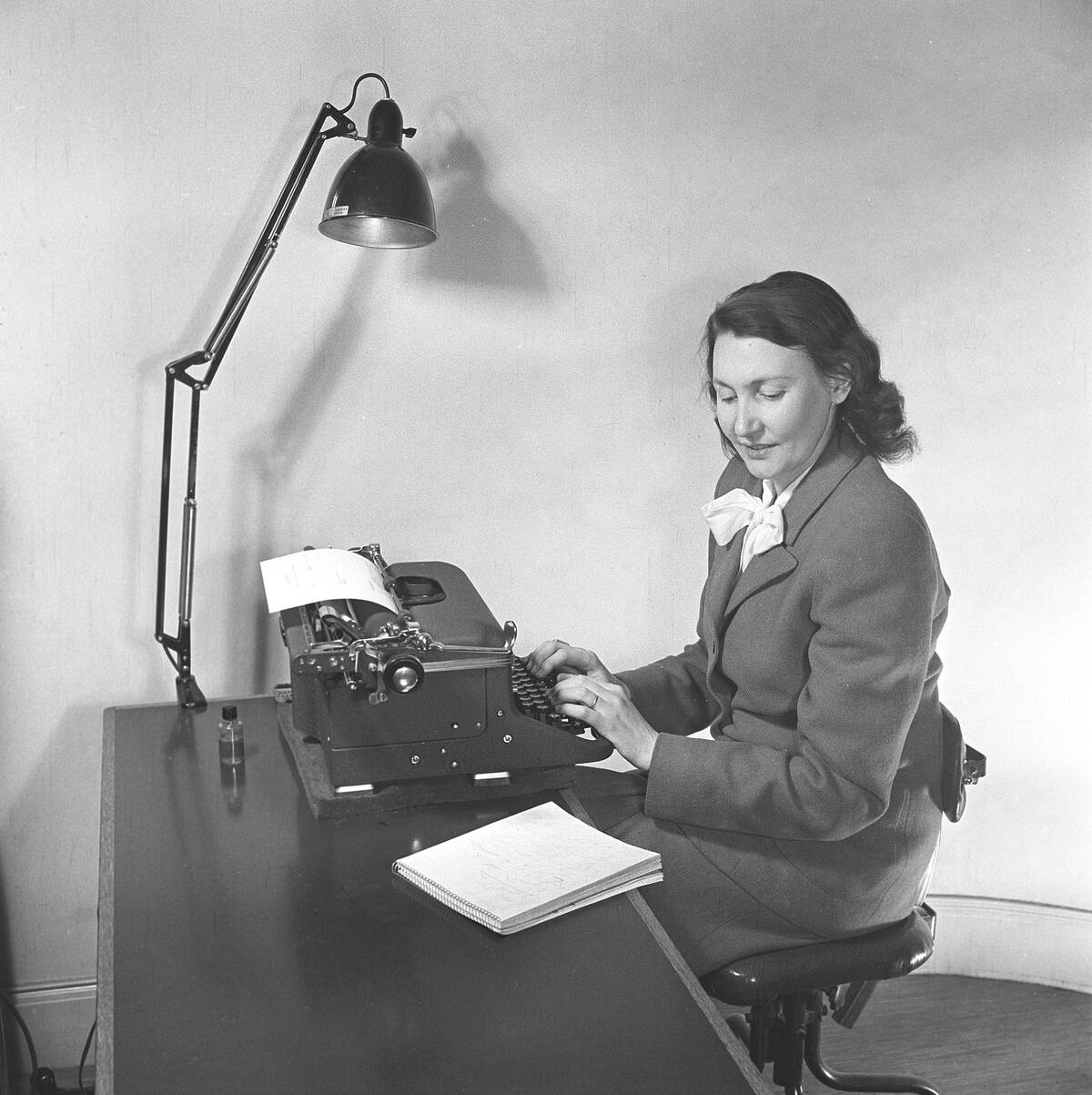
Furniture design is not just about aesthetics; it’s about function and influence. The emergence of ergonomic chairs reflects a growing understanding of human anatomy and comfort.
Mid-century modern furniture, with its sleek lines and functional design, revolutionized how people approached sitting in the home and office. These designs have shaped how we perceive and engage with our living spaces.
How the Industrial Revolution Changed Our Sitting Patterns
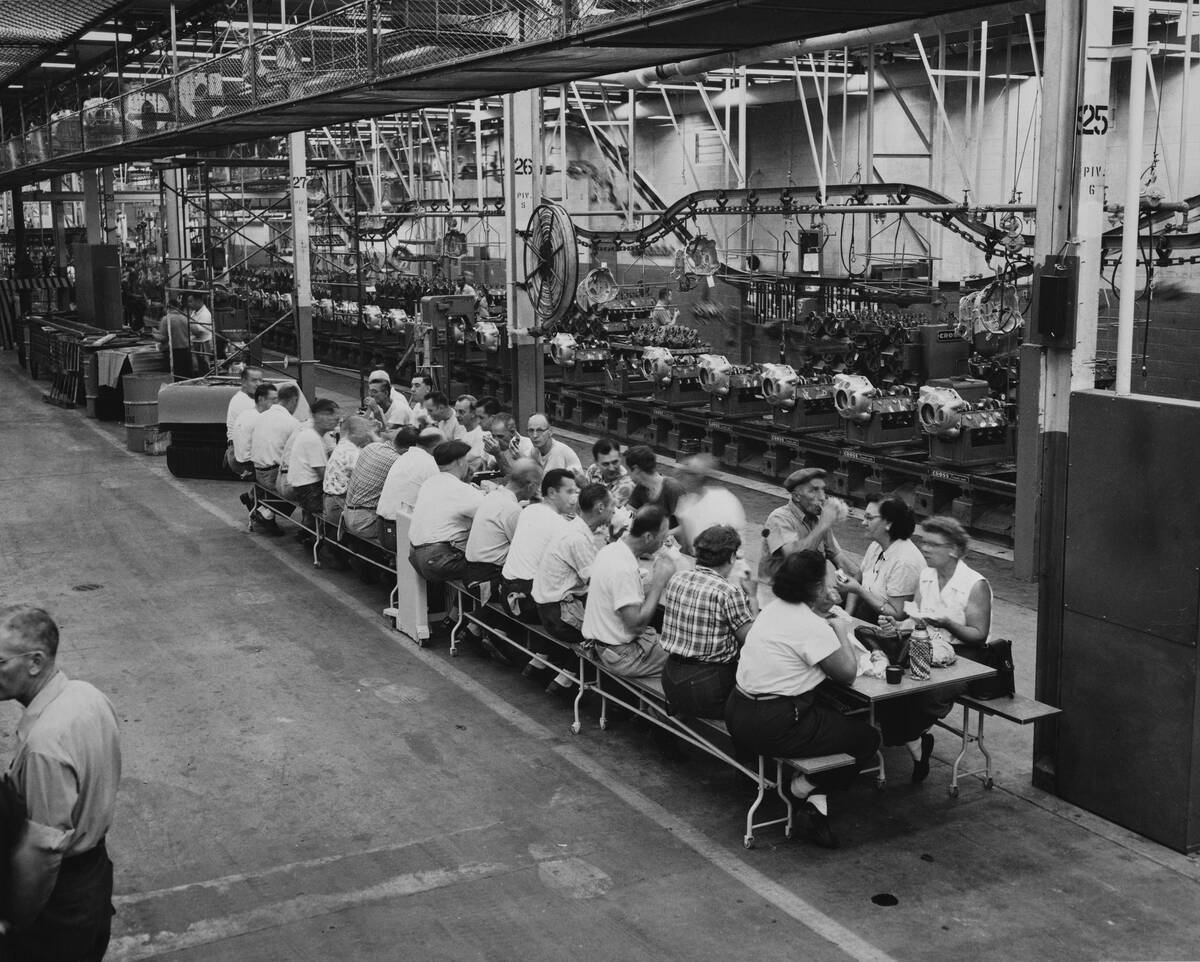
The Industrial Revolution brought about a seismic shift in work environments, moving many from agricultural fields to factories. This transition required workers to sit for longer periods, leading to the development of factory benches and office chairs.
The rise of clerical work further cemented sitting as a standard part of daily life, fundamentally changing our relationship with sitting.
The Surprising Impact of Fashion on How We Sit

Fashion doesn’t just influence what we wear; it affects how we sit. Tight jeans or short skirts can dictate posture and comfort levels. In Victorian times, corsets forced women into rigid sitting positions.
Today, fashion trends like the athleisure movement encourage more relaxed and flexible postures, reflecting a shift towards comfort and practicality in everyday life.
The Science of Ergonomics: Comfort Meets Functionality
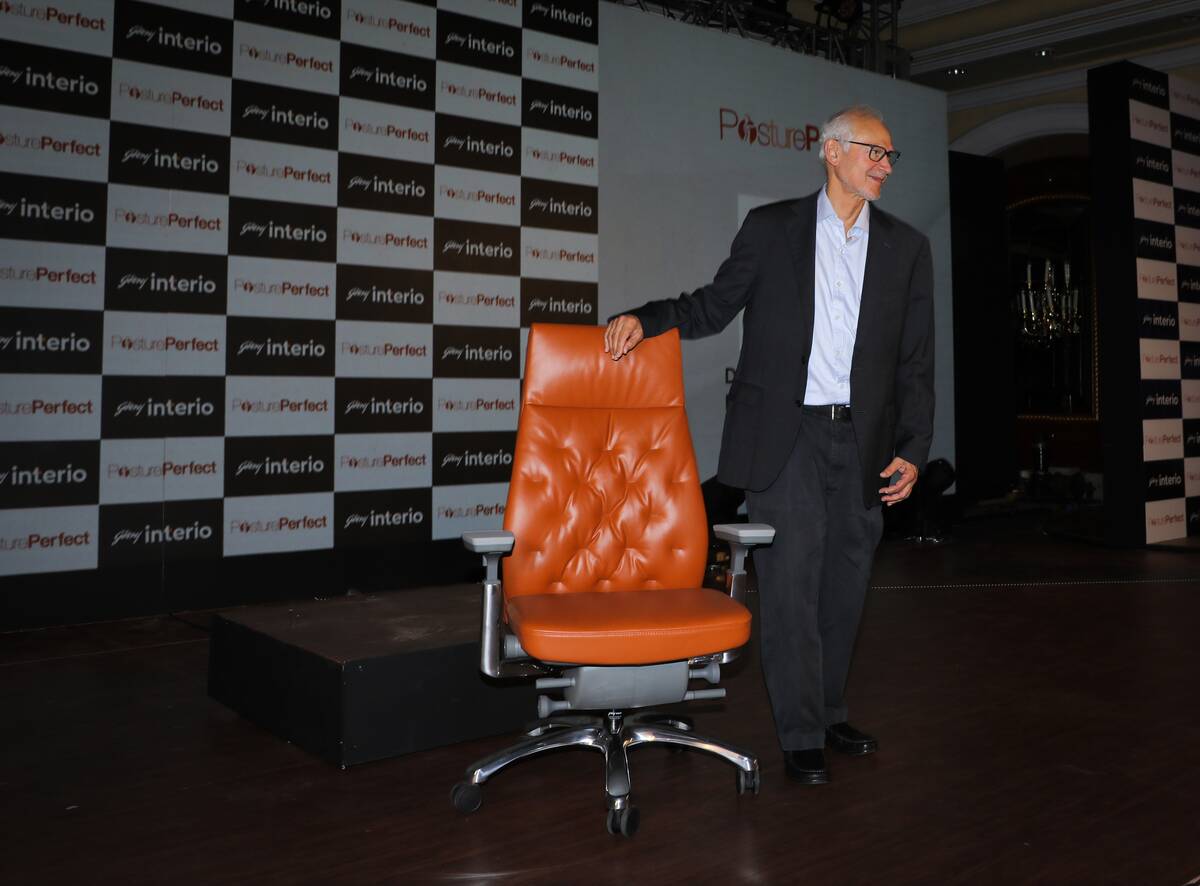
Ergonomics is all about optimizing human well-being and overall system performance. The design of ergonomic chairs aims to support the natural curve of the spine, reducing strain and enhancing comfort.
Scientific studies have shown that well-designed ergonomic furniture can significantly reduce the risk of musculoskeletal disorders, highlighting the importance of design in our sitting habits.
The Psychological Factors Influencing Our Sitting Styles

Psychology plays a subtle role in how we sit. Our mood can dictate our posture; confidence might lead to an open, relaxed position, while anxiety could result in a more closed-off stance.
Studies suggest that body language, including how we sit, can influence our emotions and how others perceive us, tying psychology closely to our sitting behavior.
The Role of Technology in Modern Sitting Trends
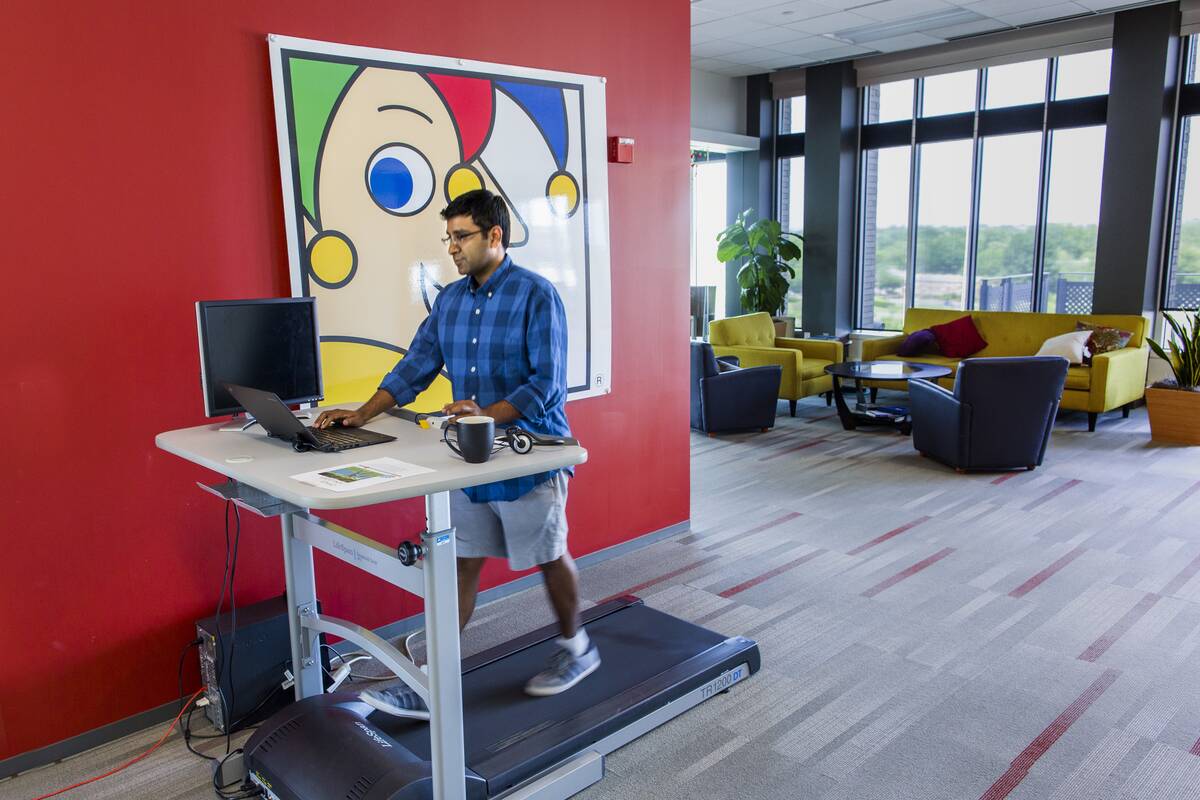
Technology has revolutionized the way we sit. With the rise of computers and smartphones, people spend more time sitting than ever before. This sedentary lifestyle has prompted innovations like standing desks and active seating solutions.
These advancements aim to mitigate the negative health impacts of prolonged sitting, illustrating technology’s ongoing influence on our sitting habits.
Health Implications: Why Some Sitting Positions Are Better Than Others

Not all sitting positions are created equal when it comes to health. Crossing legs can lead to poor circulation, while slouching may cause back pain. Experts recommend sitting with feet flat on the floor and a straight back to maintain good posture.
Understanding the health implications of our sitting habits is crucial in making informed choices for our well-being.
The Subtle Art of Body Language and Sitting
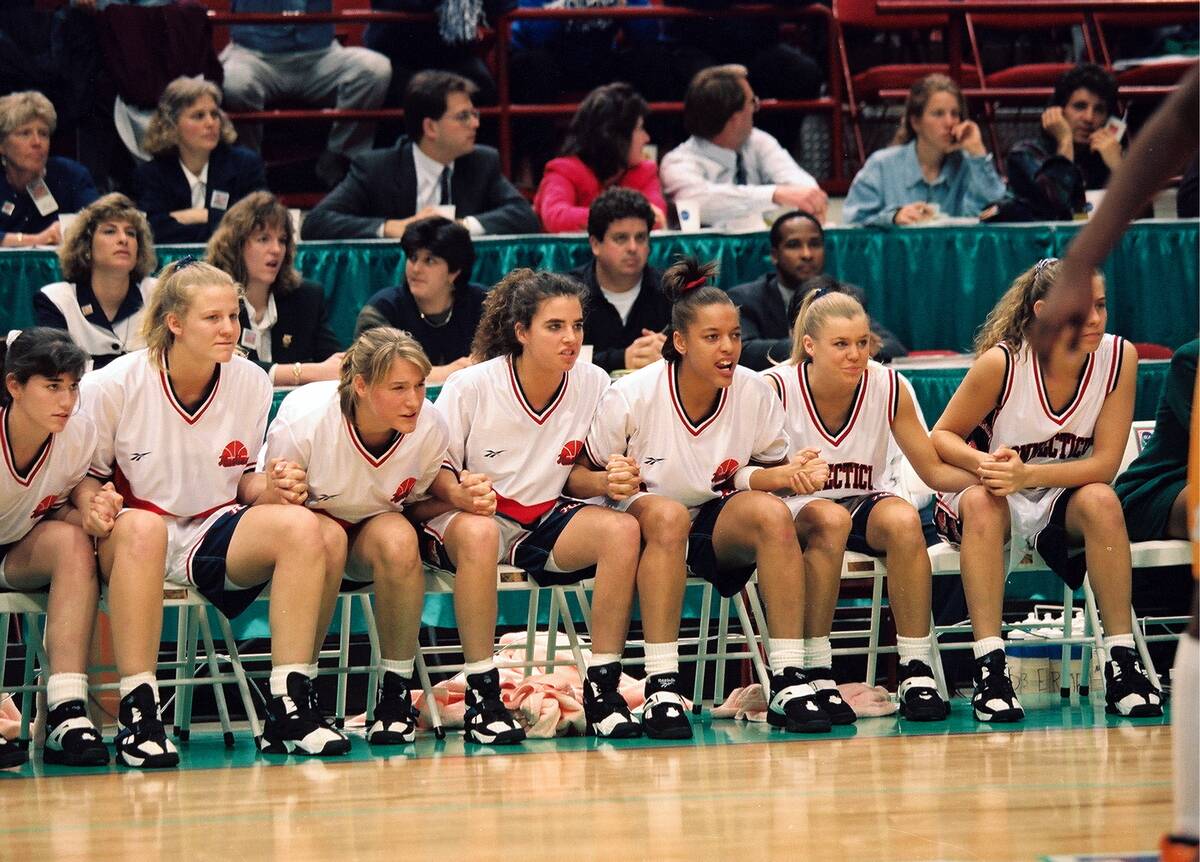
Body language speaks volumes, even when we’re sitting. A person’s choice of posture can convey confidence, openness, or defensiveness. For instance, sitting with arms crossed might be perceived as closed-off, while leaning forward can indicate interest and engagement.
Understanding these cues can enhance communication and interpersonal relationships, making sitting a key element of nonverbal communication.
The Influence of Social Norms on Our Sitting Behavior
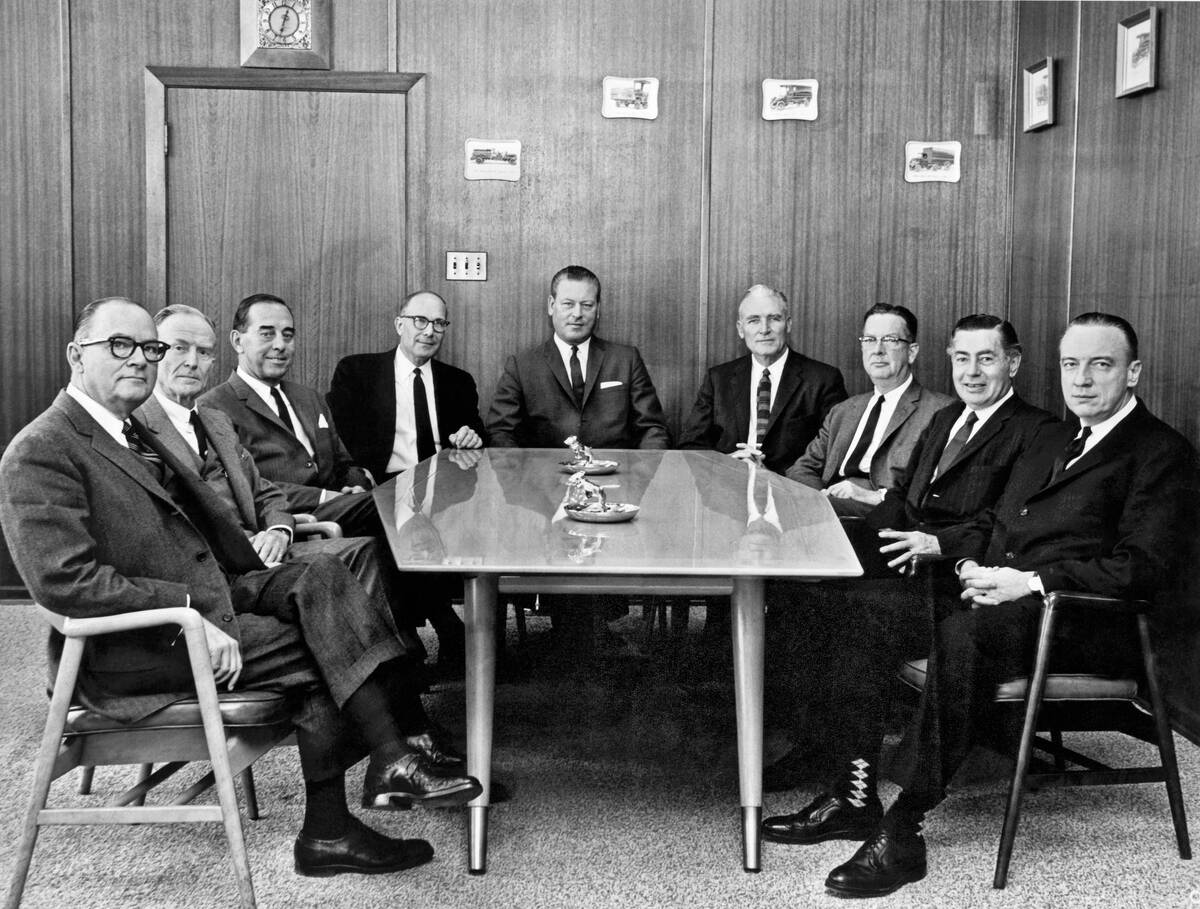
Social norms heavily dictate our sitting behavior. In business settings, sitting up straight is often seen as a sign of professionalism, while casual settings might allow for more relaxed postures.
These norms vary across cultures and contexts, influencing how we choose to sit in different environments. Awareness of these social cues can help us navigate varying social situations effectively.
How Childhood Habits Shape Our Adult Sitting Preferences

Childhood influences can have a lasting impact on our sitting habits. The way children are taught to sit in school, often for long periods, can shape their preferences and comfort in adulthood.
Early experiences with specific types of furniture or parental guidance on posture can also leave a lasting imprint, underscoring the importance of nurturing healthy sitting habits from a young age.
The Connection Between Sitting Positions and Productivity
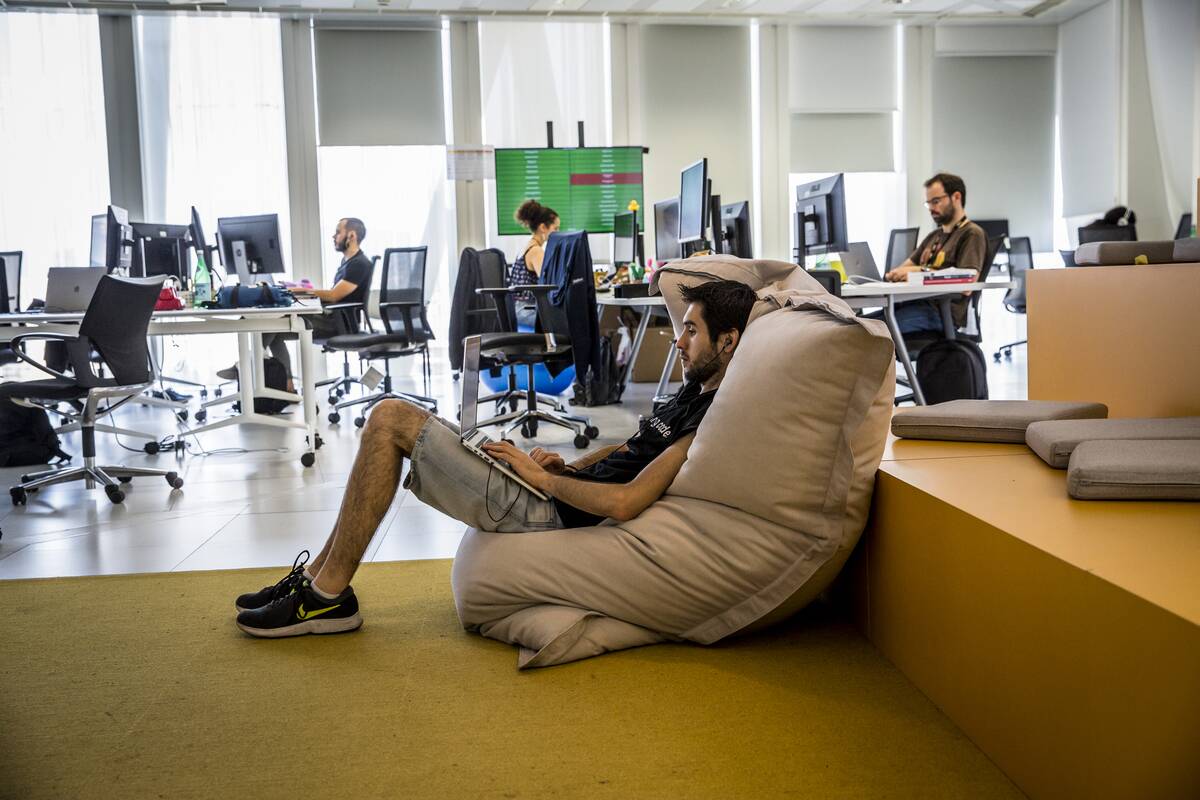
There’s a notable link between sitting positions and productivity. Comfortable seating arrangements can enhance focus and efficiency, while poor posture can lead to discomfort and decreased productivity.
Employers are increasingly recognizing this connection, investing in ergonomic furniture to improve employee well-being and output. This relationship highlights the importance of environment in influencing work performance.




