16 Unsung heroes that shaped history’s biggest moments
History is filled with larger-than-life figures whose names grace our textbooks and documentaries. Yet, behind every well-known face or event, there are countless unsung heroes who played crucial roles.
These individuals worked tirelessly behind the scenes, often without recognition, yet their contributions shaped the world as we know it today. Let’s embark on a journey to uncover the stories of these remarkable, yet often overlooked, pioneers, inventors, and visionaries.
The Hidden Architect: A Look at the Visionary Behind the Eiffel Tower
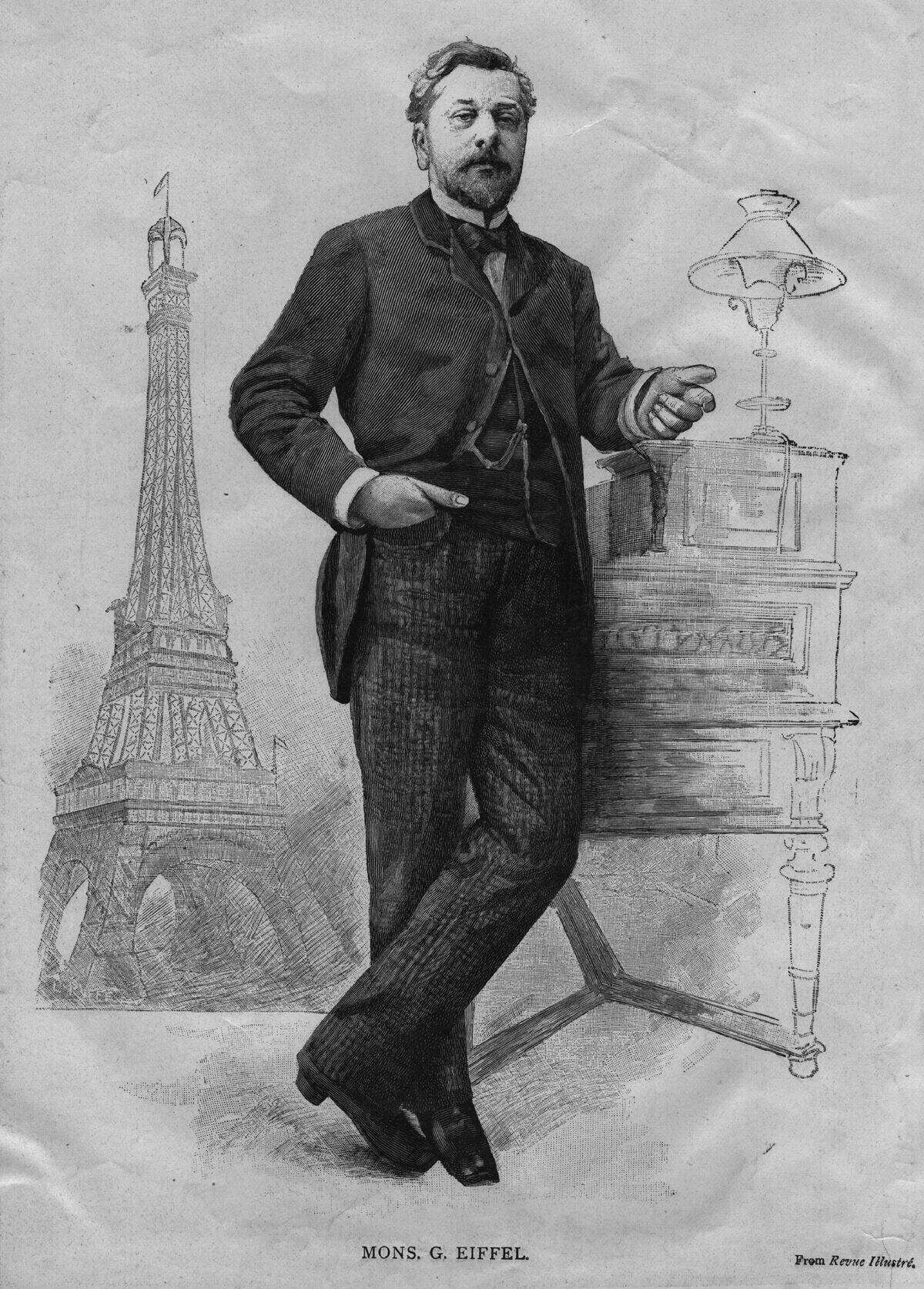
Gustave Eiffel might be the name most associated with the Eiffel Tower, but it was Maurice Koechlin, his chief engineer, who first envisioned the iconic structure. Koechlin’s innovative design was initially met with skepticism, but he persisted, refining his plans to ensure the tower’s stability and elegance.
Without Koechlin’s determination and engineering prowess, the Eiffel Tower might never have graced the Paris skyline.
Unseen Genius: The Mathematician Who Cracked the Enigma Code

Alan Turing is often credited with cracking the Enigma code, but he was part of a brilliant team, including the lesser-known mathematician Gordon Welchman.
Welchman developed the ‘Diagonal Board,’ a crucial component that enhanced the Bombe machine’s effectiveness. This innovation dramatically increased the speed at which Enigma messages could be decoded, greatly aiding the Allied war effort and shortening World War II.
Silent Partner: The Woman Who Helped Shape the Civil Rights Movement
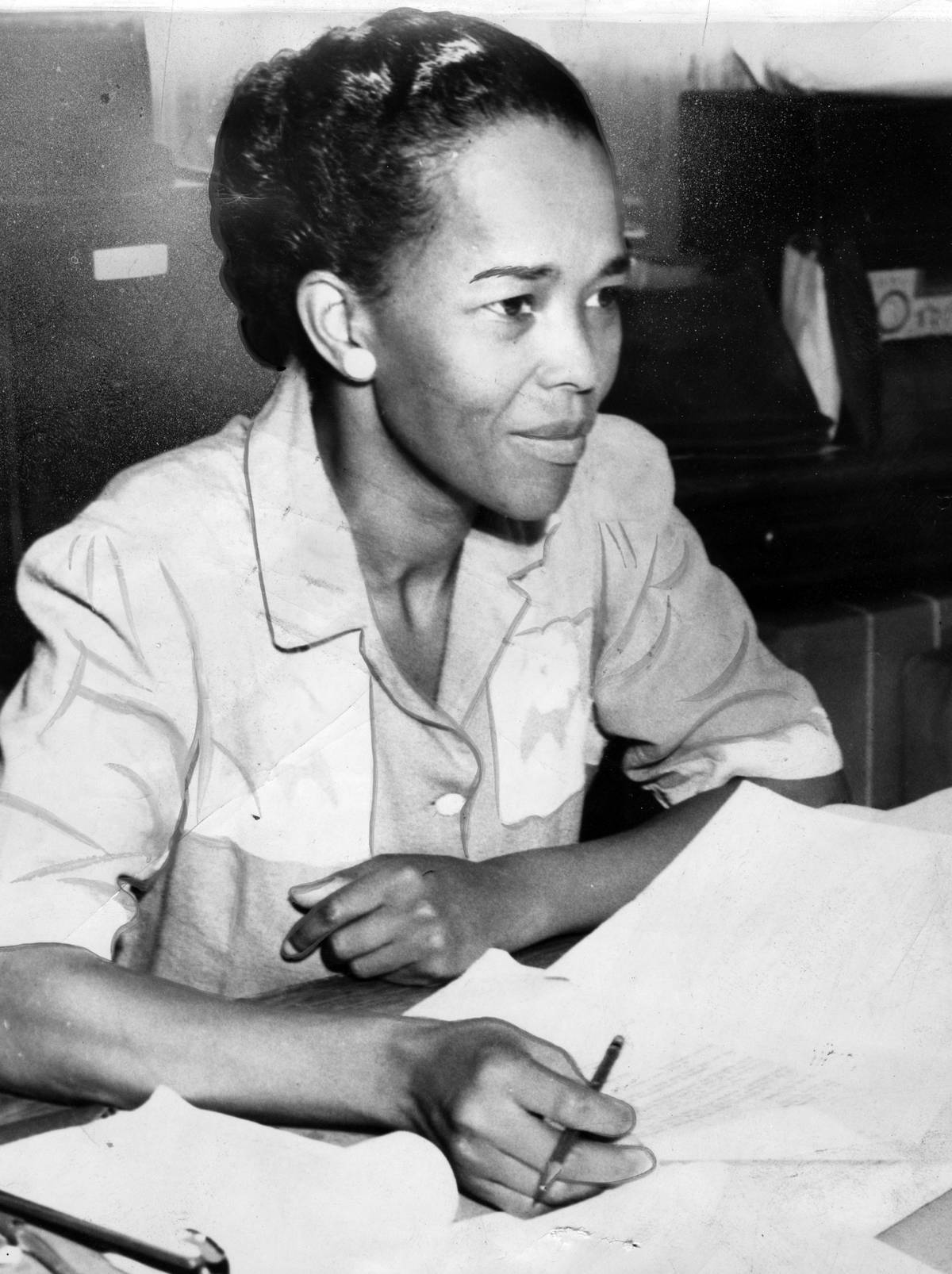
While Martin Luther King Jr. is a household name, the contributions of Ella Baker remain less recognized. A behind-the-scenes organizer, Baker played a pivotal role in the Southern Christian Leadership Conference and the Student Nonviolent Coordinating Committee.
Her grassroots organizing and empowering of young activists were instrumental in sustaining the momentum of the Civil Rights Movement across the United States.
The Forgotten Innovator: The Inventor of the First Personal Computer

When we think of personal computers, names like Steve Jobs and Bill Gates come to mind. However, it was Ed Roberts who invented the first personal computer, the Altair 8800, in 1975.
Roberts’ creation was a kit that enthusiasts could assemble themselves, sparking the home computing revolution. His work laid the groundwork for the industry giants that would follow, yet his name remains largely unknown.
Behind the Lens: The Photographer Who Captured Iconic Moments
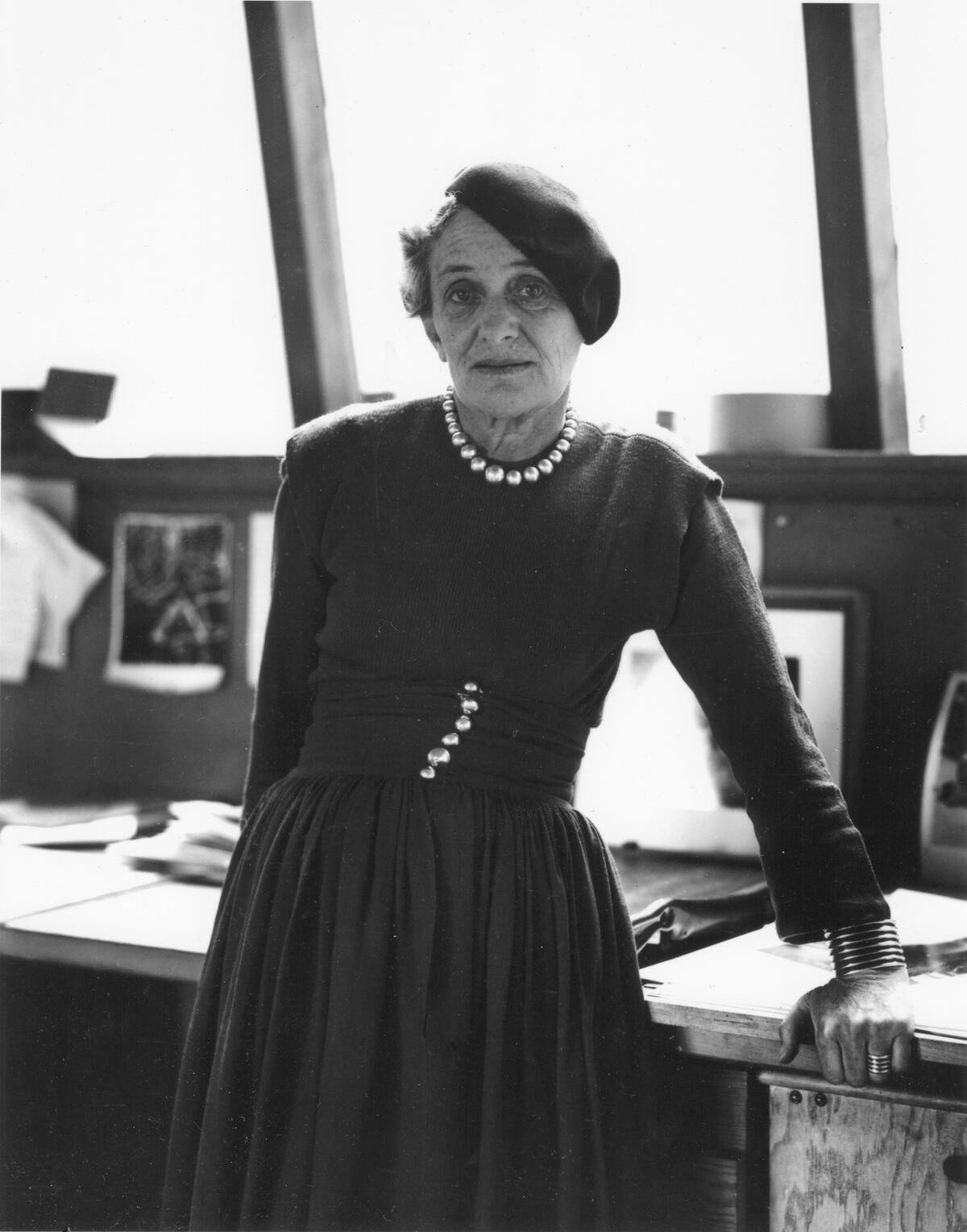
Dorothea Lange’s photographs of the Great Depression remain some of the most poignant images of that era. Her iconic ‘Migrant Mother’ photograph brought national attention to the plight of impoverished families.
Lange’s empathetic eye and dedication to social justice captured the human condition in a way that words could not, leaving a lasting impact on photojournalism and public awareness.
The Quiet Catalyst: The Scientist Who Pioneered Renewable Energy
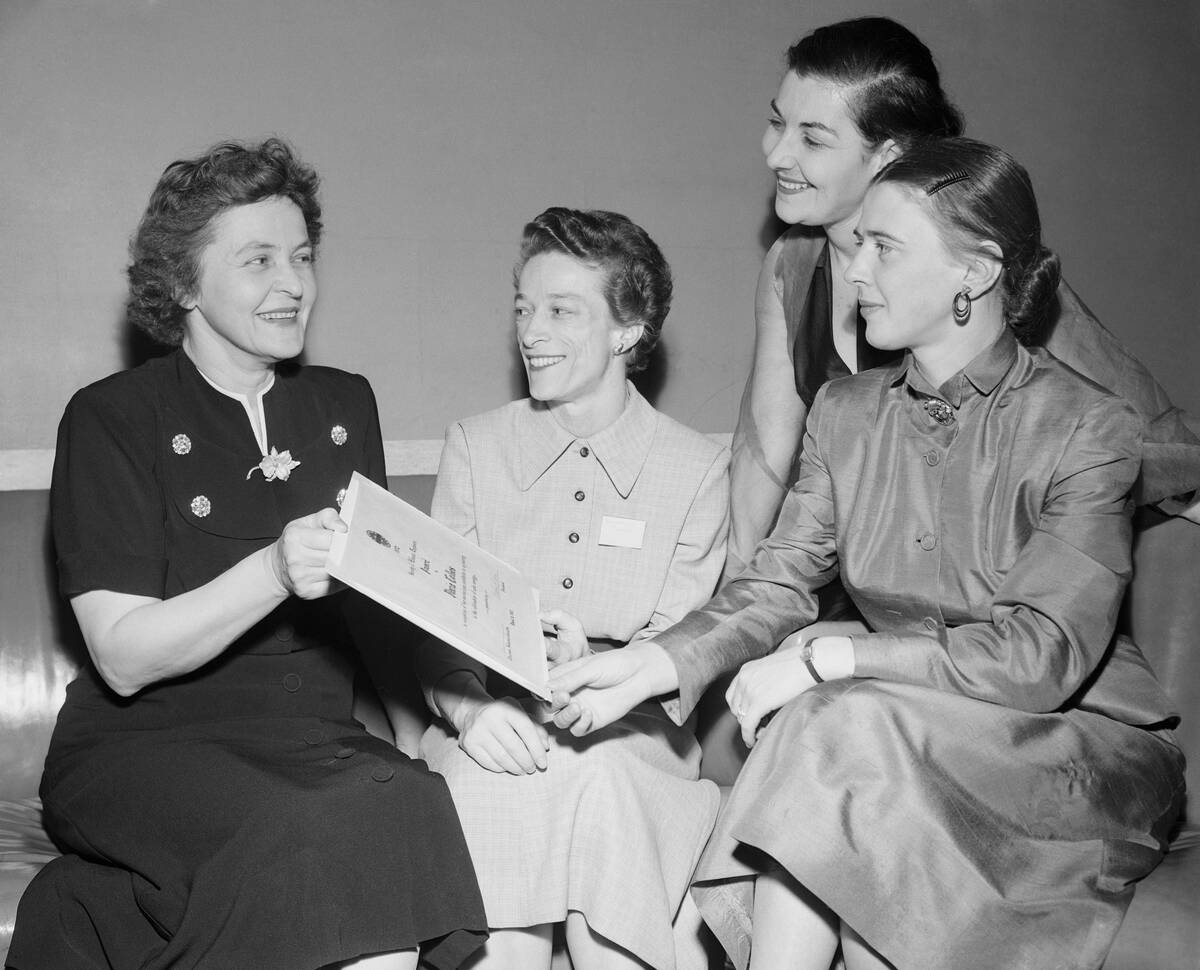
While renewable energy is a hot topic today, it was Dr. Maria Telkes who was a true pioneer in the field. Often called the ‘Sun Queen,’ she developed the first solar-powered heating system for homes in the 1940s.
Her work laid the foundation for modern solar technology and highlighted the potential of renewable energy long before it became a global priority.
Unheralded Explorer: The Navigator Who Charted the New World
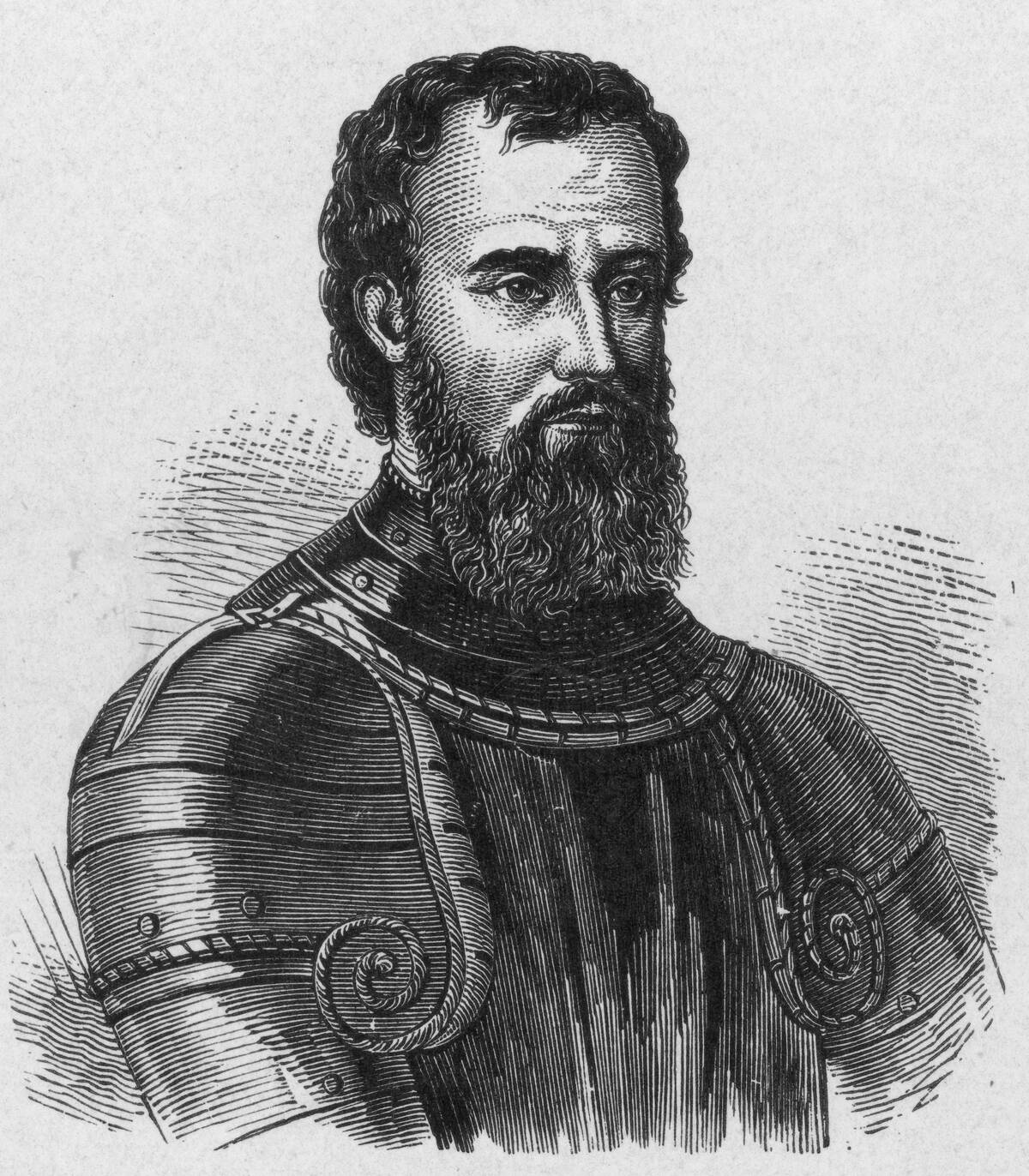
John Cabot’s voyages are well-documented, but it was Giovanni da Verrazzano who charted much of North America’s east coast. Verrazzano’s maps and observations were invaluable to future explorers and colonizers.
His keen sense of geography and navigation helped open up new routes and possibilities for trade and exploration in the New World.
The Shadow Diplomat: The Negotiator Who Prevented a Global Crisis
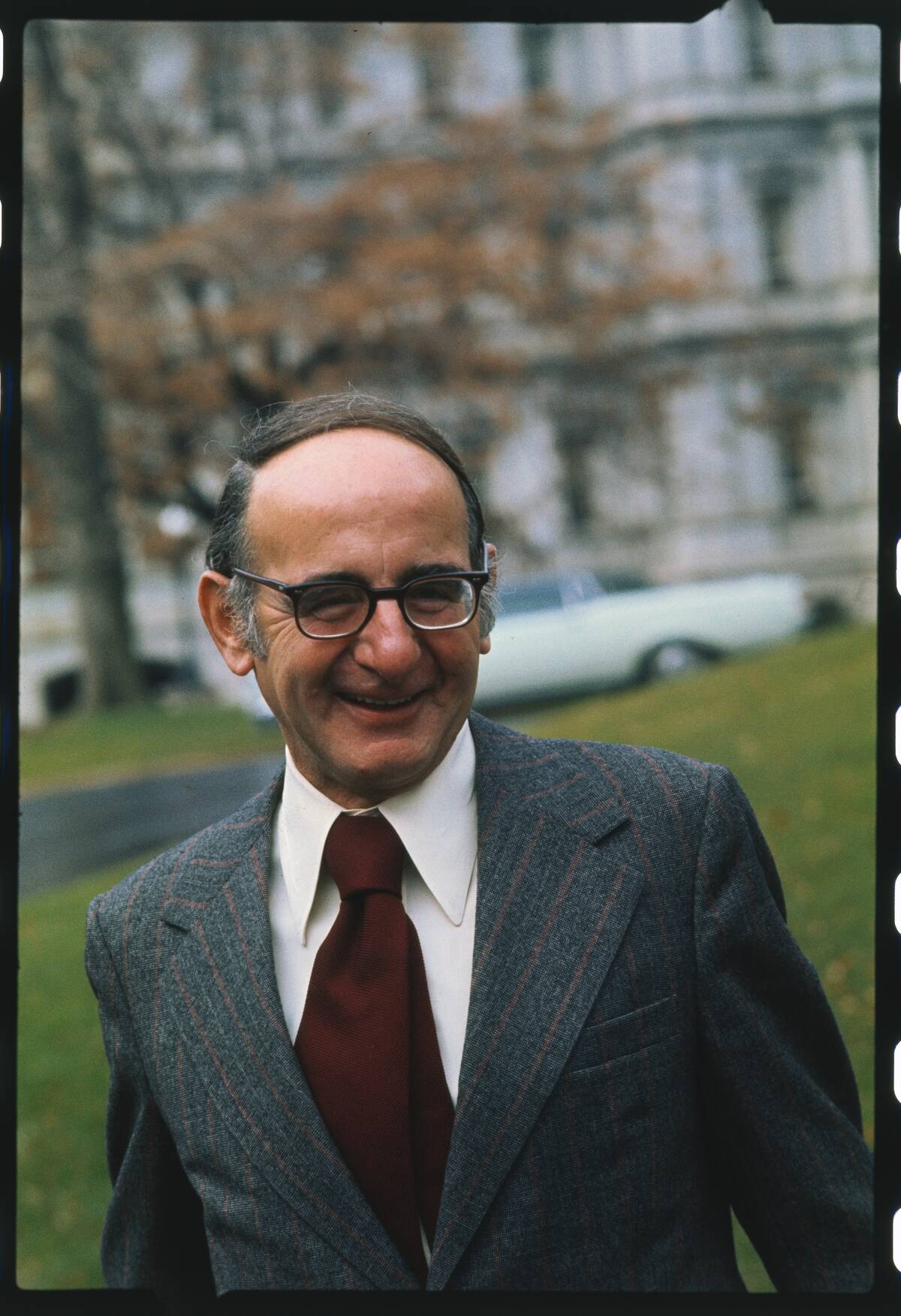
While the Cuban Missile Crisis is remembered for the tense standoff between Kennedy and Khrushchev, it was John Scali, an ABC News correspondent, who played a key role behind the scenes.
Acting as an informal intermediary, Scali facilitated crucial back-channel communications that helped de-escalate tensions and prevent a potential nuclear disaster. His quiet diplomacy was instrumental in averting a global crisis.
Leading from the Shadows: The Strategist Who Planned a Revolutionary Victory
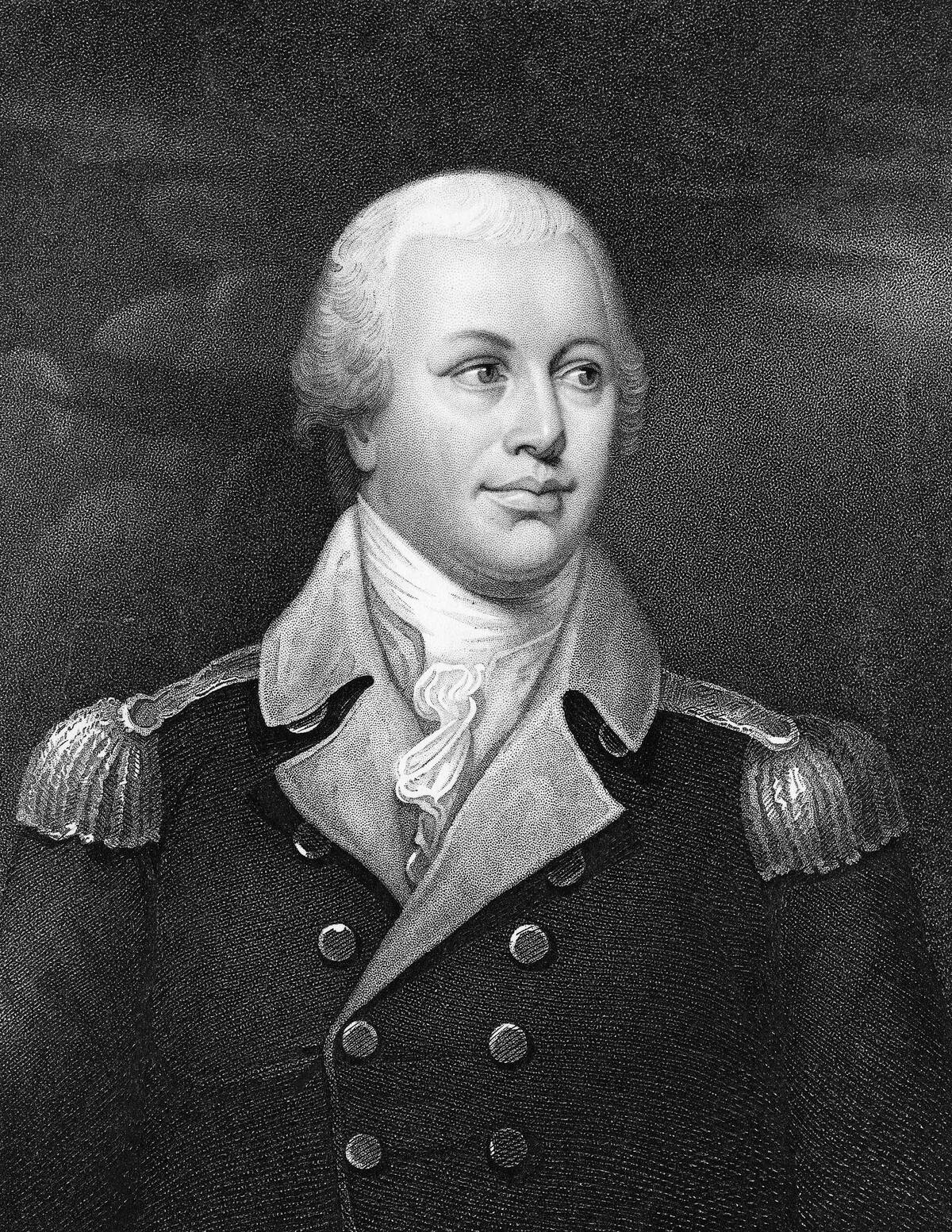
Nathaniel Greene might not be as famous as George Washington, but his strategic brilliance was pivotal to the American Revolutionary War’s success.
Greene’s adept management of logistics and his unconventional tactics in the Southern Campaign helped turn the tide against the British. His ability to lead and adapt under pressure earned him the title of Washington’s most trusted general.
The Underestimated Artist: The Designer Who Changed Fashion Forever
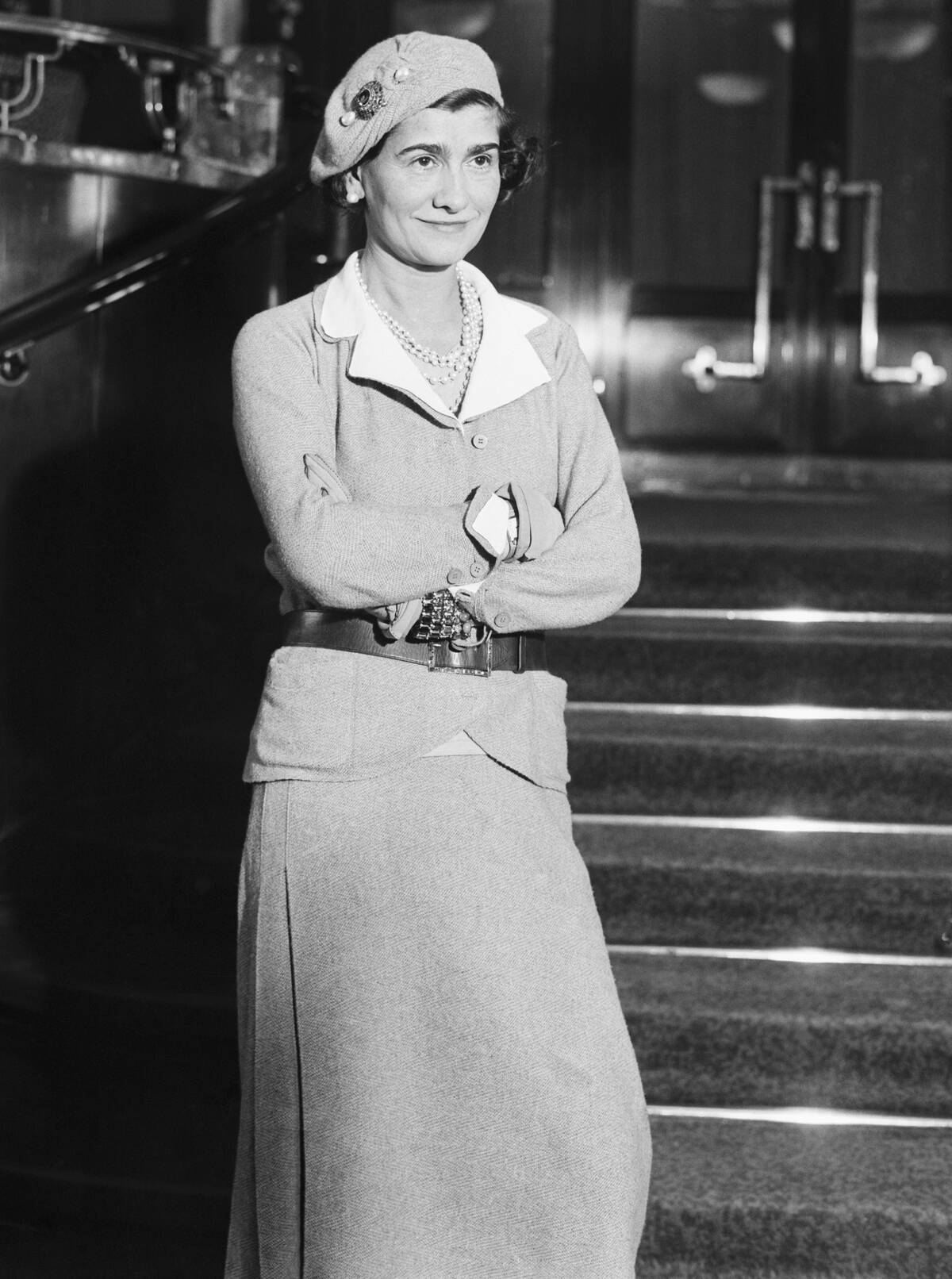
Coco Chanel is a name synonymous with fashion, but it was Gabrielle ‘Coco’ Chanel’s introduction of the Little Black Dress that revolutionized the industry.
In the 1920s, Chanel transformed the dress from mourning attire to a chic, versatile wardrobe staple. Her innovative designs and bold approach to fashion broke away from convention, paving the way for modern women’s fashion.
The Discreet Activist: The Champion Who Advanced Women’s Rights
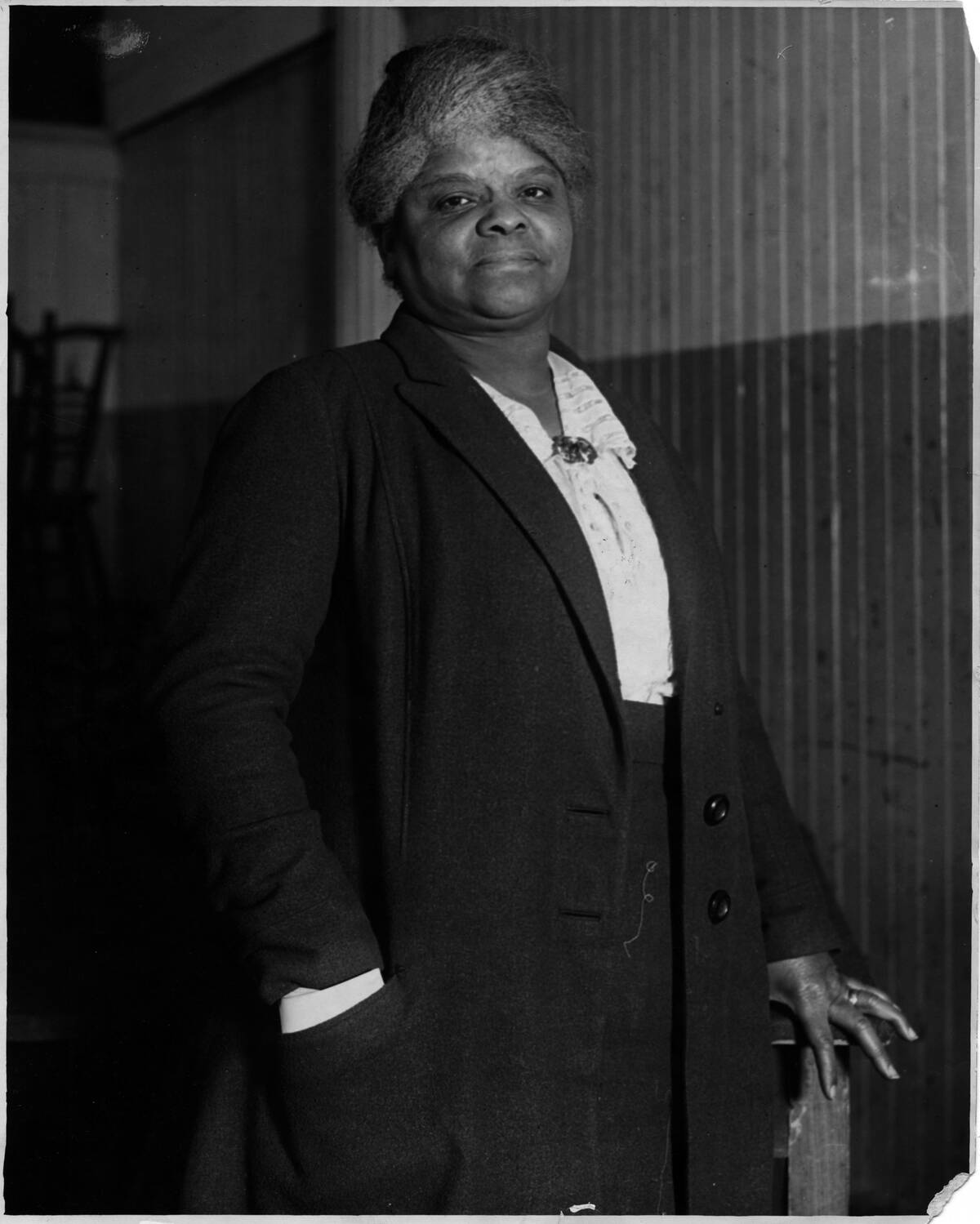
While Susan B. Anthony is a well-known figure in women’s suffrage, it was the quiet efforts of Ida B. Wells that advanced the cause significantly. A journalist and activist, Wells fought tirelessly against racial and gender discrimination.
Her investigative reporting and fearless activism exposed injustices and galvanized support for both the suffrage movement and civil rights for African Americans.
Unsung Visionary: The Architect of the Internet Age
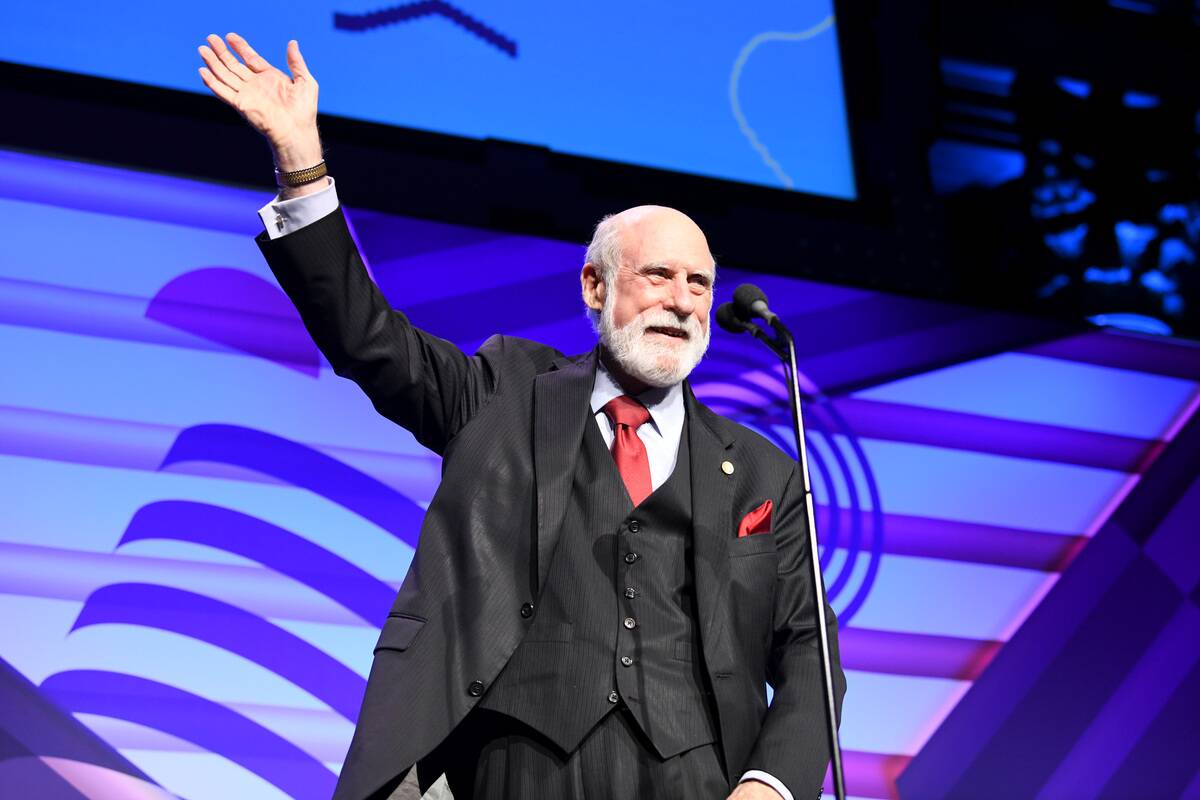
Tim Berners-Lee is often credited with inventing the World Wide Web, but Vint Cerf, known as one of the ‘fathers of the Internet,’ laid much of the groundwork.
Cerf co-developed the TCP/IP protocol, which remains the foundation for data exchange over the internet. His vision for a global network has connected millions across the globe, transforming how we communicate and share information.
Behind the Curtains: The Producer Who Revolutionized Film Industry
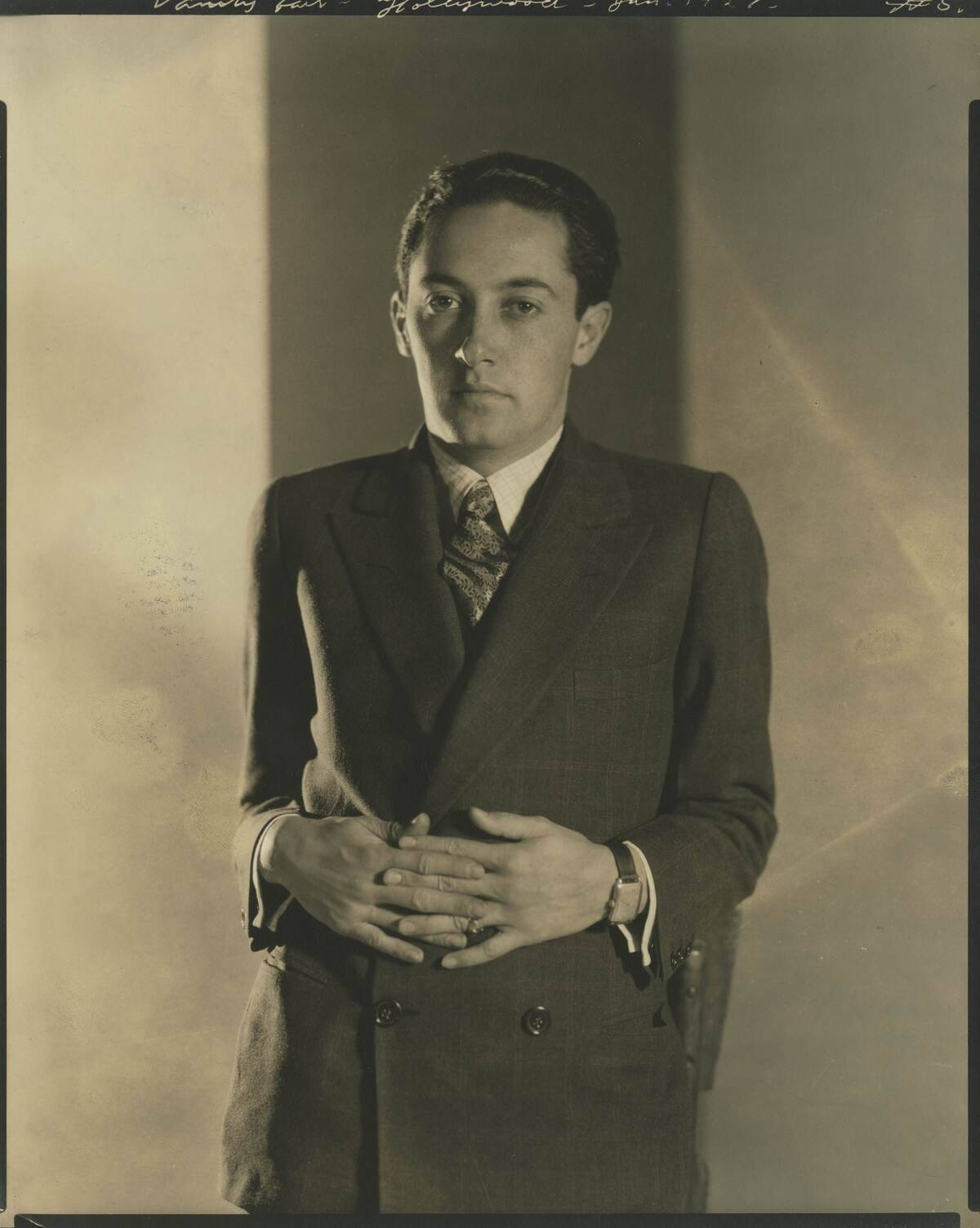
While directors often receive the spotlight, it was producer Irving Thalberg who transformed film production in the early 20th century.
Known as the ‘Boy Wonder’ of Hollywood, Thalberg introduced the concept of the production unit system, streamlining the filmmaking process. His focus on quality storytelling and innovative production techniques helped elevate Hollywood to new heights during the Golden Age of Cinema.
The Silent Advocate: The Lawyer Who Fought for Social Justice
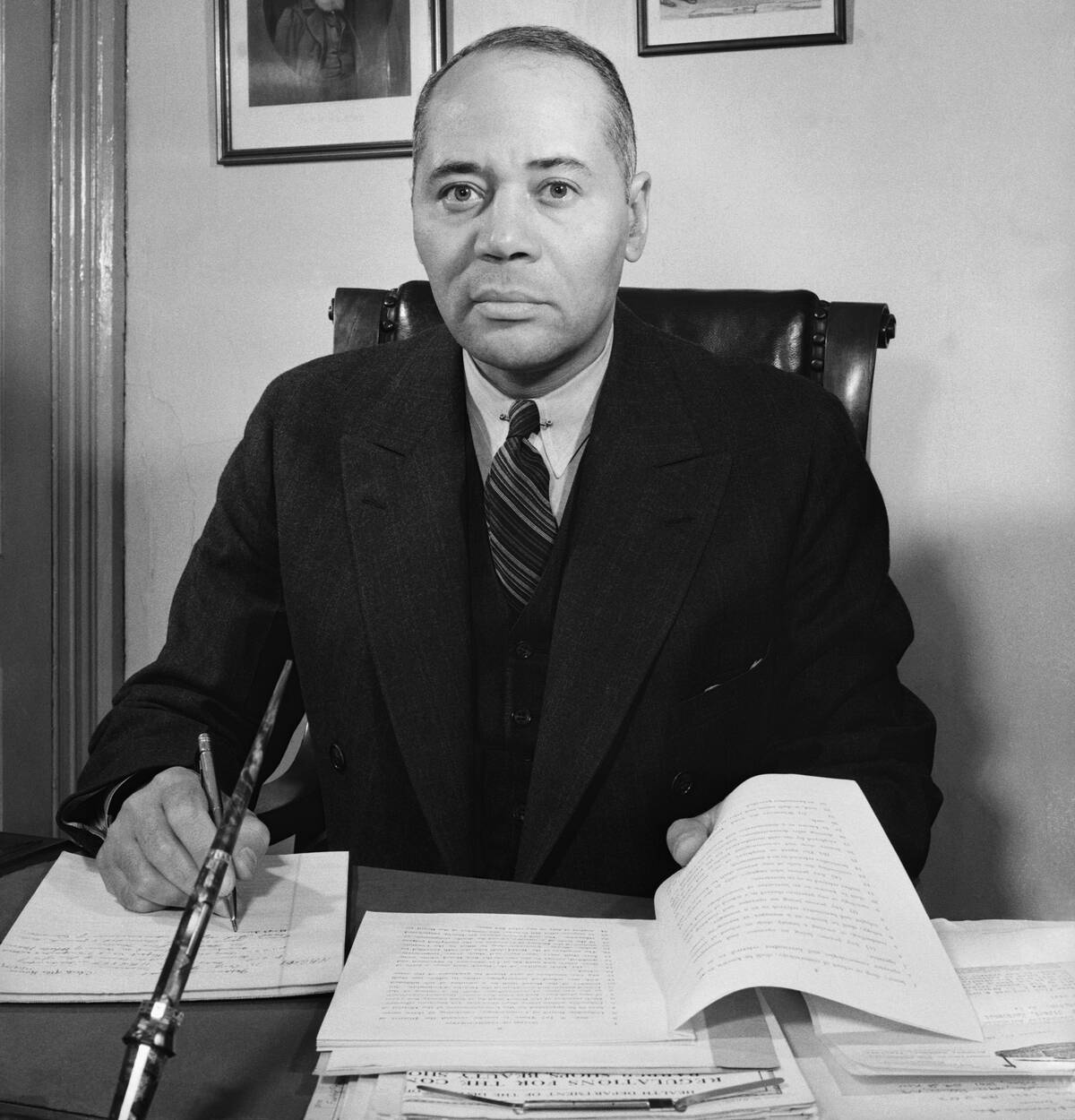
Thurgood Marshall’s name is synonymous with the fight for civil rights, but Charles Hamilton Houston, known as ‘The Man Who Killed Jim Crow,’ laid the groundwork.
Houston, a brilliant legal strategist, trained a generation of lawyers, including Marshall, and crafted the legal framework that led to the landmark Brown v. Board of Education case. His relentless pursuit of justice paved the way for desegregation in the United States.
The Quiet Pioneer: The Engineer Who Revolutionized Transportation
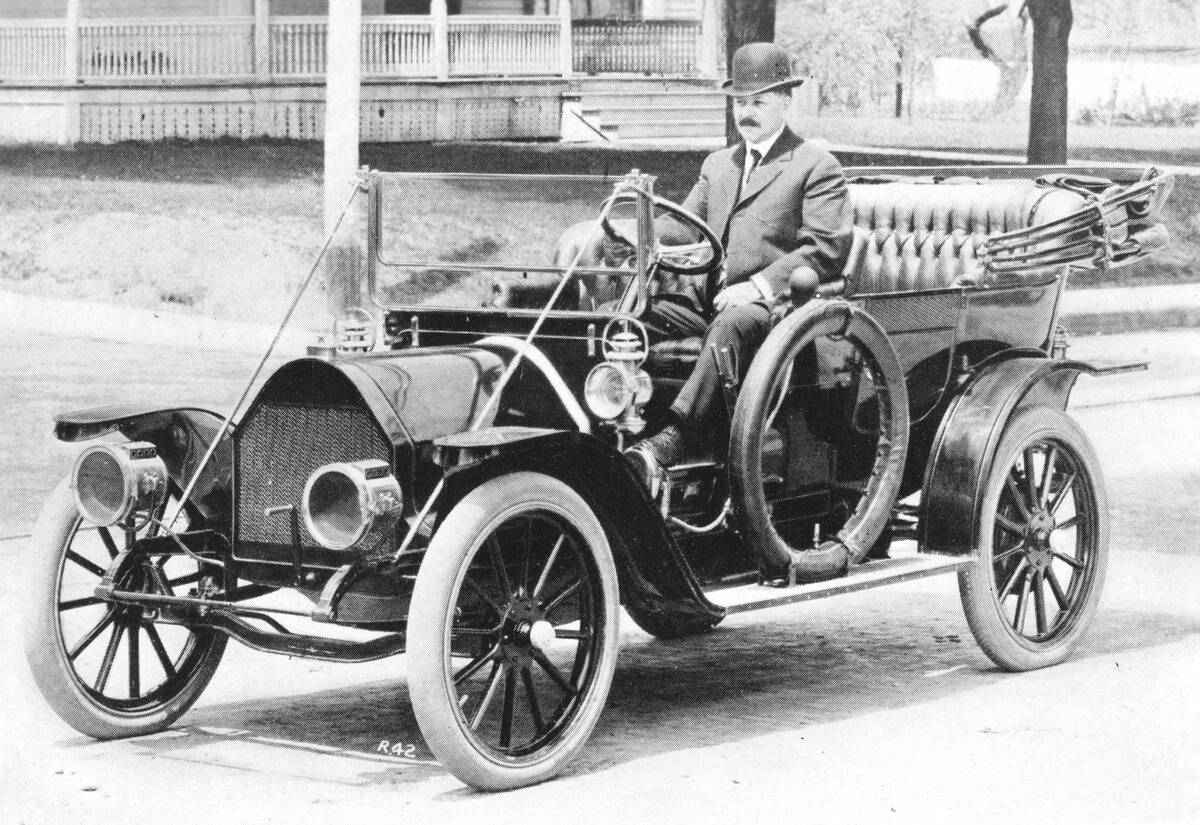
While Henry Ford is often credited with revolutionizing transportation, it was engineer Ransom E. Olds who first developed the stationary assembly technique, eventually leading to the assembly line in the automotive industry.
Olds’ method drastically reduced production time and costs, making cars more accessible to the general public. His pioneering work set the stage for mass production and the automobile boom that followed, reshaping transportation worldwide.
The Invisible Hand: The Economist Who Shaped Modern Economies
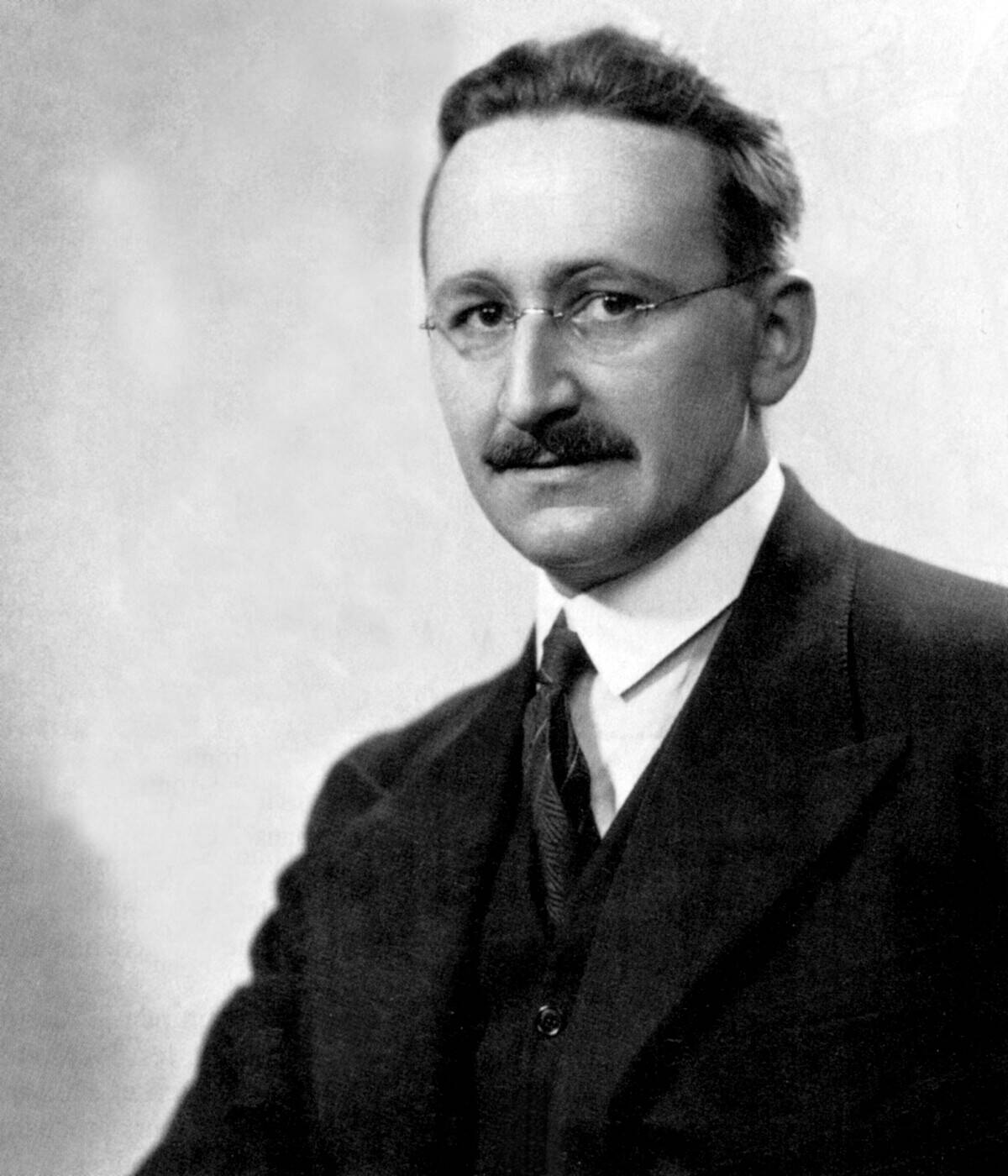
John Maynard Keynes is a household name in economics, but Friedrich Hayek’s influence is just as significant. Hayek’s defense of free-market capitalism and critique of central planning helped shape economic policies worldwide.
His warning against government overreach and emphasis on individual freedom have left a lasting legacy in economic thought, influencing policymakers and economists to this day.




