Accidental inventions that became household staples
Household staples often seem like they were born from careful planning and deliberate invention. However, behind many of the everyday items we rely on today are stories of happy accidents and serendipitous discoveries.
From kitchen gadgets to beloved snacks, these products have surprising origins that underscore the unpredictable nature of innovation. Let’s dive into the fascinating tales behind some of the most iconic inventions that have made their way into our homes.
The Serendipitous Discovery of the Microwave Oven
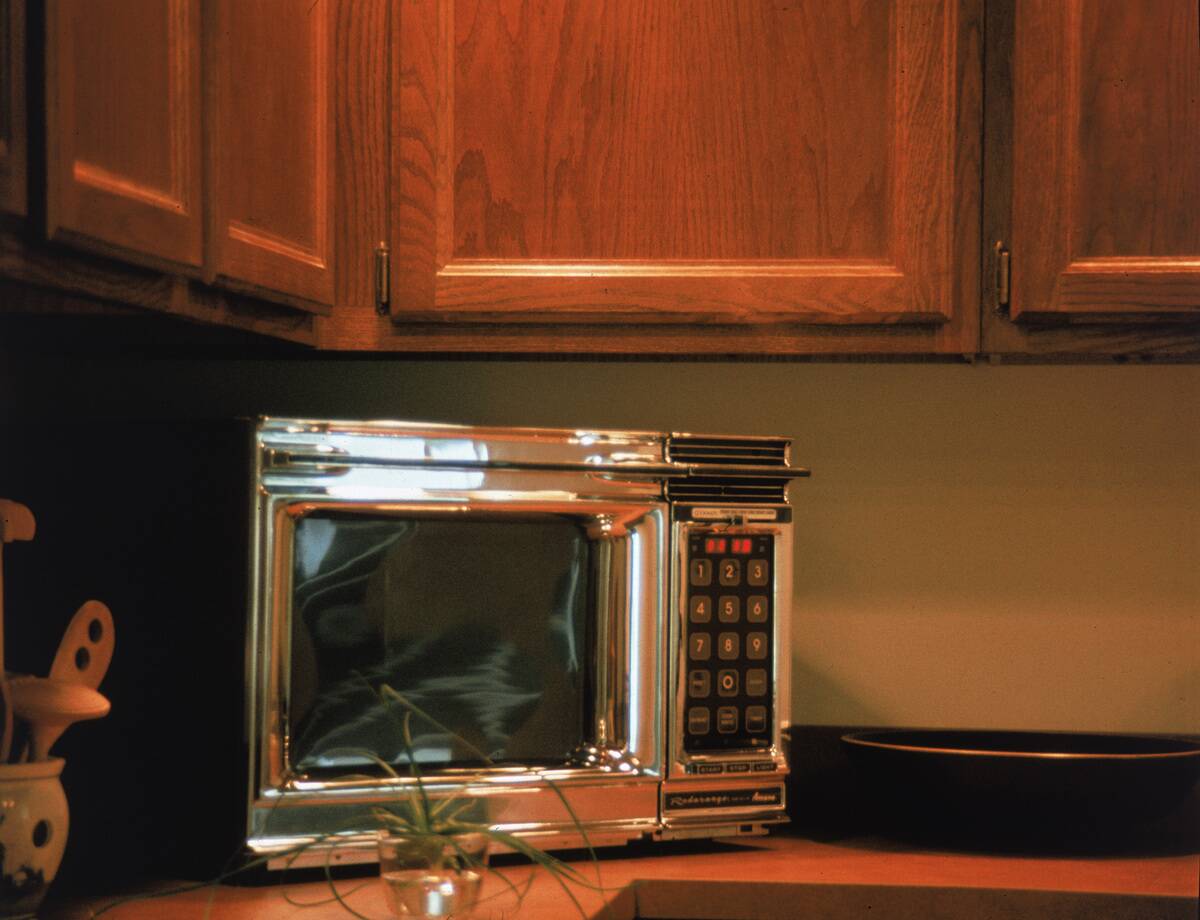
The microwave oven, a staple of modern kitchens, was discovered quite by accident. In 1945, Percy Spencer, an engineer at Raytheon, noticed a chocolate bar melting in his pocket while working with radar technology.
Intrigued, he experimented with popcorn and an egg, both of which reacted to microwaves in surprising ways. This led to the development of the first microwave oven, called the ‘Radarange,’ forever changing the way we cook and reheat food.
Bubble Wrap: From Protective Padding to Pop Culture Phenomenon
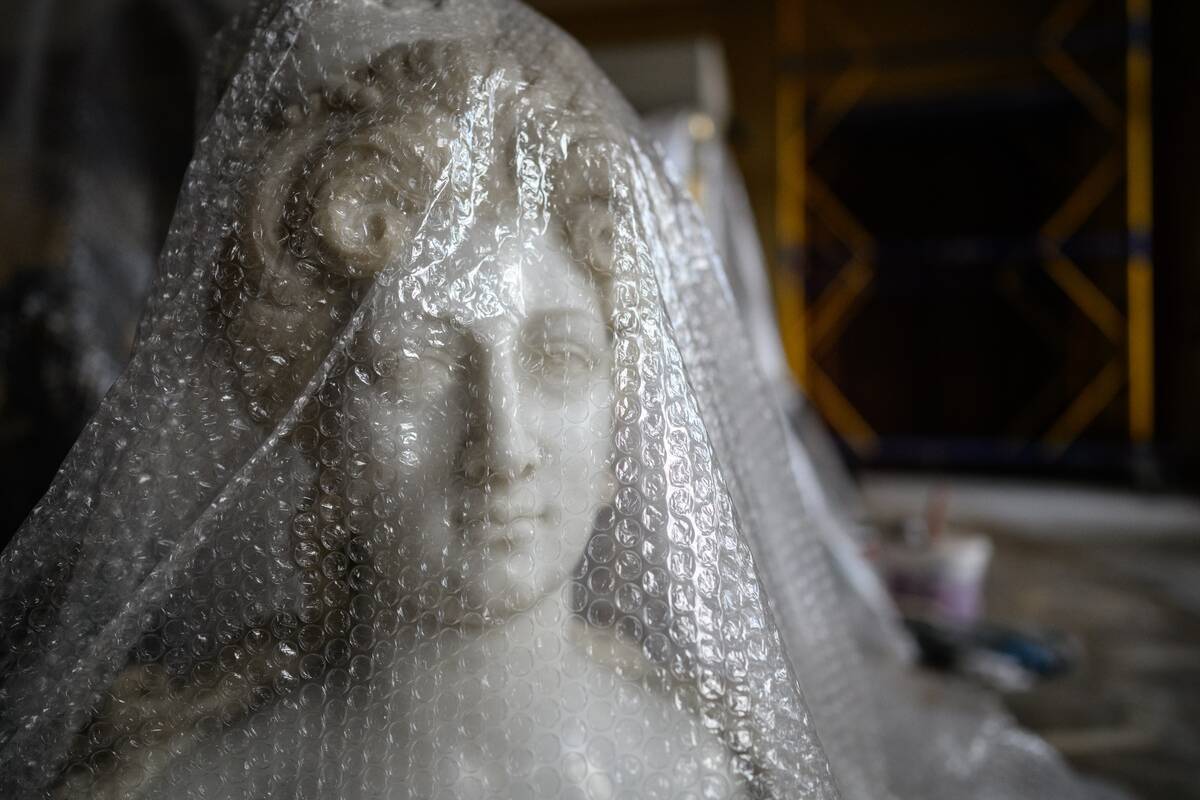
Bubble wrap was initially conceived as wallpaper by engineers Alfred Fielding and Marc Chavannes in 1957. The idea didn’t quite take off, but they soon discovered its potential as a packing material when IBM needed a way to safely ship its computers.
Bubble wrap became a go-to for protective packaging, but its irresistible popping sound has also made it a quirky pop culture icon, with people finding joy in popping the bubbles for stress relief.
The Sweet Mistake: How Chocolate Chip Cookies Were Born
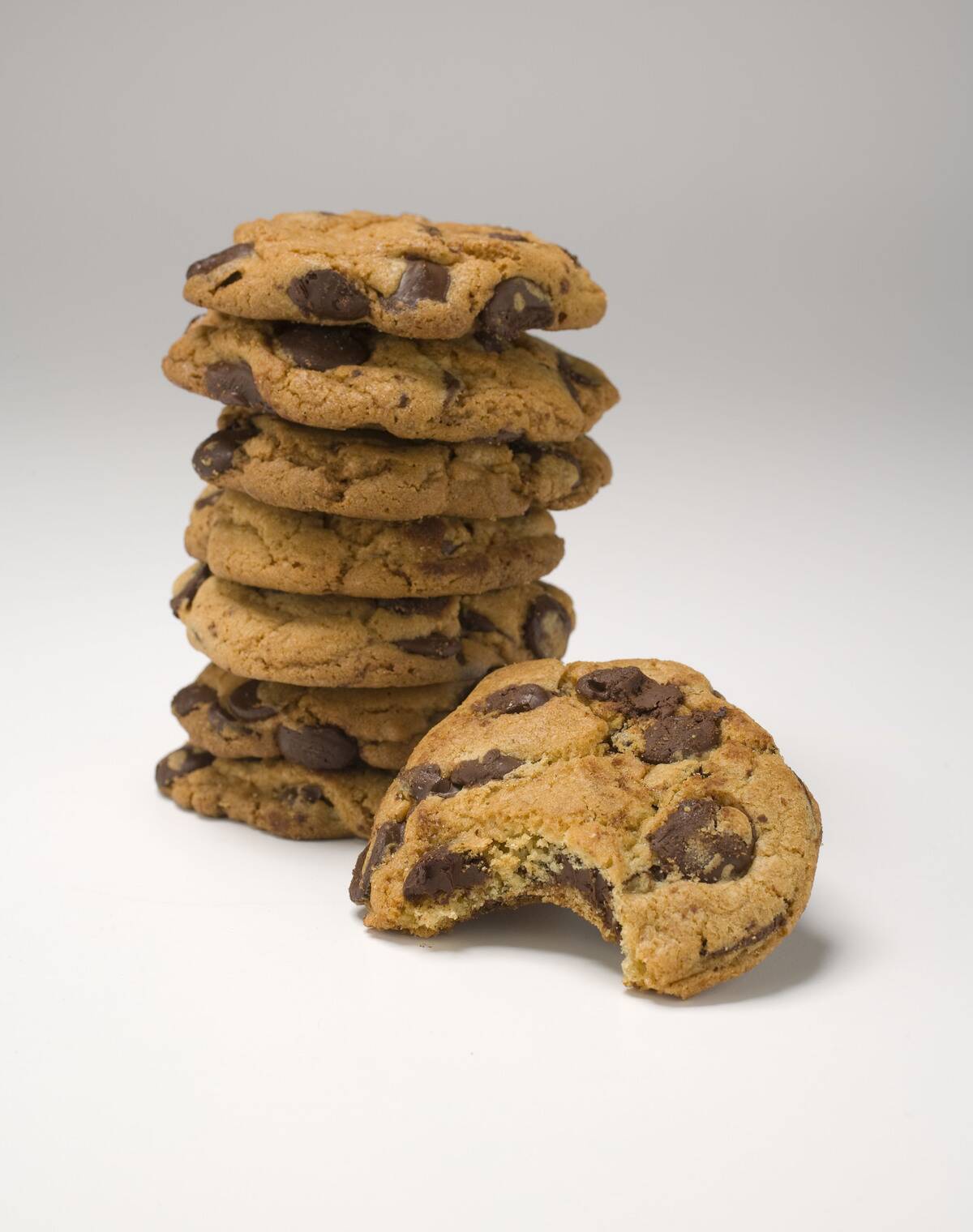
Chocolate chip cookies, a beloved treat, were born from a baking mishap. In the 1930s, Ruth Wakefield, owner of the Toll House Inn, attempted to make chocolate cookies but ran out of baker’s chocolate.
She substituted broken pieces of a Nestlé semi-sweet chocolate bar, expecting them to melt. Instead, the chunks held their shape, creating the first batch of chocolate chip cookies. The recipe’s popularity soared, leading to an agreement with Nestlé to include it on their packaging.
Teflon: The Accidental Cookware Revolution
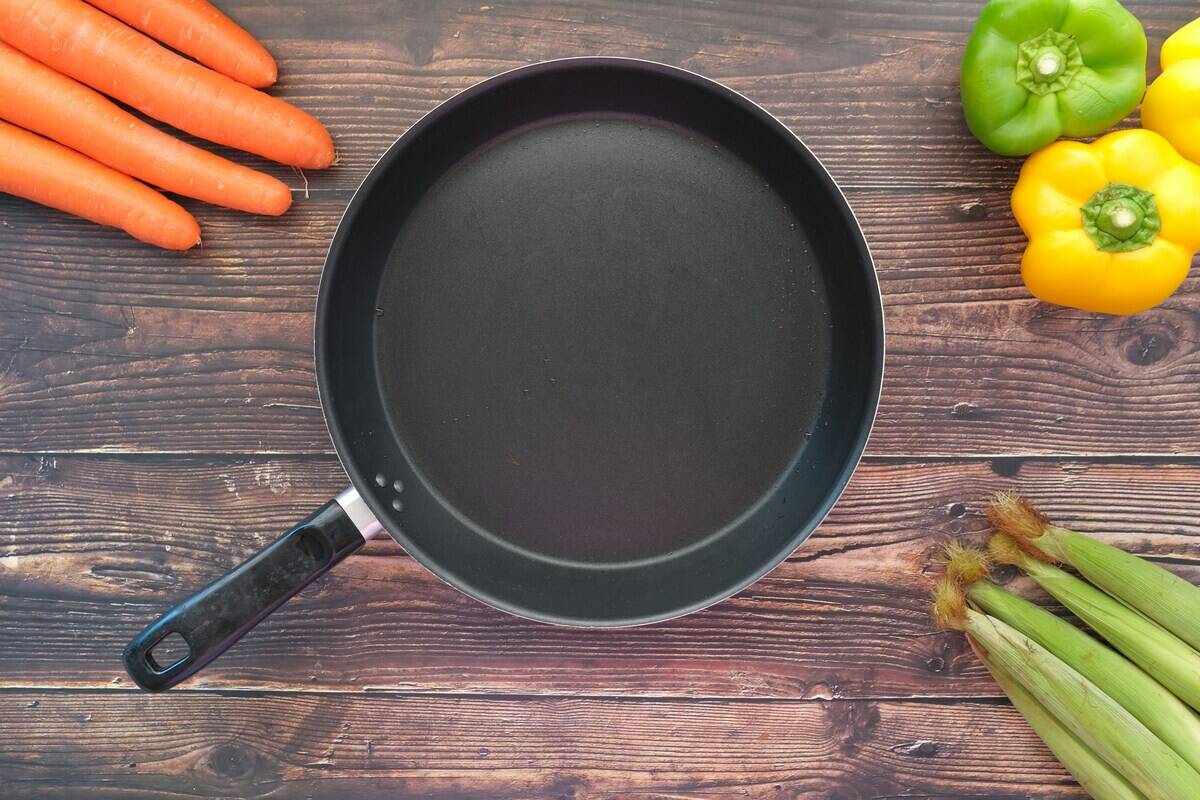
Teflon’s discovery in 1938 was a happy accident by chemist Roy Plunkett. While working for DuPont, Plunkett was experimenting with refrigerants when he found a white, waxy substance in a gas cylinder.
It turned out to be polytetrafluoroethylene (PTFE), which had remarkable non-stick properties. Teflon’s application in cookware began in the 1950s and revolutionized kitchenware, offering a non-stick surface that made cooking and cleaning significantly easier.
Velcro: From Space Exploration to Everyday Fastening
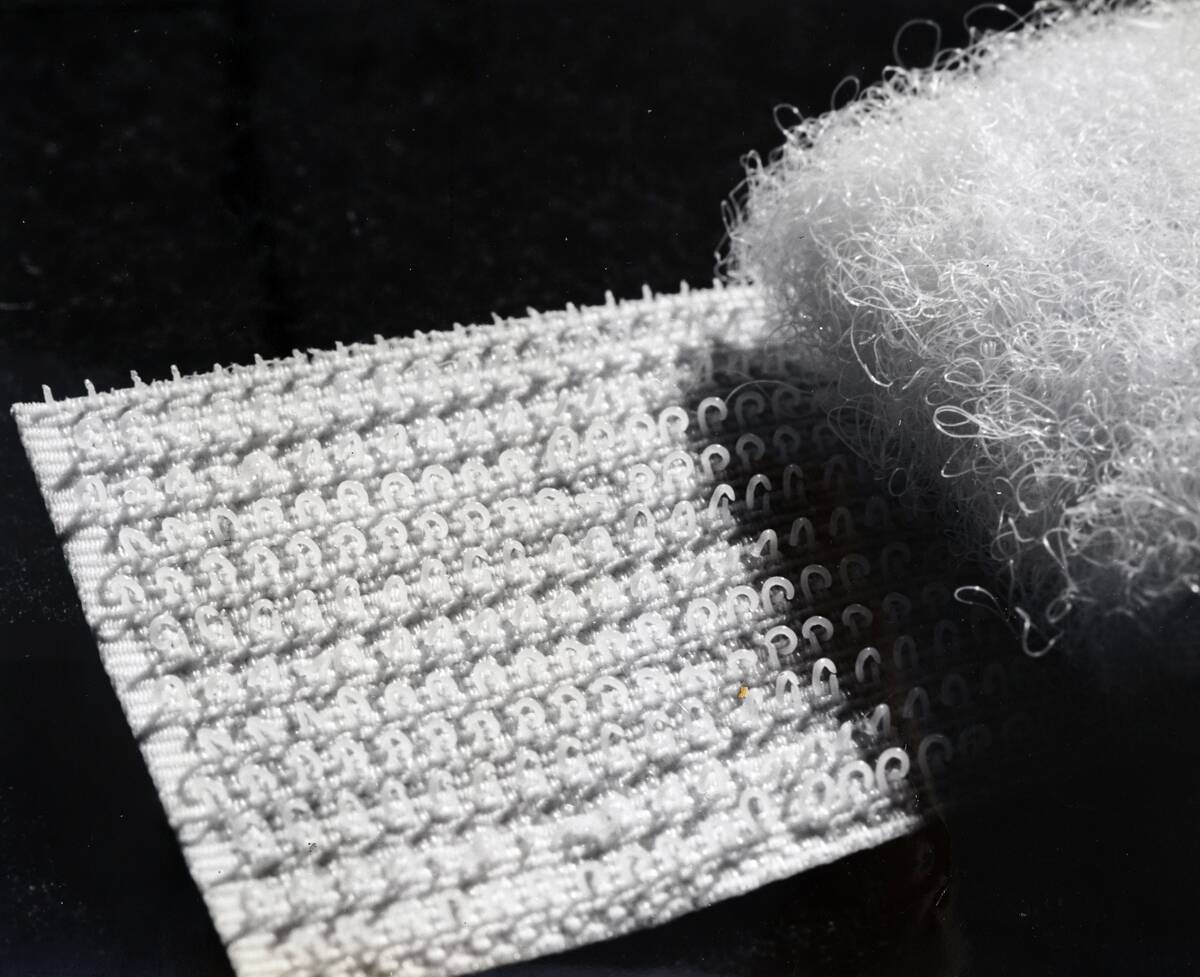
Velcro, the ubiquitous hook-and-loop fastener, was inspired by nature. In 1941, Swiss engineer George de Mestral went for a walk and noticed how burrs clung to his dog’s fur.
Under a microscope, he observed the tiny hooks in the burrs that allowed them to attach to fibers. This observation led to the development of Velcro, which has since been used in a variety of applications, from space suits for astronauts to children’s shoes.
The Colorful Creation of Post-it Notes

Post-it Notes, the colorful sticky pads we use to jot down reminders, owe their existence to a failed adhesive. In 1968, Dr. Spencer Silver, a scientist at 3M, was attempting to create a super-strong adhesive but ended up with a low-tack one instead.
It wasn’t until 1974 that his colleague, Art Fry, realized its potential for bookmarking his hymnal without damaging the pages. The resulting sticky notes became a global phenomenon, beloved for their versatility.
Safety Glass: A Shattered Experiment Gone Right
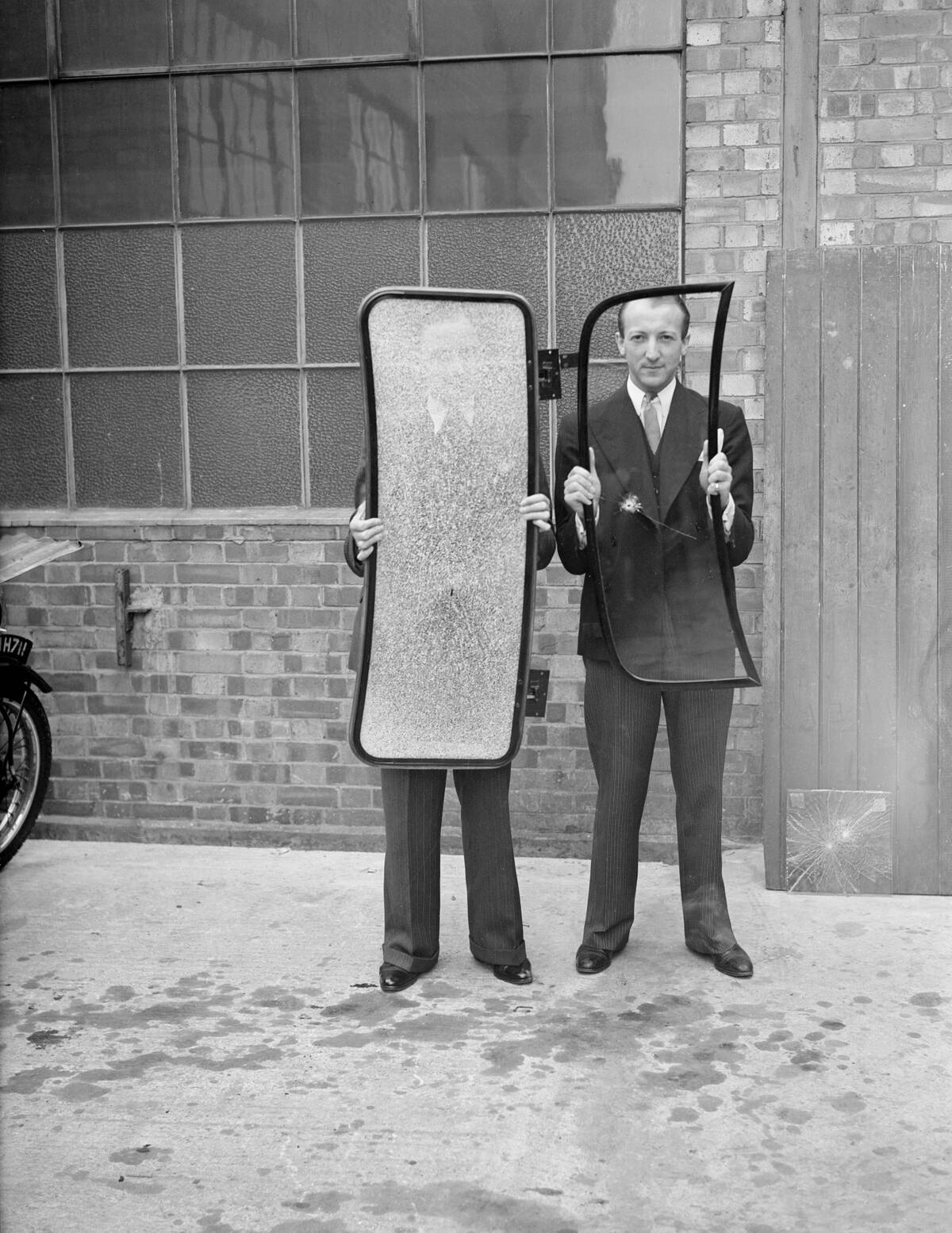
Safety glass was another unintended invention, discovered in 1903 by French chemist Édouard Bénédictus. After accidentally knocking a glass flask coated with plastic cellulose, he noticed it shattered but didn’t break apart.
Realizing the potential for safer glass, Bénédictus developed a laminated glass that was later used in car windshields and other applications where reducing the risk of injury from broken glass is crucial.
The Unexpected Origins of the Slinky Toy
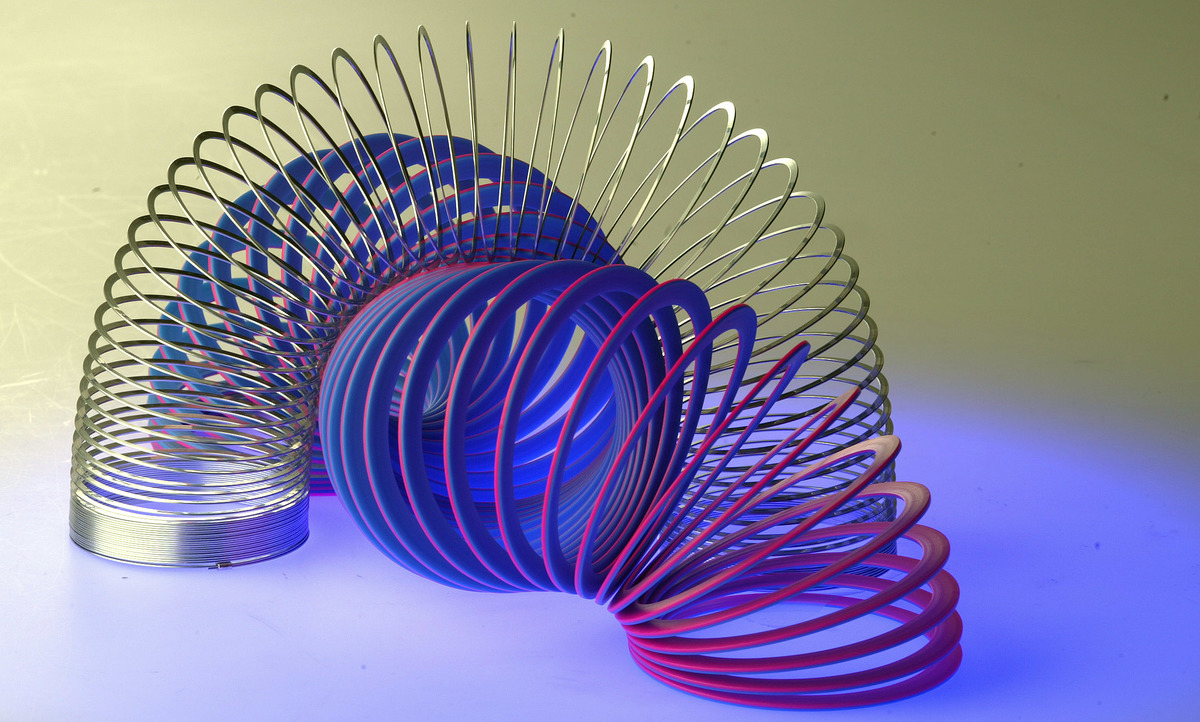
The Slinky toy, famous for its ability to walk down stairs, was invented by Richard James, a naval engineer. In 1943, James was developing springs to stabilize sensitive instruments on ships when one of the springs fell and kept bouncing around.
This sparked the idea for a toy. With the help of his wife, Betty, the Slinky was introduced to the public in 1945, quickly becoming a beloved children’s toy and a staple of American playtime.
Penicillin: The Accidental Medical Marvel
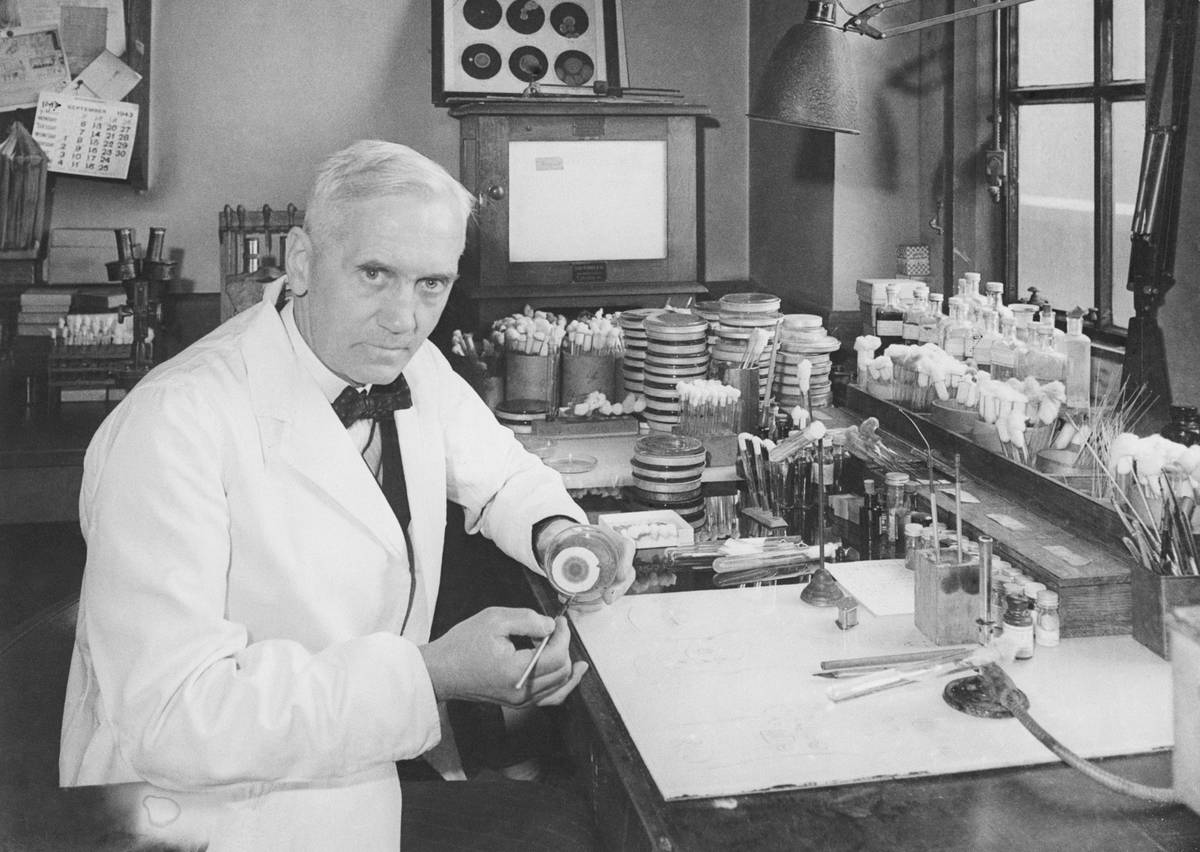
Penicillin, the groundbreaking antibiotic, was discovered by chance in 1928 by Alexander Fleming. After returning from a vacation, Fleming noticed that a mold called Penicillium notatum had contaminated a petri dish of Staphylococcus bacteria and killed the bacteria around it.
Realizing its potential, further development led to penicillin becoming a life-saving drug, revolutionizing medicine and significantly reducing deaths from bacterial infections.
The Serendipity Behind the Invention of the Popsicle
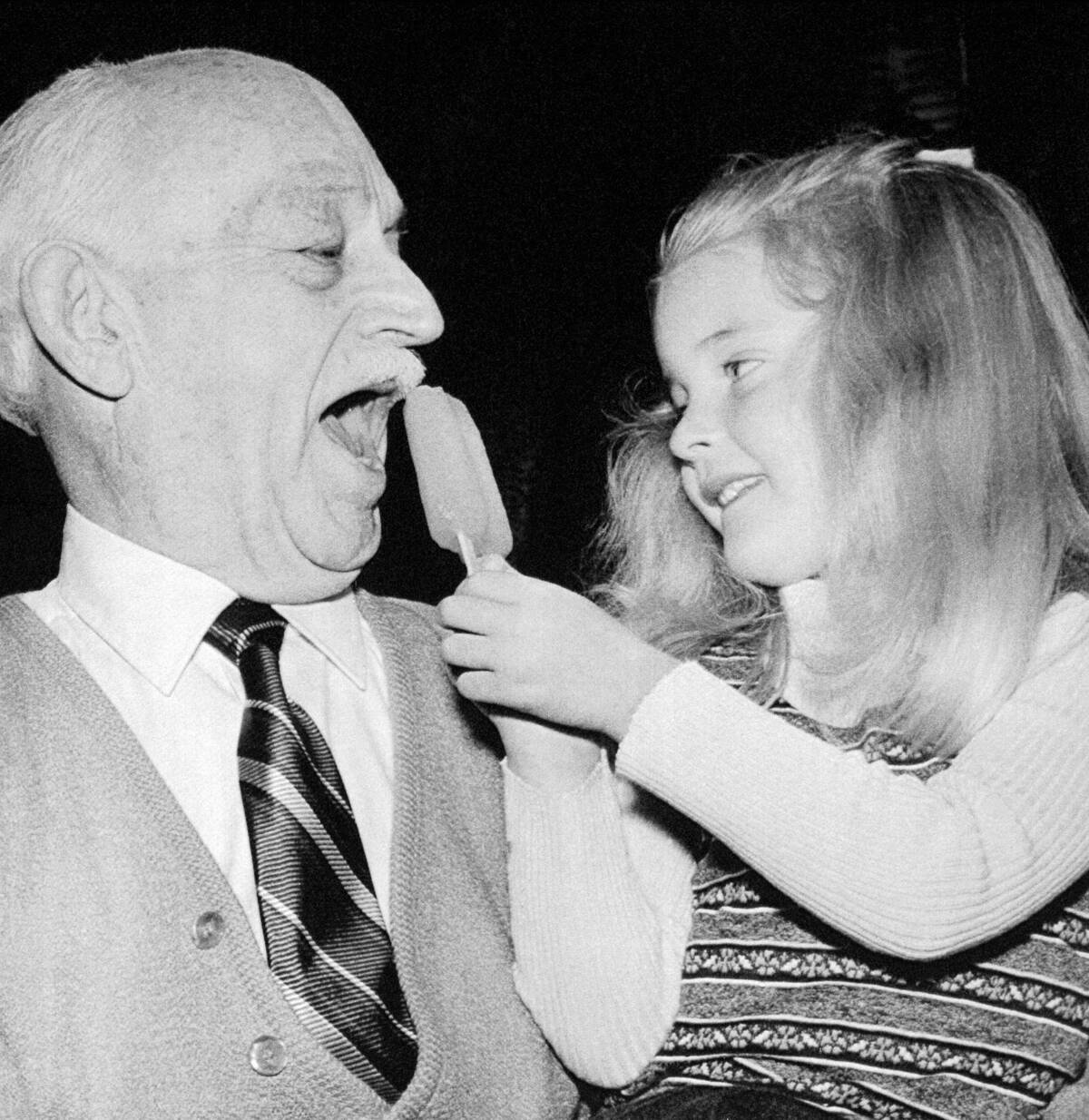
The Popsicle, a favorite frozen treat, originated from an accidental invention by 11-year-old Frank Epperson in 1905. Epperson left a cup of powdered soda and water with a stirring stick on his porch, and overnight temperatures caused it to freeze.
The next morning, he discovered a delicious frozen pop. Originally called the ‘Epsicle,’ it was rebranded as the ‘Popsicle’ in 1923, and it quickly became a popular summertime snack enjoyed by people of all ages.
The Happy Accident of Potato Chips
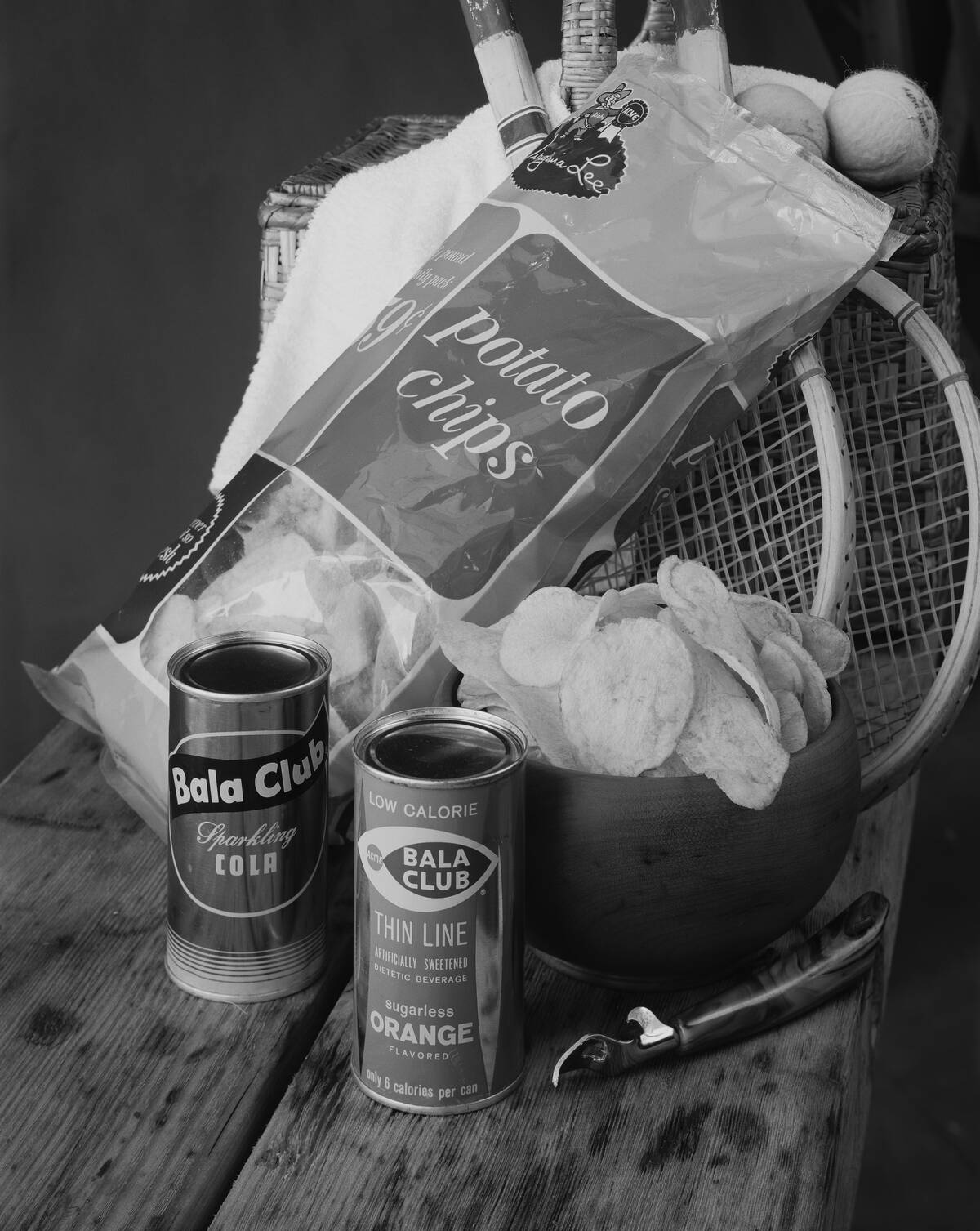
Potato chips, a global snack staple, are commonly attributed to an 1853 incident involving chef George Crum. Annoyed by a customer who repeatedly sent back his fried potatoes for being too thick and soggy, Crum sliced them as thin as possible, fried them until crispy, and added extra salt.
Surprisingly, the customer loved them, and the ‘Saratoga Chips’ soon became a hit. Their popularity spread beyond the restaurant, leading to the mass production of potato chips we know today.
Super Glue: A Sticky Situation Turned Handy Solution
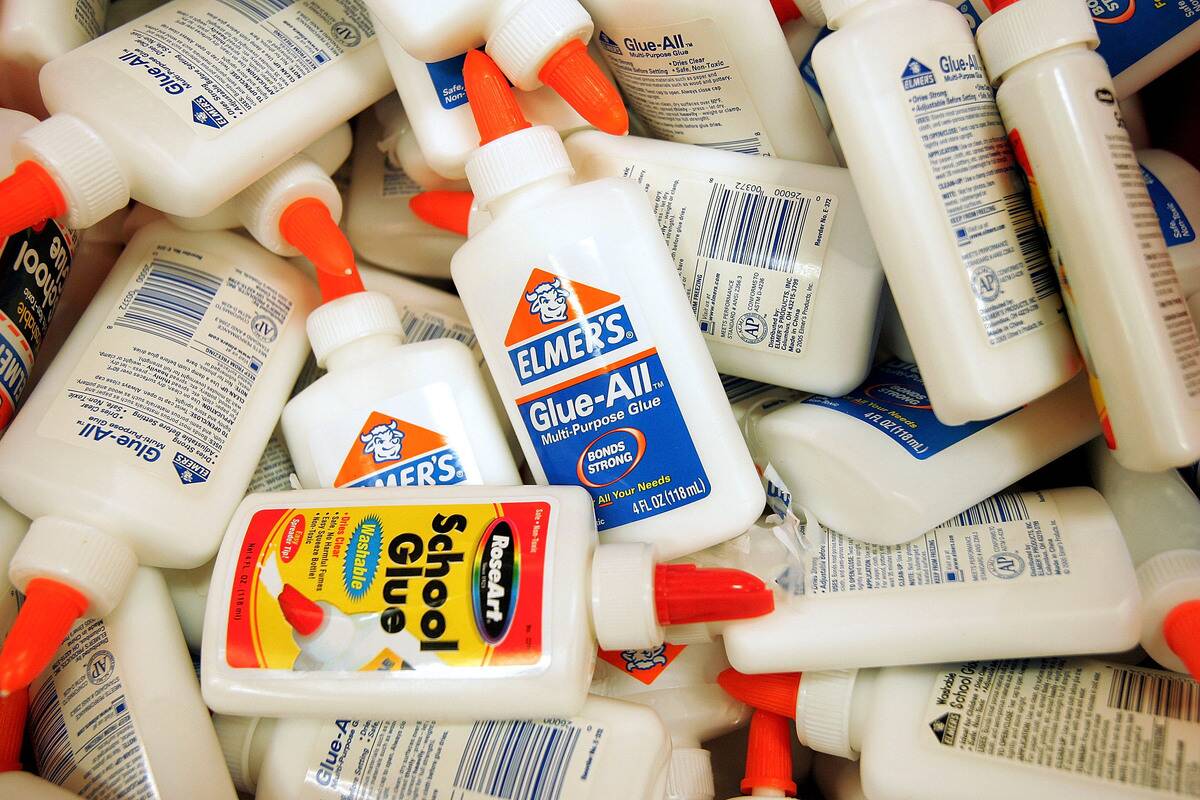
Super Glue, known for its incredibly strong bonding power, was discovered by accident during World War II. Dr. Harry Coover was working on developing clear plastic gun sights when he synthesized cyanoacrylate.
Initially dismissed for being too sticky, it was later realized that this compound had remarkable adhesive properties. In 1958, it was marketed as Super Glue, becoming an essential household item for quick repairs and bonding needs across various materials.
The Accidental Birth of Coca-Cola
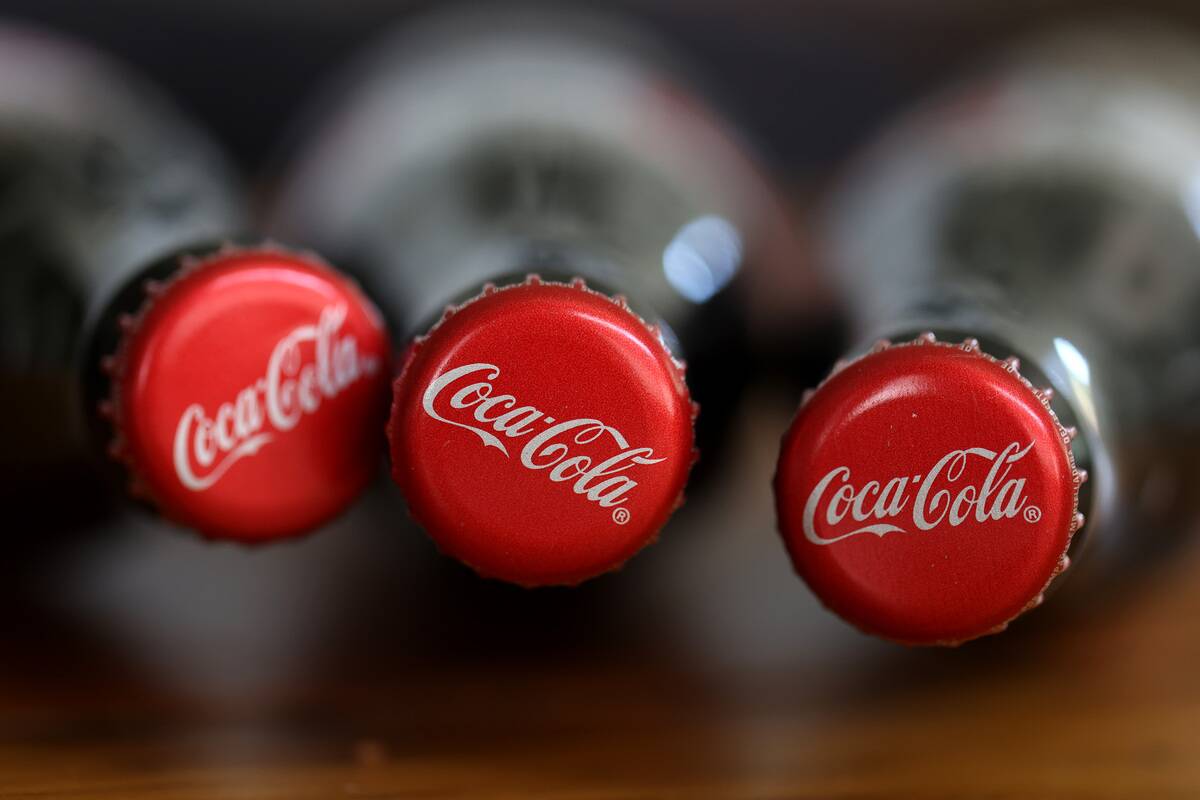
Coca-Cola, one of the world’s most popular beverages, was originally created as a medicinal tonic. In 1886, pharmacist John Stith Pemberton formulated a syrup intended to cure ailments like headaches and fatigue.
When mixed with carbonated water at a pharmacy soda fountain, it became an unexpectedly delightful drink. Initially sold for five cents a glass, Coca-Cola’s unique flavor quickly gained popularity, evolving into the iconic soft drink brand enjoyed by millions today.
The Surprising Origins of the Frisbee

The Frisbee, a staple of outdoor fun, traces its roots back to pie tins. In the early 20th century, college students began tossing around empty pie tins from the Frisbie Pie Company for entertainment.
This pastime inspired Walter Morrison to create a plastic version in 1948, which was later called the ‘Pluto Platter.’ The Wham-O toy company later rebranded it as the Frisbee, and it became a global sensation, celebrated for its simple yet engaging design.
The Chance Invention of the Pacemaker
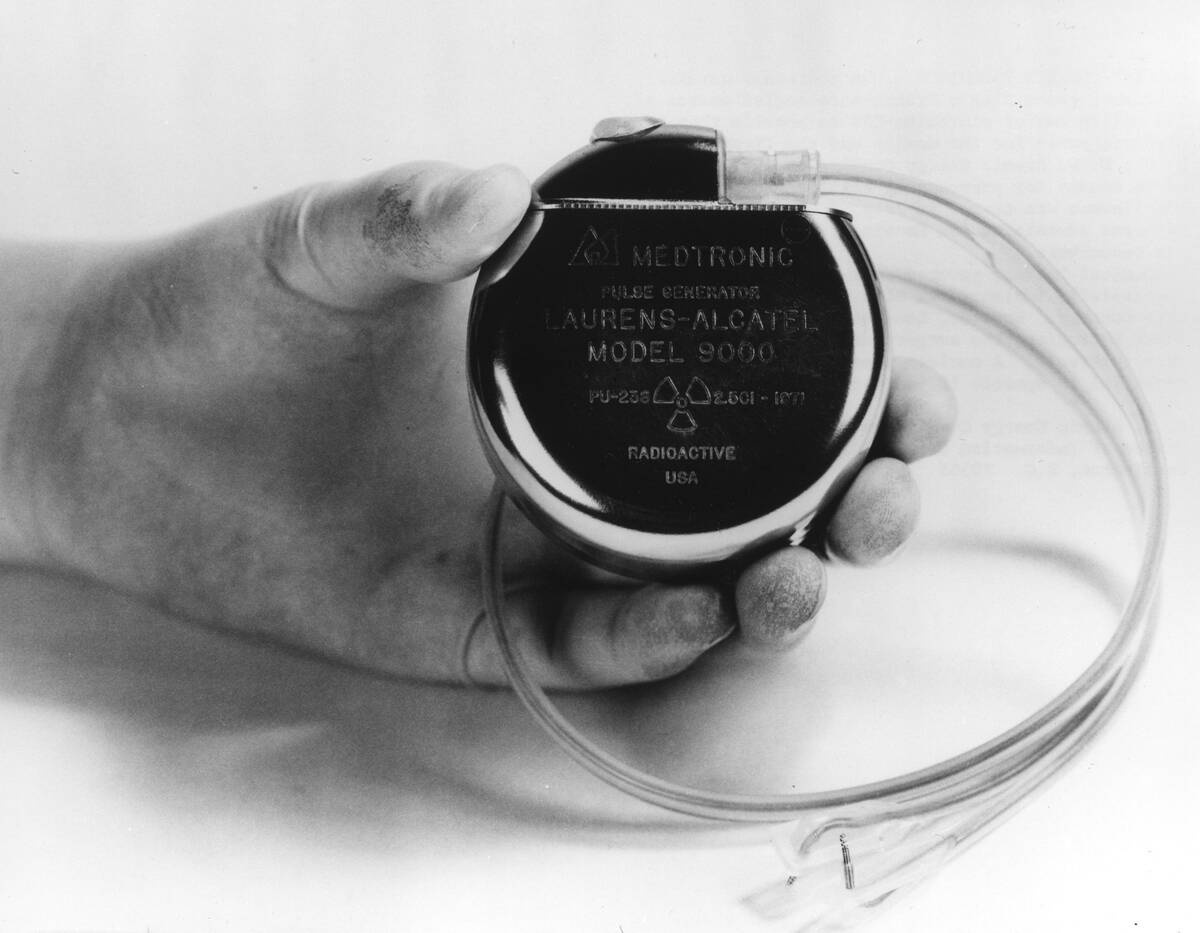
The pacemaker, a life-saving medical device, was invented by accident in 1956 by engineer Wilson Greatbatch. While working on a heart rhythm recording device, Greatbatch mistakenly inserted the wrong resistor, which emitted electrical pulses.
Realizing this could regulate heartbeats, he refined the design, leading to the development of the first implantable pacemaker. This device has since saved countless lives by helping to maintain regular heart rhythms in patients with cardiac issues.
The Duct Tape Phenomenon: From War to Wardrobe
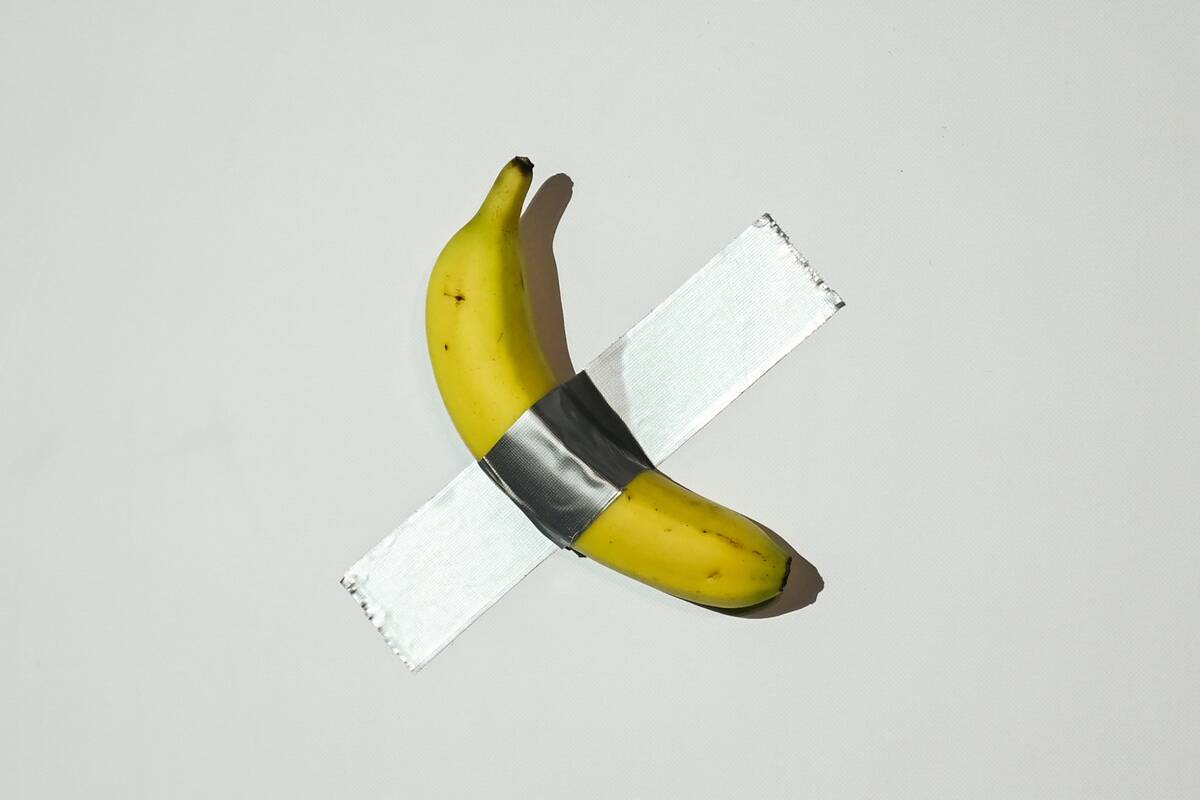
Duct tape, the versatile adhesive tape we all know, was born out of necessity during World War II. Vesta Stoudt, a factory worker and mother of two Navy sailors, proposed a waterproof, cloth-backed tape to seal ammunition boxes, making them easier to open.
Her idea was approved, and duct tape was born. Its uses have since expanded beyond military applications, finding a place in households and even fashion, known for its durability and adaptability.
The Accidental Discovery of LSD and Its Cultural Impact
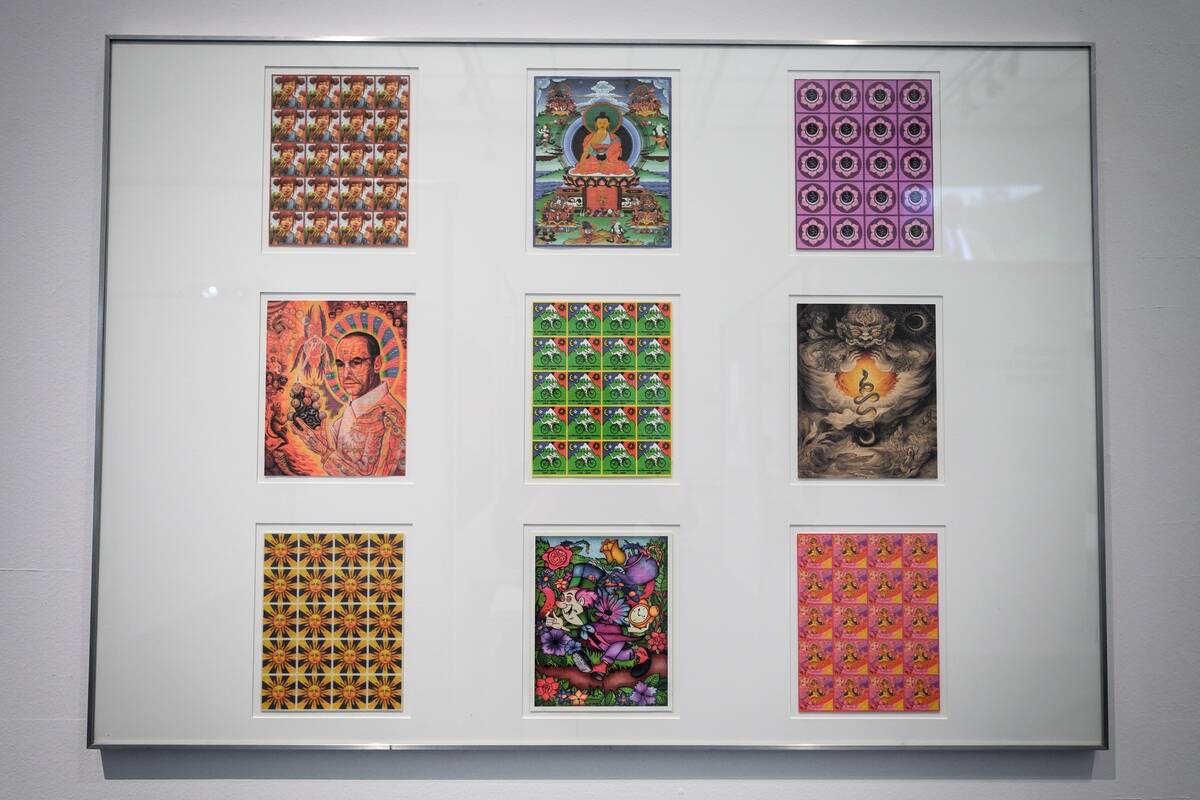
LSD, a powerful psychedelic drug, was discovered by accident in 1938 by Swiss chemist Albert Hofmann. While researching ergot derivatives for medicinal use, Hofmann created lysergic acid diethylamide (LSD-25).
It wasn’t until 1943 that he accidentally ingested a small amount, experiencing its profound effects. LSD played a significant role in the counterculture movement of the 1960s, influencing music, art, and societal attitudes, and remains a topic of interest in discussions on consciousness and therapeutic potential.