15 Photos of overlooked moments that changed history
Sometimes, it’s the small moments that leave the biggest marks on history. These are the instances when a simple act, a casual observation, or an unexpected turn of events changes everything.
We often overlook these moments as they happen, only to recognize their significance in hindsight. They remind us that history isn’t just written in grand gestures and epic battles but also in the quiet, seemingly mundane moments of everyday life.
The Apple That Inspired Newton: A Gravity-Defying Insight
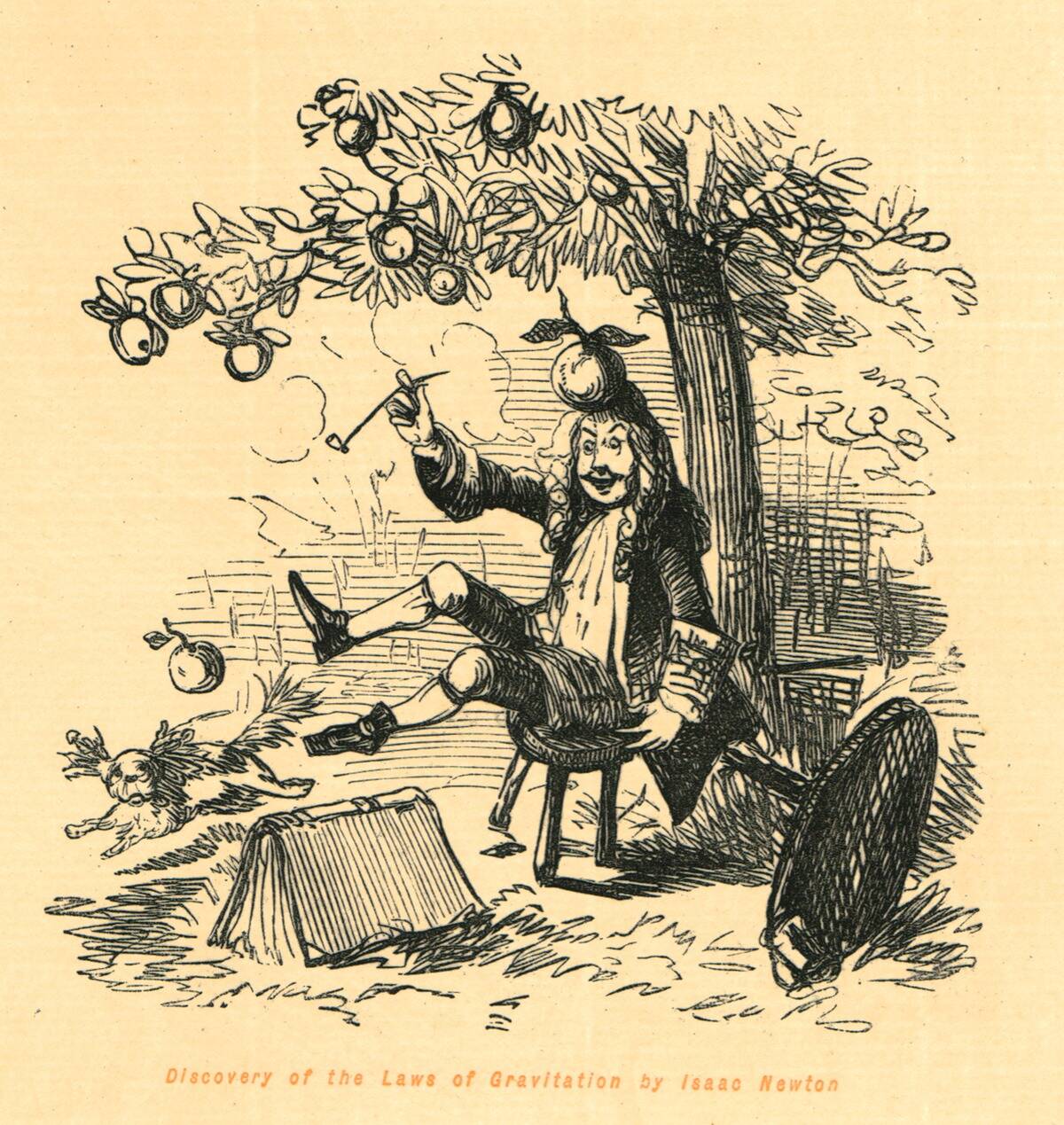
Legend has it that a humble apple falling from a tree led Sir Isaac Newton to formulate the law of universal gravitation. While the story’s authenticity remains debated, the incident symbolizes a moment of profound insight.
Newton’s contemplation of the forces at work behind the apple’s fall led to revolutionary ideas about the natural world. This anecdote illustrates how curiosity and observation can lead to groundbreaking scientific discoveries.
The Archduke’s Lunch: A Bite That Changed the World
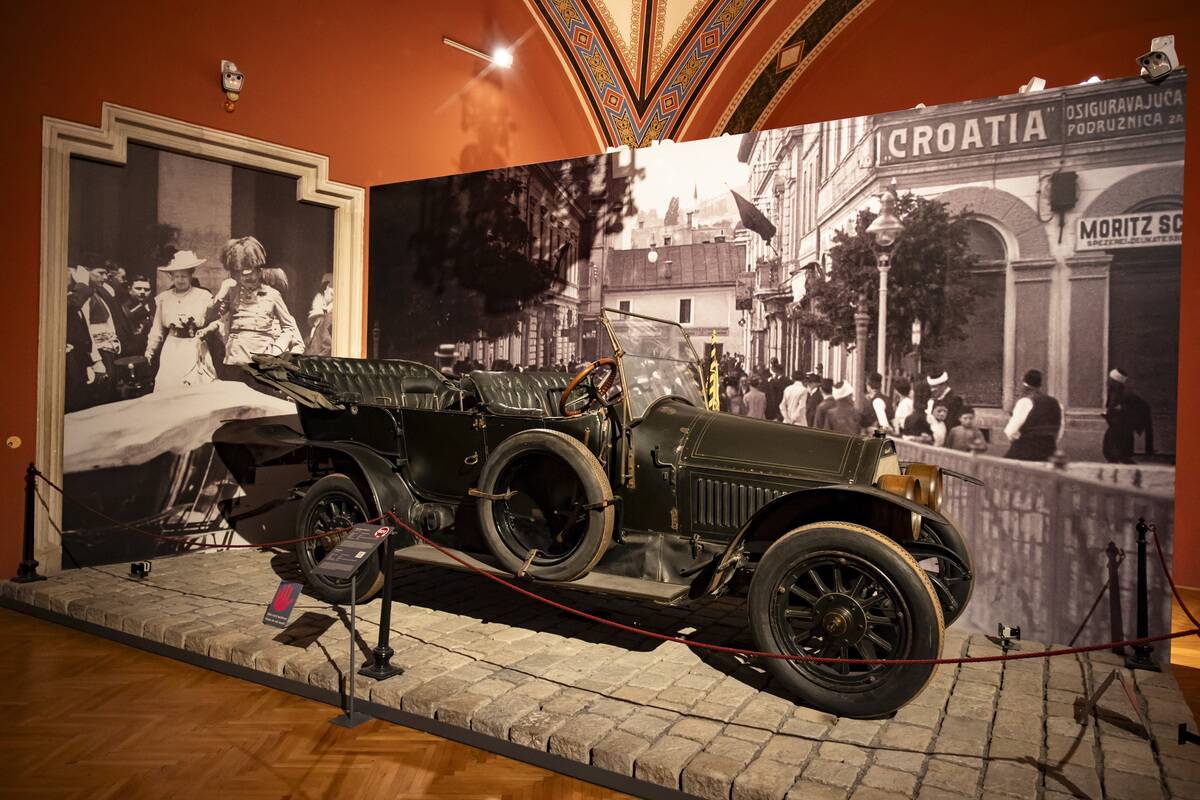
The assassination of Archduke Franz Ferdinand of Austria is often cited as the spark that ignited World War I. Interestingly, his fateful lunch break played a crucial role.
After a failed assassination attempt earlier that day, the Archduke’s driver took a wrong turn, leading them directly to Gavrilo Princip, who seized the opportunity. This chance encounter at lunchtime set off a chain reaction that plunged the world into war.
Einstein’s Daydream: Relativity Born from a Tram Ride
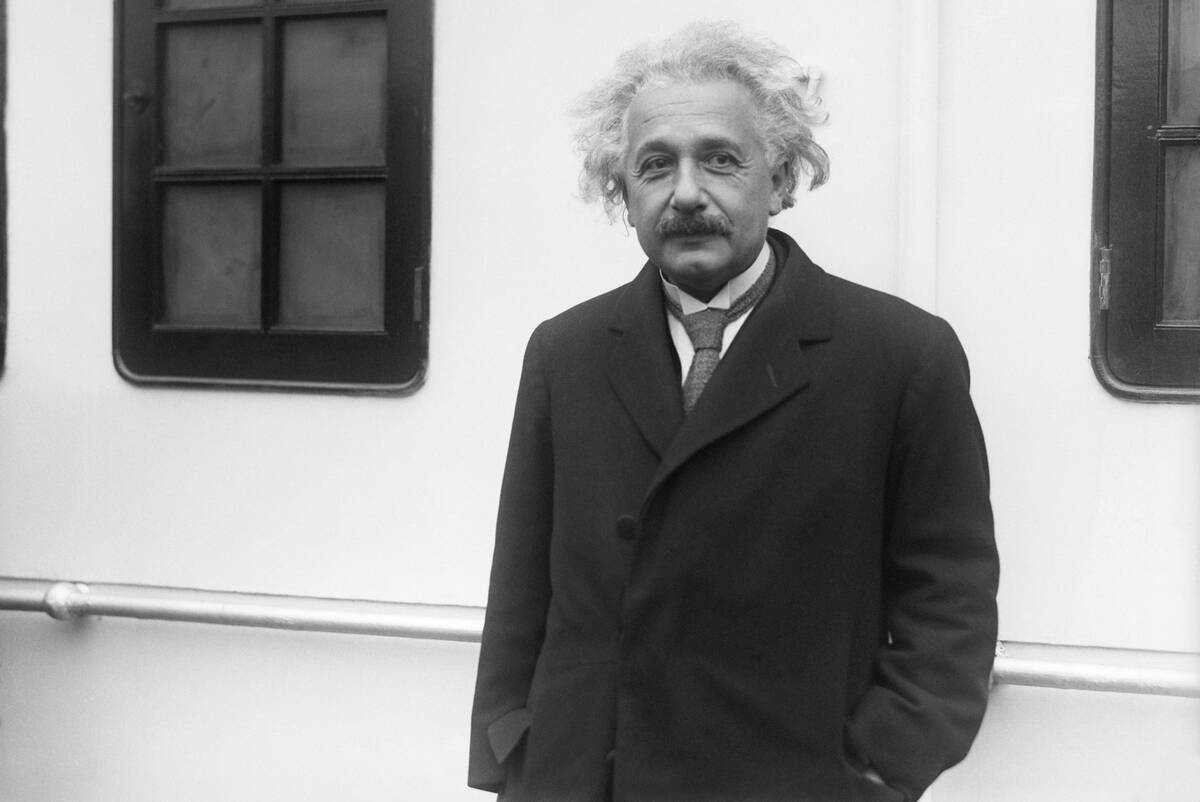
Albert Einstein’s theory of relativity was partly inspired during a tram ride in Bern, Switzerland. As he gazed at the clock tower, he imagined what would happen if the tram moved at the speed of light.
This daydream laid the groundwork for his later theories that revolutionized physics. It’s a testament to how everyday experiences, coupled with a curious mind, can lead to extraordinary scientific advancements.
The Butterfly Effect: A Tornado’s Humble Beginnings

The concept of the butterfly effect suggests that small actions can have large, far-reaching impacts. Coined by meteorologist Edward Lorenz, it illustrates how minor changes in initial conditions can lead to vastly different outcomes.
Lorenz discovered this while studying weather patterns, realizing that tiny variations in data could produce dramatically different forecasts. This idea has since transcended meteorology, symbolizing the unpredictable nature of complex systems.
A Missed Turn: Columbus Stumbles Upon the New World
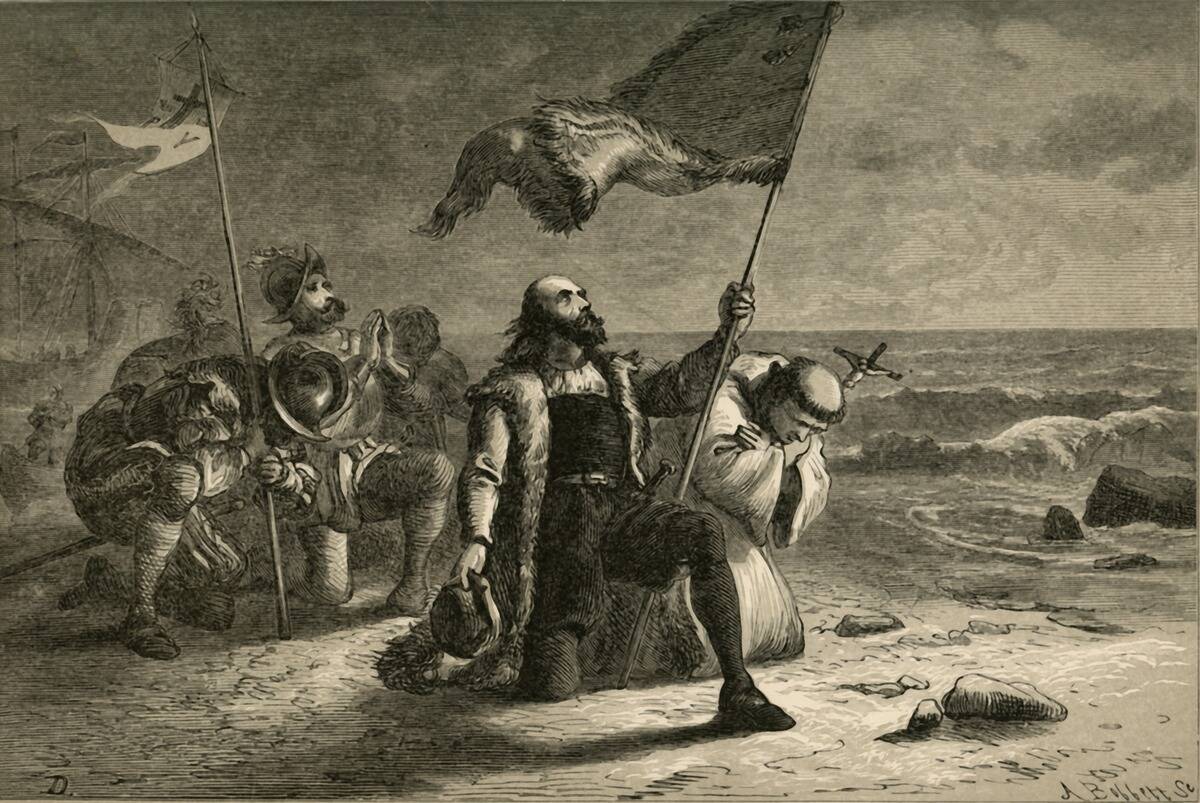
Christopher Columbus set sail in 1492, aiming to find a westward route to Asia. However, a navigational miscalculation led him to the shores of the Americas instead.
Although he believed he’d reached the East Indies, Columbus’ error opened the door to European exploration and colonization of the New World. This unintentional discovery reshaped global history, bringing about cultural exchanges and significant geopolitical shifts.
Martin Luther’s Nail: A Simple Theses with Profound Impact
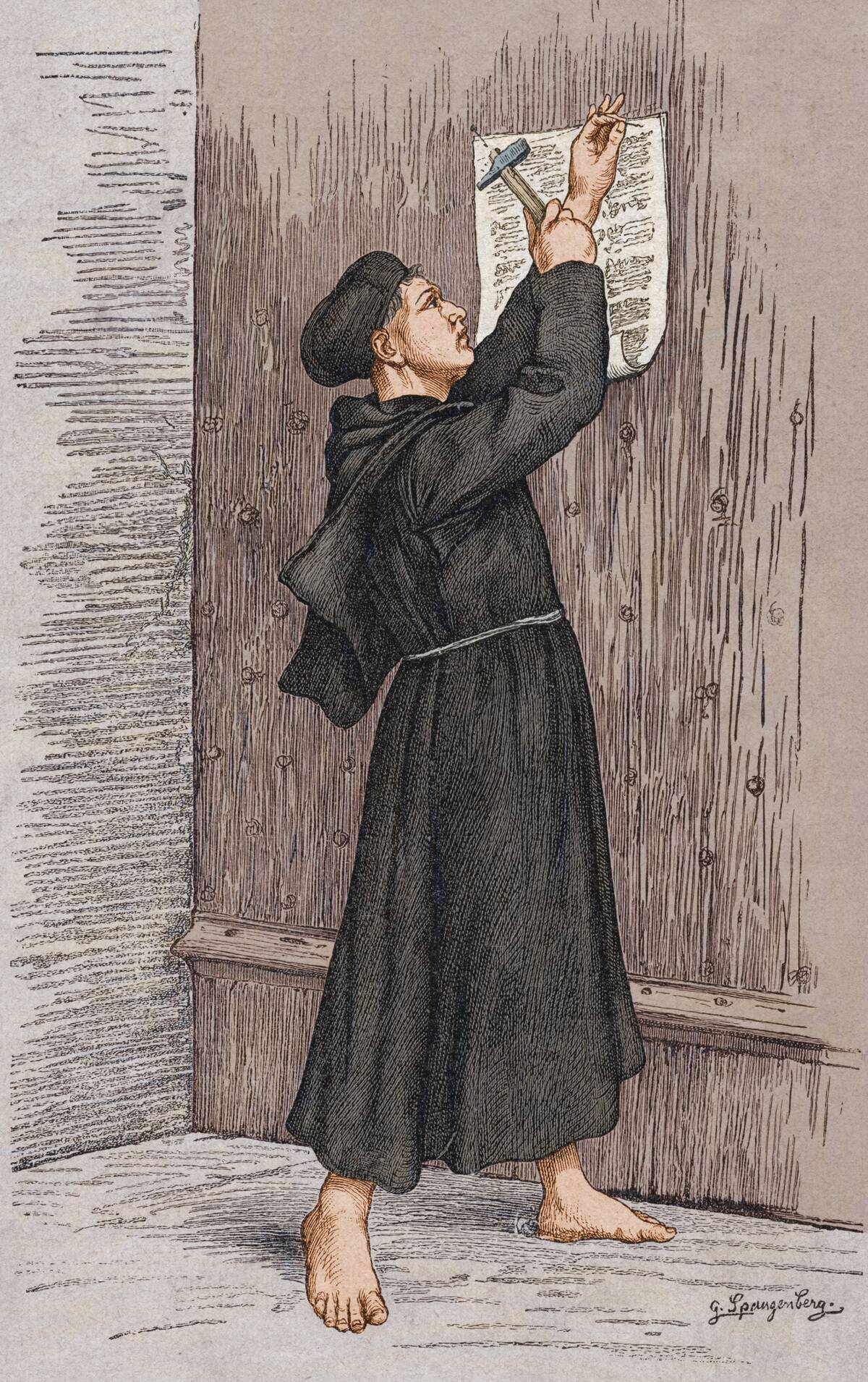
In 1517, Martin Luther’s act of nailing his 95 Theses to the door of the Wittenberg Castle Church challenged the Catholic Church’s practices. This seemingly simple act of defiance sparked the Protestant Reformation, fundamentally altering the religious landscape of Europe.
Luther’s Theses criticized the sale of indulgences and called for church reform, leading to a schism that paved the way for religious diversity and modern Christianity.
The Little Teapot: Boston’s Brew That Fueled Revolution
![Illustration of the [redacted] Tea Party](https://media.tellmebest.com/wp-content/uploads/2023/09/illustration-of-the-boston-tea-party-97172.jpeg)
The Boston Tea Party of 1773 was a pivotal moment in American history. Colonists, frustrated with British taxation policies, boarded ships and dumped an entire shipment of tea into Boston Harbor.
This act of defiance against “taxation without representation” galvanized American revolutionary sentiment. The event highlighted the growing rift between Britain and the colonies, ultimately leading to the American Revolution and the birth of a new nation.
A Young Girl’s Diary: Anne Frank’s Lasting Legacy
![The new [redacted] exhibit will open 1](https://media.tellmebest.com/wp-content/uploads/2024/11/the-new-anne-frank-exhibit-will-open-1-50822.jpeg)
Anne Frank’s diary, written while she hid from the Nazis during World War II, offers a poignant glimpse into the human side of history’s darkest times. Her writing, full of hope and resilience, has become a powerful symbol of the Holocaust’s impact.
Published posthumously, “The Diary of a Young Girl” continues to educate and inspire, reminding us of the importance of tolerance, understanding, and the enduring strength of the human spirit.
A Fortunate Accident: Penicillin and the Dawn of Antibiotics
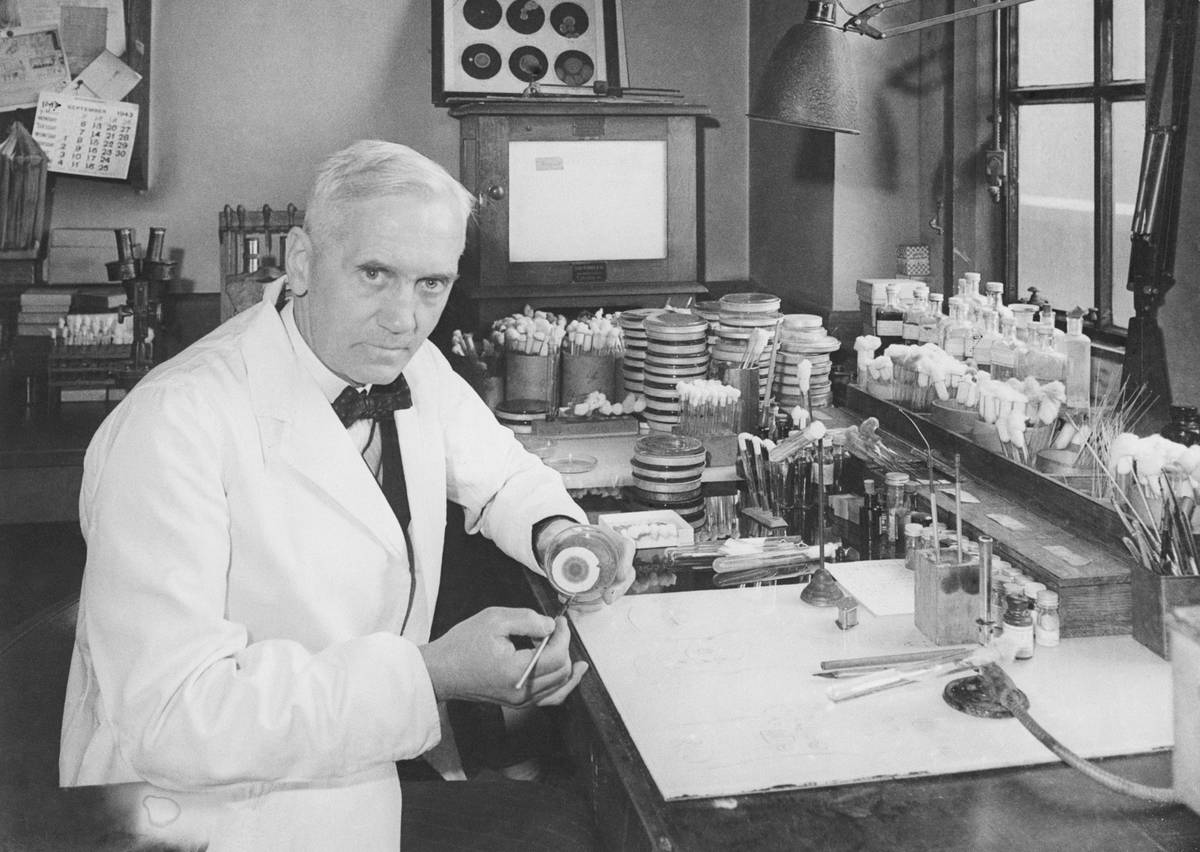
In 1928, Alexander Fleming’s accidental discovery of penicillin marked the beginning of the antibiotic era. Upon returning from a vacation, he noticed that mold had killed bacteria in one of his petri dishes.
This serendipitous observation led to the development of penicillin, revolutionizing medicine and saving countless lives. Fleming’s discovery underscores the role of chance in scientific breakthroughs, highlighting the importance of observation and experimentation.
A Simple Tear: Rosa Parks’ Quiet Act of Defiance
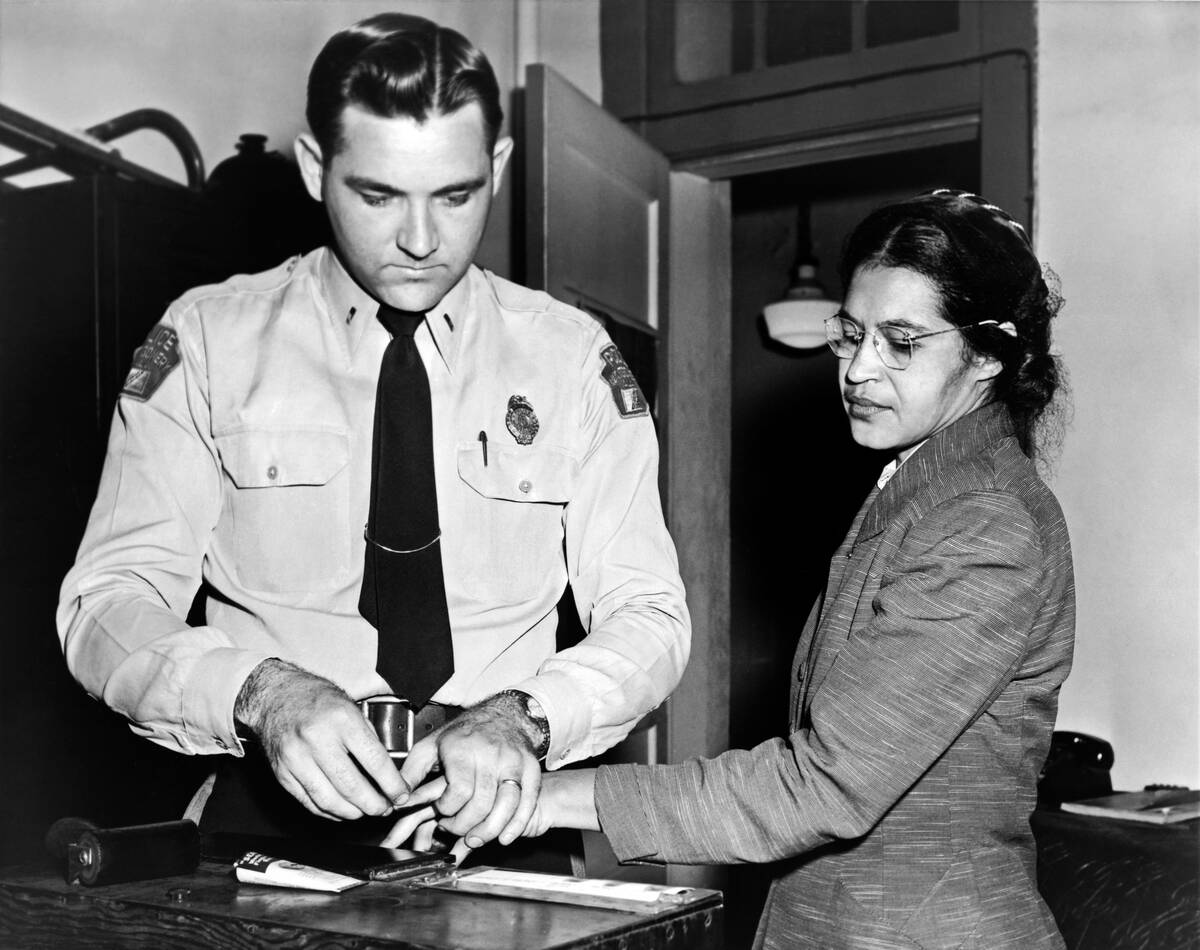
On December 1, 1955, Rosa Parks refused to give up her bus seat to a white passenger in Montgomery, Alabama. Her quiet act of defiance became a catalyst for the Civil Rights Movement.
Parks’ arrest sparked the Montgomery Bus Boycott, a pivotal event in the fight against racial segregation. Her bravery and determination inspired generations to stand up for equality and justice, highlighting the power of individual actions to drive social change.
A Silent Night: The Christmas Truce of 1914

During World War I, on Christmas Eve 1914, soldiers on both sides of the Western Front laid down their weapons for a spontaneous truce. They sang carols, exchanged gifts, and even played soccer in no man’s land.
This brief moment of peace amidst the horrors of war demonstrated the shared humanity of those involved. The Christmas Truce remains a poignant reminder of the potential for goodwill and understanding, even in the darkest times.
The Accidental Discovery of Microwave Technology

Microwave technology owes its existence to a chocolate bar accidently melting in Percy Spencer’s pocket. In 1945, while testing a magnetron, Spencer noticed the candy bar melting and realized the potential of microwave heating.
This serendipitous discovery led to the invention of the microwave oven, revolutionizing cooking and food preparation. Spencer’s curiosity and keen observation exemplify how unexpected moments can lead to technological advancements that reshape daily life.
A Game of Chess: The Cold War’s Strategic Board
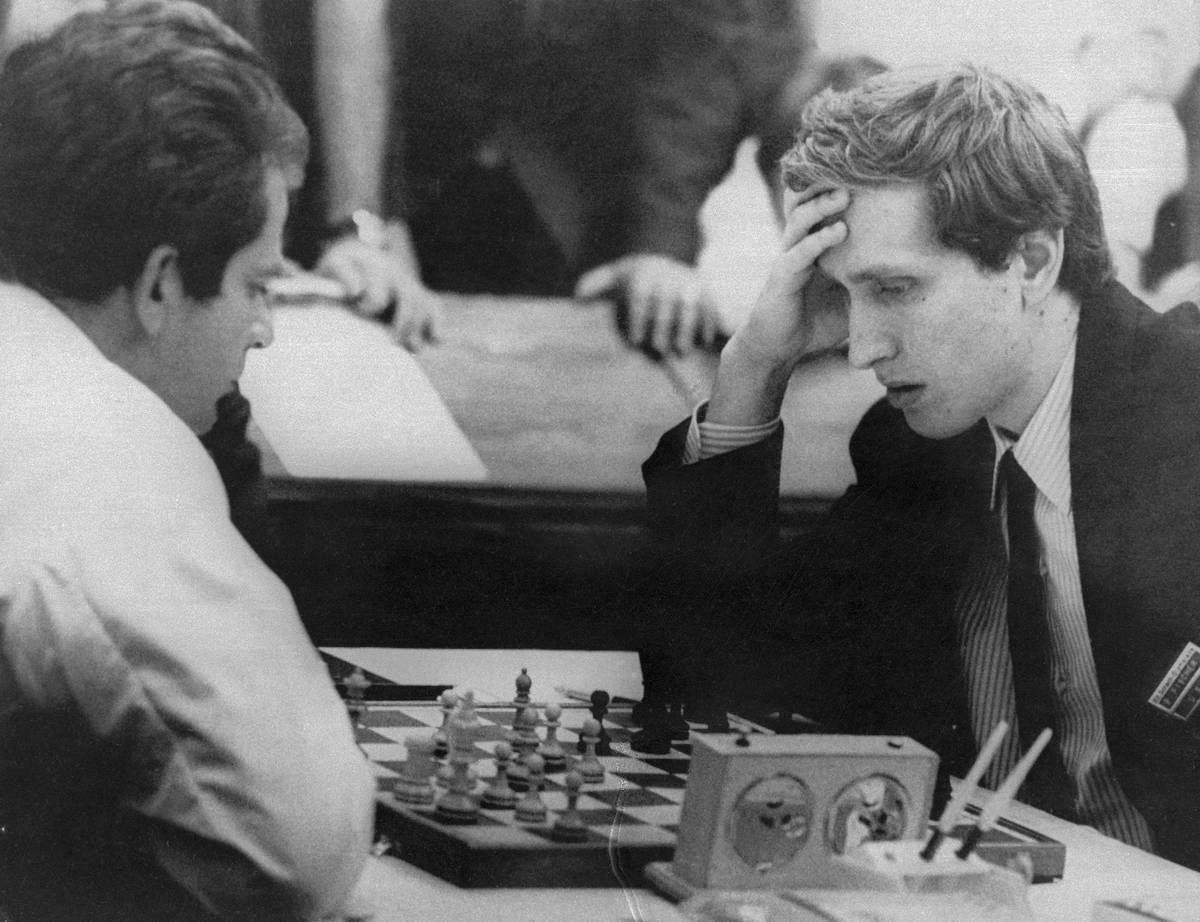
The Cold War era saw chess become a symbolic battleground between the United States and the Soviet Union. The 1972 World Chess Championship, pitting American Bobby Fischer against Soviet Boris Spassky, captured global attention.
The match transcended the game, reflecting the geopolitical tensions of the time. Fischer’s victory was seen as a triumph for the West, highlighting how a board game became a microcosm of the larger ideological conflict.
A Fateful Coin Toss: The Beatles’ Managerial Spark
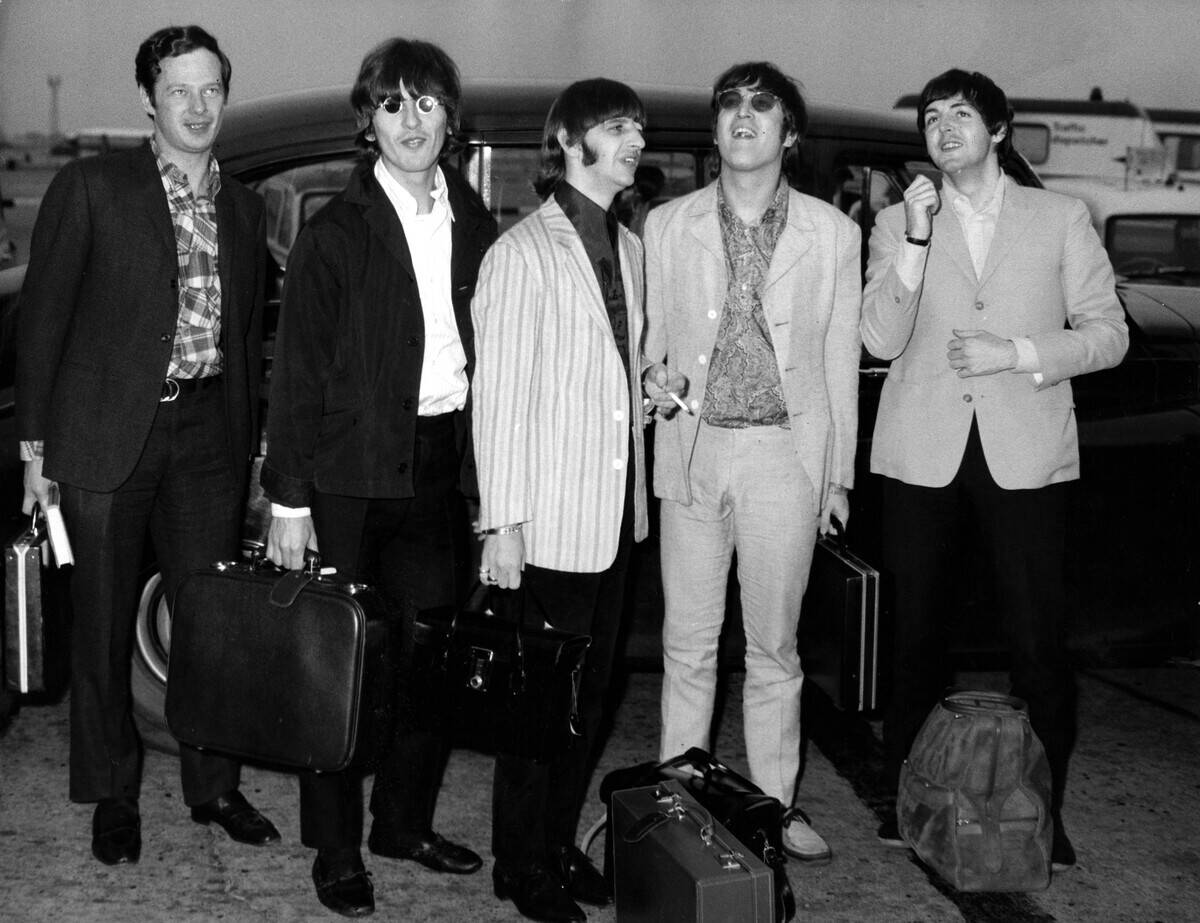
The Beatles’ legendary career might never have taken off without a simple coin toss. In 1961, Brian Epstein attended a lunchtime performance at The Cavern Club in Liverpool. Unsure whether to manage the band, he flipped a coin to decide.
The coin landed in favor of managing, and Epstein’s guidance was instrumental in catapulting The Beatles to international fame. This whimsical decision underscores how chance can play a role in shaping cultural icons.
A Broken Vase: The Chain of Events Leading to the Trojan War
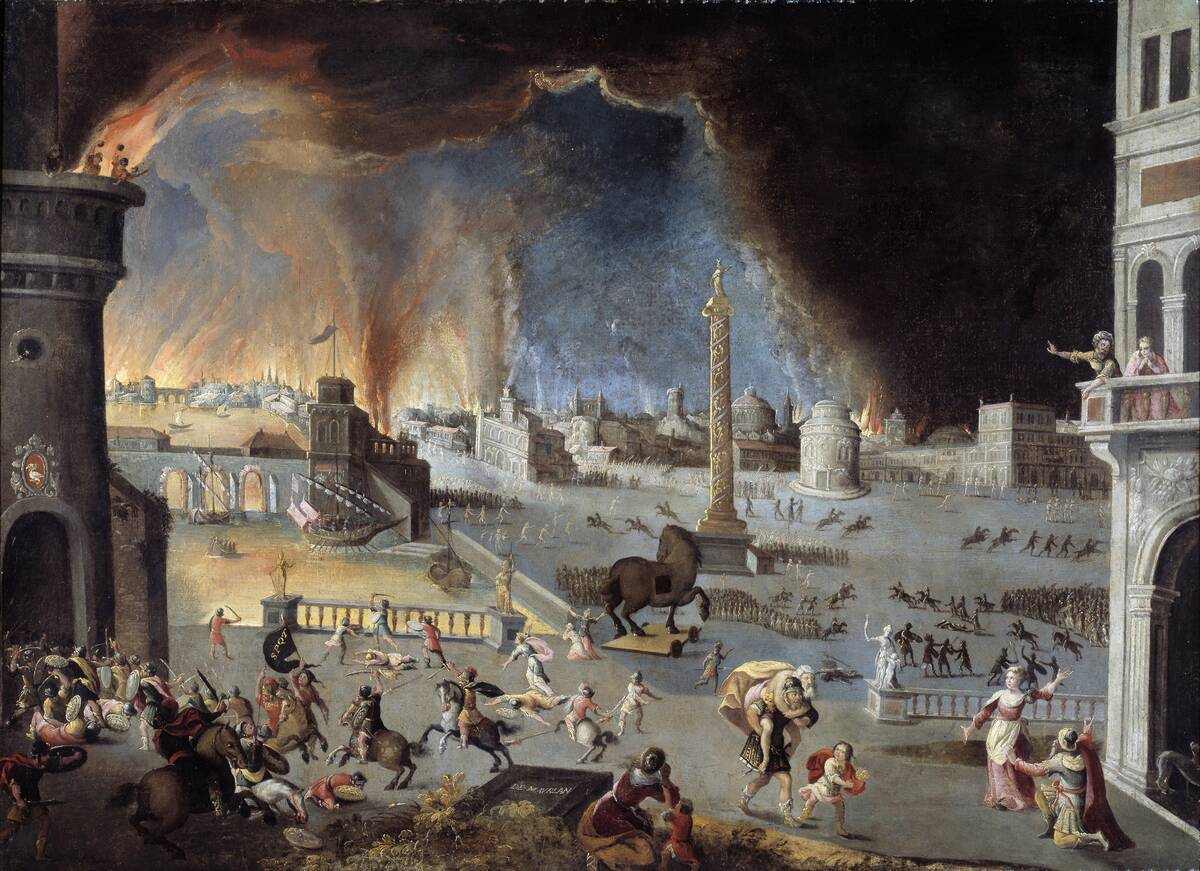
According to Greek mythology, the Trojan War’s origins can be traced back to a broken vase. During a wedding feast, the goddess Eris, who wasn’t invited, threw a golden apple inscribed “to the fairest” among the guests, leading to a dispute among the goddesses.
This quarrel eventually set off a series of events culminating in the legendary conflict between Greeks and Trojans. The story illustrates how seemingly trivial occurrences can trigger epic sagas.




