The hidden routes behind America’s most dangerous letters
Welcome to a world where letters were more than just communication—they were lifelines, secrets, and symbols of hope. America’s postal routes have a rich tapestry woven with tales of intrigue and daring.
These routes transcended mere delivery, becoming enablers of espionage and symbols of resistance. From clandestine couriers of the Civil War to the galloping pace of the Pony Express, each path tells a story of adventure and innovation.
The Origins of Postal Routes in America
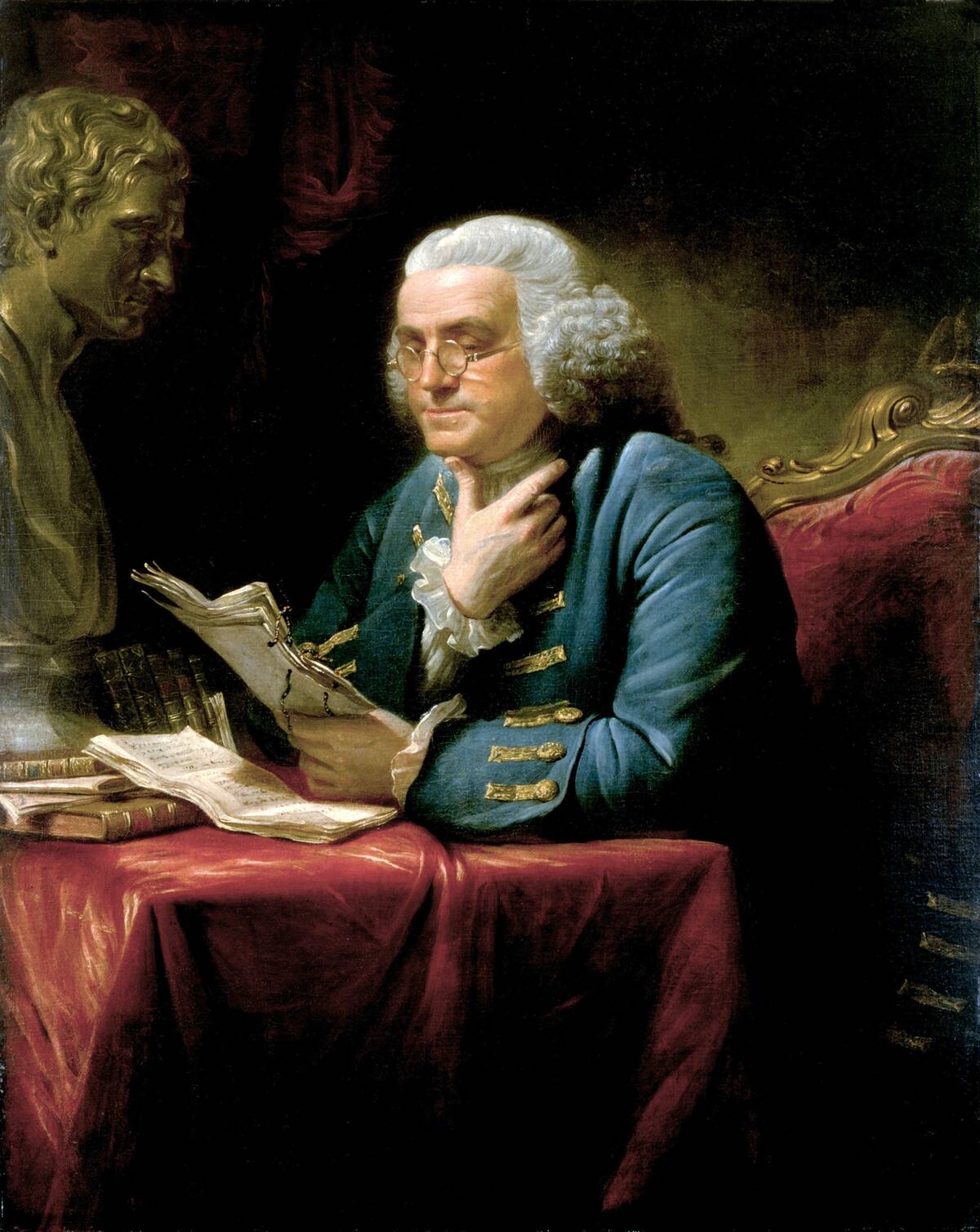
The birth of America’s postal routes dates back to the late 17th century. Benjamin Franklin, appointed as the first Postmaster General in 1775, revolutionized the postal system, establishing routes that connected the colonies.
Initially, mail was carried on horseback or by stagecoach, adapting European methods to the vast American landscape. This creation laid the foundation for an expansive network that would eventually unite a burgeoning nation through communication.
The Role of the Postal Service in Early American Society
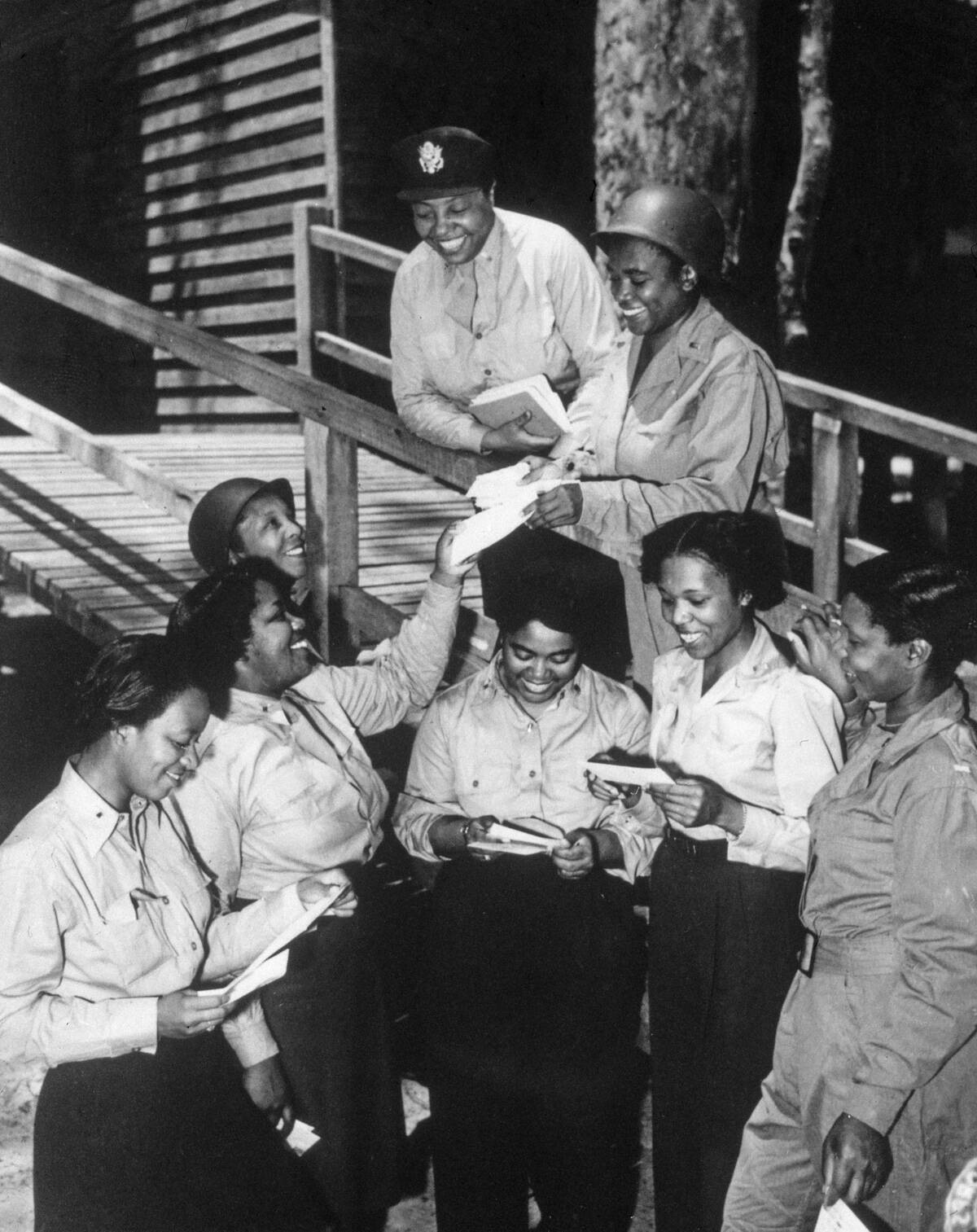
In early American society, the postal service was a critical conduit for news and information. It was the primary means of communication between distant communities, fostering economic growth and political discourse.
Newspapers were often delivered via postal routes, connecting citizens to the wider world. The postal service also played a crucial role in democracy, allowing for the free flow of political ideas and debates across the young nation’s vast expanses.
Dangerous Letters: A Peek into America’s Past
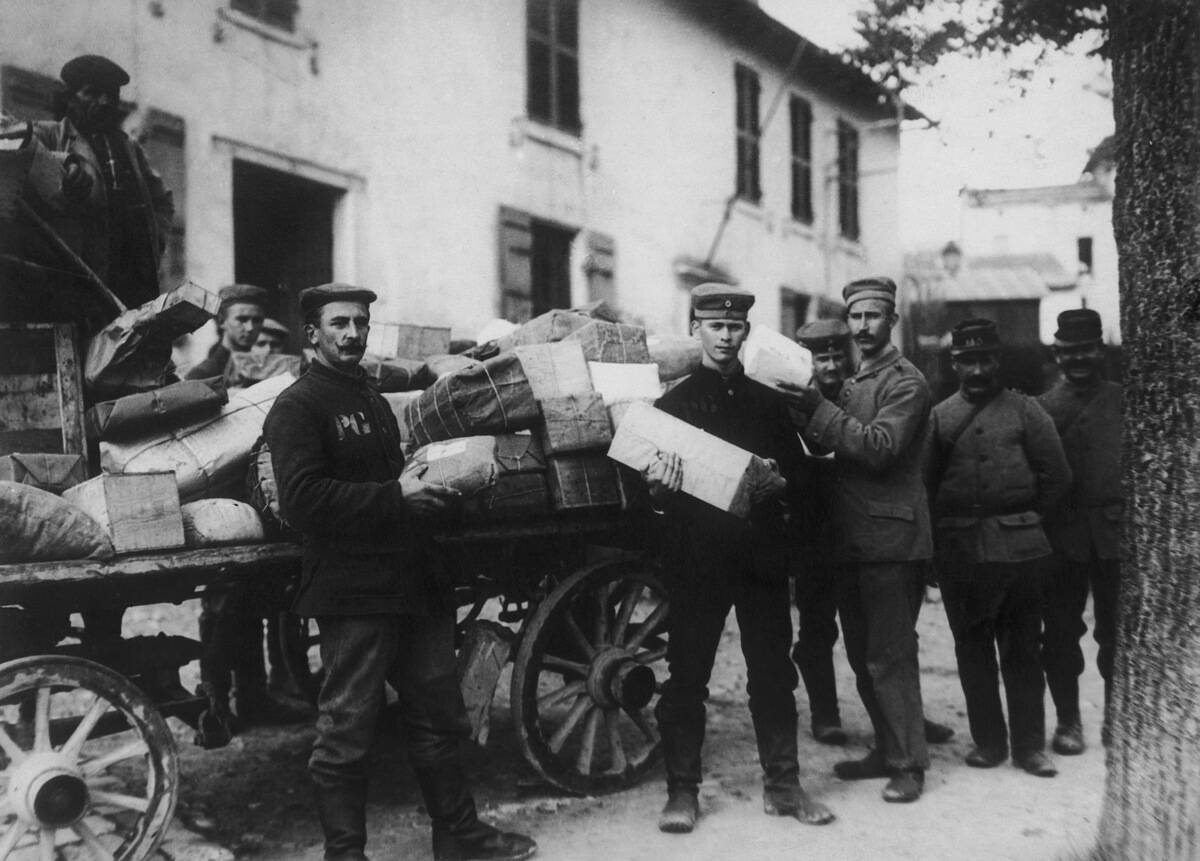
The postal service was not without its dangers. During the Revolutionary War, intercepting mail became a common tactic to gather intelligence. Letters often traveled with armed escorts to protect them from prying eyes.
In some cases, letters were even coded to prevent enemy forces from gleaning crucial information. The stakes were high—one intercepted message could alter the course of history, making the mail a critical yet perilous avenue for wartime communication.
The Thrill of Secret Messages: Espionage and Intrigue
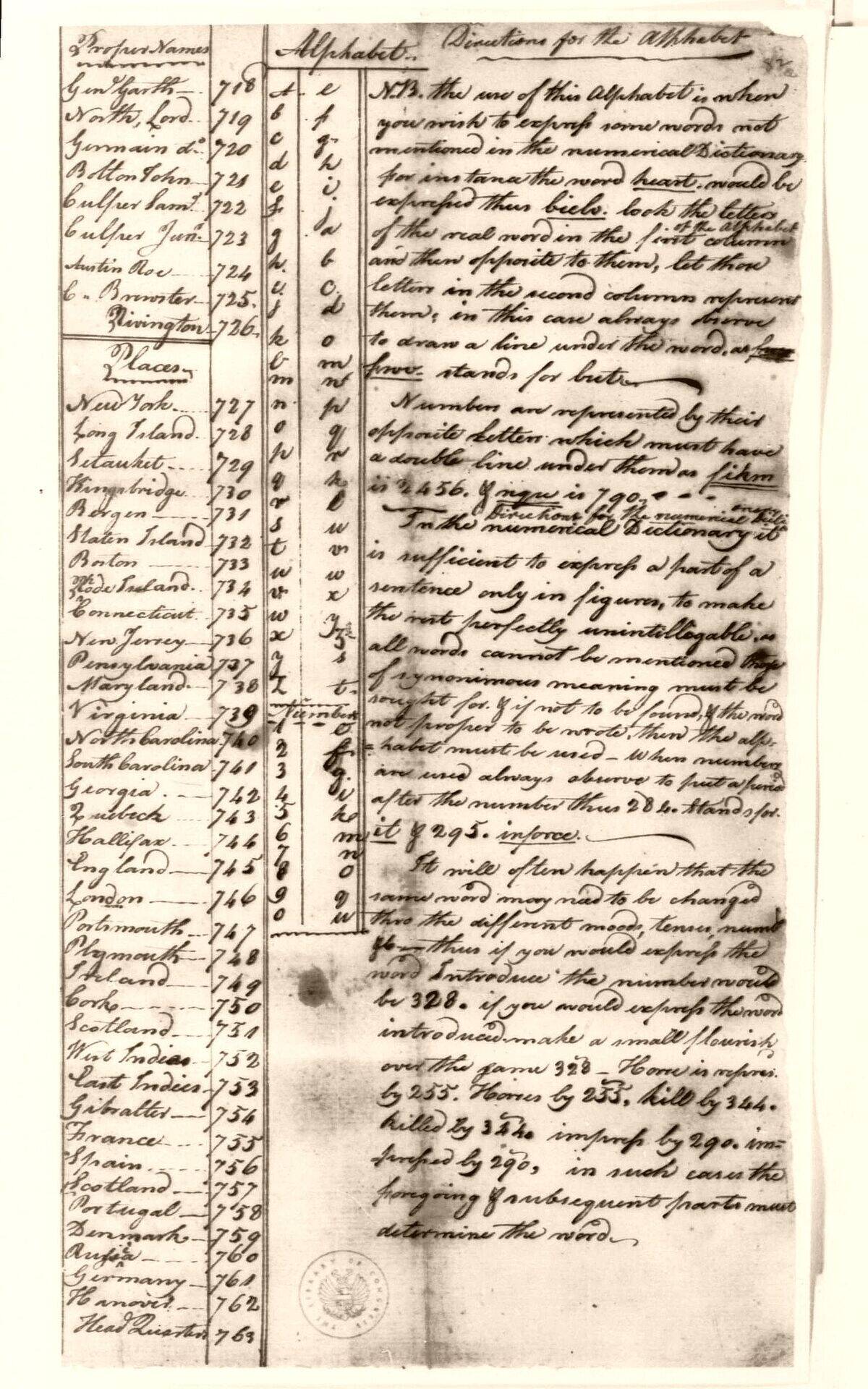
Espionage added a layer of intrigue to the postal routes. Spies utilized coded letters and invisible ink to relay messages undetected. The Culper Spy Ring, for instance, was instrumental during the American Revolution, using sophisticated techniques to communicate.
These secret missives carried vital information about enemy troop movements and plans, demonstrating how certain intelligence networks exploited existing communication channels, including couriers and civilian mail, to transmit crucial information during the war.
The Infamous Pony Express: Speed and Secrecy
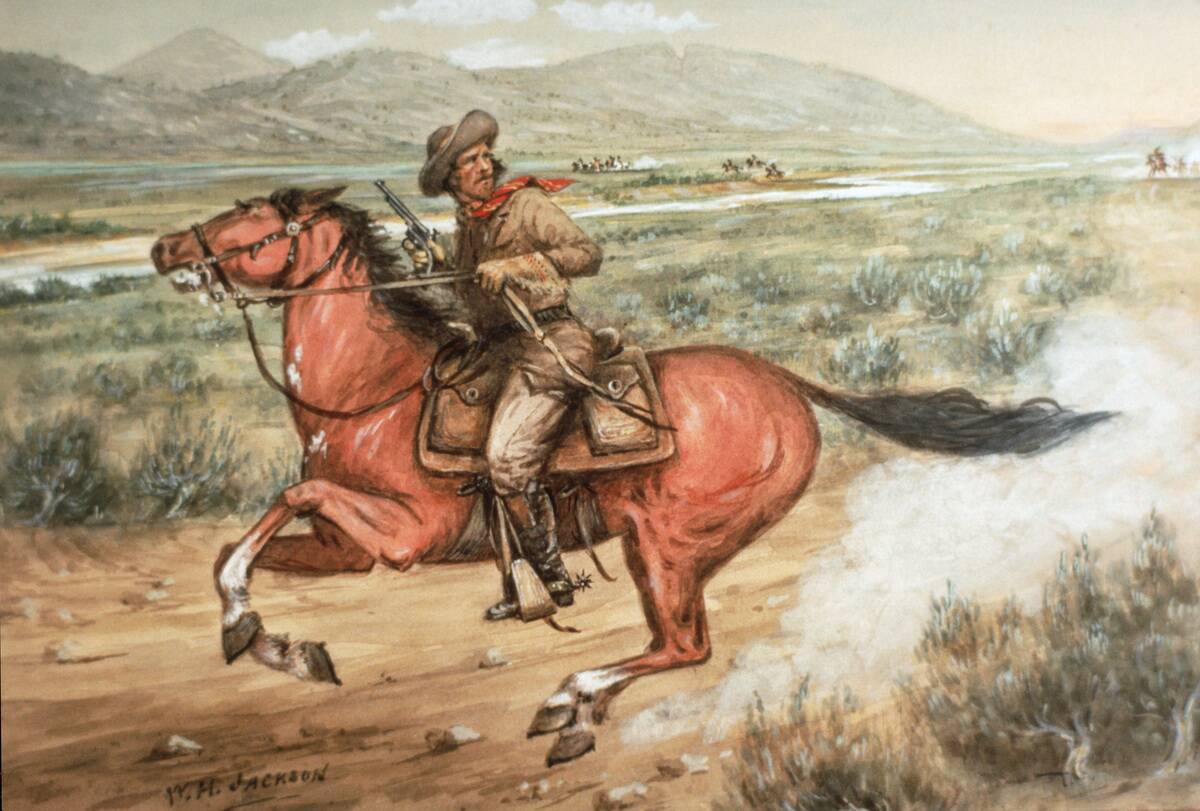
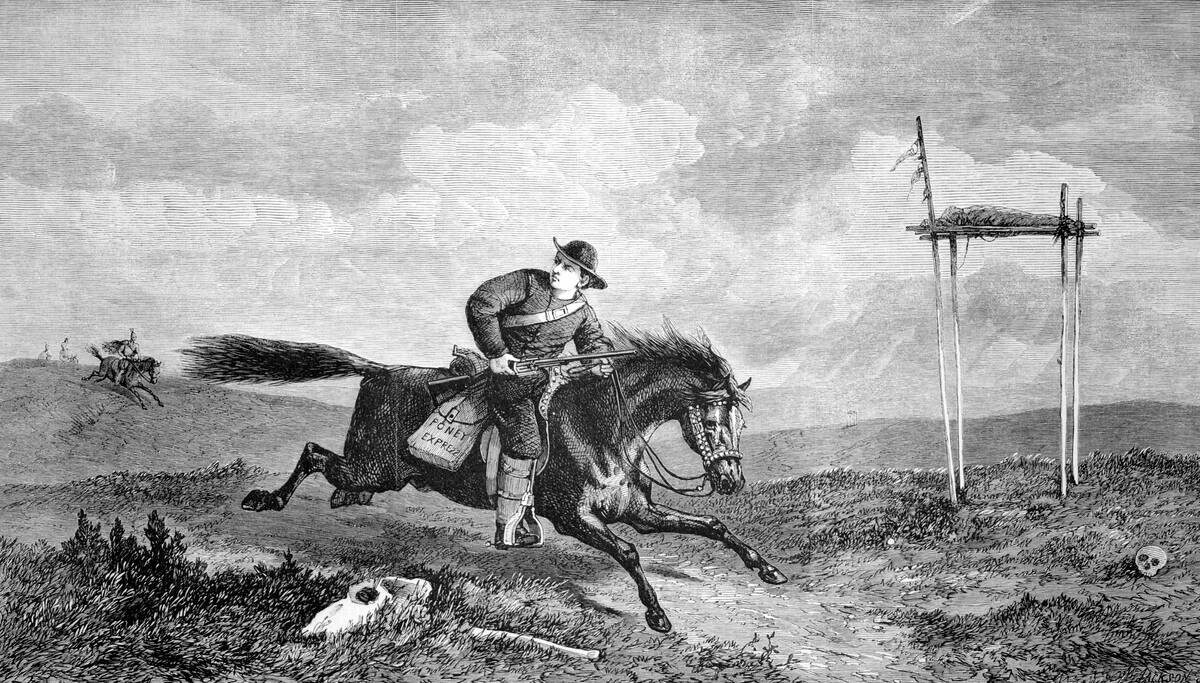
The Pony Express, although short-lived, remains a legendary chapter in America’s postal history. Operating from April 1860 to October 1861, it promised mail delivery between Missouri and California in just ten days.
Riders faced treacherous weather and hostile terrain, often risking life and limb to ensure the mail got through. Despite its brief operation, the Pony Express became synonymous with speed and daring, and its riders are remembered as icons of the Old West.
The Underground Railroad: A Network of Hope
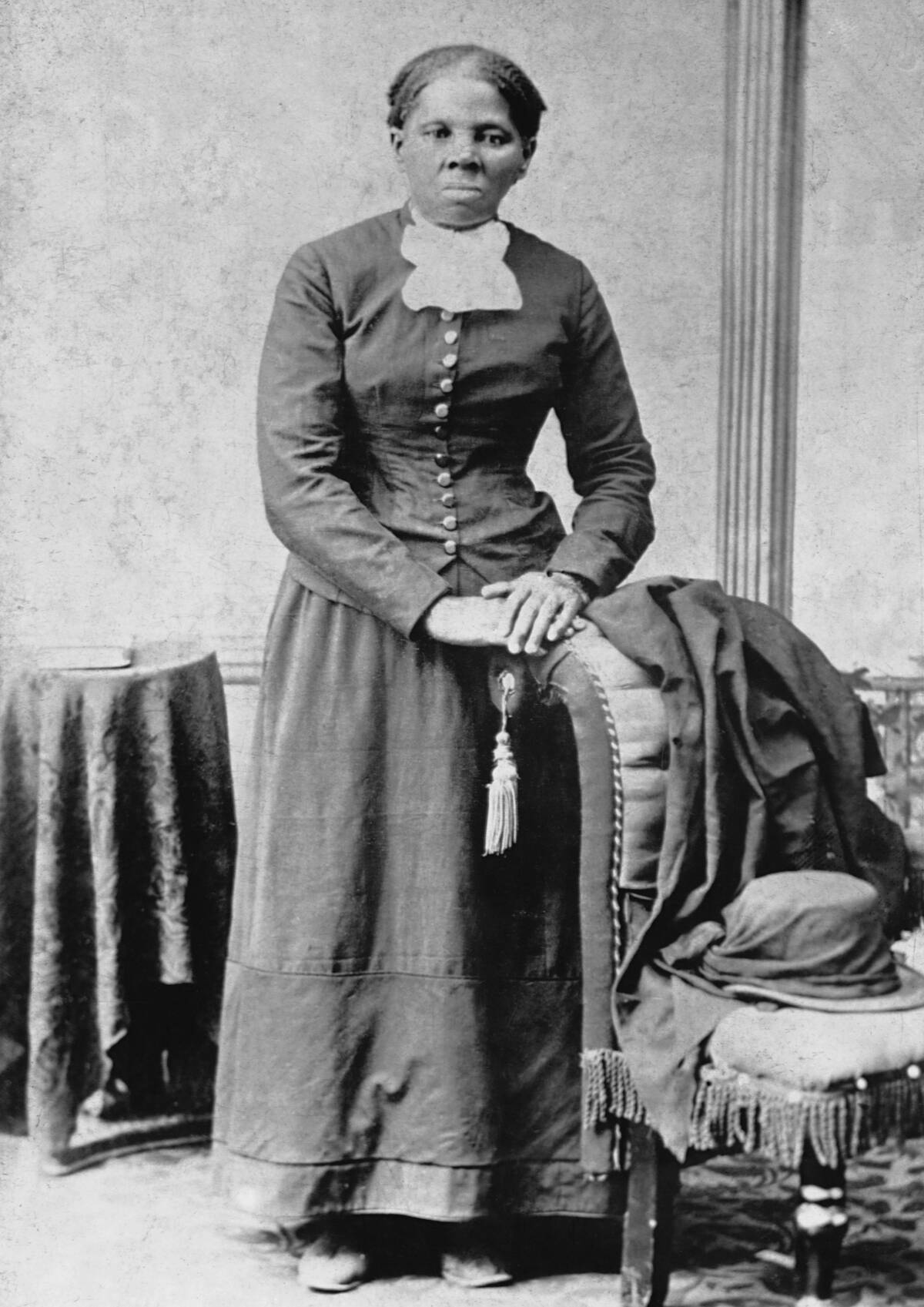
The Underground Railroad, though not a formal postal route, was an incredible network that helped enslaved people escape to freedom. Messages and plans were often communicated through coded letters and signals.
Conductors, like Harriet Tubman, used their knowledge of these secret routes to guide fugitives northward. This network was a testament to the power of communication in facilitating freedom and hope, showcasing the human spirit’s resilience against oppression.
Civil War Couriers: Risky Dispatches in a Divided Nation
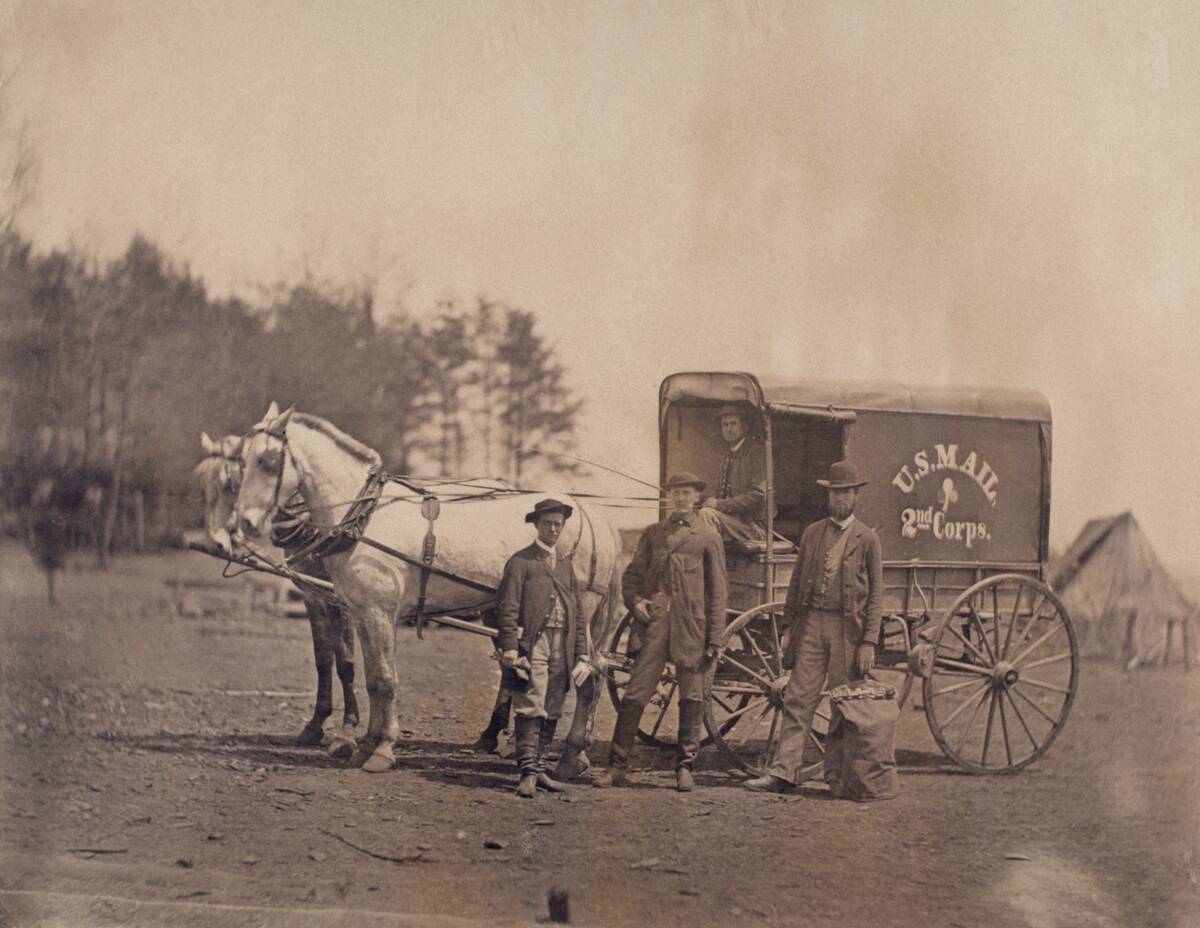
During the Civil War, couriers played a vital role in the dissemination of information. Soldiers often relied on couriers to deliver orders and intelligence across enemy lines. These brave individuals faced constant danger, as interception could mean death or imprisonment.
Notably, women also served as couriers and spies, using their societal roles to gather and transmit information, proving that communication was a weapon as powerful as any artillery.
The Wild West: Mail on the Frontier
In the Wild West, delivering mail was not for the faint of heart. Stagecoaches, prone to attacks by bandits and outlaws, were the mail carriers of the rugged frontier. Post offices were few and far between, and townspeople often had to travel miles to send or receive mail.
Despite these challenges, the postal service managed to connect isolated communities, becoming a lifeline that brought news, goods, and a sense of belonging to the frontier.
Prohibition and the Postal Service: A Boozy Connection
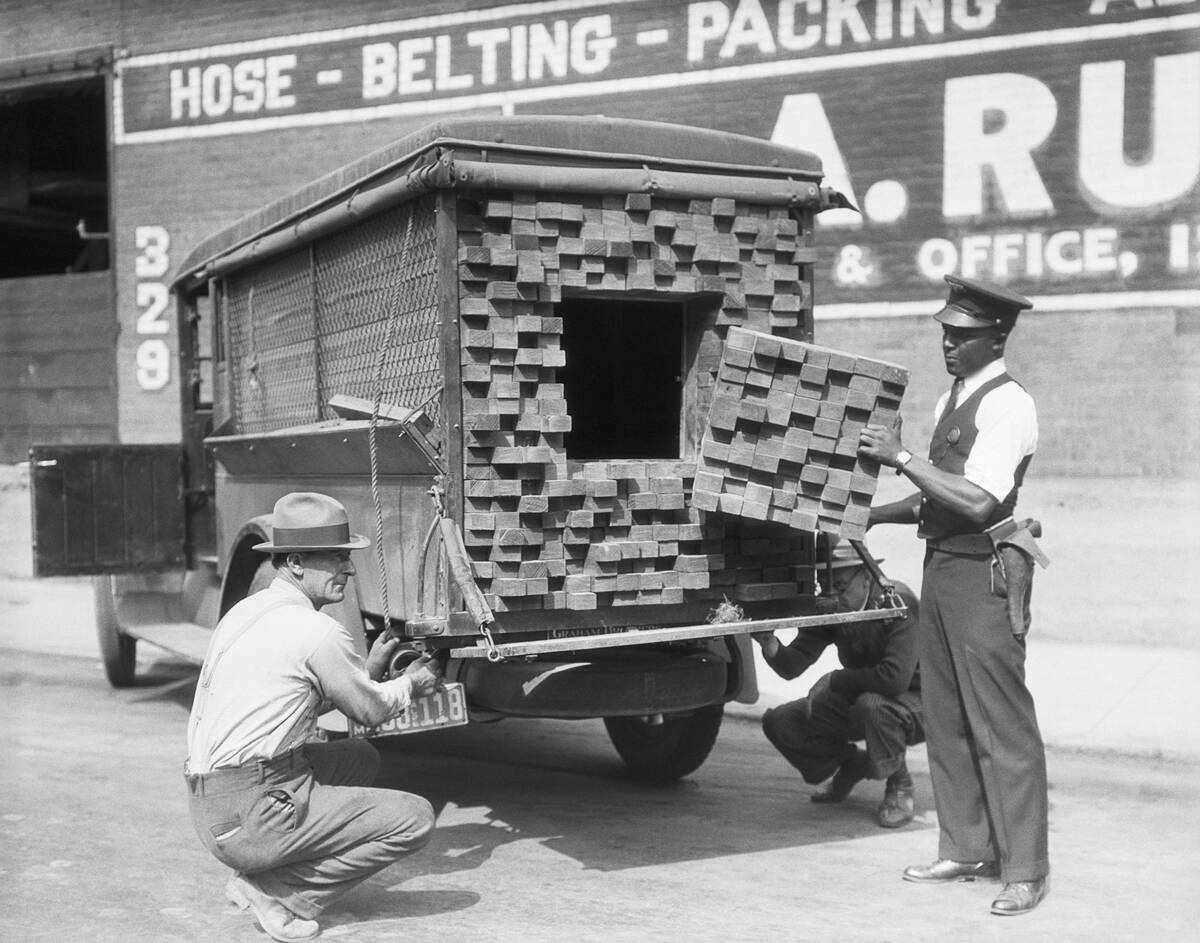
During Prohibition, the postal service found itself entangled in the era’s illicit activities. Bootleggers occasionally used the mail to ship alcohol, cleverly disguising their shipments to evade authorities.
Meanwhile, law enforcement often intercepted suspicious packages, using the postal system as a means to crack down on illegal distribution. This period highlighted the postal service’s role in American society as more than just a bearer of good news but also an unwitting participant in the drama of the times.
Wartime Correspondence: Censorship and Secrets
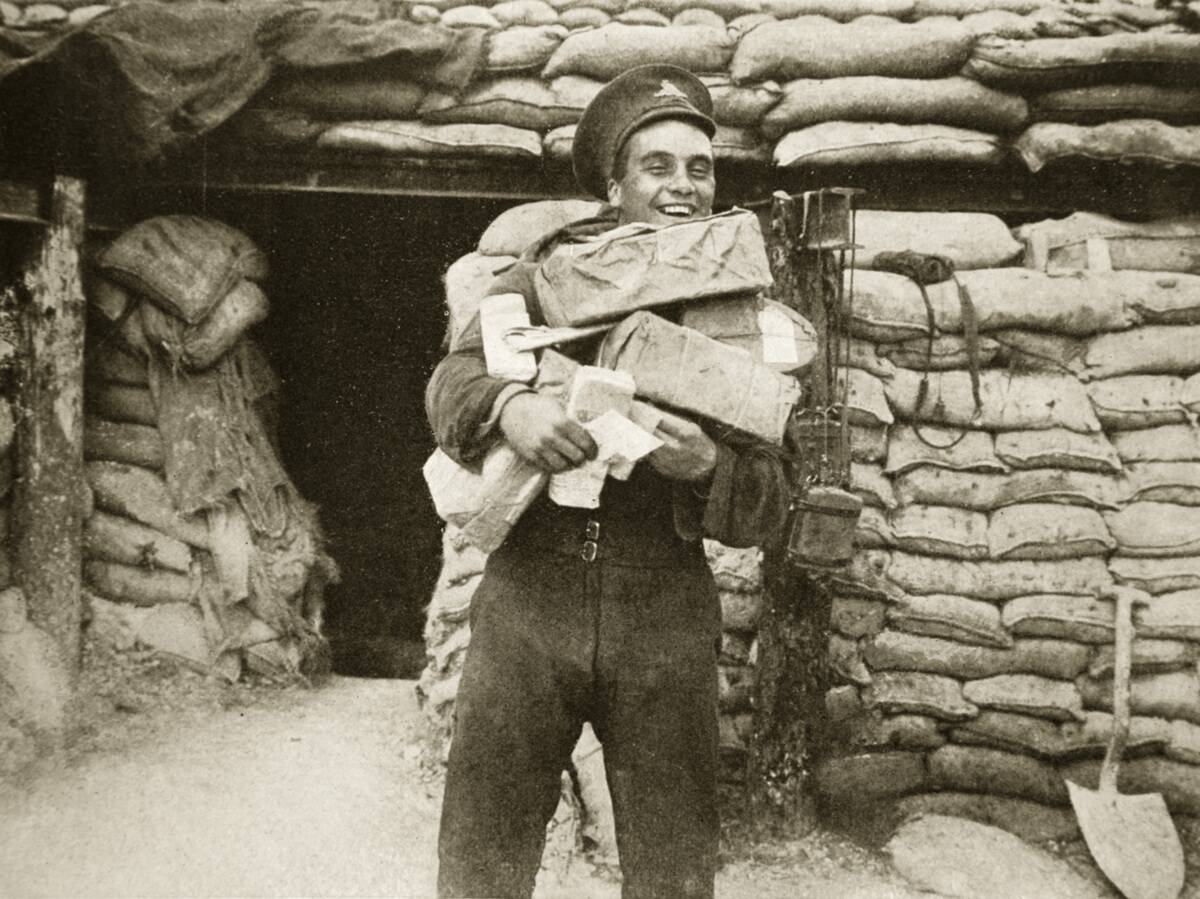
Wartime correspondence was heavily scrutinized to prevent sensitive information from reaching enemy hands. During both World Wars, letters were subject to censorship, with certain details blacked out or omitted entirely.
Despite these restrictions, letters remained a vital link between soldiers and their loved ones. These missives offered comfort and morale boosts, serving as reminders of home amid the chaos of war. The postal service was instrumental in maintaining these personal connections, even in the darkest times.
The Advent of Air Mail: A New Era of Delivery
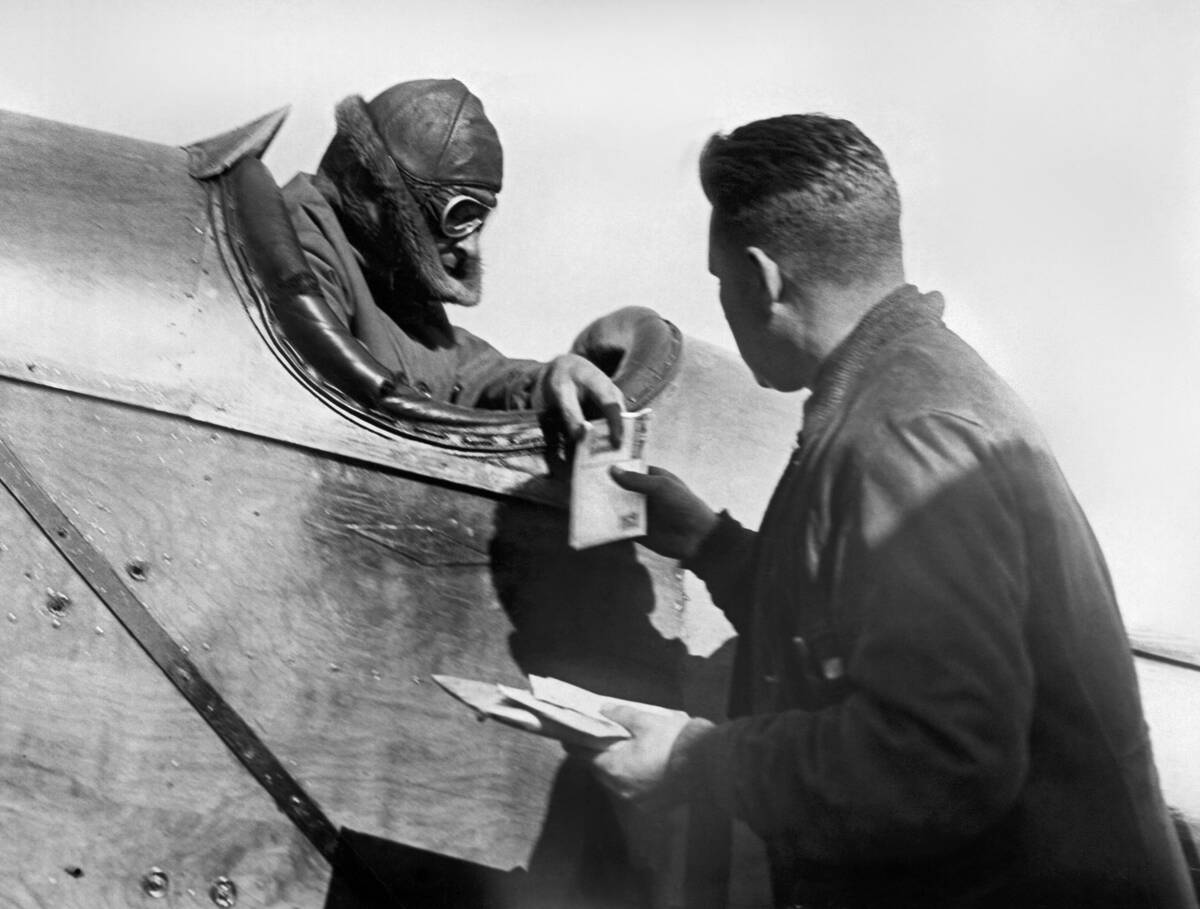
The introduction of air mail marked a significant advancement in postal delivery. In 1918, the U.S. Post Office Department initiated the first regular air mail service between Washington, D.C., and New York City.
This innovation dramatically reduced delivery times, transforming how people communicated over long distances. Air mail heralded a new era, where messages soared over landscapes, bridging gaps with unprecedented speed and efficiency, and setting the stage for the global communication network we know today.
Famous Figures and Their Notorious Letters
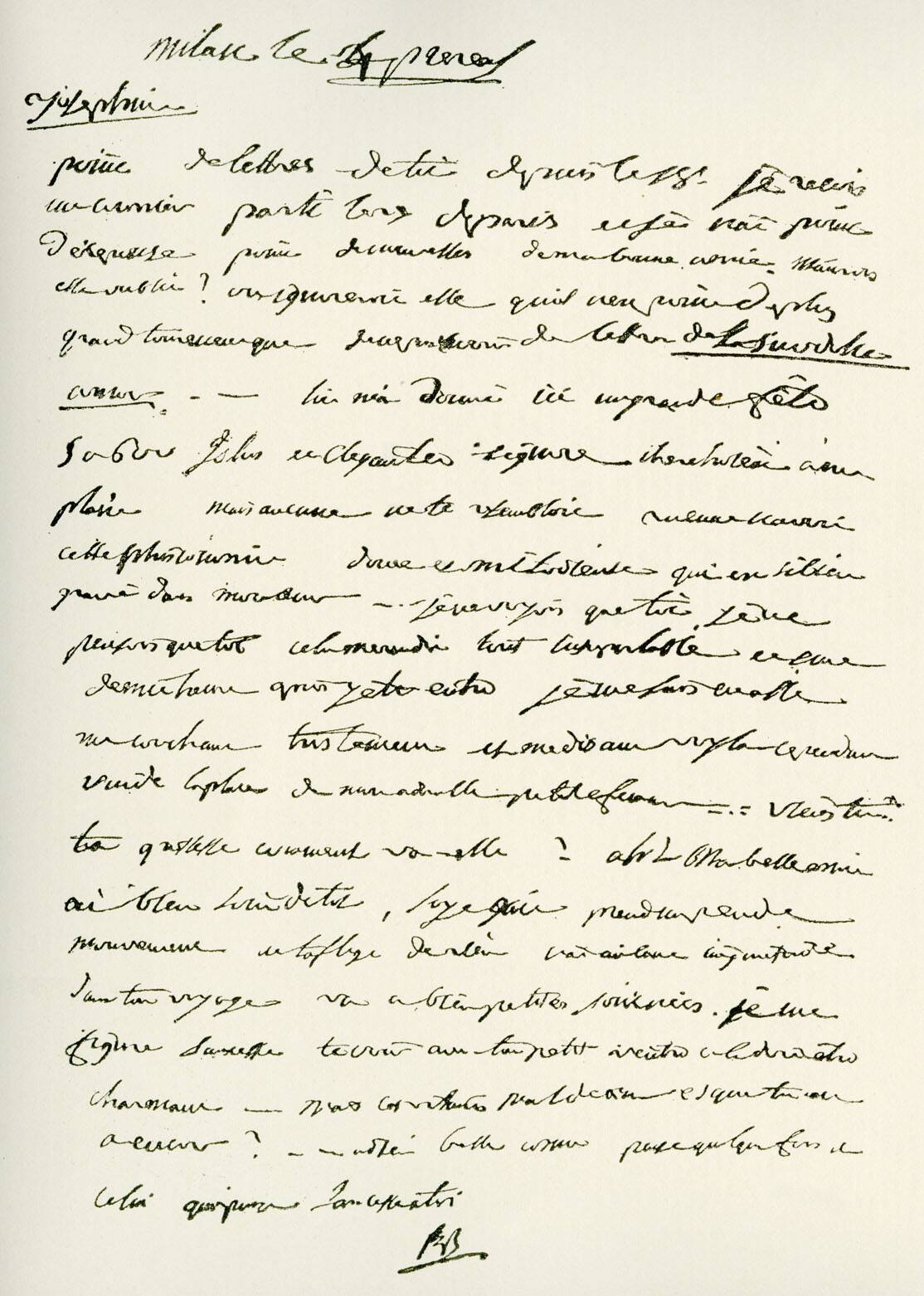
Throughout history, famous figures have penned letters that left an indelible mark on society. Thomas Jefferson’s letters to John Adams offer insight into the minds of two founding fathers. Meanwhile, love letters exchanged between historical figures like Napoleon and Josephine reveal personal sides often hidden from the public eye.
These letters have become treasured artifacts, providing a window into the thoughts and emotions of those who shaped history, making the postal service an unwitting custodian of personal and political legacies.
Cryptic Codes and Hidden Messages: The Art of Steganography
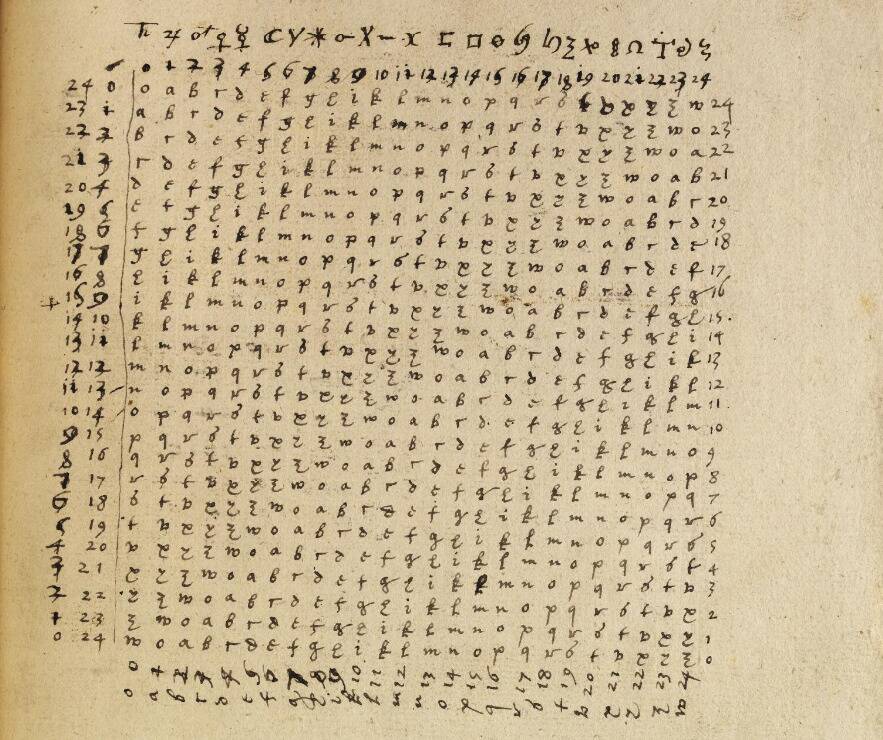
Steganography, the art of concealing messages within other texts, has a long history in postal communication. During wartime, spies often embedded secret messages in seemingly innocuous correspondence.
Techniques included using invisible ink, microdots, or even using the positioning of words to hide information. This art form required creativity and skill, as the consequences of discovery were severe. Steganography illustrates the lengths to which individuals have gone to protect secrets, transforming simple letters into complex puzzles of intrigue.
The Evolution of Postal Security Measures
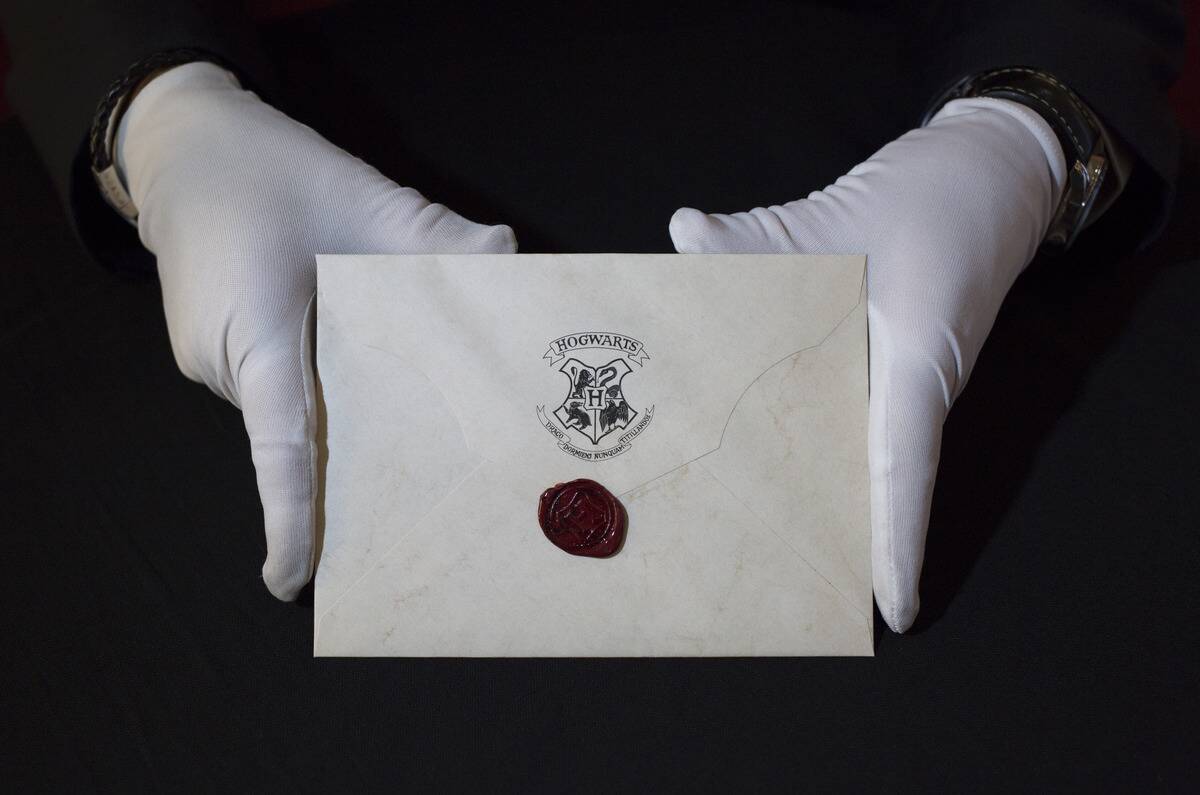
As the postal service evolved, so too did the need for security. Early measures included wax seals and hand-cancelled stamps to verify authenticity. With technological advances, methods such as barcodes, tracking systems, and advanced sorting machines were introduced.
Today, the postal service employs sophisticated security measures to protect against fraud and ensure the safe delivery of mail. This evolution reflects the ongoing challenge of safeguarding communication in an ever-changing landscape, where the stakes of security are as high as ever.
Legends and Myths of the Secret Postal Routes
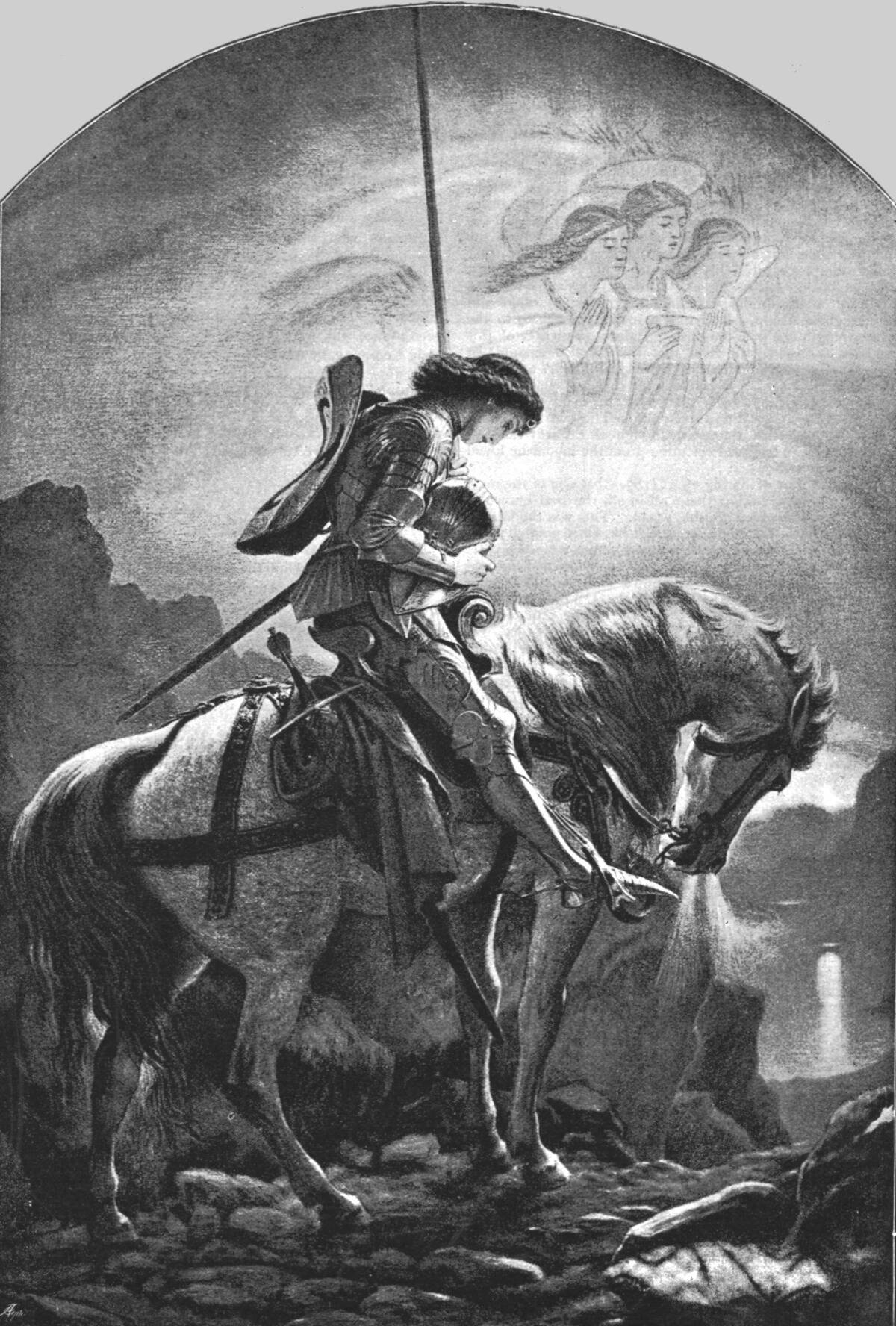
America’s postal routes are rich with legends and myths. Tales of ghost riders, spectral stagecoaches, and lost mailbags add an air of mystique to the postal service’s history. Some claim that certain routes were cursed, leading to mysterious disappearances and strange occurrences.
These stories, though often exaggerated, capture the imagination and highlight the enduring fascination with the postal service. They remind us that beyond the facts and figures, the postal system is steeped in narrative, where history and folklore intertwine.




