Times the world came close to collapse
History is a roller coaster, full of unexpected twists and turns that have shaped the world we live in today. From pandemics to financial meltdowns, each event has left an indelible mark. Imagine being part of times when fear and uncertainty were daily companions.
Hold onto your seats as we embark on a journey through some of the most dramatic moments in history, each one a testament to human resilience and adaptability.
The Black Death of the 14th Century: When Europe Was on the Brink
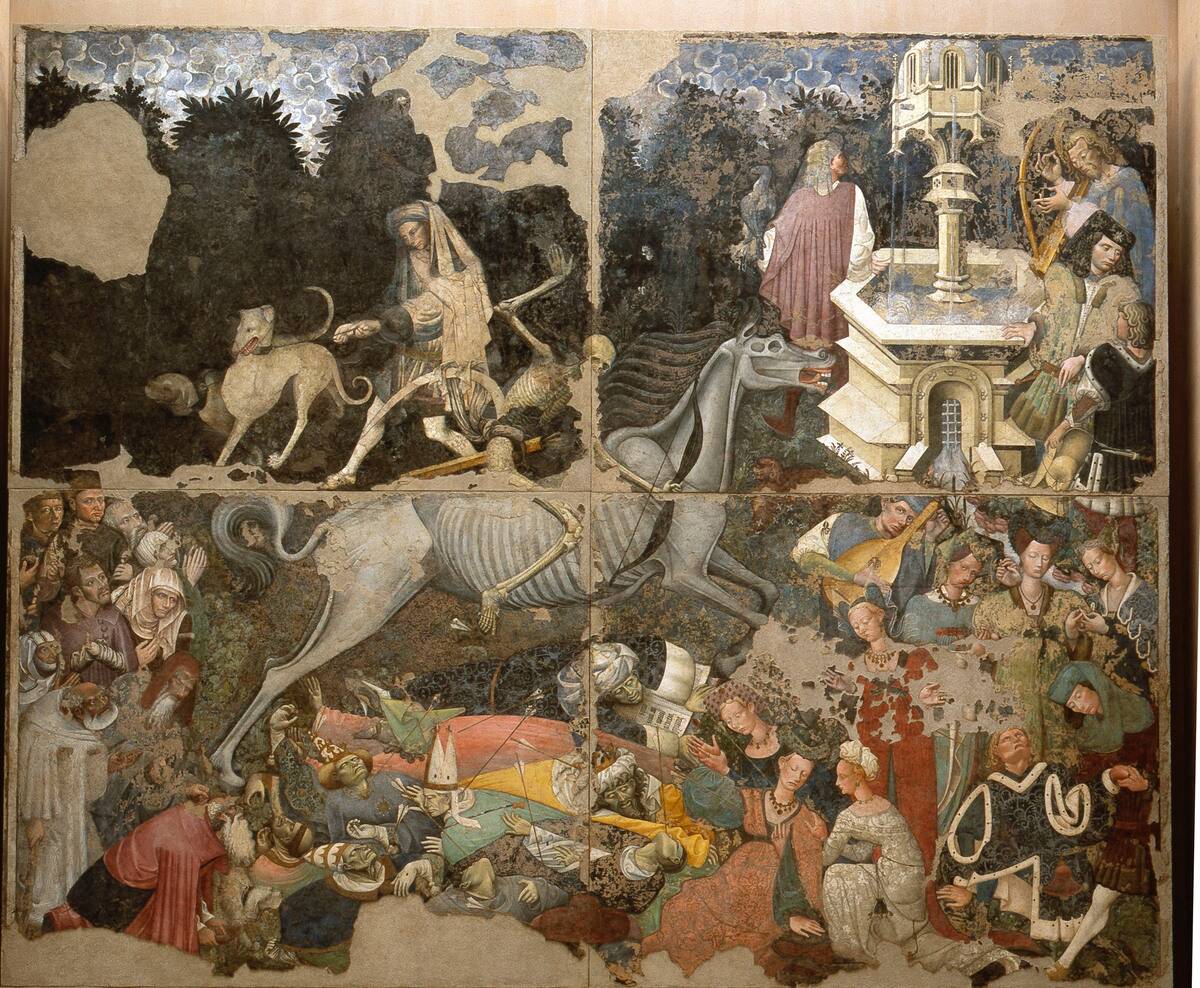
The Black Death swept through Europe in the mid-14th century, wiping out an estimated 25 million people, nearly one-third of the continent’s population. The bubonic plague, caused by the bacterium Yersinia pestis, spread rapidly through flea-infested rats.
This pandemic led to significant social and economic upheaval. As villages were decimated, labor became scarce, leading to the collapse of the feudal system and paving the way for modern Europe.
The Year 1816: The Eerie Summer That Never Was

Imagine a year without a summer. In 1816, the eruption of Mount Tambora in Indonesia spewed vast amounts of volcanic ash into the atmosphere, drastically altering global weather patterns. Known as the “Year Without a Summer,” it brought frigid temperatures and food shortages across the Northern Hemisphere.
Crops failed, leading to widespread famine and economic hardship. This climatic anomaly even inspired literature, with Mary Shelley’s “Frankenstein” born from the eerie atmosphere.
The Panic of 1837: Financial Chaos in the Young American Republic
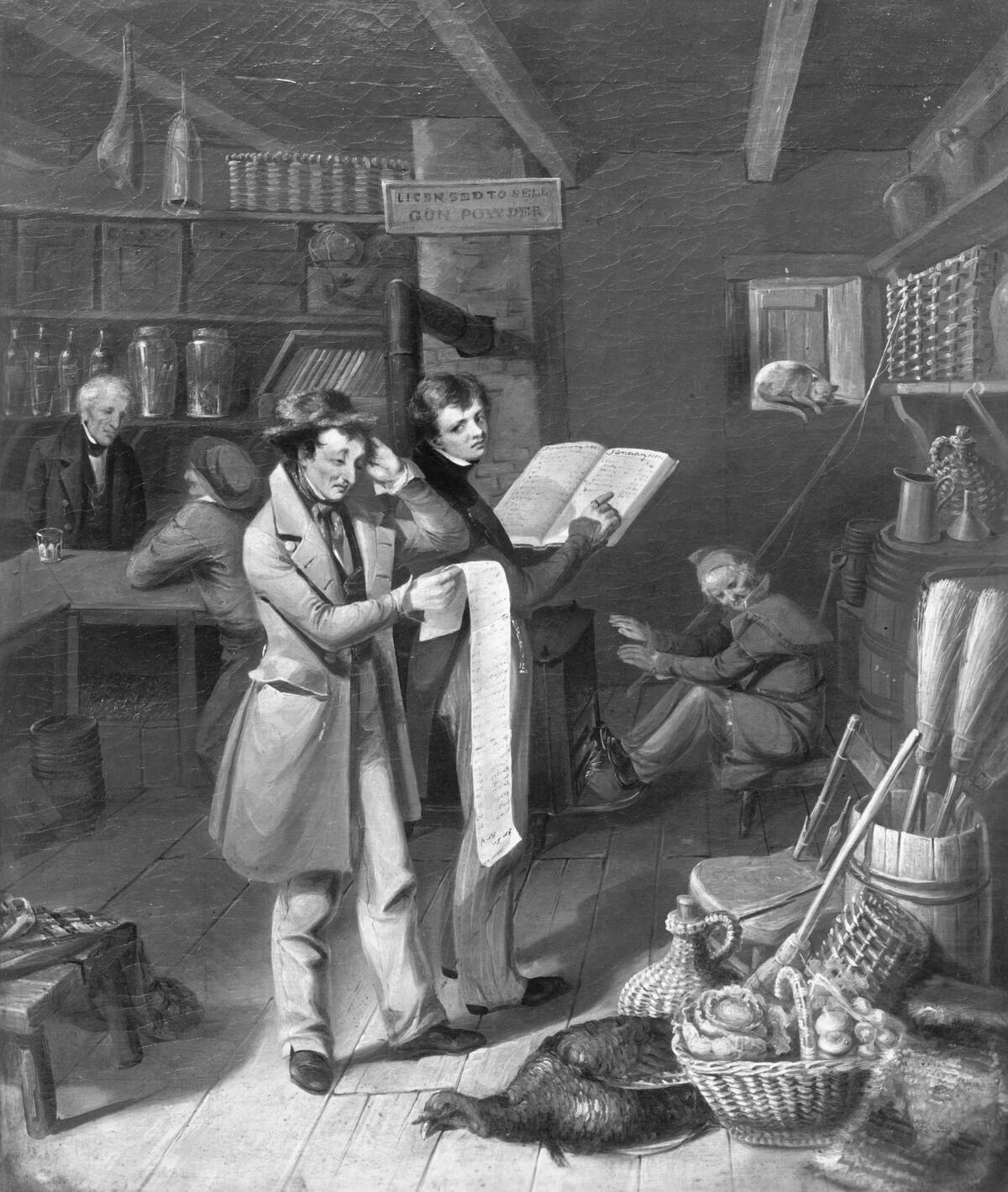
The Panic of 1837 was a financial crisis that gripped the United States, triggered by speculative lending practices and a sudden contraction in credit. Banks collapsed, unemployment soared, and businesses shuttered their doors.
The crisis highlighted the vulnerabilities of the young American economy. It took several years for the country to recover, during which time economic policies and banking regulations were significantly reformed to prevent future disasters.
The Great Chicago Fire of 1871: Flames That Threatened a City’s Future
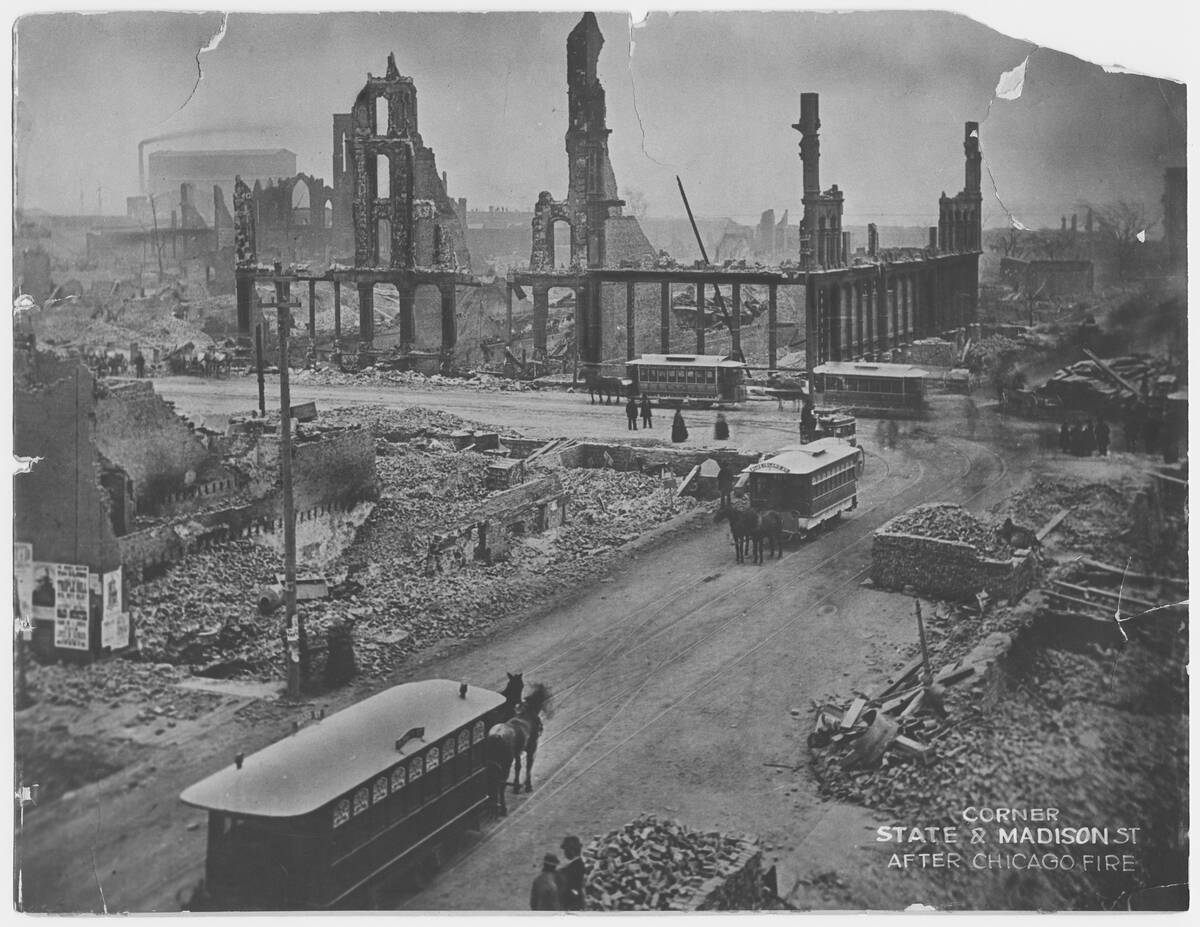
On October 8, 1871, a small fire quickly escalated into a catastrophic blaze that ravaged Chicago, leaving over 100,000 residents homeless. The fire is famously associated with a cow kicking over a lantern in Mrs. O’Leary’s barn, though the true cause remains unknown.
The disaster spurred major urban planning and fire safety advancements. Within a few decades, Chicago rose from the ashes, becoming a symbol of resilience and innovation.
The Spanish Flu Pandemic of 1918: A Global Health Crisis
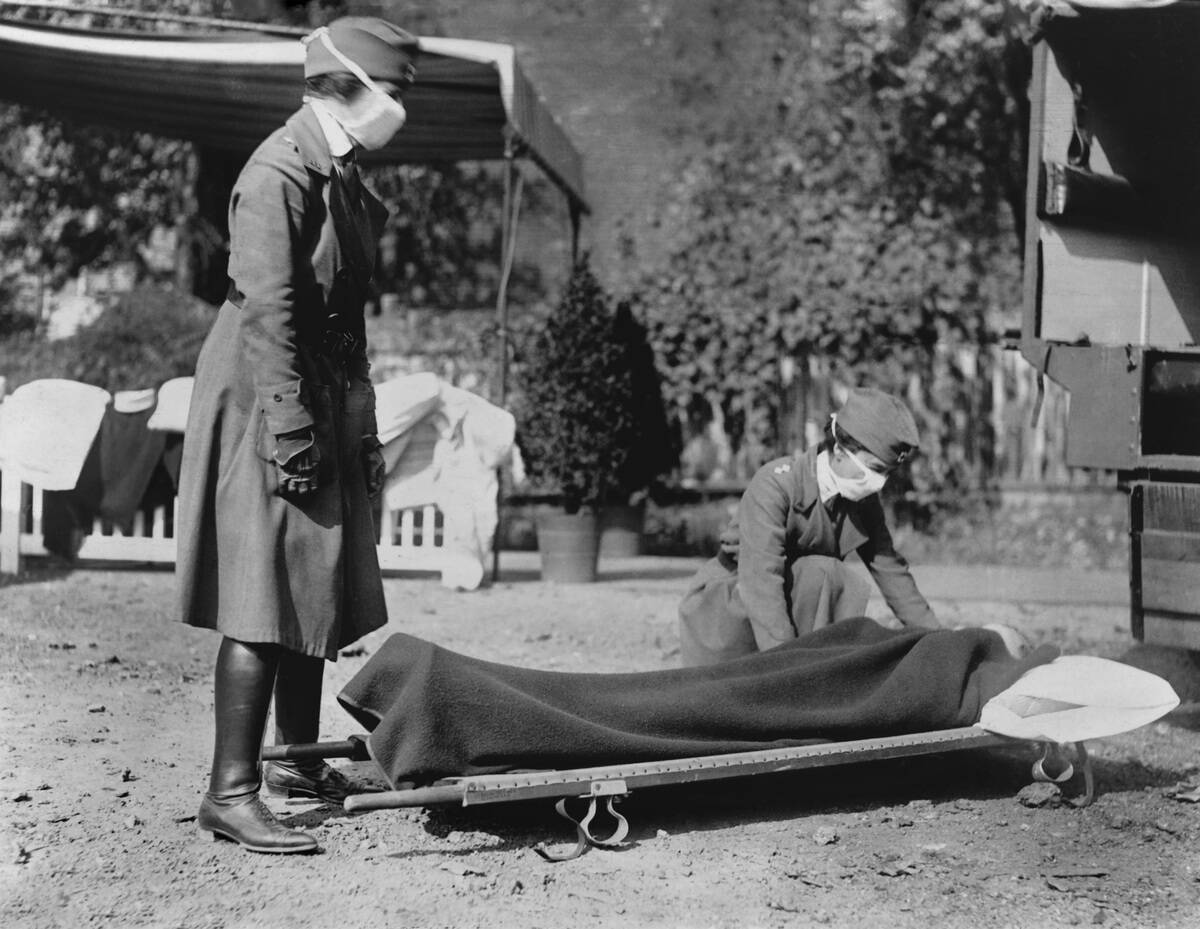
The Spanish Flu pandemic of 1918 was one of the deadliest in history, claiming an estimated 50 million lives worldwide. Unlike previous pandemics, it struck young, healthy adults the hardest.
As World War I raged on, troop movements facilitated the virus’s rapid spread. Hospitals were overwhelmed, and public gatherings were banned. The pandemic highlighted the need for global health cooperation and laid the groundwork for future public health initiatives.
The Stock Market Crash of 1929: The Prelude to the Great Depression
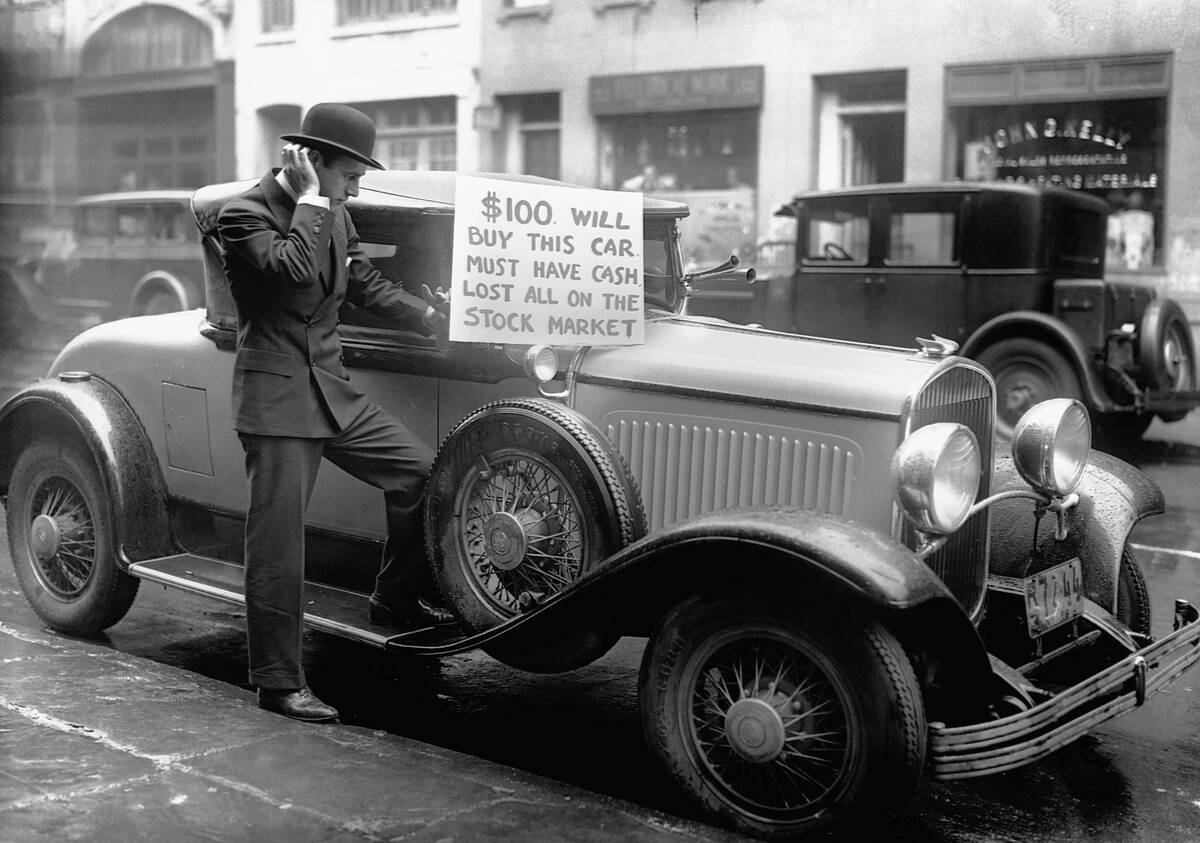
The Stock Market Crash of October 1929 marked the beginning of the Great Depression, a decade-long economic downturn that affected countries worldwide. The crash wiped out billions in wealth and led to widespread bank failures.
As unemployment soared, poverty and despair gripped the nation. The New Deal programs introduced by President Franklin D. Roosevelt in the 1930s aimed to stimulate economic recovery and provided a safety net for the vulnerable.
The Cuban Missile Crisis of 1962: The World Holds Its Breath
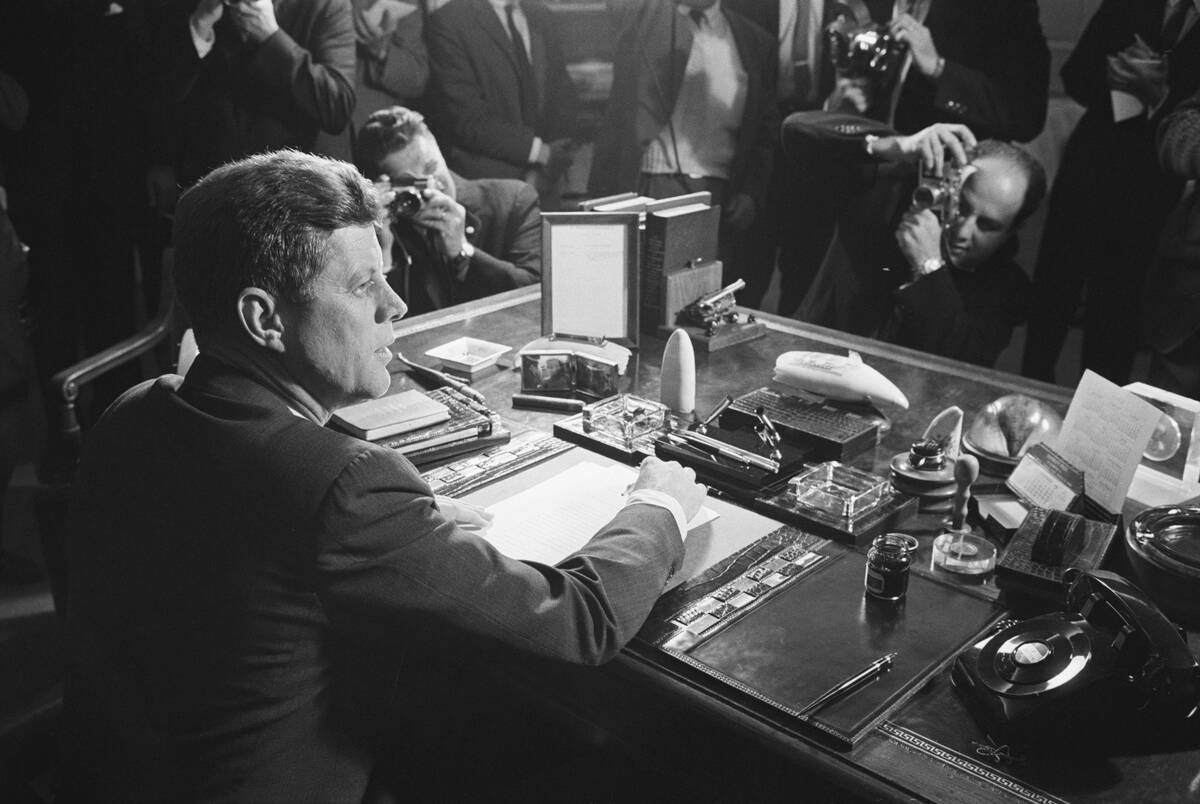
In October 1962, the world teetered on the brink of nuclear war during the Cuban Missile Crisis. Discovering Soviet missiles in Cuba, just 90 miles from U.S. shores, sparked a tense 13-day standoff between the United States and the Soviet Union.
With President Kennedy and Premier Khrushchev at the helm, back-channel negotiations ultimately led to a peaceful resolution. This crisis underscored the importance of diplomacy and communication in averting global catastrophe.
The Oil Crisis of 1973: When the World Ran on Empty
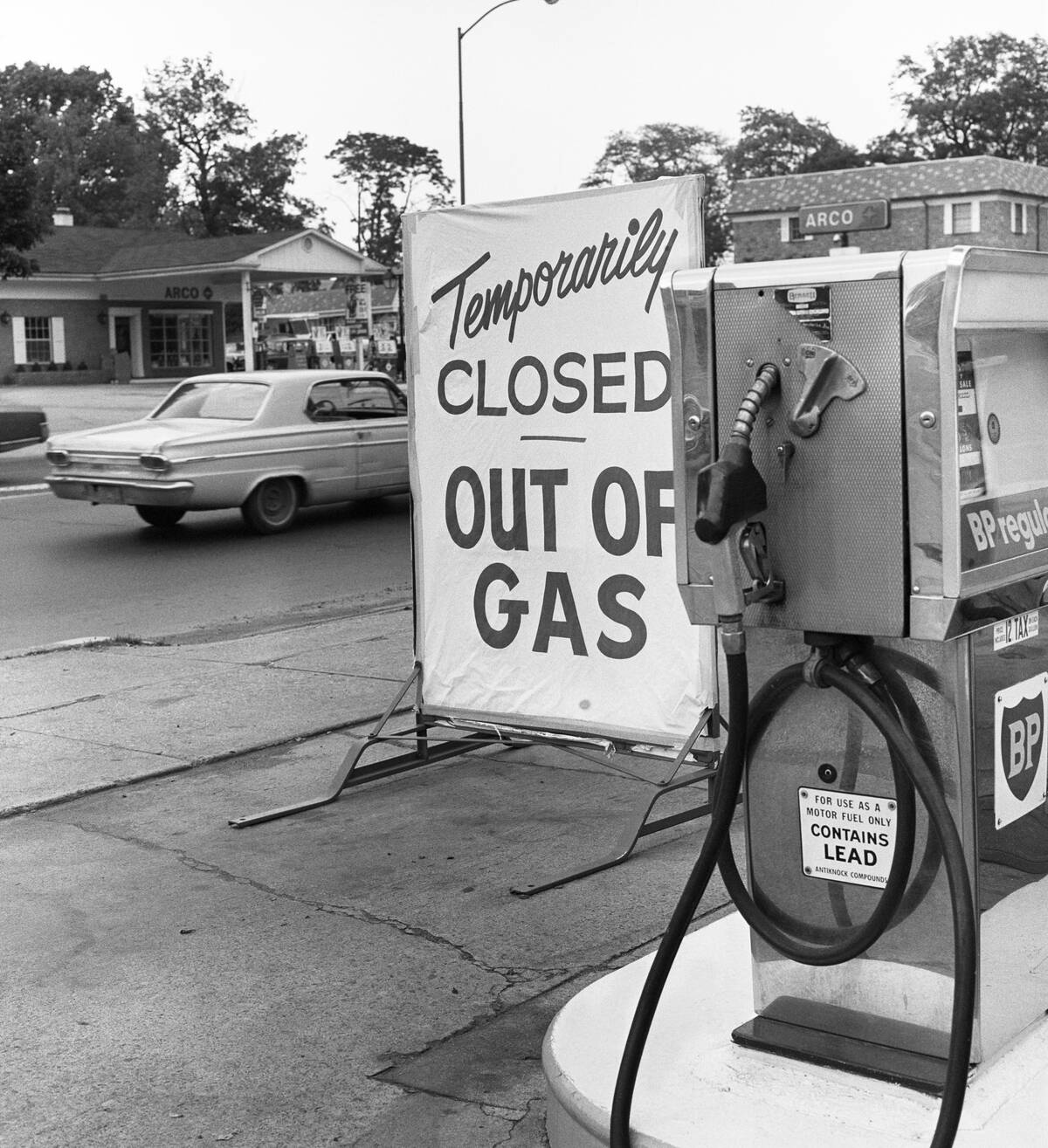
The Oil Crisis of 1973 sent shockwaves through the global economy. Triggered by an OPEC oil embargo in response to U.S. support for Israel during the Yom Kippur War, oil prices quadrupled, causing rampant inflation and economic stagnation.
The crisis highlighted the world’s dependence on oil and spurred efforts to develop alternative energy sources. It also led to shifts in transportation and energy policies, reshaping the global energy landscape.
The Chernobyl Disaster of 1986: A Nuclear Nightmare
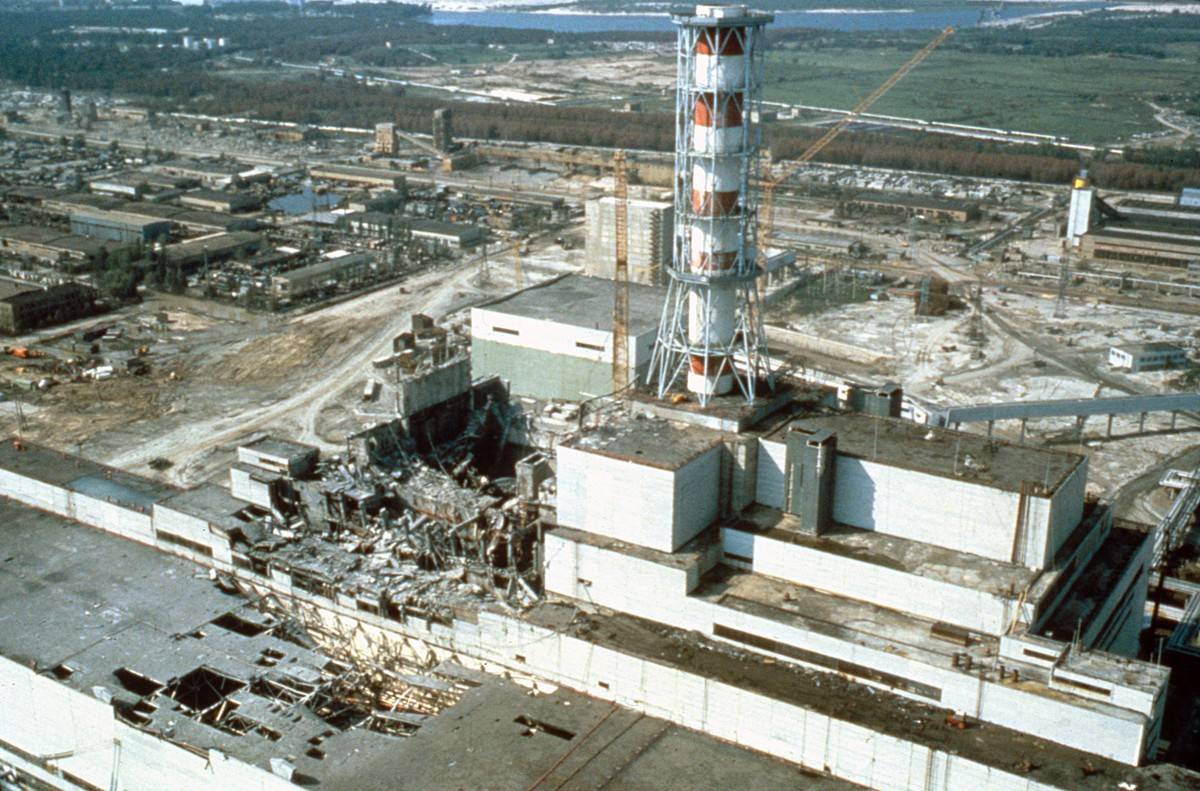
The Chernobyl disaster in April 1986 was the worst nuclear accident in history. A reactor explosion at the Chernobyl Nuclear Power Plant in Ukraine released massive amounts of radioactive material into the atmosphere.
The immediate area was evacuated, and a 30-kilometer exclusion zone remains in place today. The disaster exposed the dangers of nuclear power and led to increased safety protocols worldwide. It also had long-term health and environmental impacts in affected regions.
The Dot-Com Bubble Burst of 2000: The Internet’s First Major Test
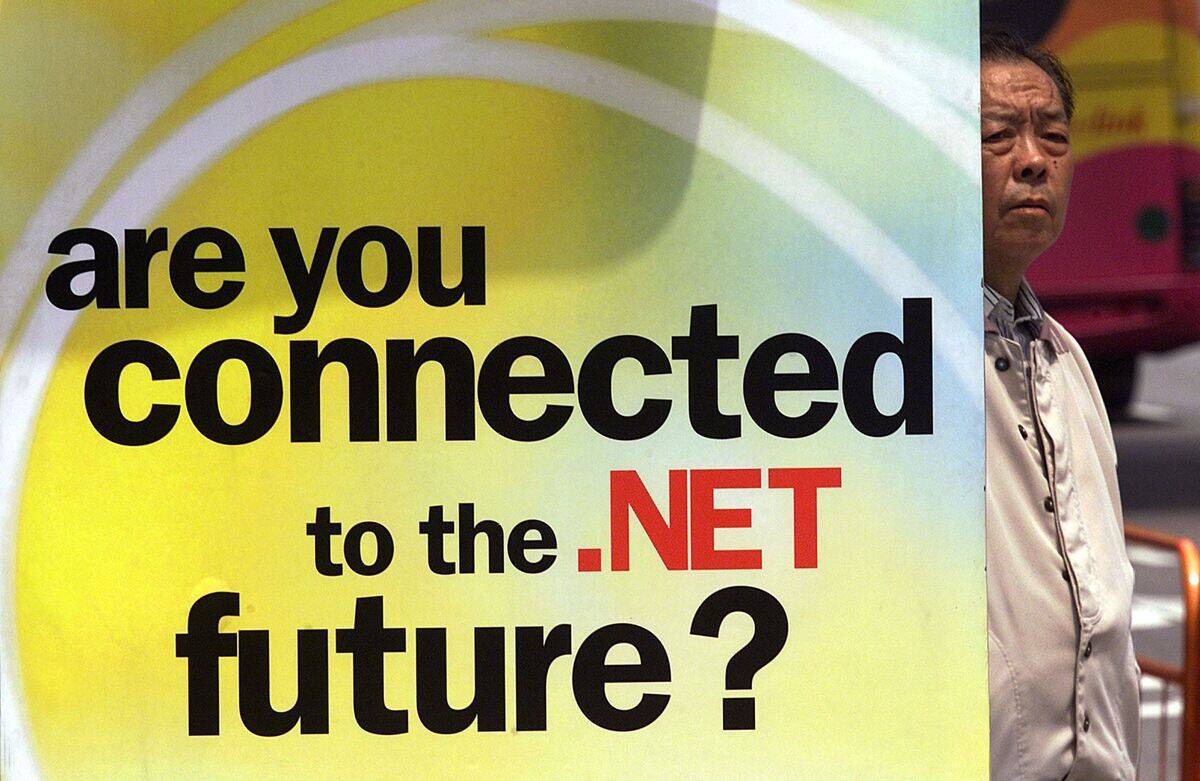
The dot-com bubble burst in 2000 was a defining moment for the burgeoning internet industry. Speculative investments in internet startups led to inflated company valuations. When the bubble burst, many companies went bankrupt, and billions of dollars were lost.
Despite the turmoil, the internet emerged stronger, leading to innovations that transformed industries. Lessons learned during this period laid the foundation for the digital economy we know today.
The September 11 Attacks of 2001: A Day That Changed Everything
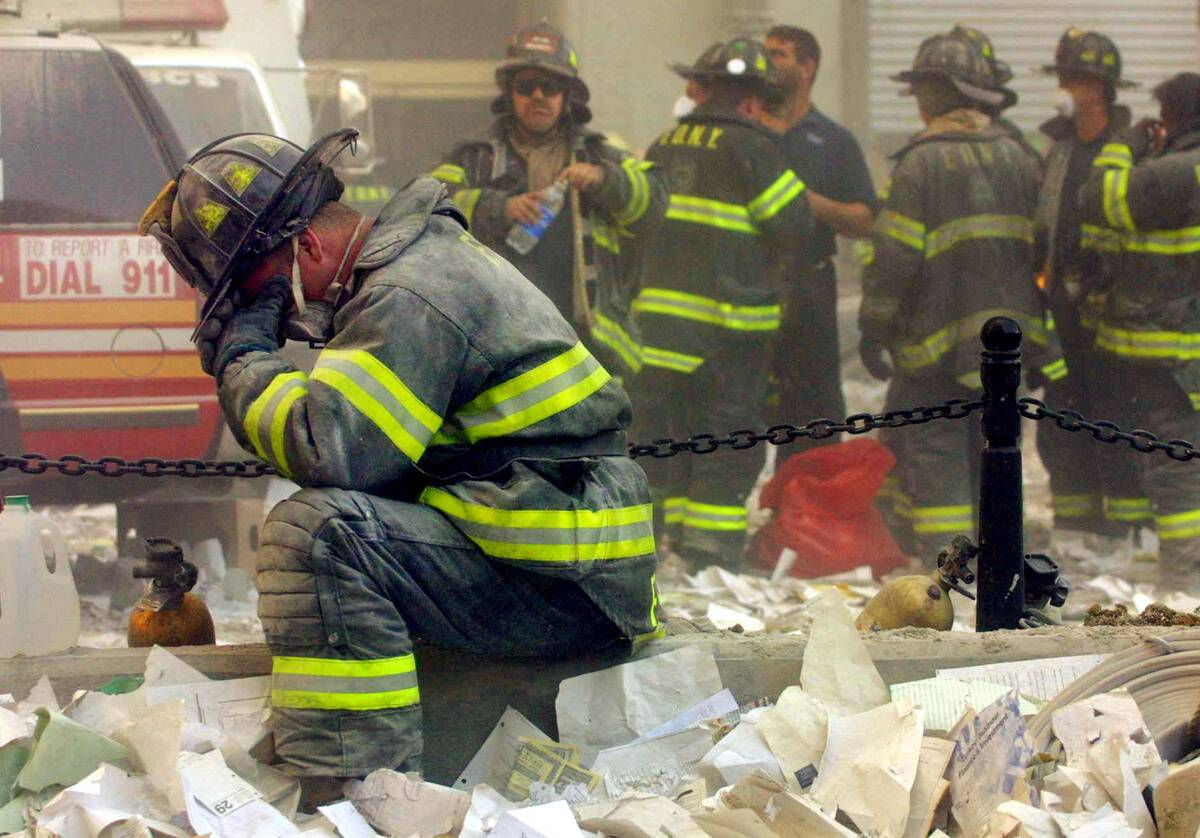
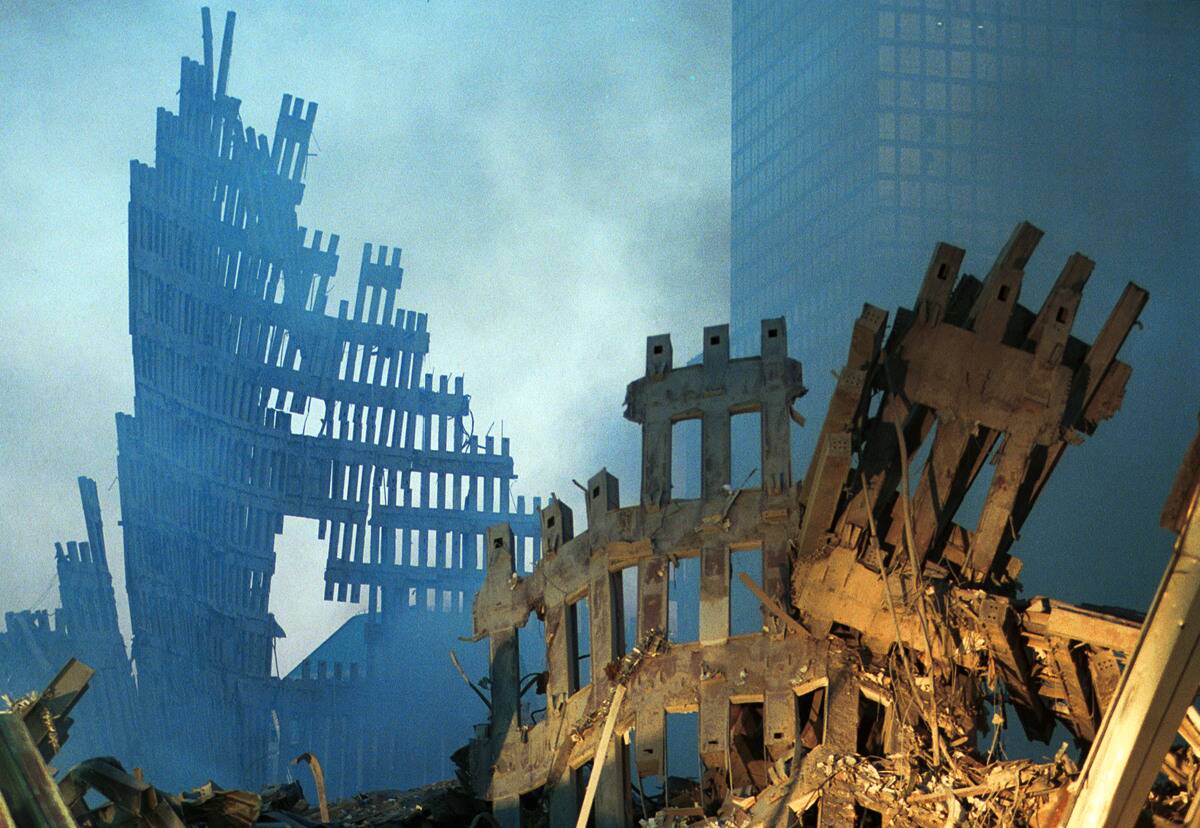
On September 11, 2001, the United States experienced the deadliest terrorist attacks in its history. Four coordinated attacks by al-Qaeda resulted in the collapse of the World Trade Center towers and significant damage to the Pentagon.
Nearly 3,000 people lost their lives that day. The attacks led to sweeping changes in U.S. foreign and domestic policy, including the War on Terror and the establishment of the Department of Homeland Security.
The Financial Crisis of 2008: Wall Street’s Wake-Up Call
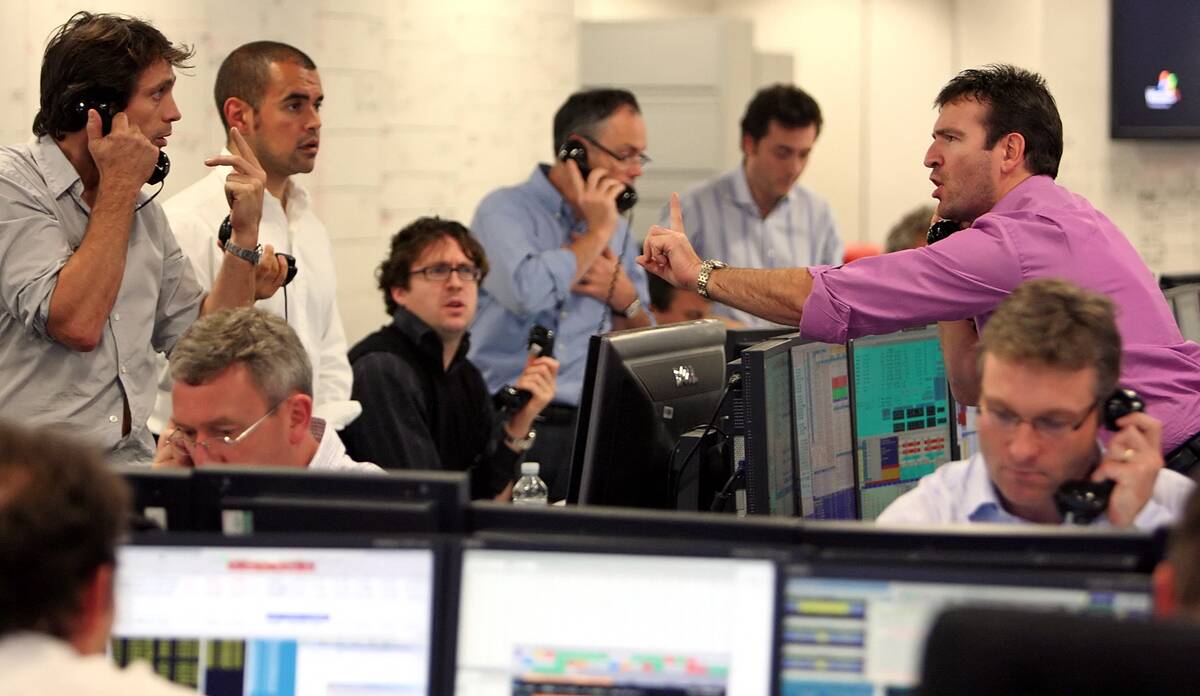
The financial crisis of 2008 was a global economic downturn triggered by the collapse of Lehman Brothers and a subprime mortgage crisis. The crisis exposed vulnerabilities in financial systems, leading to bank bailouts and reforms.
Governments worldwide implemented stimulus measures to prevent further economic collapse. This crisis led to widespread job losses and foreclosures, prompting new regulations aimed at preventing future financial instability and safeguarding the global economy.
The COVID-19 Pandemic of 2020: A New Era of Global Uncertainty
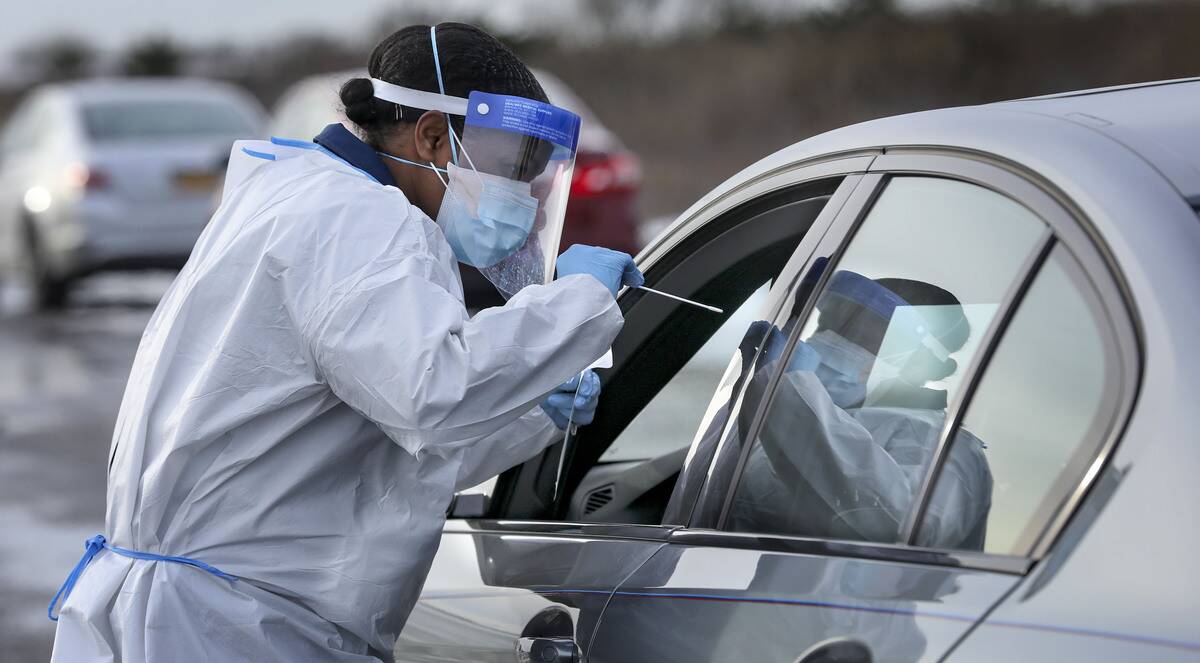
The COVID-19 pandemic, which began in 2020, has affected every corner of the globe. Originating in Wuhan, China, the virus spread rapidly, leading to lockdowns and unprecedented public health measures.
With millions infected and significant loss of life, the pandemic has reshaped healthcare, economies, and daily life. Scientific collaboration led to vaccine development in record time, offering hope for recovery. The pandemic has underscored the importance of global cooperation in addressing health crises.
Conclusion: Resilience in the Face of Adversity
Through the lens of history, we see that human resilience shines brightest in times of adversity. Each event, from plagues to financial crises, has tested our limits but also spurred innovation, reform, and growth.
As we navigate current and future challenges, these stories remind us of our capacity to overcome and adapt. They offer hope and a blueprint for building a more resilient and interconnected world, ready to tackle whatever comes next.




