Plagues that altered trade routes and beliefs
Plagues have been a formidable force in shaping societies throughout history. They not only alter population dynamics but also impact trade, religion, and media. From ancient times to the present day, the ripple effects of plagues have been felt across the globe, influencing everything from economic policies to cultural practices.
By examining specific historical pandemics, we can gain insight into how these deadly outbreaks have reshaped the world and continue to do so.
The Bubonic Plague: A Turning Point in News Reporting
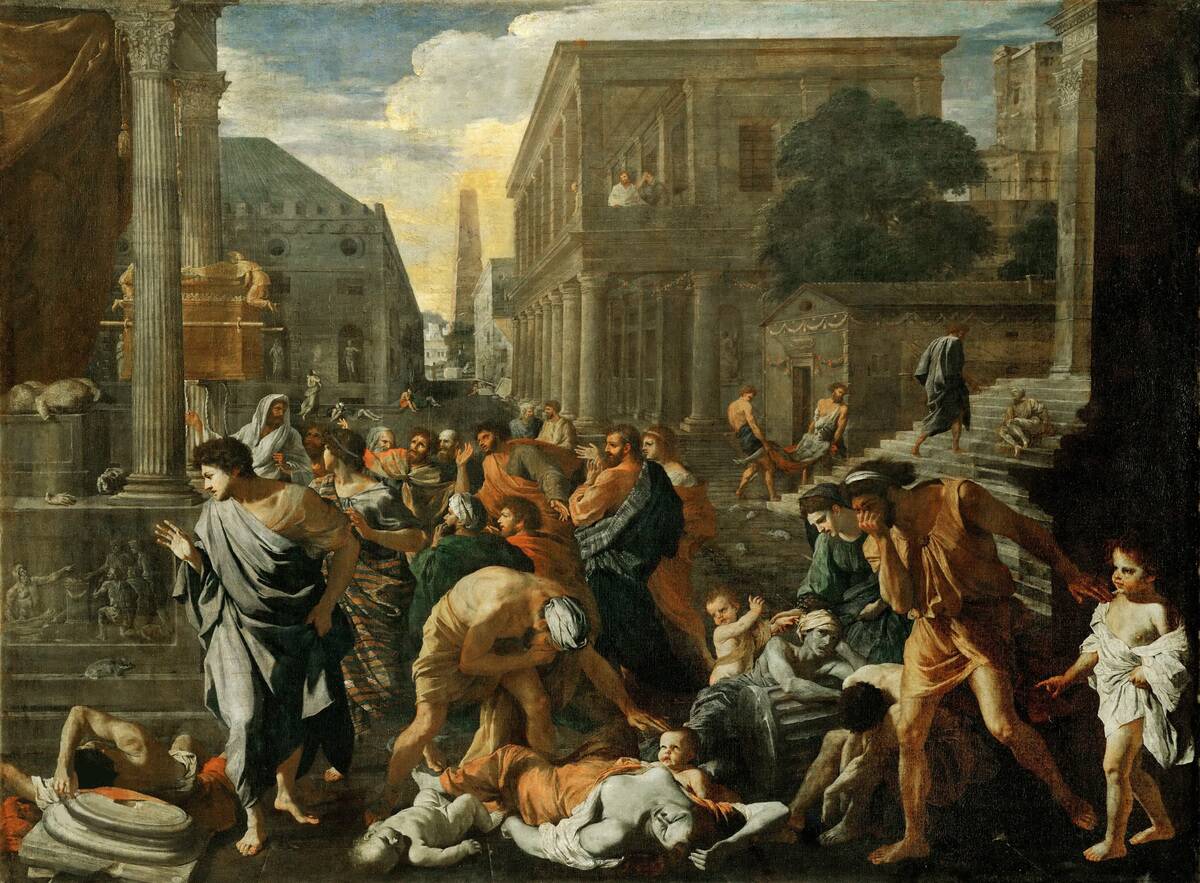
The Bubonic Plague, or the Black Death, swept through Europe in the 14th century, decimating populations and altering the course of history. With a death toll of around 25 million, the need for information became urgent, leading to the development of more structured news reporting.
This pandemic marked a shift from oral communication to written records, as people sought reliable sources to understand the spread and impact of the disease. The birth of more formal news dissemination can arguably be traced back to this devastating period.
How the Plague of Athens Altered Ancient Greek Trade

The Plague of Athens struck in 430 BC during the Peloponnesian War, causing widespread panic and a significant decline in population. This outbreak severely disrupted trade, as many city-states imposed quarantines and restricted ship movements to prevent the spread.
As Athens was a hub of commerce, the plague forced traders to find new routes and partners, leading to a shift in economic power. This event highlighted the vulnerability of interconnected trade networks and the need for adaptability in times of crisis.
Faith and Fear: The Black Death’s Influence on Religion
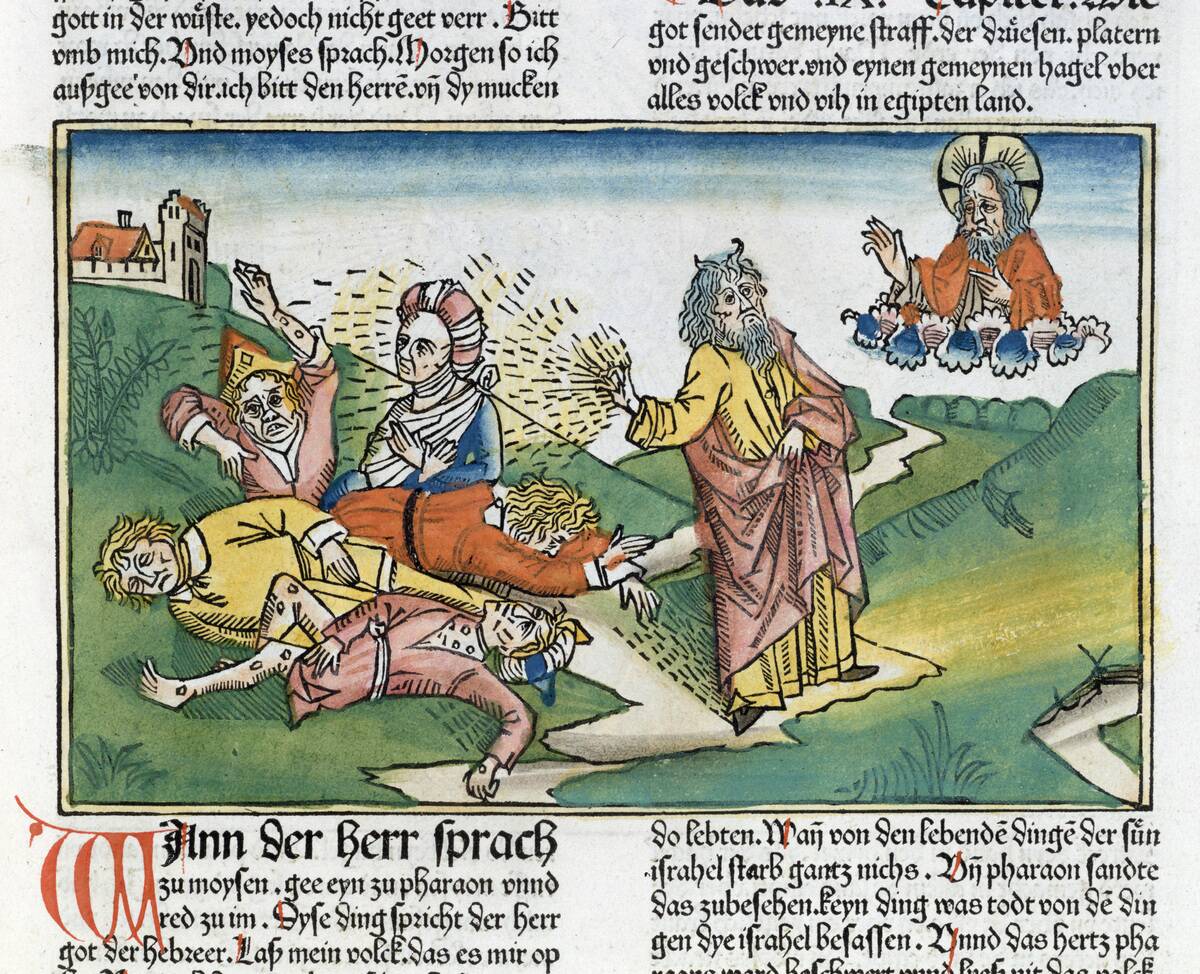
The Black Death’s impact on religion was profound, as it led to a crisis of faith among many Europeans. With the church unable to provide answers or relief, people began questioning religious authorities, leading to a decline in church attendance.
Some turned to mysticism and other religious movements, seeking solace outside traditional structures. This shift laid the groundwork for future religious reforms and challenges to the Catholic Church’s dominance, illustrating how a pandemic can catalyze spiritual and ideological transformations.
The Justinian Plague: Shaping Byzantine News and Commerce
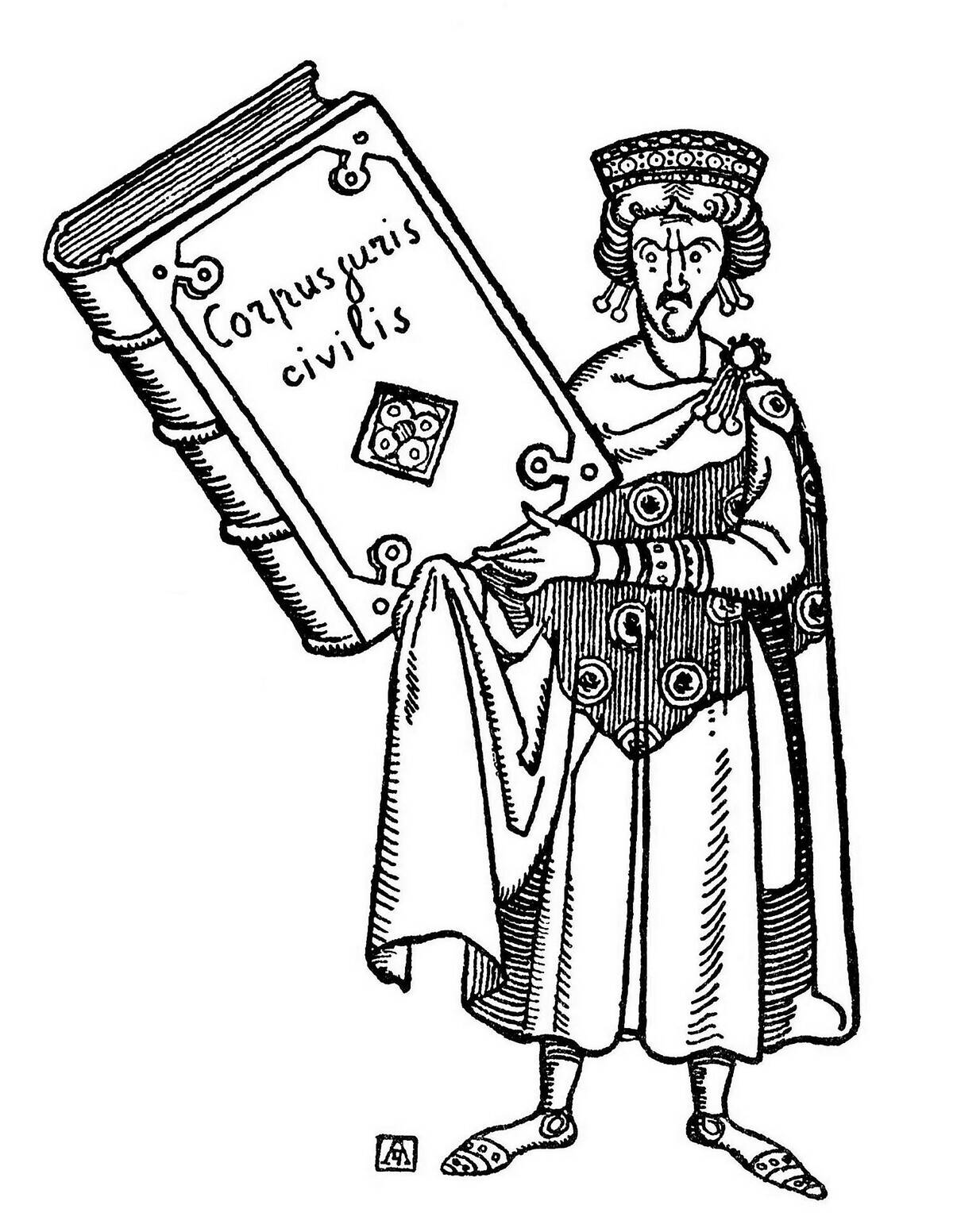
The Justinian Plague of the 6th century ravaged the Byzantine Empire, killing millions and disrupting daily life. This catastrophe prompted a greater emphasis on record-keeping and communication, as government officials struggled to manage the crisis.
The spread of the plague also led to significant changes in trade patterns, as merchants sought safer routes and goods. This pandemic highlighted the importance of efficient information dissemination and adaptive commerce strategies in maintaining economic stability during turbulent times.
Smallpox and the Transformation of Indigenous Trade Routes

Smallpox, introduced to the Americas by European colonizers, devastated indigenous populations and radically altered their trade networks. With entire communities wiped out, traditional routes and partnerships were disrupted, forcing survivors to adapt quickly.
This led to the formation of new alliances and trading systems, as indigenous groups sought to rebuild their economies. The introduction of smallpox serves as a stark reminder of how disease can fundamentally change social and economic structures, often with lasting repercussions.
The Spanish Flu: Revolutionizing Modern News Dissemination
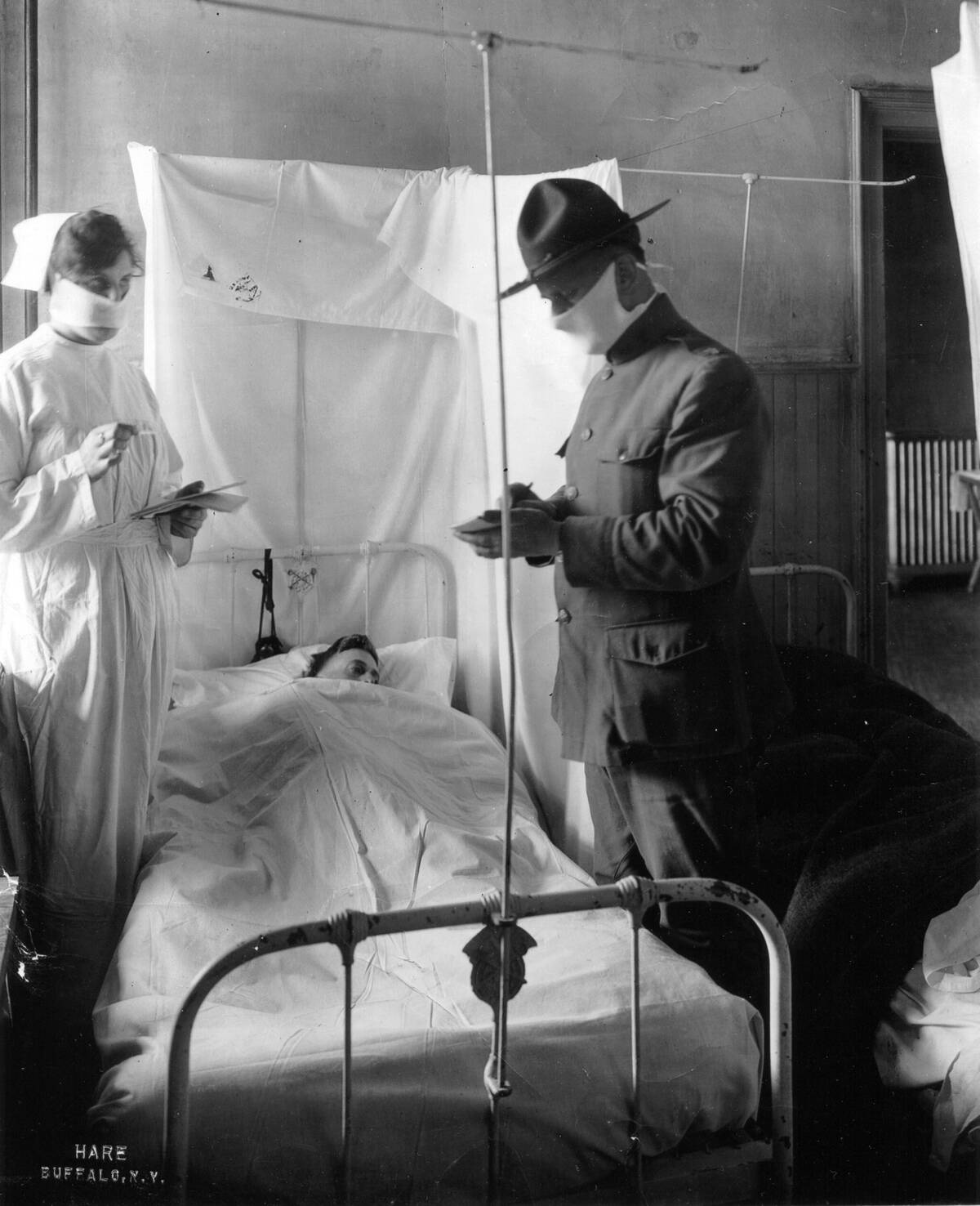
The Spanish Flu of 1918 was a watershed moment for modern news dissemination, as the pandemic spread rapidly across the globe. The need for timely and accurate information led to innovations in journalism, with newspapers playing a crucial role in educating the public about prevention measures.
This era saw the rise of more systematic health reporting and the establishment of public health communications as a critical component of news media. The Spanish Flu underscored the importance of reliable information in managing public health crises.
The Role of the Antonine Plague in Roman Economic Shifts
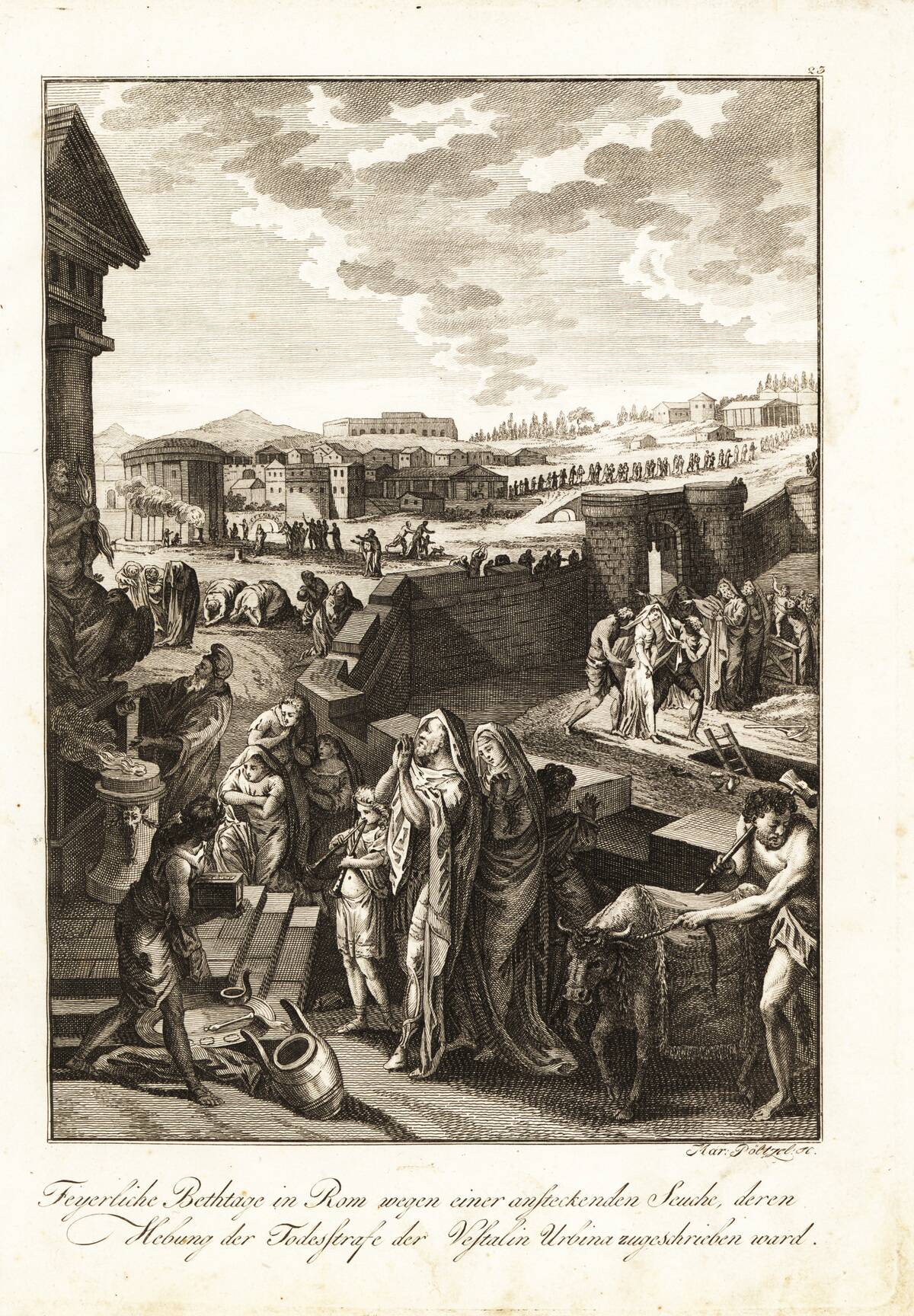
The Antonine Plague, which struck the Roman Empire in the 2nd century, had devastating effects on the economy. With a significant portion of the workforce incapacitated or dead, labor shortages became a pressing issue, leading to inflation and a decline in production.
The empire’s reliance on trade was also impacted, as fewer goods were available for exchange. This pandemic forced the Romans to rethink their economic strategies, highlighting the vulnerability of even the most powerful empires to the ravages of disease.
Cholera Outbreaks and the Birth of Health Journalism
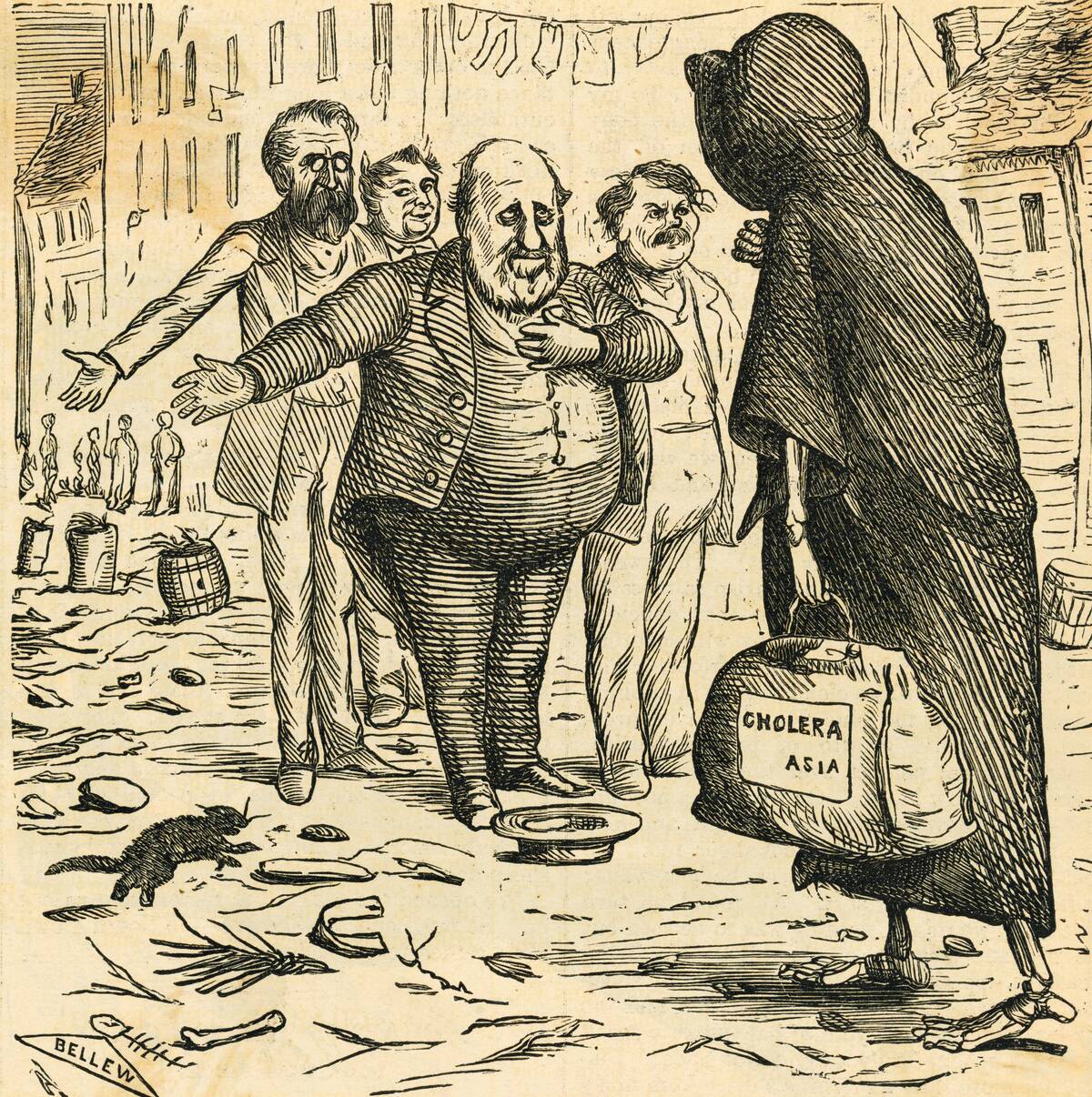
Cholera outbreaks in the 19th century played a pivotal role in the development of health journalism. As cholera spread rapidly, public demand for information grew, prompting newspapers to cover the disease extensively.
This period saw the emergence of investigative reporting, as journalists sought to uncover the causes of outbreaks and hold authorities accountable. The focus on public health issues in the media laid the groundwork for modern health journalism, emphasizing the crucial role of the press in informing and protecting society.
The Great Plague of London: Changing Faith Practices
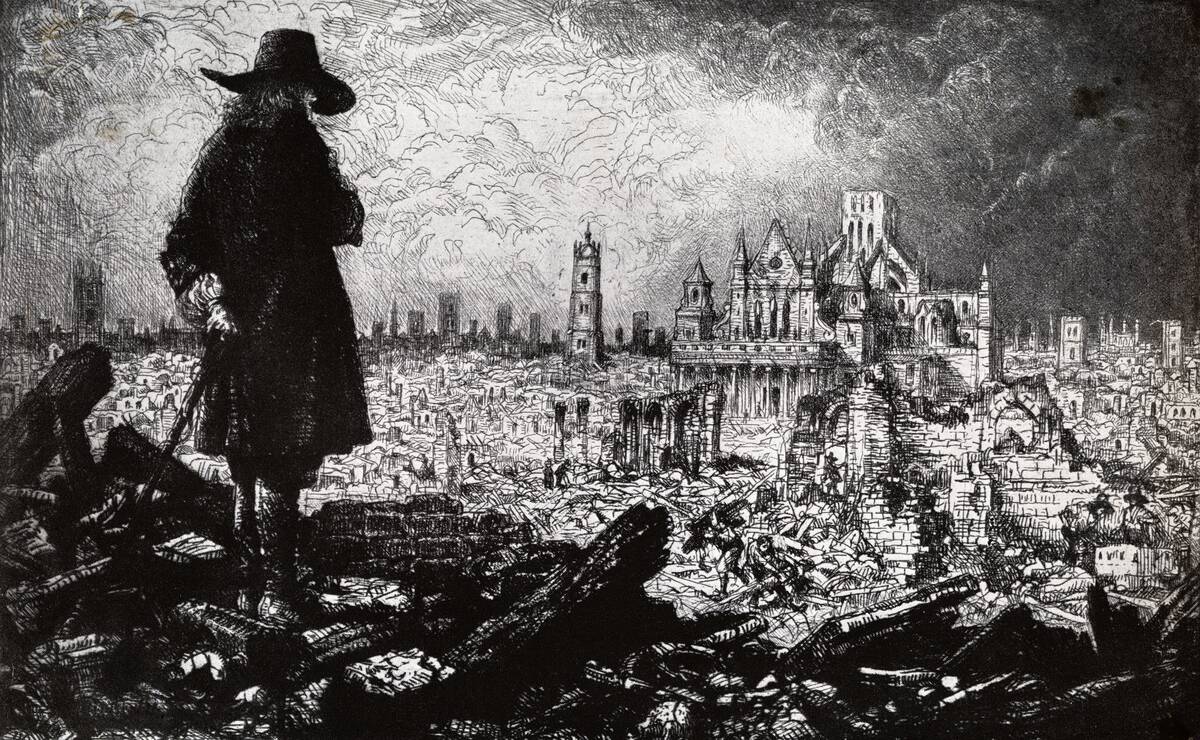
The Great Plague of London in 1665 had a significant impact on religious practices in England. With churches closed and gatherings banned, many turned to private worship and prayer, leading to a more personal and individualized faith experience.
This shift in religious practice persisted even after the plague subsided, as people realized the value of personal spirituality. The pandemic prompted a reevaluation of traditional religious structures and practices, contributing to a more diverse and pluralistic religious landscape in England.
SARS: A New Era of Global Trade Awareness
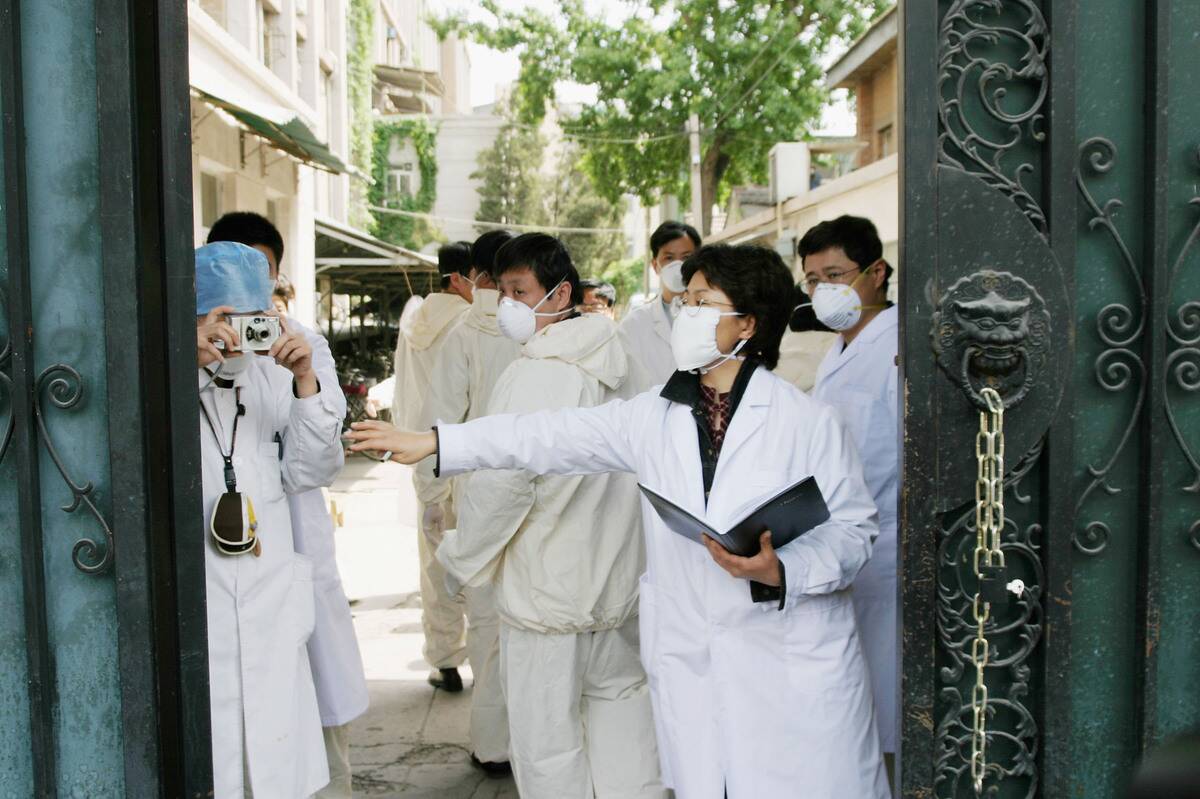
The SARS outbreak in 2003 marked a turning point in global trade awareness, highlighting the interconnectedness of modern economies. With international travel and commerce severely impacted, countries realized the importance of cooperation and communication in managing health crises.
SARS prompted the development of global health networks and protocols, emphasizing the need for rapid information sharing and coordinated responses. This outbreak underscored the critical role of international collaboration in safeguarding global trade and public health.
The Third Cholera Pandemic and Victorian News Coverage

During the Third Cholera Pandemic in the mid-19th century, Victorian newspapers played a crucial role in disseminating information about the outbreak. The demand for accurate reporting led to more in-depth coverage of public health issues, with journalists often investigating sanitation conditions and government responses.
This period marked a shift towards more responsible and detailed health journalism, as the public relied on the press to navigate the challenges posed by the pandemic. The era set a precedent for future health-related news coverage.
How the Plague of Cyprian Spread Christian Ideals
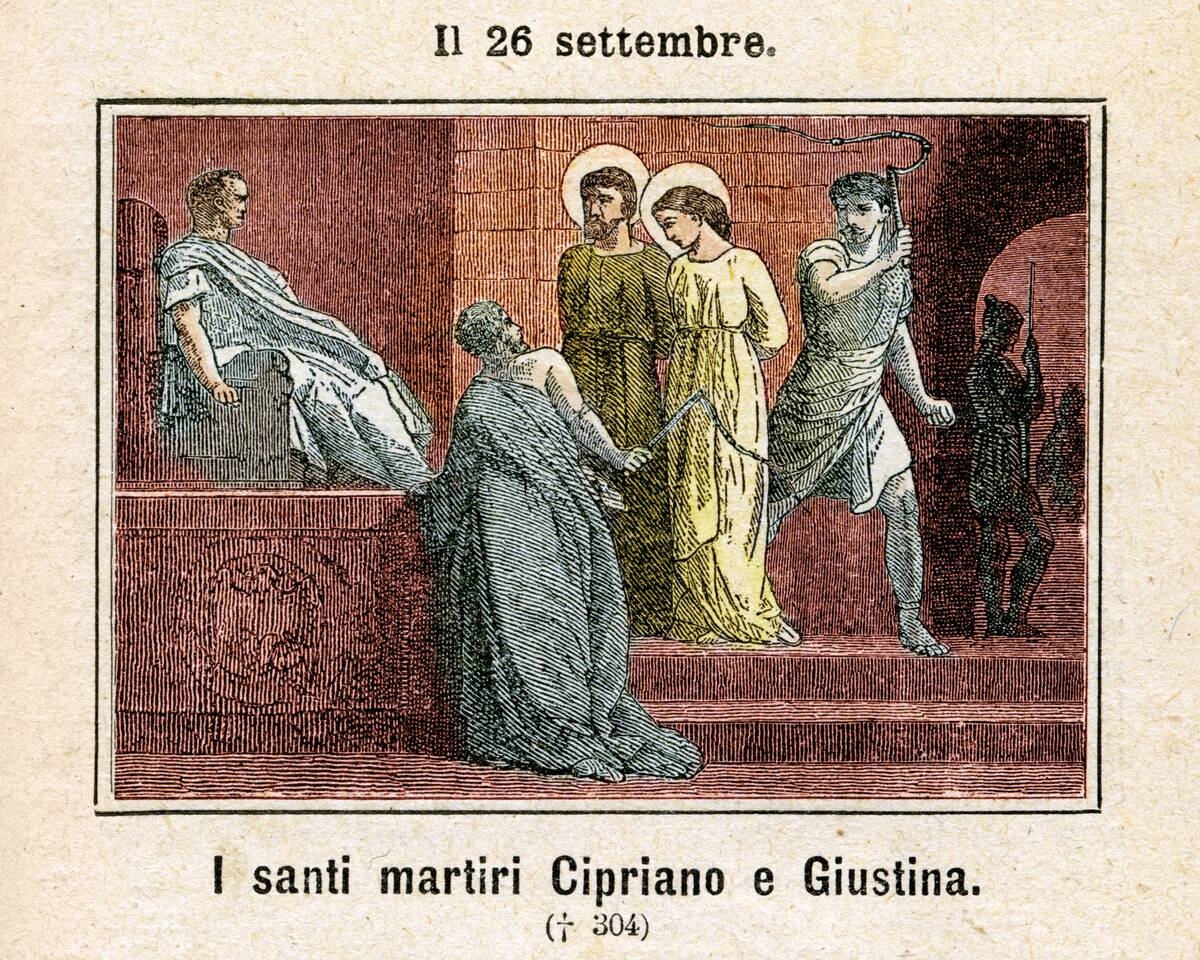
The Plague of Cyprian, which struck the Roman Empire in the 3rd century, had a profound impact on the spread of Christianity. As the disease ravaged communities, Christians were noted for their compassion and care for the sick, contrasting with the general panic and neglect.
This demonstration of faith and charity attracted converts, bolstering the growth of Christianity during a time of crisis. The plague inadvertently aided in the dissemination of Christian ideals, highlighting the role of pandemics in shaping religious landscapes.
The Influence of the Asian Flu on 20th-Century Trade Policies
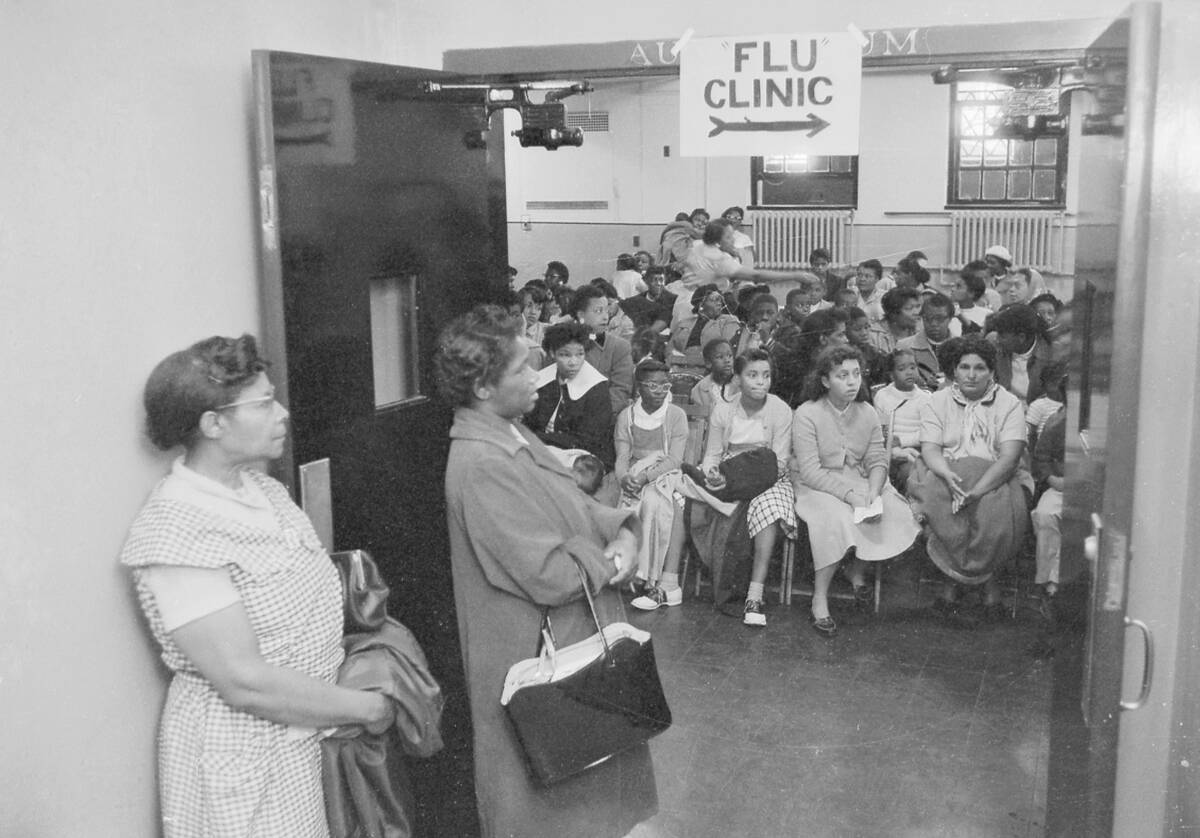
The Asian Flu pandemic of 1957-1958 challenged existing trade policies, as countries grappled with the cross-border spread of the virus. The outbreak led to increased scrutiny of international trade practices, with governments implementing stricter health regulations and monitoring systems.
These measures aimed to prevent future pandemics while maintaining economic stability, demonstrating the delicate balance between health security and global commerce. The Asian Flu’s impact on trade policies underscores the importance of adaptive strategies in a globalized world.
Middle Ages Trade Networks and the Spread of the Plague
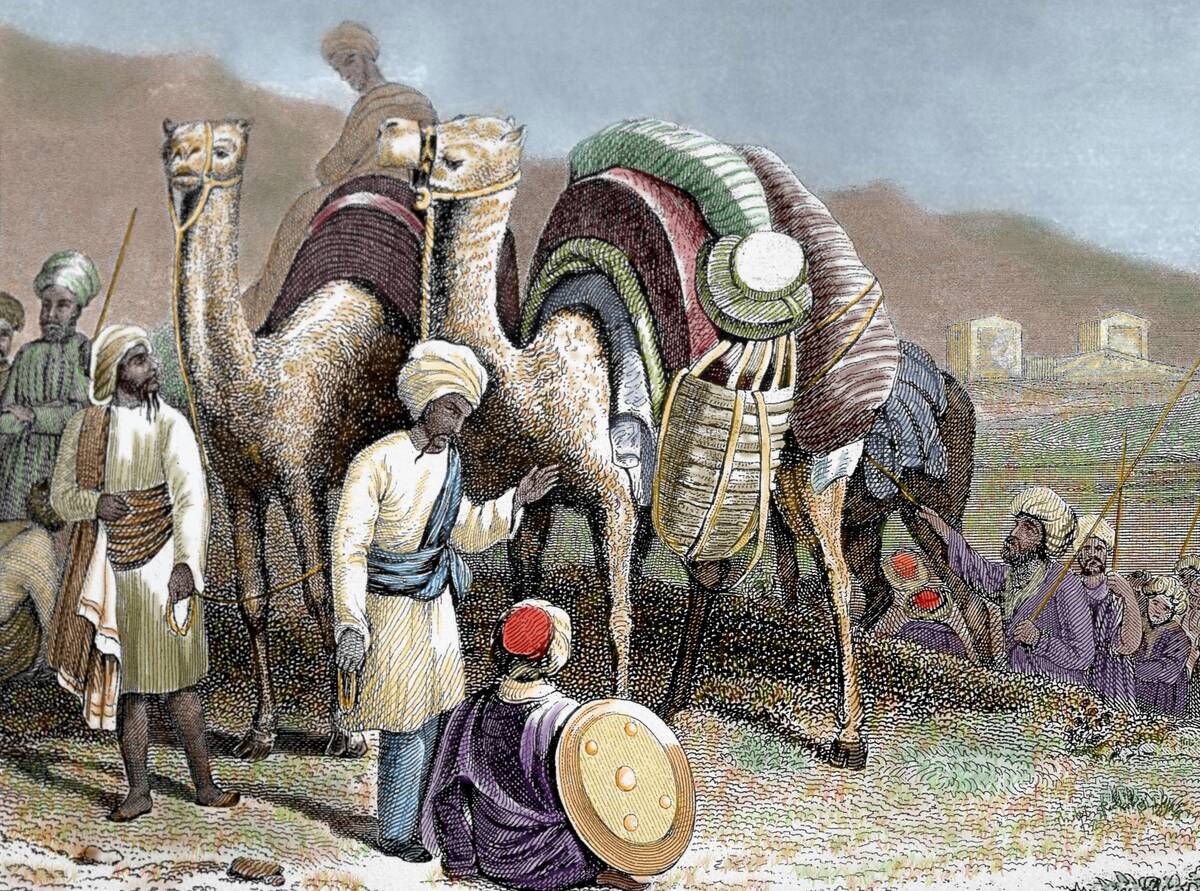
During the Middle Ages, trade networks played a crucial role in the spread of the plague, underscoring the interconnectedness of medieval societies. The Silk Road and other trade routes facilitated the movement of goods and people, inadvertently transporting diseases across continents.
This period highlighted the double-edged sword of trade: while it brought prosperity and cultural exchange, it also posed significant health risks. The spread of the plague through trade routes serves as a historical lesson on the importance of managing the health implications of commerce.
Religious Reformation Post-Black Death
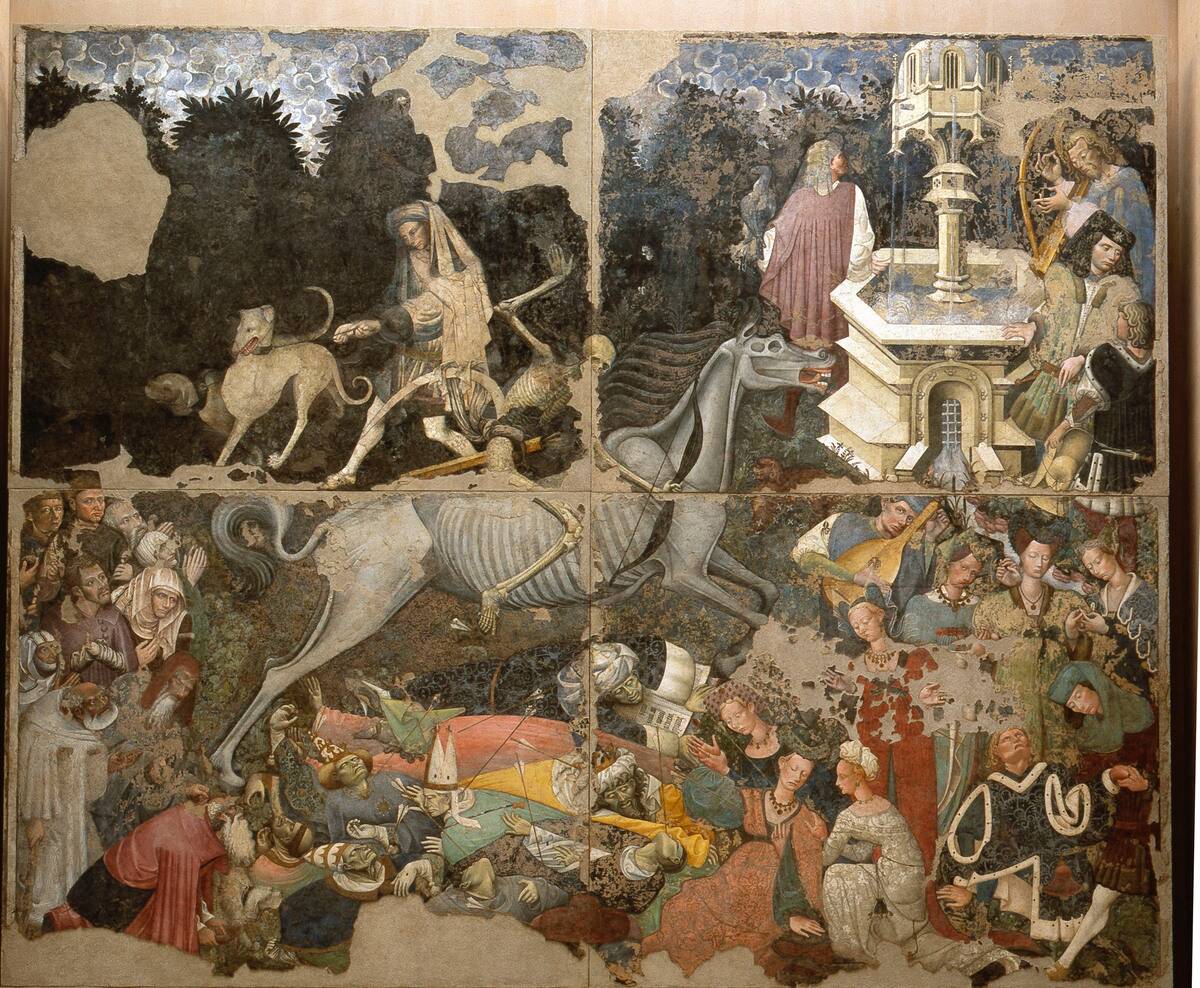
The aftermath of the Black Death saw significant religious reformation across Europe, as the pandemic shattered the existing social and religious order. With the church’s inability to provide answers or prevent suffering, many began to question its authority, leading to a decline in its influence.
This skepticism paved the way for movements such as the Protestant Reformation, which sought to address the perceived failings of the Catholic Church. The Black Death’s impact on religion illustrates how pandemics can catalyze lasting spiritual and ideological change.
The Role of Modern Media During the COVID-19 Pandemic
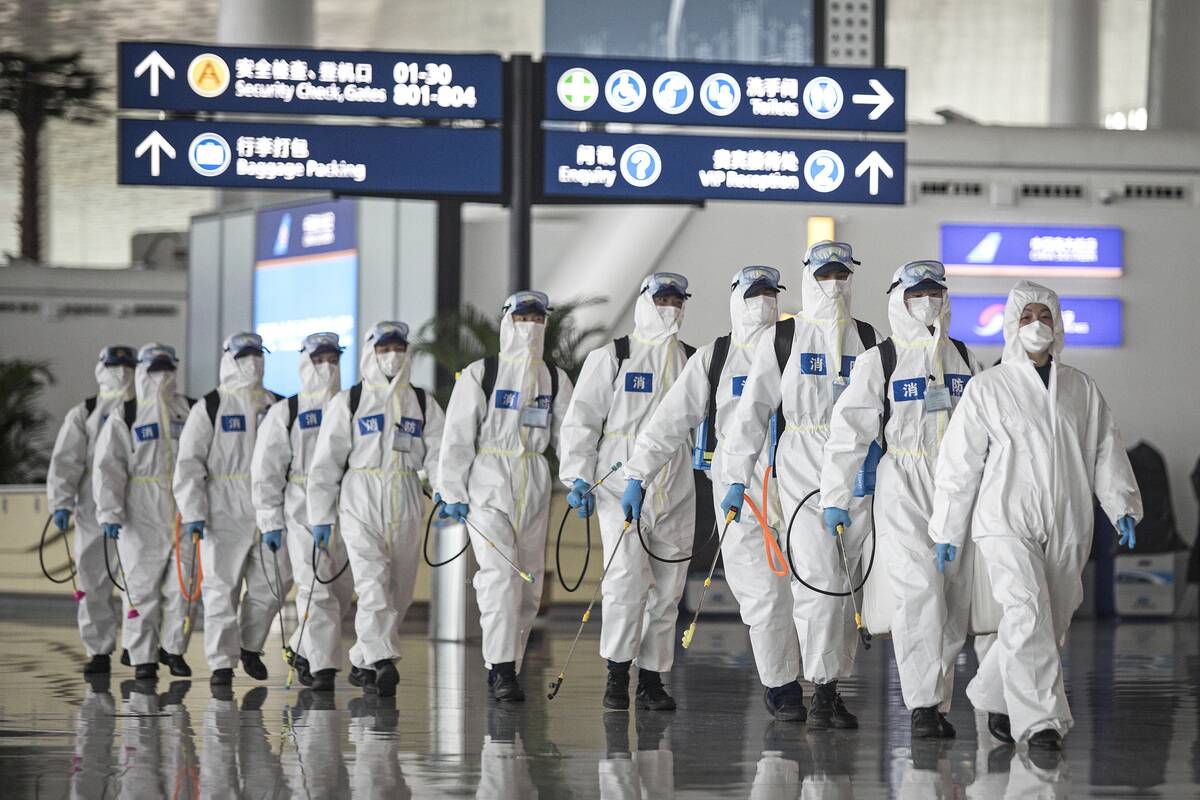
The COVID-19 pandemic has underscored the critical role of modern media in managing public health crises. With misinformation rampant, reliable news sources became essential in providing accurate information and guidance. The pandemic accelerated the shift towards digital media, as people turned to online platforms for updates and resources.
This era has highlighted the importance of responsible journalism and the need for media literacy in combating the spread of false information. The COVID-19 experience emphasizes the media’s vital role in shaping public perception and policy.
How the Plague of 1665 Reshaped London’s Religious Landscape
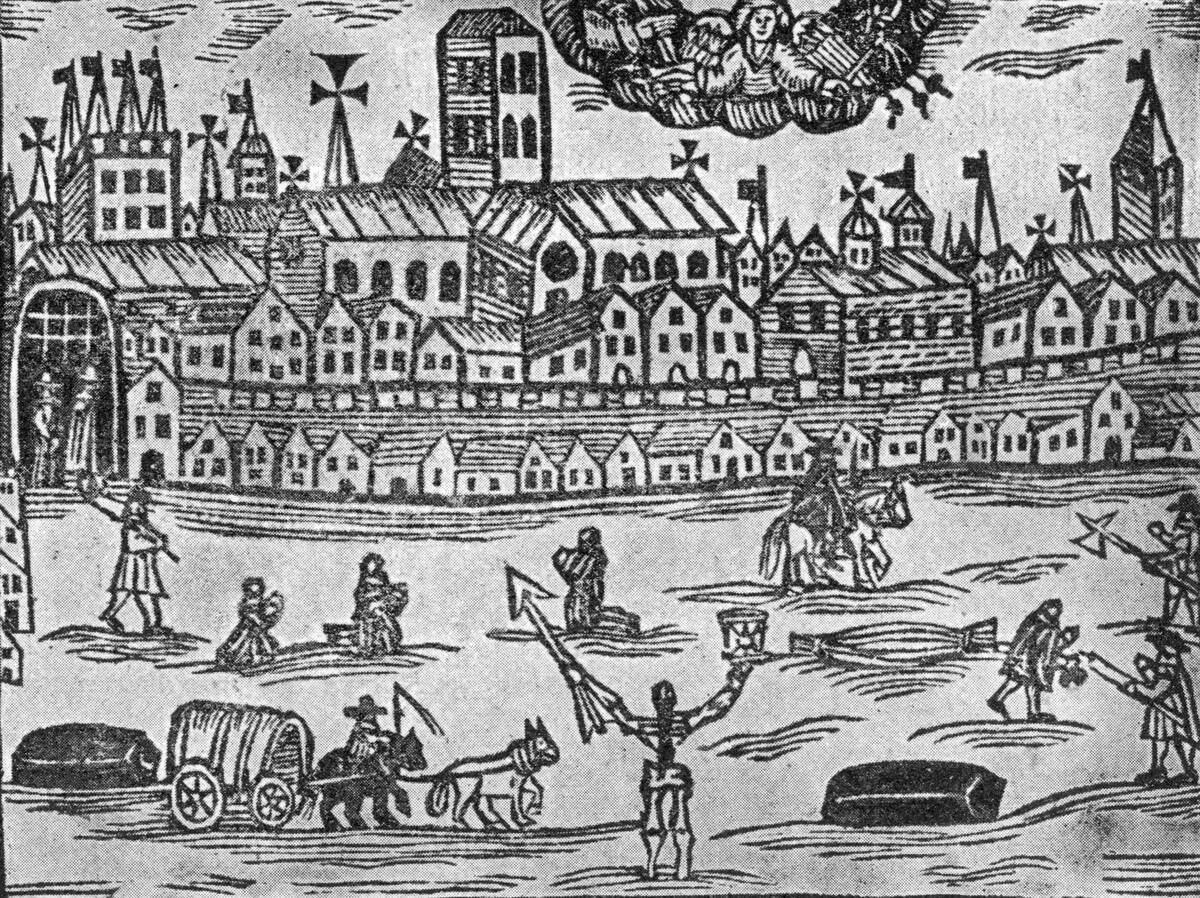
The Plague of 1665 had a lasting impact on London’s religious landscape, as traditional practices were disrupted by the epidemic. With public gatherings banned, many turned to personal and family-based worship, leading to a more individualized approach to faith.
This shift persisted even after the plague subsided, contributing to a more diverse religious environment in the city. The pandemic prompted a reevaluation of religious practices, highlighting the adaptability of faith communities in the face of adversity.
The Impact of the Hong Kong Flu on International News

The Hong Kong Flu pandemic of 1968-1969 highlighted the role of international news in managing global health crises. As the virus spread rapidly, news outlets played a crucial role in disseminating information and raising awareness about prevention measures.
This era saw the development of more sophisticated health reporting, as journalists sought to provide accurate and timely updates. The Hong Kong Flu underscored the importance of global news networks in facilitating international cooperation and response during pandemics.
Yellow Fever and the Transformation of Atlantic Trade Routes
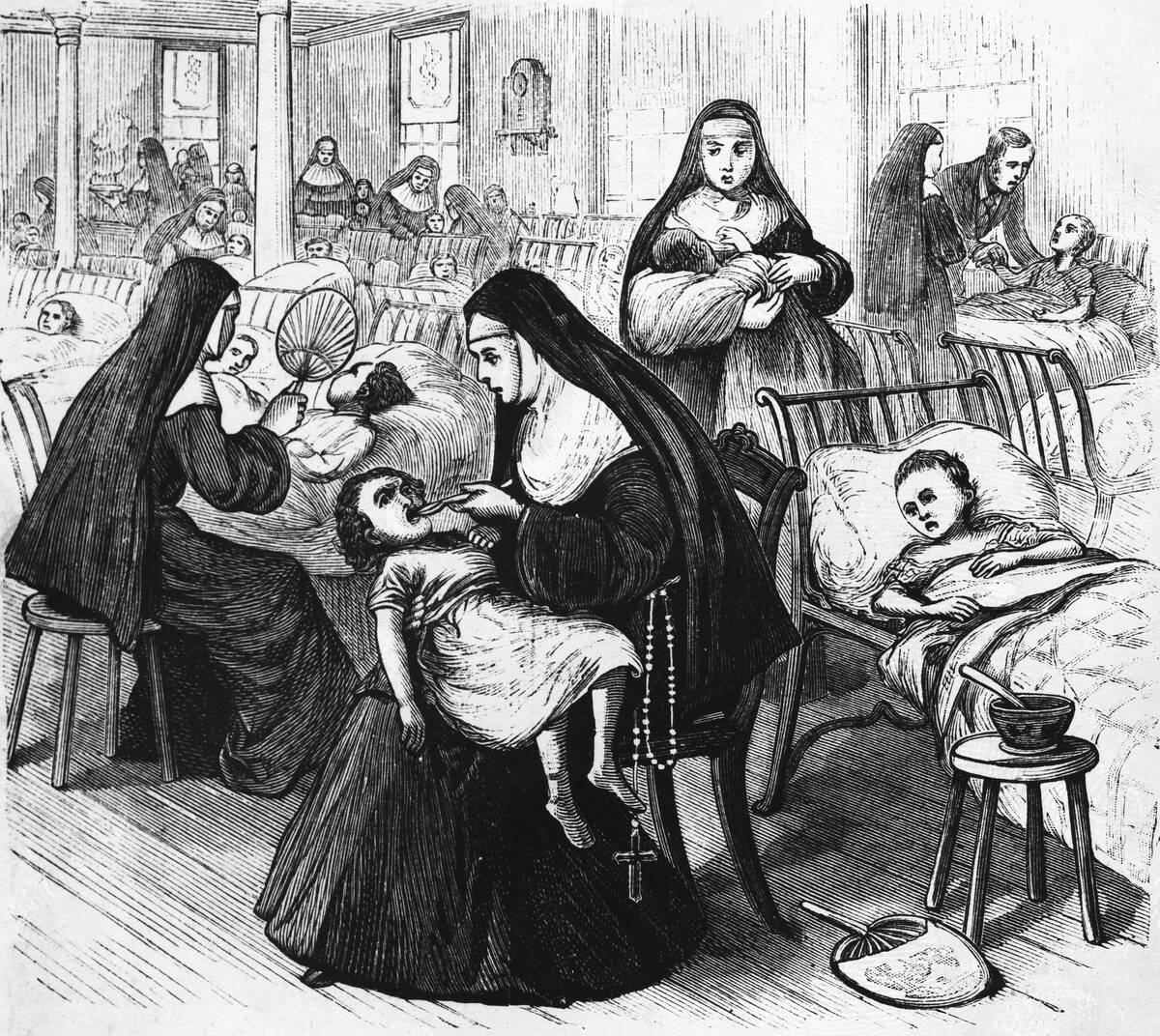
Yellow Fever outbreaks in the 19th century significantly impacted Atlantic trade routes, as the disease ravaged port cities and disrupted commerce. The fear of contagion led to quarantine measures and changes in shipping practices, as traders sought to minimize risks.
This period saw the development of more stringent health regulations and the establishment of health inspections at ports. Yellow Fever’s impact on trade routes highlights the importance of public health measures in maintaining economic stability in the face of infectious diseases.




