Empires rising from trade, not warfare
Trade has been the lifeblood of empires throughout history, fueling their rise and sustaining their power. It wasn’t just about the exchange of goods but also ideas, cultures, and innovations.
Empires that mastered the art of trade often found themselves at the center of power and influence. From ancient civilizations to modern nations, trade has remained a crucial factor in shaping global dynamics and establishing economic dominance.
The Rise of Ancient Phoenicia: Masters of Maritime Commerce
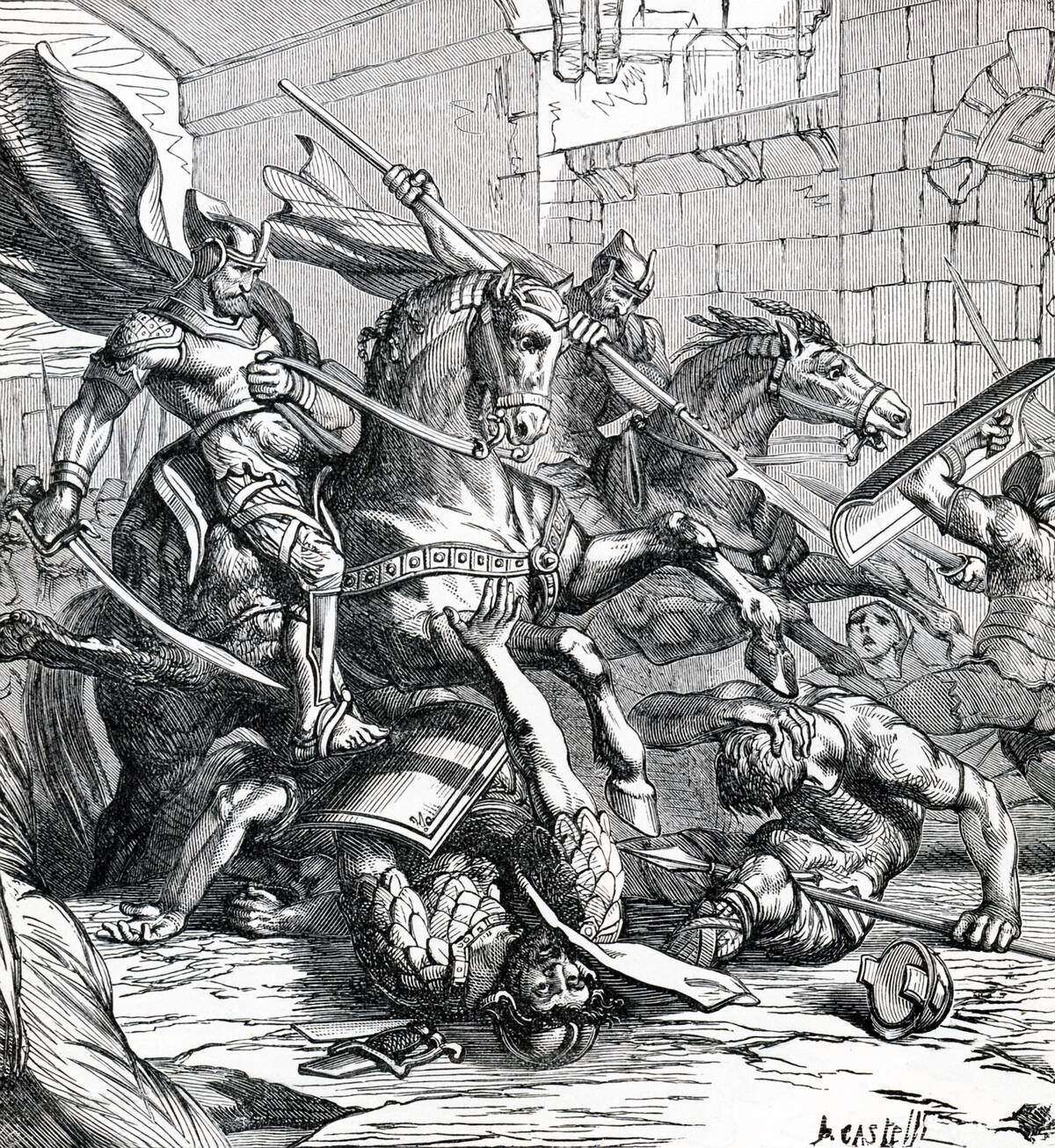
The Phoenicians were among the first to harness the power of the sea for trade. Their strategic location along the Mediterranean allowed them to become prolific traders, exchanging goods like timber, glass, and the famous Tyrian purple dye.
With their advanced shipbuilding skills, they established trading colonies throughout the Mediterranean, spreading their influence far and wide. Their innovative use of the alphabet further facilitated trade by improving record-keeping and communication across regions.
The Venetian Republic: Dominance Through Trade Routes
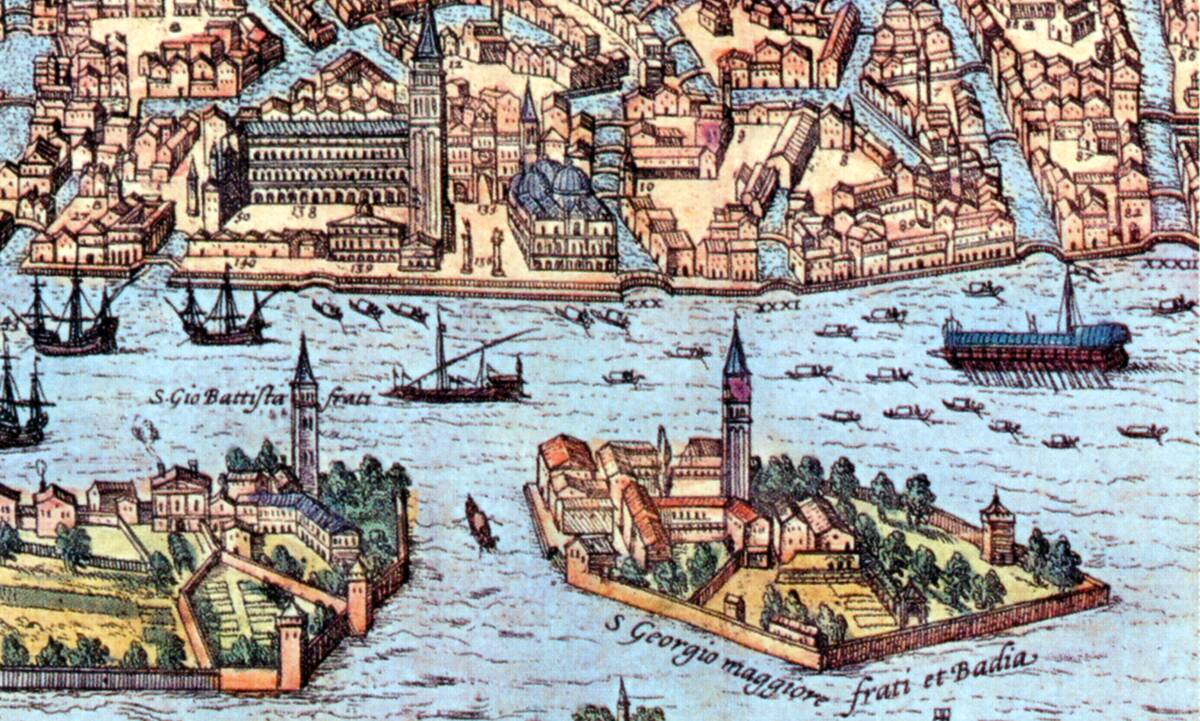
Venice, a city built on islands, rose to power by controlling key trade routes between Europe and the East. The Venetian merchants became wealthy by trading in spices, silks, and precious metals.
Their powerful navy protected their interests and allowed them to dominate the Adriatic Sea. Venice’s strategic location and diplomatic prowess enabled the city to become a crucial hub for commerce, culture, and wealth, leaving a lasting legacy on European trade.
The Hanseatic League: A Network of Northern European Commerce
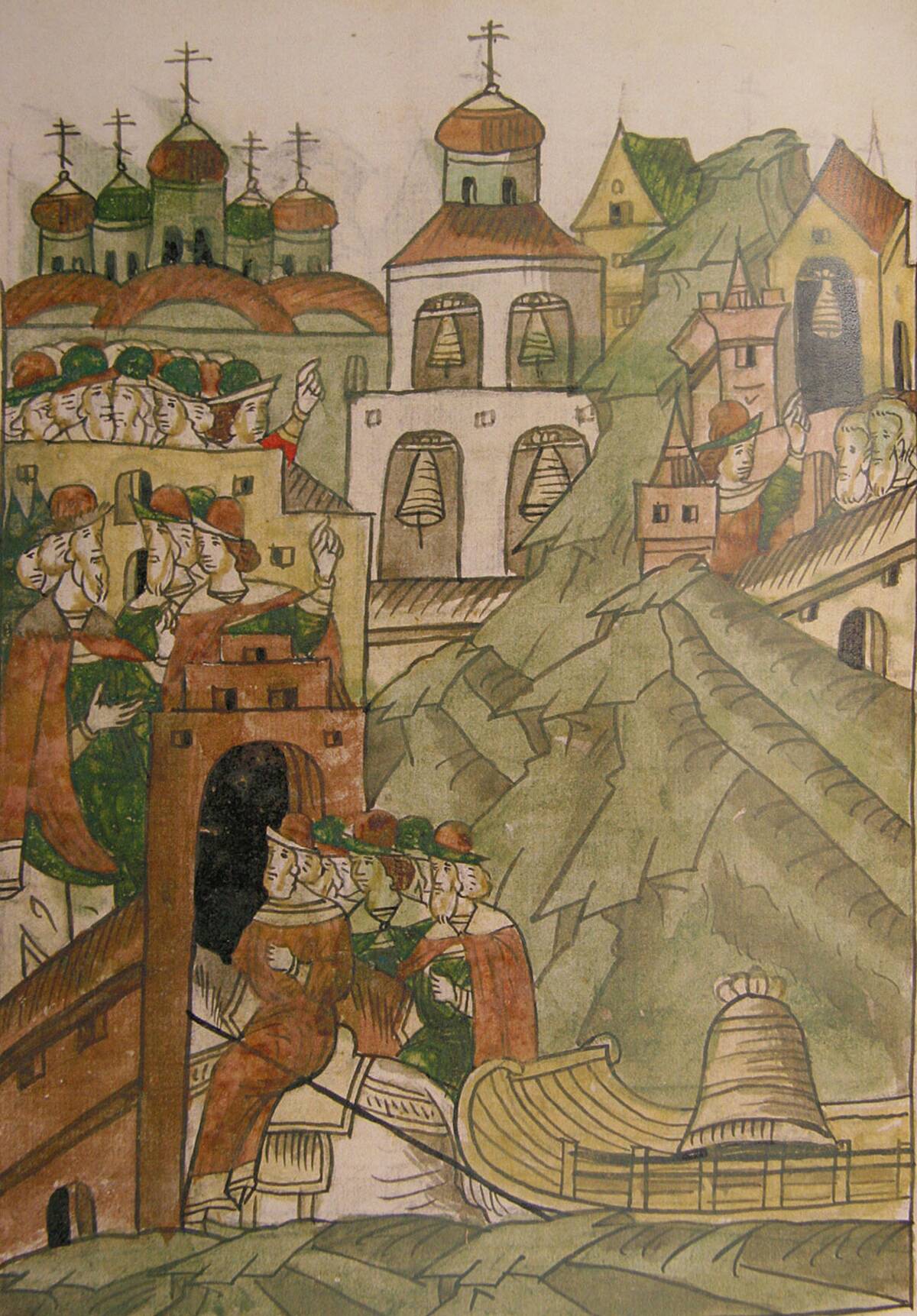
In the late Middle Ages, the Hanseatic League emerged as a powerful trading alliance of cities along the Northern European coast. Stretching from the Baltic to the North Sea, this network facilitated the exchange of goods such as fish, timber, and furs.
The League provided security for its members and negotiated favorable trade agreements, ensuring prosperity. Its cooperative structure laid the groundwork for modern trade alliances and demonstrated the power of collective economic strength.
The Ottoman Empire: The Crossroads of the Silk Road
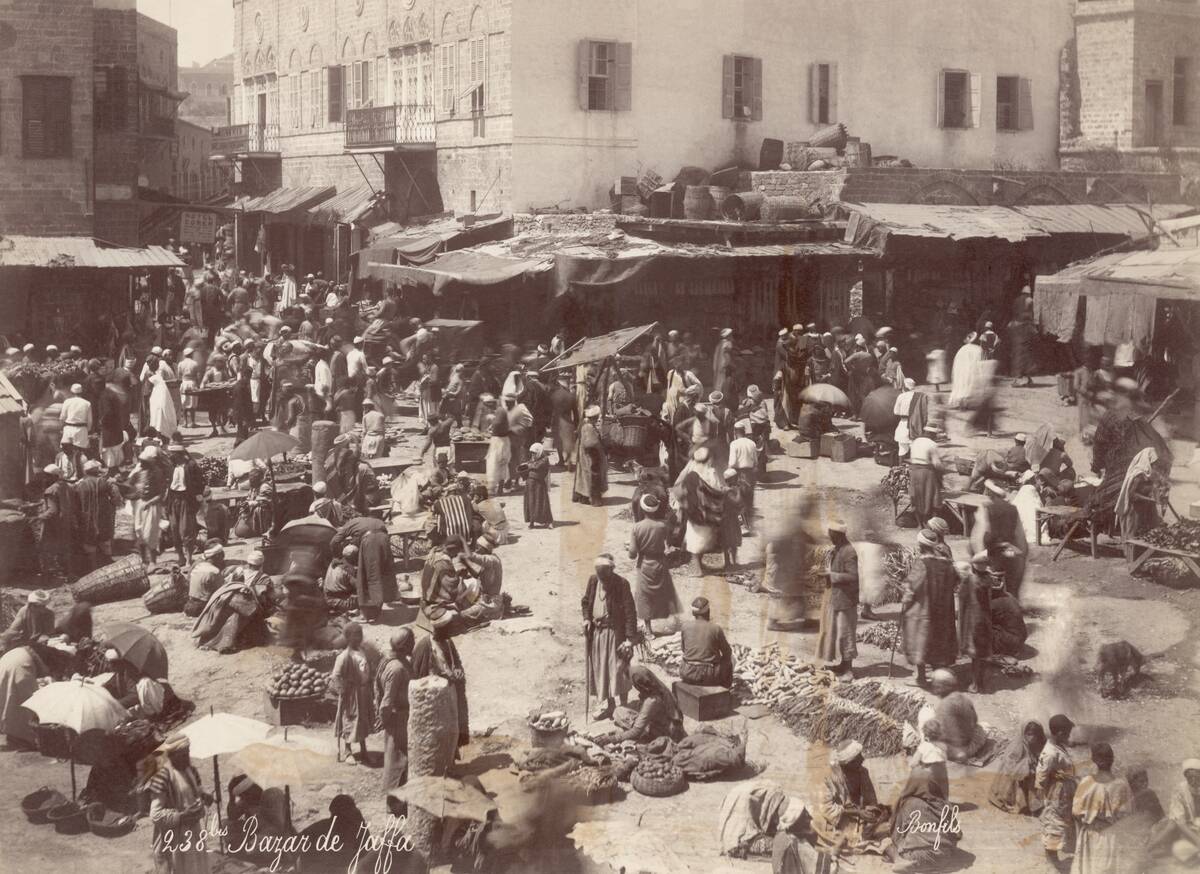
The Ottoman Empire’s strategic location at the crossroads of Europe and Asia made it a key player in Silk Road trade. The Ottomans controlled vital land routes and ports, facilitating the flow of goods like silk, spices, and textiles.
This control brought immense wealth and cultural exchange, enriching the empire’s cities and boosting its influence. The Ottomans’ ability to integrate diverse cultures and languages further solidified their role as a central hub in global trade networks.
The Dutch Golden Age: A Trade Empire on the Seas
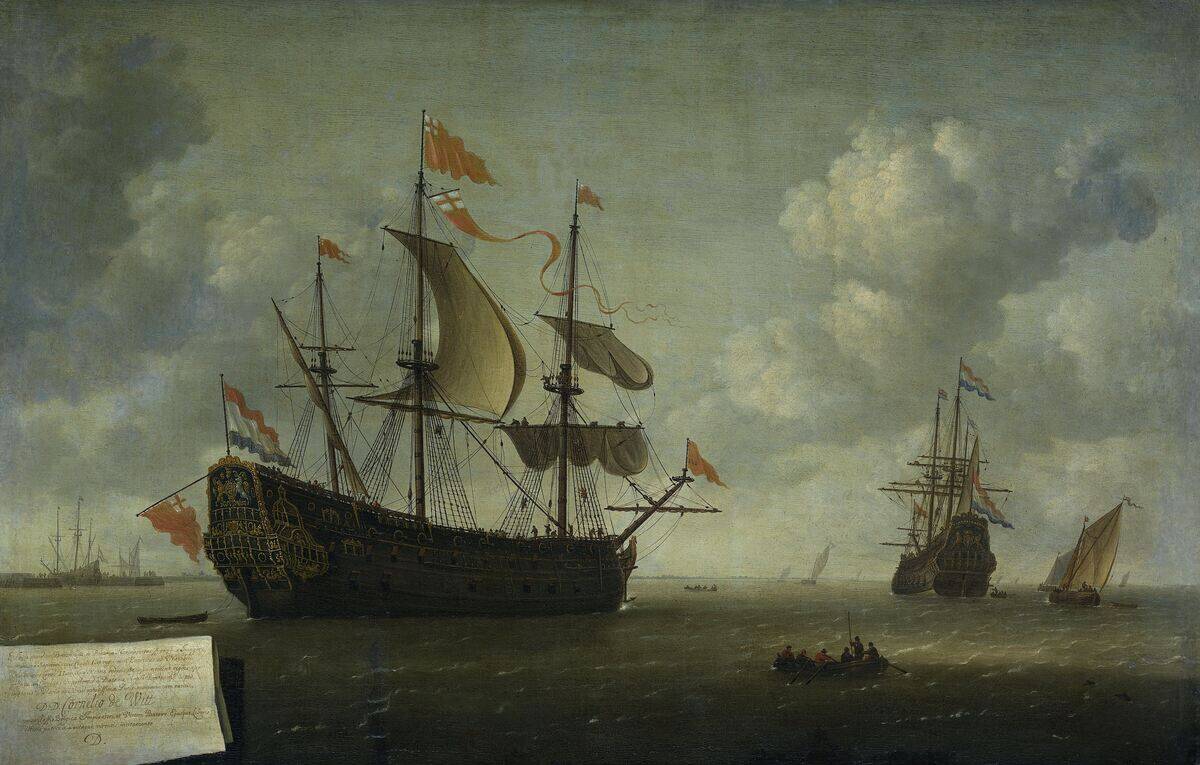
The 17th century marked the Dutch Golden Age, driven by maritime trade and innovation. The Dutch East India Company became one of the first multinational corporations, dominating the spice trade in the Indian Ocean.
With advanced shipbuilding techniques and a powerful navy, the Dutch established a global trading network. Their innovative financial institutions supported trade expansion, leading to an era of unprecedented prosperity and cultural flourishing in the Netherlands.
The British East India Company: Pioneers of Global Trade
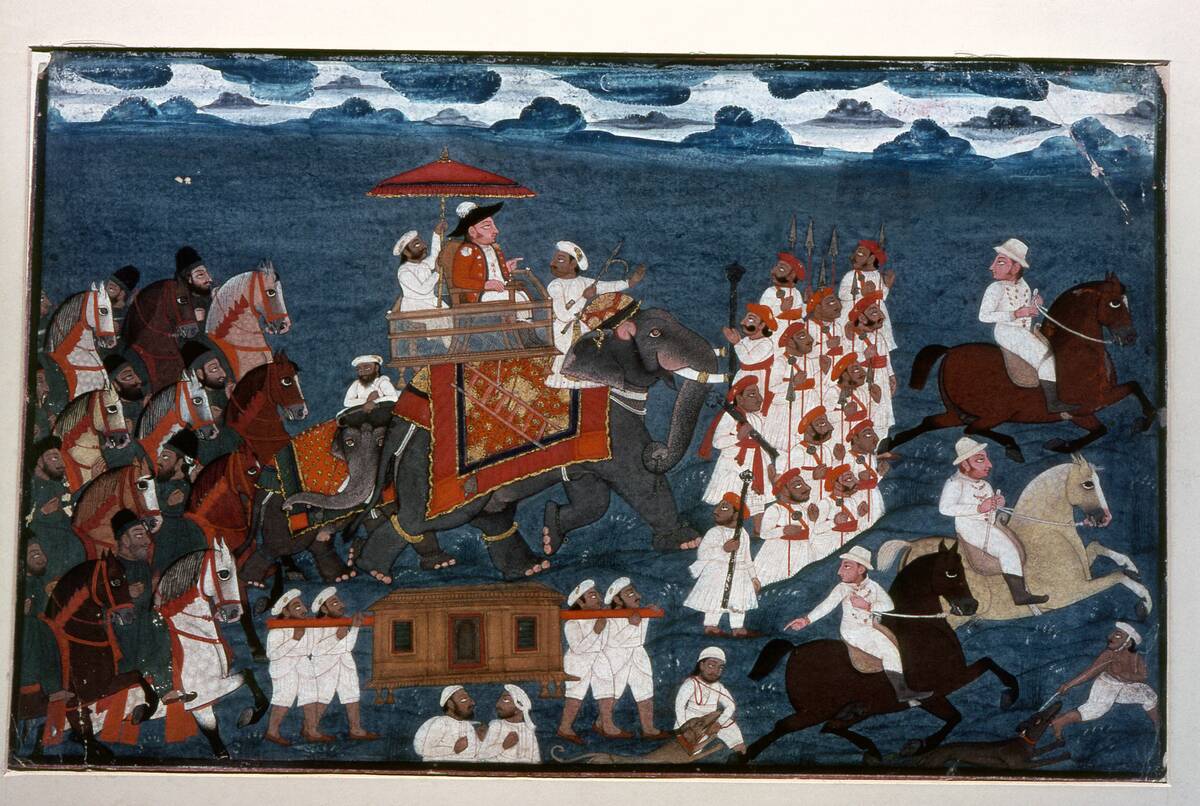
The British East India Company was instrumental in establishing Britain’s global trade dominance in the 18th and 19th centuries. It acted as a trade monopoly, importing valuable commodities like tea, cotton, and spices from India and beyond.
The company’s private army secured its interests and expanded British influence. Its operations laid the foundation for the British Empire’s vast colonial network, making it a key player in the international economy.
The Mughal Empire: Wealth Through Skilled Artisanship and Trade
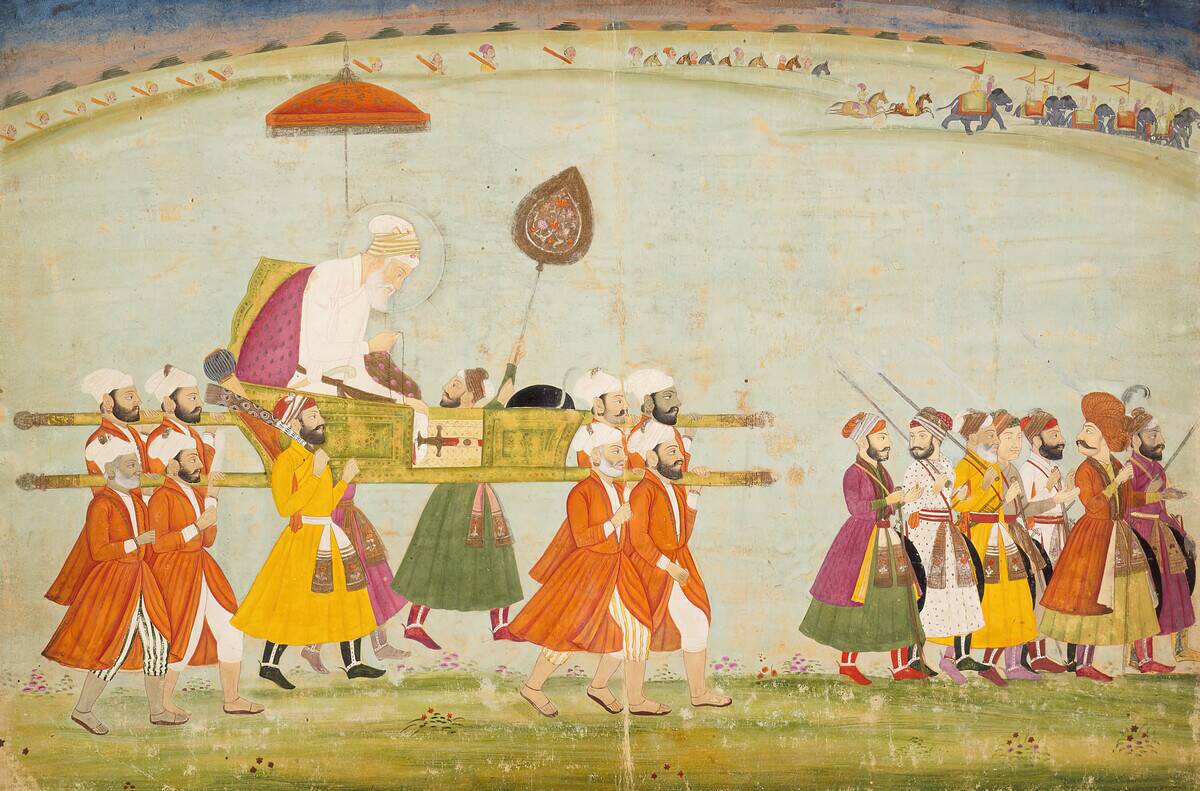
The Mughal Empire in India thrived on a fusion of skilled artisanship and extensive trade networks. Renowned for their luxurious textiles, intricate jewelry, and exquisite architecture, the Mughals exported these goods across Asia and Europe.
The empire’s strategic location and sophisticated infrastructure facilitated trade, attracting merchants from distant lands. This blend of cultural richness and economic prosperity made the Mughal Empire a beacon of wealth and artistic achievement.
The Ming Dynasty: Treasure Voyages and Maritime Trade
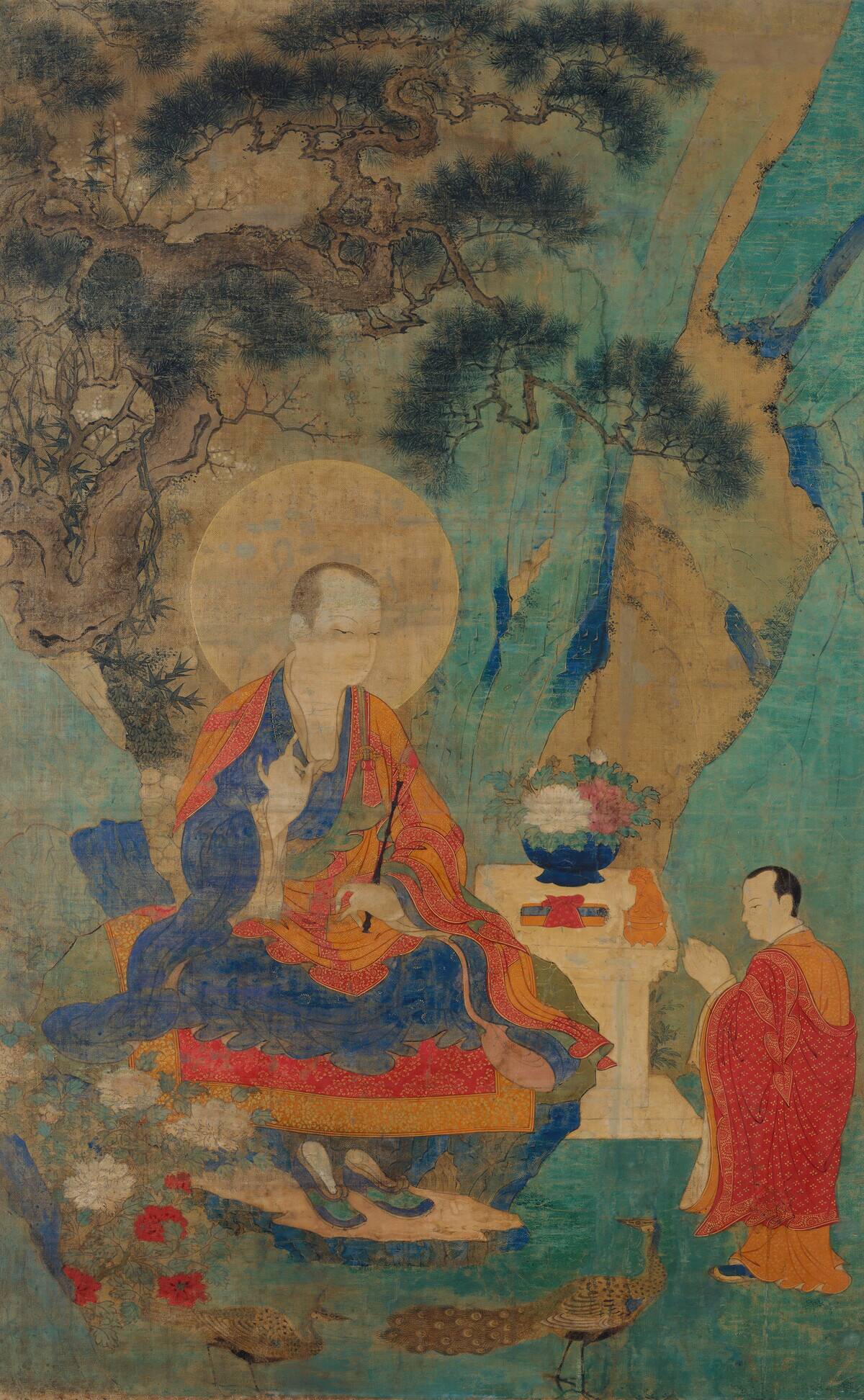
The Ming Dynasty’s era of treasure voyages showcased China’s maritime prowess in the early 15th century. Led by Admiral Zheng He, these expeditions reached as far as East Africa, trading silk, porcelain, and other valuable goods.
The Ming’s impressive fleet established Chinese presence in the Indian Ocean, fostering diplomatic relations and cultural exchange. However, the voyages eventually ceased, and China turned inward, focusing on internal development over maritime exploration.
The Wealth of Mali: Gold and the Trans-Saharan Trade Routes
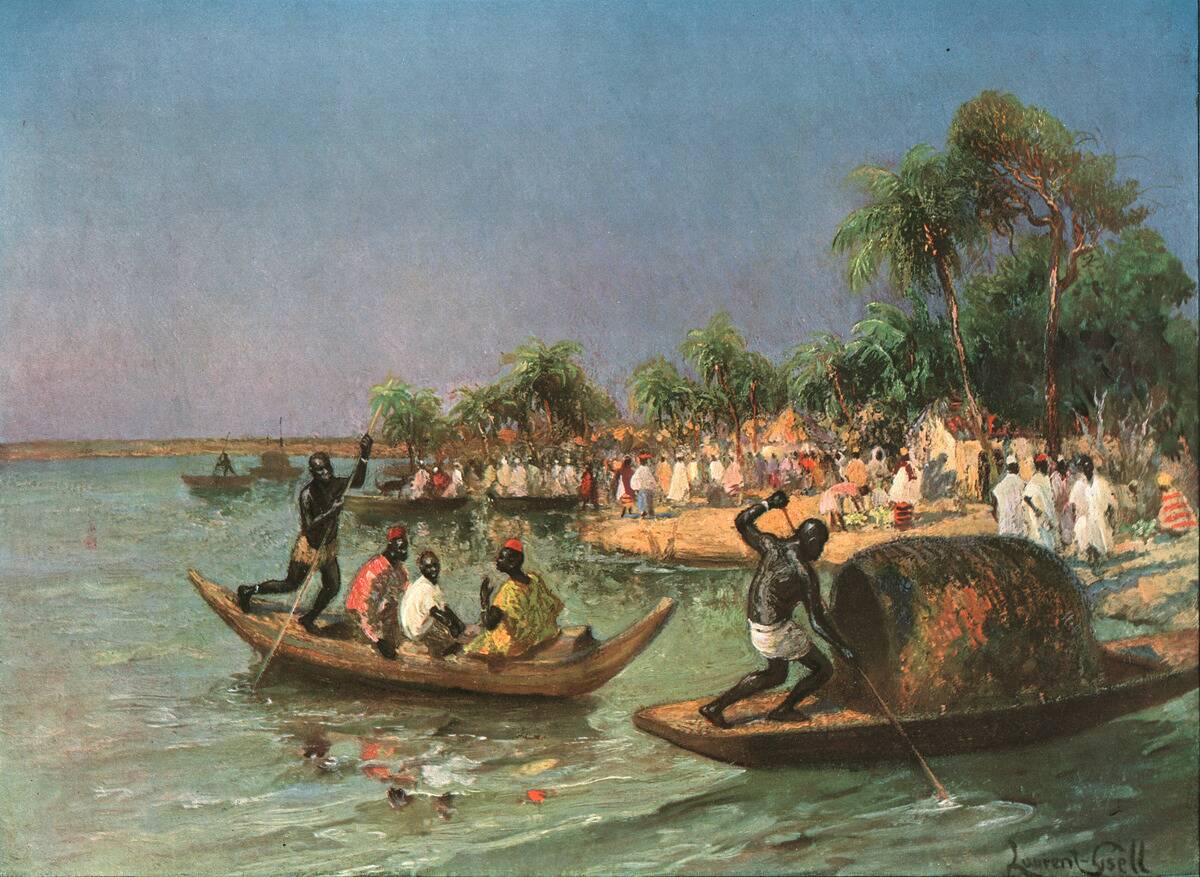
The Mali Empire, flourishing in the 13th to 16th centuries, became synonymous with wealth due to its abundant gold resources. The empire controlled lucrative trans-Saharan trade routes, exchanging gold for salt, textiles, and other goods with North African traders.
The legendary pilgrimage of Mansa Musa to Mecca highlighted Mali’s prosperity, as his lavish expenditures influenced markets along the route. Mali’s role in the gold trade cemented its status as a major African power.
The Portuguese Empire: Navigators of New Trade Routes
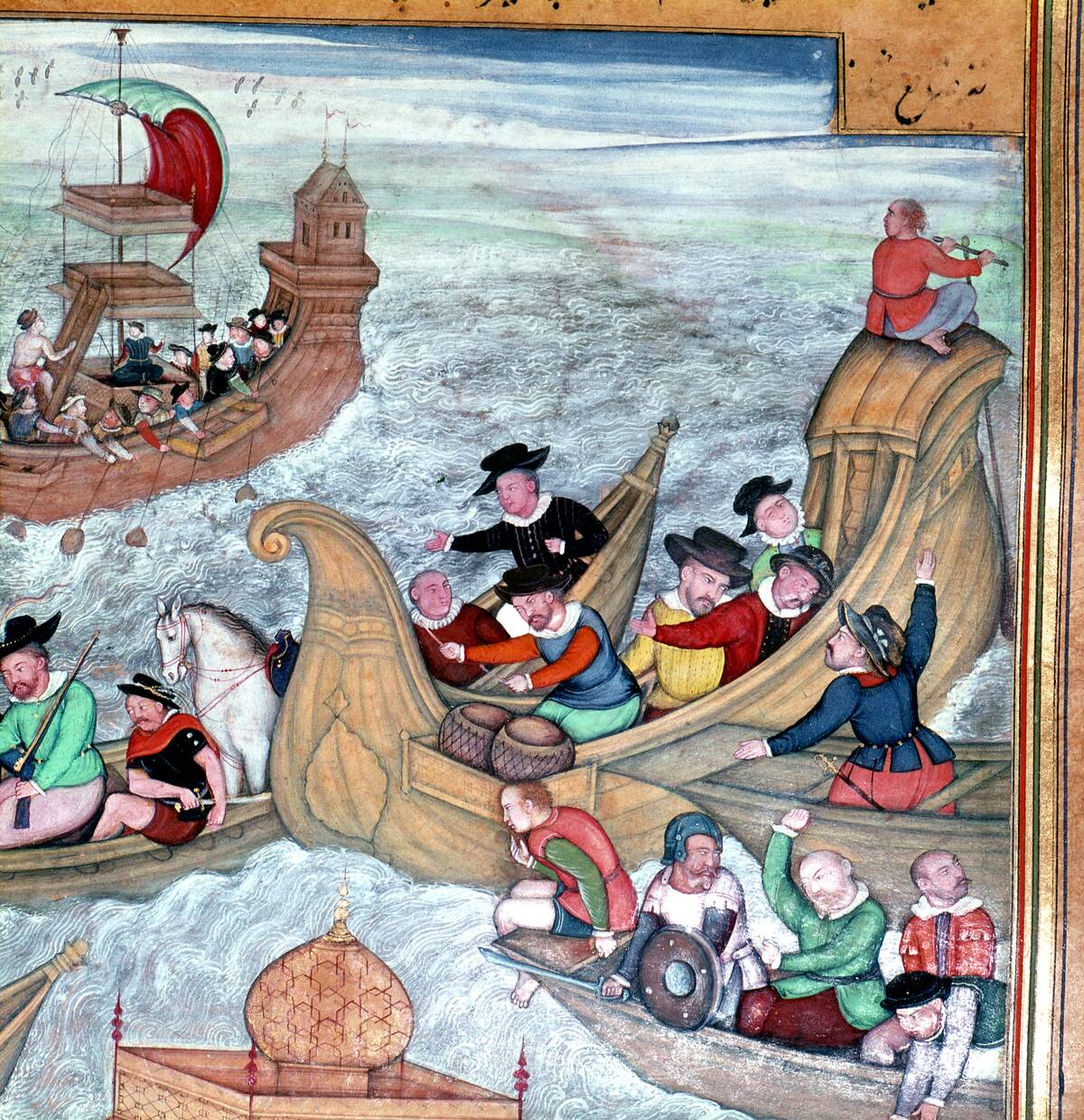
The Portuguese Empire’s exploration era in the 15th and 16th centuries led to the discovery of new maritime trade routes. Under Prince Henry the Navigator’s patronage, Portuguese explorers sailed along Africa’s coast, reaching India and the Spice Islands.
This opened direct access to spices and other Asian goods, bypassing traditional land routes controlled by other empires. Portugal’s navigational achievements established its dominance in the Age of Discovery and reshaped global trade patterns.
The Arab Empire: Connecting Continents with Trade Networks
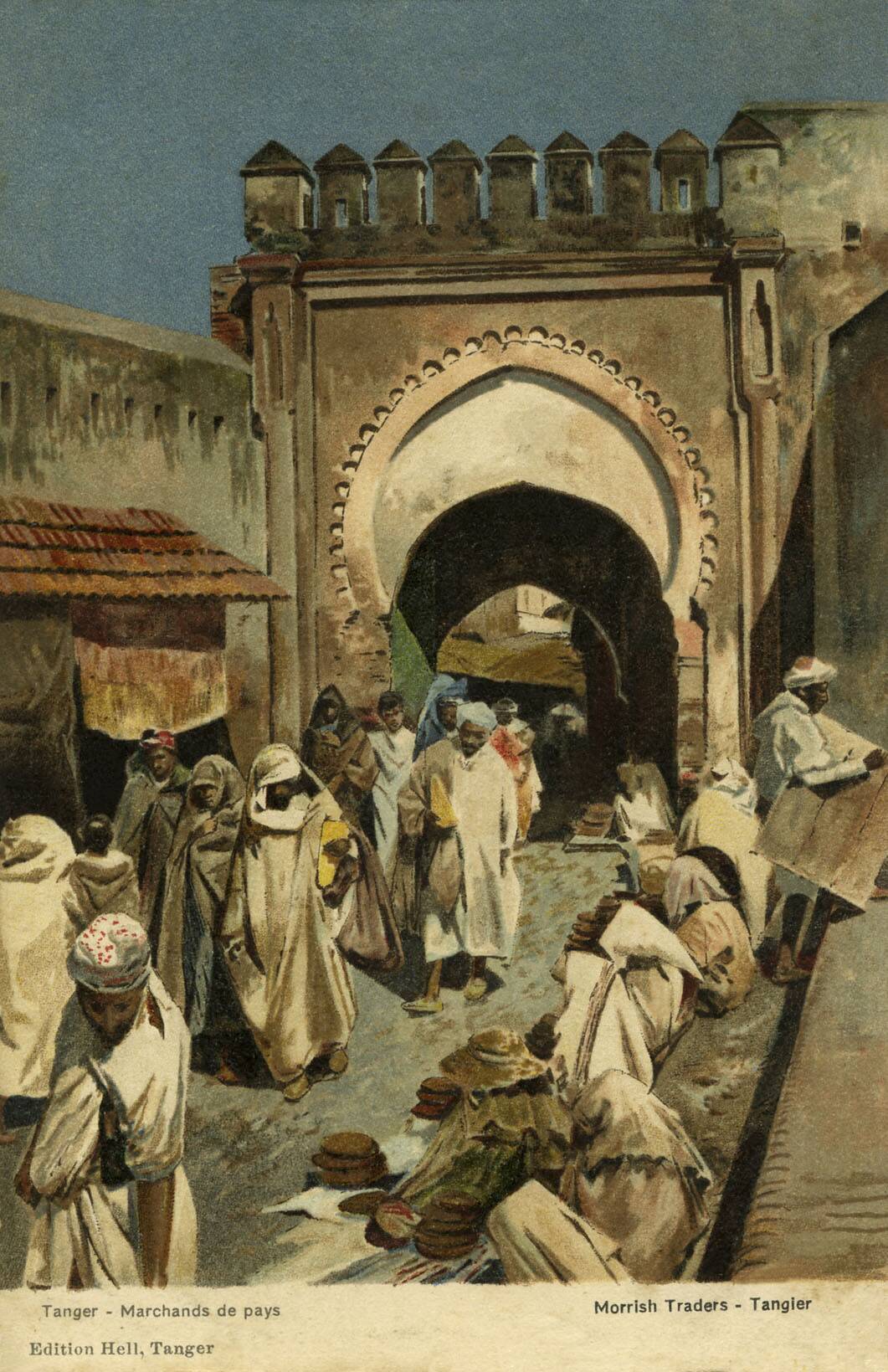
The Arab Empire thrived on an extensive trade network that spanned from the Middle East to Africa, Asia, and Europe. Cities like Baghdad and Damascus became bustling trade centers, exchanging goods such as textiles, spices, and precious metals.
The empire’s strategic location bridged various cultures and facilitated the flow of knowledge and innovation. The spread of Islam through trade routes also played a crucial role in cultural exchange and the empire’s expansion.
The Role of the Silk Road: Intercontinental Trade and Cultural Exchange
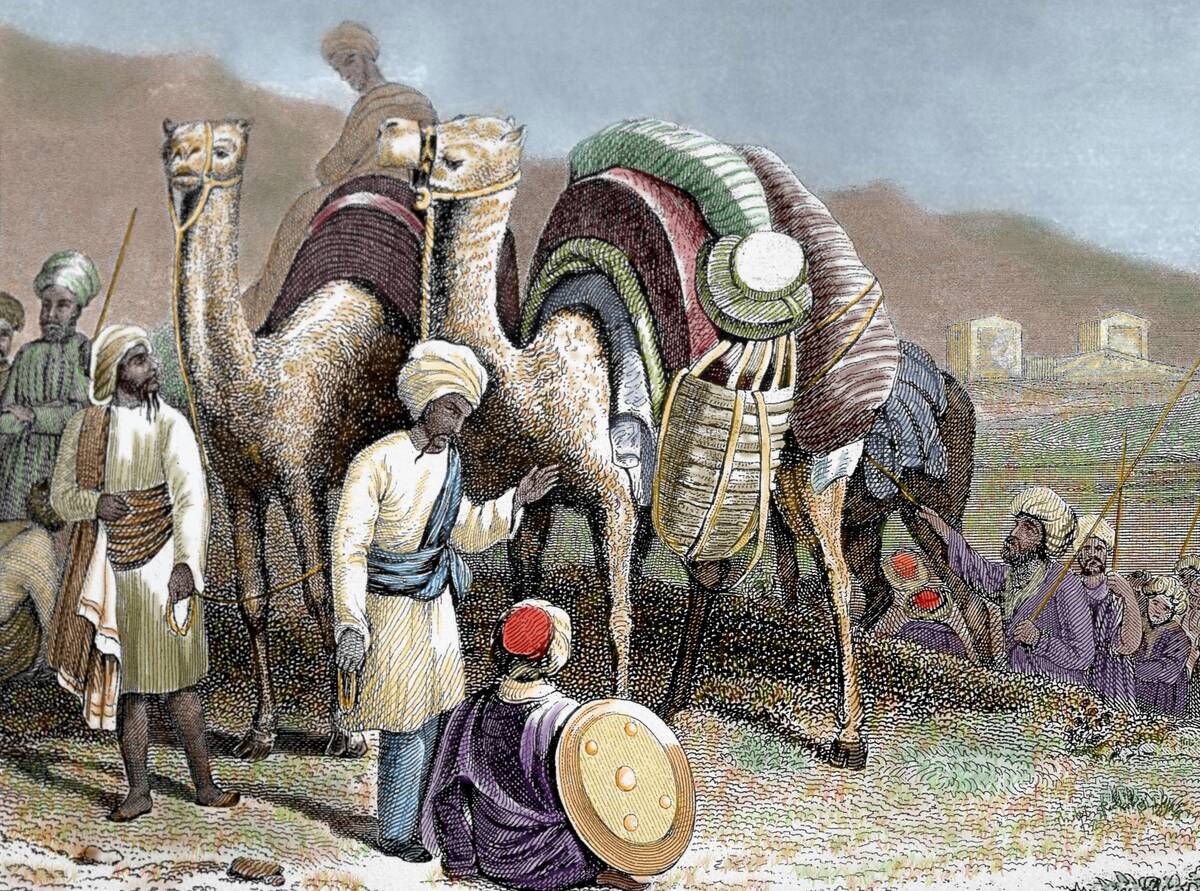
The Silk Road was a network of trade routes connecting the East and West, facilitating the exchange of goods, ideas, and cultures. Spanning thousands of miles, it enabled the trade of silk, spices, and precious metals, among other goods.
The Silk Road also served as a conduit for cultural and technological exchange, introducing innovations like papermaking and the compass to different regions. Its legacy is a testament to the power of trade in shaping civilizations.
The Influence of Spices: How Flavor Shaped Empires
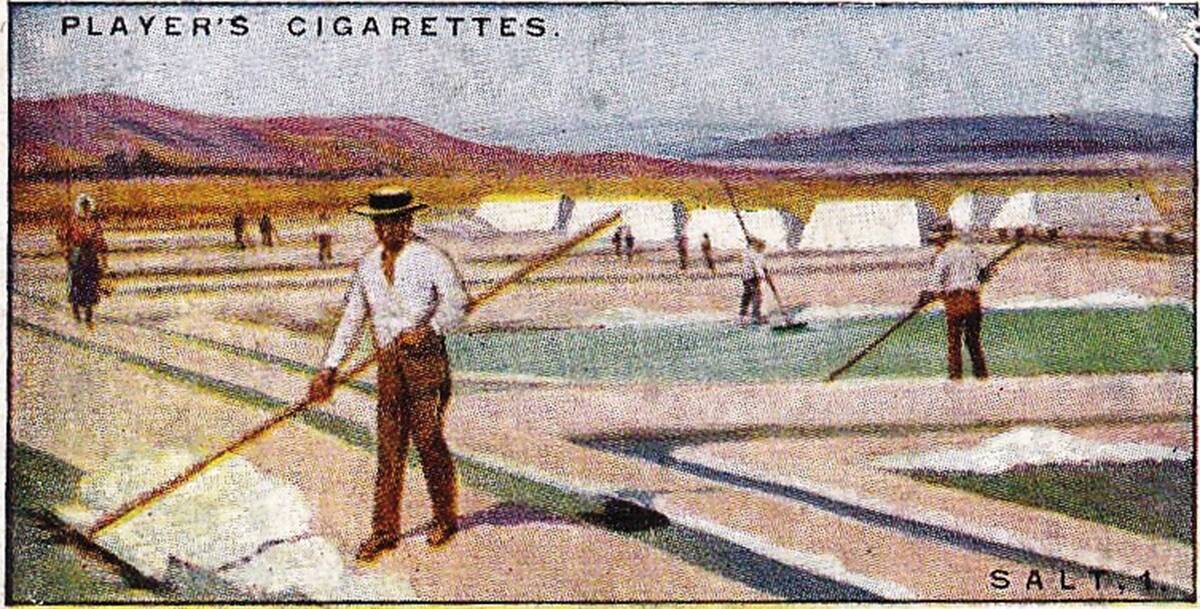
Spices were among the most coveted commodities in history, driving exploration, trade, and even wars. Their high demand in Europe led to the establishment of trade routes to Asia, where spices like pepper, cinnamon, and cloves originated. The spice trade enriched empires such as the Venetians, Portuguese, and Dutch, who vied for control over these valuable resources. The desire for spices not only shaped economies but also spurred exploration and the discovery of new lands.
The Modern Legacy: How Trade Continues to Shape Global Power Dynamics
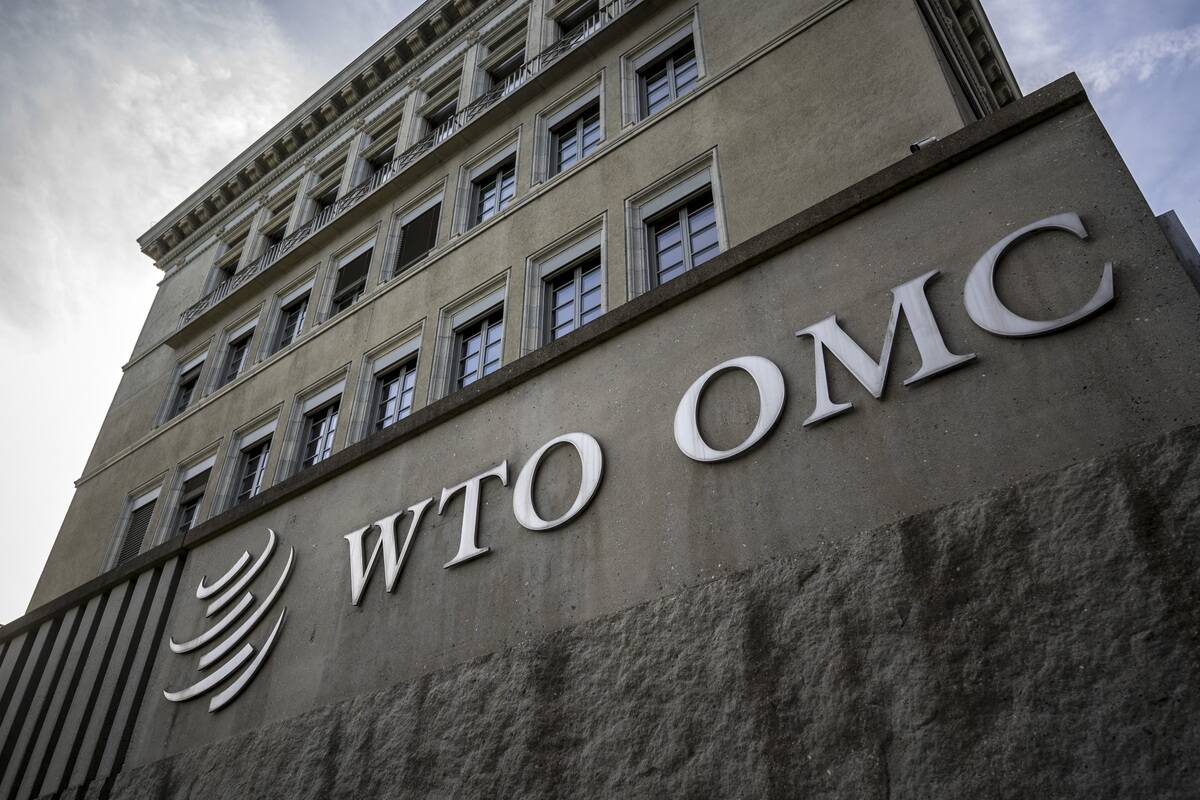
Today, trade remains a cornerstone of global power dynamics, shaping relationships between nations and driving economic growth. The rise of multinational corporations and digital trade platforms has revolutionized how goods and services are exchanged.
International trade agreements and organizations, like the WTO, play crucial roles in regulating and facilitating global commerce. As technology advances, the influence of trade continues to evolve, impacting economies, cultures, and political landscapes worldwide.




