The role of canals in global trade and exploration
Canals have long served as vital arteries of trade and connectivity, bridging distant lands and cultures. These man-made waterways have enabled the exchange of goods, ideas, and cultures across continents.
Acting as shortcuts, they have significantly reduced the travel time between major oceans and seas, thus revolutionizing global trade. They are more than just transportation routes; they are lifelines that have shaped civilizations and economies throughout history.
The Early Days: A Glimpse into Ancient Canals
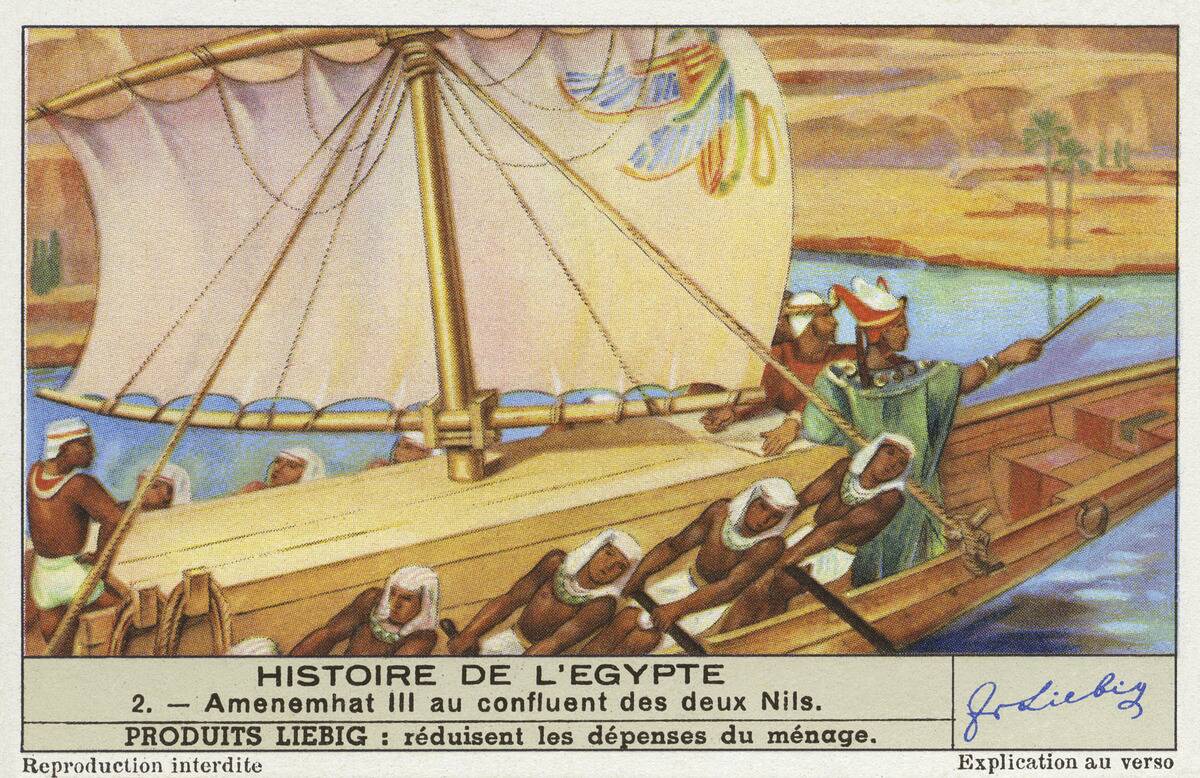
Long before modern engineering marvels, ancient civilizations were already crafting canals to connect and sustain their communities. The earliest known canals were built in Mesopotamia, around 4000 B.C., aiding irrigation in the fertile crescent.
The Egyptians too constructed canals, like the Canal of the Pharaohs, linking the Nile to the Red Sea. These early canals were not just practical installations but symbols of human ingenuity and the desire to harness nature for collective advancement.
The Grand Canal: China’s Ancient Marvel
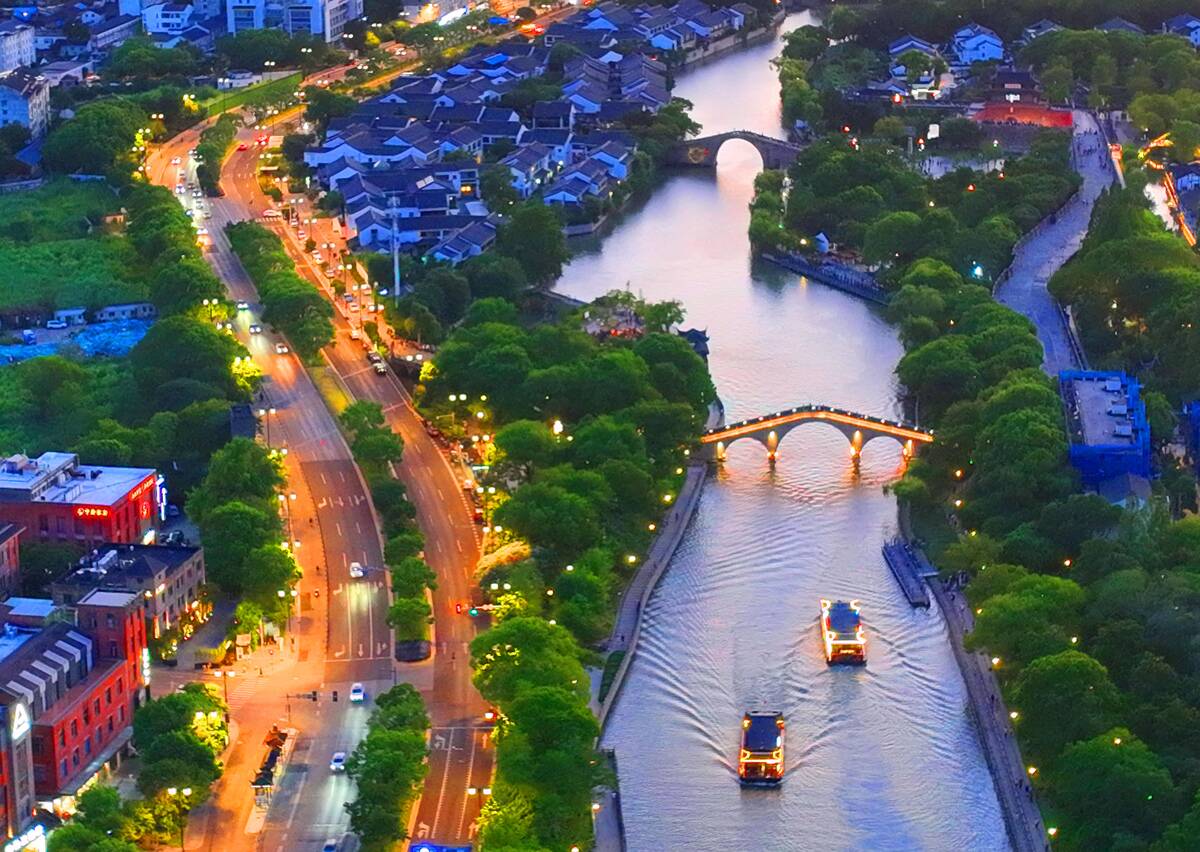
The Grand Canal in China is a testament to the brilliance of ancient engineering and logistics. Stretching over 1,100 miles, it is the longest and oldest canal in the world, with construction beginning in the 5th century B.C.
It seamlessly connects the Yangtze and Yellow Rivers, facilitating trade between northern and southern China. Over centuries, it has played a crucial role in the economic and cultural integration of the vast Chinese empire, influencing settlement patterns and commerce.
The Birth of the Suez Canal: A Game-Changer for Trade
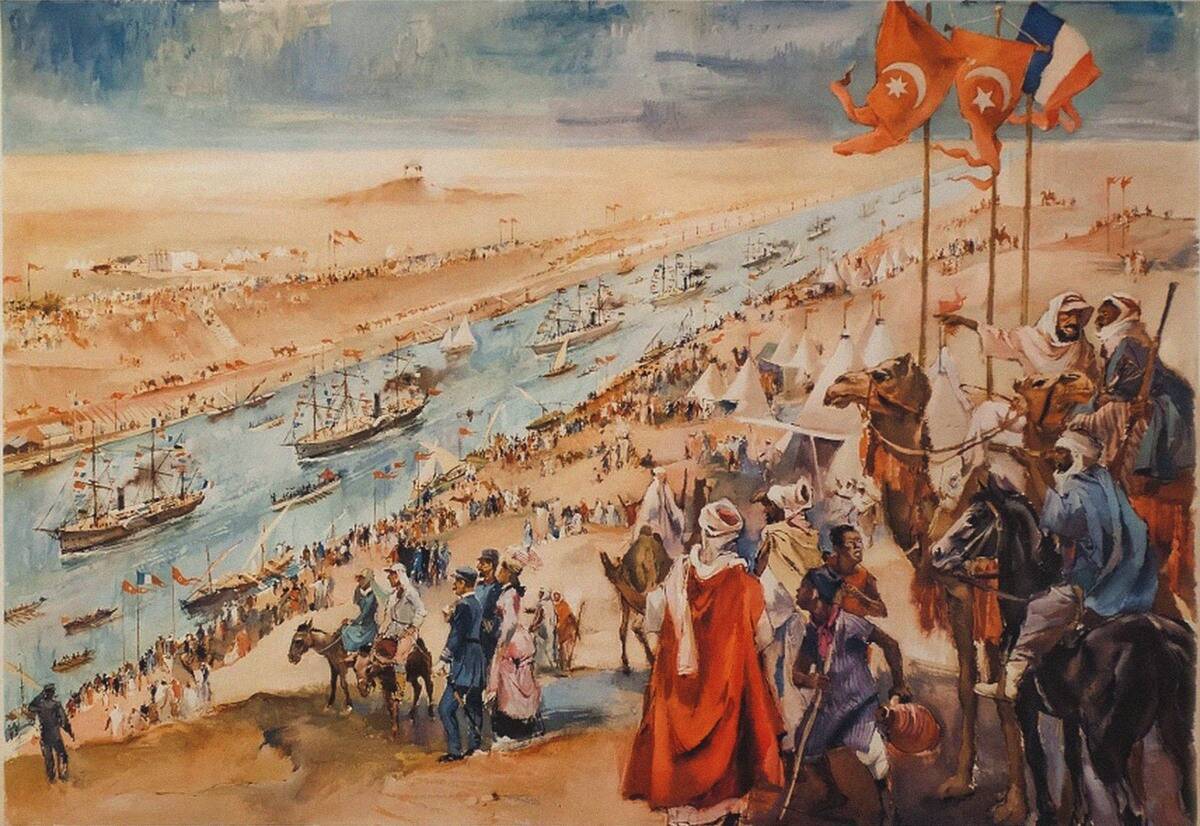
The Suez Canal, inaugurated in 1869, is often hailed as one of the most transformative engineering feats of the 19th century. By linking the Mediterranean Sea with the Red Sea, it dramatically shortened the sea voyage between Europe and Asia.
Before its construction, ships had to navigate around Africa’s Cape of Good Hope. The canal has since been a strategic shipping lane, significantly influencing global trade routes and geopolitics, and remains vital to international commerce today.
The Panama Canal: Connecting Two Oceans
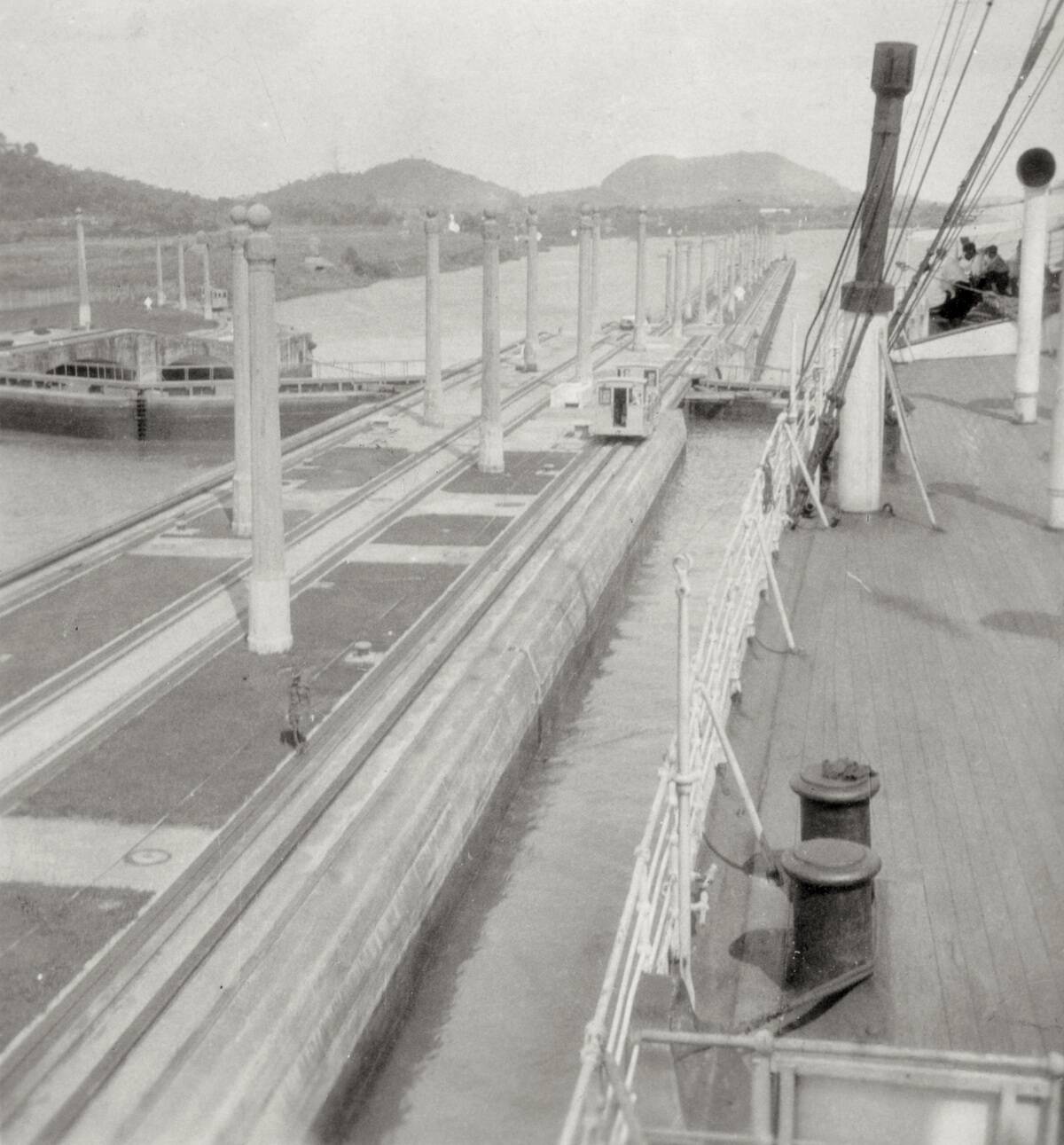
The Panama Canal, completed in 1914, is another iconic canal that reshaped maritime navigation. Carved through the Isthmus of Panama, it connects the Atlantic and Pacific Oceans, saving ships the long and perilous journey around Cape Horn.
It took over a decade and immense human effort to construct. Today, it handles a significant portion of the world’s maritime traffic, testament to its enduring importance in facilitating global trade and economic integration between the Americas, Asia, and beyond.
Canals in Europe: Facilitating Trade and Travel
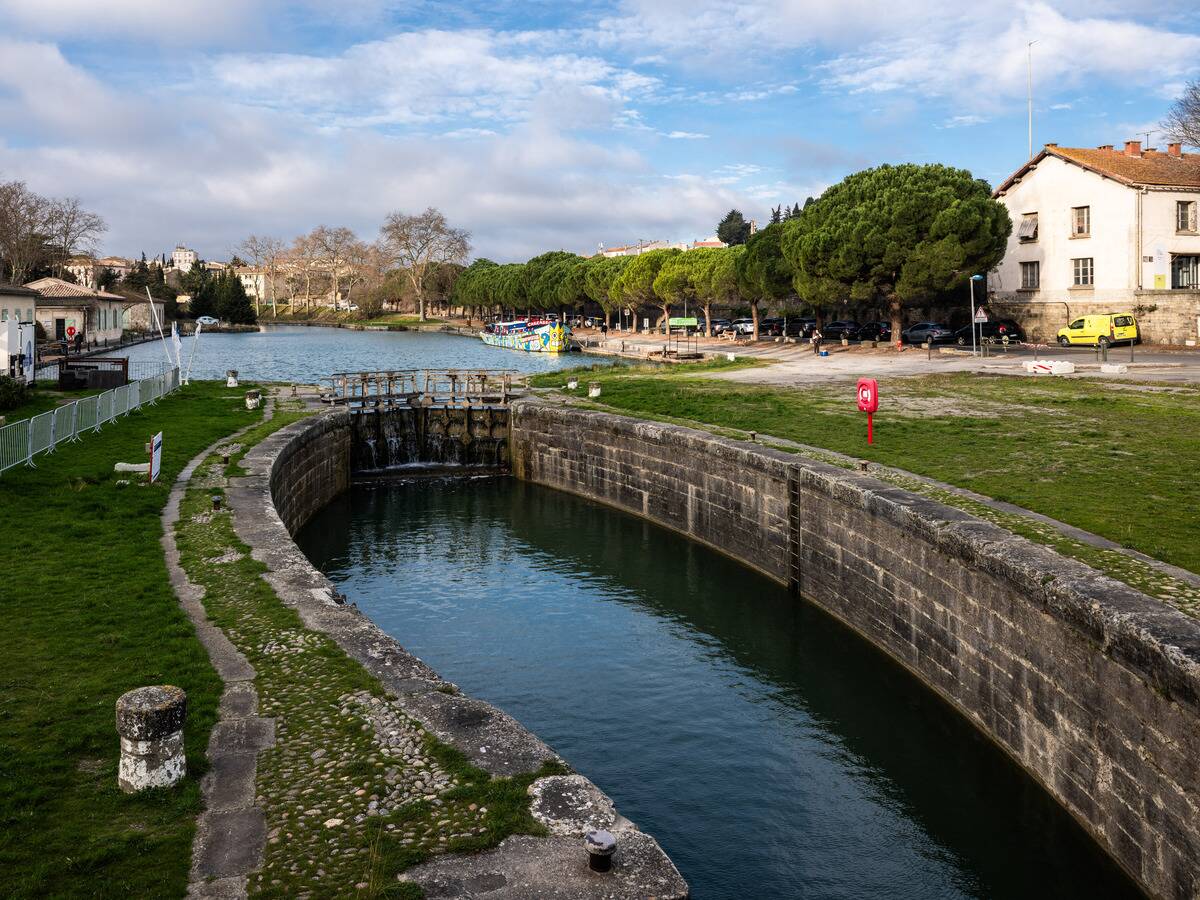
Europe boasts a rich network of canals that have historically supported trade and transportation. The Canal du Midi in France, completed in the 17th century, was a major engineering achievement that linked the Atlantic to the Mediterranean.
In the Netherlands, canals are intrinsic to urban planning and commerce, making cities like Amsterdam famous for their picturesque waterways. These canals have not only supported economic activity but have also become cultural landmarks that attract tourists worldwide.
The Economic Impact of Canals on Global Markets
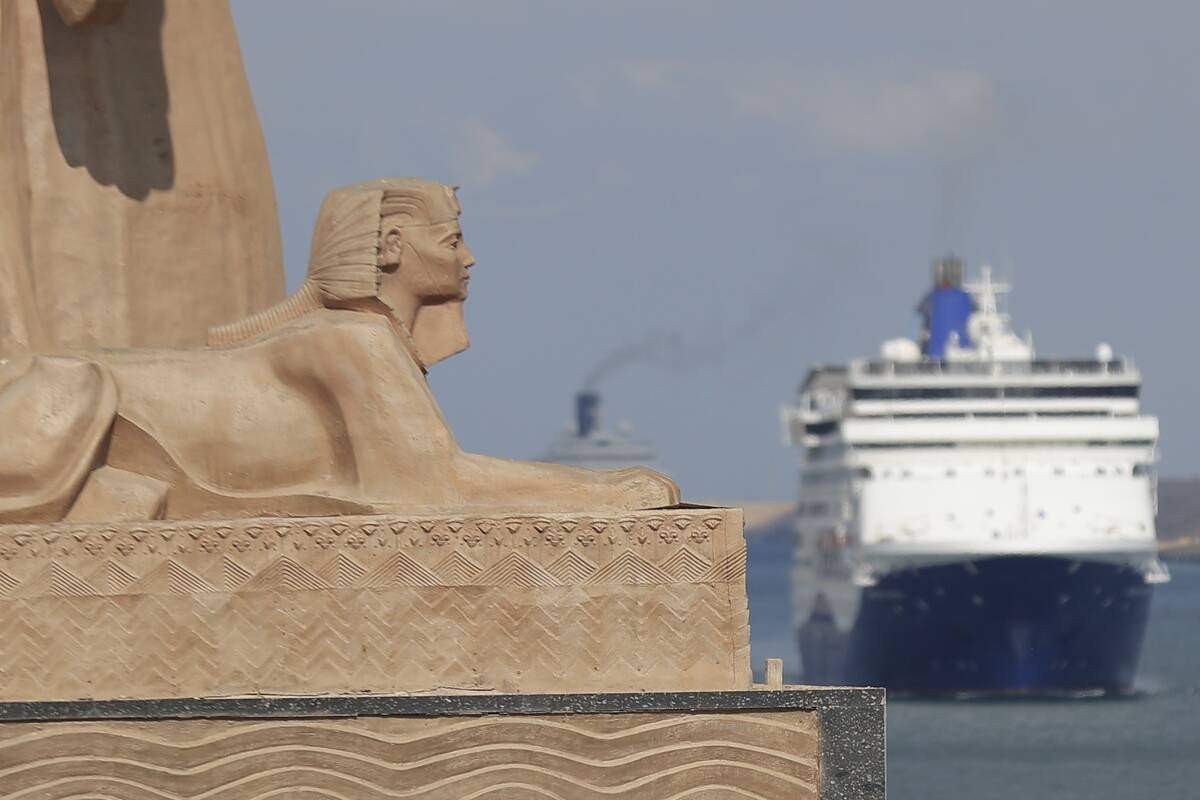
Canals have consistently played a significant role in boosting global markets by reducing transportation costs and transit times. Their ability to accommodate large cargo ships has facilitated the efficient movement of goods, impacting global supply chains.
The strategic locations of canals like Suez and Panama have made them crucial chokepoints in international trade. By enabling faster, more reliable shipping, canals have contributed to the globalization of markets and the economic development of nations.
How Canals Reshaped Trade Routes
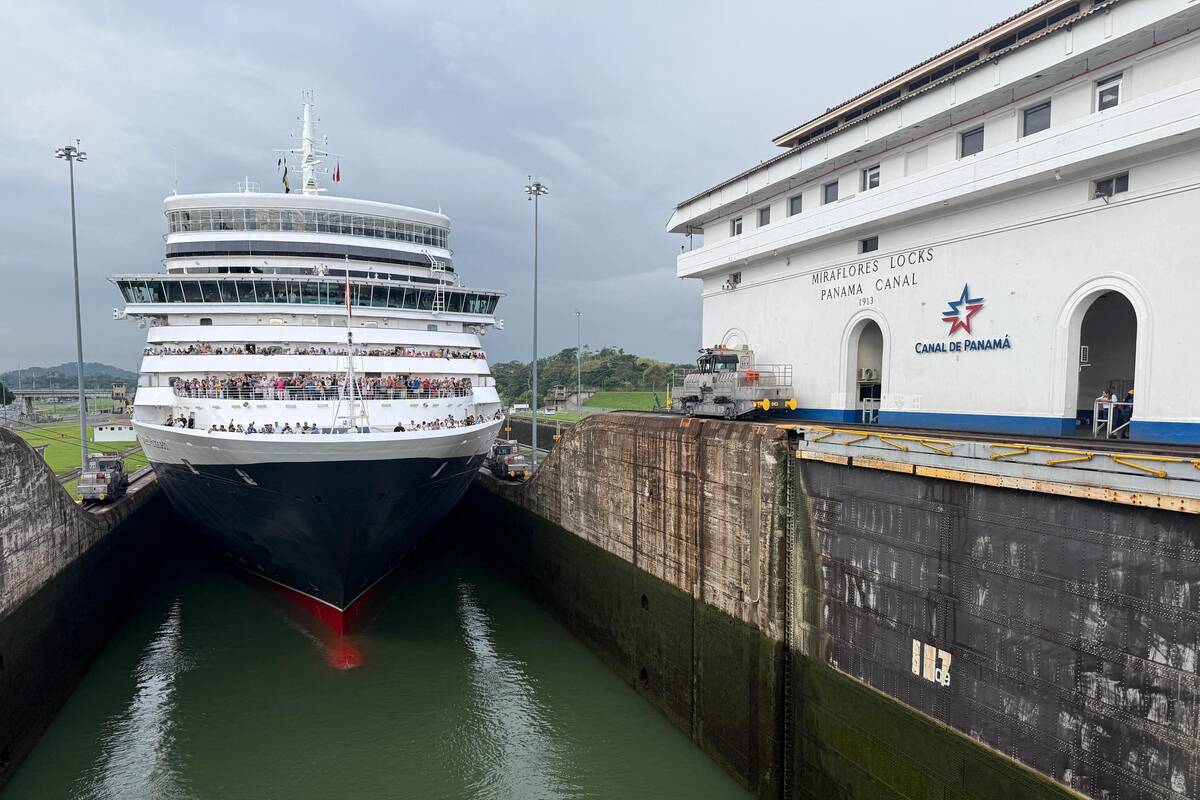
The advent of major canals fundamentally altered global trade routes, providing faster and more direct paths for maritime traffic. Before canals like the Suez and Panama, ships had to embark on lengthy and hazardous journeys around continents.
These canals offered safer and shorter routes, thereby increasing trade efficiency and frequency. They also allowed for the development of new trade hubs and have been pivotal in maintaining the flow of goods in the global economy, making them indispensable to modern commerce.
Engineering Feats: The Construction of Iconic Canals
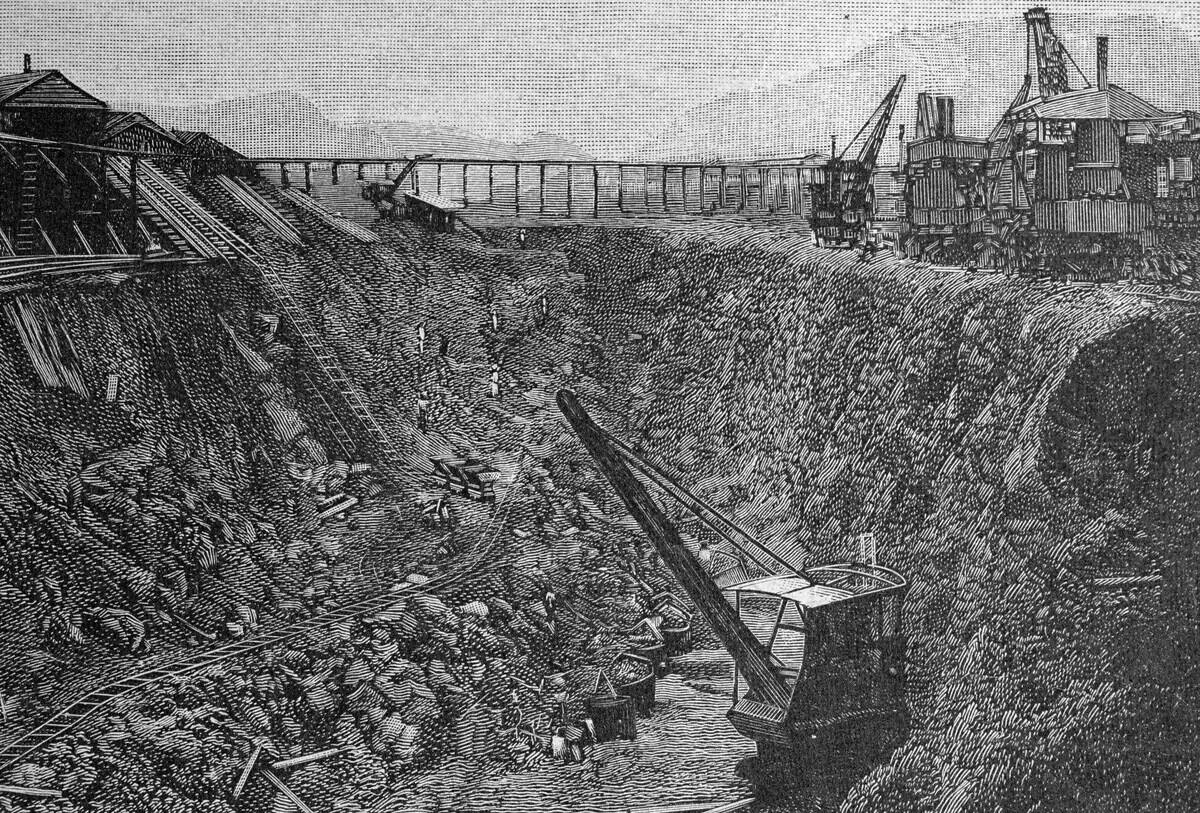
The construction of iconic canals has always been a testament to human ingenuity and perseverance. The building of the Panama Canal, for instance, was fraught with challenges, including disease and complex engineering hurdles. Similarly, the Suez Canal required innovative techniques to excavate through desert terrain.
These projects demanded international collaboration and cutting-edge technology for their time. Their successful completion not only showcased engineering prowess but also highlighted the global importance of these waterways.
Modern-Day Canals: Still Relevant?
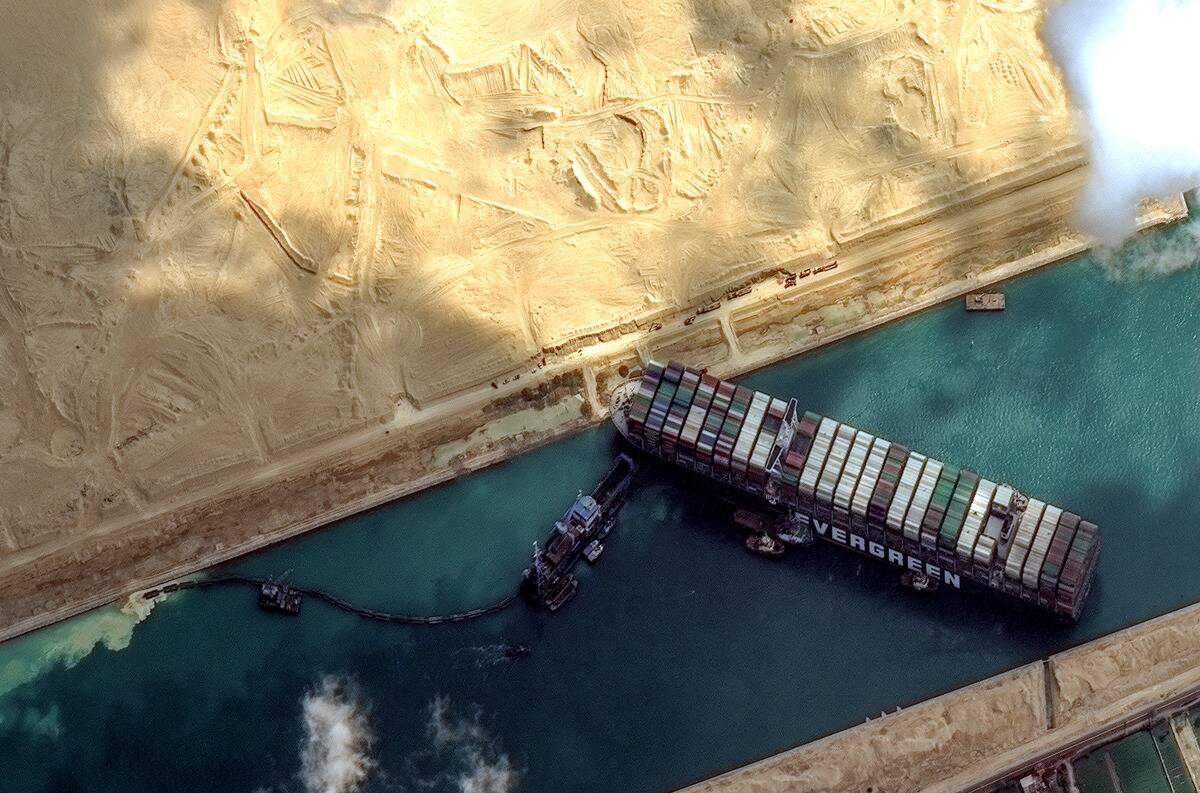
In an age of technological advancement and shifting trade dynamics, canals remain as relevant as ever. With the rise of global shipping and ever-larger vessels, modern canals like the expanded Panama Canal continue to be vital links in international logistics networks.
They facilitate the efficient movement of goods, aid in reducing carbon footprints by shortening travel distances, and support global trade. Despite advances in air and rail transport, canals remain a cornerstone of efficient international shipping.




