Civilizations that solved problems we still face
In our fast-paced, tech-driven world, it’s fascinating to look back and appreciate the wisdom of ancient civilizations. These societies laid the foundation for many aspects of the modern world, from governance to infrastructure.
Despite their lack of modern technology, their innovations continue to influence us today. This exploration of ancient feats reveals how their achievements remain relevant, providing insights and solutions that can be adapted to today’s challenges.
The Indus Valley Civilization: Urban Planning Pioneers
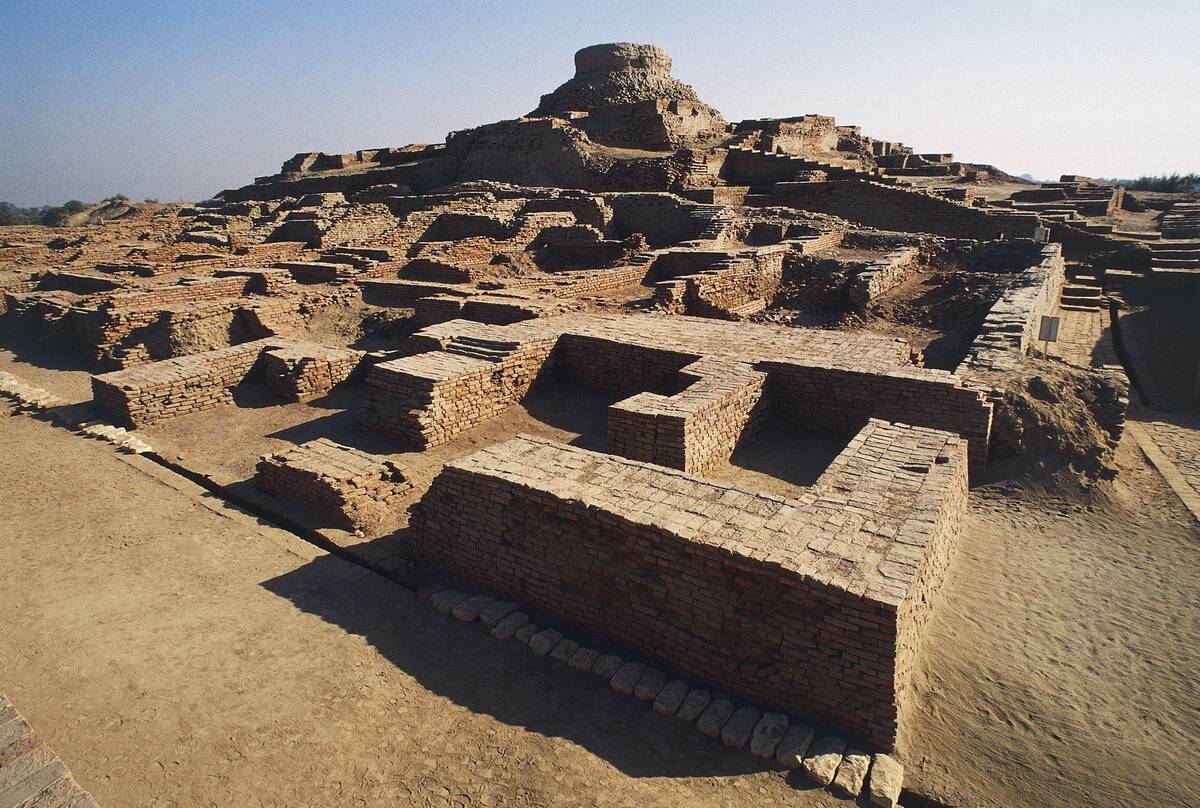
The Indus Valley Civilization, flourishing around 2500 BCE, was remarkable for its advanced urban planning. Cities like Harappa and Mohenjo-daro featured grid patterns, sophisticated drainage systems, and even public baths, showcasing their understanding of urban hygiene.
Their standardized weights and measures facilitated trade, indicating a highly organized society. It’s amazing to see how their planning principles mirror modern city layouts, emphasizing the long-lasting impact of their ingenuity.
Ancient Rome: Masters of Infrastructure
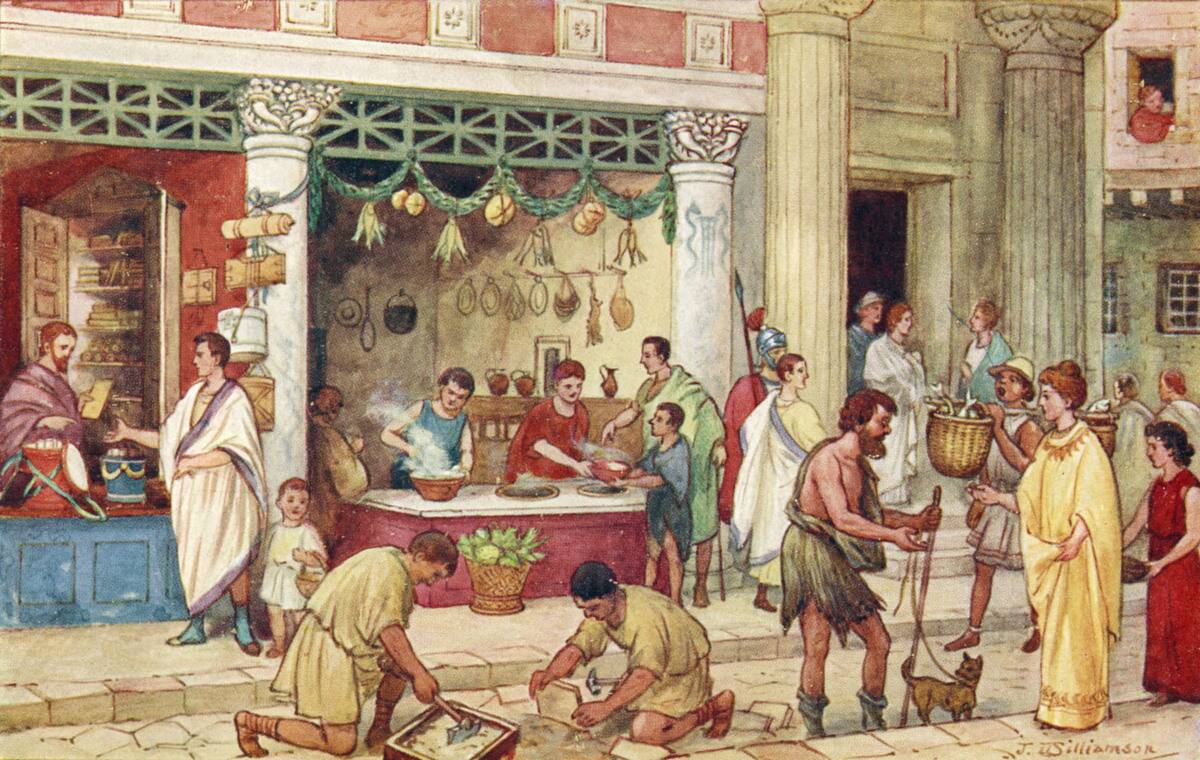
The Romans were unparalleled in their infrastructure achievements, with roads stretching over 400,000 kilometers. The saying “All roads lead to Rome” wasn’t just a metaphor—it was a testament to their engineering prowess.
Their aqueducts, some still in use, supplied cities with fresh water, demonstrating an understanding of hydrology that was ahead of its time. The durability of Roman concrete, a mystery for centuries, is now being revisited for sustainable building practices today.
The Agricultural Innovations of the Mayans
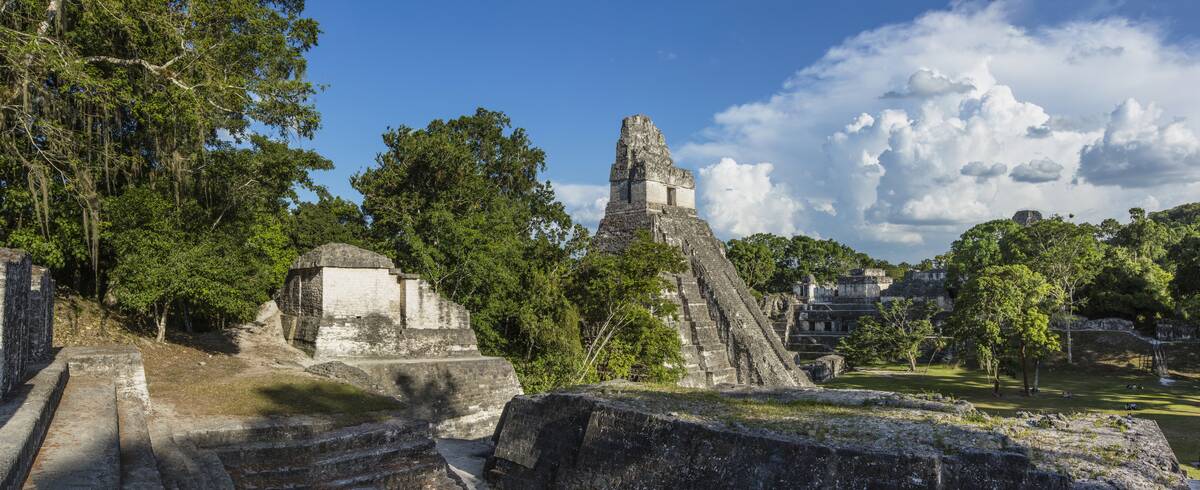
The Mayans, flourishing between 2000 BCE and 1500 CE, were agricultural innovators, mastering techniques like slash-and-burn and terrace farming. These methods allowed them to thrive in the challenging environments of Mesoamerica.
Their intricate calendar not only tracked celestial movements but also guided agricultural activities, showcasing a deep understanding of seasonal cycles. Such innovations highlight the Mayans’ adaptability and the sophistication of their agrarian society.
Ancient Egypt: The Art of Sustainable Living
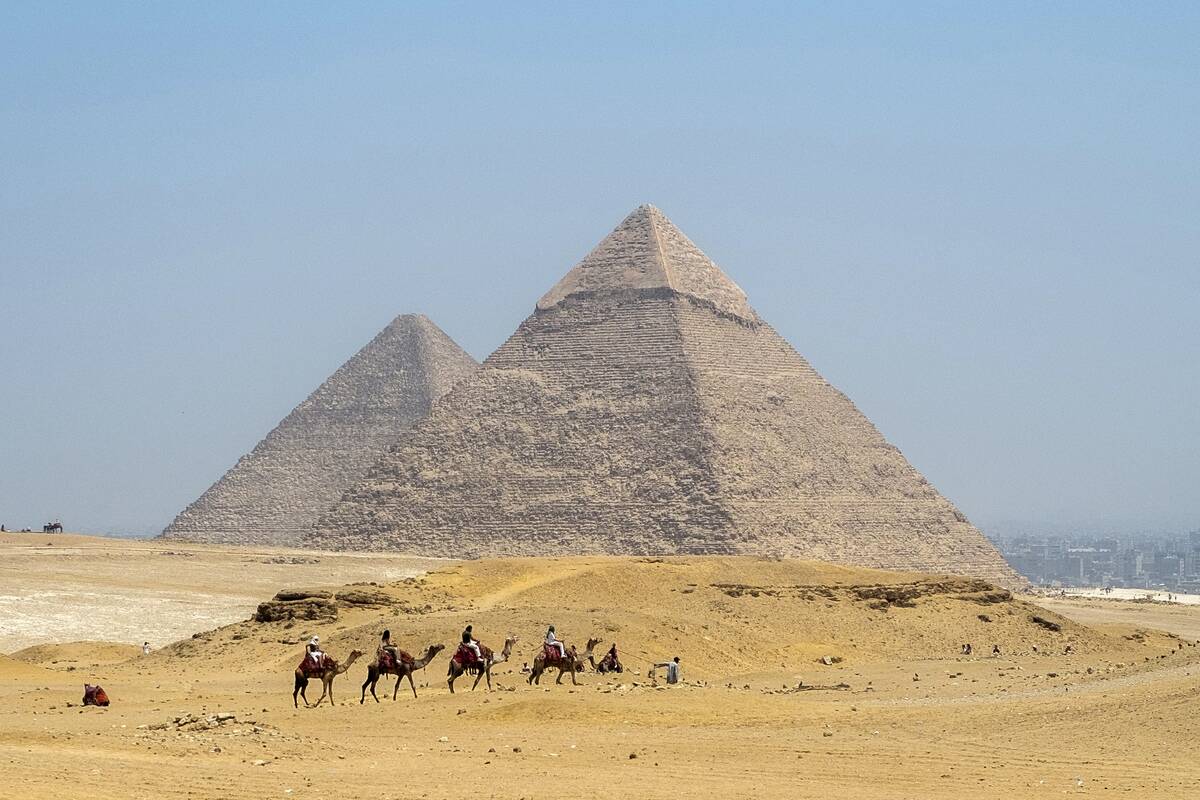
Ancient Egypt, known for its monumental pyramids, also excelled in sustainable practices. The annual flooding of the Nile was harnessed to enrich the soil, supporting agriculture without artificial fertilizers.
Egyptians practiced crop rotation and understood the benefits of biodiversity long before it became a modern agricultural focus. Their reliance on natural cycles for farming reflects a harmonious relationship with the environment, reminding us of the importance of sustainability.
The Greeks and the Birth of Democracy
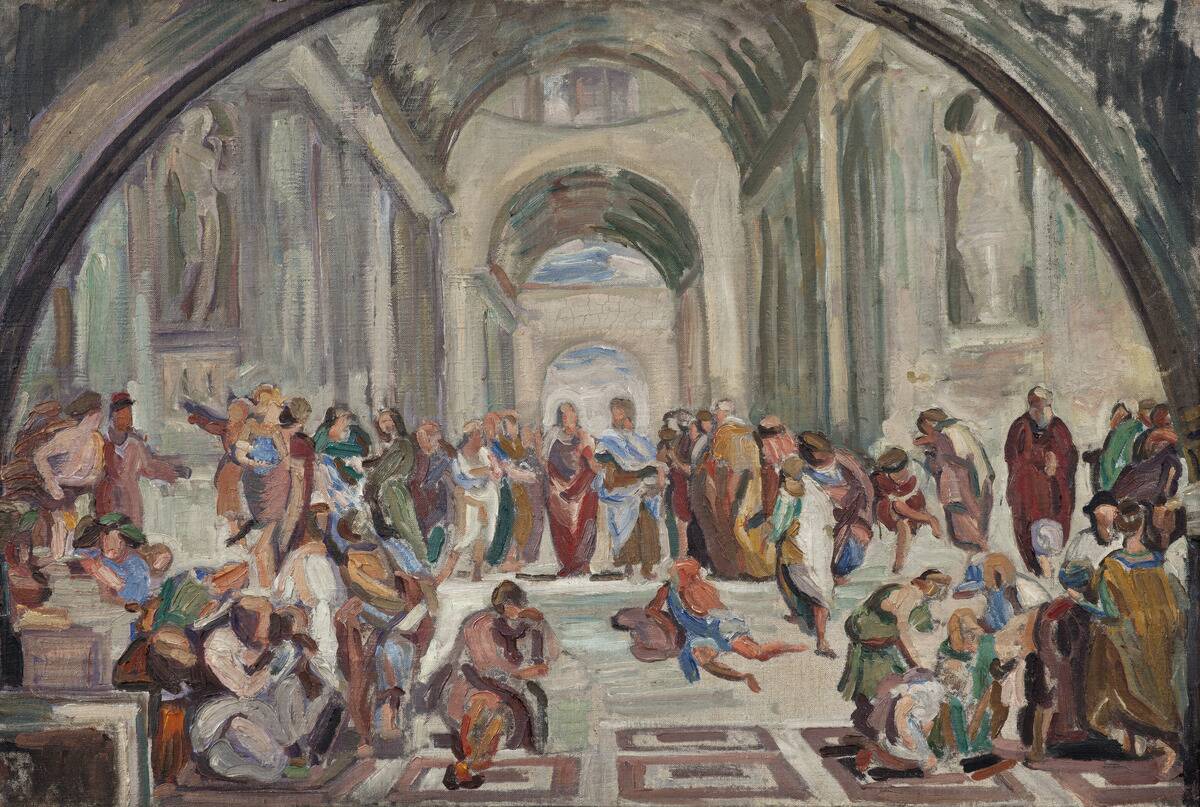
The Greeks, particularly in Athens, laid the groundwork for modern democracy. Citizens participated directly in decision-making, a revolutionary concept at the time. Philosophers like Socrates, Plato, and Aristotle debated governance, ethics, and the role of citizens, influencing political thought for centuries.
The Athenian system, despite its limitations, inspired democratic ideals worldwide, underscoring the enduring legacy of Greek political innovation.
China’s Han Dynasty: Paper and Bureaucracy
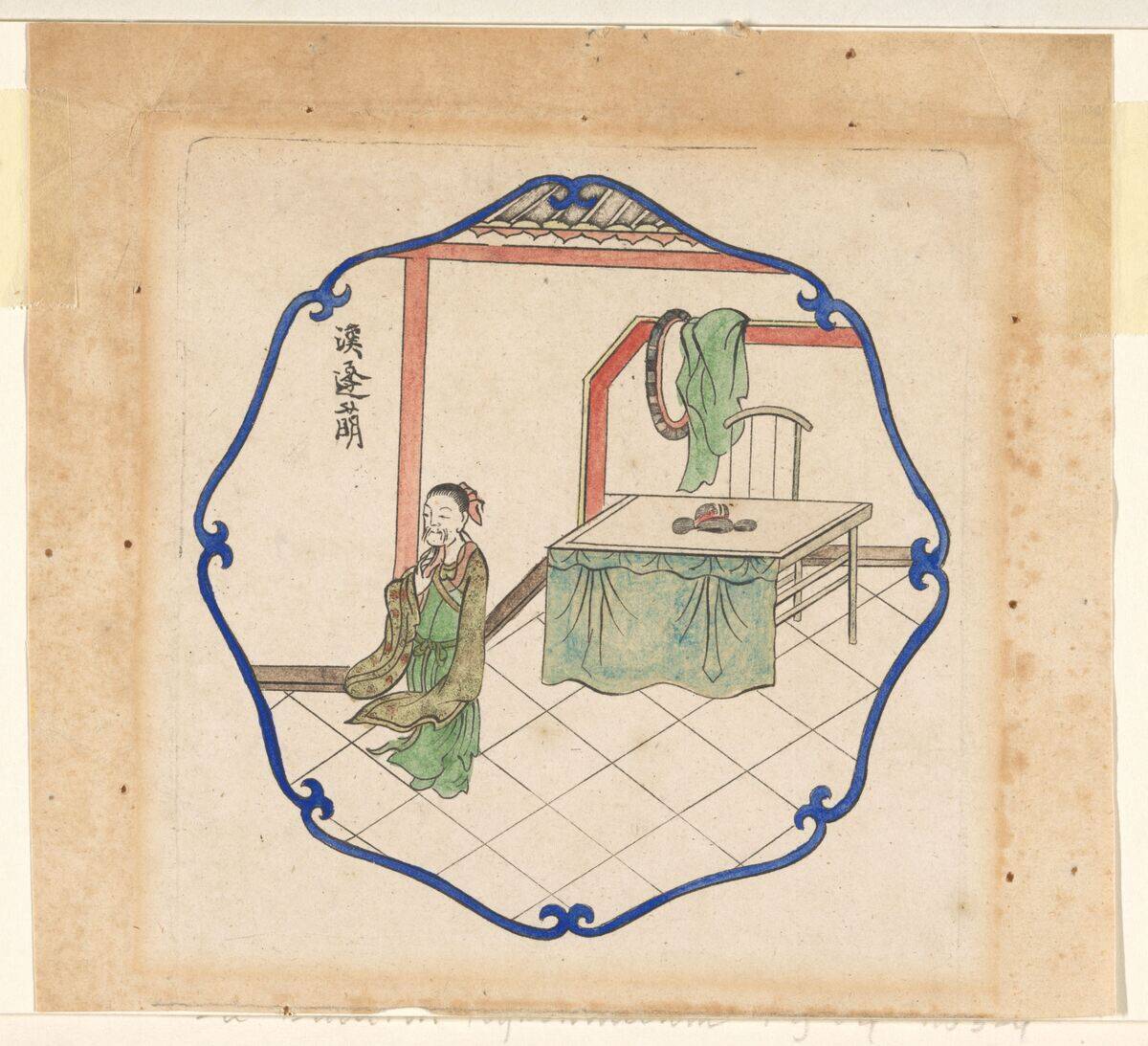
The Han Dynasty (206 BCE–220 CE) was a golden age for Chinese innovation, notably the invention of paper. Cai Lun, a court official, improved papermaking techniques, facilitating communication and record-keeping.
This invention transformed administration, education, and literature, becoming indispensable worldwide. The Han’s bureaucratic system was meticulously organized, with officials selected through examinations, setting a precedent for merit-based civil service.
The Persians and the Concept of Human Rights
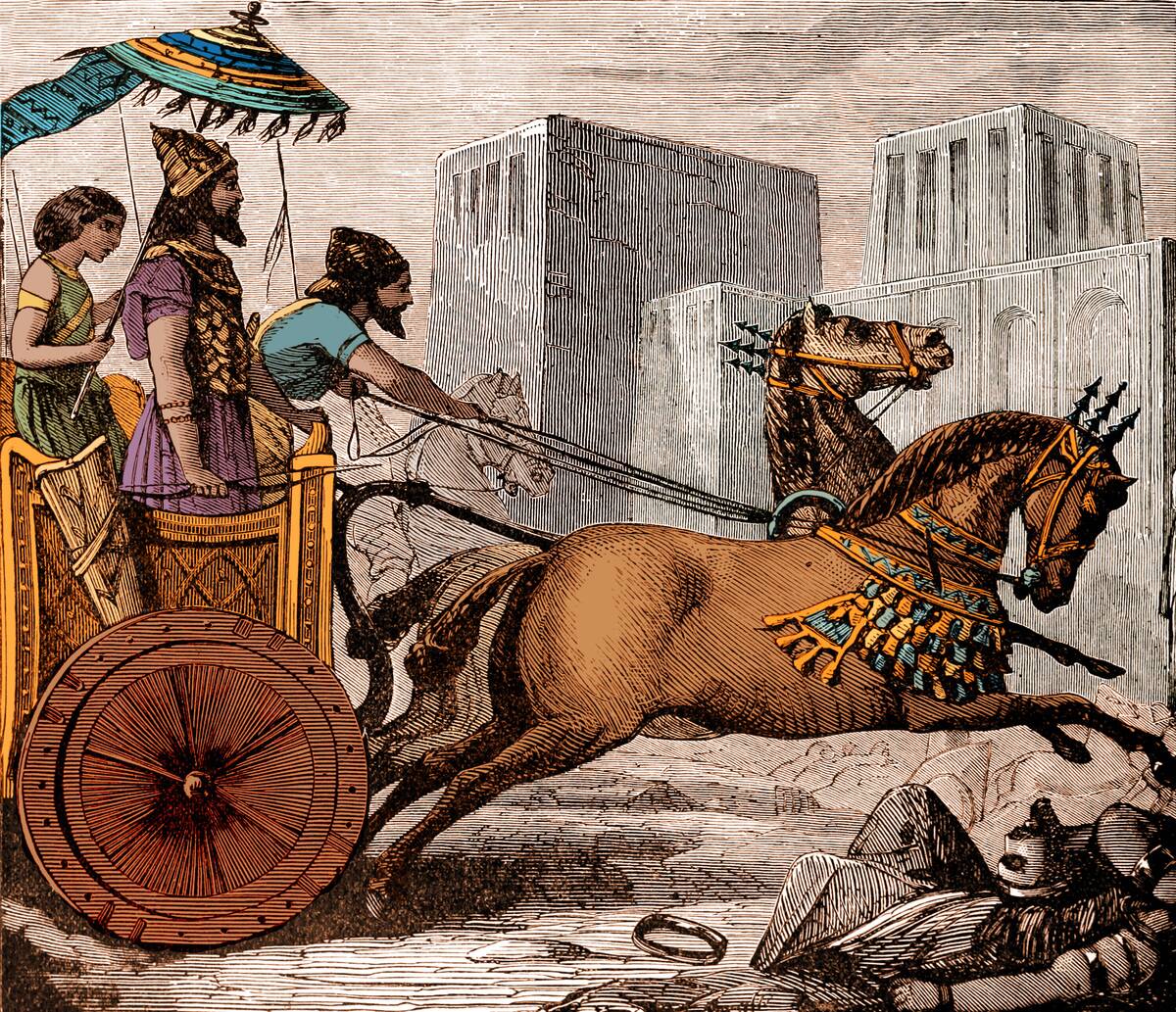
The Persian Empire, under Cyrus the Great, introduced the concept of human rights, codified in the Cyrus Cylinder. This ancient artifact, dating to 539 BCE, proclaimed religious freedom and the abolition of slavery, a revolutionary stance for the time.
The Persians respected the customs and religions of conquered peoples, fostering stability in their vast empire. Their progressive governance laid early foundations for the development of human rights concepts.
The Water Management Techniques of the Nabataeans

The Nabataeans, an Arab people from the Arabian Peninsula, mastered water management in the harsh desert environment. Their capital, Petra, featured a complex system of dams, cisterns, and water channels, allowing them to thrive where others could not.
They cleverly harvested rainwater, ensuring a reliable supply year-round. This ingenuity not only supported agriculture but also enabled Petra to become a bustling trade hub, illustrating their exceptional engineering skills.
The Incan Empire: Advanced Road Systems
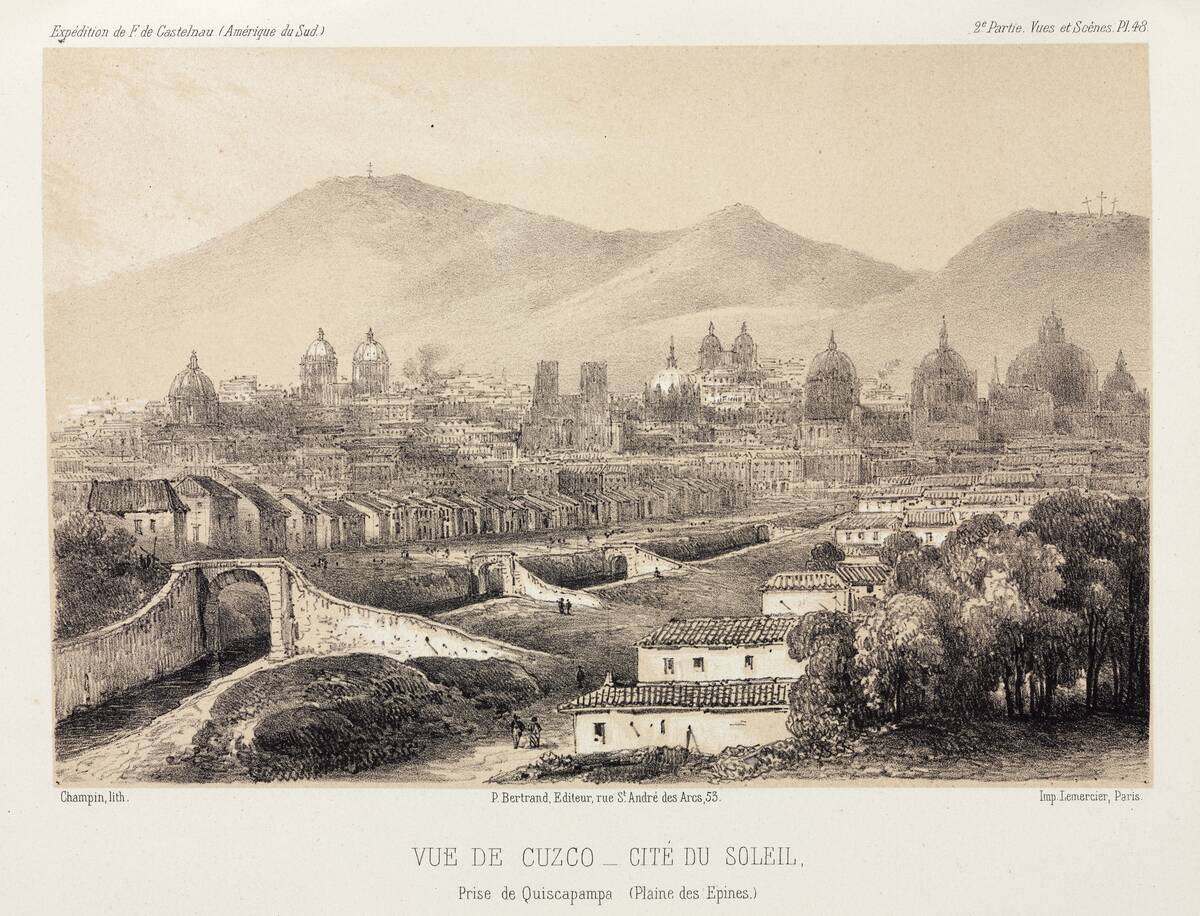
The Incas, ruling a vast empire in the Andes, constructed an impressive road network called Qhapaq Ñan. Stretching over 40,000 kilometers, these roads connected distant regions, facilitating communication, trade, and military movement.
Built without the wheel, the roads featured stairways, tunnels, and suspension bridges, adapting to the rugged terrain. This network was crucial for the cohesion of the Incan Empire, demonstrating their engineering capabilities and logistical acumen.
The Mesopotamians and the Invention of the Wheel
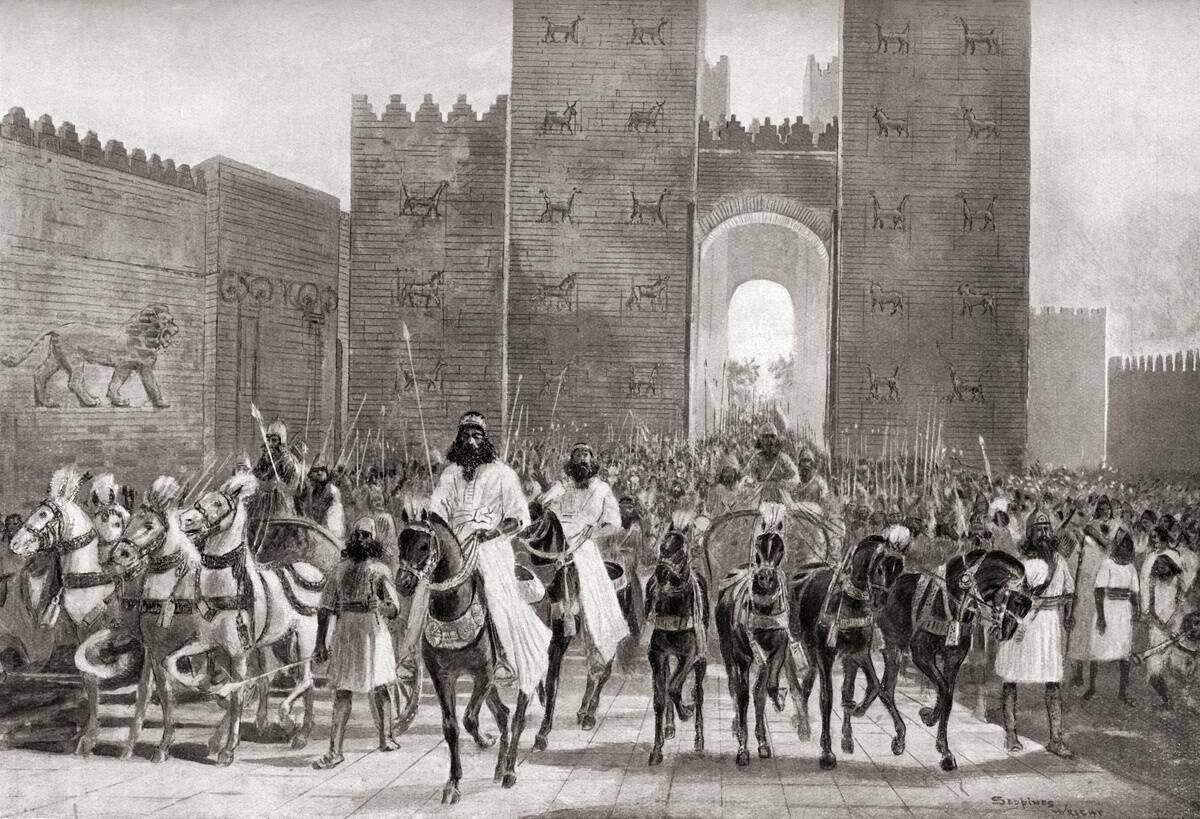
The wheel, one of humanity’s most transformative inventions, originated in Mesopotamia around 3500 BCE. Initially used for pottery, it revolutionized transportation and trade once adapted for carts.
The wheel enabled the movement of goods across vast distances, enhancing commerce and cultural exchange. Its invention marks a pivotal moment in technological advancement, highlighting the ingenuity of the Mesopotamians in shaping the trajectory of human civilization.
The Phoenicians: Navigators of the High Seas
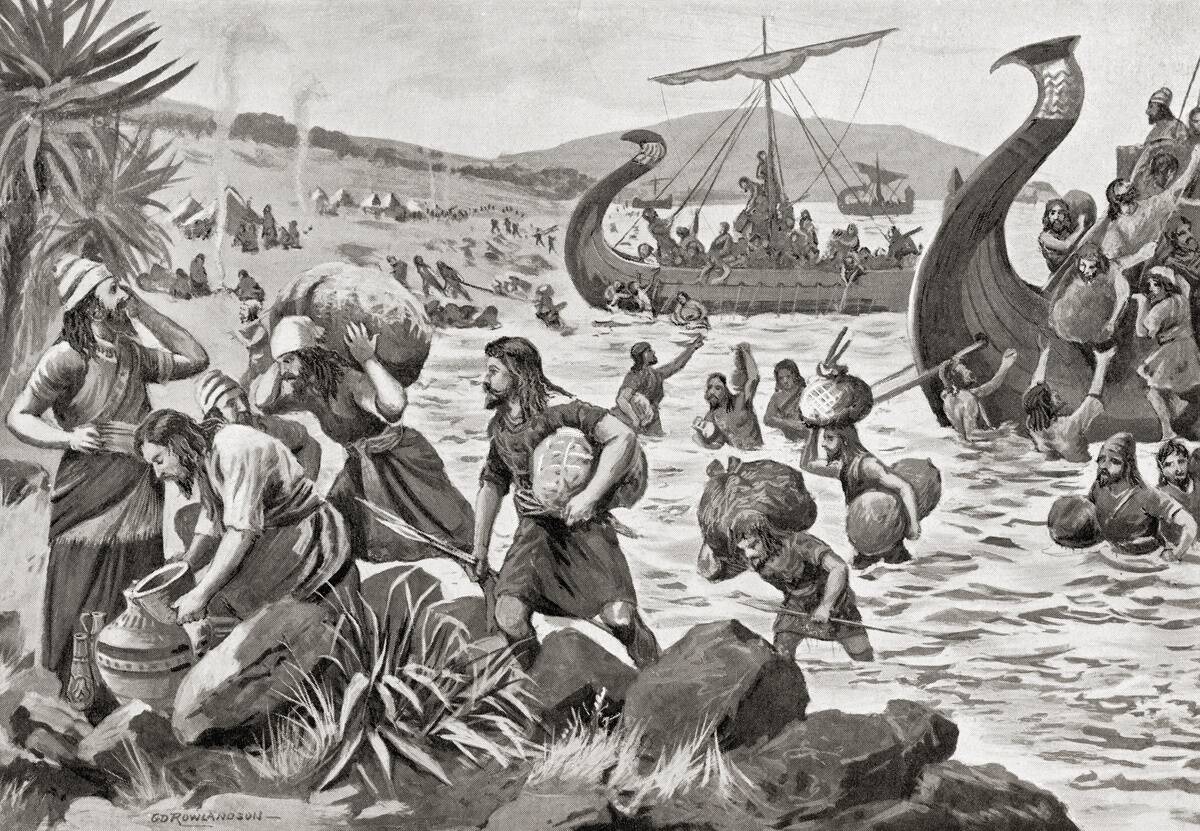
The Phoenicians, an ancient seafaring people, were renowned for their navigation skills. They established trade networks across the Mediterranean, spreading goods, ideas, and the Phoenician alphabet, the precursor to many modern alphabets.
Their expertise in shipbuilding, including the development of the bireme, allowed them to explore distant shores. The Phoenicians’ maritime prowess not only enriched their culture but also laid the groundwork for global exploration.
The Health Practices of the Aztecs
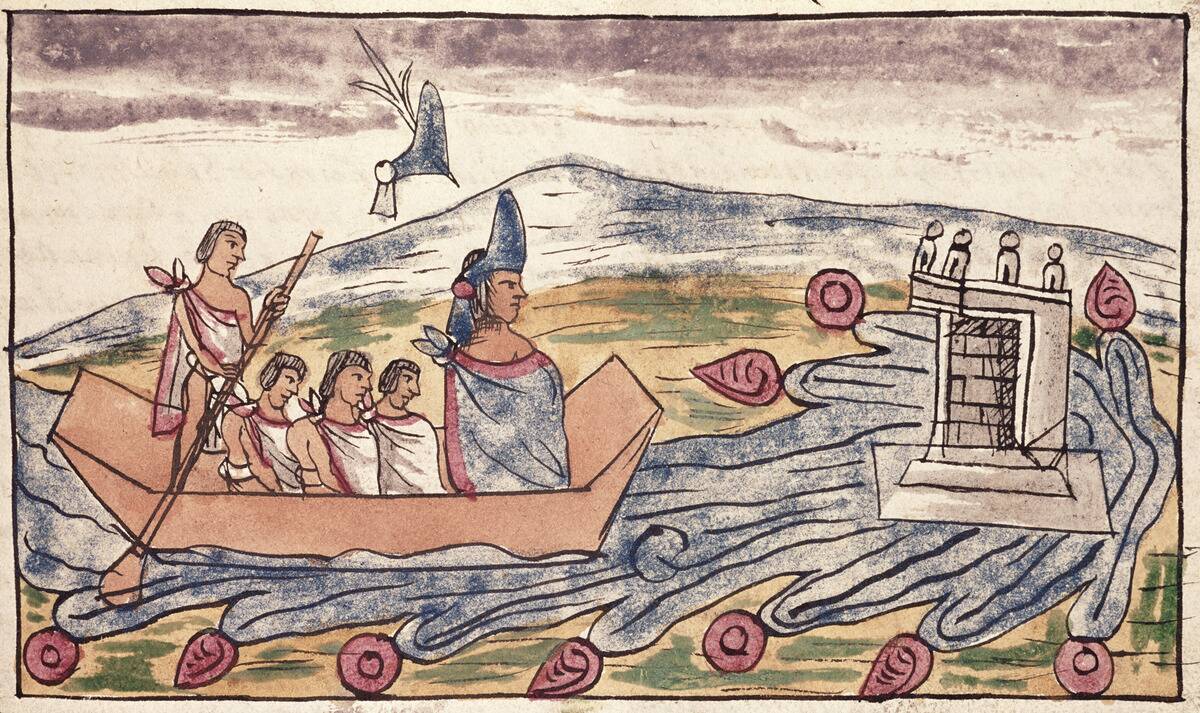
The Aztecs, flourishing in Central America, had a sophisticated understanding of medicine and health practices. They utilized a variety of herbs and plants for healing, some of which are still used today.
Aztec physicians performed surgeries, set broken bones, and understood the importance of hygiene in preventing disease. Their integration of spiritual and physical healing reflects a holistic approach, offering valuable insights into the interplay of culture and medicine.
The Olmecs and Early Urbanization
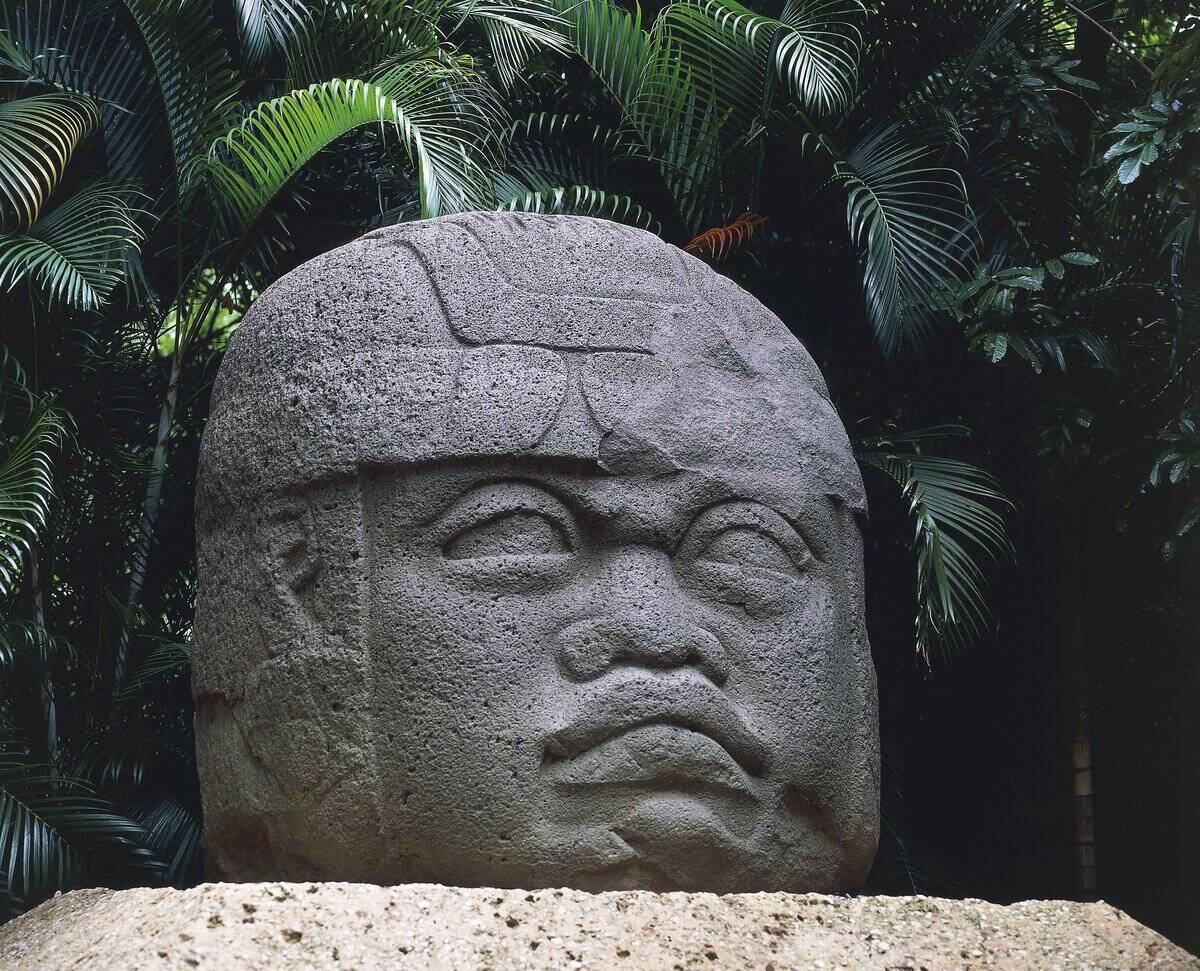
The Olmecs, often considered the “mother culture” of Mesoamerica, were pioneers in urbanization. Flourishing from 1500 to 400 BCE, they built cities like San Lorenzo and La Venta, featuring monumental stone heads and sophisticated drainage systems.
Their social and political structures influenced later civilizations such as the Mayans and Aztecs. The Olmecs’ innovations in city planning and architecture underscore their role in shaping the region’s cultural landscape.
The Cultural Richness of the Minoans
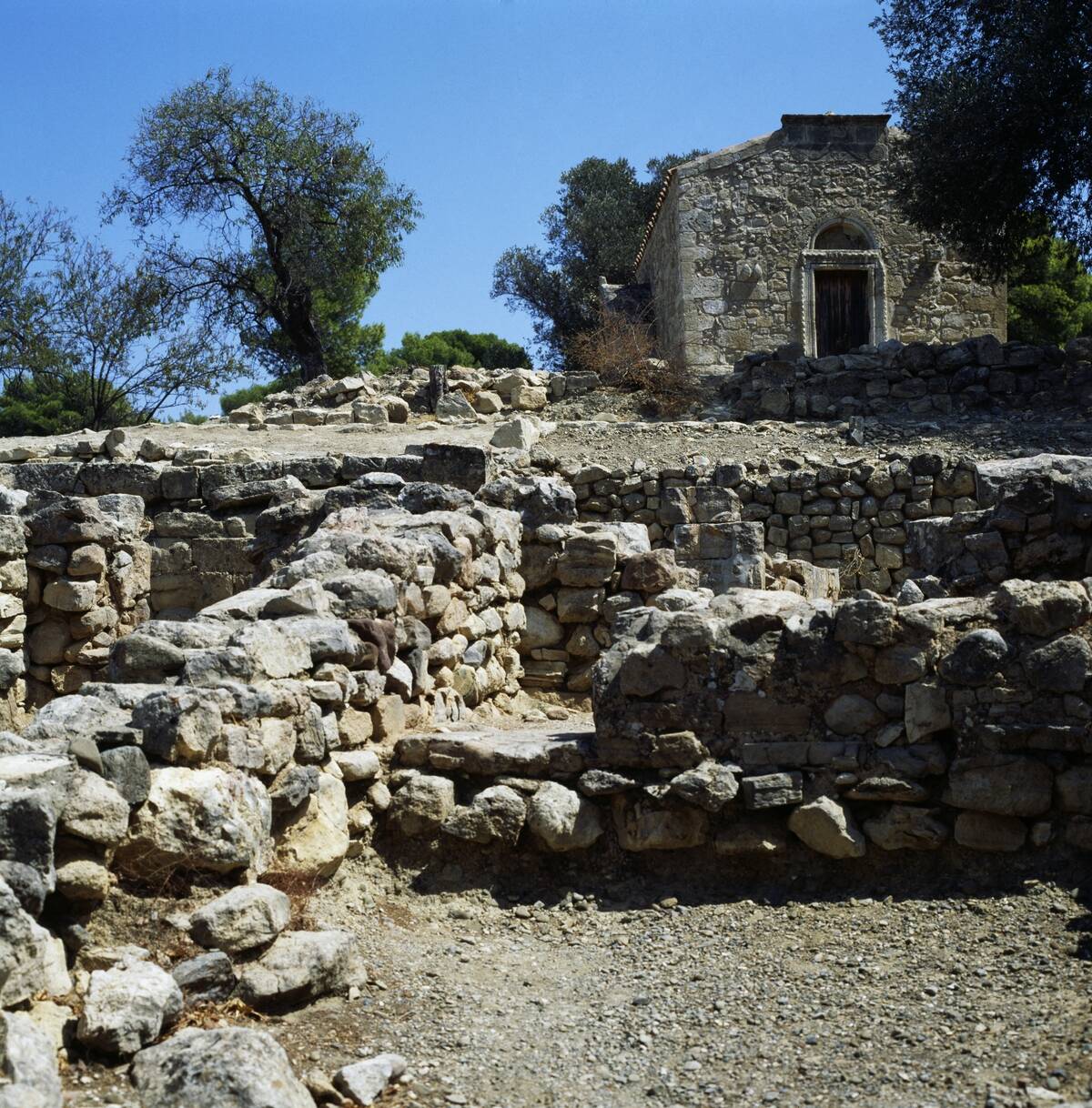
The Minoans, thriving on the island of Crete from 3000 to 1450 BCE, were known for their vibrant culture and artistic achievements. Their palaces, like Knossos, were centers of economic, religious, and social life, adorned with intricate frescoes and pottery.
The Minoans’ trade networks extended across the Mediterranean, facilitating cultural exchange. Their peaceful society and emphasis on art and architecture highlight the cultural richness that influenced subsequent Greek civilization.
The Governance Systems of the Iroquois
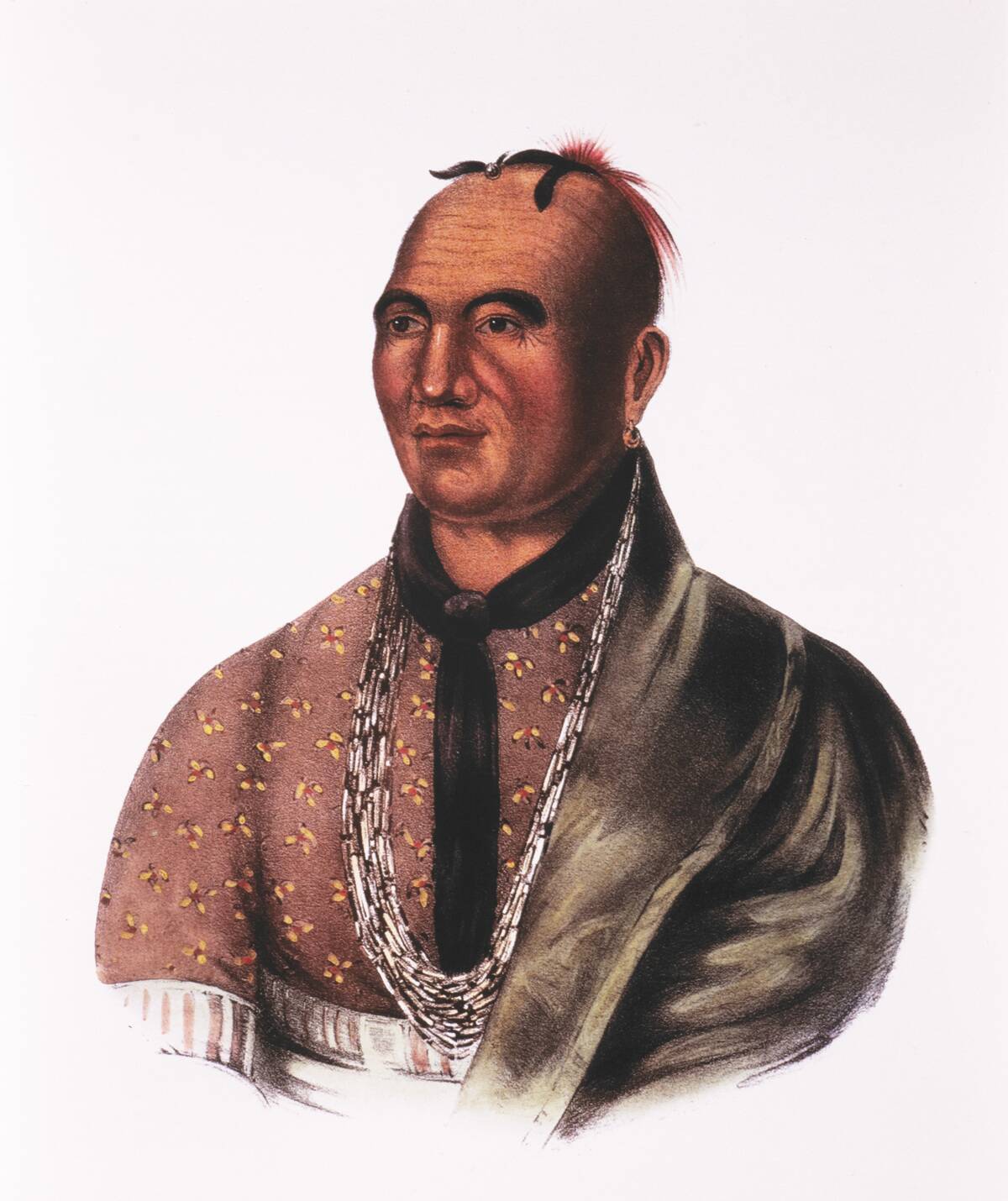
The Iroquois Confederacy, formed before European contact, was a sophisticated governance system based on democratic principles. The Great Law of Peace established a council of chiefs, with decisions made through consensus, reflecting a deep respect for unity and cooperation.
This system inspired aspects of the United States Constitution, showcasing the Iroquois’s political innovation. Their model of governance emphasizes the importance of collaboration and balance in leadership.




