Why we fail to learn from history
Have you ever noticed how certain events seem to echo throughout history? It’s as if humanity is stuck on a loop, repeating the same mistakes over and over again.
From the rise and fall of empires to economic collapses, it’s fascinating how the past seems to mirror the present. This phenomenon isn’t just a quirk of fate; it’s a complex interplay of human psychology, societal norms, and historical narratives.
The Allure of Familiarity: Why We Gravitate Towards the Known
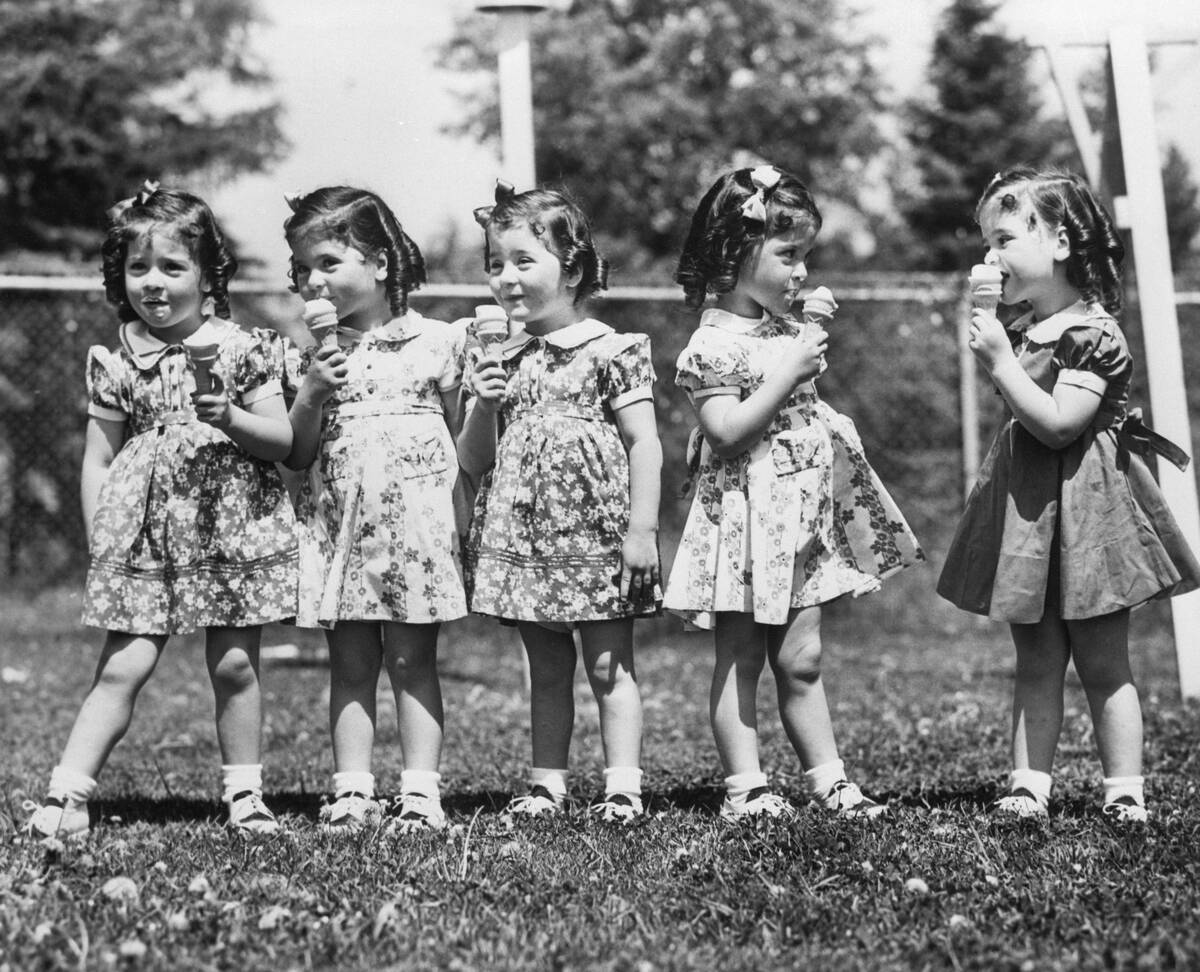
Humans are creatures of habit, often finding comfort in the familiar. This preference can be traced back to our evolutionary history, where sticking to known paths increased chances of survival.
Familiarity breeds a sense of security, which is why people often resist change and opt for what’s already been tried and tested. This desire for the known can lead to repeated mistakes, as individuals and societies may overlook innovative solutions in favor of traditional methods.
Historical Déjà Vu: Recognizing Patterns Through Time
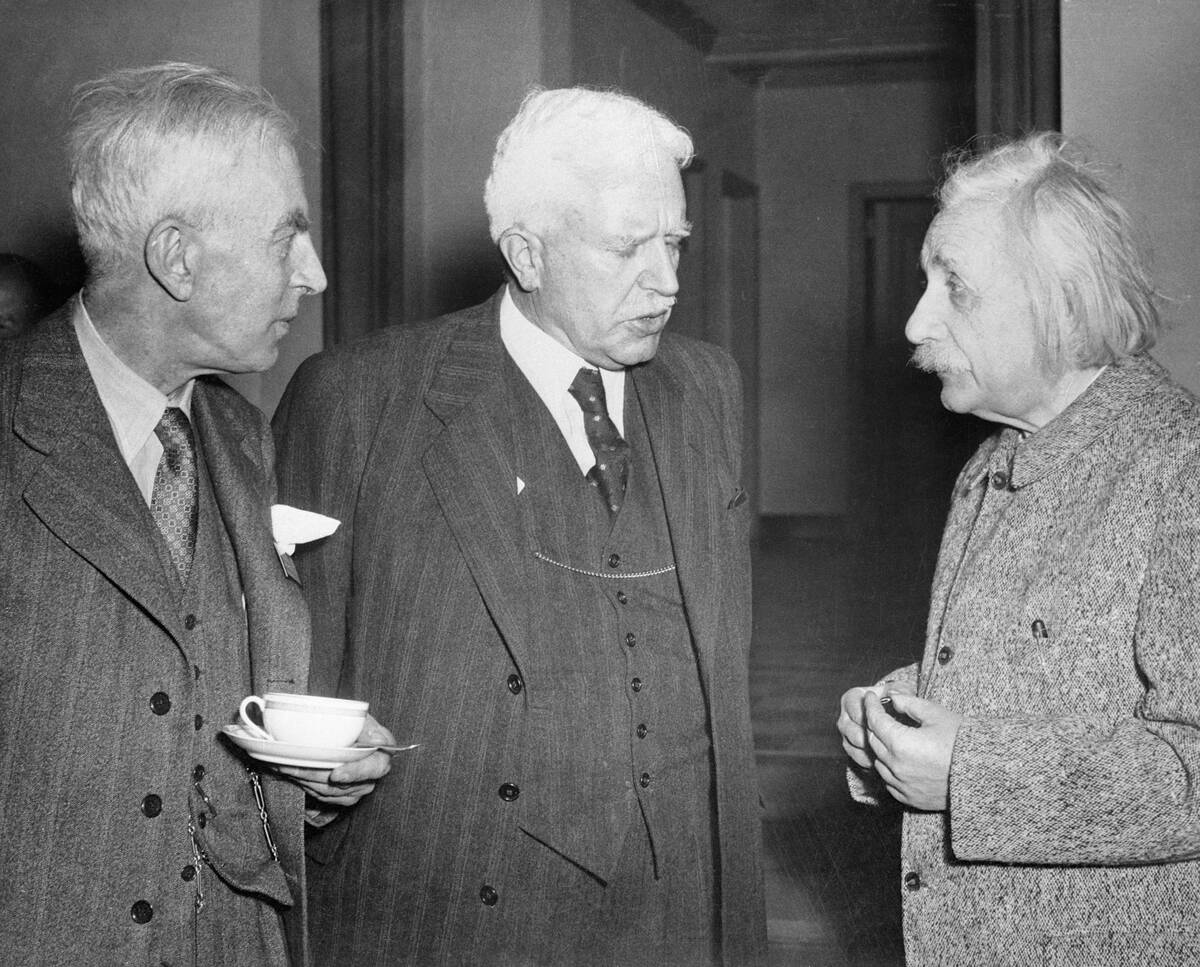
The concept of historical déjà vu is not just a modern observation. Scholars like Arnold Toynbee and Oswald Spengler have noted recurring patterns in history. Empires rise and fall, economies boom and bust, and revolutions ignite and fizzle out.
By studying these patterns, we can better understand the cyclical nature of human affairs. Yet, despite this awareness, societies often find themselves falling into the same traps, perhaps due to a lack of collective memory or will to change.
The Role of Collective Memory in Shaping Actions

Collective memory is a powerful force that shapes how societies perceive their past and inform their future actions. It is the shared pool of knowledge and information held by a group, often passed down through generations.
However, this memory can be selective, highlighting certain events while neglecting others. This selective nature can lead to skewed perceptions of history, influencing decisions and actions in ways that might not always be beneficial or accurate.
Cognitive Biases: How Our Brains Trick Us into Repeating Mistakes

Cognitive biases are mental shortcuts that can lead to flawed decision-making. The confirmation bias, for example, causes individuals to favor information that confirms their preexisting beliefs, often overlooking contradictory evidence.
Similarly, the availability heuristic makes people overestimate the importance of information readily available to them. These biases can cause individuals and societies to ignore lessons from the past, leading to repeated mistakes despite evidence to the contrary.
The Power of Tradition: Holding Onto the Past

Tradition is an anchor that holds societies fast to their past. While traditions can preserve cultural identity and foster a sense of community, they can also hinder progress. The reluctance to abandon traditional practices, even when they are no longer relevant or beneficial, can perpetuate outdated systems and ideas.
This adherence to tradition is often seen in political systems, educational practices, and even in the way families operate, sometimes to the detriment of innovation and growth.
Selective History: The Stories We Choose to Remember
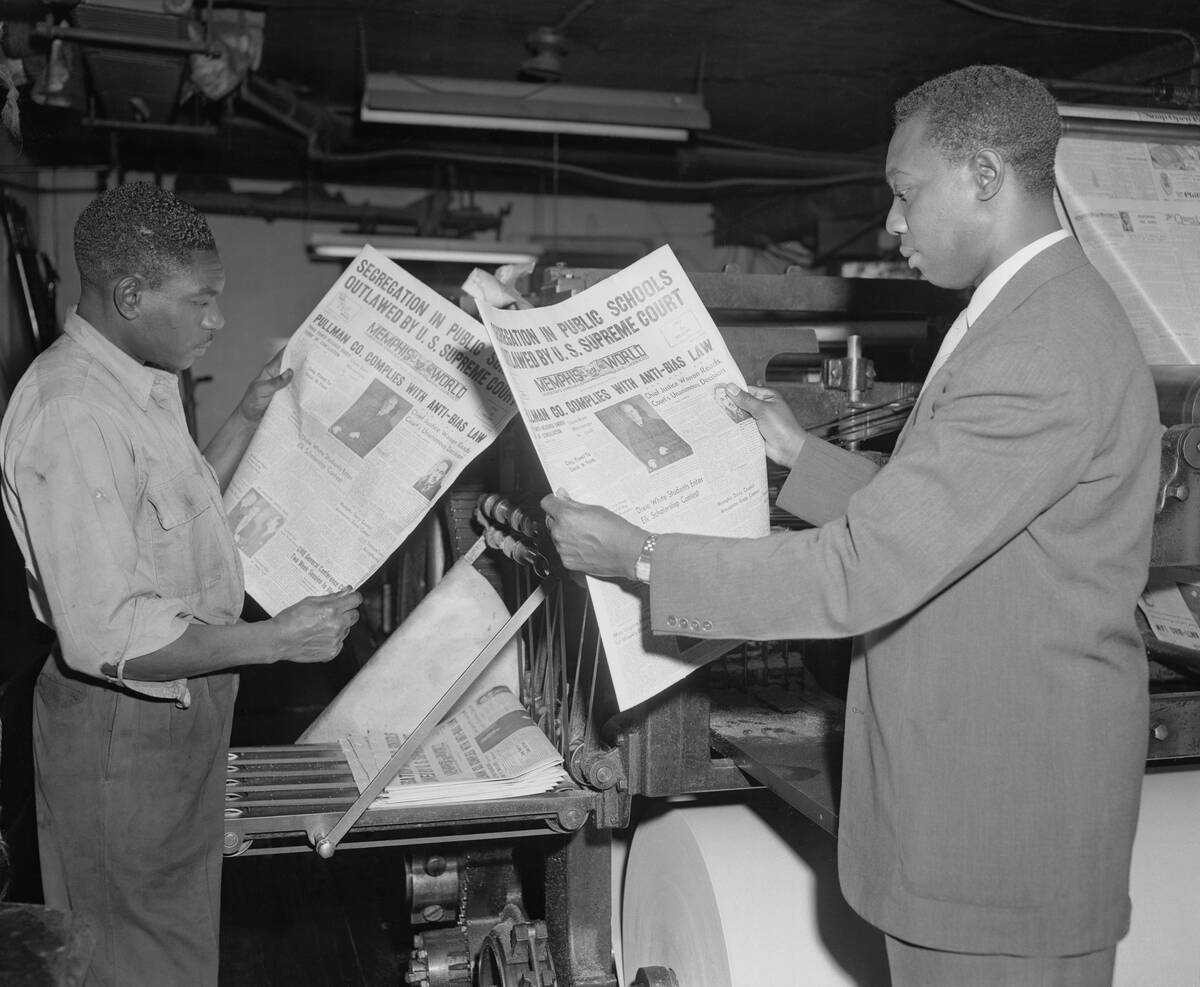
History is often written by the victors, and as such, it can be selective. Certain narratives are emphasized while others are conveniently forgotten. This selective storytelling shapes collective memory and can influence societal values and actions.
By choosing which stories to remember and which to forget, societies may repeat the same mistakes. A more balanced historical narrative could help prevent this by providing a fuller picture of past events and their consequences.
The Influence of Nostalgia: Romanticizing the Past

Nostalgia is a double-edged sword that can both comfort and deceive. It paints the past in rosy hues, often ignoring its darker aspects. This romanticization can lead to unrealistic expectations and a longing for a past that never truly existed.
Politicians and marketers alike use nostalgia to evoke emotions and influence decisions, sometimes leading to a retreat into outdated policies or consumer habits, which can repeat historical mistakes on both personal and societal levels.
Social and Cultural Pressures: Following the Crowd
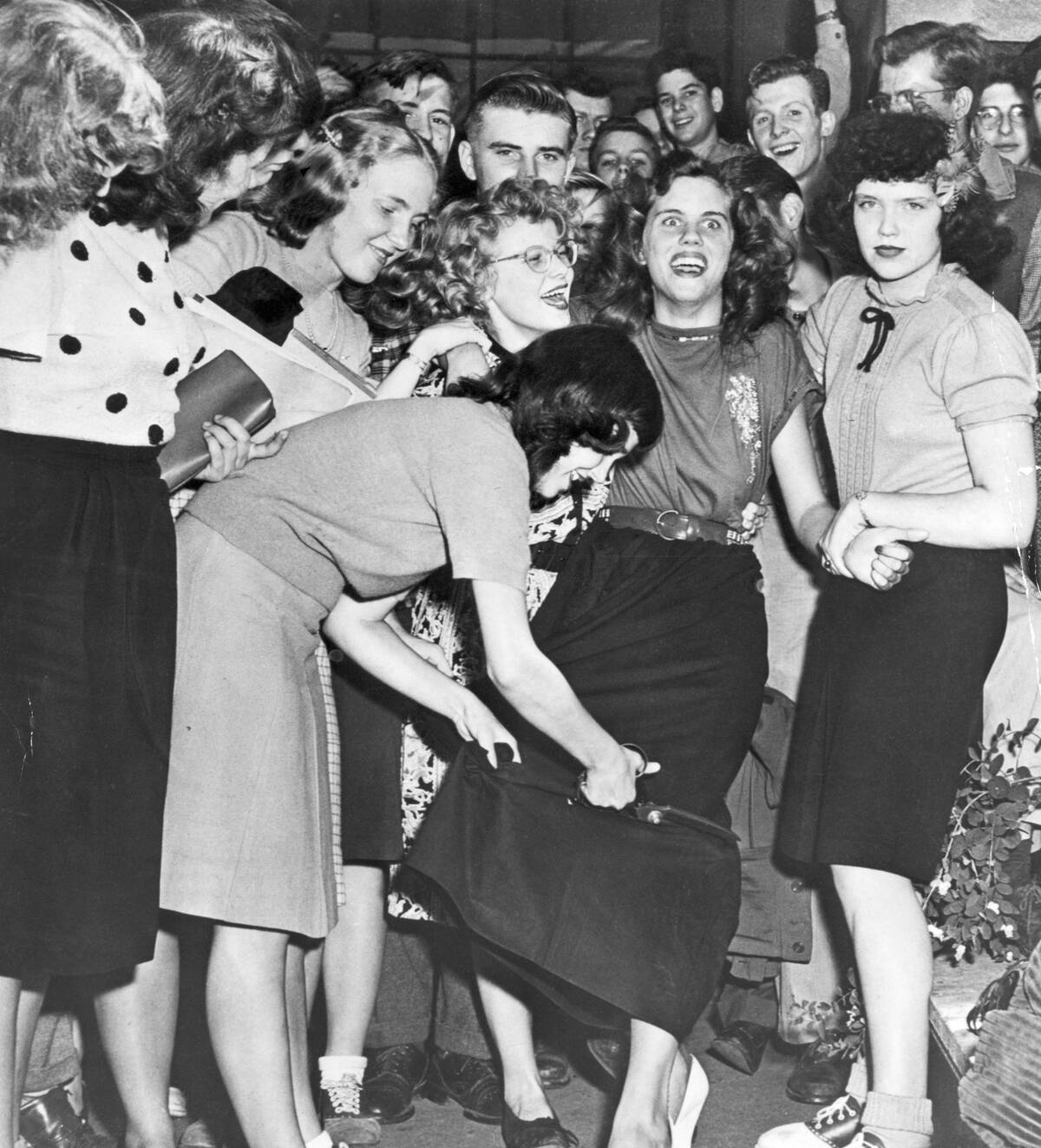
Humans are inherently social beings, and the desire to belong can lead to conformity. Social and cultural pressures often push individuals to follow the crowd, even when it goes against their better judgment.
This herd mentality can lead to repeated mistakes, as people prioritize group acceptance over critical thinking. History is replete with examples of mass movements and trends that, in hindsight, were detrimental but were followed due to the overwhelming pressure to conform.
Lessons Forgotten: The Shortcomings of History Education
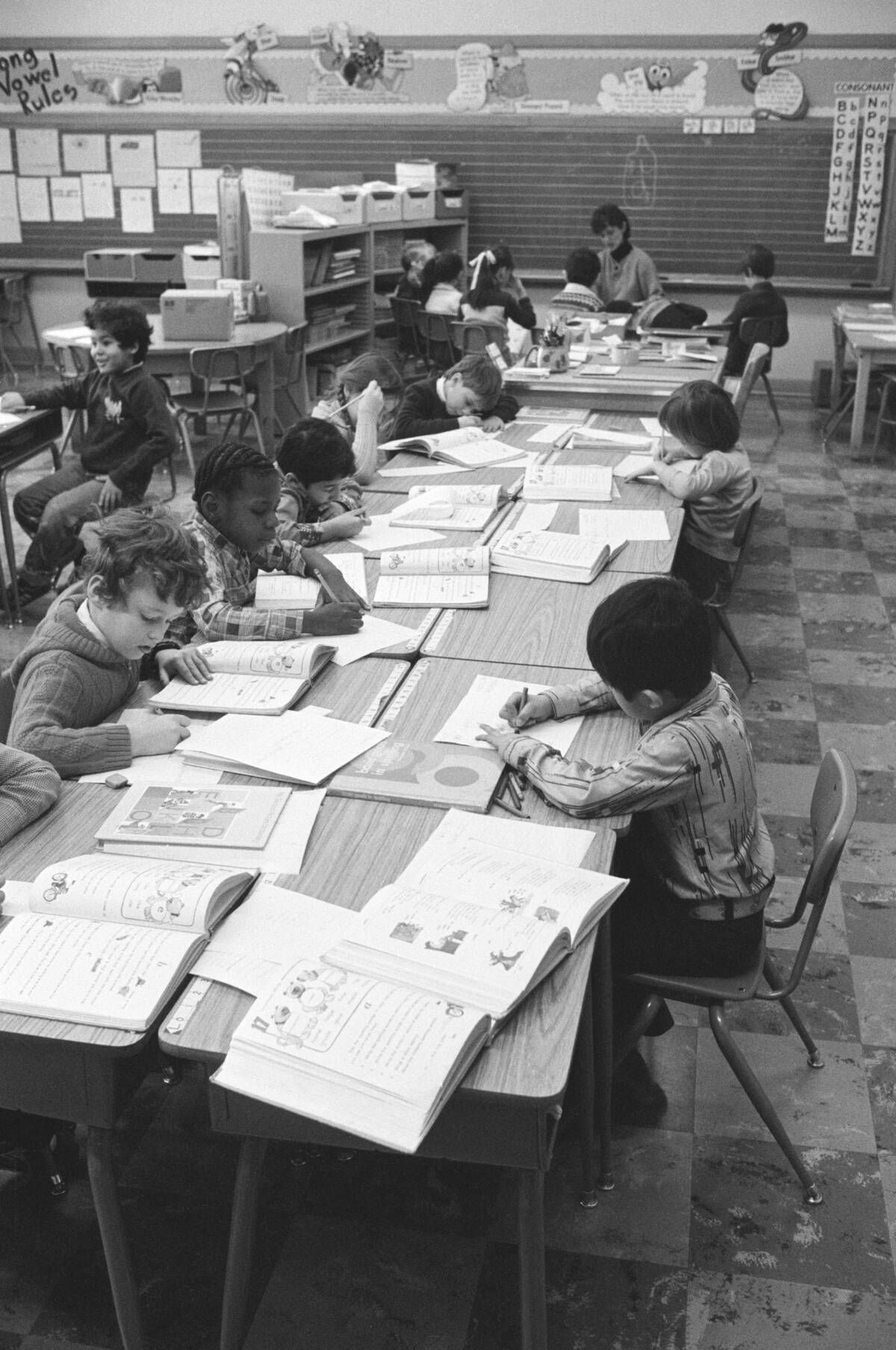
Education systems play a crucial role in shaping historical understanding, yet they often fall short. Many curricula focus on memorization rather than critical analysis, leading to a superficial understanding of history.
This lack of depth can result in forgotten lessons and repeated mistakes. By fostering critical thinking and encouraging students to question historical narratives, education can become a powerful tool in breaking the cycle of repetition and fostering a more nuanced understanding of the past.
The Impact of Media: How Stories Shape Our Understanding of History

Media is a powerful force in shaping public perception of history. Movies, television, and news outlets often select which historical narratives to highlight, sometimes at the expense of accuracy.
This selective storytelling can skew public understanding, leading to misconceptions about the past. When media prioritizes sensationalism over factual reporting, it can perpetuate myths and repeat historical mistakes. A responsible media landscape is essential for providing a balanced view of history and its lessons.
The Role of Leadership: When Leaders Ignore Historical Warnings

Leaders wield significant influence over society’s direction, and their decisions can have lasting impacts. However, history is full of examples where leaders have ignored historical warnings, leading to repeated mistakes.
Whether due to hubris, ideological rigidity, or short-term thinking, such oversight can have dire consequences. Effective leadership requires the ability to learn from the past and adapt, rather than blindly following in the footsteps of predecessors who may have failed.
Economic Incentives: When Profit Trumps Historical Lessons

Economic incentives often drive decisions that overlook historical lessons. The pursuit of profit can lead individuals and corporations to repeat mistakes, such as unsustainable resource exploitation or financial risk-taking.
Short-term gains are frequently prioritized over long-term stability, leading to cycles of boom and bust. While economic growth is important, it should not come at the expense of ignoring historical warnings that could prevent future crises and ensure sustainable development.
Technological Advances: New Tools, Same Mistakes?

Technology is advancing at an unprecedented pace, offering new solutions to age-old problems. However, it can also lead to the repetition of historical mistakes. The misuse of technology, from environmental damage to privacy invasions, echoes past errors made with previous innovations.
While technology has the potential to break cycles of repetition, it requires responsible use and foresight to ensure that it does not simply create new avenues for repeating old mistakes.
Learning from the Past: Strategies for Breaking the Cycle

Breaking the cycle of repeated mistakes requires conscious effort and deliberate strategies. Encouraging critical thinking, fostering open dialogue, and promoting a balanced understanding of history are key components.
Additionally, learning from both successes and failures of the past can guide future actions. By creating systems that prioritize long-term thinking and adaptability, societies can better navigate the challenges of the present and avoid repeating past mistakes.