How early radio transformed world politics
The early days of radio were nothing short of revolutionary, changing the way people received news and entertainment. As the airwaves began to hum with voices and music, a new kind of magic was introduced into households worldwide.
Families gathered around these crackling boxes, eager to listen to the latest news and stories. Radio was more than just a technological marvel; it was a cultural phenomenon that united people across distances like never before.
The Birth of Radio Technology
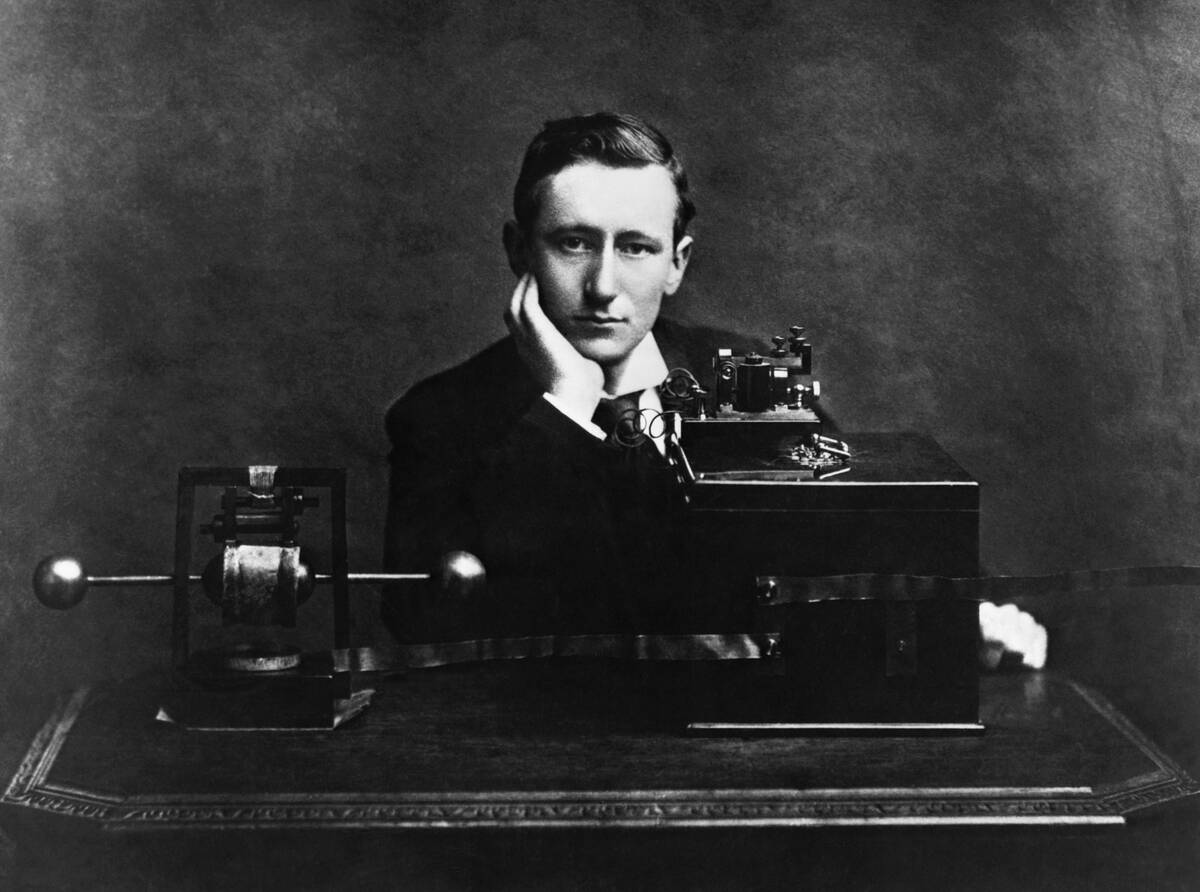
It all began with the work of pioneers like Guglielmo Marconi, who, in 1895, successfully sent radio signals across a distance of a mile. This groundbreaking achievement laid the foundation for what would become a global communication network.
By the early 20th century, radio technology had advanced to allow for the transmission of voice and music, captivating audiences everywhere. The possibilities seemed endless as inventors raced to improve on this nascent technology.
Early Radio: A New Voice in Every Home
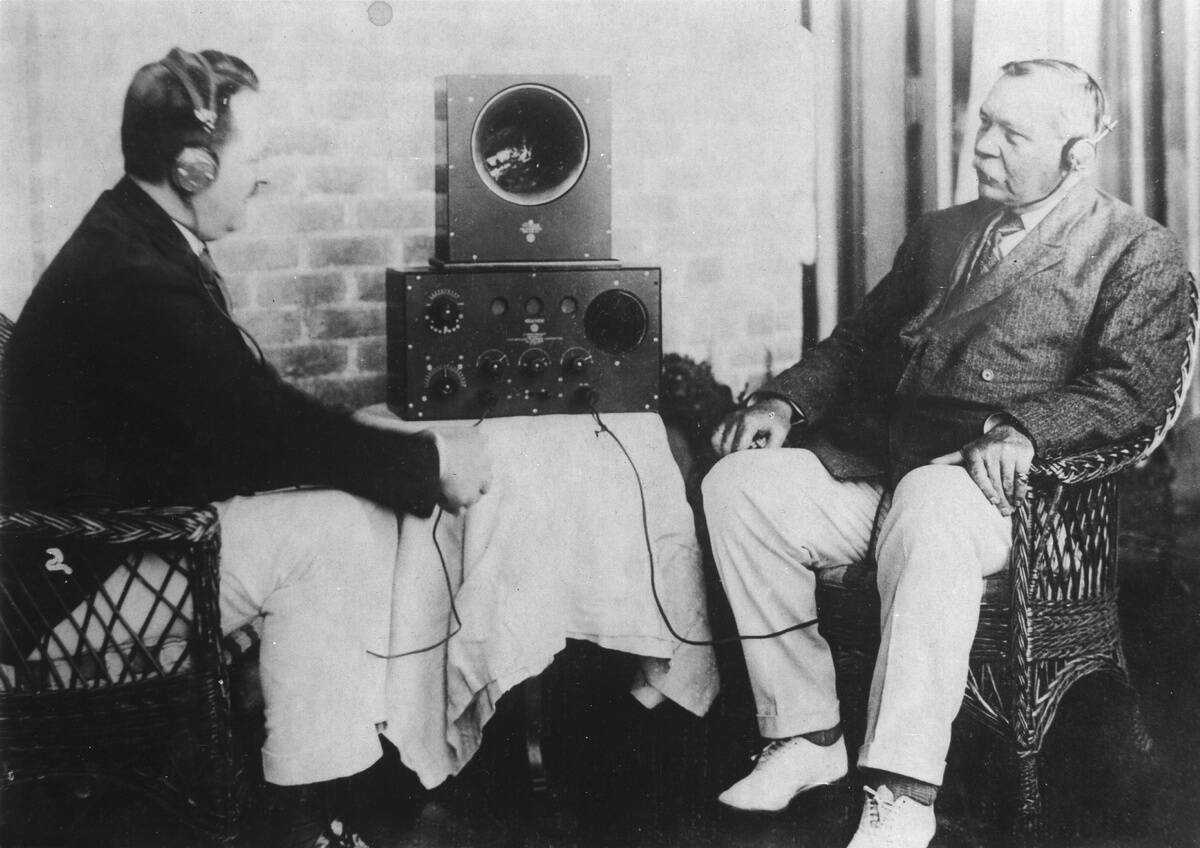
As radio sets became more affordable, they found their way into homes across the world, becoming a staple of daily life. By the 1920s, radio broadcasting had taken off, with stations popping up in major cities.
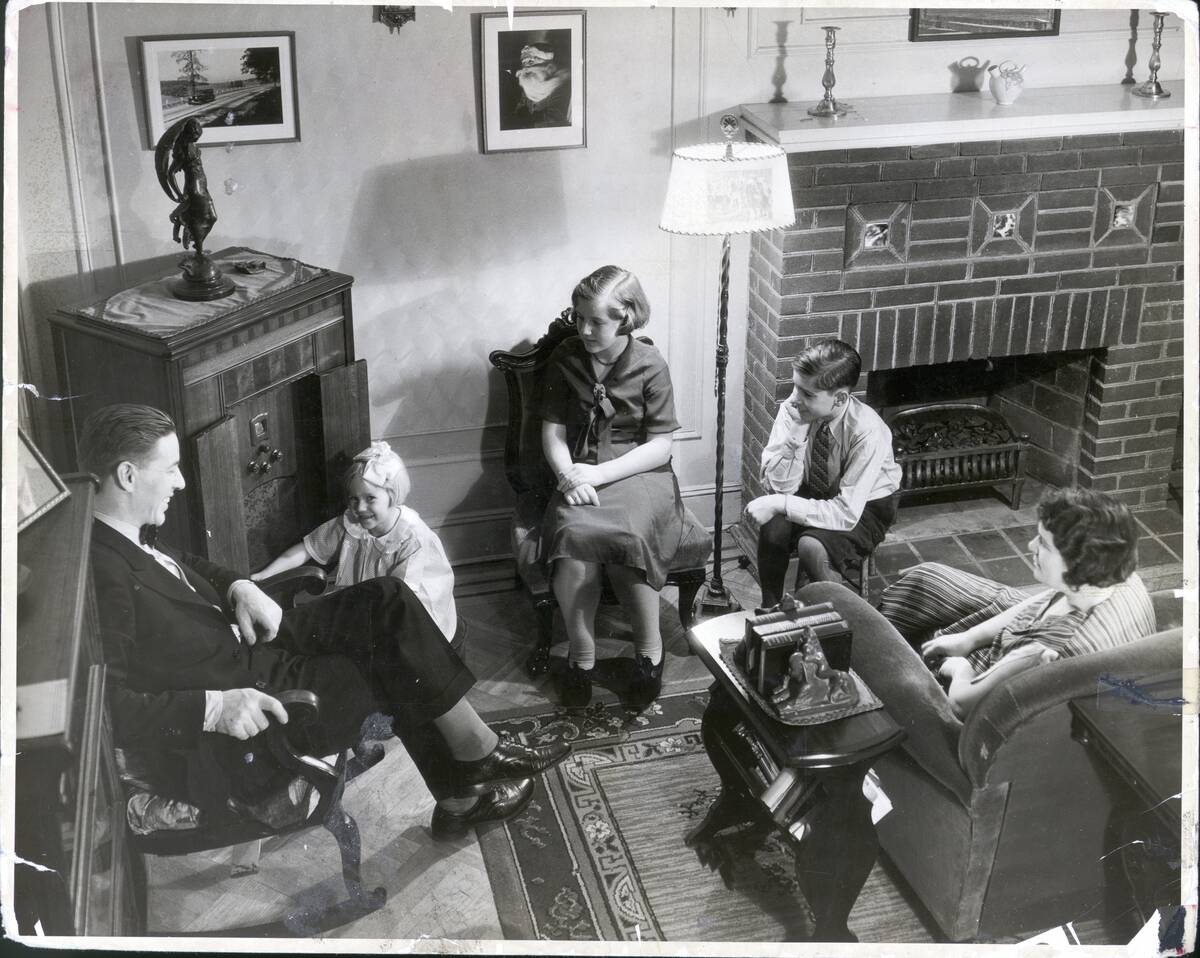
Families would gather around to listen to news, weather forecasts, and entertainment programs. This new medium transformed how people connected with the world, making distant events feel immediate and personal.
The Global Reach of Radio Waves
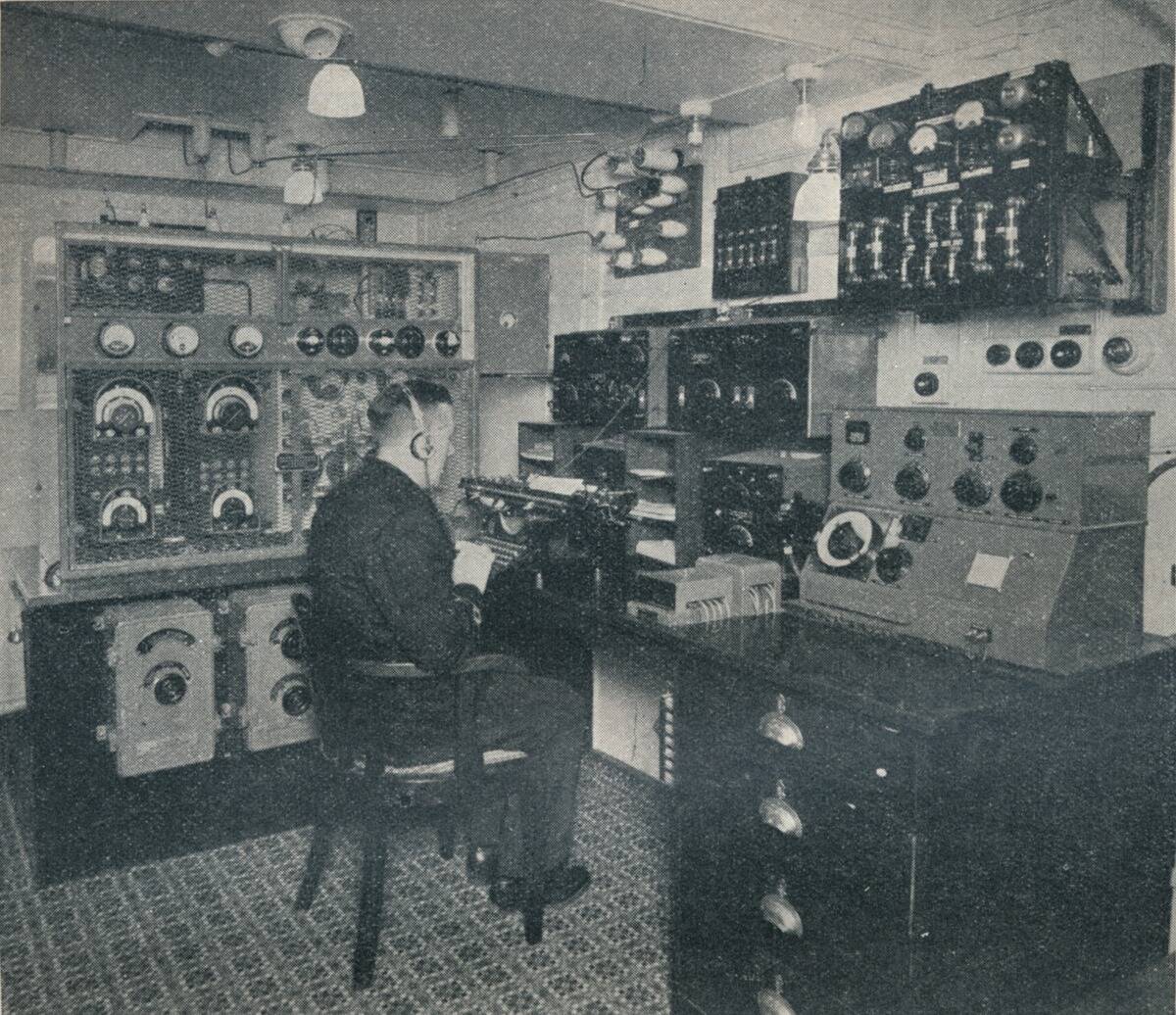
Radio’s ability to reach across borders was unprecedented. It allowed people in different countries to listen to the same broadcasts, fostering a new sense of global connectedness.
Shortwave radio, in particular, could transmit signals over vast distances, overcoming geographical barriers. This capability not only expanded the audience for broadcasters but also created a shared cultural experience that transcended national boundaries.
How Radio Shaped Public Opinion
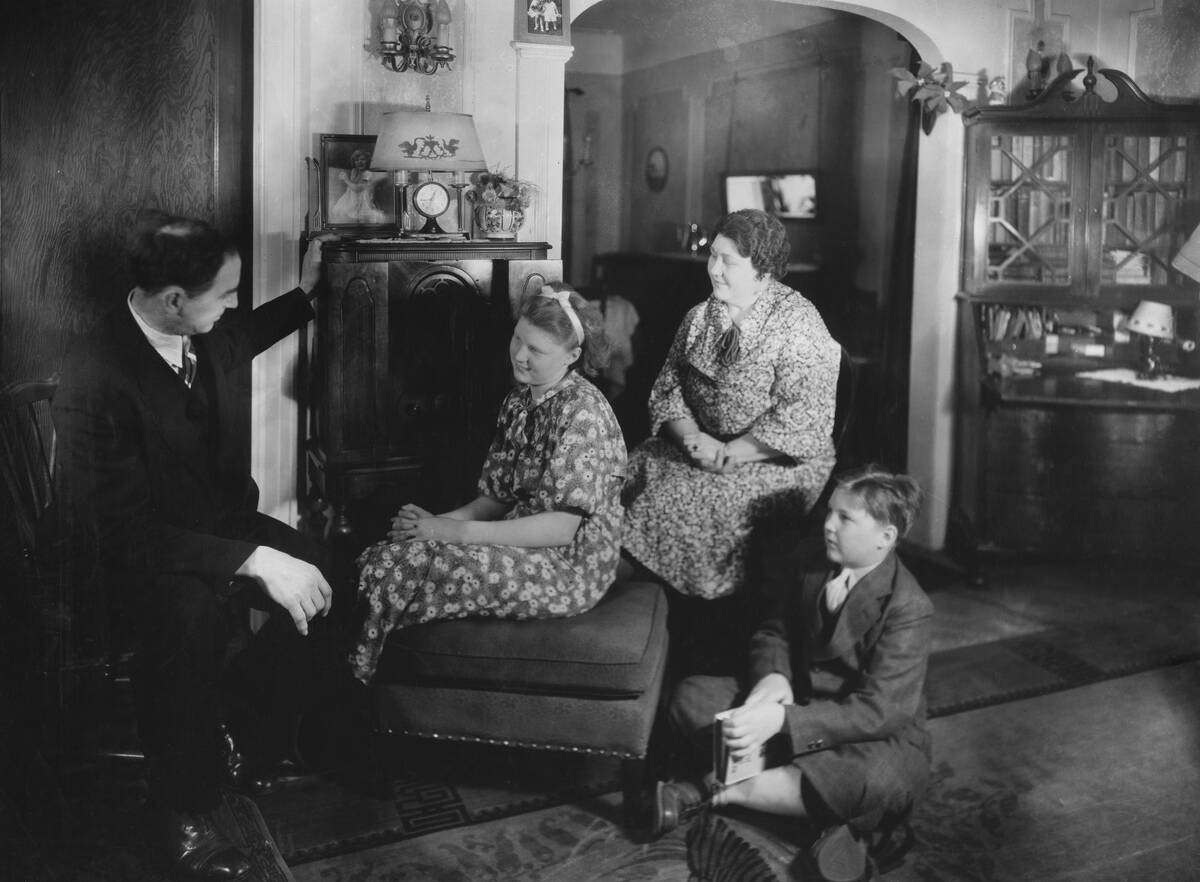
Radio quickly became a powerful tool for shaping public opinion. The immediacy and intimacy of the medium made it an ideal platform for disseminating ideas and influencing listeners.
Politicians and public figures used radio to reach large audiences, often swaying opinions on critical issues. The ability to speak directly to the public transformed radio into a crucial battleground for hearts and minds during pivotal moments in history.
The Role of Radio in Wartime Propaganda
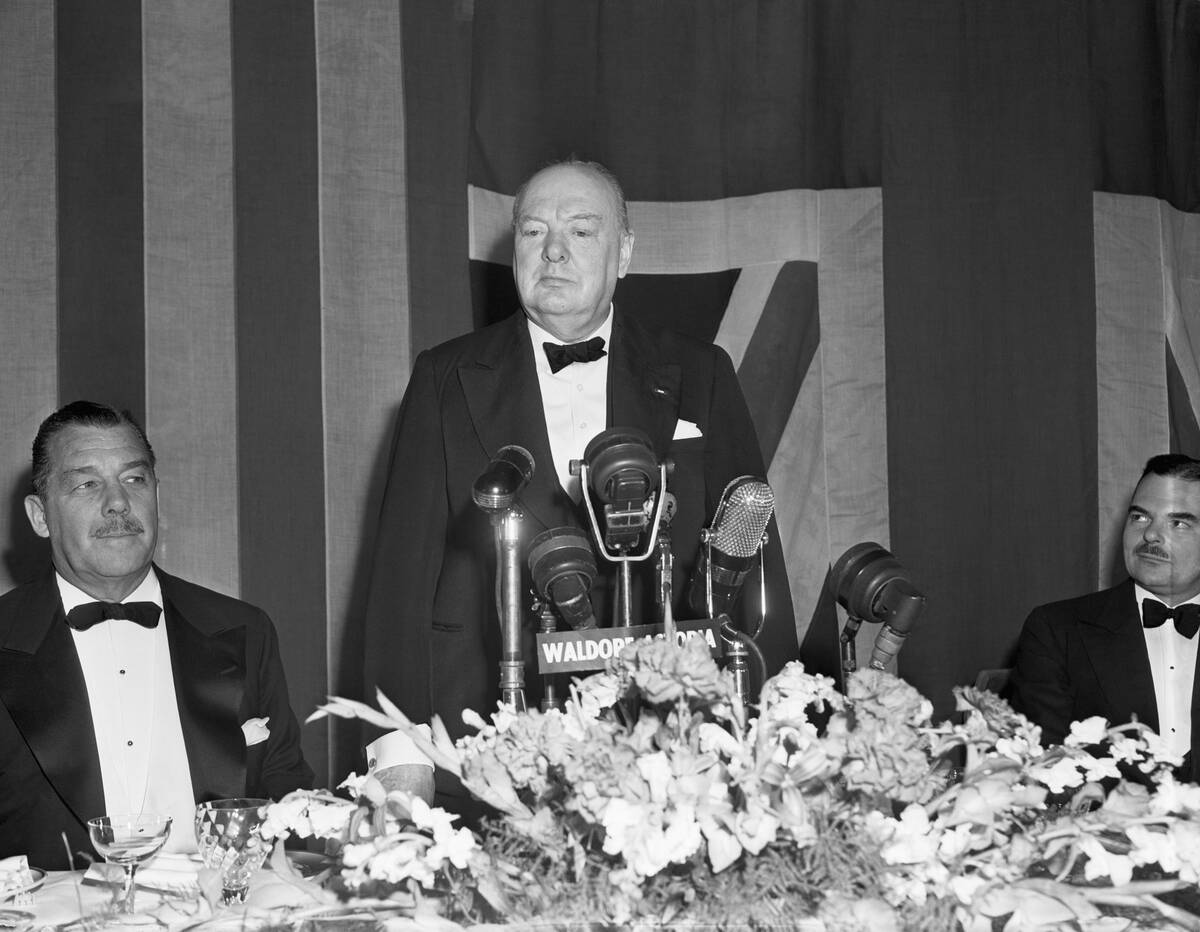
During times of war, radio became an essential weapon in the propaganda arsenal. Both the Allies and Axis powers used radio broadcasts to boost morale, spread misinformation, and demoralize enemy troops.
Iconic figures like Winston Churchill and Franklin D. Roosevelt mastered the use of radio to rally their nations. The medium’s ability to reach soldiers and civilians alike made it indispensable for shaping wartime narratives.
Radio as a Tool for Political Leaders
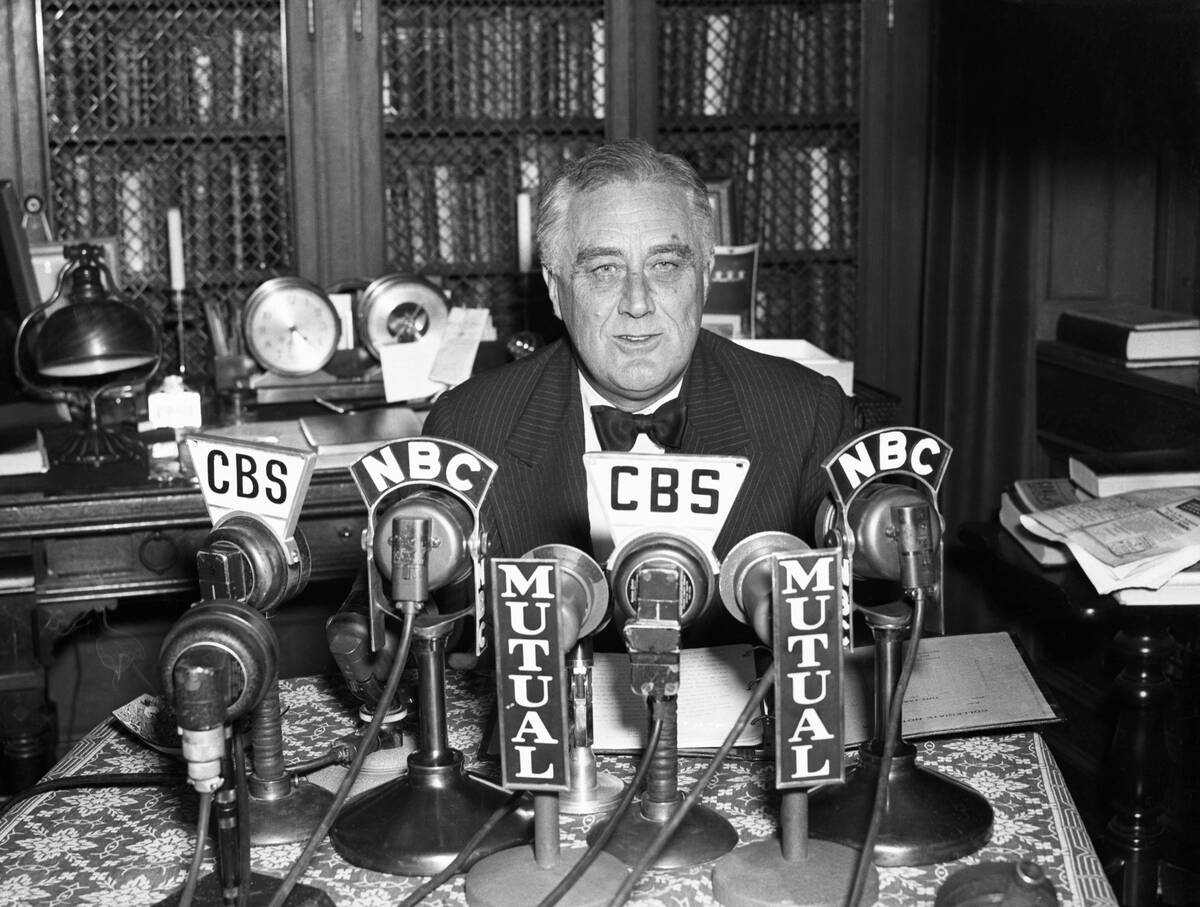
Political leaders quickly recognized the power of radio to communicate their messages directly to the public. Franklin D. Roosevelt’s “Fireside Chats” exemplified how radio could humanize politicians and create a sense of intimacy with listeners.
By speaking directly into people’s living rooms, leaders could bypass traditional media filters and connect with citizens on a personal level, enhancing their influence and reach.
The Influence of Radio on Elections
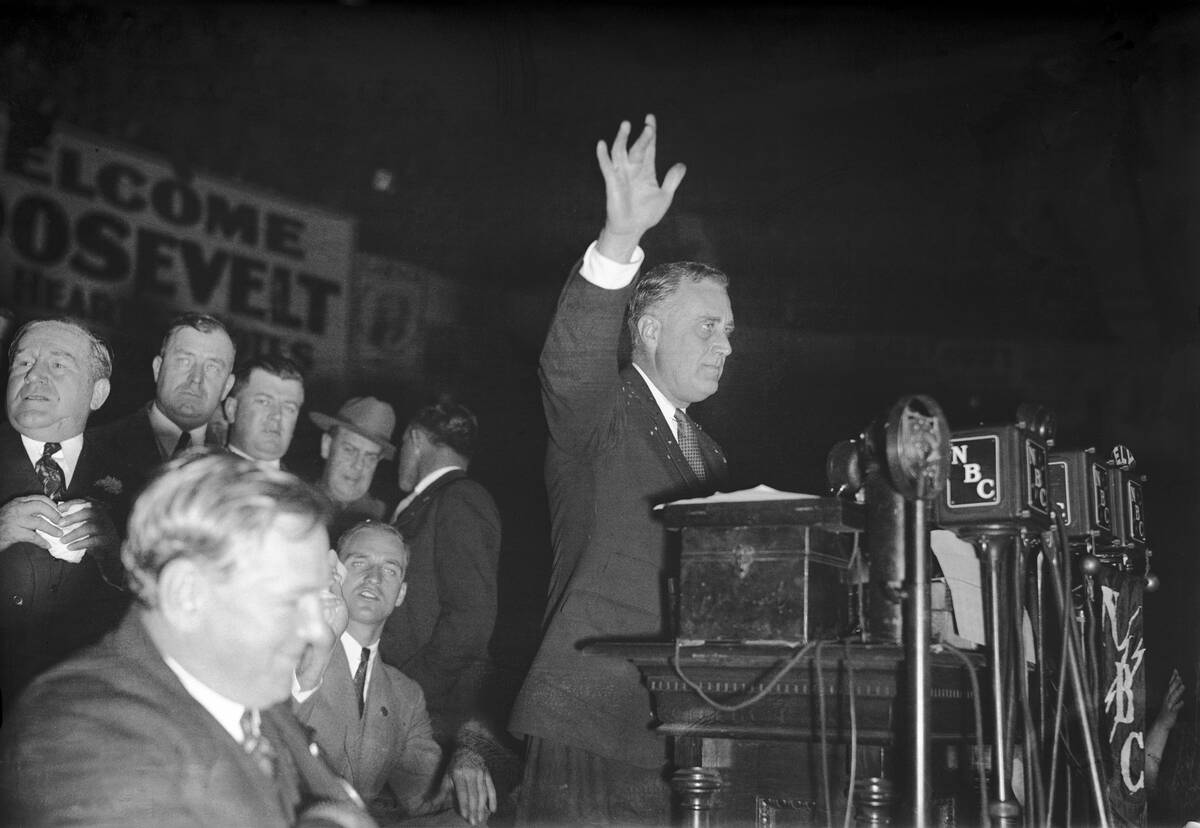
Radio played a pivotal role in shaping election outcomes, as candidates used it to present their platforms and personalities. The 1932 U.S. presidential election saw Franklin D. Roosevelt skillfully using radio to his advantage, reaching millions of voters.
The medium’s ability to convey emotion and nuance made it a powerful tool for candidates seeking to sway undecided voters and energize their base.
Radio and the Spread of Political Ideologies
Radio was instrumental in disseminating political ideologies to a wide audience. From the rise of fascism in Europe to the spread of communism, radio broadcasts were used to promote various political agendas.
These broadcasts often targeted specific demographics, seeking to convert listeners to particular ideologies. The reach and influence of radio made it a formidable tool for ideological dissemination during the 20th century.
The Emergence of International Broadcasts
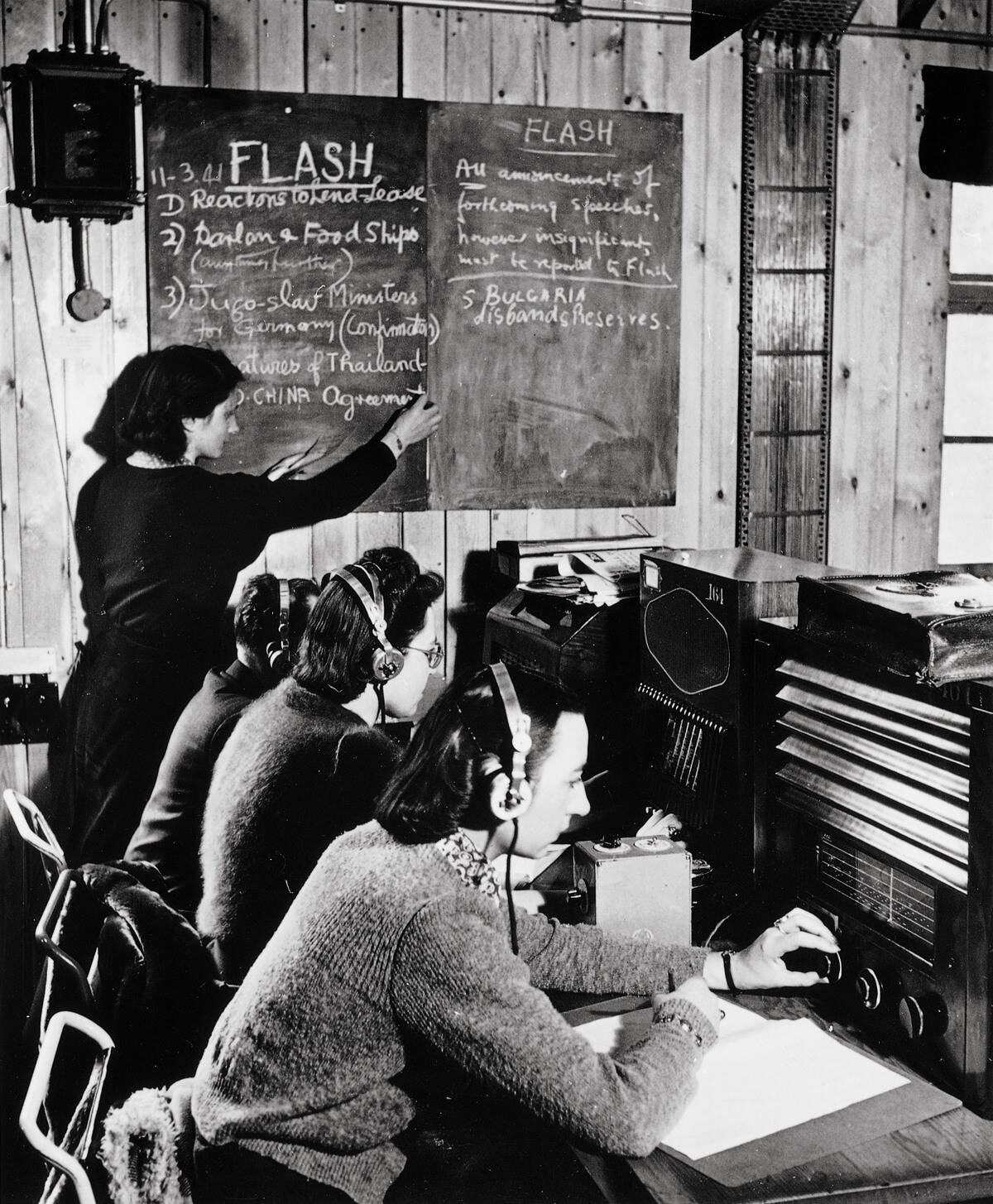
As radio technology evolved, international broadcasts became increasingly common. Stations like the BBC World Service began transmitting news and cultural programs across the globe.
These broadcasts offered listeners a window into other cultures and perspectives, broadening their understanding of the world. International radio not only informed but also connected people, reinforcing a sense of shared humanity.
Radio’s Impact on Diplomacy and International Relations
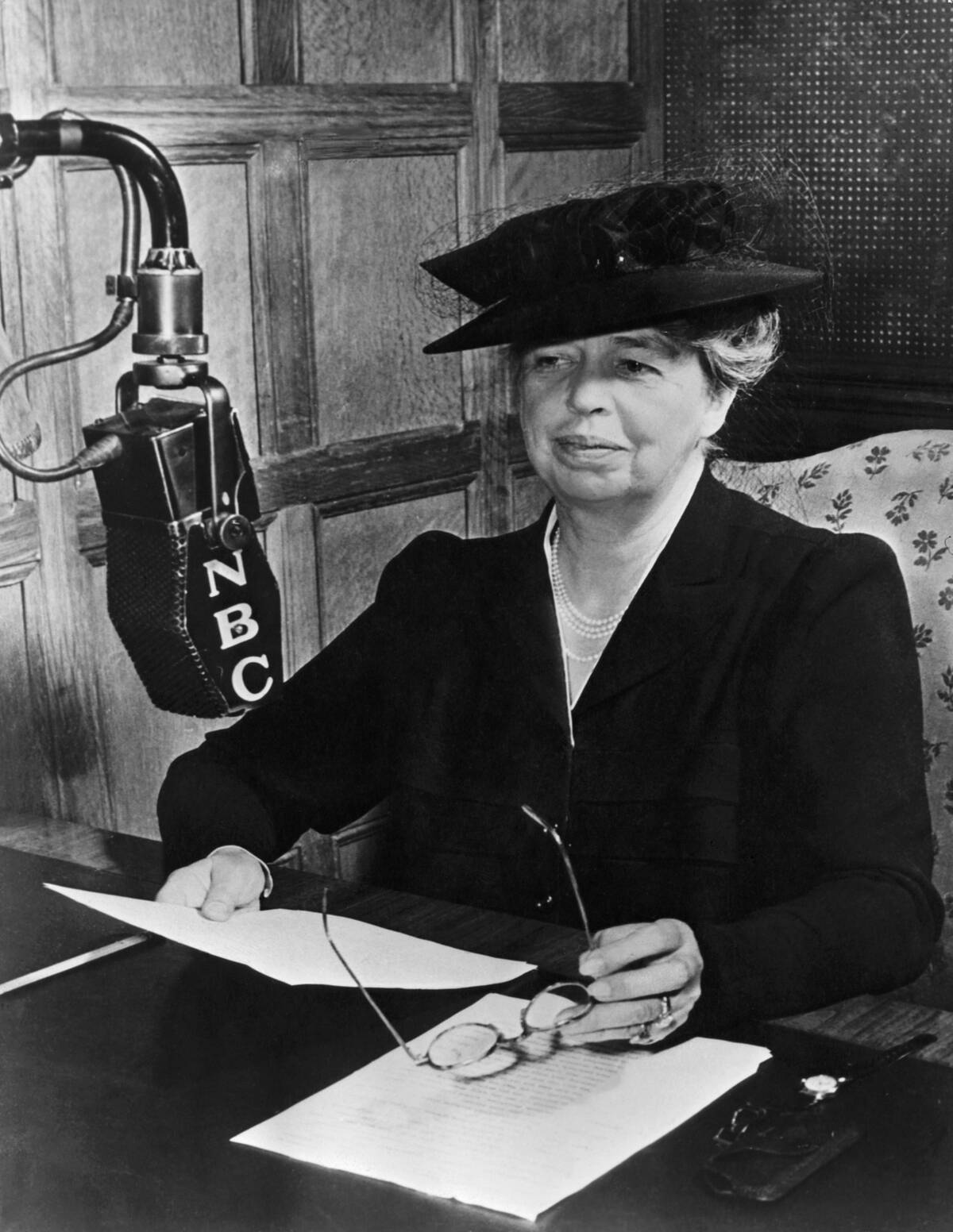
Radio played a subtle yet significant role in diplomacy and international relations. Governments used broadcasts to communicate their positions and policies to foreign audiences, often to counteract propaganda from rival nations.
Diplomatic messages broadcast over radio could influence public opinion abroad and foster goodwill. This soft power approach helped shape international perceptions and relationships in the pre-television era.
The Radio Revolution in Totalitarian Regimes
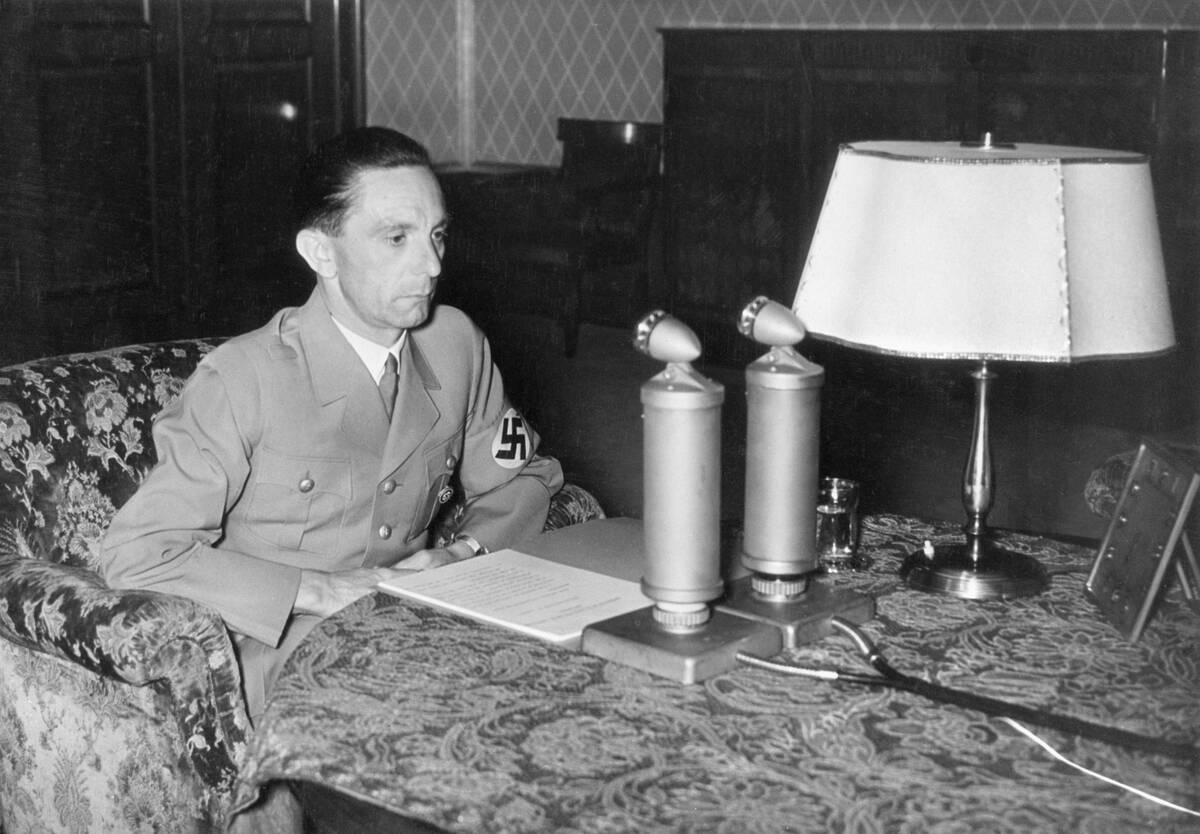
Totalitarian regimes were quick to harness radio for their purposes, using it to control information and reinforce state ideologies. In Nazi Germany, Joseph Goebbels famously used radio as a tool for propaganda, ensuring that the regime’s messages reached every household.
By monopolizing this powerful medium, totalitarian governments could maintain tight control over their populations, limiting access to alternative viewpoints and dissenting voices.
Cultural Diplomacy: Radio as a Bridge Between Nations
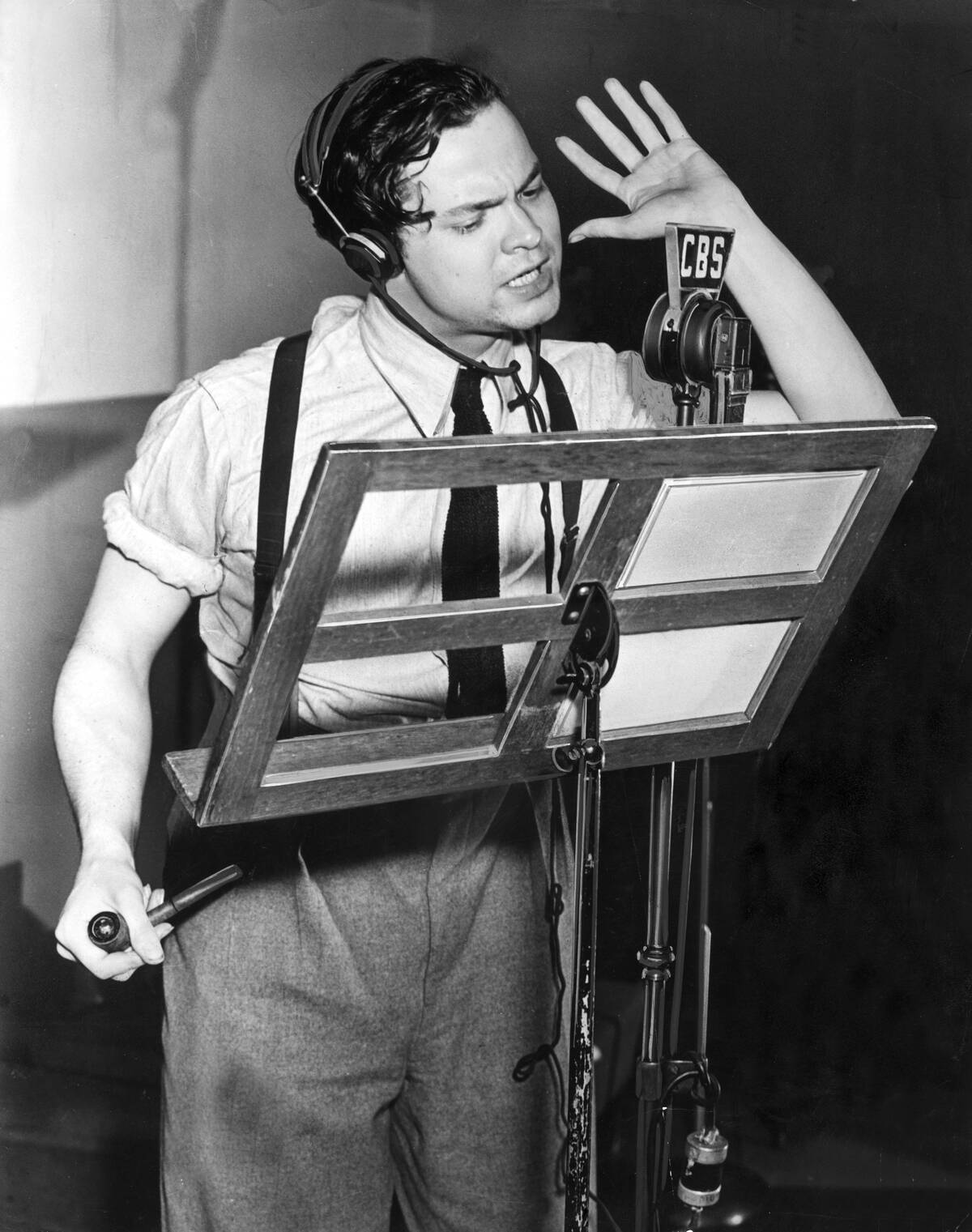
Radio’s ability to transcend borders made it an ideal vehicle for cultural diplomacy. Programs showcasing music, literature, and cultural discussions fostered mutual understanding and appreciation between nations.
During the Cold War, cultural exchange programs broadcast over radio served as a bridge between East and West, promoting dialogue and reducing tensions. This soft power approach helped pave the way for more formal diplomatic engagements.
Radio and the Rise of Political Movements
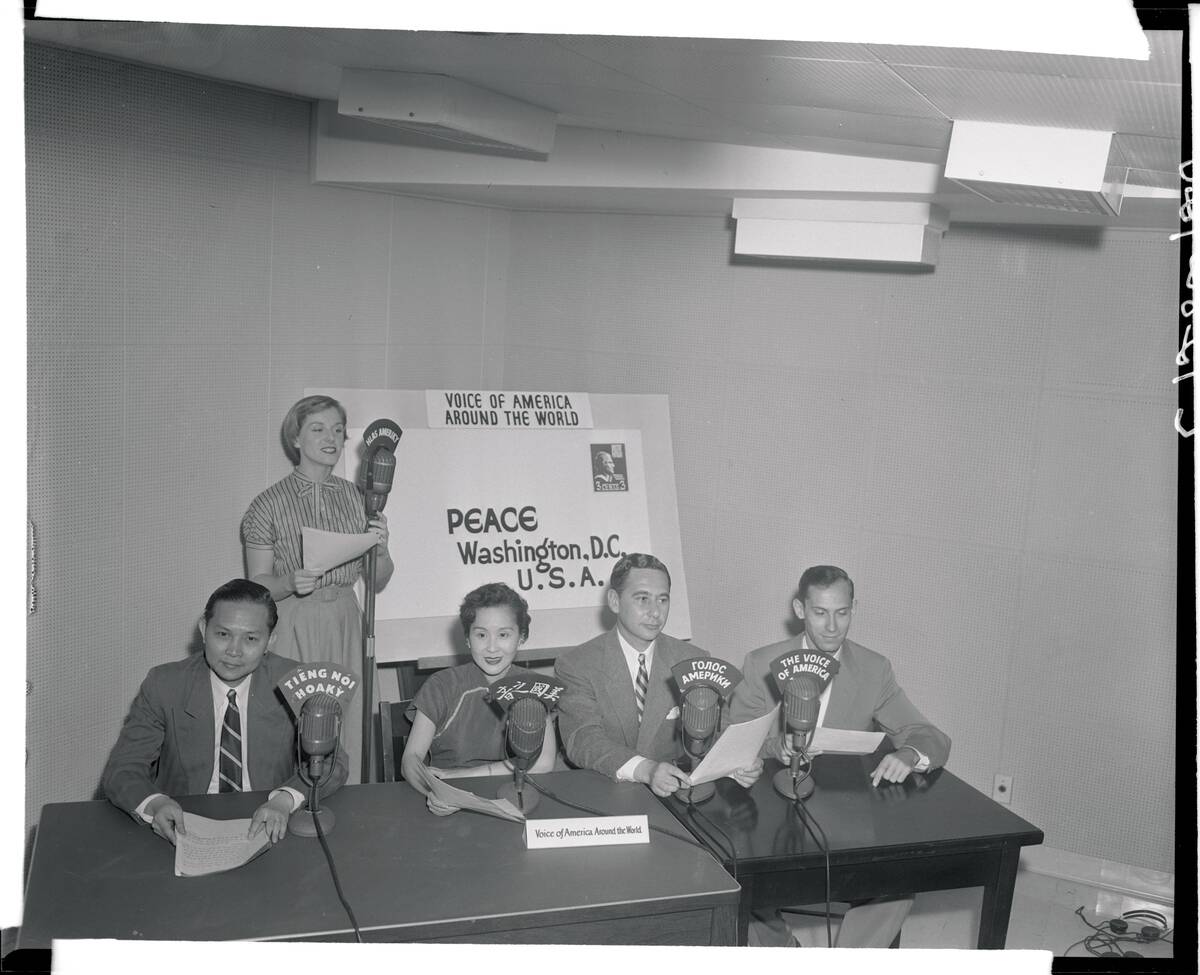
The portability and accessibility of radio made it a vital tool for emerging political movements. Activists used radio to organize, spread their messages, and mobilize support.
In the 1960s, radio stations became platforms for civil rights leaders in the United States, amplifying calls for equality and justice. The ability to reach diverse audiences quickly and effectively allowed political movements to gain momentum and achieve significant societal change.




