Climate events that triggered revolutions
Throughout history, climate events have not only reshaped landscapes but have also sparked profound social and political changes. These natural phenomena often serve as the catalyst for revolutions by exacerbating existing tensions within societies.
When people face environmental adversity, their patience can wear thin, leading to uprisings and demands for change. Let’s delve into instances where climate events have played a pivotal role in shaping the course of history.
The Little Ice Age: A Chilly Prelude to Social Unrest
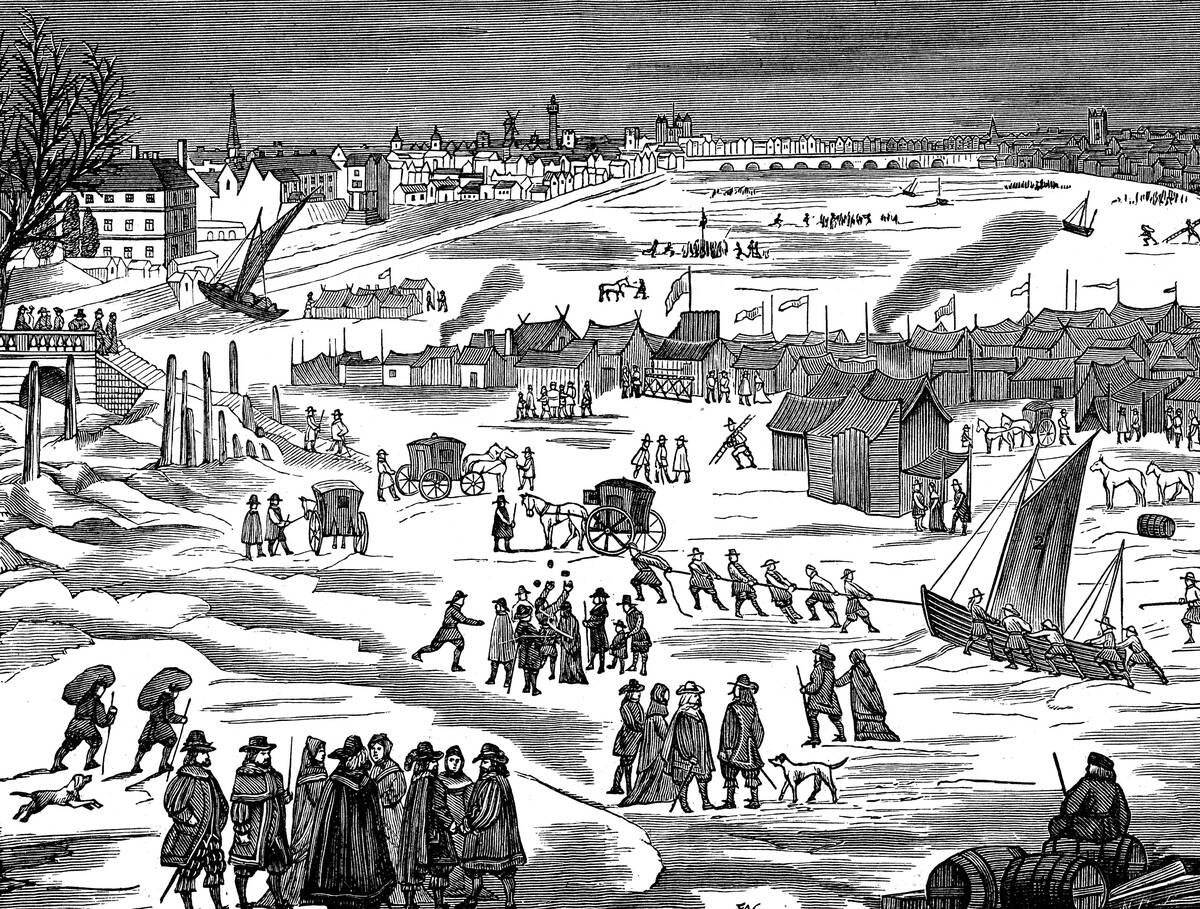
The Little Ice Age, spanning roughly from the 14th to the 19th century, brought cooler temperatures across much of the Northern Hemisphere. This period saw shorter growing seasons and failed harvests, which contributed to widespread hunger and unrest.
The chilly climate forced many societies to rethink their agricultural practices and adapt to the changing environment. These conditions often heightened existing social disparities, laying the groundwork for future upheavals.
The Great Famine of 1315-1317: Catalyzing Change in Medieval Europe

The Great Famine of 1315-1317 was a devastating event that struck Europe, caused by a series of poor harvests due to relentless rains and cooler temperatures.
This famine resulted in the deaths of millions, undermining feudal systems and weakening the power of the nobility. The widespread hunger and desperation led to increased crime and social unrest, as people began to question the existing social order and seek alternatives to the status quo.
The Year Without a Summer: Tambora’s Ashes and the 1816 Food Crisis
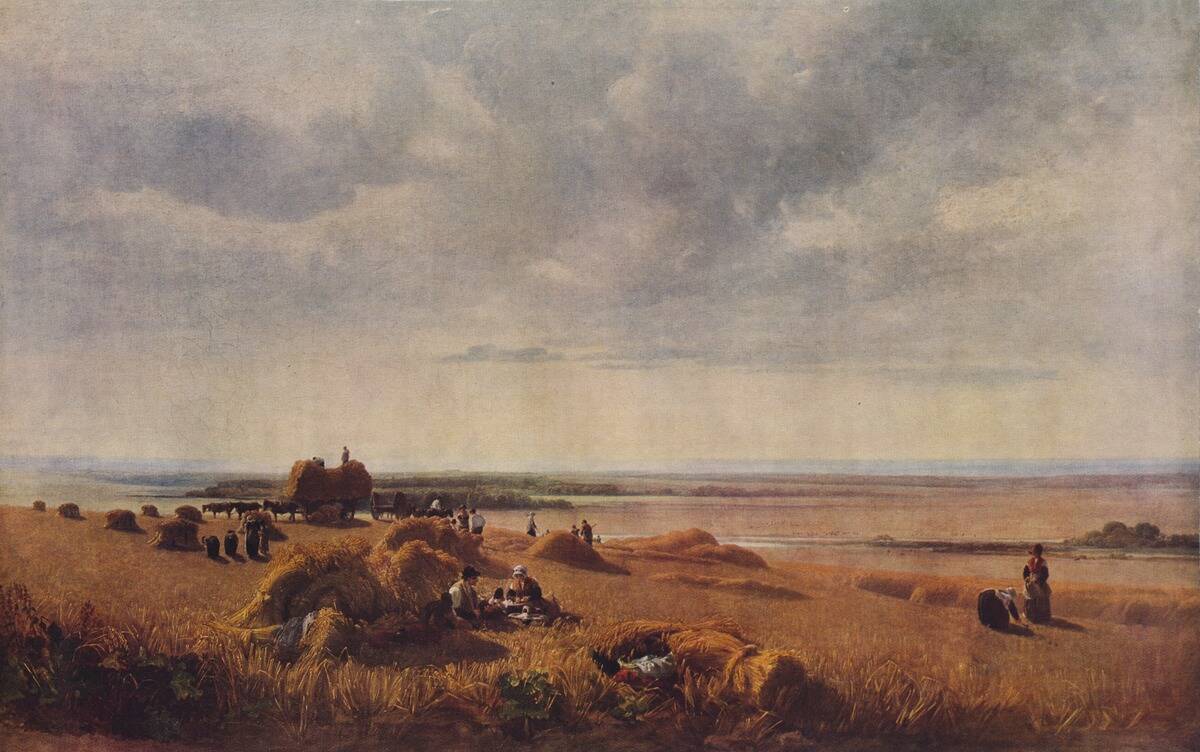
In 1815, Mount Tambora erupted in Indonesia, sending vast amounts of ash into the atmosphere and leading to the “Year Without a Summer” in 1816. Crops failed across Europe and North America due to the cold and dark conditions, sparking food shortages and price hikes.
This crisis led to widespread social unrest, as communities struggled to feed themselves, and governments faced increasing pressure to address the suffering of their populations.
The French Revolution: How Harsh Winters Fueled Revolutionary Flames
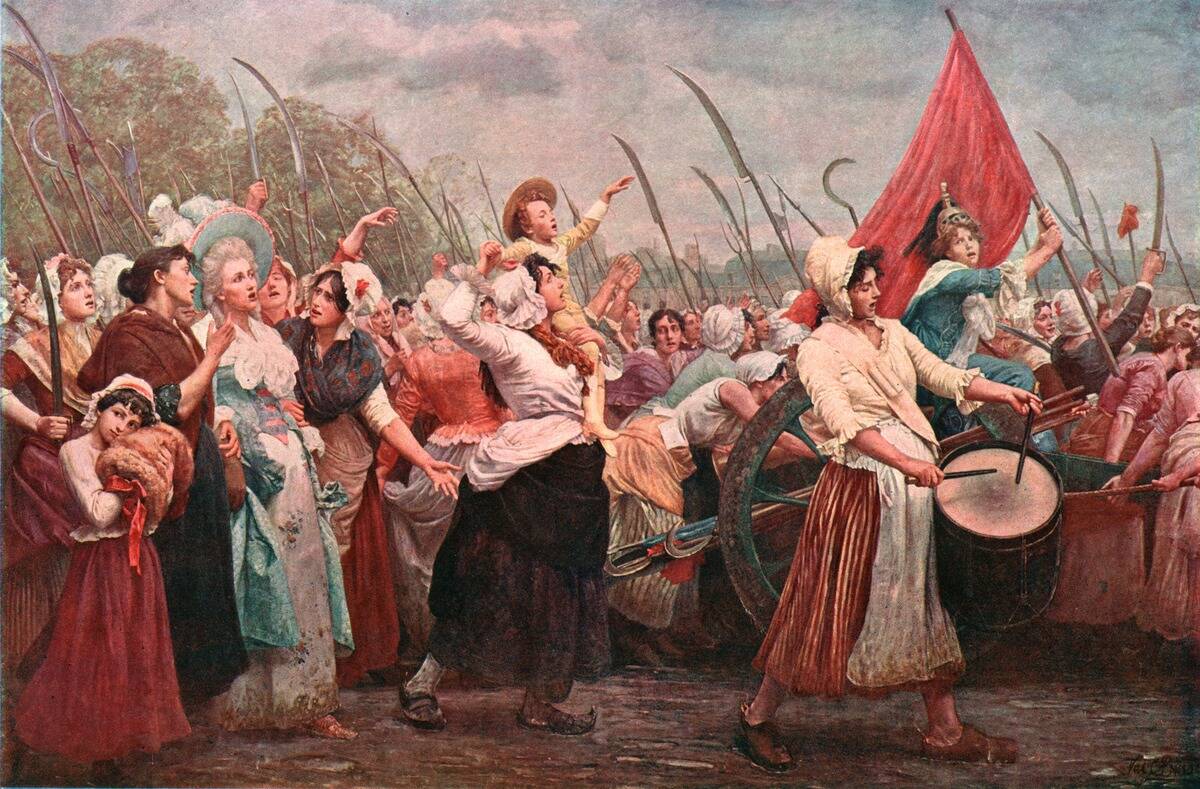
Before the French Revolution, France experienced a series of harsh winters that devastated crops and led to food shortages. The brutal winter of 1788-1789, in particular, exacerbated the plight of the peasantry, who were already burdened by high taxes and inequality.
The severe winters intensified the public’s dissatisfaction, contributing to the revolutionary fervor that ultimately led to the fall of the monarchy and the rise of a new political order.
The Irish Potato Famine: Climate Woes and the Seeds of Uprising
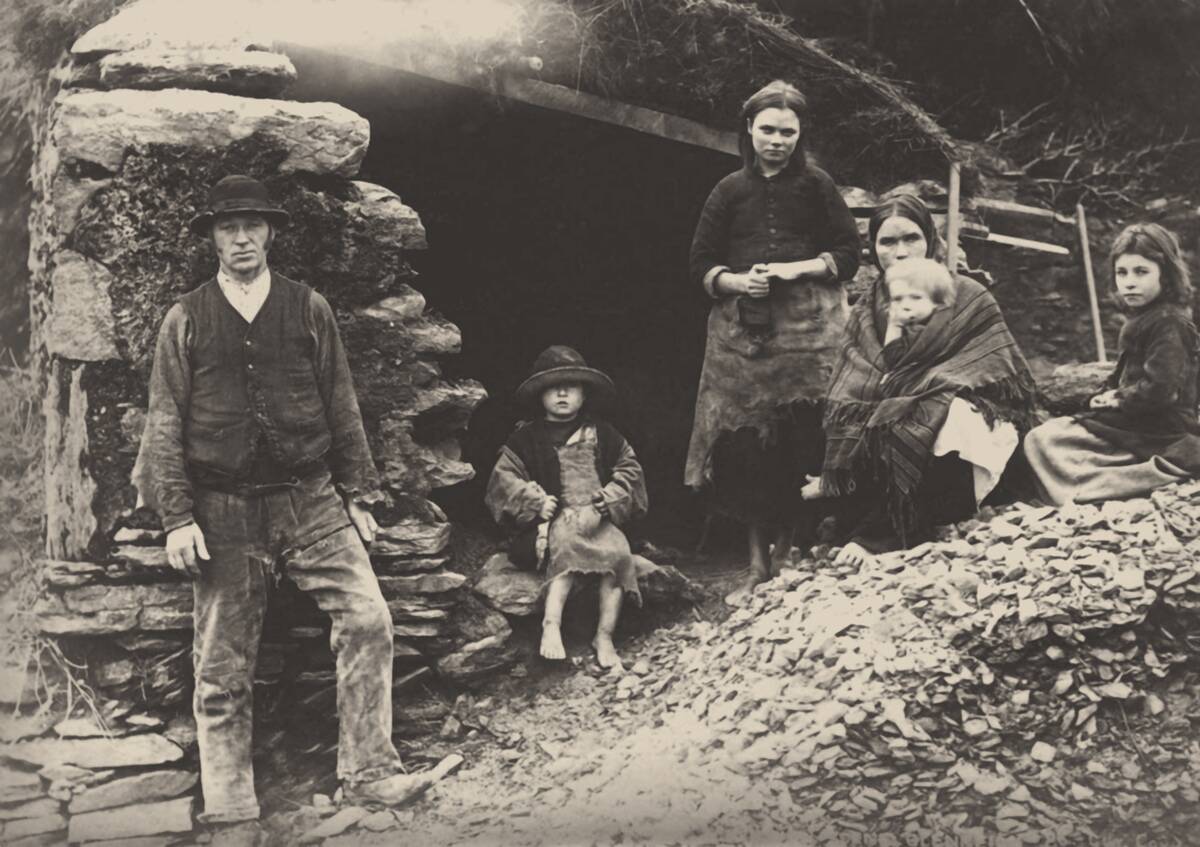
The Irish Potato Famine, spanning from 1845 to 1852, was triggered by a potato blight exacerbated by unusually wet weather conditions. This catastrophe resulted in the death of about one million people and the emigration of another million.
The famine highlighted the vulnerabilities of a monoculture-dependent society and fueled anti-British sentiment among the Irish, contributing to the growing push for independence and social reform.
The Dust Bowl: Environmental Catastrophe and Its Role in American Reform
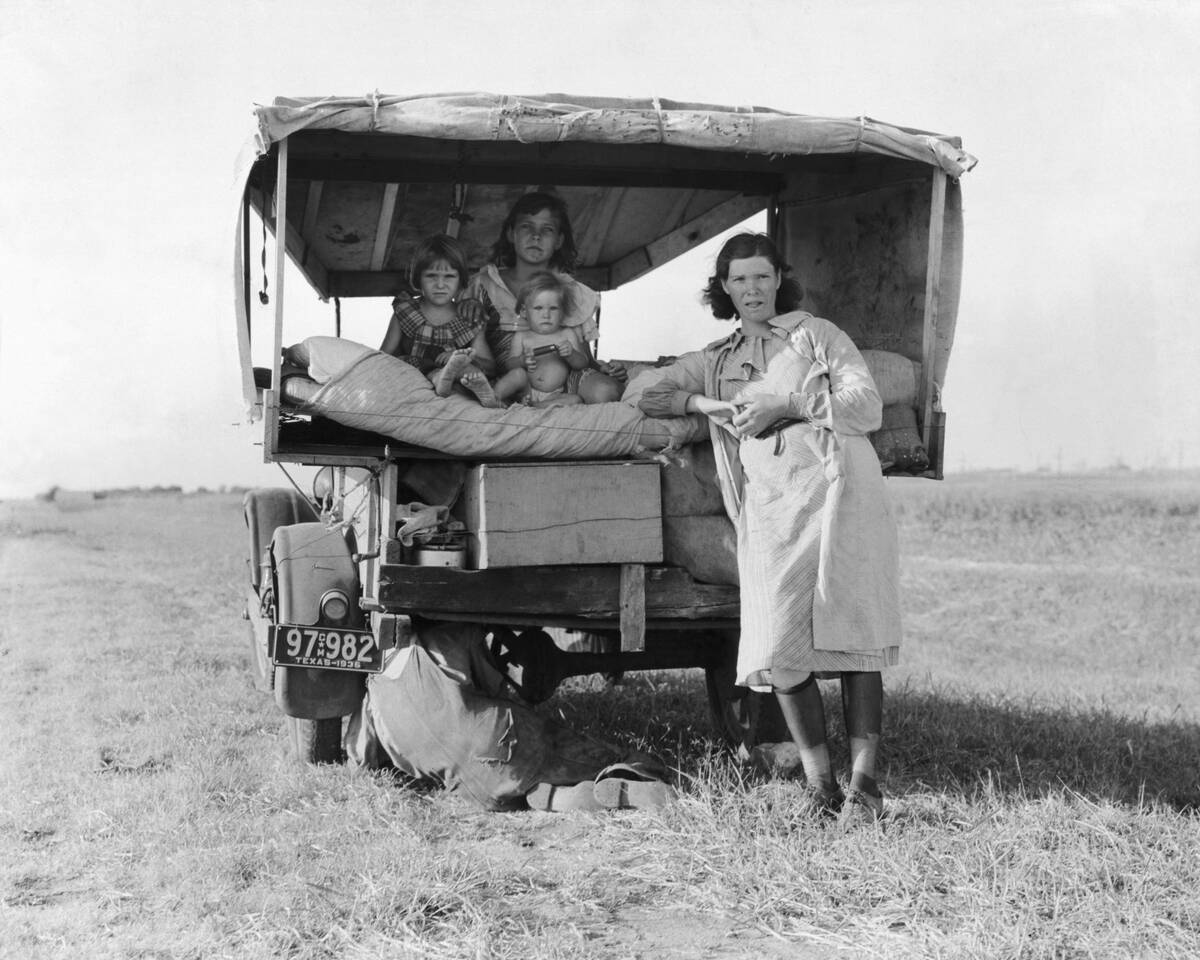
During the 1930s, the Dust Bowl wreaked havoc on the American Great Plains, caused by severe drought and inappropriate farming practices. This environmental disaster displaced thousands of families, leading to widespread poverty and migration.
The crisis highlighted the need for better land management and spurred the U.S. government to implement significant agricultural reforms and conservation efforts to prevent future disasters.
The Russian Revolution: Climate and the Collapse of an Empire
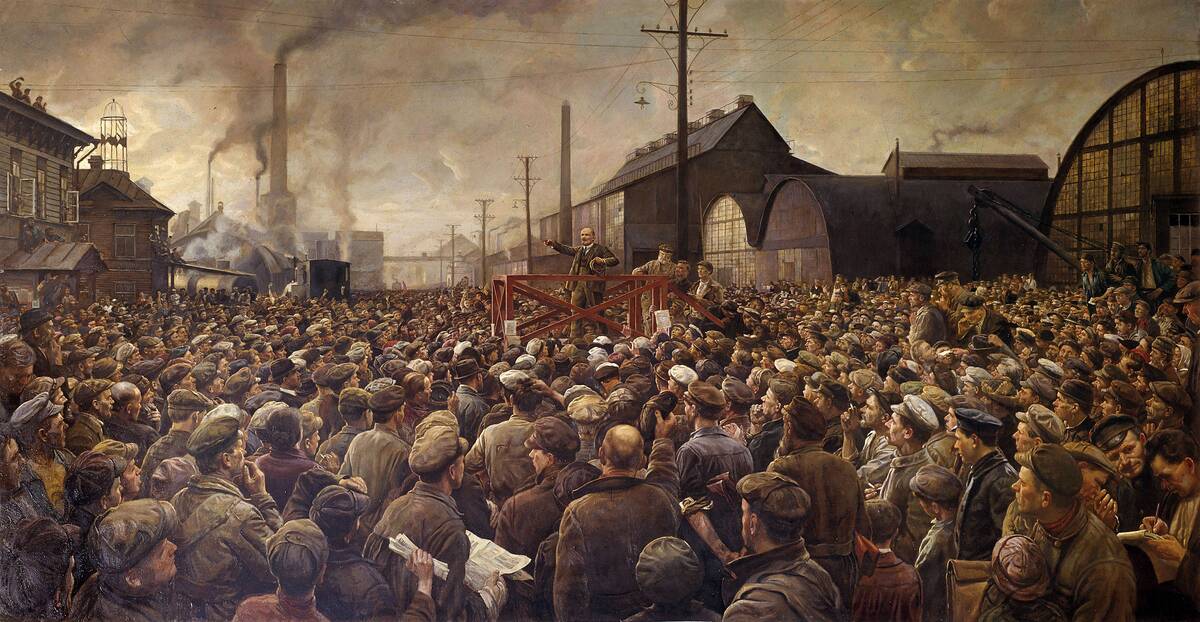
The early 20th century saw Russia grappling with severe weather conditions that affected its agricultural output. Poor harvests and a harsh winter in 1916-1917 exacerbated the food shortages already plaguing the country.
These conditions contributed to public discontent and unrest, which played a role in the February Revolution of 1917, leading to the abdication of Tsar Nicholas II and the eventual rise of the Soviet Union.
Monsoon Failures and the Indian Rebellion of 1857
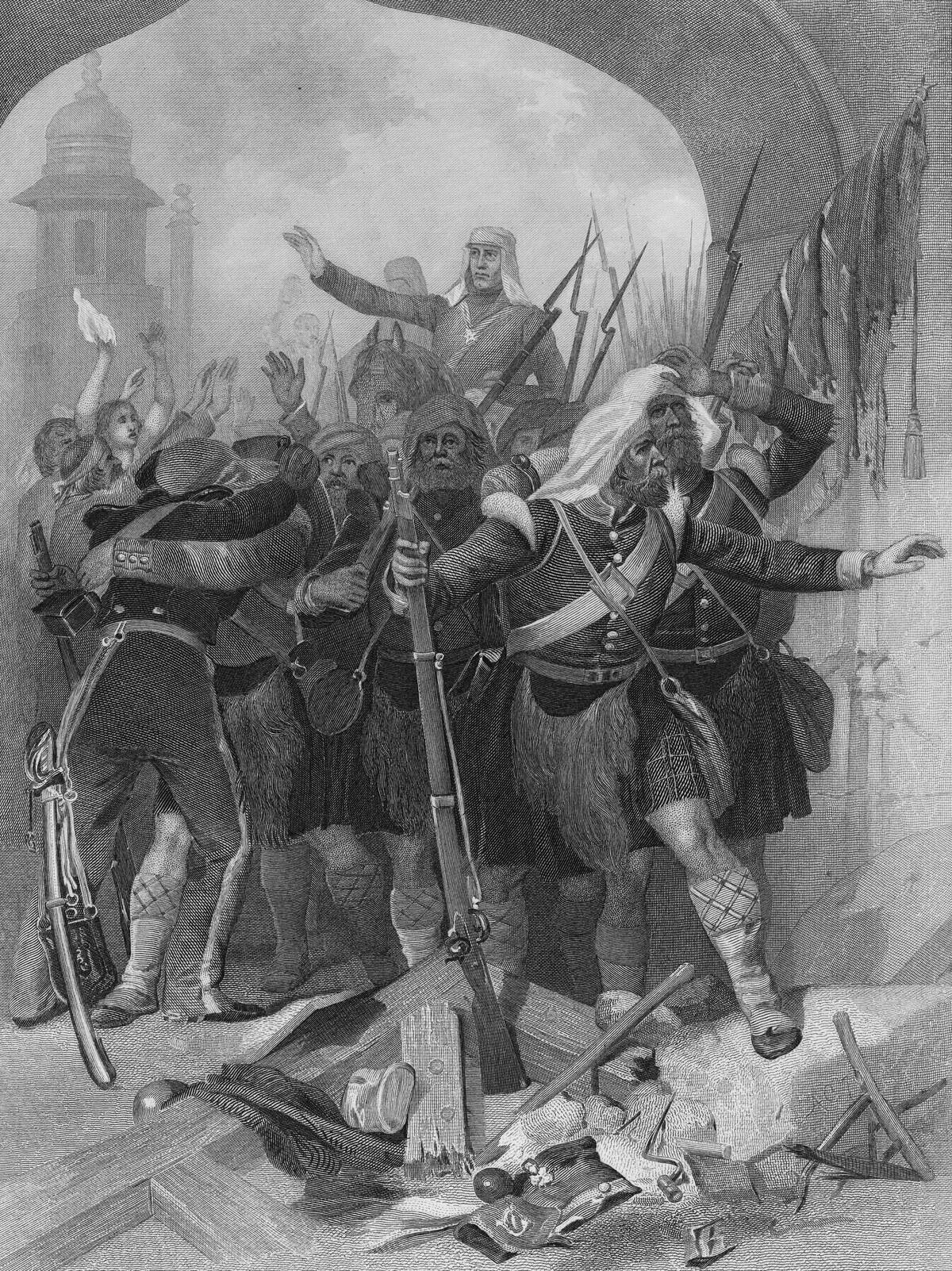
The Indian Rebellion of 1857 was influenced by a series of monsoon failures that led to widespread famine and economic hardship. These difficult conditions aggravated the discontent among Indian soldiers and civilians against the British East India Company’s rule.
The rebellion, though ultimately unsuccessful, marked a significant turning point in Indian history and laid the groundwork for future movements toward independence.
Floods and the Rise of the Qin Dynasty in Ancient China
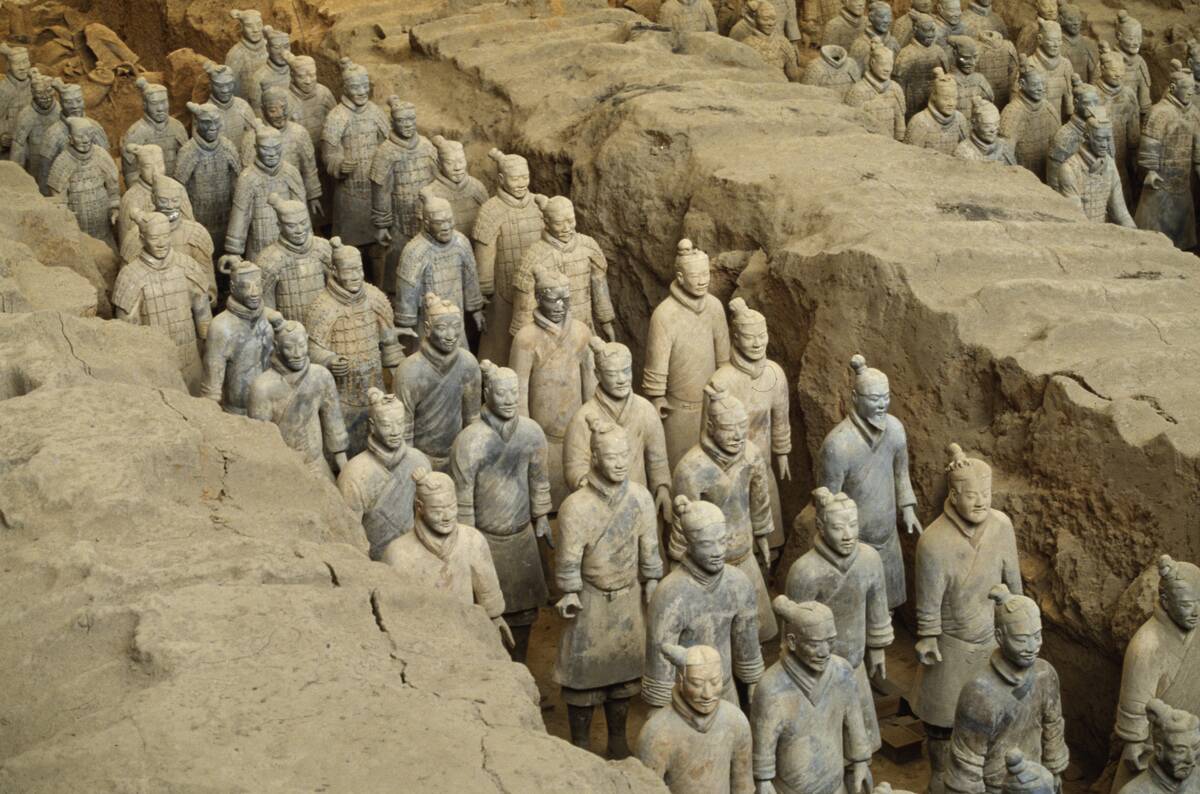
In ancient China, the Yellow River’s frequent flooding posed both a challenge and an opportunity. The severe floods in the late Warring States period contributed to the decline of rival states, enabling the Qin state to consolidate power.
The ability of the Qin rulers to control the floods through infrastructure projects like levees and canals demonstrated their strength and helped pave the way for the establishment of the Qin Dynasty in 221 BCE.
The Role of Climate in the Collapse of the Mayan Civilization
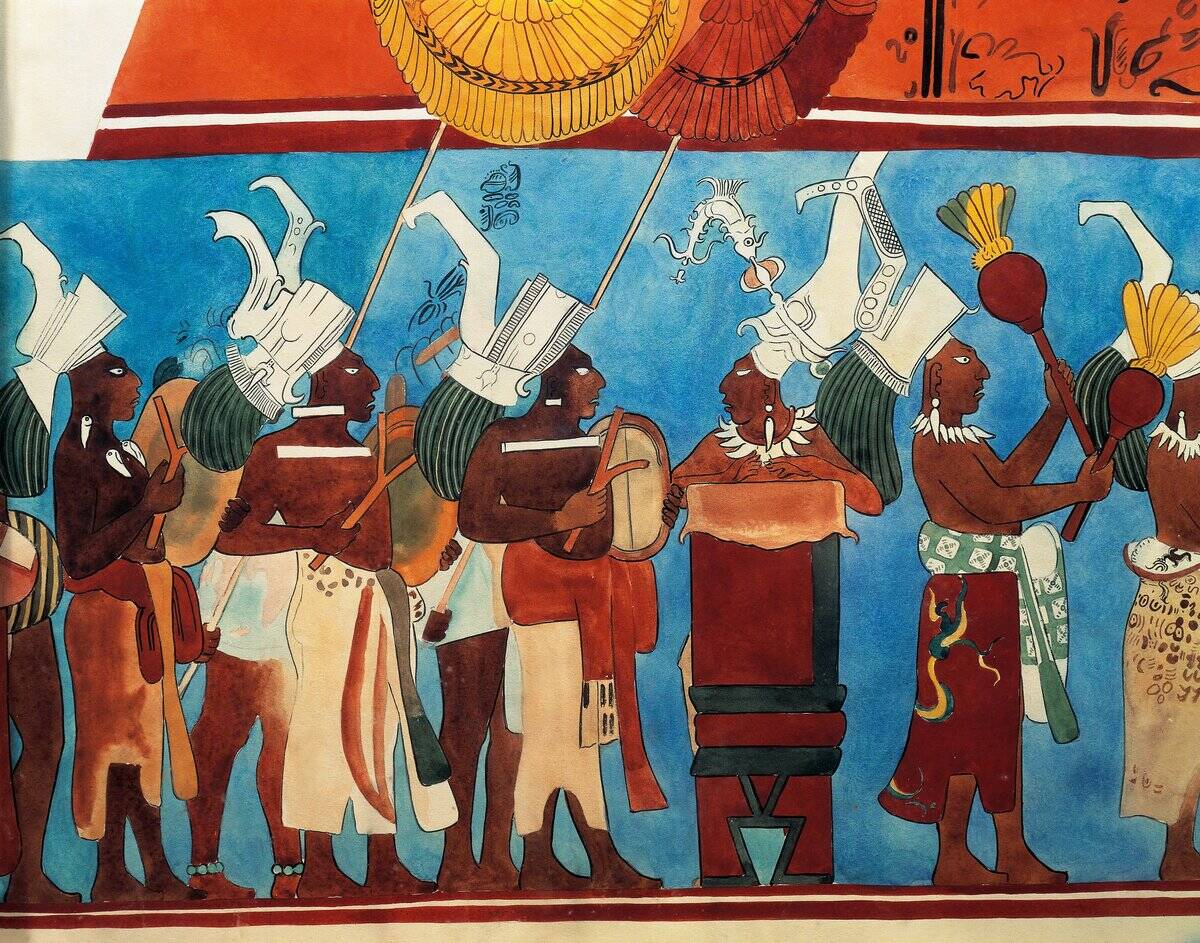
The mysterious collapse of the Mayan civilization has long puzzled historians, with climate change playing a significant role. Prolonged droughts, occurring from the 9th to the 10th centuries, severely disrupted agriculture and water supplies, undermining the economic and social structures of the Maya.
This environmental stress likely exacerbated internal conflicts and contributed to the eventual abandonment of their great cities.
Drought and the Downfall of the Akkadian Empire
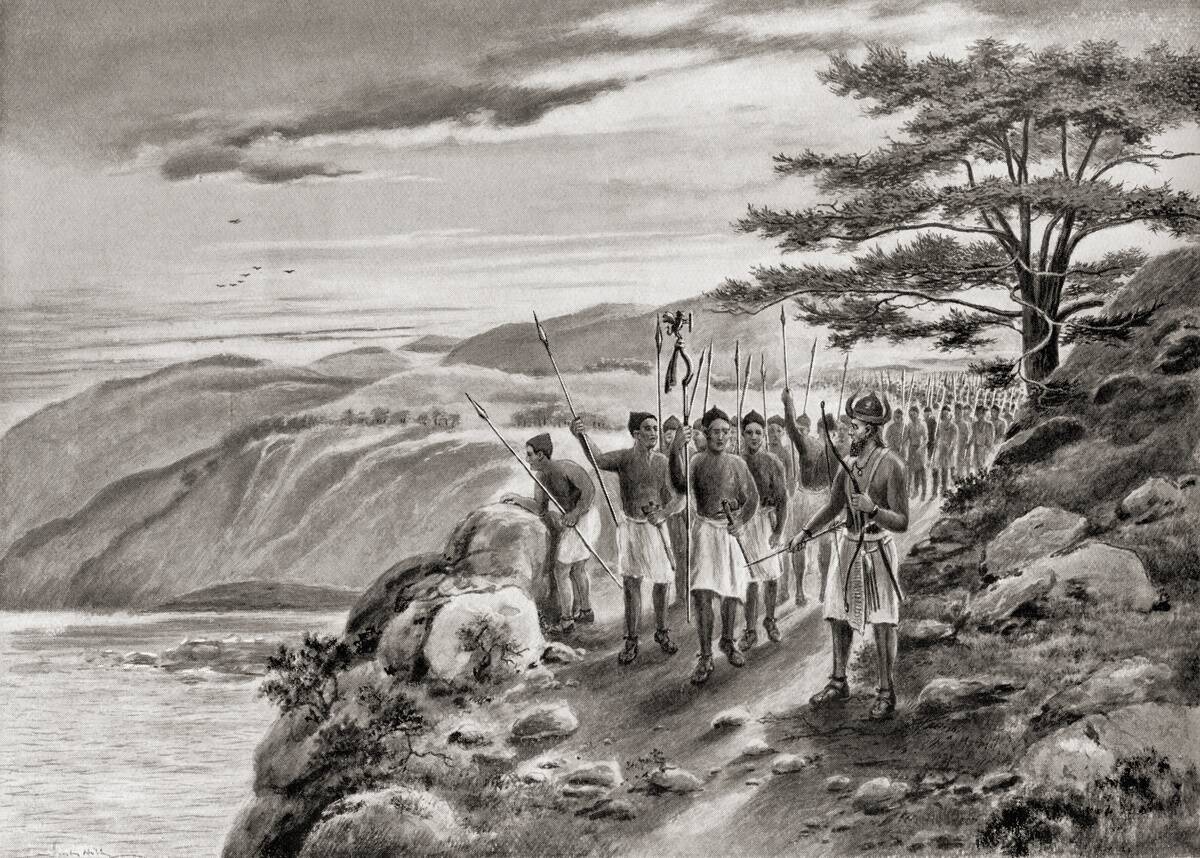
The Akkadian Empire, one of the world’s first empires, collapsed around 2200 BCE, largely due to a severe and prolonged drought. This climate event led to widespread agricultural failures, which destabilized the empire’s economy and weakened its ability to maintain control over its territories.
The drought-driven collapse of the Akkadian Empire is a powerful example of how climate change can undermine even the most advanced civilizations.
The Sahel Drought and Political Turmoil in Africa
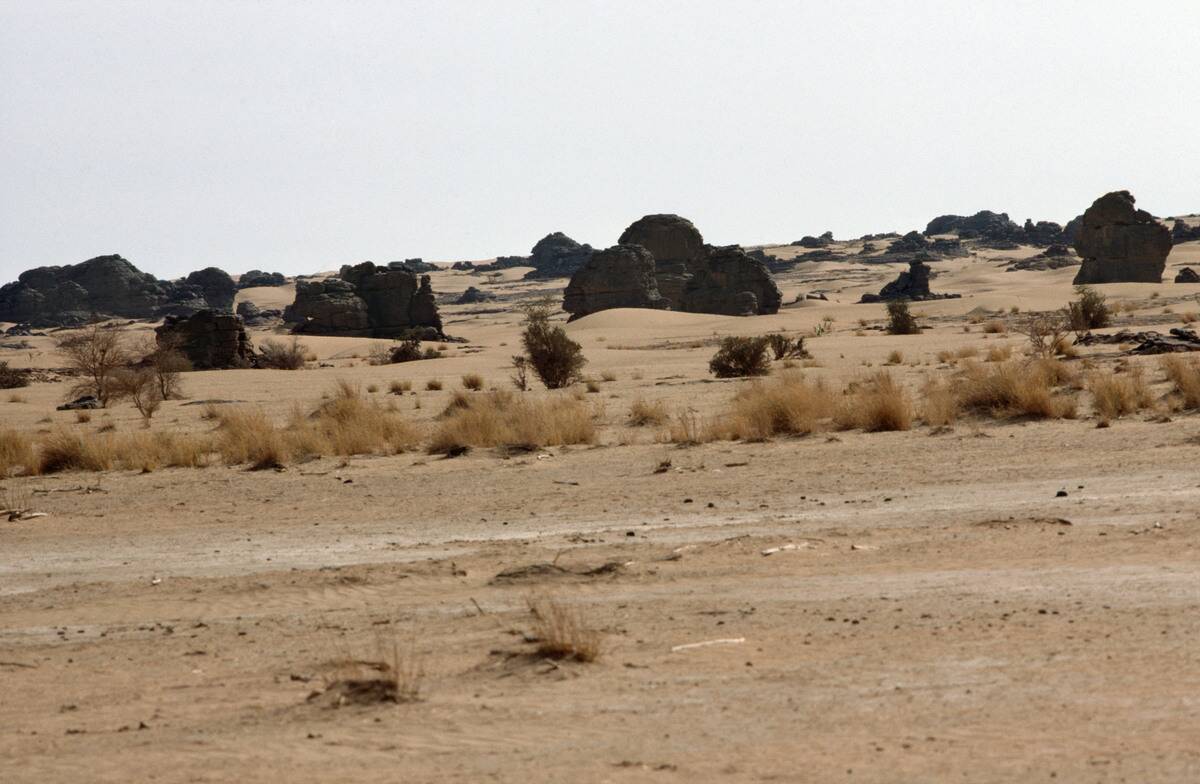
The Sahel region in Africa has faced recurrent droughts, with the severe drought of the 1970s and 1980s leading to widespread famine and displacement. These harsh conditions exacerbated existing political tensions and contributed to conflicts in countries like Chad and Sudan.
The Sahel drought highlighted the vulnerability of societies to climatic shifts and underscored the need for sustainable development practices to mitigate future crises.
El Niño Events: Triggering Social and Political Change Across the Globe
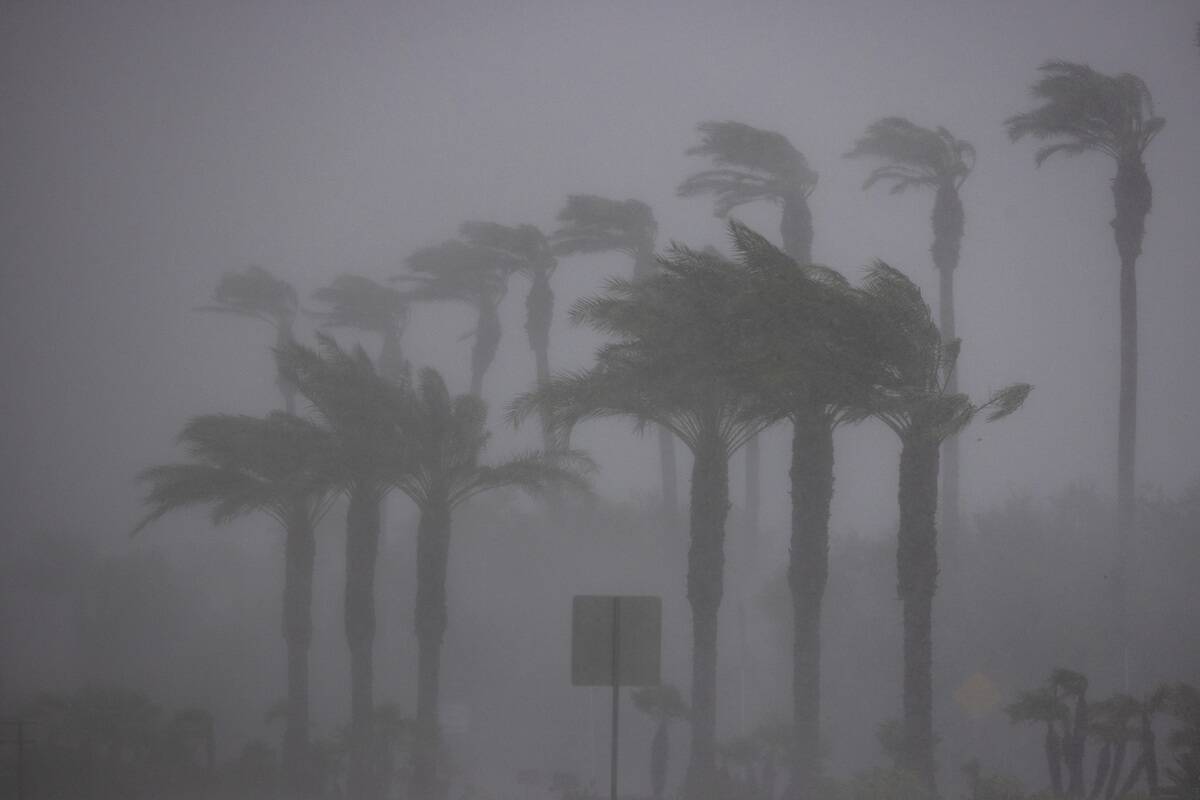
El Niño events, characterized by the warming of the Pacific Ocean, have far-reaching impacts on global weather patterns. These events can lead to extreme weather conditions, such as droughts and floods, affecting agriculture and livelihoods worldwide.
Historical records show that El Niño has been linked to social unrest and political change, as communities struggle to cope with the resulting economic disruptions and resource shortages.
Modern Climate Challenges: Are We on the Brink of New Revolutions?
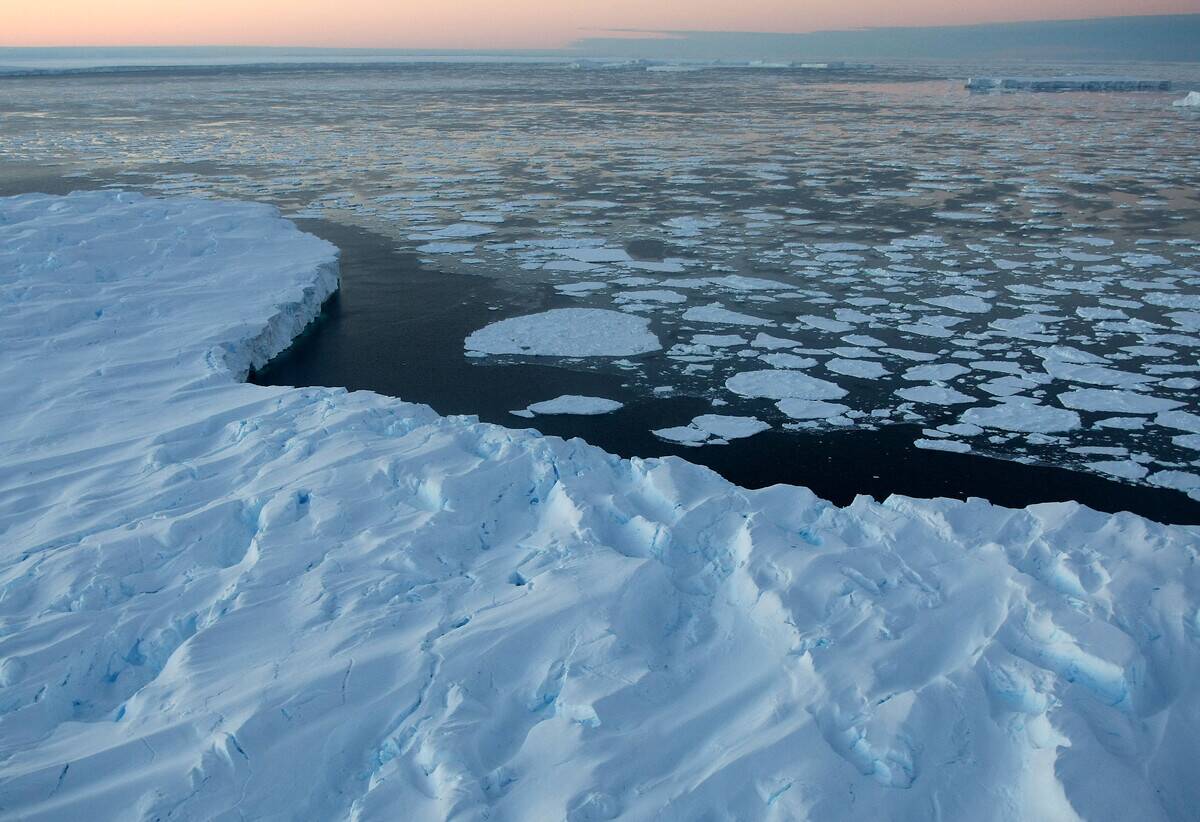
Today’s climate challenges, from rising global temperatures to more frequent natural disasters, mirror the conditions that have historically led to social upheavals. As communities worldwide face the impacts of climate change, there is a growing call for systemic change and policy reform.
While technology and globalization offer new tools for adaptation and resilience, the question remains whether we are on the brink of a new era of climate-driven revolutions.