Powerful ancient cities rivaling Rome
While Rome is often celebrated as one of the greatest civilizations of ancient times, it wasn’t without its rivals. These cities, each with their own unique cultures and strengths, competed with Rome for power and influence across various regions.
Join us as we explore some of Rome’s most formidable competitors from different corners of the ancient world. Prepare to embark on a journey through time to uncover the stories and legacies of these fascinating cities.
Carthage: The Mighty Maritime Power
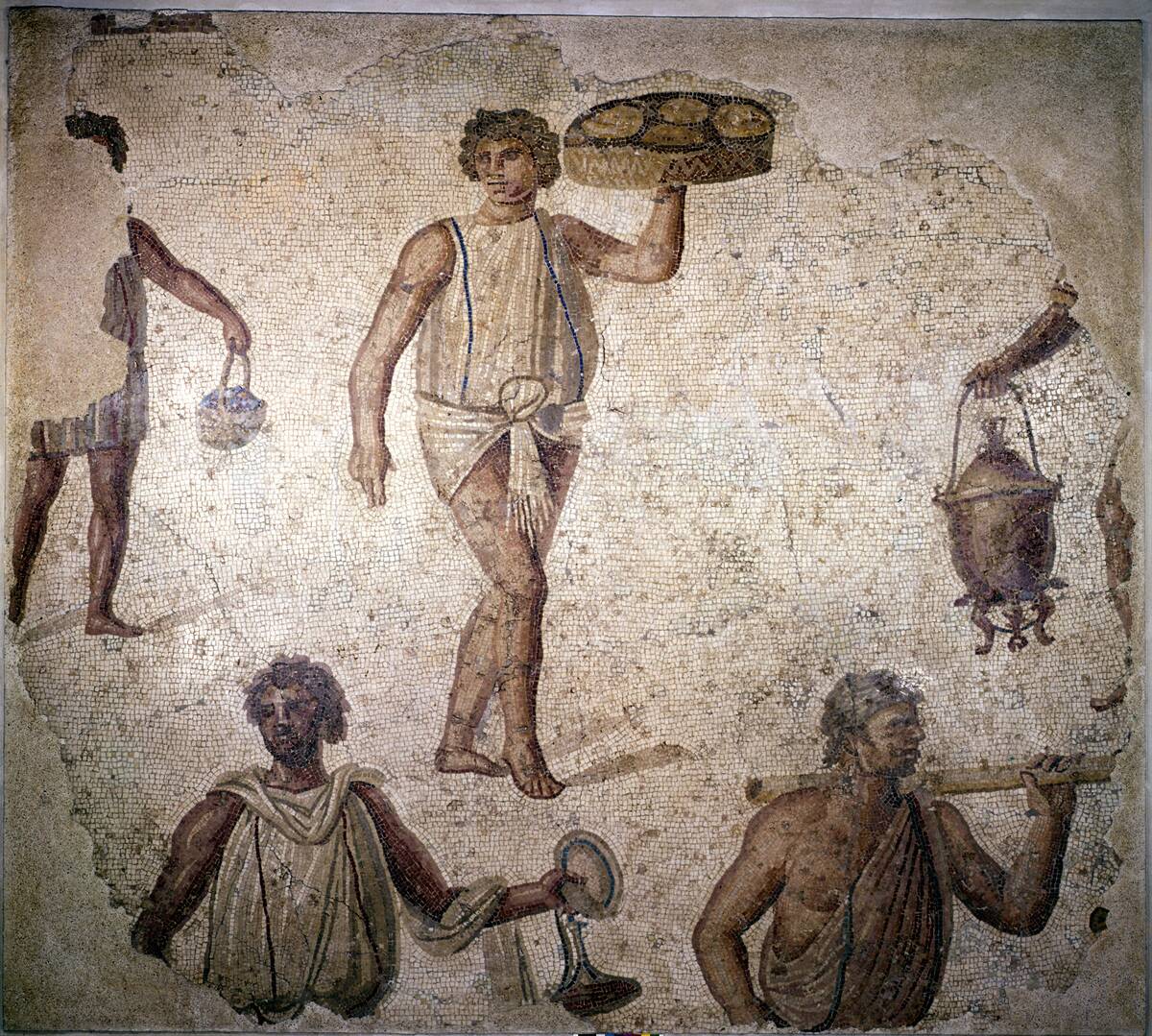
Carthage, located in present-day Tunisia, was a powerful city-state known for its naval prowess. Its strategic position along the Mediterranean Sea allowed it to dominate trade routes and establish colonies across North Africa and the Iberian Peninsula.
The city was infamous for its conflicts with Rome, most notably the Punic Wars. Despite its eventual defeat in 146 BCE, Carthage’s influence on maritime trade and military tactics left a lasting impact on history.
Alexandria: The Jewel of the Hellenistic World
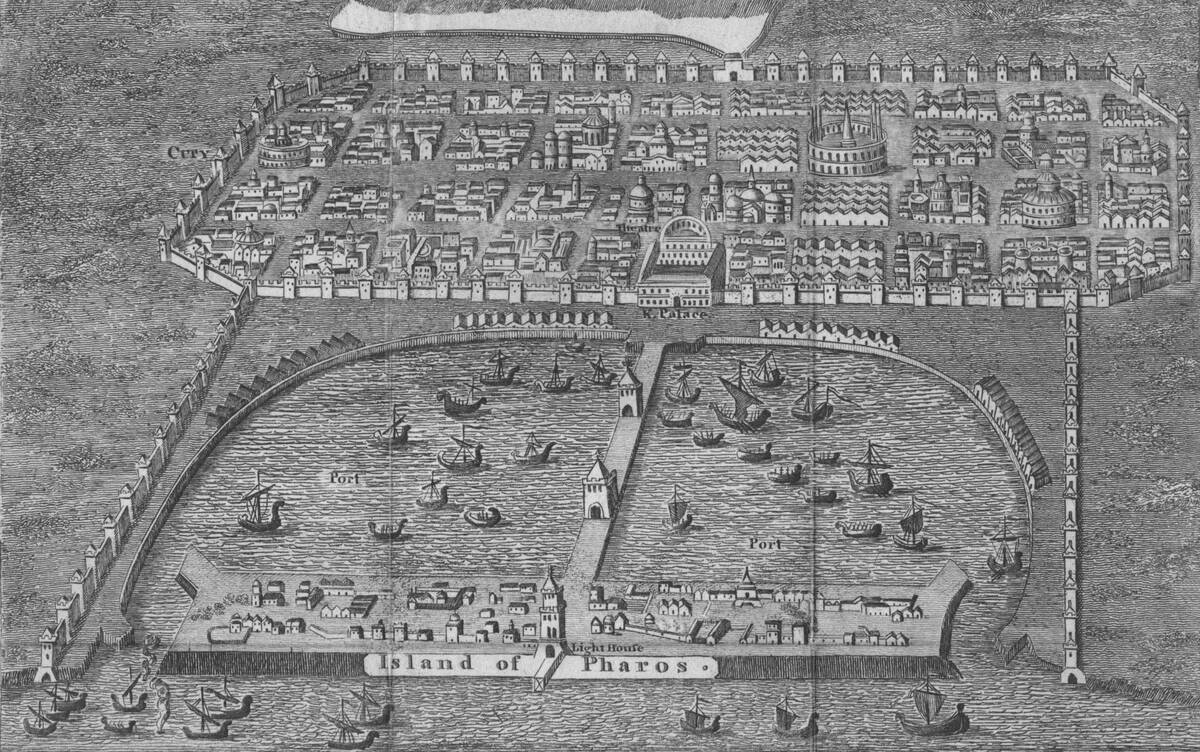
Founded by Alexander the Great in 331 BCE, Alexandria in Egypt quickly became a center of learning and culture. Home to the legendary Library of Alexandria, it attracted scholars from around the ancient world, eager to study its vast collections of texts.
The city was also known for its architectural marvels, including the Pharos Lighthouse, one of the Seven Wonders of the Ancient World. Alexandria’s rich blend of Greek and Egyptian culture made it a beacon of knowledge and innovation.
Constantinople: The New Rome
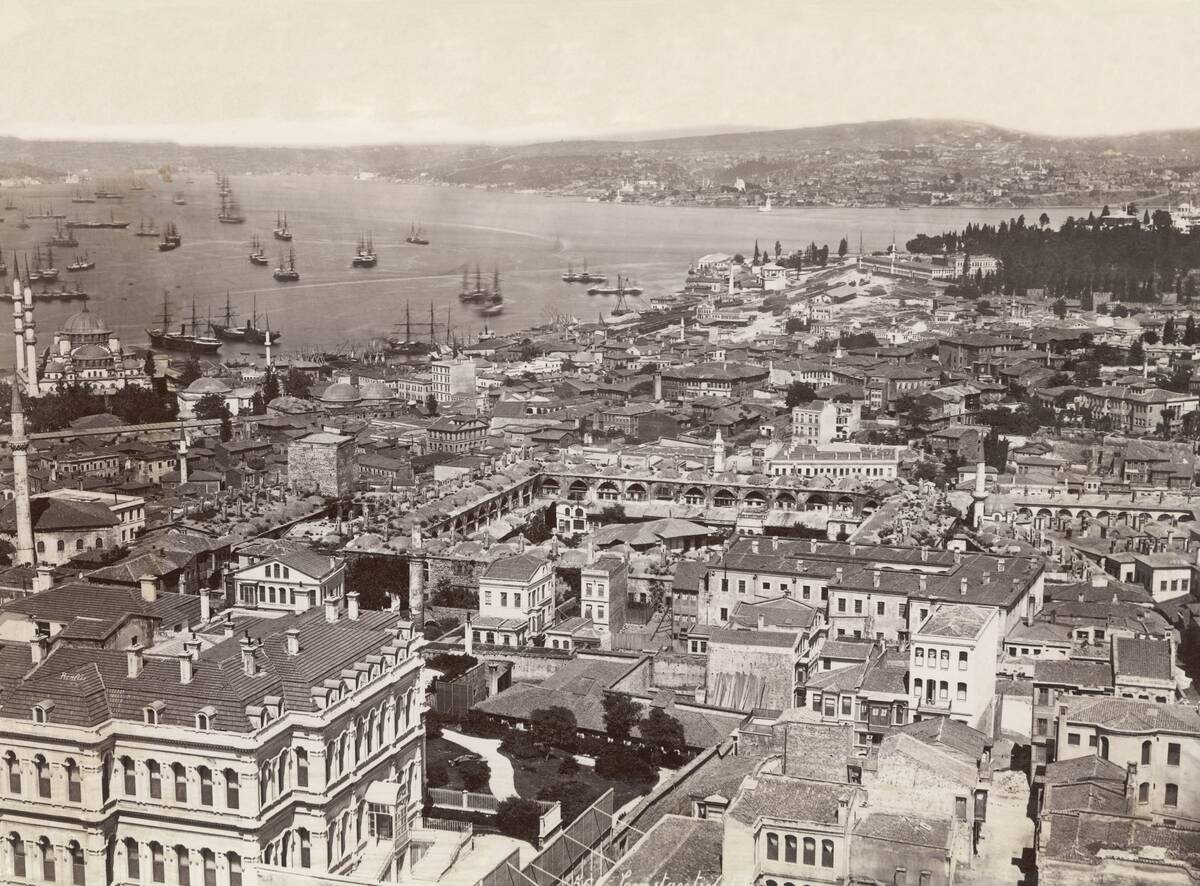
Constantinople, established by Emperor Constantine in 330 CE, served as the capital of the Byzantine Empire. Strategically located on the Bosporus Strait, it controlled access between Europe and Asia, making it a vital center for trade and culture.
The city was renowned for its impressive fortifications, such as the Theodosian Walls, which protected it from numerous invasions. As the seat of the Eastern Roman Empire, Constantinople was a bastion of Christianity and a key player in shaping medieval history.
Antioch: The Crossroads of East and West
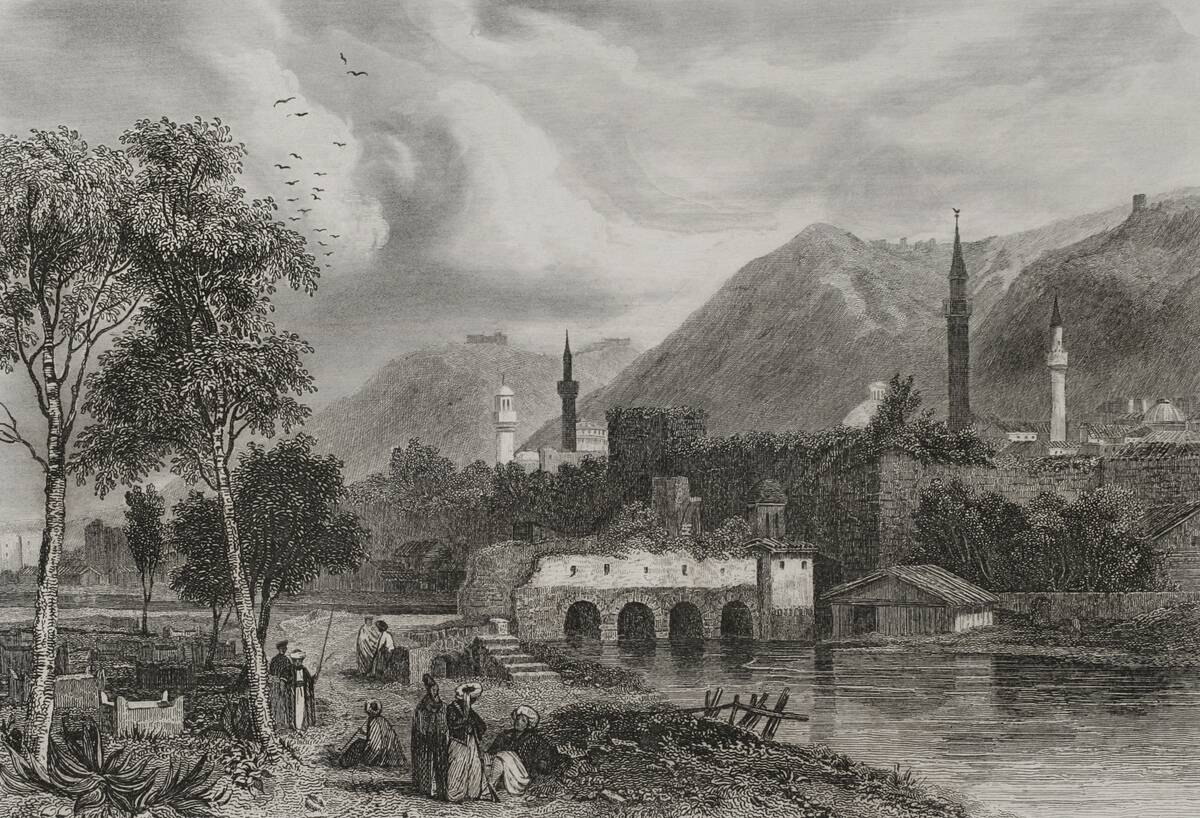
Antioch, founded in the early 3rd century BCE, was one of the most important cities of the Seleucid Empire. Located on the Orontes River, it served as a major trade and cultural hub between the Mediterranean and the East.
The city was famous for its diverse population and vibrant marketplaces, where goods from across the known world were exchanged. Antioch played a crucial role in the spread of Christianity, becoming an early center for the new faith and earning its place in religious history.
Athens: The Beacon of Ancient Wisdom
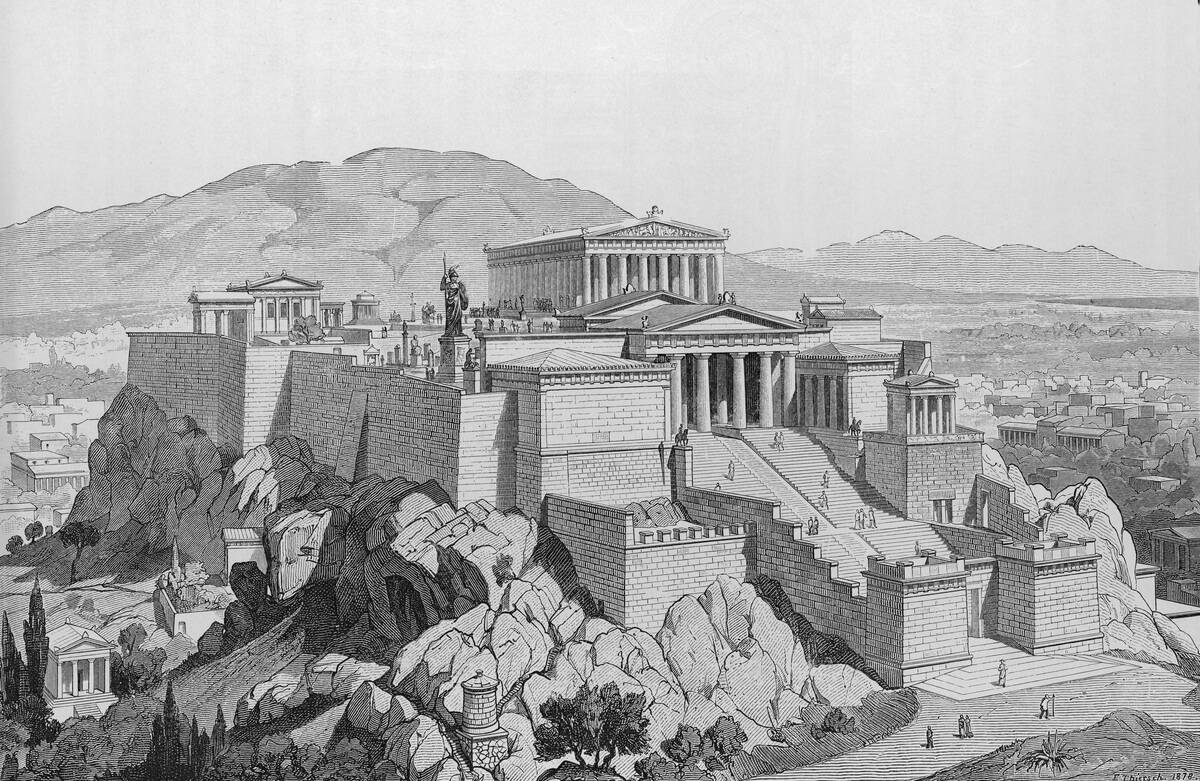
Athens, renowned for its intellectual achievements, was the heart of ancient Greek philosophy and democracy. Home to luminaries like Socrates, Plato, and Aristotle, the city fostered a culture of inquiry and debate that shaped Western thought.
Its architectural wonders, such as the Parthenon, remain symbols of classical beauty and innovation. Despite its decline in political power, Athens’ contributions to art, science, and politics continue to influence the world today.
Babylon: The Legendary City of Mesopotamia
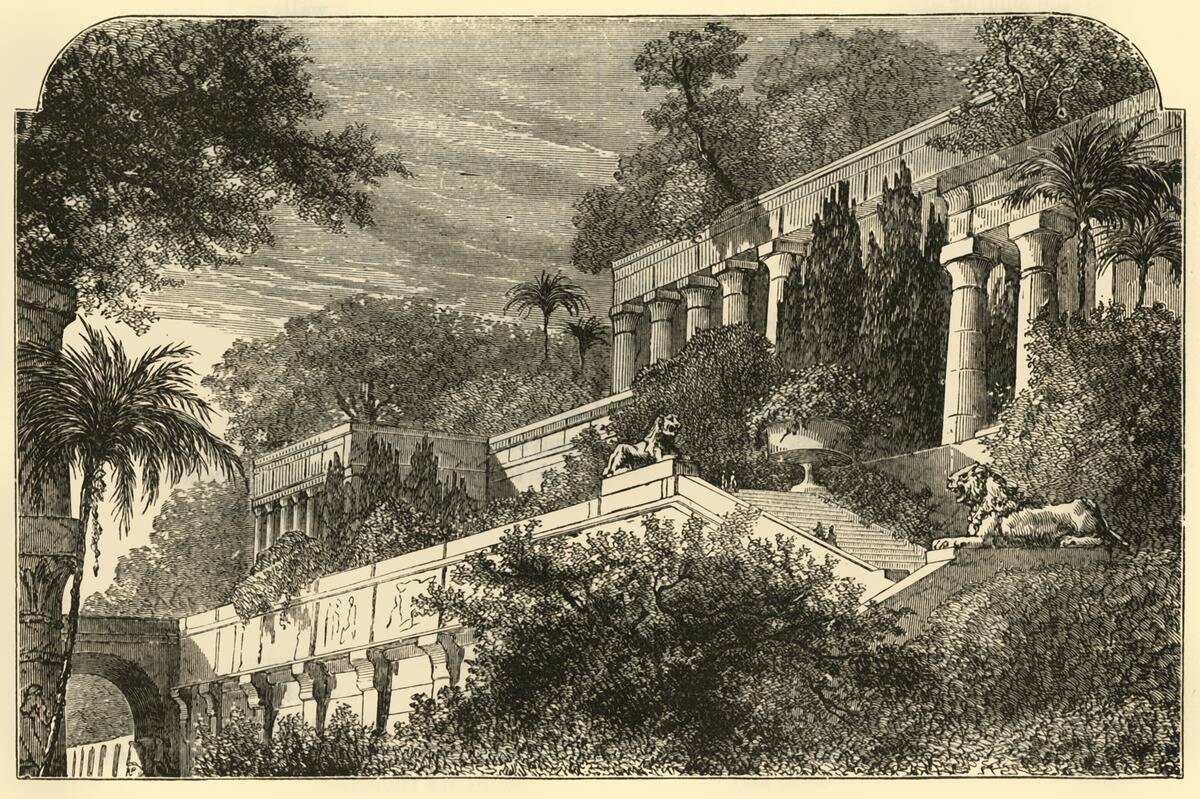
Babylon, situated along the Euphrates River, was the capital of several Mesopotamian empires, including the famous Babylonian Empire. The city is perhaps best known for the Hanging Gardens, which ancient writers describe as one of the Seven Wonders of the World.
Babylon was also a center of learning and law, with the Code of Hammurabi being one of the earliest and most comprehensive legal codes in history. Its cultural and scientific achievements have left an indelible mark on human civilization.
Persepolis: The Heart of the Persian Empire
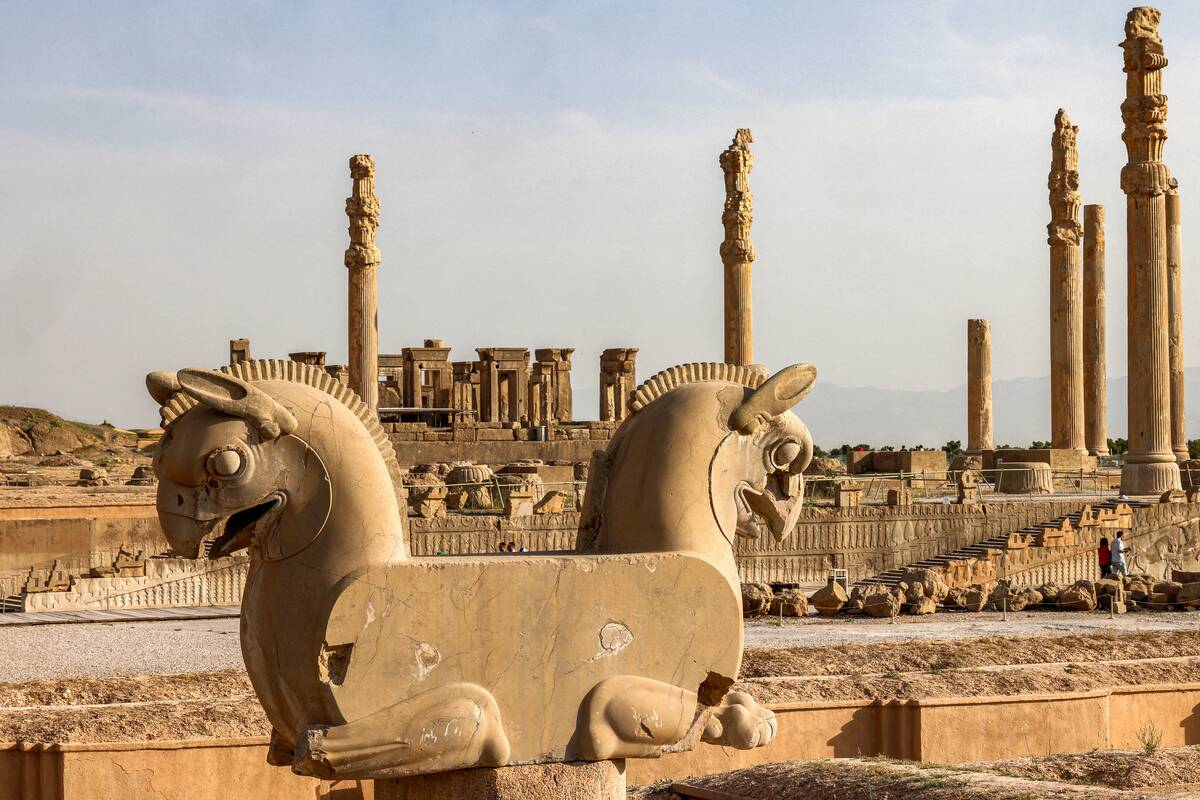
Persepolis, the ceremonial capital of the Achaemenid Empire, was a symbol of Persian grandeur. Founded by Darius I in the 6th century BCE, the city featured impressive palaces and intricate reliefs that showcased the empire’s wealth and power.
Persepolis served as a venue for grand celebrations and tributes, reflecting the Achaemenid’s vast territorial control. Although it was eventually sacked by Alexander the Great, the ruins of Persepolis still testify to its historical significance.
Thebes: Egypt’s Glorious Ancient Capital
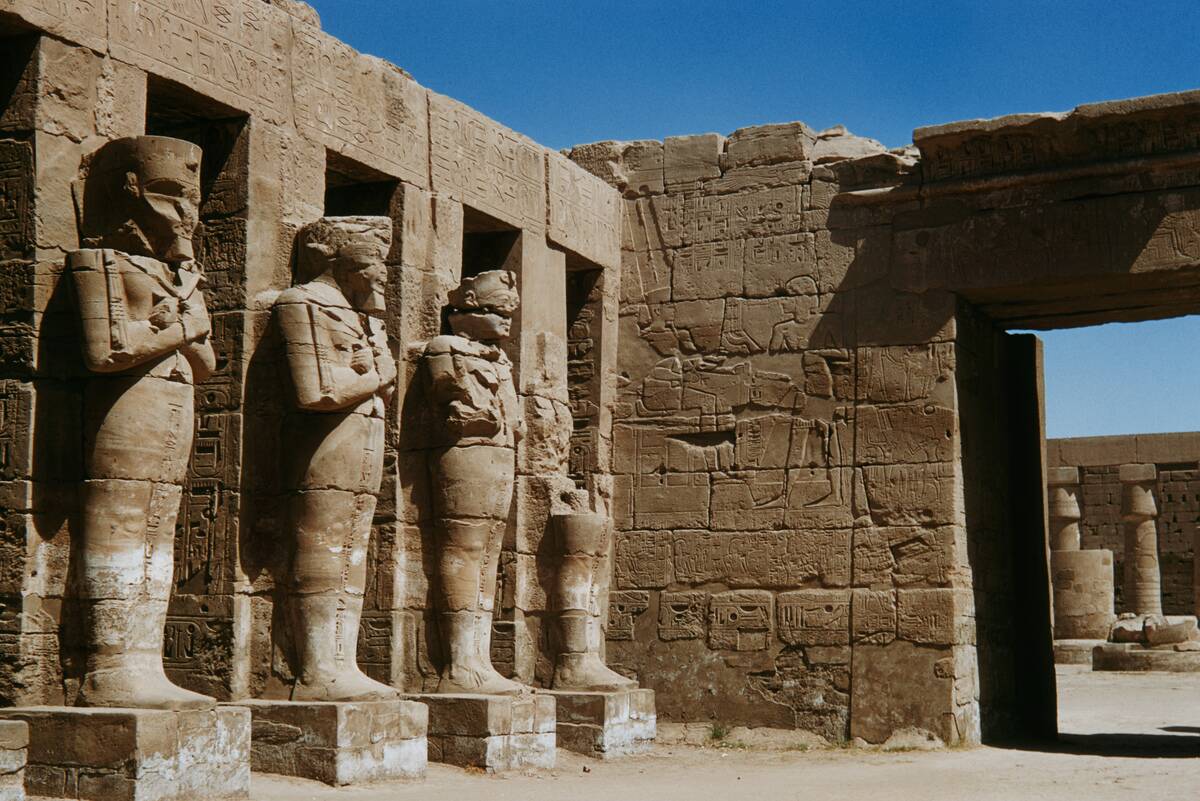
Thebes was the capital of ancient Egypt during its New Kingdom period, known for its wealth and monumental architecture. The city was home to the Valley of the Kings, where pharaohs were buried in elaborate tombs.
The Karnak Temple complex, with its gigantic columns and statues, is another testament to Thebes’ architectural prowess. As a religious and cultural center, Thebes played a vital role in shaping ancient Egyptian civilization and its enduring legacy.
Syracuse: The Wealthy Greek City-State
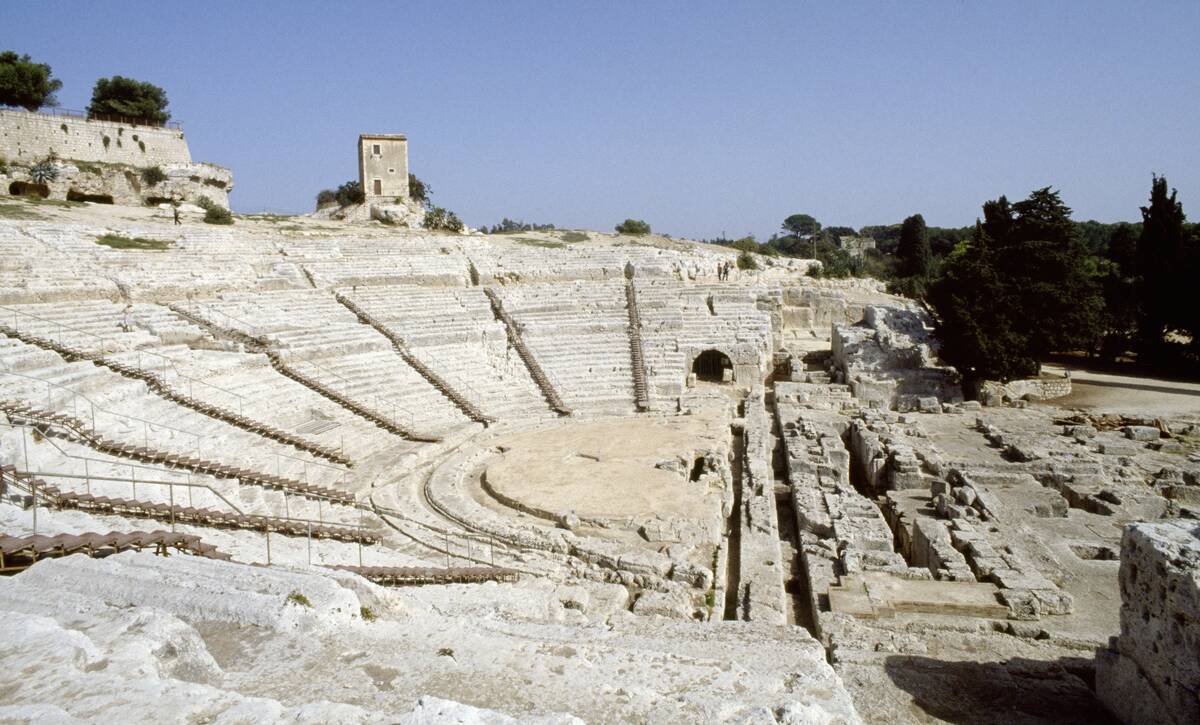
Syracuse, located on the island of Sicily, was one of the most powerful and affluent city-states of ancient Greece. Founded by Greek settlers in the 8th century BCE, it became a hub of commerce and culture in the Mediterranean.
The city was known for its impressive fortifications and innovative military tactics, which helped fend off numerous invasions. Syracuse’s influence extended beyond warfare; it was also a center for arts and sciences, with notable figures like Archimedes contributing to its rich intellectual heritage.
Ephesus: The Commercial Hub of Asia Minor
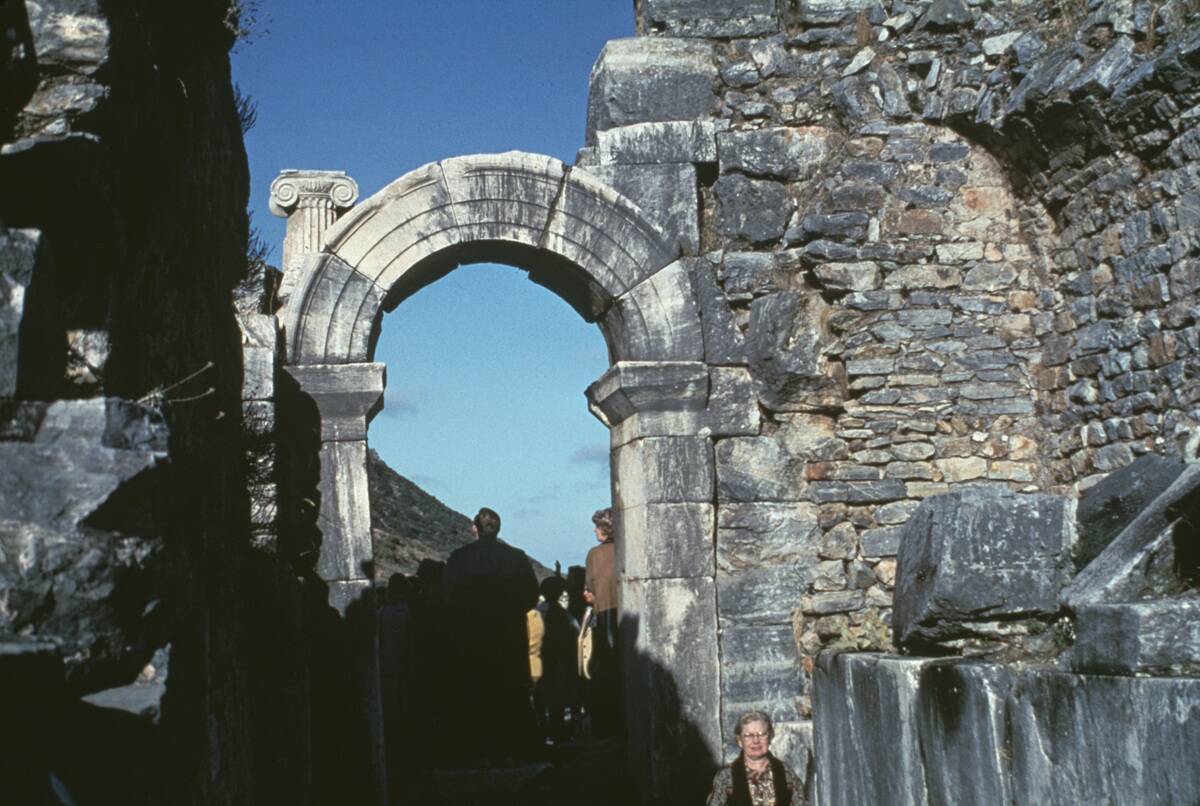
Ephesus, located in present-day Turkey, was a major commercial center in antiquity. Known for the Temple of Artemis—one of the Seven Wonders of the Ancient World—the city attracted traders and pilgrims alike.
Its strategic position along the coast facilitated extensive trade networks across the Mediterranean and Asia. Ephesus was also a significant early center of Christianity, with its amphitheater and library bearing witness to its vibrant cultural and intellectual life.
Jerusalem: The Spiritual Epicenter
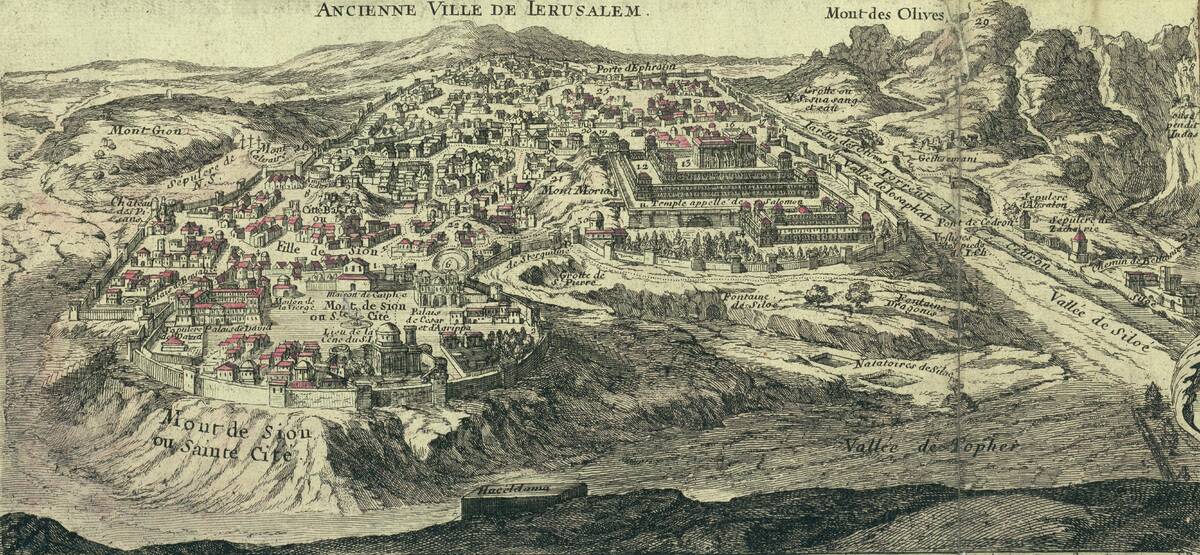
Jerusalem holds a special place in the hearts of three major world religions: Judaism, Christianity, and Islam. Throughout history, it has been a focal point of religious devotion and conflict.
The city’s ancient walls and sacred sites, like the Western Wall and the Church of the Holy Sepulchre, draw pilgrims from all corners of the globe. Despite its tumultuous past, Jerusalem remains a symbol of spiritual significance and cultural diversity, bridging gaps between different faiths and traditions.
Petra: The Rose City of the Nabataeans

Petra, located in modern-day Jordan, is famed for its stunning rock-cut architecture and vibrant rose-colored stone. Once the capital of the Nabataean Kingdom, it thrived as a center of trade thanks to its strategic position on caravan routes.
The city’s remarkable monuments, such as the Treasury and the Monastery, display the engineering prowess and artistic skill of its builders. Petra’s mysterious allure continues to captivate visitors, earning it a place as a UNESCO World Heritage Site.
Palmyra: The Oasis of the East
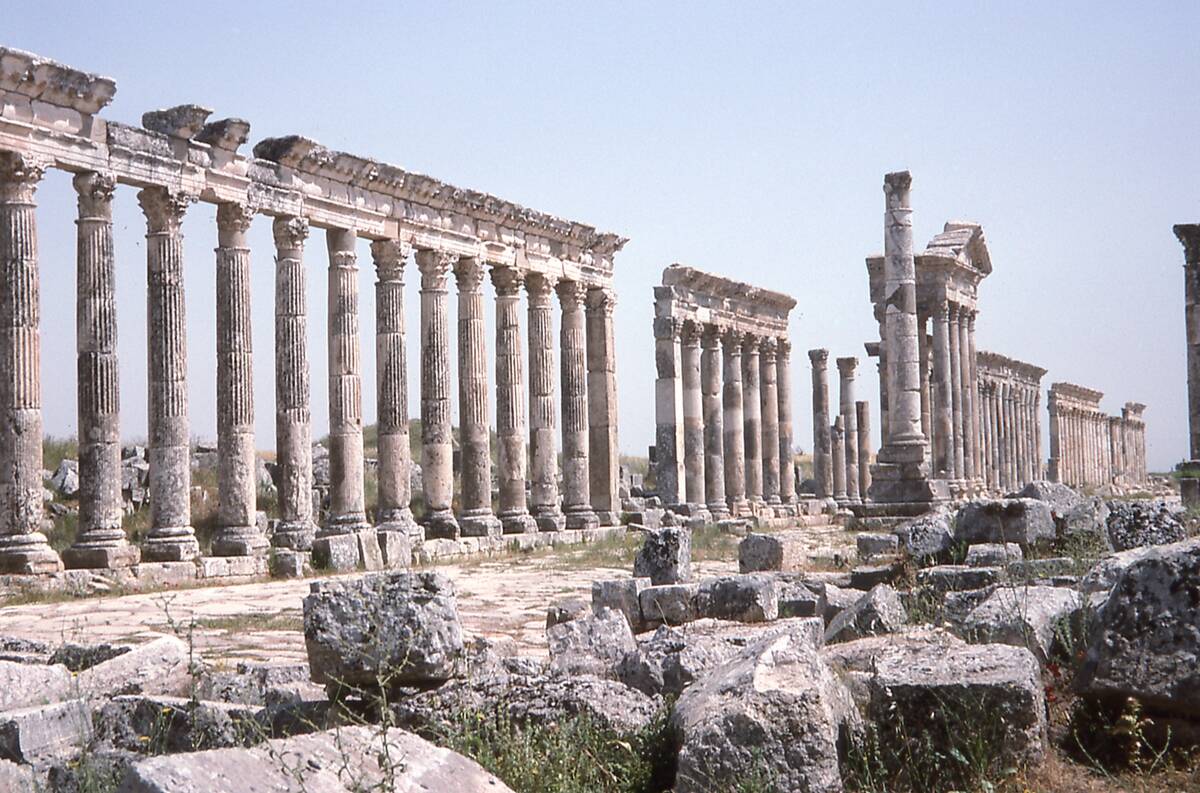
Palmyra, situated in present-day Syria, was an important trade hub and oasis in the Syrian Desert. Known for its grand colonnaded streets and monumental architecture, it served as a cultural crossroads between the Roman Empire and the East.
Palmyra was ruled by the formidable Queen Zenobia, who challenged Roman authority and expanded the city’s influence. Despite its decline, the remnants of Palmyra’s splendor continue to tell the story of a city that once stood as a beacon of wealth and cultural exchange.
Tikal: The Mayan Metropolis
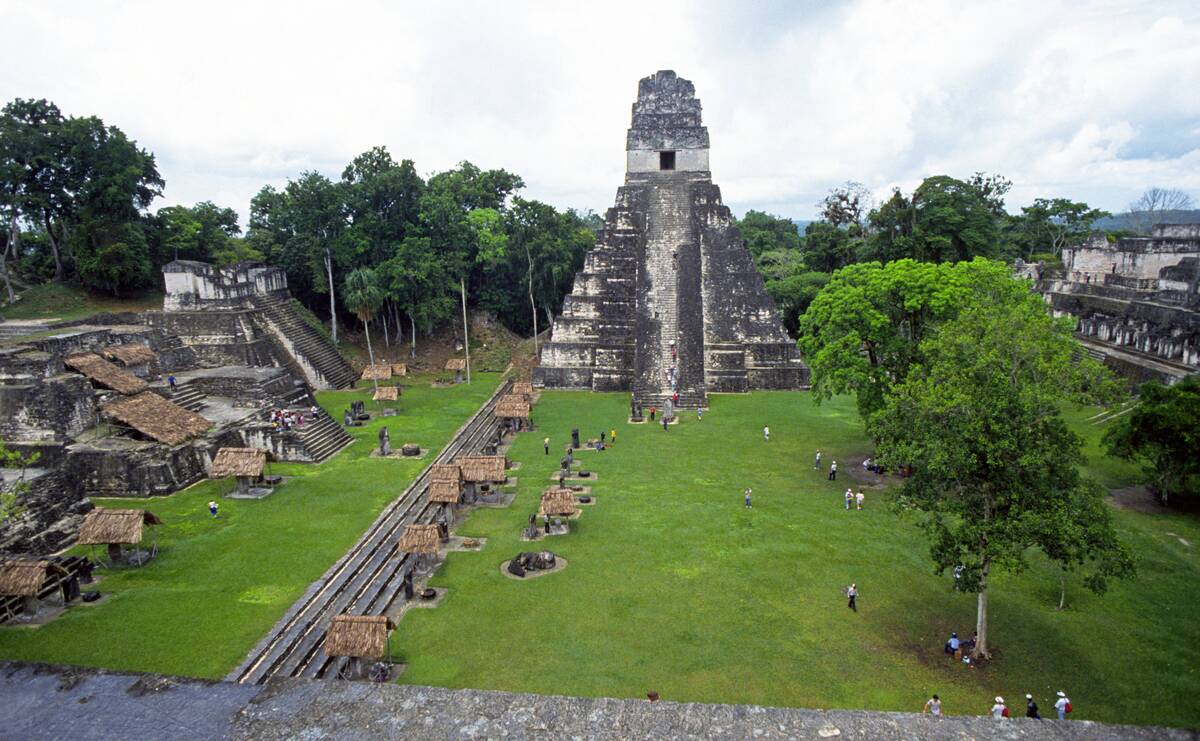
Tikal, nestled in the rainforests of present-day Guatemala, was one of the most powerful cities of the ancient Maya civilization. Known for its towering pyramids and sprawling plazas, Tikal was a political, economic, and religious center.
The city played a crucial role in the intricate network of Maya city-states, fostering trade and cultural exchange across Mesoamerica. Tikal’s impressive architecture and historical significance make it an invaluable key to unlocking the mysteries of the ancient Maya world.
Ctesiphon: The Splendor of the Parthian Empire
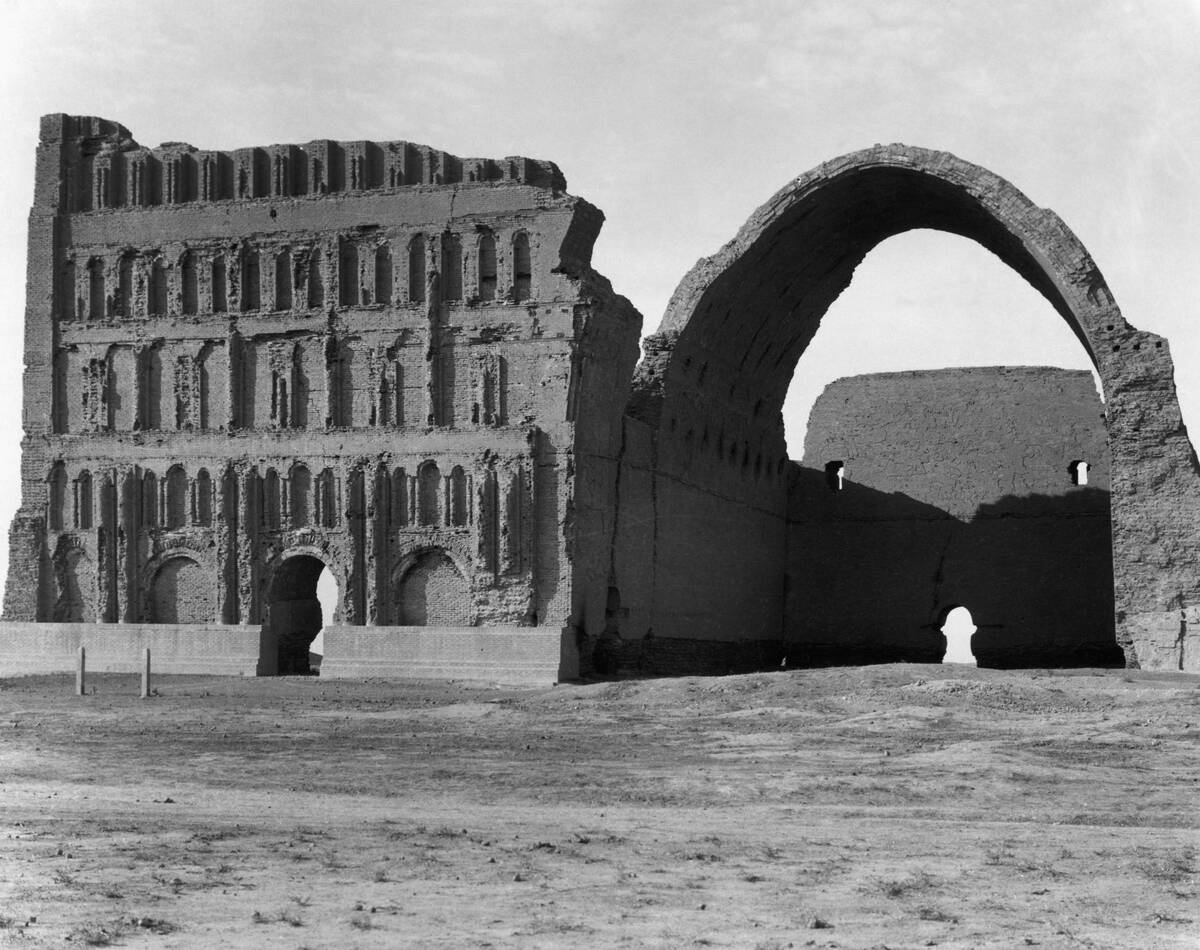
Ctesiphon, located near modern-day Baghdad, was the capital of the Parthian and later Sasanian Empires. Its grand palaces and the famous Taq Kasra arch are testaments to the city’s architectural achievements.
Ctesiphon was a thriving center of commerce and culture, strategically positioned along the Silk Road. The city’s rich history and legacy are echoed in its influence on Persian art, architecture, and governance, leaving an enduring mark on the region’s cultural heritage.




