How modern weather forecasting began
Weather has been a focal point in human history, shaping everything from ancient rituals to modern adventures. It’s fascinating to think about how our methods of predicting the weather have evolved over centuries.
Today, we rely on sophisticated technology, but it all began with simple observations of the skies. As we journey through time, we’ll discover the remarkable advancements and quirky methods that have defined weather forecasting.
Early Methods: Observing the Skies

Before technology, people relied heavily on their senses and natural cues to predict the weather. They observed cloud formations, winds, and the behavior of animals to make forecasts.
For instance, the saying ‘red sky at night, shepherd’s delight’ is rooted in these early observations. This proverb is based on the fact that a red sky often indicates high pressure and stable air coming in from the west, suggesting good weather ahead.
Ancient Weather Predictions: From Folklore to Early Science

In ancient times, weather predictions were often intertwined with folklore and mythology. The Greeks believed that gods like Zeus controlled the weather, while Norse mythology had Thor with his thunderous hammer.
These myths eventually paved the way for early scientific endeavors, as thinkers like Aristotle began to document weather patterns. His work, ‘Meteorologica,’ is one of the earliest known treatises on the subject, marking a shift from superstition to observation.
The Role of Astrology in Early Weather Forecasting
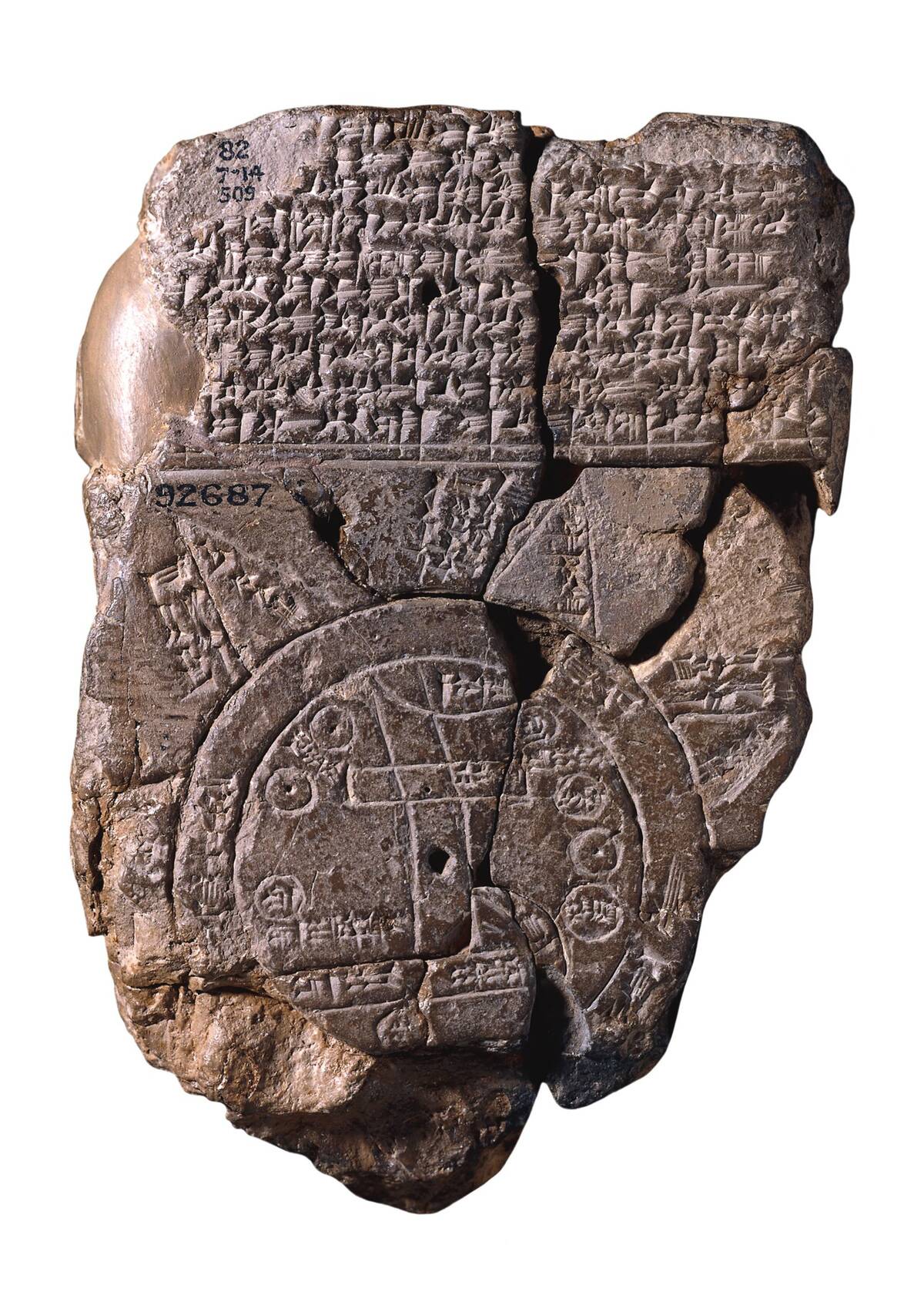
Astrology once played a significant role in predicting weather, with the belief that celestial bodies influenced earthly events. The Babylonians were pioneers in this regard, recording planetary movements to forecast seasonal changes.
Though astrology itself isn’t scientifically valid, it did encourage meticulous observation of the stars and planets. Such detailed records inadvertently contributed to the development of astronomy and aided early meteorologists in understanding weather patterns.
The Barometer: A Game Changer in Weather Prediction
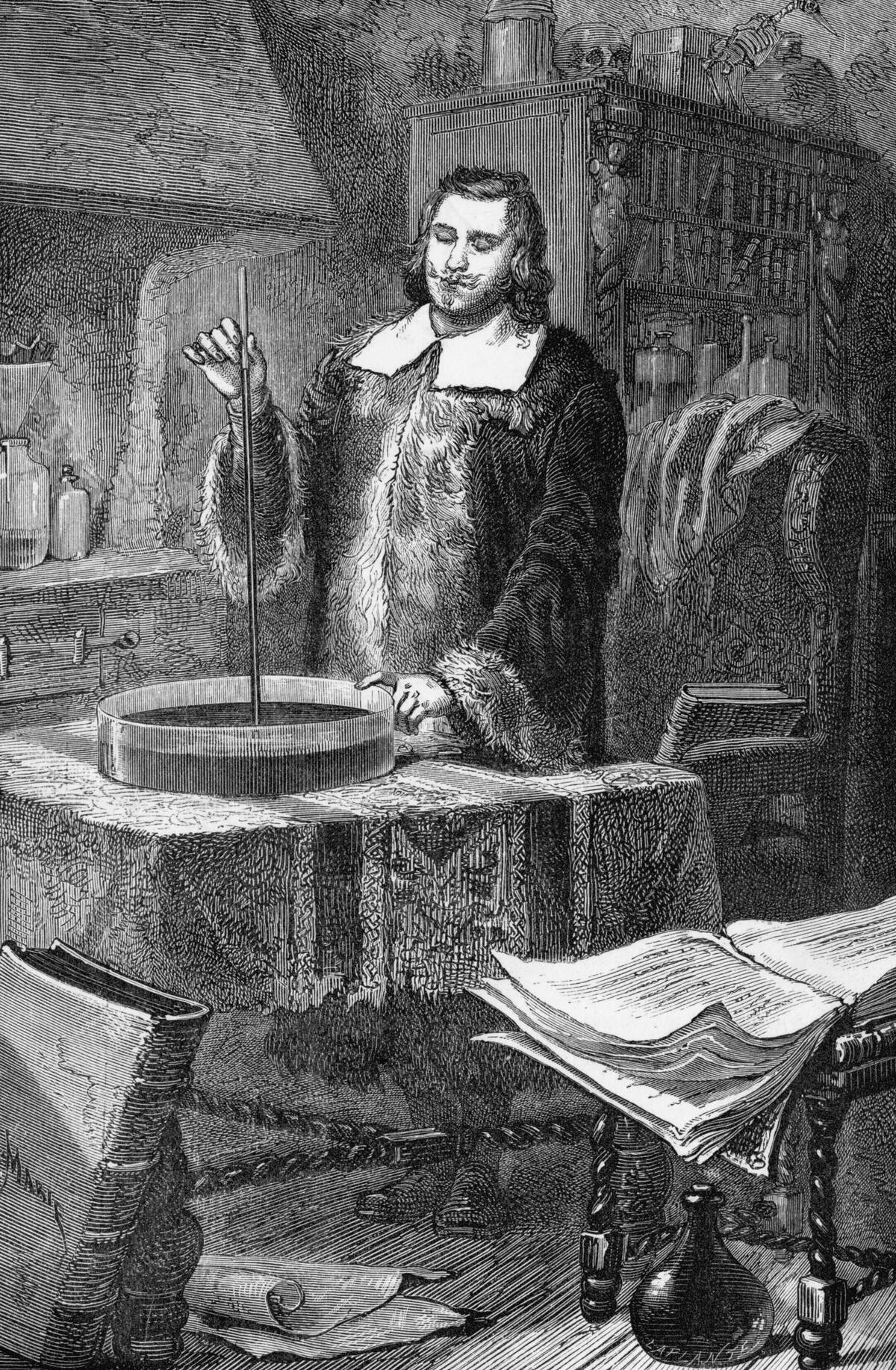
The invention of the barometer in the 17th century marked a turning point in weather forecasting. Evangelista Torricelli, a student of Galileo, invented this device to measure atmospheric pressure.
By understanding pressure changes, forecasters could predict weather systems more accurately. A drop in pressure often indicated that stormy weather was on the way, giving communities time to prepare. This scientific breakthrough laid the groundwork for modern meteorology, transforming prediction methods completely.
Understanding the Thermometer: Measuring Temperature Accurately

The development of the thermometer was another critical advancement in weather science. Gabriel Fahrenheit and Anders Celsius were instrumental in creating the temperature scales we use today. Accurate temperature measurements allowed meteorologists to better understand weather conditions and patterns.
With this tool, they could differentiate between warm and cold fronts, predict frost, and contribute significantly to agricultural planning. The thermometer remains a cornerstone of meteorological instruments even in our high-tech age.
The Telegraph and Weather: Sharing Information Faster
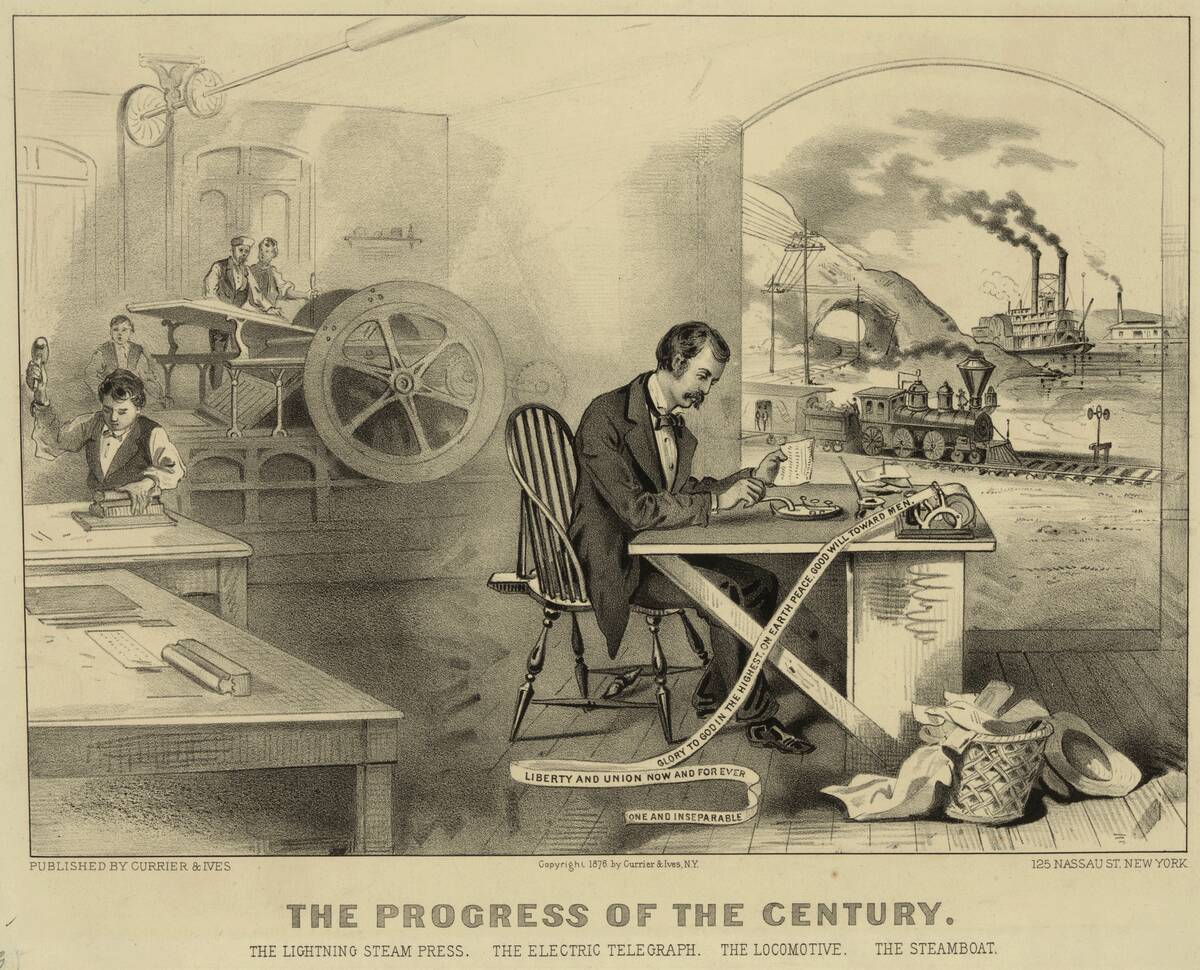
The advent of the telegraph in the 19th century revolutionized weather forecasting by speeding up the sharing of information. For the first time, it was possible to send weather data across long distances almost instantaneously.
This rapid communication allowed for the creation of more accurate regional forecasts and warnings. Weather stations could now collaborate, leading to the first coordinated weather networks. The telegraph laid the foundation for the global meteorological network we rely on today.
The Advent of Meteorological Societies
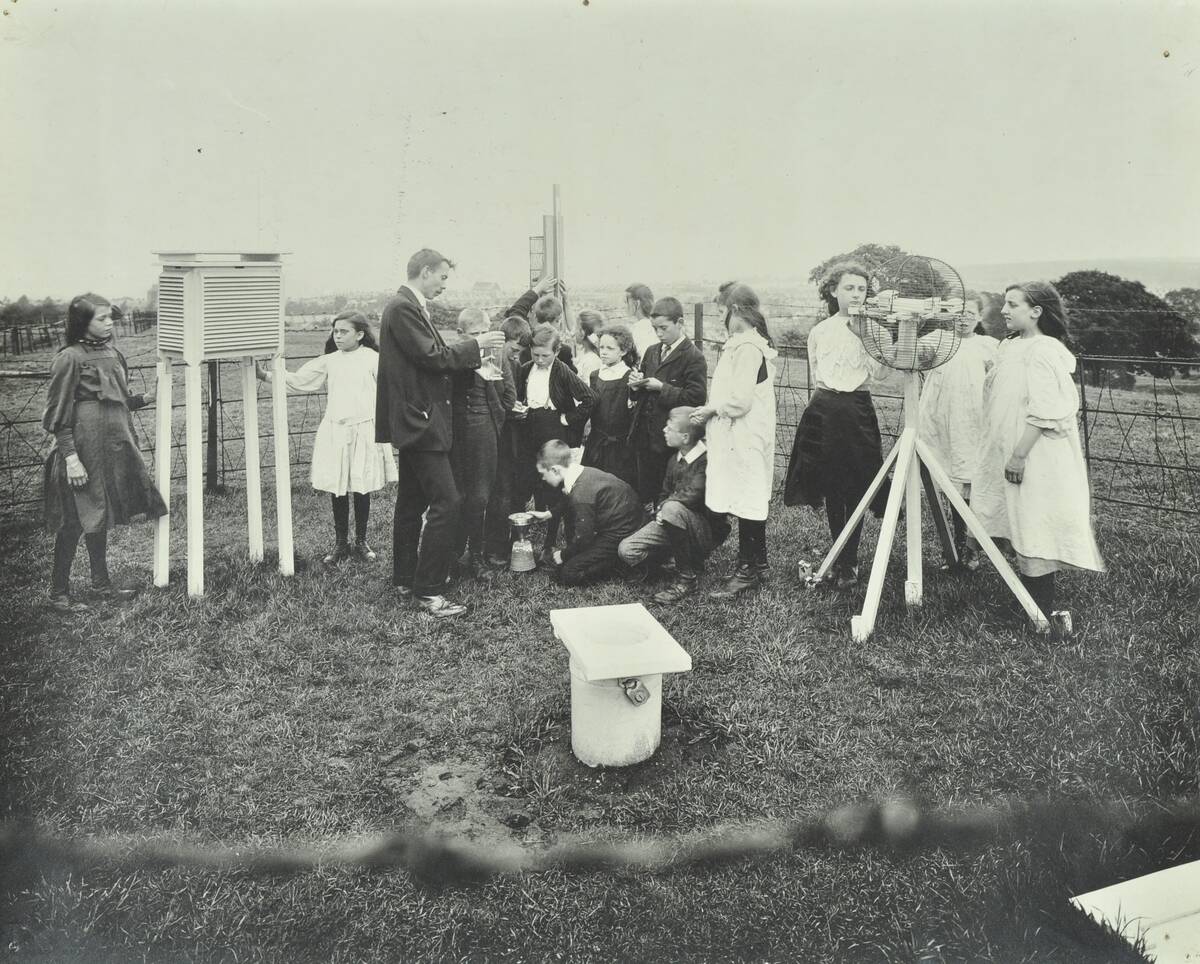
As technology and communication improved, meteorological societies began to form, playing a crucial role in advancing weather science. The British Meteorological Society, founded in 1850, was one of the first organizations dedicated to studying weather.
These societies fostered scientific collaboration and public interest in weather, which gradually supported the professionalization of meteorology and the later establishment of funded national weather services. Their work set the stage for the development of national weather services.
The Dawn of Weather Maps: Visualizing Data
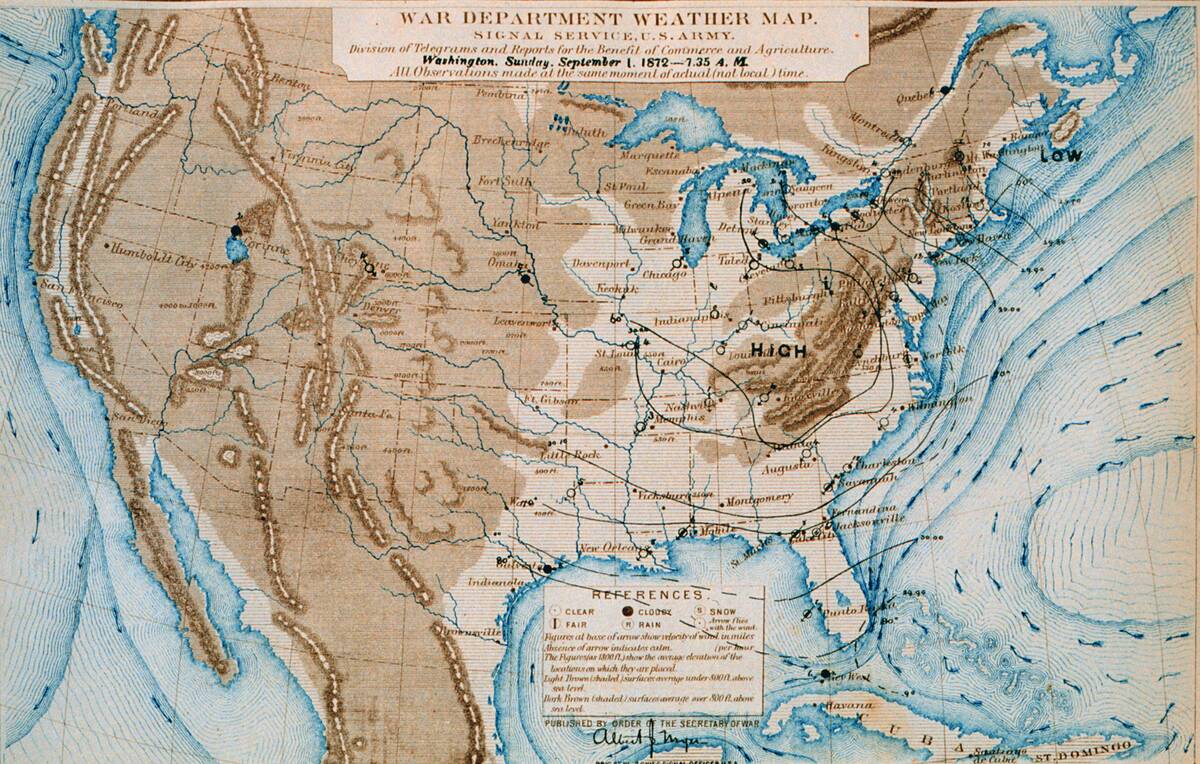
The creation of weather maps in the mid-19th century provided a visual representation of data that was both innovative and practical. Francis Galton is credited with creating the first weather map, which helped people understand complex patterns at a glance.
These maps allowed for the visualization of pressure systems and broad weather patterns. They quickly became an essential tool for forecasters, making it easier to communicate weather conditions to the public and improve the accuracy of predictions.
The Impact of Military Needs on Weather Forecasting
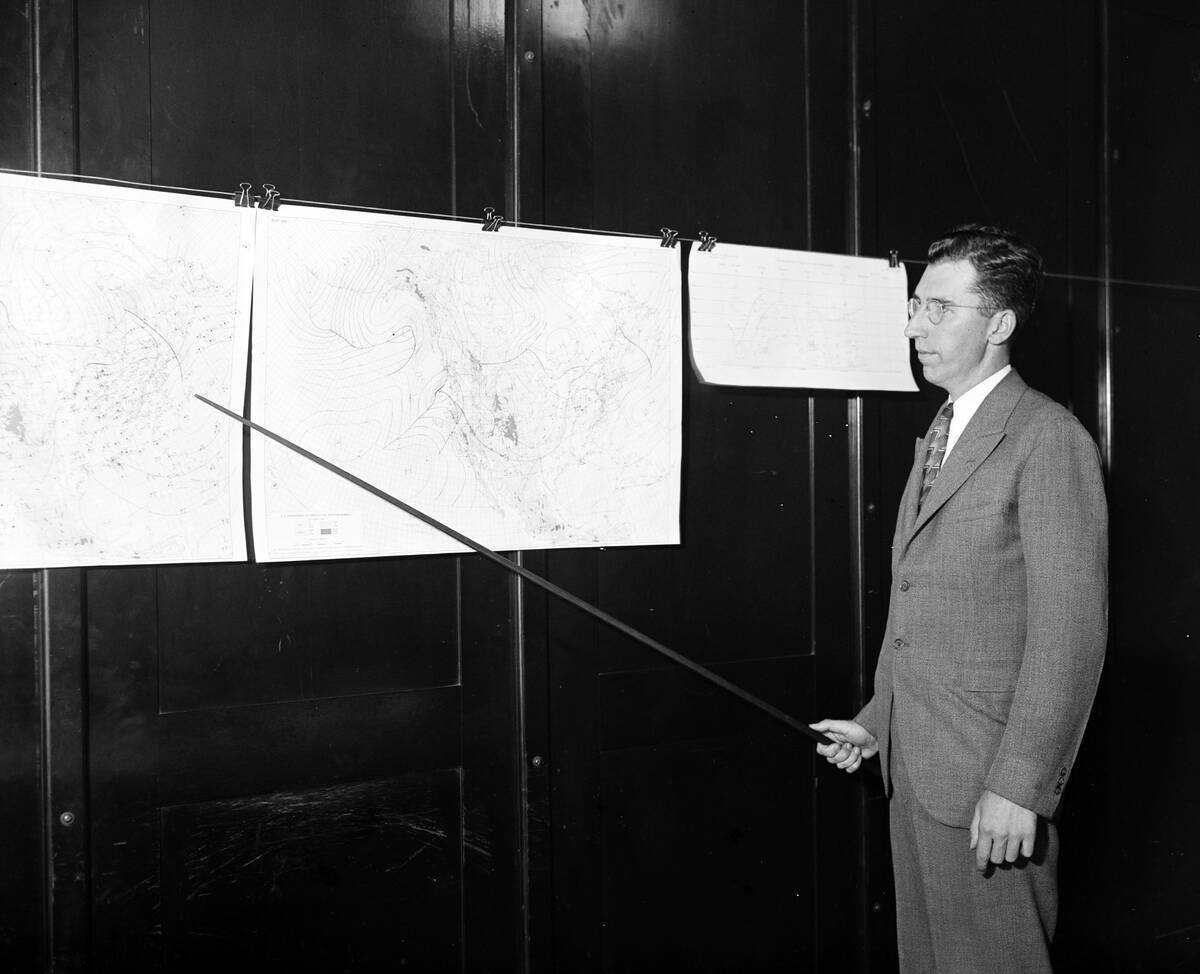
Military operations have often driven advancements in weather forecasting, as accurate predictions can be crucial for strategic planning. During World War II, the need for precise weather information became paramount, particularly for planning the D-Day invasion.
The Allies’ success was partly due to their ability to forecast a brief window of favorable weather. This military necessity accelerated research and development in meteorology, leading to improvements in data collection and analysis techniques that benefit us today.
The Birth of the Weather Bureau: Institutionalizing Forecasts
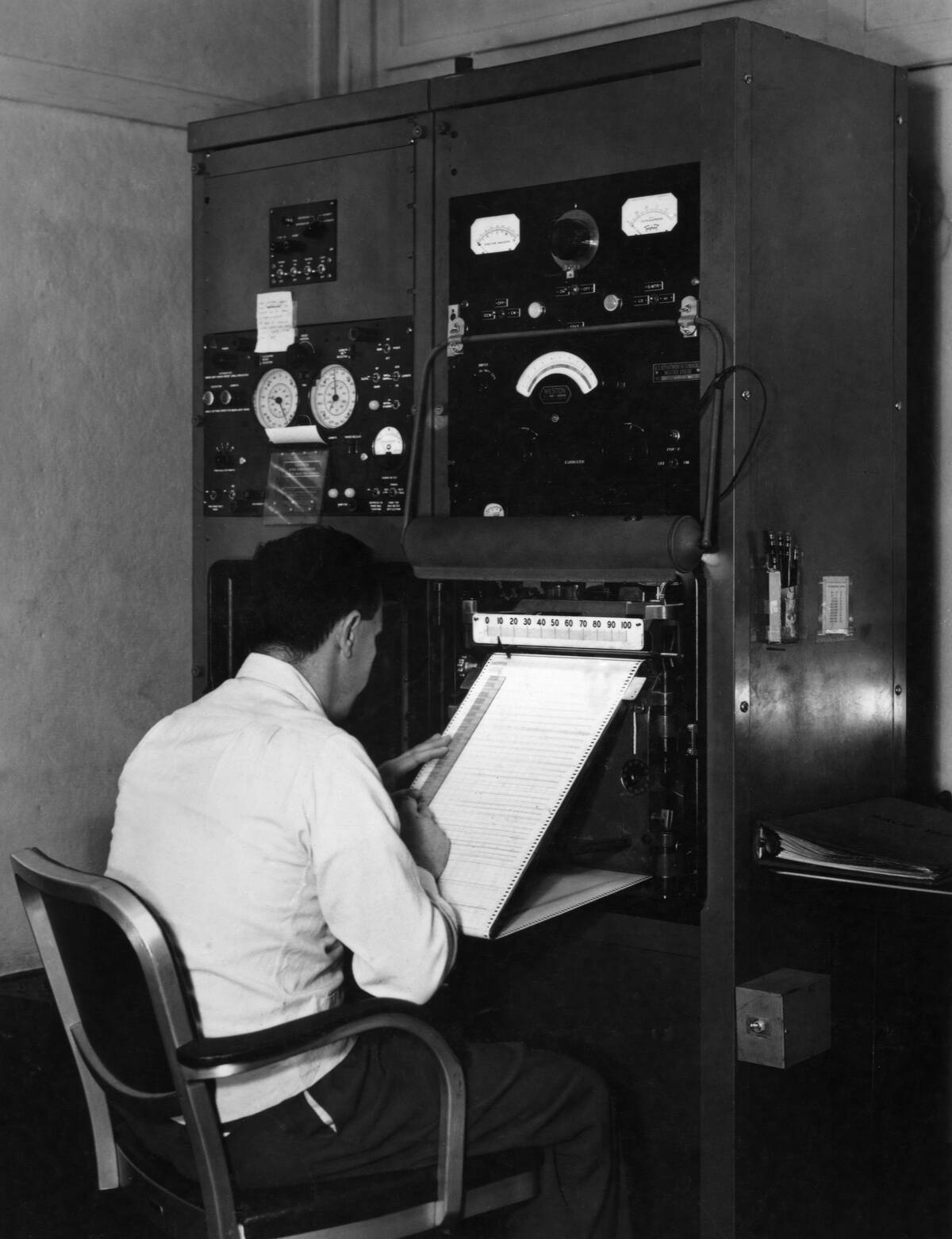
The establishment of weather bureaus was a significant step in institutionalizing weather forecasting. The United States Weather Bureau, founded in 1870, aimed to provide accurate forecasts to protect life and property.
With government backing, the bureau standardized data collection and expanded observation networks. This development made weather forecasts more reliable and accessible to the public. Today, known as the National Weather Service, it continues to play a vital role in meteorological research and public safety.
Satellites and Weather: A New Perspective from Above
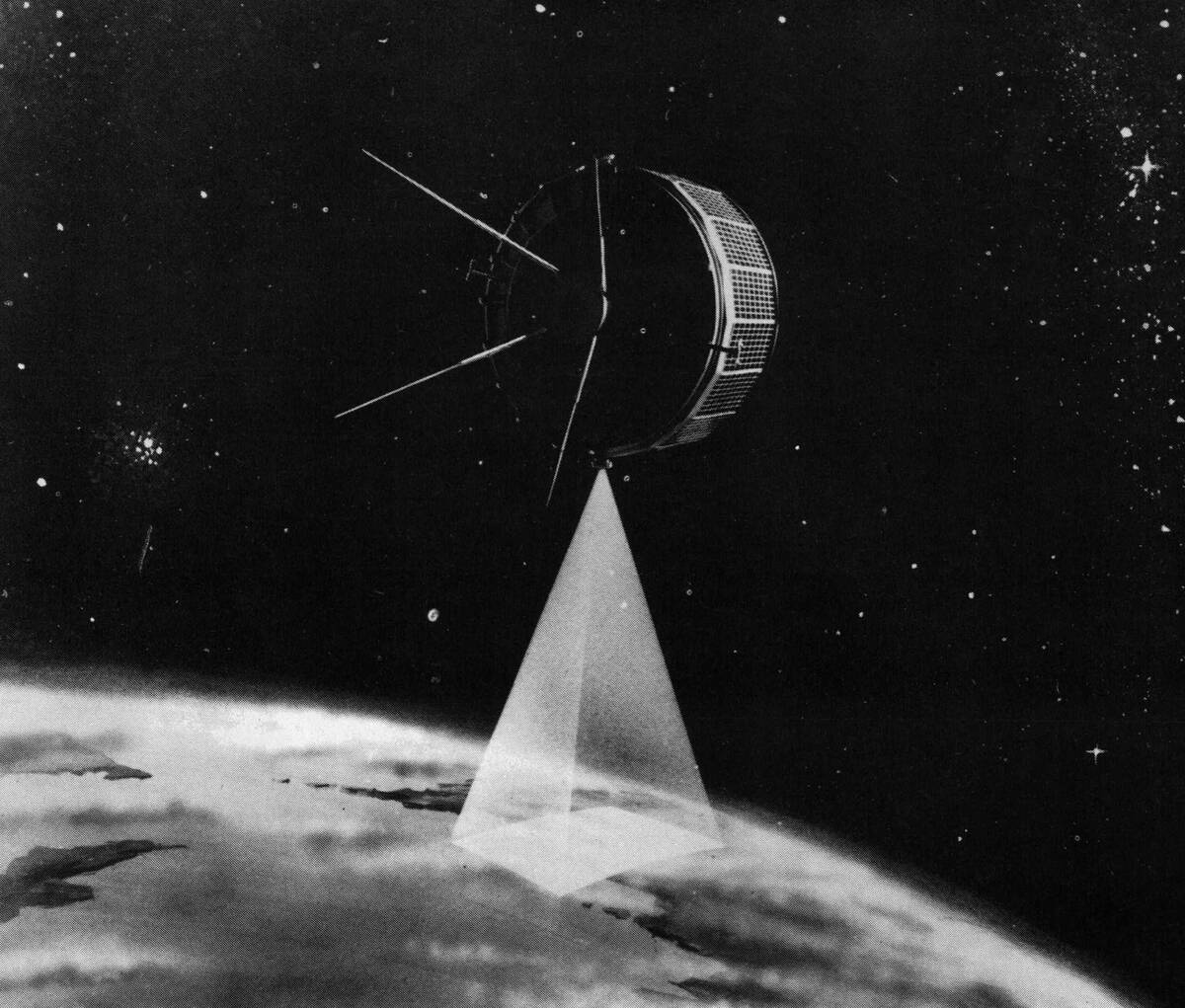
The launch of the first weather satellite, TIROS-1, in 1960 revolutionized meteorology by providing a bird’s-eye view of Earth’s atmosphere. Satellites offer a wealth of data on cloud cover, storm development, and climate patterns.
They have transformed our ability to monitor weather systems in real-time, improving the accuracy of forecasts and early warning systems. Today, satellites continue to provide crucial information for tracking hurricanes, monitoring climate change, and supporting disaster response efforts worldwide.
Computers and Weather Models: Crunching the Numbers
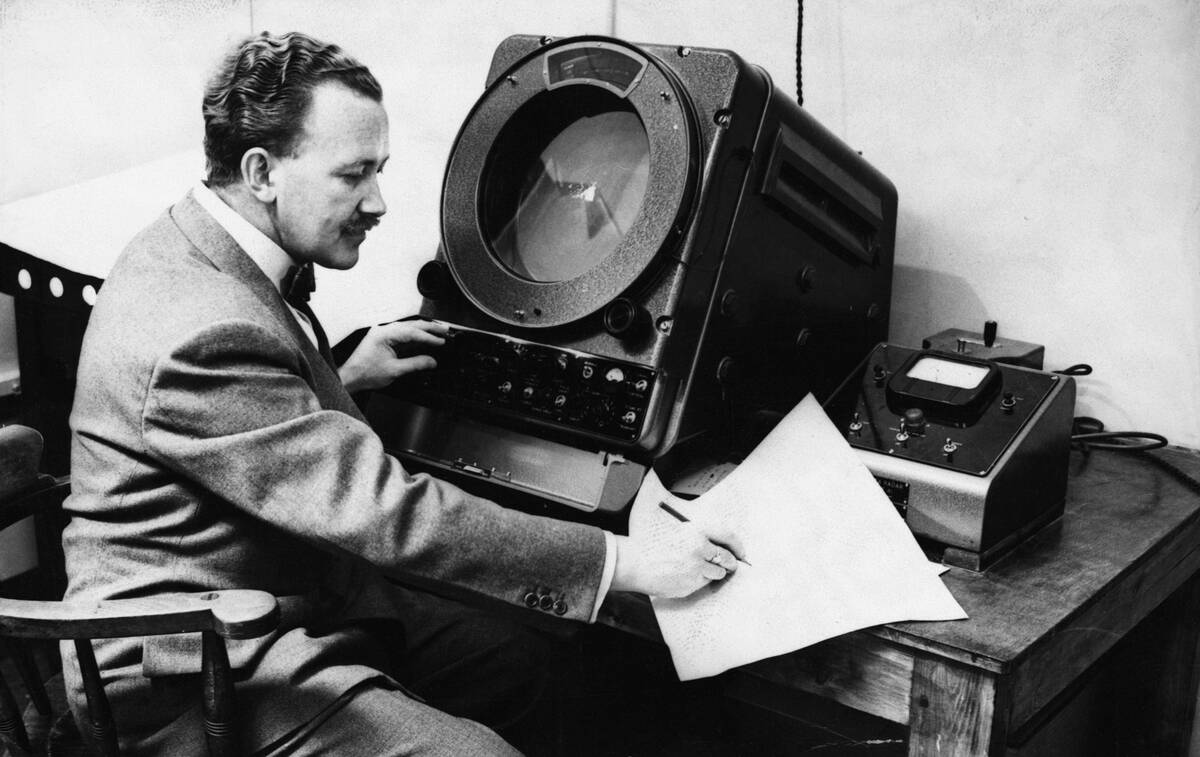
Computers have become indispensable tools in weather forecasting, with complex models that simulate atmospheric conditions. The first numerical weather prediction model was developed in the 1950s, requiring enormous computational power.
Today, supercomputers can process vast amounts of data, creating detailed models that predict weather patterns days or even weeks in advance. These models allow meteorologists to run simulations, test hypotheses, and improve forecast accuracy. Computing power has undoubtedly propelled weather science into the future.
The Rise of TV Weather Personalities: Making Forecasts Fun
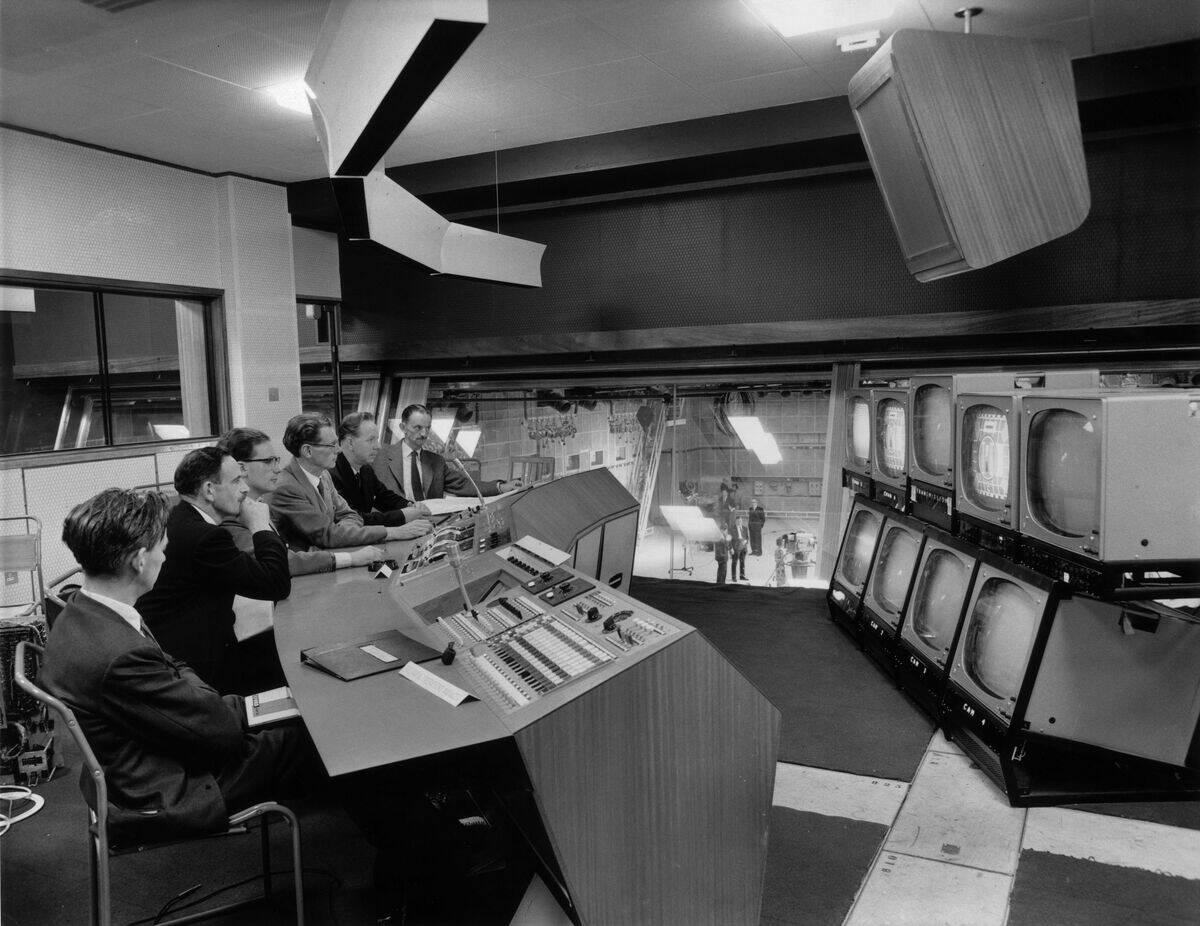
Television brought weather forecasts into living rooms, turning meteorologists into household names. In the 1950s and 60s, TV weather personalities began to blend informative forecasts with entertainment, using humor and charisma to engage viewers.
This approach not only made weather updates more accessible but also encouraged public interest in meteorology. Icons like Willard Scott and Al Roker became trusted figures, proving that a friendly face and a bit of fun could make forecasts a staple of daily life.
The Internet Revolution: Weather at Our Fingertips
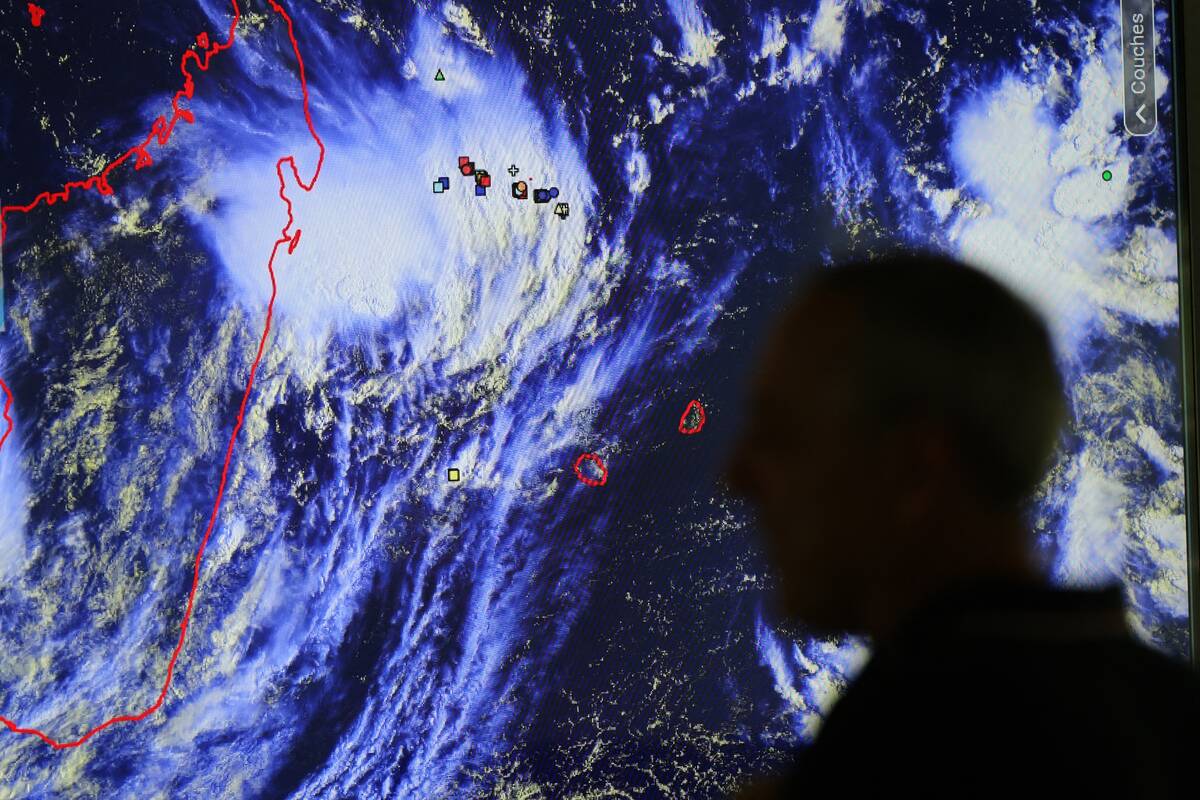
The internet has transformed how we access weather information, making it instantly available at our fingertips. Online platforms offer up-to-the-minute updates, radar images, and detailed forecasts tailored to specific locations.
Websites and social media channels provide a wealth of information, from severe weather alerts to climate news. This digital revolution has made weather forecasts more interactive and personalized, allowing people to stay informed and plan their activities with greater confidence.
Mobile Apps and Personalized Weather Updates
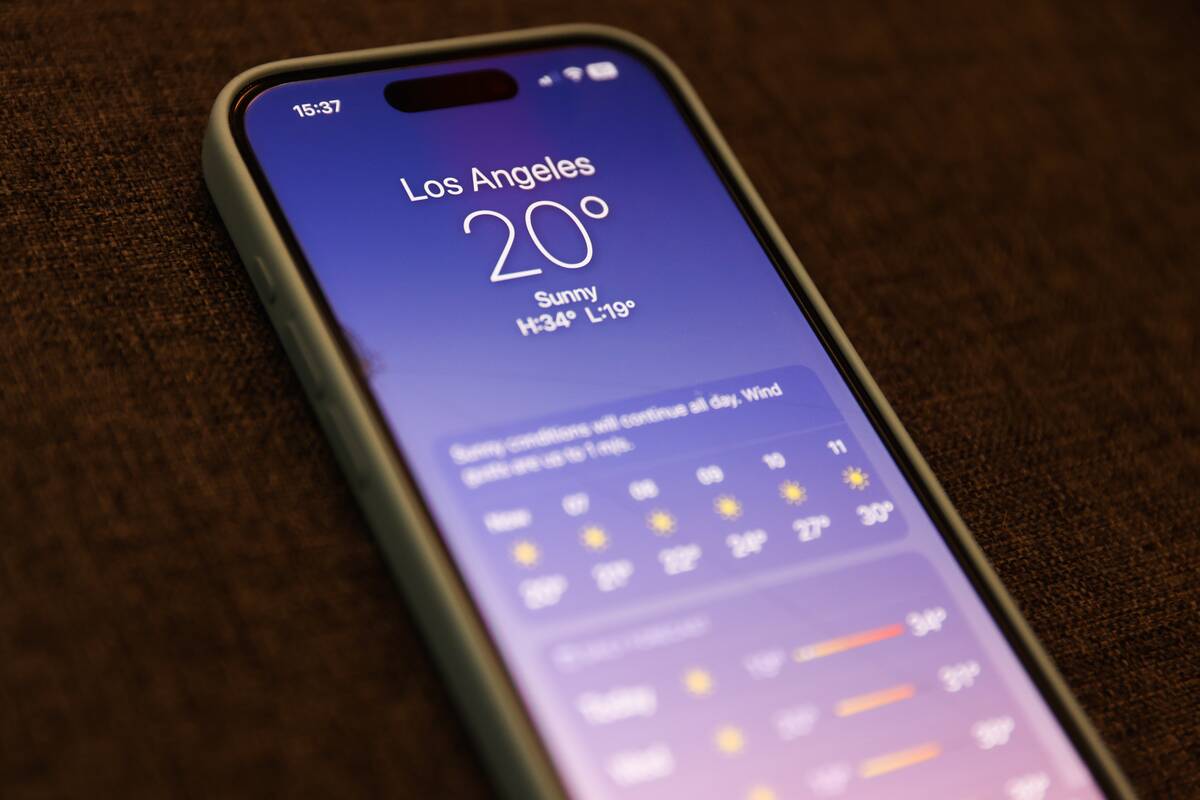
Mobile apps have taken weather forecasting to the next level, providing personalized updates and alerts on the go. Apps like The Weather Channel and AccuWeather offer features such as real-time radar, severe weather warnings, and daily forecasts tailored to your location.
With the convenience of push notifications, users can receive timely alerts about changing conditions. These apps have made staying informed easier than ever, empowering people to make informed decisions based on accurate, location-specific data.
The Role of Artificial Intelligence in Weather Prediction
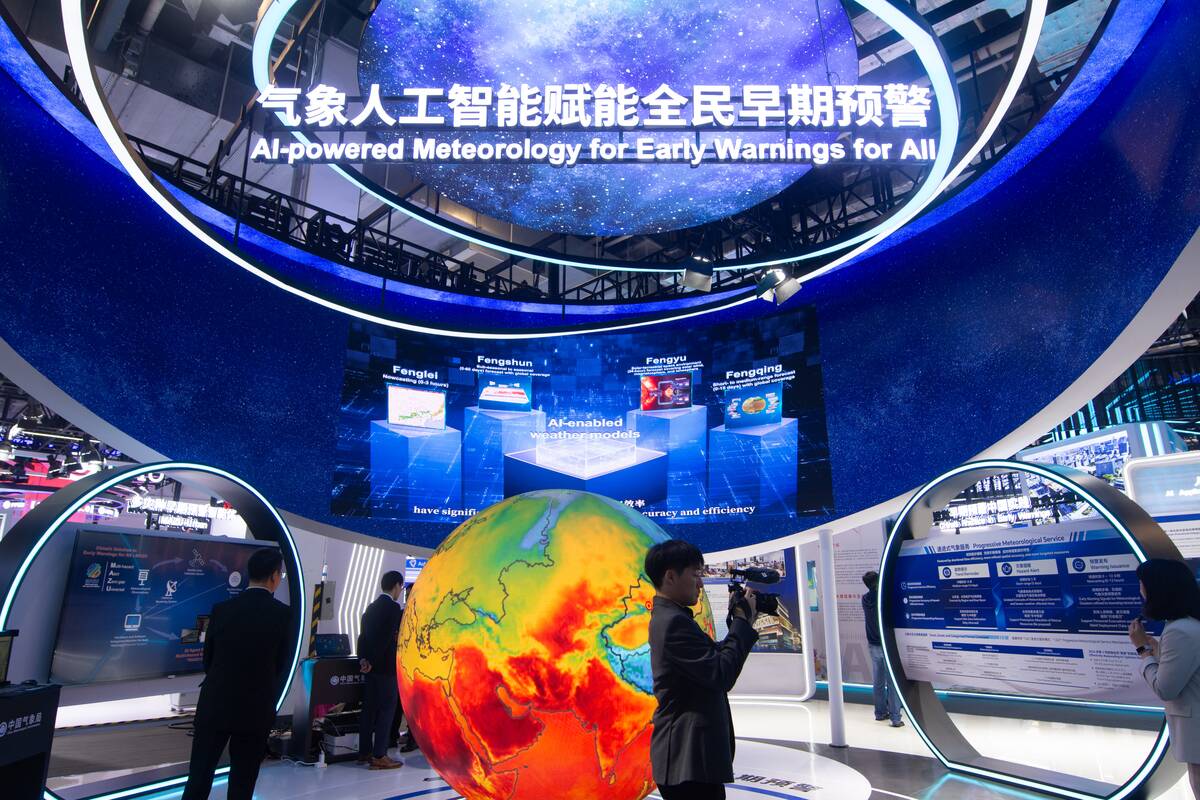
Artificial intelligence (AI) is revolutionizing weather prediction by analyzing vast datasets to improve forecast accuracy. Machine learning algorithms can identify patterns and trends in historical and real-time data, offering insights that traditional models may miss.
AI technology is being used to enhance everything from short-term forecasts to long-term climate predictions. By automating data analysis, AI allows meteorologists to produce more precise forecasts faster, helping communities better prepare for weather-related events and mitigate risks.
Climate Change and the Evolving Challenges of Forecasting
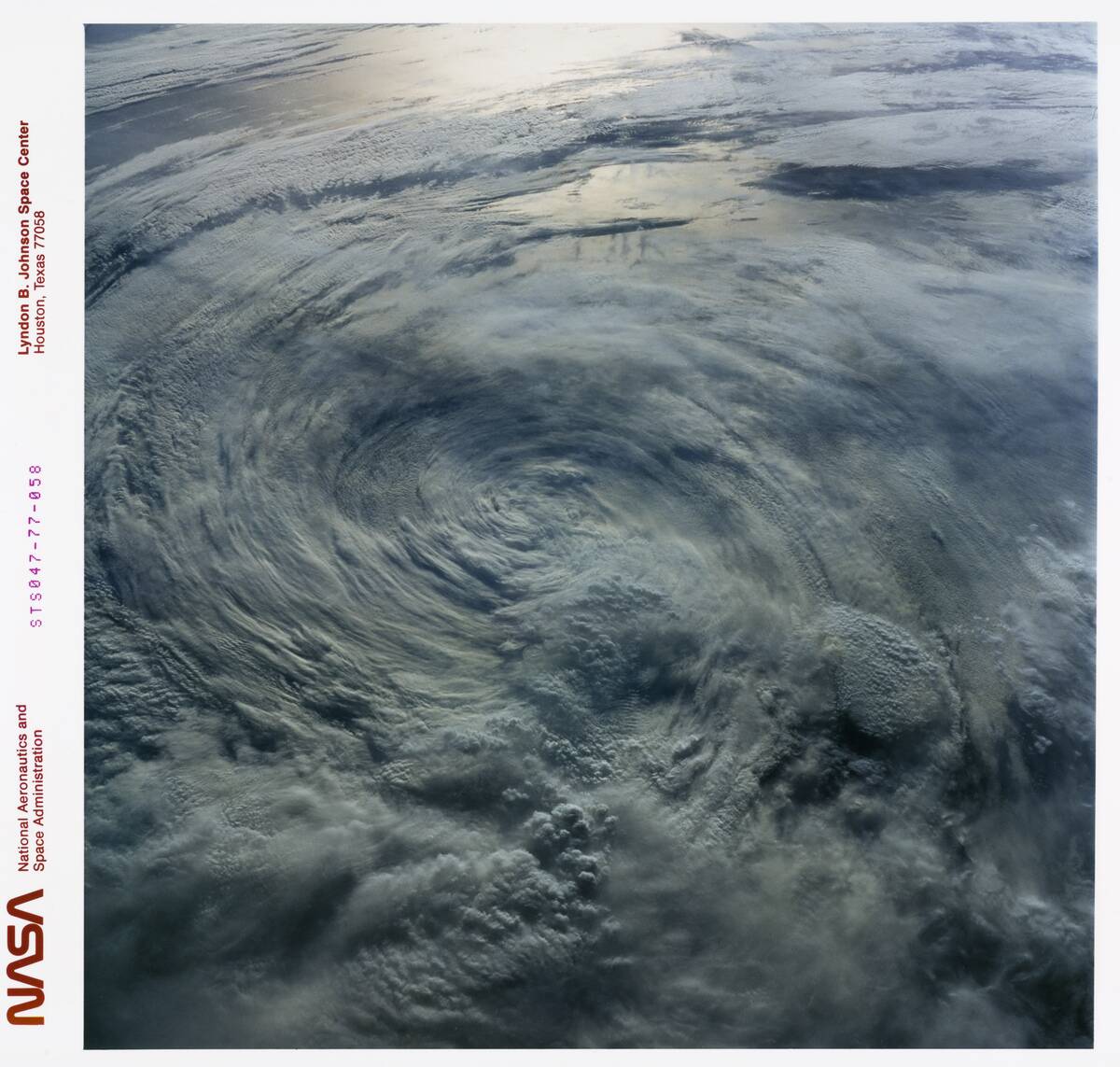
Climate change presents new challenges for weather forecasting, as shifting patterns alter traditional models. Rising temperatures, sea levels, and increased frequency of extreme events require forecasters to adapt their methods.
Meteorologists are now focusing on long-term climate models to understand these changes and their impact on weather systems. Addressing climate change involves not only improving predictive capabilities but also communicating the long-term implications to the public, ensuring communities are informed and resilient in the face of evolving climate conditions.
The Human Element: Trusting the Meteorologist
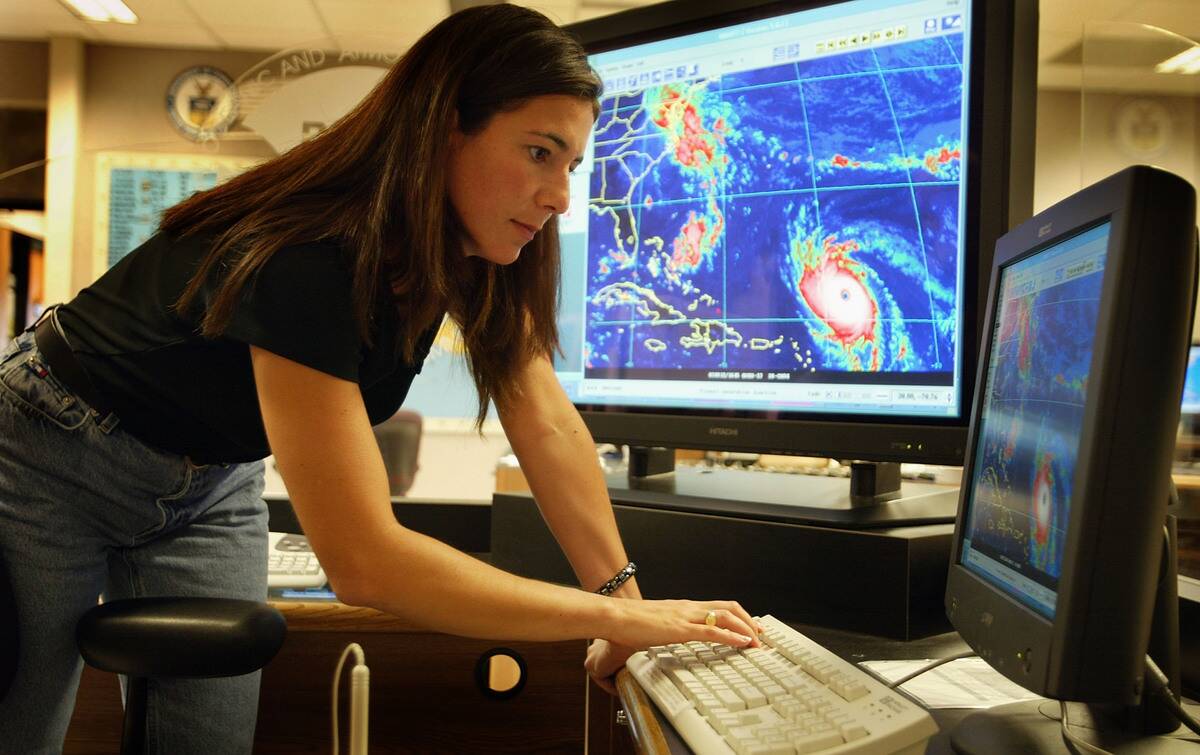
Despite technological advancements, the human element remains vital in weather forecasting. Meteorologists interpret data, apply local knowledge, and communicate forecasts with clarity and empathy. Building public trust is crucial, as people rely on forecasts for safety and planning.
Meteorologists strive to provide accurate information while also acknowledging the uncertainties inherent in predicting the weather. Their expertise and dedication ensure that the forecasts we receive are not only scientifically sound but also understandable and actionable.
Fun Weather Facts: Did You Know?
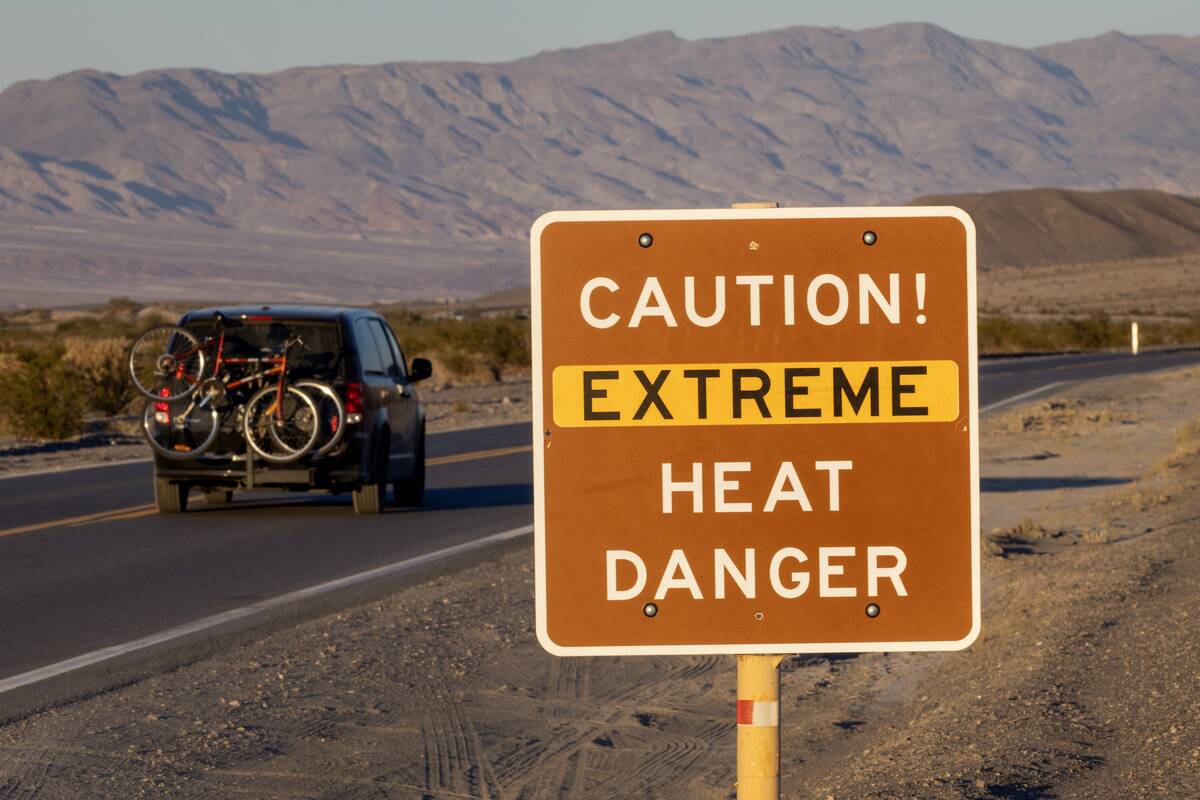
Weather is full of fascinating facts that might surprise you! Did you know that the highest temperature ever recorded on Earth was 134°F (56.7°C) in Death Valley, California, in 1913? Or that a single lightning bolt can reach temperatures of 50,000°F (27,760°C), hotter than the surface of the sun?
Weather phenomena are not only integral to our daily lives but also a source of endless wonder and curiosity. Stay curious, and you’ll discover even more amazing weather tidbits!