11+ Battles that were won or lost because of unexpected natural disasters
Throughout history, natural disasters have played unexpected roles in shaping the outcomes of battles. From torrential rains to catastrophic earthquakes, these events have often caught military strategists off guard.
While human tactics and technology are crucial in warfare, Mother Nature sometimes has the final say. Understanding these occurrences provides insight into how unpredictable elements can decisively influence historical events.
The Role of Weather and Terrain in Military Strategy
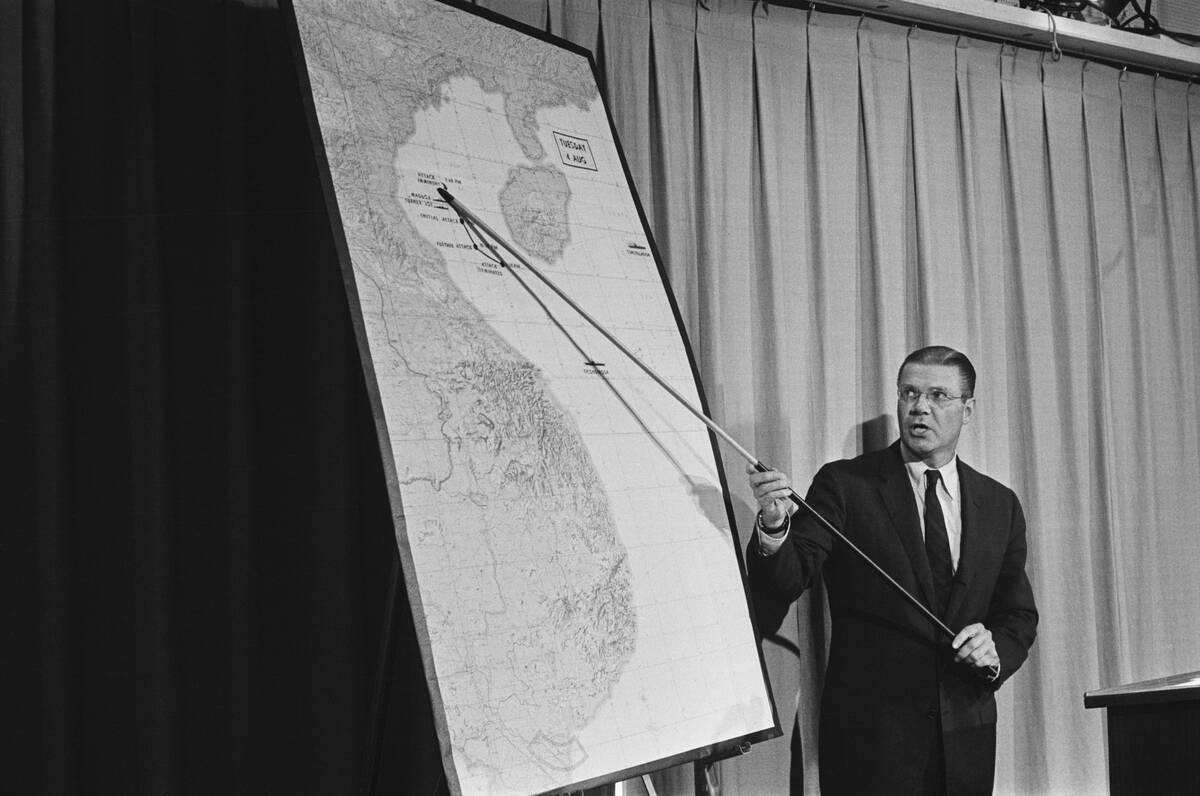
Weather and terrain have long been critical considerations in military strategy, often dictating the movements and effectiveness of armies. Commanders historically have leveraged high ground for advantage or used fog for cover.
Yet, despite planning, unexpected shifts in natural conditions can overturn strategic intentions. The interplay between terrain and weather continues to be a formidable opponent, sometimes deciding the fate of entire campaigns.
The Battle of Waterloo: The Rain That Changed History
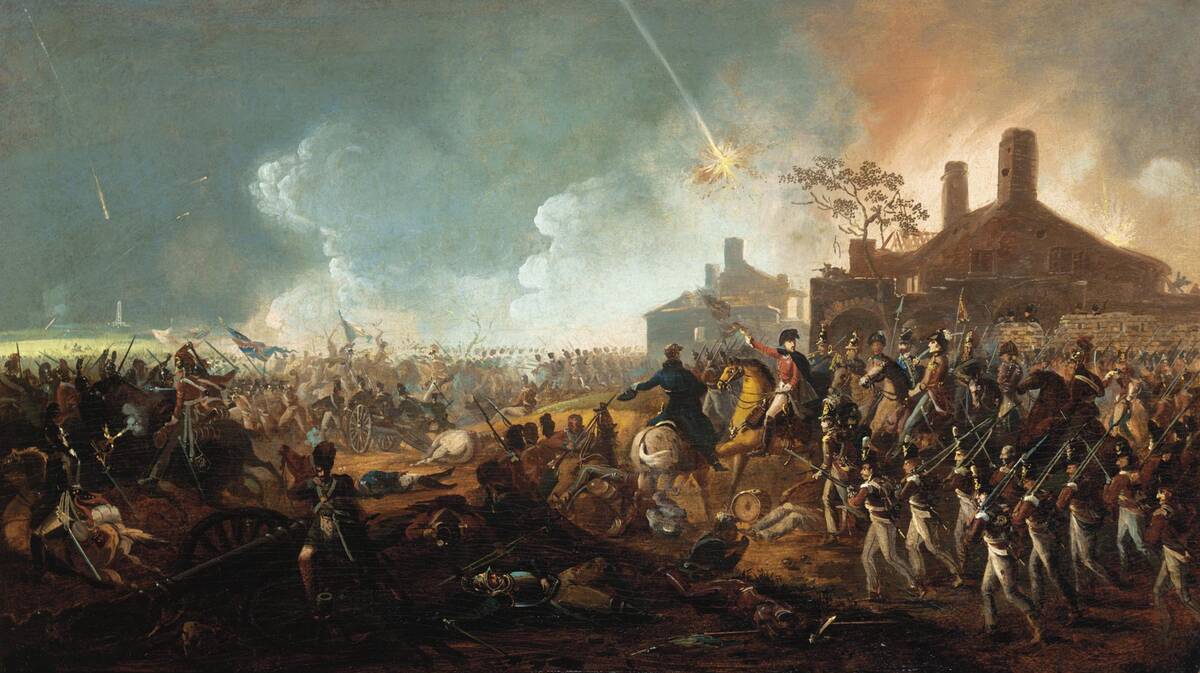
In 1815, the Battle of Waterloo was significantly affected by heavy rain the night before. The soggy ground delayed Napoleon’s artillery attack, giving the British and Prussian forces precious time to consolidate.
This delay was crucial, allowing the allies to eventually defeat Napoleon. The rain’s impact showcases how even the most meticulous plans can be disrupted by unforeseen weather events, altering the course of history.
The Mongol Invasion of Japan: Divine Winds and Typhoons
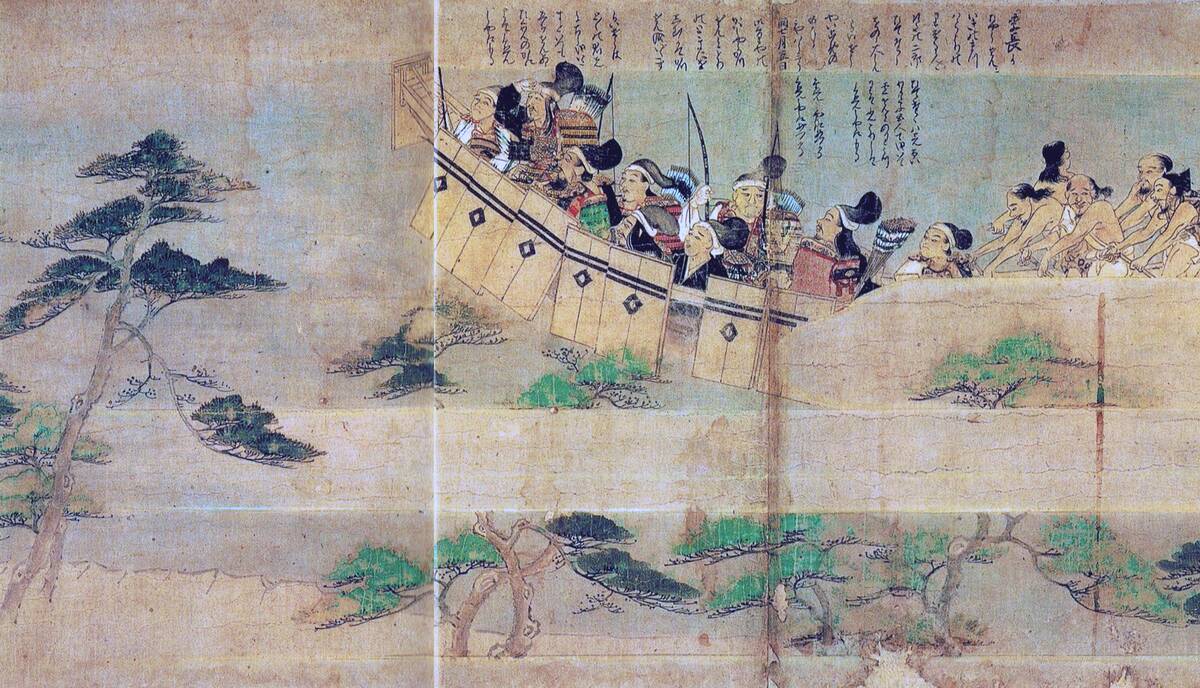
The Mongol invasions of Japan in 1274 and 1281 were famously thwarted by powerful typhoons, known as ‘kamikaze’ or divine winds. These storms decimated the Mongol fleets, ensuring Japan’s safety from conquest.
The term ‘kamikaze’ later became synonymous with divine intervention. This natural disaster underscored the vulnerability of even the most formidable armies to the unpredictable forces of nature.
Napoleon’s Russian Campaign: The Brutal Russian Winter
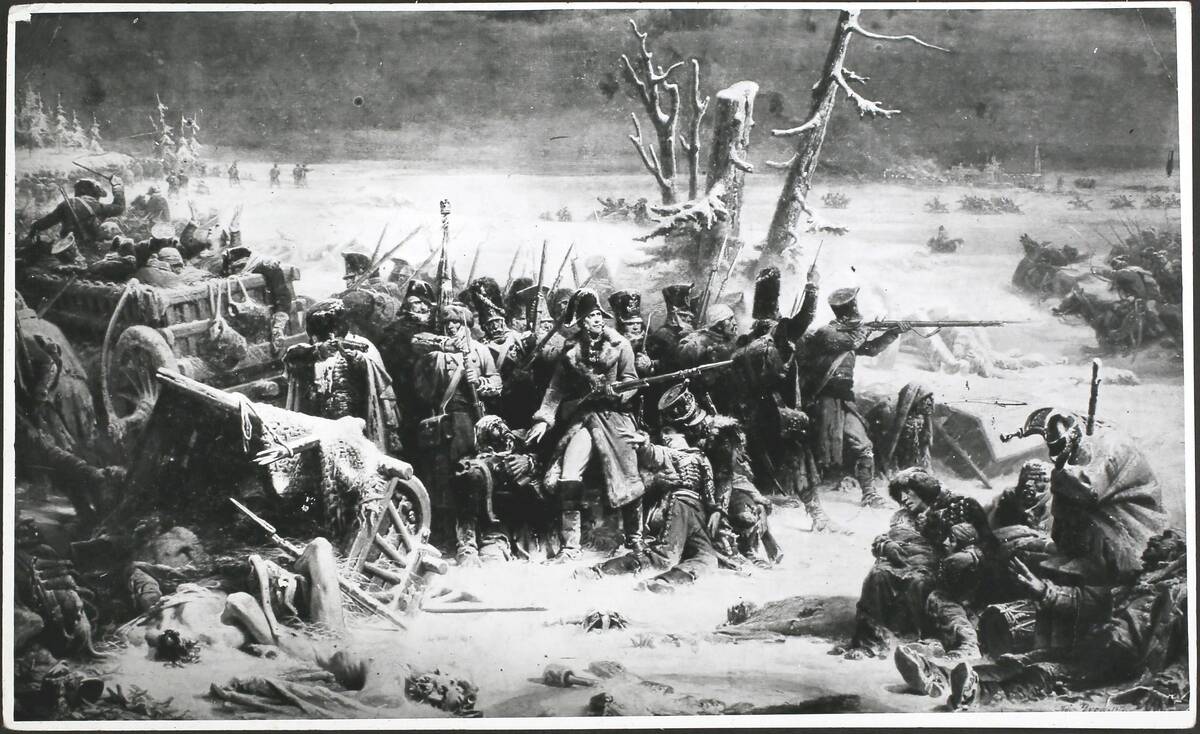
Napoleon’s invasion of Russia in 1812 is a classic example of weather dictating military outcomes. The harsh Russian winter devastated the French army, leading to massive losses due to cold and starvation.
The extreme temperatures and snow were as formidable an enemy as the Russian troops. This campaign emphasized the importance of considering seasonal conditions in military planning, as Napoleon’s forces learned the hard way.
The Spanish Armada: Storms and Sea Power
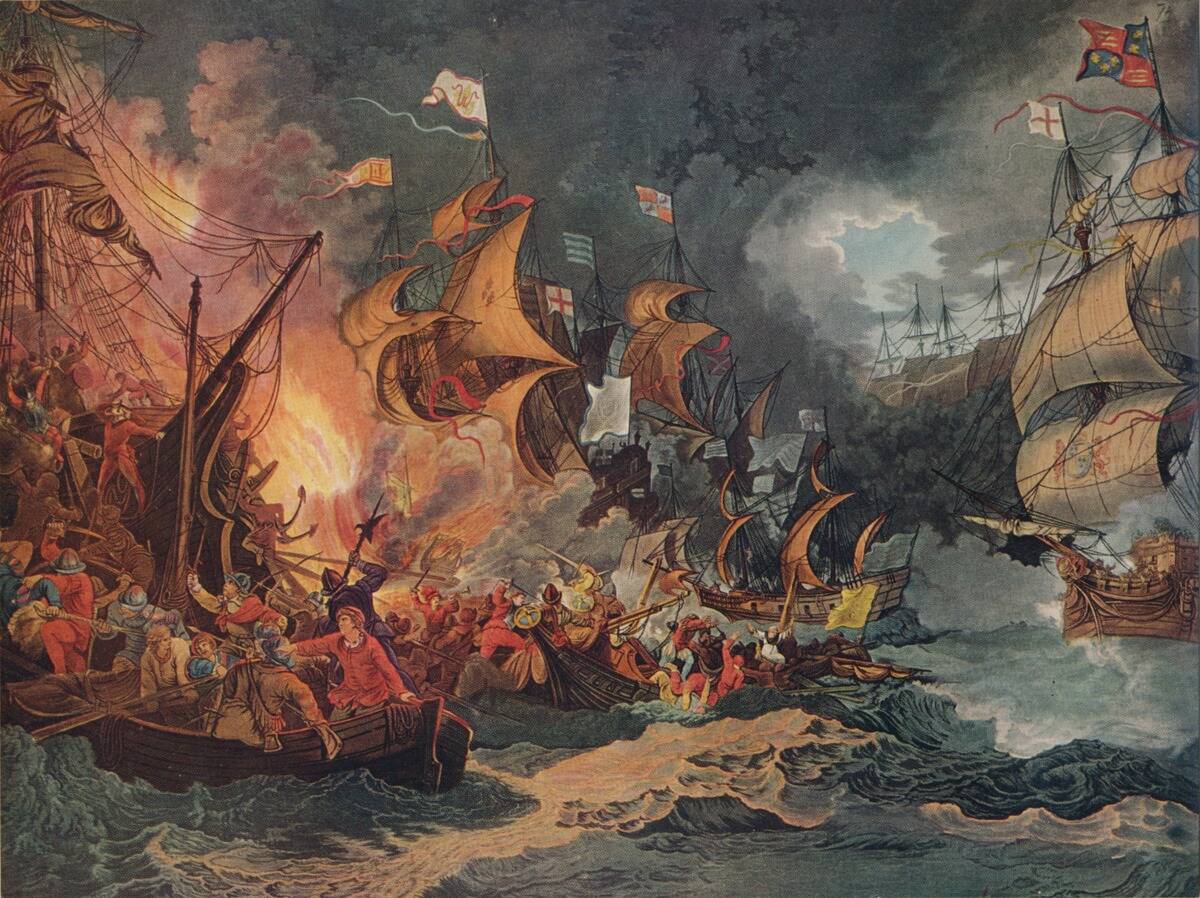
In 1588, the Spanish Armada’s attempt to invade England was thwarted by severe storms in the English Channel. These fierce weather conditions scattered the Spanish fleet, making it vulnerable to English attacks.
The storms played a pivotal role in England’s naval victory, highlighting the strategic unpredictability of maritime warfare. This event is a testament to how nature can influence and even decide naval engagements.
The Battle of Agincourt: Muddy Fields and English Longbows
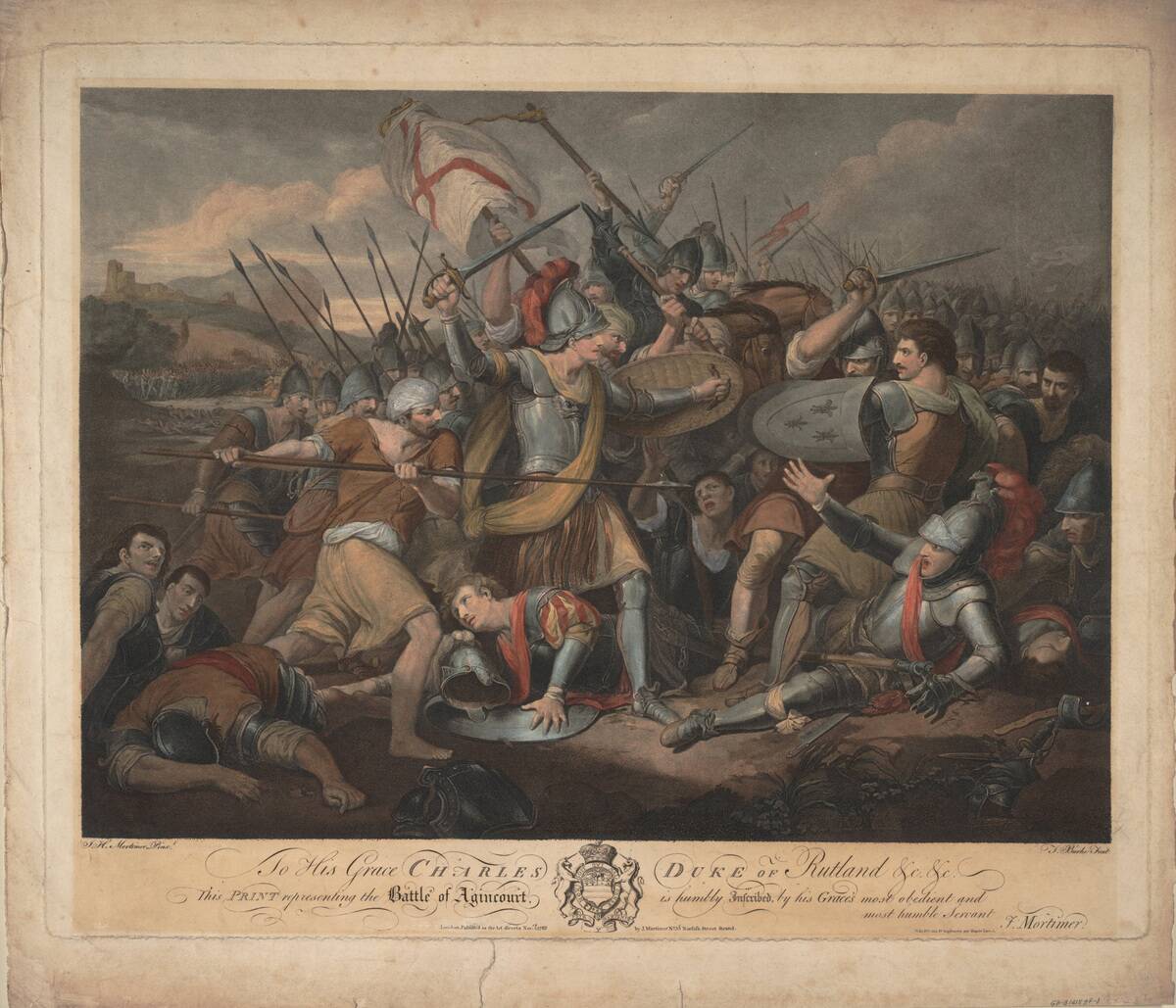
The Battle of Agincourt in 1415 was significantly influenced by the muddy terrain, which hampered the heavily armored French knights. In contrast, the English longbowmen, with their mobility and range, exploited these conditions to devastating effect.
The mud turned the battlefield into a quagmire, favoring the lighter-armored English troops. This battle remains a classic study of how terrain can be leveraged to tactical advantage.
World War II’s Operation Barbarossa: The Freezing Eastern Front
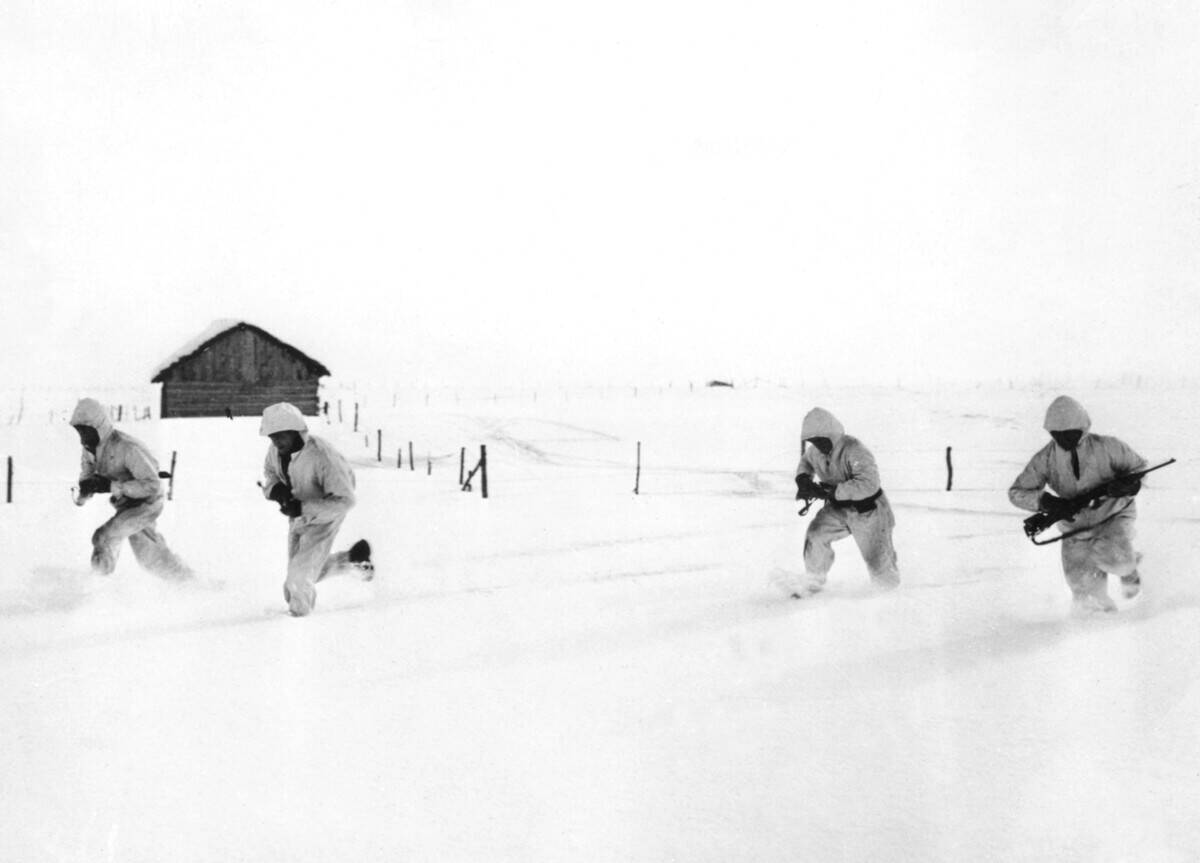
Operation Barbarossa, the German invasion of the Soviet Union in 1941, was thwarted by the brutal Russian winter. The freezing temperatures and snow hindered German advances and crippled their supply lines.
The harsh winter conditions favored the Soviet defenders, who were better prepared for the cold. This event serves as a stark reminder of the importance of logistical planning in the face of adverse weather.
The Battle of Hattin: Thirst and the Desert Heat
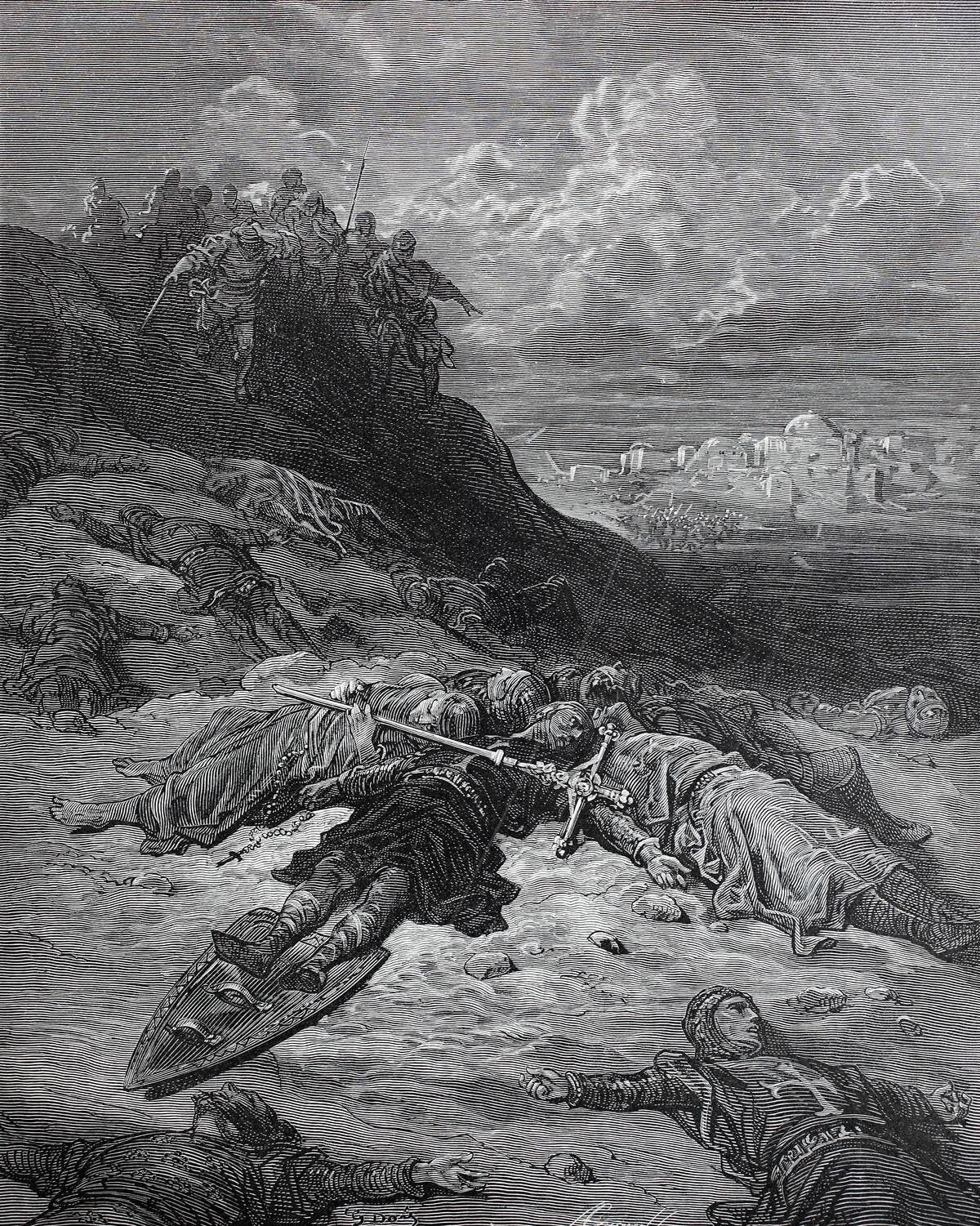
The Battle of Hattin in 1187 was decided by the searing desert heat and lack of water. Saladin’s forces cut off the Crusaders’ access to water, exhausting them before the battle began.
The Crusaders, parched and weakened, were no match for the well-hydrated Muslim army. This battle underscores the strategic impact of resource control, particularly water, in arid environments.
The Gallipoli Campaign: Navigating Treacherous Waters
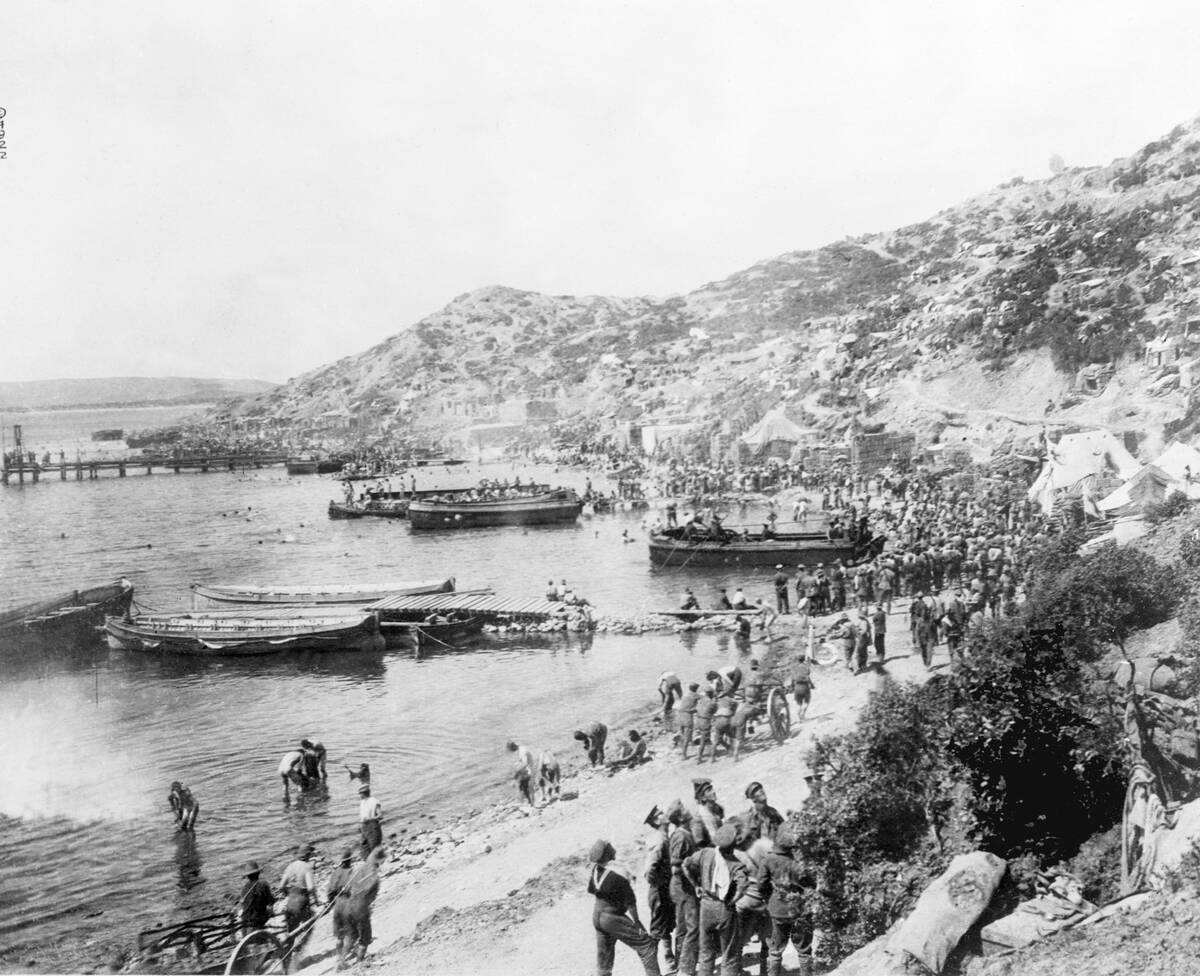
During World War I, the Gallipoli Campaign was plagued by difficult naval conditions, including strong currents and underwater mines. These challenges hindered the Allied landing operations and contributed to the campaign’s failure.
The treacherous waters of the Dardanelles Strait showcased the complexities of naval warfare, where natural maritime conditions could significantly influence the outcome of operations.
The Battle of Teutoburg Forest: Forests and Sudden Storms

In 9 AD, the Battle of Teutoburg Forest saw Roman legions ambushed by Germanic tribes in a dense forest during a sudden storm. The challenging terrain and weather conditions disoriented the Romans, leading to a decisive defeat.
This battle highlights the dangers of unfamiliar terrain and the element of surprise, as natural features and weather were leveraged to devastating effect by the Germanic forces.
The Siege of Tenochtitlan: Disease as a Natural Disaster
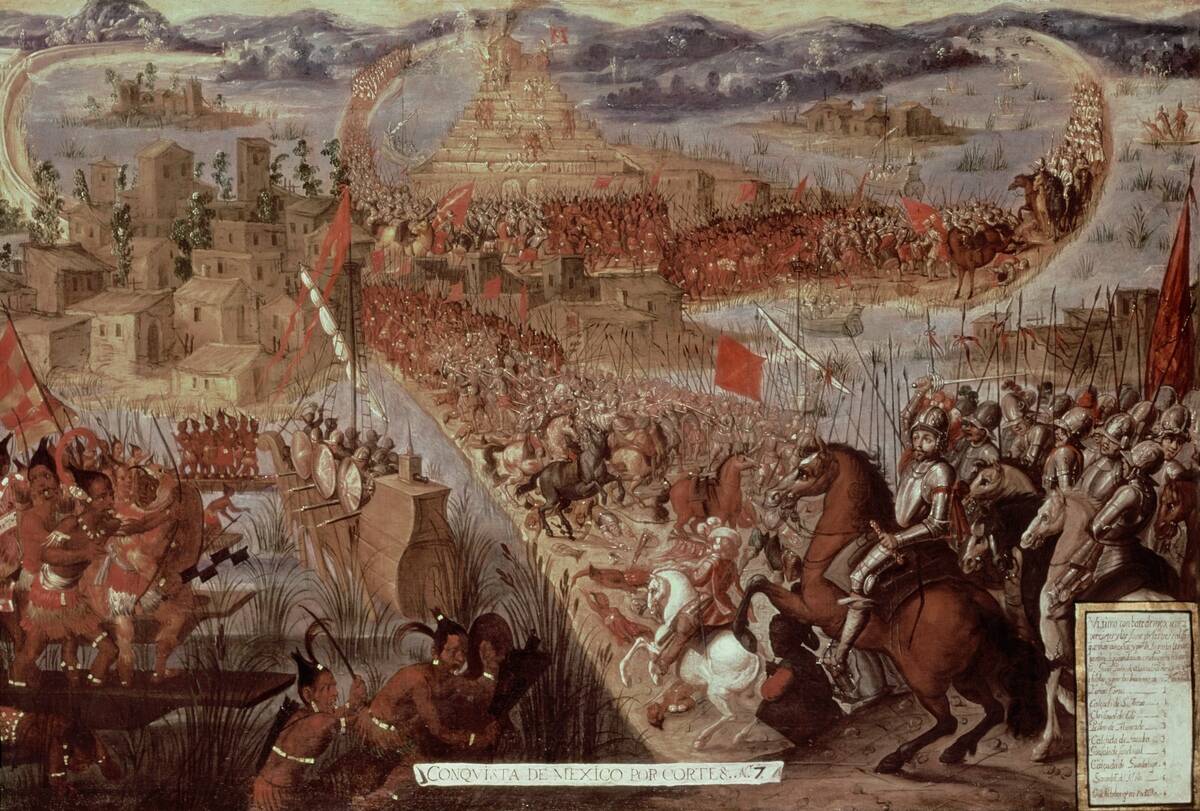
During the Spanish conquest of the Aztec Empire, the Siege of Tenochtitlan in 1521 was heavily influenced by the spread of smallpox. The disease, brought by European explorers, decimated the Aztec population, weakening their ability to resist the Spanish forces.
This event illustrates how disease can act as a natural disaster in warfare, with catastrophic effects on populations with no immunity.
The Battle of the Bulge: Fog and Surprise Attacks
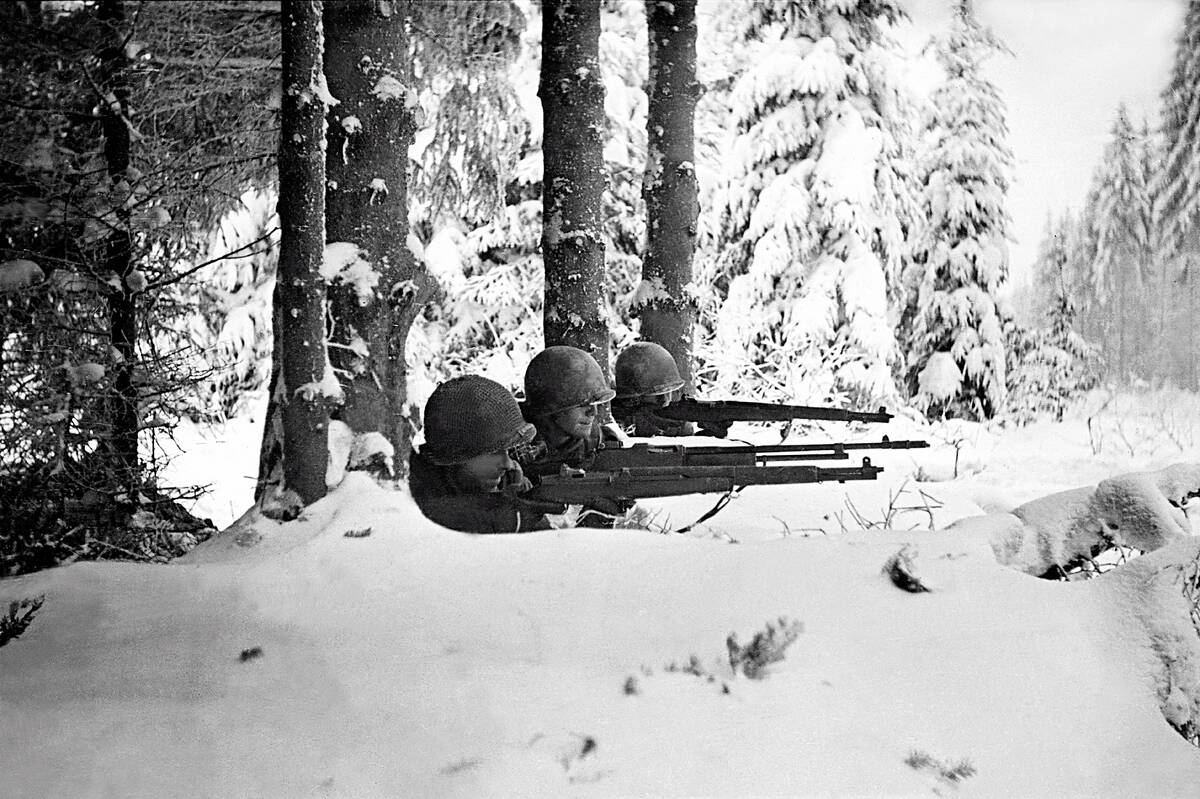
The Battle of the Bulge in World War II was marked by dense fog that provided cover for German surprise attacks. The poor visibility allowed German forces to initially gain the upper hand against the Allies.
However, as the weather cleared, Allied air support could be deployed, turning the tide of battle. This engagement highlights the dual-edged nature of weather, offering both opportunities and challenges.
The Battle of Crecy: Rainfall and the French Cavalry
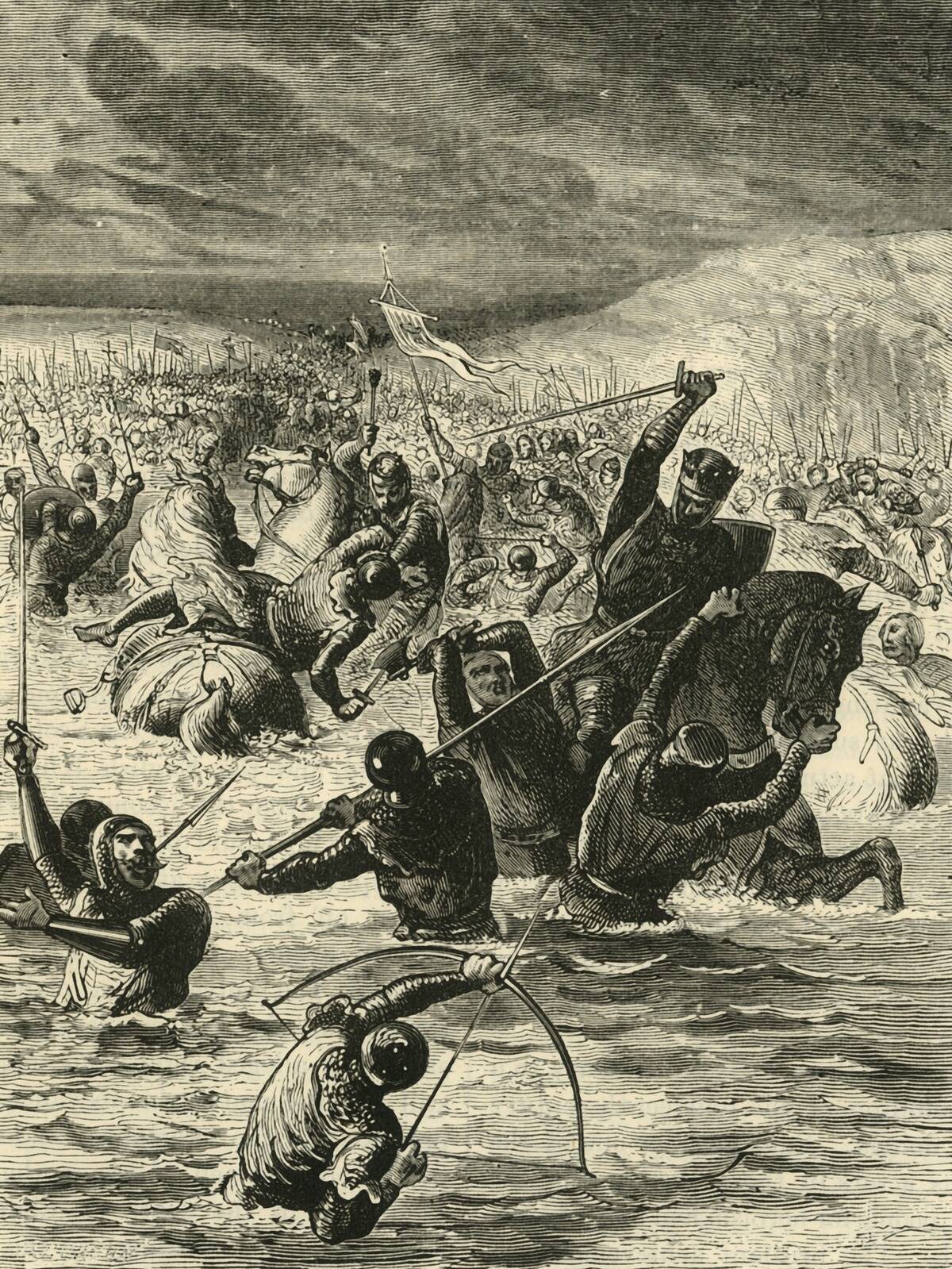
At the Battle of Crecy in 1346, heavy rainfall prior to the engagement left the battlefield muddy and difficult for the heavily armored French cavalry to maneuver. The English forces, using longbows, were able to decimate the French from a distance.
The conditions showcased the importance of adaptability in battle, as environmental factors played a crucial role in determining the victor.
The 2010 Haiti Earthquake: Impact on UN Peacekeeping Forces
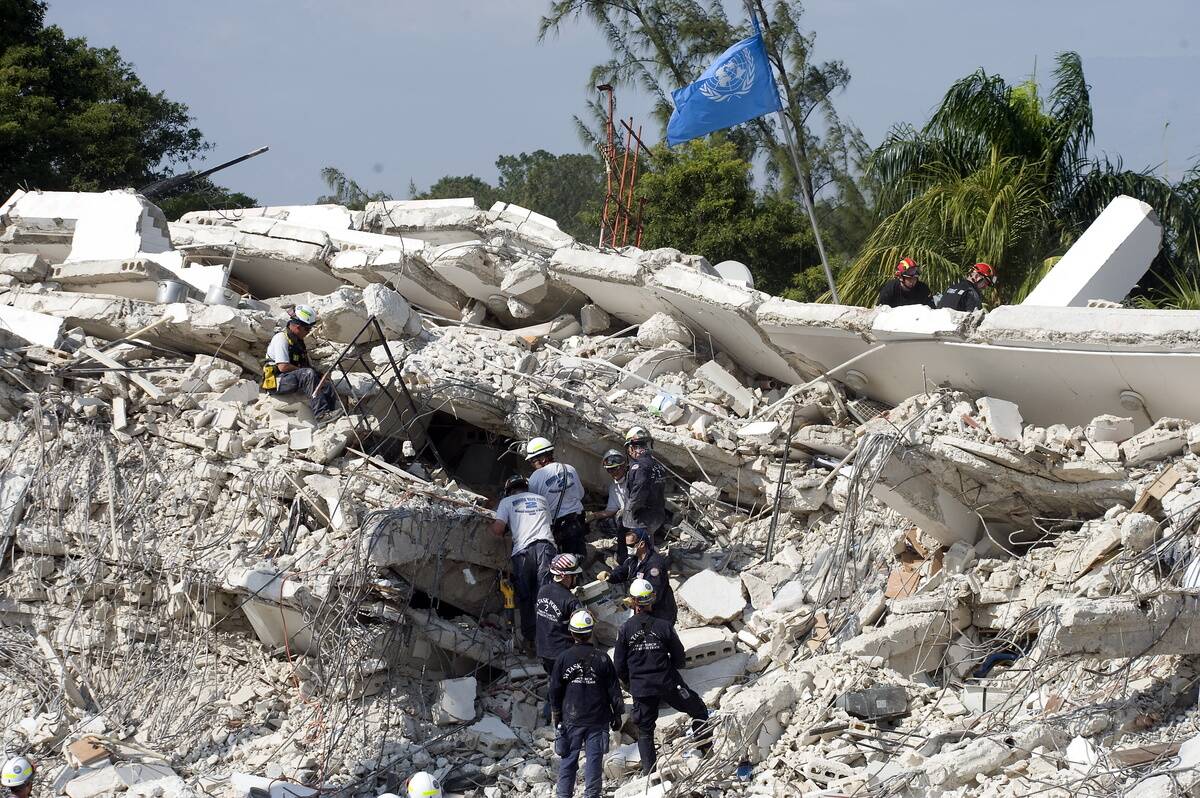
The 2010 earthquake in Haiti had a significant impact on United Nations peacekeeping operations. The quake caused widespread devastation, including the loss of UN personnel and resources.
The disaster underscored the challenges faced by peacekeeping forces in disaster-stricken areas, emphasizing the need for rapid adaptation and response to natural calamities, even during peace operations.




