How ancient metallurgy influences modern cities
The shimmering skyline of a modern city is a testament to human ingenuity, with its towering skyscrapers and intricate bridges. But have you ever wondered how the art of shaping metal has influenced these wonders?
Ancient metallurgy laid the groundwork for today’s urban marvels. From the earliest use of metals to our cutting-edge architectural feats, the legacy of ancient metallurgists continues to shape the cities we call home.
A Brief History of Ancient Metallurgy
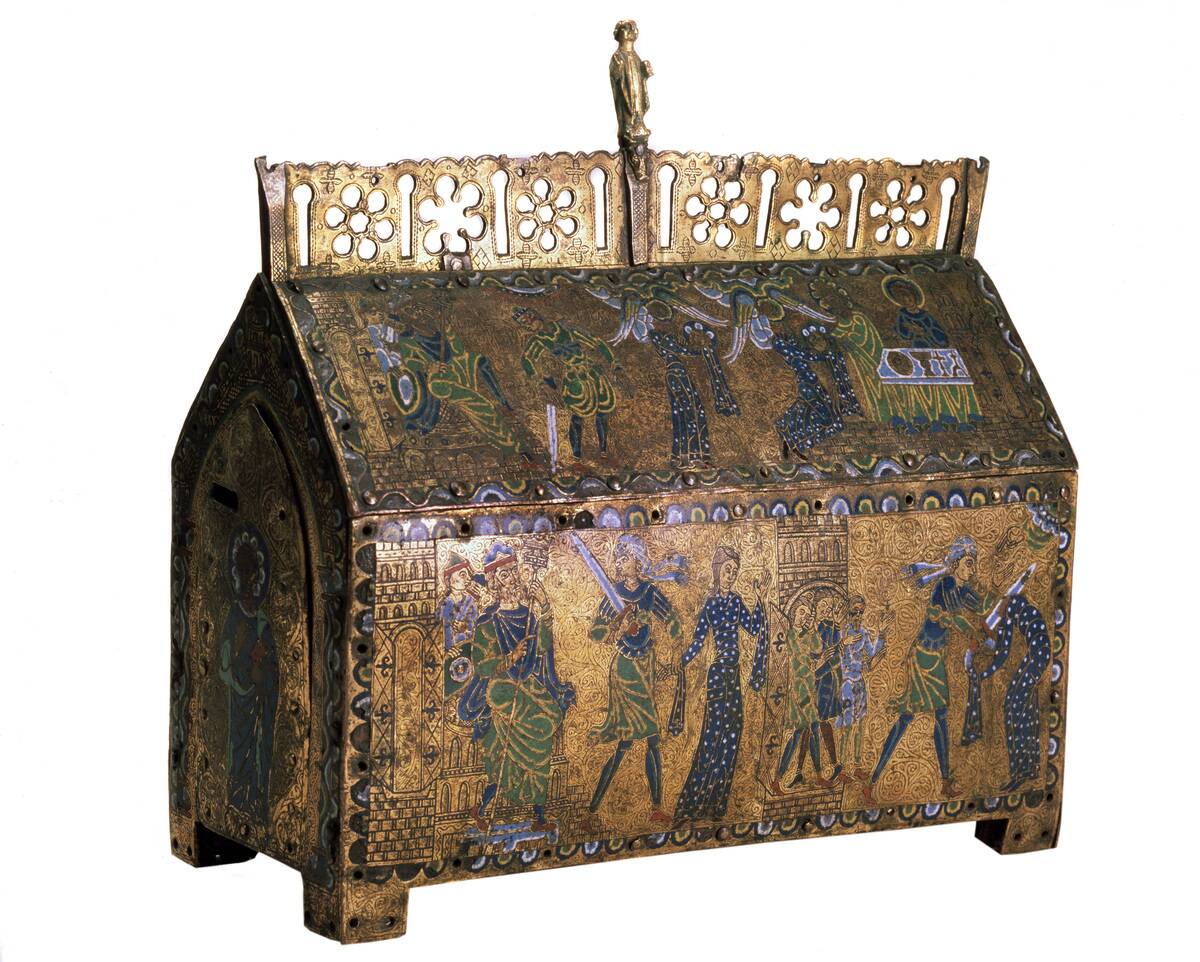
Delving into the past, we find that metallurgy began over 6,000 years ago. The first metal to be used was copper, as artifacts found in the Middle East suggest. This remarkable period in history saw the transition from rudimentary stone tools to more sophisticated metal implements.
The ability to extract and work with metals marked a significant leap in technological advancement, setting the stage for future innovations.
The Birth of Metallurgy: From Copper to Bronze
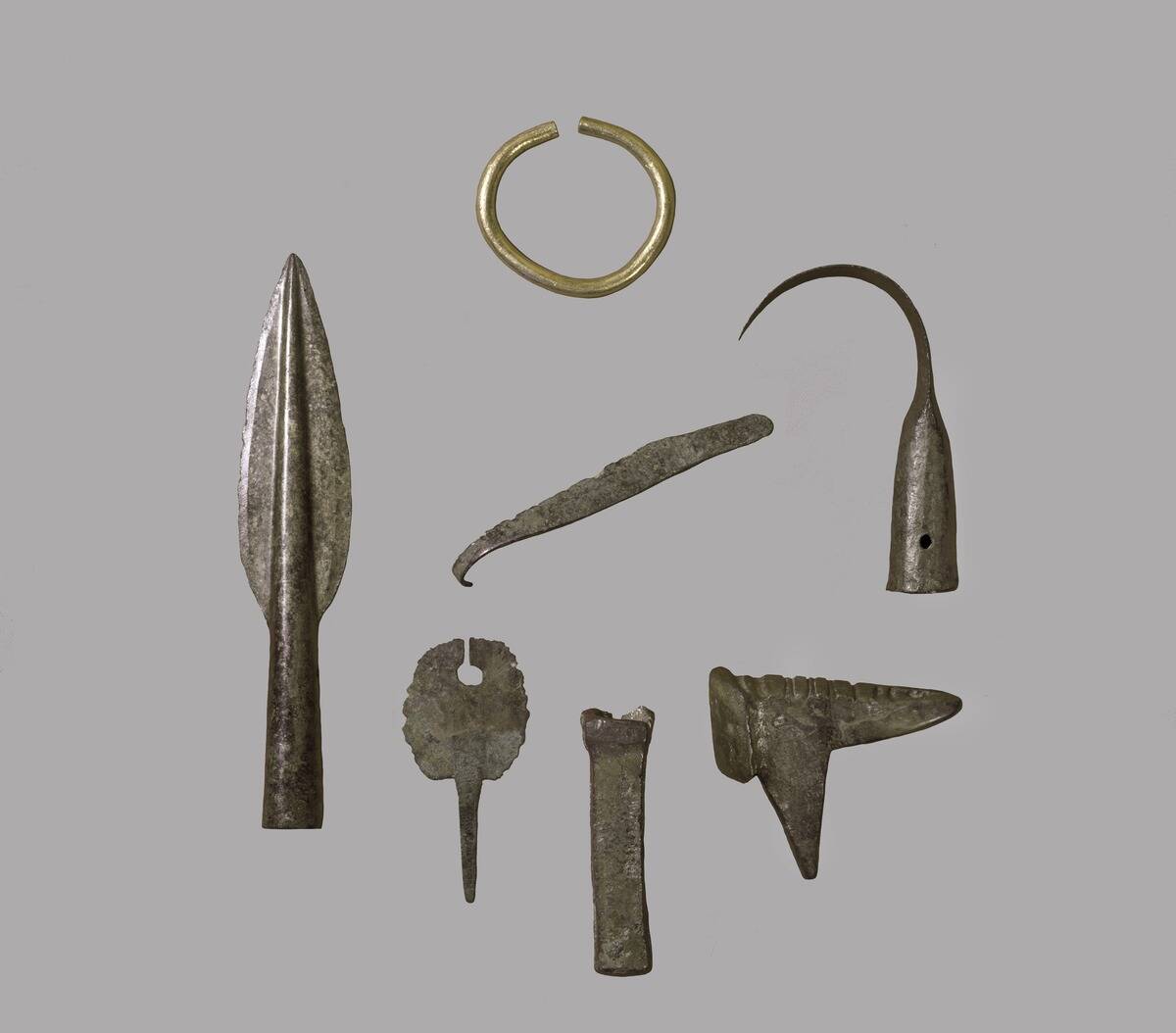
The discovery that mixing copper with tin created bronze was a game changer. Around 3300 BCE, the Bronze Age dawned, bringing stronger tools and weapons. This alloy’s superior durability and versatility made it the material of choice for artisans and warriors alike.
The Bronze Age societies thrived, trading this valuable metal across continents, which fostered cultural exchanges and economic growth.
Iron Age Revolution: Stronger Materials, Stronger Structures
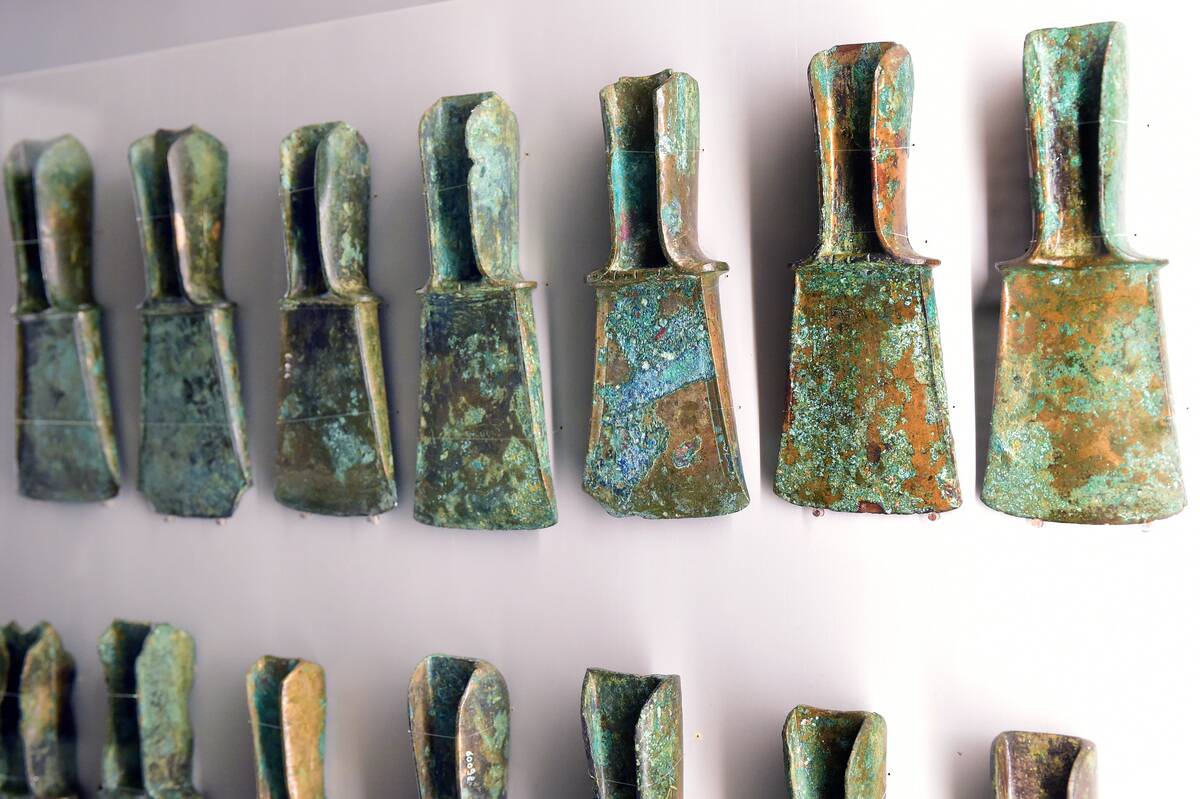
The Iron Age, starting around 1200 BCE, marked another leap in metallurgical prowess. Iron, more abundant and harder than bronze, allowed for the construction of more robust structures and tools.
Its introduction changed warfare, agriculture, and architecture, leading to the development of fortified cities and expansive empires. The iron plow, for instance, revolutionized farming, increasing productivity and supporting larger populations.
Architectural Wonders of the Ancient World

Ancient civilizations left behind architectural marvels, many of which relied on metal. The Great Pyramids of Giza, though primarily stone, incorporated metal tools in their construction.
Similarly, the Hanging Gardens of Babylon are believed to have used metal chains for irrigation. These wonders showcased not only the aesthetic and functional roles of metal but also its importance in realizing grand designs.
Metallurgical Techniques: The Legacy of Ancient Craftsmen
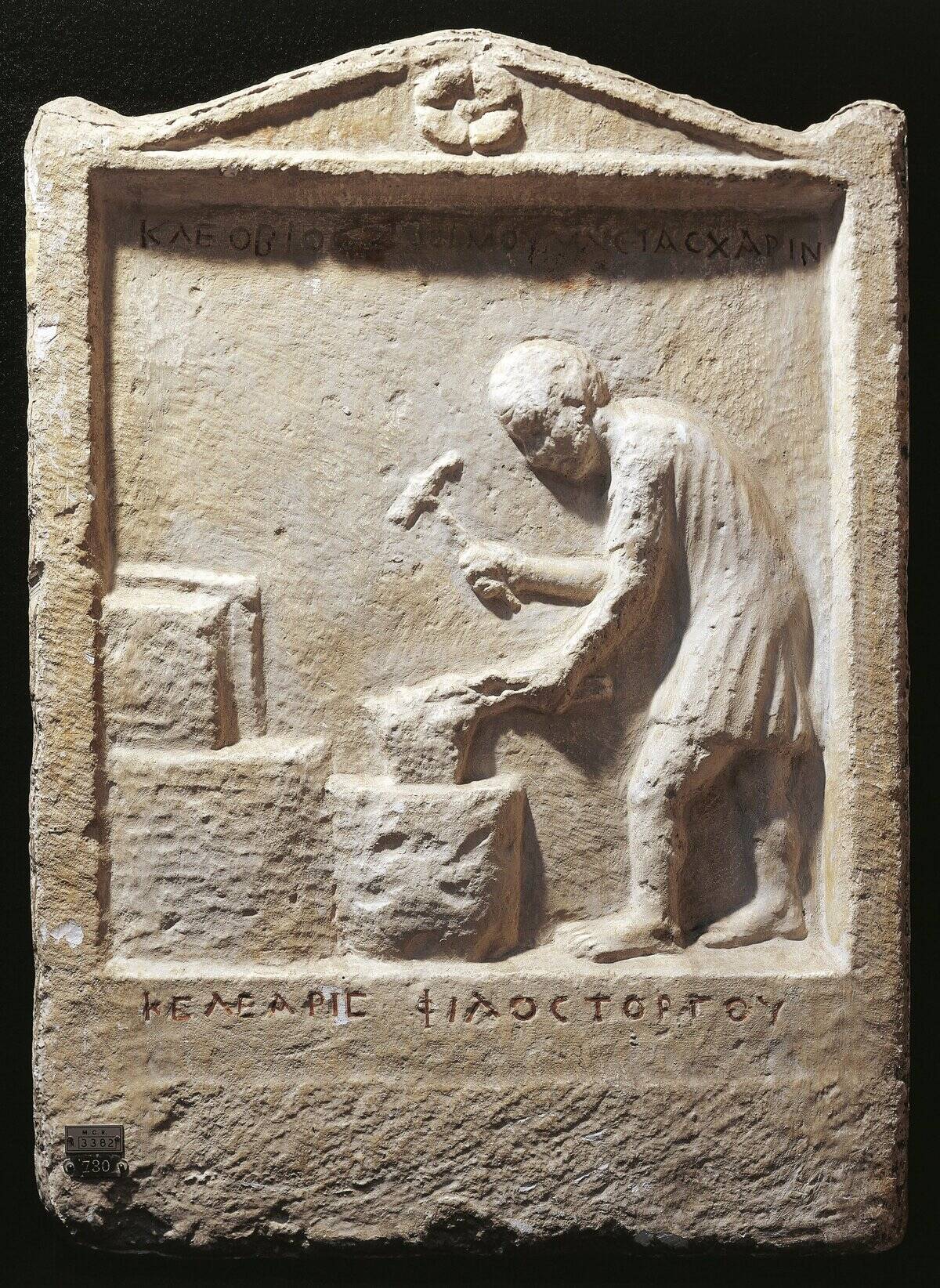
The ancient metallurgists were true artisans, mastering techniques like smelting, forging, and casting. These processes, refined over centuries, laid the foundation for modern metalworking.
Blacksmiths and metalworkers of old passed down their knowledge, ensuring that these skills survived through the ages. Today, modern craftsmen continue to draw inspiration from these traditional techniques, blending old with new to create unique works of art and utility.
The Role of Metal in Ancient Urban Planning
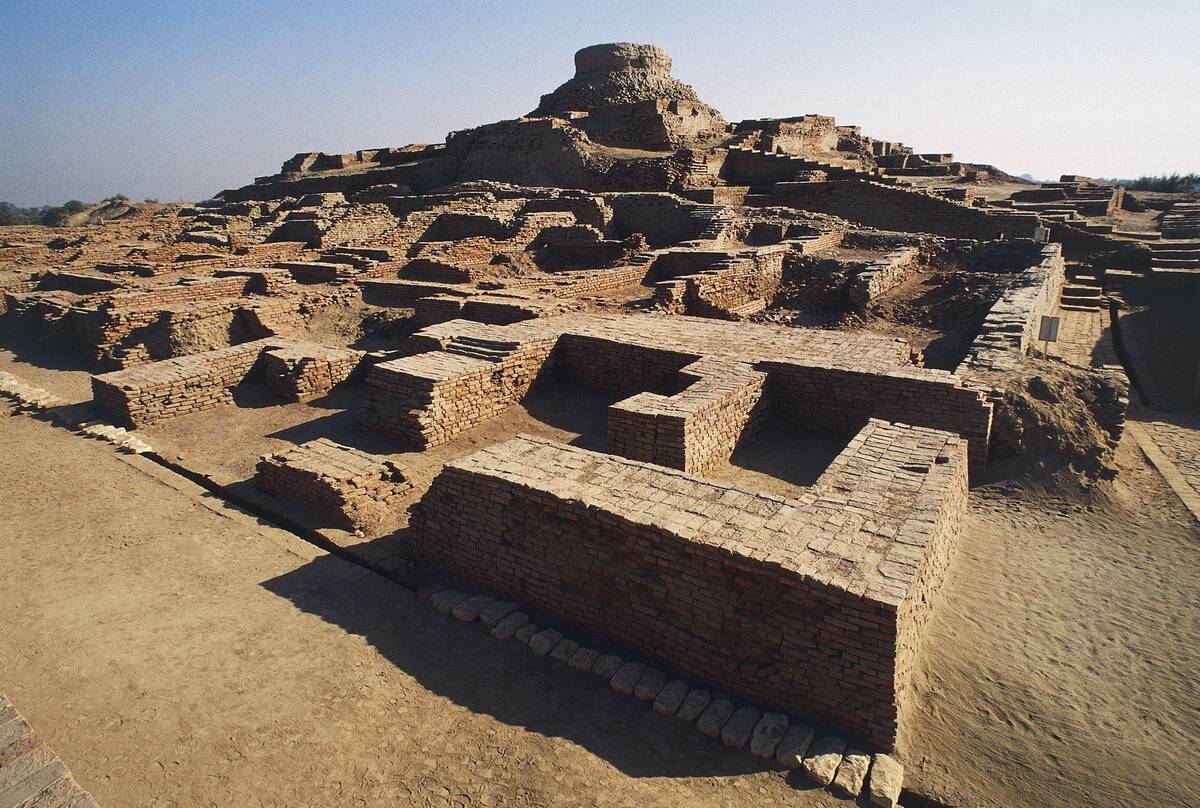
Metals played a crucial role in the planning and development of ancient cities. Metal tools were essential for constructing city walls, gates, and drainage systems, contributing to security, durability, and efficient urban organization.
In civilizations such as the Indus Valley, advanced urban planning and sanitation were achieved through carefully engineered brick infrastructure, made possible by skilled craftsmanship and metal tools. These early innovations in city building demonstrate the important role metallurgy played in shaping ancient urban environments.
Ancient Metalworking Tools and Their Modern Equivalents
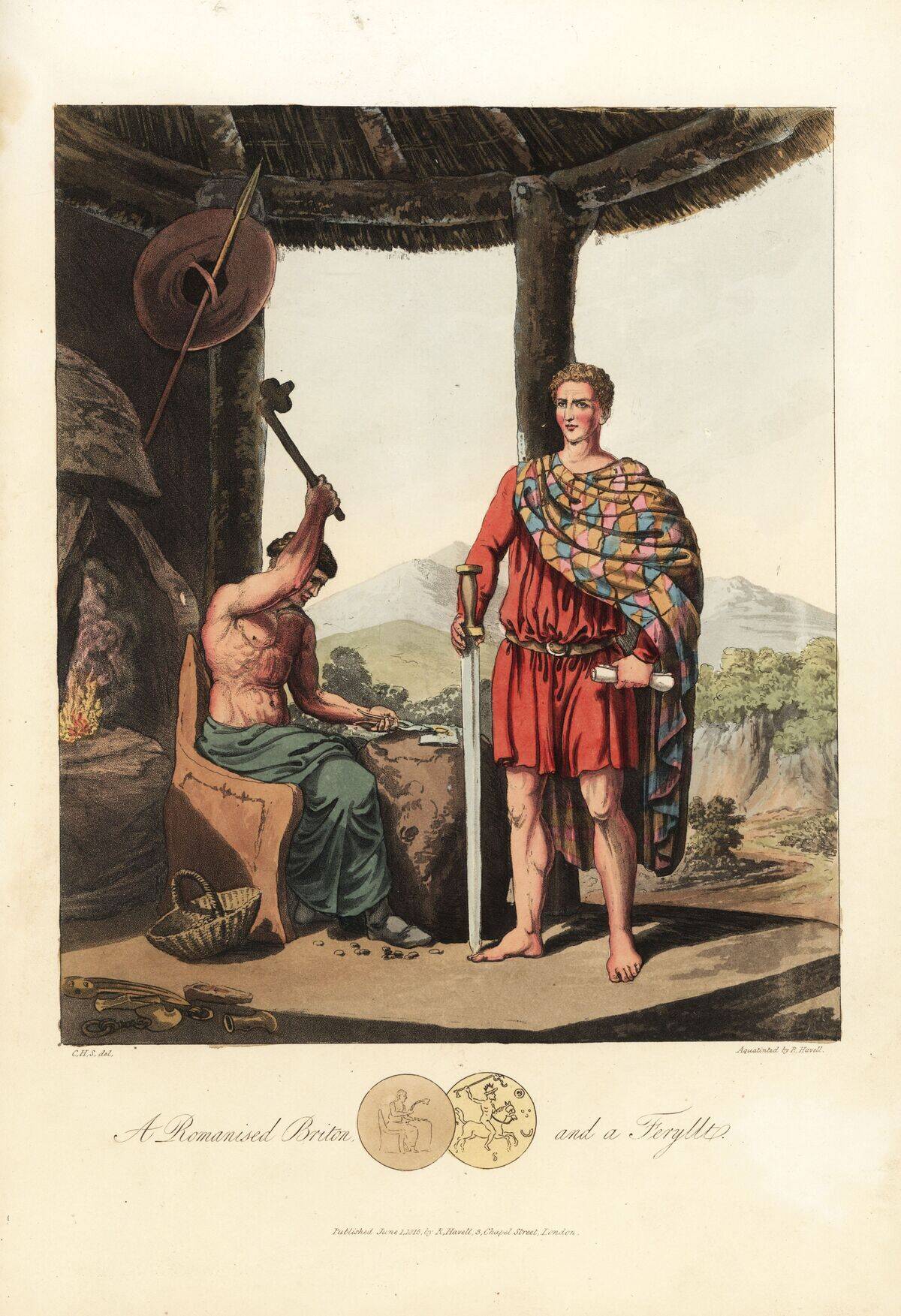
Many tools used by ancient metalworkers resemble those used today, albeit in more primitive forms. The anvil, hammer, and tongs were staples in any blacksmith’s workshop and are still vital today.
While modern tools have become more advanced, the basic principles remain unchanged. This continuity highlights the enduring nature of metalworking techniques and their relevance in contemporary craftsmanship.
Skyscrapers: A Testament to Metallurgical Advancements

The rise of skyscrapers is a direct result of advancements in steel production. The Home Insurance Building, completed in 1885 in Chicago, was the first to use a steel skeletal frame, revolutionizing architecture.
This allowed buildings to reach unprecedented heights, transforming urban landscapes. Today, skyscrapers stand as symbols of progress, showcasing the remarkable capabilities of modern metallurgy and engineering.
Bridges and Infrastructure: Linking the Past to the Present
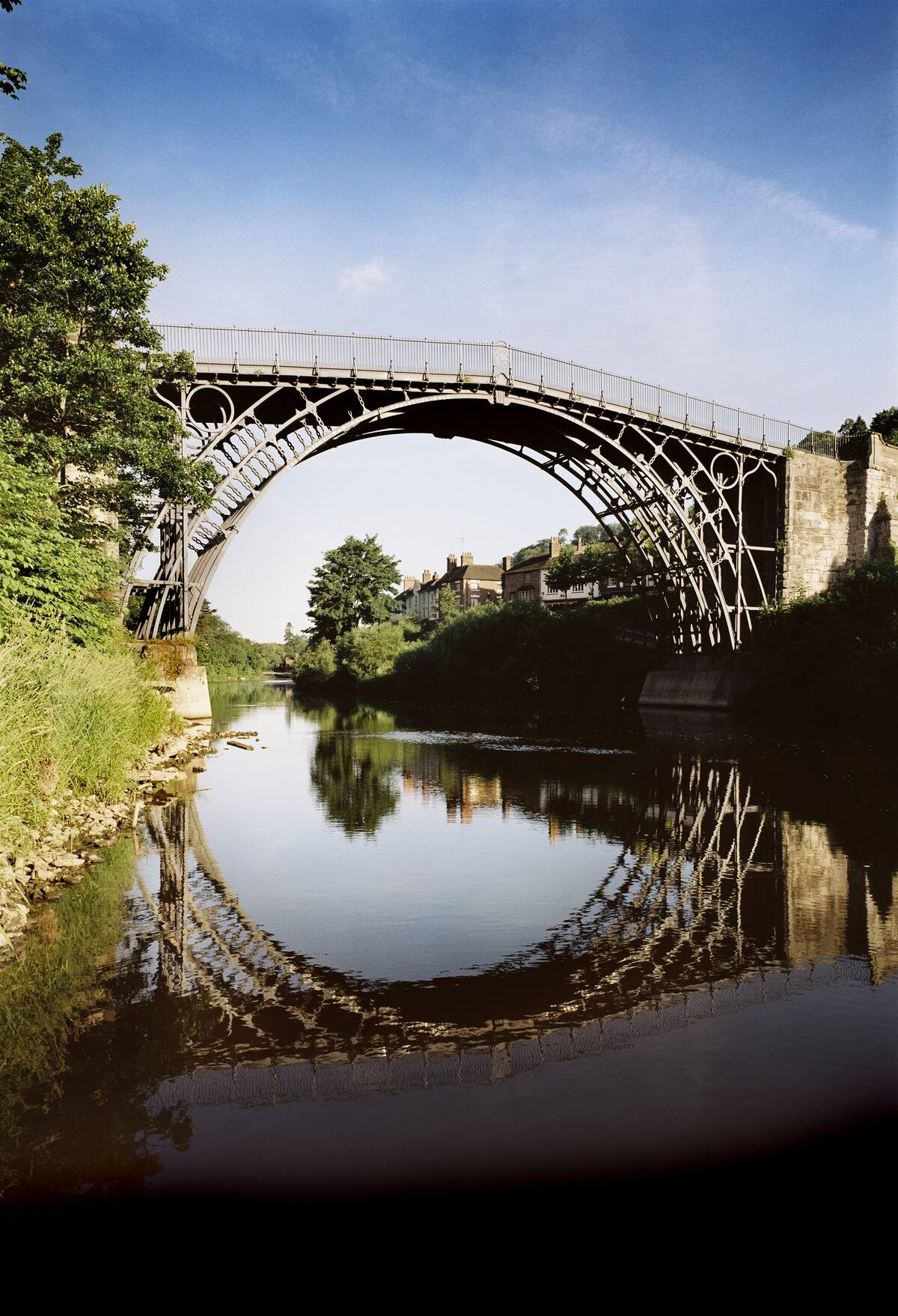
Bridges are vital to urban infrastructure, and metals have always played a key role in their construction. The Iron Bridge, completed in 1779, was the first major bridge in the world to be constructed primarily from cast iron, marking a milestone of the Industrial Revolution.
Modern bridges, like the Golden Gate, rely on steel for strength and flexibility. These structures connect communities and demonstrate the lasting impact of metallurgical advancements on infrastructure development.
Sustainable Cities: Lessons from Ancient Metallurgy
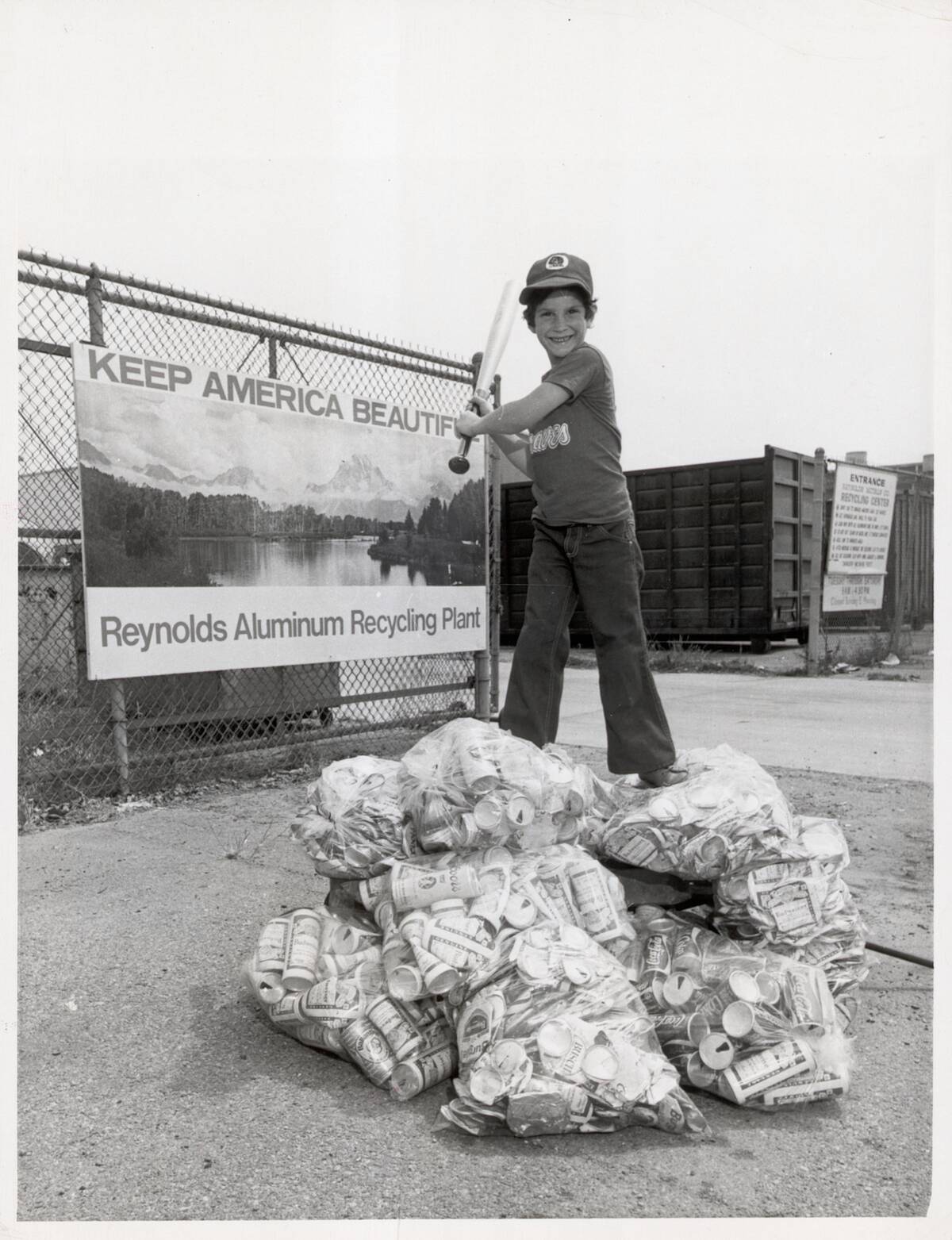
Ancient metallurgists understood the value of resource efficiency, often recycling metals to conserve materials. This practice is mirrored in today’s push for sustainable development.
Modern cities aim to reduce waste and energy consumption, often looking to ancient techniques for inspiration. By adopting circular economy principles, cities can create more sustainable and resilient urban environments, drawing on lessons from the past to shape a greener future.
The Cultural Impact of Metals in Urban Development

Metals have shaped not only the physical landscape but also cultural identities. They have been symbols of power, wealth, and technological prowess throughout history. In urban development, metals reflect cultural heritage and innovation.
Iconic structures like the Statue of Liberty and the Shwedagon Pagoda illustrate the cultural significance of metals, serving as landmarks that celebrate both national identity and human achievement.
Ancient Metallurgical Practices Inspiring Modern Innovation
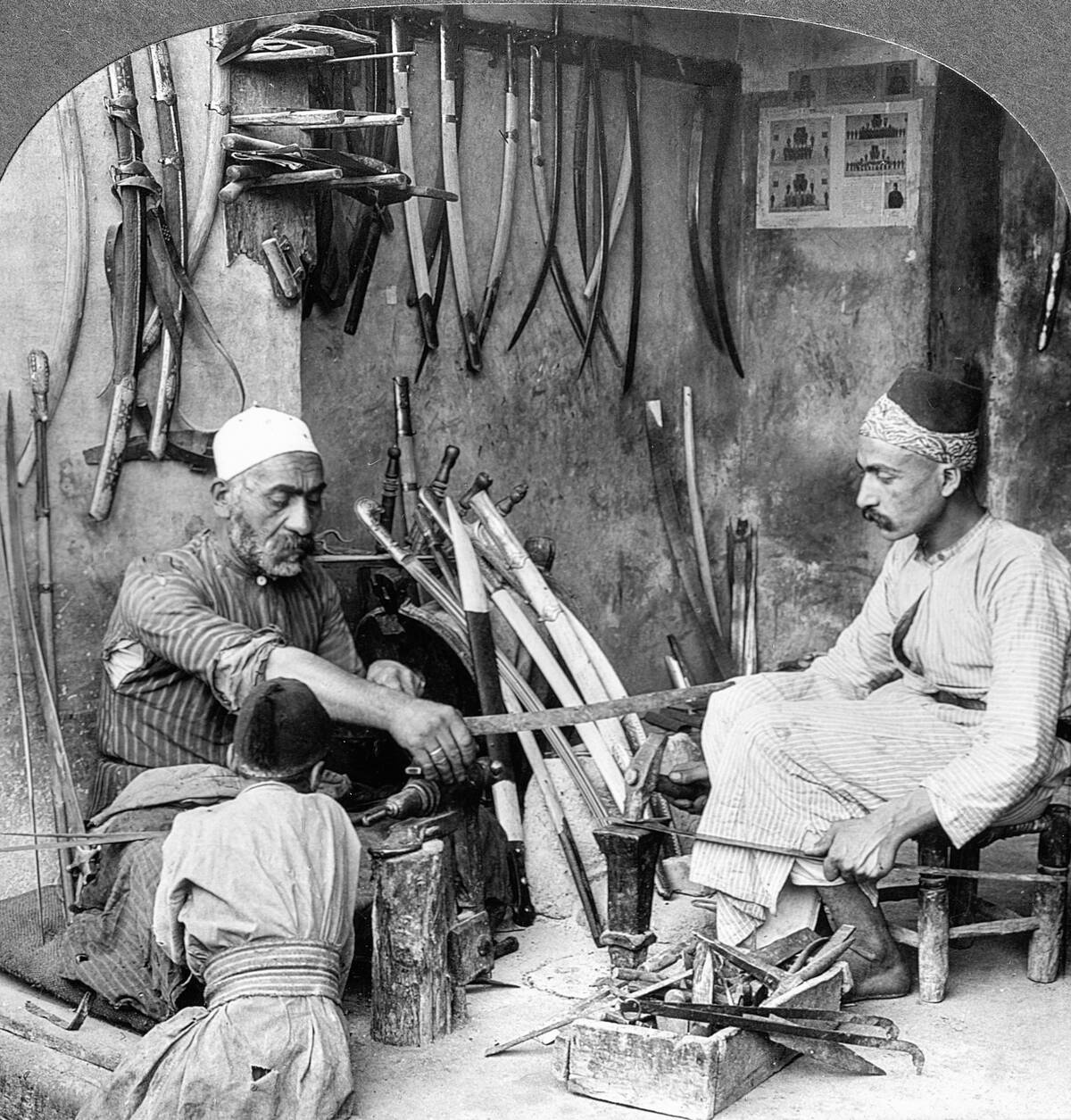
Today’s innovators often look to ancient metallurgical practices for inspiration. Techniques like Damascus steel forging and lost-wax casting have found new applications in modern technology and art.
The concept of nanotechnology, for instance, can trace its roots to ancient metalworking methods. By studying and adapting these age-old practices, modern scientists and engineers continue to push the boundaries of what’s possible.




