Forgotten experiments that won Nobel prizes
Nobel Prize-winning experiments often carry an air of mystery and intrigue. These groundbreaking discoveries not only advance human understanding but also reveal the unexpected nature of scientific inquiry.
Much like a detective unraveling a case, scientists explore the unknown, sometimes stumbling upon revelations that were never part of the initial plan. This article delves into the fascinating stories behind these serendipitous scientific journeys.
Alfred Nobel’s Legacy and the Birth of the Nobel Prize
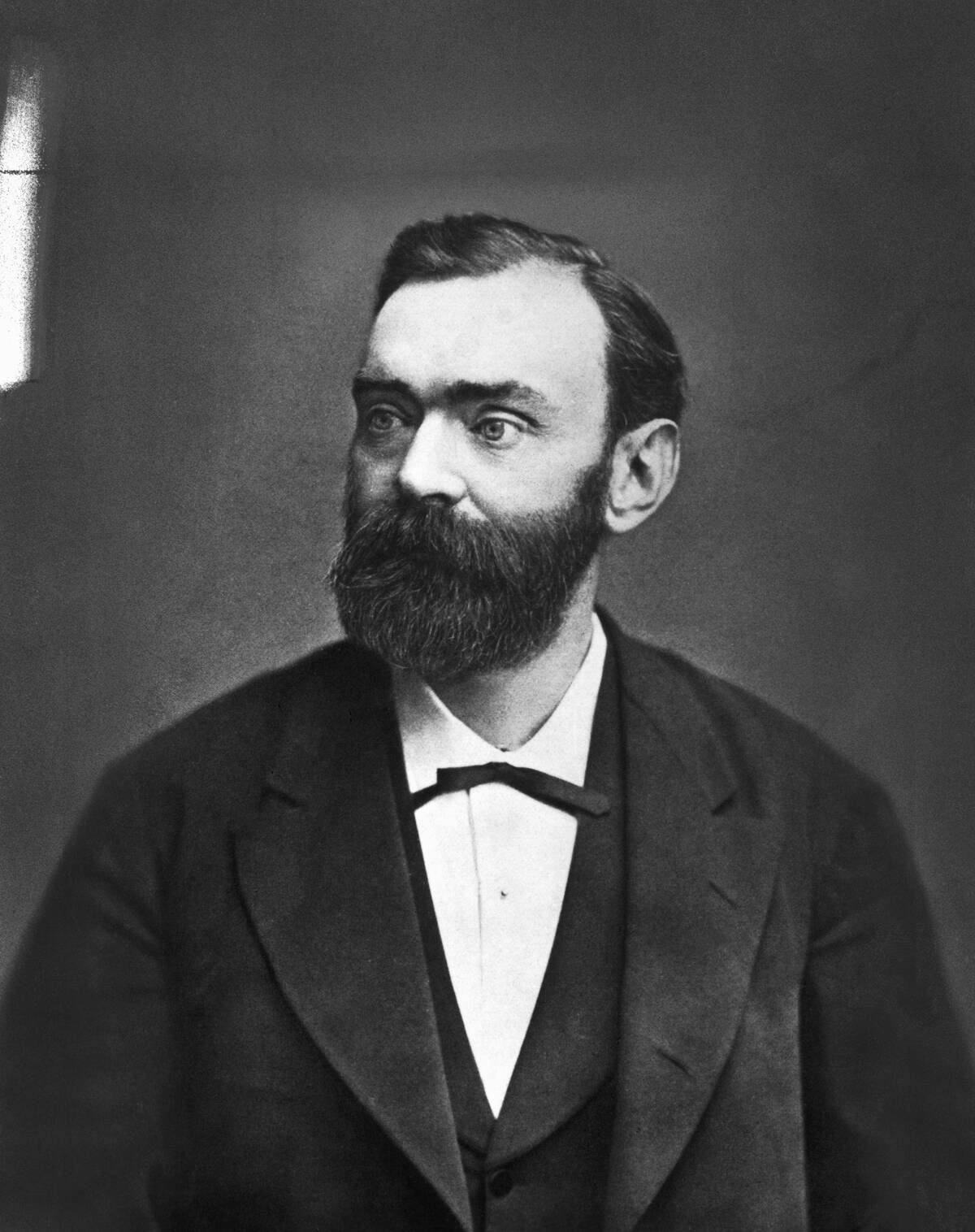
Alfred Nobel, the inventor of dynamite, left a lasting legacy with the establishment of the Nobel Prizes. Nobel’s vision was to reward those whose work had the greatest benefit for humanity.
Since 1901, these prestigious awards have recognized achievements in physics, chemistry, medicine, literature, peace, and later economic sciences, celebrating individuals and groups who have made significant contributions to society.
Penicillin: The Unplanned Breakthrough
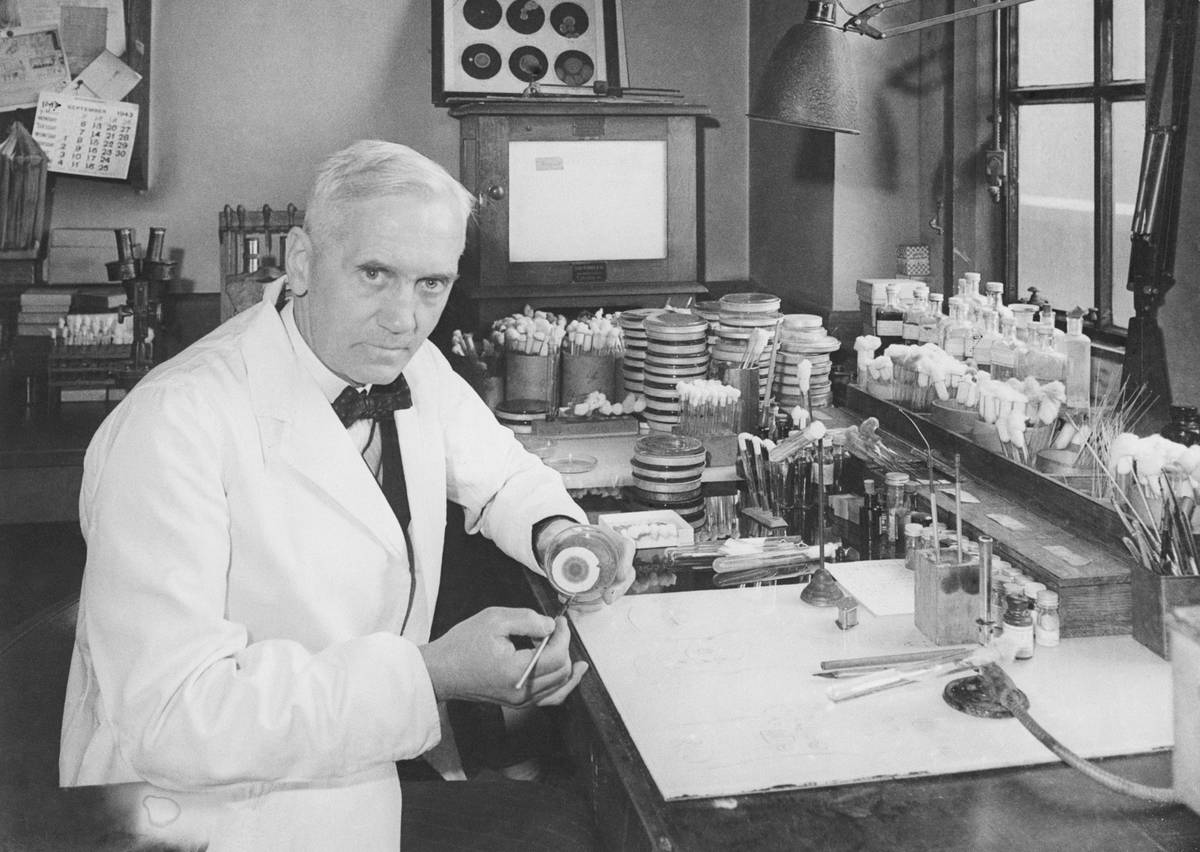
The discovery of penicillin by Alexander Fleming in 1928 is a classic example of an accidental breakthrough. After returning from a vacation, Fleming noticed that a mold, Penicillium notatum, had contaminated his petri dishes and killed the surrounding bacteria.
This chance observation led to the development of antibiotics, revolutionizing medicine and earning Fleming a Nobel Prize in 1945 for his contribution to humanity.
The Cosmic Microwave Background Radiation: A Static Surprise
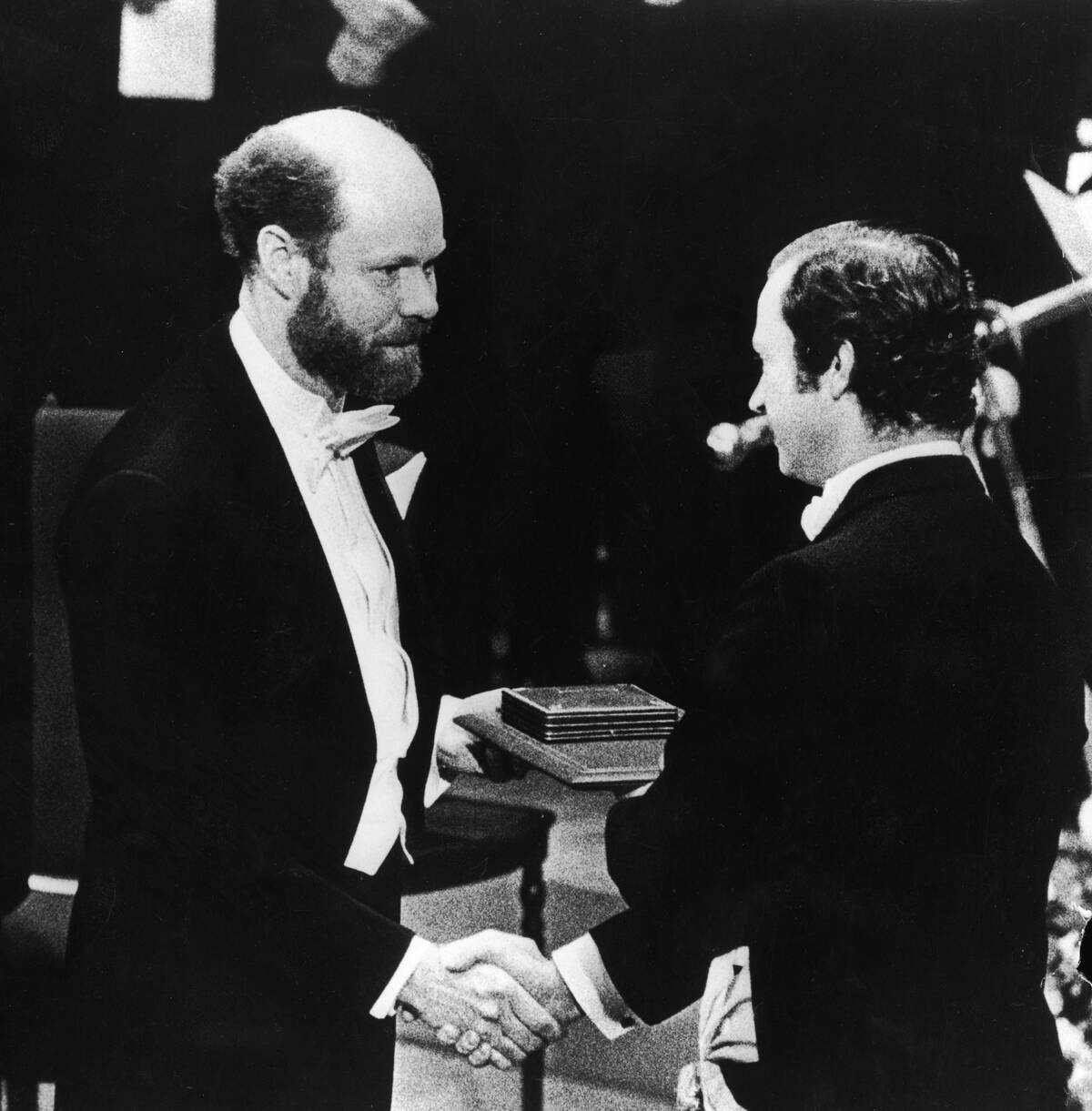
In 1965, Arno Penzias and Robert Wilson stumbled upon the cosmic microwave background radiation while investigating radio signals. Initially dismissing the noise as interference, they soon realized it was the afterglow of the Big Bang.
This discovery provided crucial evidence for the Big Bang theory, earning them the Nobel Prize in Physics in 1978 and reshaping our understanding of the universe’s origins.
The Quantum Leap of Graphene: From Pencil Marks to Nobel Prize
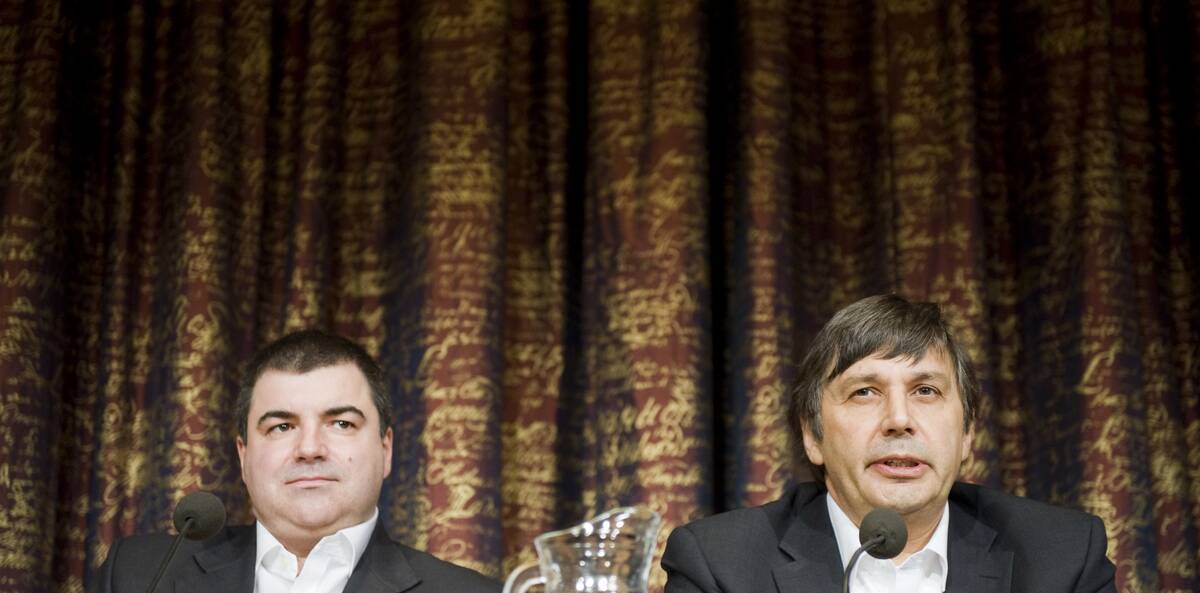
Graphene, a single layer of carbon atoms arranged in a two-dimensional lattice, was isolated by Andre Geim and Konstantin Novoselov in 2004 using simple adhesive tape.
This unexpected technique led to the exploration of graphene’s remarkable properties, such as its strength and conductivity. Their work earned them the Nobel Prize in Physics in 2010, sparking a surge of research into this versatile material.
Insulin: The Sweet Mistake That Changed Diabetes Treatment
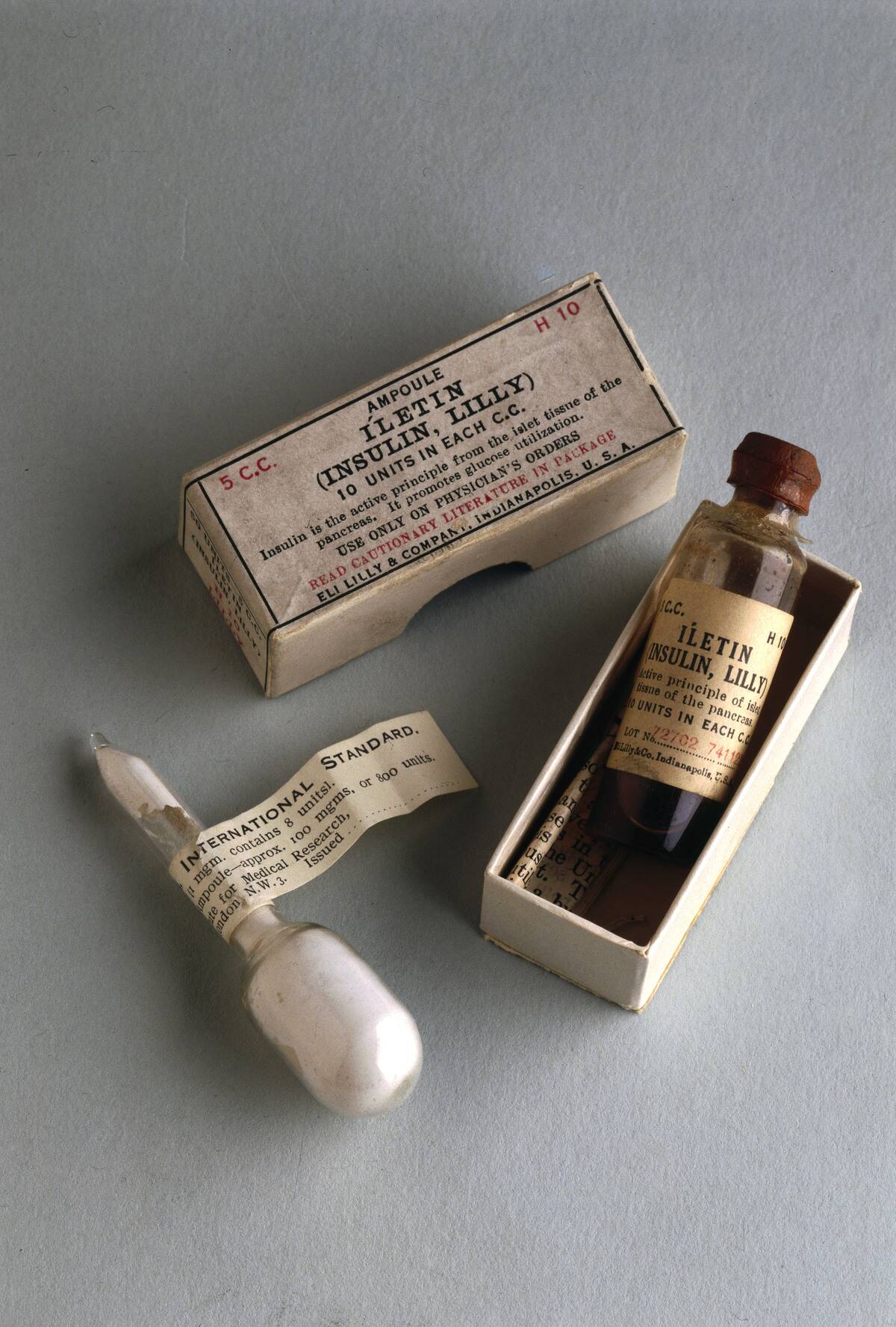
In 1921, Frederick Banting and Charles Best discovered insulin, transforming diabetes treatment. Their initial aim was to study the pancreas, but a series of unexpected outcomes led to the isolation of insulin.
This discovery provided a lifeline for millions of diabetics worldwide and earned Banting and his colleague John Macleod the 1923 Nobel Prize in Physiology or Medicine, highlighting the power of scientific perseverance.
Radioactivity: The Curie’s Radiant Revelation
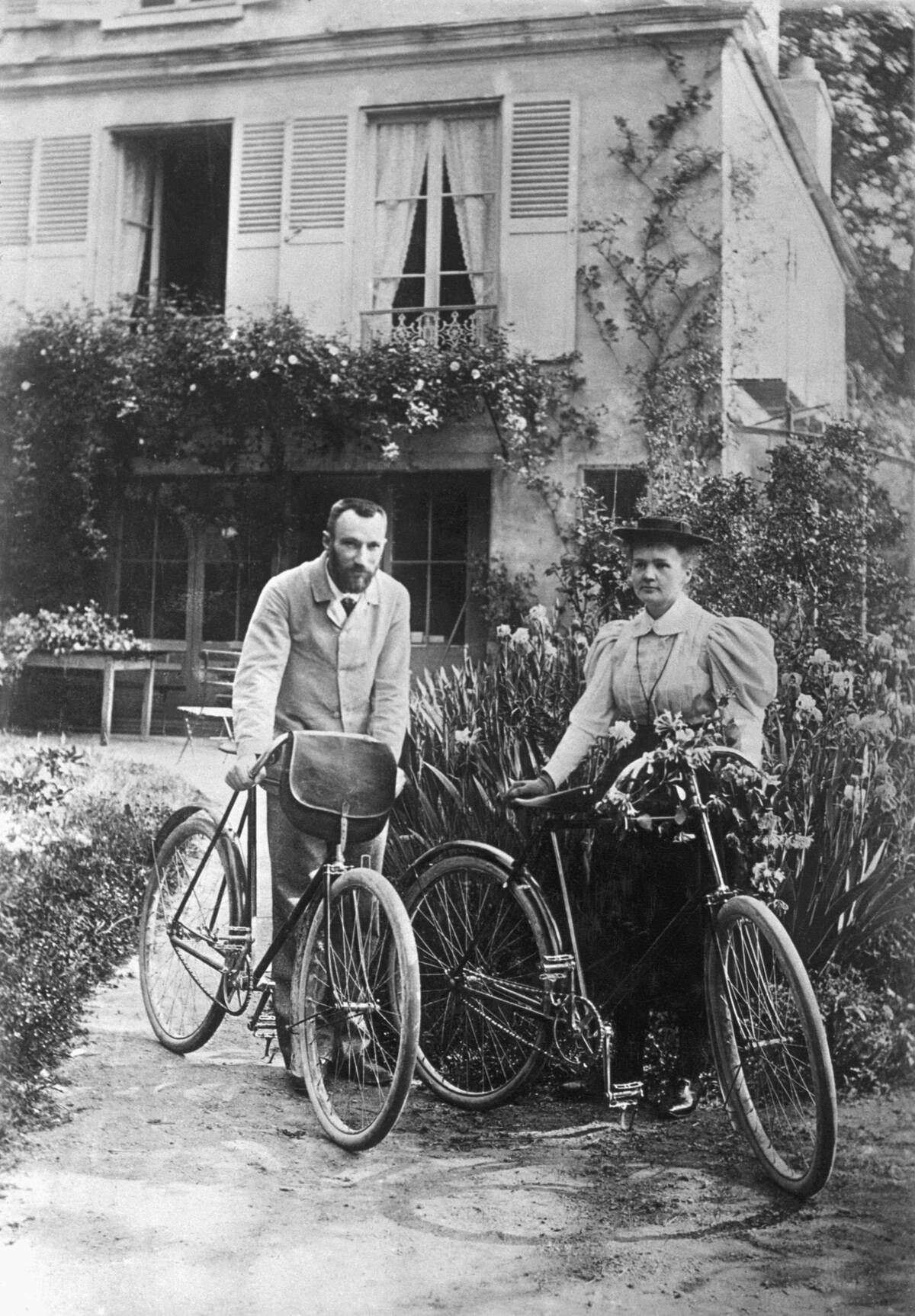
Marie and Pierre Curie’s work on radioactivity in the late 19th century led to the discovery of radium and polonium. Their meticulous experiments revealed the spontaneous emission of energy from unstable atomic nuclei.
In 1903, they shared the Nobel Prize in Physics with Henri Becquerel, recognizing their groundbreaking contributions to science and paving the way for future research in nuclear physics and medicine.
The Laser: A Bright Idea from a Forgotten Theory
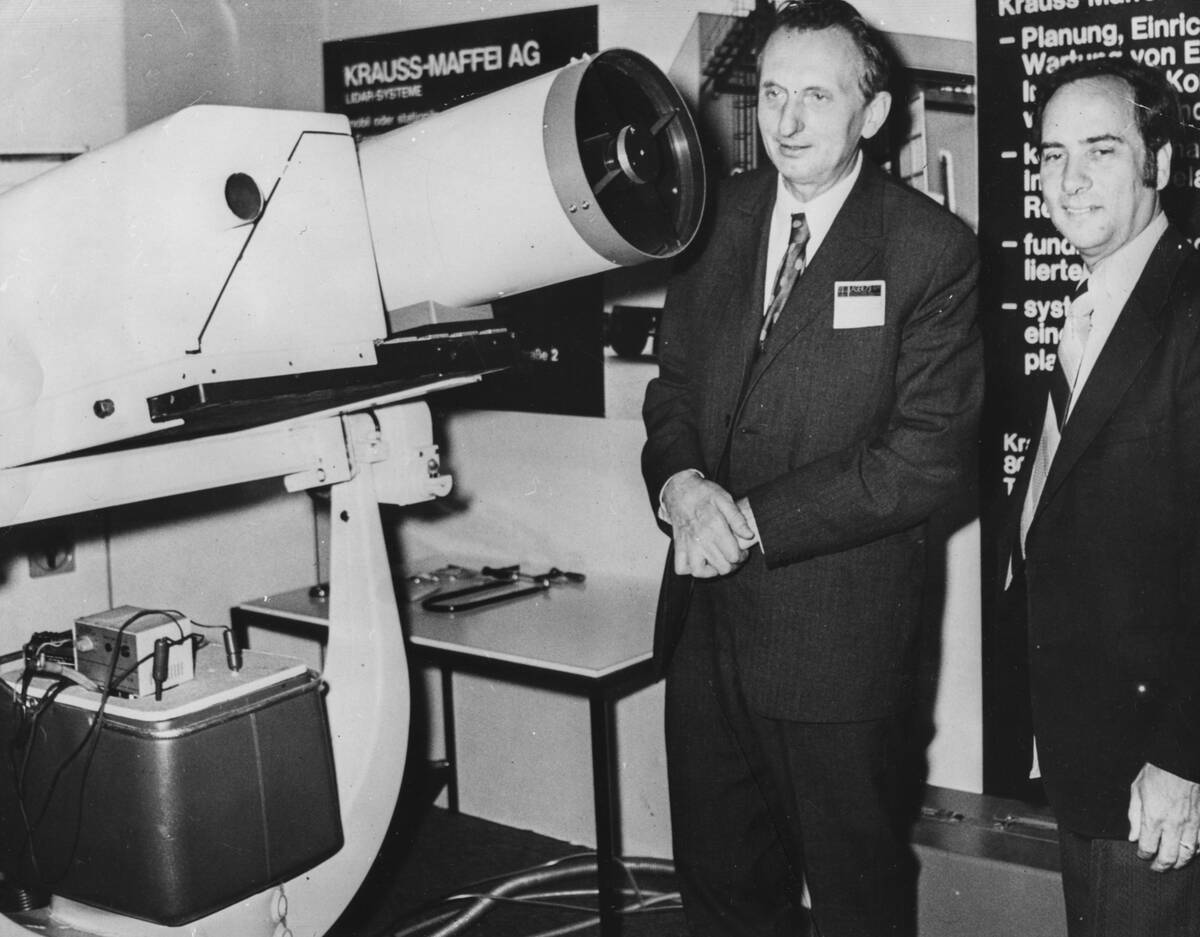
The development of the laser was rooted in the theoretical work of Albert Einstein on stimulated emission, published in 1917. It wasn’t until 1960 that this concept was actualized by Theodore Maiman, who built the first operational laser.
This invention revolutionized multiple fields, from medicine to telecommunications, and showcased how forgotten theories could lead to transformative technologies, ultimately earning various Nobel Prizes over the years.
The PCR Revolution: Amplifying the Importance of a Simple Technique

Polymerase Chain Reaction (PCR), developed by Kary Mullis in 1983, revolutionized molecular biology. This technique allows for the amplification of DNA sequences, making it a cornerstone of genetic research and diagnostics.
Mullis’ insight, inspired by a late-night drive, earned him the Nobel Prize in Chemistry in 1993, highlighting how simple ideas can have profound impacts on scientific progress and medical advancements.
The Unseen Universe: Dark Matter and the Nobel Prize

The concept of dark matter, which makes up about 27% of the universe, has intrigued scientists for decades. Although it doesn’t emit light or energy, its presence is inferred from gravitational effects on visible matter.
In 2011, Saul Perlmutter, Brian Schmidt, and Adam Riess were awarded the Nobel Prize in Physics for their work on dark energy, a related concept, underscoring the mysterious nature of our universe and the quest to understand its hidden components.
The Discovery of Fullerenes: A Happy Chemical Accident
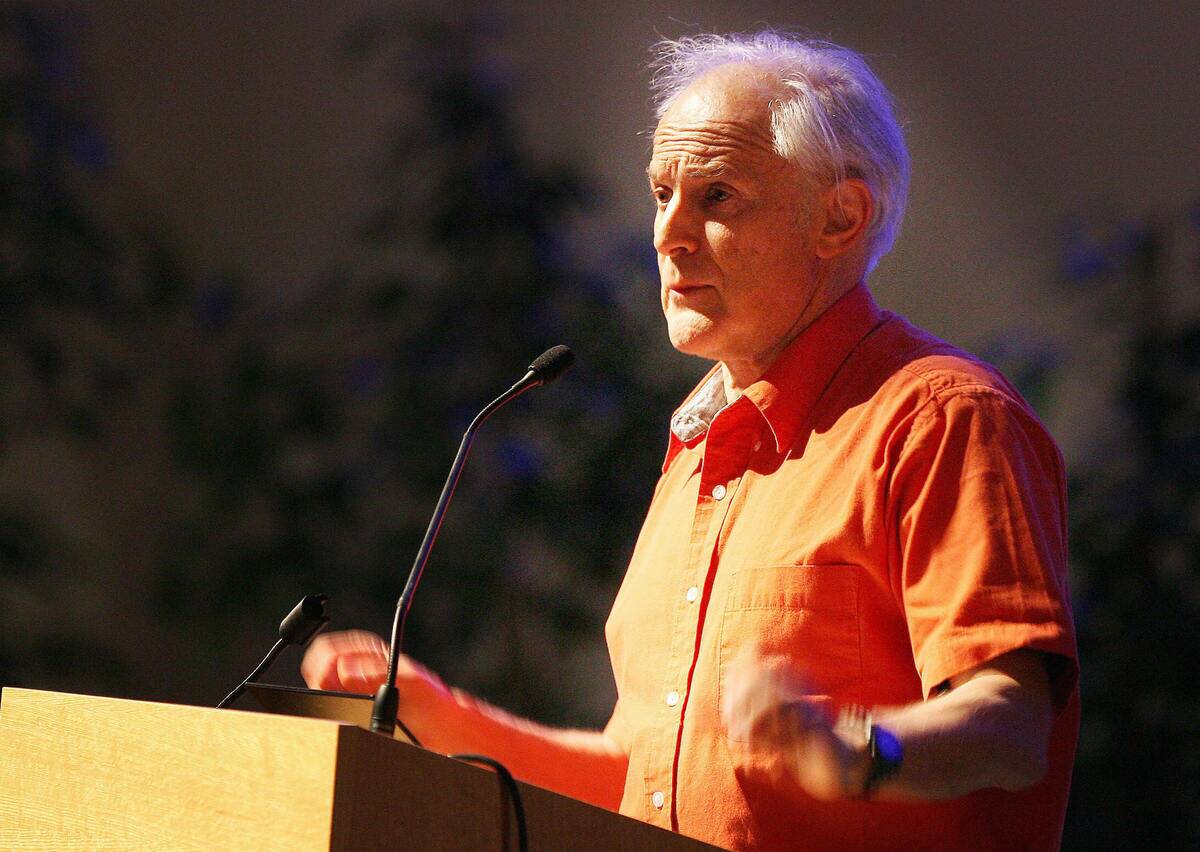
Fullerenes, a form of carbon molecules, were discovered in 1985 by Harold Kroto, Robert Curl, and Richard Smalley during experiments intended to simulate conditions in space.
The unexpected formation of these molecules led to the identification of C60, known as buckyballs. This serendipitous discovery earned them the Nobel Prize in Chemistry in 1996, opening new research avenues in nanotechnology and materials science.
DNA’s Double Helix: The Twisted Path to a Nobel Prize
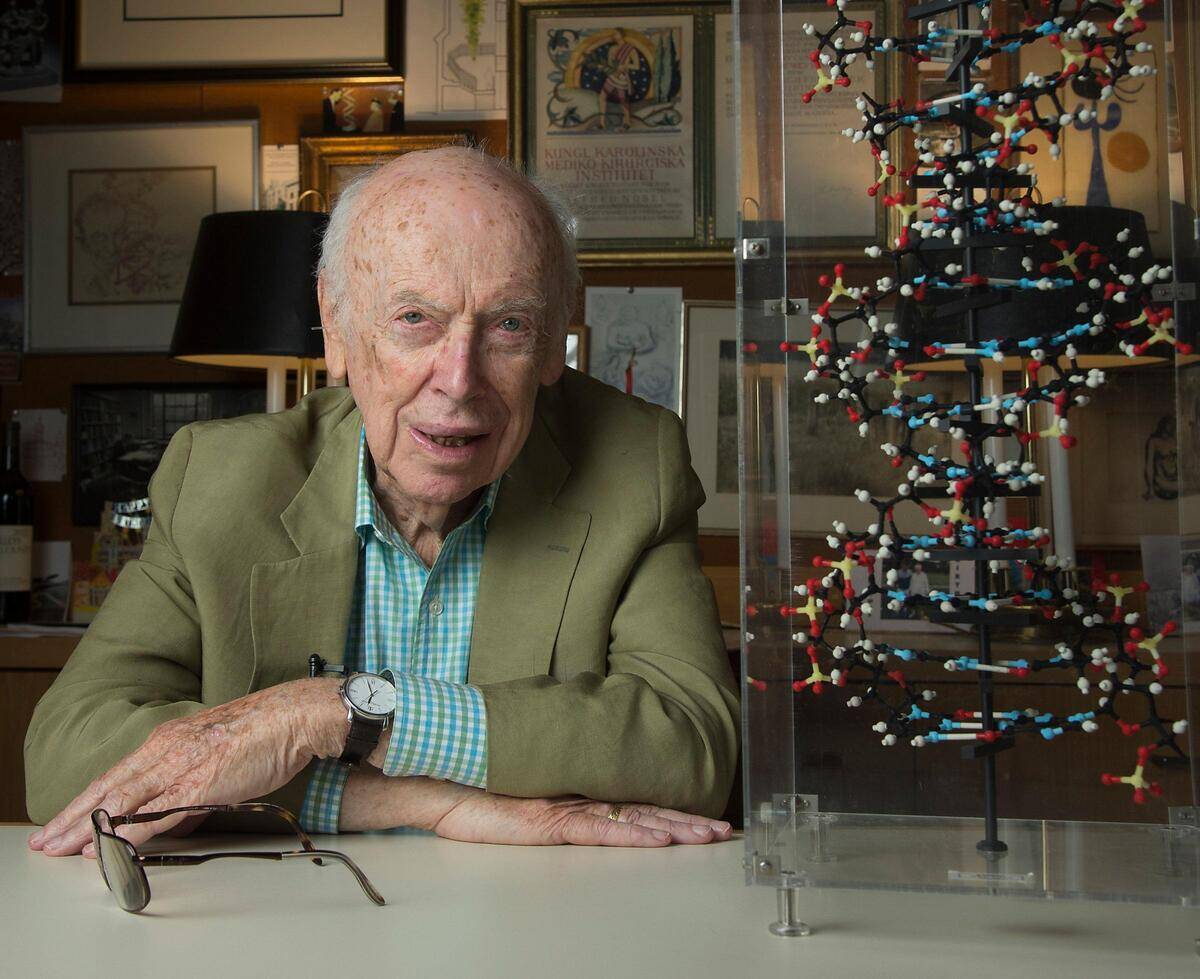
The discovery of the DNA double helix structure by James Watson and Francis Crick in 1953 was a monumental achievement in biology. Their model was based on critical experimental data from Rosalind Franklin’s X-ray diffraction images.
This breakthrough provided insights into genetic replication and inheritance, earning Watson, Crick, and Maurice Wilkins the Nobel Prize in Physiology or Medicine in 1962, revolutionizing our understanding of life at the molecular level.
The Higgs Boson: A Particle Physics Puzzle Solved
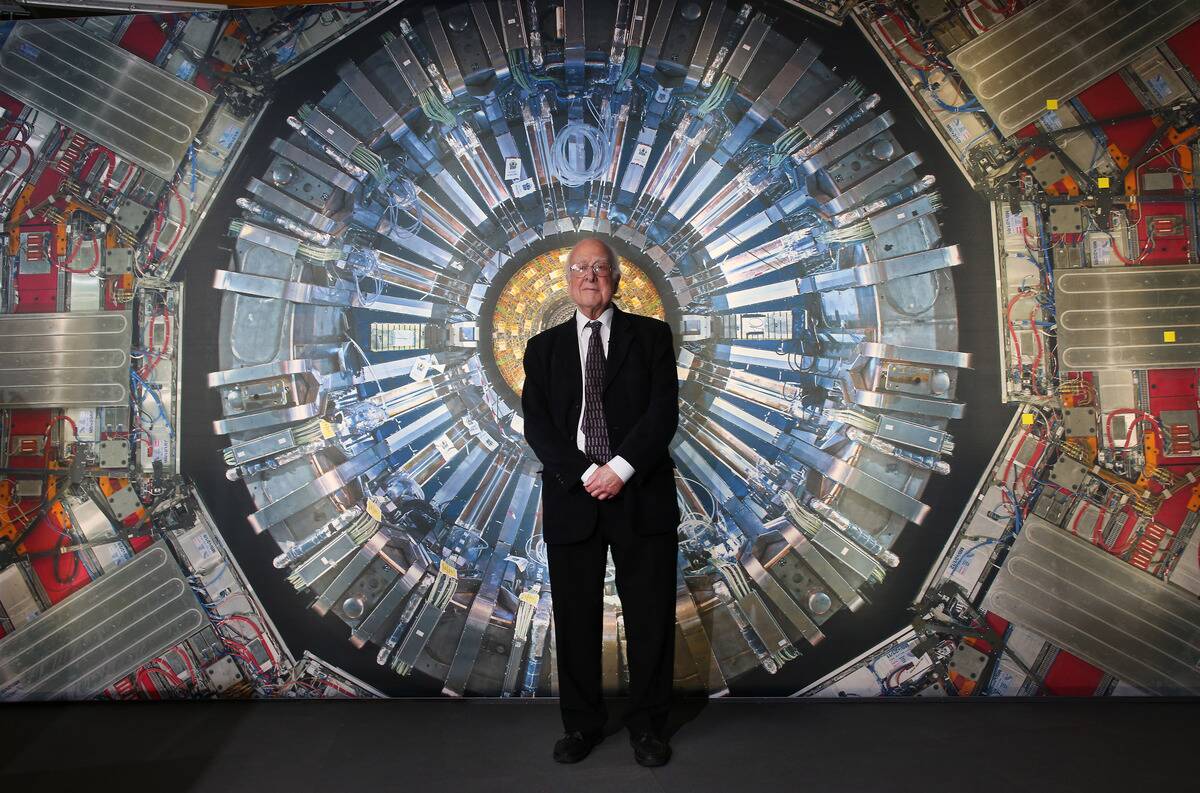
The Higgs boson, often dubbed the “God particle,” was discovered in 2012 at CERN’s Large Hadron Collider. Predicted by physicist Peter Higgs in 1964, this particle explains why other particles have mass.
The discovery confirmed the Standard Model of particle physics, earning the 2013 Nobel Prize in Physics for Higgs and François Englert. It marked a triumphant moment in particle physics, answering fundamental questions about the universe’s composition.




