Unexpected wildlife comebacks in war zones
In the midst of human conflict, nature has a peculiar way of displaying resilience. While war zones are often seen as places of destruction, they can paradoxically become unexpected sanctuaries for wildlife.
The chaos that drives humans away often creates a vacuum that allows nature to begin its healing process. This article explores how various species across the globe have surprisingly thrived amidst the tumult of war, showcasing nature’s incredible ability to bounce back.
Chernobyl: A Radioactive Refuge for Wildlife
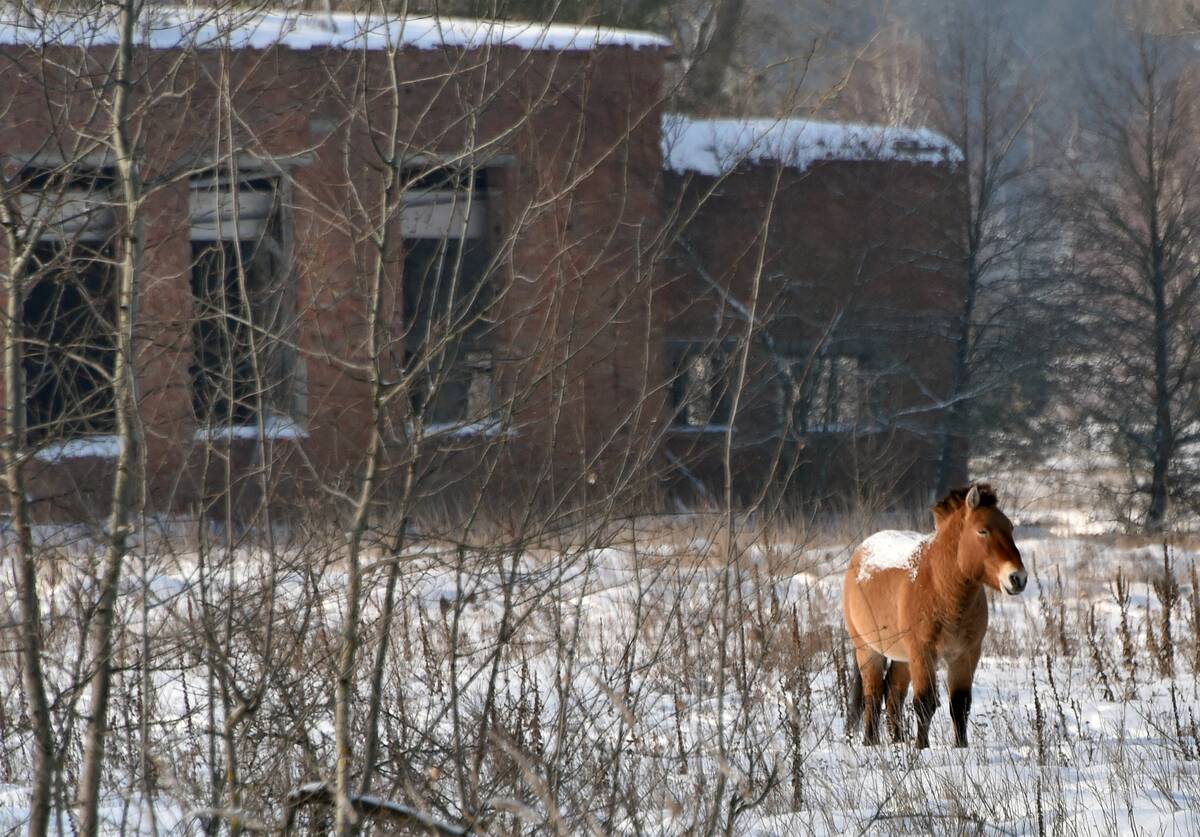
The Chernobyl Exclusion Zone, while hazardous to humans, has surprisingly become a haven for wildlife. Since the 1986 nuclear disaster, the area has been largely devoid of human presence, allowing nature to thrive.
Studies have documented a rise in populations of wolves, deer, and even the rare Przewalski’s horse. Despite the radiation, the lack of human disturbance seems to have created a unique environment for these animals.
Rediscovery of the Przewalski’s Horse in Mongolia
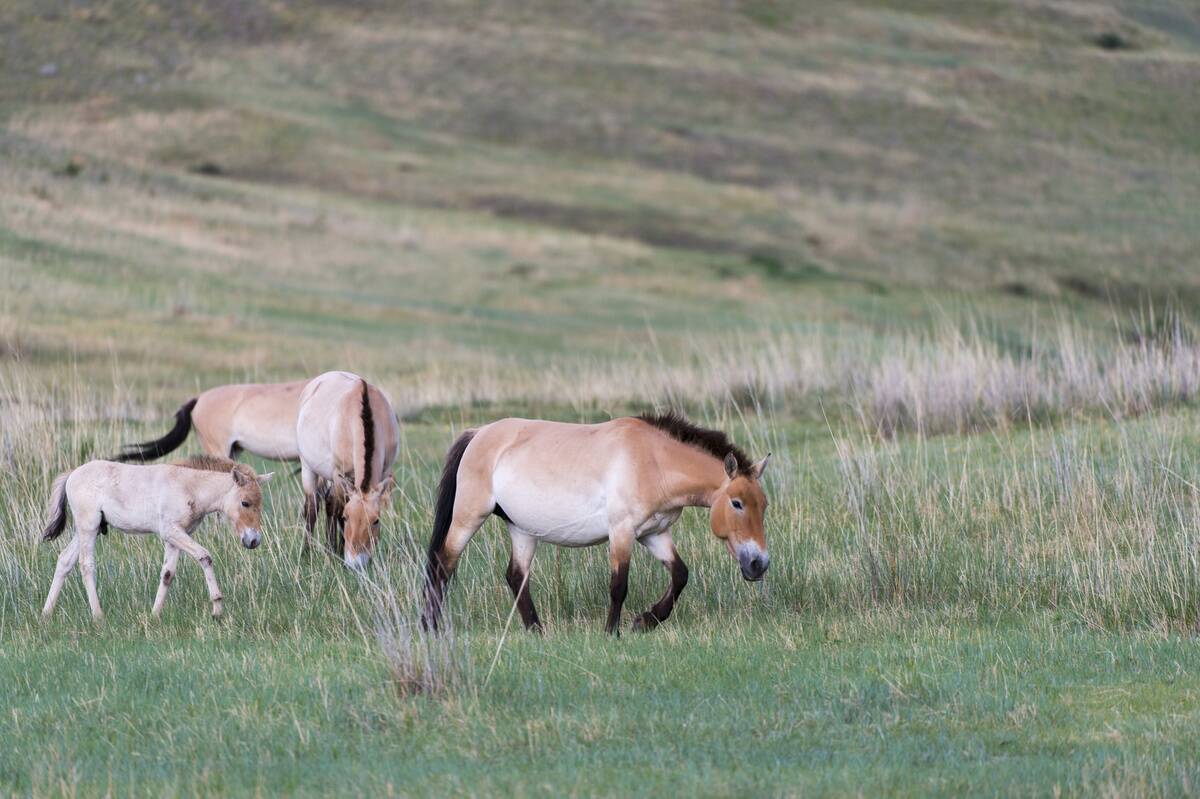
The Przewalski’s horse, once extinct in the wild, has made a remarkable comeback in Mongolia. Through successful reintroduction programs, these horses now roam freely in the steppe regions.
The lack of human encroachment in these areas, partly due to historical conflicts, has provided a safe habitat for their revival. Their presence is a testament to the dedication of conservationists and the adaptability of wildlife.
Syrian Brown Bears: Thriving Against All Odds
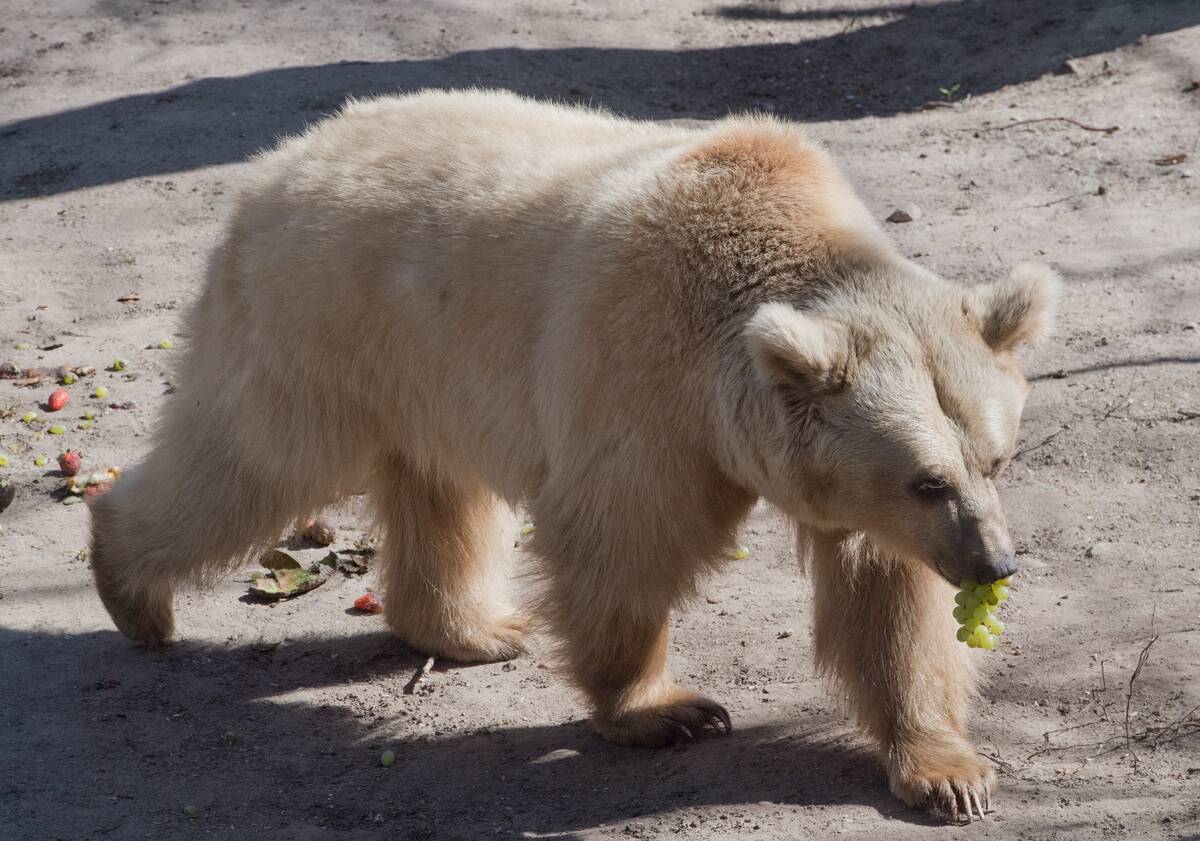
In the rugged terrains of Syria, the Syrian brown bear has managed to survive despite the ongoing conflict. Once thought to be extinct in the region, these bears have adapted to the challenging environment.
Conservationists have reported sightings in the remote areas of the Syrian mountains. The resilience of these bears offers a glimmer of hope for the preservation of biodiversity in war-affected regions.
Gorillas in the Midst: Congo’s Conservation Challenges and Successes
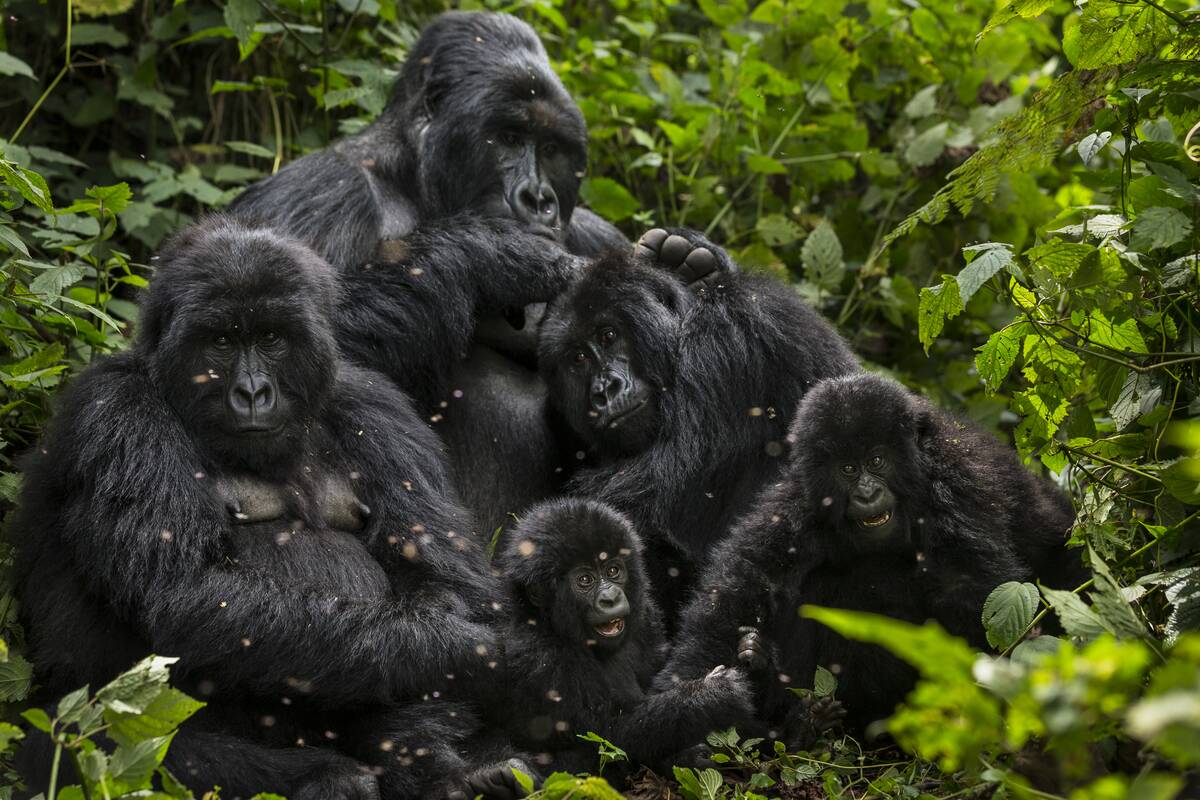
The Democratic Republic of Congo has been a battleground for both human and environmental struggles. Despite this, gorilla populations have shown signs of recovery in the region.
Conservation initiatives, coupled with the creation of protected areas, have played a crucial role. Rangers and local communities work tirelessly to safeguard these majestic creatures, proving that even in conflict zones, conservation efforts can yield positive results.
The Quiet Revival of Iraq’s Mesopotamian Marshes
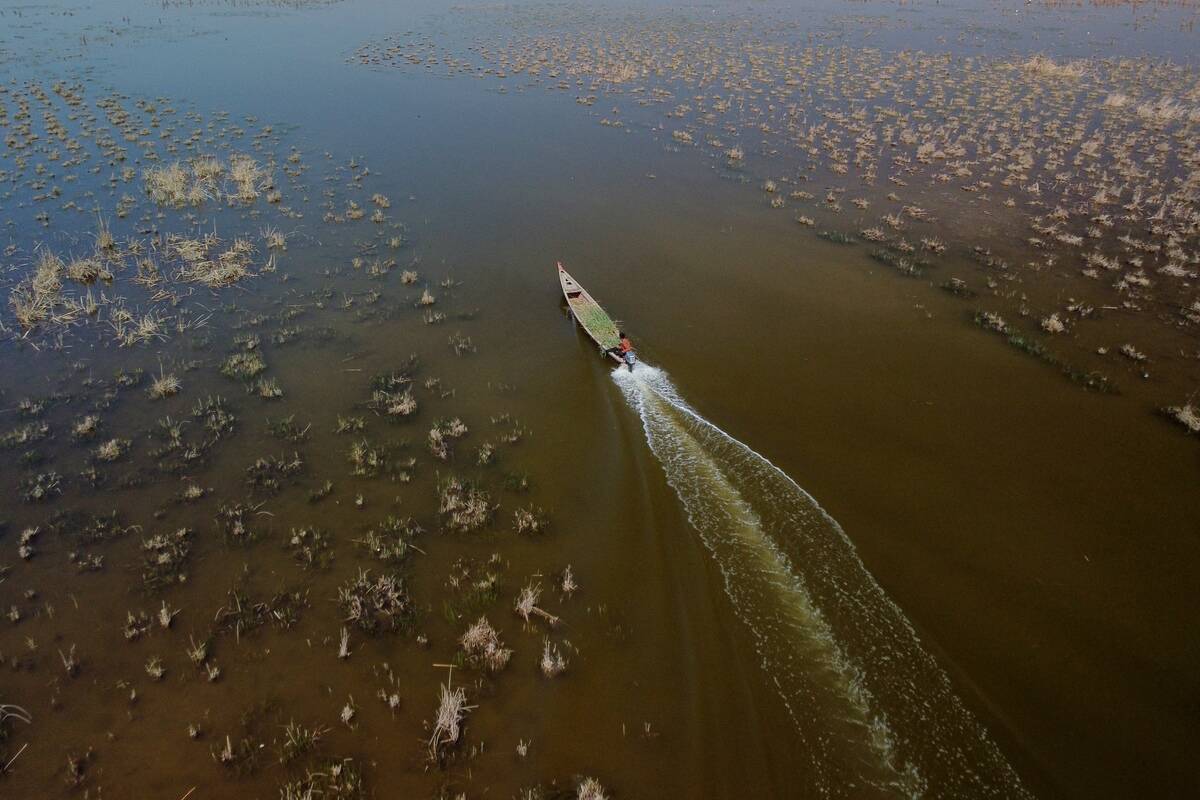
Iraq’s Mesopotamian Marshes, once drained and devastated by conflict, are experiencing a quiet revival. Efforts to restore water flow have led to a resurgence of native flora and fauna.
Bird species like the Basra reed warbler have returned, and the ecosystem is gradually healing. This revival showcases the potential for ecological recovery when human intervention supports natural processes, even in regions with tumultuous histories.
Cambodia’s Indochinese Tigers: From Brink of Extinction to Hopeful Recovery

Indochinese tigers in Cambodia have faced severe threats due to habitat loss and poaching. However, recent conservation efforts provide a glimmer of hope.
National parks have been established to protect these majestic animals, and anti-poaching initiatives are being strengthened. While the road to recovery is long, these efforts are crucial in reversing the decline and ensuring a future for Cambodia’s tigers.
The Rare Amur Leopard: Surviving in the Korean Demilitarized Zone
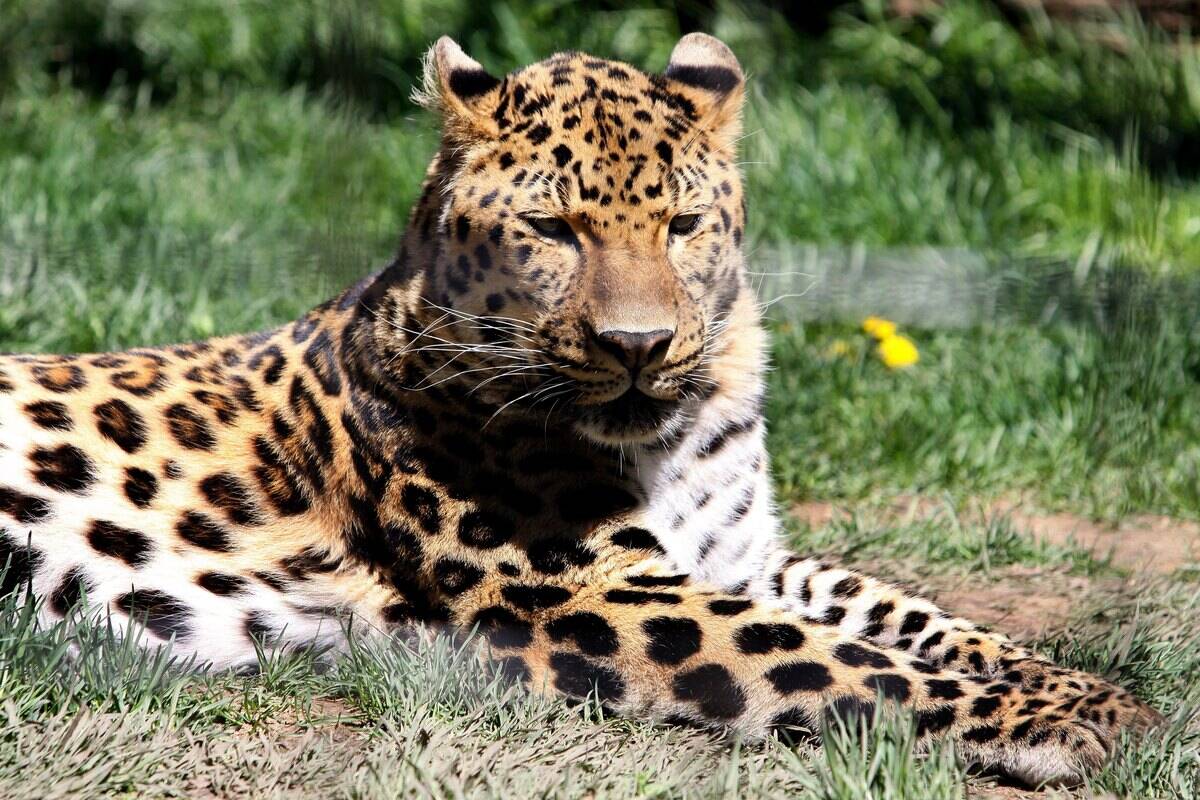
The Amur leopard, one of the world’s rarest big cats, has found an unusual refuge in the Korean Demilitarized Zone. This heavily fortified area, devoid of human activity, offers a safe haven for these elusive predators.
Conservationists are optimistic, as the leopards show signs of stable population growth. The DMZ highlights how unintended consequences of human conflict can sometimes benefit wildlife.
Yemen’s Arabian Leopards: A Struggle for Survival and Comeback
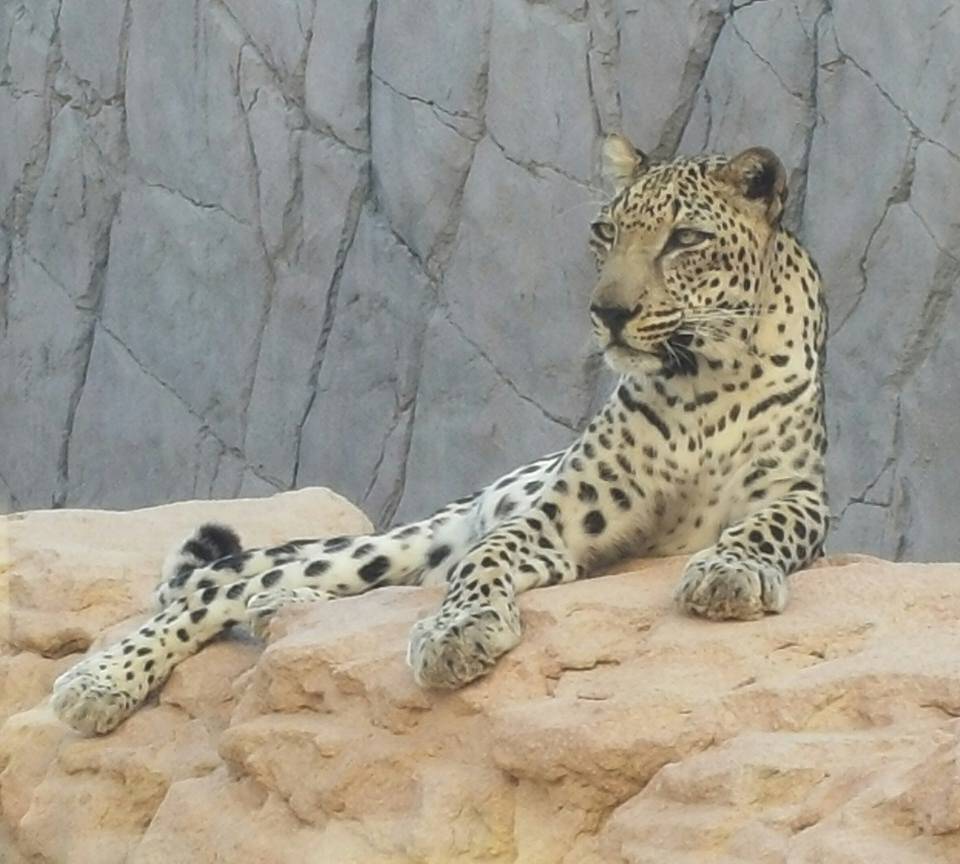
In Yemen, the Arabian leopard faces a precarious existence amidst ongoing conflict. These leopards are critically endangered, with only a few individuals remaining in the wild.
However, dedicated conservationists and local communities are working tirelessly to protect their habitats. Efforts to raise awareness and mitigate human-leopard conflicts are crucial for their survival and potential recovery.




