Volcanoes that erupted twice centuries apart
Volcanoes have captivated human imagination for centuries with their formidable power and fiery displays. These natural wonders remind us of Earth’s dynamic core, constantly reshaping our planet’s surface.
From ancient myths to modern science, volcanoes are a testament to nature’s raw and untamed beauty. Their eruptions can be both destructive and creative, forming new landmasses and influencing climate patterns. This article delves into the fascinating world of volcanic activity, particularly focusing on the intriguing phenomenon of double eruptions.
Understanding Volcanic Eruptions: A Brief Overview
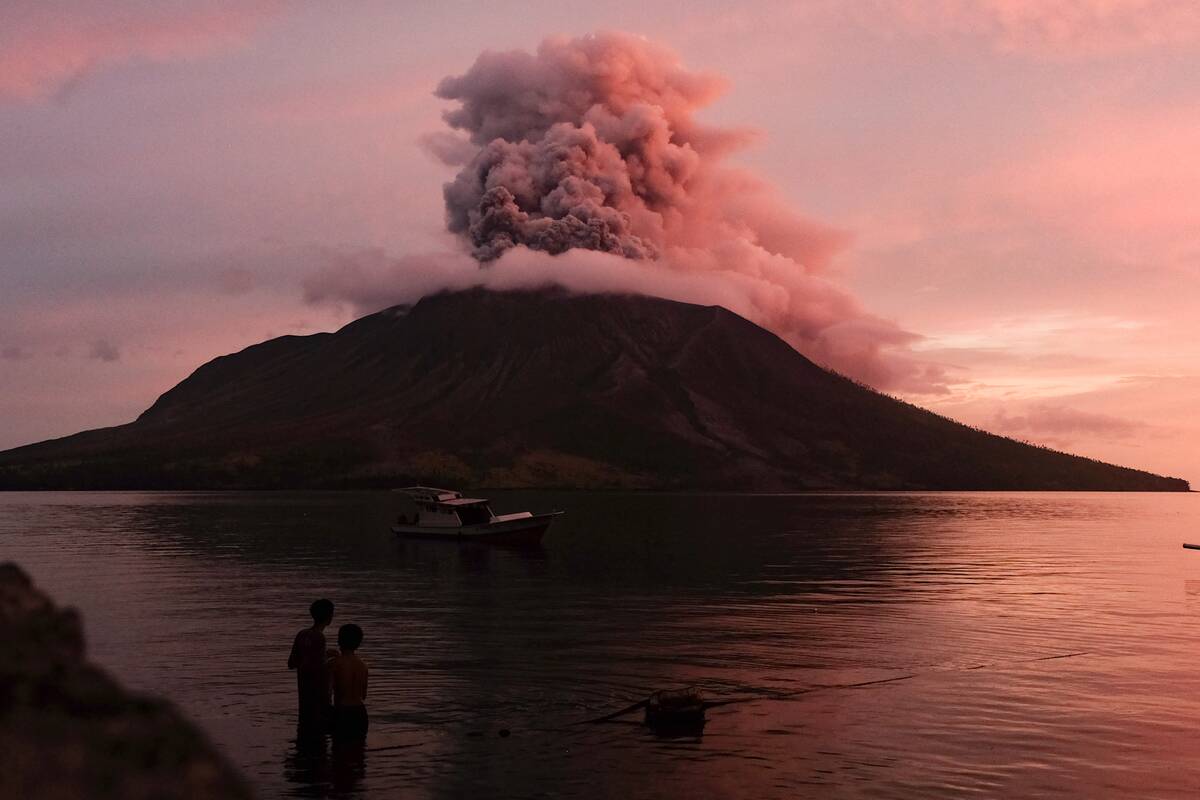
Volcanic eruptions occur when magma from within Earth’s mantle makes its way to the surface, often accompanied by gas emissions and ash clouds. These eruptions can vary in intensity, from gentle lava flows to explosive blasts.
The type of eruption depends on several factors, including magma composition and the presence of water. Volcanoes are classified based on their eruption style, such as shield, stratovolcano, and cinder cone. Each type presents unique challenges and opportunities for study.
The Phenomenon of Double Eruptions Across Centuries
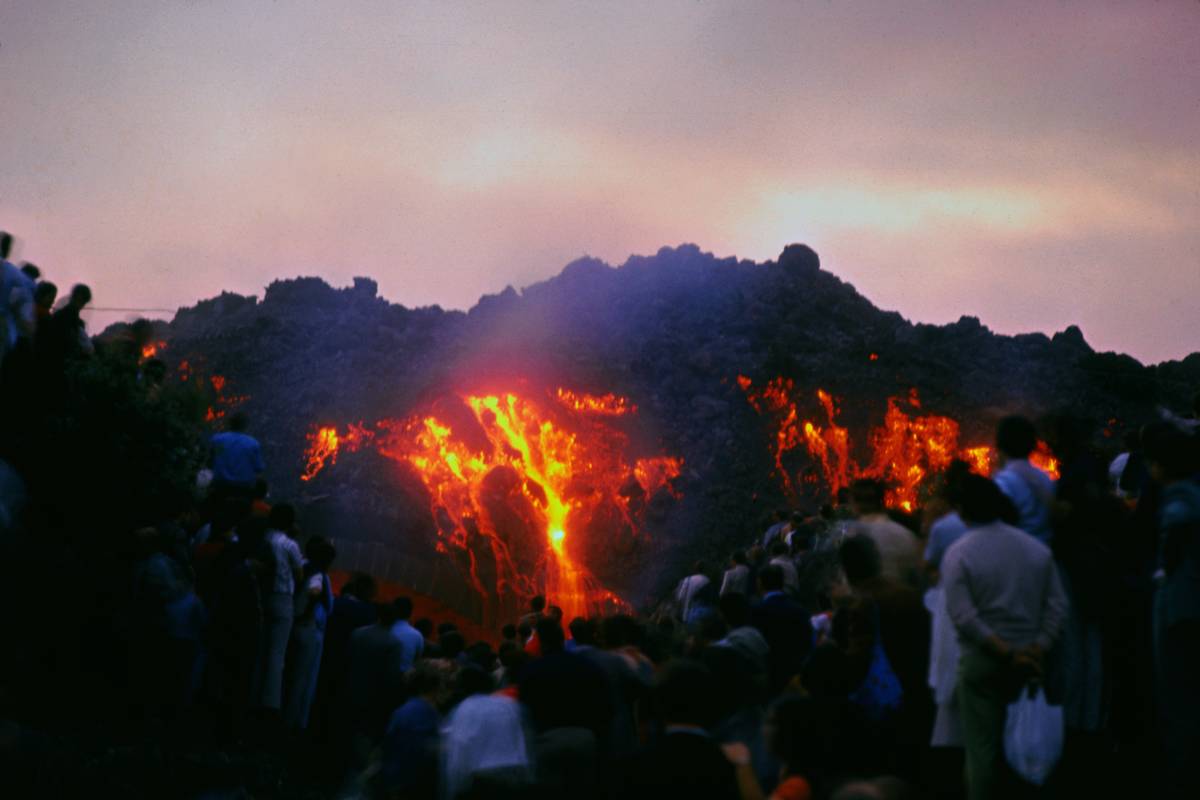
Double eruptions, where a volcano experiences two significant eruptions within a relatively short period, have intrigued scientists and historians alike. These events provide insights into a volcano’s behavior and potential future activity.
Double eruptions can occur due to various geological factors, such as magma chamber pressure or tectonic shifts. Studying these occurrences helps improve predictive models, enhancing our understanding of volcanic risks. They highlight the importance of continuous monitoring and research.
Mount Vesuvius: Europe’s Most Famous Double Eruptor
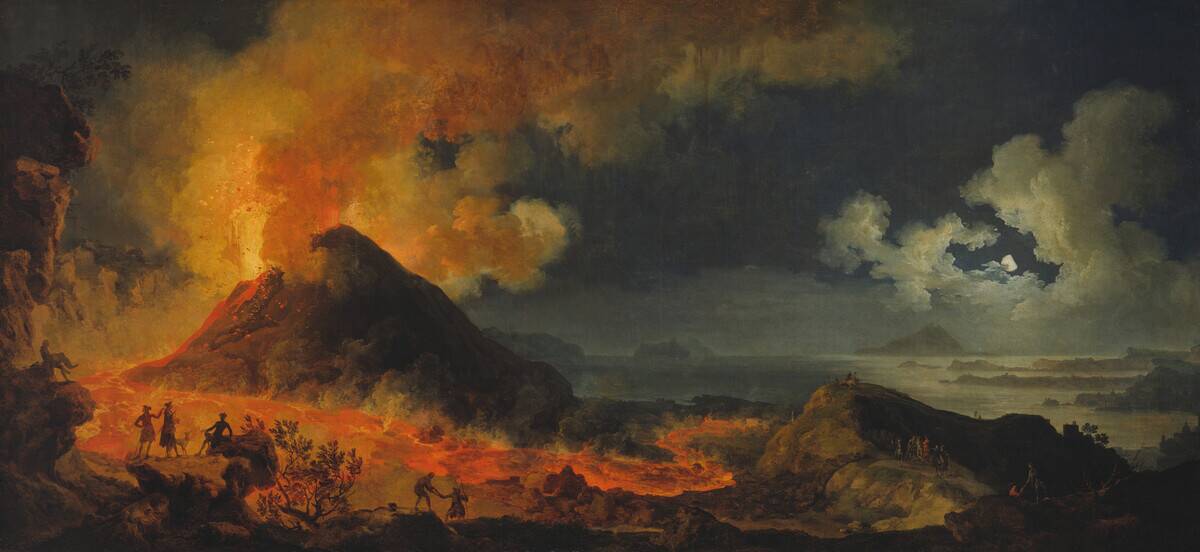
Mount Vesuvius, infamous for its AD 79 eruption that buried Pompeii, has a history of multiple significant eruptions, including notable events in 1631 and 1944. The volcano remains a significant threat due to its proximity to Naples.
Modern monitoring techniques help predict future activity, safeguarding nearby populations. Vesuvius serves as a crucial case study for understanding volcanic behavior and mitigating the impact of eruptions on densely populated areas.
The Tale of Mount St. Helens: Two Eruptions in Modern History
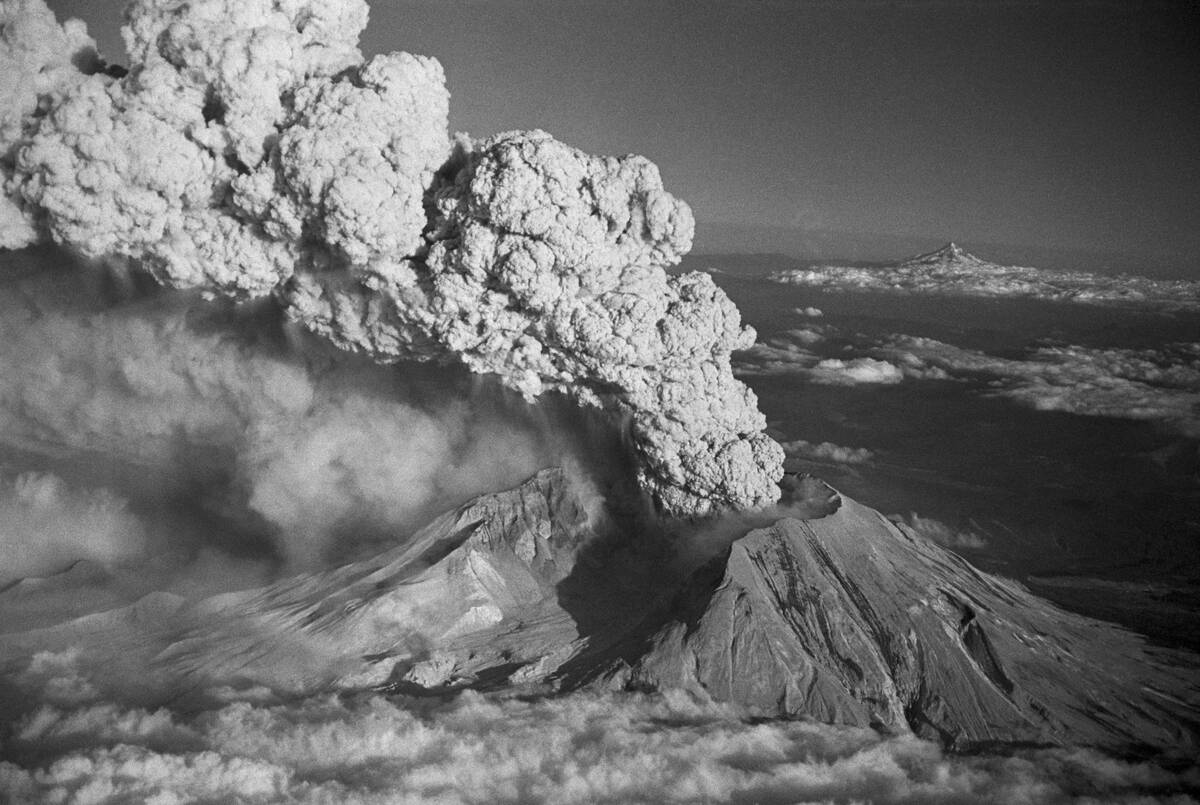
Mount St. Helens in Washington State is renowned for its 1980 eruption, one of the most well-documented volcanic events in history. It experienced renewed significant activity in 2004, demonstrating the potential for repeated eruptions over time.
These events highlighted the importance of volcanic monitoring and emergency preparedness. The 1980 eruption reshaped the surrounding landscape, creating a natural laboratory for ecological recovery studies. Mount St. Helens continues to be a focal point for volcanic research and education.
Krakatoa: The Legendary Eruptions That Shook the World
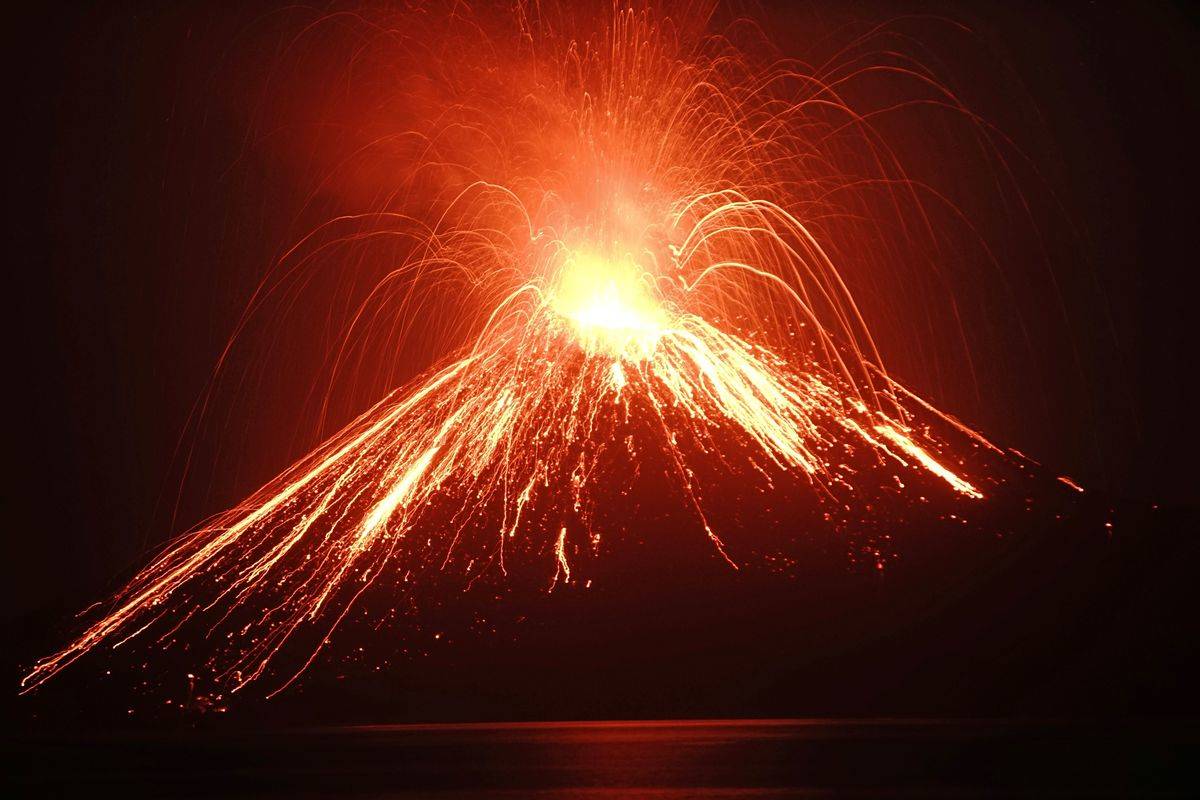
Krakatoa’s 1883 eruption is one of the deadliest in recorded history, with its powerful explosions heard thousands of miles away. The volcano reawakened in 1927, forming Anak Krakatoa, or “Child of Krakatoa,” which has since experienced frequent eruptions.
These double eruptions underscore the persistent volcanic activity in the Sunda Strait region. Krakatoa’s eruptions have had global climatic impacts, inspiring literary works and scientific studies alike. Its legacy serves as a reminder of the formidable forces beneath our feet.
The Double Drama of Mount Etna
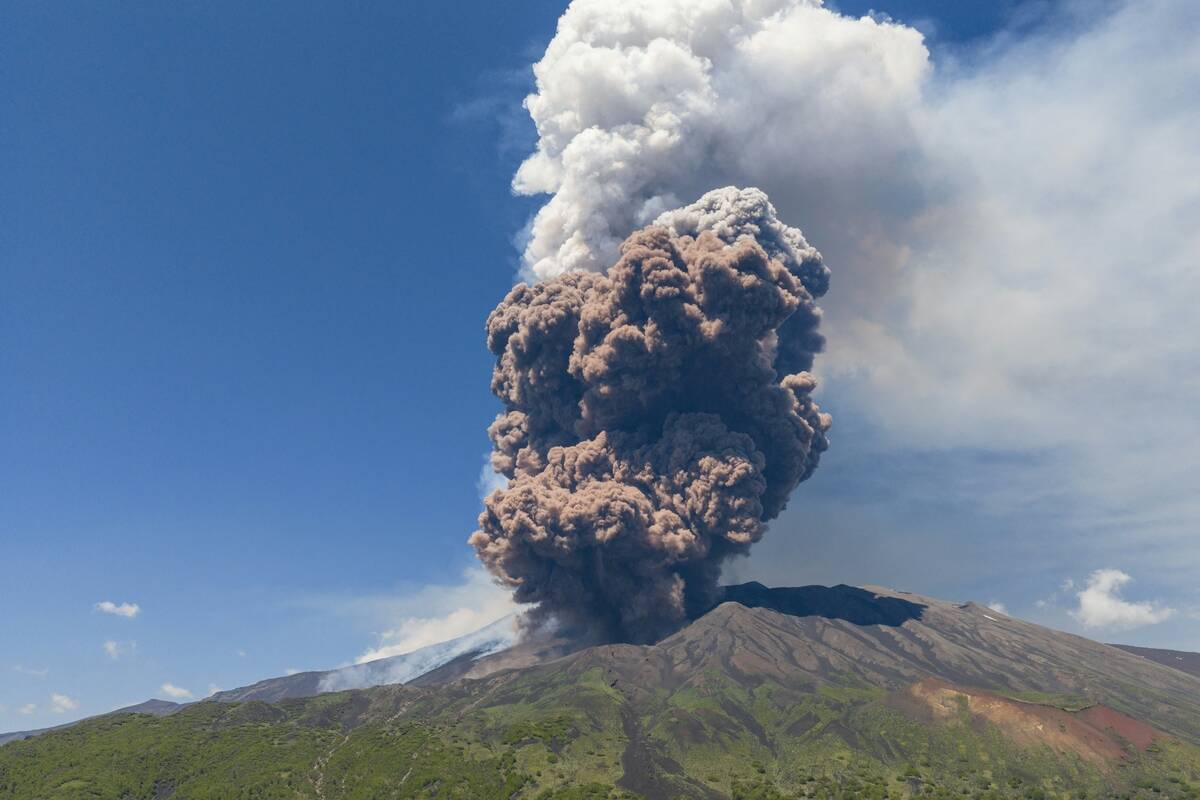
Mount Etna, Europe’s most active volcano, frequently exhibits double eruptions. Its 2001 and 2002 eruptions drew international attention, highlighting the complexities of monitoring and responding to volcanic activity.
Etna’s eruptions provide valuable data for volcanic research, helping refine predictive models and hazard assessments. The volcano’s persistent activity supports a diverse ecosystem and supports local agriculture. Etna’s fiery displays continue to captivate tourists and scientists, offering a unique glimpse into Earth’s inner workings.
Mount Fuji: Japan’s Sleeping Beauty with a Fiery Past
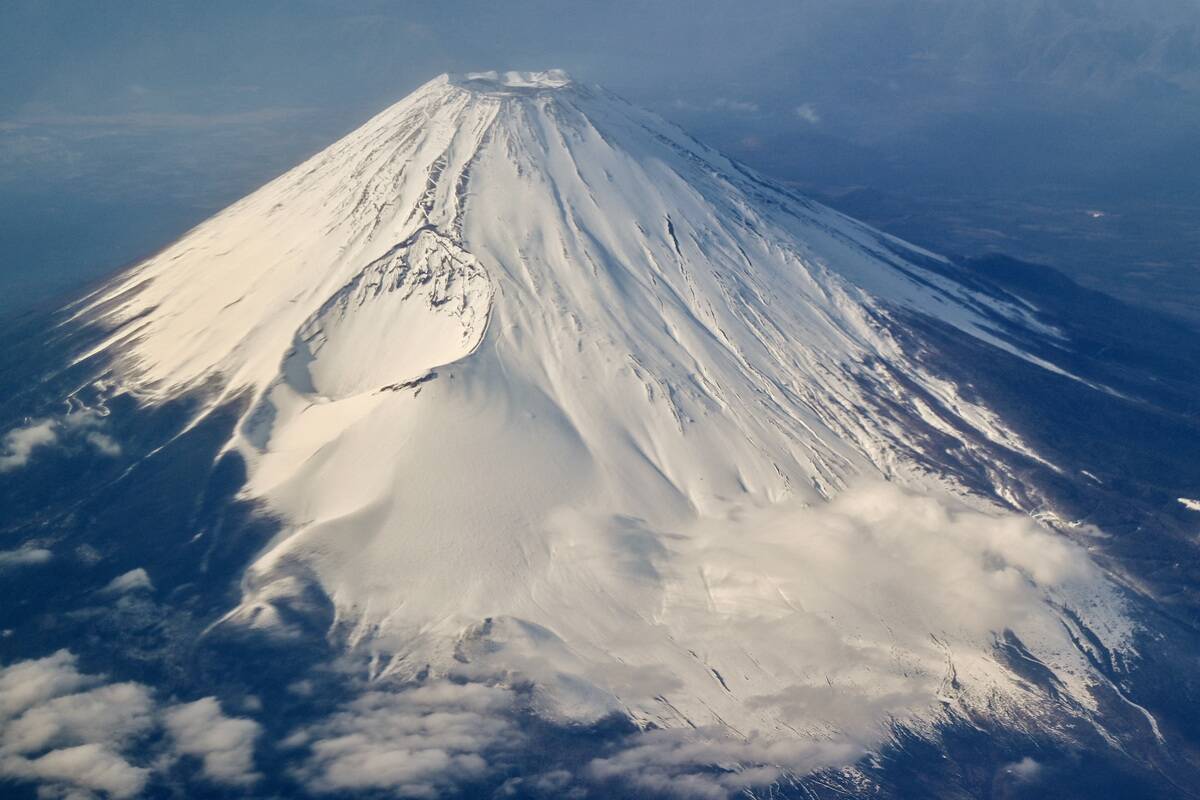
Mount Fuji, Japan’s iconic stratovolcano, last erupted in 1707, during the Edo period. Despite its dormancy, Fuji’s potential for renewed eruptions remains a concern for seismologists.
Historical records highlight Fuji’s eruptive history, emphasizing the need for vigilance. Fuji’s symmetrical cone and cultural significance make it a national symbol and UNESCO World Heritage site. Ongoing monitoring efforts aim to ensure the safety of the surrounding regions and preserve Fuji’s natural and cultural heritage for future generations.
Indonesia’s Mount Merapi: A Double Threat Through the Ages
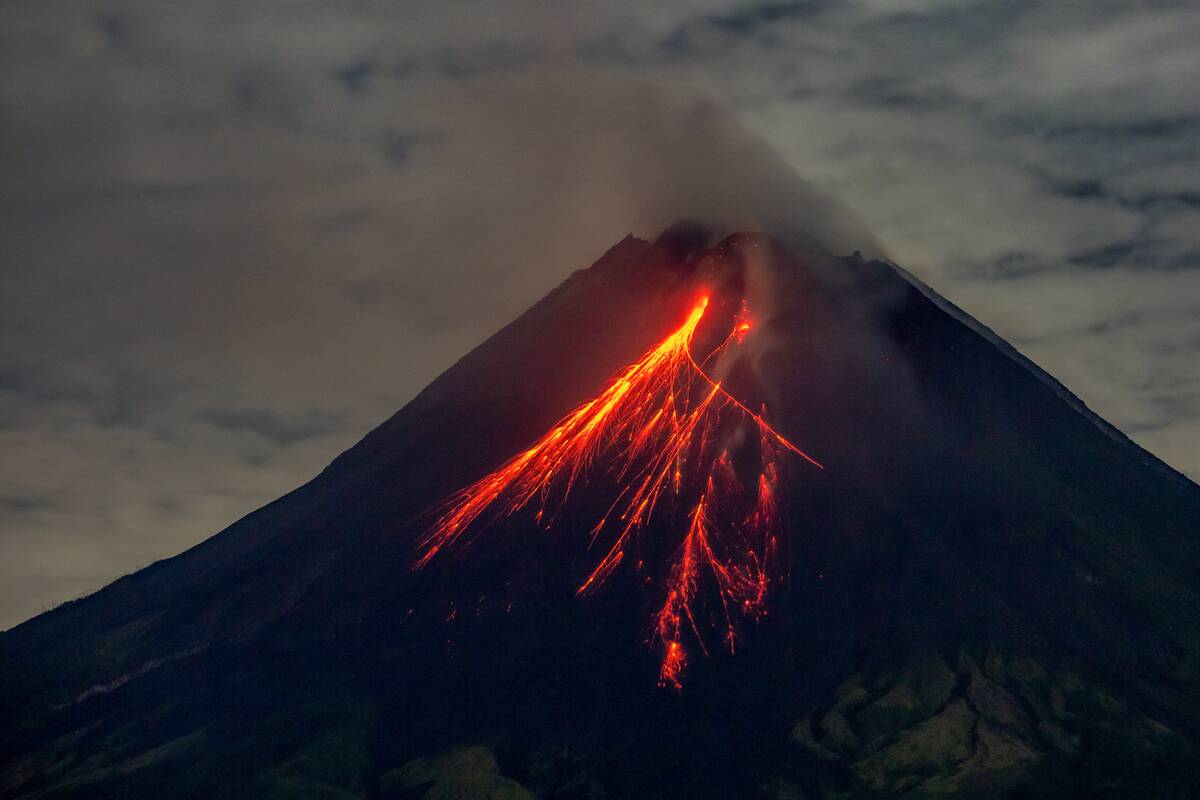
Mount Merapi, one of Indonesia’s most active volcanoes, is known for its frequent and destructive eruptions. The 2010 and 2018 eruptions exemplify its ongoing activity, posing challenges for disaster management.
Merapi’s eruptions have historically impacted local agriculture and settlements, necessitating ongoing research and monitoring. The volcano’s activity is closely watched by authorities, ensuring timely evacuations and minimizing risks. Merapi’s dynamic nature reflects Indonesia’s position within the Pacific Ring of Fire.
The Reawakening of Iceland’s Eyjafjallajökull
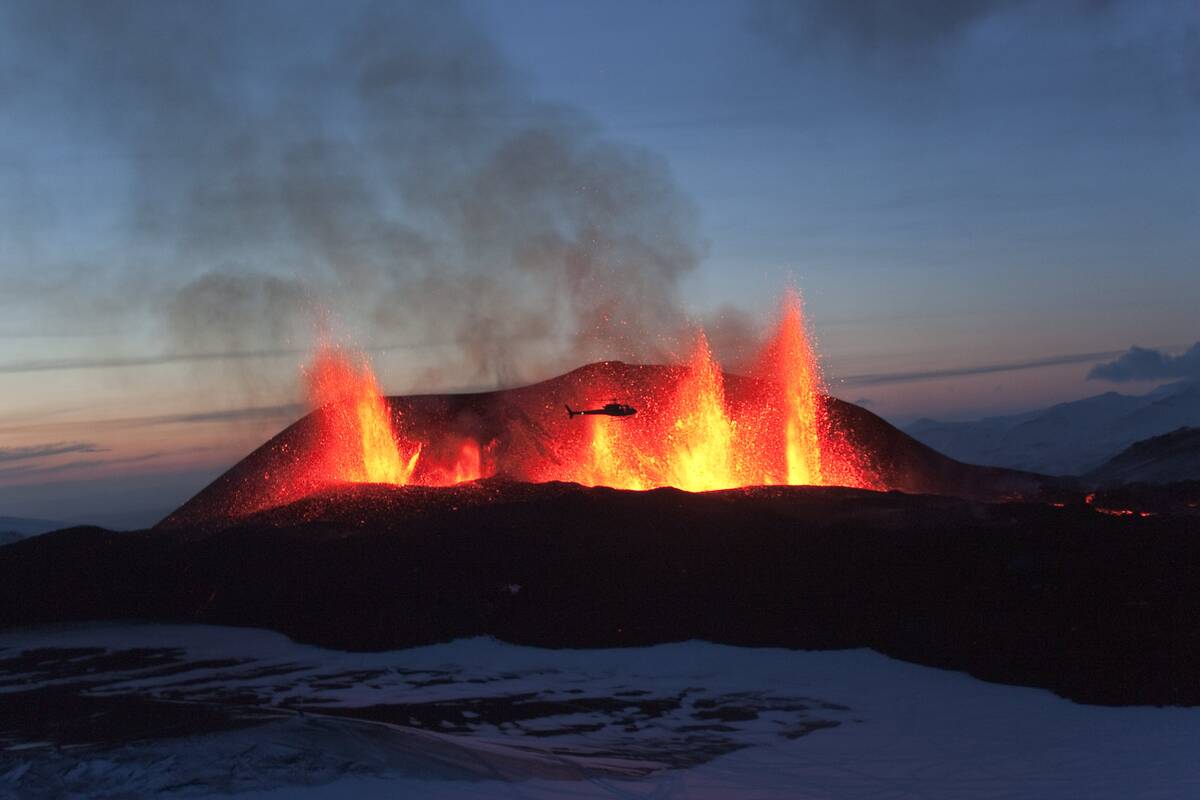
Eyjafjallajökull, a glacier-capped volcano in Iceland, gained worldwide attention with its 2010 eruption that disrupted air travel across Europe. This event followed an earlier eruption in 1821, highlighting the long-term volcanic activity in Iceland’s landscape.
Eyjafjallajökull’s activity underscores the interconnectedness of natural systems and global infrastructure. The eruption provided valuable data for atmospheric studies and prompted advancements in aviation safety protocols. Iceland’s unique geologic setting continues to intrigue scientists and travelers alike.
Mount Pinatubo: The Philippines’ Volcanic Giant
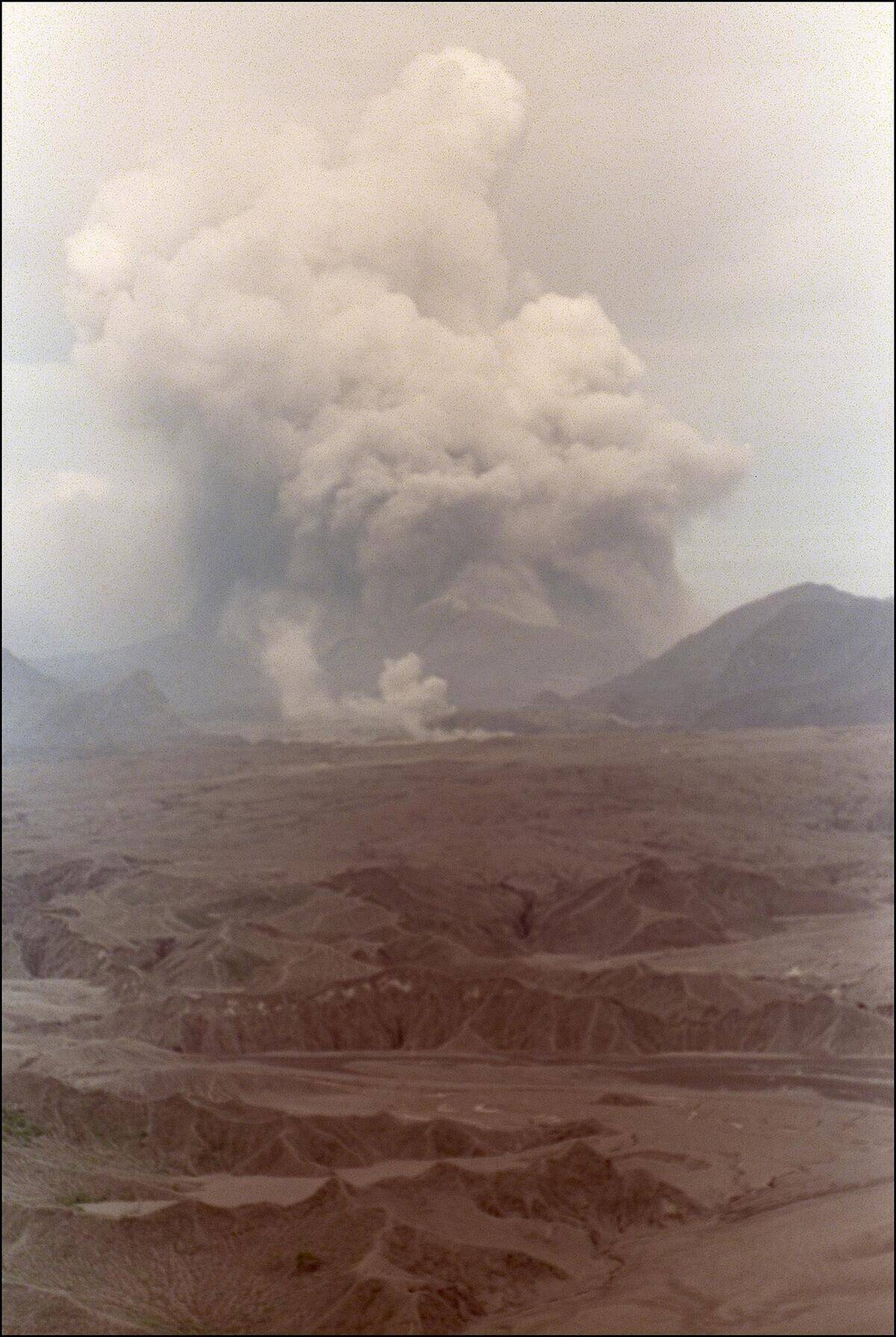
Mount Pinatubo’s 1991 eruption was one of the largest of the 20th century, significantly impacting global climate and prompting mass evacuations. The volcano had been dormant for centuries before reawakening, illustrating the unpredictability of volcanic activity.
Pinatubo’s eruption led to significant advancements in volcanic monitoring and disaster response, reducing casualties and economic losses. The event remains a critical case study for understanding the impacts of large-scale eruptions and preparing for future volcanic events.
The Awe-Inspiring Double Eruptions of Mauna Loa
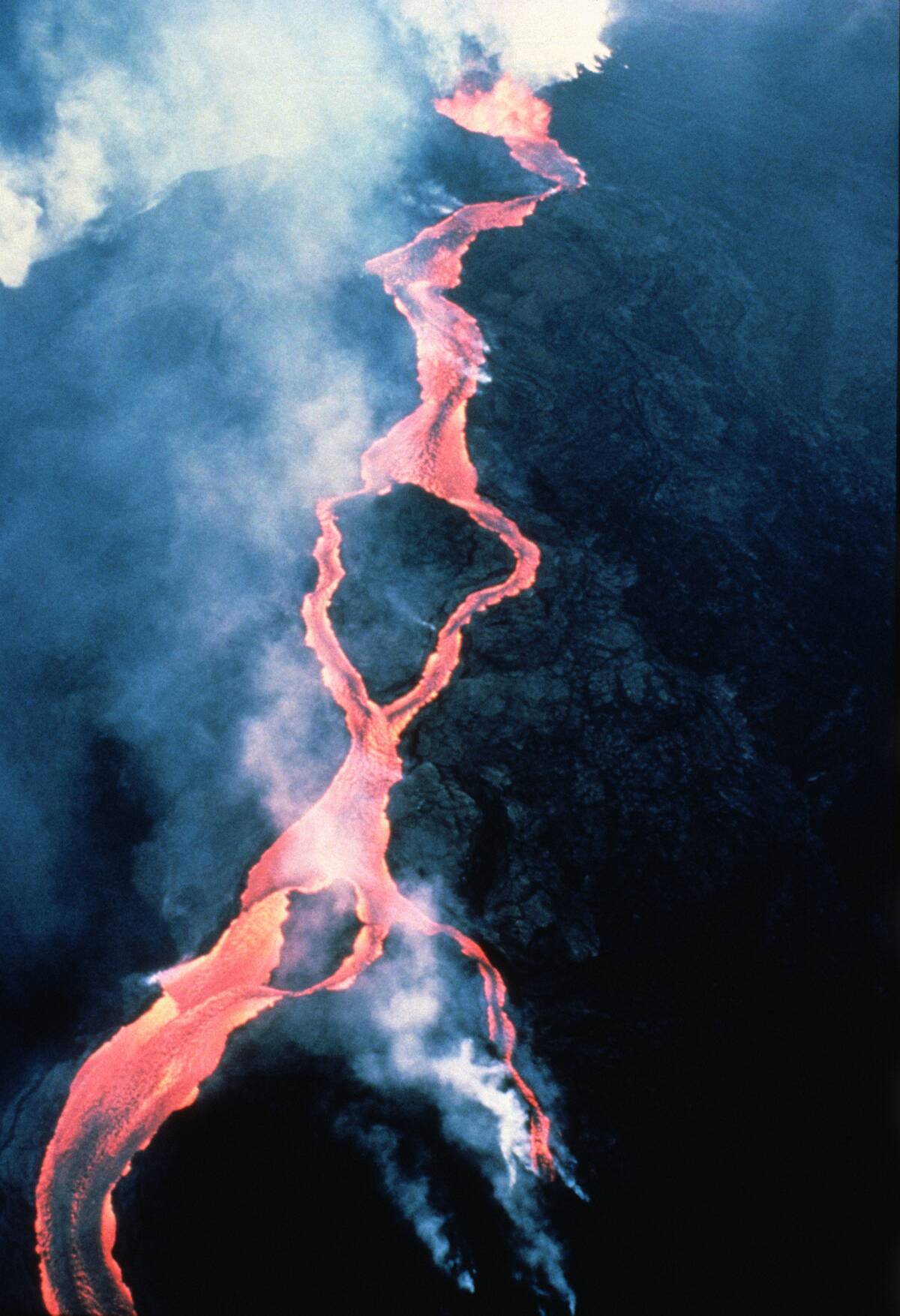
Mauna Loa, the world’s largest active volcano, frequently experiences successive eruptions. Its 1984 and 2021 eruptions showcased its immense power and geological significance. Mauna Loa’s eruptions contribute to Hawaii’s unique landscape, providing opportunities for scientific research and public education.
The volcano’s activity is closely monitored by the Hawaiian Volcano Observatory, ensuring timely warnings and community preparedness. Mauna Loa’s majestic presence continues to inspire awe and respect, reminding us of Earth’s dynamic nature.
Mount Tambora: Eruptions That Changed the Course of History
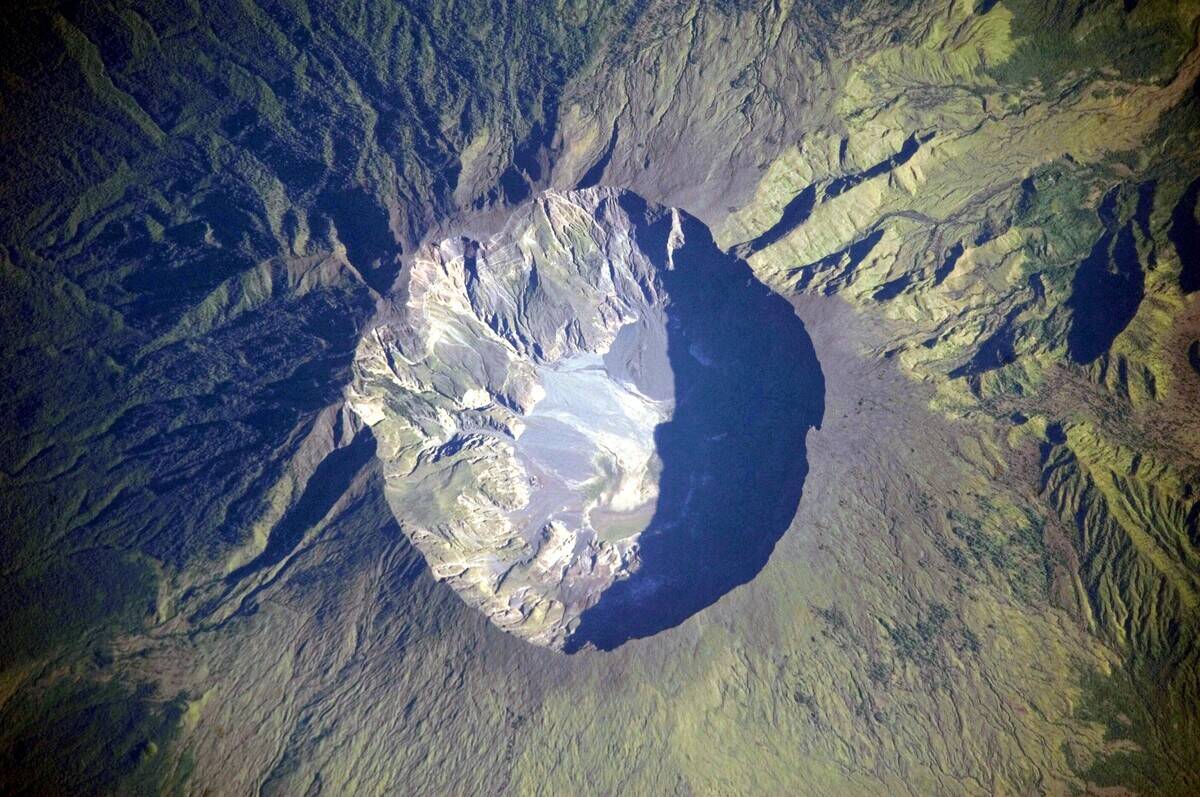
Mount Tambora’s 1815 eruption was one of the most powerful in recorded history, leading to the “Year Without a Summer” due to its global climatic effects. While volcanic activity was noted in the region around 1808–1809, the 1815 eruption remains Tambora’s most significant event.
Tambora’s eruption had profound impacts on agriculture, economies, and societies worldwide. The event highlights the interconnectedness of natural and human systems, emphasizing the need for comprehensive disaster preparedness and climate resilience.
Santorini: The Mythical Eruptions of Thera
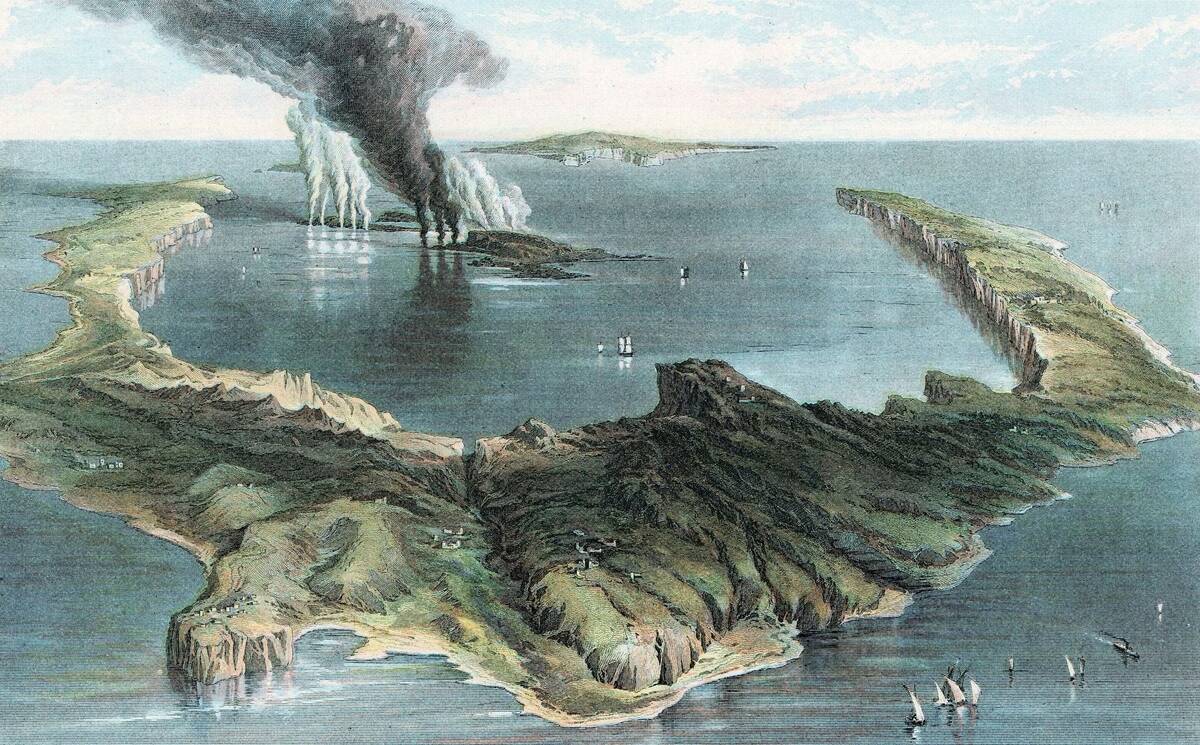
The ancient island of Thera, now known as Santorini, experienced a cataclysmic eruption around 1600 BCE, one of the largest in recorded history. This event, possibly followed by another eruption, significantly impacted the Minoan civilization and inspired legends such as the Atlantis myth.
Santorini’s dramatic caldera and unique geological features continue to attract researchers and tourists. The island’s history offers insights into the cultural and environmental impacts of volcanic eruptions, informing modern resilience strategies.
Mount Rainier: The Silent Sentinel with a Fiery Legacy
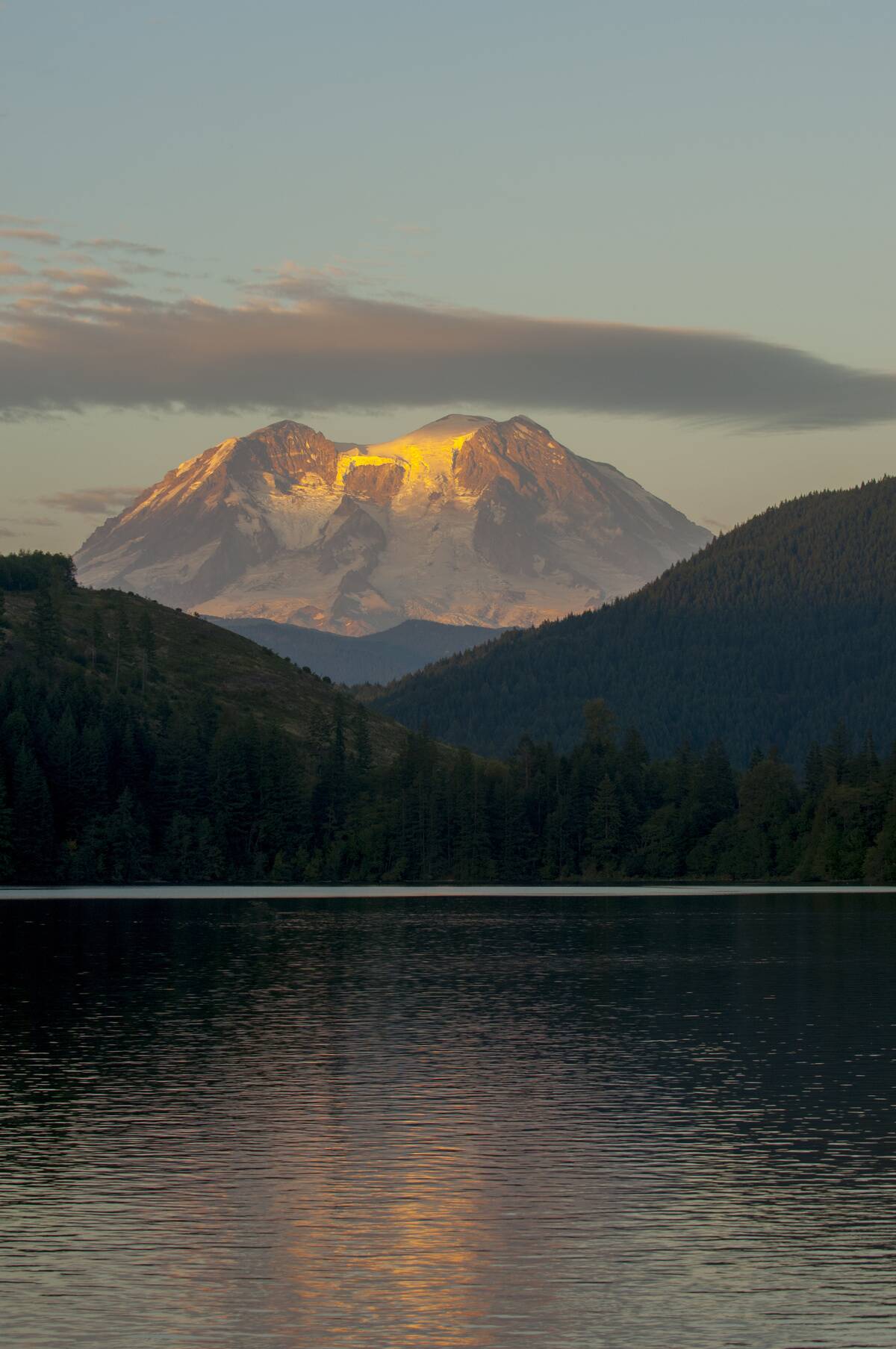
Mount Rainier, an active stratovolcano in Washington State, has a history of eruptions, with potential for future activity. Its last significant eruption occurred approximately 1,000 years ago, and geological records show multiple past eruptions.
Rainier poses a significant risk to nearby populations due to its glacial cover and potential for lahars. The volcano’s majestic presence and recreational opportunities make it a popular destination. Ongoing monitoring and preparedness efforts aim to mitigate risks and ensure community safety.
The Surprising Resurgence of Mount Pelee
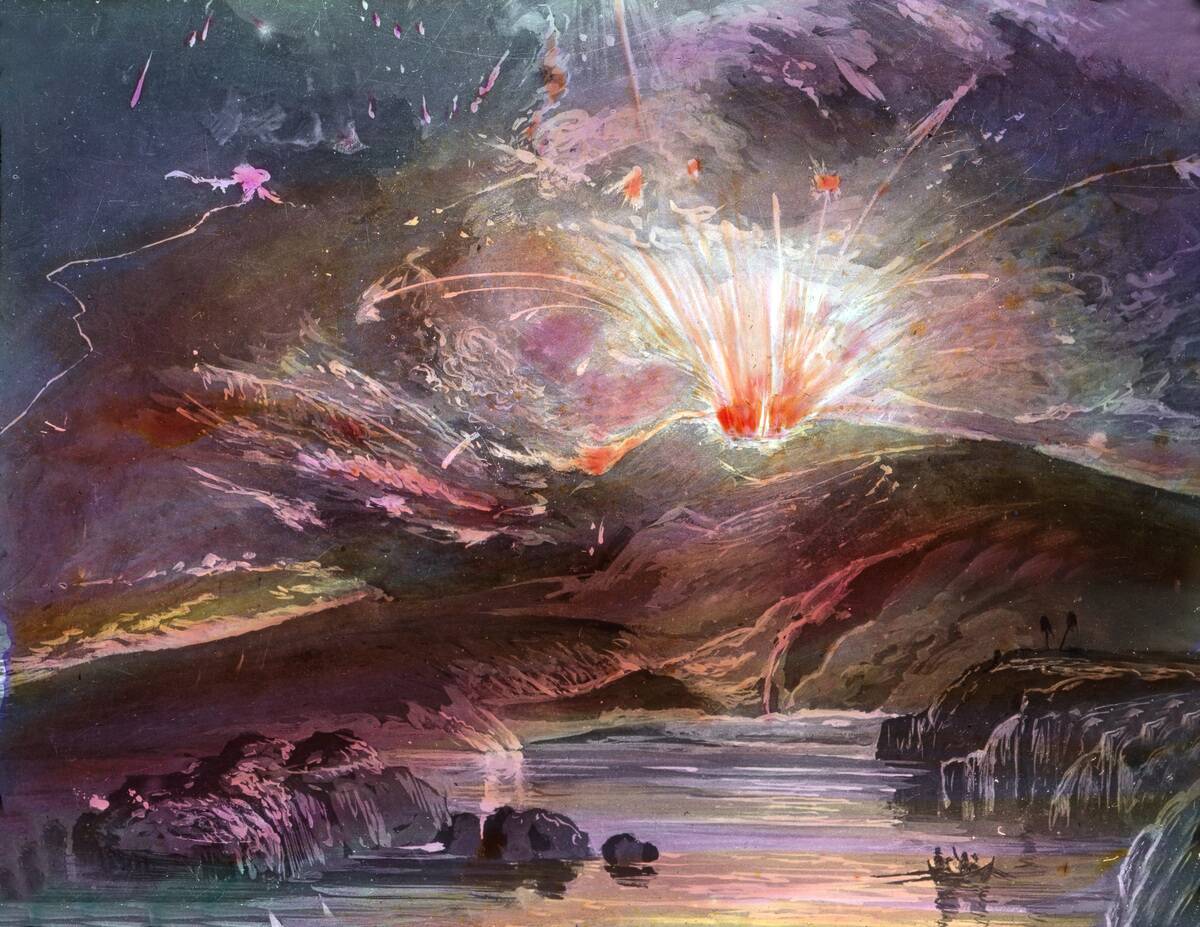
Mount Pelee, located on the island of Martinique, is infamous for its 1902 eruption that destroyed the city of Saint-Pierre. Recent volcanic activity suggests the potential for future eruptions, including possible double events. Pelee’s history underscores the importance of volcanic monitoring and community preparedness.
The volcano’s lush surroundings and historical significance make it a compelling subject for research and tourism. Efforts to understand Pelee’s behavior continue, with the goal of minimizing future risks to the island’s inhabitants.
How Volcanic Eruptions Shape Our Planet’s Future
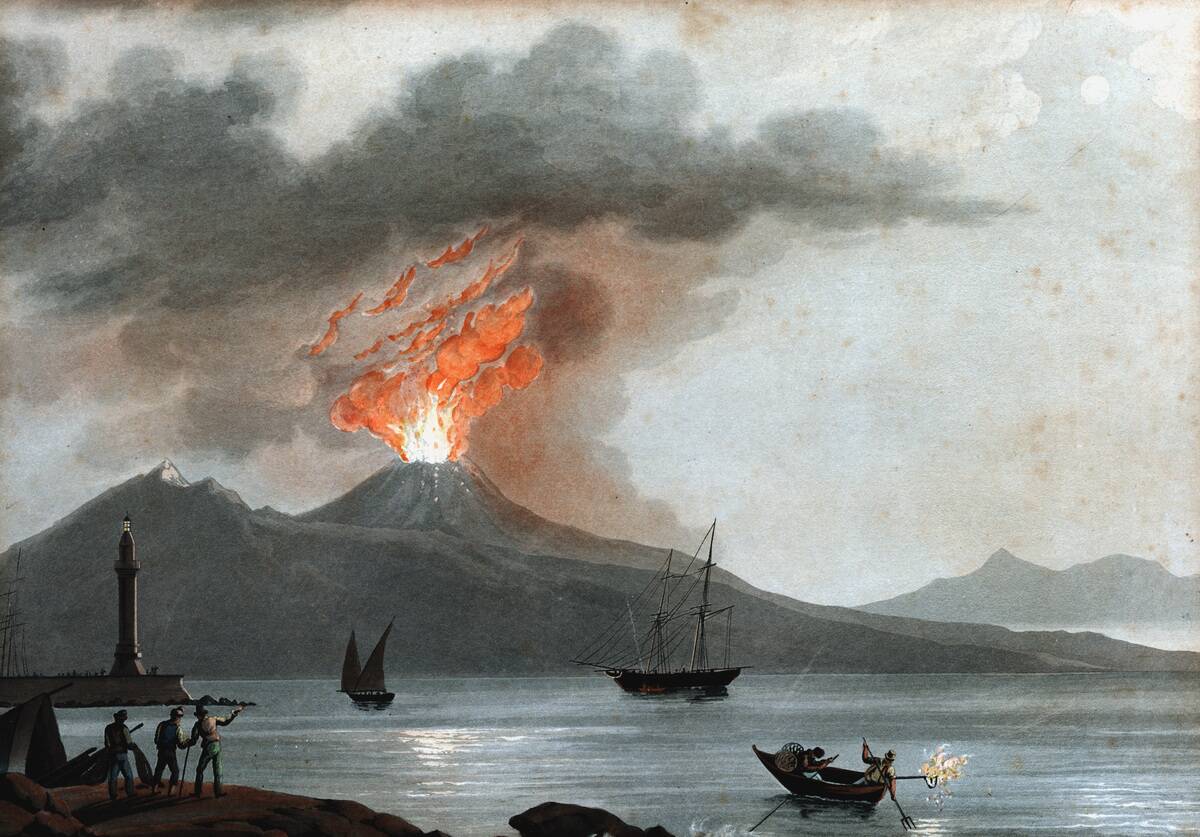
Volcanic eruptions play a crucial role in shaping Earth’s climate, ecosystems, and landscapes. They contribute to the formation of new land, influence atmospheric conditions, and drive evolutionary processes. Understanding volcanic activity helps scientists predict future climate scenarios and assess environmental impacts.
As research advances, our ability to mitigate volcanic risks and harness their benefits continues to improve. The study of volcanic eruptions is essential for understanding Earth’s dynamic systems and ensuring a sustainable future for generations to come.