Epidemics that reshaped public health forever
Epidemics have always been a part of human history, shaping societies and challenging our understanding of health. These outbreaks, from ancient times to the modern era, have pushed us to develop new strategies and tools to combat diseases.
By examining the impact of these health crises, we can better appreciate the importance of public health measures. Epidemics not only affect those who fall ill but also ripple through economies, social structures, and public policies.
The Bubonic Plague: The Black Death That Changed It All

The Bubonic Plague, also known as the Black Death, swept through Europe in the 14th century, eliminating an estimated 25 million people. This pandemic drastically altered medieval society, leading to labor shortages and economic shifts.
The Black Death also spurred significant changes in public health practices. Cities began implementing quarantines and sanitation measures in an attempt to control the spread of the disease, laying the groundwork for modern public health strategies.
Smallpox: The Epidemic that Led to the First Vaccine
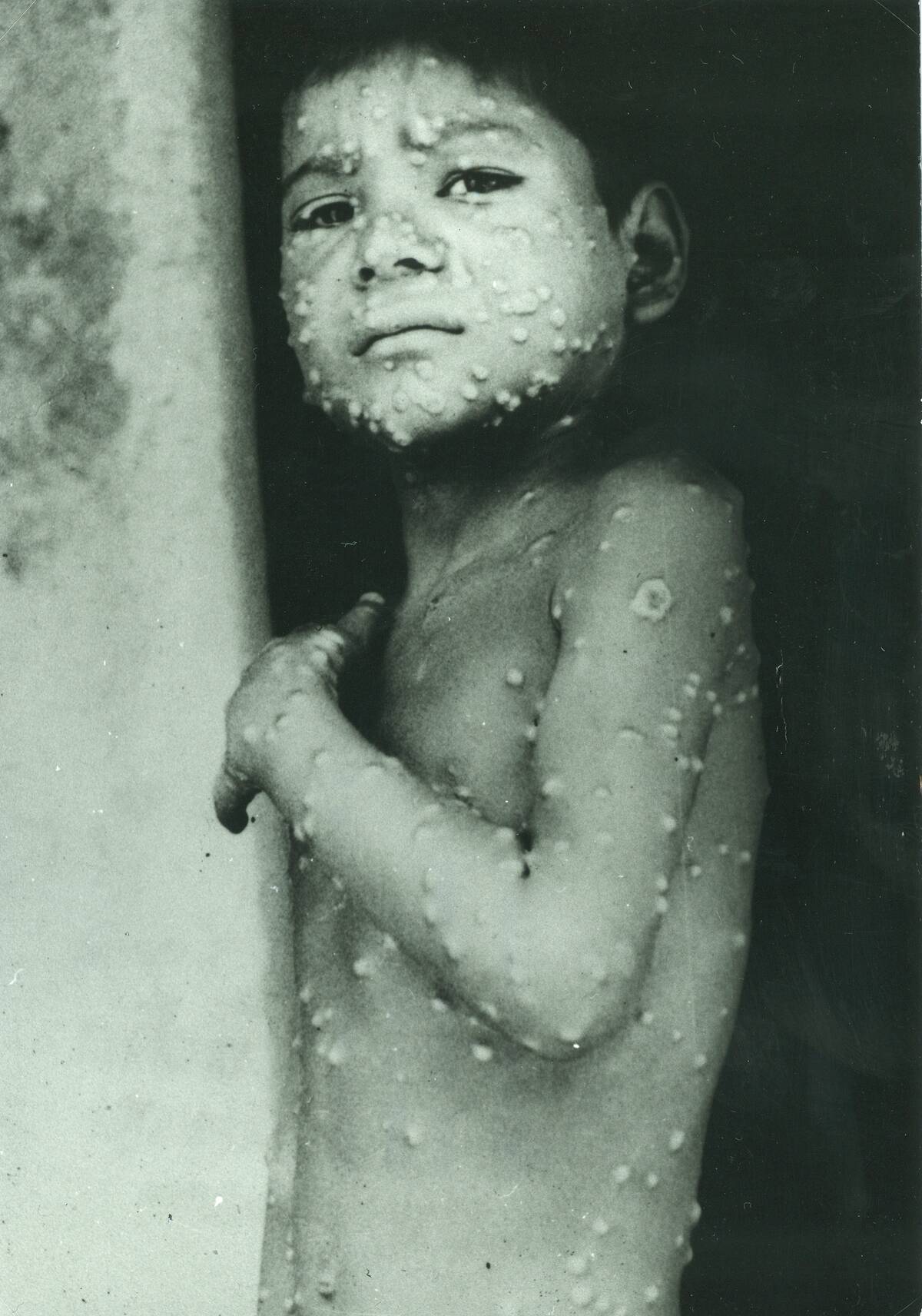
Smallpox was a devastating disease, causing millions of deaths worldwide until the late 20th century. The development of the first vaccine by Edward Jenner in 1796 marked a turning point in medical history.
Jenner’s discovery was inspired by the observation that milkmaids who had suffered from cowpox were immune to smallpox. This pioneering vaccine eventually led to the global eradication of smallpox in 1980, showcasing the power of vaccination in disease prevention.
Cholera Outbreaks: Paving the Way for Modern Sanitation

Cholera, a waterborne disease, has caused several deadly outbreaks since the 19th century. The infamous London outbreak of 1854 led physician John Snow to investigate and identify contaminated water as the source.
His work laid the foundations for the field of epidemiology and underscored the importance of clean water and sanitation. These cholera outbreaks prompted cities worldwide to improve sewage and water systems, crucial steps in modern public health infrastructure.
The Spanish Flu: A Wake-Up Call for Global Health

The Spanish Flu of 1918 was one of the deadliest pandemics, killing an estimated 50 million people worldwide. Unlike previous outbreaks, a distinctive feature was unusually high mortality among young adults.
The rapid spread of the virus across continents underscored the need for international cooperation in health matters. Lessons learned from the Spanish Flu have since influenced global pandemic preparedness and response strategies, emphasizing the importance of timely communication and public health measures.
Polio: The Fight Against a Paralyzing Epidemic

Polio was a feared disease in the 20th century, leading to paralysis and affecting thousands of children annually. The development of the polio vaccine by Jonas Salk in 1955 was a significant milestone in the fight against this epidemic.
Mass immunization campaigns have dramatically reduced polio cases, bringing us closer to eradicating the disease. This effort highlights the vital role of vaccines in controlling and potentially eliminating infectious diseases.
HIV/AIDS: Shaping Modern Sexual Health Awareness
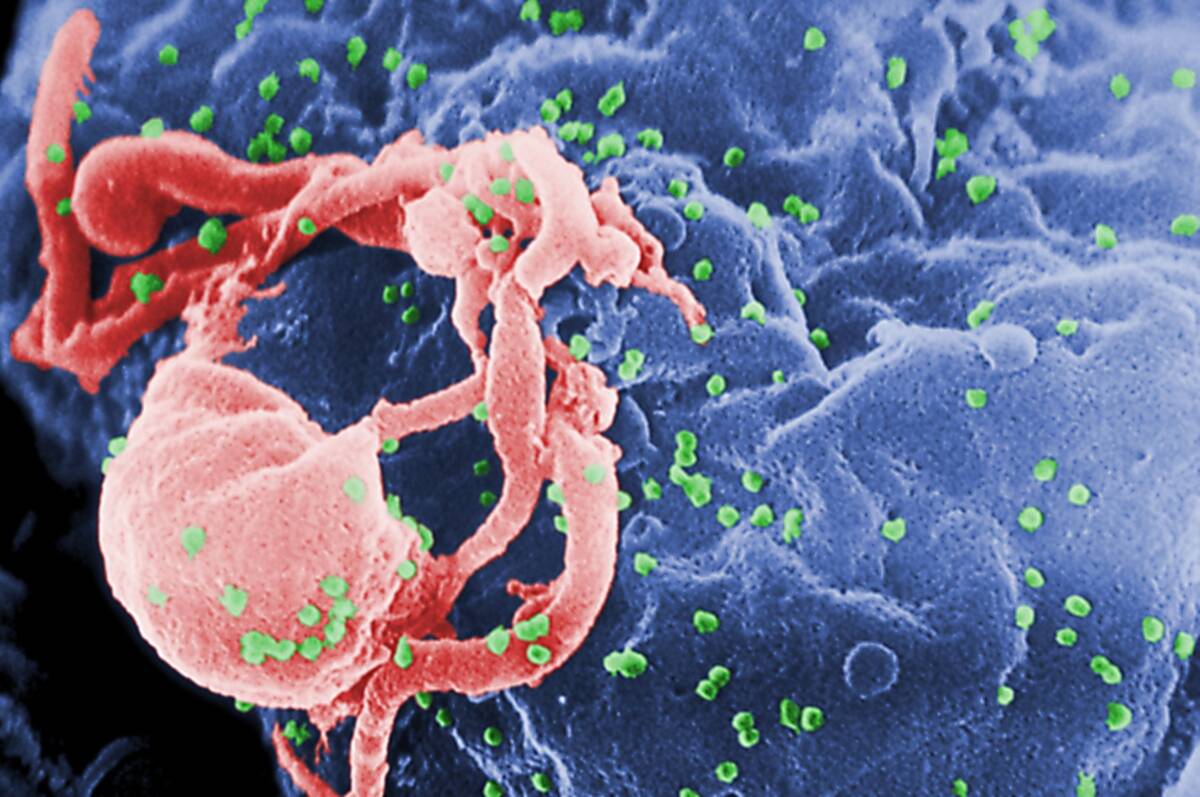
The emergence of HIV/AIDS in the 1980s brought a new challenge to public health, affecting millions globally. The epidemic transformed the way we approach sexual health, leading to advancements in education, prevention, and treatment.
The development of antiretroviral therapy has turned HIV from a fatal disease into a manageable condition. The HIV/AIDS crisis also spurred activism and awareness, highlighting the importance of addressing stigma and promoting sexual health education.
SARS: Catalyzing Global Health Communication
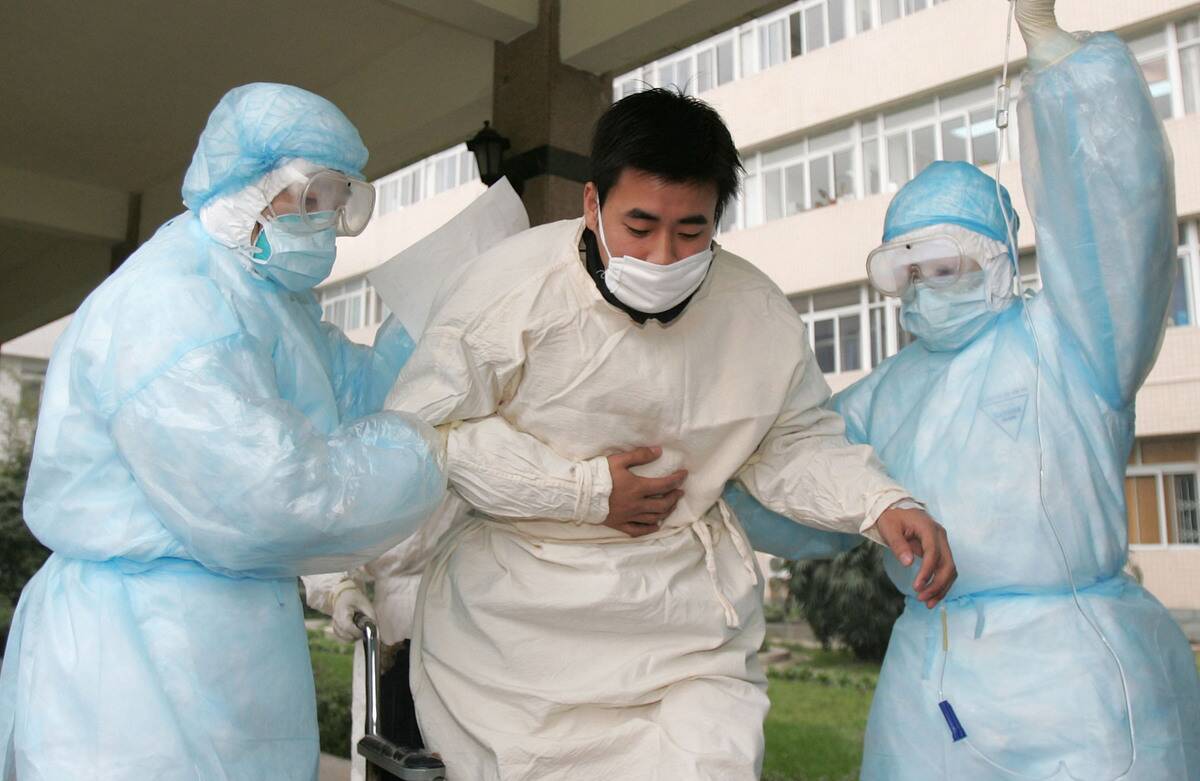
The outbreak of Severe Acute Respiratory Syndrome (SARS) in 2002-2003 was a wake-up call for global health systems. Originating in China, SARS spread rapidly to other countries, causing over 8,000 infections and nearly 800 deaths.
The World Health Organization’s swift response and the collaboration between nations were crucial in containing the virus. SARS demonstrated the need for robust global health communication and surveillance systems to effectively manage outbreaks.
The H1N1 Swine Flu: Lessons in Pandemic Preparedness
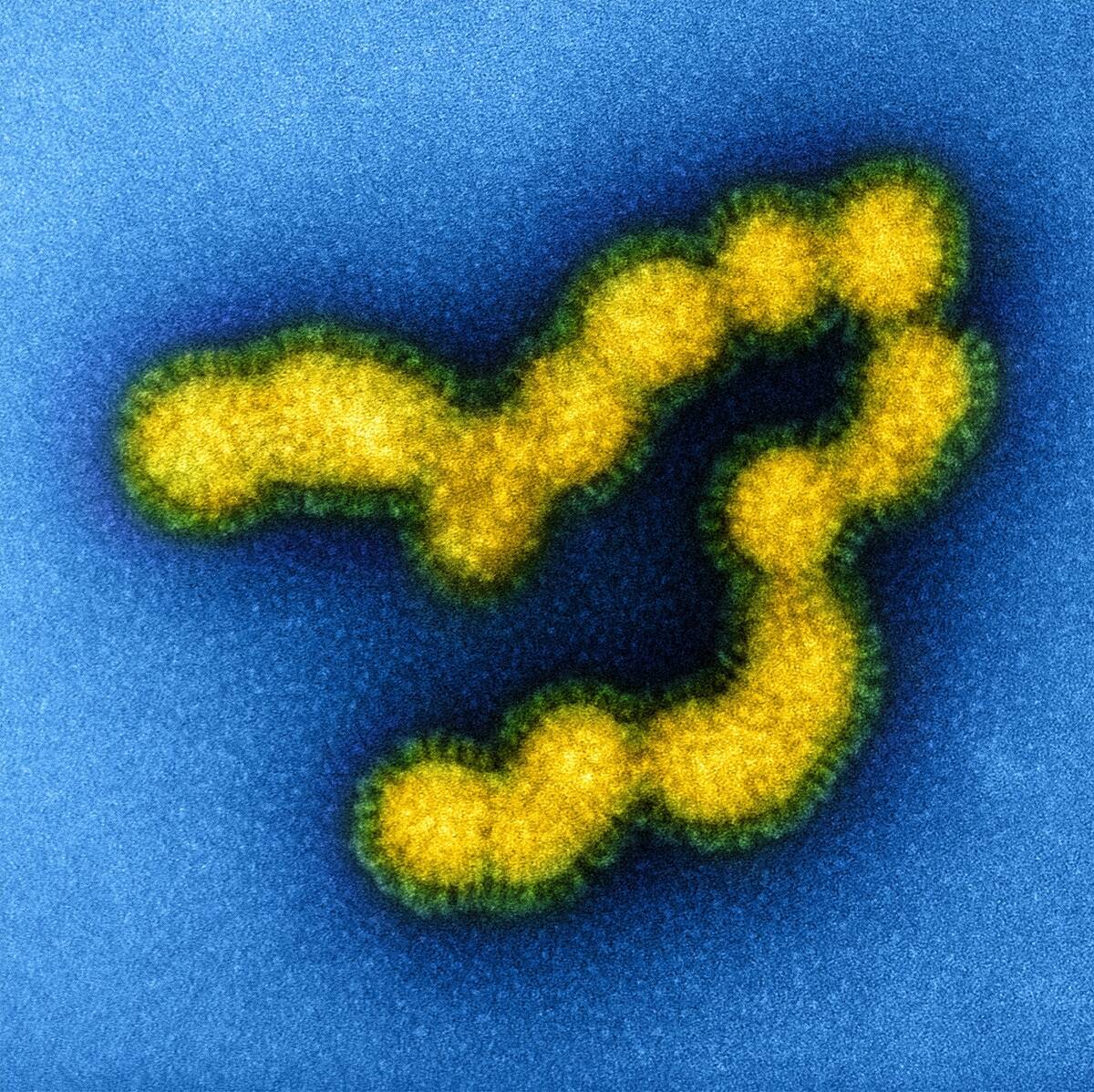
The H1N1 swine flu pandemic of 2009 highlighted the unpredictable nature of influenza viruses. Originating in pigs, this strain spread rapidly among humans, resulting in widespread illness and prompting a global response.
The pandemic tested public health systems’ readiness and emphasized the importance of vaccine development and distribution. Lessons learned from the H1N1 outbreak have been instrumental in shaping current pandemic preparedness plans, ensuring better responses to future threats.
Ebola: Strengthening International Health Responses
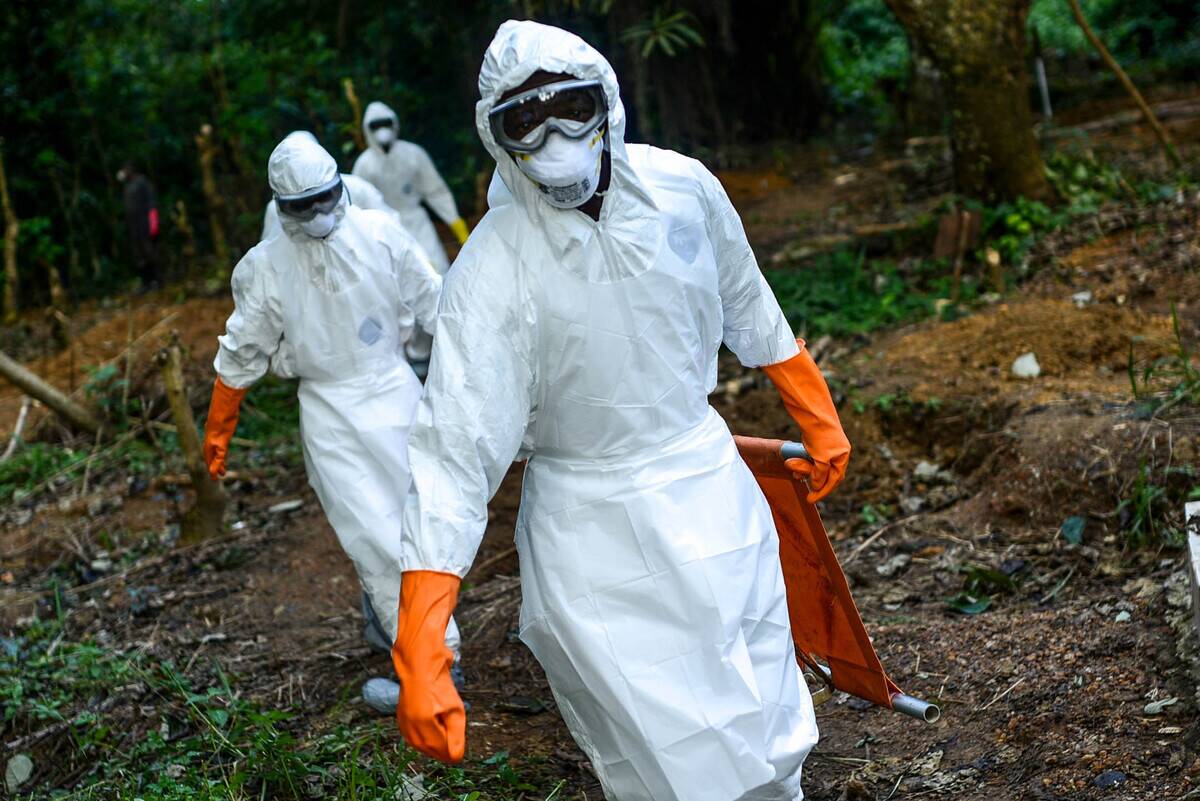
The Ebola outbreak in West Africa between 2014 and 2016 was a significant public health challenge, resulting in over 11,000 deaths. The international response, though initially slow, eventually led to the development of effective treatment protocols and vaccines.
This crisis underlined the importance of timely international assistance and cooperation in controlling outbreaks. Ebola also highlighted the need for strengthening health systems in vulnerable regions to better handle future epidemics.
Zika Virus: Highlighting the Importance of Vector Control
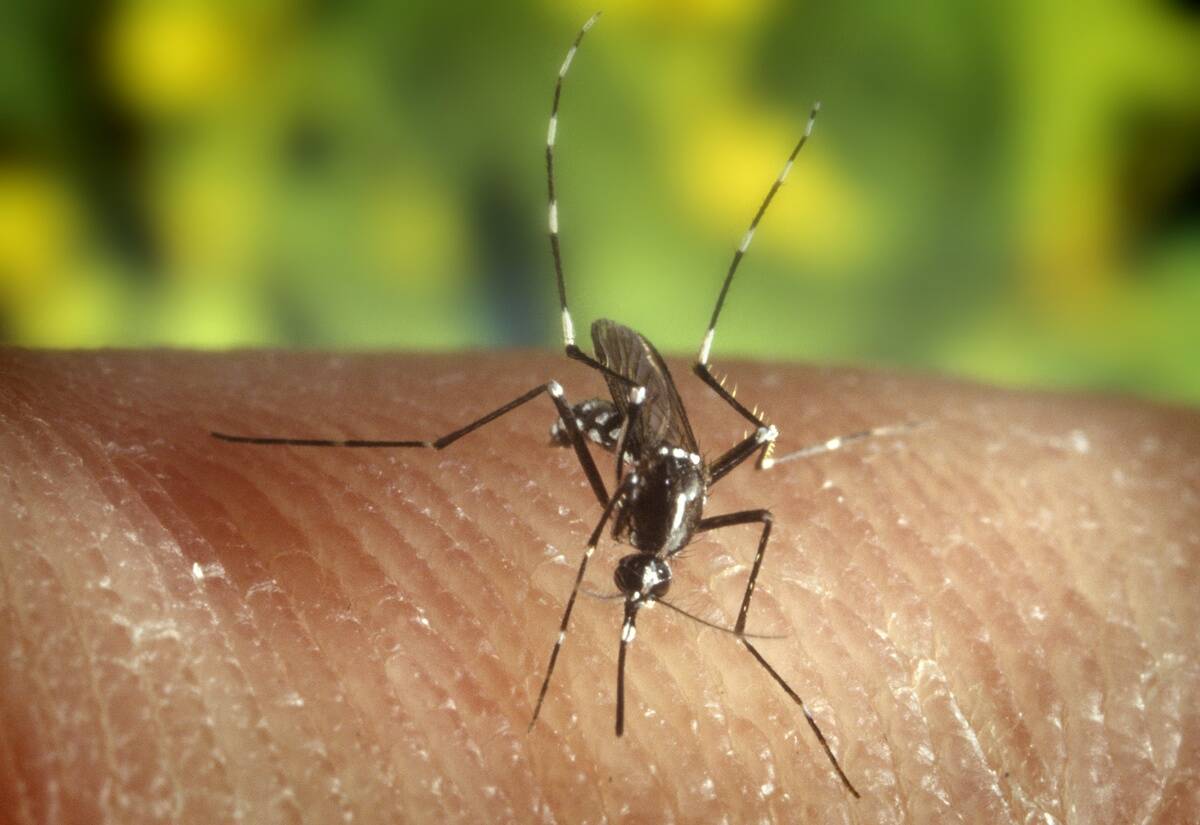
The Zika virus outbreak in 2015-2016 brought attention to the consequences of mosquito-borne diseases. Linked to severe birth defects, Zika spread rapidly across the Americas, prompting widespread public health warnings.
The outbreak emphasized the importance of vector control measures, such as reducing mosquito breeding sites and using repellents. Zika also illustrated the need for research into mosquito-borne diseases and the development of vaccines to prevent future outbreaks.
COVID-19: Transforming Public Health in the 21st Century

The COVID-19 pandemic, beginning in 2019, has had a profound impact on global public health. With millions of cases and deaths worldwide, it has reshaped how we think about health, work, and daily life.
The pandemic accelerated the development of vaccines using novel mRNA technology, showcasing rapid scientific advancements. COVID-19 also highlighted disparities in healthcare access and the importance of public health measures like masking and social distancing in controlling disease spread.
Measles Resurgences: The Ongoing Battle Against Vaccine Hesitancy

Recent resurgences of measles in various regions have brought attention to the issue of vaccine hesitancy. Despite the availability of an effective vaccine, outbreaks occur when vaccination rates drop. This highlights the challenges public health officials face in combating misinformation and ensuring high vaccination coverage.
The measles outbreaks underscore the importance of maintaining herd immunity and educating communities about the benefits and safety of vaccines to prevent the return of preventable diseases.
Tuberculosis: The Long Road to Eradication
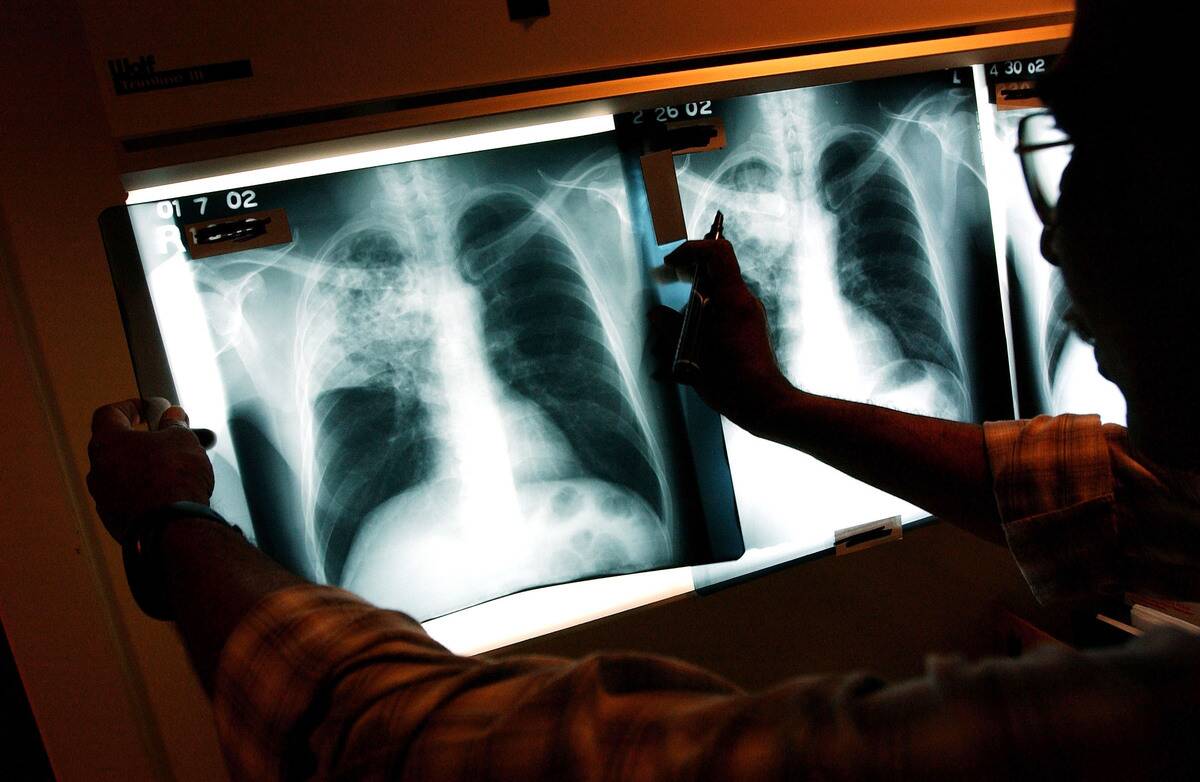
Tuberculosis (TB) remains a global health challenge, with millions of new cases each year. Despite being curable, TB continues to claim lives, particularly in low-income countries. Efforts to combat TB include improved diagnostic methods, treatment regimens, and the development of new vaccines.
The fight against TB is complicated by drug-resistant strains, making it imperative to enhance global cooperation and innovation in research. Success in eradicating TB requires sustained commitment and resources.
Malaria: Continuous Efforts in Global Health Campaigns

Malaria is a persistent public health issue, primarily affecting sub-Saharan Africa. Efforts to combat malaria have included widespread use of insecticide-treated nets and antimalarial drugs. Recent advancements in vaccine development offer hope for reducing the disease’s burden.
However, challenges remain, such as drug resistance and the need for sustained funding. Global health campaigns continue to focus on prevention, treatment, and research to achieve long-term control and eventual eradication of malaria.
Technological Advances Triggered by Epidemic Challenges

Epidemics have historically driven technological innovation, leading to advancements that improve public health. The COVID-19 pandemic, for instance, accelerated the development of telehealth services, allowing patients to receive care remotely. Digital contact tracing apps emerged as tools to monitor and contain virus spread.
Additionally, advancements in vaccine technology, such as mRNA vaccines, have revolutionized our approach to preventing infectious diseases. These innovations demonstrate the potential for technology to enhance epidemic response and healthcare delivery.




