Astronomical events that shaped religious calendars
Since the dawn of civilization, humans have looked to the skies for answers, guidance, and inspiration, bridging the gap between the celestial and the terrestrial. The intricate dance of stars, planets, and cosmic phenomena has deeply influenced religious beliefs and rituals across cultures.
This cosmic connection highlights how our ancestors interpreted the universe’s mysteries, weaving them into the fabric of their spiritual practices. Understanding this link offers a fascinating glimpse into how astronomy and religion have intertwined throughout history.
Ancient Skywatchers: The Role of Stars in Early Beliefs
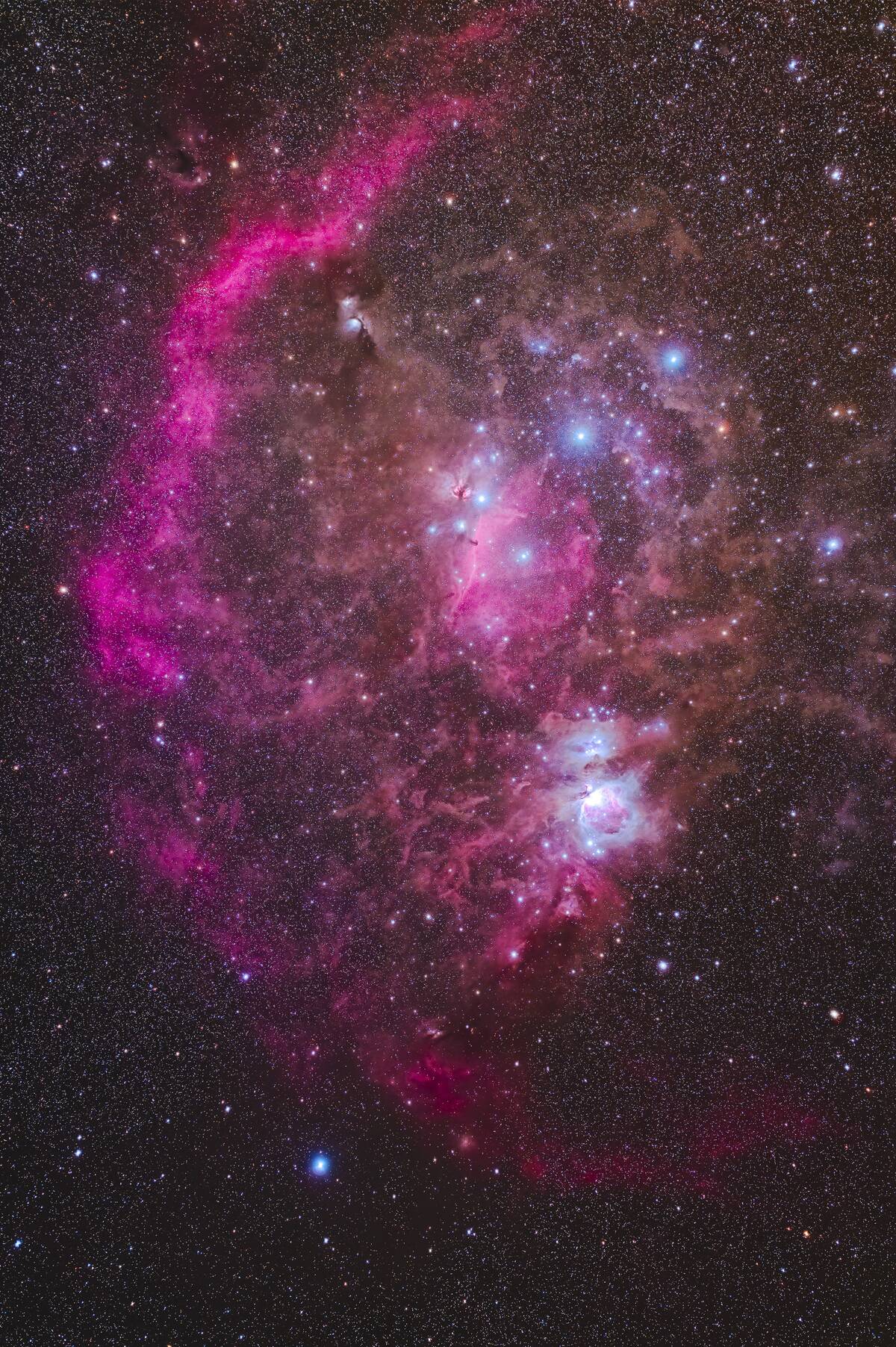
In ancient times, skywatchers played a crucial role in interpreting the heavens. The Egyptians built the Pyramids of Giza with alignments that some scholars believe correspond to the stars of Orion’s Belt, reflecting their religious beliefs connected to the afterlife and the god Osiris.
Similarly, the Mesopotamians saw constellations as divine beings, influencing their mythology and daily life. These early astronomers laid the groundwork for a celestial framework that helped societies navigate both the physical and spiritual realms.
The Solstice Celebrations: Marking the Sun’s Journey
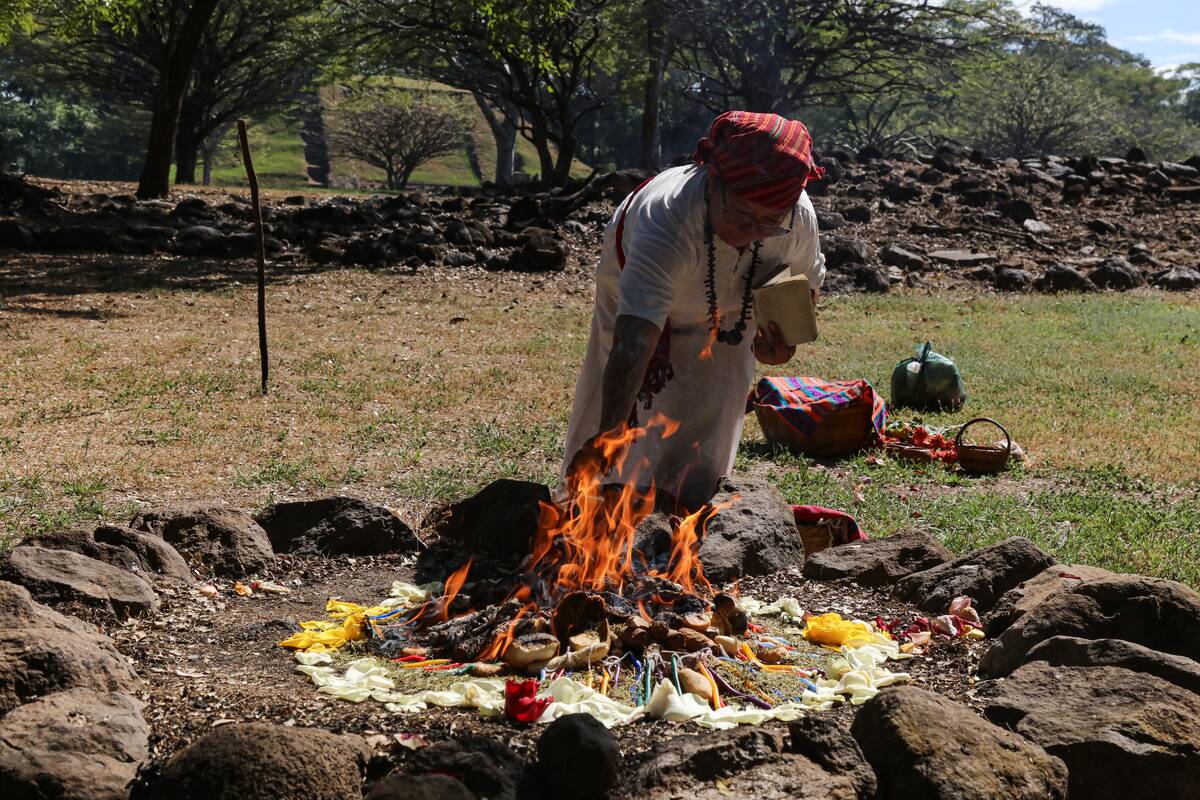
Solstice celebrations mark significant turning points in the sun’s journey across the sky. The winter solstice, for instance, has been celebrated as a time of rebirth and renewal, symbolizing the return of light.
Stonehenge, an iconic prehistoric monument, is famously aligned to the solstices, indicating its importance in these ancient rituals. These celebrations remind us of our ancestors’ deep connection with the sun’s cycles, which governed their agricultural and spiritual calendars.
Lunar Phases and Their Sacred Significance
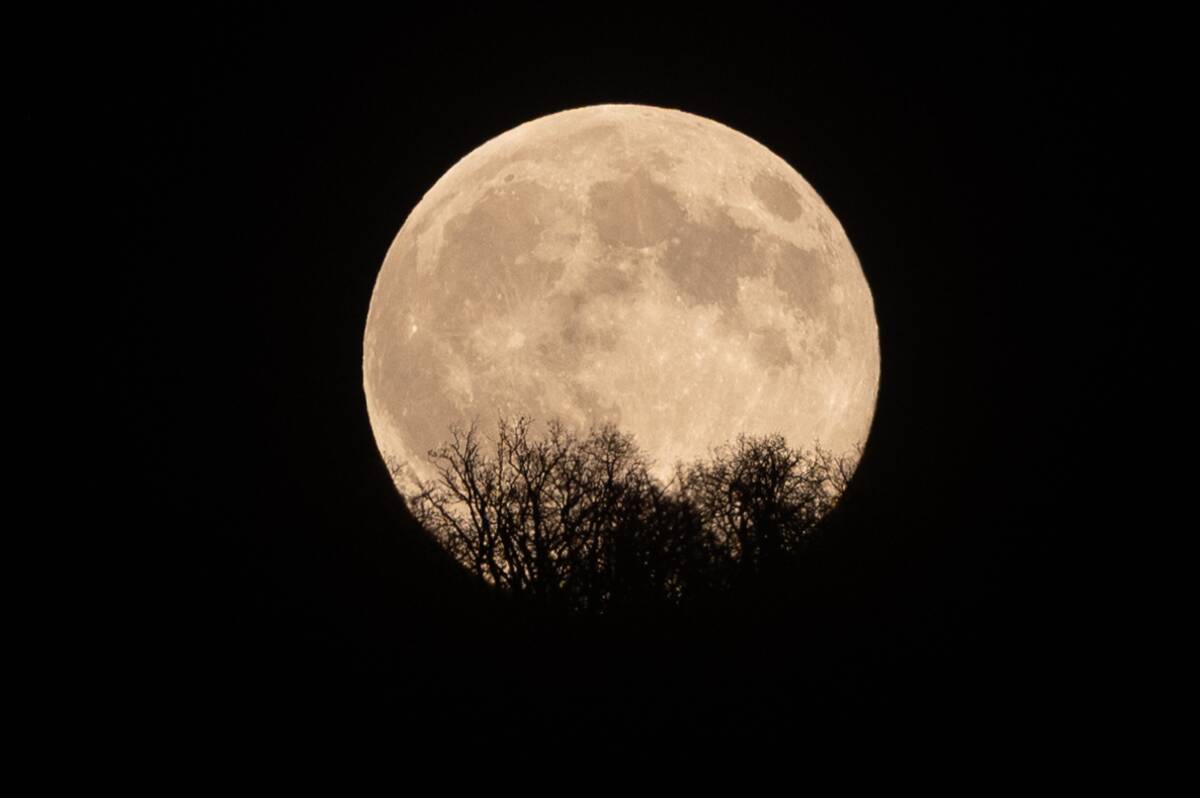
The moon, with its ever-changing phases, has held sacred significance across cultures. The waxing and waning of the moon were seen as symbols of life’s cycles, influencing various rites and ceremonies.
In Hinduism, the moon is associated with Chandra, a deity representing time and emotions. Similarly, the Islamic calendar is strictly lunar, dictating the timing of Ramadan and other significant events. These lunar phases continue to guide religious observances, underscoring the moon’s enduring spiritual role.
Eclipses: Omens or Divine Messages?
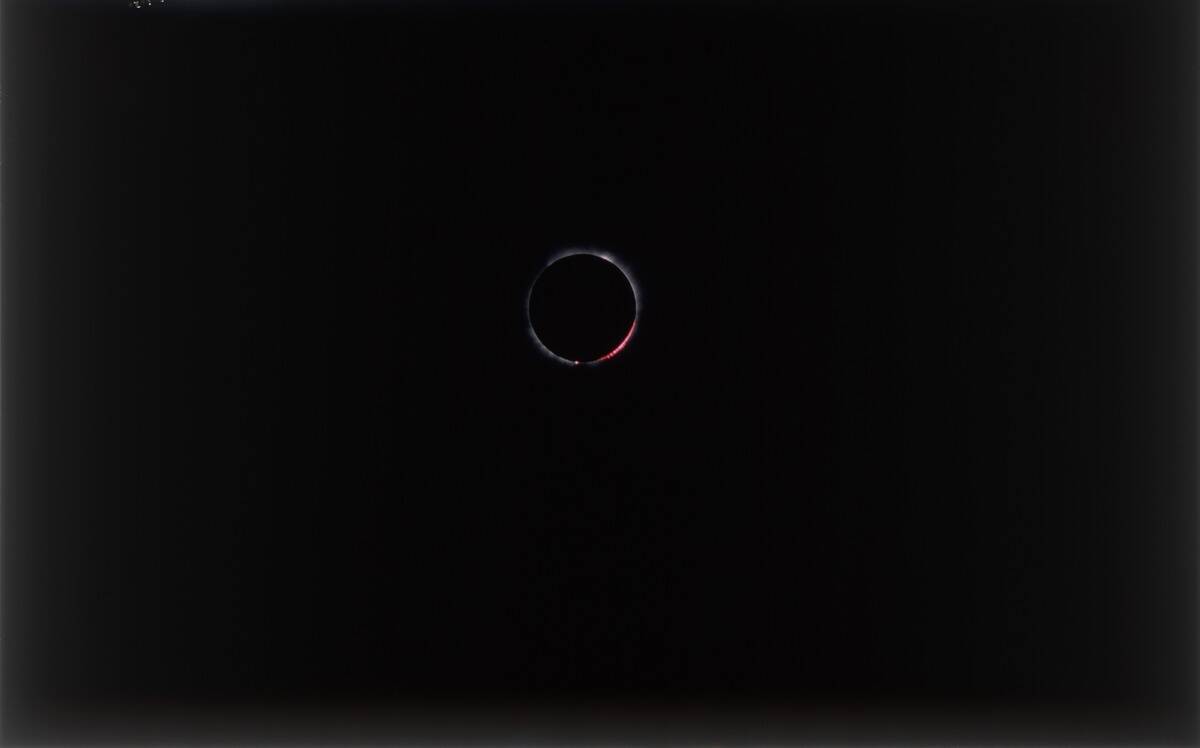
Eclipses have long been viewed as significant cosmic events, often interpreted as omens or divine messages. In ancient China, eclipses were believed to be dragons devouring the sun or moon, prompting rituals to restore cosmic balance.
Similarly, the Incas thought solar eclipses were a sign of displeasure from their sun god, Inti. While scientific understanding has demystified these occurrences, eclipses still captivate us, recalling a time when celestial events were seen as direct communications from the divine.
The Star of Bethlehem: A Celestial Guide
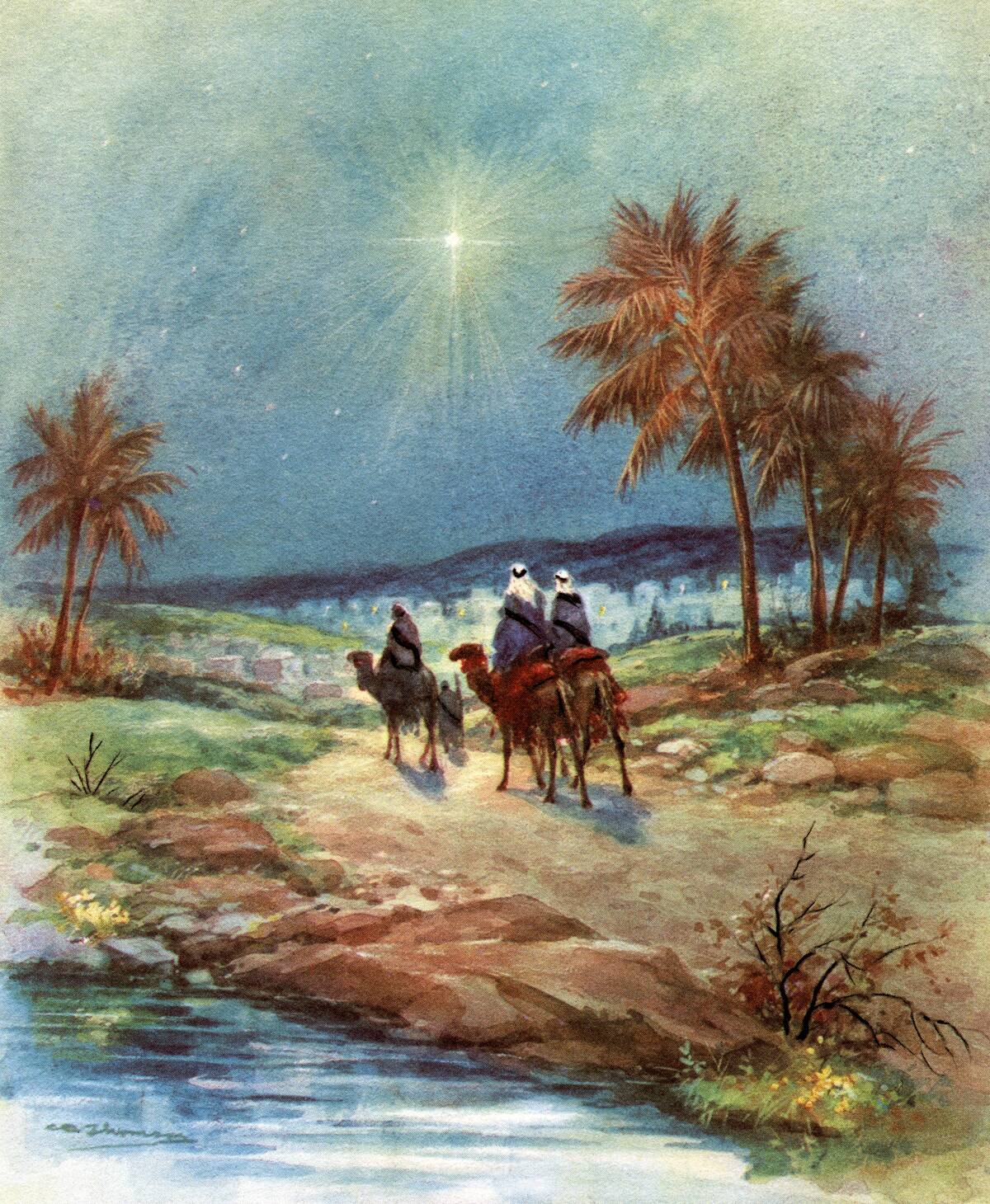
The Star of Bethlehem is a famous celestial phenomenon linked to the birth of Jesus, guiding the Magi to his birthplace. Some astronomers suggest it could have been a planetary conjunction, such as Jupiter and Saturn, or a bright comet.
This story illustrates how celestial events were interpreted as divine signs, playing a pivotal role in religious narratives. The idea that a star could herald a significant spiritual event highlights the deep connection between astronomy and religious lore.
The Mayan Calendar: Timekeeping and Prophecy
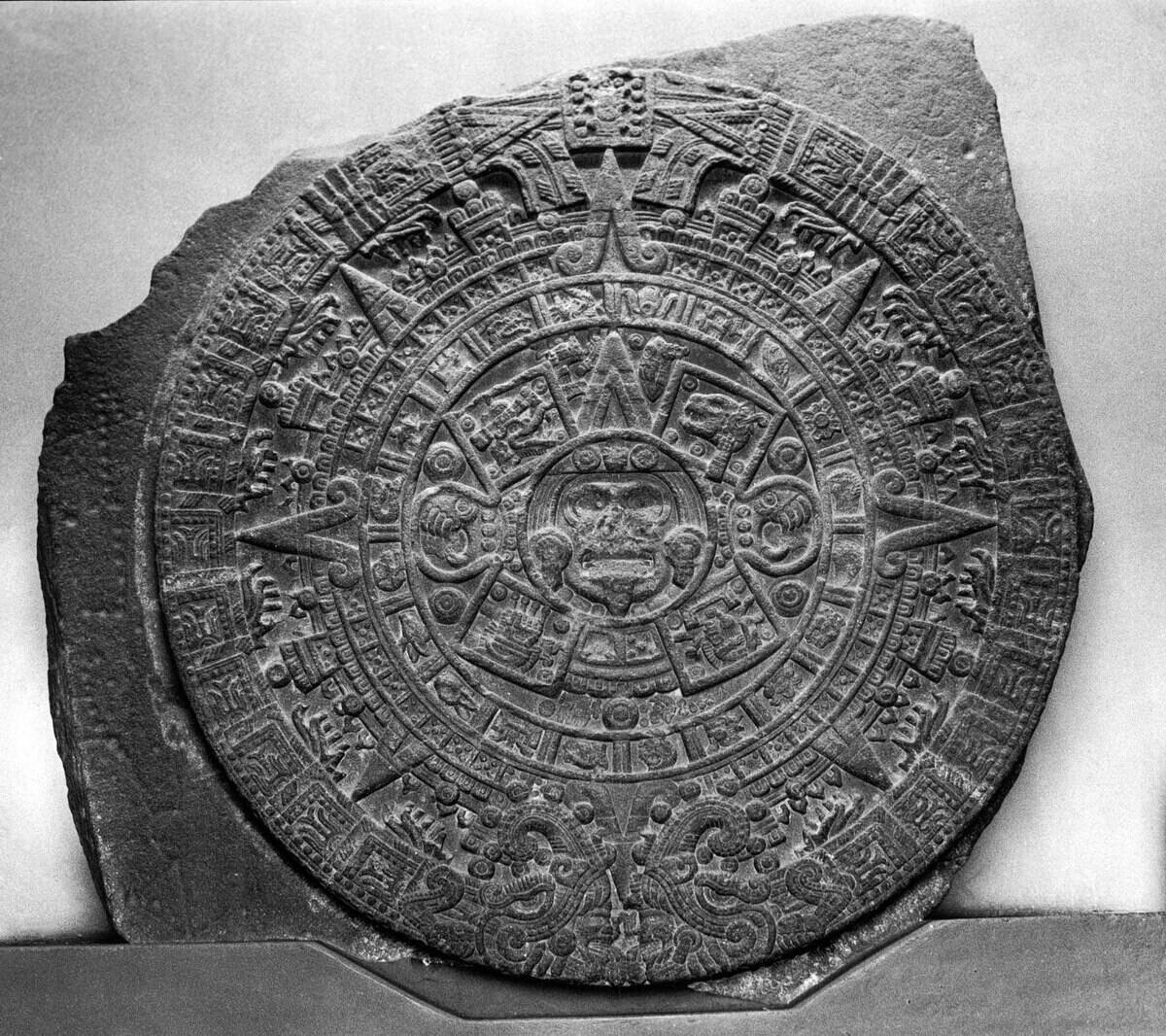
The Mayan calendar is renowned for its sophisticated timekeeping and its prophetic interpretations. Utilizing complex astronomical calculations, the Maya developed a calendar system that aligned with solar and lunar cycles.
The end of a baktun cycle in 2012 sparked widespread speculation about prophecies and world changes. This calendar exemplifies the Maya’s advanced understanding of celestial movements and their influence on earthly events, showcasing the interplay between astronomy and prophecy in their culture.
Equinox Rituals: Balancing Day and Night
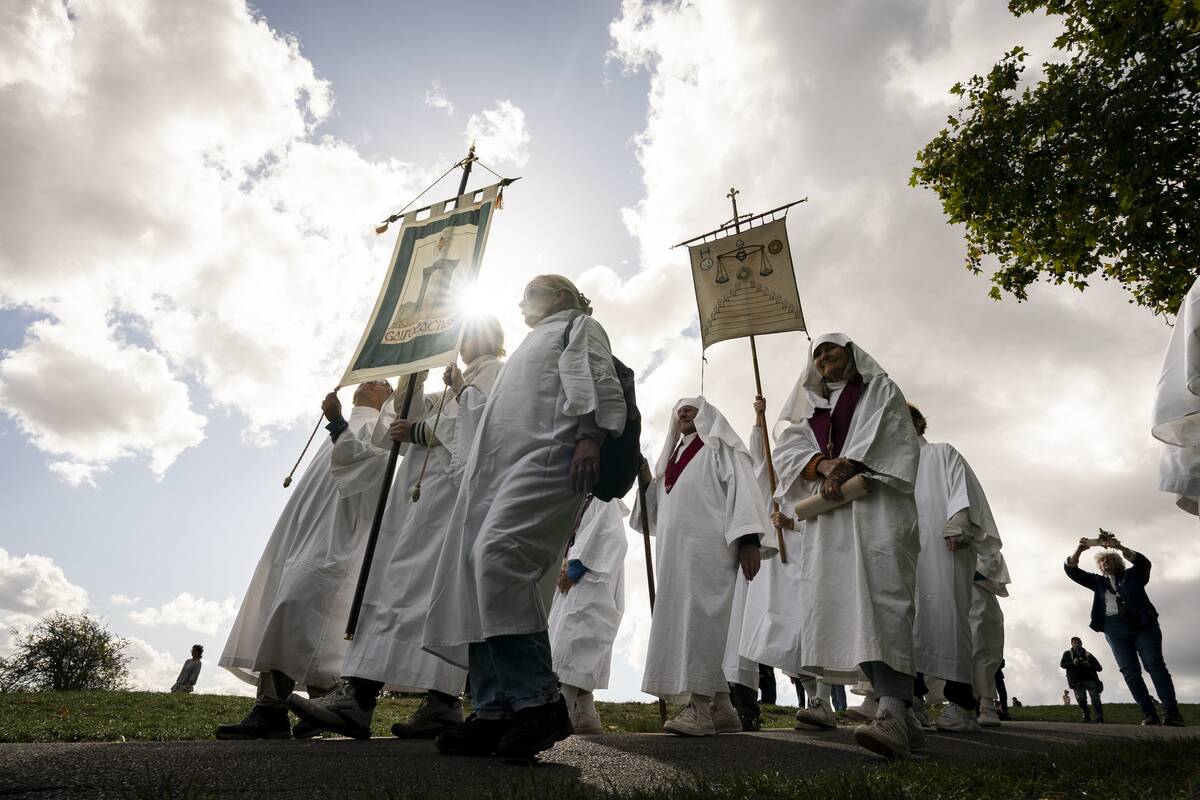
Equinox rituals celebrate the balance between day and night, marking the transition between seasons. In ancient Persia, Nowruz, the Persian New Year, coincides with the spring equinox, symbolizing renewal and rebirth.
Similarly, the autumn equinox has been celebrated by various cultures as a time for thanksgiving and reflection. These rituals emphasize harmony and equilibrium, reflecting the spiritual significance of celestial balance in human life and its influence on cultural traditions.
The Zodiac: Astrology’s Influence on Religion
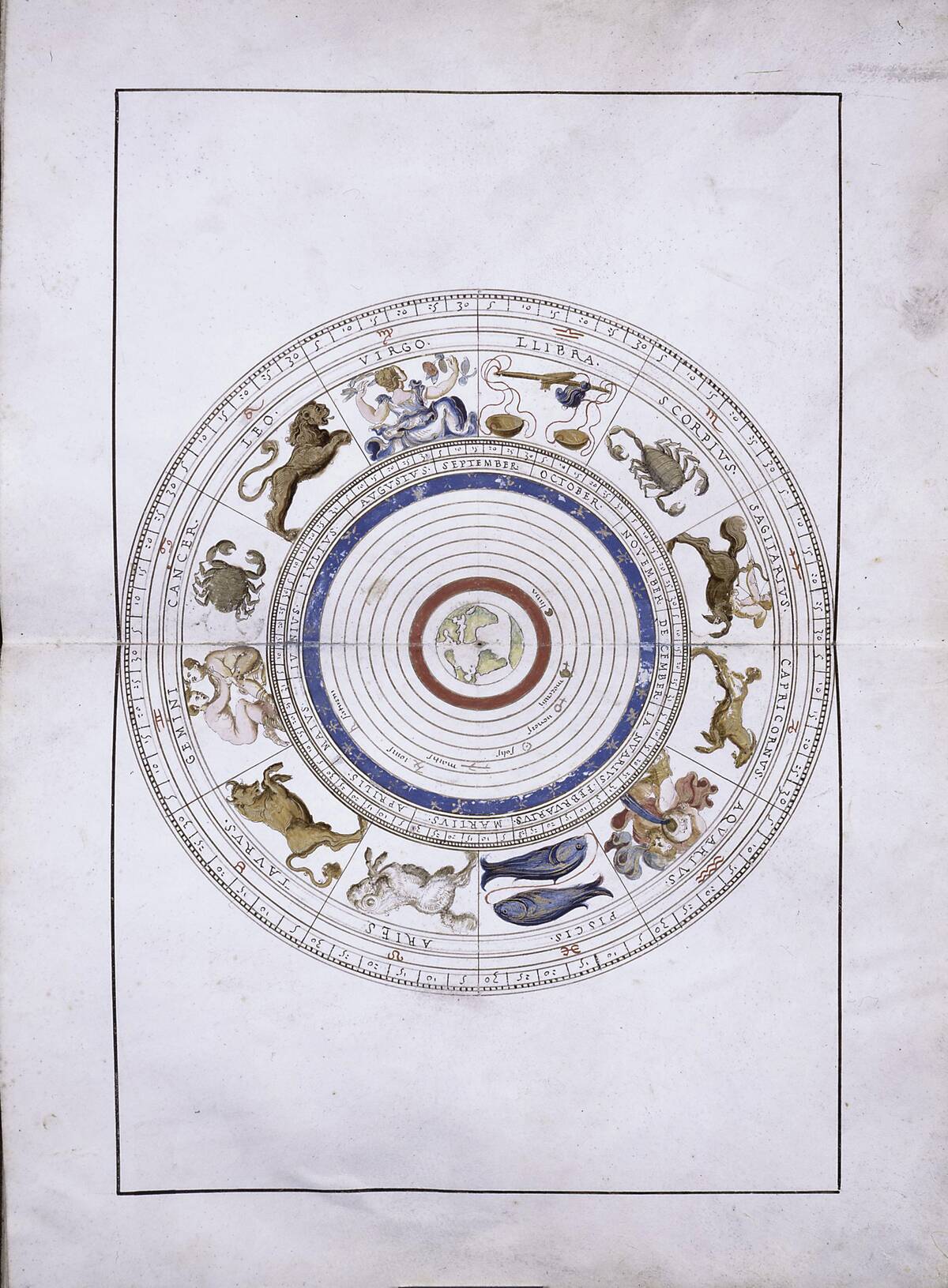
The zodiac, a celestial belt divided into twelve signs, has had a profound influence on religious beliefs and practices. In ancient Babylon, astrology was intertwined with religion, guiding decisions and predicting events.
The Greeks adopted and expanded upon this system, weaving it into their mythology. Even today, astrology remains a popular practice, reflecting a belief that celestial patterns can influence human affairs, bridging the gap between cosmic and spiritual realms.
The Indian Panchang: Aligning Festivals with Cosmic Cycles
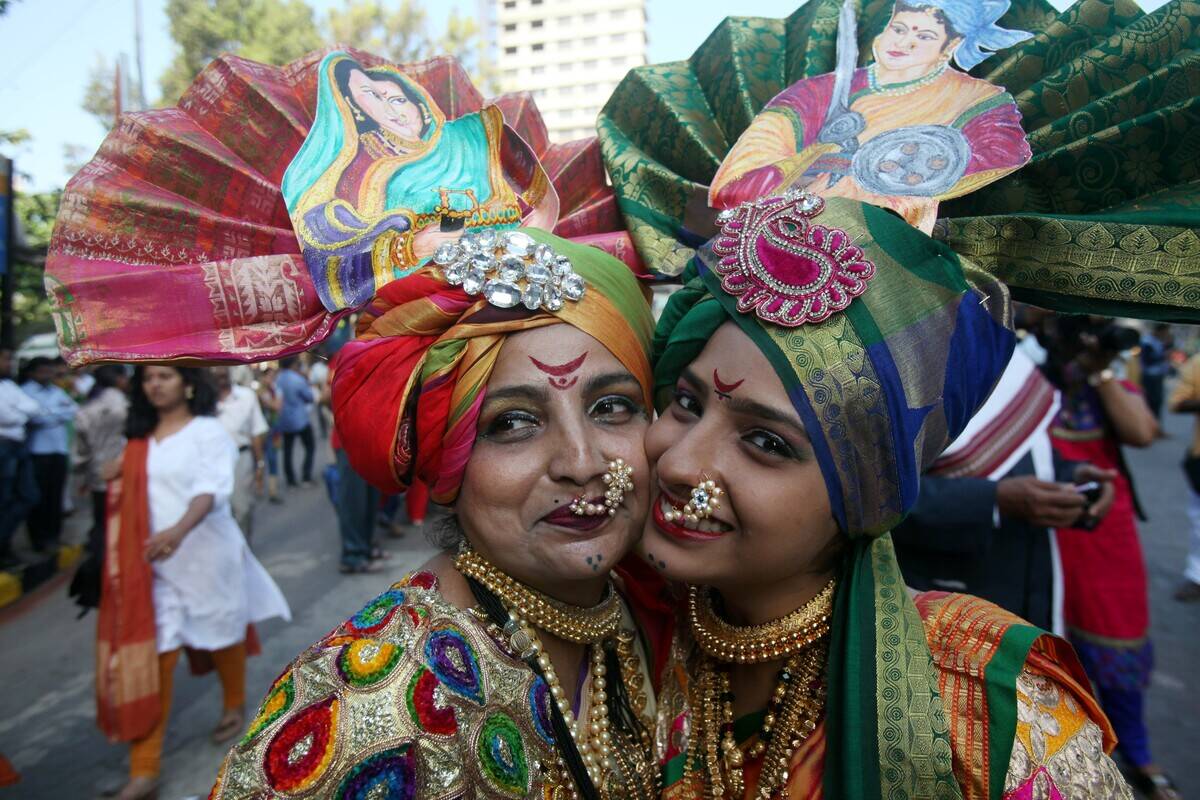
The Indian Panchang is a traditional calendar that aligns festivals with cosmic cycles, deeply rooted in Hindu astrology. It considers lunar phases, solar transitions, and planetary positions to determine auspicious times for rituals and celebrations.
Festivals like Diwali and Holi are celebrated based on this calendar, highlighting the symbiotic relationship between celestial movements and religious observances. The Panchang exemplifies how ancient knowledge of astronomy continues to shape cultural and spiritual practices in India.
The Islamic Calendar: Following the Phases of the Moon
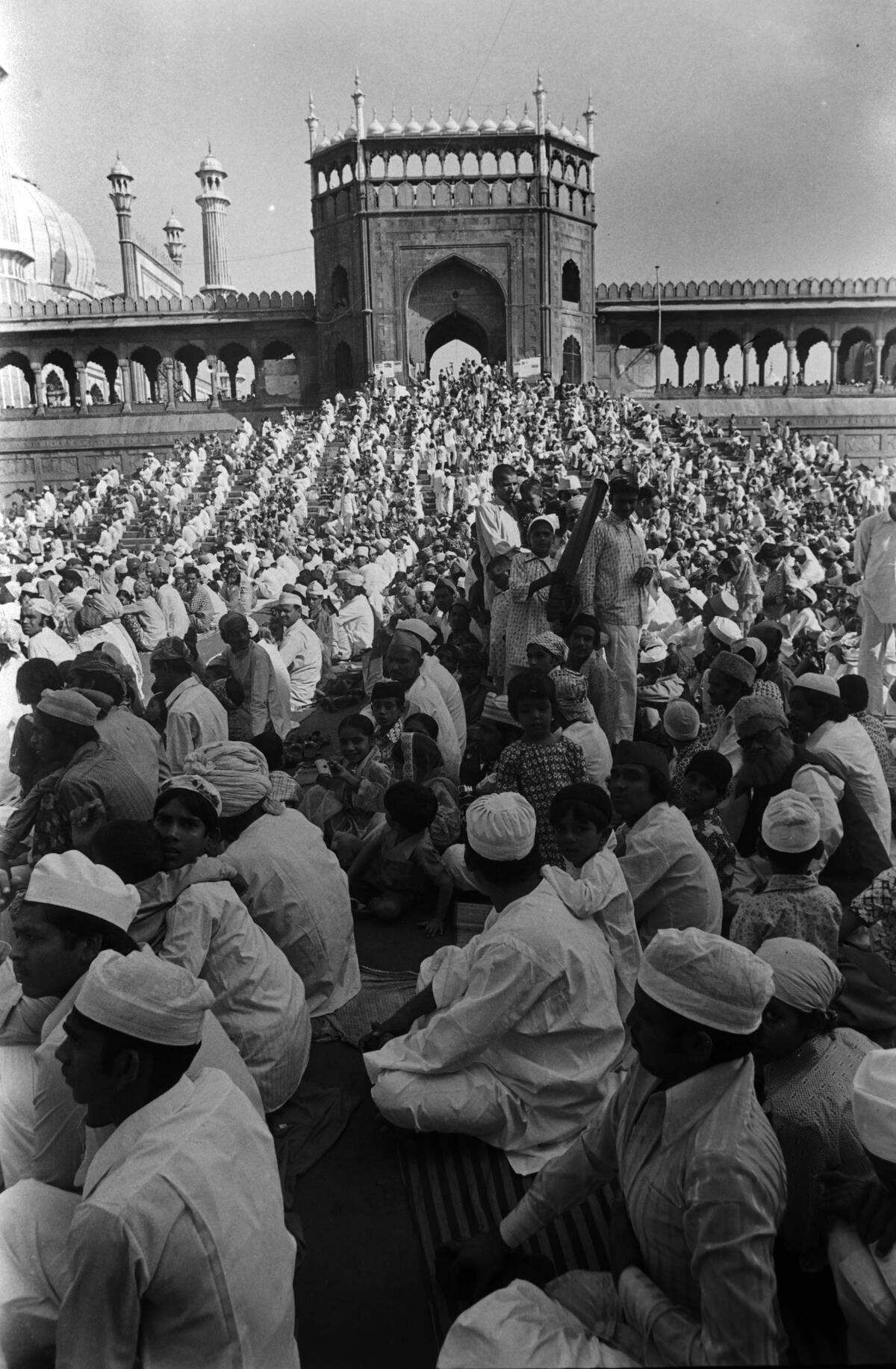
The Islamic calendar, known as the Hijri calendar, is a purely lunar system that governs the timing of religious observances. Each month begins with the sighting of the new moon, dictating the dates for Ramadan, Eid al-Fitr, and other significant events.
This reliance on lunar phases emphasizes the importance of celestial cycles in Islamic tradition, illustrating how the moon’s phases continue to shape religious life and community practices throughout the Muslim world.
Jewish Festivals: Lunar Months and Celestial Signs
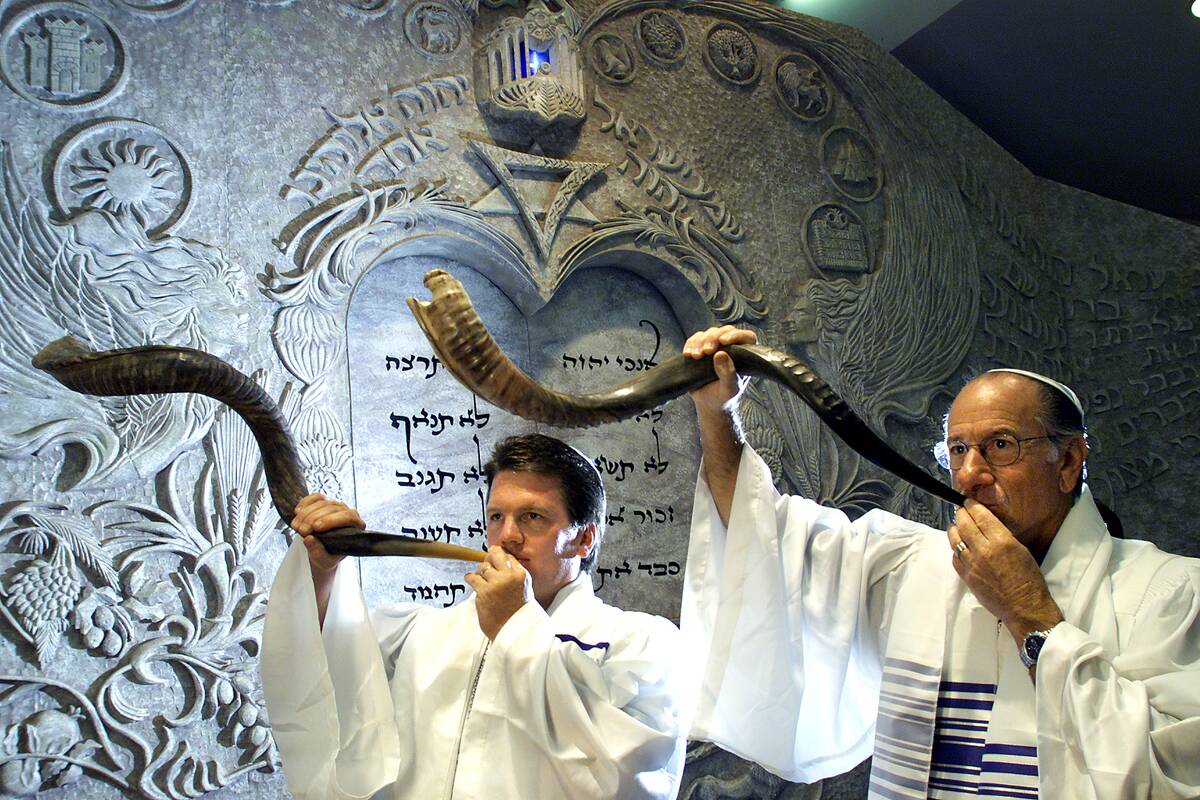
Jewish festivals are intricately linked to lunar months and celestial signs, governed by the lunisolar Hebrew calendar. Rosh Hashanah, the Jewish New Year, begins with the first day of the month of Tishrei, which traditionally coincided with the new moon, while Passover is celebrated during a full moon on the 15th of Nisan.
This lunar focus reflects ancient traditions of timekeeping and ritual observance, illustrating the enduring significance of celestial cycles in Jewish religious life. These practices highlight the deep-rooted connection between the heavens and spirituality in Jewish culture.
Easter: A Resurrection Tied to the Spring Equinox
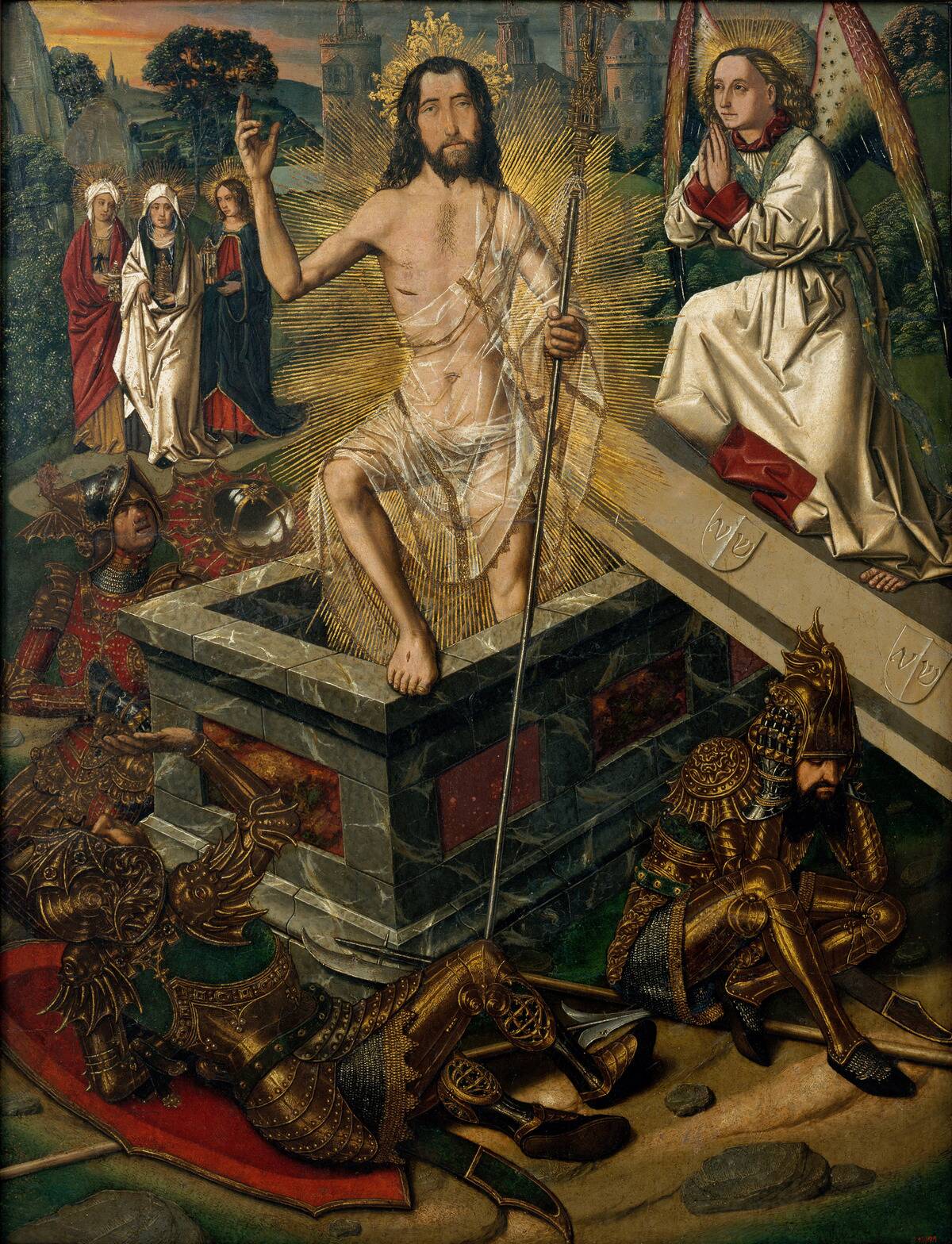
Easter, commemorating the resurrection of Jesus, is closely tied to the timing of the spring equinox. The date for Easter is determined as the first Sunday following the full moon after the vernal equinox.
This connection to celestial events reflects the broader theme of rebirth and renewal, paralleling the natural cycle of spring. The alignment of Easter with cosmic phenomena underscores its significance as a celebration of life, renewal, and spiritual awakening.
The Chinese Lunar Calendar: Celebrating New Year with the Moon
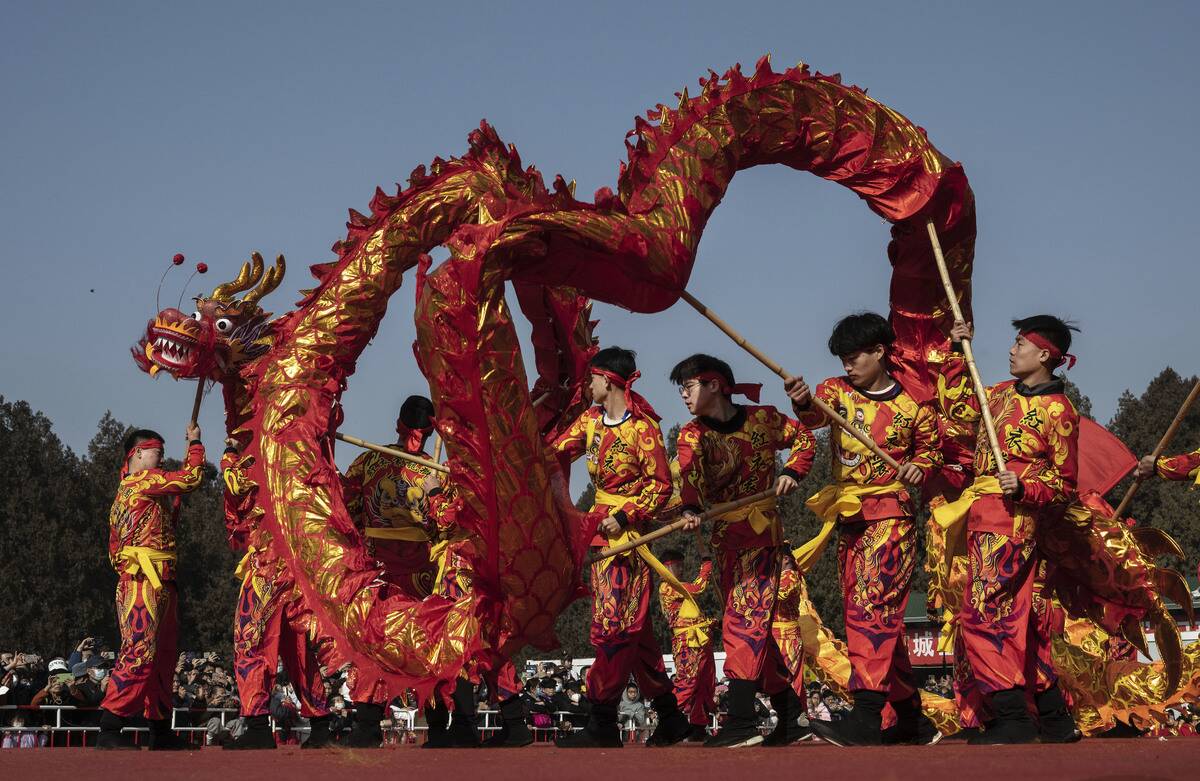
The Chinese Lunar Calendar dictates the timing of the Chinese New Year, a vibrant celebration that aligns with the new moon. Each year is associated with one of the twelve zodiac animals, blending astronomy with cultural traditions.
The festival emphasizes themes of renewal and prosperity, rooted in celestial cycles that guide agricultural and social practices. This lunar-based celebration highlights the enduring influence of the moon in shaping cultural identities and festive customs across China.
The Role of Comets in Shaping Historical Beliefs
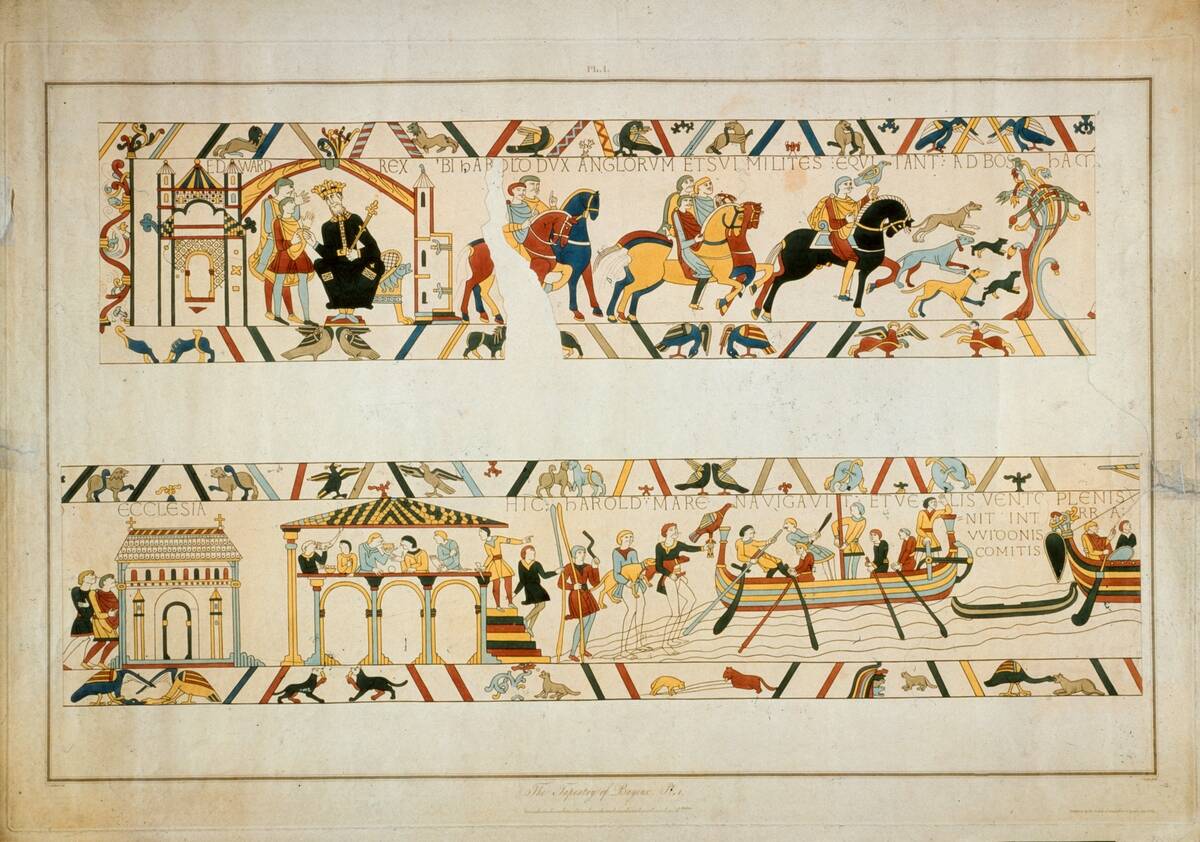
Comets have long been regarded as harbingers of change, often interpreted as omens in historical beliefs. Halley’s Comet, for instance, was seen as a sign of impending doom or significant events.
The Bayeux Tapestry famously depicts this comet appearing before the Battle of Hastings in 1066. These celestial wanderers were thought to carry messages from the gods, influencing decisions and shaping the course of history. Today, while we understand their scientific nature, comets continue to captivate our imagination.
The Northern Lights: Mystical Interpretations of Aurora Borealis
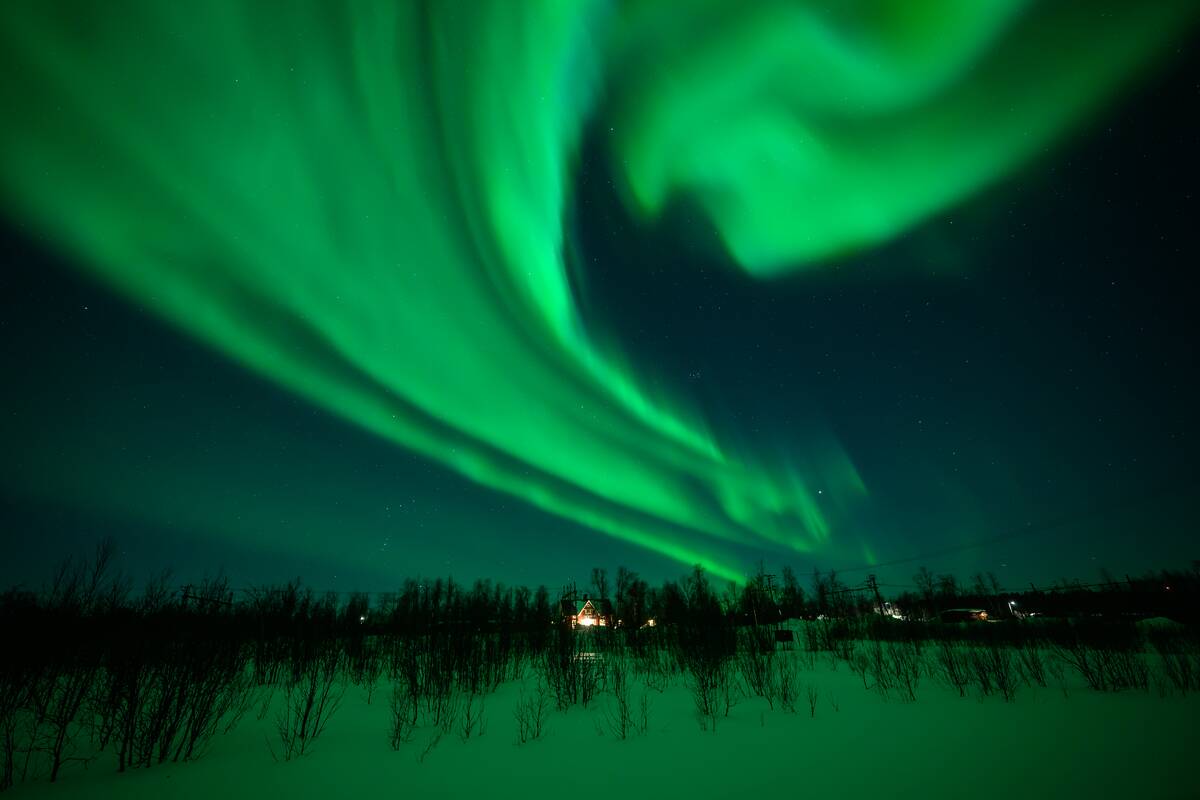
The Northern Lights, or Aurora Borealis, have inspired mystical interpretations across cultures. The Sami people of Scandinavia believed these lights were the souls of the departed, while Norse mythology saw them as reflections from the shields of the Valkyries.
Indigenous North American tribes often viewed the auroras as spirits dancing in the sky. These awe-inspiring displays of nature continue to evoke a sense of wonder, reminding us of the deep connection between natural phenomena and spiritual beliefs.
The Influence of Planetary Alignments on Ancient Prophecies
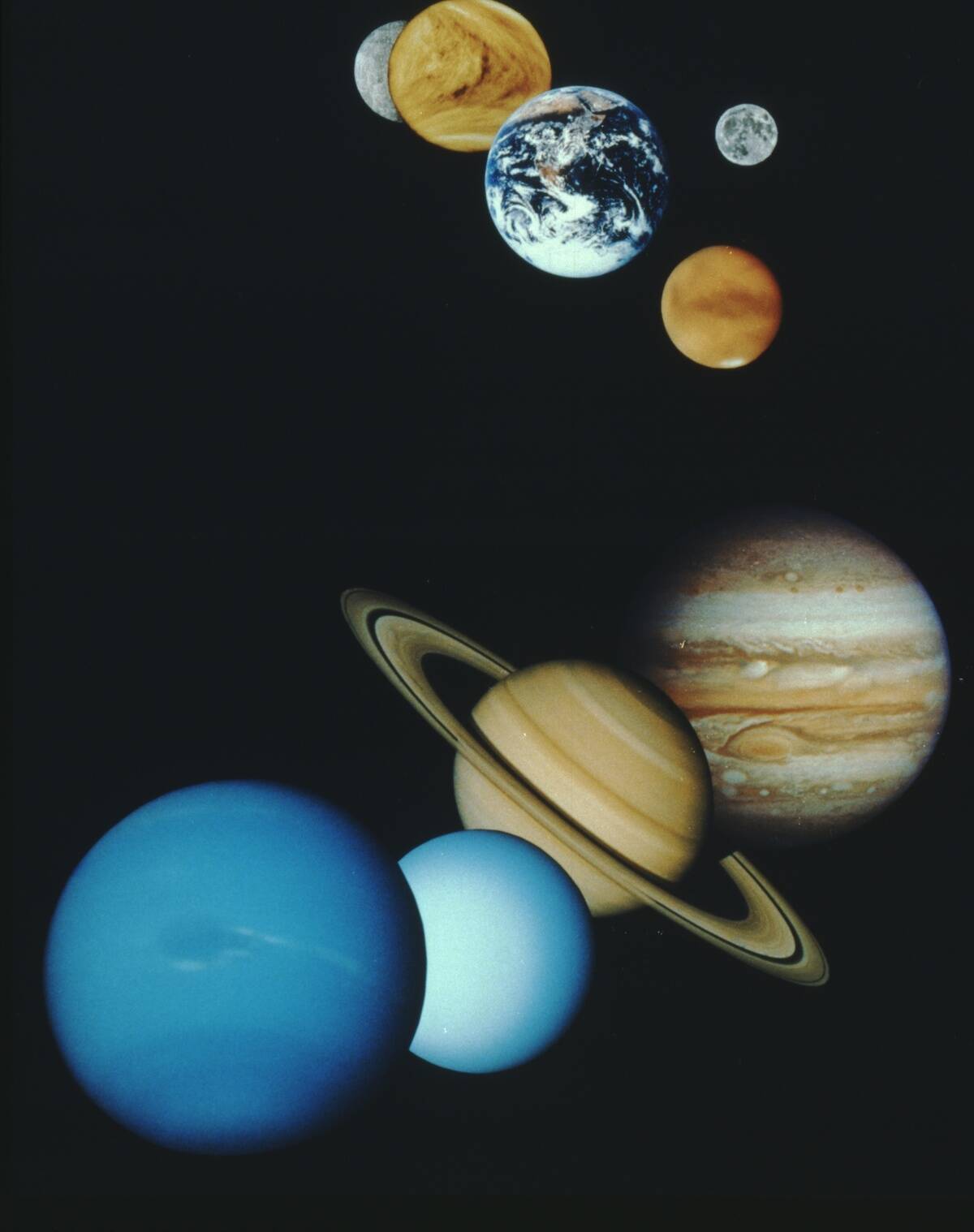
Planetary alignments have fascinated humans for millennia, often serving as sources of prophecy and omens. In ancient Rome, astrologers believed that such alignments could foretell the rise and fall of leaders. The Great Conjunction, when Jupiter and Saturn align, has historically been regarded as a significant event; while the 1623 conjunction was notable, earlier and later conjunctions often garnered more attention as signs of change.
These celestial phenomena shaped beliefs and guided decisions. Today, although astrology and astronomy have become distinct disciplines, the fascination with planetary alignments endures.
The Celestial Sphere in Native American Traditions
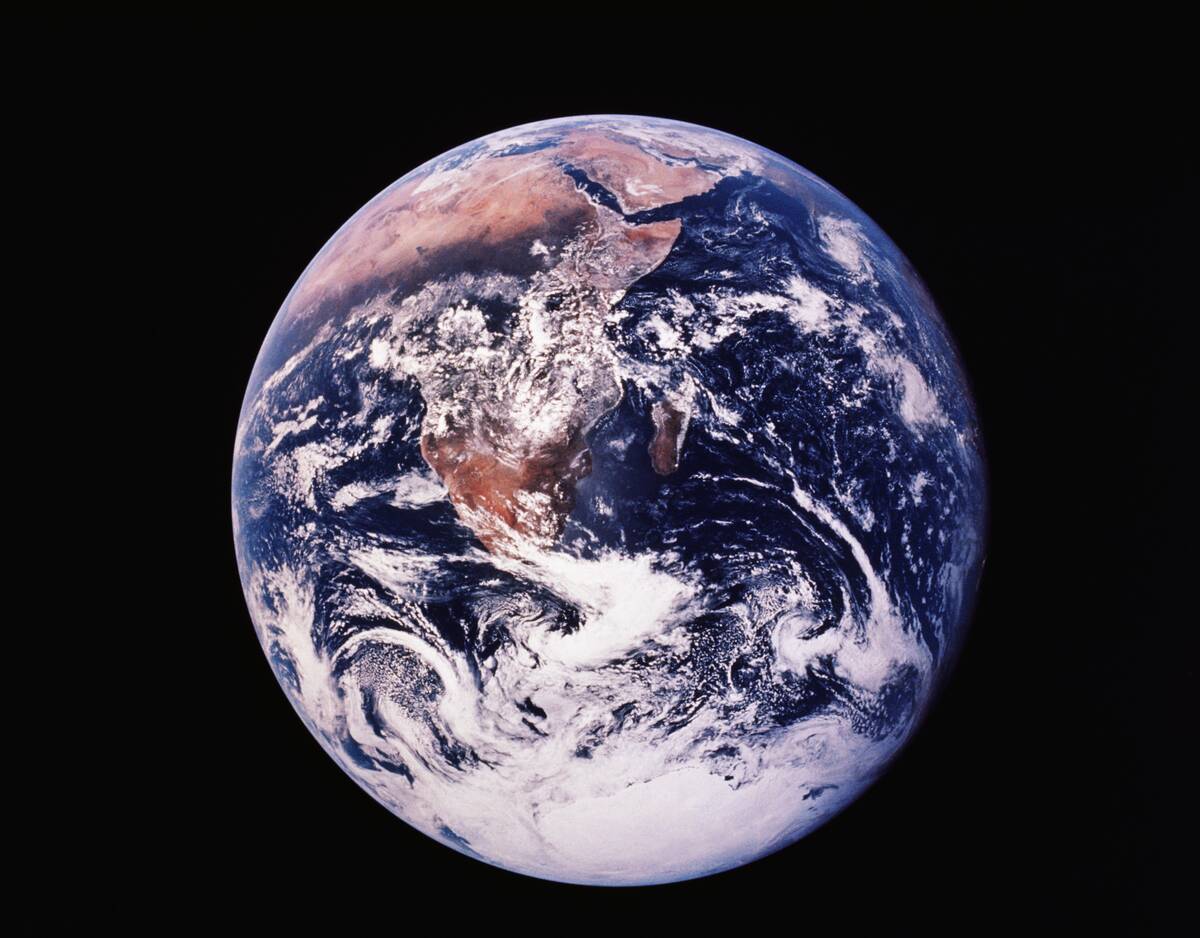
Native American traditions often view the celestial sphere as a sacred space, integral to spiritual beliefs and practices. The Lakota Sioux, for instance, align their sacred hoop with the stars, emphasizing the interconnectedness of all life. The Pawnee regarded the stars as gods, using them to guide agricultural and ceremonial activities.
These celestial beliefs highlight the deep spiritual connection between Native American cultures and the cosmos, illustrating a worldview where the heavens inform both practical and spiritual life.




