Rare goods that drove empires and global exploration
Rare commodities have always held a certain mystique, captivating humans with their allure and scarcity. These treasures, from spices to diamonds, have reshaped economies, sparked wars, and inspired exploration throughout history.
They possess the power to transform societies and dictate power dynamics. As we embark on a journey through these fascinating goods, we’ll uncover how their rarity and desirability have left indelible marks on the world.
Spices: The Fragrant Gold of the Ancient World
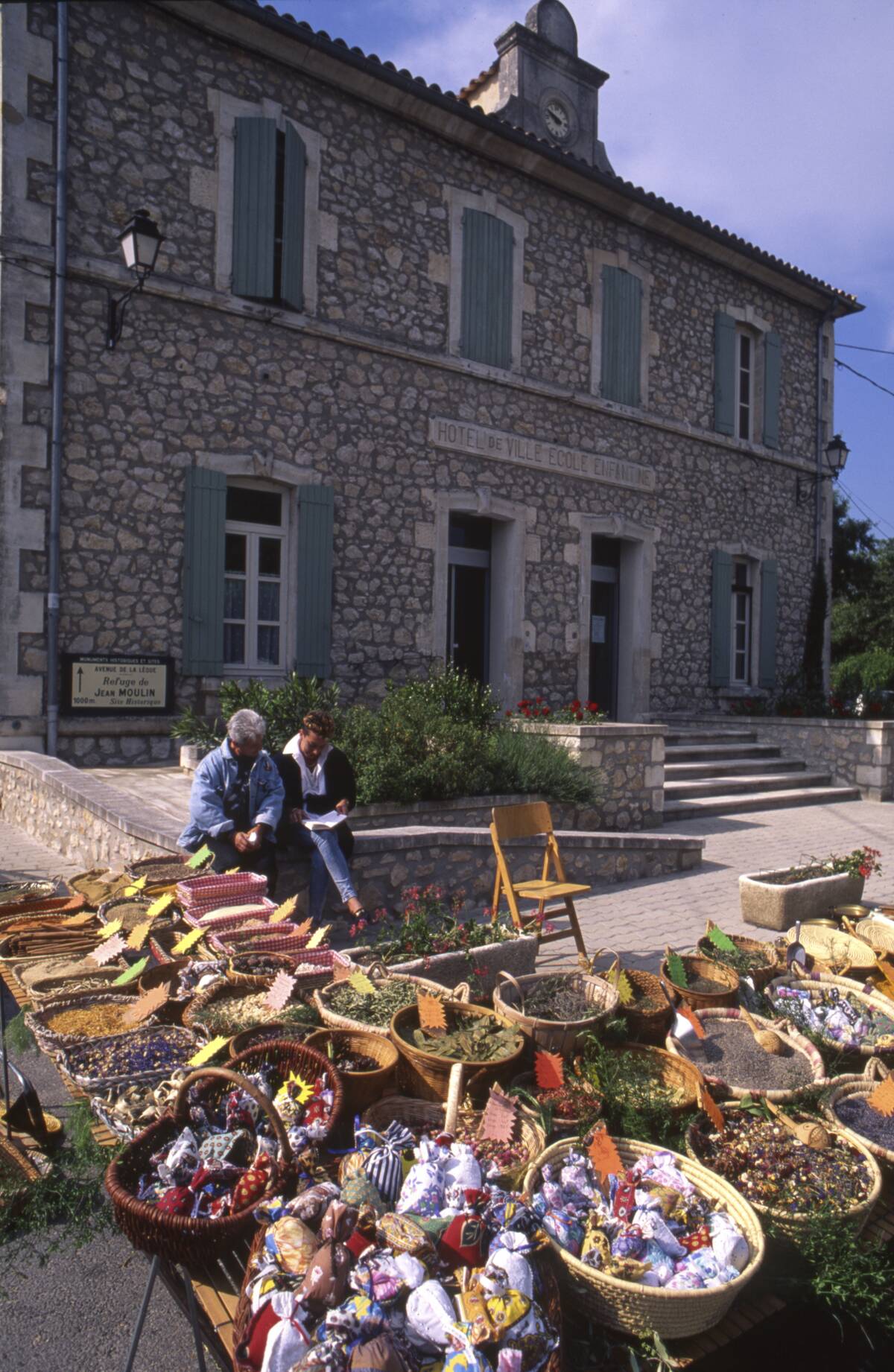
Spices were once valued more highly than gold, with their trade routes fiercely guarded. In the Middle Ages, the spice trade was dominated by Venetian and Arab merchants, who controlled the passage of exotic flavors such as cinnamon and cloves from Asia to Europe.
These aromatic treasures not only enhanced the taste of food but also served as preservatives, making them essential in daily life. The quest for spices was a significant motivation behind the Age of Exploration, spurring the discovery of new lands and sea routes.
Silk: The Luxurious Thread Connecting East and West
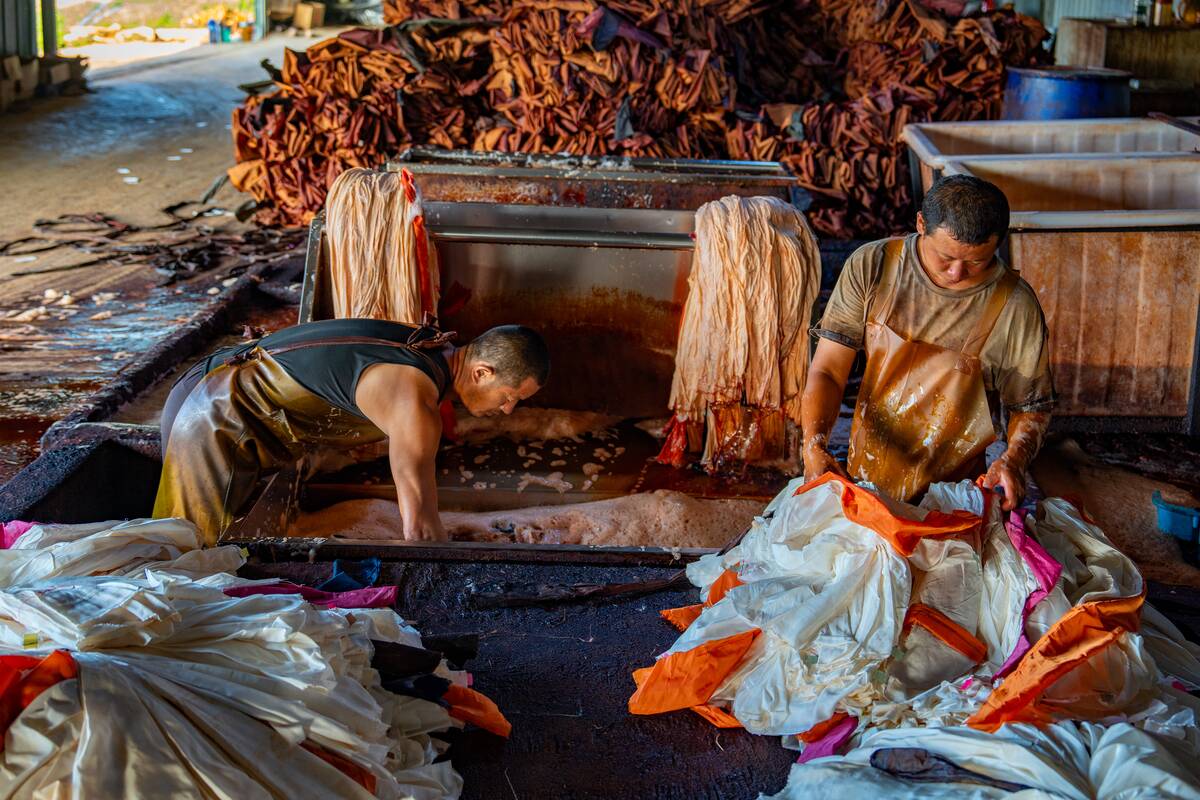
Silk, with its shimmering texture and vibrant colors, became a symbol of wealth and power. Originating in China around 3000 BCE, silk production was a closely guarded secret for centuries.
The Silk Road, a network of trade routes, facilitated the exchange of silk and other goods between Asia and Europe. This luxurious fabric was so coveted that it served as a currency in some cultures, and its trade contributed to the cultural and technological exchanges between distant civilizations.
Gold and Silver: The Shimmering Foundations of Wealth
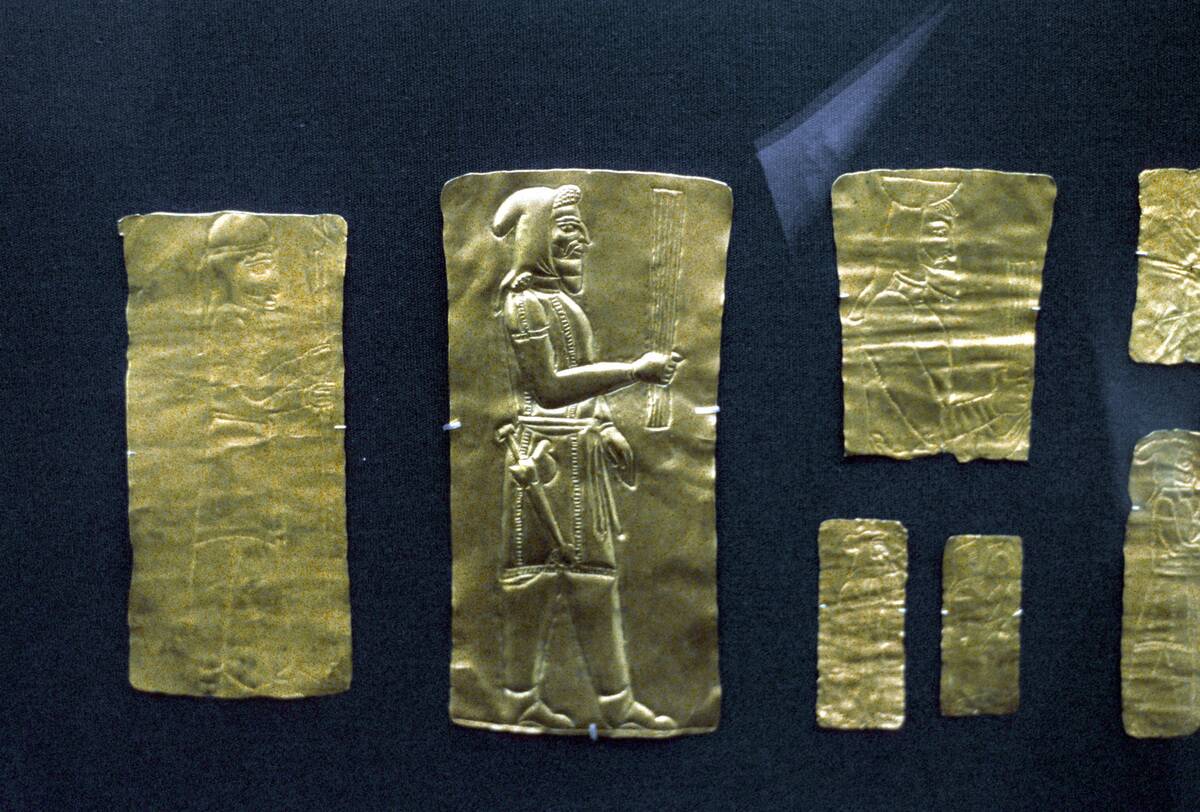
Gold and silver have been synonymous with wealth and power for millennia. Ancient civilizations like the Egyptians and the Incas revered these metals, using them in religious artifacts and as currency.
The discovery of gold in the Americas by European explorers led to the infamous gold rushes, which reshaped economies and spurred migration. These metals continue to hold value today, underpinning global financial systems and serving as symbols of prosperity and stability.
Tea: The Brew that Launched a Thousand Ships
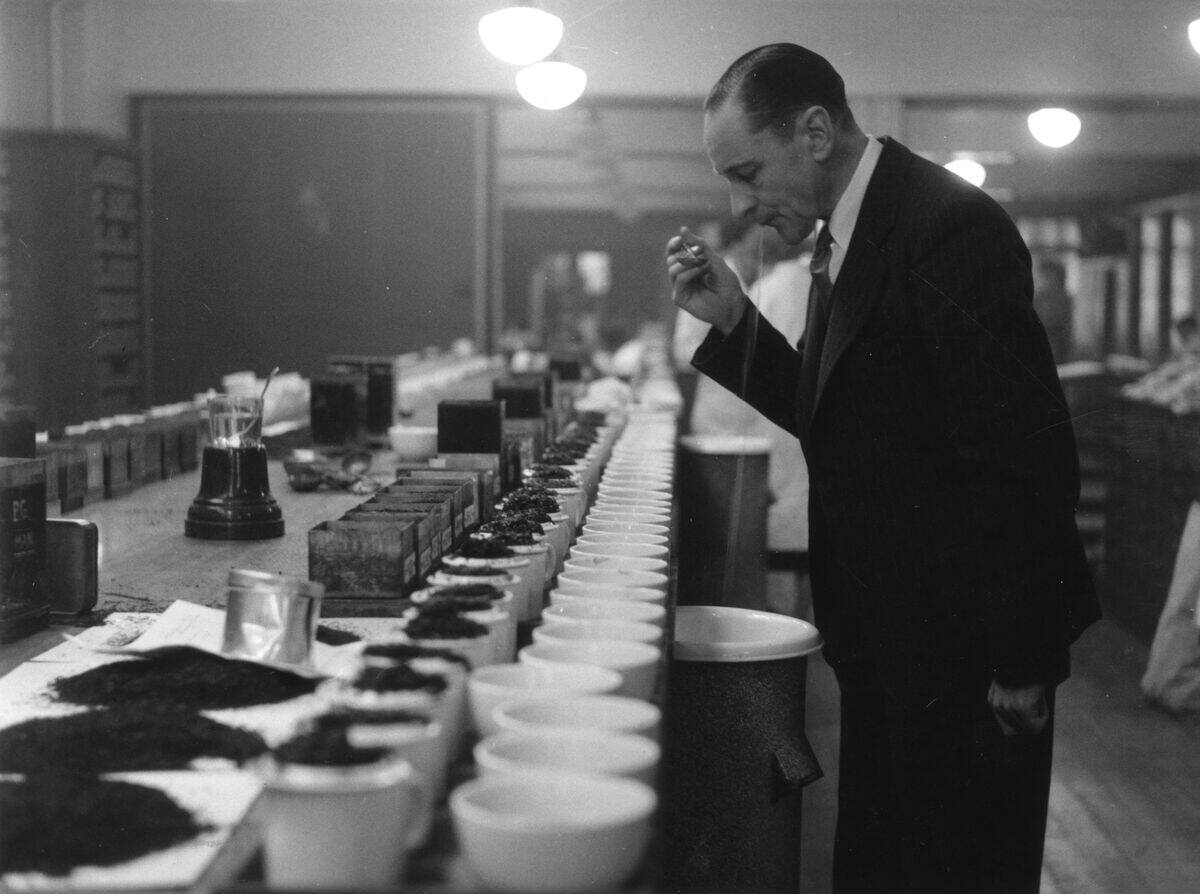
Tea, with its soothing aroma and invigorating taste, became a global obsession, particularly in Britain. The British East India Company monopolized the tea trade in the 17th century, importing vast quantities from China.
The thirst for this comforting brew led to the infamous Boston Tea Party, a pivotal event in American history. Tea’s popularity also spurred the Opium Wars, as Britain sought to balance trade deficits with China by exporting opium in exchange for tea.
Sugar: The Sweet Commodity That Changed the World
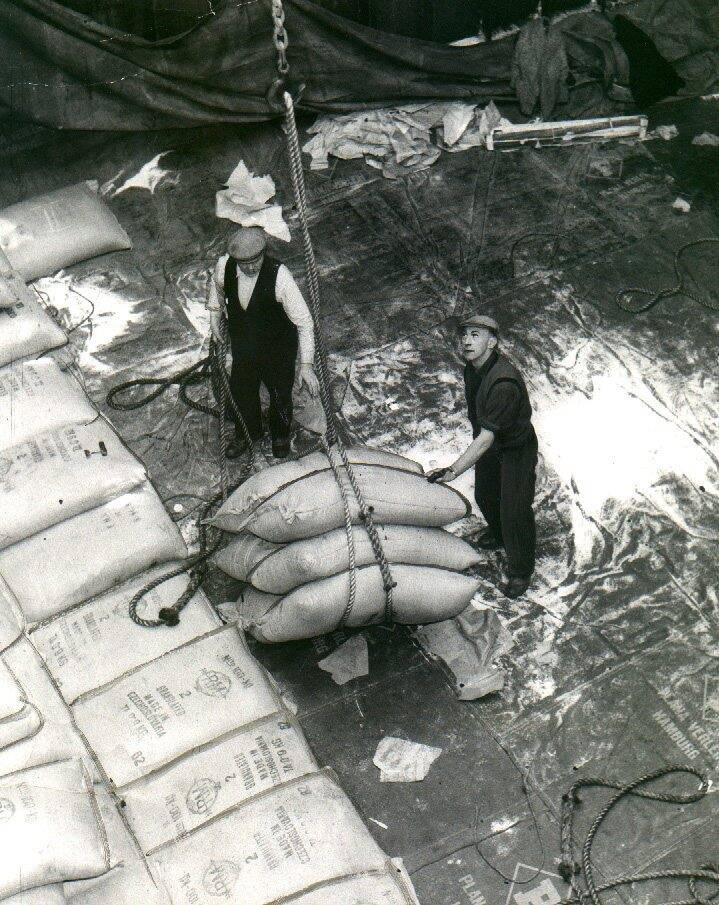
Sugar, once a luxury only the wealthy could afford, transformed diets and economies worldwide. Its cultivation in the Caribbean and the Americas was fueled by the brutal transatlantic slave trade, with plantations relying heavily on enslaved labor.
As sugar became more accessible, it spurred a demand for sweet treats and altered culinary traditions. The sugar trade also played a significant role in shaping colonial empires, driving economic growth and causing social upheaval.
Coffee: The Stimulating Bean That Fueled Exploration

Coffee, with its energizing properties, became a staple of social gatherings and intellectual discussions. Originating in Ethiopia, this stimulating bean made its way to the Arabian Peninsula, where the first coffeehouses emerged.
By the 17th century, coffee had reached Europe, fueling the Age of Enlightenment and becoming a symbol of modernity. The demand for coffee led to the establishment of plantations across the tropics, shaping the economies of countries like Brazil and Colombia.
Tobacco: The Leaf that Became a Global Obsession

Tobacco, a native plant of the Americas, quickly became a global commodity following European contact. The addictive properties of nicotine made it a sought-after product, with smoking and snuff-taking becoming fashionable in Europe by the 17th century.
Tobacco cultivation played a crucial role in the economy of the American colonies, particularly in Virginia. Its trade fueled conflicts and negotiations, with the tobacco industry leaving a lasting impact on health and society.
Opium: The Controversial Trade that Altered Empires

Opium, derived from the poppy plant, has been used for medicinal and recreational purposes for centuries. In the 19th century, the British East India Company exploited its addictive properties to expand trade with China, leading to tensions that sparked the Opium Wars.
These conflicts resulted in significant territorial and economic concessions for Britain, such as the ceding of Hong Kong, and shifted the balance of power in Asia. The opium trade had devastating effects on Chinese society and played a role in undermining the Qing Dynasty, which eventually fell in the early 20th century due to a combination of internal and external pressures.
Fur: The Soft Treasure of the New World
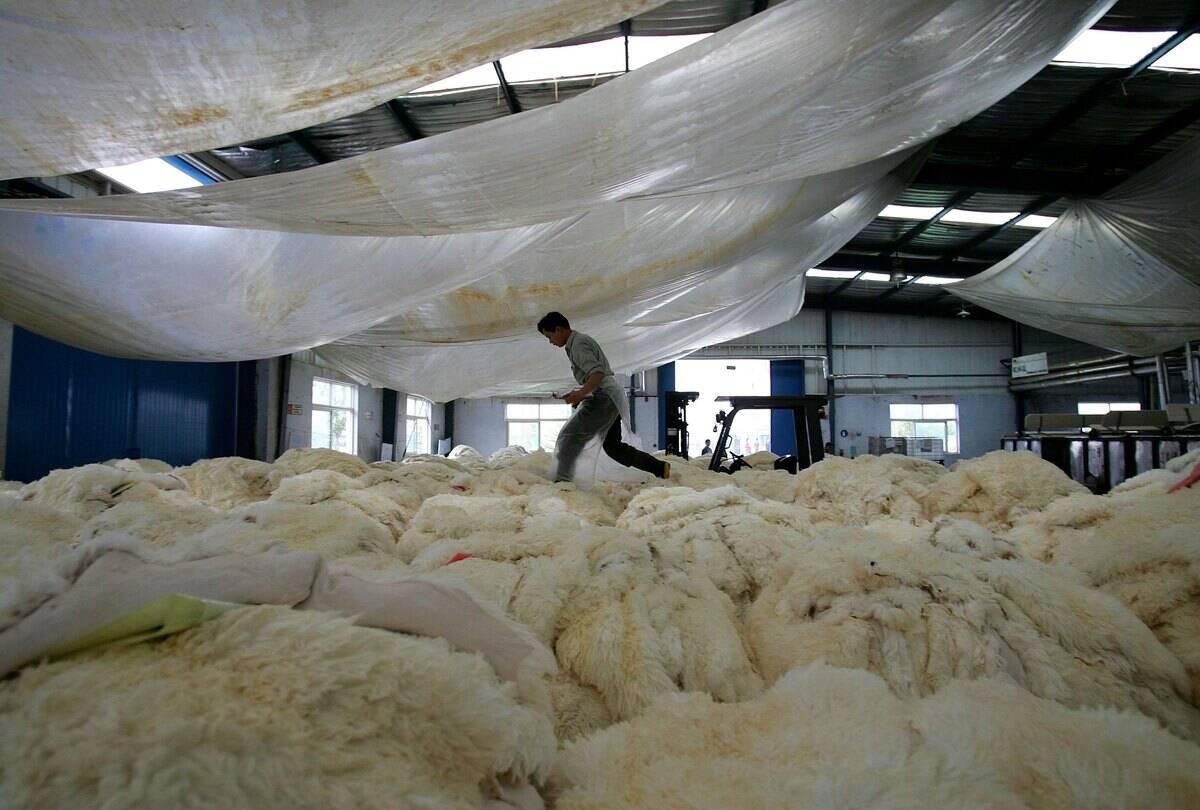
Fur, prized for its warmth and beauty, drove exploration and trade in the New World. European demand for beaver pelts, used to make hats, led to the establishment of fur trading companies like the Hudson’s Bay Company.
The fur trade played a pivotal role in the colonization of North America, fostering relationships and conflicts with Indigenous peoples. It also contributed to the economic development of regions like Canada and the northern United States.
Rubber: The Elastic Gold of the Industrial Age
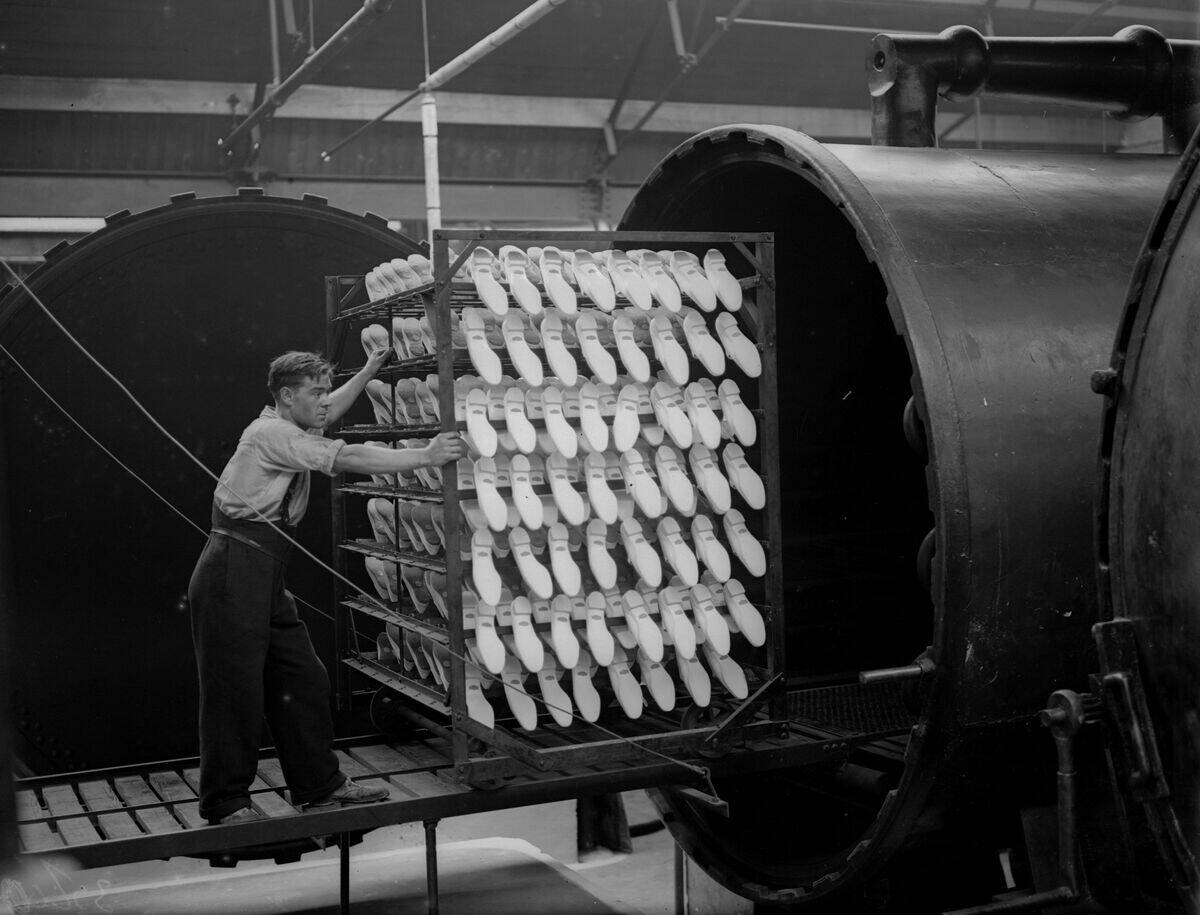
Rubber, known for its unique elastic properties, revolutionized industries in the 19th century. The discovery of vulcanization by Charles Goodyear in 1839 transformed rubber into a durable material suitable for products ranging from tires to waterproof clothing.
The ensuing rubber boom led to extensive exploitation of natural resources and labor, particularly in the Amazon and later in Southeast Asia, with severe consequences for local communities and ecosystems. This commodity played a vital role in powering the Industrial Revolution, driving technological advancements and expanding global trade networks.
Diamonds: The Sparkling Gems that Drove Colonial Ventures

Diamonds, with their unmatched brilliance and hardness, have symbolized wealth and romance for centuries. The discovery of diamond mines in South Africa in the late 19th century triggered a rush of prospectors and the establishment of major mining companies like De Beers.
The diamond trade played a significant role in the colonial exploitation of Africa, with conflicts over control of these precious gems leading to the infamous “blood diamonds” and shaping the continent’s history.
Salt: The Essential Mineral that Shaped Civilizations
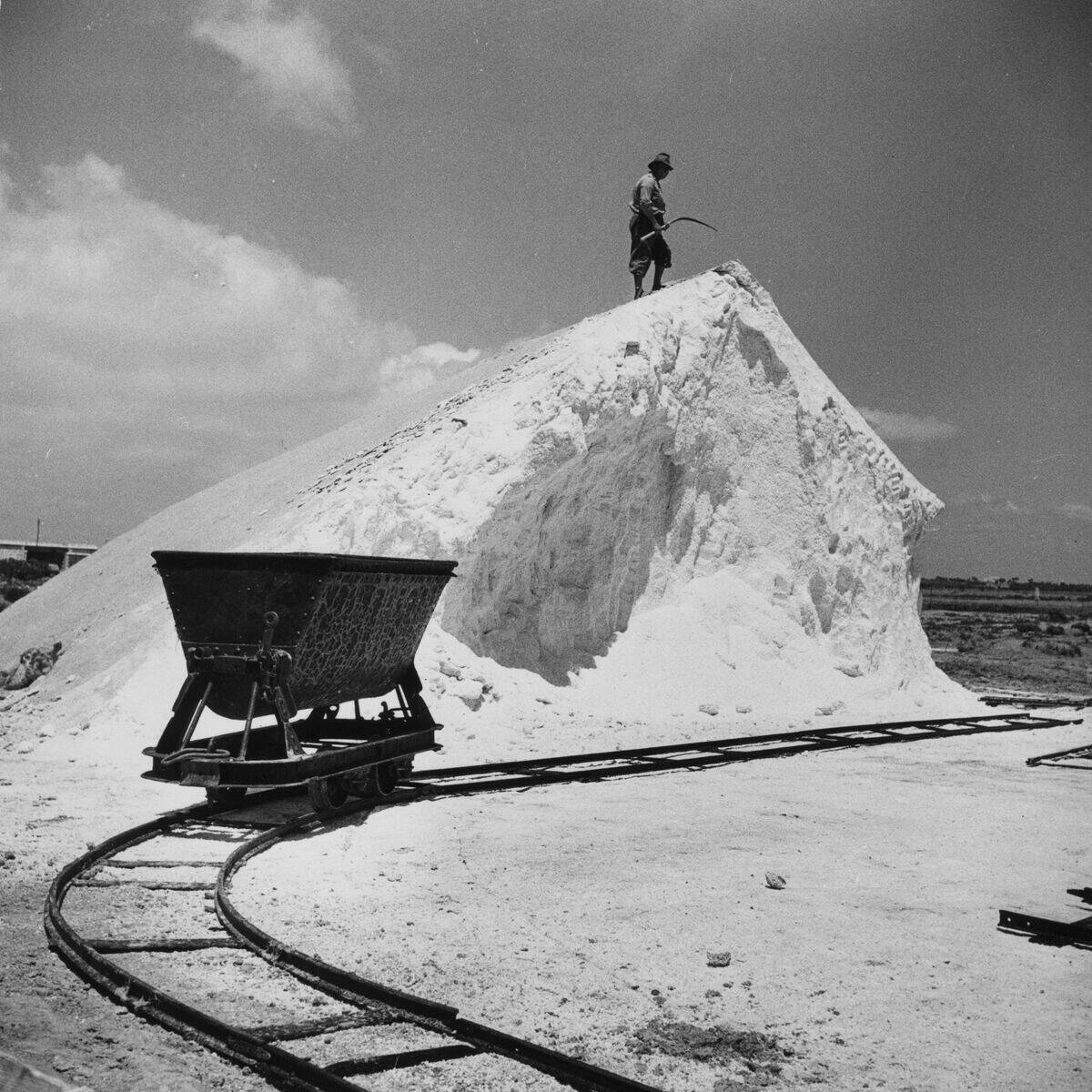
Salt, essential for human survival, was once as valuable as gold. Ancient civilizations, from the Romans to the Chinese, built their economies and trade routes around this vital mineral.
Salt’s ability to preserve food made it indispensable, influencing culinary traditions and military campaigns. The salt trade led to the development of cities and infrastructure, with routes like the Via Salaria in Italy serving as crucial arteries for commerce and communication.
Porcelain: The Fragile Art that Became a Status Symbol
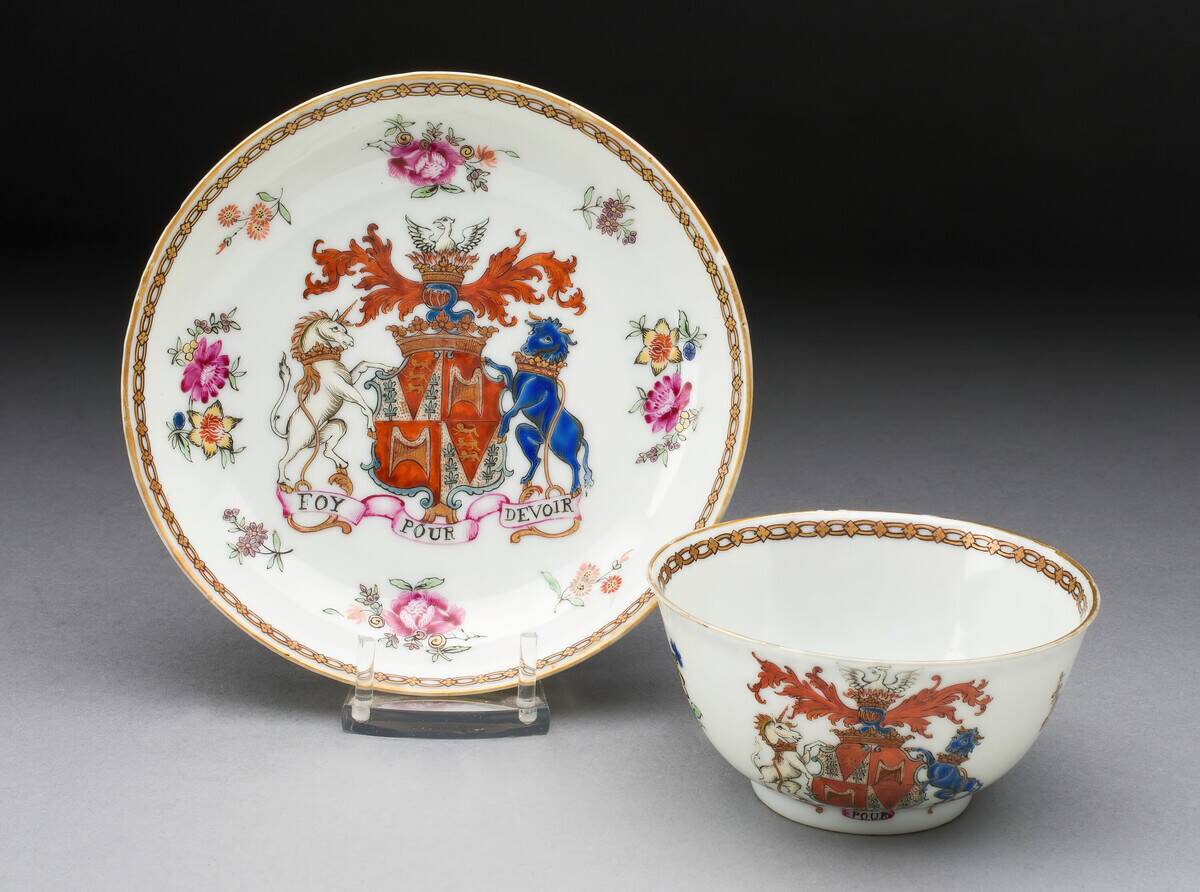
Porcelain, often called “white gold,” captivated European aristocracy with its delicate beauty and craftsmanship. Originating in China, with early forms dating back to the Han Dynasty and reaching refinement during the Tang Dynasty, porcelain was a closely guarded secret for centuries.
Its trade flourished along the Silk Road, and by the 18th century, European manufacturers like Meissen successfully replicated its exquisite qualities. Porcelain became a symbol of status and wealth, adorning the homes of elites and influencing artistic trends across the globe.
Ivory: The Precious Material that Fueled Trade and Conflict
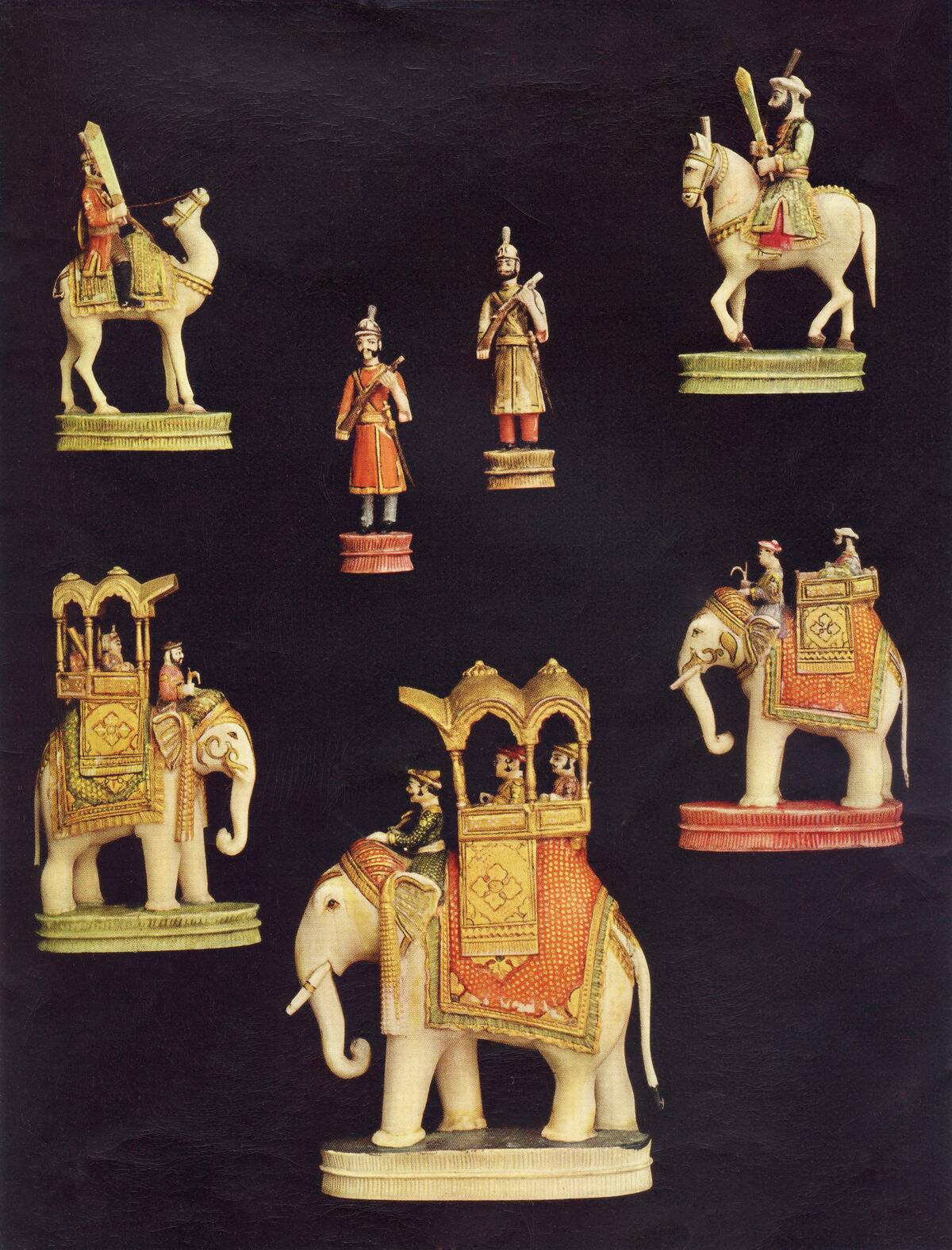
Ivory, extracted from the tusks of elephants, has been valued for its beauty and versatility. In ancient times, it was crafted into art, jewelry, and religious artifacts.
The ivory trade reached its peak during the colonial era, as European demand led to the decimation of elephant populations in Africa. This trade had dire consequences for wildlife and indigenous communities, spurring conflicts and conservation efforts that continue to this day.




