Viruses that reshaped evolution itself
When we think about viruses, we often imagine microscopic villains causing diseases. However, these tiny entities have played an unexpectedly pivotal role in the evolution of life on Earth. Viruses are more than just pathogens; they are architects of genetic innovation.
Throughout history, they have introduced new genetic material across different species, fostering diversity and adaptation. It’s fascinating to consider how something so small could have such a monumental impact on the tapestry of life.
Understanding Viruses: More Than Just Pathogens
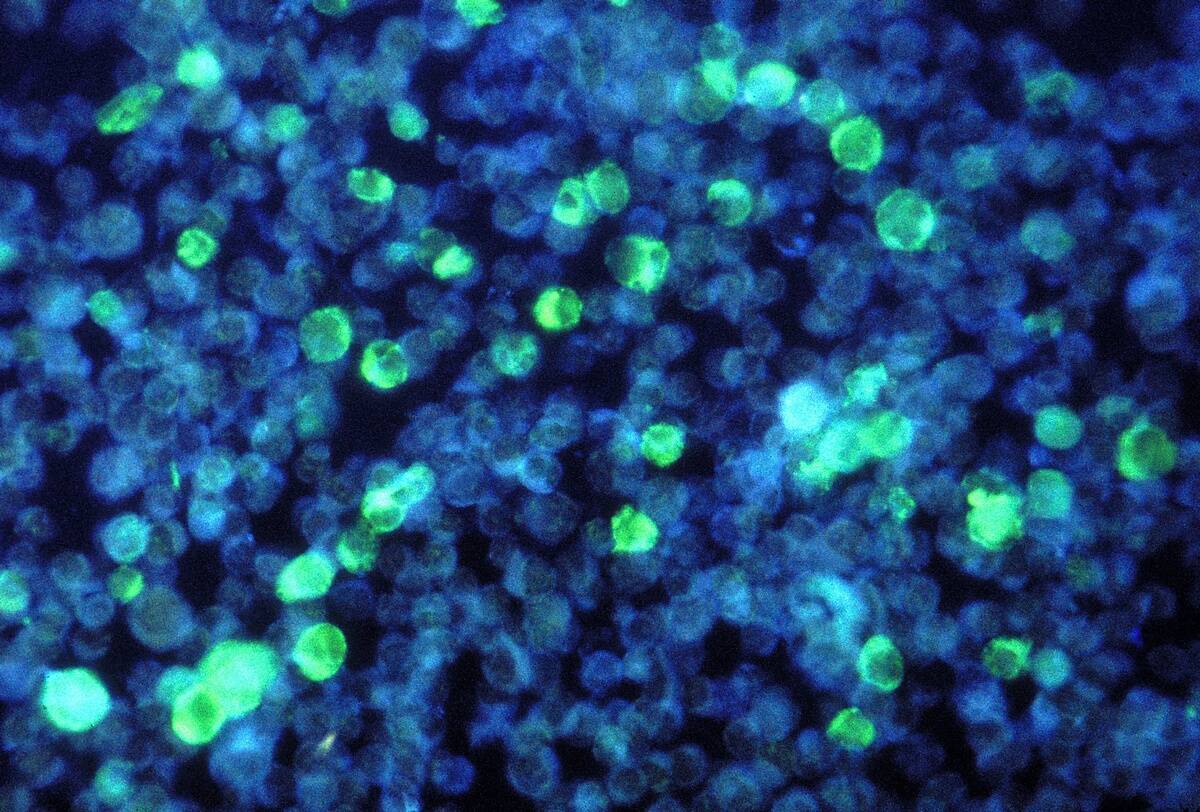
Viruses are often viewed solely as agents of illness, but their influence extends far beyond that narrow perspective. They act as vectors of genetic information, ferrying DNA and RNA between organisms.
This genetic exchange can lead to the development of new traits and, ultimately, new species. By serving as catalysts for genetic change, viruses have contributed to the diversity of life forms we see today. It’s clear they have a dual nature – harmful yet beneficial.
The Ancient Origins of Viruses
Viruses have been around for billions of years, possibly predating cellular life. They have evolved alongside their hosts, adapting and changing as life on Earth developed. Studies suggest that viruses might have originated from bits of cellular DNA or RNA that gained the ability to exit one cell and enter another.
Their ancient lineage means they have had eons to influence the course of evolution, leaving an indelible mark on the genetic history of countless organisms.
How Viruses Influence Genetic Diversity
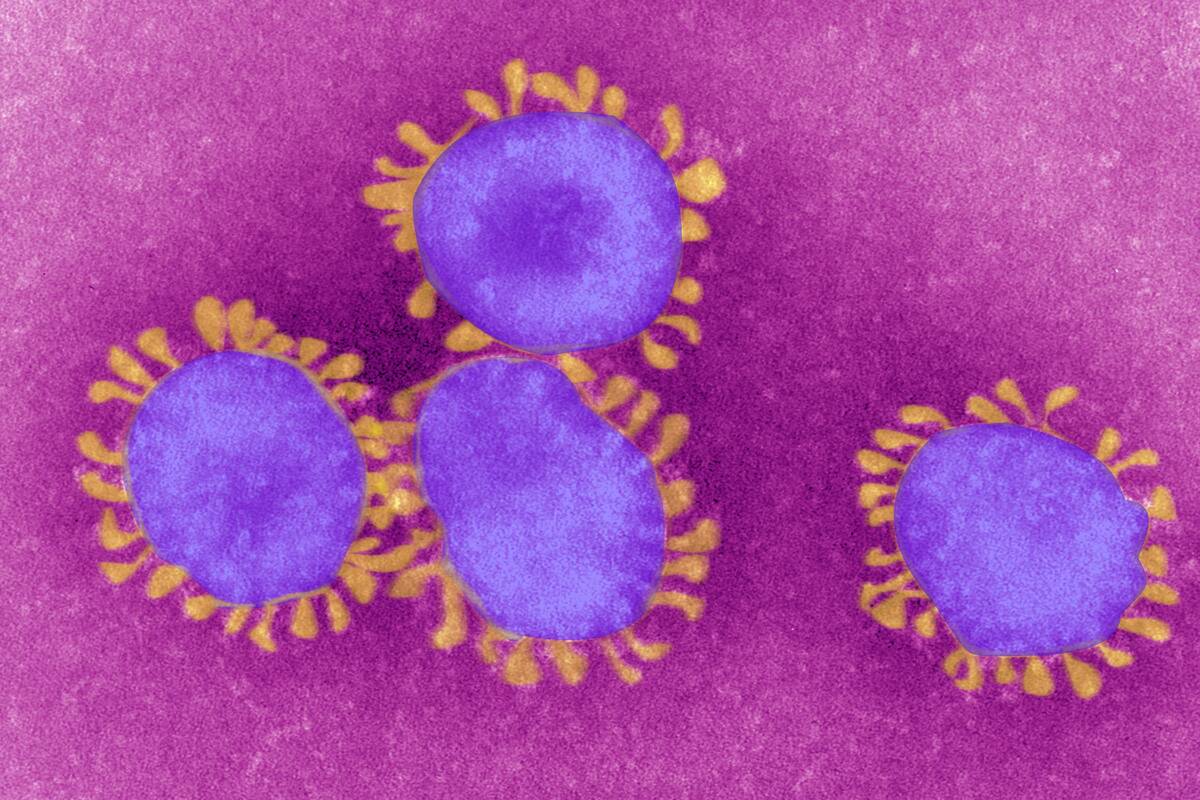
Viruses are masters of genetic mixing, introducing new genetic combinations into host genomes. This process can result in increased genetic diversity, which is crucial for the survival of populations facing environmental changes.
For example, when a virus integrates its genetic material into a host’s DNA, it can lead to novel traits that might be advantageous. In this way, viruses act as agents of change, driving the evolutionary process forward in unexpected directions.
Horizontal Gene Transfer: A Viral Superpower
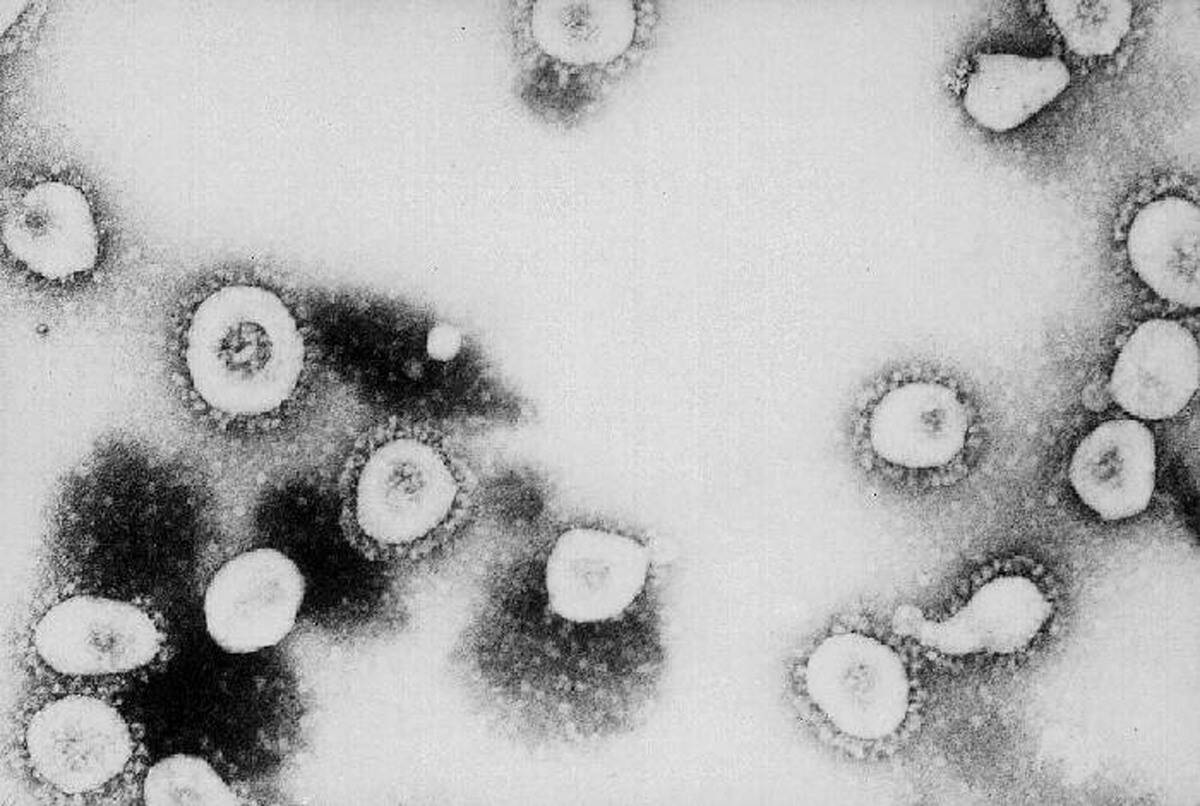
One of the most fascinating abilities of viruses is horizontal gene transfer (HGT), where they facilitate the exchange of genes between different species. This process allows for rapid adaptation and innovation in evolutionary terms.
HGT can introduce beneficial genes that improve survival and adaptability, such as antibiotic resistance in bacteria. By moving genes across species boundaries, viruses expand the genetic toolbox available to organisms, accelerating their evolutionary potential.
Endogenous Retroviruses and Their Genetic Legacy
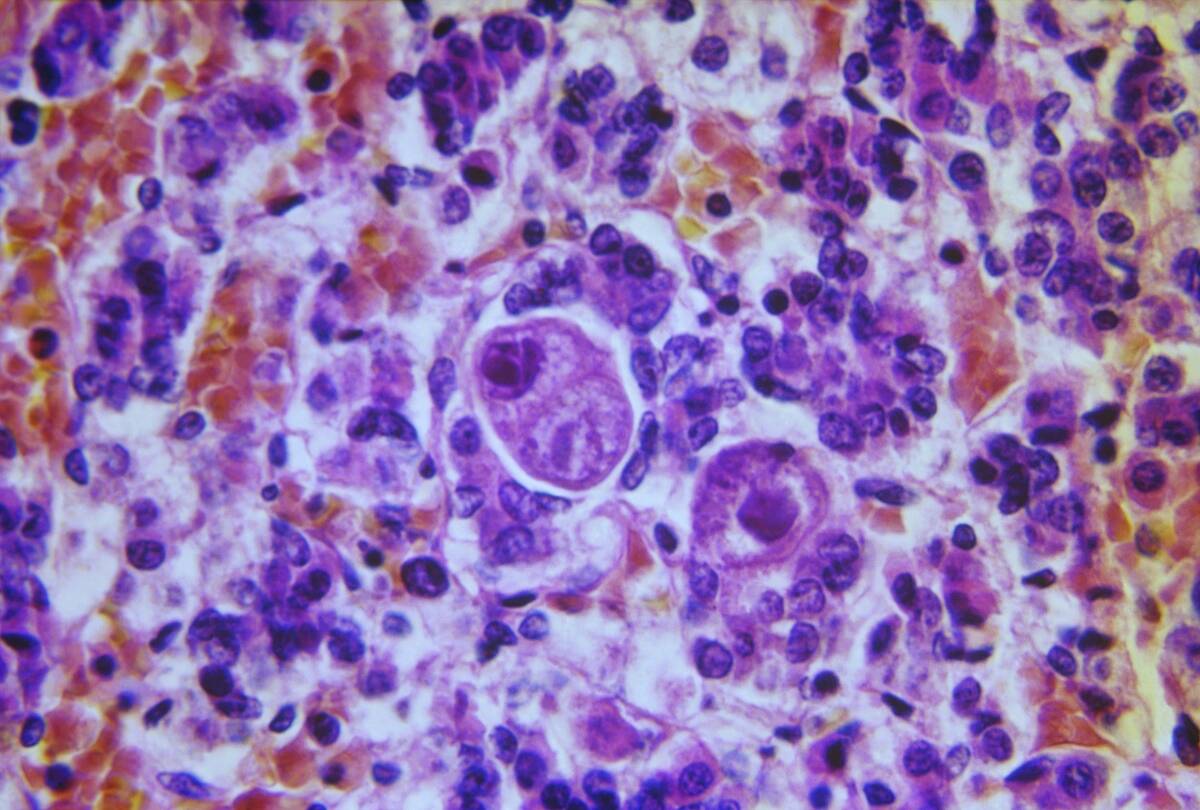
Endogenous retroviruses (ERVs) are viral sequences that have become part of an organism’s genome. These viral remnants make up a significant portion of the human genome, providing insight into our evolutionary past.
ERVs have been co-opted by hosts to perform beneficial functions, such as placenta development in mammals. Their presence in genomes highlights the complex interplay between viruses and their hosts, demonstrating how viral elements can be repurposed to support life.
The Role of Viruses in Shaping Human Evolution
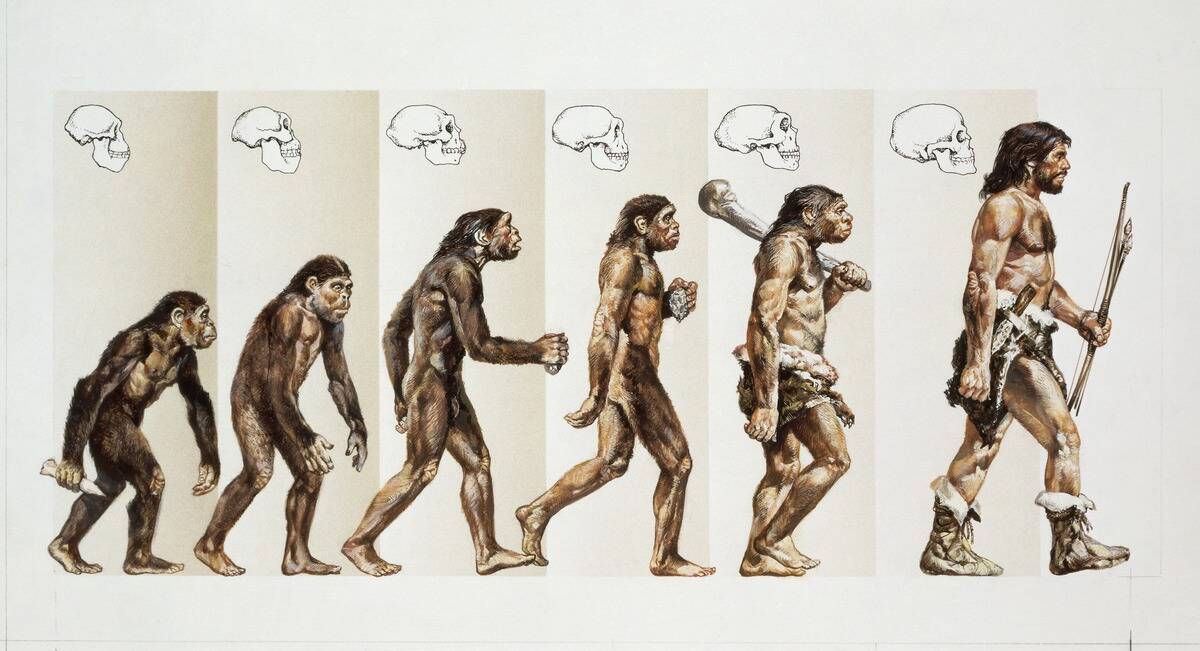
Viruses have played a crucial role in human evolution, influencing our genetic makeup and immune responses. For instance, certain viral infections have led to genetic adaptations that provide resistance to diseases.
The human genome contains numerous viral sequences that reflect past viral encounters and their evolutionary impact. These interactions have shaped our species in profound ways, highlighting the importance of viruses in our evolutionary history.
Viral Contributions to the Immune System
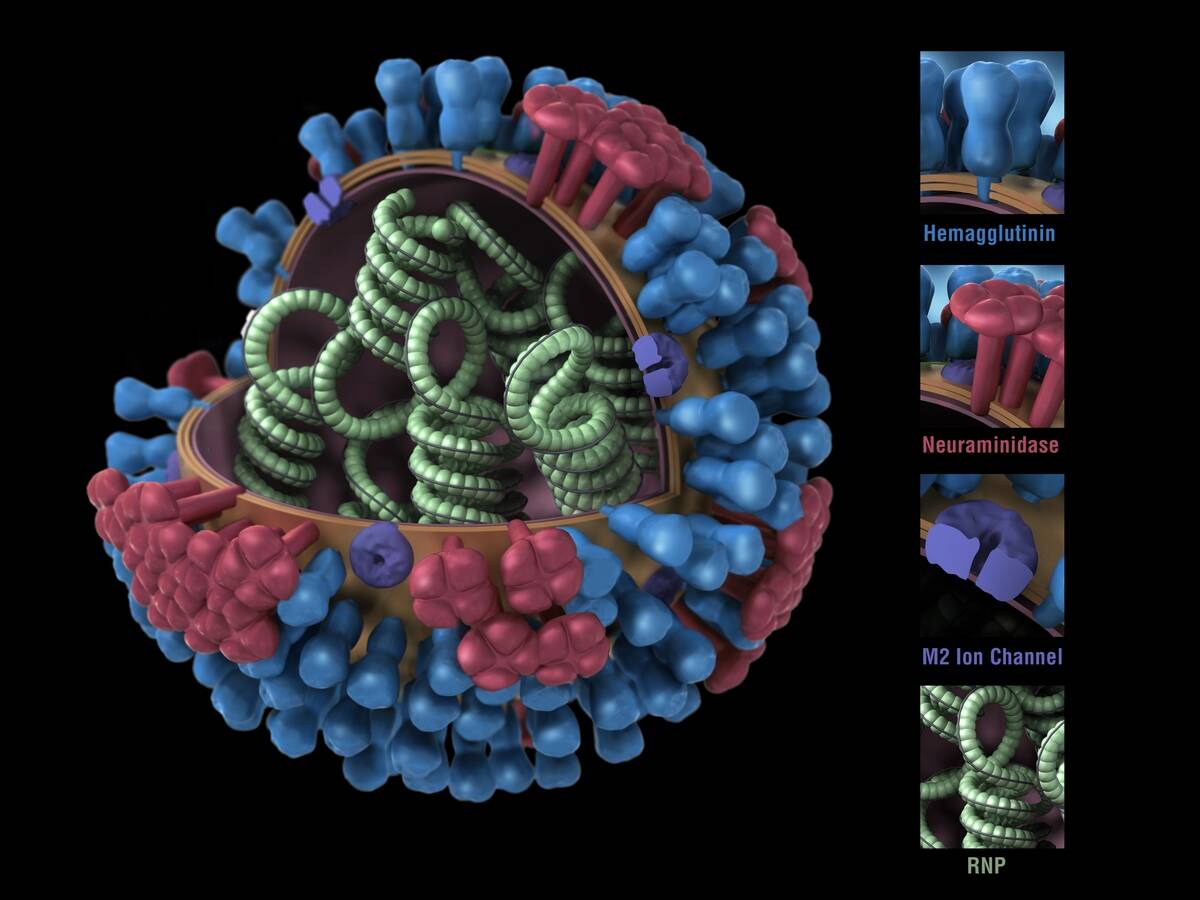
Viruses have been instrumental in shaping the immune systems of their hosts. By constantly challenging the immune system, viruses drive the development of more sophisticated defense mechanisms.
This evolutionary arms race has resulted in a highly adaptive immune system capable of recognizing and combating a wide array of pathogens. In some cases, viral genes have even been incorporated into host genomes to enhance immune responses, underscoring the intricate relationship between viruses and immunity.
Viruses as Drivers of Speciation
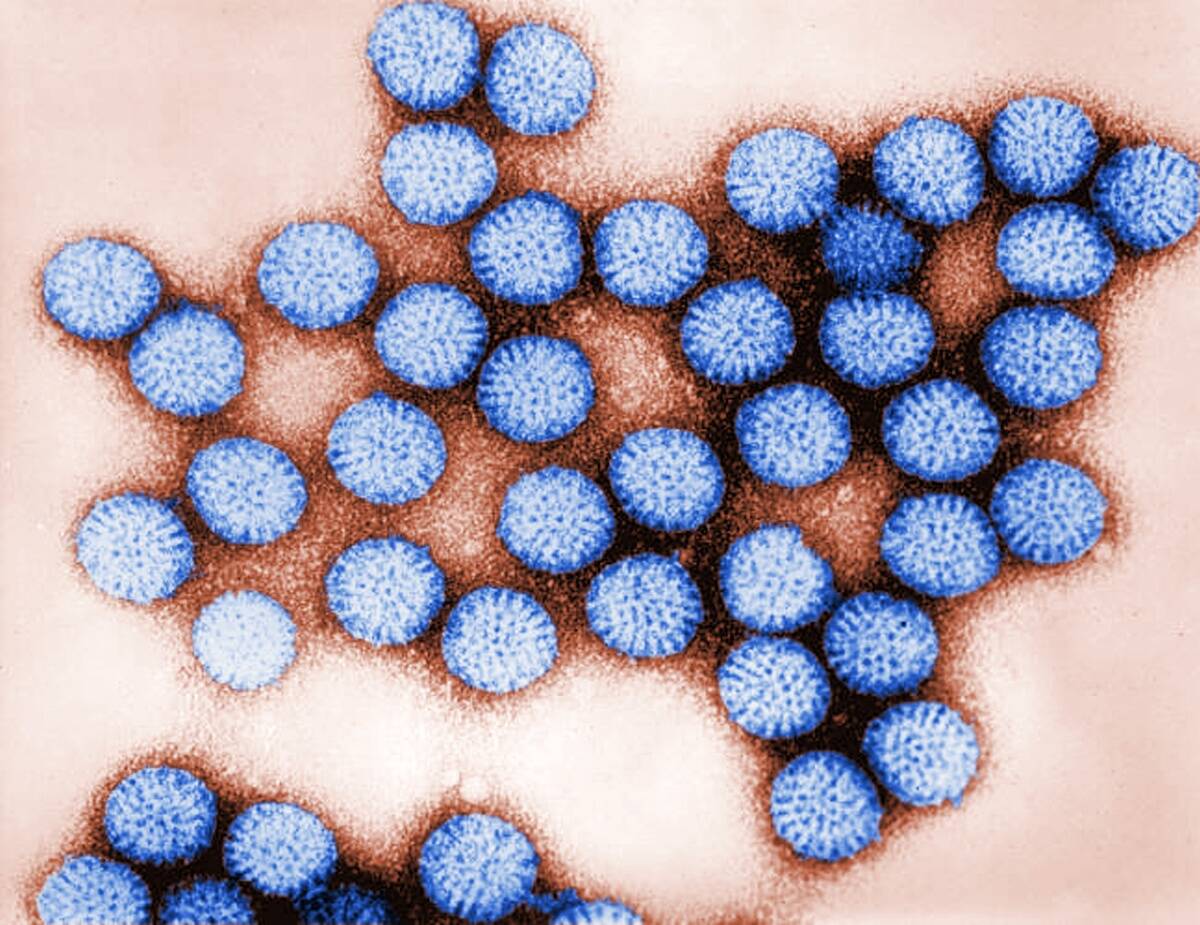
The role of viruses in driving speciation is a testament to their evolutionary influence. By introducing genetic variability and new traits, viruses can lead to the emergence of new species.
This process occurs when viral genetic material integrates into host genomes, creating differences that can eventually result in reproductive isolation. Over time, these changes accumulate, leading to the formation of distinct species. Thus, viruses can be seen as architects of biodiversity, facilitating the branching of the evolutionary tree.
The Impact of Viruses on Marine Ecosystems
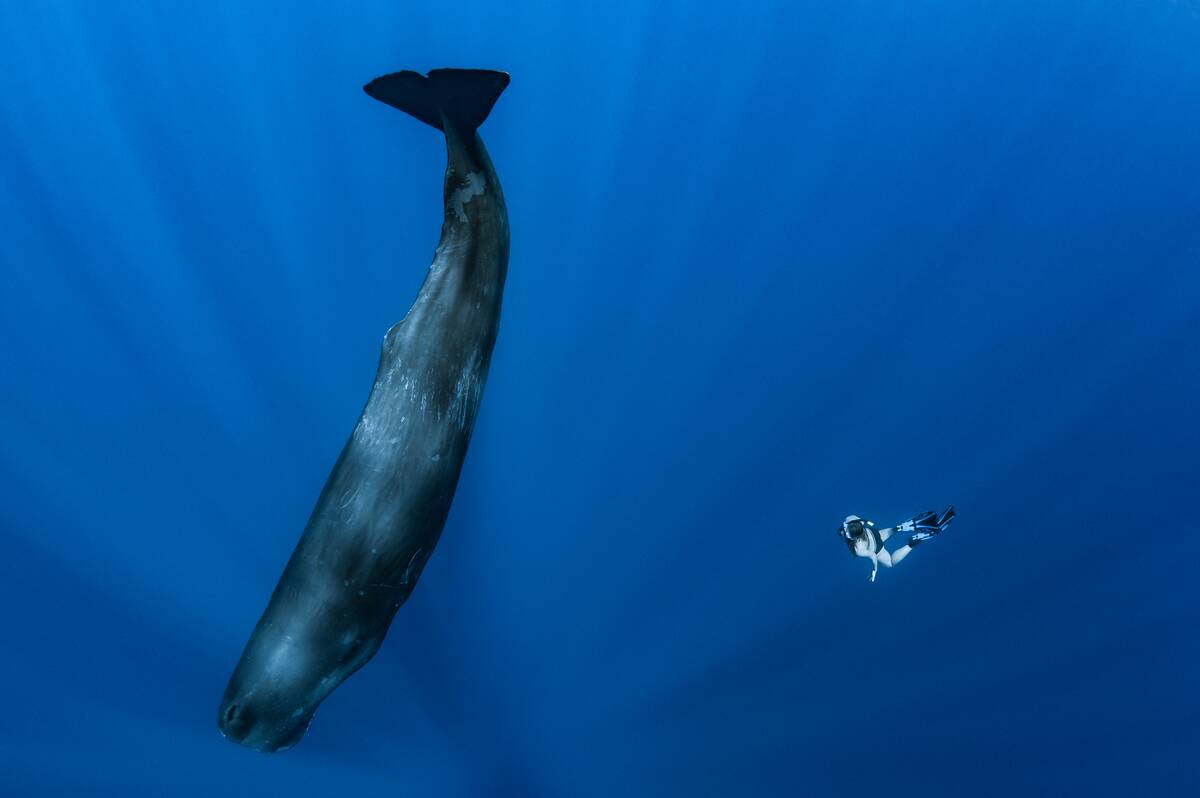
In marine ecosystems, viruses are key players in nutrient cycles and population control. They infect and lyse bacteria and phytoplankton, releasing organic matter that fuels the microbial loop. This viral shunt helps regulate marine food webs and maintains ecological balance.
Moreover, viruses drive genetic diversity in marine organisms, promoting adaptation and resilience in the face of environmental changes. Their presence in the ocean highlights their essential role in shaping the dynamics of marine life.
Viral Influence on Plant Evolution

Plants, too, have been influenced by viral activity throughout their evolutionary history. Viruses can introduce genetic changes that lead to new plant traits, aiding in adaptation to environmental pressures.
For example, viral genes have been implicated in the development of resistance to certain pathogens and environmental stresses. By acting as agents of genetic change, viruses have contributed to the diversity and resilience of plant species, underscoring their role as facilitators of evolutionary innovation.
How Viruses Helped Mammals Thrive

Viruses have played a role in the success of mammals by contributing to key physiological adaptations. Viral genes have been co-opted for various functions, such as placenta formation, which is crucial for mammalian reproduction.
This integration has allowed mammals to thrive in diverse environments by enhancing reproductive efficiency. The relationship between viruses and mammals exemplifies how viral elements can be harnessed to support complex life forms, highlighting their unexpected contributions to evolutionary success.
The Surprising Benefits of Viral Invasions
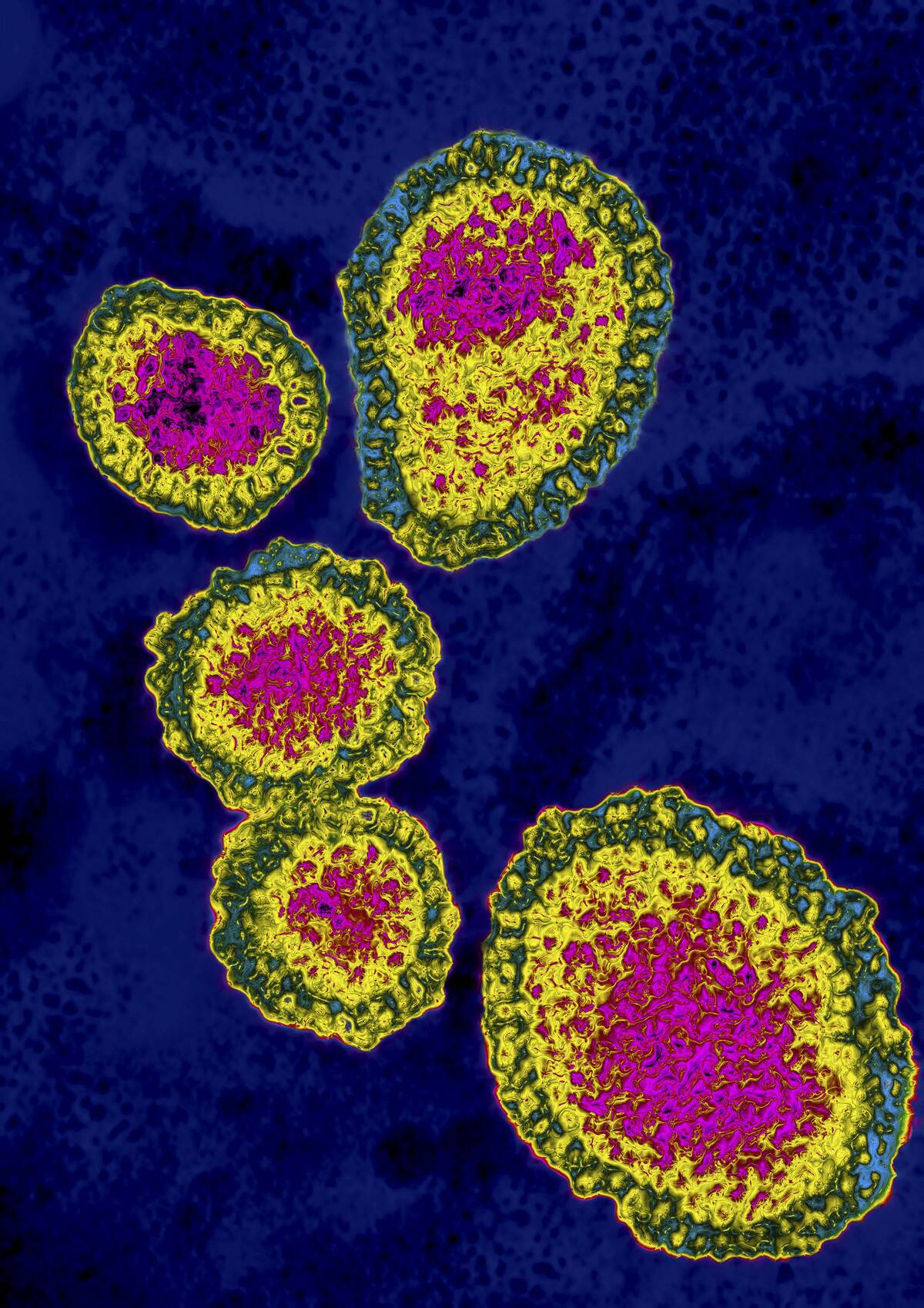
While viral invasions are often associated with disease, they can also lead to beneficial outcomes. Viral infections can drive genetic innovations that enhance the survival and adaptability of host organisms.
For instance, some viruses have been found to confer resistance to environmental stresses or improve metabolic functions. These positive effects illustrate the dual nature of viruses as both challenges and catalysts for evolutionary progress, revealing their complex role in the web of life.
Viruses and the Evolution of Complex Life
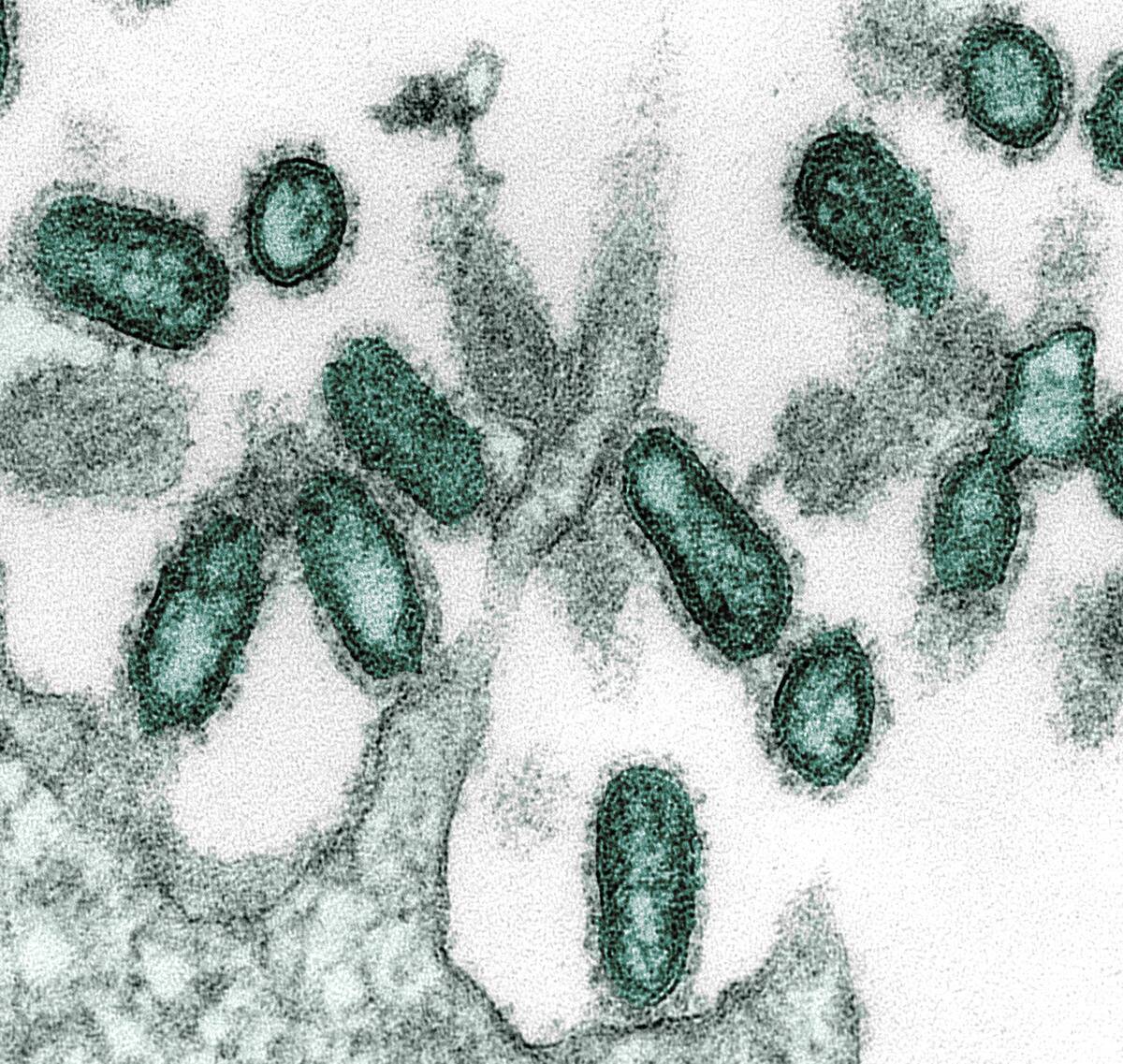
Viruses have been integral to the evolution of complex life forms by facilitating genetic exchange and innovation. By transferring genetic material between organisms, they have contributed to the development of novel traits and increased biological complexity.
This process has been crucial in the evolution of multicellular organisms, enabling the diversification of life on Earth. The role of viruses in this context underscores their importance as drivers of evolutionary change and complexity.
The Future of Evolution: The Continuing Viral Influence

As we look to the future, the influence of viruses on evolution is likely to continue. With their ability to drive genetic diversity and adaptation, viruses will remain key players in the ongoing evolutionary narrative.
Advances in biotechnology and genomic research may reveal even more about the complex interactions between viruses and their hosts. As we learn more about these relationships, we may uncover new ways to harness viral power for beneficial purposes, shaping the future of life on Earth.




