Symbols that retained meaning across civilizations
Symbols are a fascinating part of human culture, transcending language barriers and uniting people across time and space. From ancient hieroglyphs to modern emojis, symbols convey complex ideas succinctly and powerfully.
They’re embedded in our daily lives, often without us even realizing it. Whether it’s a simple heart shape or an intricate mandala, symbols hold deep meanings that resonate with us all. Let’s embark on a journey through some of the most enduring symbols and their stories.
The Timeless Circle: A Symbol of Unity and Infinity
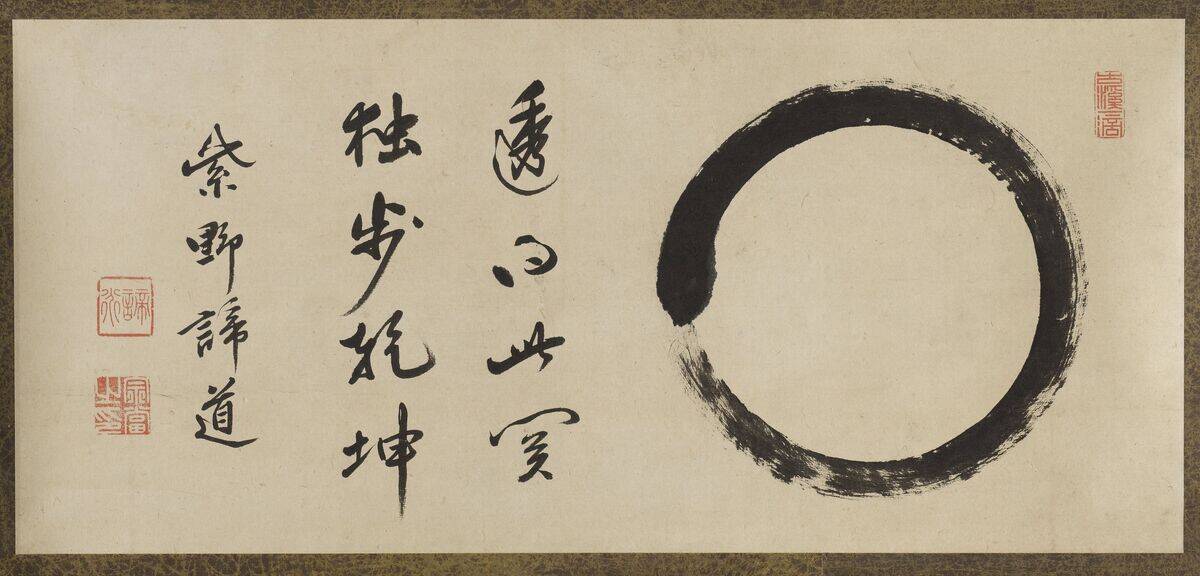
The circle is perhaps one of the most universal symbols, representing unity, wholeness, and infinity. It’s a shape with no beginning or end, making it a powerful emblem of eternity and cycles of life.
In Zen Buddhism, the enso circle embodies enlightenment and the universe. Meanwhile, wedding rings symbolize the unending bond of love and commitment. Circles are reminders of the interconnectedness of all things, a concept that has resonated with cultures around the world.
The Cross: From Ancient Egypt to Modern Times
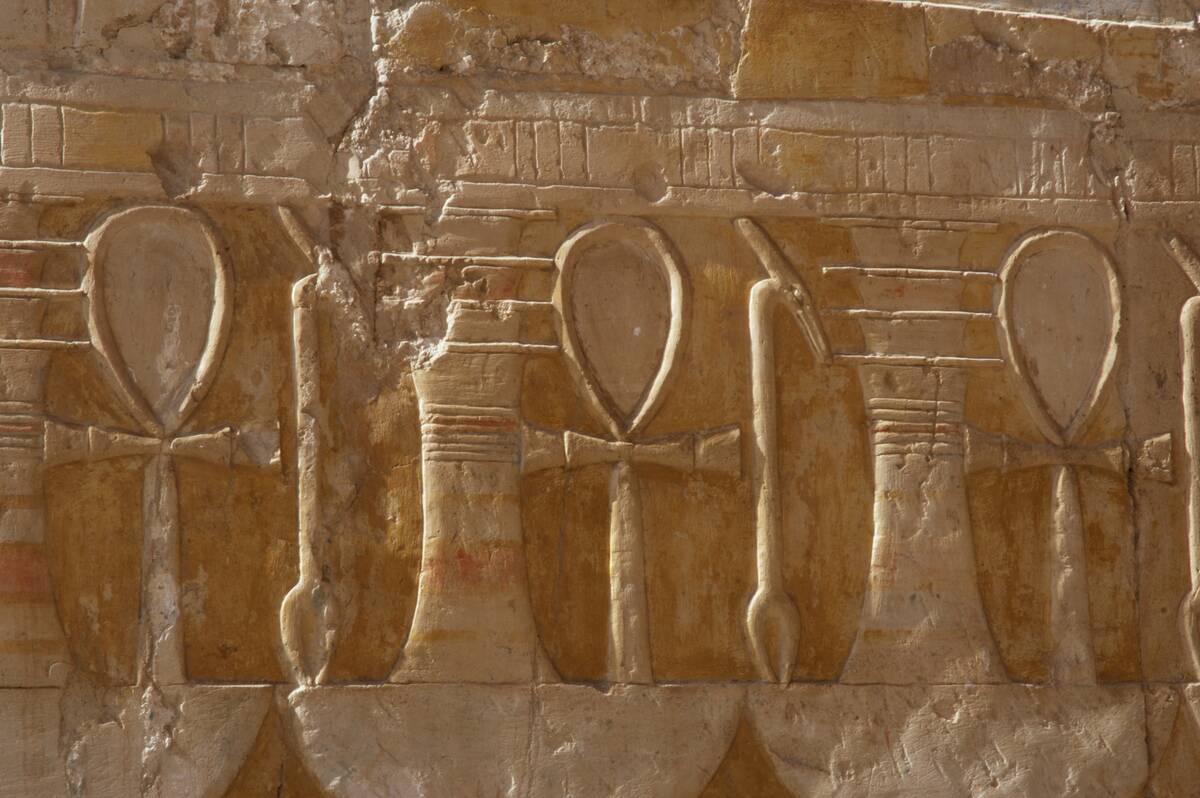
While the cross is often associated with Christianity, its origins trace back to ancient civilizations. The Ankh, a cross with a loop at the top, was an Egyptian symbol of life and immortality.
The cross later became a dominant emblem of faith in the Christian world, representing the crucifixion and resurrection of Jesus Christ. Its simple yet profound design has made it a lasting icon of hope and salvation across various cultures and eras.
The Tree of Life: Connecting Heaven, Earth, and the Underworld
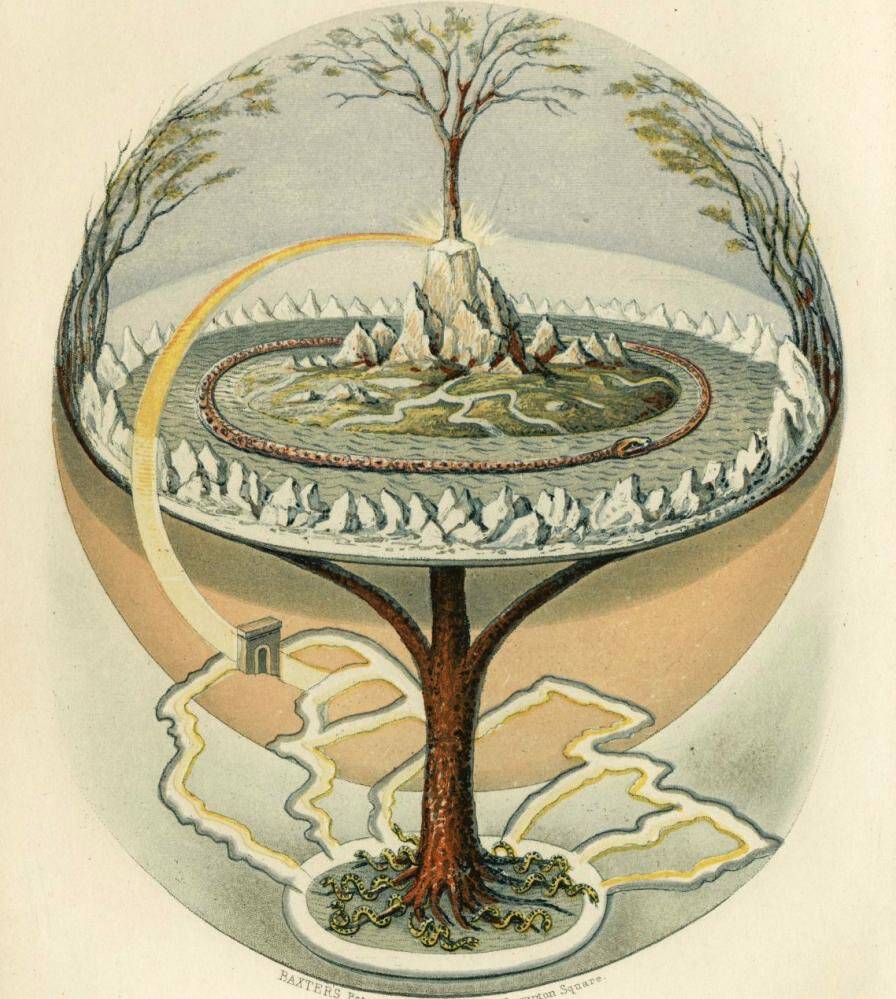
The Tree of Life is a symbol found in many mythologies, representing the connection between different realms of existence. In Norse mythology, Yggdrasil is the mighty tree that links the nine worlds.
In Kabbalah, the Tree of Life is a diagram of spiritual enlightenment. This symbol reflects growth, strength, and interconnectedness, illustrating the idea that all life on Earth is connected through a shared origin.
The Spiral: Echoes of Growth and Evolution
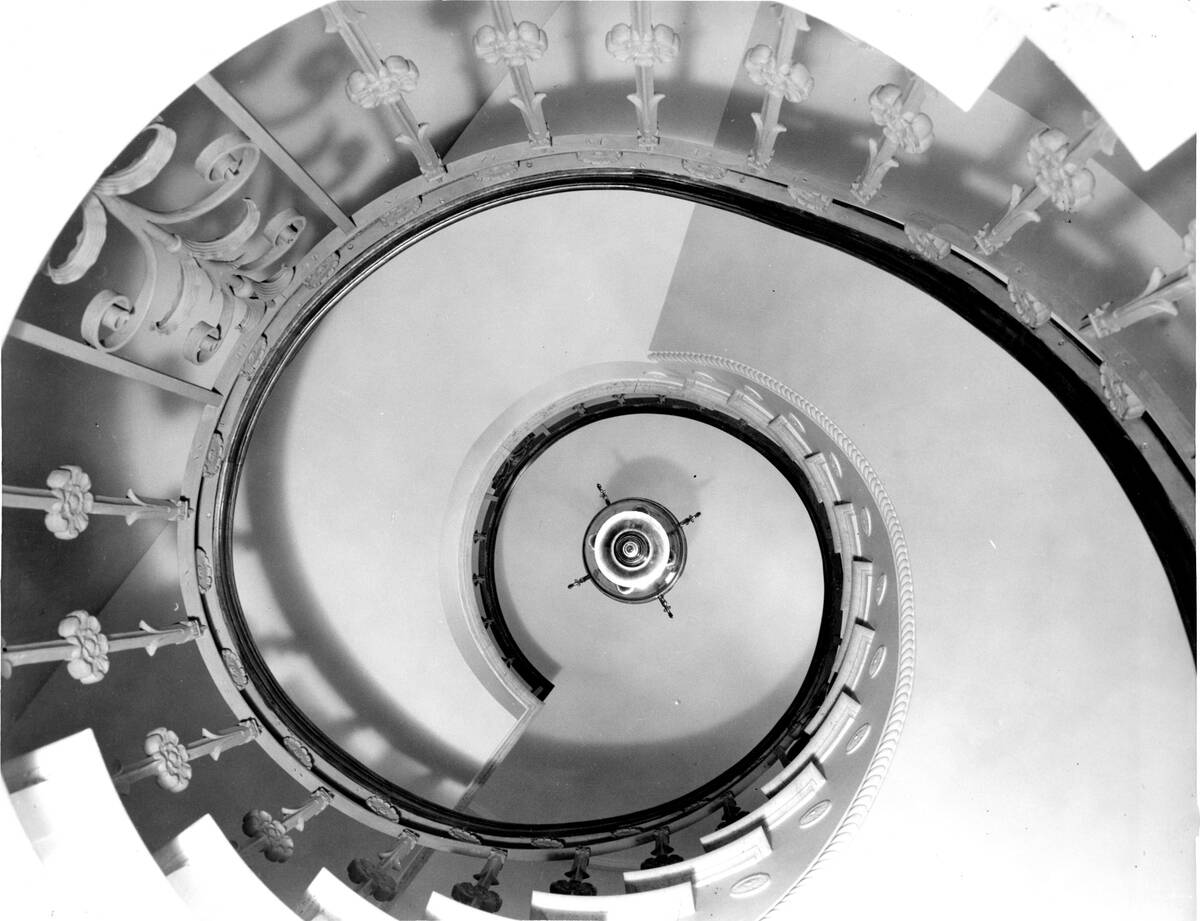
Spirals are captivating symbols representing growth, evolution, and the journey of life. They’re found in nature, from galaxies to snail shells, highlighting the natural order of the universe. In Celtic culture, spirals signify eternal life and spiritual expansion.
The Fibonacci spiral, seen in sunflowers and hurricanes, reveals a mathematical precision in nature’s design. Spirals remind us of life’s constant movement and the unfolding of our personal and collective journeys.
The Eye: Guardianship and Insight Across Cultures
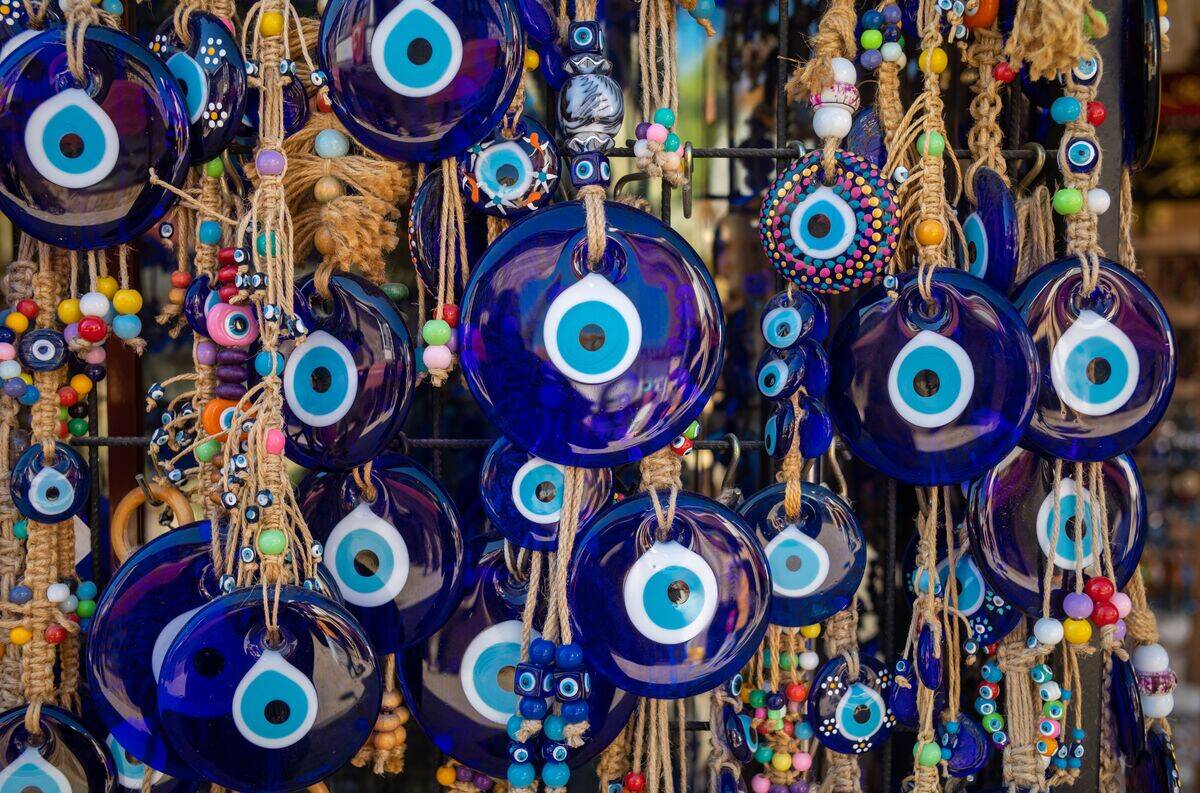
The eye symbol has been revered as a potent emblem of protection and insight across various cultures. The Eye of Horus, an ancient Egyptian symbol, was believed to offer healing and protection.
In the Middle East, the Nazar amulet, or “evil eye,” wards off malevolent glances. The eye signifies awareness and vision, both spiritual and literal. It serves as a reminder to stay vigilant and seek understanding beyond the surface.
The Lotus Flower: From Mud to Enlightenment
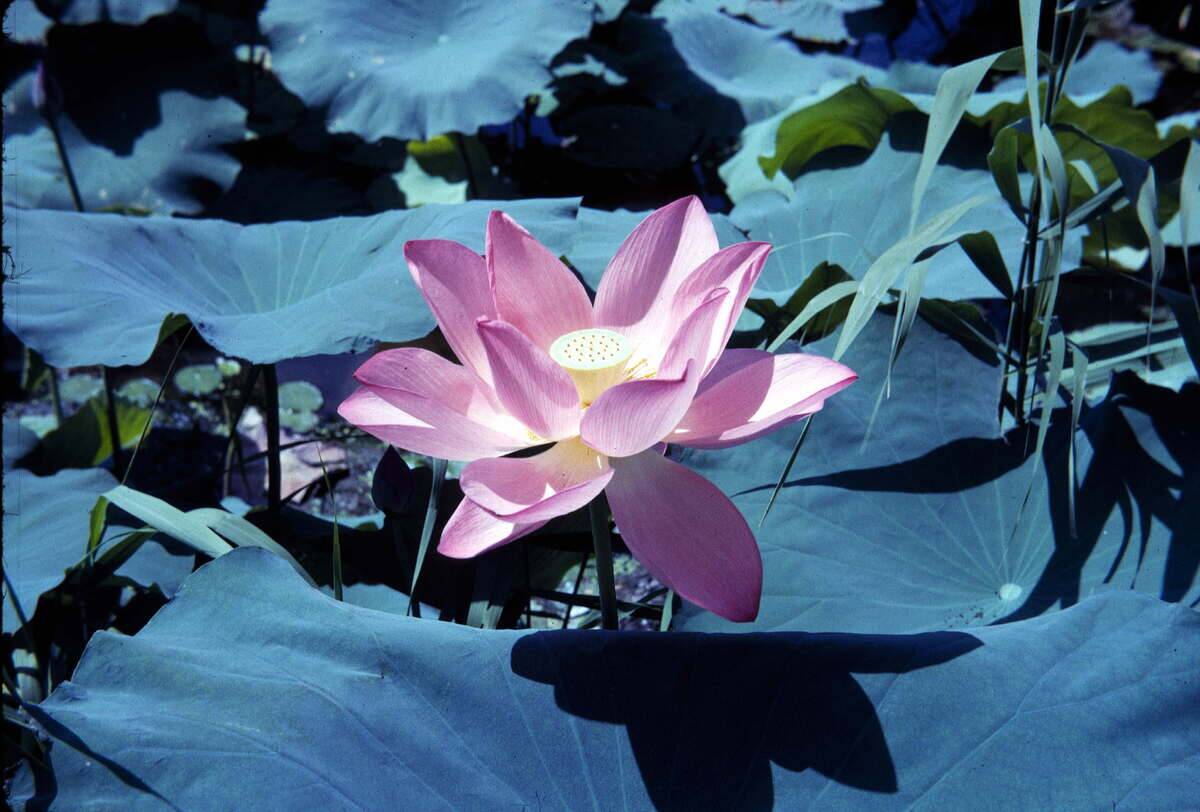
The lotus flower is a powerful symbol of purity, rebirth, and enlightenment, especially in Eastern philosophies. Growing from the mud to bloom beautifully above the water, it represents the journey from darkness to light.
In Buddhism, the lotus is associated with spiritual awakening and the potential for all beings to achieve enlightenment. Its serene beauty and profound symbolism make it a revered motif in art and spirituality.
The Sun: A Universal Emblem of Power and Vitality
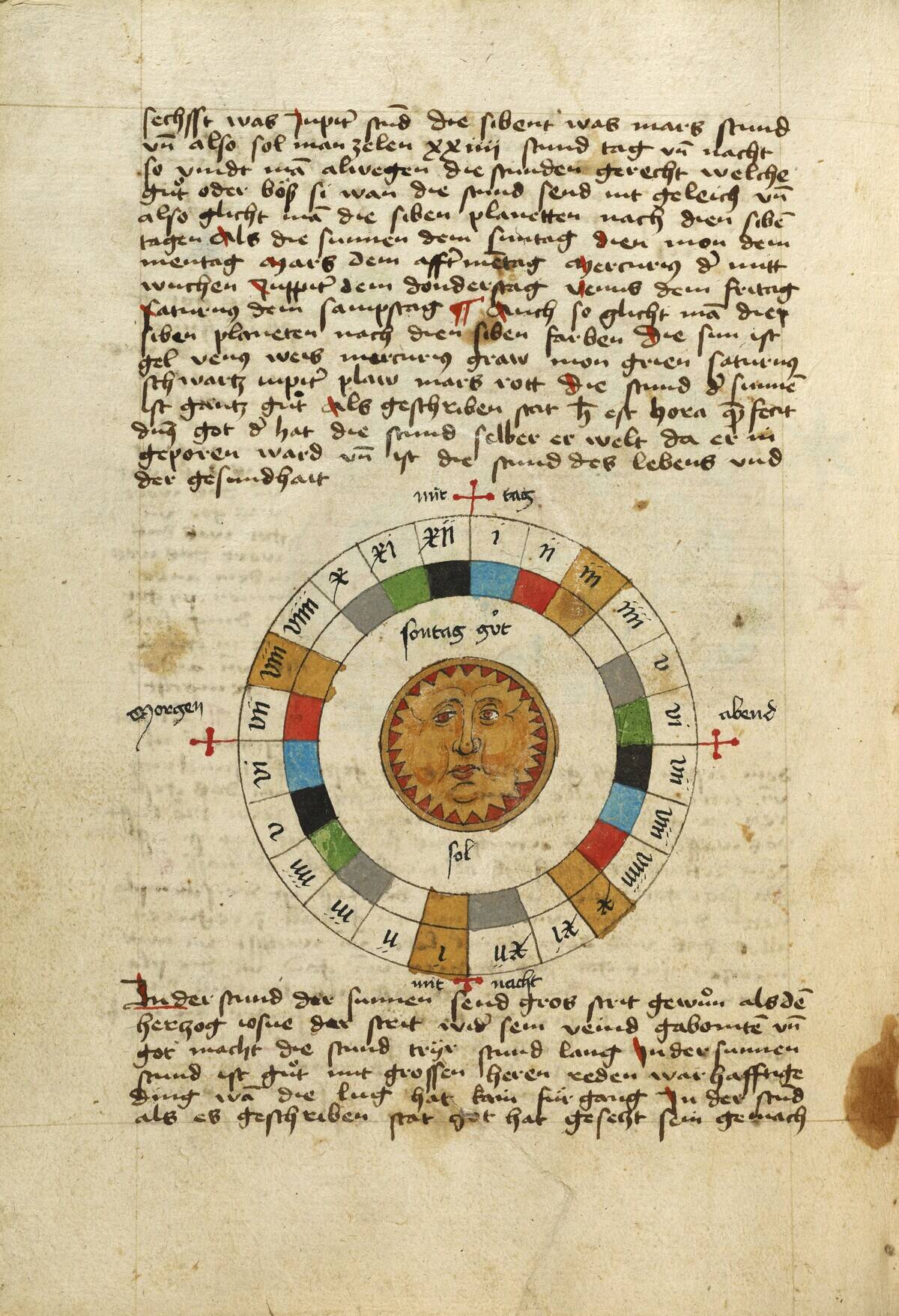
The sun has been a central symbol in many cultures, representing life, energy, and power. Ancient Egyptians worshipped Ra, the sun god, as the ruler of all creation.
In Aztec culture, the sun was seen as a vital force that required human sacrifice to sustain its journey across the sky. Today, the sun continues to symbolize positivity, growth, and the rhythm of life, reminding us of its indispensable role in our world.
The Moon: Symbol of Change and Mystery
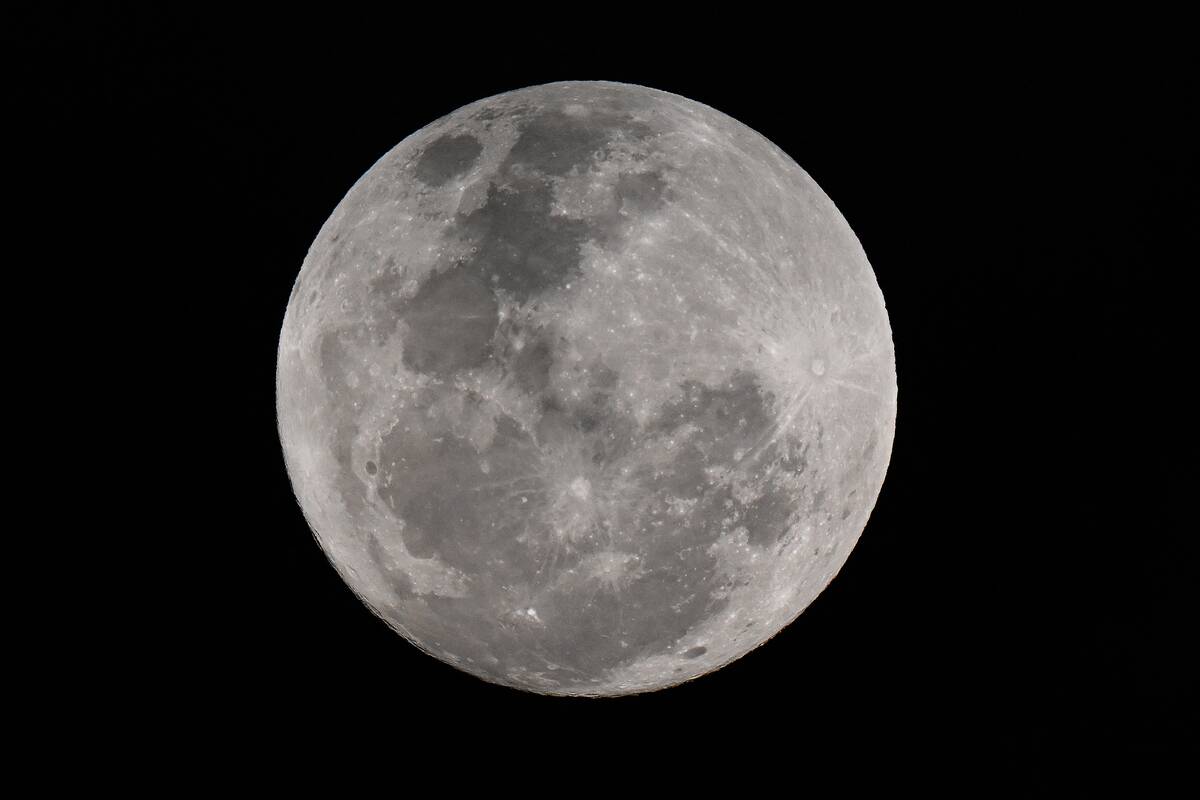
The moon’s ever-changing phases have made it a symbol of transformation and mystery. In many cultures, it governs the tides, fertility, and the passage of time. In Roman mythology, Luna personified the moon, influencing emotions and intuition.
The moon’s enigmatic presence in the night sky has inspired countless myths and stories, symbolizing the cyclical nature of life and the unseen forces that shape our reality.
The Serpent: Duality of Life and Rebirth
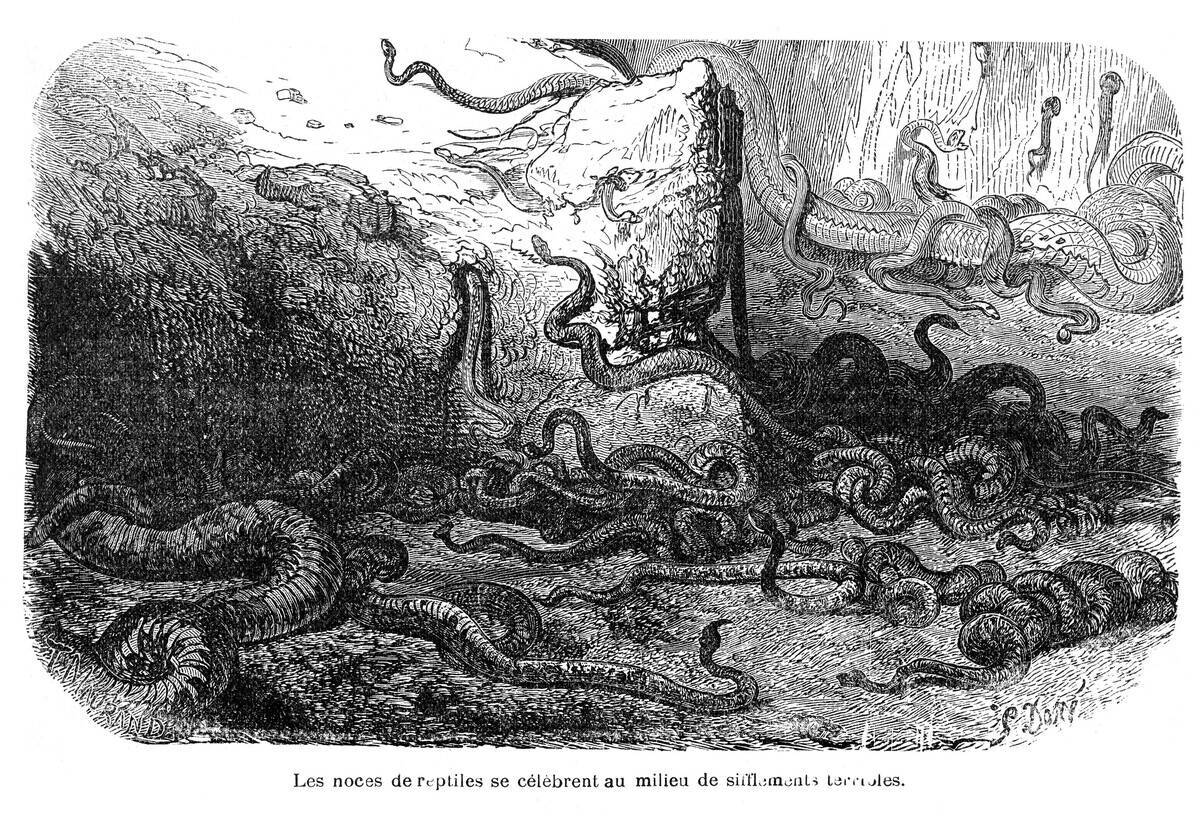
The serpent is a compelling symbol of duality, representing both life and death, creation and destruction. In Hindu mythology, the serpent god Shesha holds the universe together.
In ancient Greek culture, snakes were associated with healing and medicine, as seen in the Rod of Asclepius. The serpent’s ability to shed its skin symbolizes renewal and transformation, reflecting the continuous cycle of life.
The Heart: Love and Emotion in Every Culture
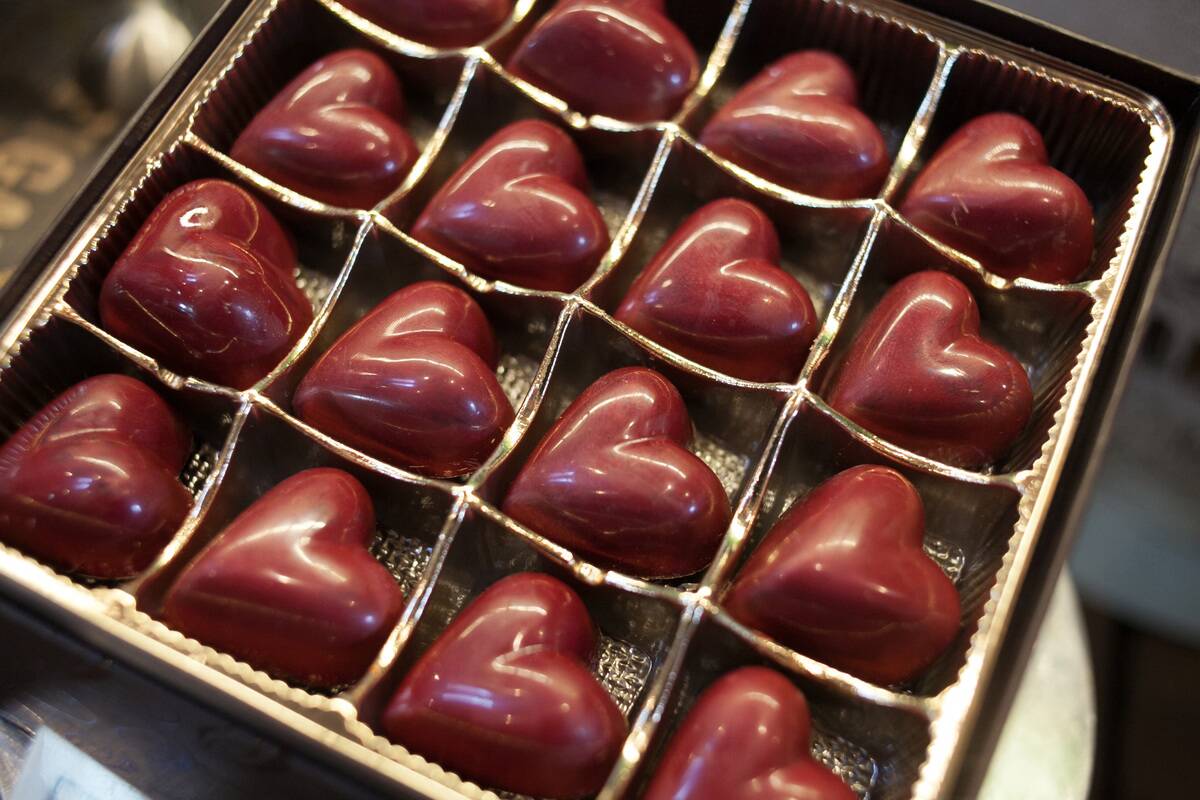
The heart is universally recognized as a symbol of love and emotion. Its iconic shape transcends cultural boundaries, appearing in everything from ancient manuscripts to modern emojis.
In ancient Greece, the heart was considered the seat of the soul and emotions. Today, it represents affection, passion, and the deep connection between individuals. The heart’s enduring appeal lies in its simplicity and its profound ability to convey the complexities of human emotion.
The Triangle: Balance and Strength Through the Ages
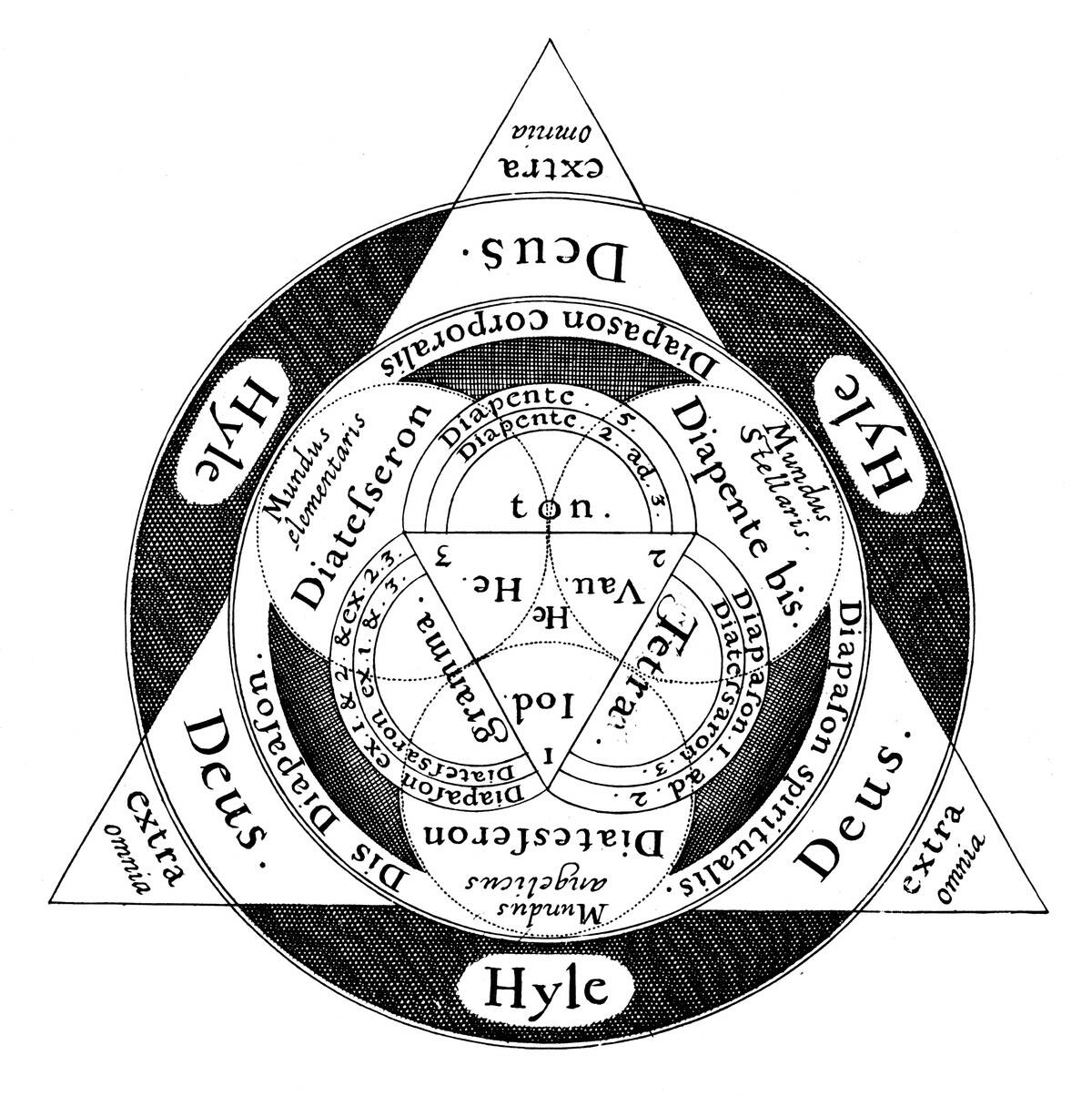
Triangles are symbols of strength, balance, and harmony. In geometry, a triangle is the simplest form of a polygon, often representing stability. In spiritual traditions, it signifies the trinity, such as mind, body, and spirit in holistic practices.
The Pythagoreans revered the triangle as a symbol of harmony and proportion. Its three sides remind us of the interconnectedness of different elements, forming a strong and balanced whole.
The Star: Guidance and Protection Across Continents
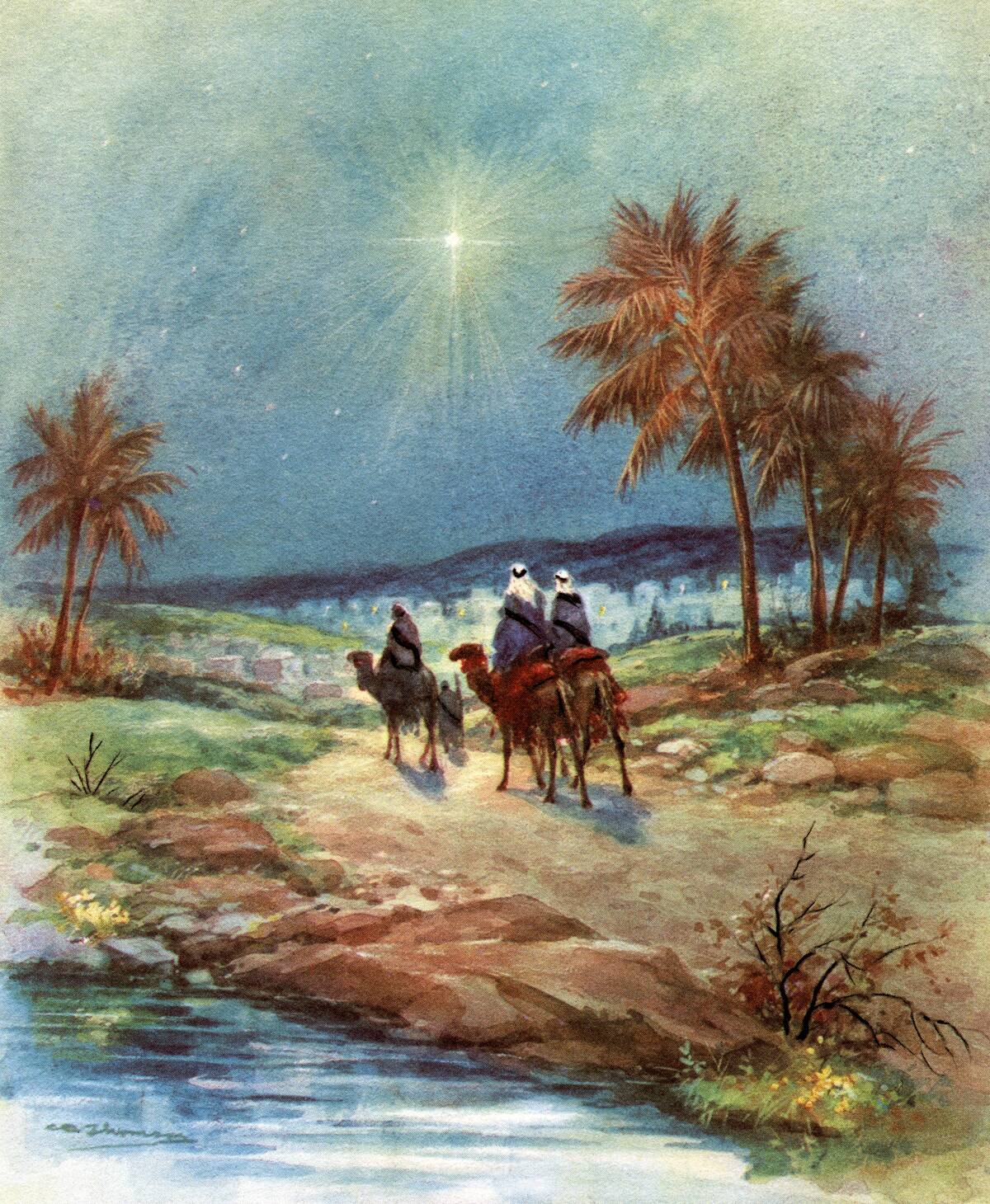
Stars have long been symbols of guidance and protection, lighting up the night sky and navigating travelers. The North Star, or Polaris, has guided sailors for centuries. In Christianity, the Star of Bethlehem announced the birth of Jesus.
Stars are often seen as metaphors for hope and dreams, inspiring us to reach for the heavens. Their twinkling presence reminds us of the vast universe and our place within it.
The Feather: Freedom and Spirituality in Diverse Traditions

Feathers are symbols of freedom, spirituality, and communication with the divine. In Native American cultures, feathers are considered sacred and used in rituals to connect with spirits. In ancient Egypt, the feather of Ma’at symbolized truth and justice.
Feathers’ lightness and ability to soar high have made them emblems of transcendence and liberation, encouraging us to rise above earthly concerns and explore our spiritual paths.
The Labyrinth: Journey and Discovery from Ancient Times to Today
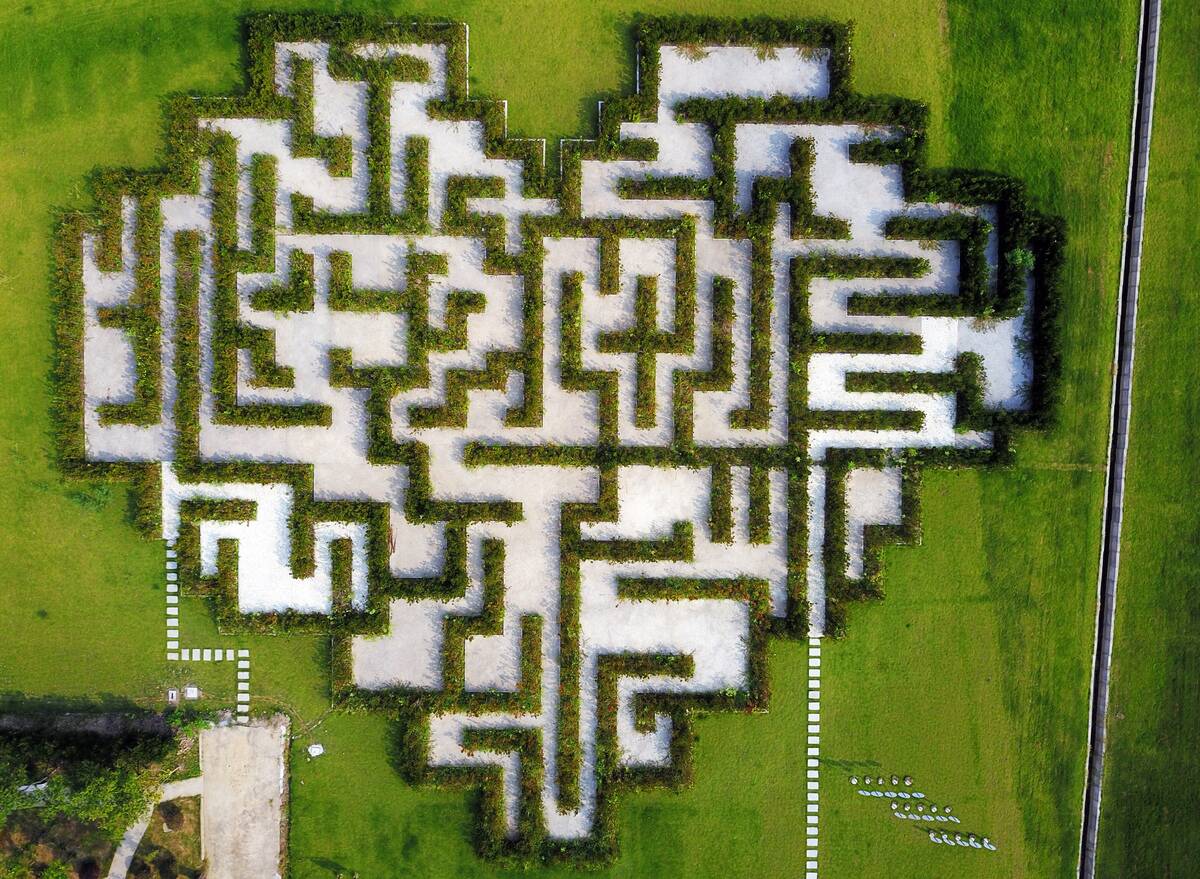
Labyrinths are intricate paths that symbolize the journey of life, self-discovery, and transformation. In Greek mythology, the labyrinth housed the Minotaur, representing a complex and challenging path.
Today, walking a labyrinth is a meditative practice allowing introspection and personal growth. Unlike a maze, a labyrinth has a single path leading to the center, reminding us that life’s journey, though winding, ultimately leads to deeper understanding.
The Dove: A Symbol of Peace and Hope in a Turbulent World
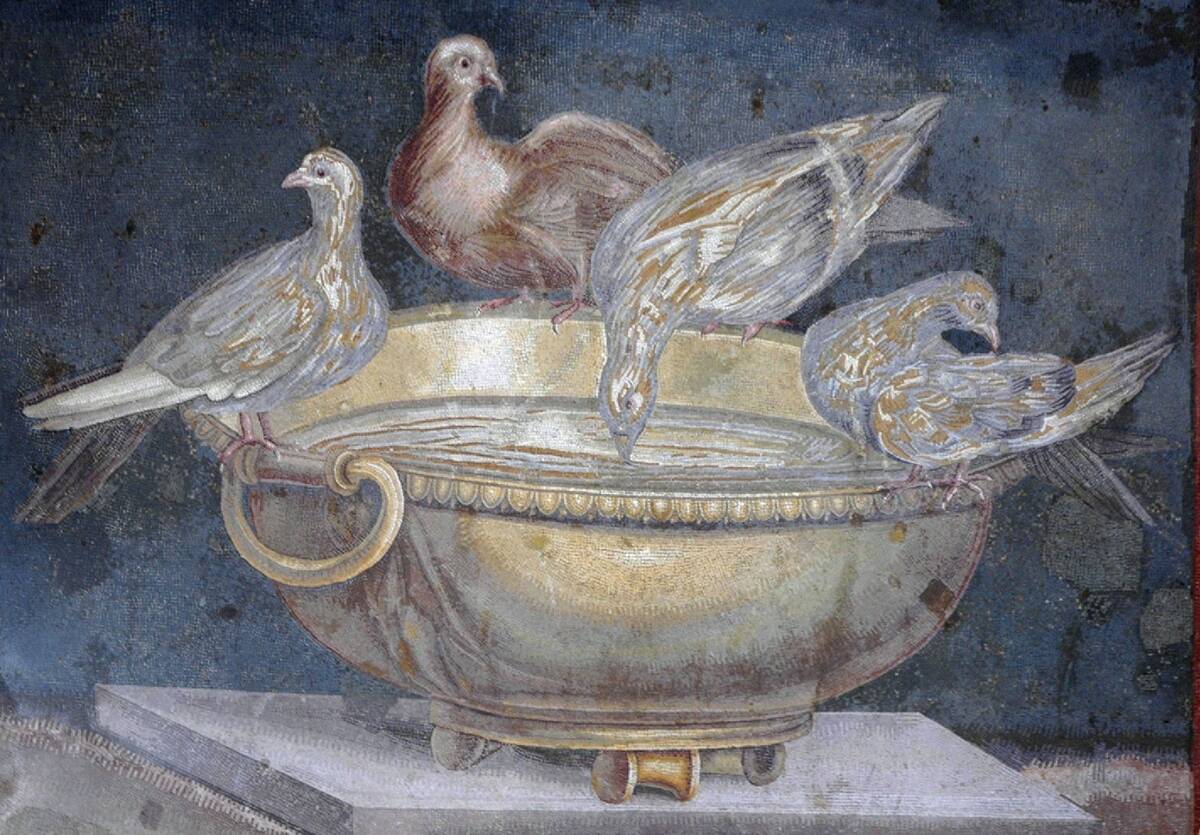
The dove is a universal symbol of peace, hope, and renewal. In the biblical story of Noah, a dove returned with an olive branch, signaling the end of the flood. In various cultures, doves are seen as messengers of peace and carriers of love.
Their gentle nature and soothing coos embody calmness and serenity, offering a beacon of hope in times of turmoil and a reminder of the enduring human desire for harmony.




