Generals who won wars only to lose power immediately after
History is filled with tales of leaders who soared to great heights, only to face unexpected downfalls. Military leaders, in particular, often find their legacies intertwined with both triumph and tragedy.
The stories of these figures serve as poignant reminders that victory on the battlefield does not always translate to lasting power or peace. From ancient Rome to the 20th century, the tales of their rise and fall continue to captivate and educate us today.
Julius Caesar: Conqueror of Gaul, Victim of the Ides
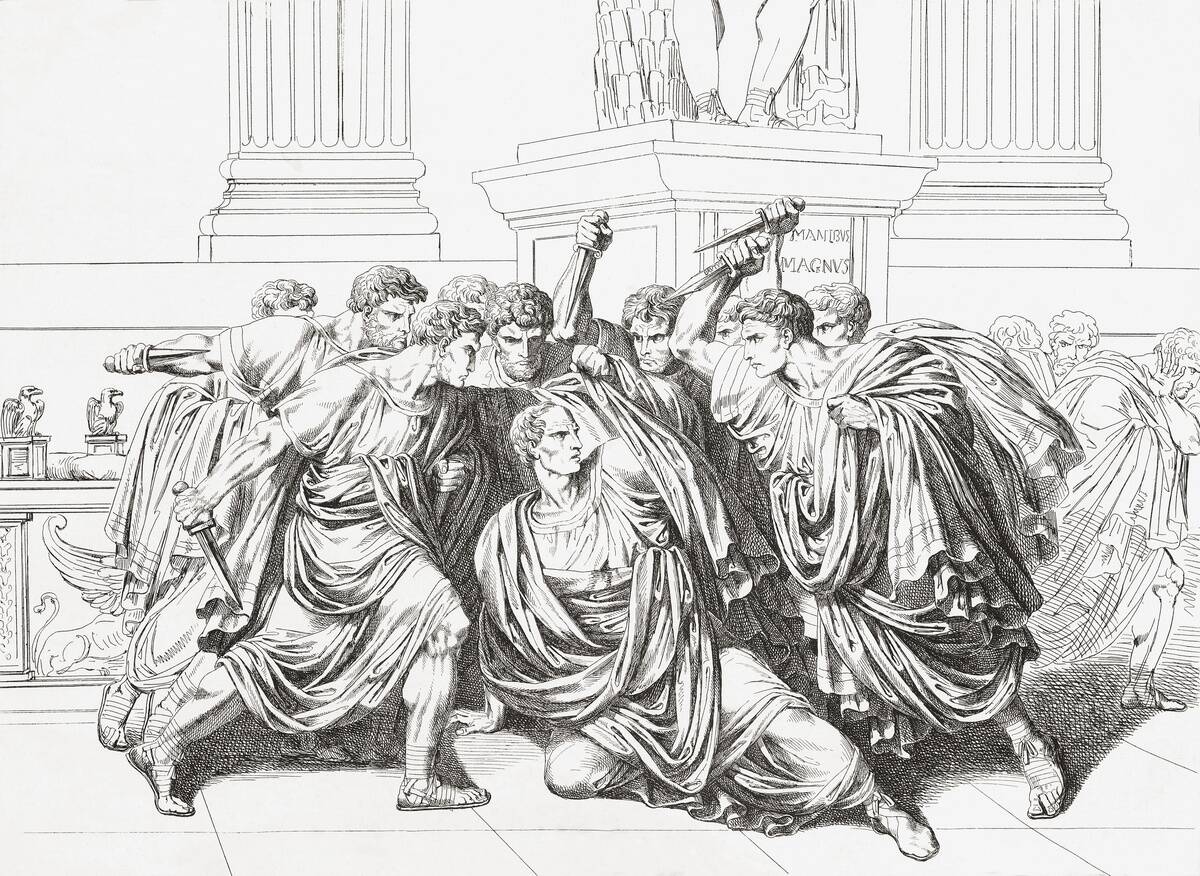
Julius Caesar is famed for his conquest of Gaul, a campaign that expanded the Roman Republic’s territories significantly. Yet, despite his military prowess, he met a violent end on the Ides of March in 44 BCE, just six years after the campaign in Gaul was largely won.
His assassination was the result of political conspiracies brewing within the Senate, demonstrating that even the greatest generals are not immune to political machinations. Caesar’s life and death remind us that political power can be as perilous as it is powerful.
Napoleon Bonaparte: From Emperor to Exile
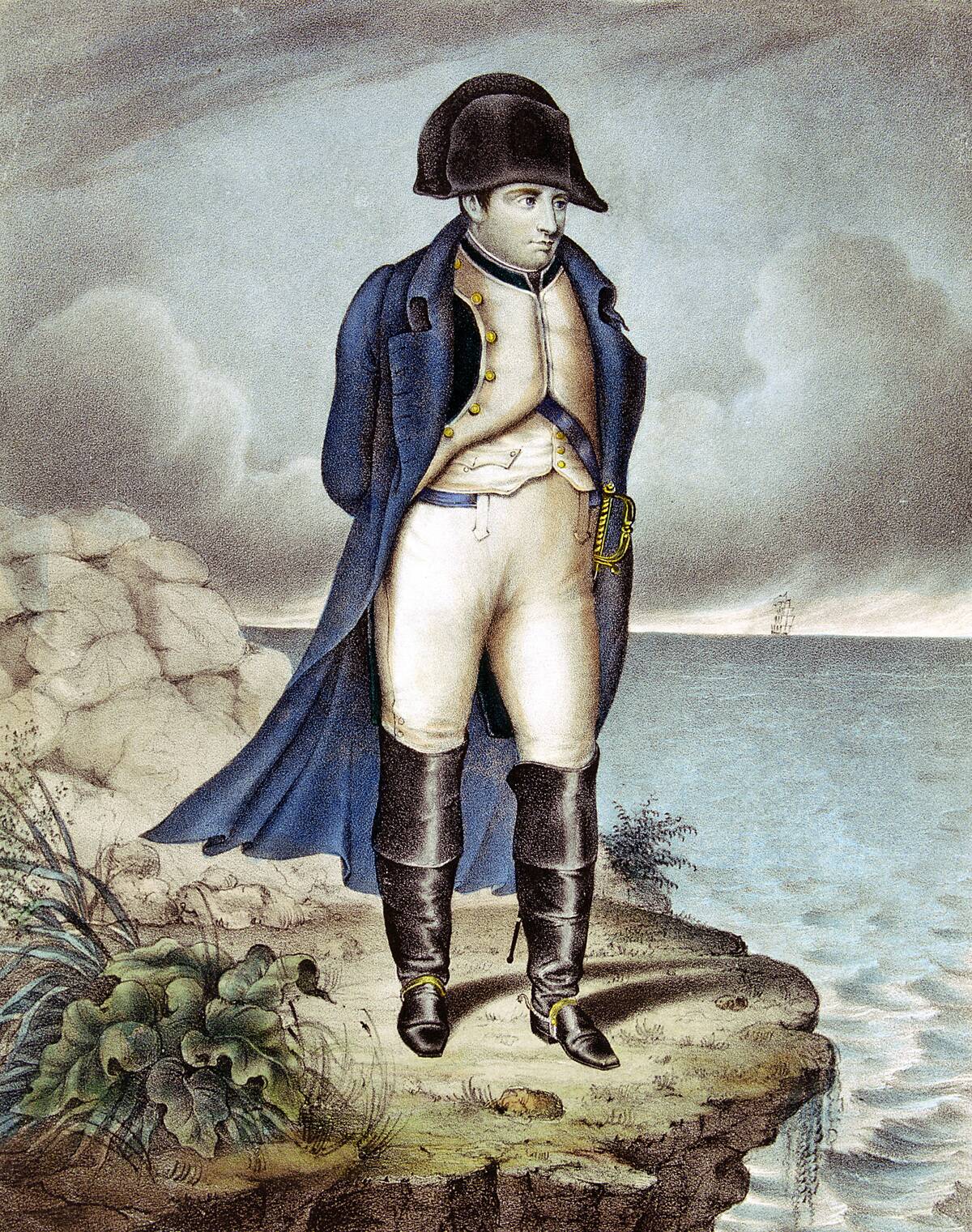
Napoleon Bonaparte, a master strategist, rose from obscurity to become the Emperor of the French. His military campaigns reshaped Europe, but his insatiable ambition ultimately led to his downfall.
After a disastrous invasion of Russia and defeat at Waterloo, Napoleon was exiled to the remote island of Saint Helena. His story is a testament to how quickly the tides of fortune can turn, even for those seemingly destined to rule the world.
Douglas MacArthur: Hero of the Pacific, Fired in Korea
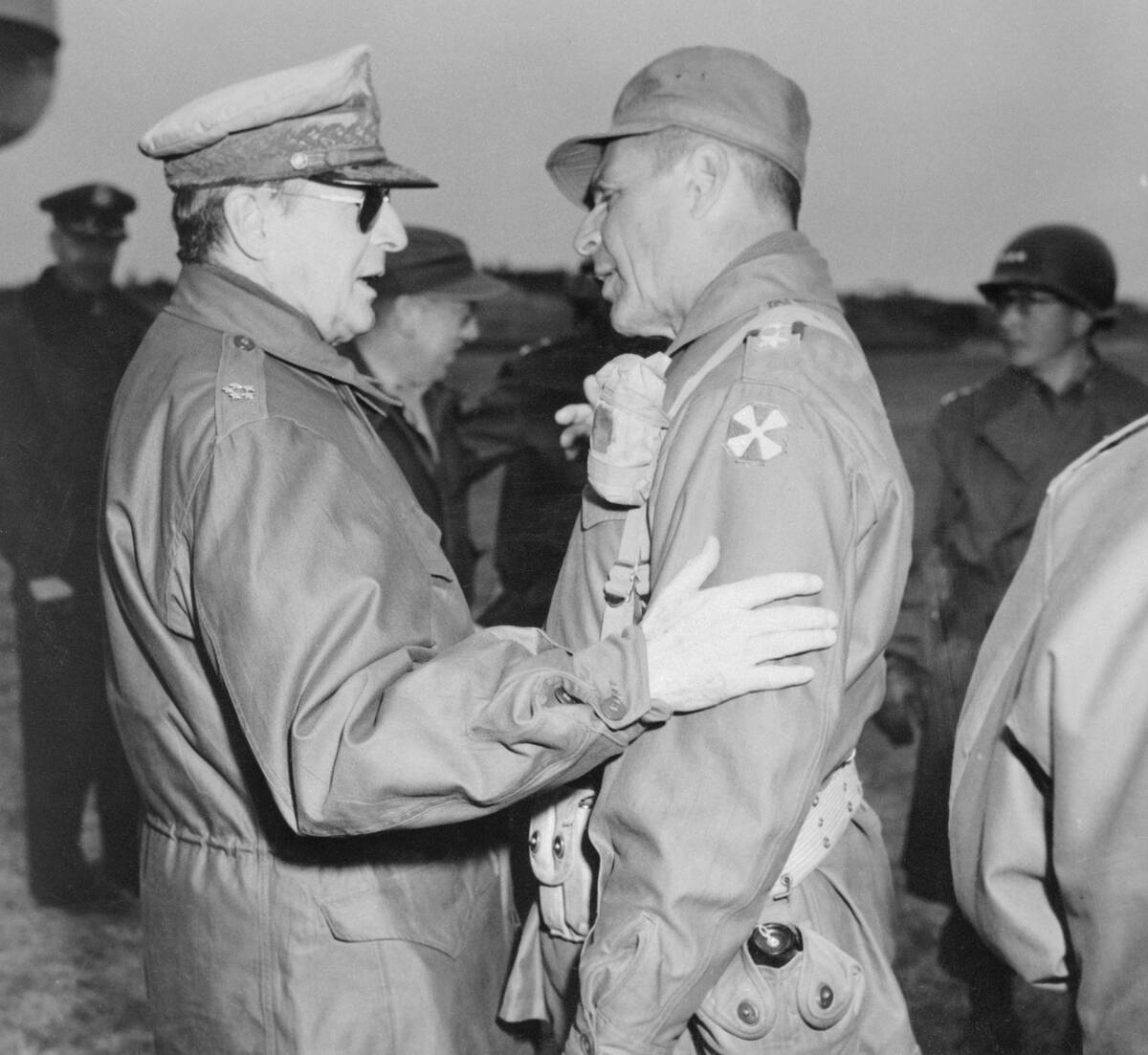
General Douglas MacArthur was a celebrated hero of the Pacific during World War II, known for his strategic brilliance. However, his career took a downturn during the Korean War when he was relieved of his command by President Truman.
MacArthur’s desire to expand the conflict into China clashed with Truman’s more measured approach, illustrating the delicate balance between military objectives and political directives, and how crossing that line can abruptly end a storied career.
Oliver Cromwell: Lord Protector Turned Political Pariah
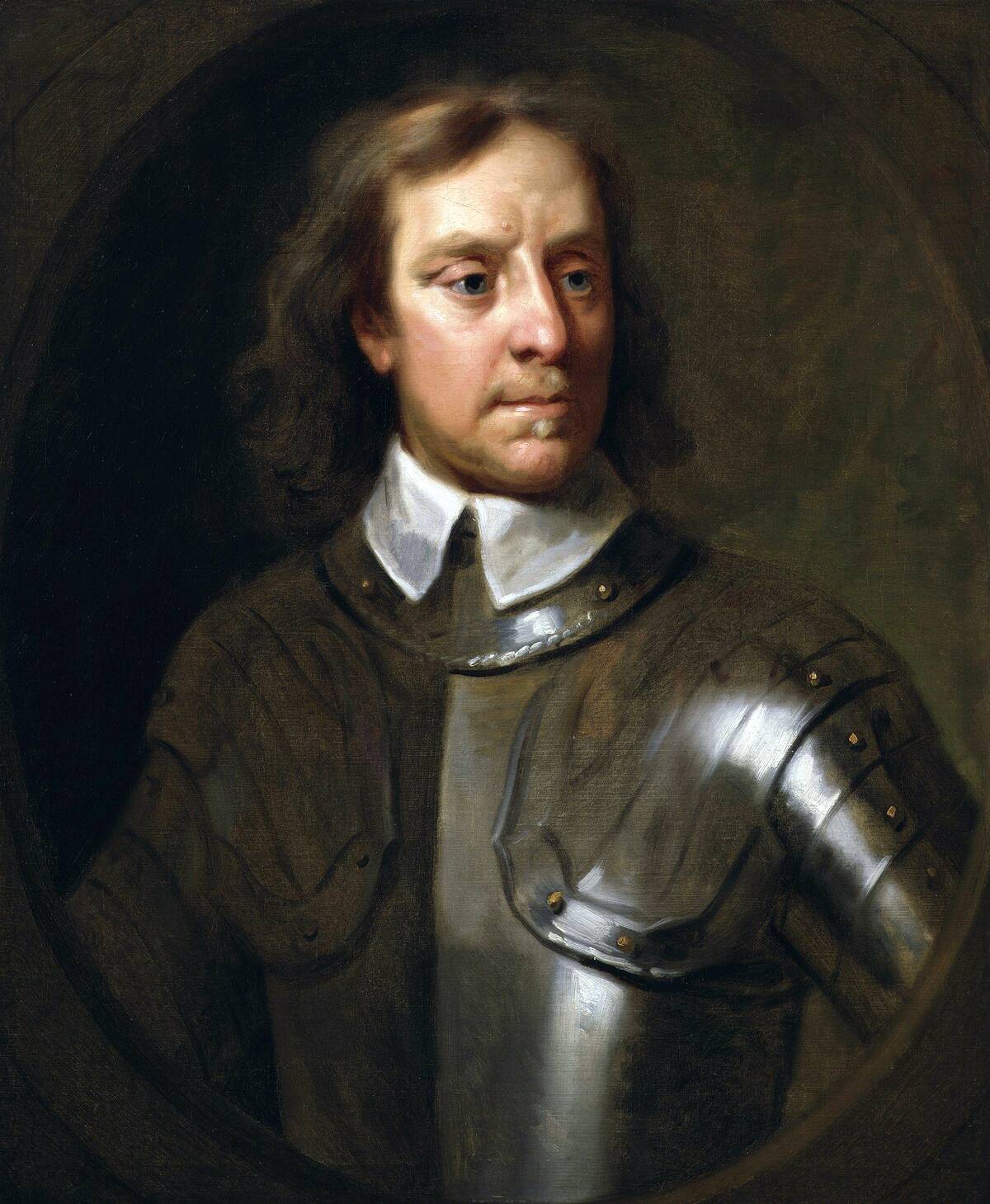
Oliver Cromwell’s ascent to power during the English Civil War led to his role as Lord Protector, effectively ruling the country. Initially seen as a hero by many for his role in overthrowing the monarchy, his authoritarian rule and religious intolerance later alienated him from supporters.
After his death, the monarchy was restored, and Cromwell’s body was posthumously exhumed and subjected to a symbolic execution, highlighting the fickle nature of political favor.
Ulysses S. Grant: Civil War Hero and Political Struggles
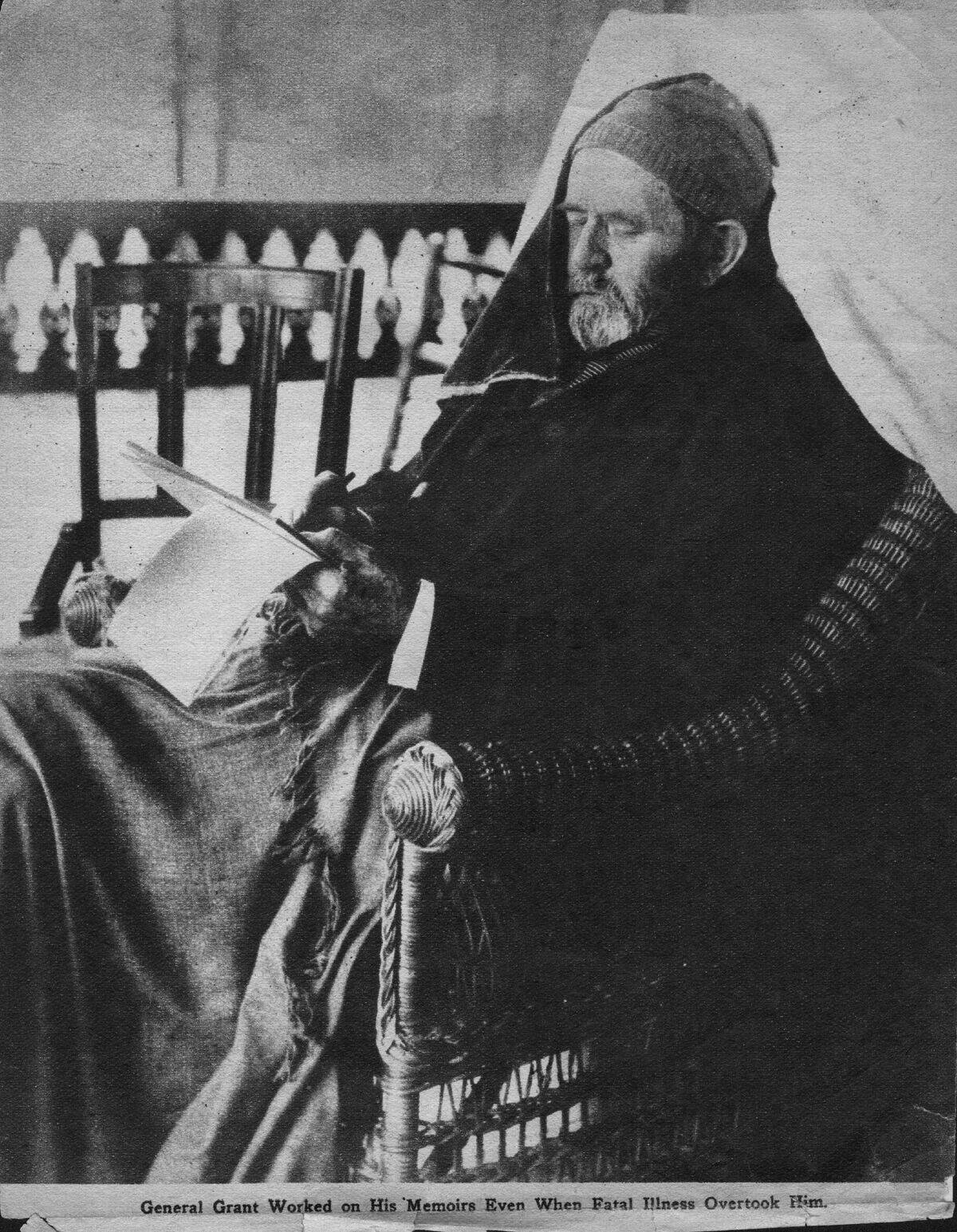
Ulysses S. Grant is celebrated for his leadership in leading the Union Army to victory during the American Civil War. However, his presidency was marred by corruption scandals and economic turmoil.
Though personally honest, Grant’s trust in others led to numerous scandals, such as the Whiskey Ring. His post-war life was marked by financial difficulties, yet he remains a revered figure for his military achievements and humble perseverance.
Gaius Marius: Roman Reformer and the Fall from Grace
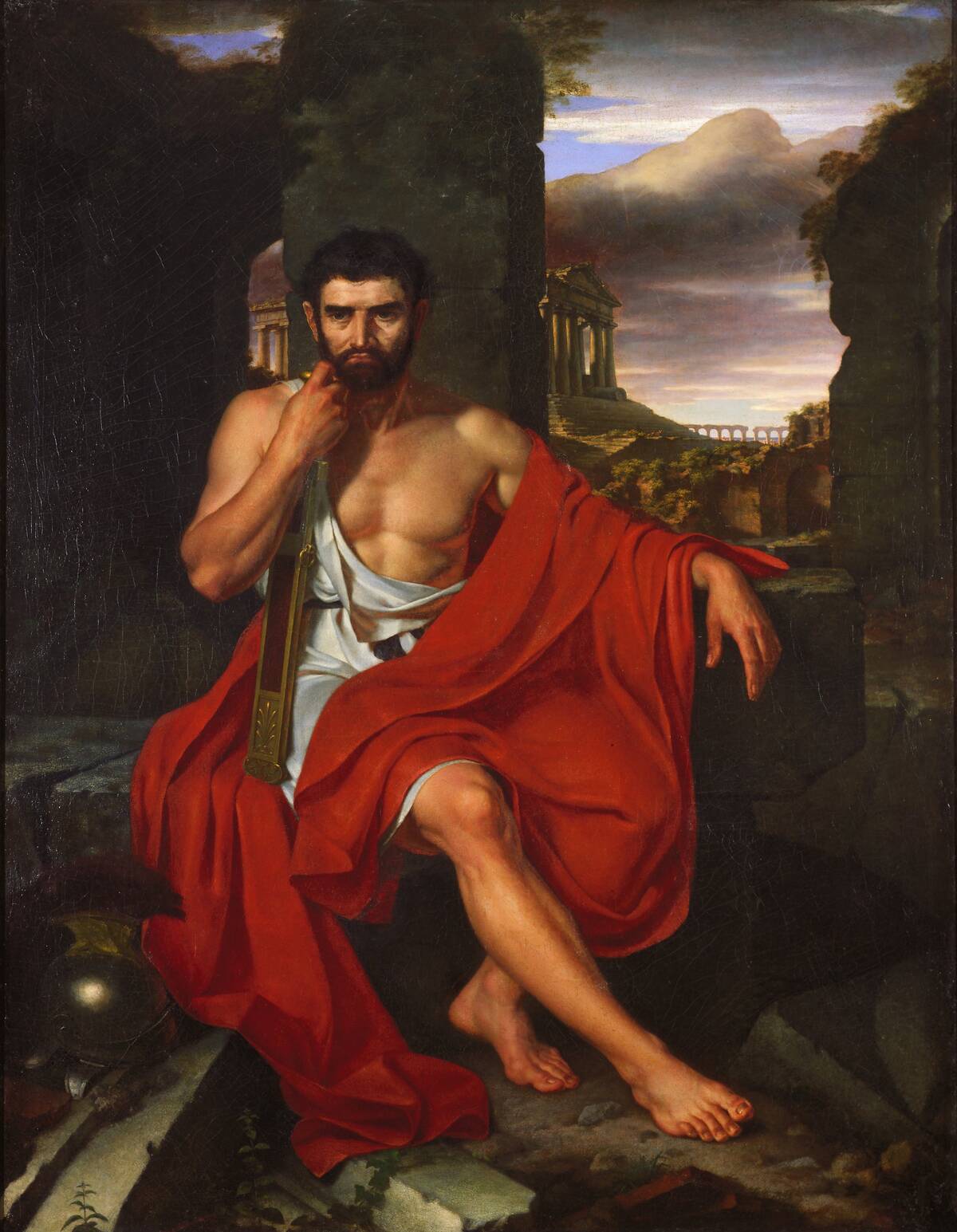
Gaius Marius was a Roman general and statesman who introduced significant military reforms, allowing the landless masses to enlist in the army. However, his rivalry with Sulla and subsequent political maneuvers saw him fall from grace.
Marius’ later years were characterized by paranoia and bloodshed, culminating in his violent seizure of power. His story highlights how ambition and political rivalry can tarnish even the most influential reforms.
Chiang Kai-shek: The Defeated Nationalist General
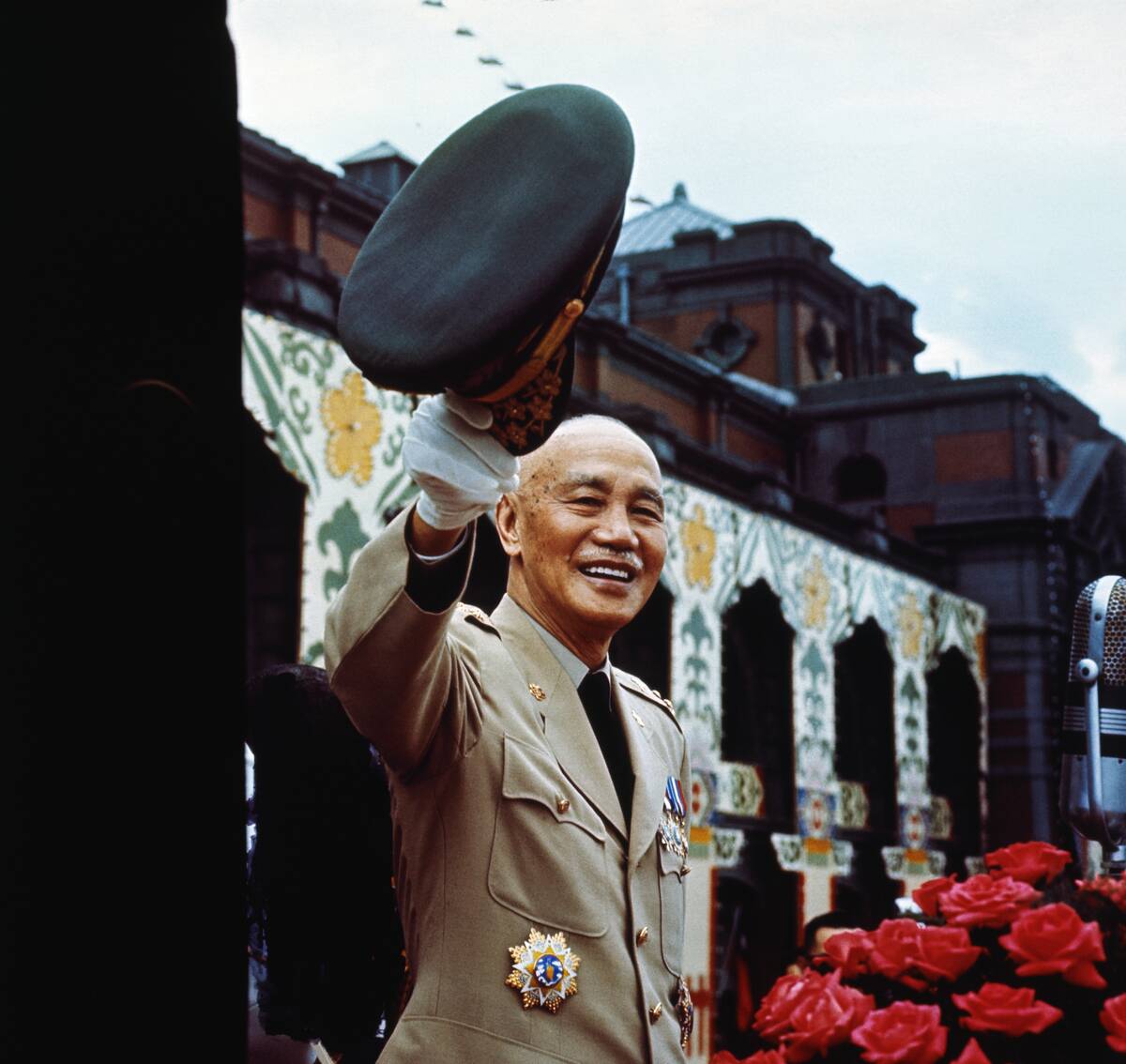
Chiang Kai-shek led China’s Nationalist government during the Chinese Civil War against the Communists. Despite initial successes, he eventually retreated to Taiwan after losing mainland China to Mao Zedong.
In Taiwan, Chiang established a government-in-exile, grappling with maintaining legitimacy while facing communism’s growing influence. His life underscores the challenges of leadership amidst ideological battles and the enduring quest for political legitimacy.
George McClellan: From Civil War Commander to Political Outcast
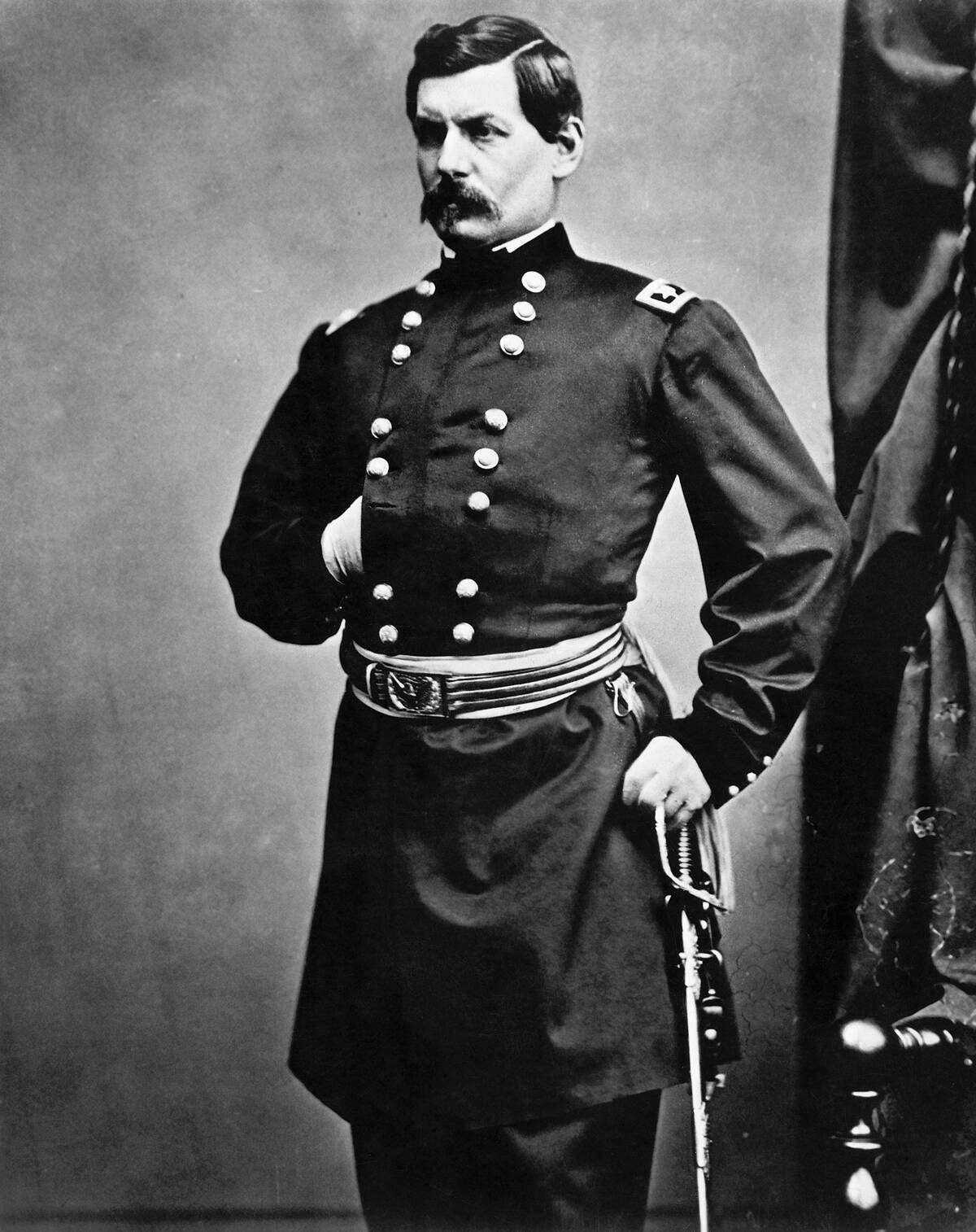
George McClellan was a Union general during the American Civil War, known for his cautious tactics and organizational skills. Despite his military acumen, his reluctance to engage Confederate forces led to his removal by President Lincoln.
McClellan later ran unsuccessfully for president, his career overshadowed by his inability to capitalize on military opportunities. His story reflects how political and military success often require decisiveness and adaptability.
Erwin Rommel: The Desert Fox’s Tumultuous Political End
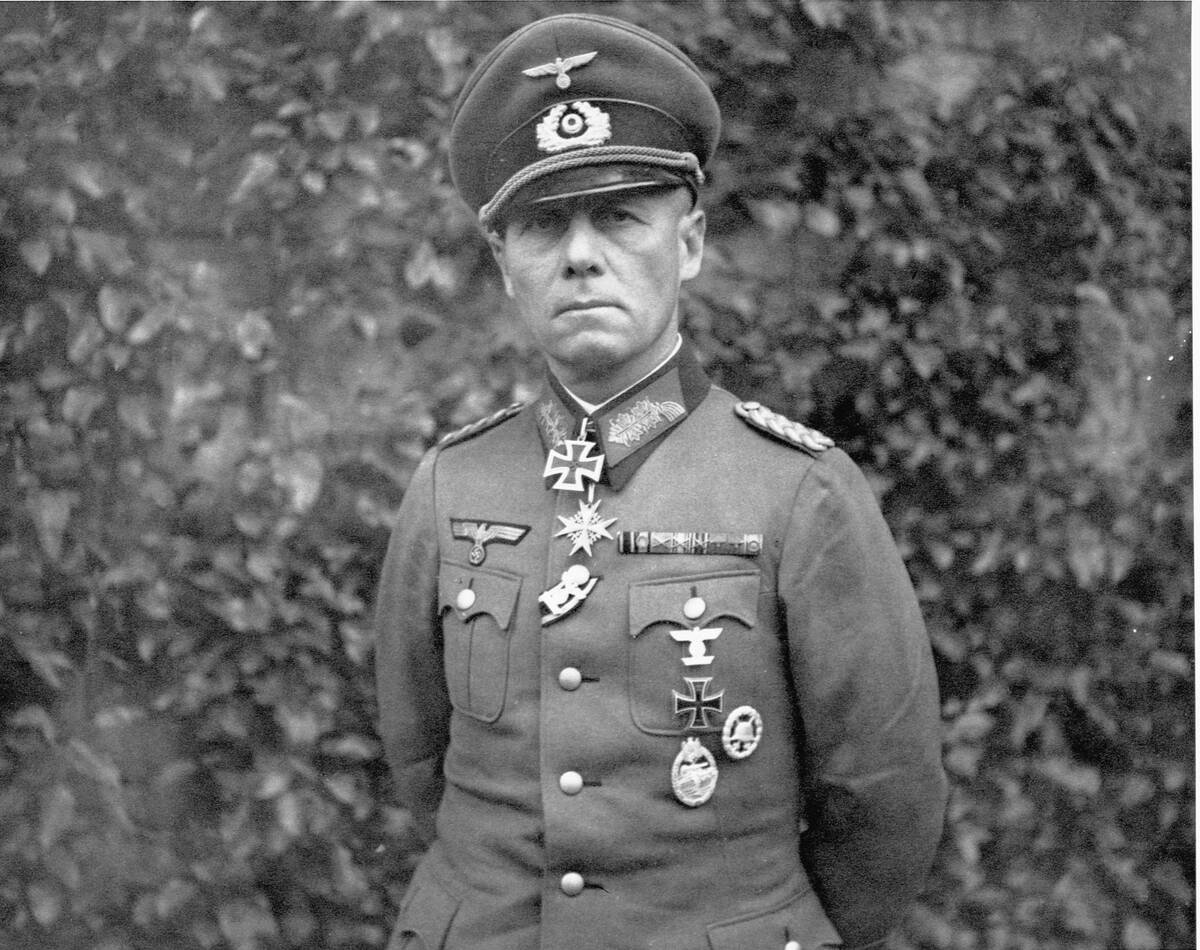
Field Marshal Erwin Rommel, the “Desert Fox,” was renowned for his leadership in North Africa during World War II. Despite his battlefield successes, Rommel’s involvement in a plot to assassinate Hitler led to his forced suicide.
His story highlights the perils military leaders face when their strategic interests clash with political regimes, and how quickly fortunes can change in wartime.
Hannibal Barca: Carthage’s Greatest General and His Political Eclipse
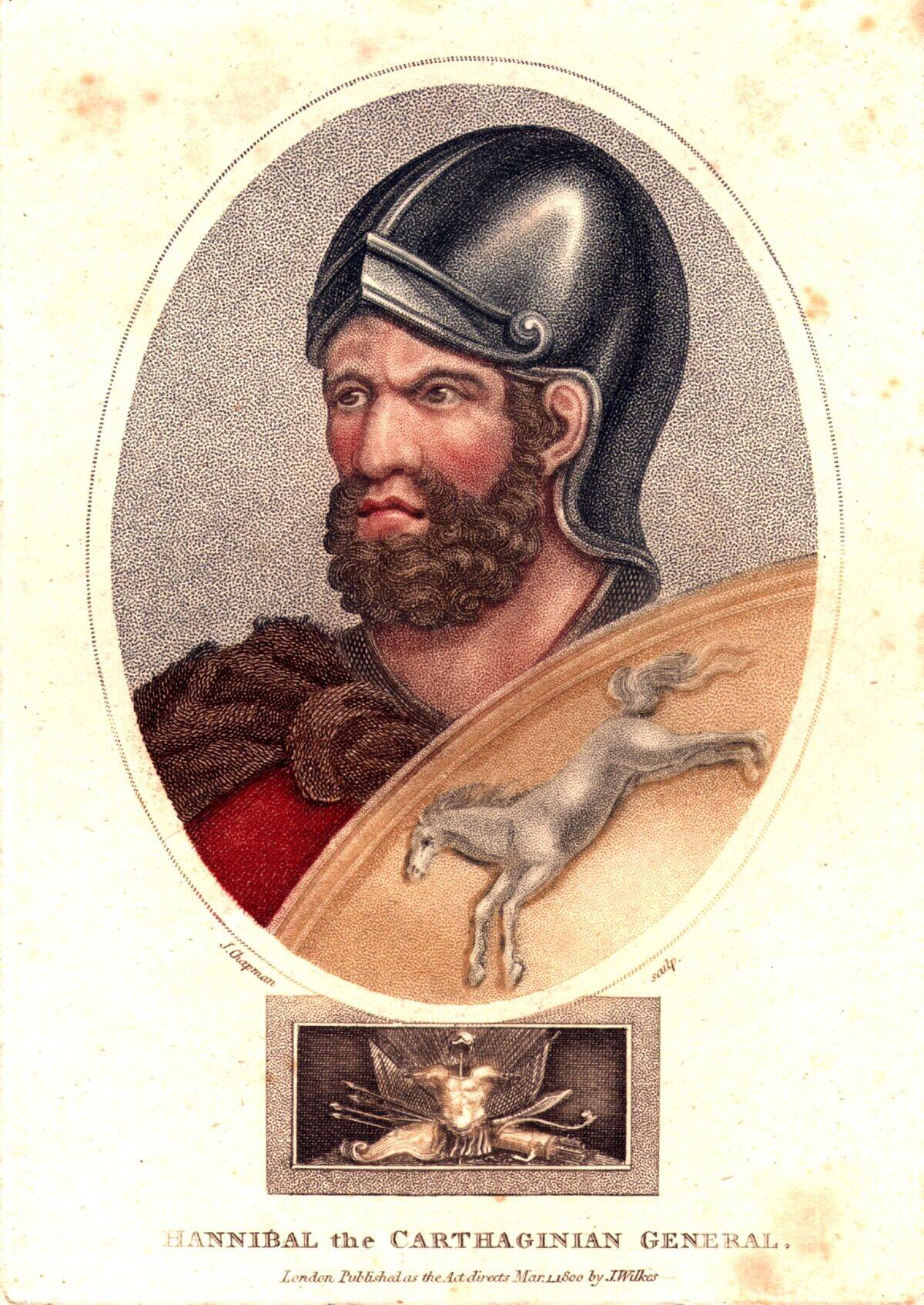
Hannibal Barca is best known for his audacious crossing of the Alps to invade Italy during the Second Punic War. Despite his military genius, Hannibal’s inability to secure long-term victories led to his political decline in Carthage.
His later years were marked by exile and constant flight from Roman retribution. Hannibal’s life demonstrates how even the most brilliant military strategies can falter without political support and stability.
Leon Trotsky: Revolutionary Leader and His Fall from Soviet Grace
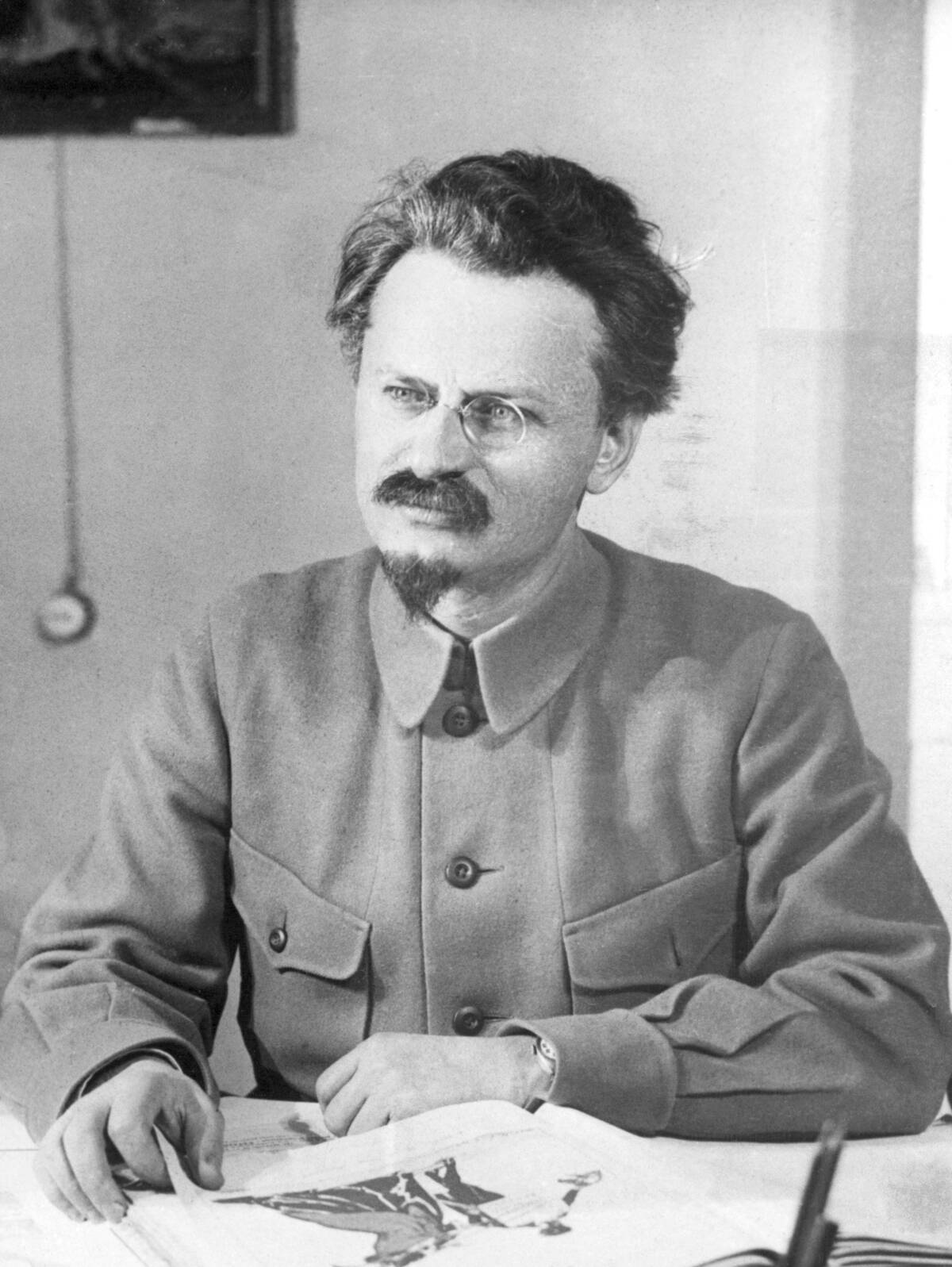
Leon Trotsky was a key figure in the Russian Revolution, instrumental in the Bolshevik victory in the Russian Civil War. However, his ideological clashes with Stalin led to his expulsion from the Communist Party and eventual exile.
Trotsky spent his final years in Mexico, where he was assassinated in 1940. His story serves as a stark reminder of the ruthless nature of political power struggles and the dangers of ideological purity in revolutionary movements.
Robert E. Lee: Confederate Commander and Post-War Struggles
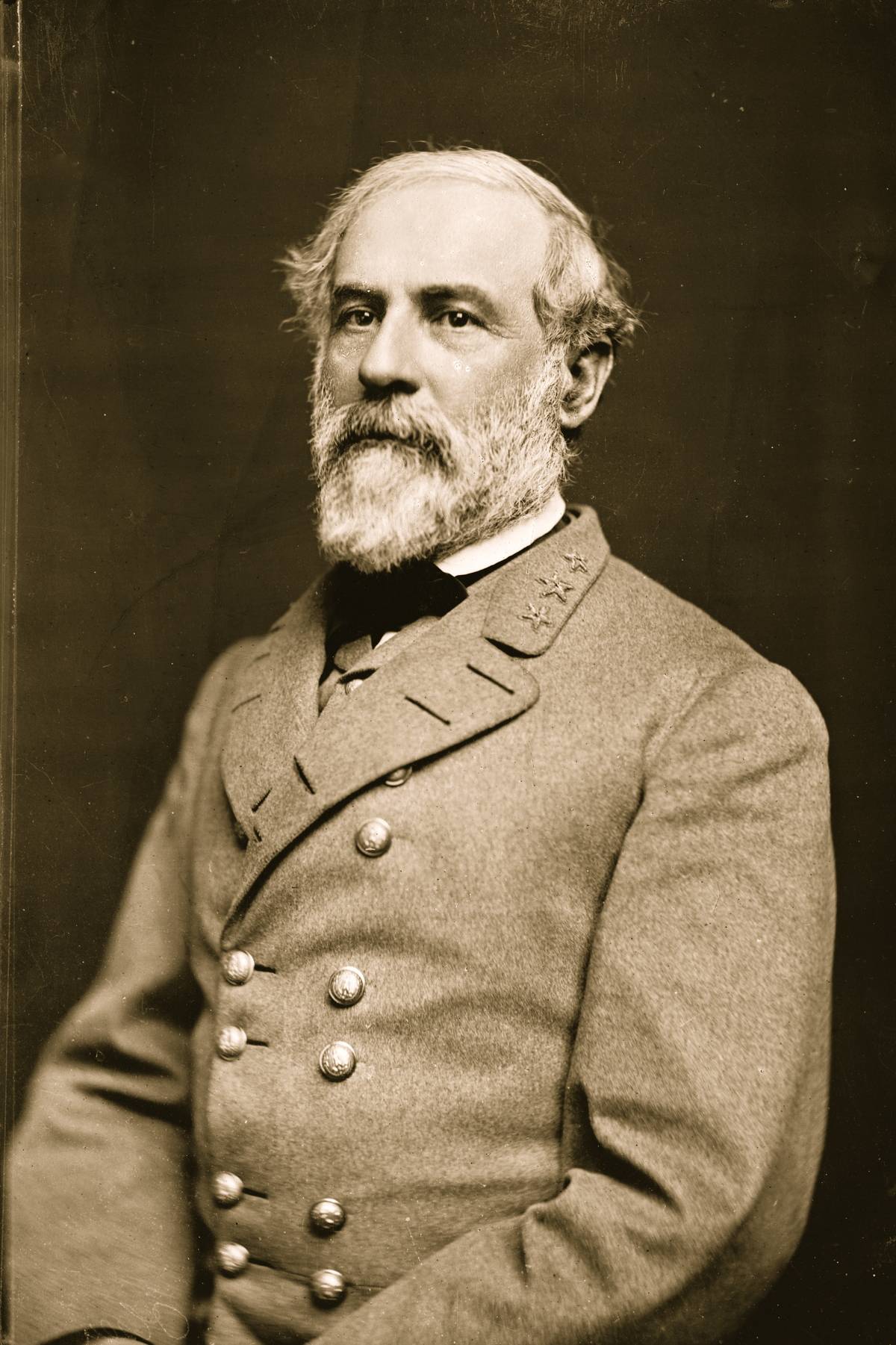
Robert E. Lee was the leading Confederate general during the American Civil War, renowned for his tactical brilliance. After the war, he faced the challenge of rebuilding his life and reputation in a reunited nation.
Lee became president of Washington College, promoting reconciliation. Despite his military legacy, his post-war efforts toward healing reflect the complexities of leadership during and after conflict, and the enduring impact of his decisions on American history.
Theodosius the Great: Last Emperor of a Unified Rome’s Political Strife
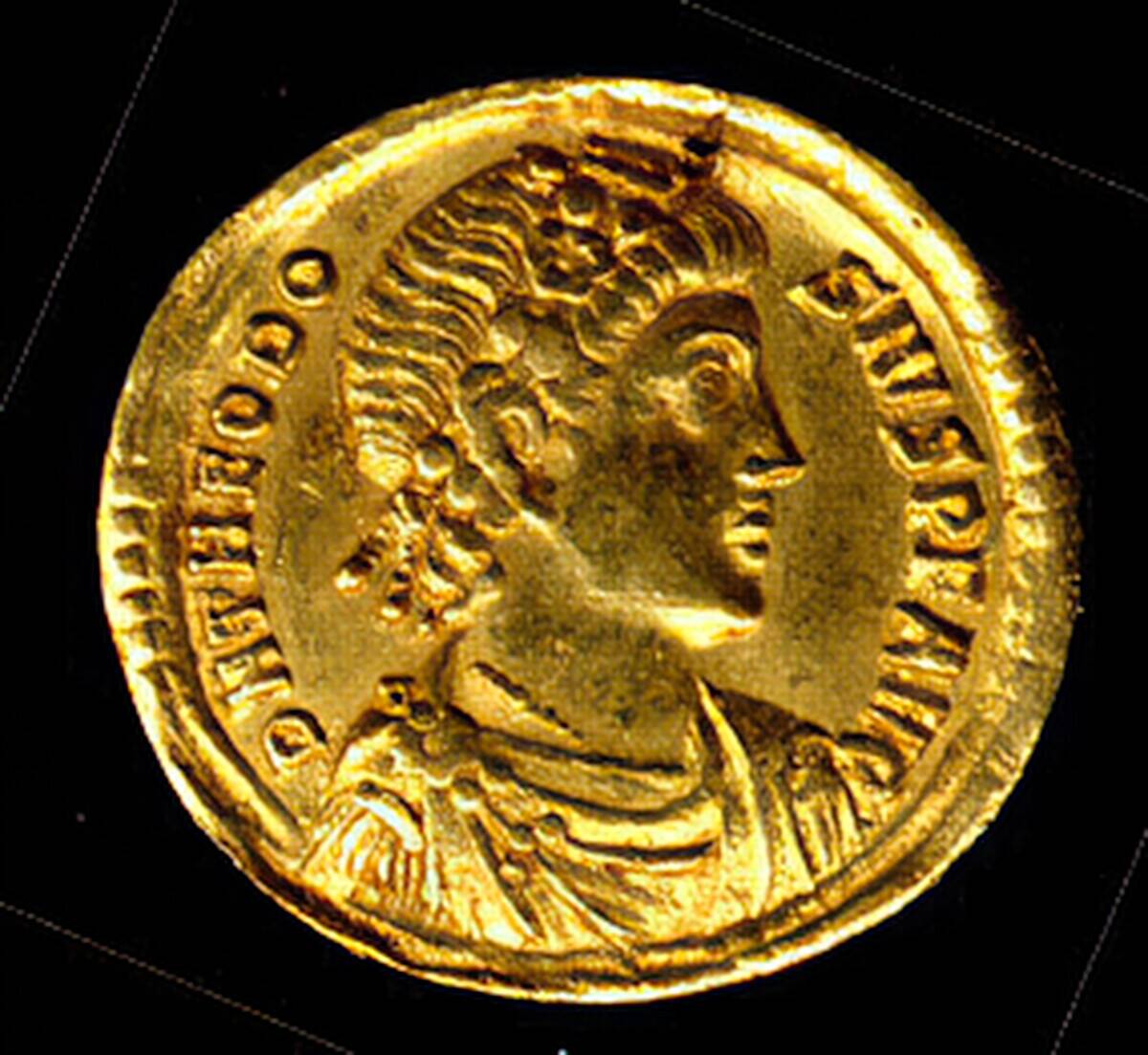
Theodosius the Great was the last emperor to rule over both the eastern and western halves of the Roman Empire. His reign saw the establishment of Christianity as the state religion, but also significant political strife, including conflicts with pagan factions and internal rebellions.
Theodosius’ death led to the permanent division of the empire, highlighting the challenges of maintaining unity in a vast and diverse realm, and the enduring impact of his religious policies.




