Animals that produce light and why evolution favored it
Bioluminescence is one of nature’s most enchanting displays, where living organisms produce and emit light. This glow-in-the-dark phenomenon is not just confined to fireflies; it spans across a wide array of species, from the depths of the ocean to the forest floor.
The light is a result of biochemical reactions within these organisms, captivating scientists and nature enthusiasts alike. Imagine wandering through a forest where tiny lights flicker like stars in the sky—this is the magic of bioluminescence.
The Science Behind Bioluminescence: How Do Animals Glow?
The science of bioluminescence involves a chemical reaction where an enzyme called luciferase acts on a substrate called luciferin to produce light. This reaction is highly efficient, meaning very little heat is produced—hence the term ‘cold light.’
Different organisms use various luciferins and luciferases, resulting in different colors and intensities of light. It’s like nature’s chemistry set, where each species has perfected its own unique glow. This chemical marvel is a reminder of the complexity and beauty of life.
Light Up the Deep: Creatures of the Ocean Floor
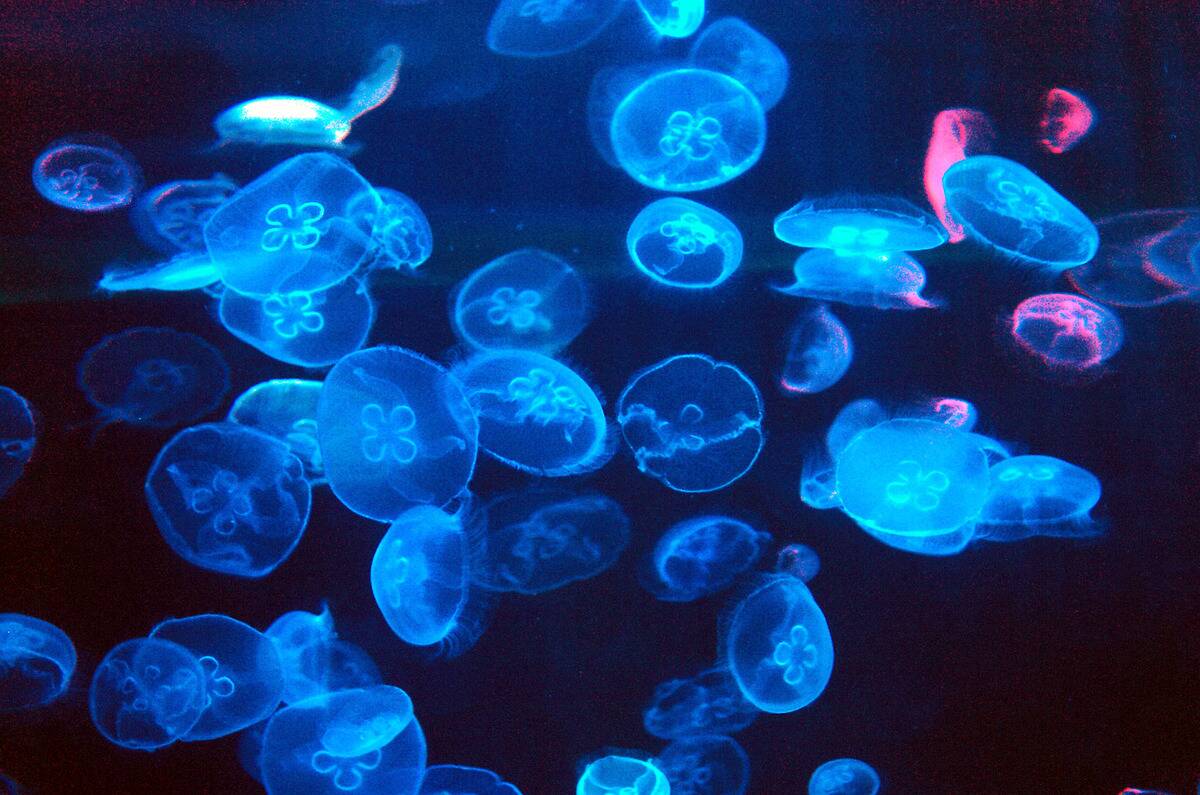
The ocean’s depths are home to a myriad of bioluminescent creatures, each with its own glowing signature. The midnight zone, where sunlight never penetrates, is a canvas for these glowing artists.
From jellyfish to dragonfish, the deep-sea environment has fostered a wide range of adaptations involving light. These creatures use their glow to communicate, lure prey, and even navigate the pitch-black waters. It’s a dazzling underwater world that seems more like science fiction than reality.
Fireflies: Lighting Up Summer Nights with Love Signals
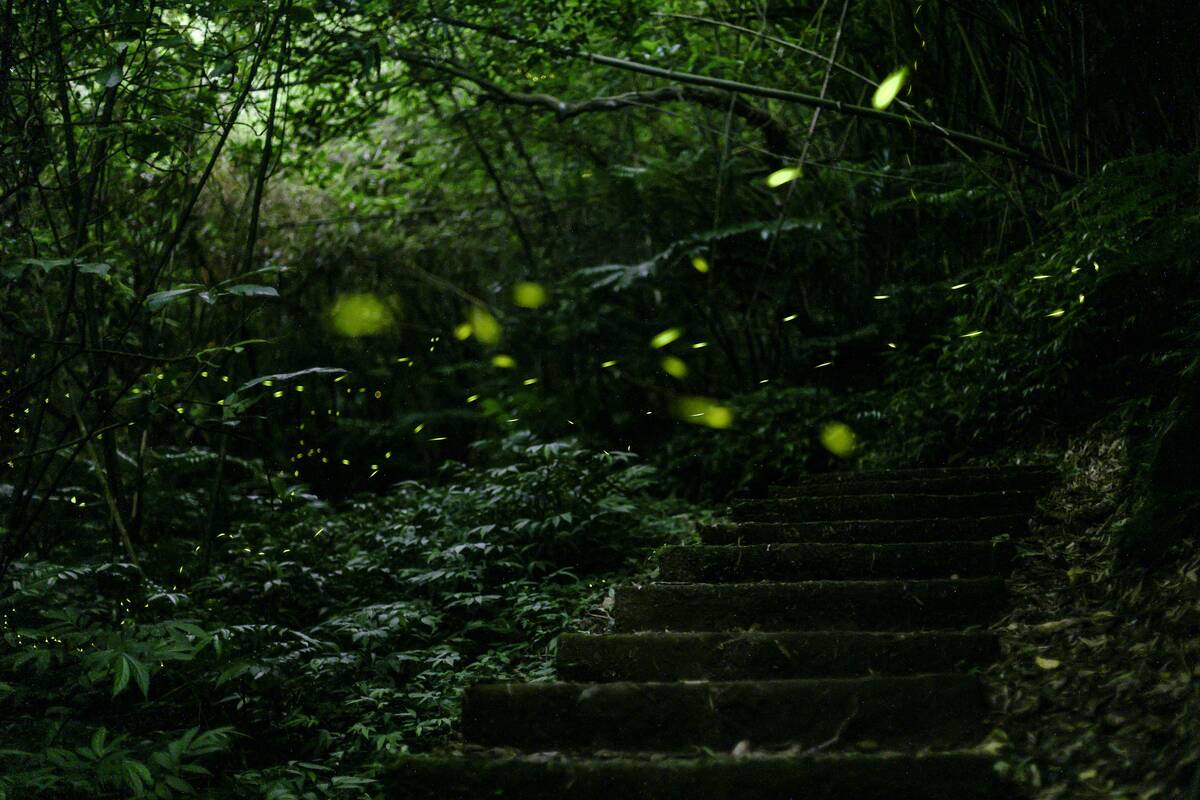
Fireflies are perhaps the most well-known bioluminescent creatures, lighting up summer nights with their twinkling displays. These enchanting insects use their glow primarily for mating purposes. Males fly around, flashing their lights in specific patterns to attract females.
Each species has its own unique flash pattern, like a signature dance. Their love signals create a symphony of light that has inspired poetry, art, and countless childhood memories. Fireflies remind us that sometimes, nature’s most beautiful displays are also its simplest.
The Glowing Jellyfish: A Dance of Light in the Ocean
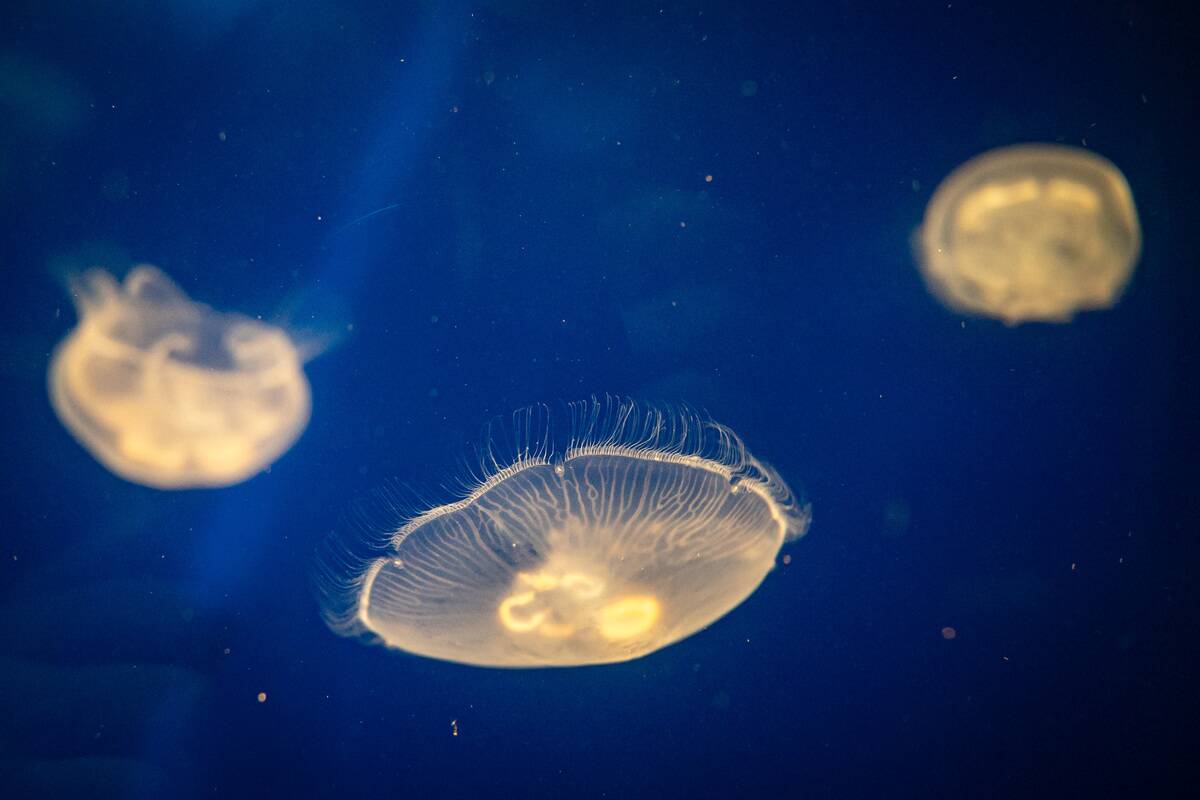
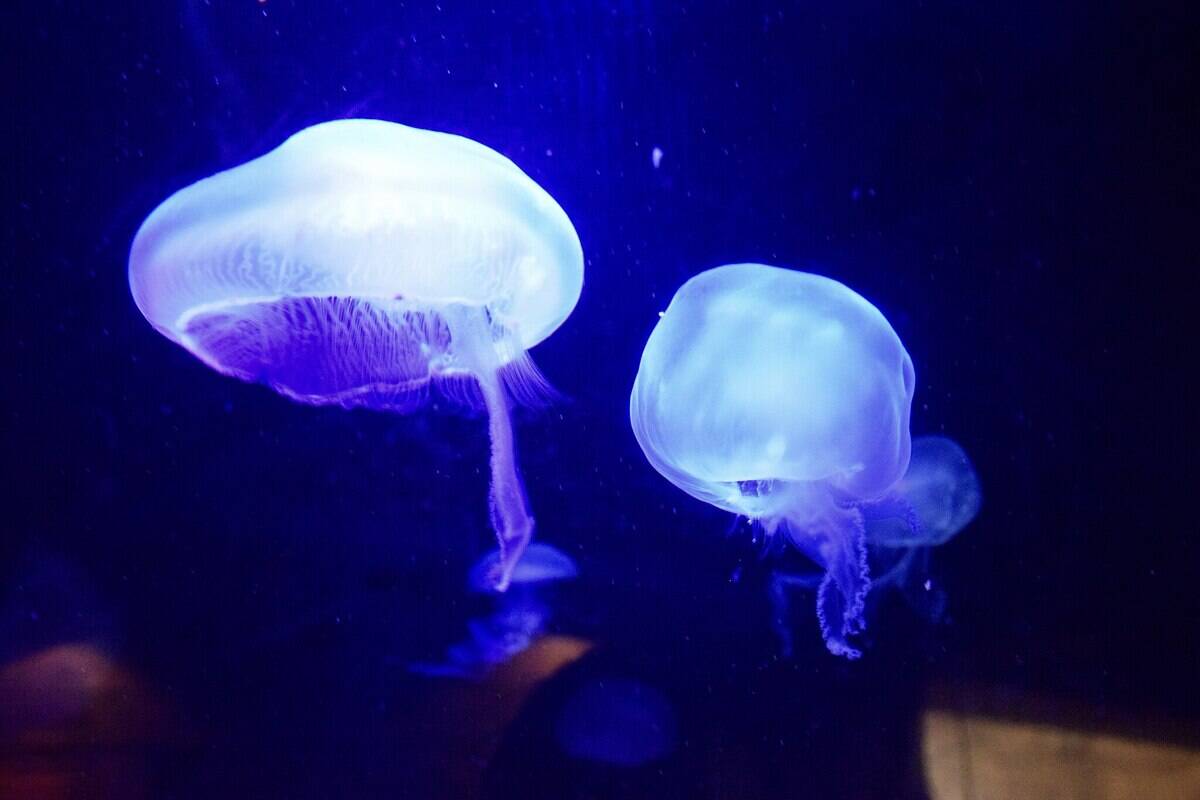
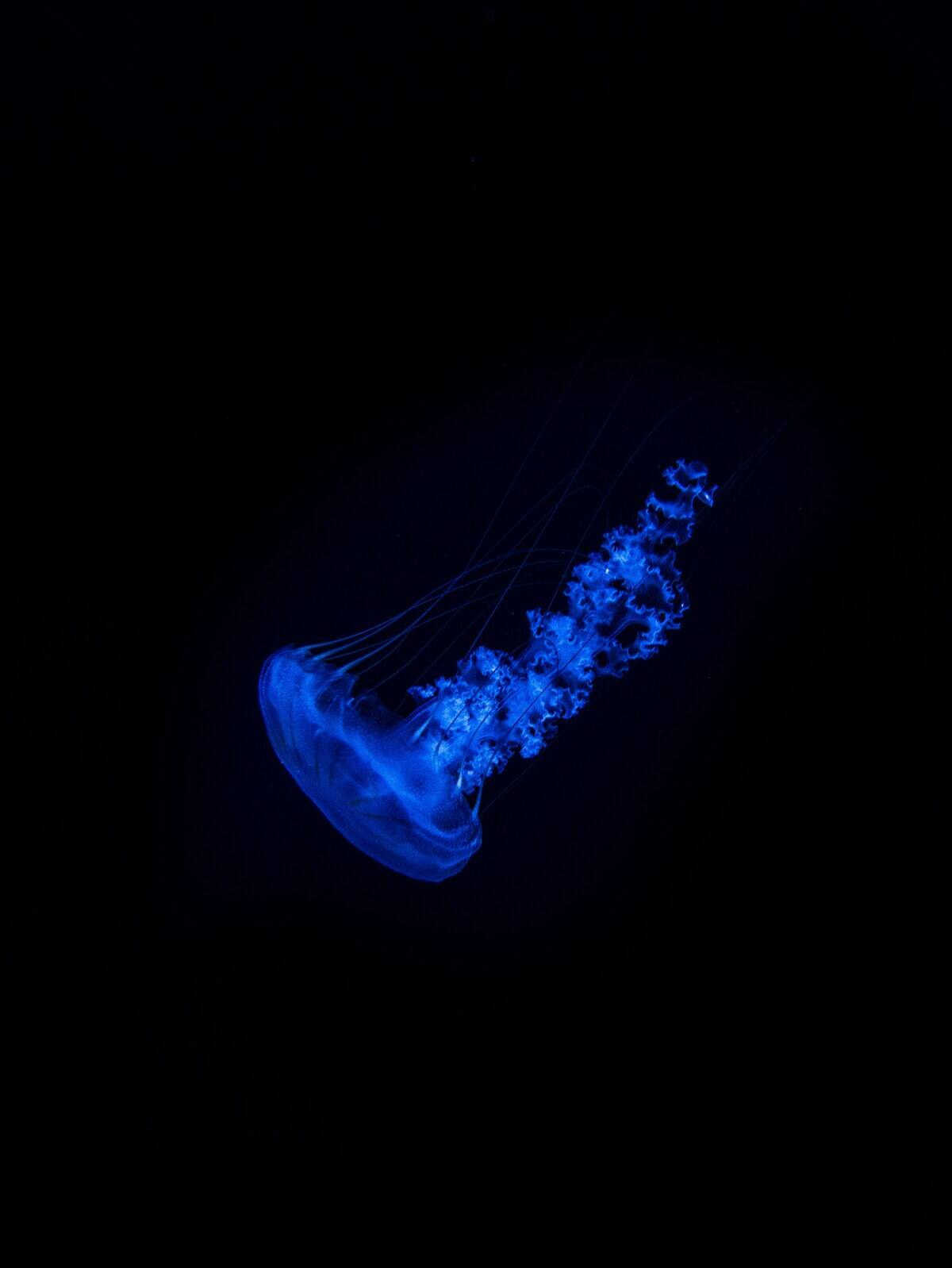
Jellyfish are the ballerinas of the ocean, their graceful movements accentuated by their bioluminescent glow. Species like the Aequorea victoria emit a greenish light, thanks to a protein called GFP (Green Fluorescent Protein), which has revolutionized scientific research.
These ethereal creatures use light for various purposes, including warding off predators and attracting prey. Their luminescent dance is a spectacle of nature’s ingenuity, turning the dark ocean into a stage of ethereal beauty.
Lanternfish: The Underwater Stars of the Sea
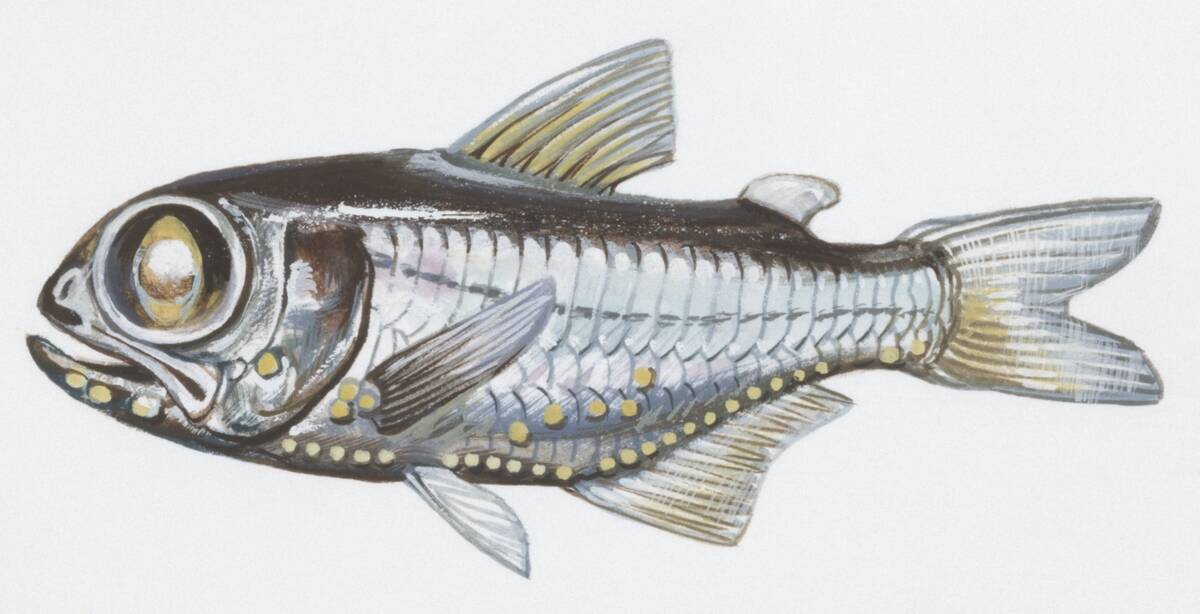
Lanternfish are tiny yet mighty when it comes to lighting up the ocean. These small fish possess photophores, specialized organs that emit light, resembling stars in the vast sea. They use bioluminescence for counter-illumination, a technique that helps them blend with the downwelling light, making them less visible to predators.
Lanternfish are also crucial to the ocean’s food web, serving as a key food source for many larger marine animals. They’re the unsung heroes of the bioluminescent world, twinkling unseen in the depths.
Anglerfish: The Creepy Yet Fascinating Lure of Light
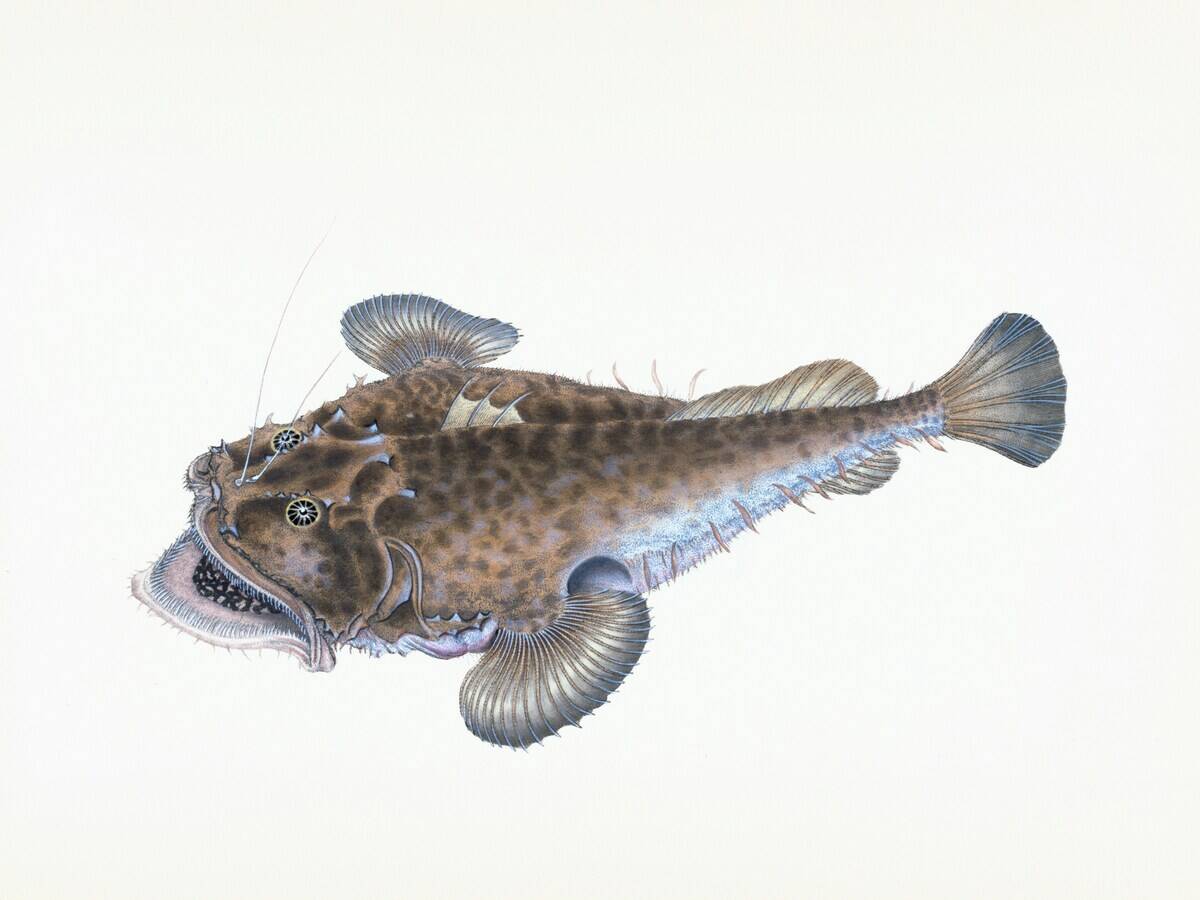
Anglerfish are the deep sea’s most notorious glow-in-the-dark residents, known for their bizarre appearance and unique hunting method. These fish have a bioluminescent lure protruding from their heads, which they use to attract unsuspecting prey.
The eerie glow of the lure captivates smaller fish, drawing them closer to the anglerfish’s waiting jaws. This fascinating adaptation is a testament to nature’s resourcefulness, where even the most peculiar creatures find ways to survive in the ocean’s darkest corners.
Glowing in the Dark: Millipedes That Shine
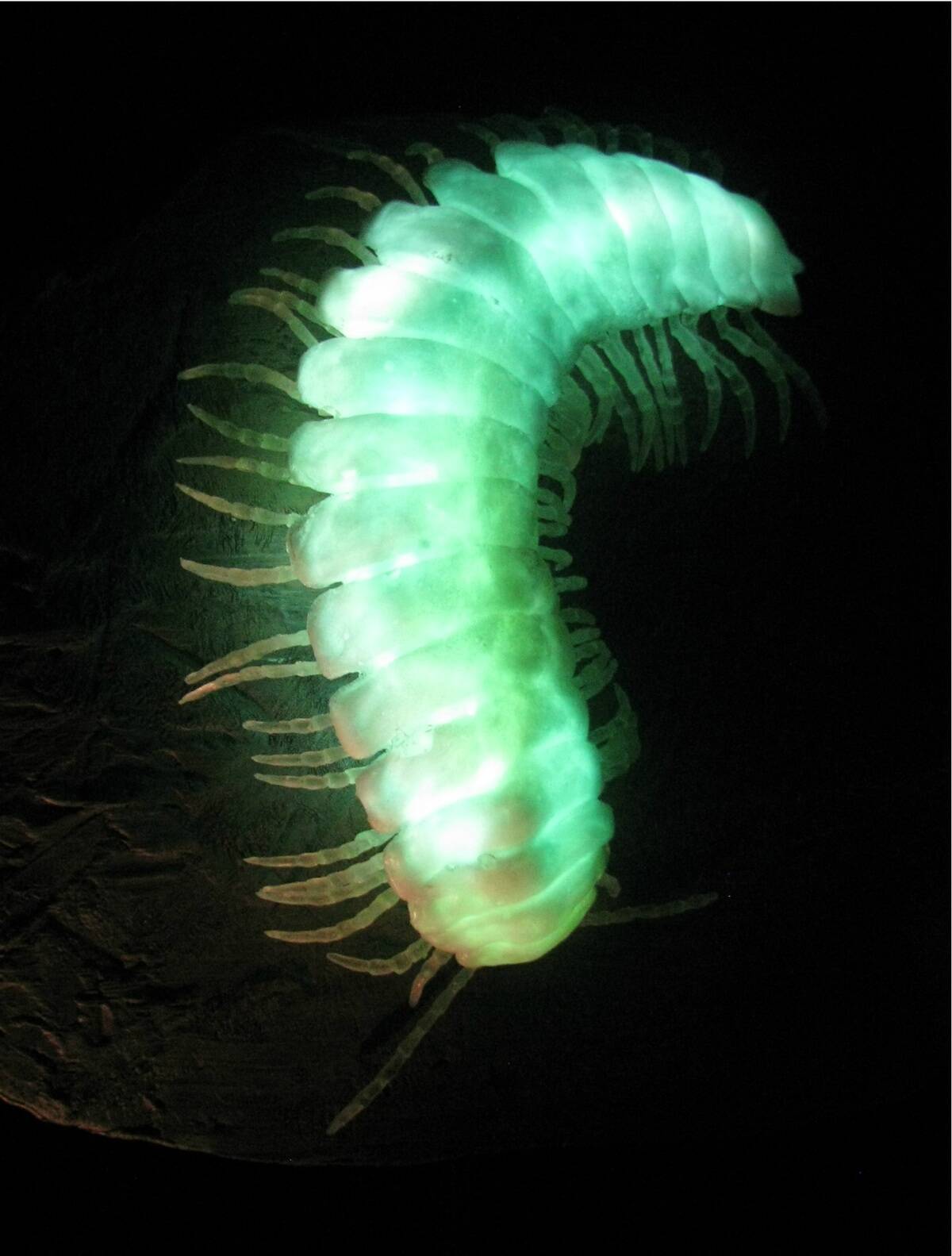
Some millipedes have developed the ability to glow as a defensive mechanism. These terrestrial arthropods emit a bluish-green light to warn predators of their toxic nature. Found primarily in the forests of California, their glow is a classic example of aposematism, where warning signals are used to deter threats.
It’s a remarkable adaptation that highlights the diversity of bioluminescence beyond the ocean. Who knew that even on land, creatures could harness the power of light to stay safe?
Dinoflagellates: Nature’s Own Light Show in the Water
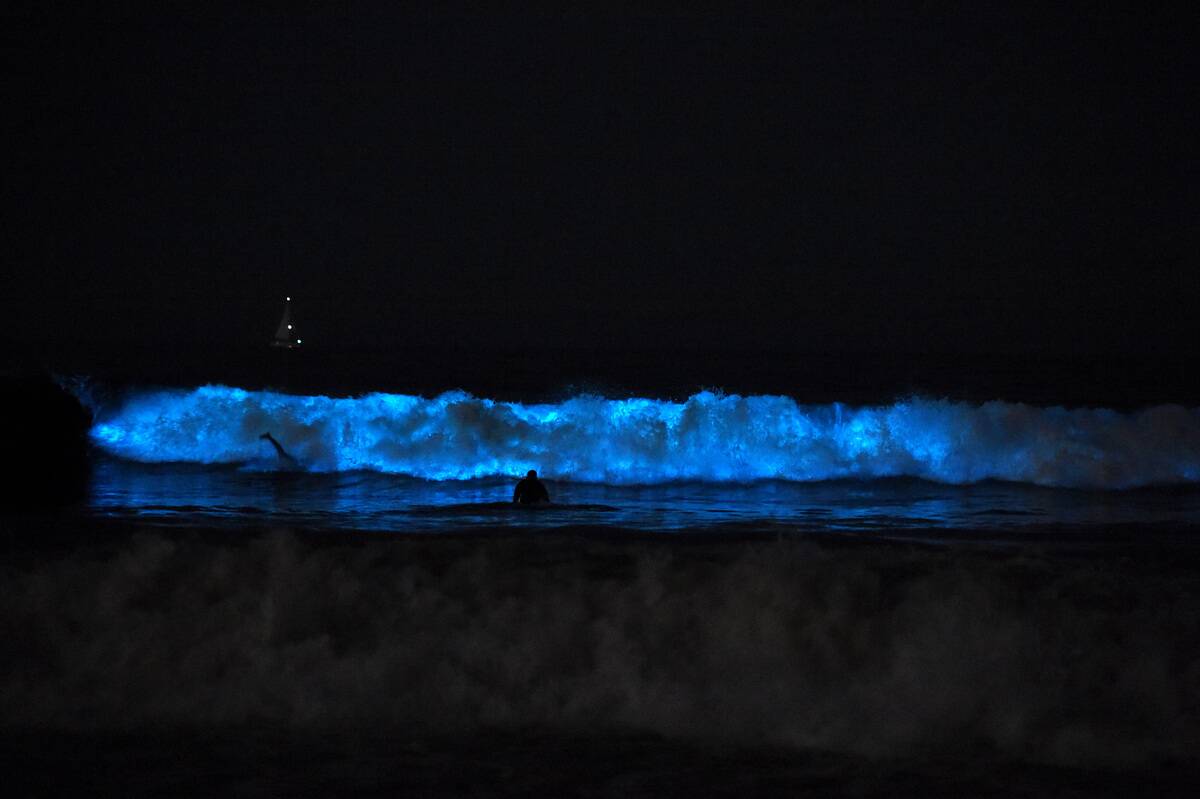
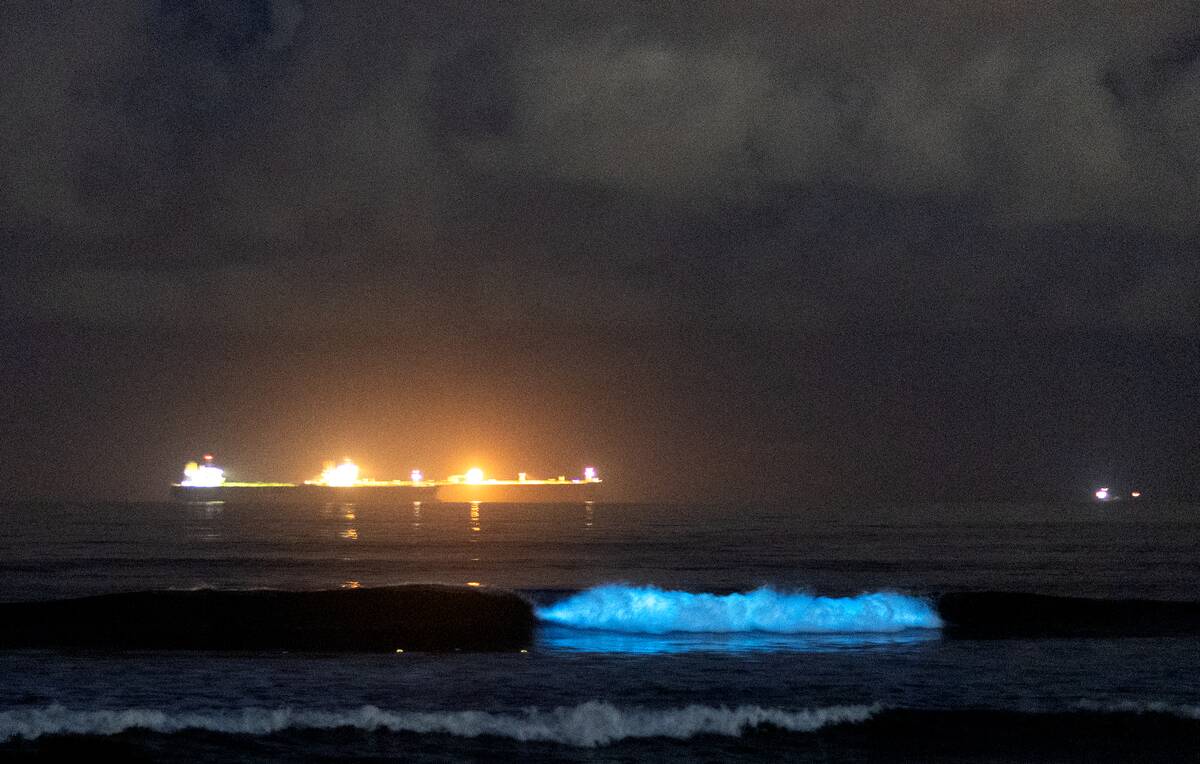
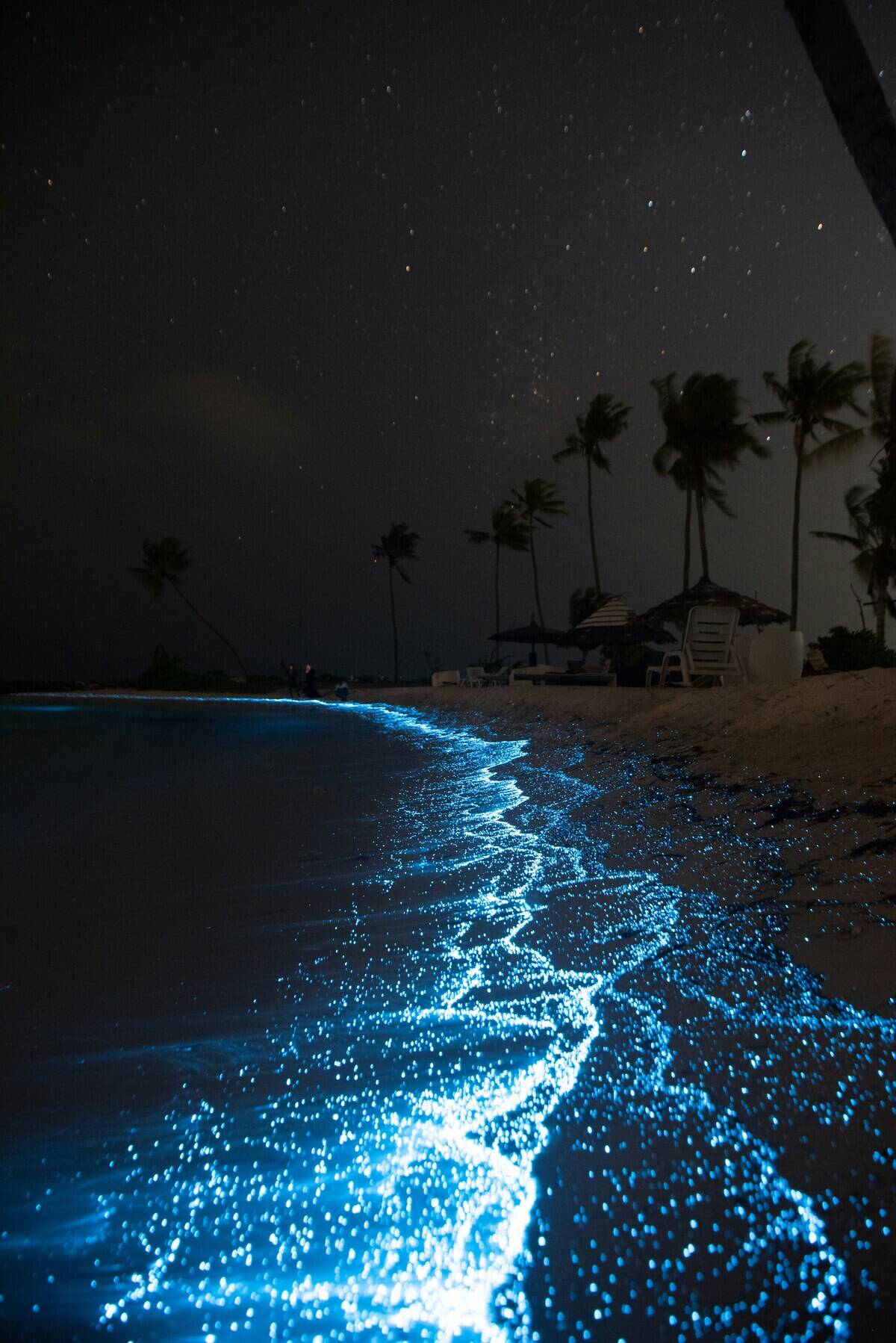
Dinoflagellates are microscopic marine organisms that create stunning natural light shows. These tiny plankton emit a blue glow when disturbed, turning waves and shores into glowing spectacles. This phenomenon, often seen in warm coastal waters, is like watching the ocean breathe light.
Dinoflagellates use this bioluminescence as a defense mechanism, startling predators with sudden bursts of light. Their dazzling displays are a reminder of the unseen wonders that exist in the microscopic world.
The Enigmatic Glow of the Vampire Squid
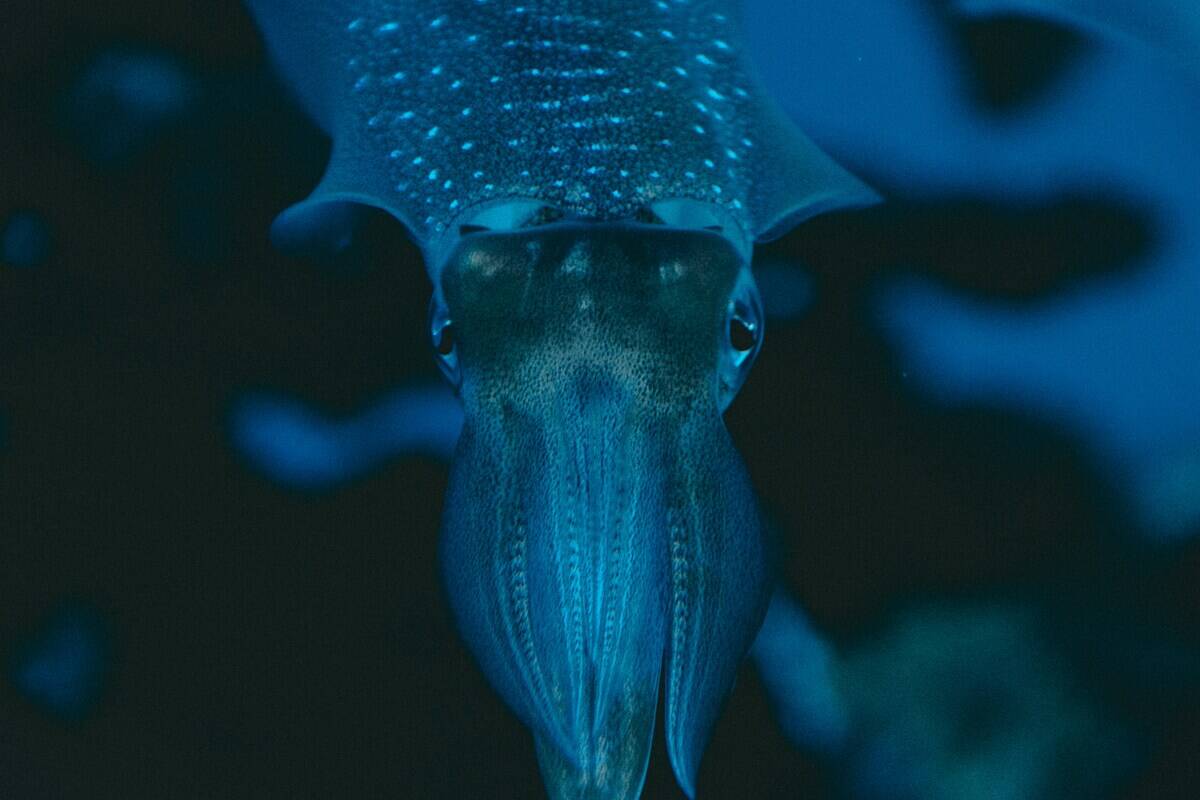
The vampire squid is a deep-sea marvel that uses bioluminescence in unique ways. Contrary to their name, these creatures are not bloodthirsty predators but rather scavengers of the deep. They can produce light from photophores located on their bodies, creating a mesmerizing display.
This bioluminescence can distract predators or communicate with other squid. The vampire squid’s eerie glow adds to the mystique of the deep ocean, proving that even the most enigmatic creatures have their own light.
Glowworms: Nature’s Nighttime Architects
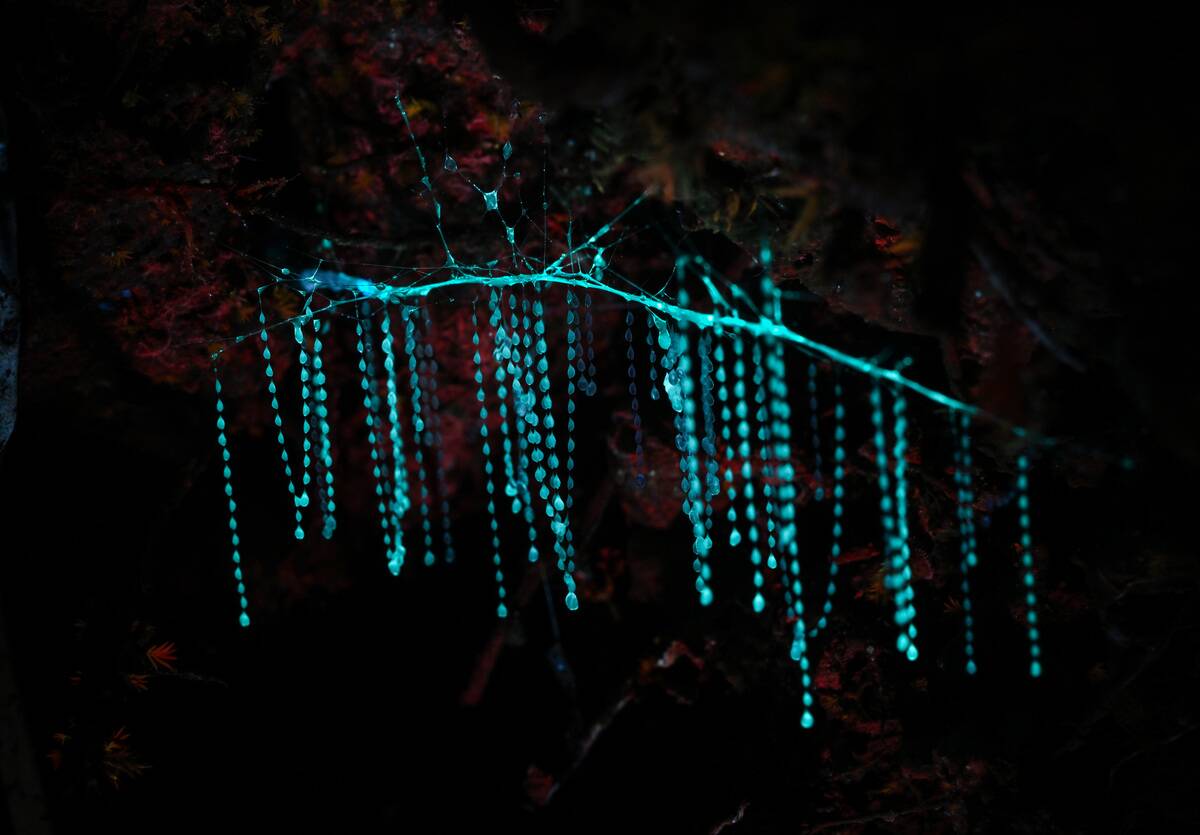
Glowworms create a magical ambiance in caves and forests with their bioluminescent glow. These glowworms are primarily the larvae of fungus gnats, such as Arachnocampa, which use their bioluminescent light to attract insects into sticky silk snares suspended from cave ceilings.
The glow is a result of a chemical reaction similar to that of fireflies, illuminating their environment with a soft, greenish light. This mesmerizing display turns dark caves into glowing galaxies, making glowworms the nighttime architects of light. Their radiant webs are a testament to the resourcefulness of nature’s design.
The Use of Light for Camouflage: A Sneaky Survival Tactic
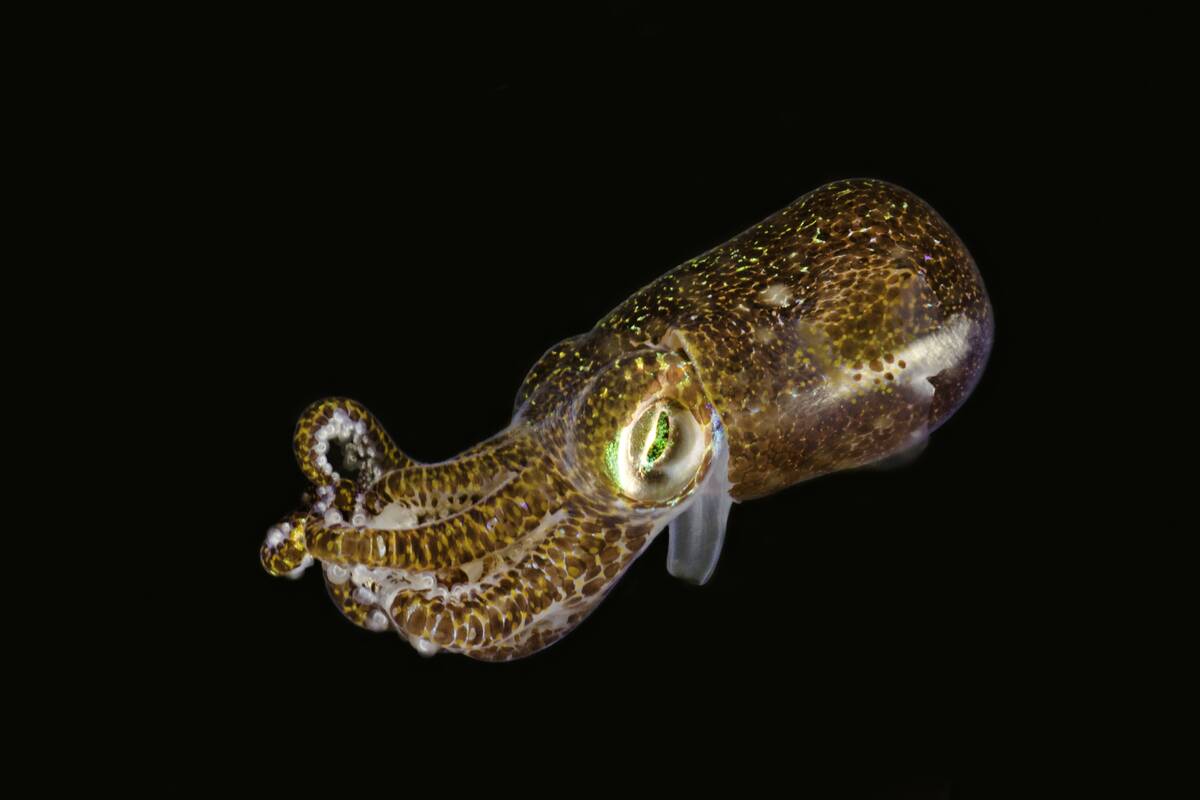
Bioluminescence isn’t just for show; it’s a survival tactic employed by many sea creatures. Some species use counter-illumination to blend in with the light coming from above, effectively becoming invisible to predators below.
This sneaky form of camouflage demonstrates the clever adaptations developed by marine life. Creatures like the bobtail squid have mastered this art, using light-producing bacteria to match the brightness of the surface. It’s nature’s own version of the invisibility cloak!
Attracting Mates: When Bioluminescence Becomes Romantic
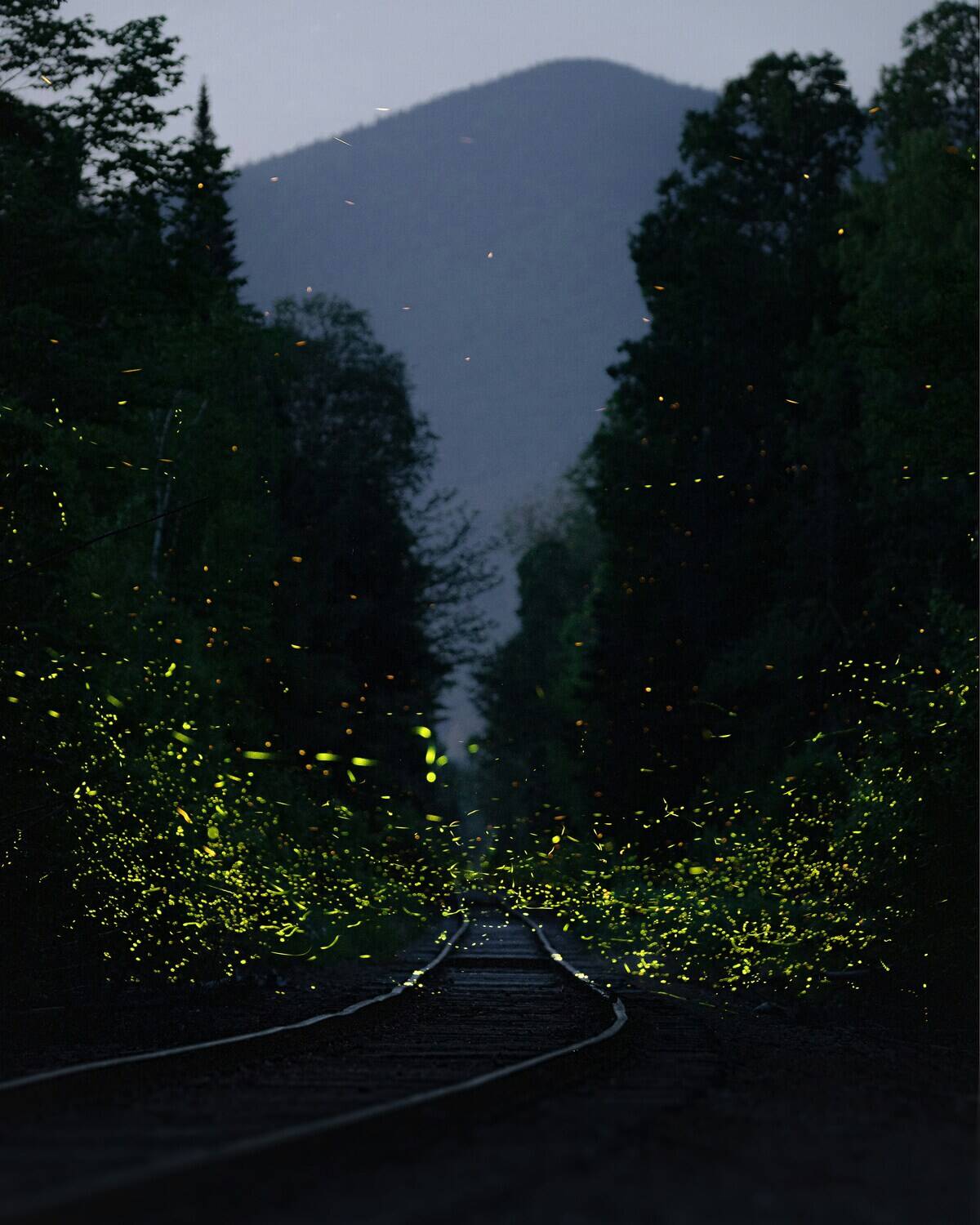
For some species, bioluminescence is all about romance. In the animal kingdom, attracting a mate can be challenging, but a little glow can go a long way. Creatures like fireflies use their luminescent signals to find love, with each species having its unique flash pattern.
This glowing courtship dance is both practical and beautiful, ensuring the continuation of the species. It’s a reminder that, sometimes, the key to love is simply lighting up someone’s world.
Predators Beware: How Light Can Be a Warning Signal
In the wild, glowing can be a warning sign that says, ‘Don’t eat me!’ Many bioluminescent creatures use their light to signal danger, deterring potential predators. This form of aposematism is common in millipedes and some marine species, where the glow indicates toxicity or unpalatability.
It’s like nature’s neon sign, flashing ‘hazard’ to would-be attackers. This clever use of light is yet another example of how bioluminescence serves as a crucial survival tool in nature’s toolkit.
Communication Through Light: The Secret Language of the Deep
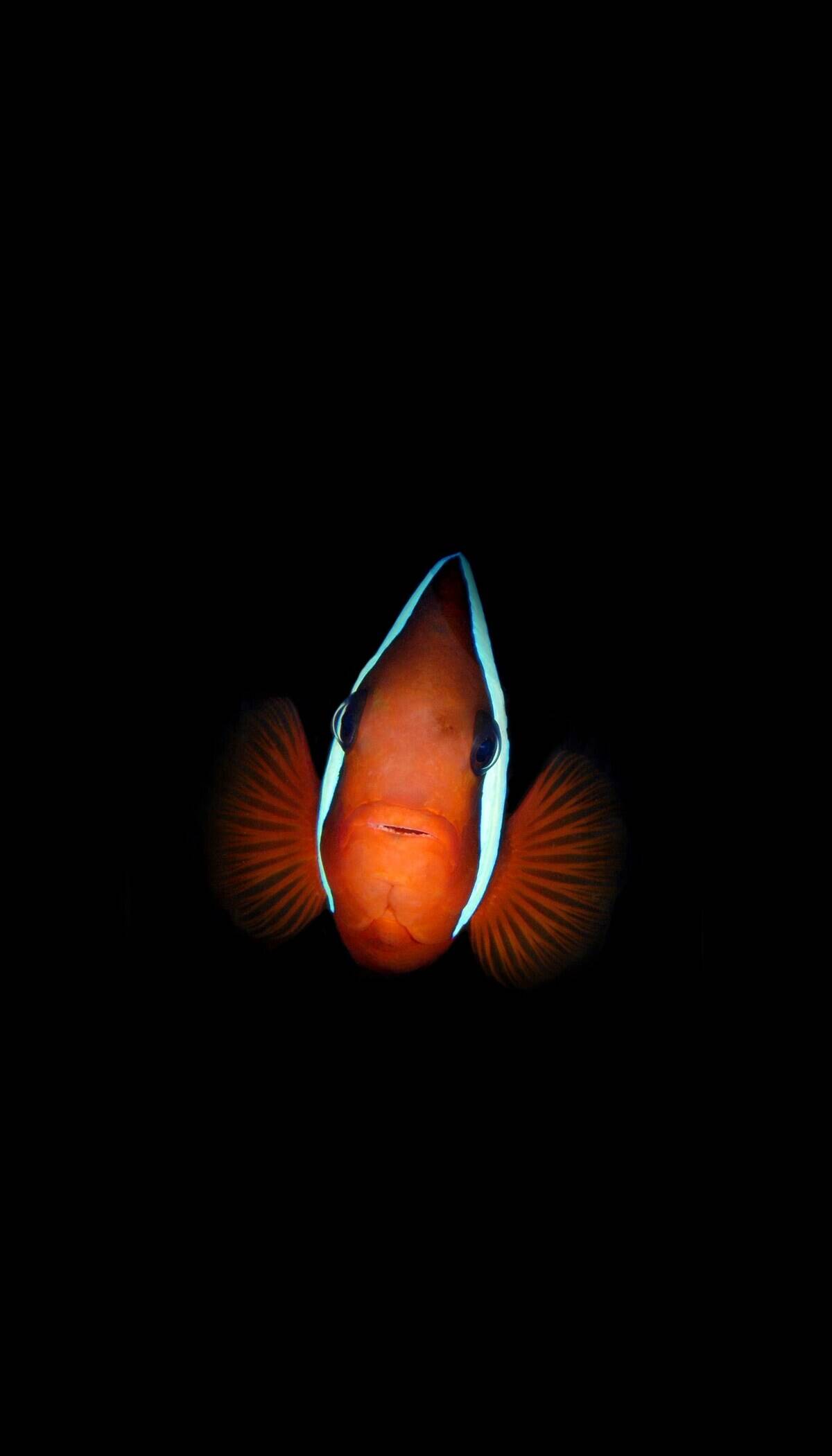
Bioluminescence serves as a unique form of communication in the ocean’s depths. Many marine species use light to convey messages, whether it’s a warning, a call for help, or an invitation. Creatures like the flashlight fish use their glowing organs to signal to each other in the dark waters.
This secret language of light is an ingenious adaptation, allowing for communication where sound and sight are limited. It’s a silent symphony of flashes and glows that keeps the ocean alive with conversation.
The Evolutionary Advantage: Survival of the Brightest
Bioluminescence provides a significant evolutionary advantage to those who possess it. Whether it’s for attracting mates, deterring predators, or finding prey, the ability to produce light has helped countless species thrive in challenging environments.
This trait has evolved independently in various lineages, highlighting its importance in the natural world. It’s a reminder that evolution is a creative force, continuously shaping life in spectacular ways. In the case of bioluminescence, it’s truly a matter of survival of the brightest.
Bioluminescence in Medical Research: Nature’s Gift to Science

Bioluminescence has found its way into the medical field, offering valuable insights and tools for researchers. The discovery of GFP in jellyfish has revolutionized cell biology, allowing scientists to track gene expression and protein activity in real-time.
This glowing protein has become a staple in labs worldwide, aiding in the study of diseases and the development of therapies. Nature’s glow has illuminated the path for scientific advancements, showcasing the practical applications of bioluminescence beyond the natural world.
Can We Harness Nature’s Light? The Future of Bioluminescence in Technology
The potential to harness bioluminescence for technology is an exciting frontier. Scientists are exploring ways to use bioluminescent proteins for sustainable lighting, bio-sensors, and even medical imaging. Imagine cities illuminated by natural light or diagnostic tools powered by nature’s glow.
While these applications are still in development, they promise a future where bioluminescence could offer eco-friendly solutions to modern challenges. It’s a testament to nature’s ingenuity and the endless possibilities it holds for our future.




