Rock art revealing early beliefs about the afterlife
The allure of ancient rock art lies in its ability to bridge the vast expanse of time, offering us glimpses into the distant past. These enigmatic carvings and paintings, etched into stone surfaces, have captivated historians and archaeologists alike.
Rock art serves as a visual narrative, chronicling the thoughts, beliefs, and rituals of ancient civilizations. While much remains shrouded in mystery, each discovery brings us closer to understanding the cultures that left these marks behind.
The Universal Fascination with the Afterlife
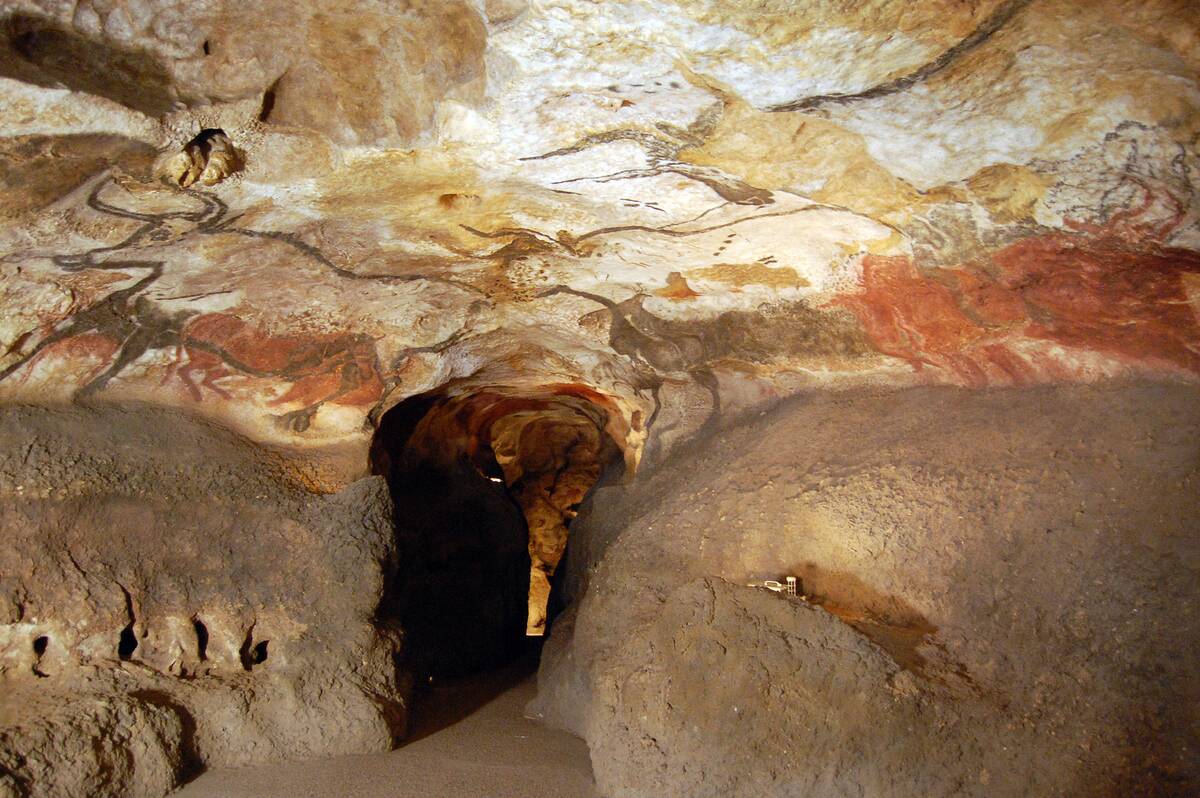
Across cultures and continents, the concept of an afterlife has intrigued humanity for millennia. This fascination is evident in ancient rock art, where depictions often focus on life beyond death.
Civilizations from the Egyptians to the Mayans have left behind evidence of their beliefs in an existence beyond the physical realm. Such art not only reflects religious convictions but also offers insights into the fears and hopes of ancient peoples regarding what lies beyond.
Tracing the Origins: Earliest Known Rock Art Sites
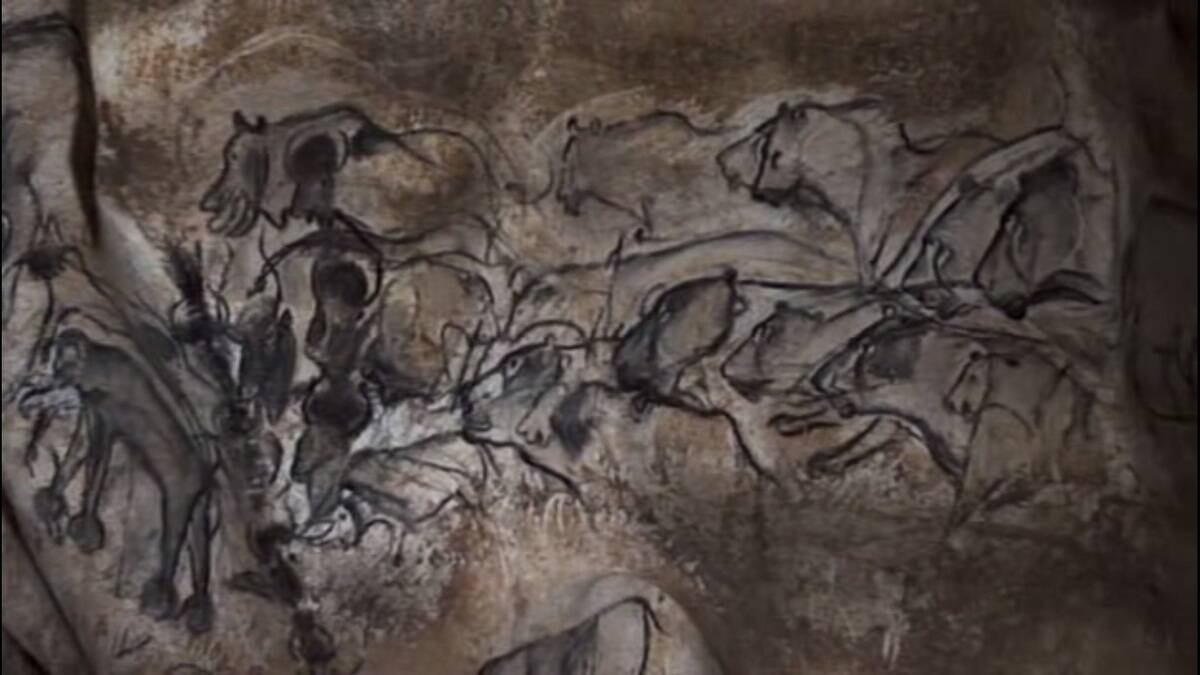
Some of the earliest known rock art sites can be traced back to the Upper Paleolithic period, around 40,000 years ago. Sites like Chauvet-Pont-d’Arc in France and El Castillo in Spain boast some of the oldest and most intricate examples.
These early artworks reveal the creativity and symbolic thinking of prehistoric humans. The locations of these sites, often in deep caves, suggest a ritualistic purpose, possibly linked to spiritual or ceremonial practices.
Deciphering Symbols: What Did Ancient People Believe?
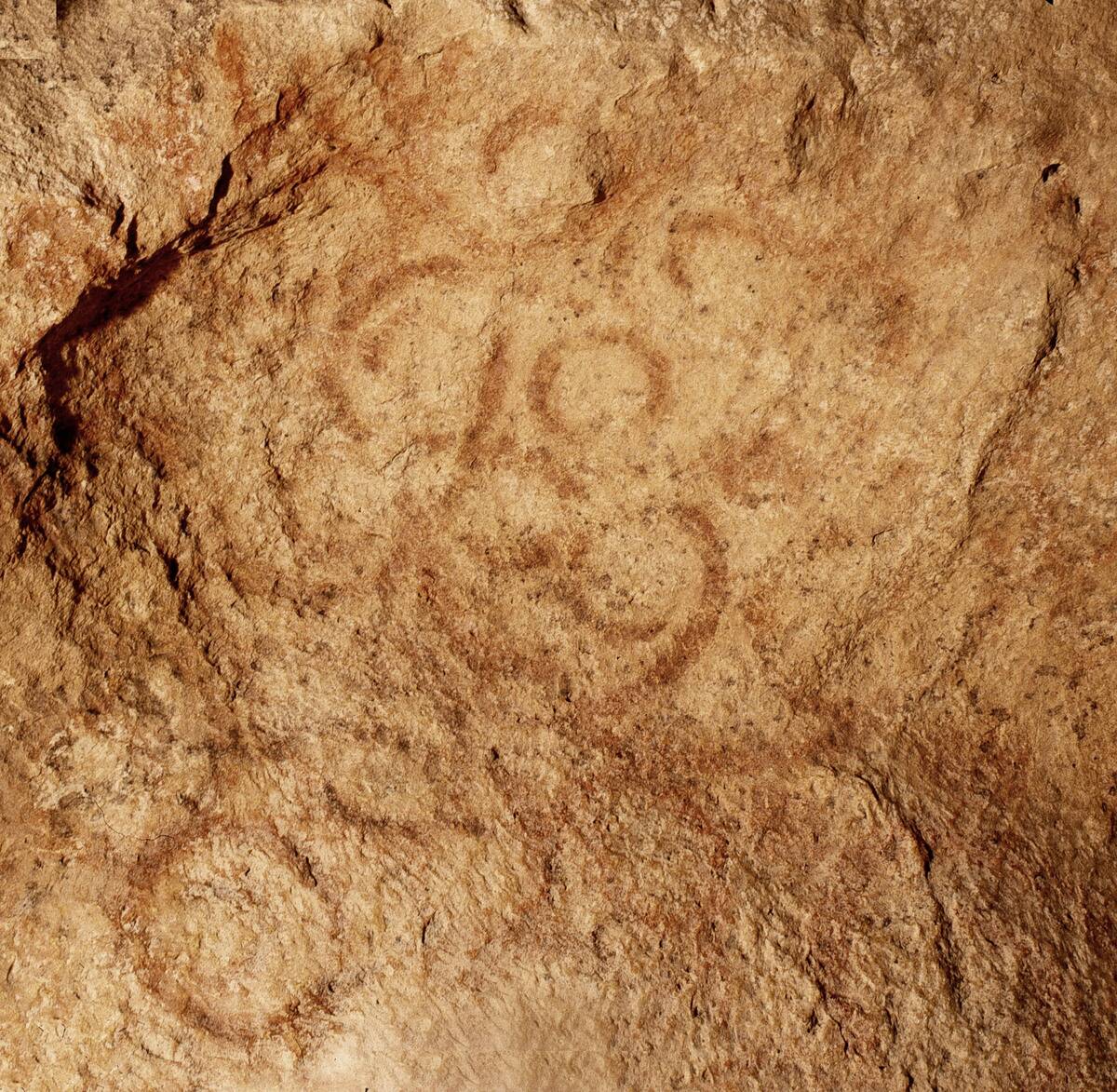
Deciphering the symbols found in rock art is a complex endeavor, as they often represent abstract concepts or beliefs. Some symbols are thought to convey ideas about fertility, nature, or cosmology.
For example, spiral motifs in various cultures are frequently linked to life cycles or celestial events. Understanding these symbols requires a multidisciplinary approach, combining archaeology, anthropology, and even mythology, to piece together the belief systems of ancient civilizations.
Journey to the Beyond: Depictions of Afterlife Journeys
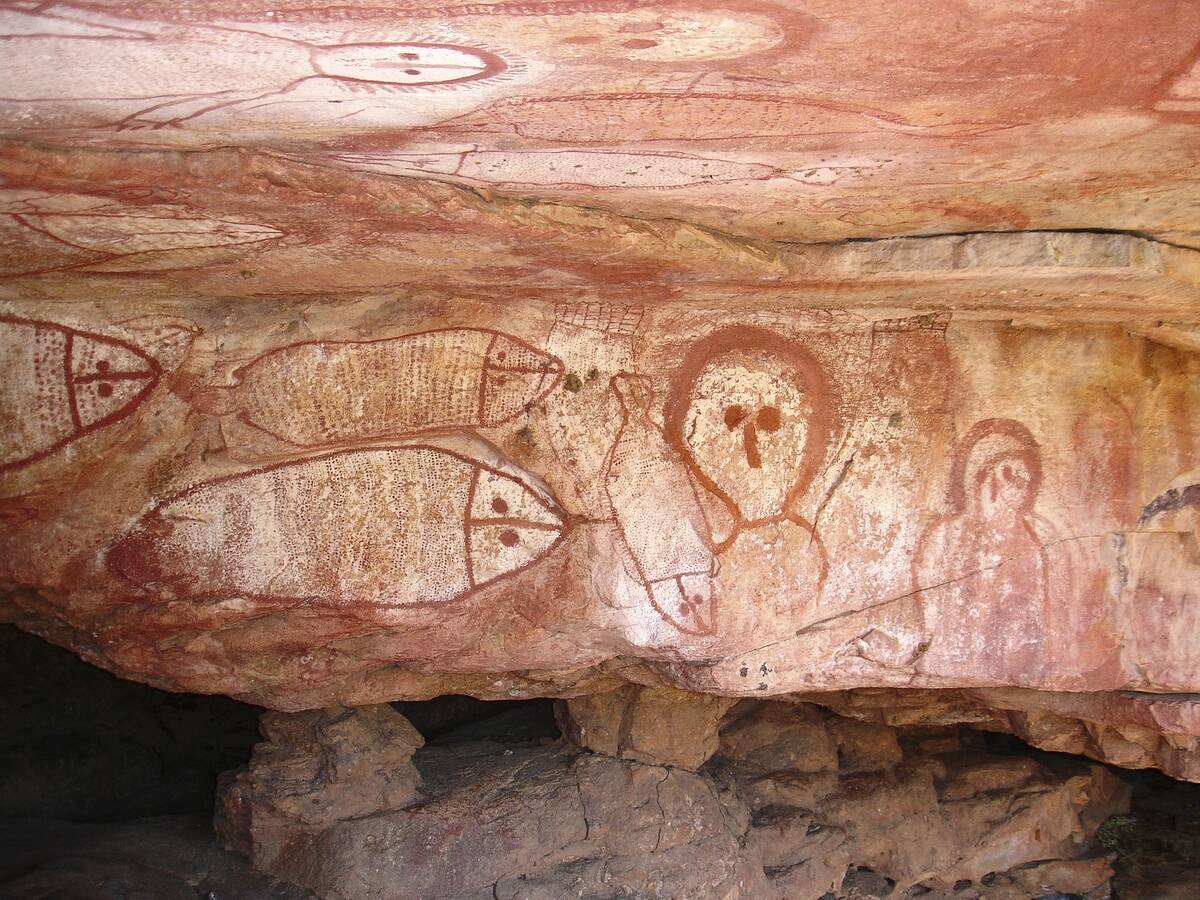
Many rock art sites feature depictions that seem to illustrate journeys to the afterlife. These often include scenes of boats or pathways, possibly symbolizing the passage from the earthly realm to the beyond.
For example, in Australian Aboriginal rock art, the Rainbow Serpent is a common motif, representing a powerful creator figure that guides souls. Such imagery suggests a belief in a spiritual journey after death, reflecting a universal human concern with mortality.
Spirits and Deities: Figures of Worship in Rock Art
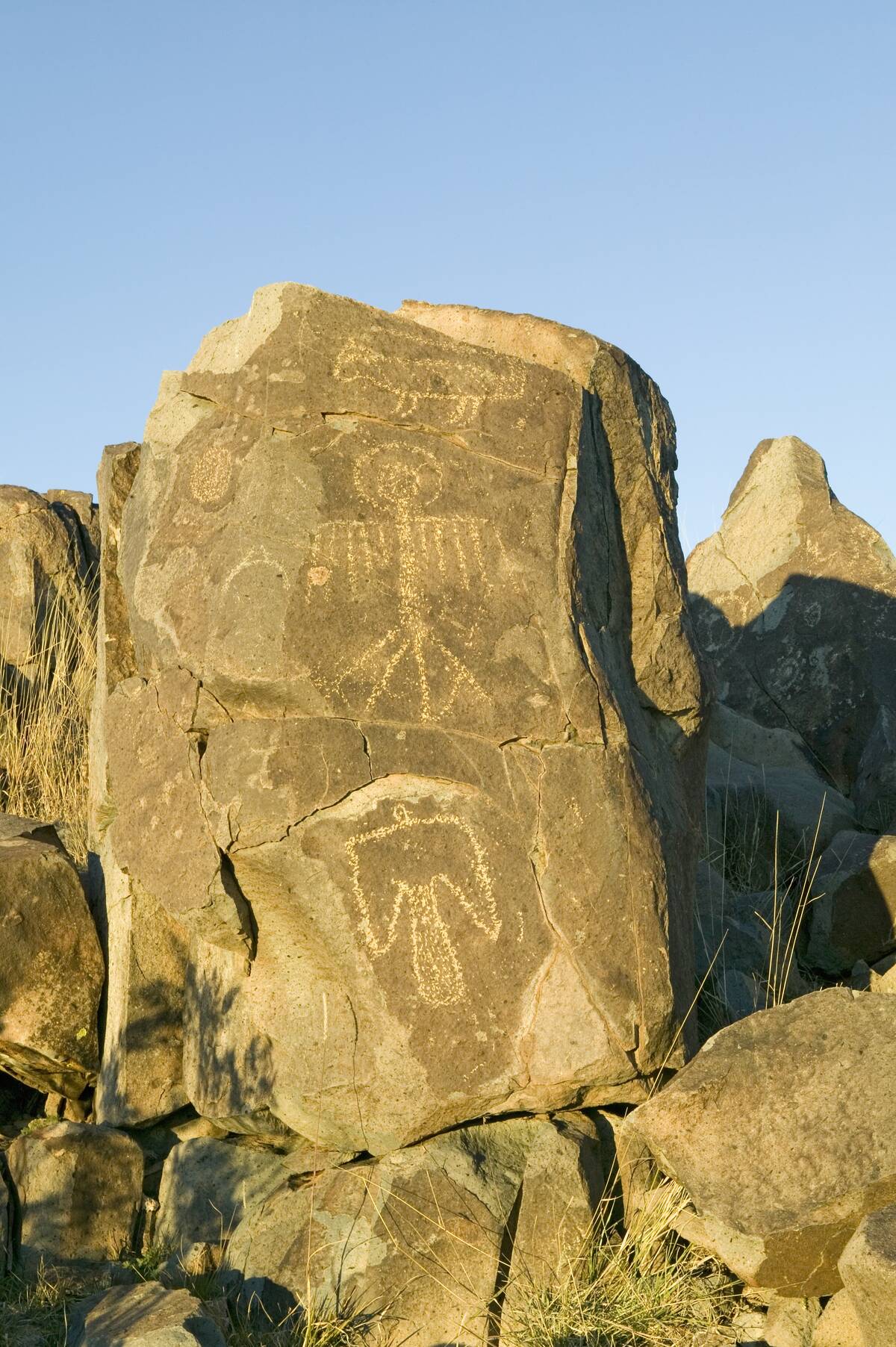
Figures representing spirits and deities frequently appear in rock art, indicating the religious practices of ancient peoples. These depictions vary widely, from humanoid shapes with exaggerated features to abstract forms symbolizing divine presence.
In some Native American rock art, for example, Thunderbird figures are revered as powerful spiritual entities. The presence of these figures in rock art underscores the importance of spirituality and worship in the everyday lives of prehistoric communities.
The Role of Shamans: Bridging the Gap Between Worlds
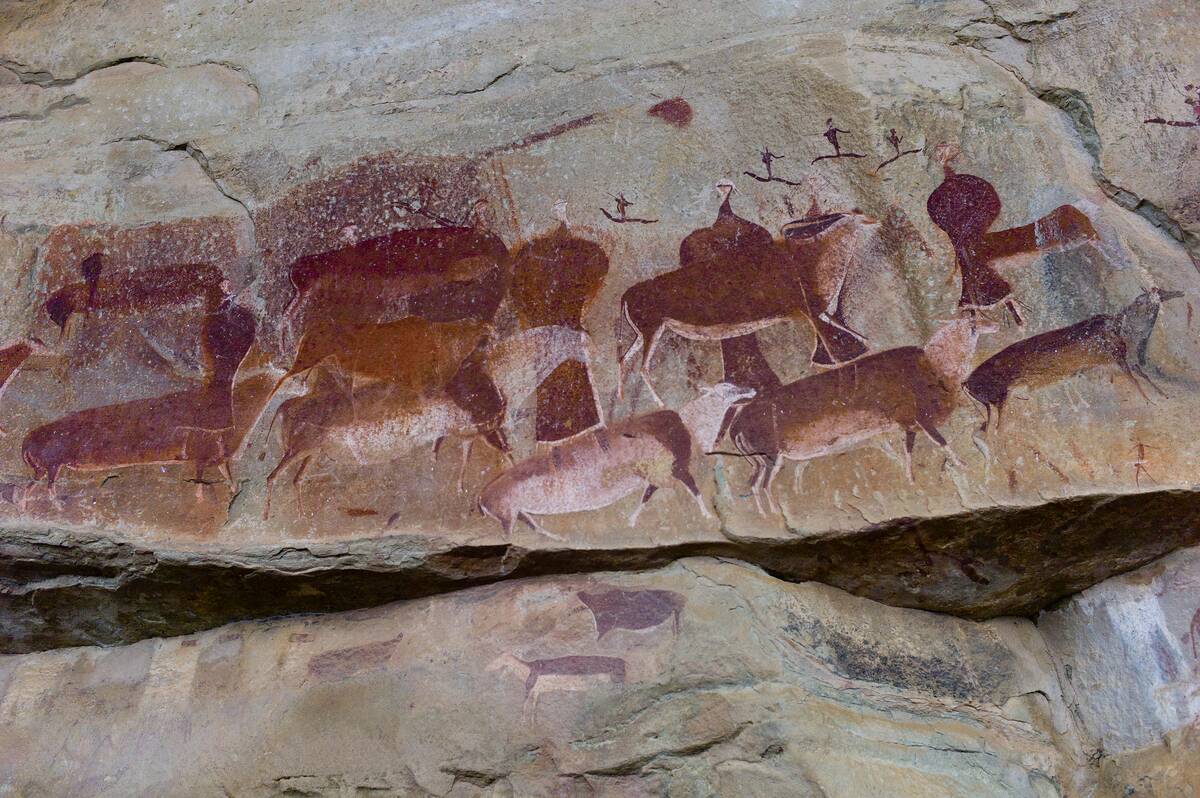
Shamans, often depicted in rock art, were believed to possess the ability to communicate with the spiritual world. These figures are frequently shown in trance-like states or surrounded by symbols of transformation.
In many cultures, shamans served as mediators between the physical and spiritual realms, guiding their communities through rituals and healing practices. Their presence in rock art highlights the revered role they played in maintaining the spiritual health and cohesion of their societies.
Animal Imagery: Totems and Guides to the Afterlife
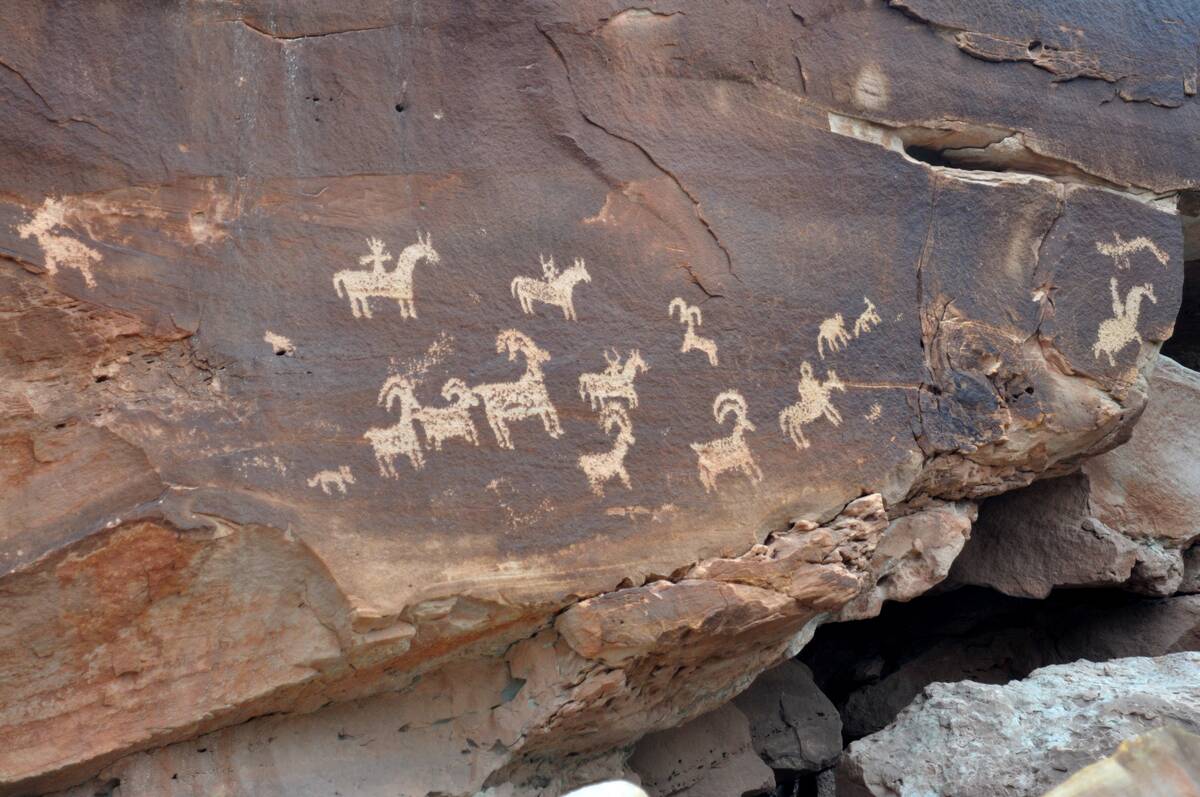
Animal imagery in rock art often represents totems or spiritual guides believed to aid in the journey to the afterlife. Certain animals were revered for their perceived spiritual powers and were thought to offer protection or guidance.
For instance, in Native American rock art, the bear is a common motif, symbolizing strength and healing. Such depictions reveal the deep connection ancient cultures had with the natural world and their belief in the animals’ role in spiritual matters.
The Significance of Burial Sites: A Connection to Rock Art
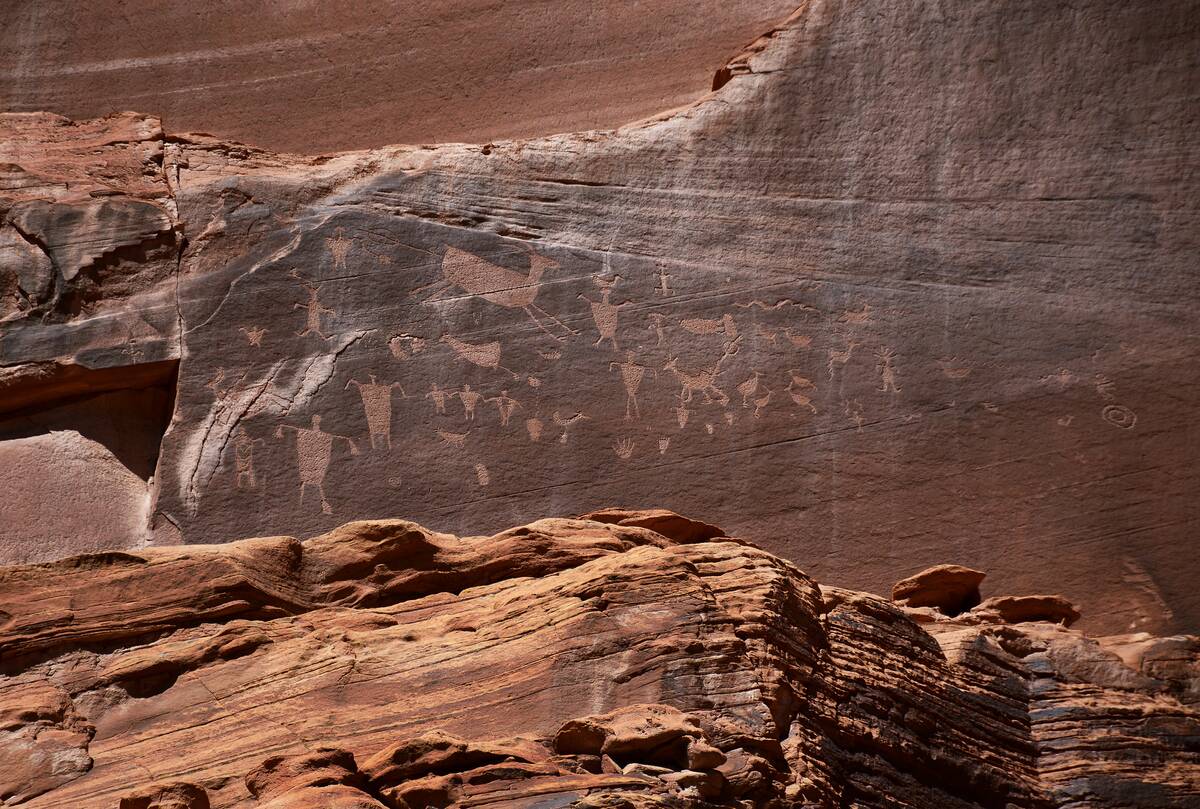
Rock art is often found near ancient burial sites, hinting at a possible connection between the two. These locations may have been chosen for their spiritual significance, serving as sacred spaces where the living could commune with the dead.
In many instances, the art appears to commemorate the deceased or depict scenes related to the afterlife. The proximity of rock art to burial sites underscores the importance of these artworks in rituals surrounding death and remembrance.
Regional Variations: Rock Art Across Different Cultures
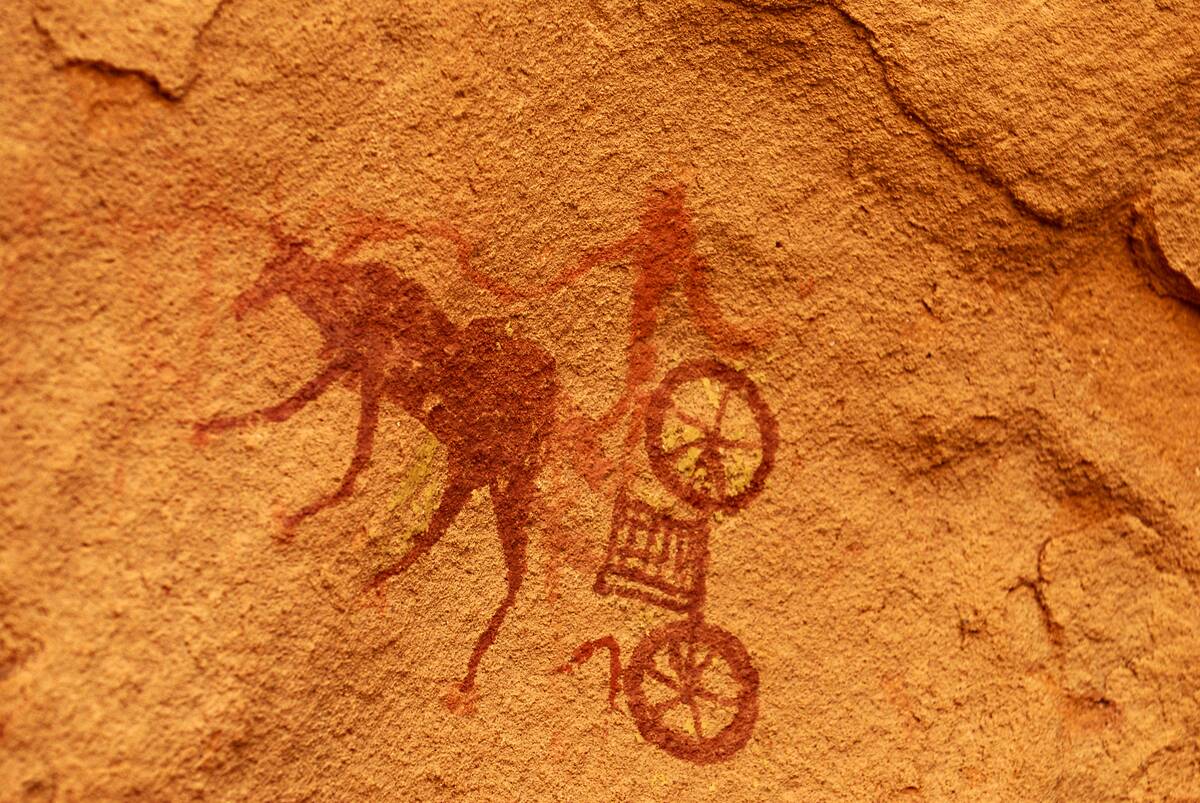
Rock art varies significantly across different cultures, reflecting the diverse beliefs and practices of ancient societies. For example, African rock art often features pastoral scenes, whereas Australian Aboriginal art is rich in symbolism and spiritual themes.
These regional differences highlight the unique environmental, social, and spiritual factors that influenced each culture. Studying these variations allows us to appreciate the rich tapestry of human expression and the myriad ways in which ancient peoples understood their world.
The Influence of Environment: How Landscapes Shaped Beliefs
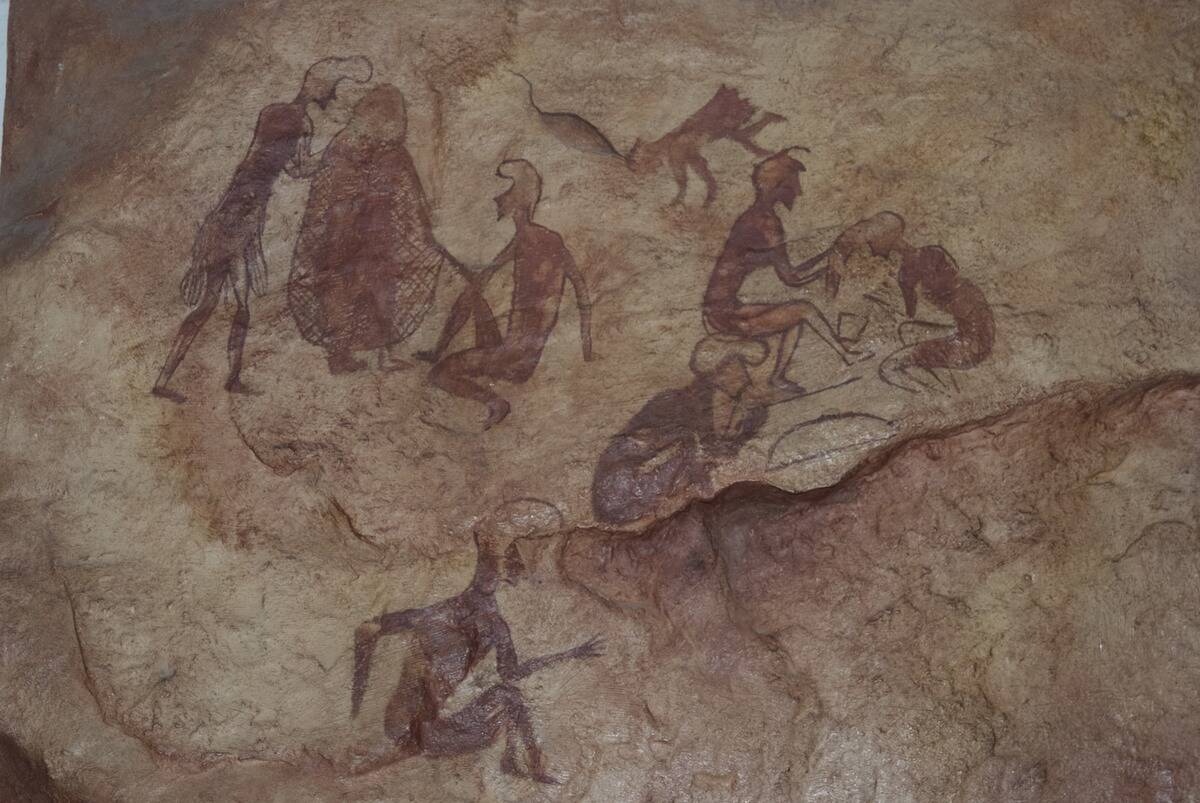
The environment in which ancient peoples lived played a crucial role in shaping their beliefs and, consequently, their rock art. The landscapes surrounding these sites often held spiritual significance, influencing the themes and symbols depicted.
For instance, desert regions might emphasize water sources as sacred, while mountainous areas could be associated with deities residing in high places. The interplay between environment and belief is evident in the art left behind, offering clues to the spiritual life of ancient communities.
Rock Art Techniques: Methods of Ancient Artists
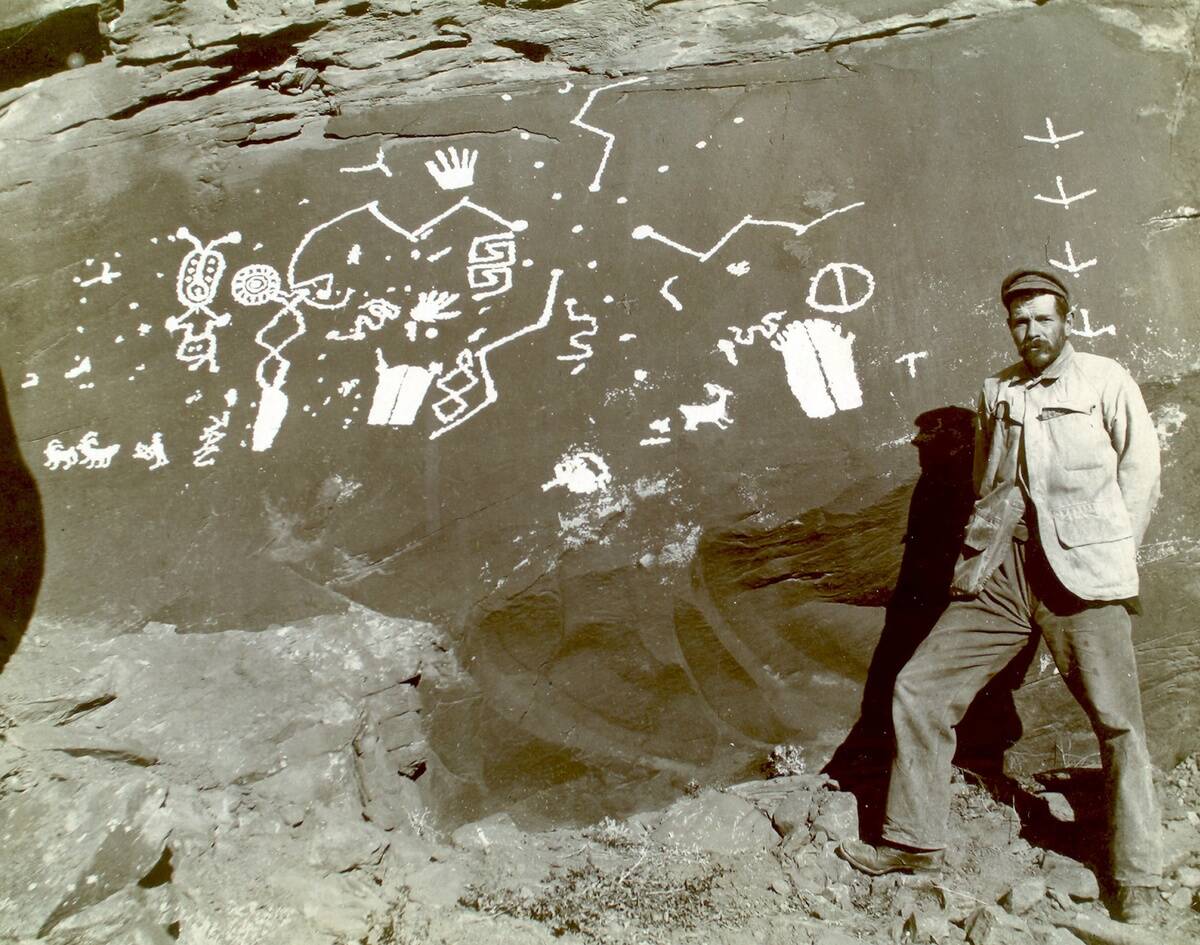
Ancient artists employed various techniques to create rock art, from simple engravings to elaborate paintings. Tools made from stone, bone, and wood were used to carve images into rock surfaces. Pigments derived from natural materials like ochre, charcoal, and clay were applied to create vivid paintings.
The choice of technique often depended on the available resources and the intended permanence of the artwork. These methods reflect the ingenuity and adaptability of ancient artists in expressing their cultural narratives.
Interpreting Rock Art: The Challenges and Controversies
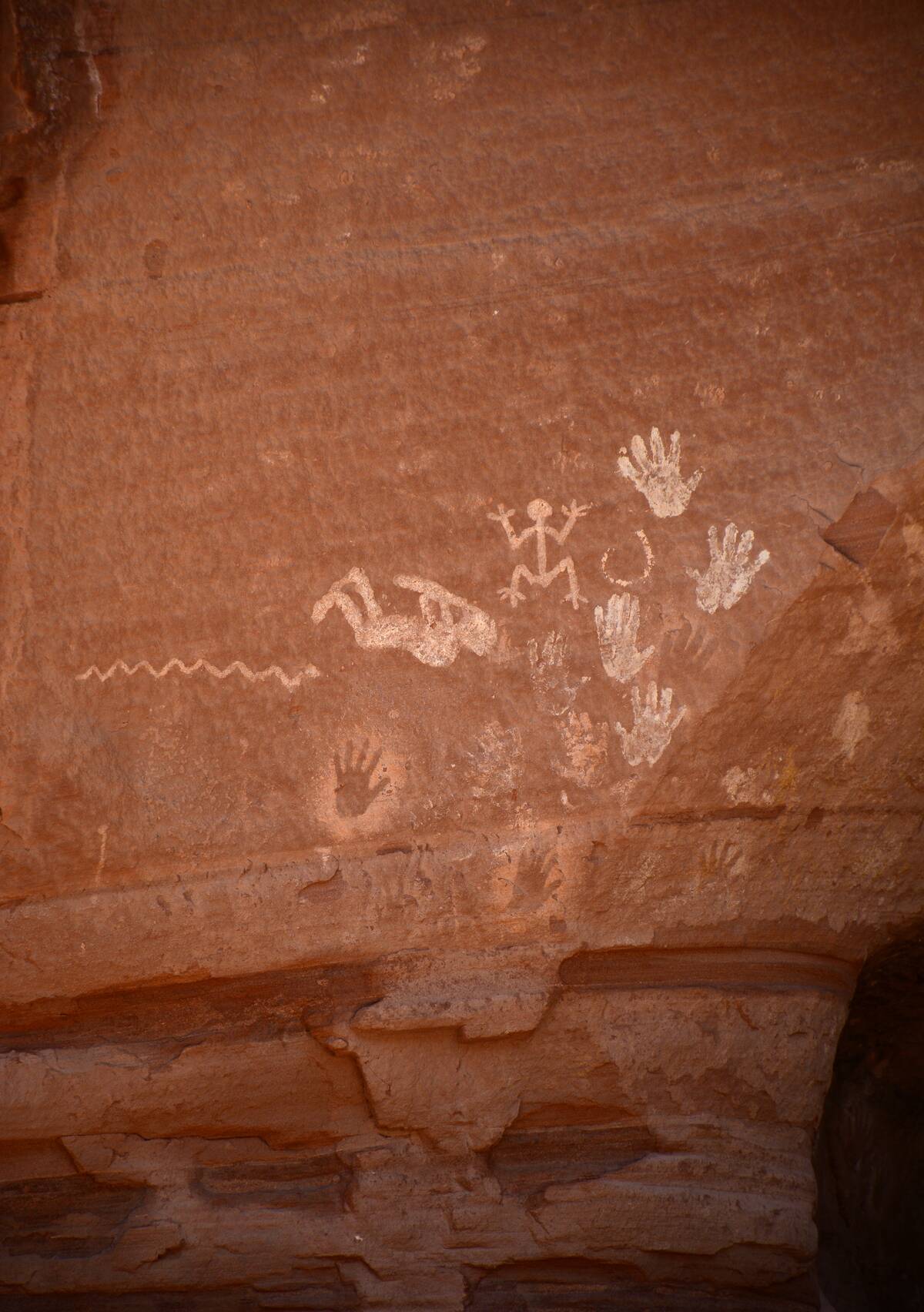
Interpreting rock art presents numerous challenges and controversies, as modern researchers attempt to understand its meanings without the benefit of a written record. Diverse perspectives, including archaeological, anthropological, and indigenous viewpoints, contribute to ongoing debates about interpretation.
Additionally, the risk of projecting contemporary biases onto ancient works complicates efforts to accurately discern their significance. Despite these challenges, rock art remains a valuable resource for piecing together the beliefs and practices of ancient cultures.